Movies with the Most Stunning Use of Practical Makeup Effects



From foam latex appliances and hair-punching to airbrushed pigments and full-body creature suits, practical makeup effects have shaped how film brings characters and monsters to life. The movies below showcase innovations that set new industry standards—often under tight schedules and with painstaking daily applications. You’ll find groundbreaking aging techniques, transformative prosthetics, and suit work that defined entire eras of genre filmmaking. Here are twenty films that exemplify just how far practical makeup can go on screen.
‘Frankenstein’ (1931)
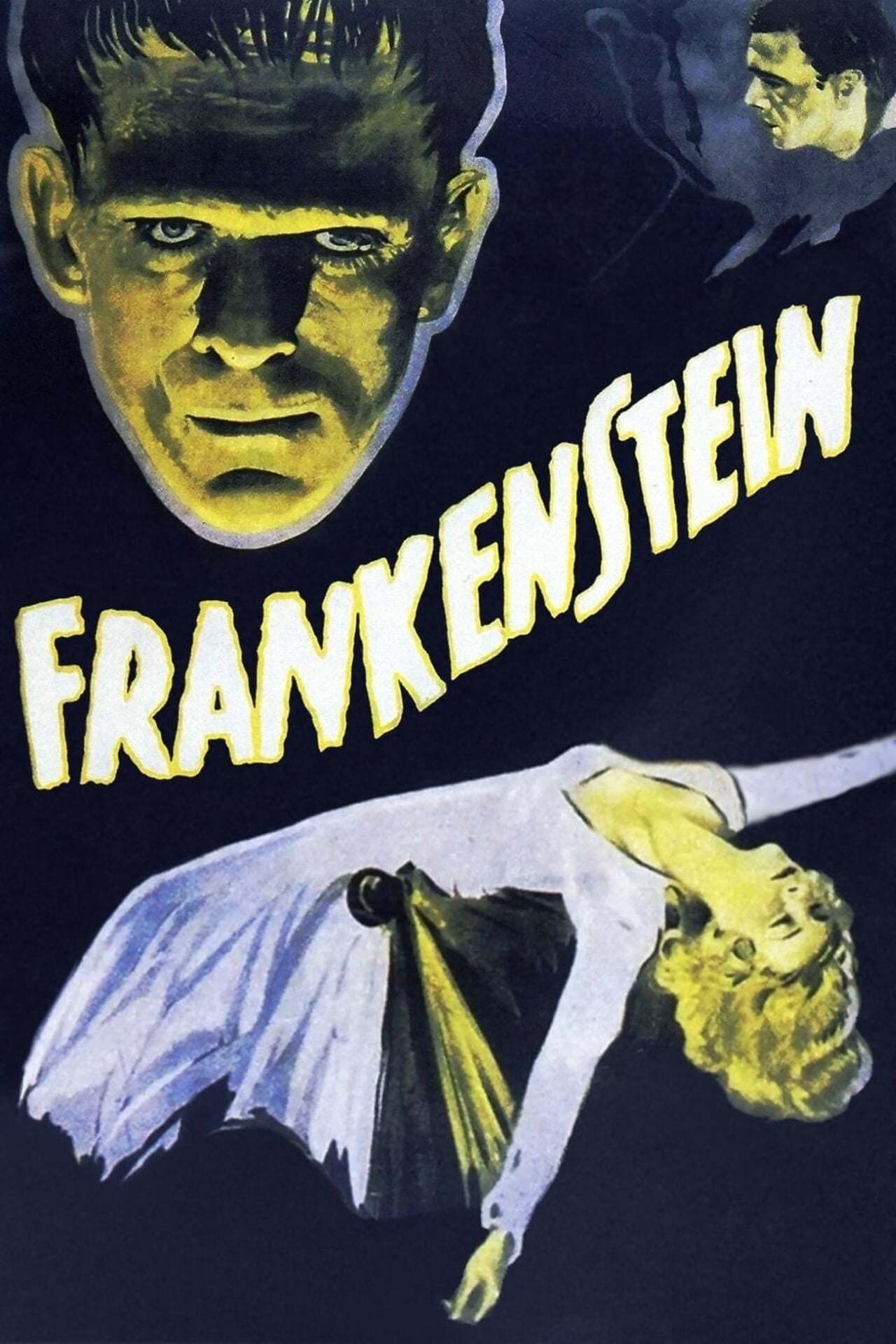
Jack Pierce devised Boris Karloff’s iconic look using cotton, collodion, mortician’s wax, and a custom headpiece to create the flat-top silhouette. The design incorporated built-up eyelids and dental devices to alter Karloff’s facial structure and speech. Bolts and scars were sculpted directly onto the skin with layered materials for depth. The makeup’s modular pieces allowed for repeated application during the shoot without complete rebuilds.
‘The Wizard of Oz’ (1939)
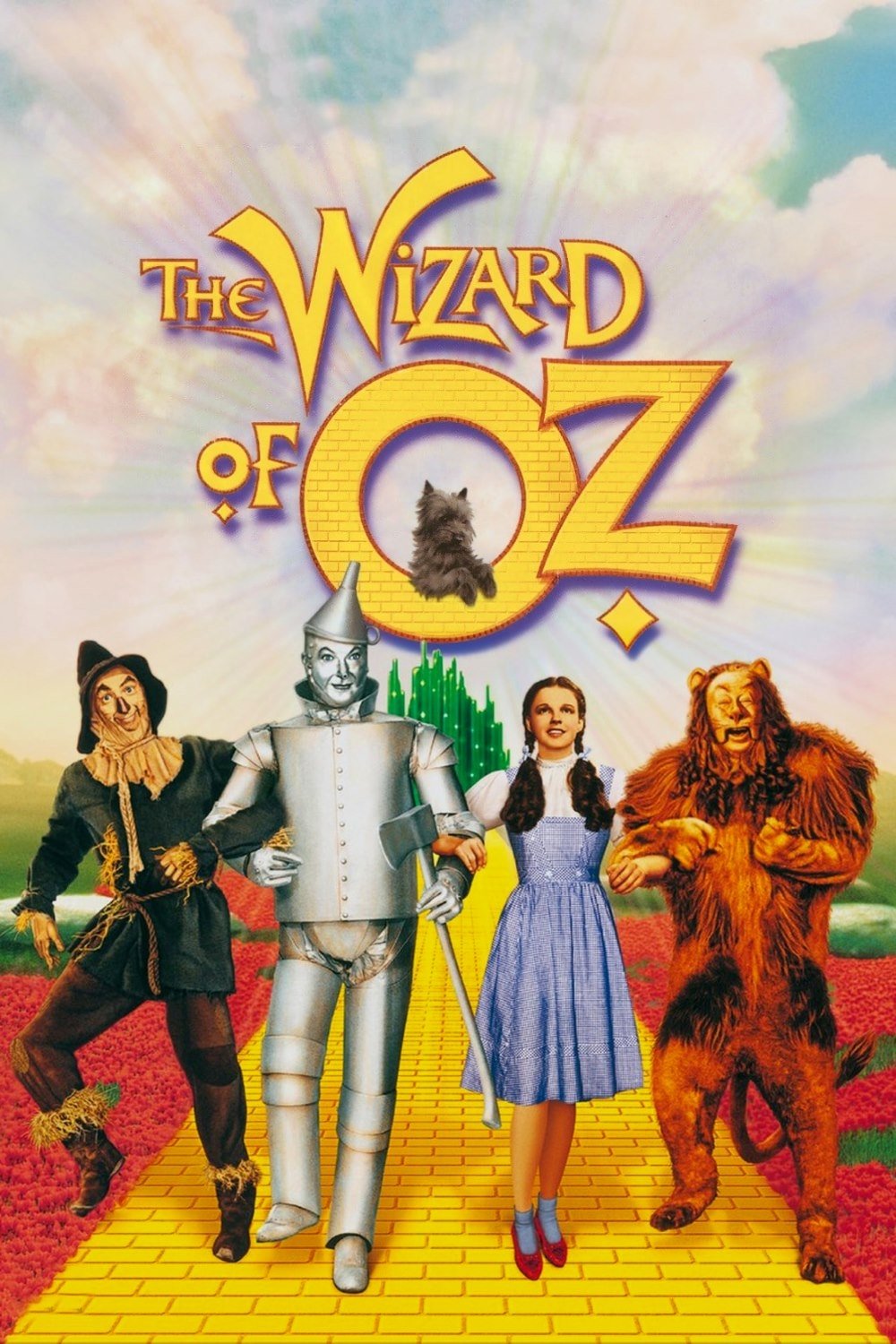
The production relied on extensive prosthetics for nonhuman characters, with foam rubber appliances shaping the Scarecrow’s features and a full facial assembly for the Tin Man. After early health issues with metallic powders, safer formulations and application methods were adopted for actors’ safety. The Cowardly Lion’s look used a real-fur suit with meticulous ventilation and maintenance routines. Green skin paints for the Wicked Witch were tested for camera response and long-wear durability under hot lights.
‘The Wolf Man’ (1941)
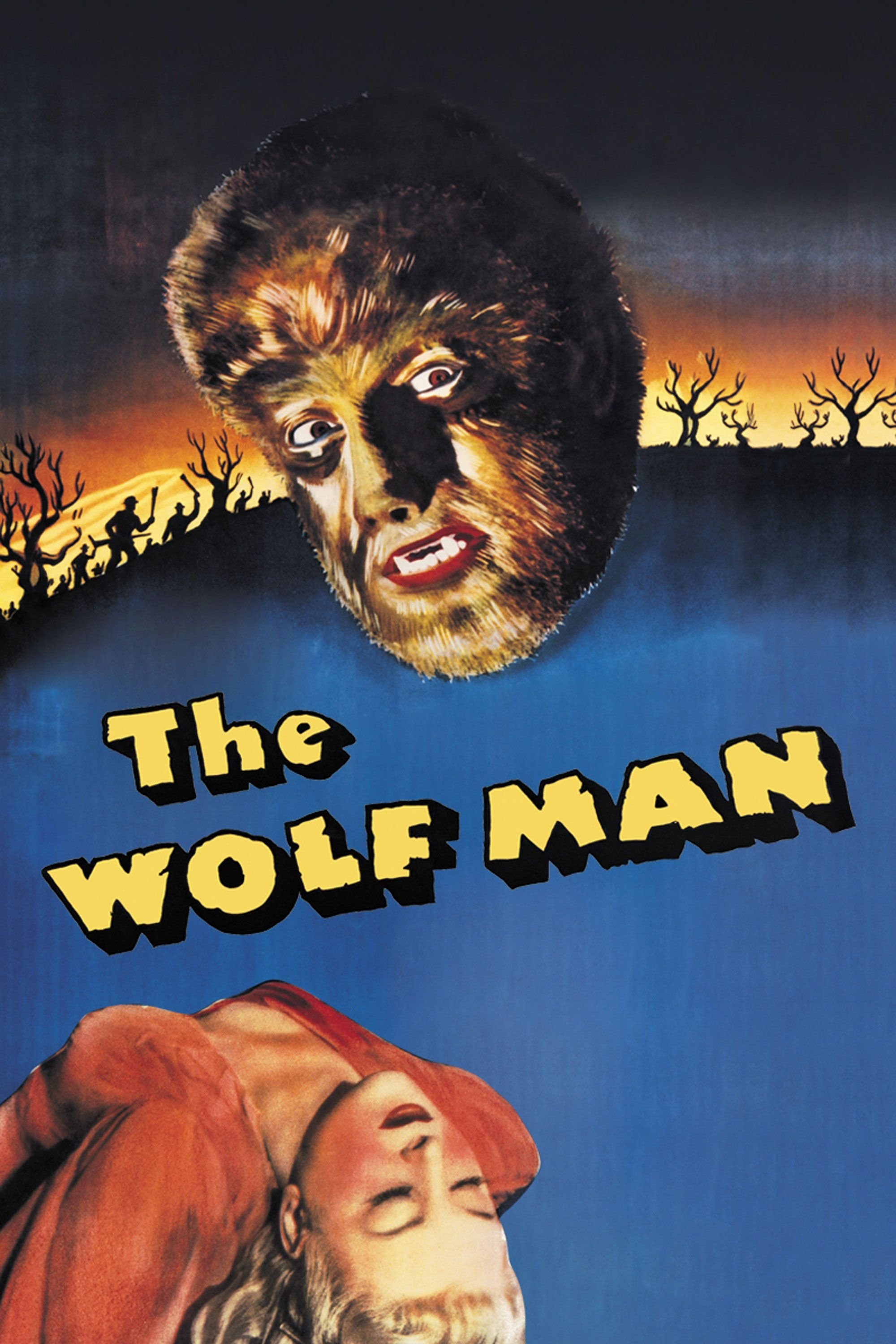
Jack Pierce hand-laid yak hair in overlapping layers to create a realistic pelt directly on Lon Chaney Jr.’s face and hands. The transformation sequences used incremental appliances photographed in staged phases. Spirit gum and collodion ensured secure adhesion during long shooting days. Additional hand appliances and claw extensions completed the creature silhouette.
‘Planet of the Apes’ (1968)

John Chambers pioneered multi-piece facial appliances that preserved actor mobility for nuanced performances. Custom dental prosthetics and jaw extensions altered speech and mouth shapes. A large team handled daily casting, painting, and hair work to maintain continuity across hundreds of background performers. The show standardized rapid-fitting techniques to keep shooting on schedule.
‘The Exorcist’ (1973)

Dick Smith’s approach combined aging makeup for a much-younger actor with complex appliances for Regan’s possession stages. Pneumatic and tubing rigs enabled projectile fluid gags synchronized with performance. Contact lenses and dental appliances escalated the character’s transformation across scenes. Controlled skin texturing and color layering sold the illusion under harsh, realistic lighting.
‘An American Werewolf in London’ (1981)
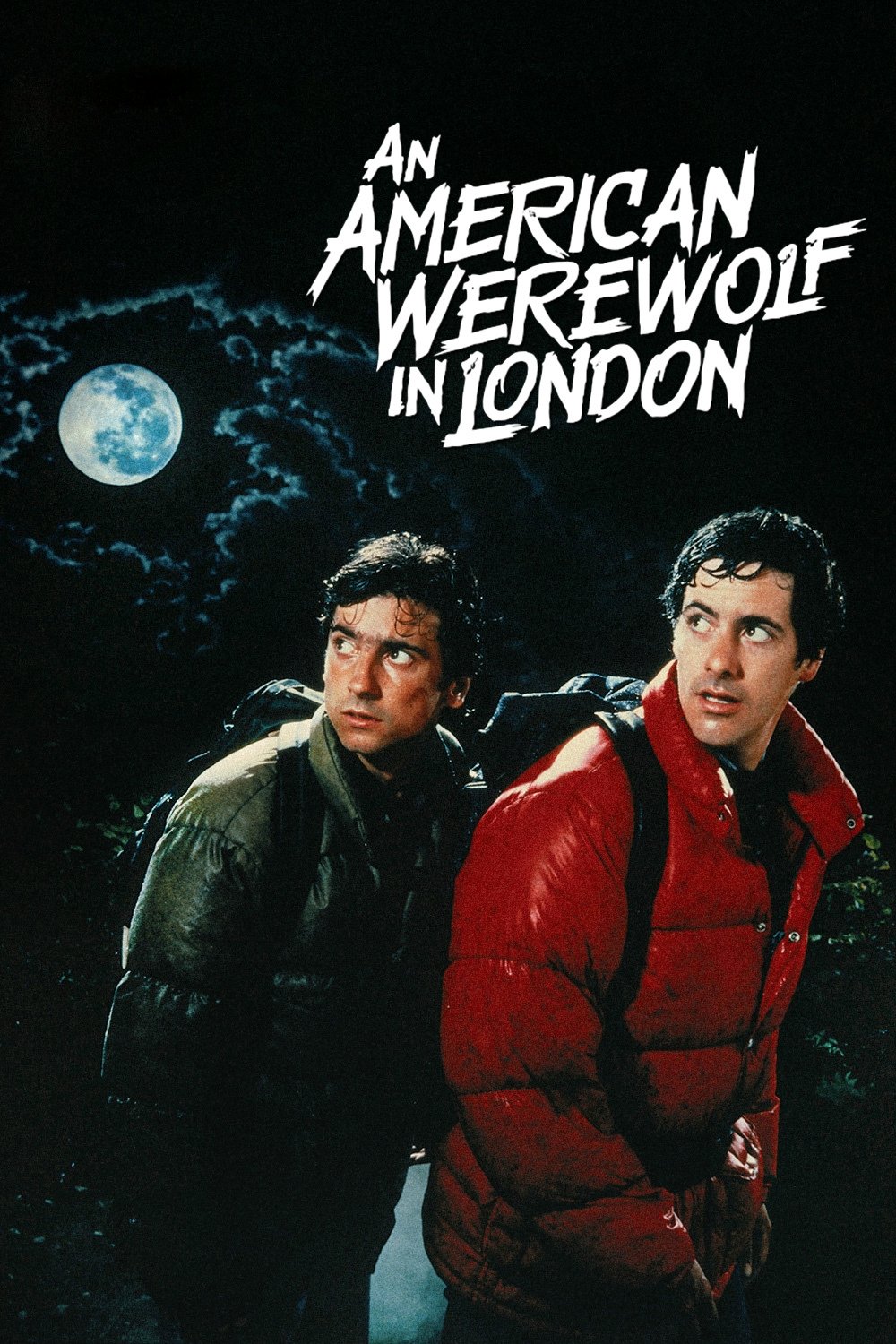
Rick Baker executed an on-camera transformation using inflatable bladder systems under foam latex to simulate skin stretching. Mechanical limb extensions sold the elongation of hands and feet in real time. Progressive appliances mapped each stage of change, allowing seamless cuts between setups. Hair was punched and glued in stages to track growth shot by shot.
‘The Thing’ (1982)

Rob Bottin’s team built animatronic and makeup hybrids—gelatin, foam latex, and mechanical rigs—to realize shape-shifting organisms. Heat-sensitive materials and puppetry allowed organic movement under camera. A separate creature sequence utilized additional work by Stan Winston to meet production needs. Multi-operator rigs coordinated tentacles, jaws, and fluids for complex practical gags.
‘The Elephant Man’ (1980)
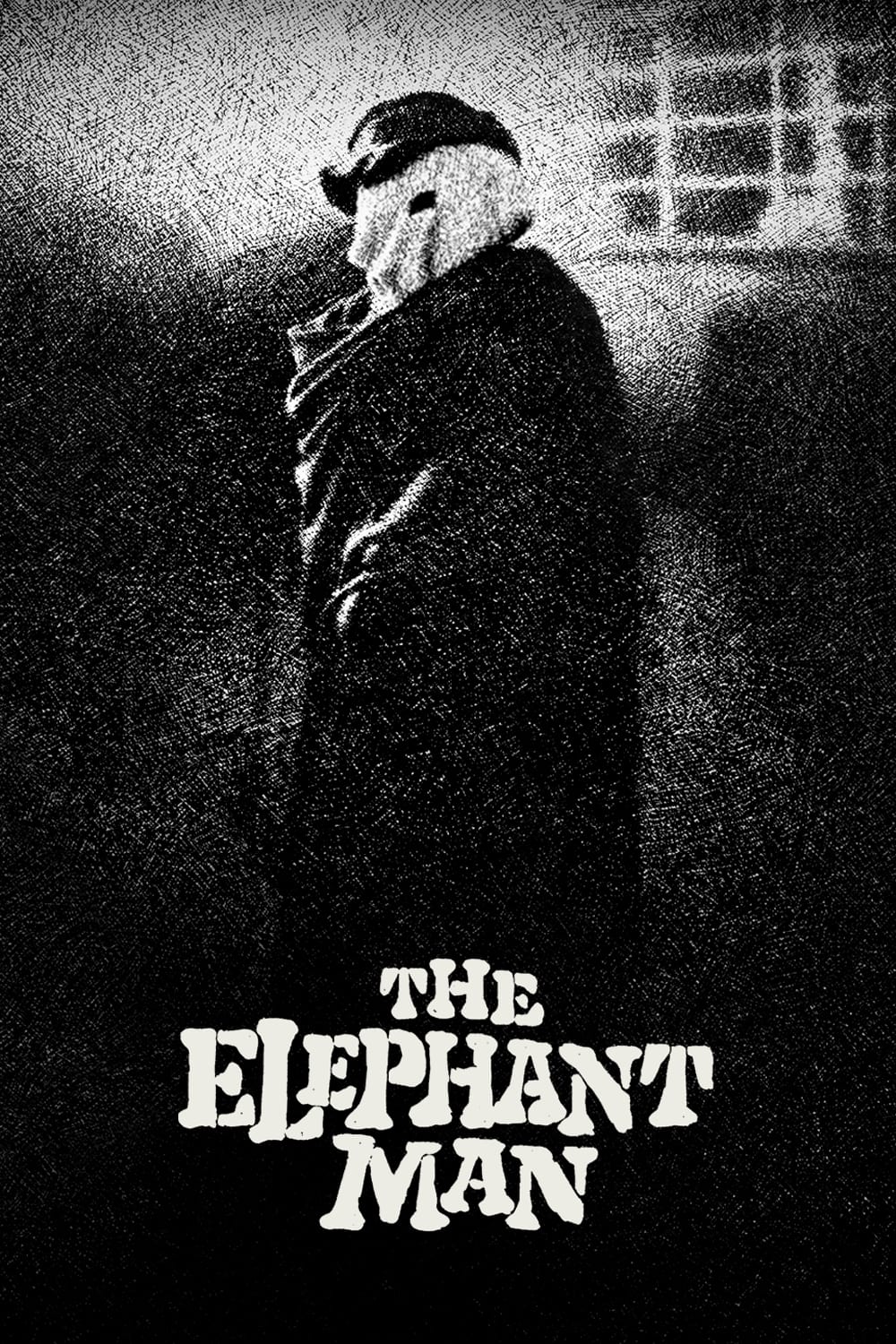
Christopher Tucker created a full-head and upper-body prosthetic system derived from anatomical study and lifecasts. The appliance was engineered for long wear while preserving the actor’s expressiveness. Layered silicone and foam components produced convincing skin translucency. Daily application involved precise venting and careful removal to avoid skin damage.
‘The Fly’ (1986)
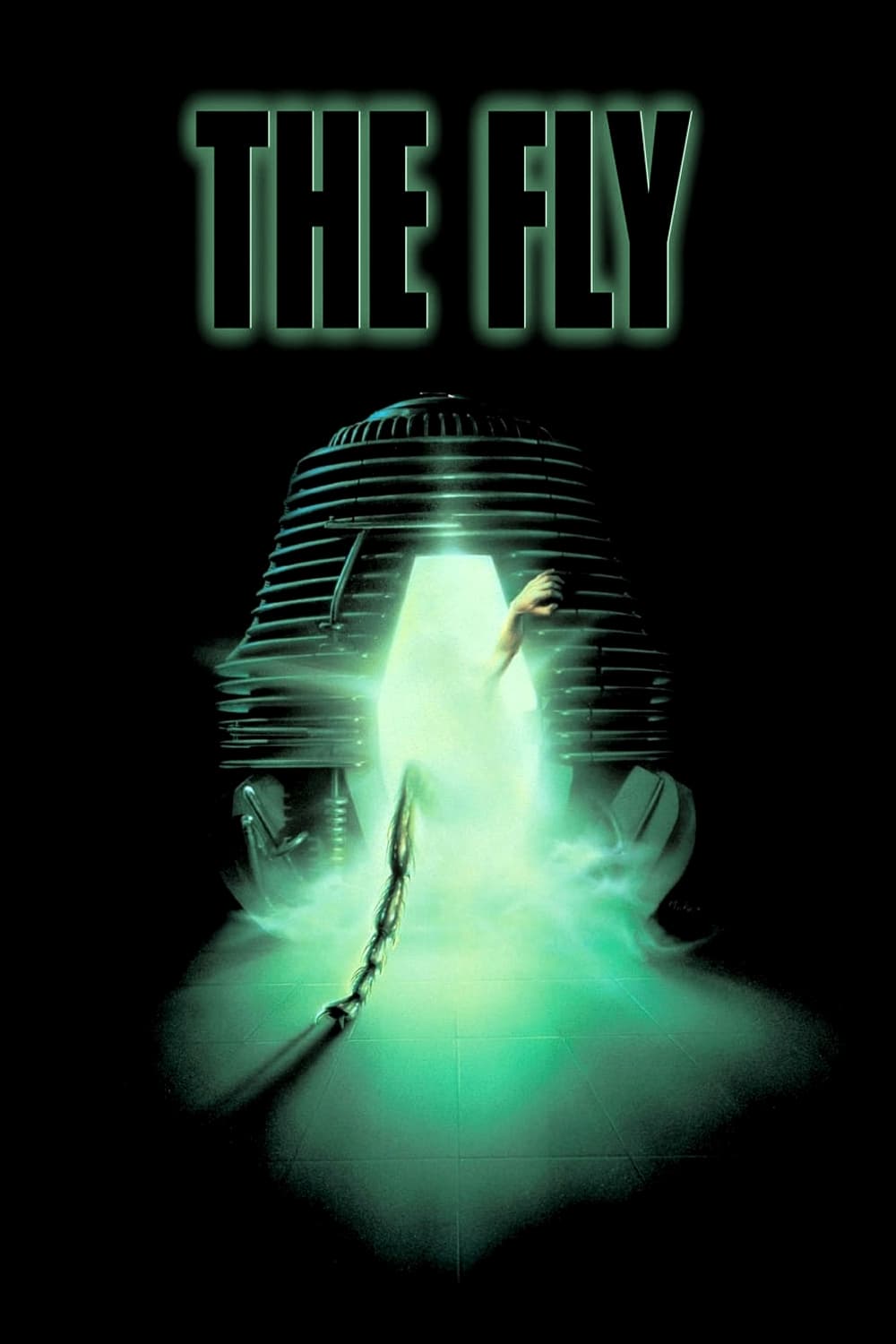
Chris Walas devised a stage-by-stage progression using increasingly extensive appliances to track the character’s deterioration. Dental pieces, contact lenses, and limb attachments escalated the transformation. Gelatin and foam latex provided flexible, tearable surfaces for practical effects gags. The makeup plan was charted scene-by-scene to maintain continuity across multiple units.
‘Bram Stoker’s Dracula’ (1992)
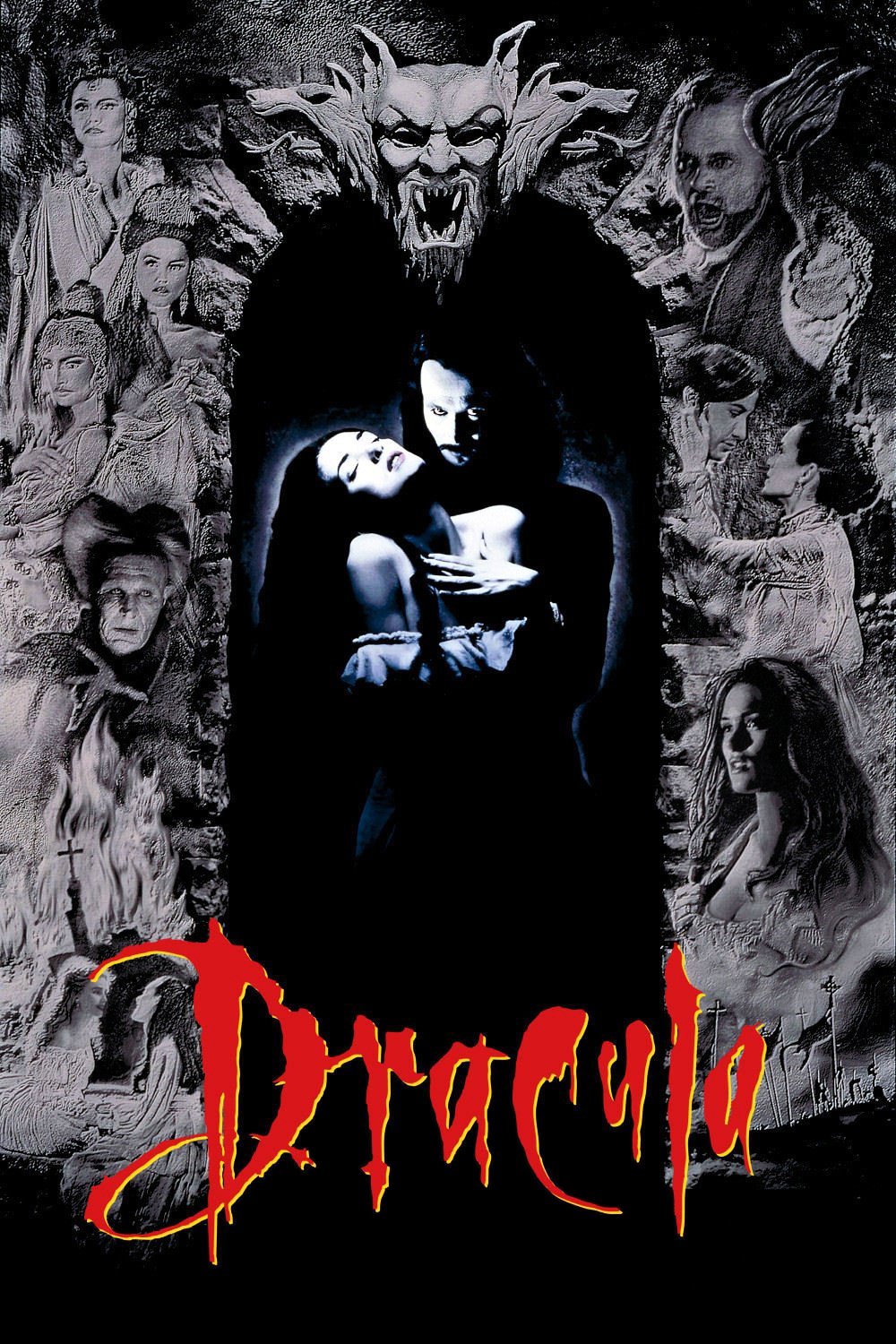
Greg Cannom led diverse looks—from age makeup to creature designs—built around foam latex prosthetics and elaborate hair work. Blood effects and translucent veining were layered with alcohol-activated paints for durability. Multiple character forms required individualized cowl and face systems to fit movement and lighting setups. Seam placement followed facial motion lines to minimize visible edges.
‘Mrs. Doubtfire’ (1993)

Ve Neill and Greg Cannom produced a multi-piece facial prosthetic and bodysuit that allowed full-range expression. The design used lightweight materials to manage heat and long wear times during dialogue-heavy scenes. Reusable appliance sections enabled quick touch-ups between takes. Paintwork balanced pore texture and color variation to read as natural skin under varied lighting.
‘Interview with the Vampire’ (1994)

Stan Winston Studio implemented pallor and vascular effects through layered paints and subtle airbrushing. Custom scleral lenses altered eye size perception and color for otherworldly presence. Dental appliances reshaped bite profiles without obstructing speech. Bloodlines and translucency were calibrated to maintain consistency across night and interior lighting.
‘Star Wars: Episode IV – A New Hope’ (1977)
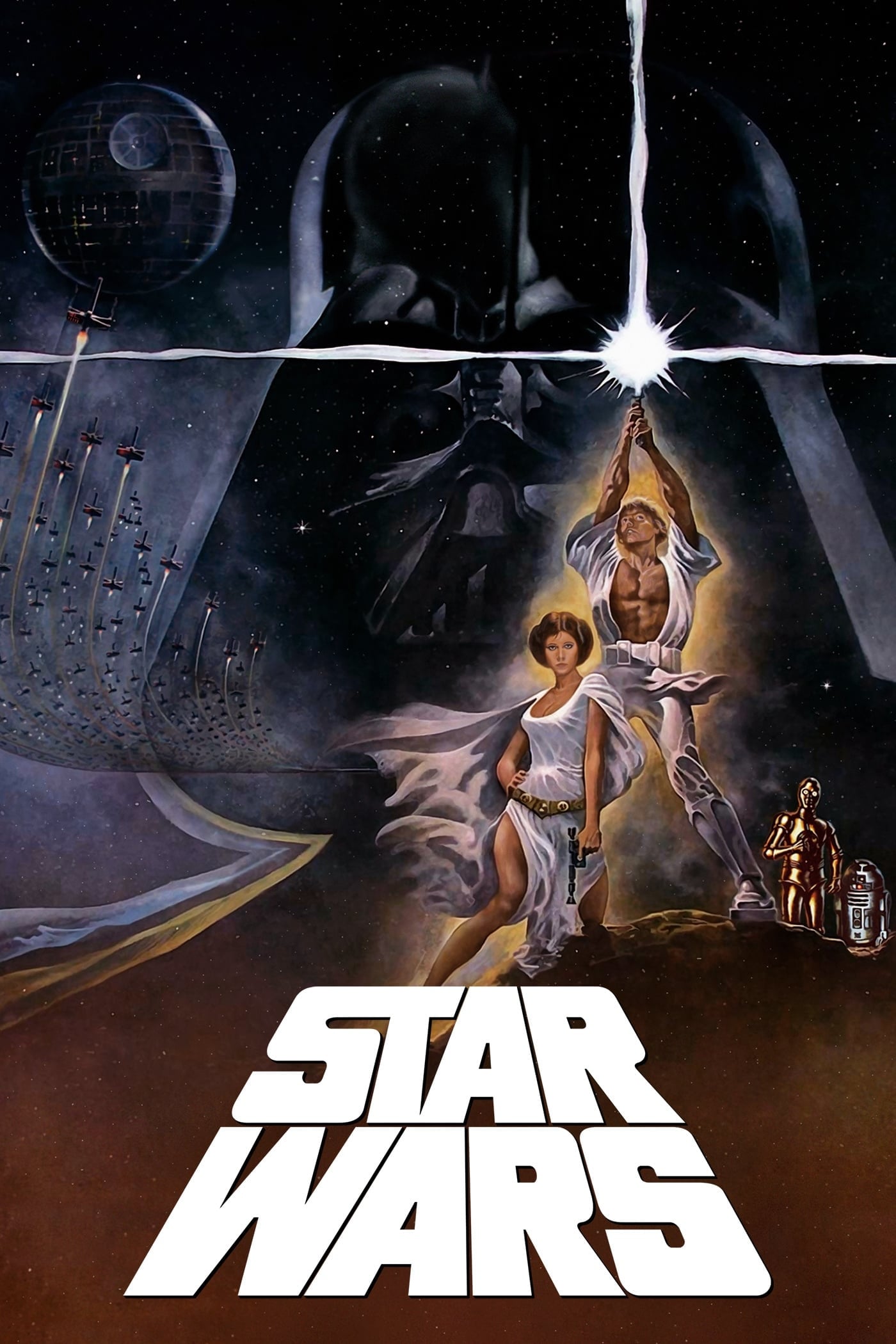
Stuart Freeborn’s team produced an array of cantina and creature masks using foam latex, fiberglass, and hand-laid hair. Modular designs allowed quick swapping and repairs during fast-paced shooting days. Animatronic elements were integrated selectively for eye and mouth movement. Paint finishes used matte sealing to avoid unwanted reflections under bright set lighting.
‘The Lord of the Rings: The Fellowship of the Ring’ (2001)

Weta Workshop developed large-scale prosthetic pipelines for orcs, Uruk-hai, and hobbits, including custom feet and ear appliances. Daily mass applications were scheduled with assembly-line efficiency across multiple makeup tents. Silicone and foam pieces were tinted internally to minimize paint time and edge visibility. Sweat management and ventilation strategies kept performers comfortable during extended battle scenes.
‘Pan’s Labyrinth’ (2006)

David Martí and Montse Ribé crafted full-body suits and facial appliances for the Faun and the Pale Man, fitted precisely to the performer’s body. Delicate finger extensions and mechanical elements enabled expressive, slow movements. Paintwork emphasized translucency and mottling to replicate organic skin surfaces. The production coordinated suit ventilation and hydration to sustain long performance days.
‘The Dark Knight’ (2008)
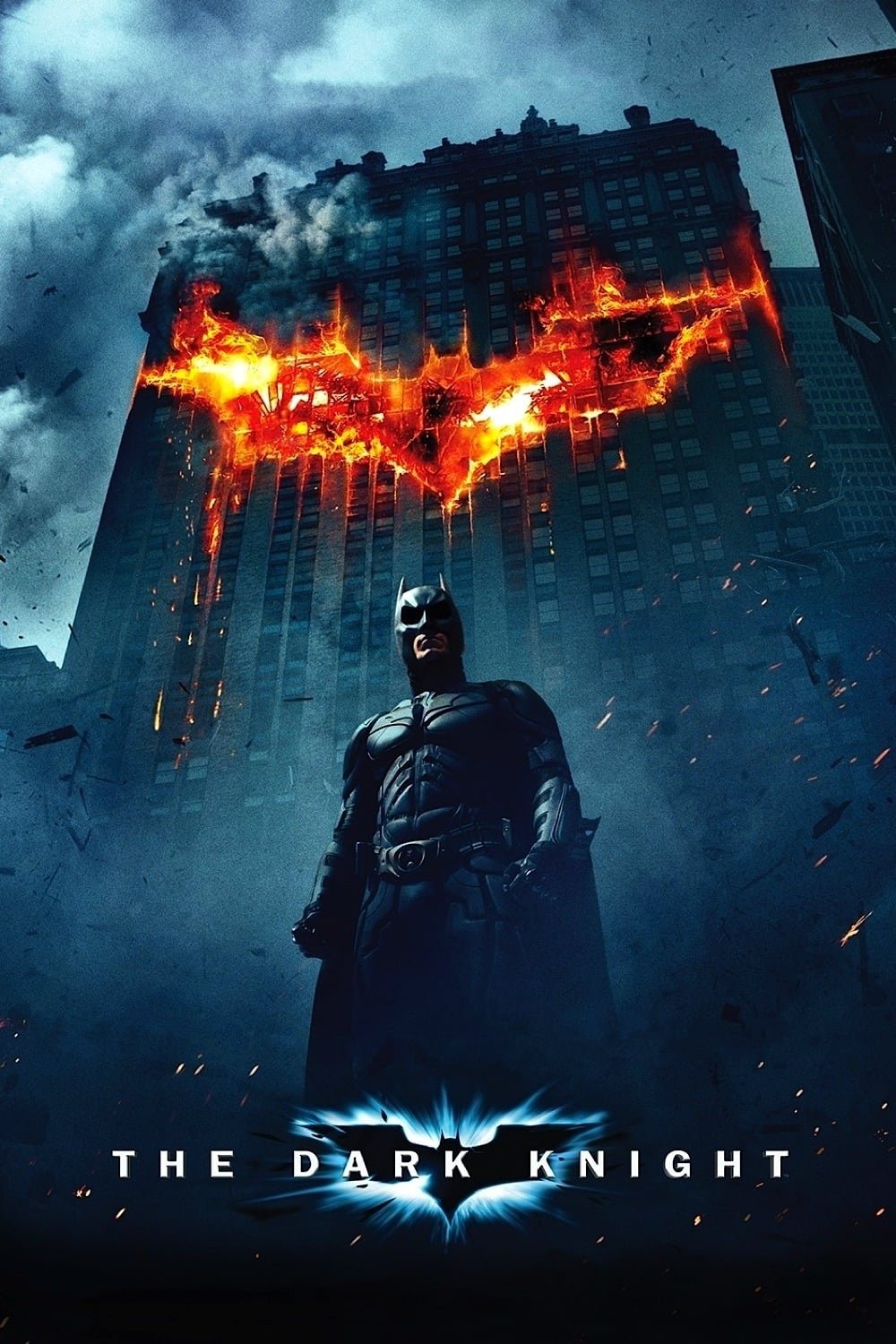
John Caglione Jr. and Conor O’Sullivan created scar appliances built to integrate seamlessly with smudged clown makeup. Alcohol-activated pigments allowed realistic wear, tear, and reapplication across action scenes. The approach favored quick-reset techniques to maintain continuity during complex setups. Dental and hair work completed the character’s asymmetrical, stressed appearance.
‘The Curious Case of Benjamin Button’ (2008)
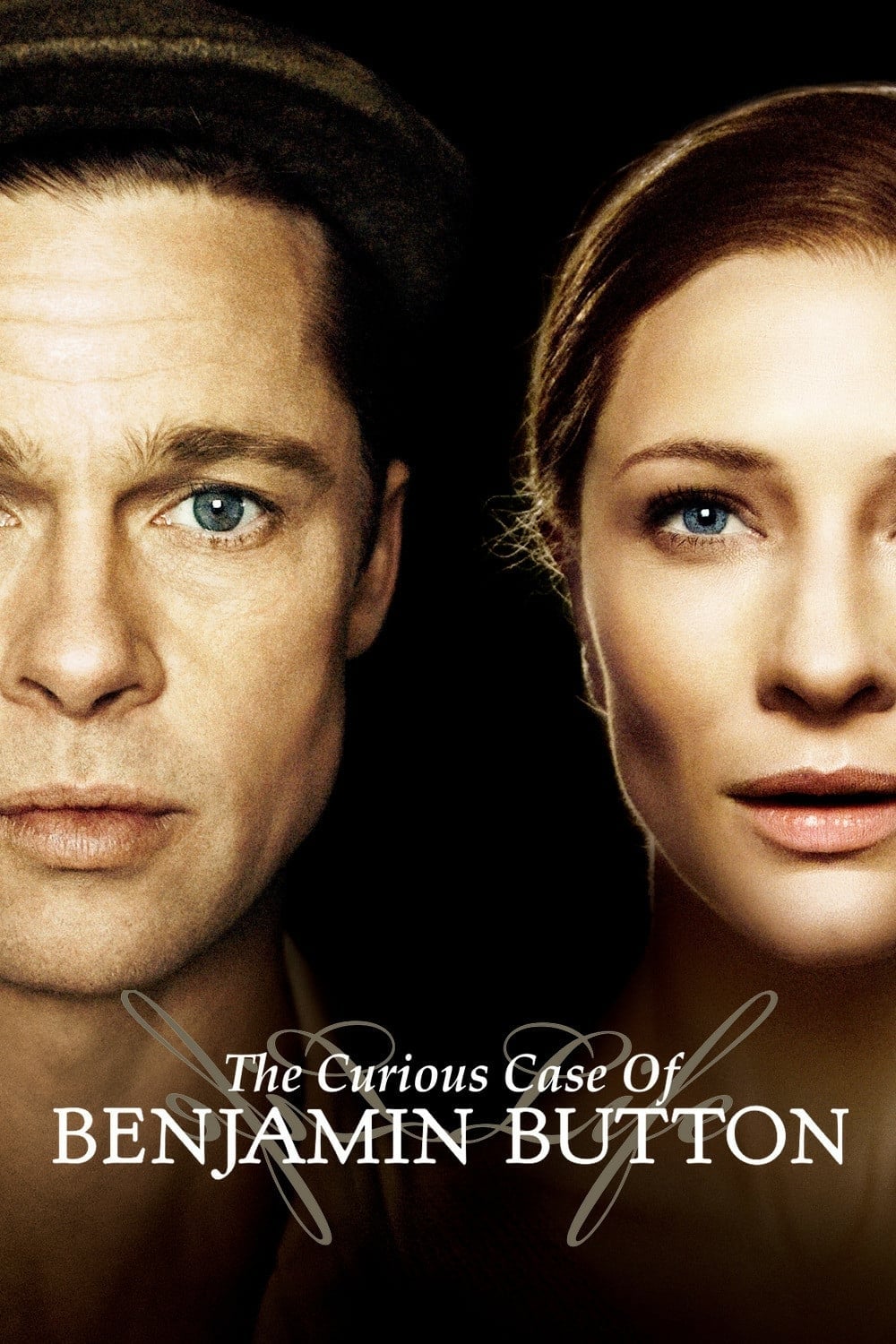
Greg Cannom and Kazu Hiro developed aging makeups that interfaced with digital techniques while remaining wearable on set. Multi-piece appliances preserved facial mobility for close-ups. Silicone skins with embedded coloration reduced reliance on surface paint. Custom bald caps, hair work, and dental appliances supported distinct life stages.
‘Star Trek’ (2009)
Barney Burman, Mindy Hall, and Joel Harlow fielded dozens of alien prosthetic designs with varied textures and silhouettes. Rapid application workflows handled large background casts alongside principal characters. Silicone appliances used translucency and sub-surface coloration to photograph convincingly. Integrated dentures and contact lenses finalized species-specific looks.
‘Mad Max: Fury Road’ (2015)

Lesley Vanderwalt’s department used airbrushing, scarification appliances, and dusting techniques to establish a cohesive wasteland aesthetic. Immortan Joe’s respirator and facial appliances were engineered for durability during stunts. Heat-resistant adhesives and sweat control protocols supported desert conditions. Large-scale crowd applications maintained consistent tribe-specific markings and grime.
‘The Shape of Water’ (2017)
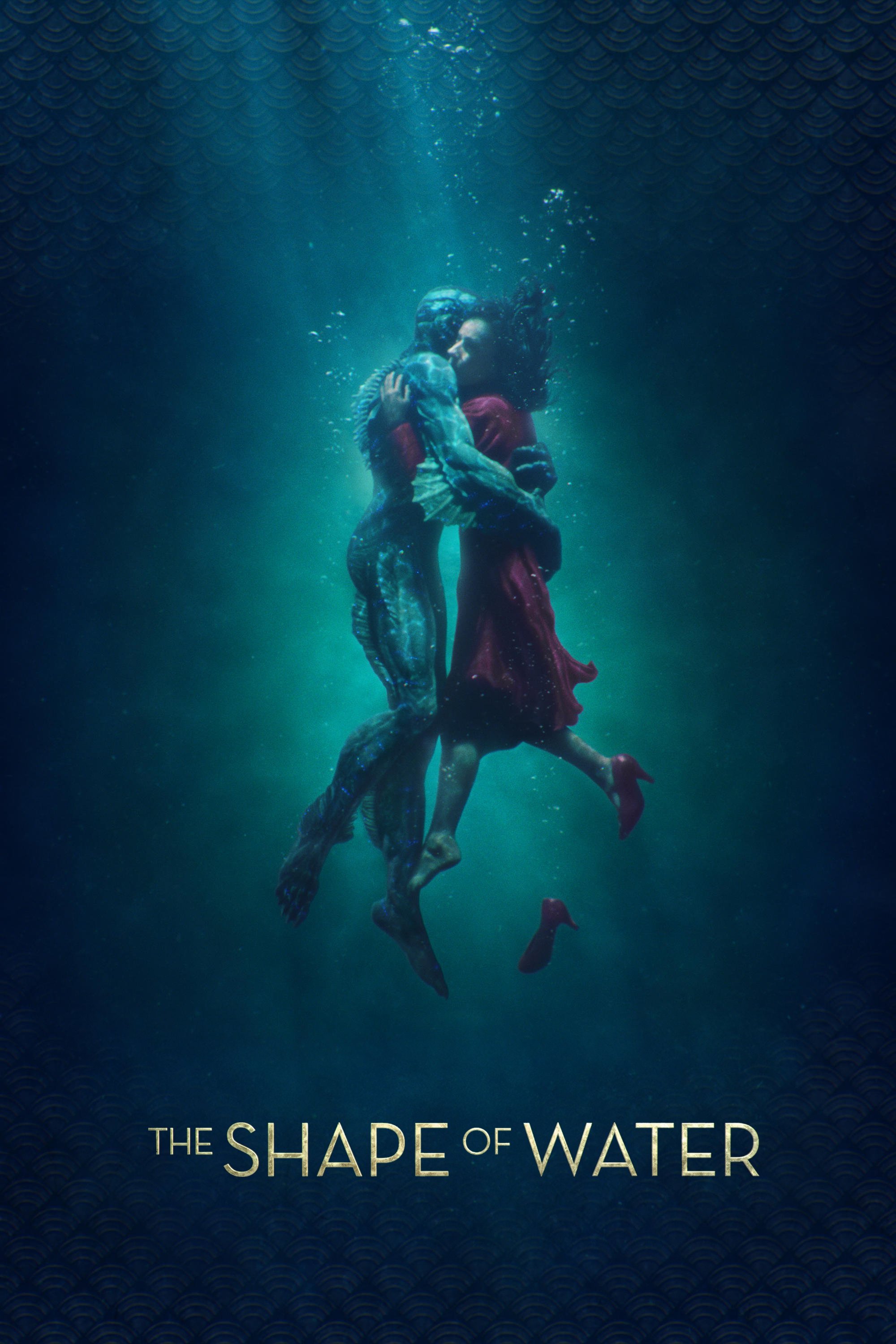
Legacy Effects constructed a layered creature suit with flexible foam and silicone surfaces tailored to the performer. Embedded mechanics supported gill flutter and subtle facial movement. Paint finishes incorporated metallic and pearlescent elements to read as amphibious skin under water and stage lighting. The suit’s modular sections facilitated quick repairs and targeted ventilation during long takes.
Share your favorites or any must-add titles in the comments!