20 TV Shows with the Most Stunning Location Shooting on a Budget

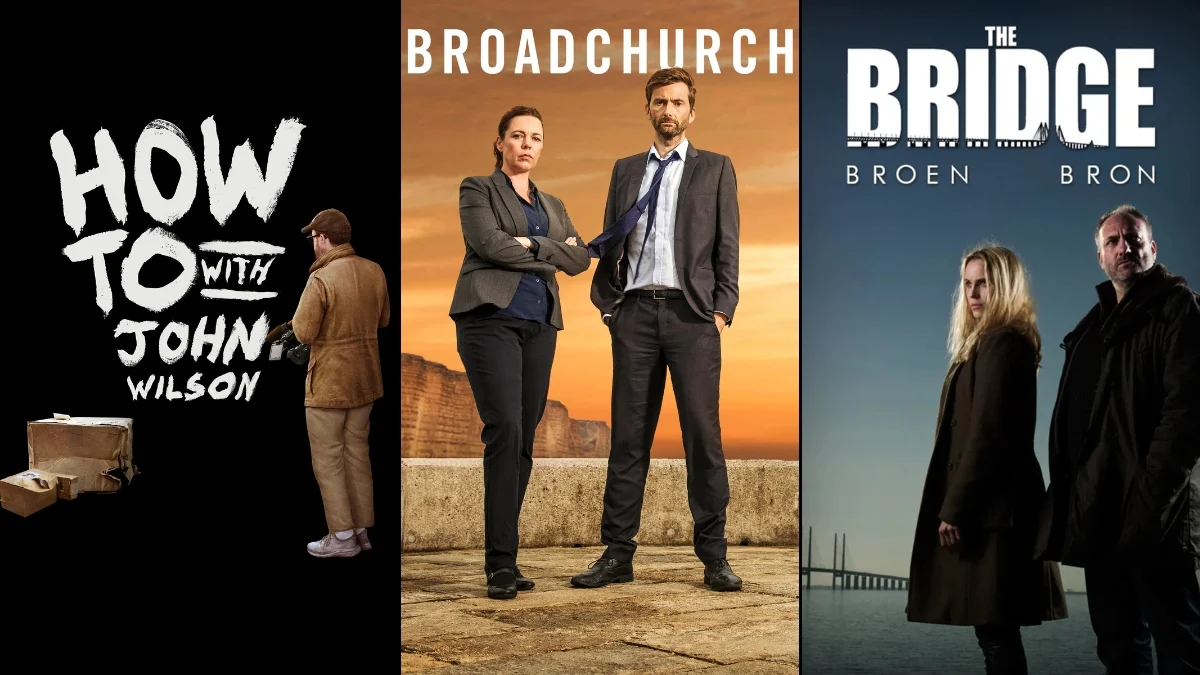

Great location work doesn’t have to break the bank—plenty of series have turned real streets, small towns and natural landscapes into cinematic backdrops using tight crews, local permits and smart scheduling. The shows below leaned on practical locations, regional incentives, and community cooperation to stretch every dollar while still looking gorgeous on screen. You’ll find productions that built visual identity from real places, used natural light to cut costs, and worked with small, agile teams to move quickly. Each entry highlights where they filmed, how they kept expenses down, and the practical tricks that made the scenery shine.
‘High Maintenance’ (2016–2020)

The production shot across all five boroughs in actual apartments, storefronts and sidewalks secured with minimal permits and short company moves. Many episodes used tiny crews and natural light, reducing gear, transport and time-on-location costs. Stories were written to match accessible neighborhoods, so locations served both narrative and budget. The result was a patchwork of real New York interiors and exteriors captured quickly between active city traffic and regular resident schedules.
‘How To with John Wilson’ (2020–2023)
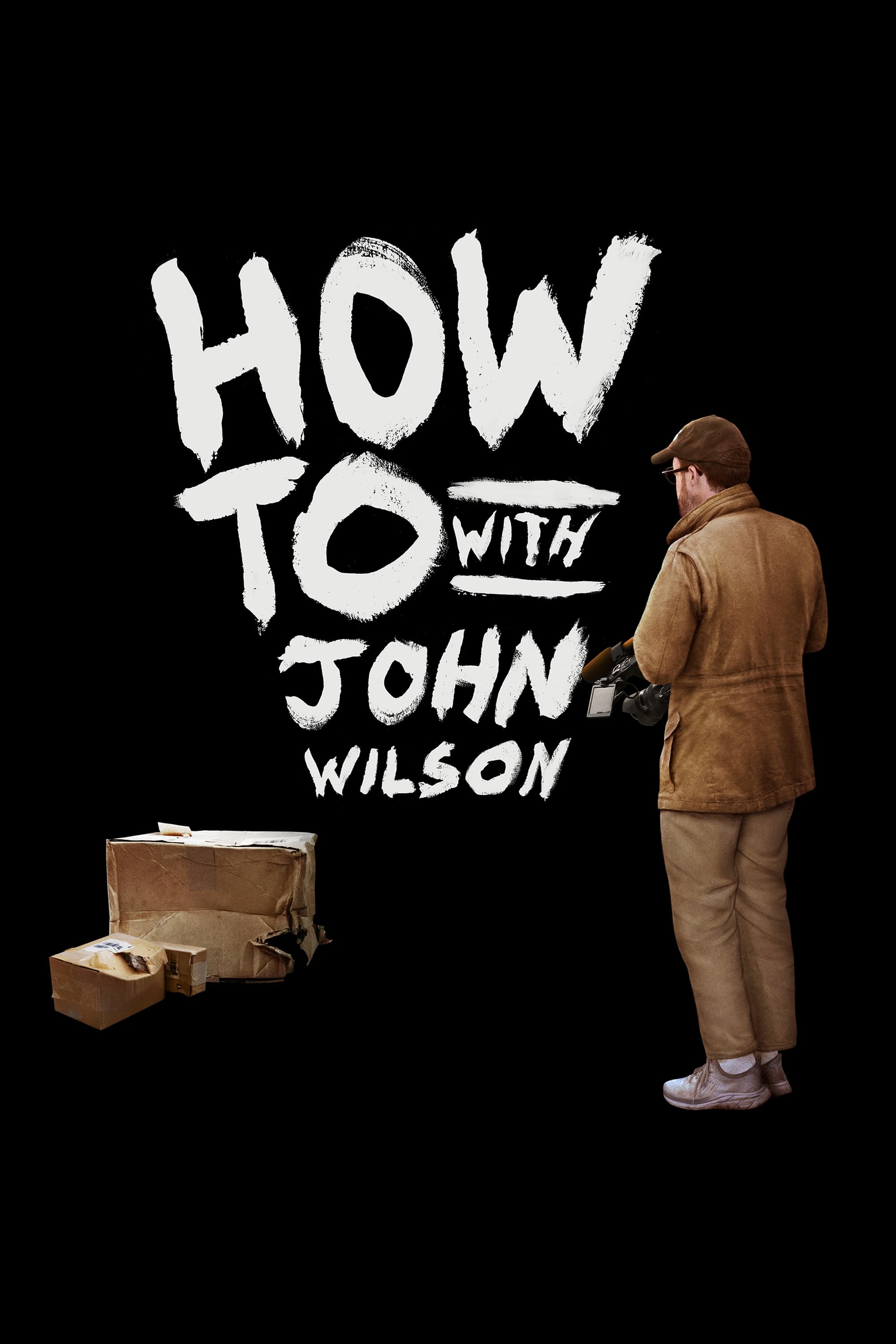
Footage was gathered by roaming New York with a small camera package, favoring ambient sound and available light. The team logged hundreds of hours of street-level B-roll, pulling vignettes from everyday places without built sets. Locations relied on public access spots, sidewalks, and cooperative small businesses to avoid rental fees. The production’s flexible schedule allowed returning to the same blocks at different times to capture seasonal and weather variations at no extra cost.
‘Detectorists’ (2014–2022)
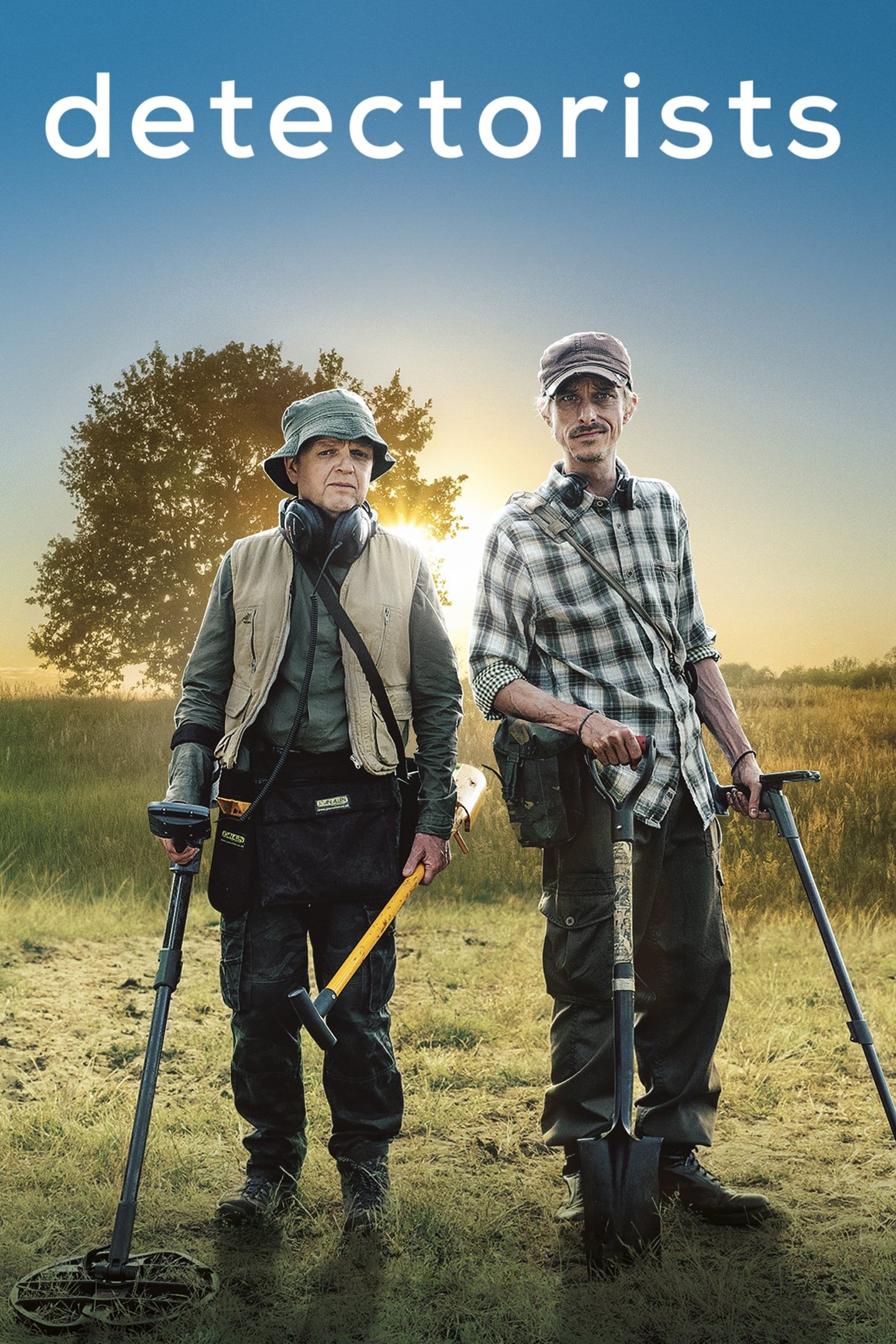
The series centered filming in rural Suffolk and Essex, using open fields, village halls and pubs that required limited dressing. A compact crew and light footprint minimized transport and unit base needs across short distances. Local councils facilitated permissions, and repeat use of the same farms and lanes kept scouting and rental costs predictable. Natural daylight and practical fixtures carried most scenes, reducing generator time and lighting rentals.
‘Hinterland’ (2013–2016)
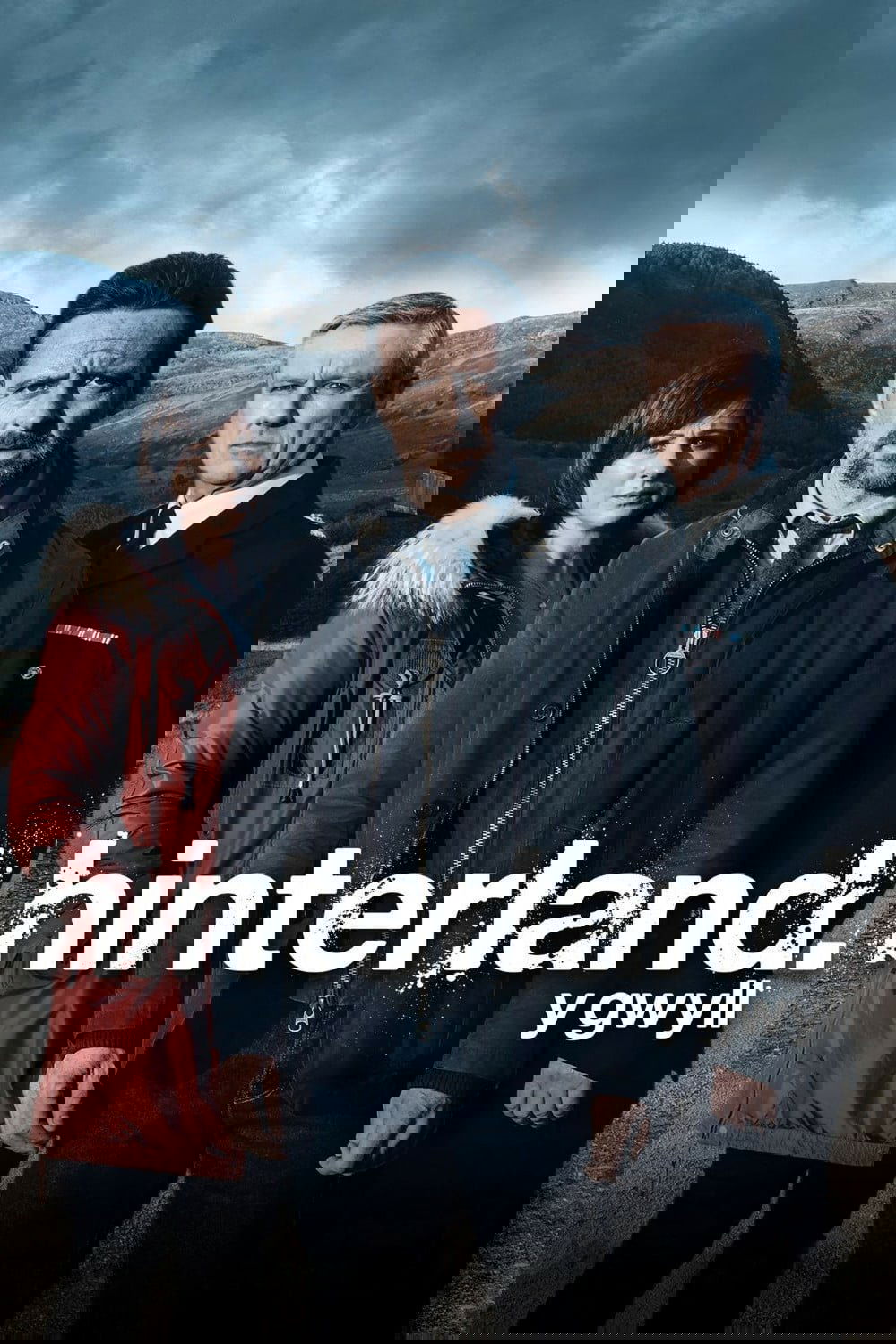
Shot around Aberystwyth and the Ceredigion coast, the show favored bleak moors, seaside cliffs and disused buildings found within a tight radius. Bilingual delivery was achieved by filming each scene twice, so sets and locations were reused efficiently. The art department leaned on found spaces—abandoned farmhouses, municipal offices and cafés—to limit construction. Regional funding and local crew hires kept spend within Wales, leveraging incentives and reduced accommodation costs.
‘Broadchurch’ (2013–2017)
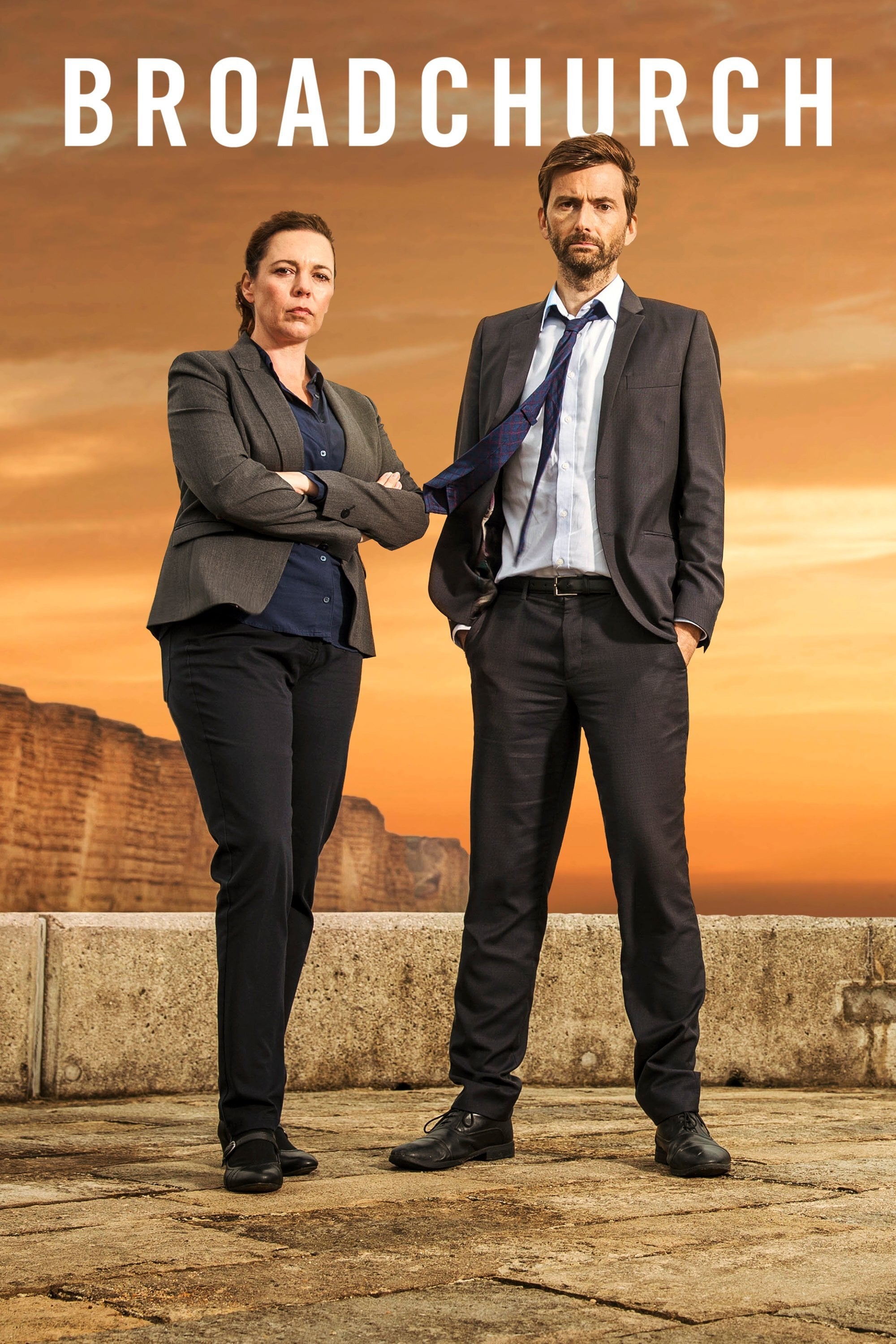
Production anchored itself in West Bay and Clevedon, returning to the same beach, cliffs and town streets across seasons. Many interiors were shot in real homes and public buildings, limiting stage time. Short travel between coastal and town locations kept unit moves and overtime down. The production coordinated with local authorities for crowd management during tourist season, avoiding premium closures by scheduling early mornings and off-peak days.
‘Skins’ (2007–2013)
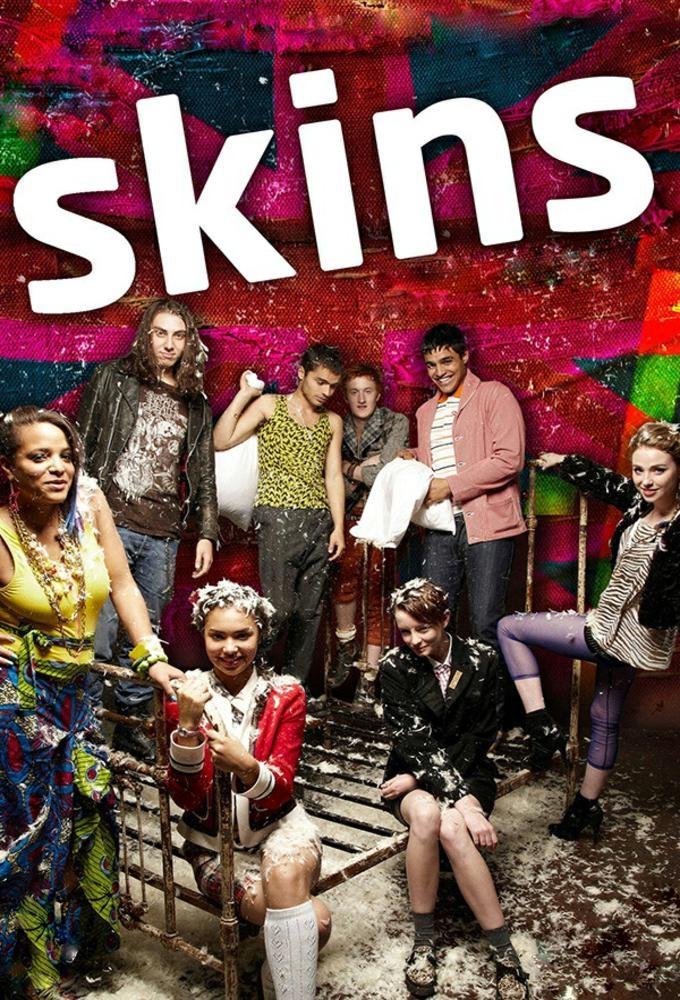
Filmed primarily in Bristol, the show leaned on real schools, estates and night spots negotiated through community contacts. Scenes were staged with practical lighting in flats, underpasses and bus stops, saving on large setups. Casting local extras and hiring regional crew reduced travel and per diem costs. Repeat neighborhoods became recurring backdrops, cutting scouting time and simplifying clearances over multiple blocks.
‘Derry Girls’ (2018–2022)
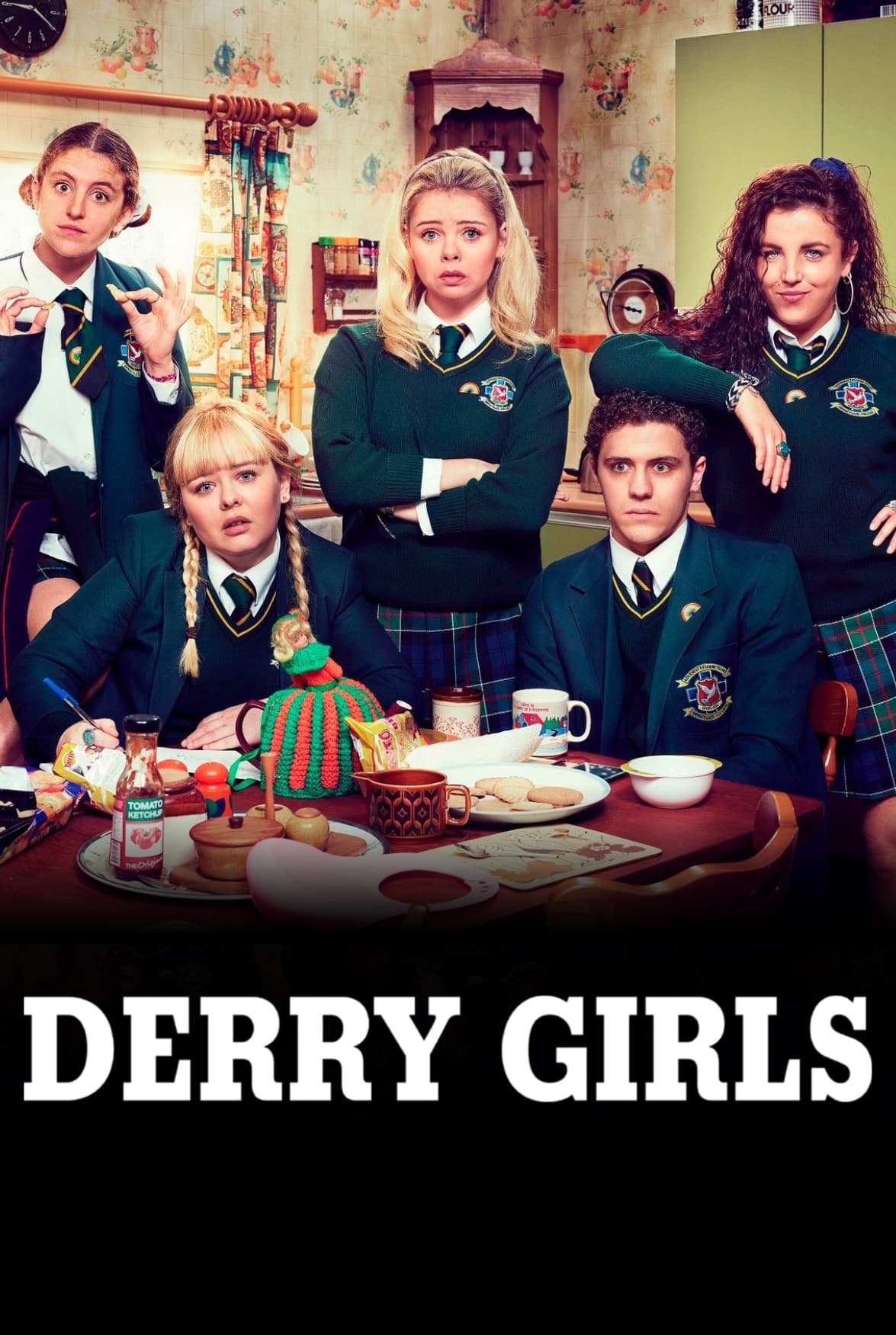
The series shot across Belfast standing in for Derry, using period dressing on existing streets rather than building sets. Schools, parish halls and terraces were transformed with practical props, posters and vehicles to achieve the timeline without major construction. Road closures were limited by filming on quieter side streets and scheduling around rush hours. Local departments supplied uniforms, signage and ephemera, reducing specialty rentals.
‘Letterkenny’ (2016–2023)

Sudbury, Ontario doubled as the show’s town, with exteriors reused season after season to keep continuity and costs stable. Farm properties, small-town storefronts and back roads required minimal set dressing. The crew operated with short shooting blocks and contained company moves, limiting accommodation days. Dialogue-heavy scenes were staged in practical interiors—kitchens, garages, produce stands—keeping equipment needs lean.
‘In the Flesh’ (2013–2014)

North-West England locations—row houses, village greens, community centers—were selected for their lived-in textures requiring little art build. Night scenes used motivated practicals like sodium streetlights to reduce lighting packages. The makeup team worked from local bases to turn around large background groups without long transports. Scenes clustered geographically to cover multiple setups within walking distance.
‘Top of the Lake’ (2013–2017)
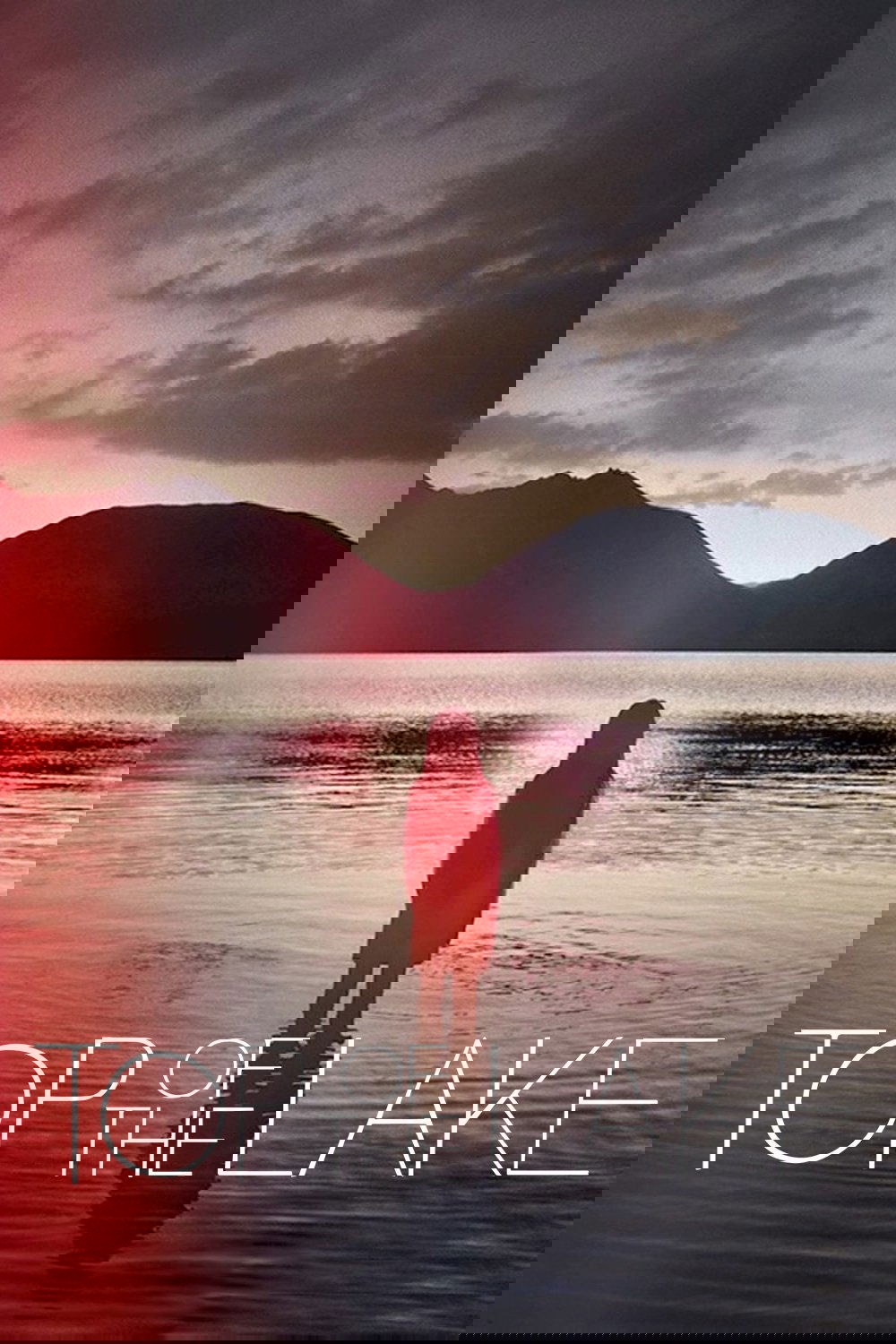
The first series concentrated around Queenstown and Glenorchy, using lakes, forests and mountain roads accessible within day trips. Natural vistas required minimal augmentation—just weather monitoring and small safety teams. A modest-sized crew shot handheld and steadicam on trails and shorelines, keeping rigging light. Local water taxis, farm accesses and council permits enabled rapid company moves along the same routes.
‘The Bridge’ (2011–2018)
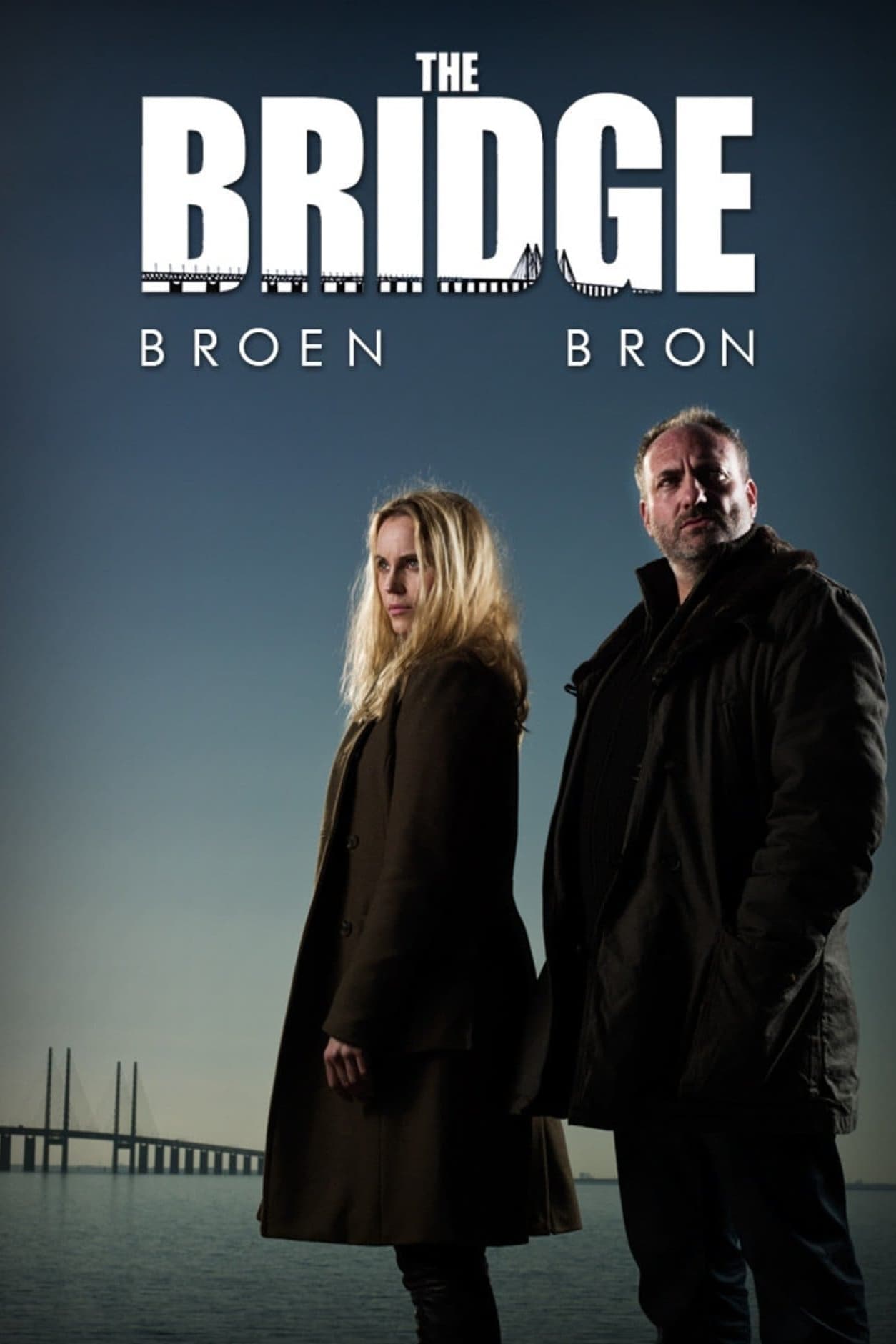
Filming split between Malmö and Copenhagen, capitalizing on the Øresund corridor for varied urban backdrops without long travel. Police stations, industrial docks and underpasses were chosen for architectural character that needed little dressing. Cross-border cooperation streamlined permits and road control, scheduled for off-peak windows. Many scenes used overcast daylight typical of the region, minimizing grip and electric needs.
‘Borgen’ (2010–2022)
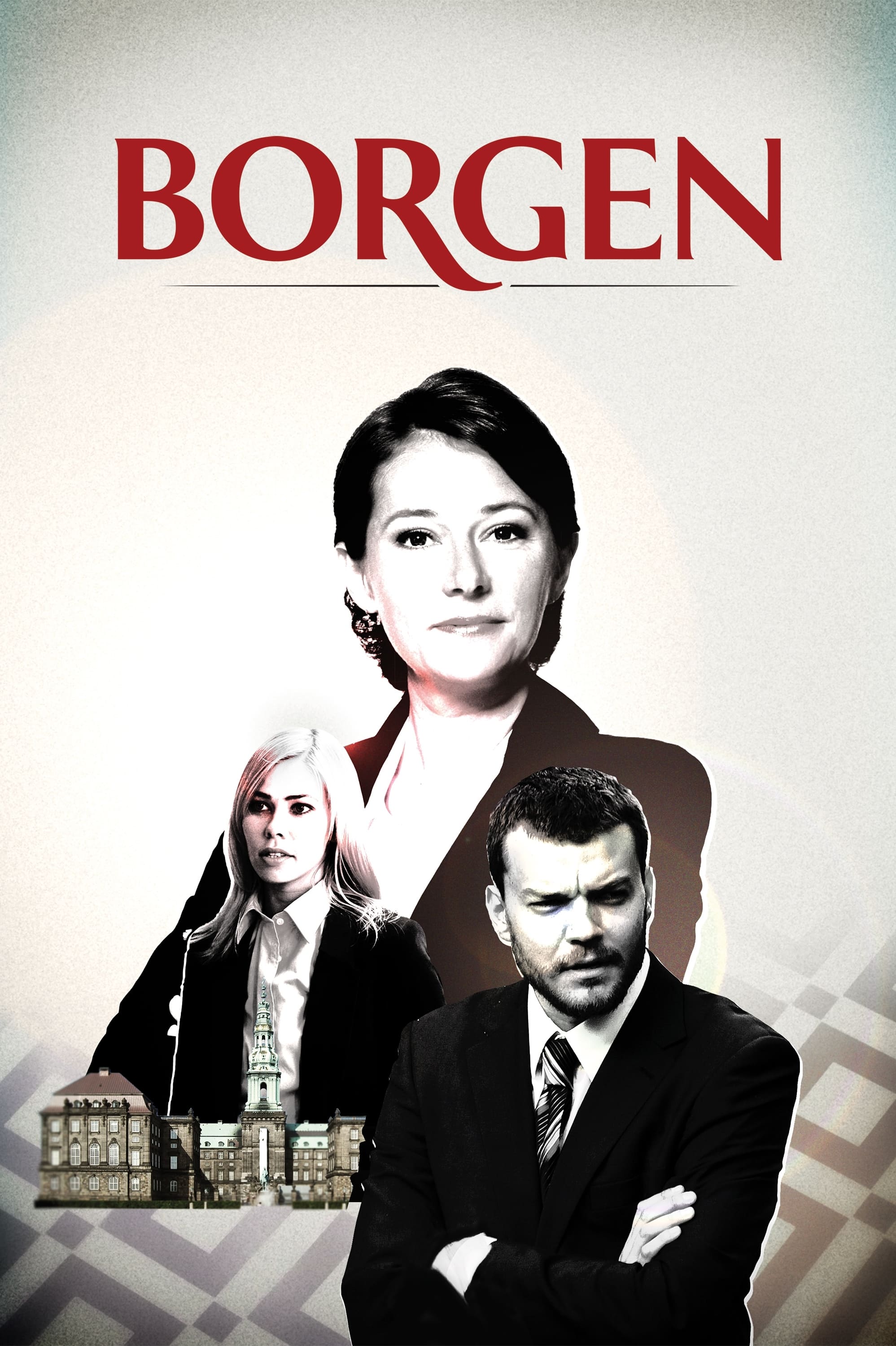
Copenhagen government districts, offices and broadcasters’ facilities doubled for political interiors with limited set construction. The team negotiated access to meeting rooms, lobbies and press areas that only required prop swaps and signage. Centralized locations reduced daily travel time across the unit. A consistent color pipeline in camera and grade kept lighting simple and repeatable across tight schedules.
‘The Killing’ (2007–2012)
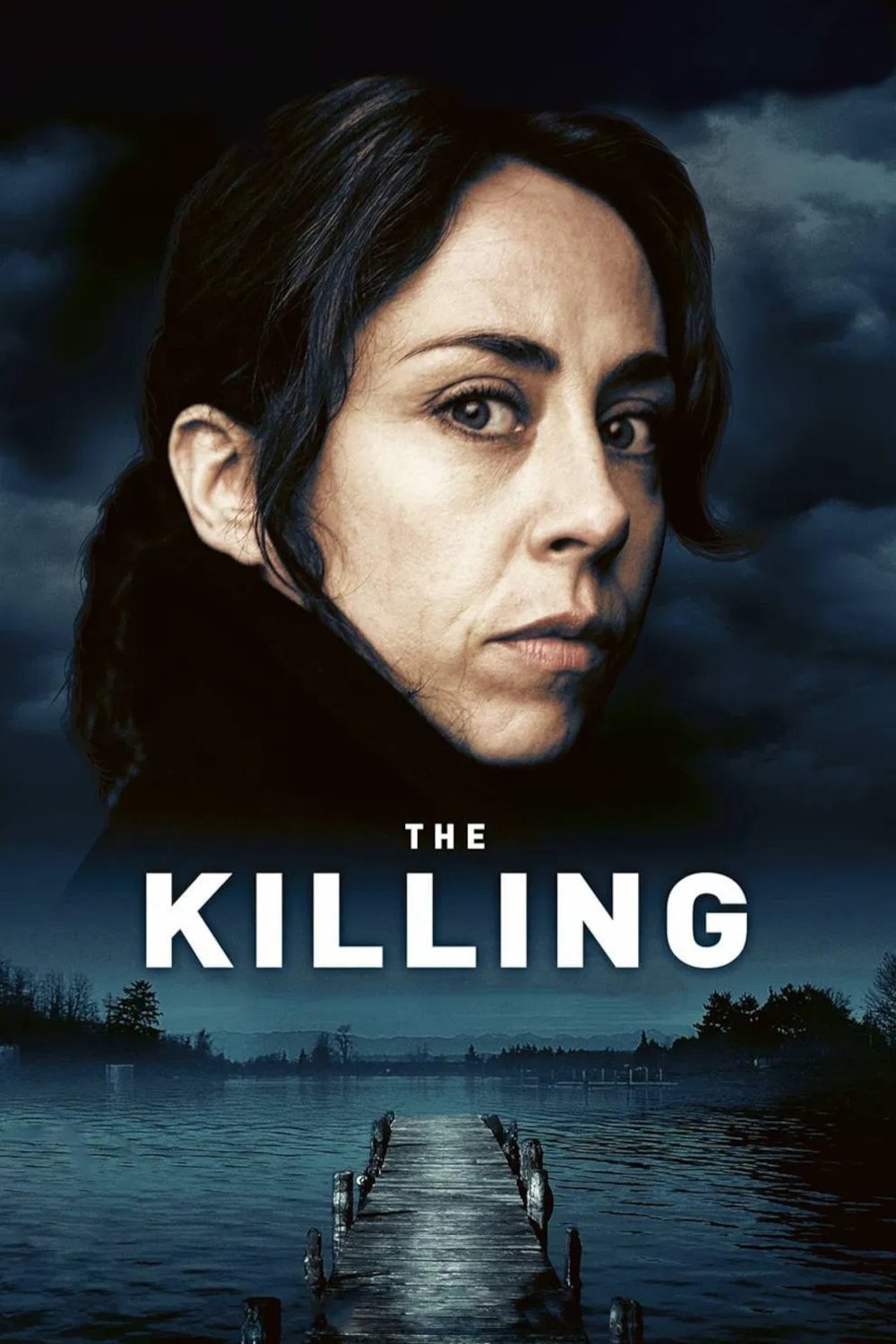
The production filmed extensively on Copenhagen streets, courtyards and apartments, leveraging the city’s permitting framework for quick approvals. Moody interiors used practical lamps and small units to maintain speed. Recurrent municipal buildings and canals returned across episodes, lowering scouting overhead. Weather continuity was managed by embracing rain and overcast conditions rather than building weather cover.
‘Wallander’ (2005–2013)
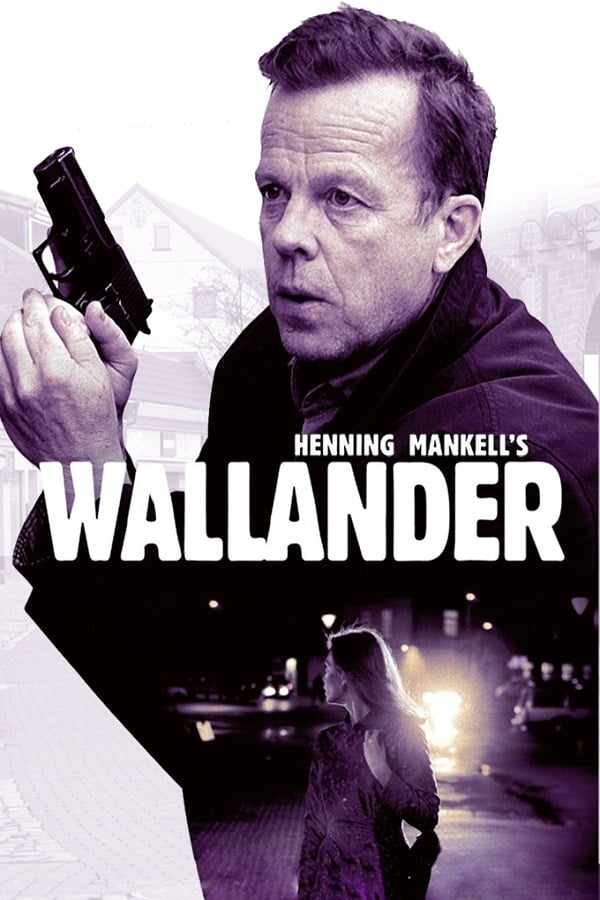
Ystad and the Skåne countryside provided coastal paths, police offices and harbors close to each other, enabling efficient company moves. Many civic interiors—libraries, council rooms, clinics—were used with minimal alterations. Local fixers coordinated farm lanes and shoreline access without extensive closures. Sequences relied on soft natural light and simple negative fill to keep lighting time short.
‘Friday Night Lights’ (2006–2011)
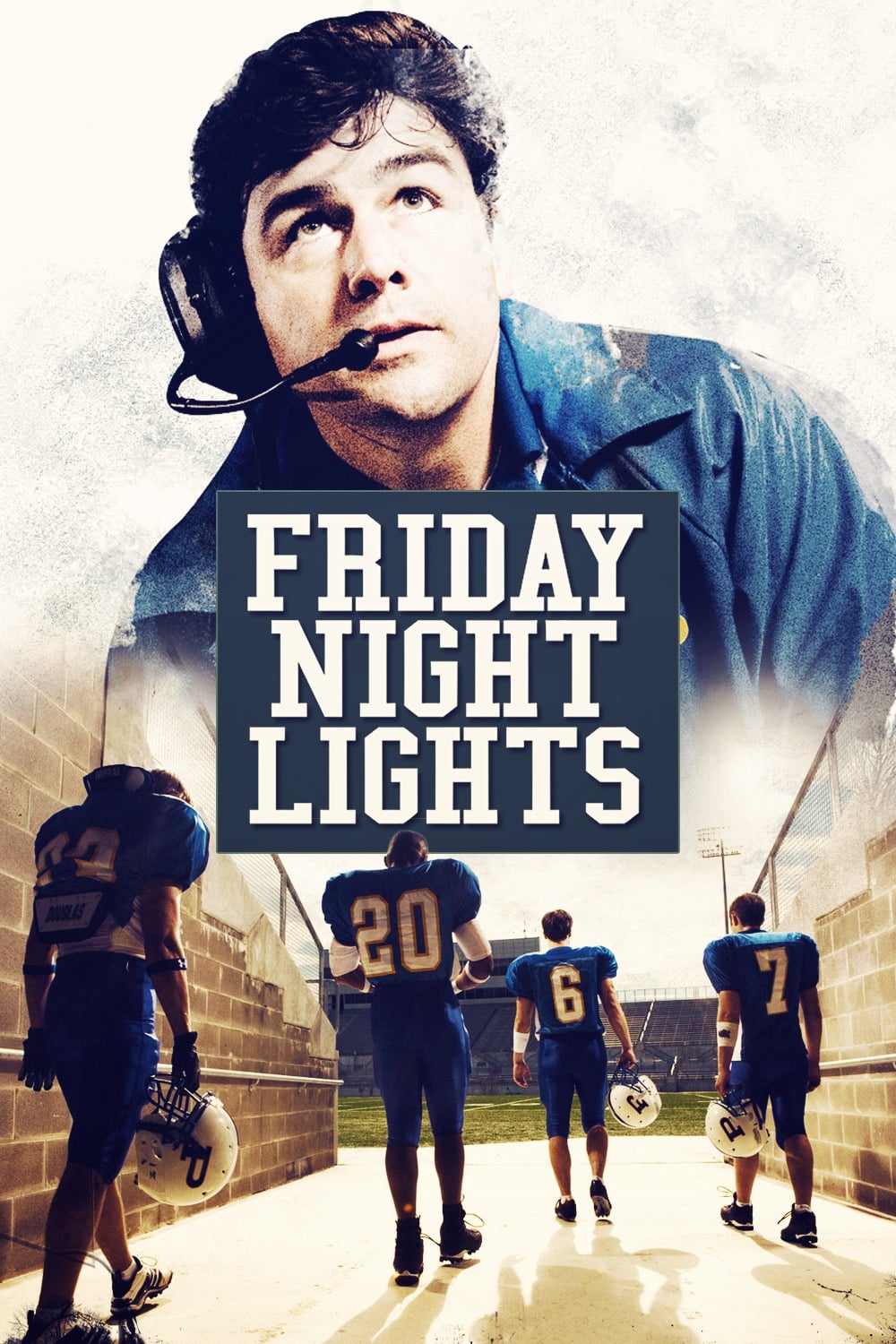
Austin and its suburbs doubled for multiple Texas towns, with high schools, fields and homes serving as recurring hubs. The show adopted a multi-camera, handheld approach that favored available light and fast block-and-shoot days. Real locker rooms, classrooms and diners replaced sets, cutting build costs. Location clusters allowed the unit to stage several scenes within the same campus or neighborhood daily.
‘The Wire’ (2002–2008)
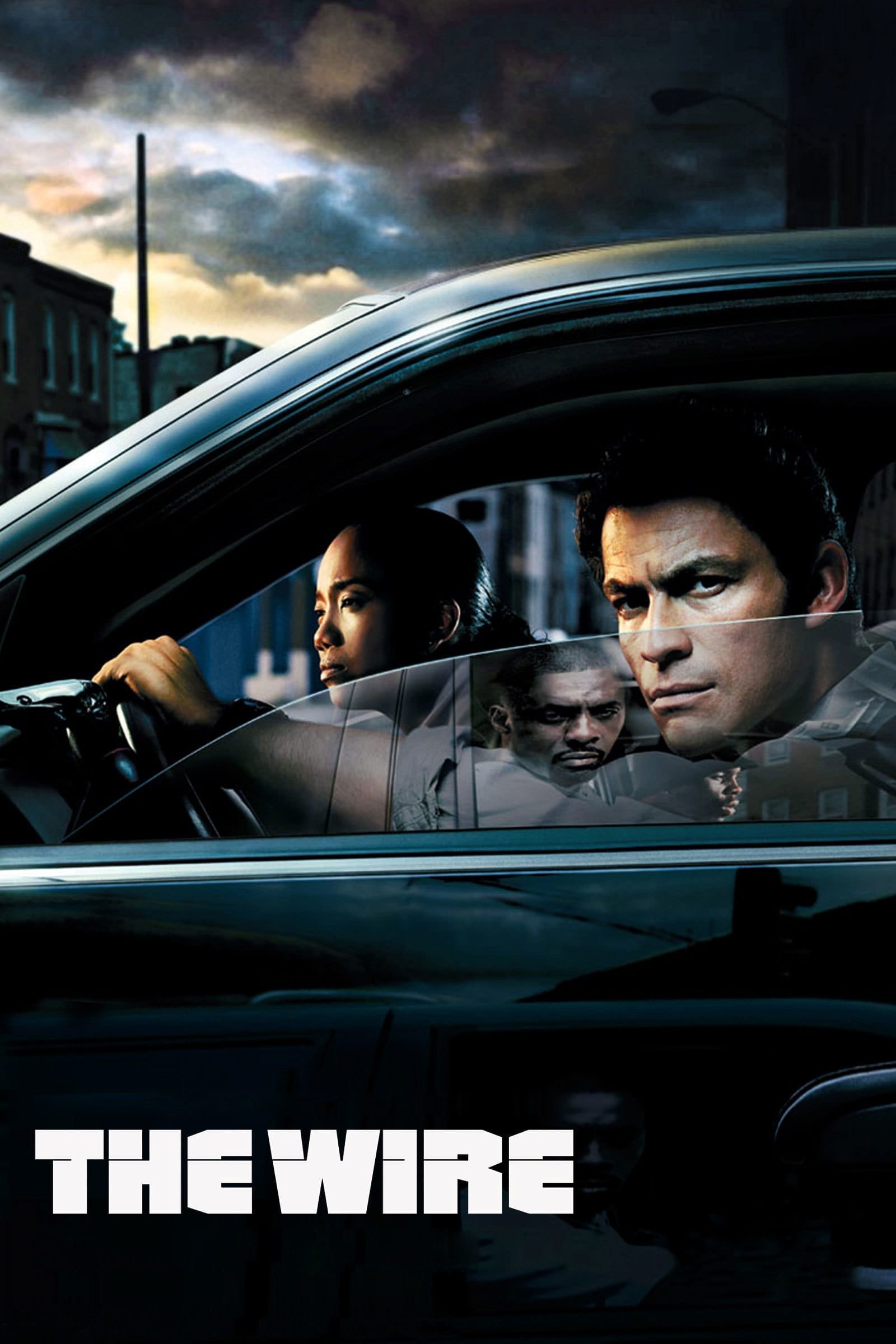
Baltimore exteriors—rowhouses, piers, vacant lots and municipal buildings—were filmed with cooperation from city services. Interior scenes used practical locations like rec centers, offices and bars, often dressed lightly. A local hiring strategy for crew and background reduced travel budgets. Storylines were mapped to real districts so the show could revisit corridors and corners without fresh permits each time.
‘Top Boy’ (2011–2023)

Early seasons filmed on East London estates with permissions arranged through housing associations and residents. Stairwells, courtyards and flats were dressed minimally to preserve authenticity and speed. The unit relied on compact camera setups to shoot in tight spaces without major rigging. Local markets and high streets provided dynamic exteriors without paid lock-offs by working around live foot traffic.
‘Please Like Me’ (2013–2016)

Melbourne’s inner-north provided share houses, cafés and parks within a short drive, simplifying logistics. Many interiors were real homes dressed by the art team, reducing studio reliance. Schedules grouped scenes by neighborhood to limit transport and overtime. The production coordinated with small businesses for after-hours access, trading exposure and short turnarounds for reduced fees.
‘Gomorrah’ (2014–2021)
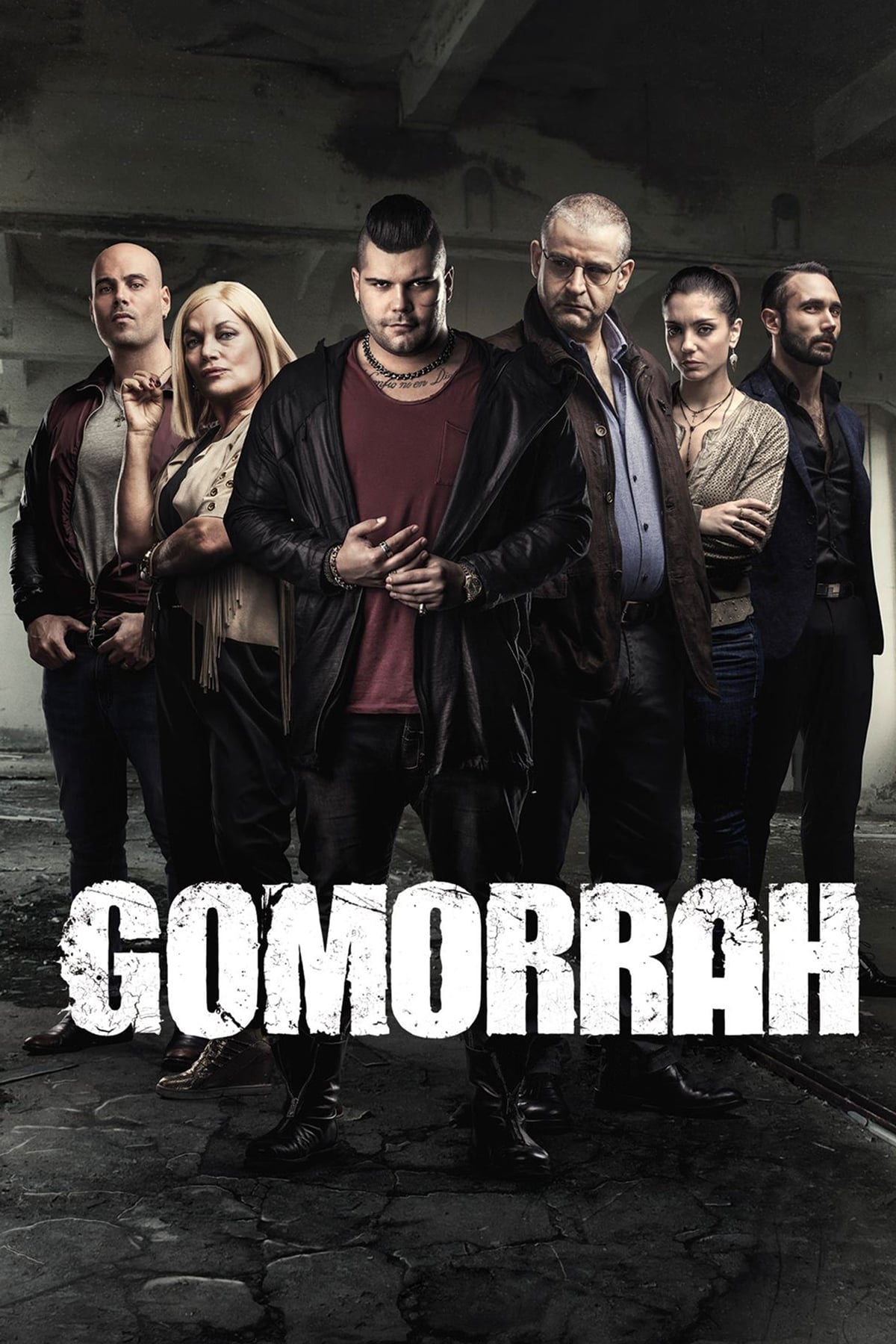
Naples locations—housing projects, coastal roads and industrial zones—were used extensively with local fixers. The crew worked light to navigate dense neighborhoods, often shooting with minimal lighting at dusk and night. Repeat access to the same estates allowed complex sequences without rebuilding sets. Regional crews and vendors lowered equipment and accommodation costs compared to importing services.
‘Doc Martin’ (2004–2022)

Port Isaac in Cornwall doubled as the show’s village, with recurring exteriors mapped to a consistent walking grid. Many interiors were captured in actual cottages and community buildings, supplemented by select set pieces. The production scheduled filming outside peak tourist hours to avoid premium closures. Local accommodation and short travel distances kept daily costs predictable across long runs.
Share your favorites with clever location work in the comments—what show do you think stretched its budget the smartest?