Movies Set in Airports That Never Feel Like a Gimmick


Airports in cinema often serve as mere transition points where characters arrive or depart without much fanfare. However, some filmmakers utilize these unique spaces as integral settings that drive the narrative or heighten the emotional stakes. The distinct architecture, constant motion, and high security of airports provide a versatile backdrop for tension, comedy, and romance. These movies transform the terminal into a dynamic stage for unforgettable storytelling rather than just a travel necessity.
‘The Terminal’ (2004)
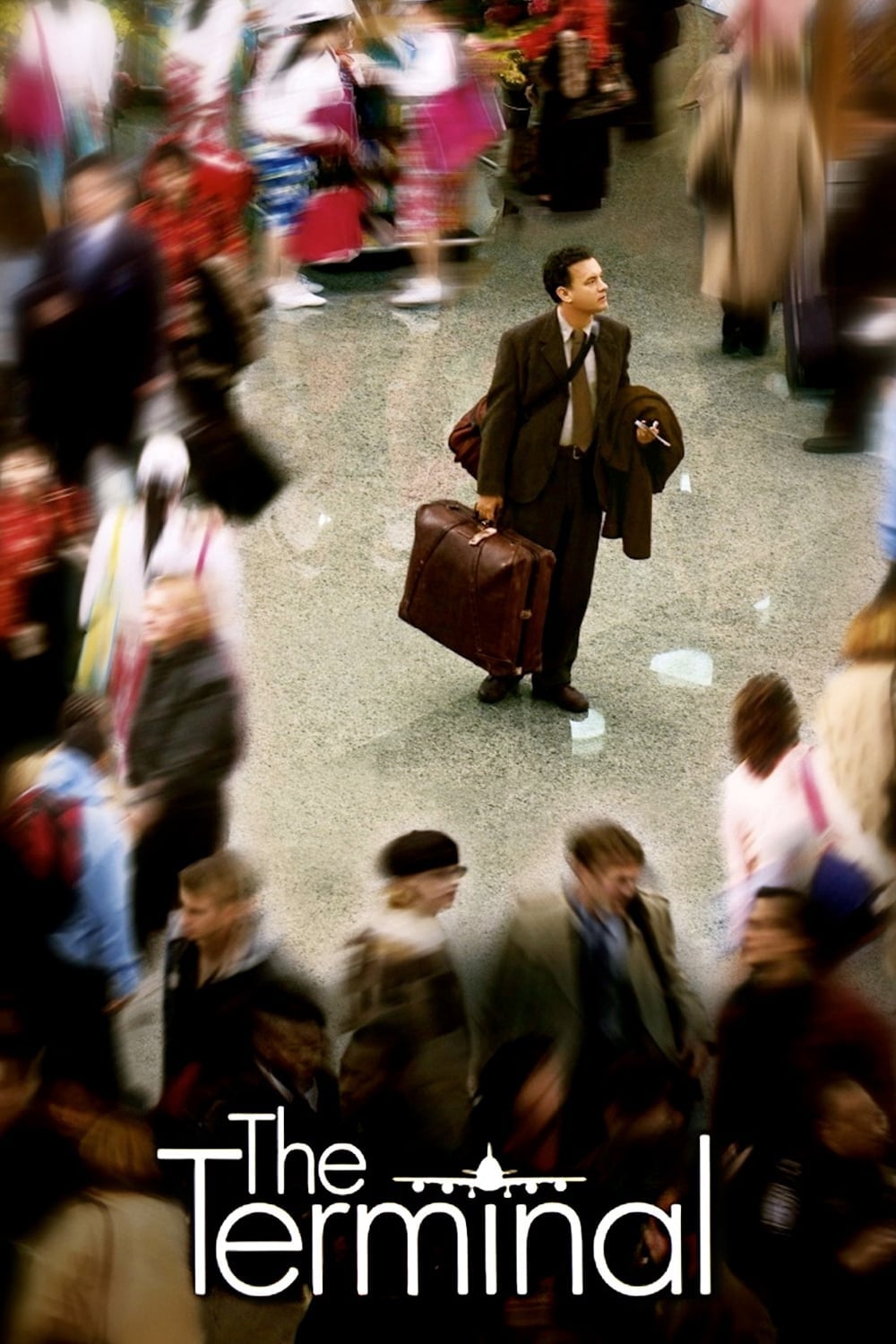
Steven Spielberg directs this drama about a man stranded at JFK International Airport after a political coup in his home country invalidates his passport. Viktor Navorski creates a makeshift home within the transit zone while waiting for the diplomatic dust to settle. He befriends the staff and finds romance with a flight attendant during his extended stay. The film explores themes of humanity and patience within the sterile environment of an international hub. Tom Hanks delivers a performance that grounds the unusual premise in emotional reality.
‘Up in the Air’ (2009)

Ryan Bingham spends his life traveling across the country to fire employees on behalf of corporate clients. He cherishes his elite frequent flyer status and views airports as his true home rather than just transit points. The story challenges his isolated lifestyle when a young colleague introduces a method to conduct layoffs remotely. George Clooney portrays the protagonist who eventually faces the emptiness of a life lived out of a suitcase. The airport setting serves as a metaphor for his emotional detachment and transient connections.
‘Die Hard 2’ (1990)

John McClane returns to action at Dulles International Airport on Christmas Eve while waiting for his wife to land. A group of terrorists seizes control of the air traffic control system and holds incoming planes hostage to free a drug lord. McClane must navigate the terminals and runways to neutralize the threat before the planes run out of fuel. The film utilizes the airport infrastructure including luggage belts and maintenance tunnels as key set pieces for action sequences. Renny Harlin directs this high-stakes sequel that expands the scope of the original concept.
‘Airport’ (1970)
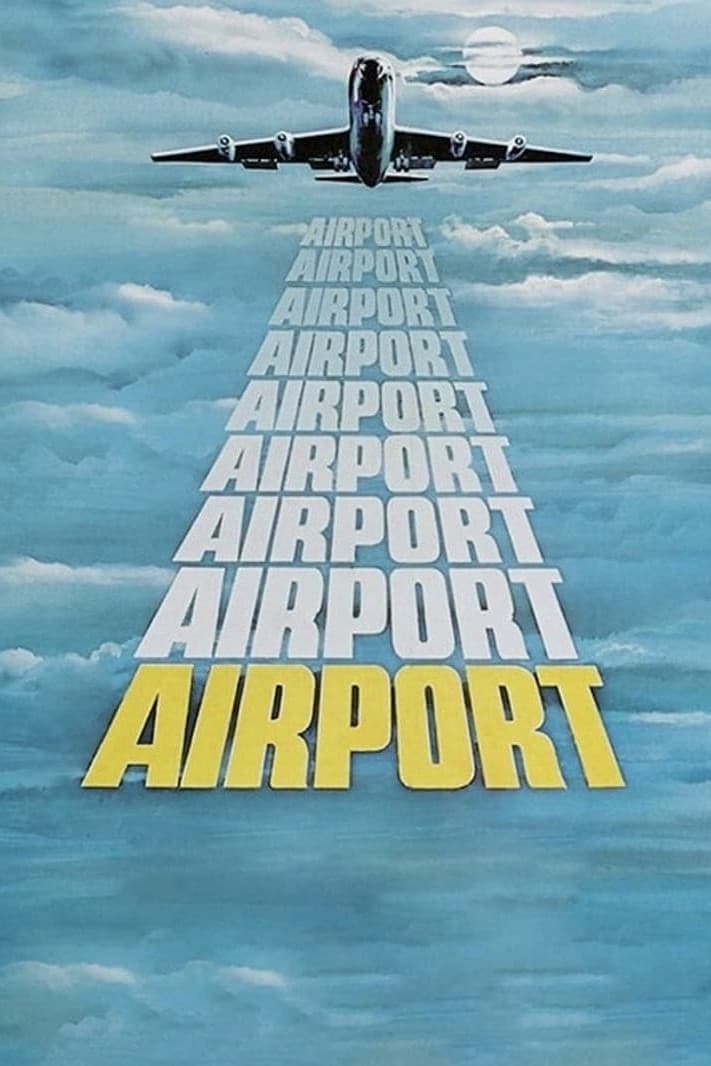
This disaster film established the blueprint for the genre by weaving together multiple storylines centered around a fictional Chicago airport. Mel Bakersfeld struggles to keep the facility open during a massive snowstorm while dealing with personal and professional crises. A bomber on board a flight to Rome adds extreme tension to the already chaotic situation on the ground. The narrative balances the technical operations of the airport with the dramatic lives of the pilots and passengers. It received huge commercial success and spawned several sequels throughout the decade.
‘Catch Me If You Can’ (2002)
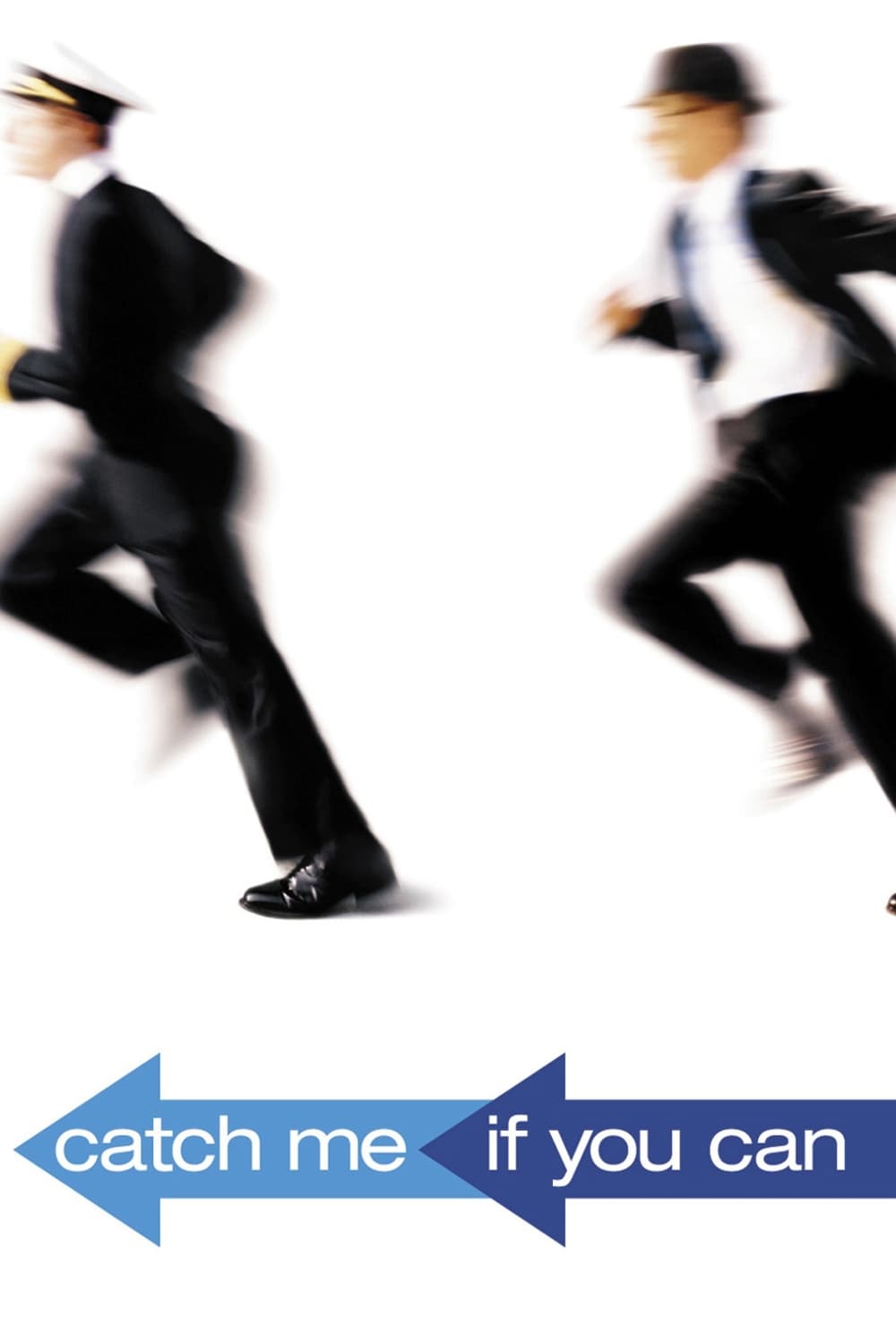
Frank Abagnale Jr uses his charm and skills in forgery to pose as a Pan Am pilot while traveling the globe. He exploits the glamour and trust associated with the aviation industry of the 1960s to cash fraudulent checks. FBI agent Carl Hanratty chases the young con artist through various airport terminals in a game of cat and mouse. The film highlights how airports served as gateways to freedom and reinvention during the golden age of air travel. Steven Spielberg captures the style and sophistication of the era through these transit sequences.
‘Jackie Brown’ (1997)

Quentin Tarantino utilizes the Los Angeles International Airport as the backdrop for a tense money exchange sequence. A flight attendant smuggles cash for a gun runner while trying to outsmart both him and the federal agents watching her. The pivotal scene shows the same event from multiple perspectives to reveal the intricate details of the heist. The setting provides a public yet anonymous space where the characters can execute their complex plan. The tile mosaic walls of the terminal became an iconic visual element of the film.
‘Twelve Monkeys’ (1995)

James Cole travels back in time to locate the source of a deadly virus that wiped out most of humanity. Key sequences take place in an airport where the release of the pathogen is destined to occur. The protagonist struggles to interpret his fragmented memories of a childhood trauma witnessed in an airport terminal. Terry Gilliam directs this sci-fi thriller that uses the location to anchor the cyclical nature of the time travel plot. The airport represents both the beginning and the end of the apocalyptic timeline.
‘La Jetée’ (1962)
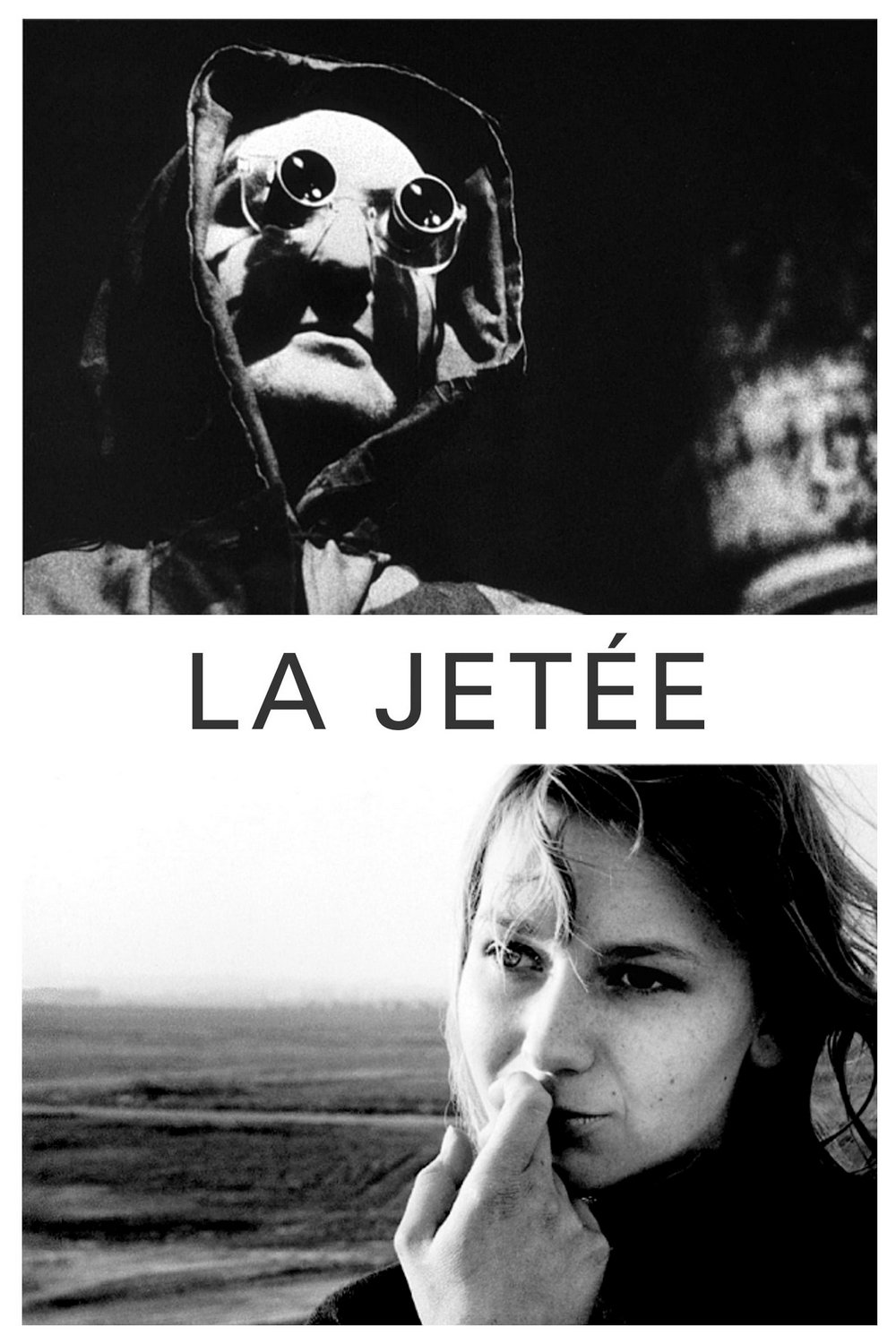
This experimental French featurette consists almost entirely of still photographs and tells a story of time travel and memory. A prisoner in a post-apocalyptic future is sent back to pre-war Paris to find a solution for his dying world. He becomes obsessed with a specific memory of a woman and a death he witnessed on the observation deck of Orly Airport. The film explores how a single location can hold the emotional weight of an entire lifetime. It served as the direct inspiration for the later science fiction film ’12 Monkeys’.
‘Casablanca’ (1942)

Rick Blaine must choose between his love for Ilsa Lund and helping her husband escape the city to continue the fight against the Nazis. The emotional climax unfolds at an airfield under the cover of heavy fog. This setting amplifies the themes of sacrifice and patriotism as the characters prepare for a final departure. The roar of the airplane engines underscores the permanence of their separation and the uncertainty of the war. It remains one of the most memorable farewell scenes in cinema history.
‘Heat’ (1995)
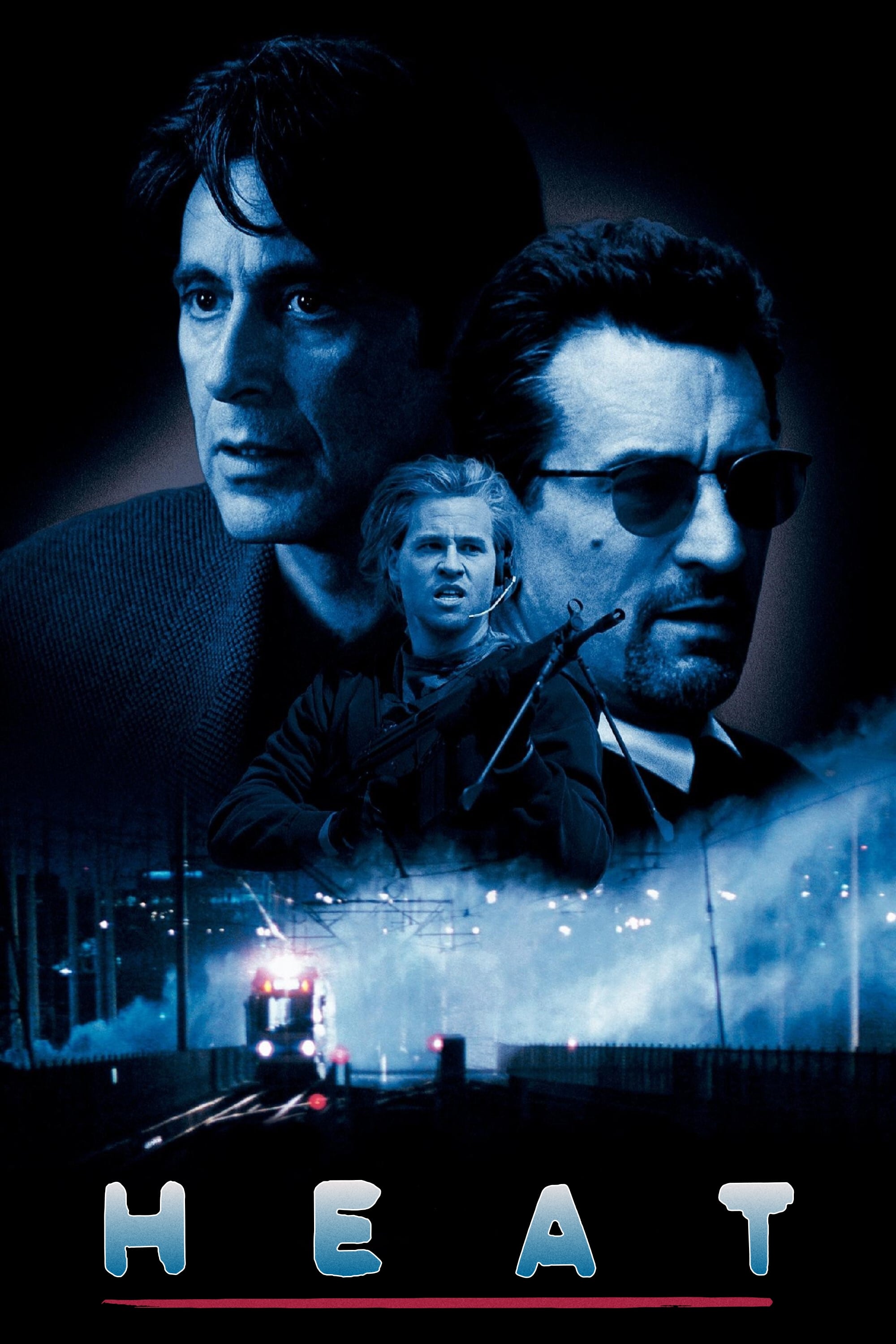
Neil McCauley and his crew attempt one last heist while being pursued by a dedicated detective named Vincent Hanna. The pursuit culminates in a chaotic shootout and chase across the tarmac of Los Angeles International Airport. The vast open spaces and deafening noise of the jets create a surreal environment for the final confrontation. Michael Mann directs the sequence to emphasize the isolation of the two men despite the busy surroundings. The flashing runway lights add a rhythmic visual intensity to the conclusion of their rivalry.
‘Dog Day Afternoon’ (1975)
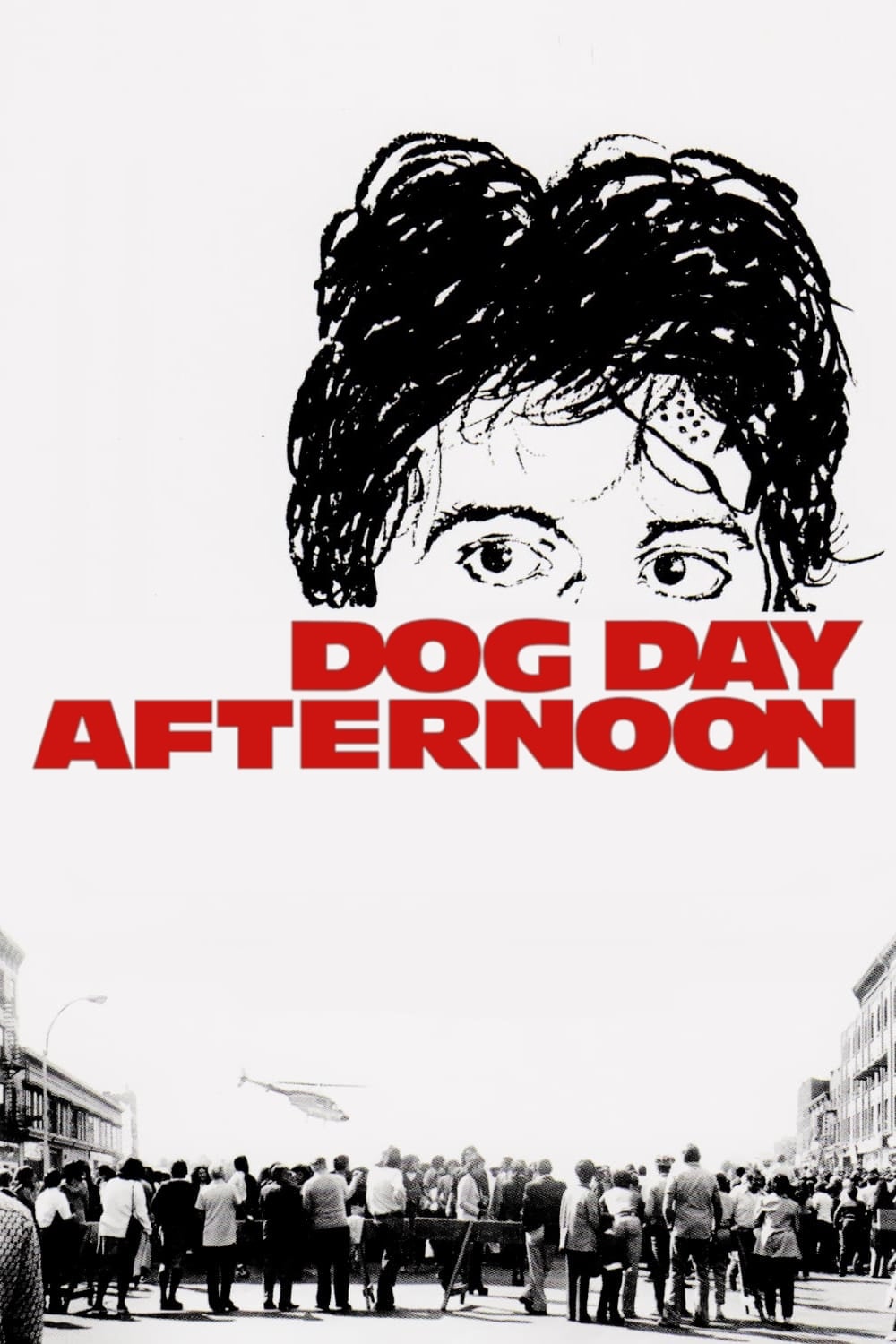
Sonny Wortzik attempts to rob a bank to pay for his lover’s gender confirmation surgery but ends up in a hostage situation. The standoff moves from the bank to an airport tarmac where the robbers hope to board a jet to safety. The bleak and industrial atmosphere of the airfield contrasts with the chaotic energy of the city streets. Sidney Lumet directs the tragic finale that strips away the media spectacle surrounding the crime. The open tarmac leaves the characters exposed and vulnerable during the decisive moment.
‘Bullitt’ (1968)
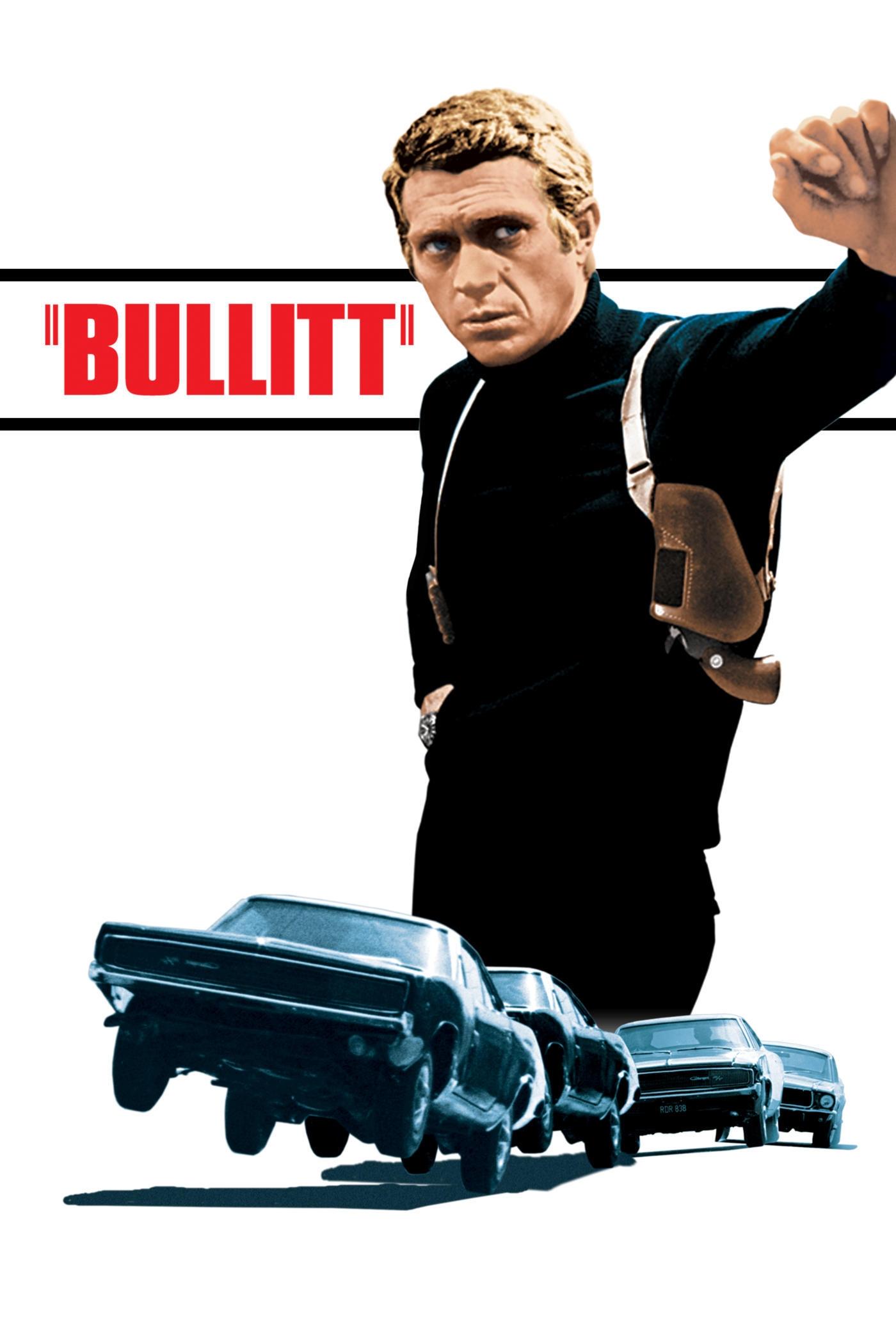
Frank Bullitt pursues a hitman through the crowded terminals and onto the active runways of San Francisco International Airport. The chase sequence creates genuine danger as characters dodge moving aircraft and service vehicles. Steve McQueen performs his own driving and stunts to add authenticity to the police procedural. The deafening noise of the engines heightens the tension of the final stalking sequence in the dark. This conclusion set a high standard for action set pieces in realistic urban environments.
‘Argo’ (2012)

Tony Mendez concocts a risky plan to rescue six American diplomats from Tehran by posing as a Canadian film crew. The group must navigate the tense checkpoints at the airport while Iranian guards verify their cover identities. Every stamp and document check builds suspense as the plane prepares for takeoff. Ben Affleck directs this historical drama that relies on the claustrophobic atmosphere of the terminal to drive the third act. The relief of clearing Iranian airspace provides a sharp emotional release after the airport sequence.
‘Love Actually’ (2003)

The film opens and closes with montages of real people greeting their loved ones at Heathrow Airport. These unscripted moments serve to anchor the various romantic storylines in a sense of genuine human connection. The narrative weaves together multiple characters who eventually converge at the airport for different reasons on Christmas Eve. A young boy rushes past security checkpoints to say goodbye to his crush before she leaves the country. The setting reinforces the central message that love is inextricably linked to arrivals and departures.
‘Home Alone 2: Lost in New York’ (1992)
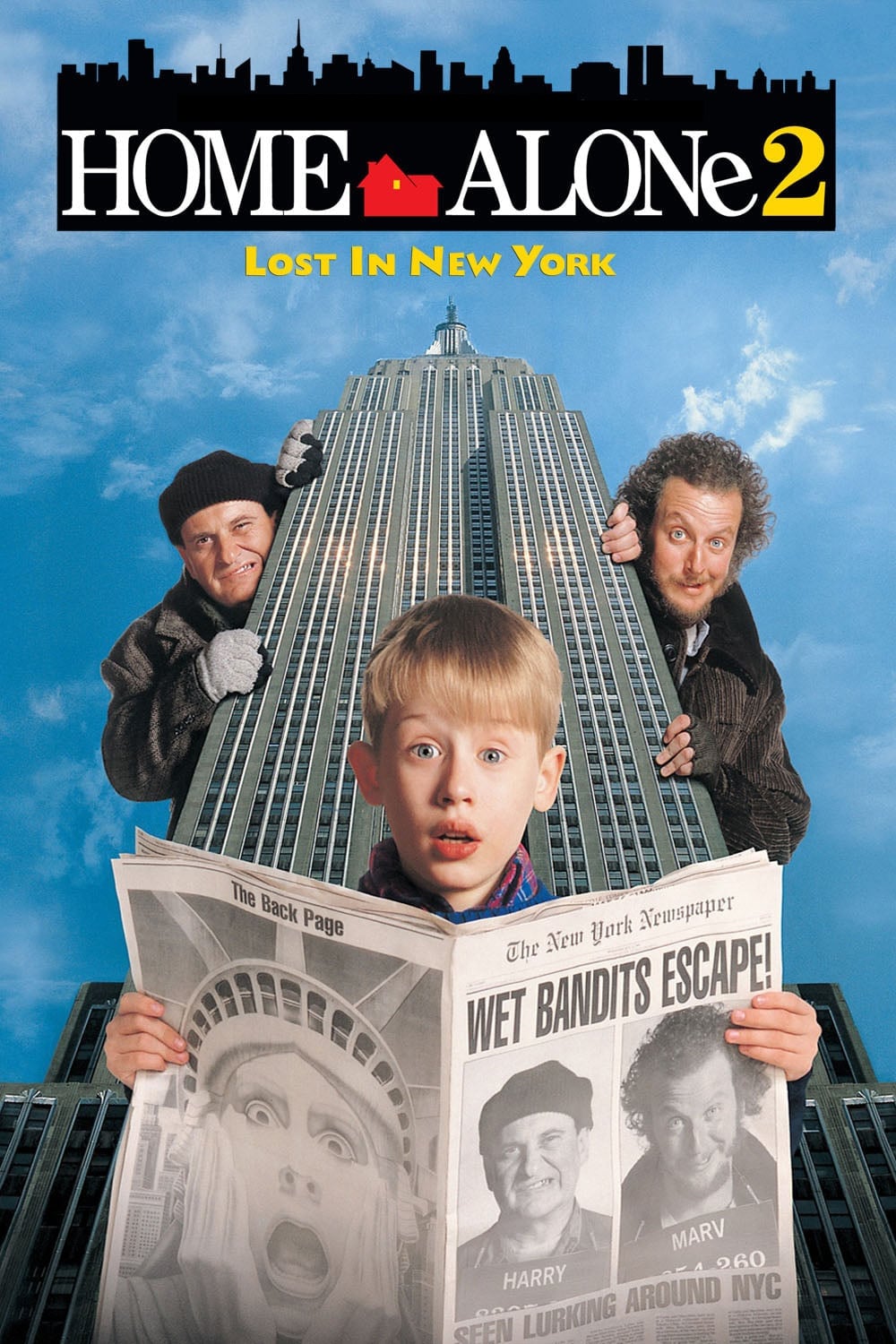
Kevin McCallister becomes separated from his family at O’Hare International Airport during the chaotic Christmas travel rush. He mistakenly follows a man wearing the same coat as his father onto a flight bound for New York City. The frantic energy of the terminal accurately captures the stress of holiday travel for a large family. Once in New York he navigates the airport alone before venturing into the city. The airport serves as the catalyst that launches his solo adventure in the Big Apple.
‘Liar Liar’ (1997)

Fletcher Reede realizes he must stop his ex-wife and son from moving to Boston after a magical wish prevents him from lying. He abandons his car and orchestrates a desperate attempt to intercept their plane on the tarmac. The physical comedy escalates as he hijacks a mobile stairway to reach the aircraft window. Jim Carrey utilizes his signature energy to turn a standard race to the airport into a slapstick spectacle. The high stakes of losing his family ground the absurdity of the airport antics.
‘Meet the Parents’ (2000)
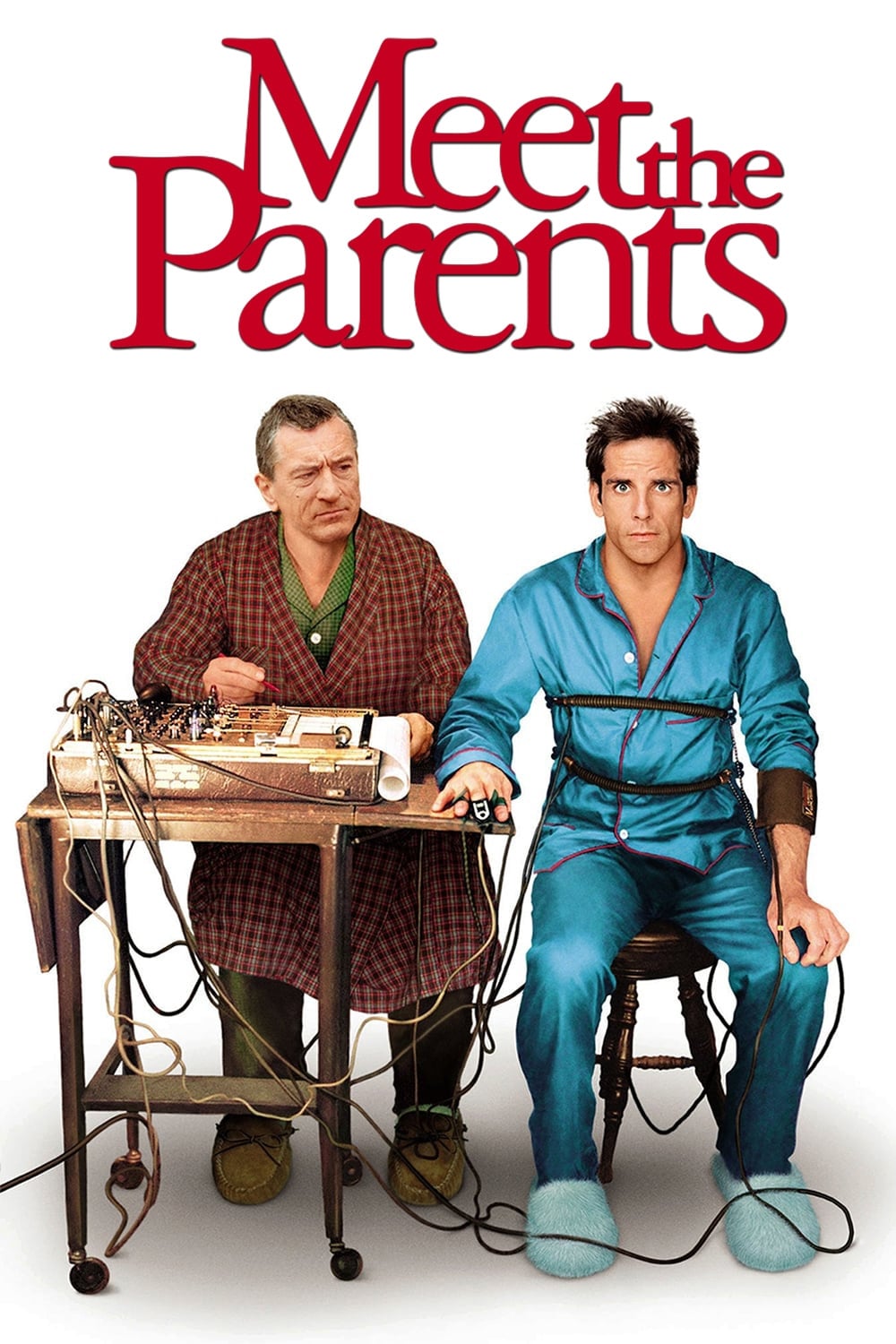
Greg Focker endures a nightmare travel experience while trying to return home from visiting his girlfriend’s family. His frustration boils over at the boarding gate leading to a confrontation with an airline employee. The scene famously highlights the rigid nature of airport security protocols and the consequences of poor word choice. Ben Stiller portrays the anxiety of a traveler pushed to the breaking point by delays and lost luggage. The incident at the airport serves as the final humiliation in his disastrous weekend.
‘Airplane!’ (1980)
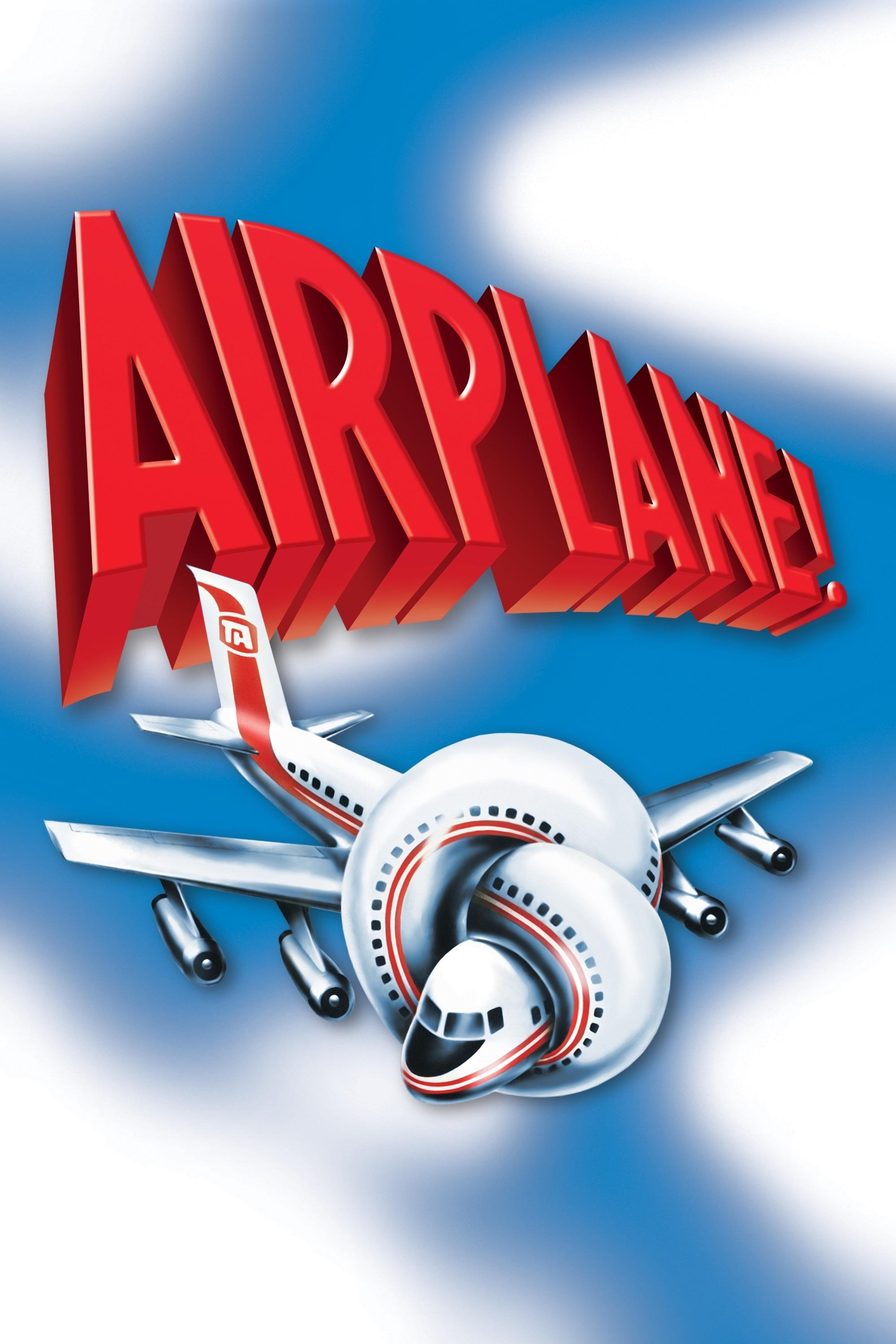
This parody film satirizes the disaster genre with a specific focus on the melodramatic tropes of airport movies. Ted Striker must overcome his fear of flying to land a plane after the pilots succumb to food poisoning. The film fills the airport terminal with visual gags and absurdist humor that mock the seriousness of air travel. Broadcasting announcements and runway guidance serve as vehicles for relentless comedy. It remains a definitive spoof that deconstructs the tension typically associated with aviation cinema.
‘Jet Lag’ (2002)
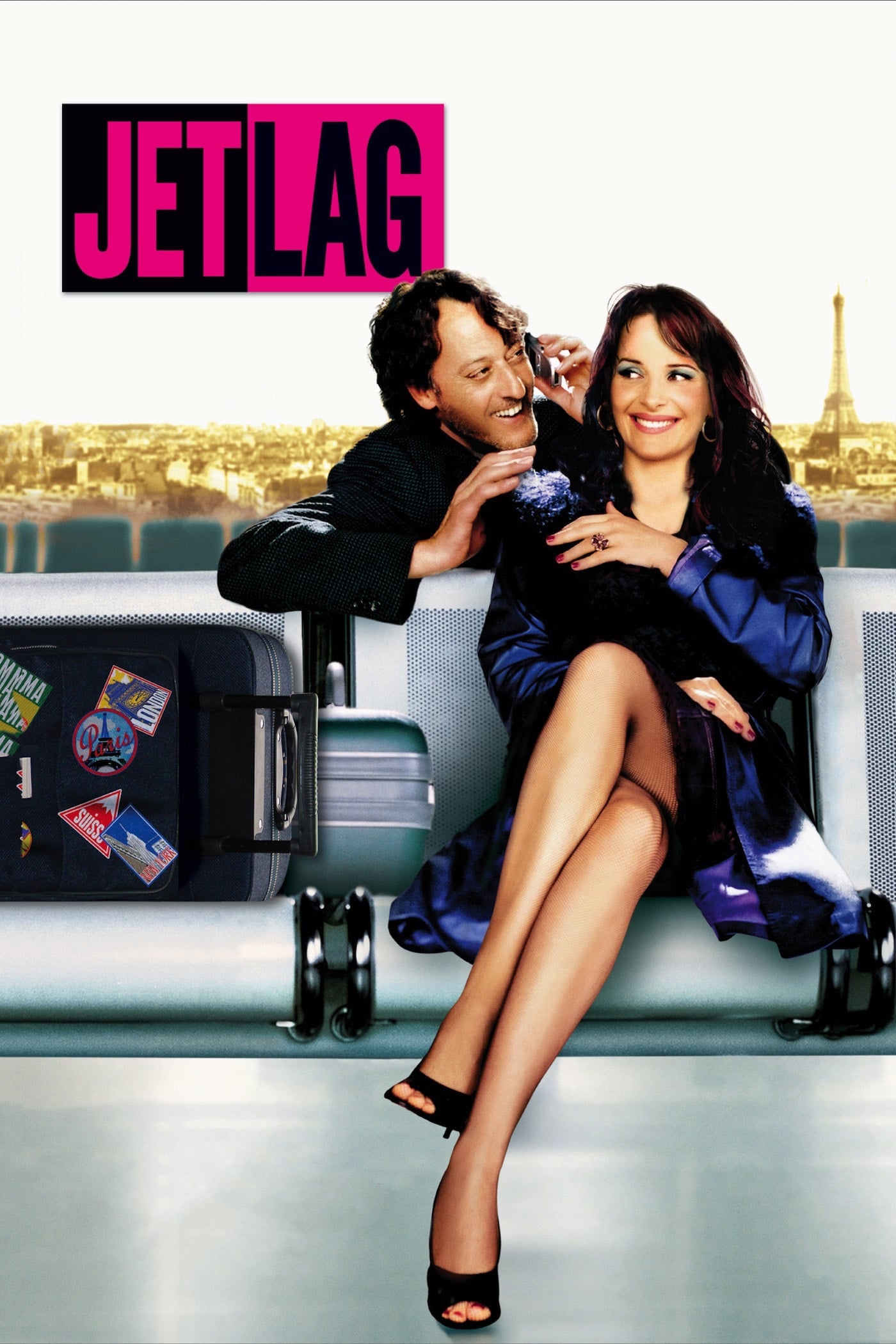
A beautician fleeing a relationship and a stressed chef encounter each other at Charles de Gaulle Airport during a strike. They are forced to share a hotel room within the terminal complex while waiting for their flights. The confined setting pushes two strangers with opposite personalities to connect and influence each other’s lives. Jean Reno and Juliette Binoche deliver charming performances in this romantic comedy contained almost entirely within the transit hub. The airport backdrop emphasizes the transient nature of their meeting and the possibility of new beginnings.
‘Garden State’ (2004)

Andrew Largeman prepares to leave New Jersey to return to Los Angeles after his mother’s funeral. He meets Sam at the airport and she encourages him to stay and explore a relationship. The final scene takes place on the plane where he makes a life-changing decision to disembark. Zach Braff writes and directs this indie drama that uses the airport as a crossroads for the protagonist’s emotional growth. The setting represents the choice between returning to a numb existence or embracing the uncertainty of love.
Tell us which aviation-themed film you think captured the airport experience best in the comments.