The 20 Biggest Studio Panders to China That Ruined the Movie

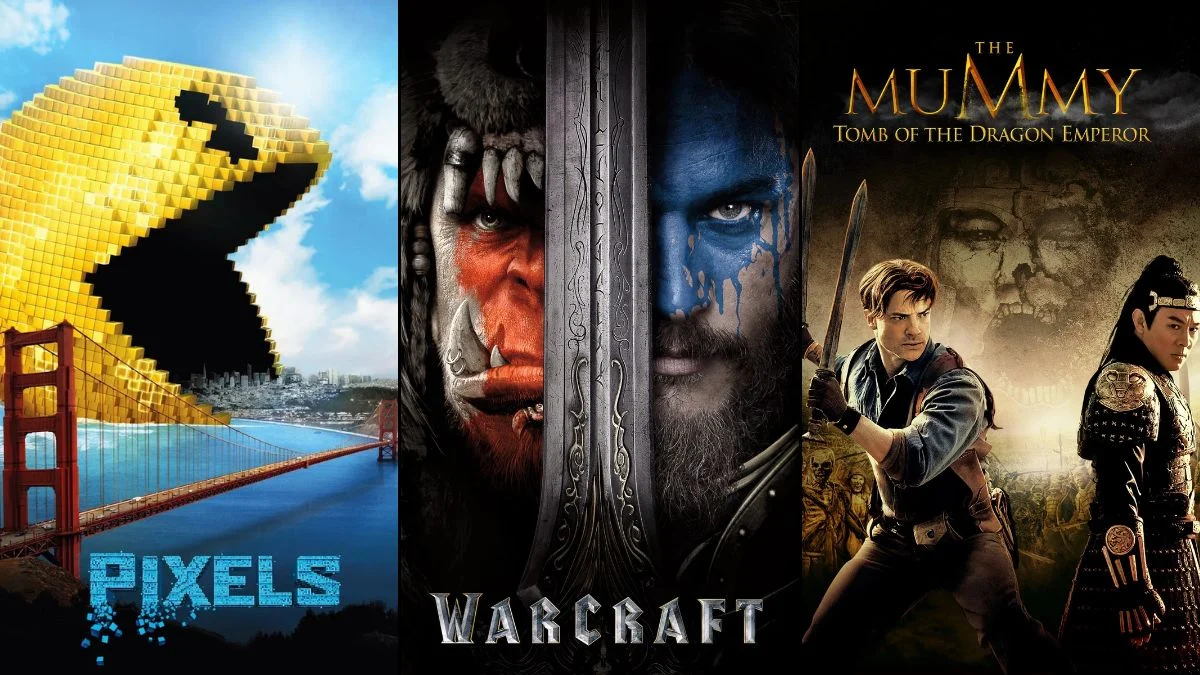

Global film studios frequently adjust their productions to secure access to the massive Chinese box office market. These modifications range from forced product placement and location changes to major plot alterations that can disrupt the narrative flow. Executives often mandate these decisions to appease censors or appeal to local demographics regardless of the artistic cost. The resulting movies sometimes suffer from disjointed storytelling and tonal inconsistencies that alienate audiences worldwide.
‘Men in Black: International’ (2019)
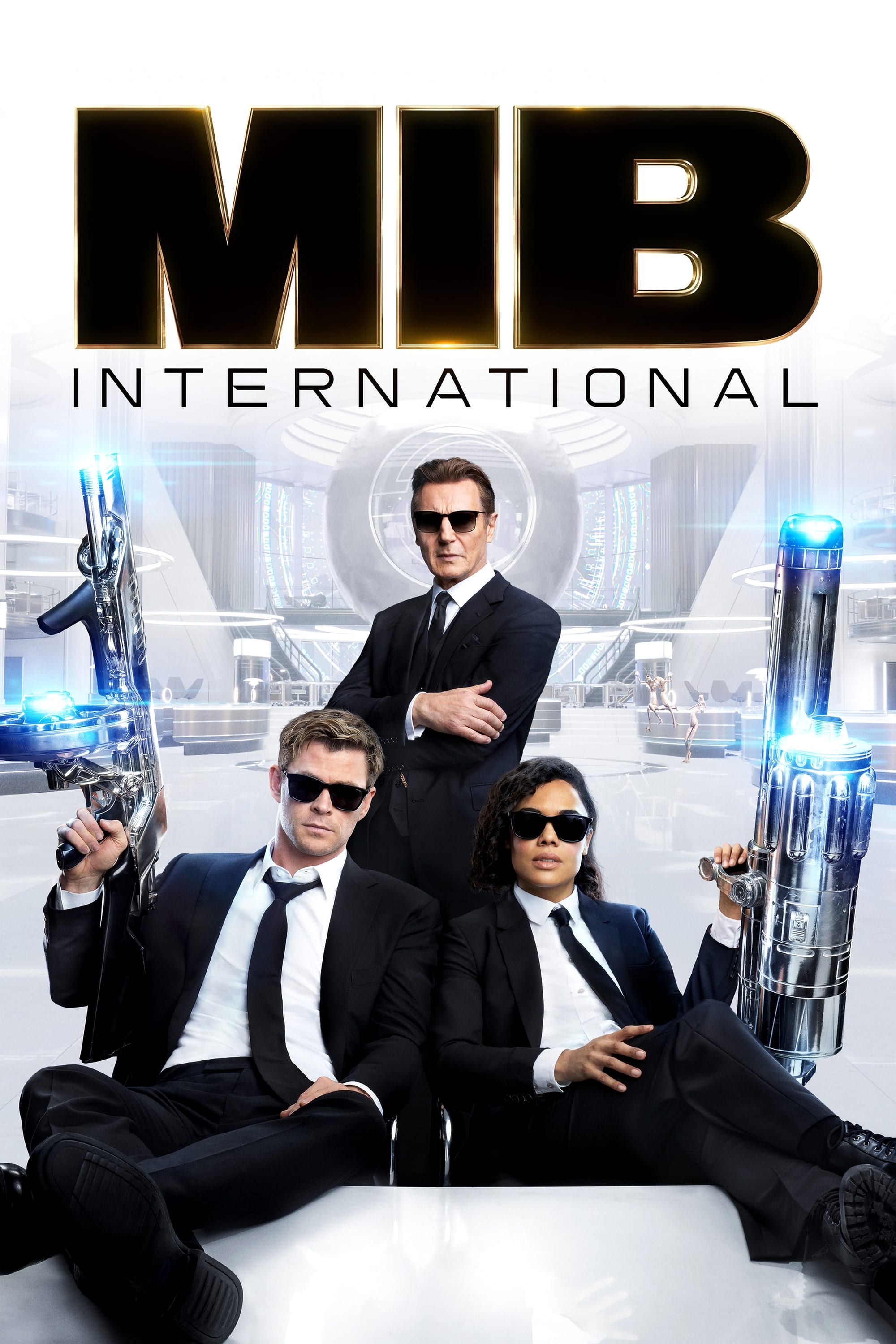
The studio tailored this franchise reboot to appeal specifically to the Chinese market by cutting scenes that portrayed aliens as dangerous. Censorship requirements led to the removal of key plot points regarding the villainous Hive race and their destructive capabilities. This editing resulted in a confused narrative where the stakes felt nonexistent and the antagonist lacked motivation. The sanitized final cut failed to resonate with viewers who expected the edgy humor of the original films.
‘Pixels’ (2015)
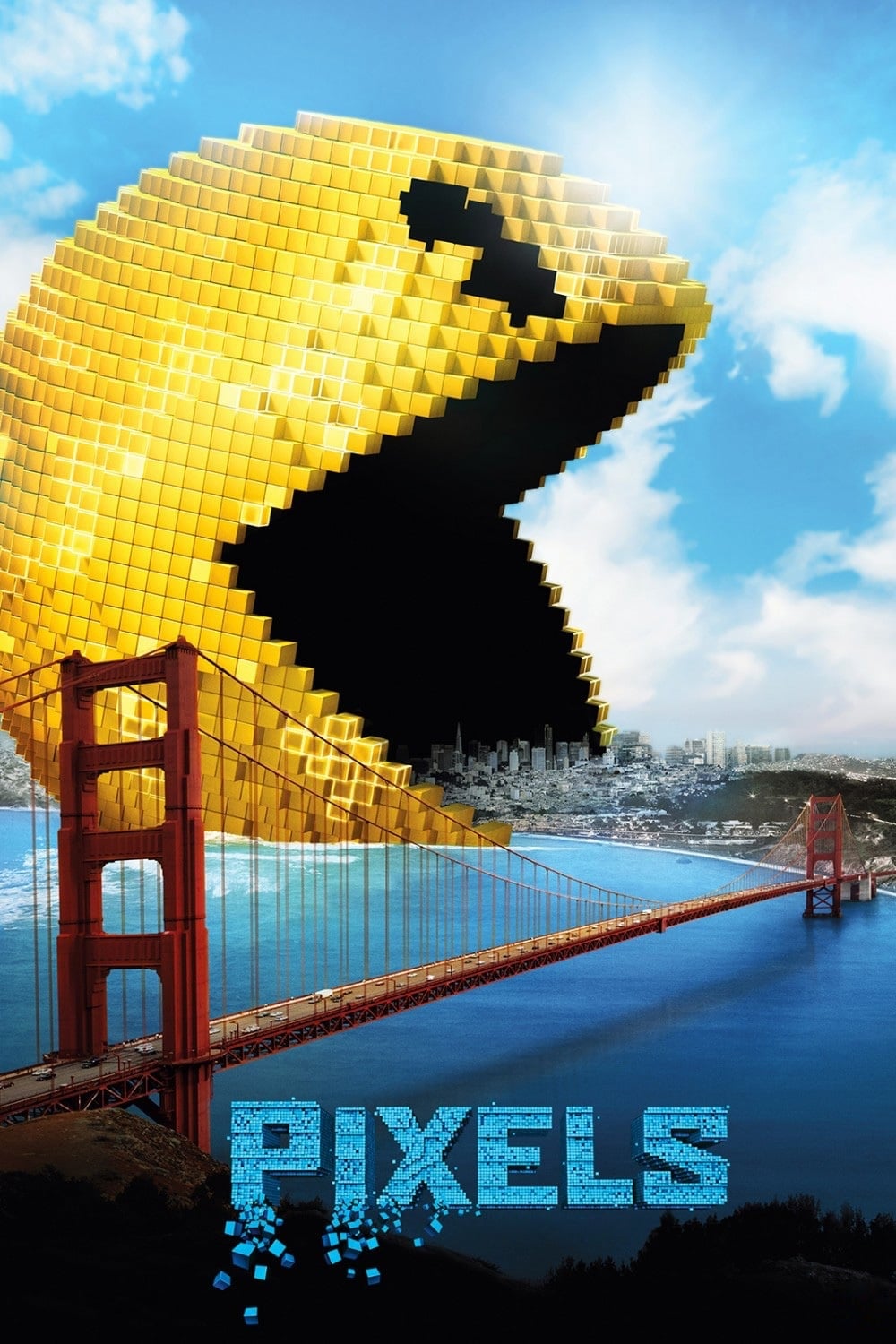
Sony Pictures altered a key scene in this sci-fi comedy to avoid offending Chinese sensibilities regarding national landmarks. The original script featured aliens blasting a hole through the Great Wall of China as part of their invasion. Executives changed the target to the Taj Mahal in India to ensure the film received a release date in mainland China. This change exemplified how artistic choices were sidelined to protect potential revenue streams from a single territory.
‘Warcraft’ (2016)
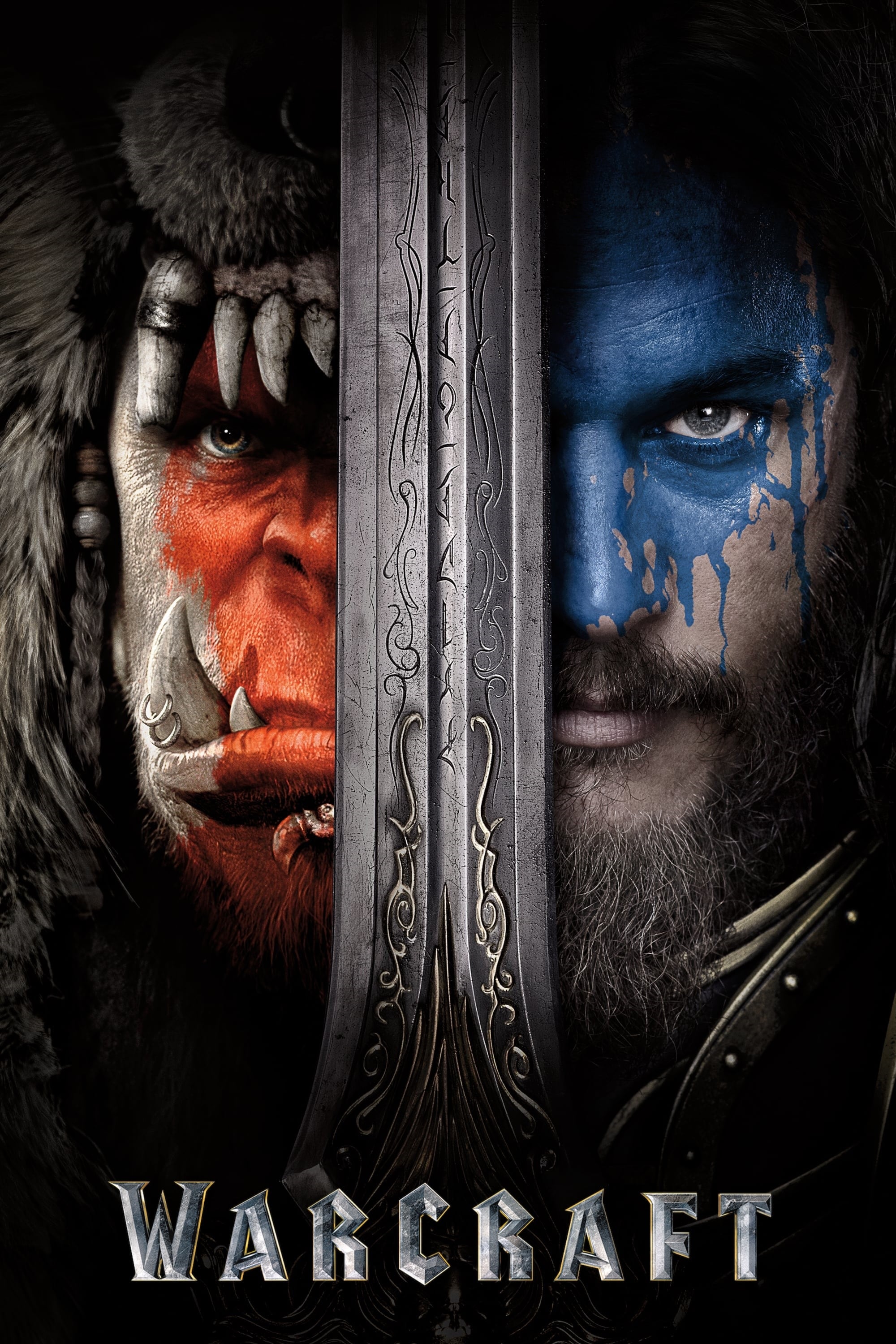
Legendary Pictures produced this adaptation with a primary focus on the massive player base of the game in China. The casting and marketing emphasized elements that appealed to Chinese gamers while neglecting the general Western audience. While the film flopped in the United States it broke records in China due to this targeted approach. The final product felt like a disjointed series of fan service moments rather than a cohesive fantasy film.
‘The Mummy: Tomb of the Dragon Emperor’ (2008)
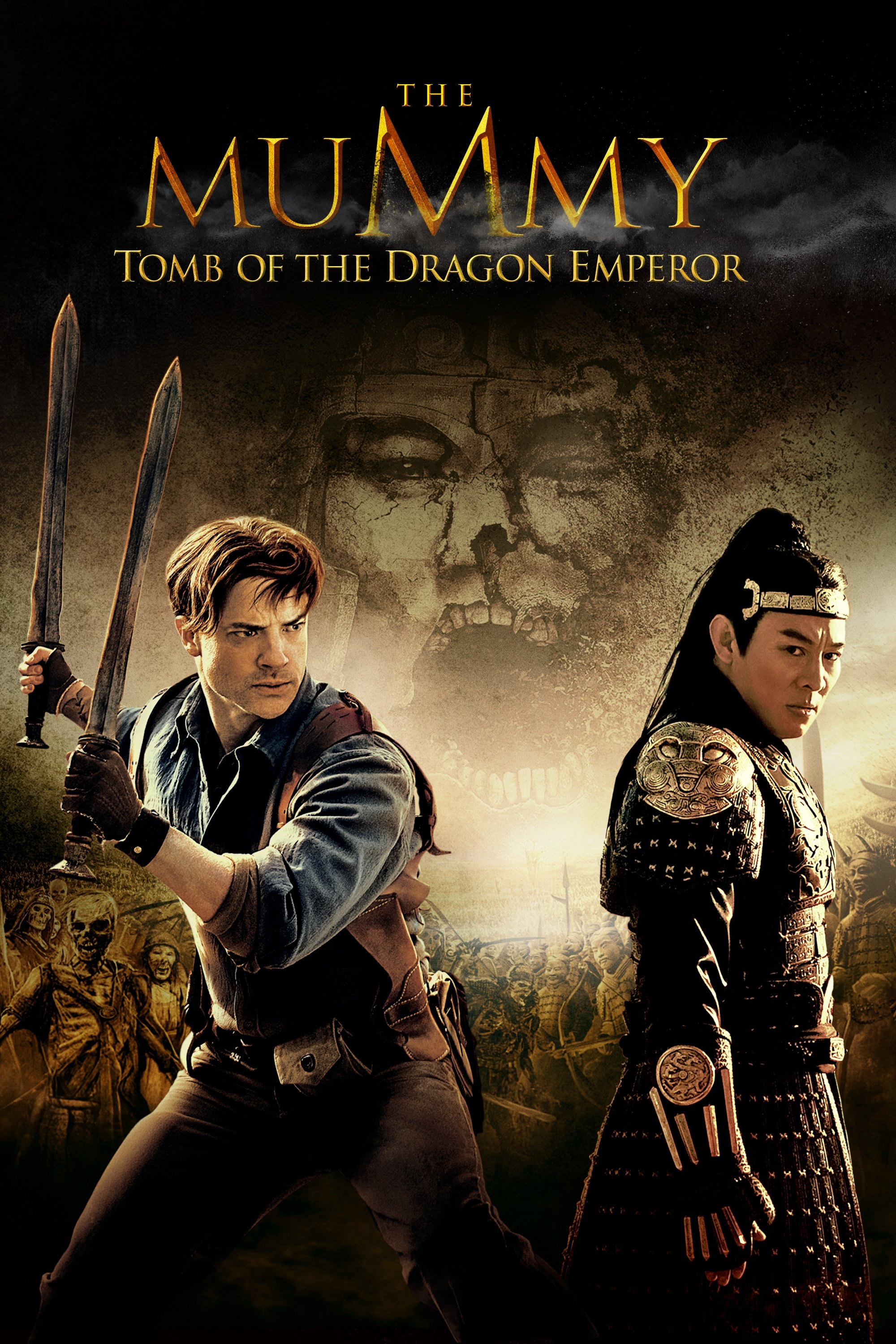
The third installment of the franchise shifted the setting from Egypt to China to capitalize on the growing Asian market. Jet Li and Michelle Yeoh joined the cast in roles that felt underutilized within the formulaic script. The plot ignored the established lore of the previous films to force a connection to the Terracotta Army. Critics noted that the location change felt purely commercial and robbed the series of its original charm.
‘The Meg’ (2018)
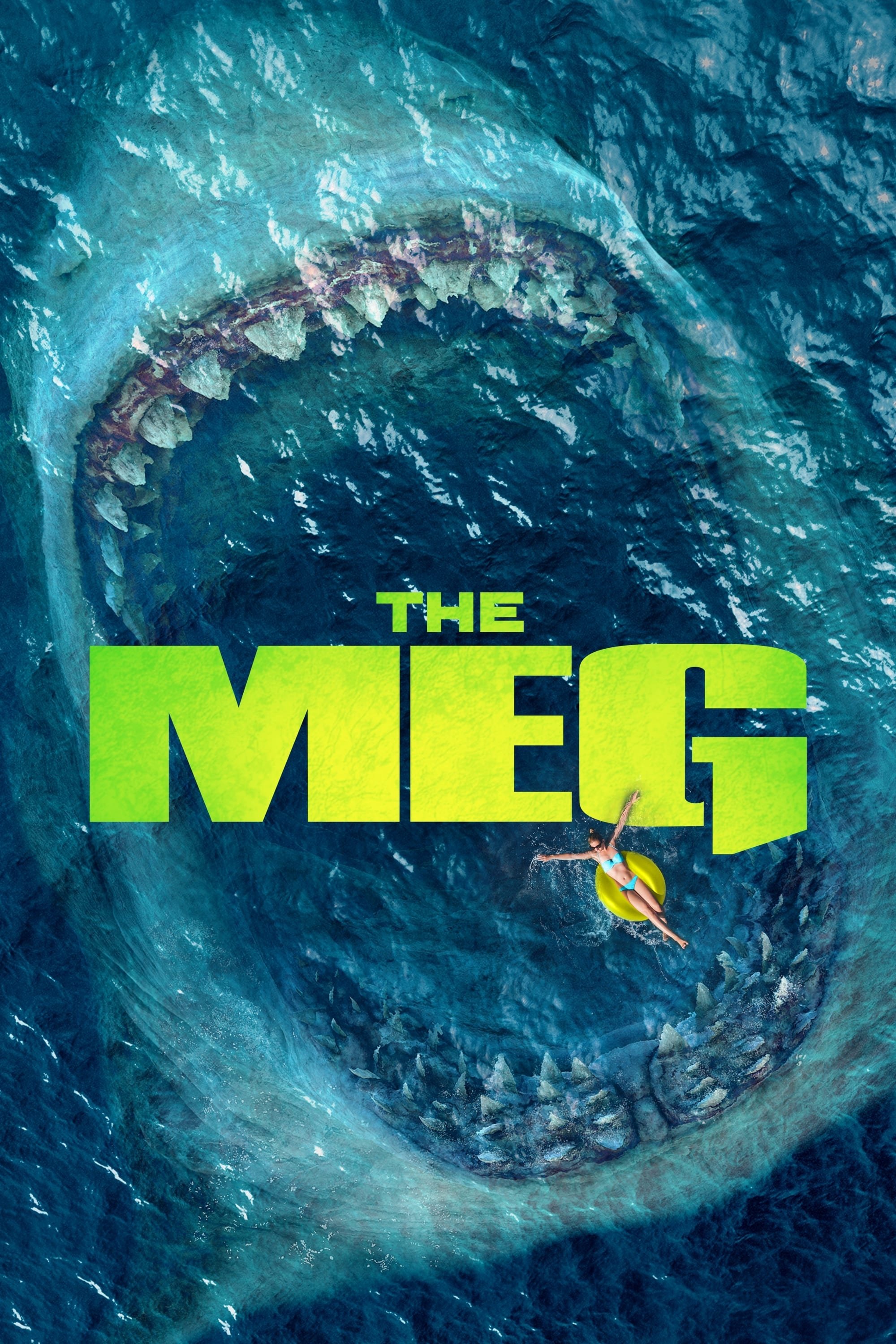
This shark thriller was a co-production that heavily featured Chinese locations and stars to secure domestic funding. The script moved the action to the Sanya Bay resort and gave star Li Bingbing a role that often overshadowed the other leads. Scenes frequently halted to showcase modern Chinese technology and naval capabilities in a promotional manner. The result was a monster movie that felt more like a tourism advertisement than a suspenseful feature.
‘X-Men: Days of Future Past’ (2014)
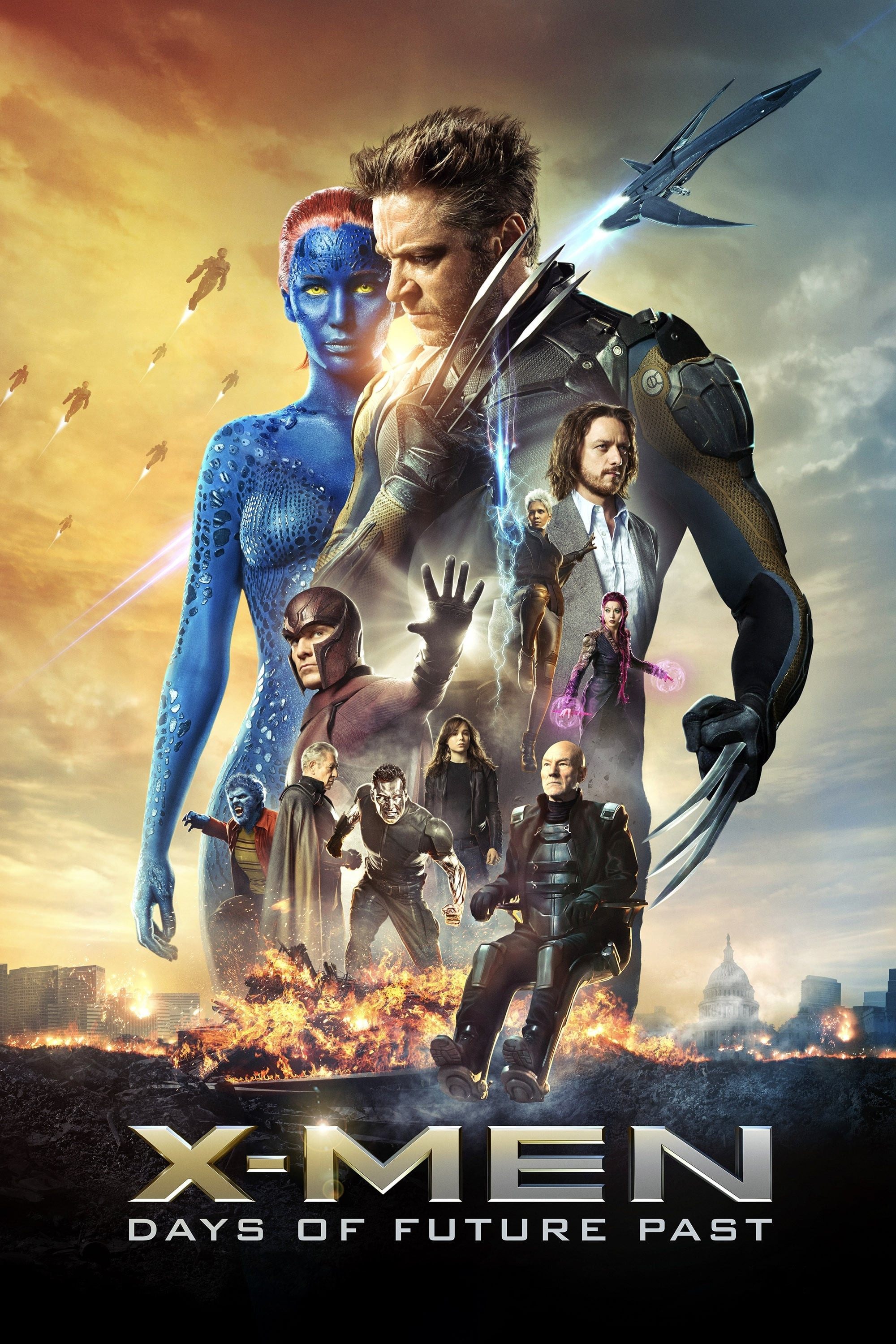
Fox heavily marketed the inclusion of Chinese superstar Fan Bingbing as the mutant Blink to attract local audiences. Her actual screen time in the theatrical release was minimal and consisted of only a few lines of dialogue. The promotional campaign misled viewers into thinking she played a central role in the narrative. This bait-and-switch tactic frustrated fans who felt the casting was a cynical marketing ply rather than a creative decision.
‘Skyscraper’ (2018)
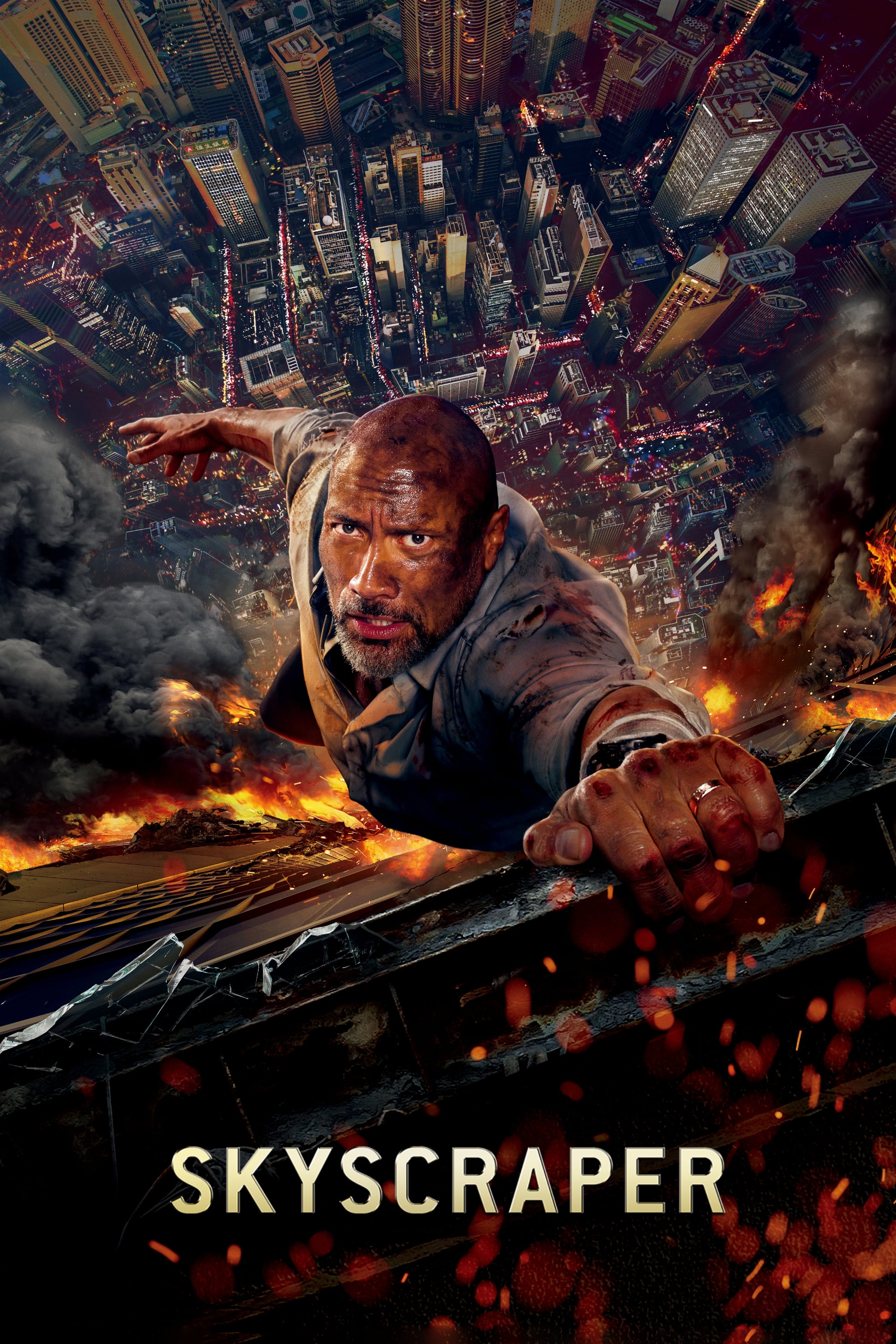
Dwayne Johnson stars in this action film set entirely in a fictional Hong Kong mega-tower to appeal to Asian markets. The plot portrays the local police and billionaire owner as highly competent and benevolent figures to satisfy censors. Much of the dialogue and cultural references feel forced and inauthentic to the actual setting. The movie functions as a generic vehicle for its star while ticking boxes for international distribution requirements.
‘Now You See Me 2’ (2016)
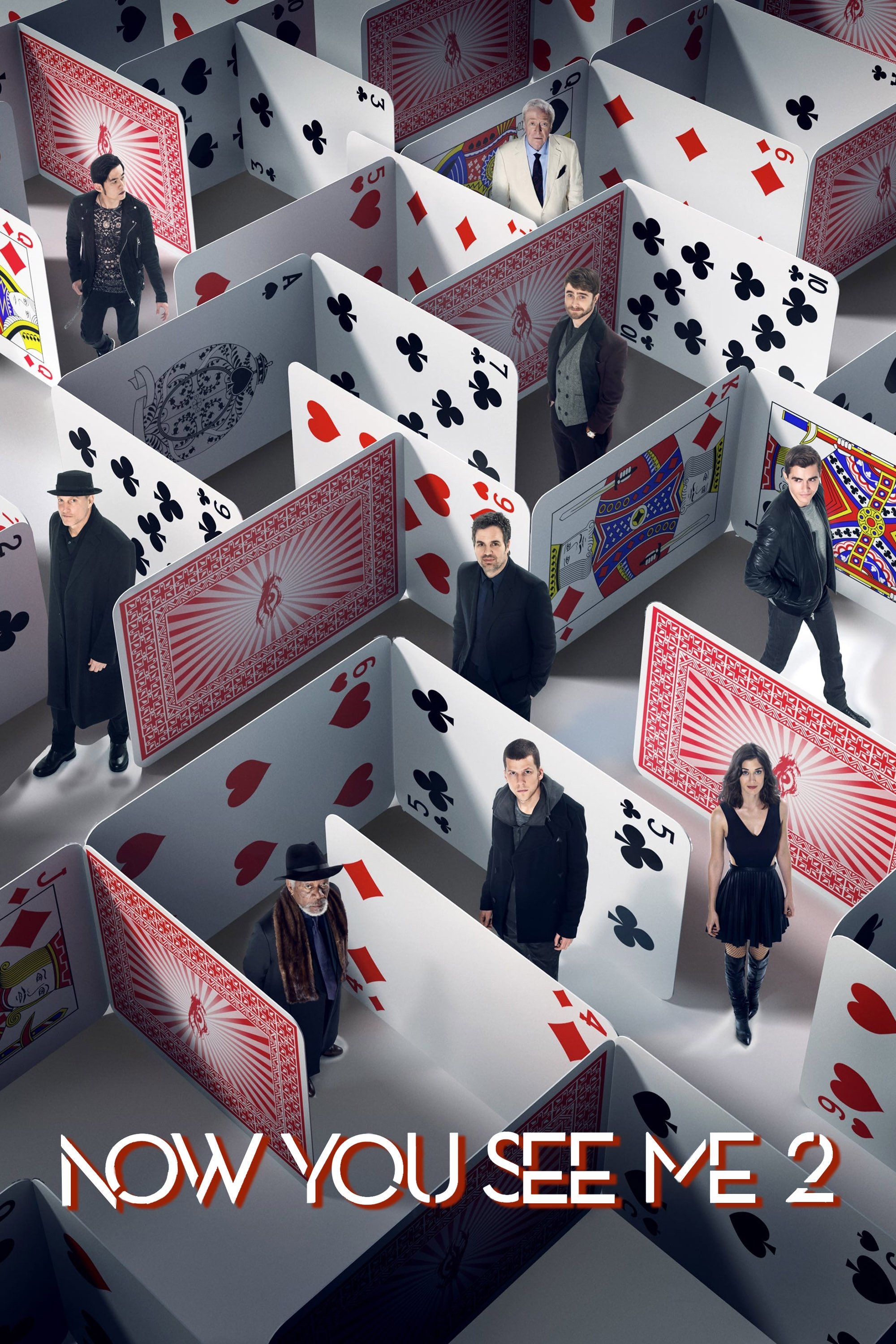
The sequel moved the magician protagonists to Macau for a significant portion of the film without a strong narrative justification. Taiwanese star Jay Chou was cast in a supporting role that served primarily to draw his massive fan base to theaters. The change in location disrupted the pacing and visual style established in the first movie. It became clear that the setting was dictated by box office potential rather than storytelling needs.
‘2012’ (2009)
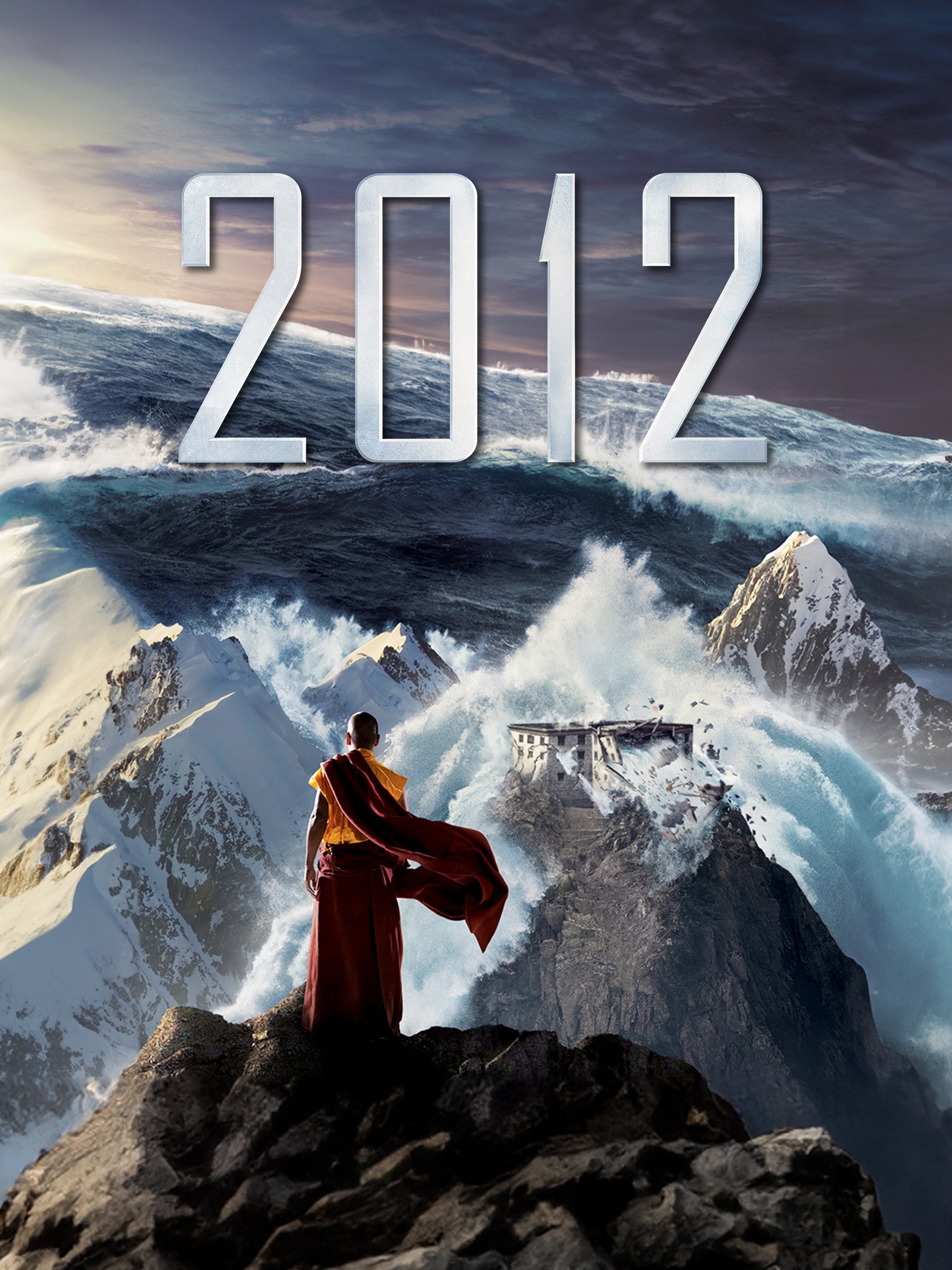
Roland Emmerich included a specific subplot where the Chinese government is the only entity capable of building the survival arks. A character explicitly states that no other nation could have completed such a massive project in time. This heavy-handed praise was designed to ensure the disaster film bypassed strict censorship rules. The dialogue felt out of place and broke the immersion of the global catastrophe scenario.
‘World War Z’ (2013)
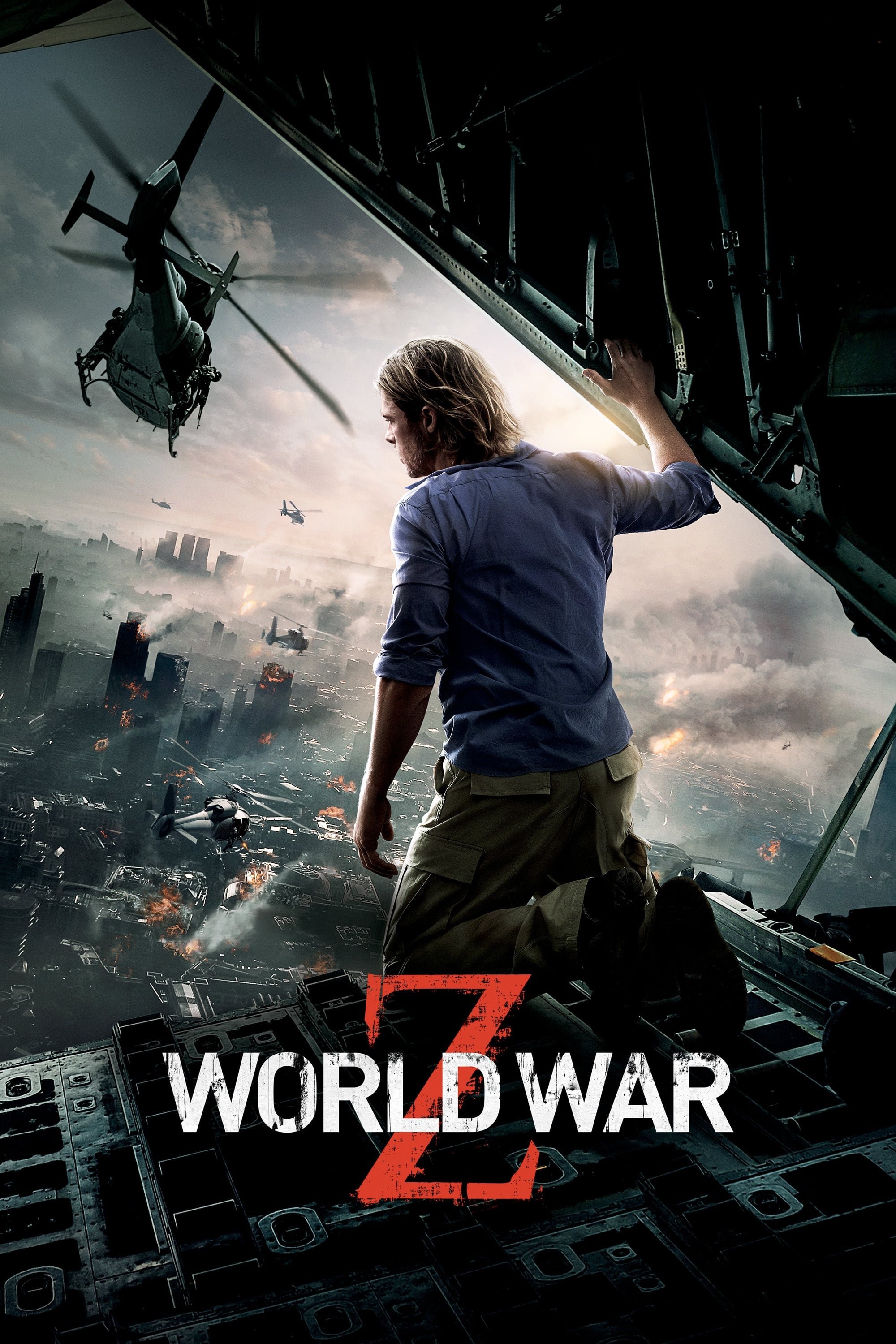
Paramount Pictures executives ordered changes to the origin of the zombie virus to avoid implicating China as the source. The source material book explicitly identifies the outbreak beginning in China but the film leaves the origin vague. Characters discuss potential sources like South Korea or India to deflect any political controversy. This alteration created a plot hole regarding the patient zero narrative that the film never fully resolved.
‘Doctor Strange’ (2016)
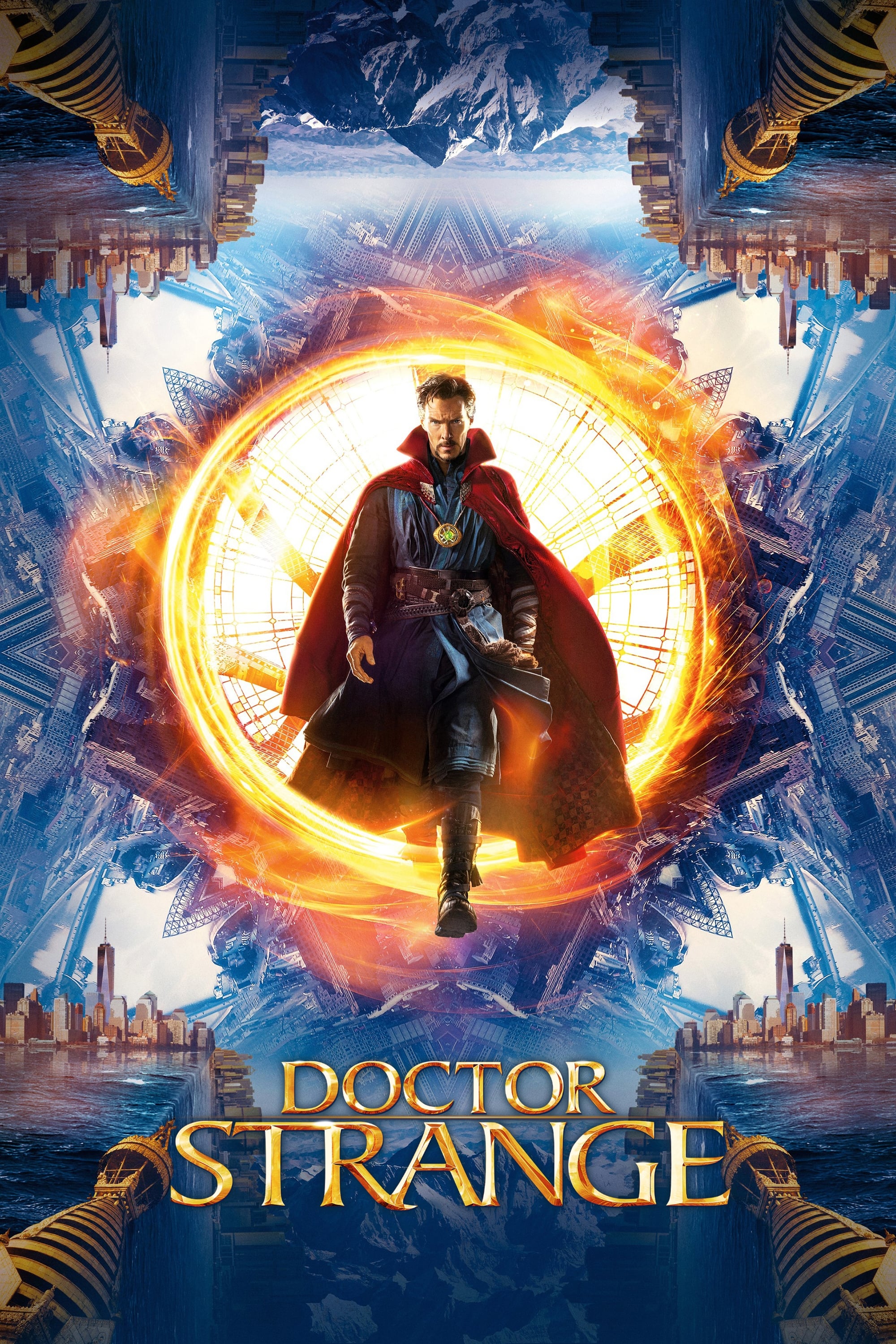
Marvel Studios changed the ethnicity of the Ancient One from Tibetan to Celtic to avoid political tension. The writers also removed references to Tibet and moved the training location to Nepal to prevent the film from being banned. These decisions sparked a whitewashing controversy that overshadowed the release of the movie. The studio prioritized market access over faithful adaptation of the comic book source material.
‘Looper’ (2012)
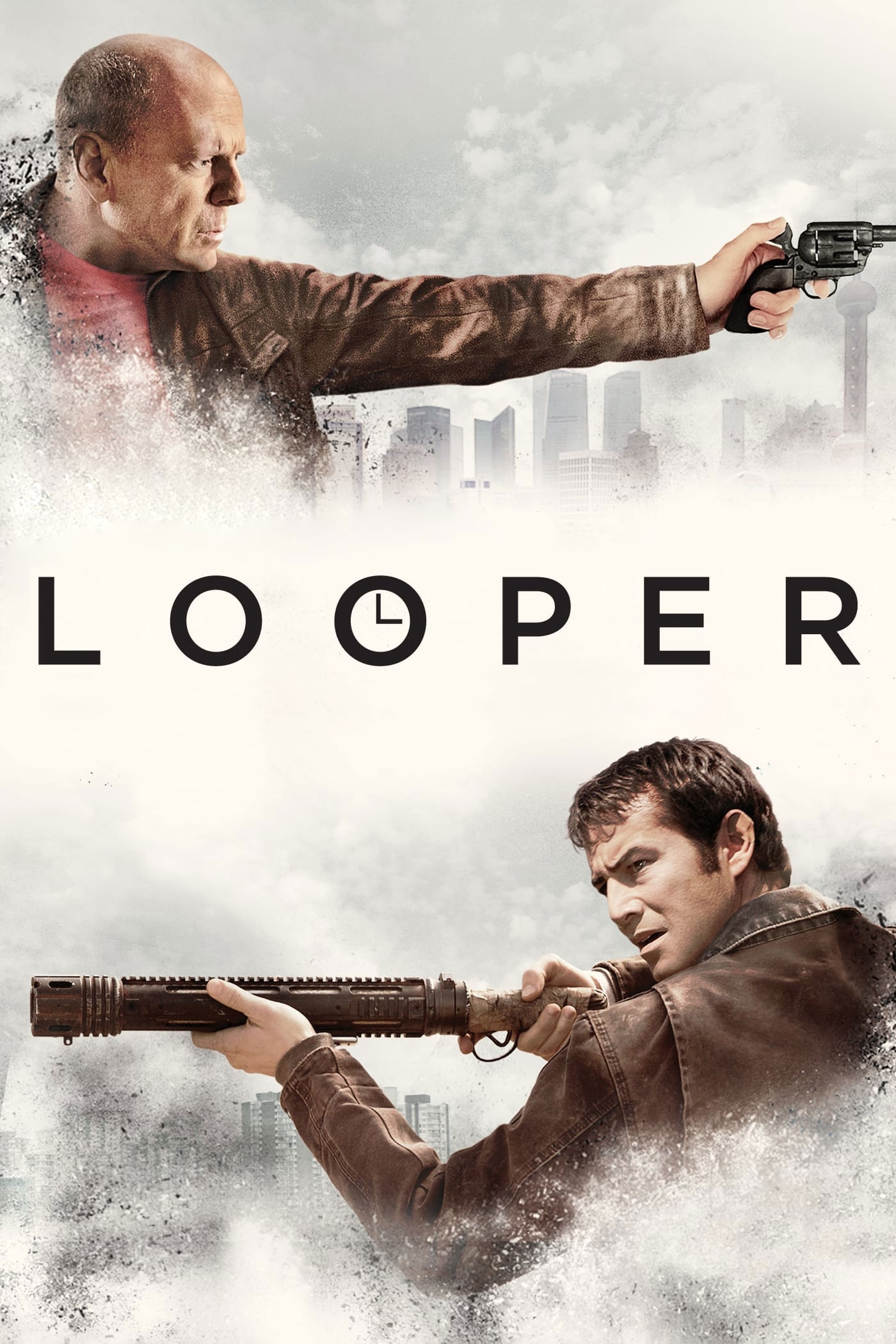
The filmmakers rewrote the script to move the future timeline setting from Paris to Shanghai after receiving Chinese funding. Scenes were shot in China that slowed down the pacing and added little to the character development of the protagonist. The Chinese theatrical cut included even more footage of the location that was trimmed for other regions. This pivot caused the second act of the film to feel tonally inconsistent with the gritty American setting.
‘Pacific Rim: Uprising’ (2018)
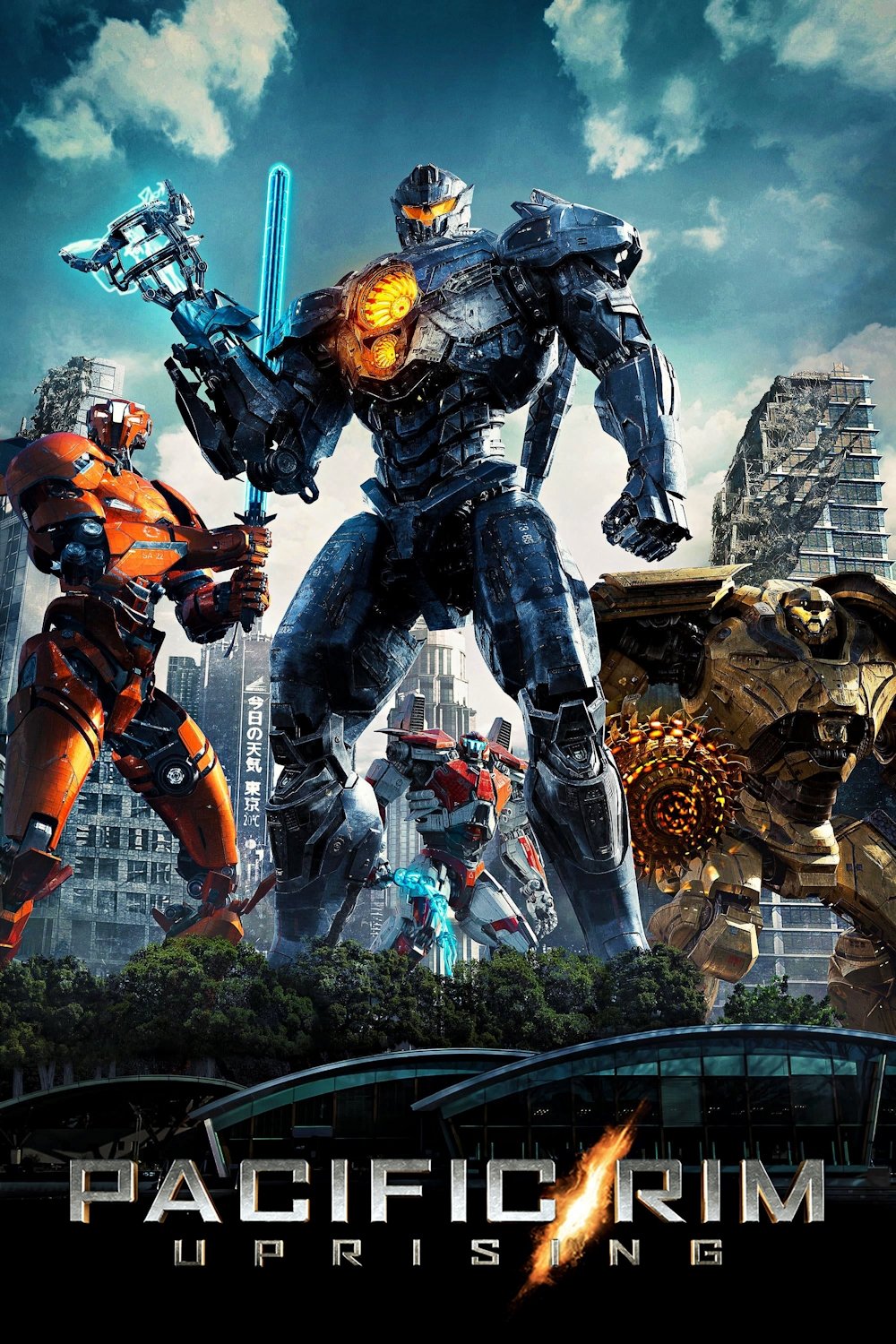
The sequel to the kaiju film featured a prominent role for actress Jing Tian and heavy product placement for Chinese brands. The plot revolves around a Chinese technology company and its drones in a way that feels like a corporate presentation. These elements clashed with the established universe and tone of the original movie. The focus on appealing to this specific market resulted in a generic action flick that lost the heart of the first film.
‘The Great Wall’ (2016)
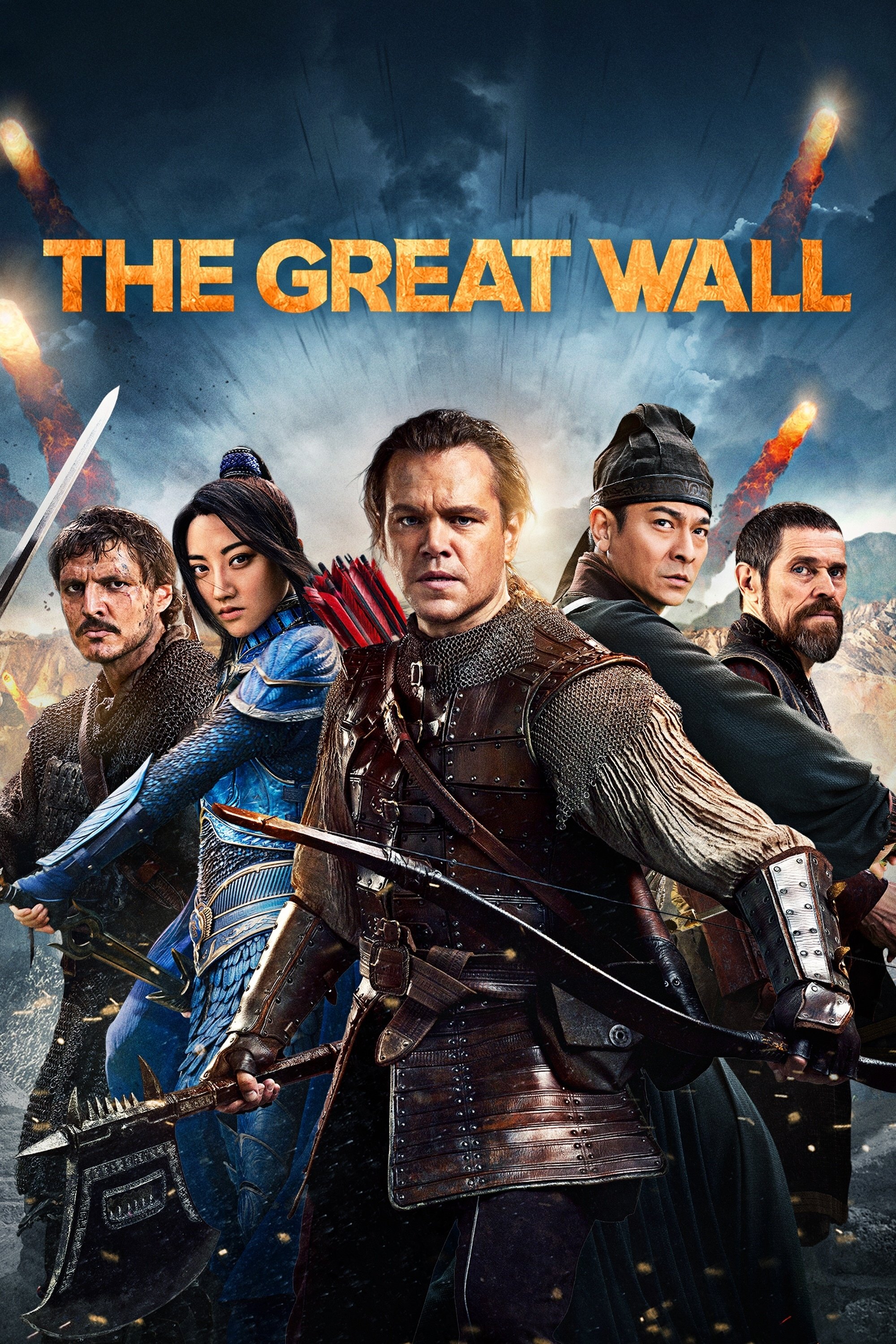
This massive co-production attempted to blend a historical Chinese epic with a Hollywood monster movie featuring Matt Damon. The film faced criticism for its white savior narrative and the awkward mixture of Western and Eastern acting styles. The script prioritized spectacle and color-coded armies over character depth or historical context. It stands as a prime example of how trying to please everyone often leads to pleasing no one.
‘Independence Day: Resurgence’ (2016)
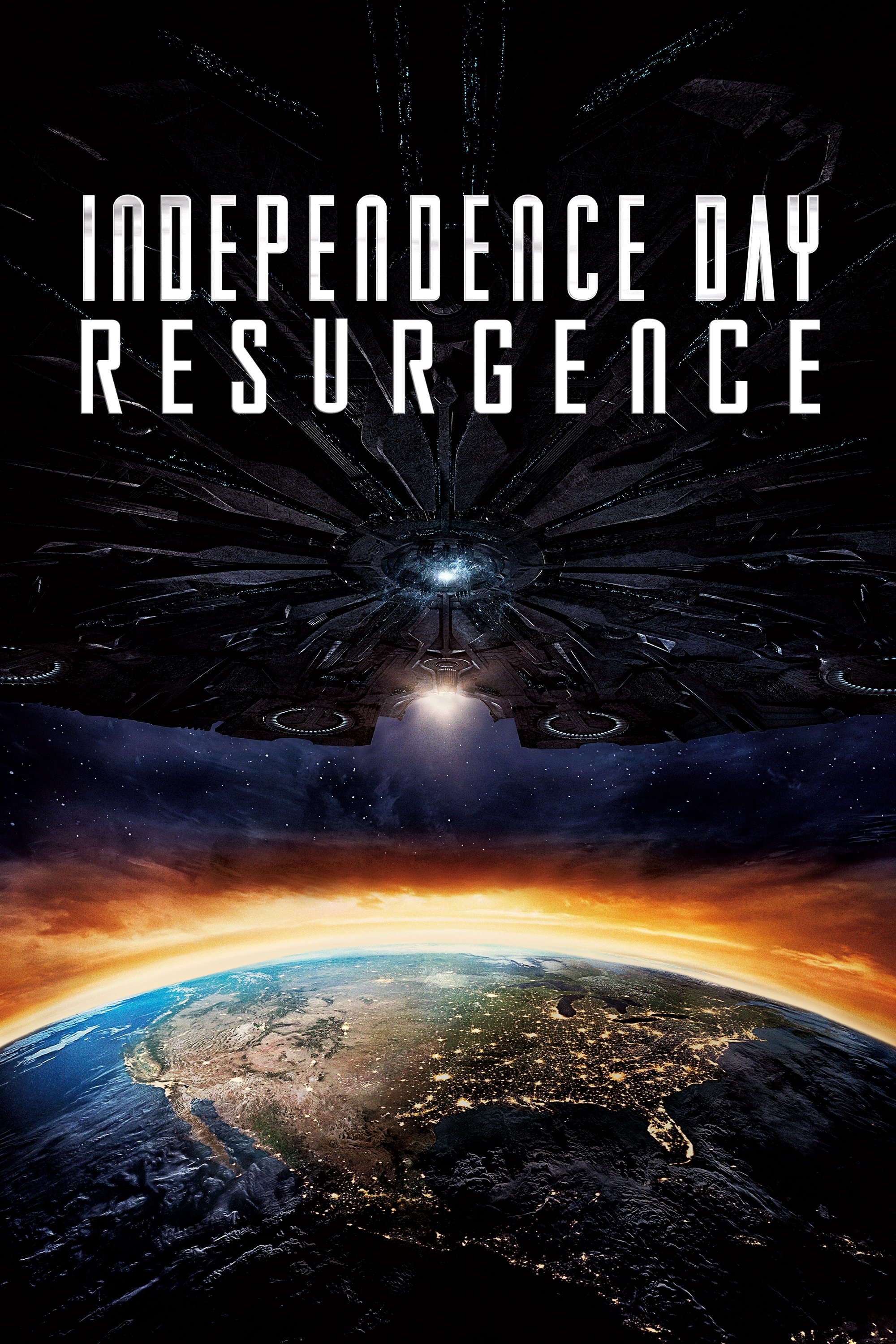
The sequel featured prominent and distracting product placement for a Chinese milk brand called Moon Milk. A character pauses during a scene of alien destruction to explicitly drink the product with the logo facing the camera. Chinese actress Angelababy was cast as a fighter pilot but was given little meaningful dialogue or character arc. These inclusions pulled viewers out of the movie and highlighted the commercial mandates behind the production.
‘Red Dawn’ (2012)

The studio digitally altered the antagonists from Chinese soldiers to North Koreans in post-production to save the box office potential. Editors changed flags and military symbols frame by frame and re-dubbed dialogue throughout the entire movie. This extensive reworking caused visual glitches and syncing issues that made the film look cheap and unfinished. The premise became even less plausible as North Korea lacks the resources for such a massive invasion.
‘Transformers: Age of Extinction’ (2014)

Director Michael Bay moved the entire third act of the film to Hong Kong to cater to the Chinese audience. The sequence features blatant product placement for Shuhua milk and Chinese construction banks that linger on screen for seconds. The plot halts so characters can interact with these products in the middle of a life-or-death battle. This aggressive marketing strategy turned the climax of the film into a series of commercials.
‘Iron Man 3’ (2013)
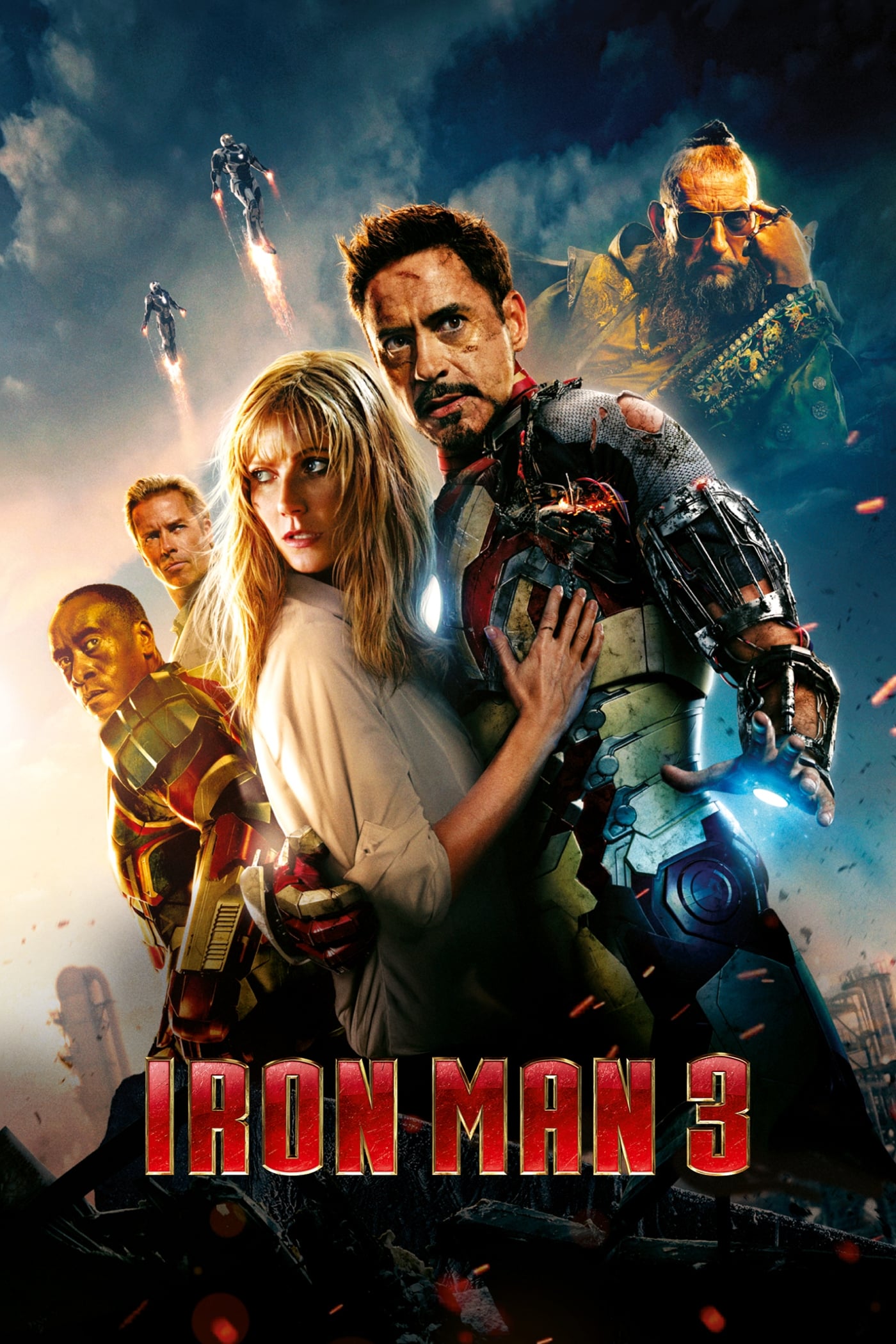
Marvel filmed exclusive scenes for the Chinese version of the movie that featured popular local actors Fan Bingbing and Wang Xueqi. These sequences involved Dr Wu performing surgery on Tony Stark and drinking a branded milk beverage. International audiences were confused by the sudden appearance of these characters who had no impact on the main plot. The additions disrupted the rhythm of the film and were universally panned as unnecessary pandering.
‘Mulan’ (2020)
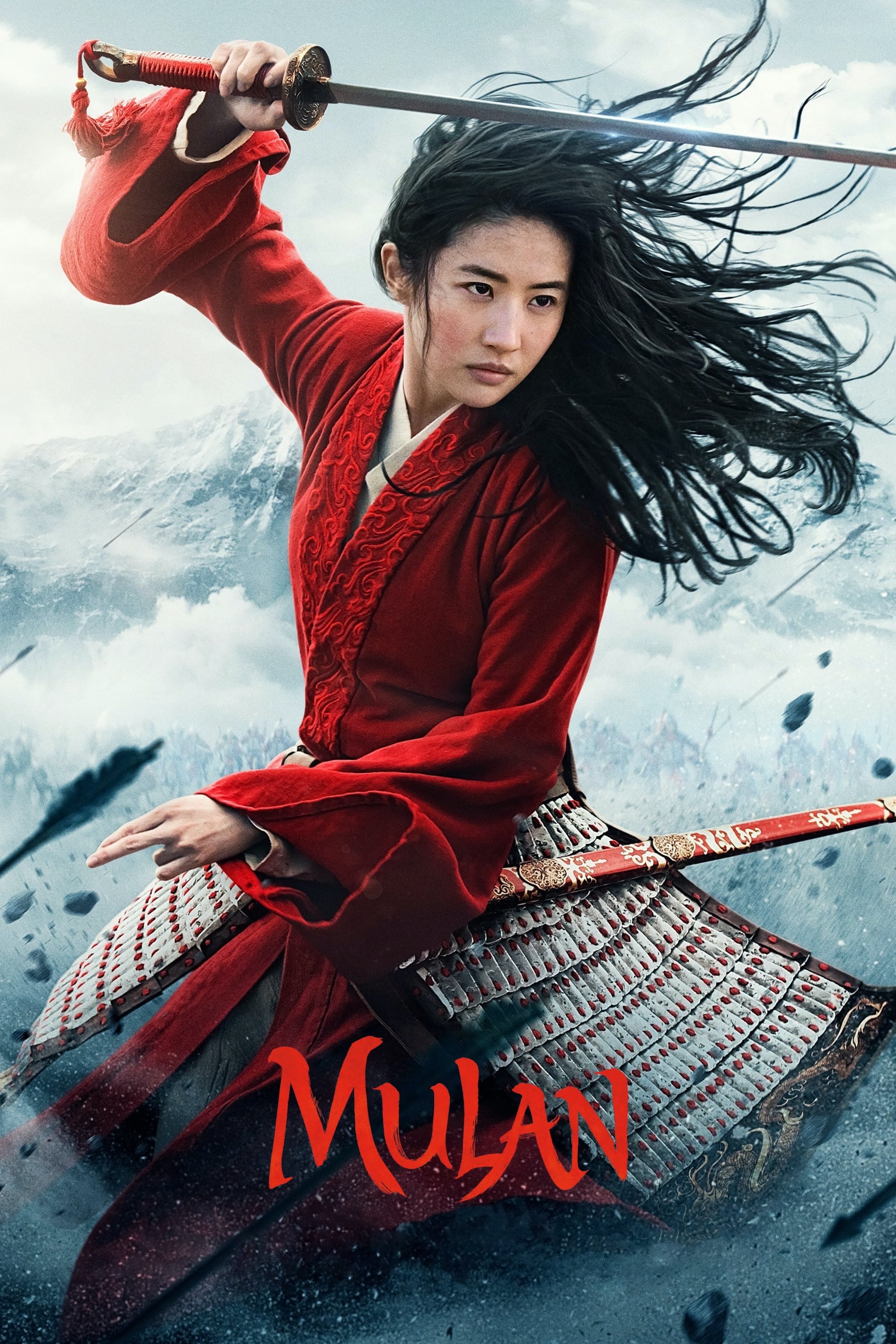
Disney removed the character of Mushu and the musical numbers to appeal to Chinese cultural preferences for a more serious war drama. The production filmed in the Xinjiang province and thanked government security agencies in the credits which sparked a massive human rights controversy. Despite these efforts to cater to the region the film was criticized in China for its historical inaccuracies. The movie alienated both Western fans of the original and the Chinese audience it tried so hard to court.
‘Transformers: The Last Knight’ (2017)
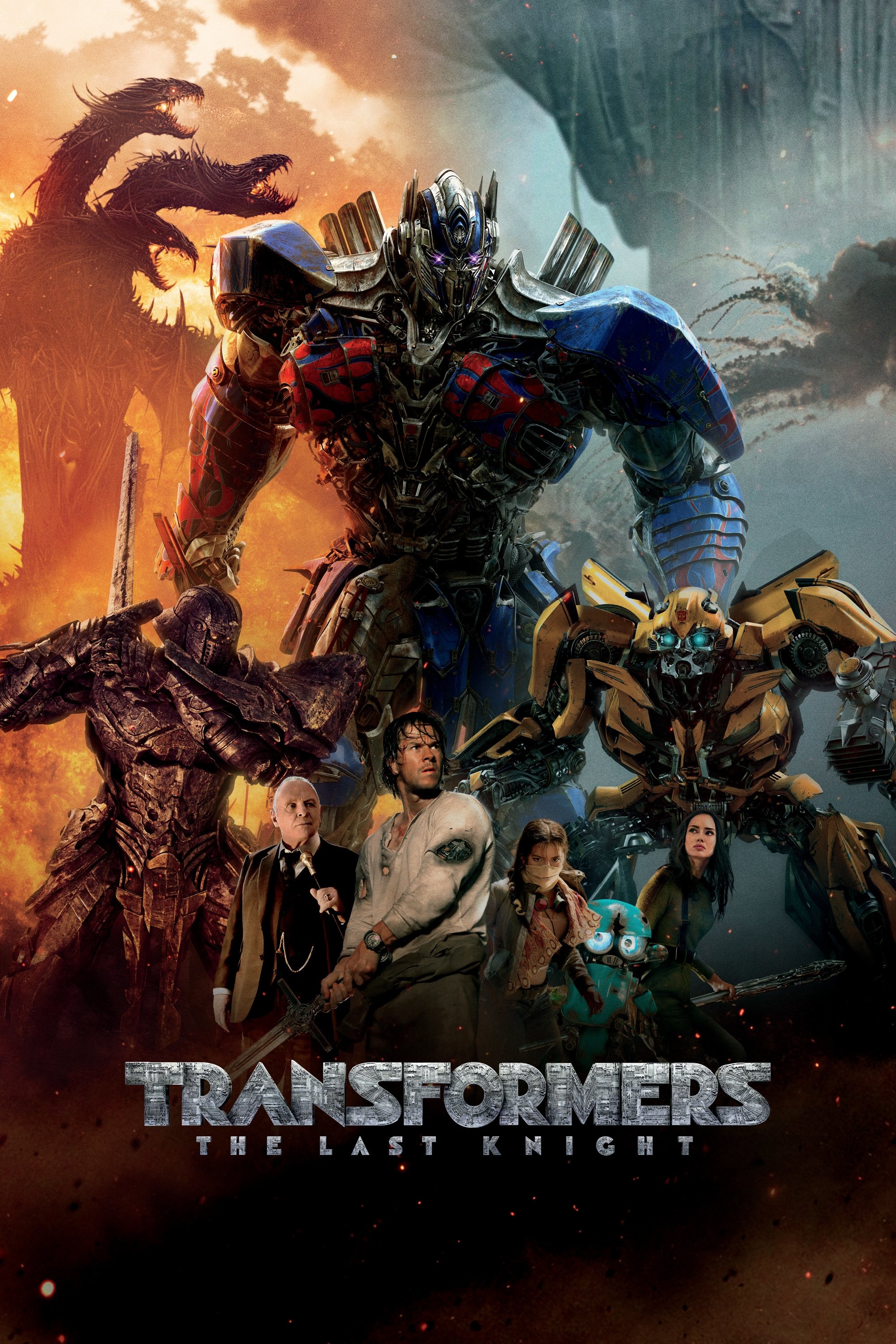
The fifth entry in the franchise continued the trend of heavy-handed pandering with even more intrusive product placement. A Chinese car trading website is prominently featured in scenes that have nothing to do with buying vehicles. The narrative bends over backwards to include positive portrayals of Chinese allies that feel disconnected from the Arthurian main plot. This relentless focus on commerce over art contributed to the fatigue that eventually rebooted the series.
Share your thoughts on which of these studio decisions was the most distracting in the comments.