14 War Stories Told From The Home-Front Perspective



War films often focus on the visceral action of the battlefield, but some of the most compelling narratives occur far from the front lines. These stories explore the impact of global conflict on civilians, families, and communities left behind to navigate fear and scarcity. Home-front dramas provide a unique lens into the societal shifts and emotional tolls that war exacts on a nation. By focusing on those waiting at home, these films highlight resilience and the struggle to maintain normalcy amidst chaos. The following list examines fifteen notable productions that capture the domestic experience of wartime.
‘Gone with the Wind’ (1939)
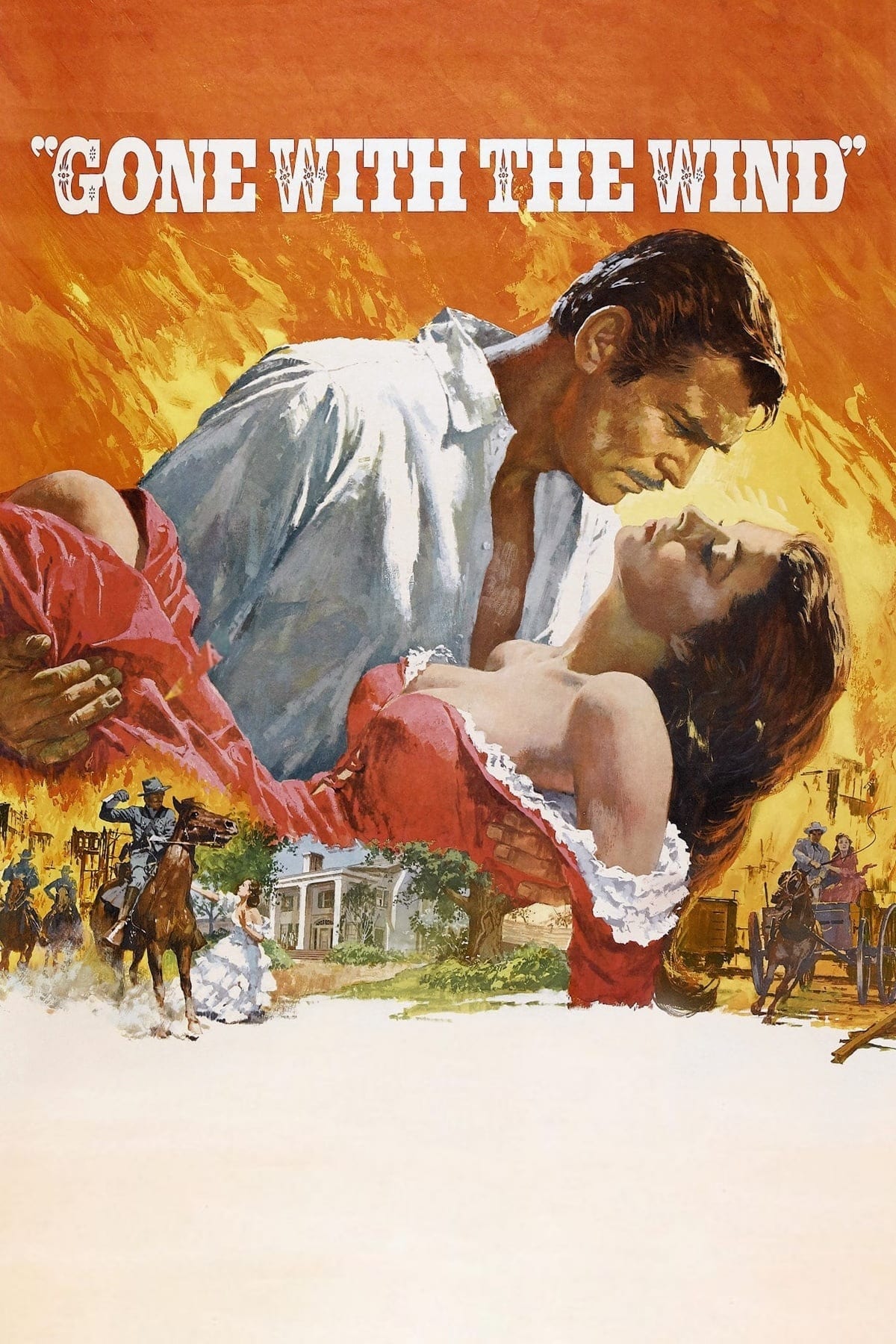
Scarlett O’Hara fights to save her family plantation during and after the American Civil War. The story follows her turbulent romantic entanglements while the South crumbles around her. Viewers witness the drastic transformation of the region through the eyes of the privileged class losing their status. It depicts the physical destruction of Atlanta and the economic hardships that follow the conflict. The film remains a significant portrayal of civilian survival during a time of immense internal strife.
‘Mrs. Miniver’ (1942)
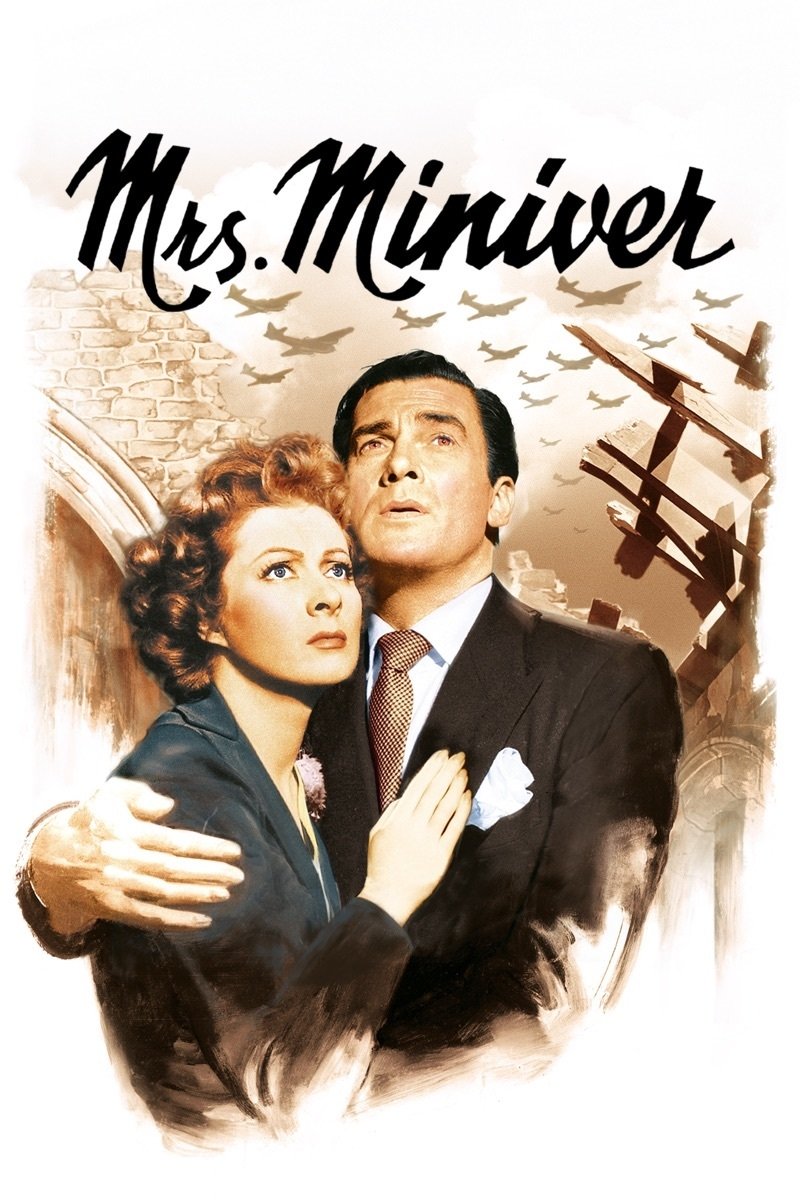
A British matriarch struggles to keep her family together while World War II rages on their doorstep. The film highlights the resilience of ordinary citizens facing air raids and the departure of loved ones to the front lines. Kay Miniver becomes a symbol of strength as she navigates the emotional turmoil of sending her son to war. It serves as a poignant tribute to the domestic courage required during times of national crisis. The narrative emphasizes the shared burden of the war effort across all levels of society.
‘The Best Years of Our Lives’ (1946)

Three World War II veterans return to their small hometown and attempt to assimilate back into civilian society. Each man faces distinct challenges regarding employment and relationship adjustments after witnessing the horrors of combat. The narrative explores the disconnect between those who served and the families who waited for them. This classic film provides a realistic look at the psychological aftermath of war on the home front. It honestly addresses the difficulties of PTSD and physical disability in a postwar world.
‘Forbidden Games’ (1952)
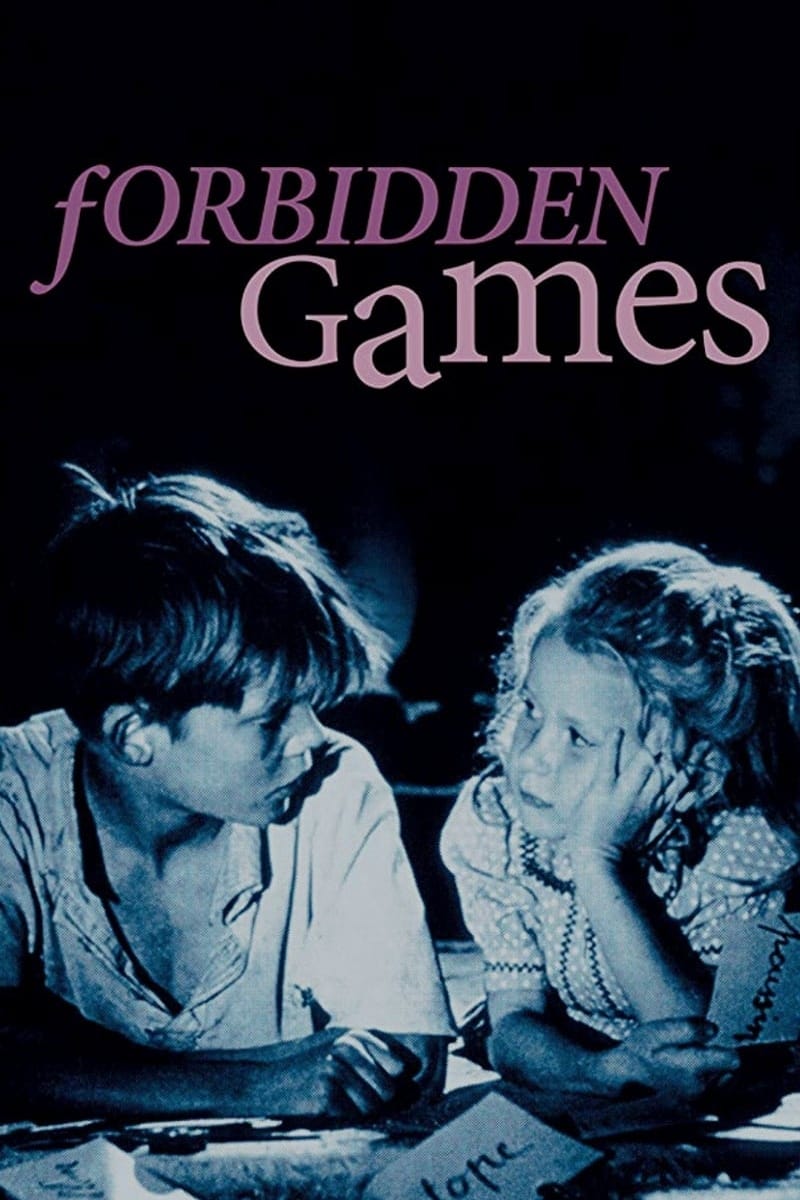
Two young French children create a secret cemetery for animals after losing their parents to a German air raid. They process the trauma and death surrounding them by building their own morbid sanctuary away from the adult world. The movie portrays how innocence is shattered and reshaped by the ubiquity of violence during the occupation. It offers a haunting perspective on how war impacts the developing minds of the youth. The film suggests that children mirror the destruction of the adult world in their own play.
‘Coming Home’ (1978)
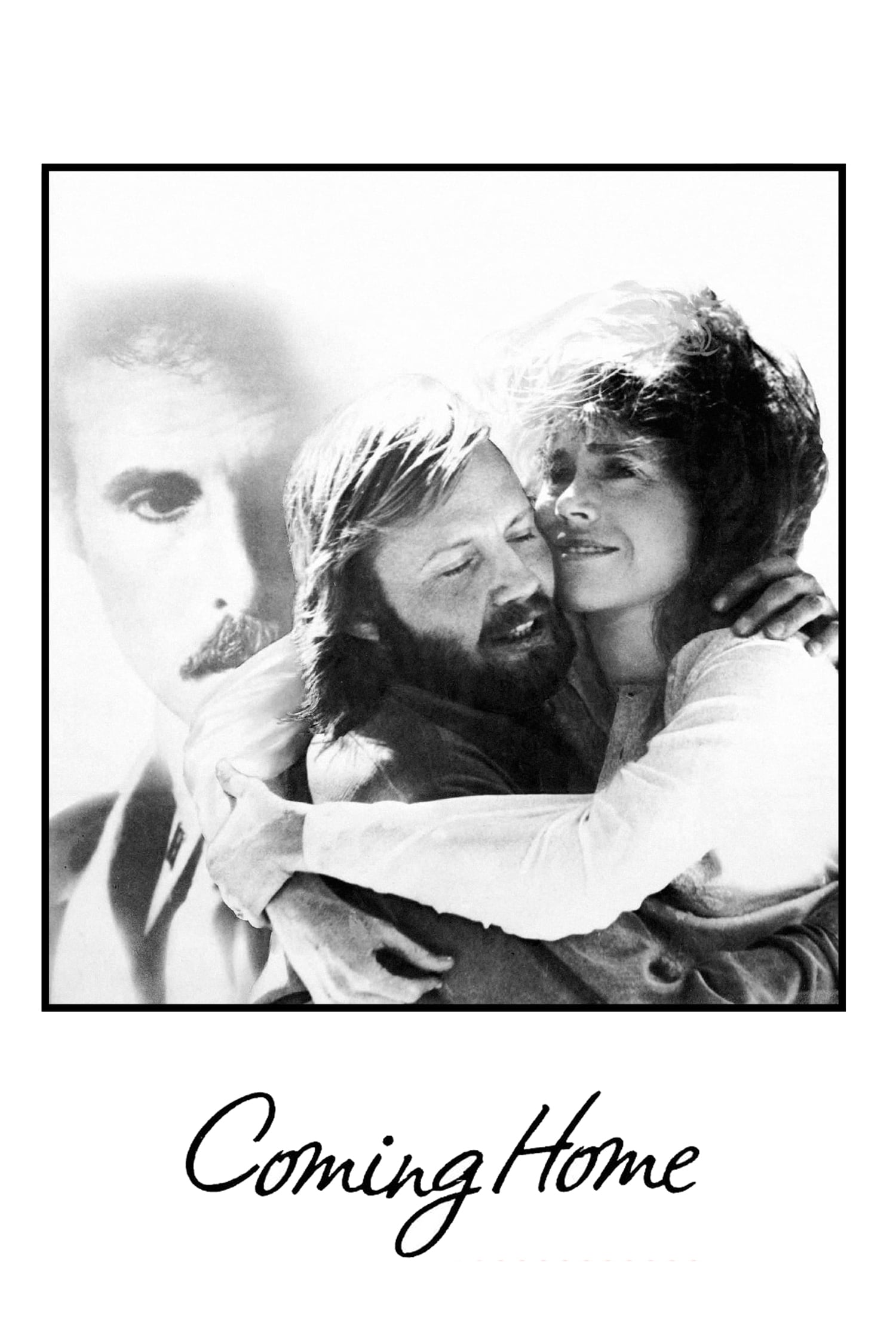
A woman volunteers at a veterans hospital while her husband serves in Vietnam and falls for a paralyzed soldier. The film examines the shifting political and social attitudes toward the war within the United States. Characters grapple with physical disabilities and the lack of support systems for returning troops. It stands as a critical examination of the collateral damage war inflicts on marriages and mental health. The story illustrates the deep divide between military duty and the reality of rehabilitation.
‘Hope and Glory’ (1987)
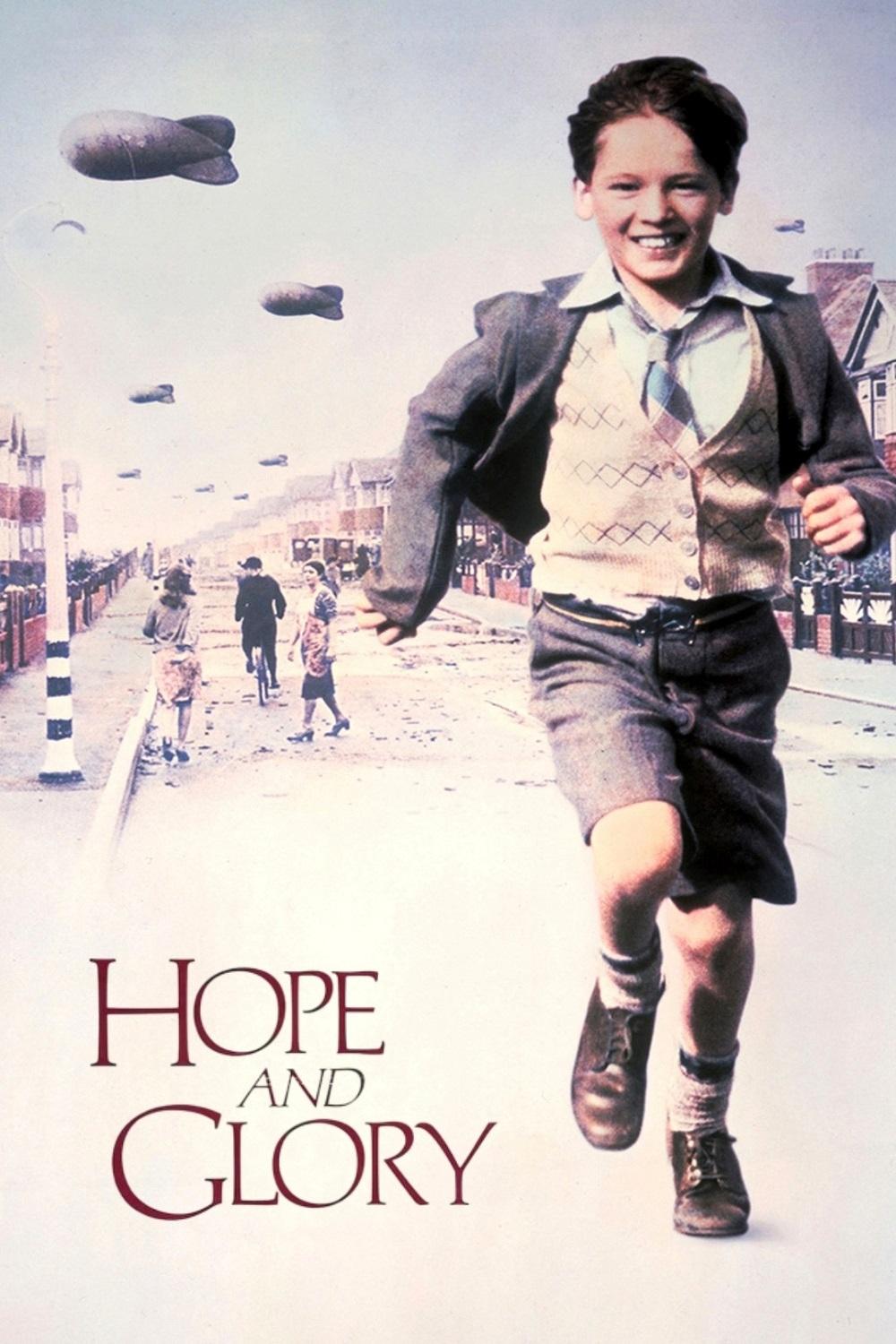
A young boy views the London Blitz as a playground of adventure rather than a site of devastation. His family tries to maintain a sense of normalcy amidst the falling bombs and crumbling infrastructure. The story captures the surreal juxtaposition of childhood innocence against the backdrop of total war. It provides a personal look at life in England during the height of the German bombing campaigns. The film finds humor and warmth even as the neighborhood is reduced to rubble.
‘Grave of the Fireflies’ (1988)
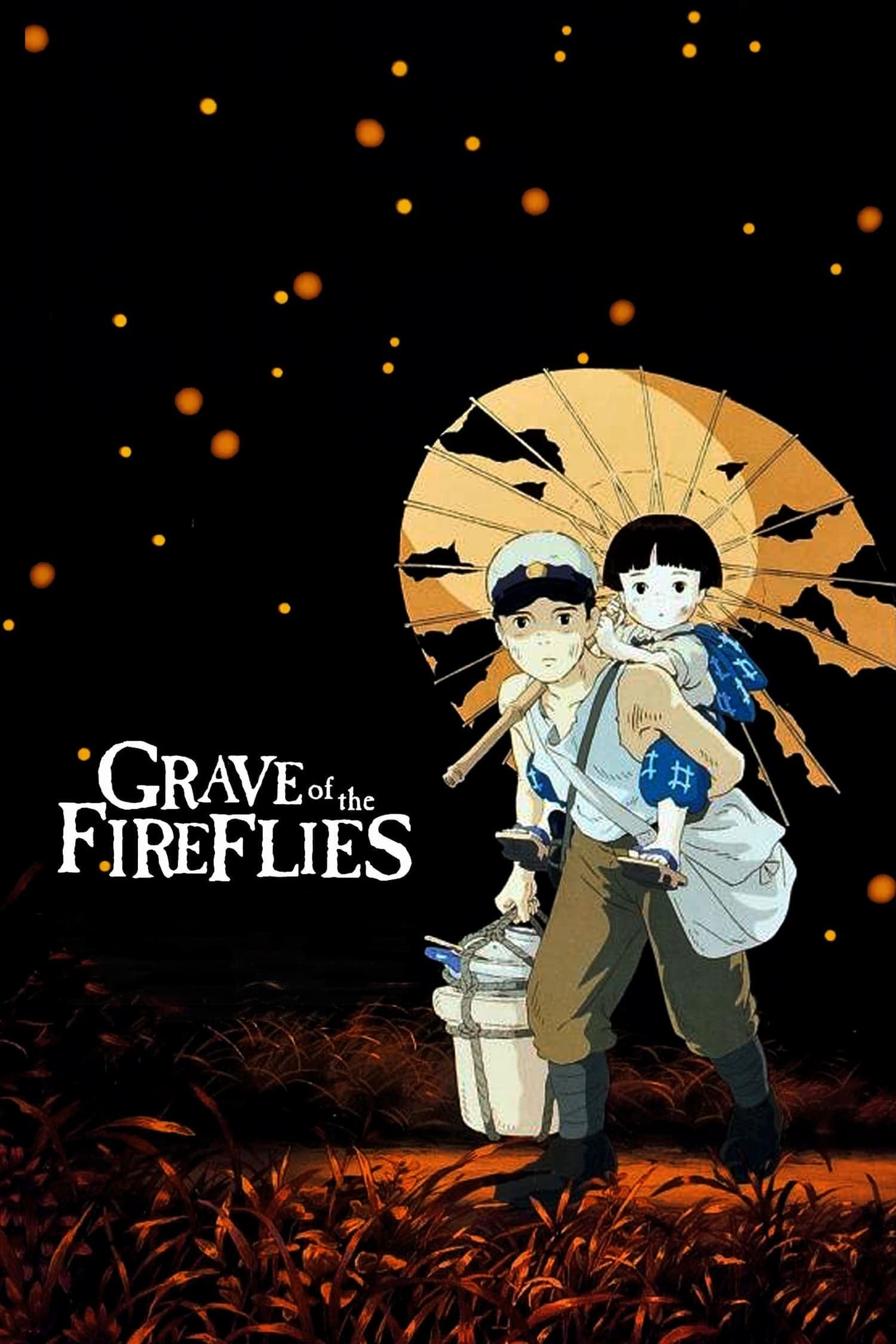
Two siblings struggle to survive on their own in Japan during the final months of World War II. Seita and Setsuko face starvation and apathy from adults as social structures collapse around them. The animation vividly depicts the tragic cost of war on the most vulnerable members of society. It remains one of the most heartbreaking portrayals of the civilian experience during wartime. The narrative strips away any glory to focus purely on the desperate fight for existence.
‘Cold Mountain’ (2003)

A wounded Confederate soldier deserts the army to return to the woman he loves in North Carolina. Ada Monroe struggles to maintain her deceased father’s farm while facing the brutality of the Home Guard. The narrative alternates between the soldier’s perilous journey and the harsh realities of survival on the domestic front. It illustrates the lawlessness and desperation that plagued the South as the Civil War neared its end. The film highlights the physical labor and danger women faced while men were away fighting.
‘Pan’s Labyrinth’ (2006)

A young girl escapes the harsh reality of Spain after the Civil War by entering a mysterious fantasy world. Her stepfather represents the brutal fascist regime hunting down the remaining republican rebels in the countryside. Ofelia uses her imagination to cope with the violence and oppression dominating her household. The film blends historical drama with dark fantasy to explore the trauma of living under a dictatorship. It serves as an allegory for the loss of innocence in a militarized society.
‘Atonement’ (2007)
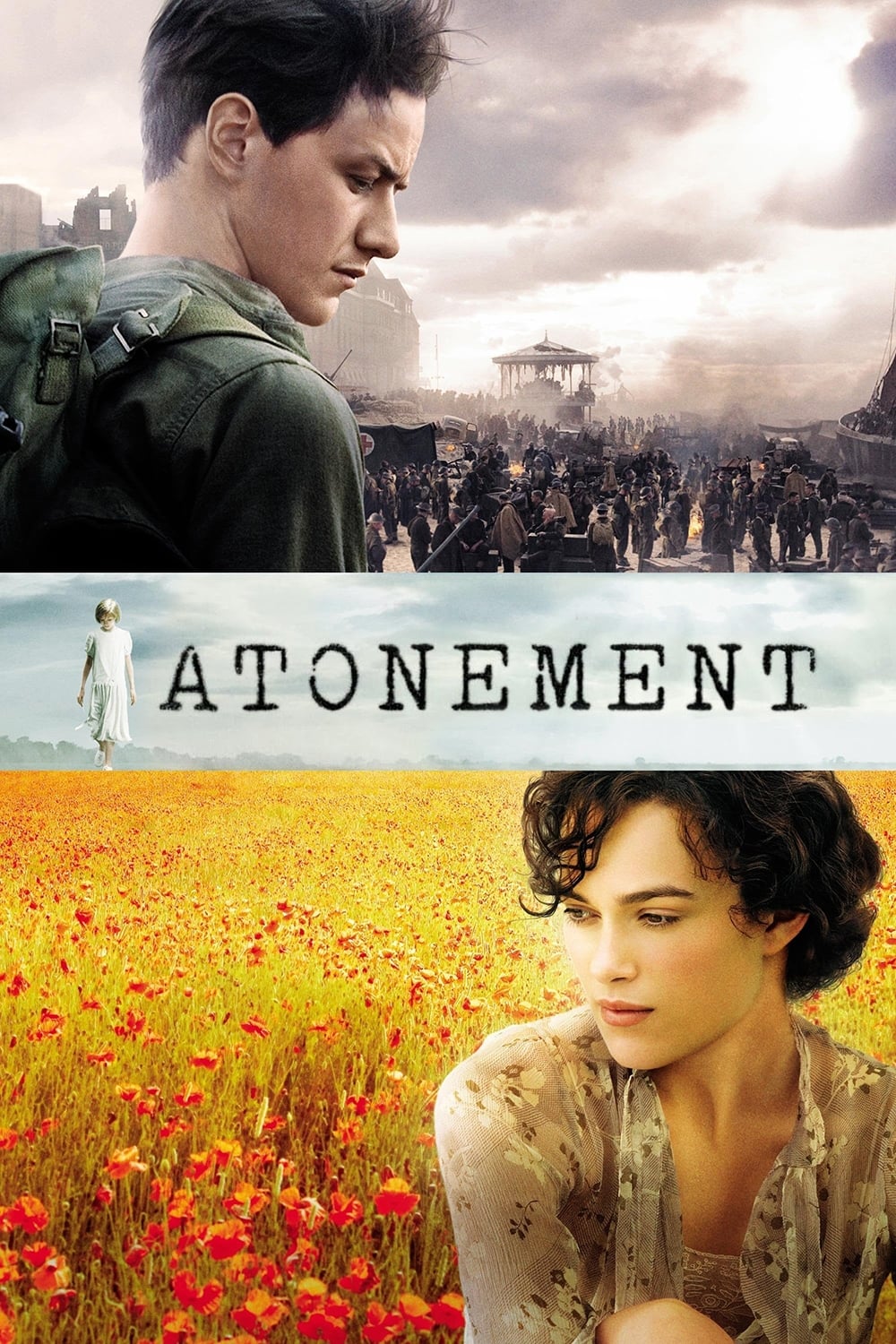
A young girl makes a false accusation that destroys the lives of her sister and a lover during World War II. The narrative spans several years to show the long-term consequences of this lie on the home front and the battlefield. Briony Tallis attempts to seek redemption through her writing while working as a nurse in London. The story emphasizes how a single moment of misunderstanding can ripple through lives against a backdrop of global conflict. It vividly portrays the chaotic atmosphere of military hospitals receiving the wounded.
‘The Messenger’ (2009)
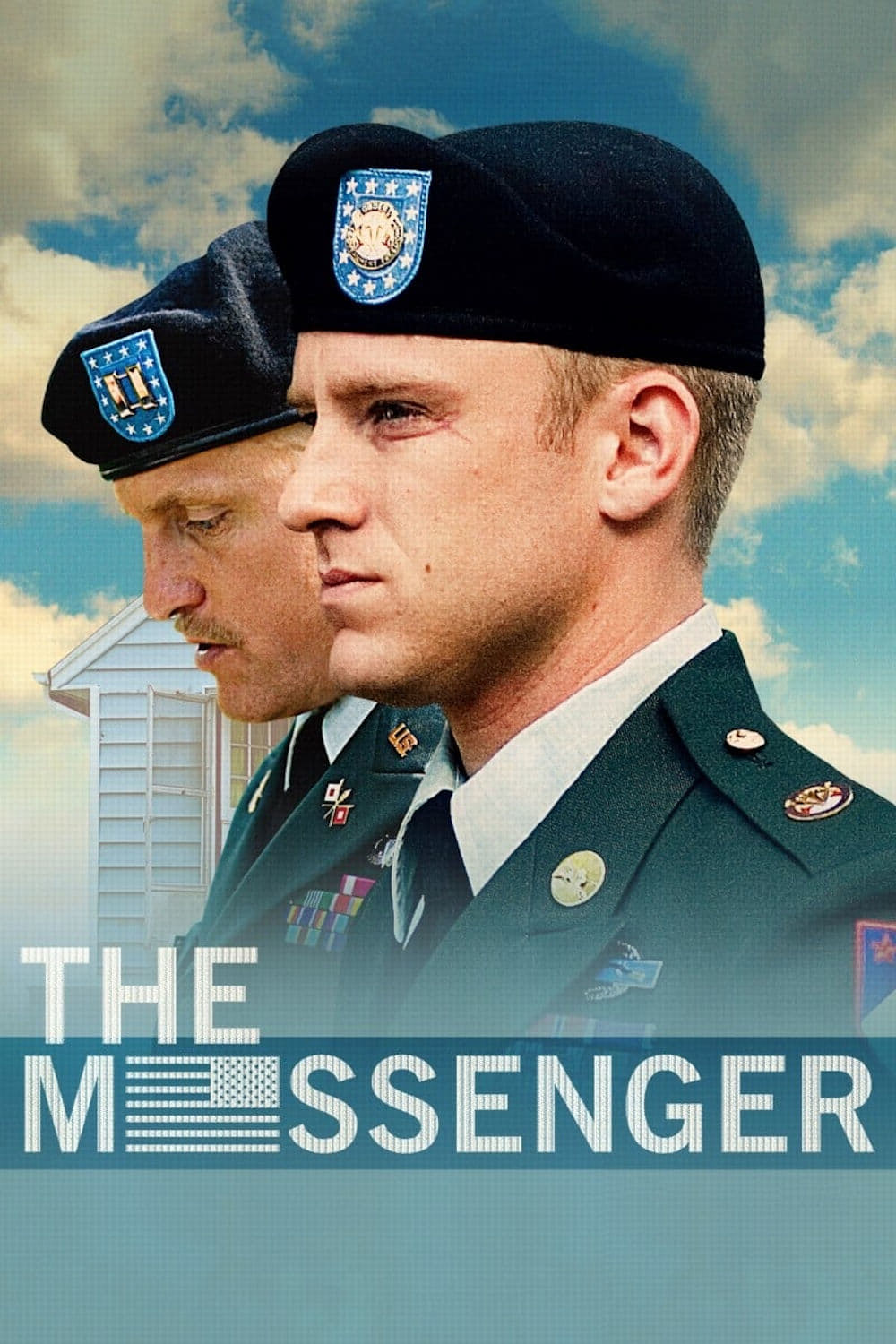
Two casualty notification officers bear the heavy burden of informing next of kin about the death of soldiers. Staff Sergeant Will Montgomery struggles with the emotional toll of witnessing grief in its rawest form. The film focuses entirely on the domestic aftermath of the Iraq War rather than the combat itself. It highlights the often overlooked soldiers who deal with the permanent scars left on families at home. The drama reveals the psychological weight carried by those who deliver the worst possible news.
‘The Book Thief’ (2013)

A young girl living with foster parents in Nazi Germany finds solace in stealing books and sharing them with others. Liesel Meminger navigates the dangers of a totalitarian regime while her family hides a Jewish refugee in their basement. The story uses Death as a narrator to observe the resilience of the human spirit amidst widespread destruction. It portrays the power of literature to provide comfort during the darkest times in history. The film illustrates the risks civilians took to preserve their humanity.
‘Testament of Youth’ (2014)

Vera Brittain abandons her studies at Oxford to serve as a nurse during the First World War. The film follows her journey as she loses her fiancé and brother to the conflict. It provides a feminist perspective on the generation devastated by the war and the pacifist movement that emerged afterward. The narrative captures the profound sense of loss felt by those who survived the war but lost their future. It stands as a powerful memoir of grief and endurance.
‘Jojo Rabbit’ (2019)

A lonely German boy discovers his mother is hiding a Jewish girl in their attic during the final stages of World War II. Jojo must confront his blind nationalism and his imaginary friend Adolf Hitler. The satire uses humor to dismantle the absurdity of hate while acknowledging the very real dangers of the era. It focuses on the indoctrination of youth and the redeeming power of compassion on the home front. The film balances dark comedy with the tragic reality of a crumbling regime.
Please tell us which home-front story resonated with you the most in the comments.