The 25 Biggest Box-Office Bombs Blamed on “Toxic Fans”


The narrative surrounding box office failures has shifted in recent years as studios and filmmakers increasingly cite external social factors for financial disappointments. Marketing campaigns often highlight online harassment or review bombing as primary reasons why general audiences fail to turn up for specific releases. This dynamic creates a contentious relationship between content creators and established fanbases that can sometimes overshadow the film itself. The following list explores twenty-five instances where poor ticket sales were attributed at least partially to the actions or attitudes of so-called toxic fans.
‘Fantastic Four’ (2015)
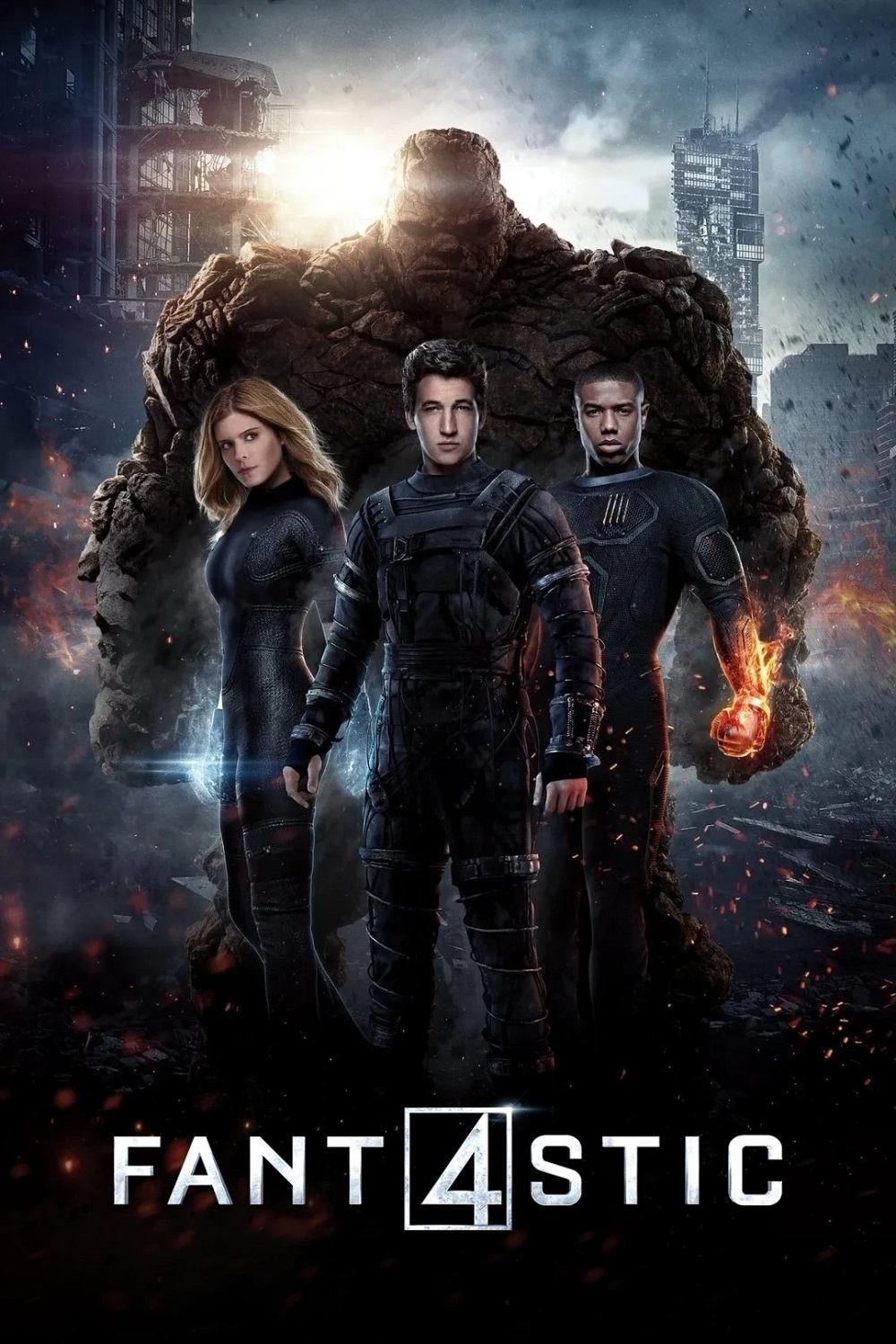
This superhero reboot struggled to gain traction after facing immediate backlash regarding the casting of Michael B. Jordan as the Human Torch. Director Josh Trank also engaged in public disputes with the studio and fans regarding the grim tone of the film compared to the source material. The production was plagued by reports of reshoots and creative differences that alienated the core audience before the premiere. It ultimately failed to recoup its budget and stands as one of the most notorious failures in the genre.
‘Ghostbusters’ (2016)
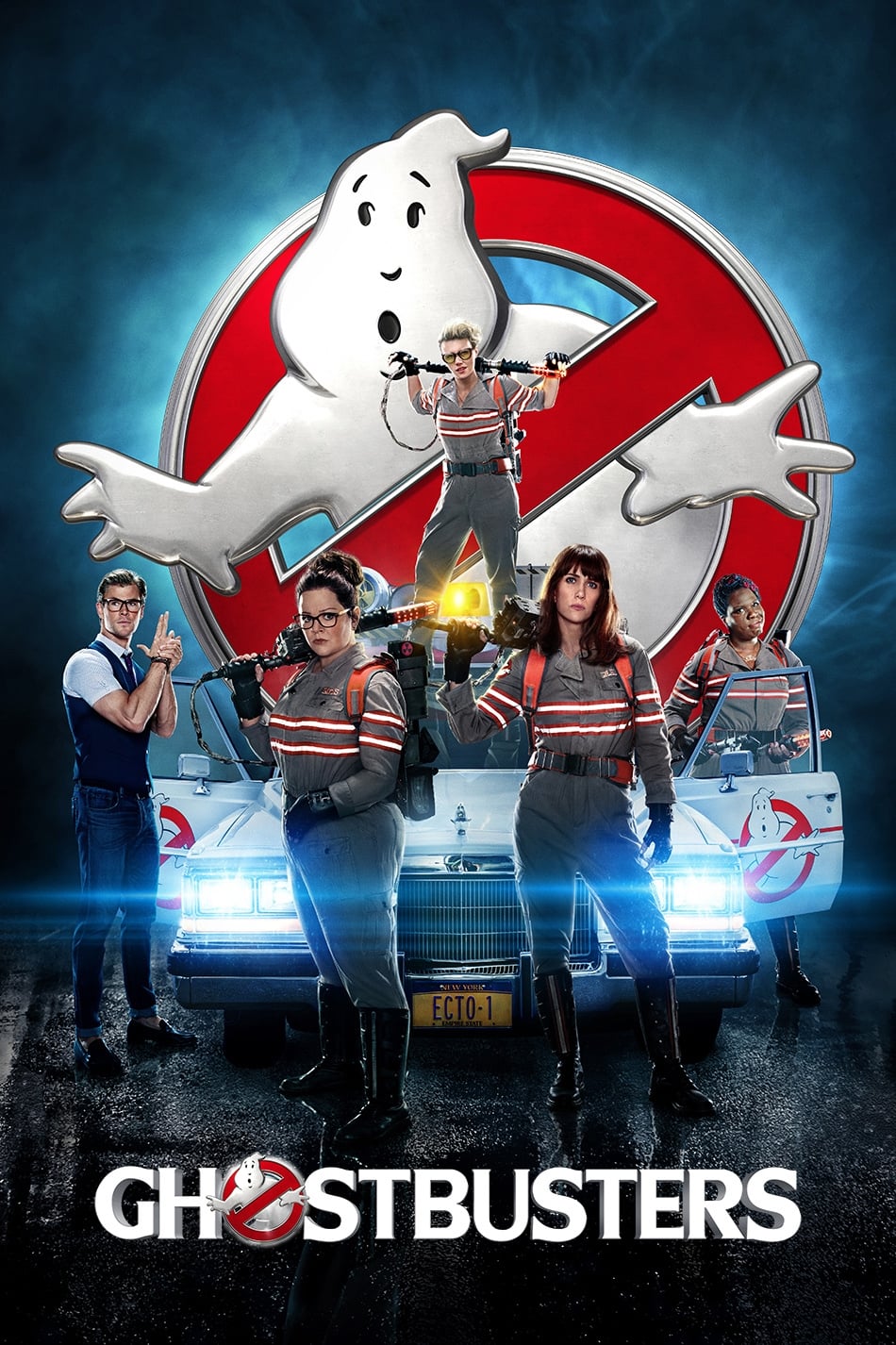
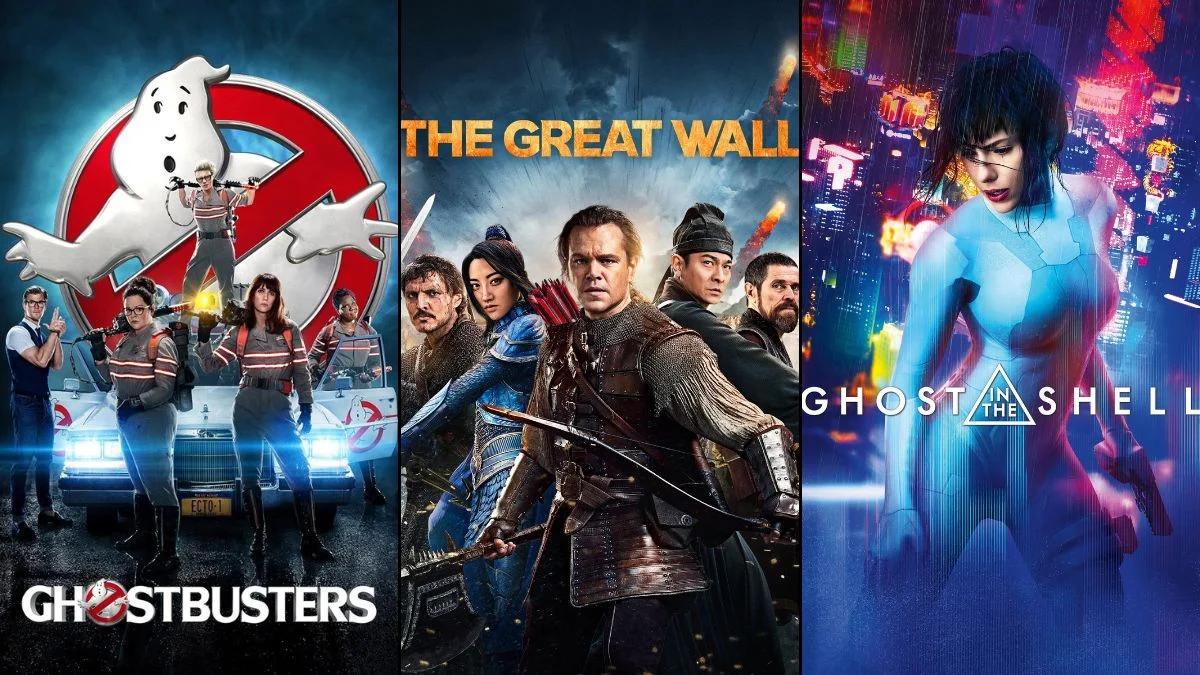
Sony Pictures attempted to revitalize this classic comedy franchise with an all-female leading cast that sparked an intense online culture war. Director Paul Feig and the cast frequently addressed the misogynistic comments and harassment they received on social media platforms throughout the promotional tour. The discourse surrounding the film became so heated that the actual content of the movie seemed secondary to the political battle it represented. Despite a decent opening weekend the high budget and mixed word of mouth resulted in a significant financial loss for the studio.
‘The Great Wall’ (2016)

Matt Damon starred in this massive coproduction between American and Chinese studios that faced immediate accusations of whitewashing. Critics and internet commentators argued that a white savior narrative was inappropriate for a story set in historical China. The resulting controversy dampened enthusiasm in Western markets where the film struggled to find a substantial audience. The heavy reliance on CGI and a generic script further contributed to its inability to become the global blockbuster the producers had envisioned.
‘Ghost in the Shell’ (2017)
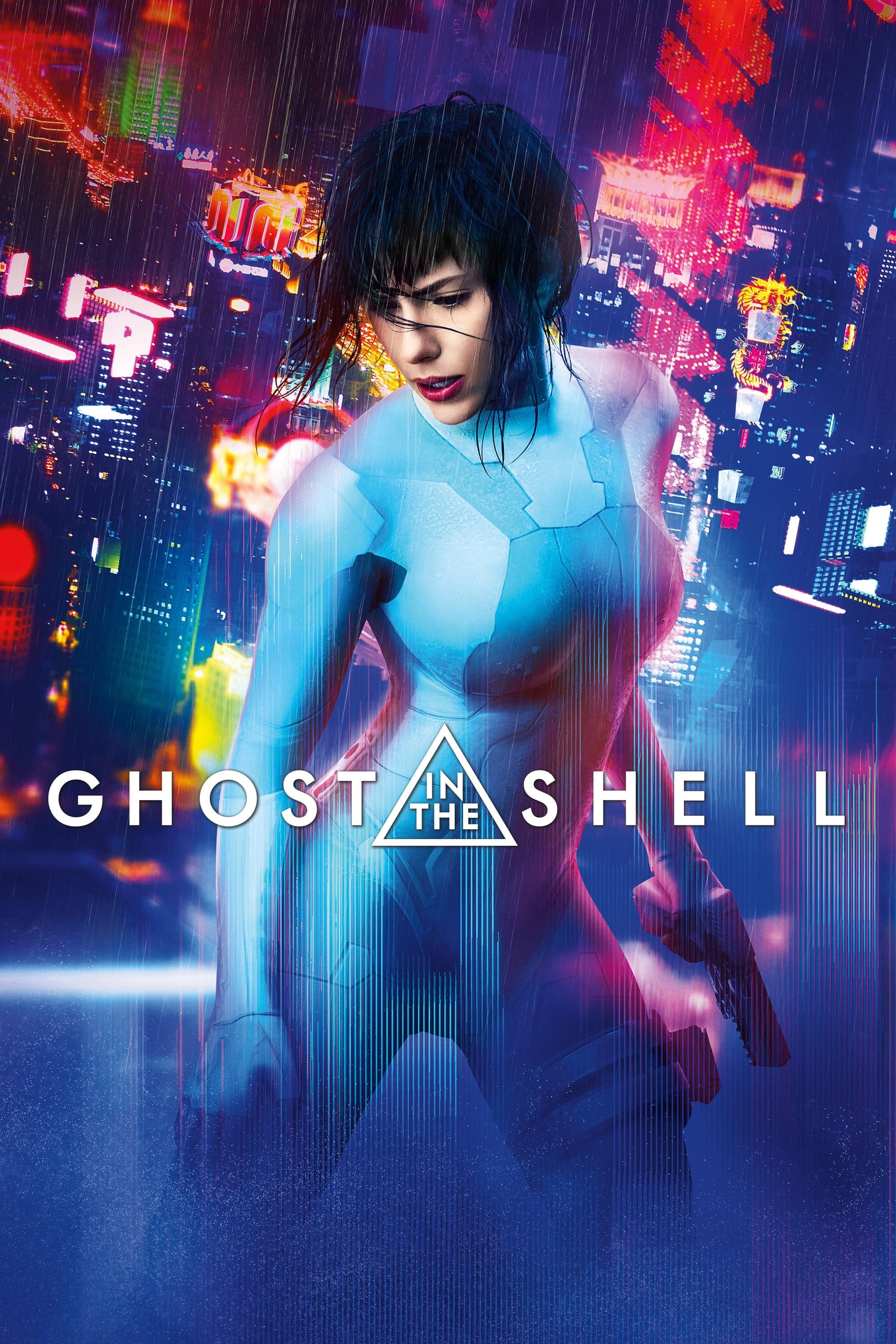
Scarlett Johansson was cast in the lead role of this adaptation of the beloved Japanese manga which triggered widespread accusations of whitewashing. Petitions and social media campaigns urged audiences to boycott the film in favor of supporting Asian actors in Asian roles. Paramount Pictures admitted that the casting controversy impacted the domestic box office performance as the film opened to disappointing numbers. The conversation around the film focused almost entirely on the racial politics of the casting rather than the visual achievements of the production.
‘Solo: A Star Wars Story’ (2018)
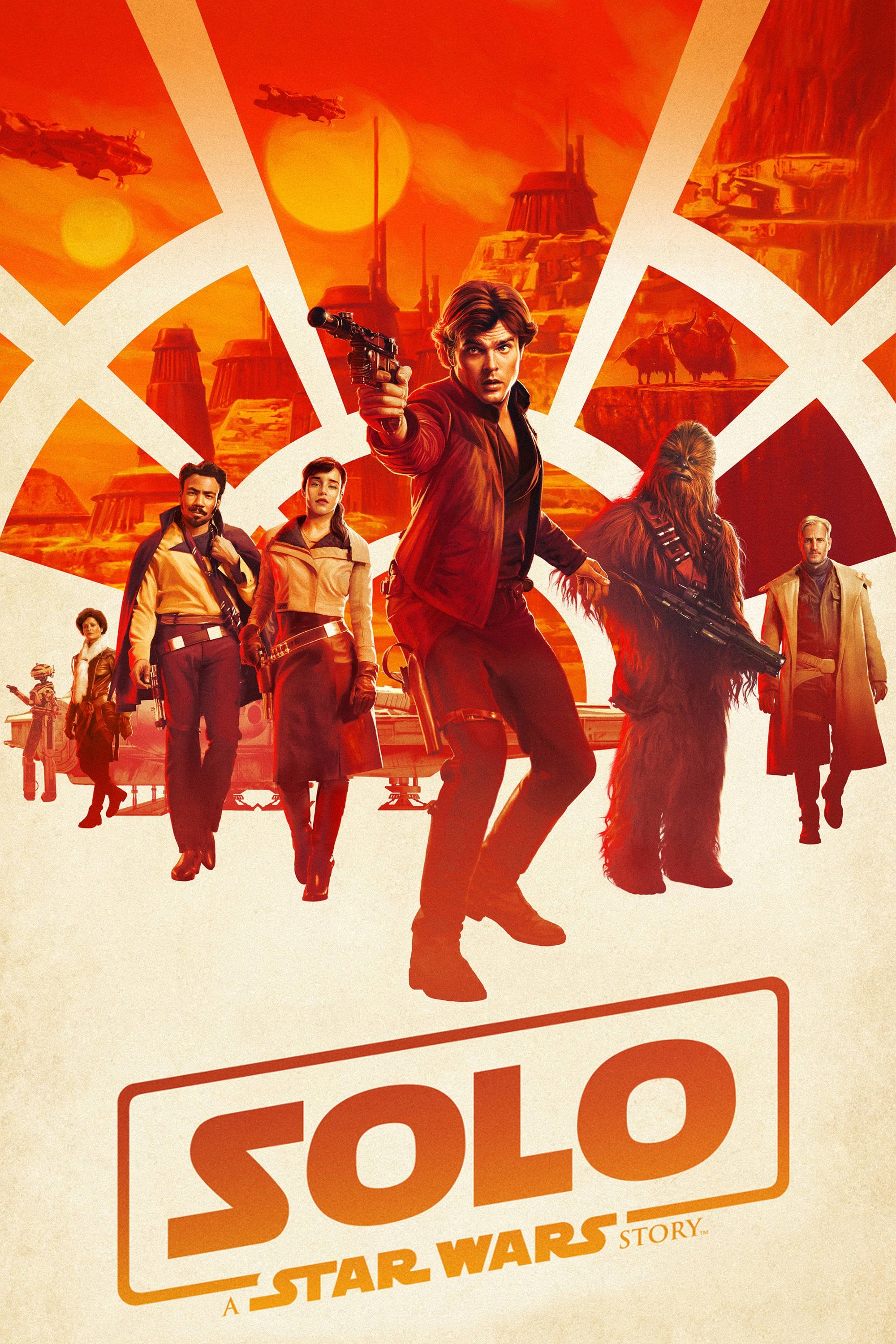
This prequel arrived in theaters shortly after the polarized reception of the previous main installment in the franchise. Many fans organized boycotts to express their dissatisfaction with the direction of the series under Disney ownership. The film became the first entry in the Star Wars saga to lose money at the box office despite receiving generally tepid but polite reviews. Discussions about franchise fatigue and the alienation of legacy fans dominated the post-release analysis.
‘A Wrinkle in Time’ (2018)
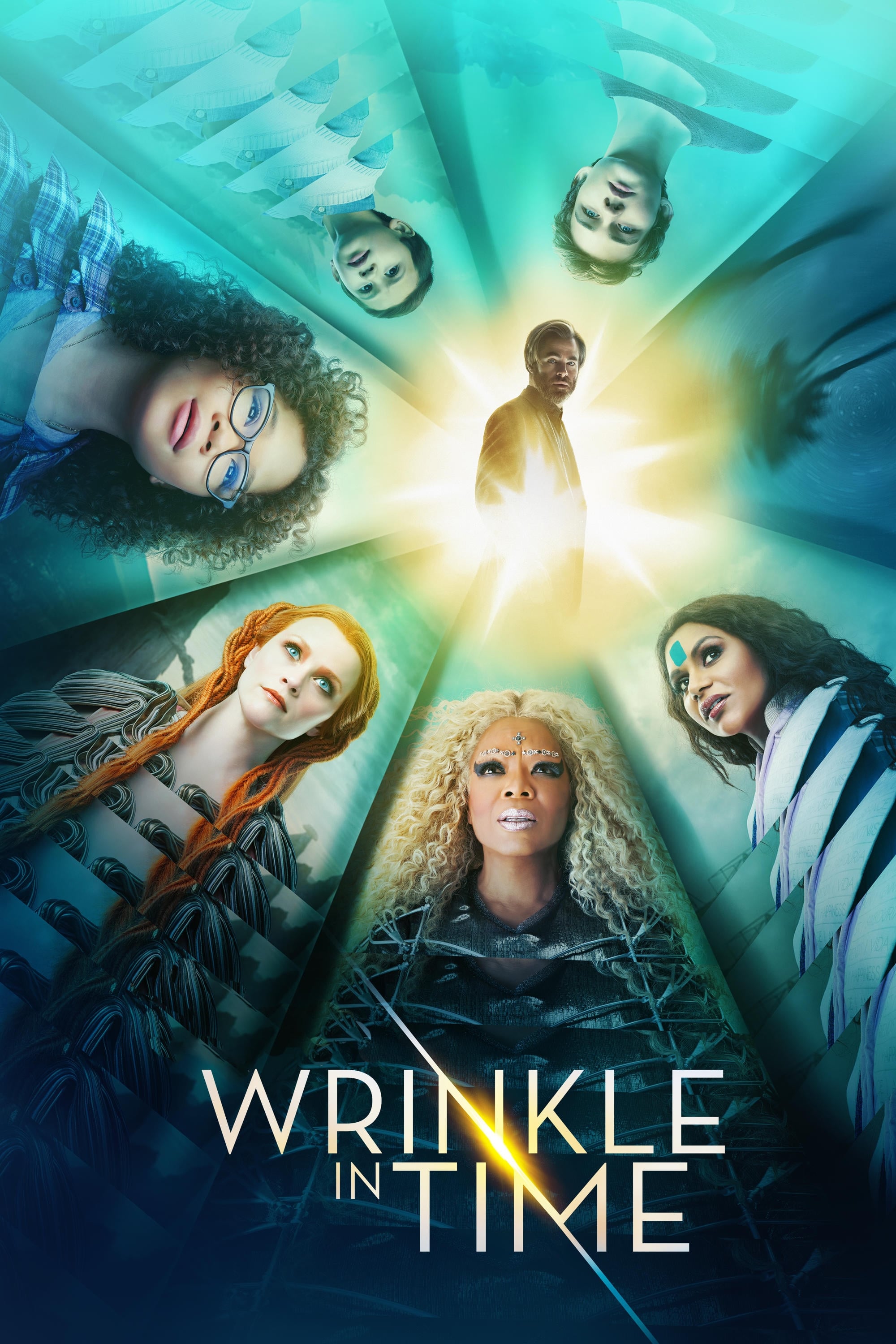
Disney invested heavily in this adaptation of the classic novel with Ava DuVernay at the helm. The film received mixed reviews upon release and struggled to connect with a broad family audience during a competitive release window. Commentary from the cast and director regarding the demographics of film critics sparked a backlash that some analysts believe hurt its commercial prospects. The movie ultimately resulted in a write-down for the studio of well over one hundred million dollars.
‘Robin Hood’ (2018)
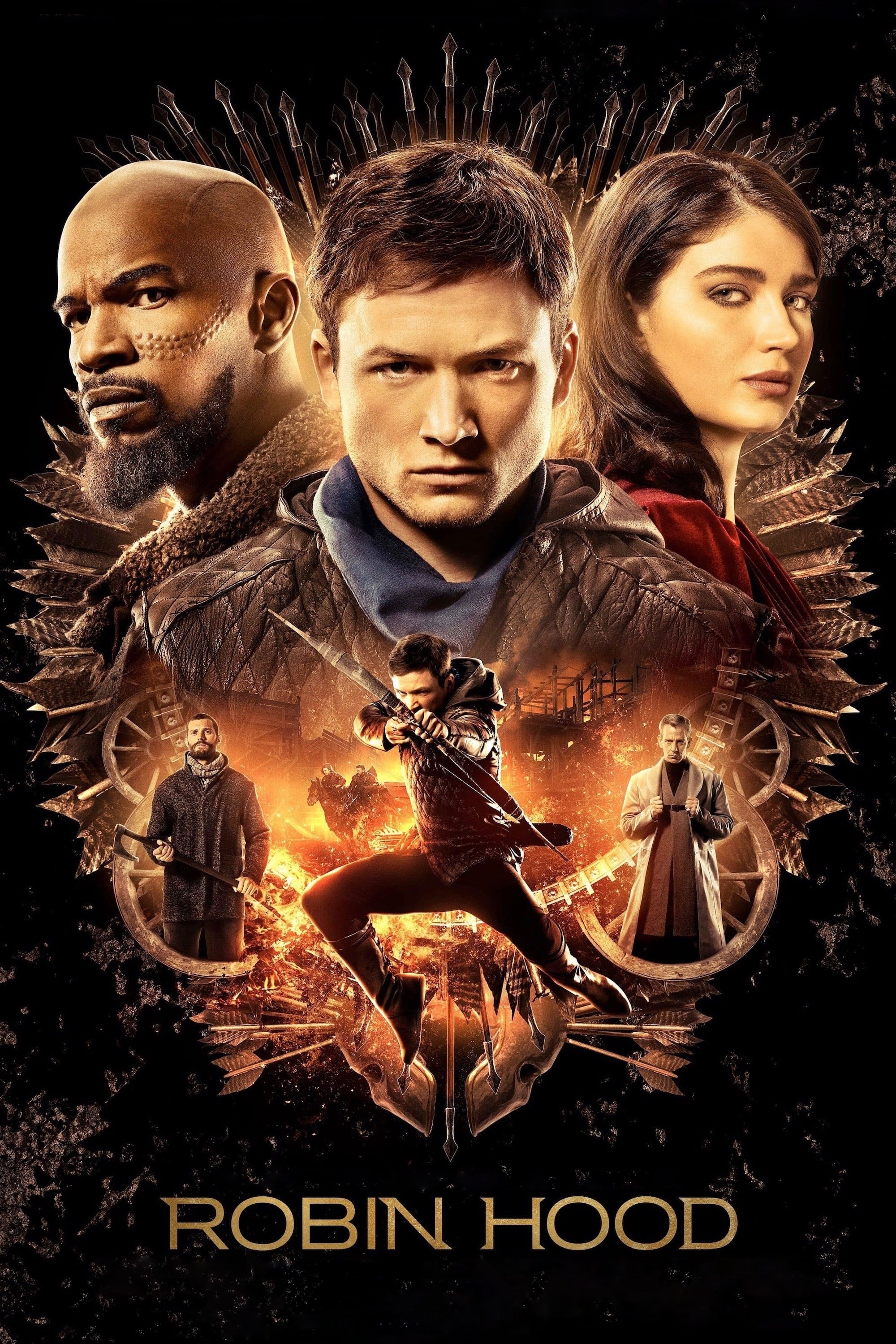
This modern stylistic take on the legendary outlaw failed to resonate with audiences who felt the source material had been adapted too many times. Taron Egerton starred in the lead role but the film was mocked online for its anachronistic costumes and action sequences. The project was viewed by many as a cynical attempt to launch a cinematic universe that nobody requested. It garnered poor reviews and vanished from theaters quickly after becoming one of the biggest flops of that year.
‘Dark Phoenix’ (2019)
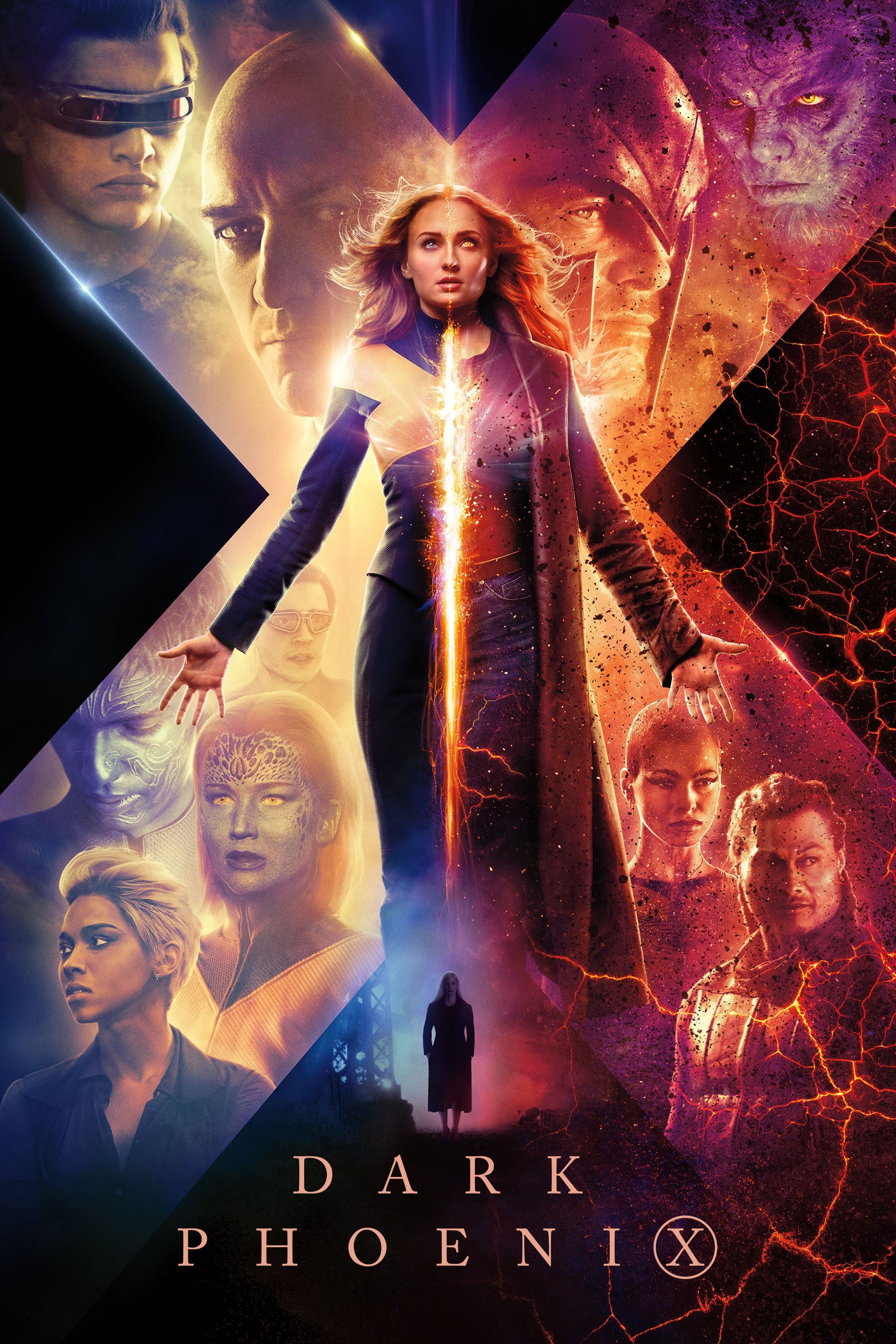
The final installment of the Fox X-Men era faced a troubled production history and multiple release date delays. Fans were already skeptical due to the previous disappointing entry in the series and the impending acquisition of the property by Disney. Jennifer Lawrence made comments regarding the name of the team that some detractors used to fuel a negative narrative around the film. It earned the lowest gross in the franchise history and marked a quiet end to a series that once dominated the genre.
‘Men in Black: International’ (2019)
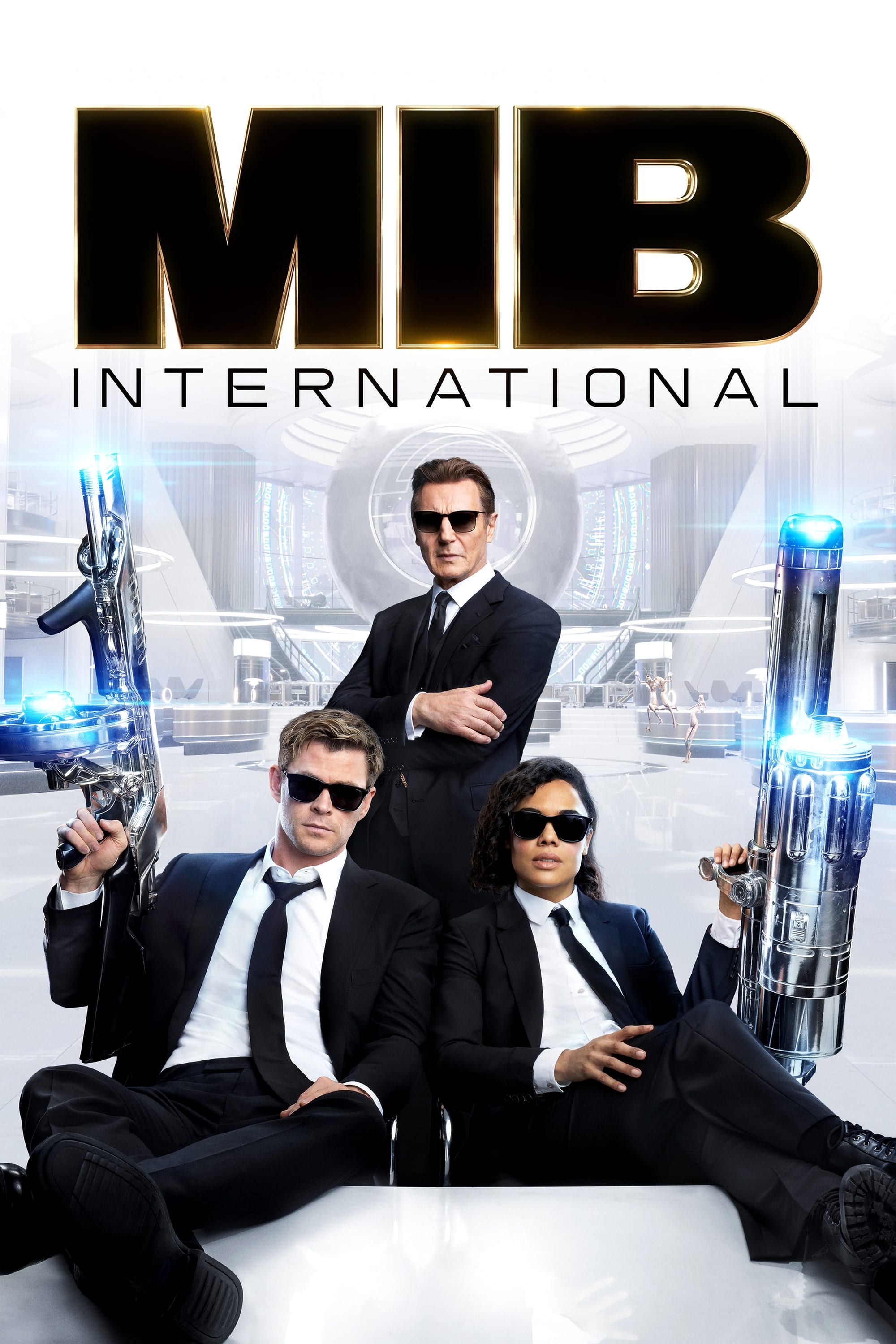
Chris Hemsworth and Tessa Thompson reunited for this spinoff that attempted to expand the universe without the original stars. The inclusion of a female lead sparked complaints from a vocal minority of the internet who labeled the film as forced diversity. Audiences largely ignored the release due to negative reviews that cited a lackluster script and a lack of chemistry compared to the original duo. The film underperformed significantly and put the future of the franchise on indefinite hold.
‘Terminator: Dark Fate’ (2019)
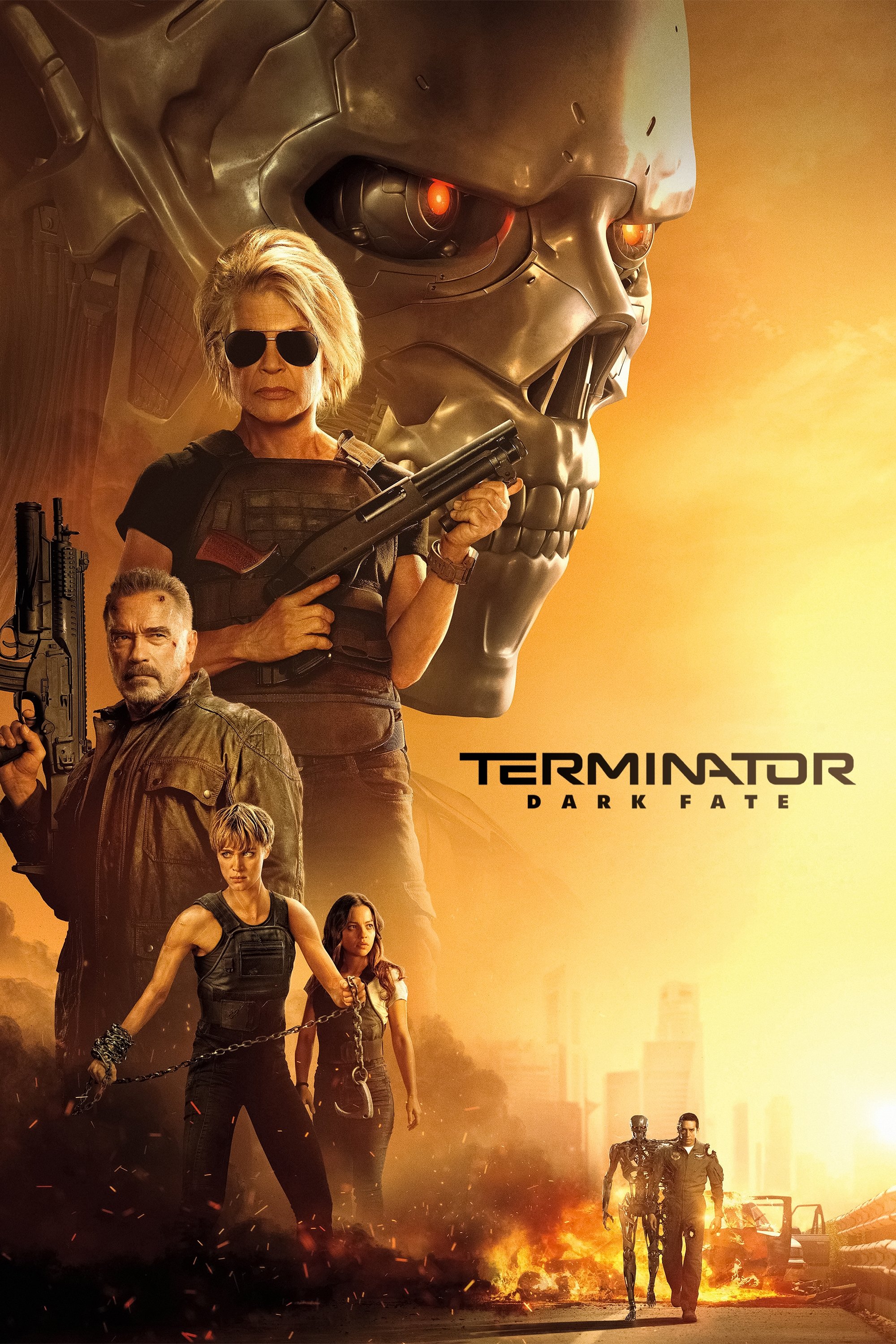
Director Tim Miller and producer James Cameron returned to the franchise with a direct sequel to the second film that ignored other entries. The decision to kill off a major legacy character in the opening scene infuriated a large portion of the fanbase. Miller later expressed frustration with the toxic reaction from certain segments of the audience who refused to accept the new female protagonists. The movie lost a substantial amount of money and effectively ended plans for a new trilogy.
‘Charlie’s Angels’ (2019)

Elizabeth Banks directed and starred in this continuation of the franchise that sought to empower women through a modern lens. The film opened to dismal box office numbers and Banks suggested that men were unlikely to see action movies led by women. This comment drew ire from online communities who pointed to the success of other female-led blockbusters as a counterargument. The marketing campaign failed to generate interest and the movie was quickly labeled a financial bomb.
‘Birds of Prey’ (2020)
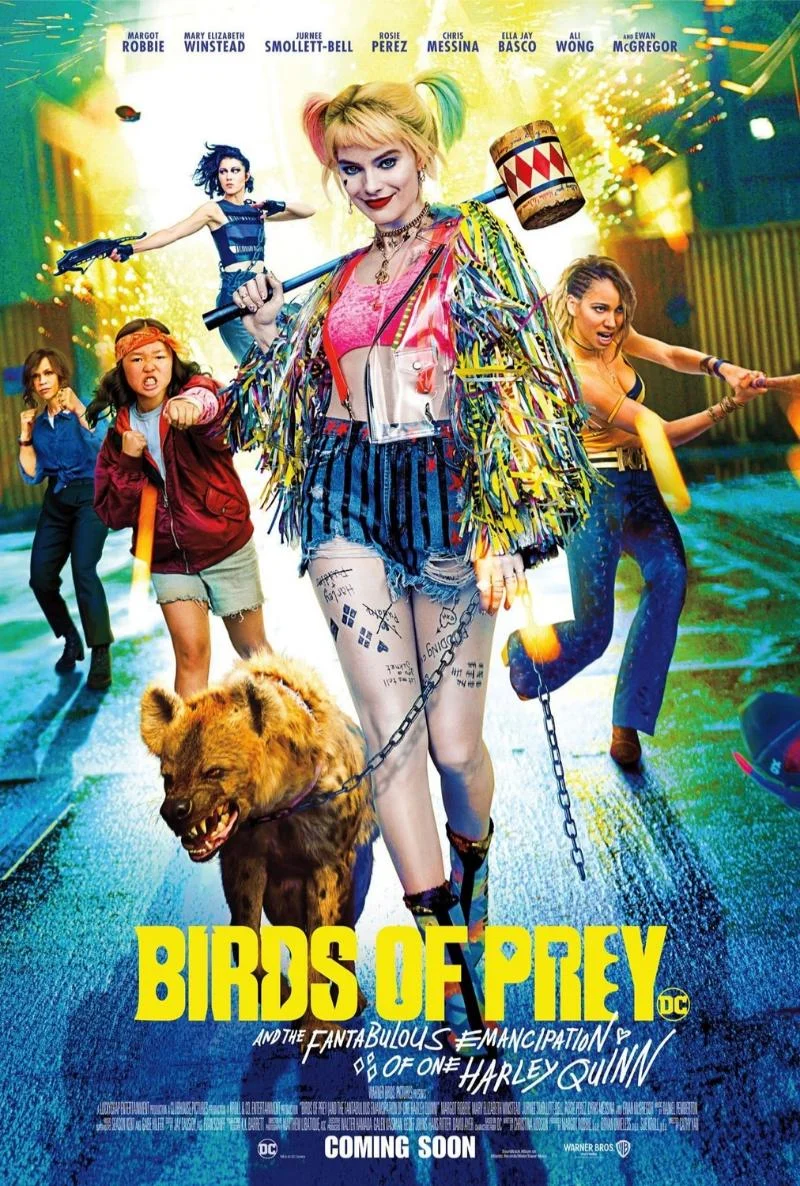
Margot Robbie returned as Harley Quinn in this R-rated team-up movie that received positive reviews but soft box office returns. The cast and creative team discussed the misogyny present in the comic book movie fandom during the press tour. Some analysts blamed the confusing original title and the restrictive rating for limiting the potential audience. While not a massive bomb compared to others on this list it fell short of expectations and became a focal point for culture war debates.
‘Mulan’ (2020)

The live-action remake of the animated classic faced numerous hurdles including a boycott movement linked to the political comments of lead actress Liu Yifei. Traditionalist fans also criticized the removal of musical numbers and the character Mushu from the story. The film was eventually released on a premium streaming tier in many territories due to the pandemic which complicated its financial assessment. However the theatrical release in markets like China underperformed significantly amidst the swirling controversies.
‘Snake Eyes: G.I. Joe Origins’ (2021)
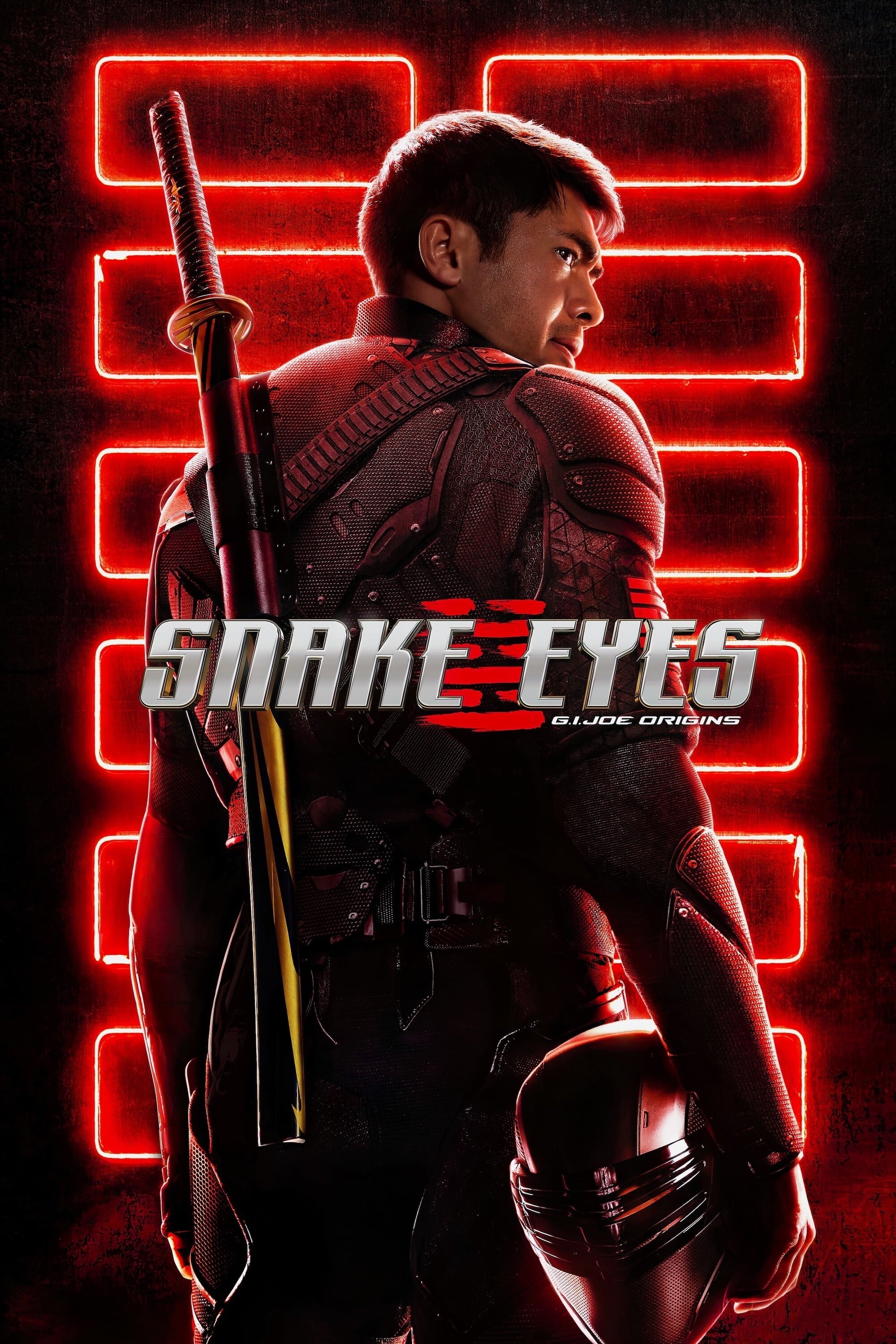
Paramount attempted to reboot the G.I. Joe franchise with an origin story for one of its most popular characters. Fans criticized the decision to have the character speak and remove his mask which deviated from the lore. The film was released during a difficult recovery period for theaters but still failed to attract even the hardcore fanbase. It grossed far less than its budget and halted plans for a wider cinematic universe involving other Hasbro properties.
‘The Suicide Squad’ (2021)
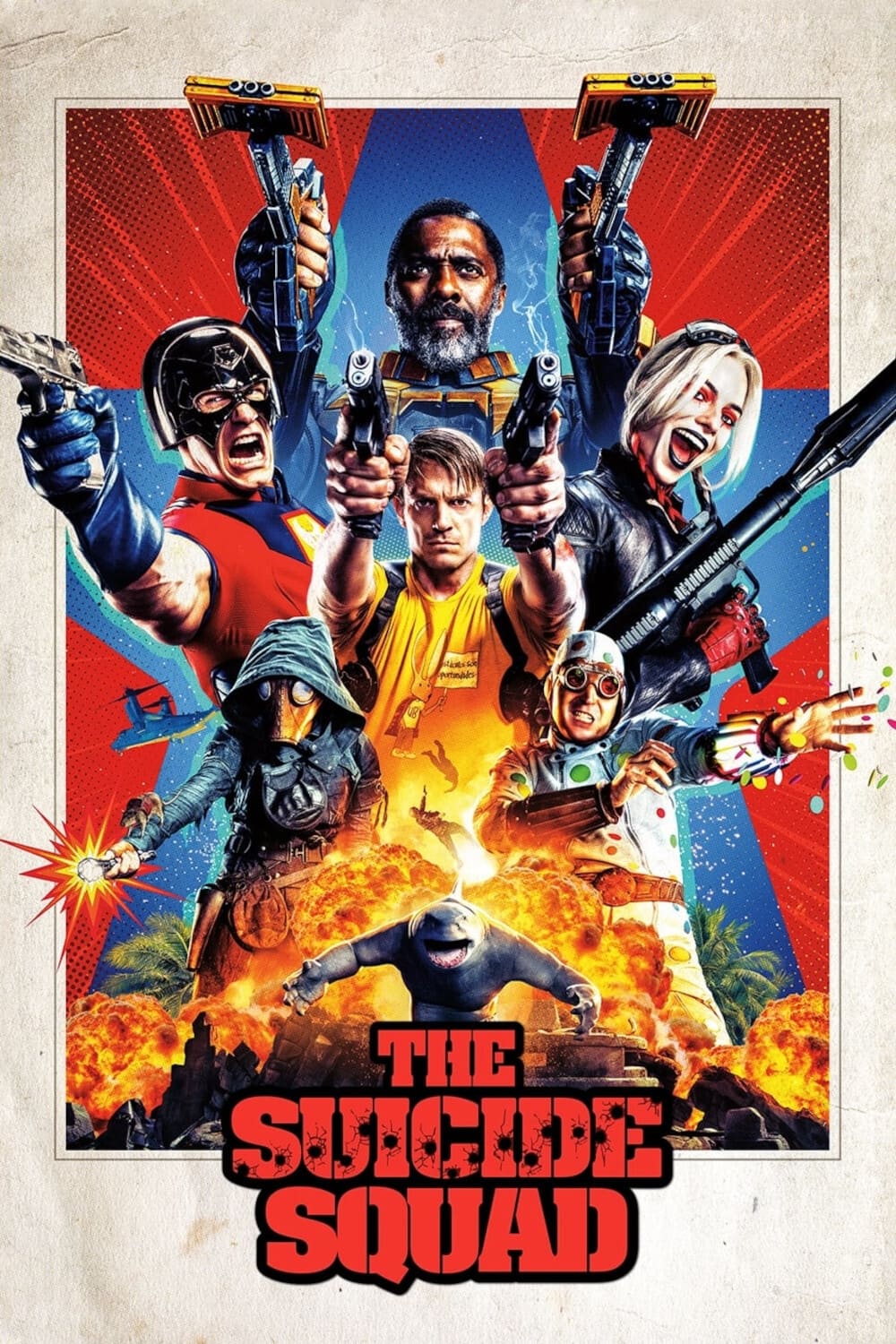
James Gunn directed this semi-sequel that received high praise from critics for its violent humor and style. The film faced review bombing campaigns from fans of the previous director who wanted to see the original cut of the 2016 movie. Warner Bros released the film simultaneously on streaming which cannibalized ticket sales and led to a disappointing box office total. The inability to unify the fractured DC fanbase contributed to the lack of commercial momentum.
‘Eternals’ (2021)
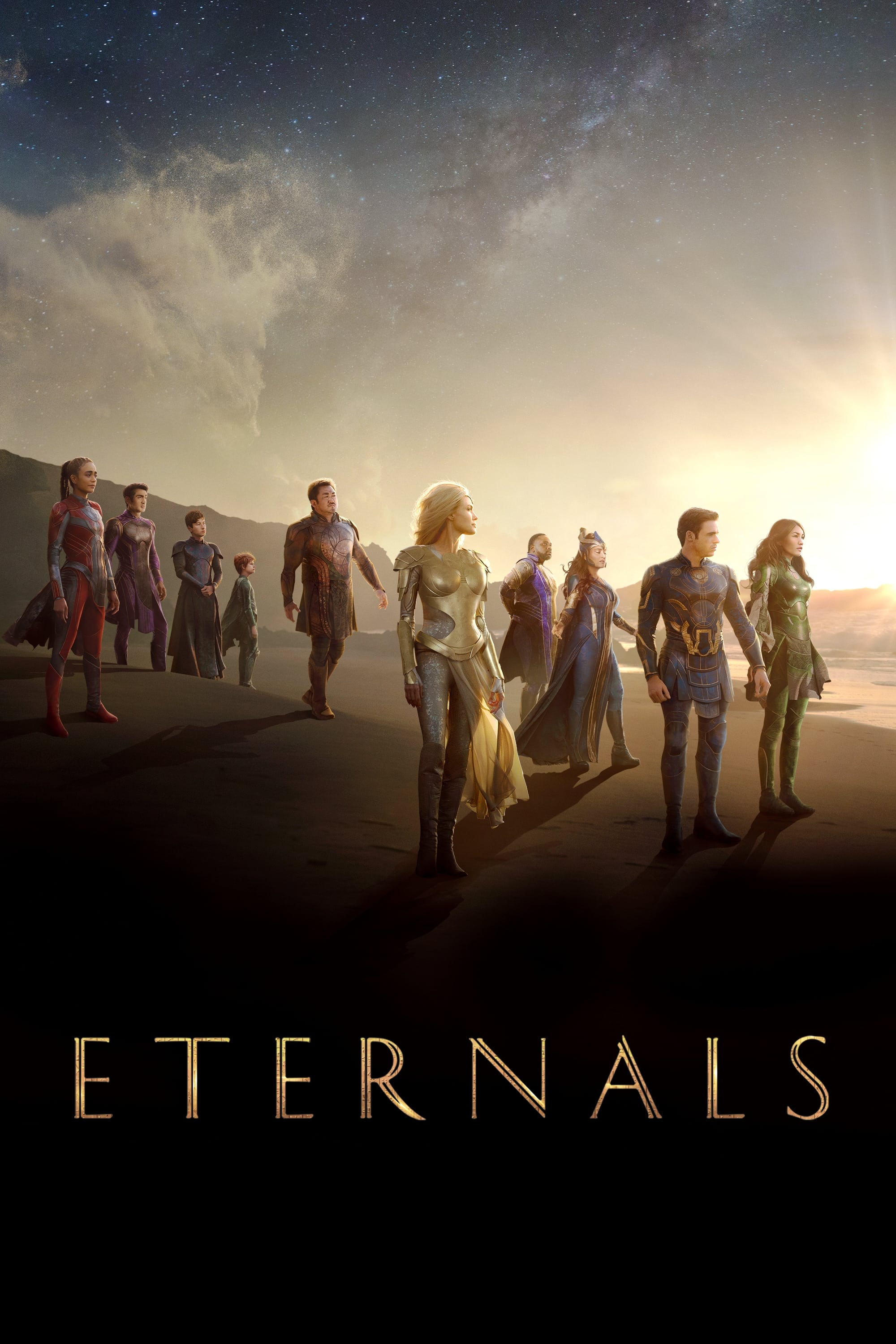
This ambitious Marvel film introduced a new team of heroes and featured the first openly gay superhero in the cinematic universe. It was subjected to review bombing on various aggregate sites before its release due to its LGBTQ representation. The film received the first rotten score for the studio on review platforms and struggled to match the grosses of its predecessors. The divisive reaction highlighted a growing rift between the studio’s progressive creative choices and certain segments of the audience.
‘The Matrix Resurrections’ (2021)
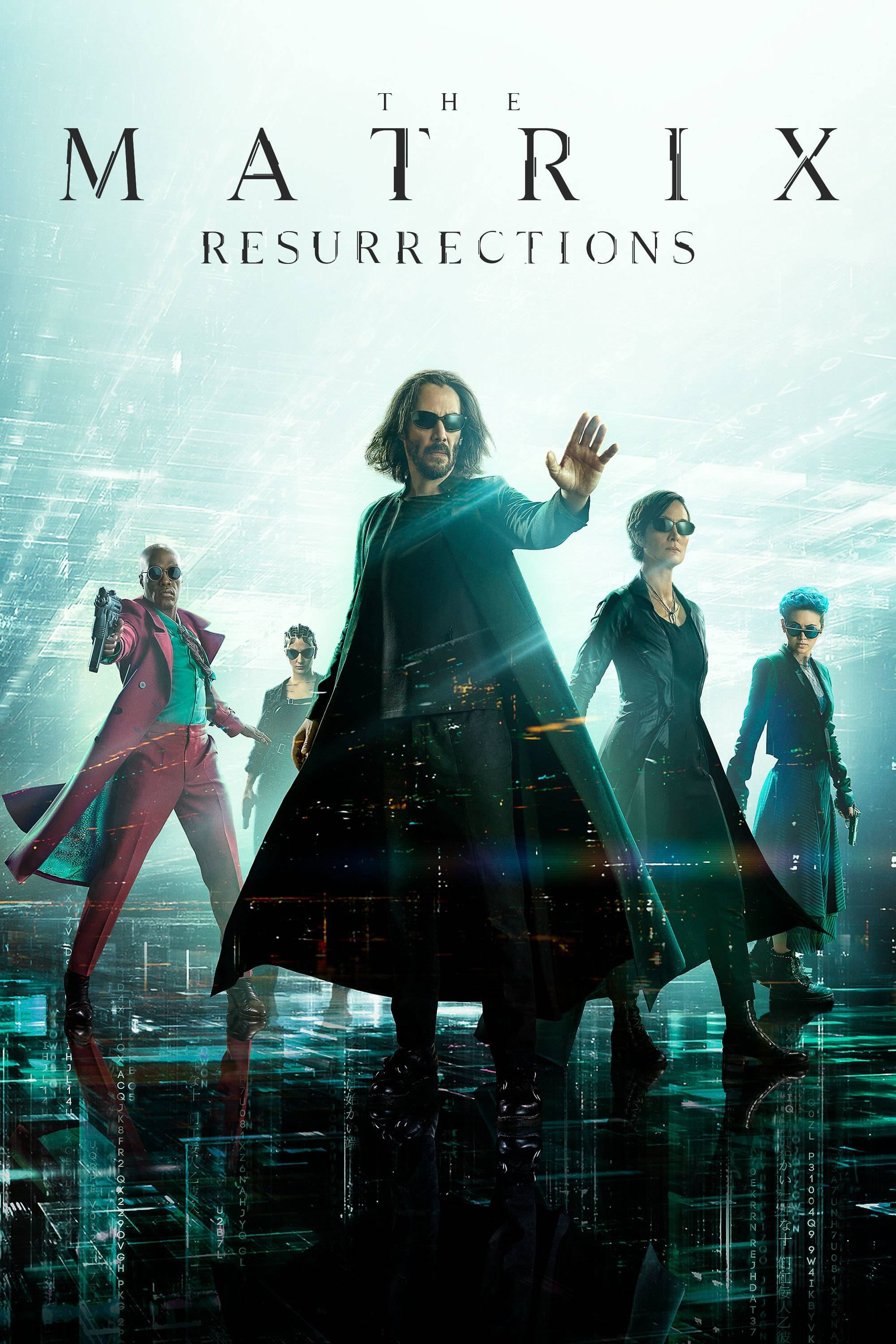
Lana Wachowski returned to direct a meta-commentary on the legacy of the franchise that openly mocked the concept of unnecessary sequels. The narrative polarized audiences and many fans felt insulted by the deconstruction of the original trilogy’s mythology. The film was released simultaneously on streaming and earned a fraction of the budget back from theatrical ticket sales. It stands as a financial failure that effectively closed the door on the series for the foreseeable future.
‘Lightyear’ (2022)
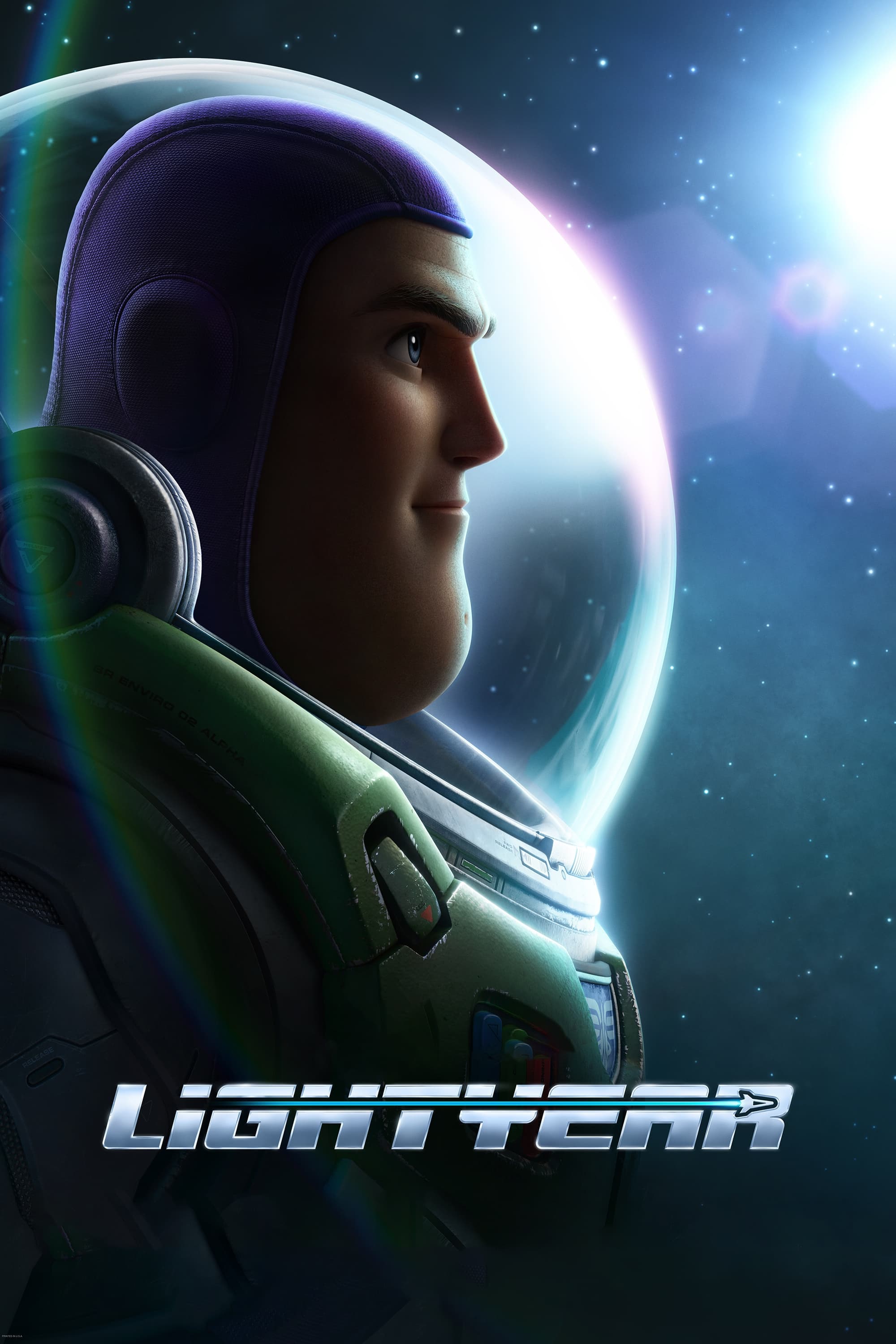
Pixar released this spinoff focusing on the human inspiration for the toy Buzz Lightyear rather than the toy itself. The inclusion of a brief same-sex kiss caused the film to be banned in several international markets and fueled online debate. Conservative commentators celebrated its underperformance as a sign that families were rejecting modern social messaging in children’s entertainment. The confusion over the premise and the replacement of Tim Allen also contributed to the low turnout.
‘Bros’ (2022)
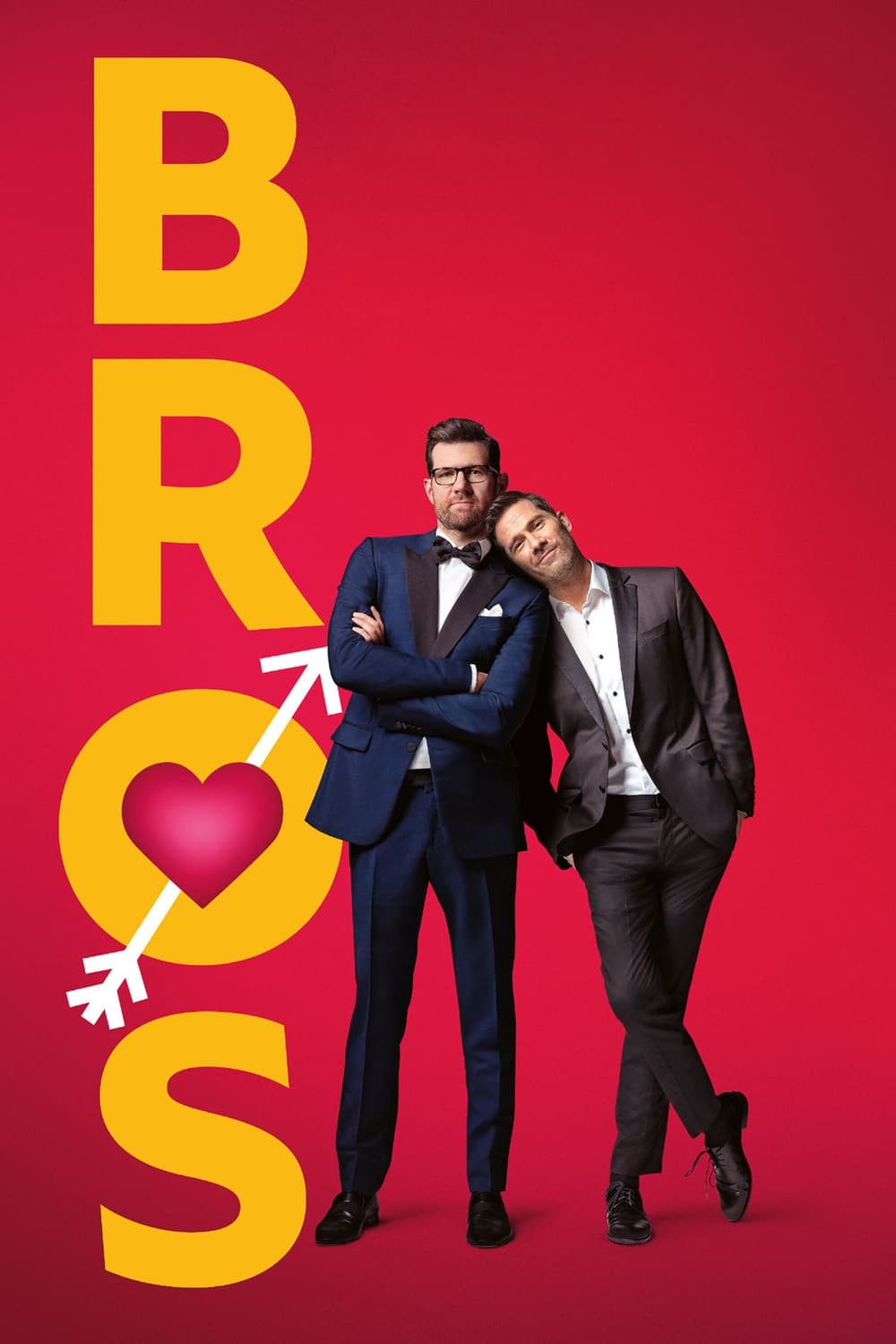
This romantic comedy was marketed as the first major studio production of its kind featuring an entirely LGBTQ principal cast. When the film opened to low numbers writer and star Billy Eichner took to Twitter to blame homophobia in parts of the country for the failure. This reaction generated a secondary wave of backlash from people who claimed the marketing was simply too aggressive or the movie lacked broad appeal. The film finished its run with a gross that did not even cover its production budget.
‘Strange World’ (2022)
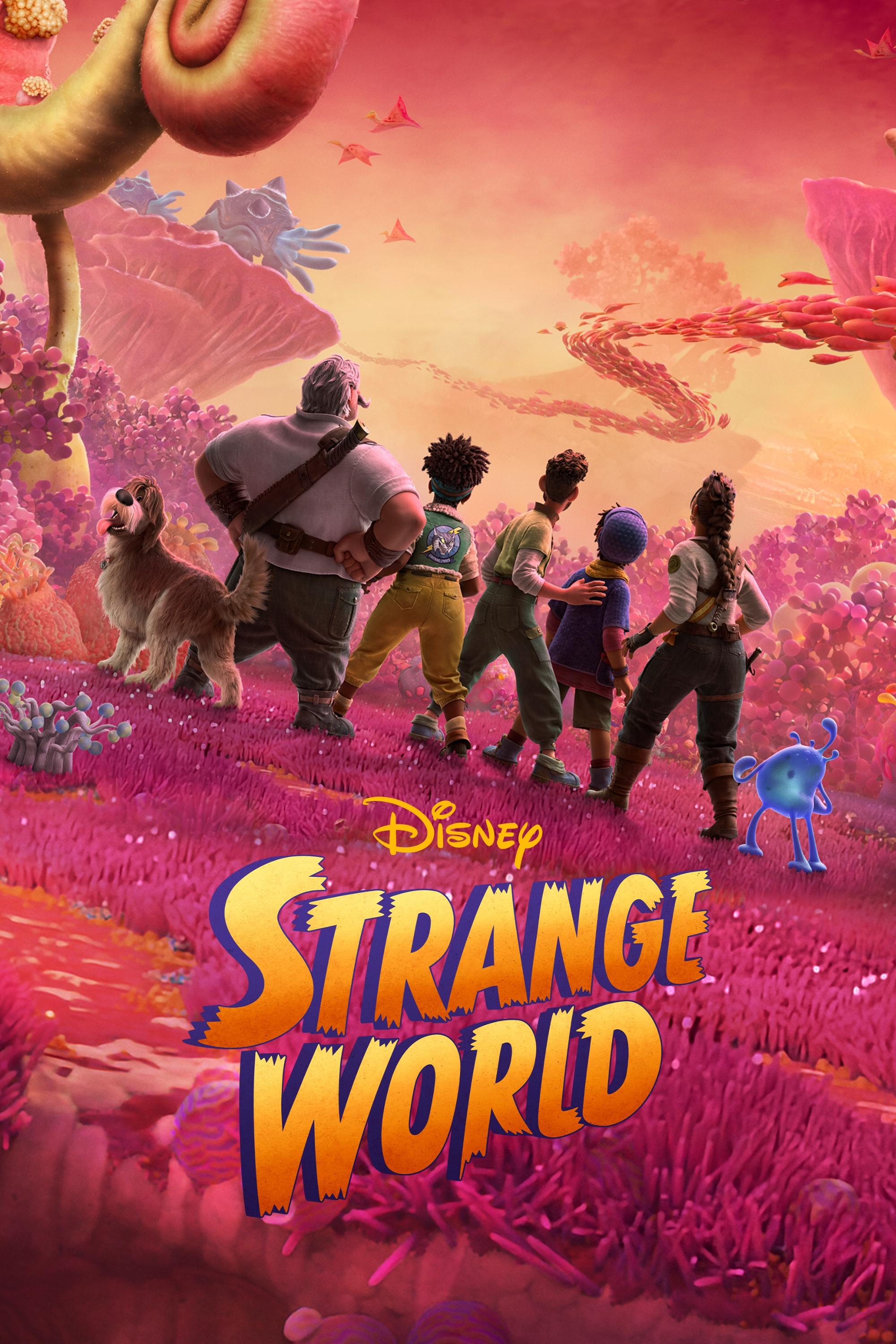
Disney released this sci-fi adventure with very little marketing fanfare and it became one of their biggest animated flops. Online discourse focused heavily on the film’s inclusion of a gay teenage protagonist as the reason for its failure. The lack of promotion suggests the studio may have anticipated the difficult reception and chose to cut its losses early. It lost nearly two hundred million dollars and is often cited in arguments regarding the company’s content strategy.
‘Shazam! Fury of the Gods’ (2023)
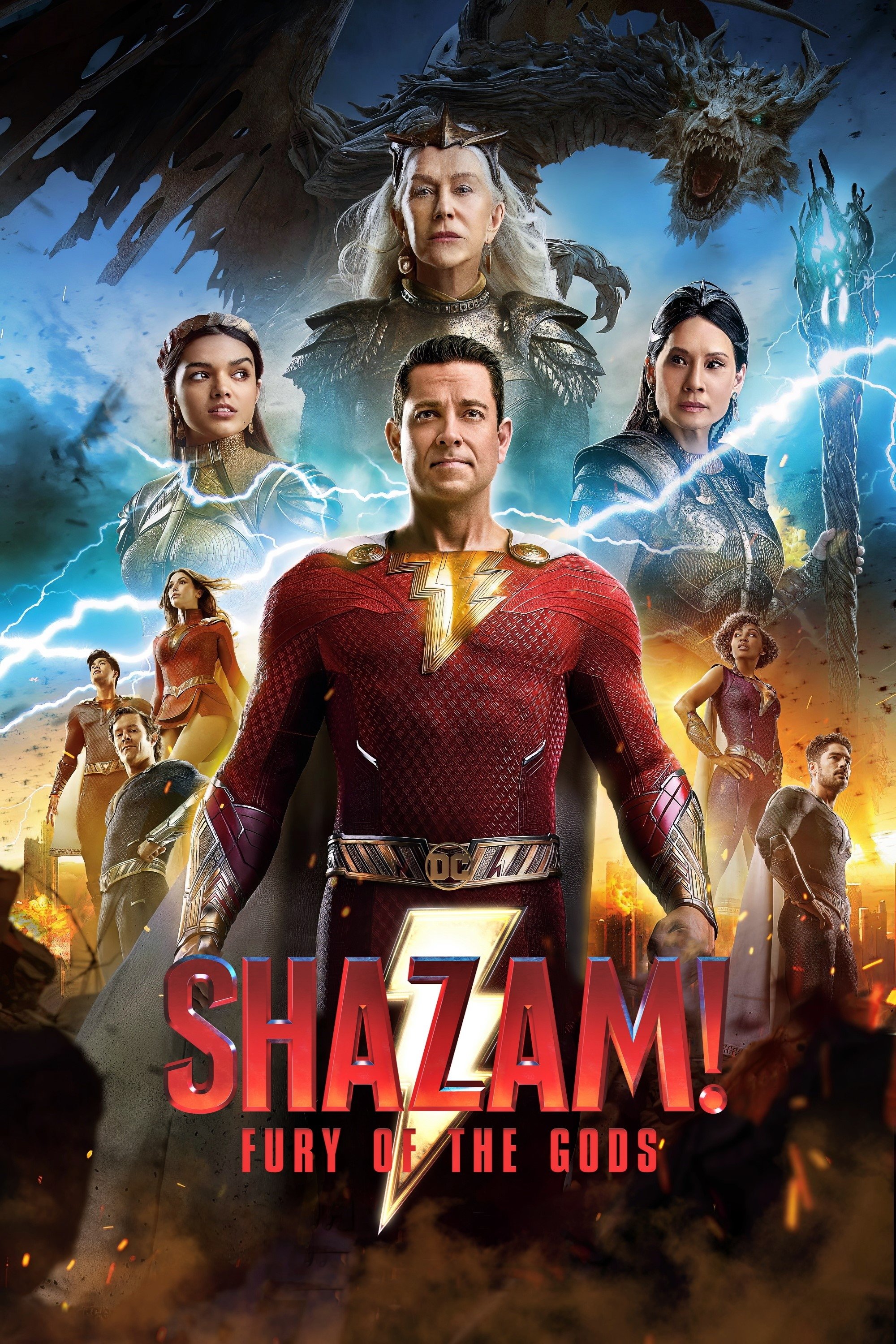
The sequel to the well-liked original failed to capture the same charm and suffered from a changing cinematic landscape at DC. Star Zachary Levi expressed frustration with the box office results and suggested that toxic fans of previous filmmakers were rooting for the movie to fail. The film opened low and dropped precipitously in subsequent weeks as general interest in the shared universe waned. It ended its run as a significant financial disappointment for the studio.
‘Indiana Jones and the Dial of Destiny’ (2023)
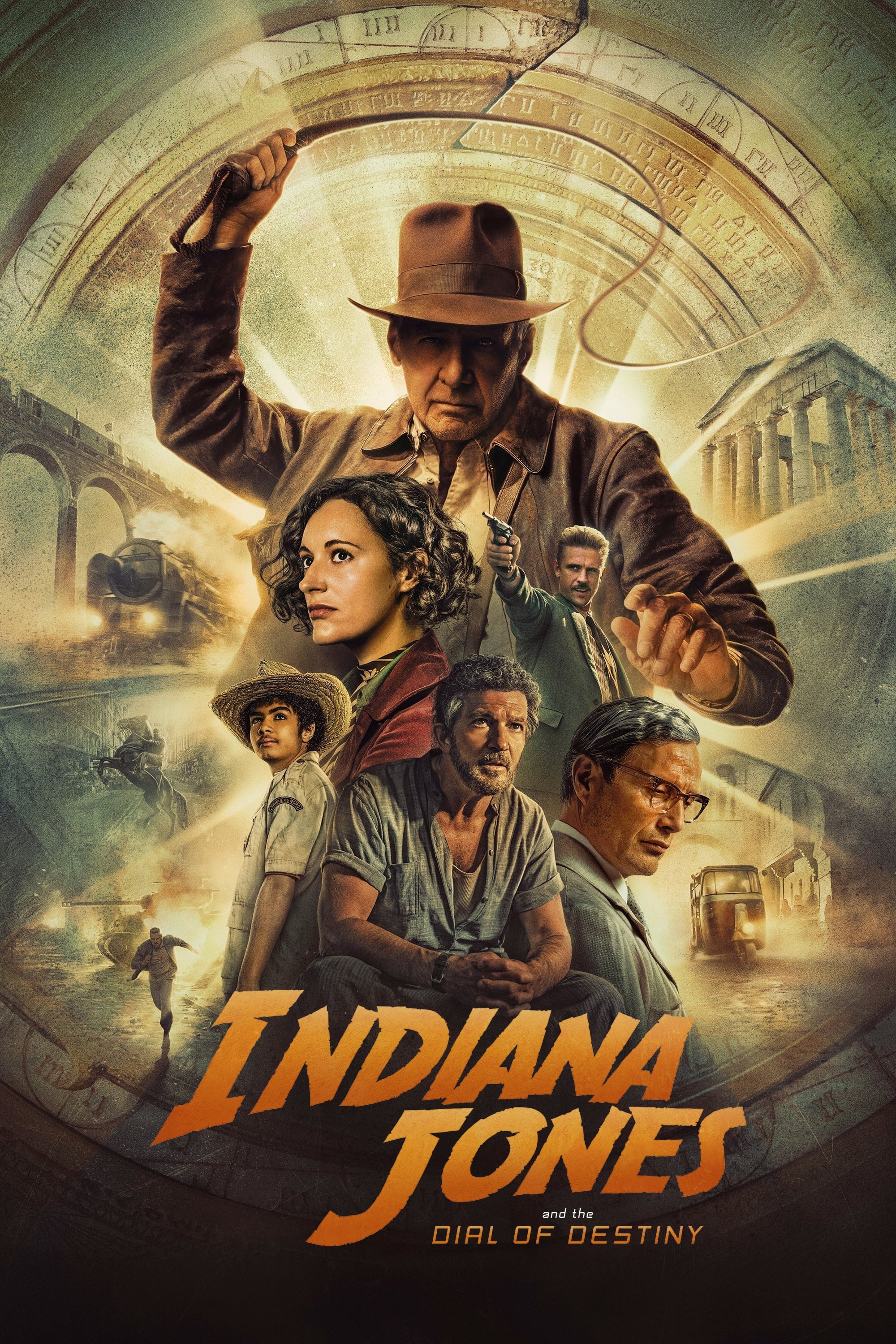
Harrison Ford returned for a final adventure that carried a massive production budget of nearly three hundred million dollars. Lucasfilm President Kathleen Kennedy became a target for online vitriol with YouTubers claiming she was ruining the franchise. Leaks and rumors about the ending of the film circulated for months and created a negative perception before the premiere. The movie failed to break even during its theatrical run despite decent reviews from verified audience metrics.
‘The Marvels’ (2023)
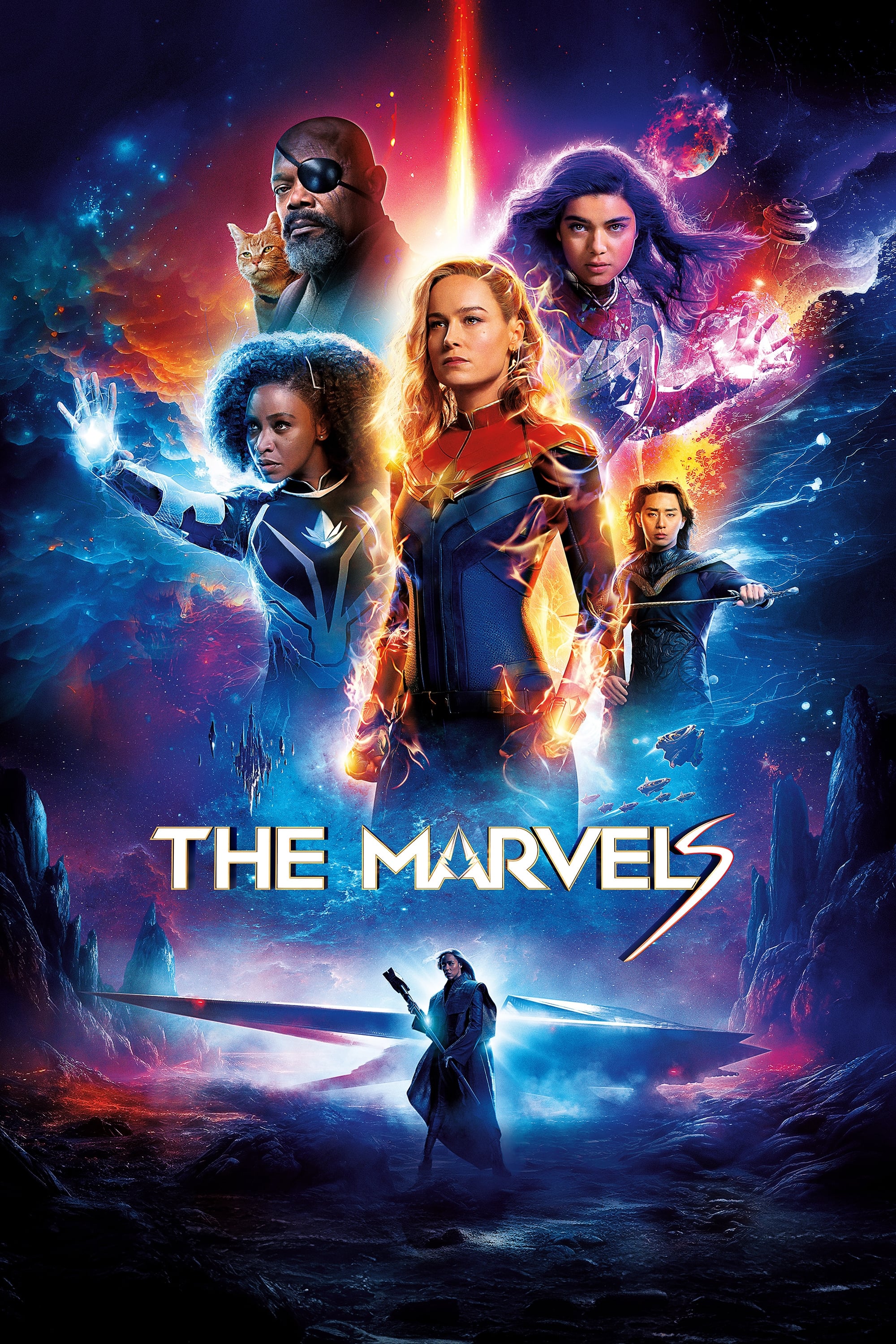
This team-up movie brought together three female heroes and faced an uphill battle against superhero fatigue and genre saturation. The film was targeted by negative campaigns on social media that attacked the cast and the lighthearted tone of the trailers. Director Nia DaCosta and the studio acknowledged the existence of virulent trolls who were determined to see the project fail. It set a record for the lowest opening weekend in the history of the Marvel Cinematic Universe and lost a substantial amount of money.
‘Madame Web’ (2024)
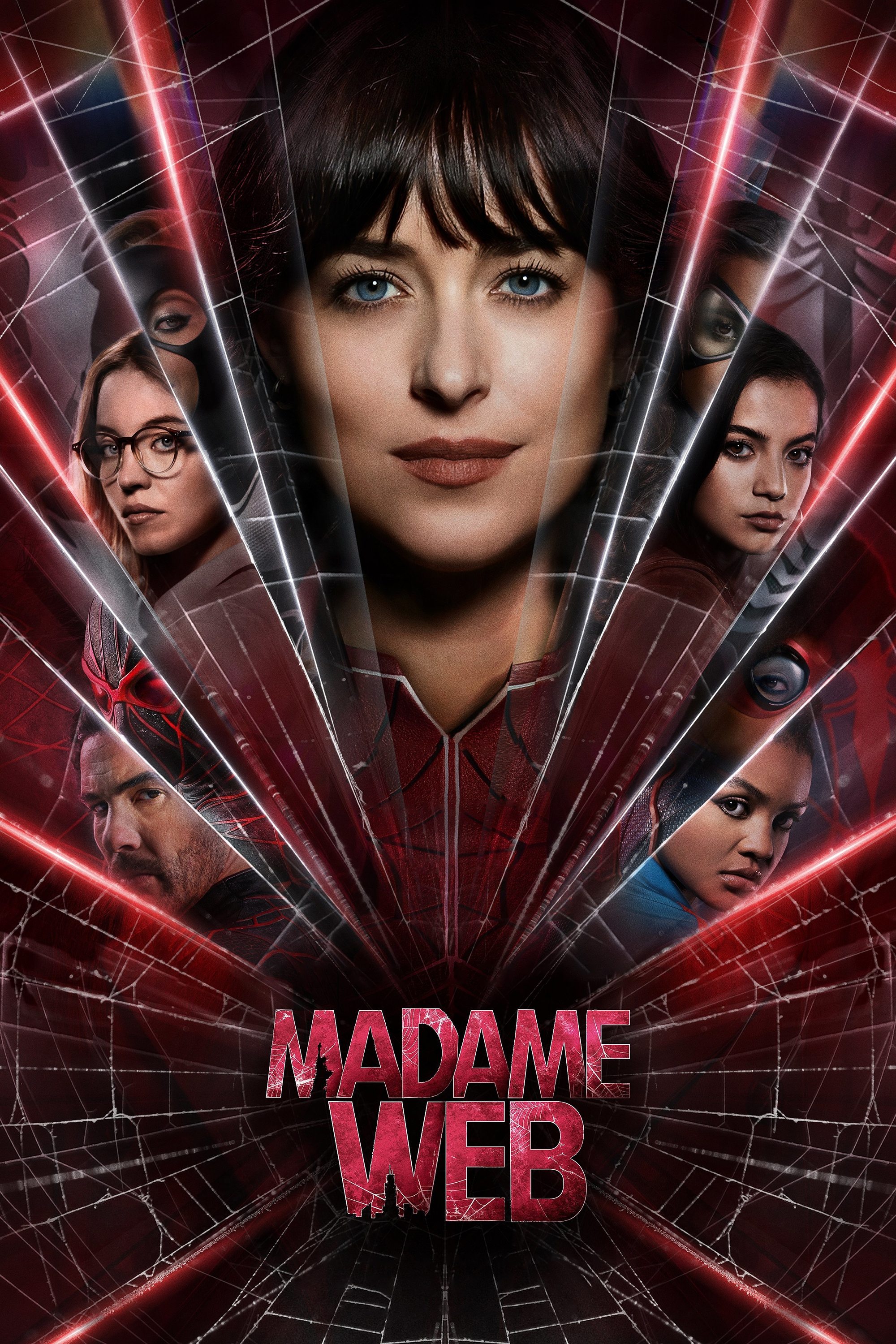
Sony expanded its Spider-Man spinoff universe with this film that was immediately mocked upon the release of its first trailer. Internet meme culture turned the dialogue and delivery of the cast into a running joke that destroyed any sense of anticipation. Star Dakota Johnson later commented on the brutal nature of the industry and the difficulty of making art by committee. The movie collapsed at the box office and was rejected by both casual moviegoers and hardcore comic fans.
‘Joker: Folie à Deux’ (2024)
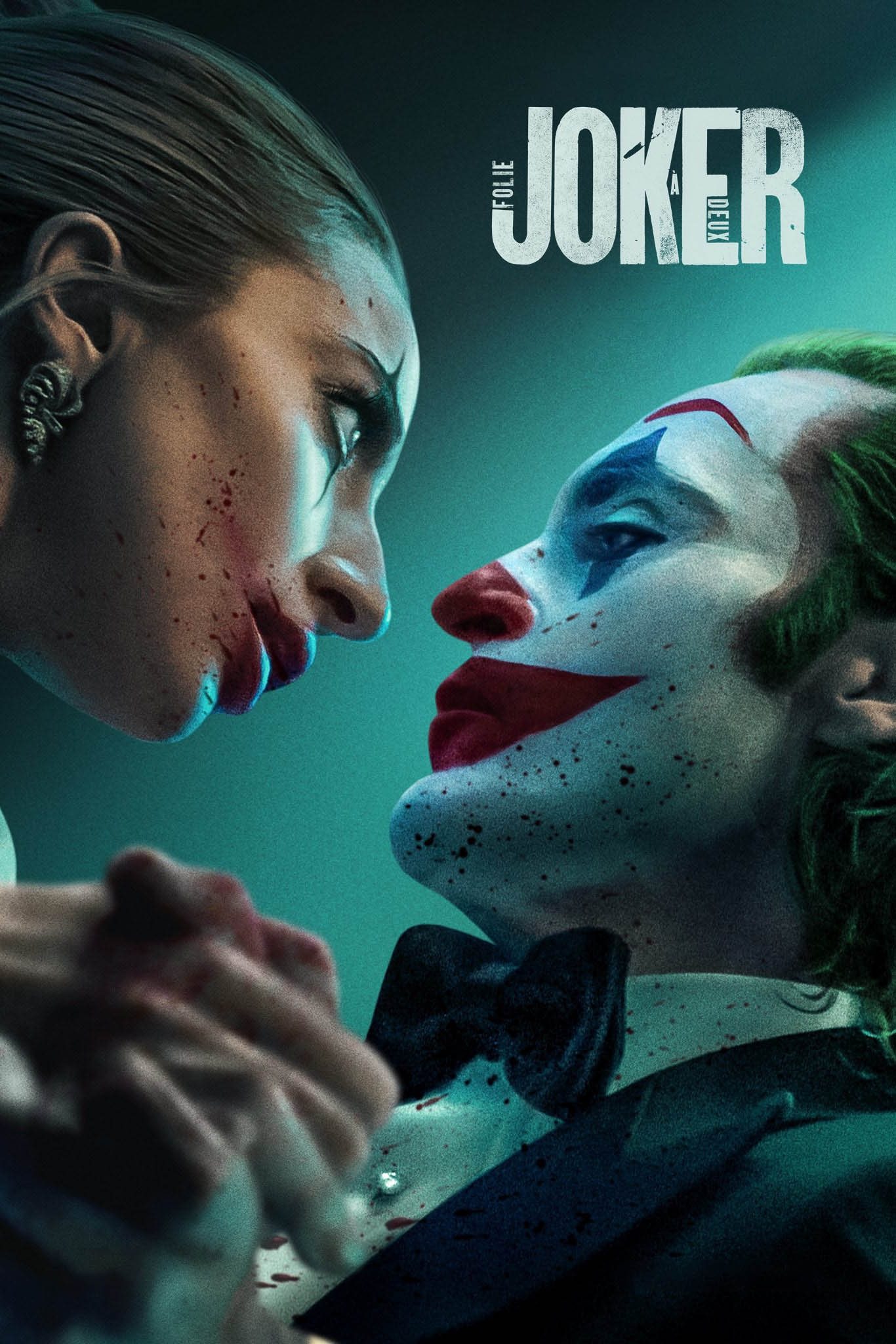
Director Todd Phillips created a courtroom drama musical that actively deconstructed the idolization of the main character by his followers. The film received a rare D CinemaScore from audiences who felt the movie was a deliberate attack on the fans who loved the first installment. The antagonistic relationship between the narrative and the expectations of the core demographic led to a historic second-weekend drop. It grossed a fraction of the billion-dollar original and became one of the most high-profile bombs in history.
Which of these films do you think deserved a better chance at the box office? Share your thoughts in the comments!