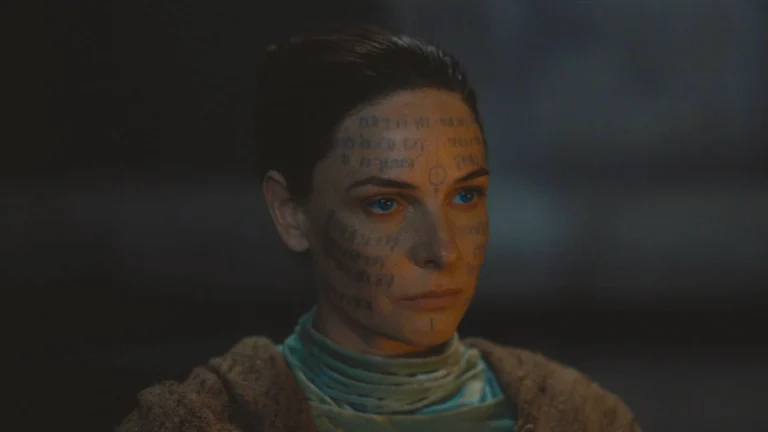
30 Movies So Anti-Religion They Got Banned in Half the World

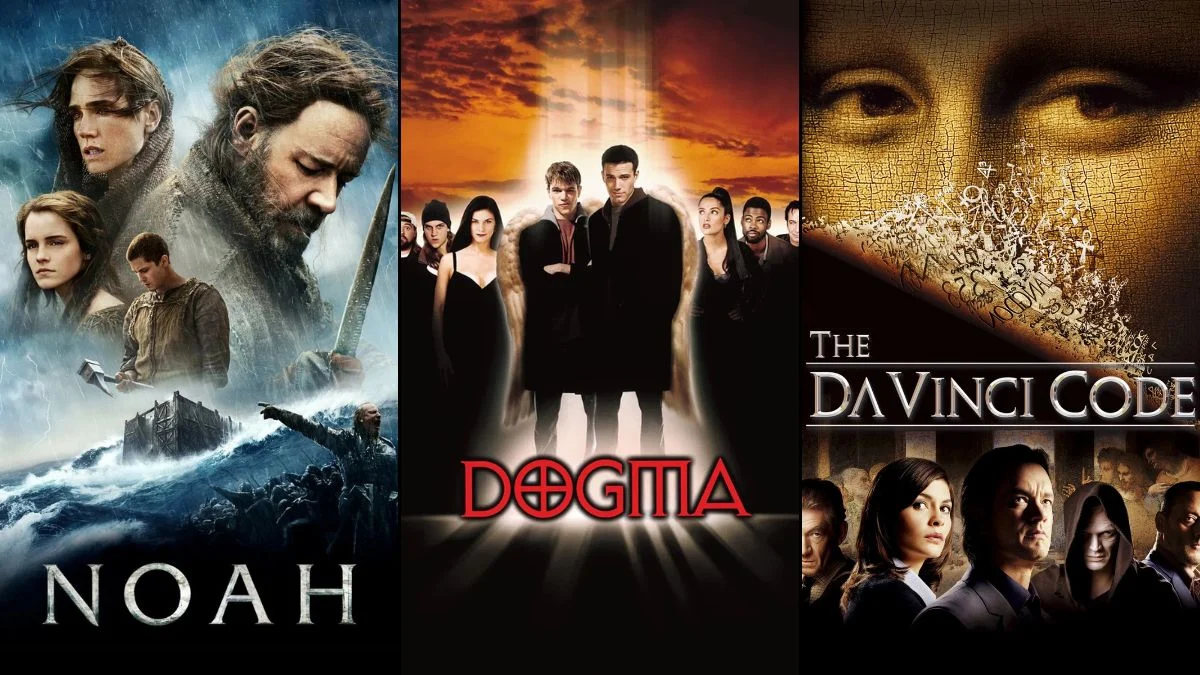

Filmmakers have long challenged societal norms by exploring faith and spirituality through a critical or controversial lens. These cinematic works often spark intense debate regarding the boundaries of artistic expression and religious respect. Governments and religious authorities in various nations have responded to such films with censorship and outright prohibition. The following list explores movies that faced significant global backlash and bans due to their perceived anti-religious content.
‘The Last Temptation of Christ’ (1988)
Martin Scorsese directed this adaptation of the novel by Nikos Kazantzakis which presents a humanized version of Jesus. The narrative depicts the Messiah struggling with doubt and lust while imagining a normal life with Mary Magdalene. Religious groups across the globe protested the film for deviating from the biblical Gospels and insulting the divine nature of Christ. Several countries including Chile and the Philippines banned the movie upon its release for its alleged blasphemous content.
‘Monty Python’s Life of Brian’ (1979)
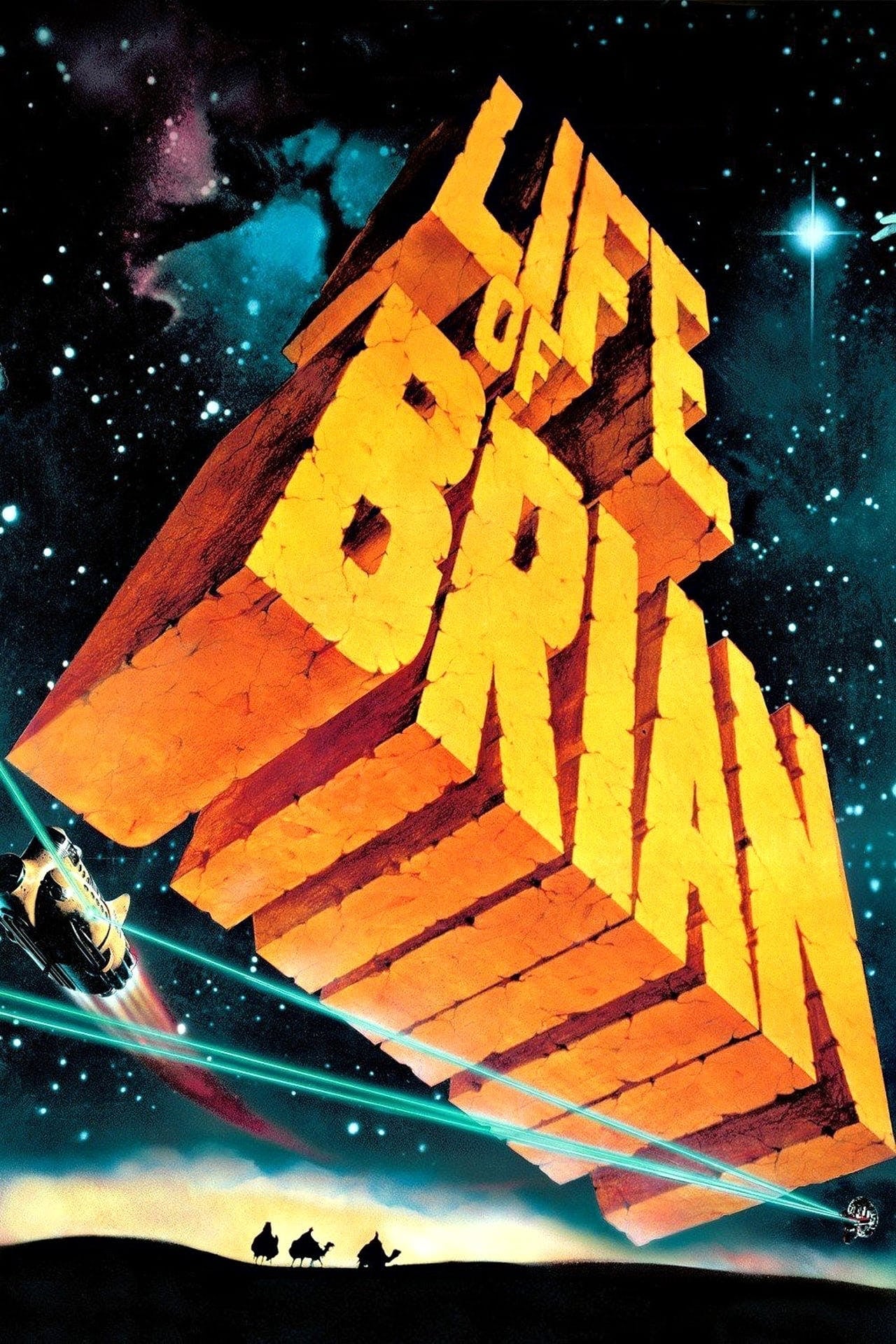
The comedy group Monty Python created this satire about a man named Brian who is born next door to Jesus. Many religious authorities condemned the film for mocking Christian figures and using religious imagery for comedic effect. Ireland and Norway famously banned the film to protect religious sensibilities. The filmmakers later used these bans as a humorous marketing tool to promote the movie in other regions.
‘The Devils’ (1971)
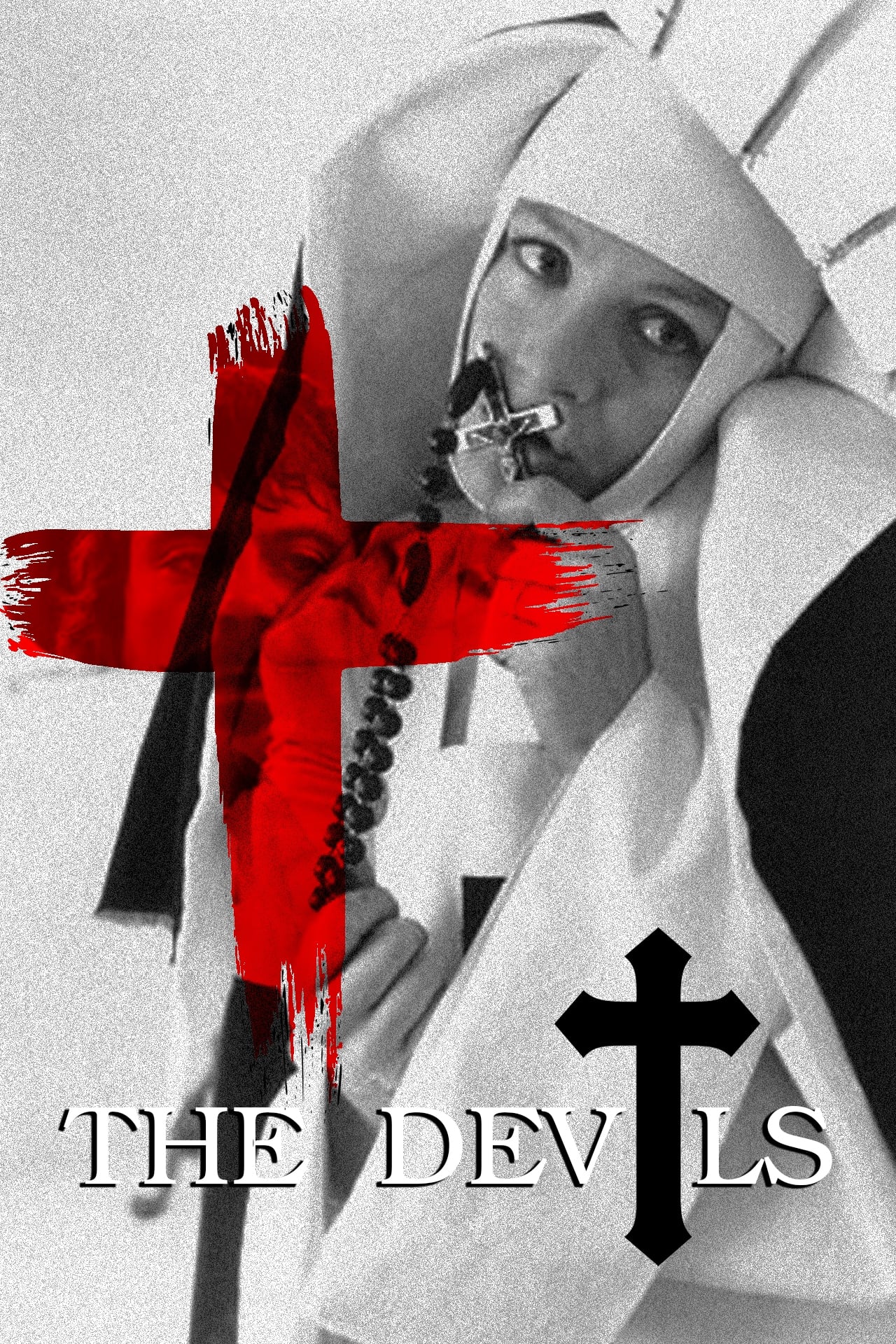
Ken Russell directed this historical drama based on the loudun possessions of the seventeenth century. The film depicts a priest accused of witchcraft and a convent of sexually repressed nuns. Warner Brothers heavily edited the film before release due to its graphic mix of sexuality and religious iconography. The movie remains banned in several countries and has never received a completely uncut release in many territories.
‘Noah’ (2014)
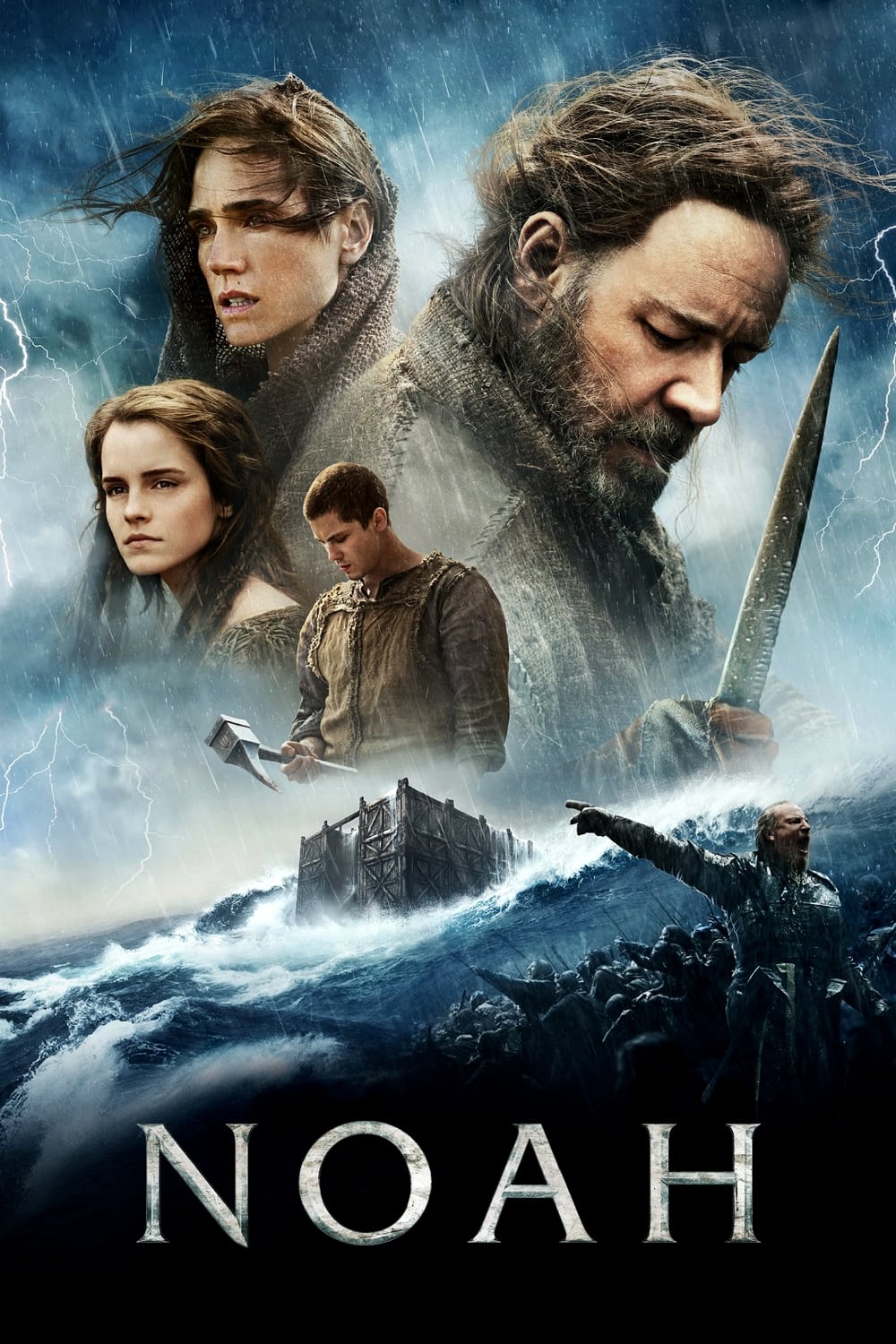
Darren Aronofsky presented a darker and more environmentalist interpretation of the biblical flood narrative. Several Islamic countries including Qatar and the United Arab Emirates banned the film before its premiere. These nations cited Islamic law which generally prohibits the visual depiction of prophets. Conservative Christian groups also criticized the movie for taking significant creative liberties with the source material found in Genesis.
‘The Da Vinci Code’ (2006)

Ron Howard adapted the bestselling novel by Dan Brown which suggests Jesus Christ married Mary Magdalene and fathered a child. The Vatican strongly urged a boycott of the film for its theological inaccuracies and its negative portrayal of the Catholic Church. Nations such as Samoa and the Solomon Islands banned the movie to preserve religious harmony. Protests occurred in many other countries where the film was screened despite objections.
‘Exodus: Gods and Kings’ (2014)
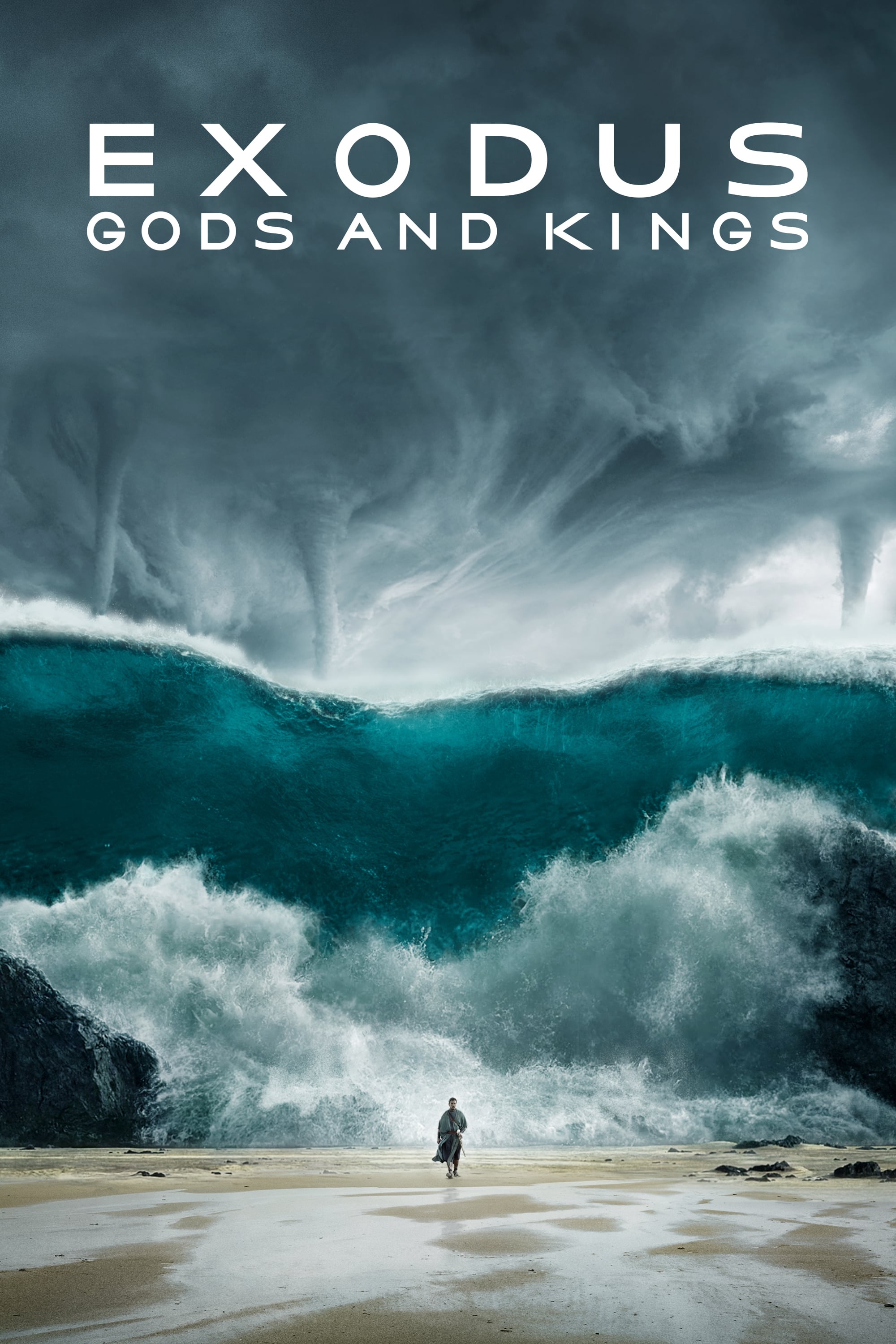
Ridley Scott directed this epic retelling of the biblical story of Moses leading the Hebrews out of Egypt. The Egyptian government banned the film for promoting what they termed as historical inaccuracies and a Zionist viewpoint. Morocco also prohibited the movie because it included a visual representation of God in the form of a child. These bans highlighted the continuing sensitivity surrounding the depiction of religious figures in the Middle East.
‘Bruce Almighty’ (2003)
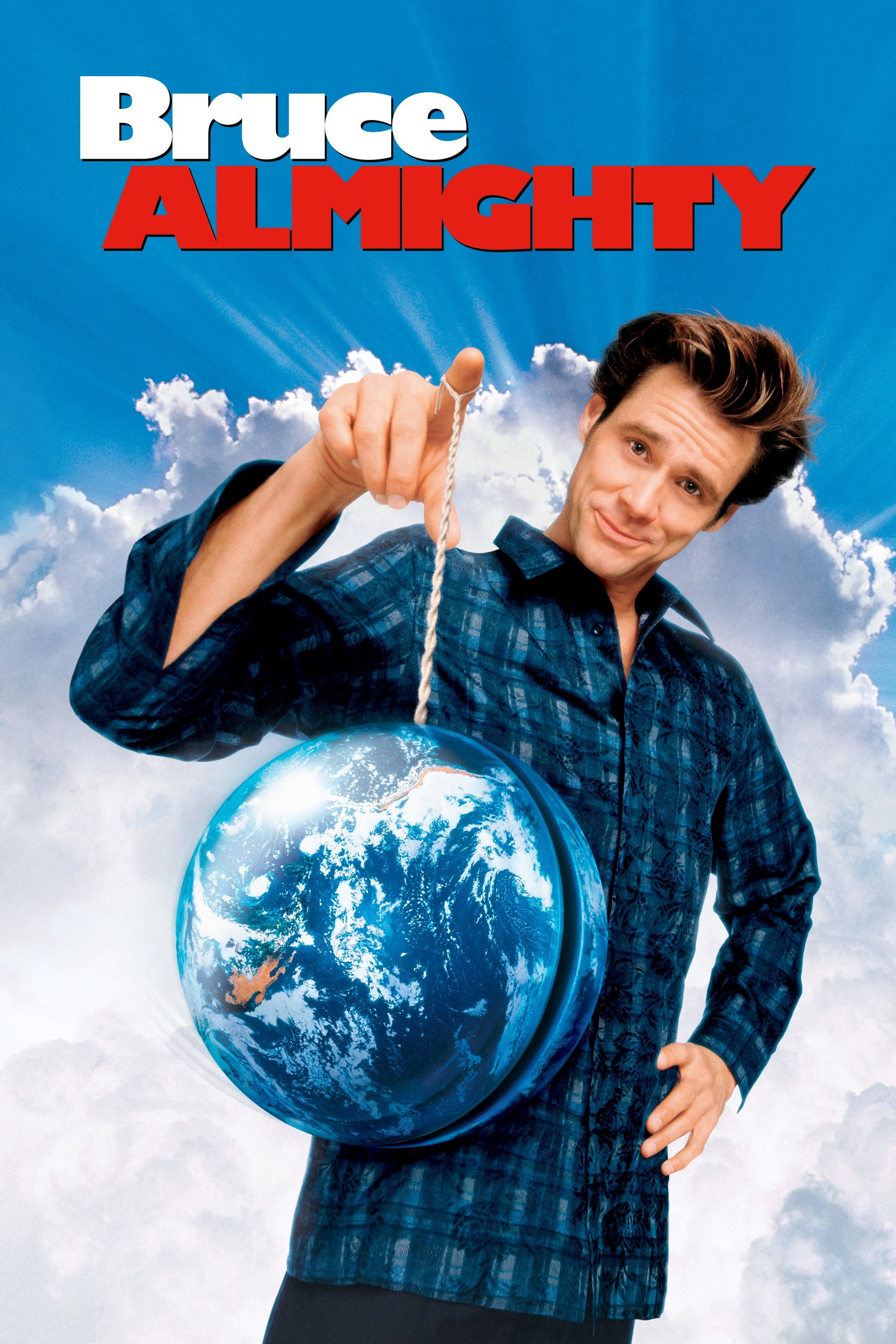
Jim Carrey stars in this comedy about a man who complains about God and is subsequently given divine powers. Egypt banned the film because portraying God as a human with limitations was considered sacrilegious. Malaysia also blocked the theatrical release to avoid offending the Muslim majority population. The movie was viewed by censors in these regions as trivializing the concept of an omnipotent deity.
‘Viridiana’ (1961)
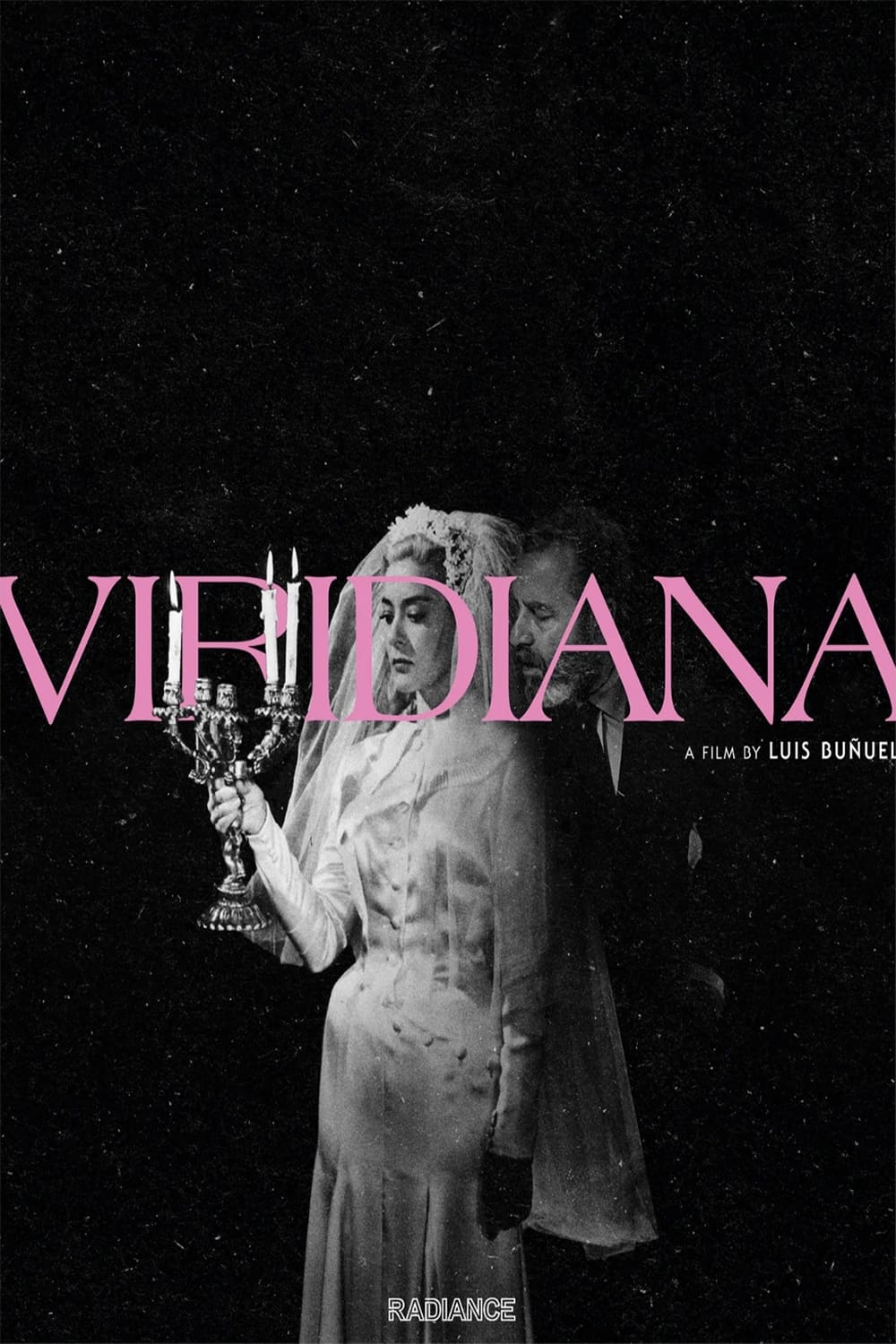
Luis Buñuel directed this film about a novice nun who attempts to maintain her principles in a corrupt world. The Vatican newspaper labeled the movie blasphemous after it won the Palme d’Or at the Cannes Film Festival. The Spanish government under Francisco Franco banned the film and ordered the destruction of the original negative. It remained unavailable in Spain for many years until the end of the dictatorship.
‘Hail Mary’ (1985)
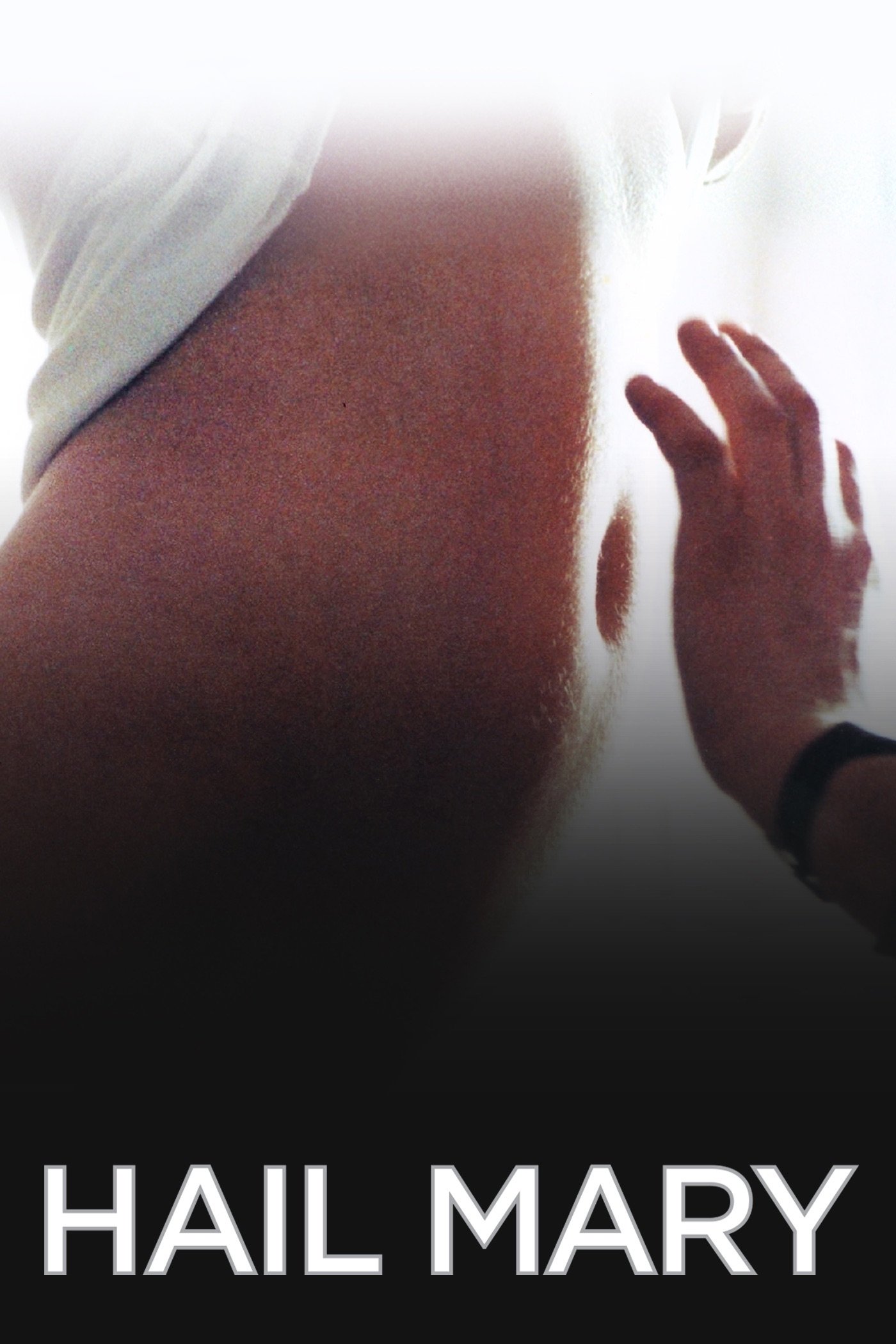
Jean-Luc Godard offered a modern retelling of the story of the Virgin Birth set in contemporary Switzerland. Pope John Paul II publicly condemned the film and stated that it deeply wounded the religious sentiments of believers. Protests erupted at theaters in France and the United States when the movie was screened. Several countries including Argentina and Brazil banned the film entirely upon its release.
‘Water’ (2005)
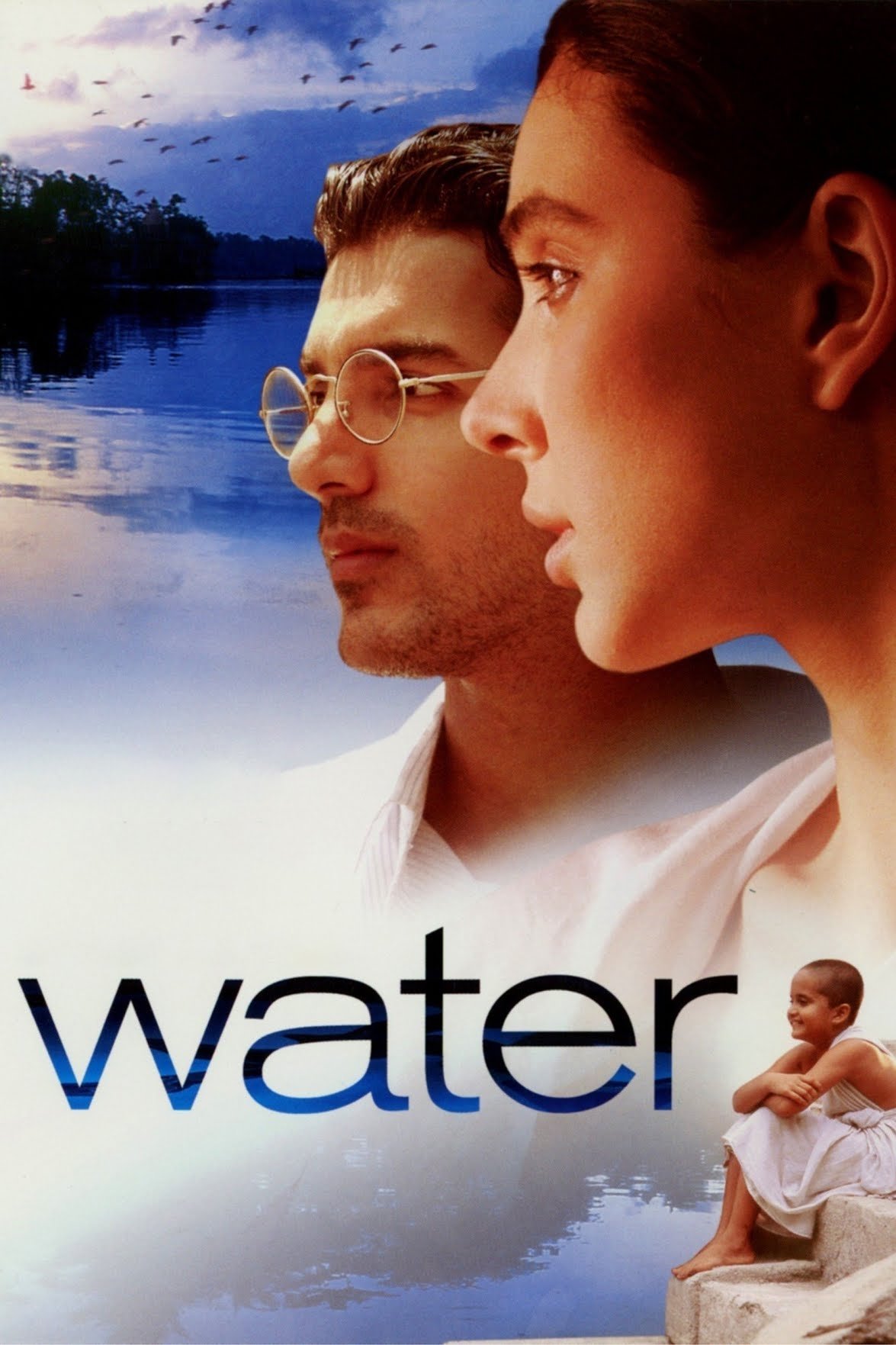
Deepa Mehta wrote and directed this film exploring the plight of widows in pre-independence India. Hindu fundamentalists destroyed the film sets and issued death threats to the director during production. The content was accused of being anti-Hindu for criticizing traditional practices regarding the treatment of widows. The film was banned in Pakistan and faced significant distribution hurdles within India itself.
‘Persepolis’ (2007)
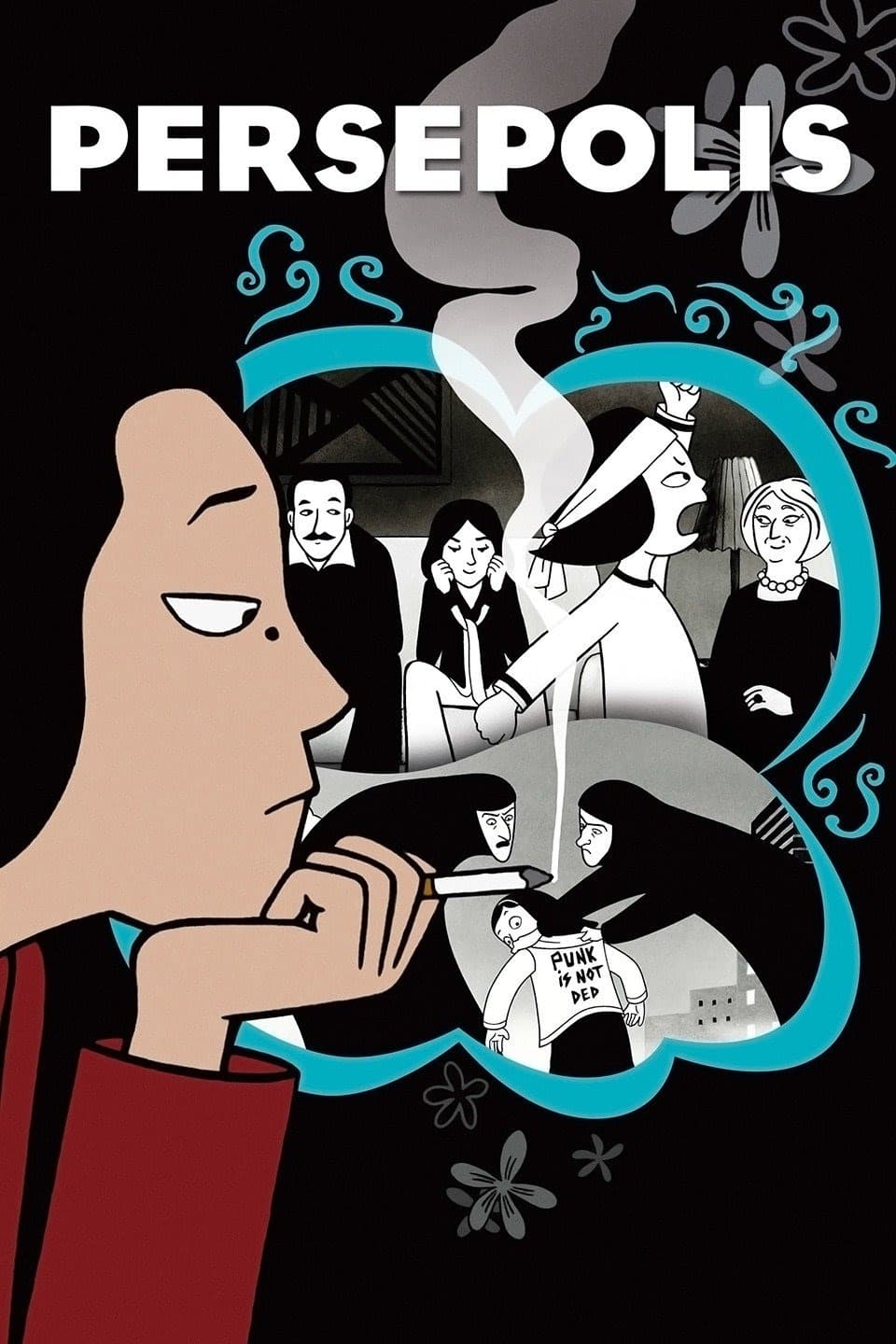
This animated film recounts the coming-of-age story of a young girl during the Iranian Revolution. The Iranian government vehemently objected to the film and its critical depiction of the Islamist regime. Lebanon briefly banned the movie after religious authorities claimed it was offensive to Islam. The ban in Lebanon was eventually overturned following a public outcry against censorship.
‘Submission’ (2004)

Theo van Gogh directed this short film written by Ayaan Hirsi Ali that criticizes the treatment of women in Islamic cultures. The movie features verses from the Quran painted on the bodies of abused women. The film caused immediate outrage and led to the assassination of Theo van Gogh by an extremist. The immense controversy essentially removed the film from circulation in many parts of the world.
‘Visions of Ecstasy’ (1989)
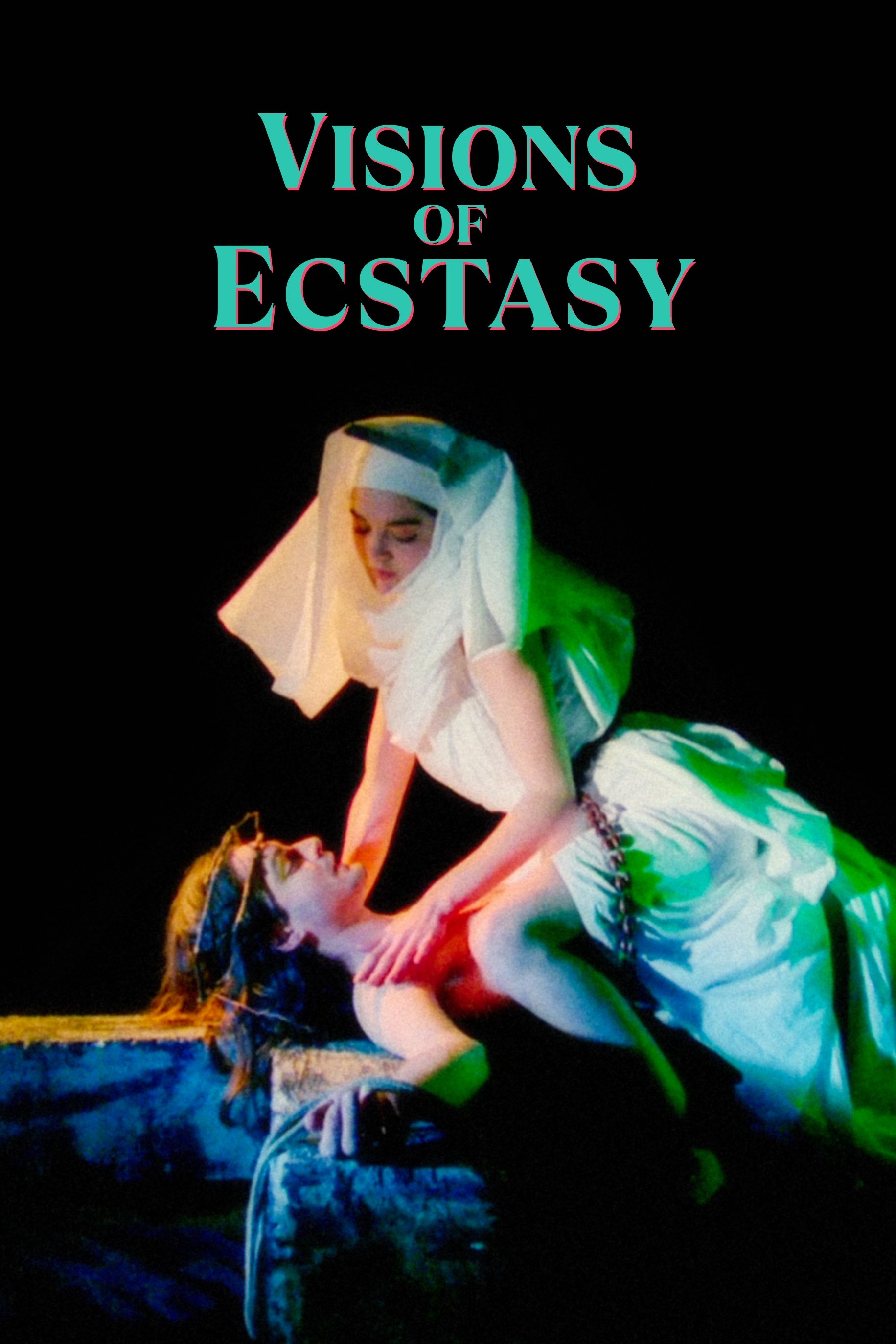
This short film depicts the eroticized religious trances of Saint Teresa of Avila. The British Board of Film Classification rejected the movie on the grounds of blasphemous libel. It remained the only film banned in the United Kingdom for blasphemy for nearly two decades. The ban was eventually lifted in 2012 after the UK abolished its common law offences of blasphemy.
‘Priest’ (1994)
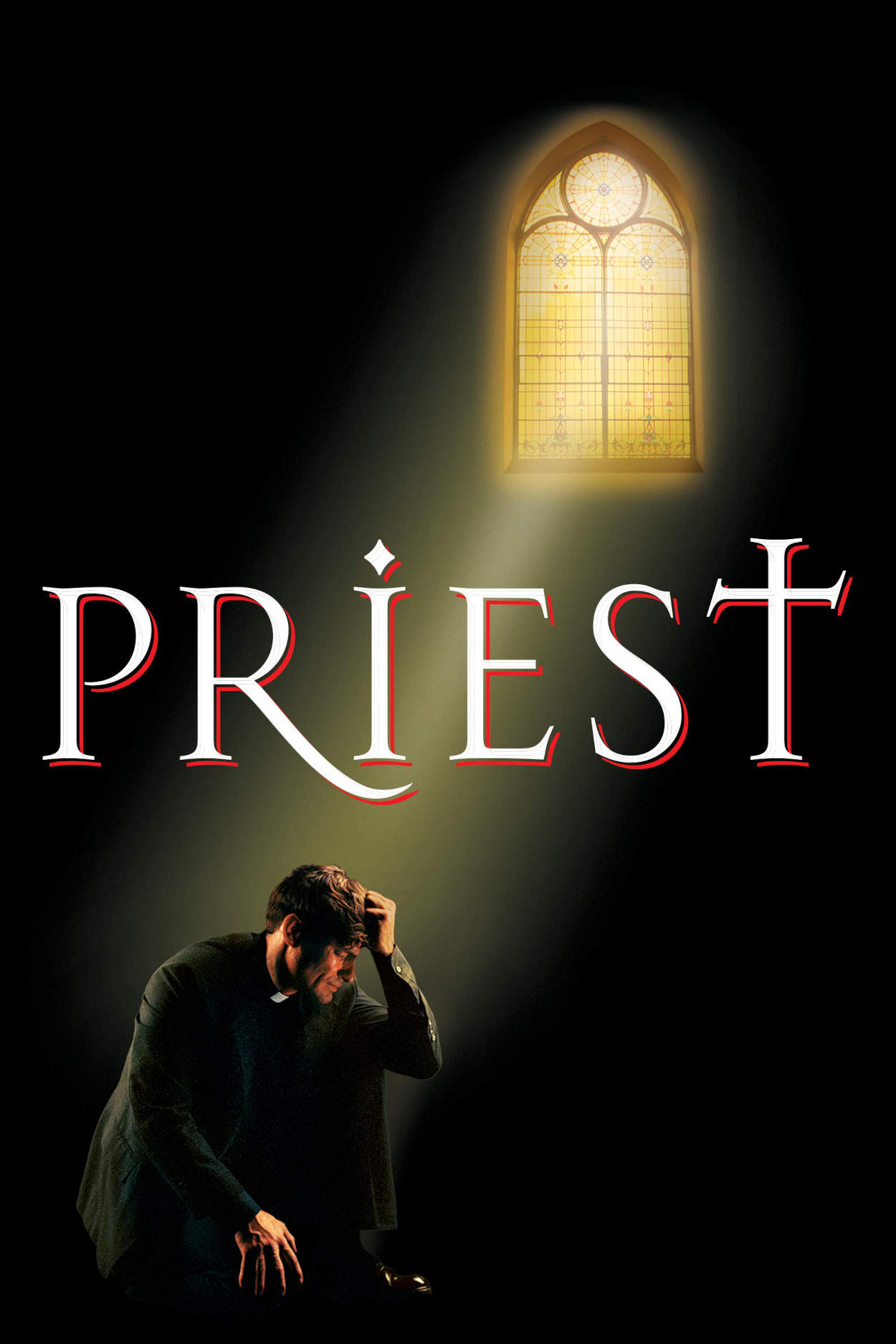
Antonia Bird directed this drama about a Roman Catholic priest struggling with his homosexuality. The Catholic Church in Ireland and the United States condemned the film for its portrayal of clergy. The subject matter caused a significant uproar and led to calls for boycotts. While not banned everywhere, it faced severe restrictions and was effectively blocked in highly conservative communities.
‘Salò, or the 120 Days of Sodom’ (1975)

Pier Paolo Pasolini adapted the work of Marquis de Sade and set it in fascist Italy. The film is notorious for its graphic violence and sexual degradation mixed with political and religious commentary. It was banned in numerous countries including Australia and New Zealand for decades. The intense content led to it being labeled as obscene and one of the most controversial films ever made.
‘L’Âge d’or’ (1930)
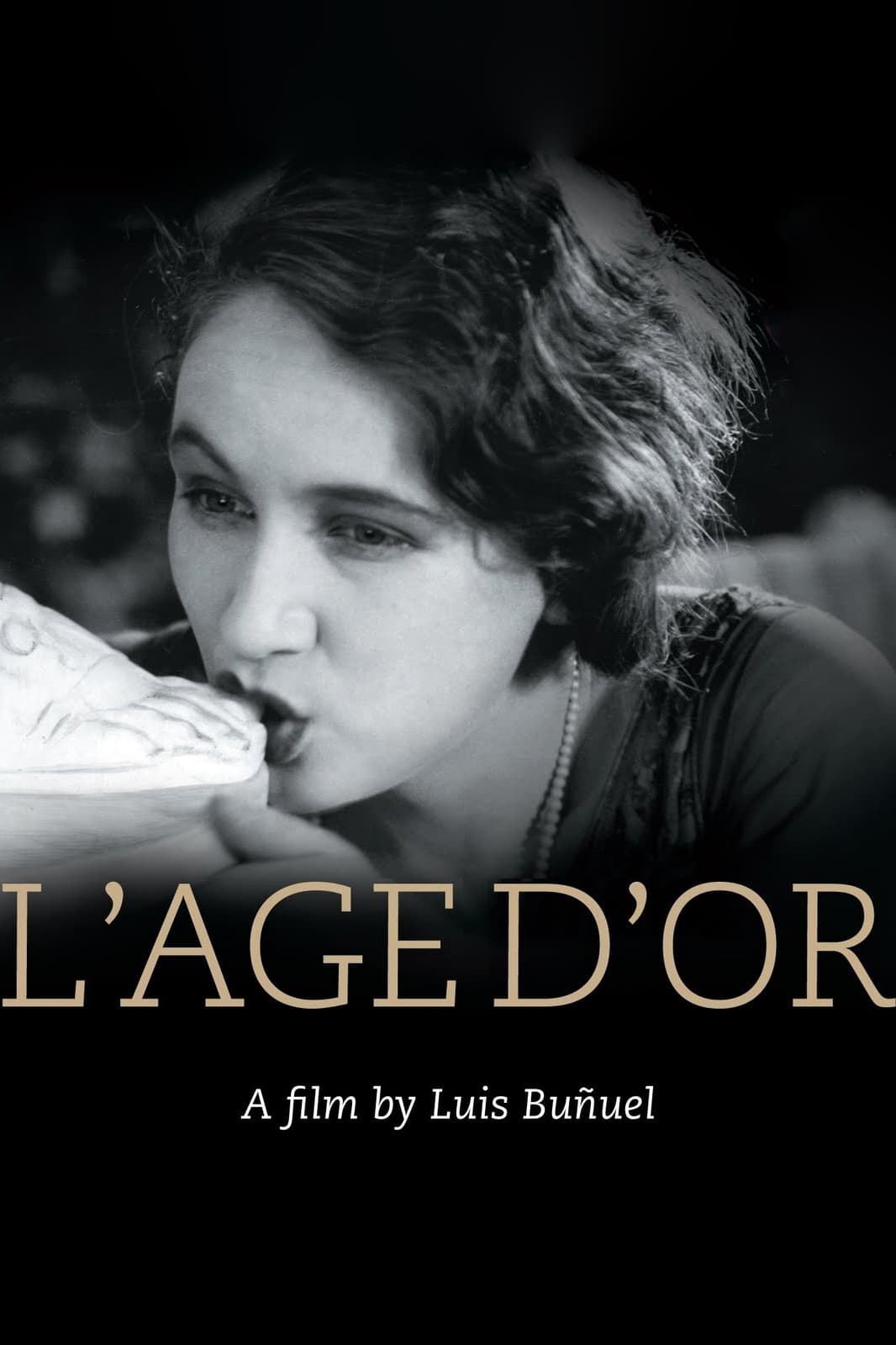
Luis Buñuel and Salvador Dalí collaborated on this surrealist film that attacks bourgeois society and the Catholic Church. Right-wing groups attacked the theater where it premiered in Paris and destroyed the lobby. The police subsequently banned the film to maintain public order. It remained officially banned in France for fifty years due to its subversive religious imagery.
‘Dogma’ (1999)
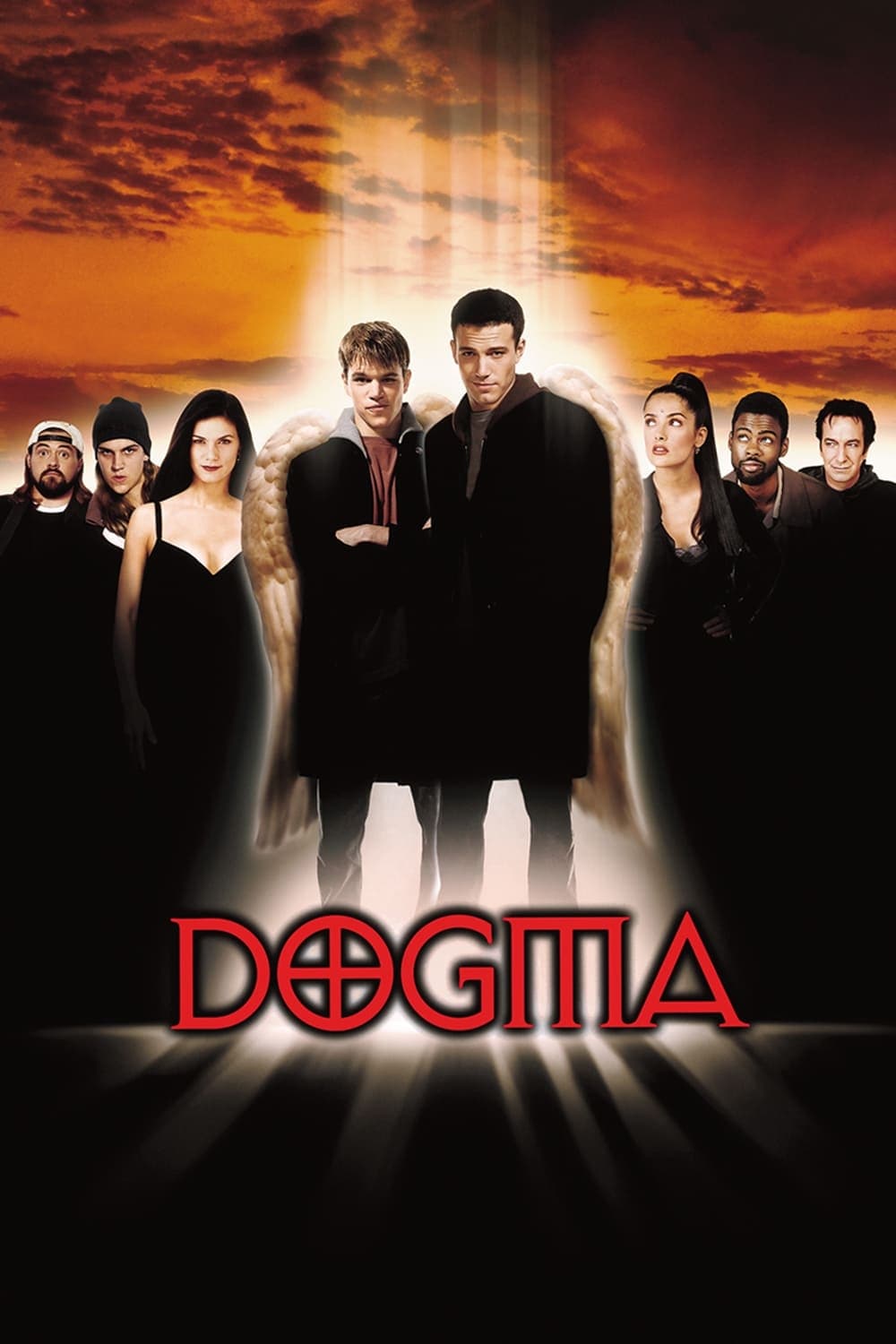
Kevin Smith directed this fantasy comedy involving two fallen angels trying to re-enter Heaven. The Catholic League denounced the film as blasphemy and organized protests against its release. Disney eventually sold the rights to another distributor to avoid the controversy associated with the project. The movie was effectively blocked in several countries with strict blasphemy laws.
‘Agora’ (2009)
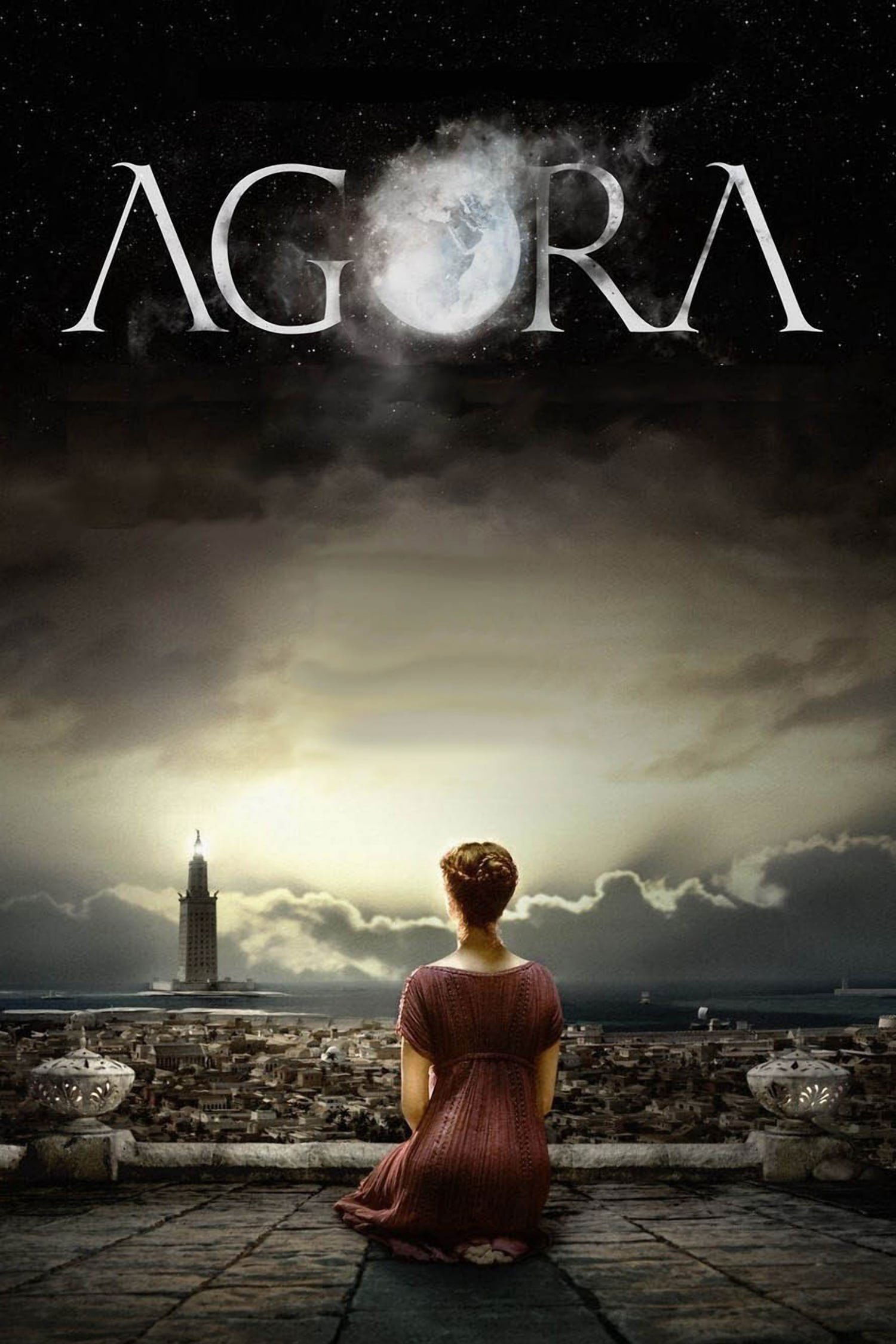
Alejandro Amenábar directed this historical drama about the philosopher Hypatia in Roman Egypt. The film depicts early Christians as violent zealots who destroy the Library of Alexandria. The Religious Anti-Defamation Observatory in Italy criticized the movie for inciting religious hatred. It struggled to find distribution in the United States and was condemned by Coptic Christian groups in Egypt.
‘The Exorcist’ (1973)

William Friedkin directed this horror classic about the demonic possession of a young girl. Religious groups feared the film glorified Satanism and encouraged belief in the occult. Several towns in the United Kingdom banned screenings of the movie upon its release. It was also banned in parts of the Middle East for its terrifying depiction of religious conflict.
‘Antichrist’ (2009)
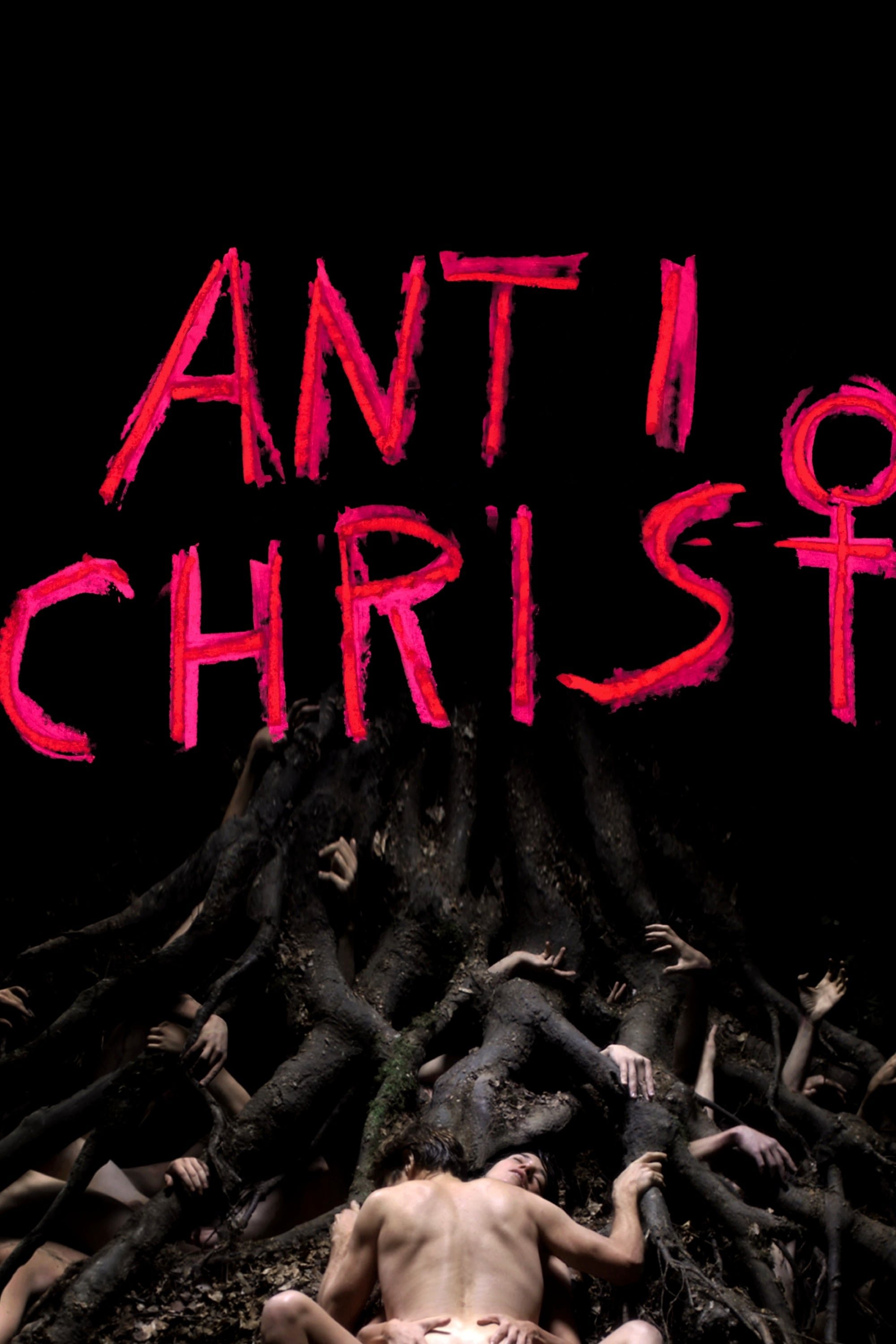
Lars von Trier created this psychological horror film filled with explicit violence and sexual imagery. The story serves as a dark allegory involving nature and the divine. The ecumenical jury at the Cannes Film Festival gave the movie a special anti-award for its misogyny and perceived spiritual offense. It was banned or heavily censored in nations with strict decency and religious standards.
‘Benedetta’ (2021)
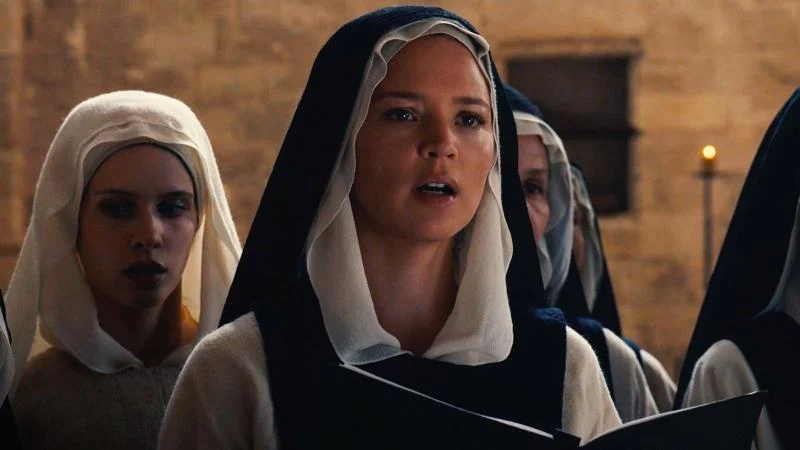
Paul Verhoeven directed this biographical drama about a seventeenth-century nun who begins a lesbian affair. The film combines religious ecstasy with erotica in a way that angered Catholic groups. Singapore effectively banned the film by refusing to classify it due to its insensitive portrayal of religious figures. Activists in the United States protested screenings and called the movie blasphemous.
‘The Crime of Father Amaro’ (2002)
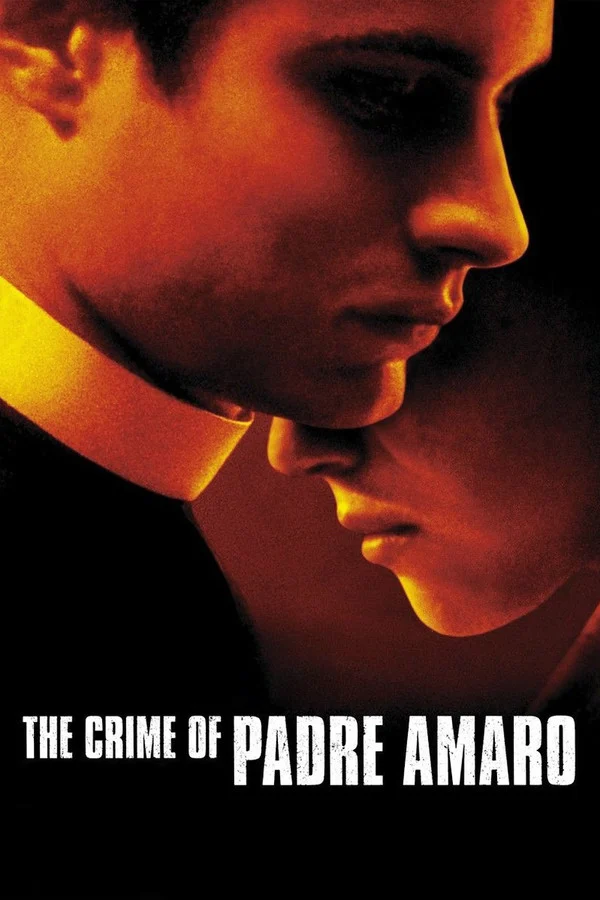
Gael García Bernal stars in this Mexican film about a young priest who falls in love with a teenage girl. The Catholic Church in Mexico urged the government to ban the film for attacking the institution. Conservative groups launched legal efforts to stop the distribution of the movie. It became a massive box office hit in Mexico despite the intense religious opposition.
‘The Matrix Reloaded’ (2003)
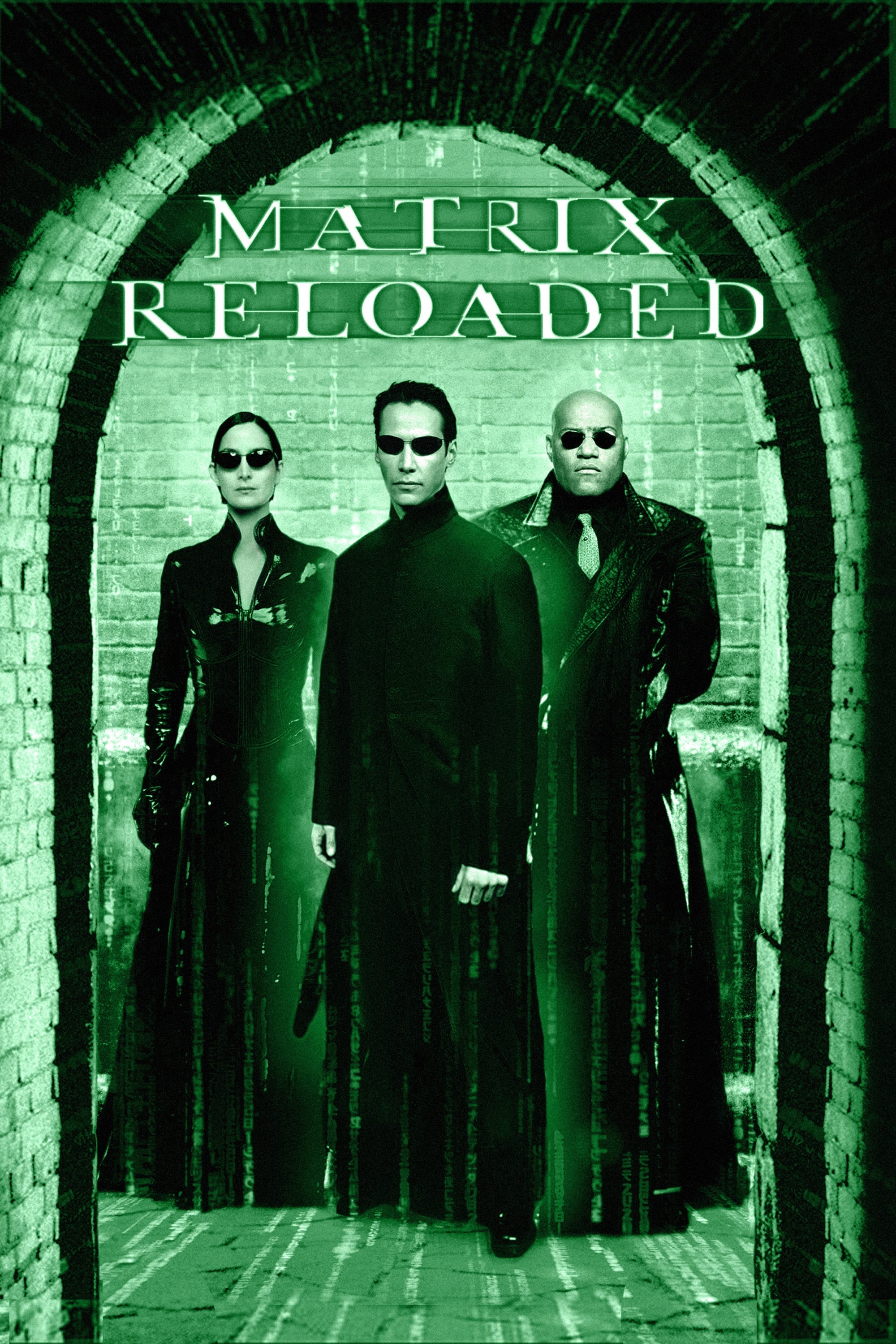
The Wachowskis continued their sci-fi saga which explores themes of existence and control. Egypt banned the film on religious grounds because it challenged the concept of divine creation. The Censor Board in Egypt stated the movie promoted Zionist and atheistic ideas. The film was also criticized in other conservative regions for its complex theological implications.
‘Black Narcissus’ (1947)
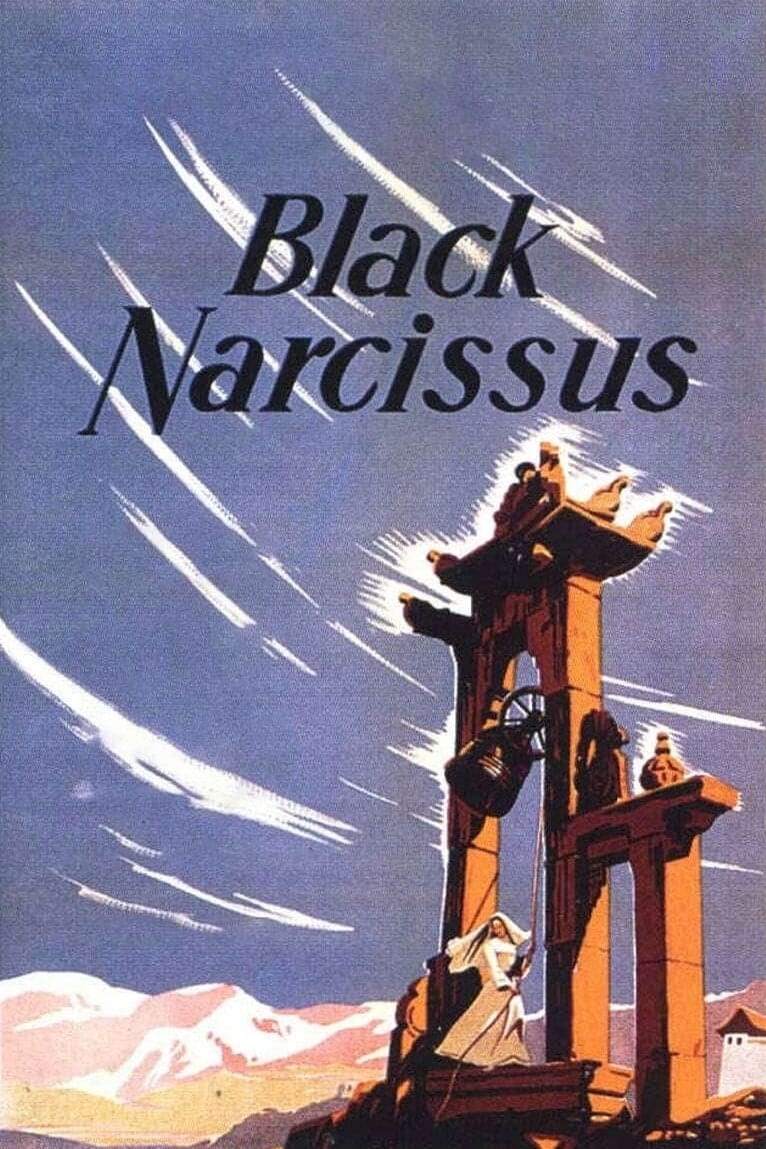
Michael Powell and Emeric Pressburger directed this drama about Anglican nuns establishing a convent in the Himalayas. The film explores the sexual repression and eventual madness of the sisters in an exotic environment. The Catholic Legion of Decency condemned the film for its portrayal of religious life. Ireland banned the movie entirely for offending public morality and religious respect.
‘The First Temptation of Christ’ (2019)
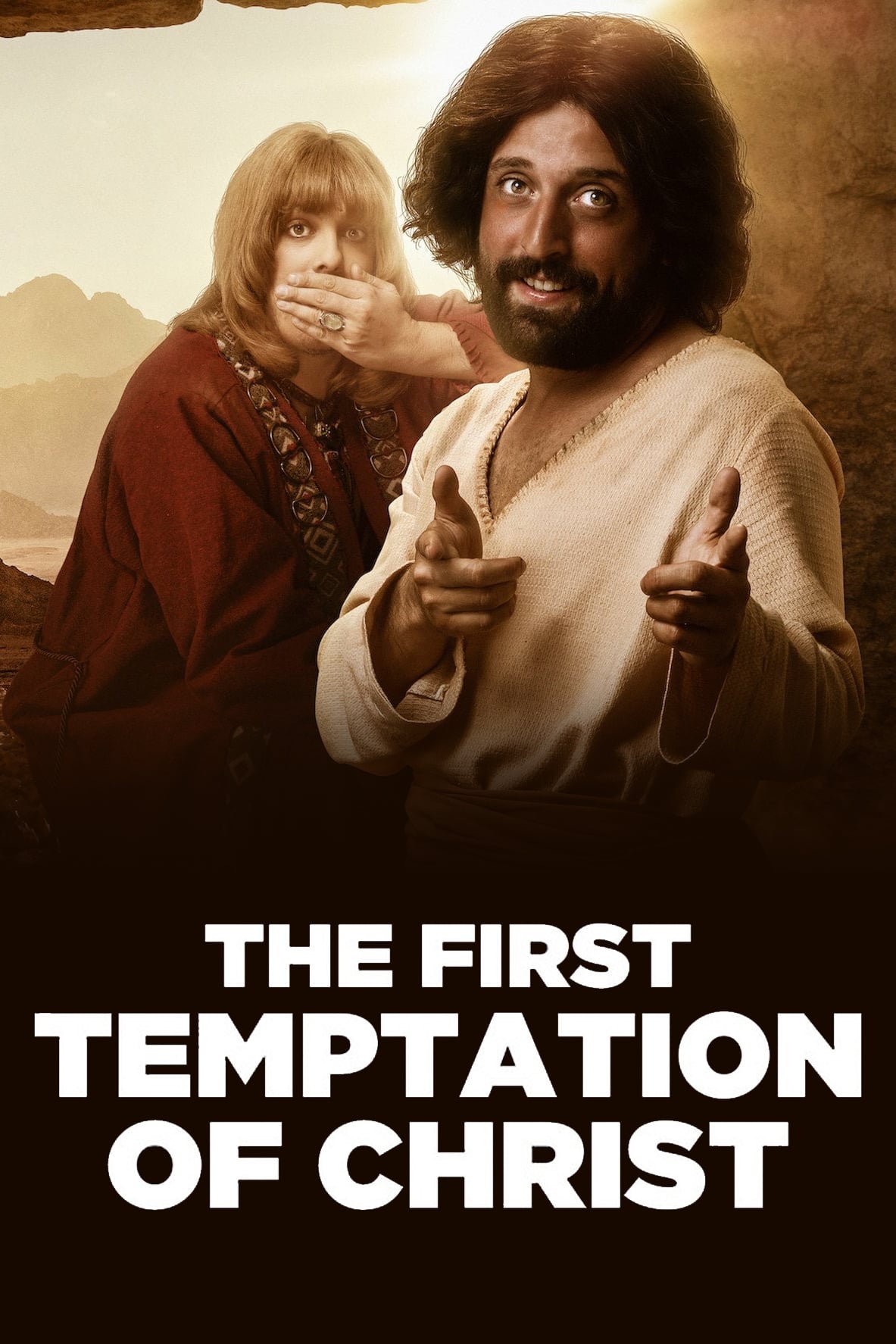
The Brazilian comedy group Porta dos Fundos created this satirical special for Netflix. The plot implies that Jesus is in a romantic relationship with a man. More than two million people signed a petition in Brazil calling for the removal of the film. A judge temporarily ordered Netflix to take down the movie before the Brazilian Supreme Court overturned the ban.
‘Schindler’s List’ (1993)
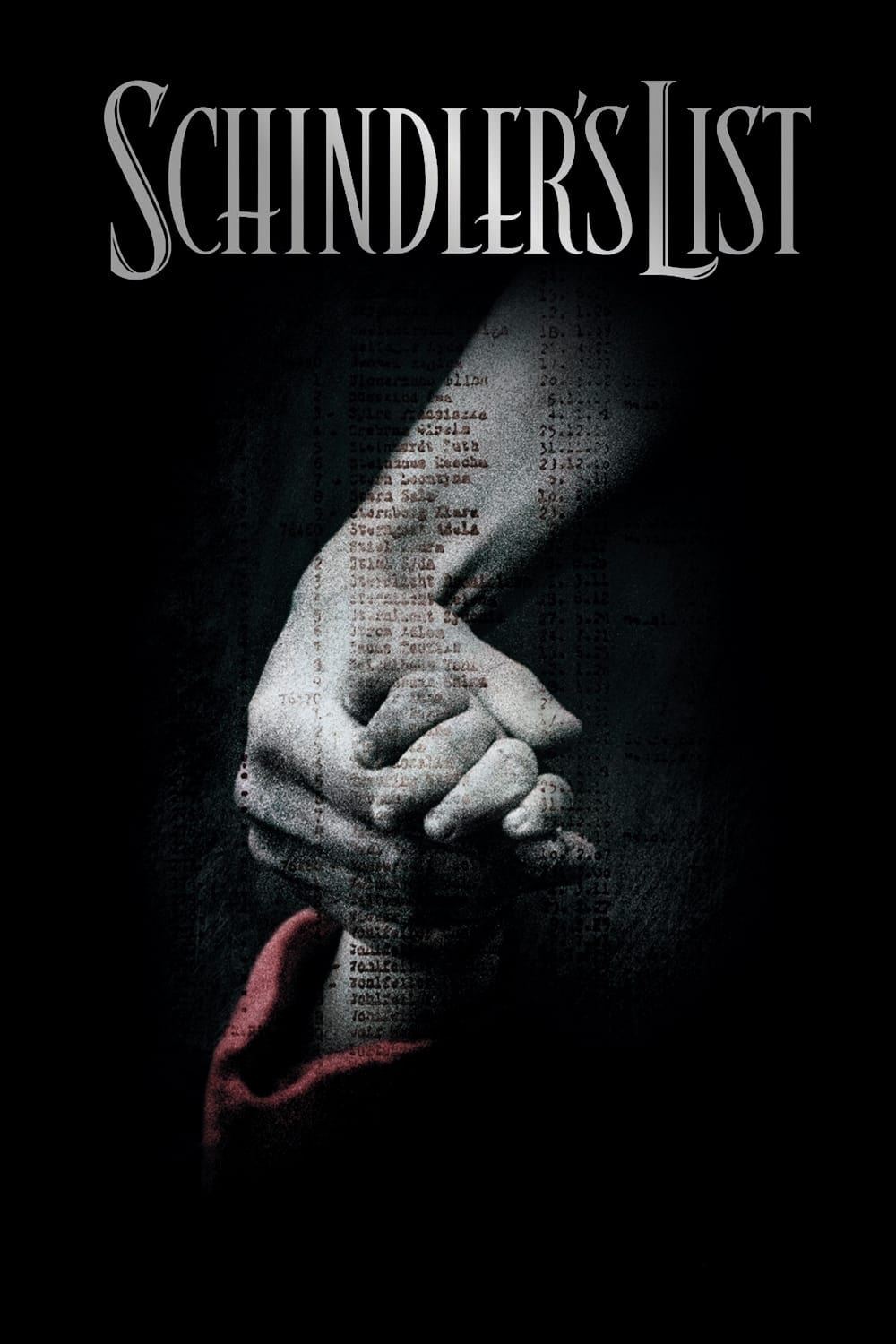
Steven Spielberg directed this Holocaust drama which is widely considered a cinematic masterpiece. Many Islamic countries including Malaysia and Indonesia banned the film upon release. Authorities in these nations cited the sympathetic portrayal of Jews and Zionist themes as reasons for the prohibition. The ban was strictly enforced in regions where political tension with Israel was high.
‘Muhammad: The Messenger of God’ (2015)
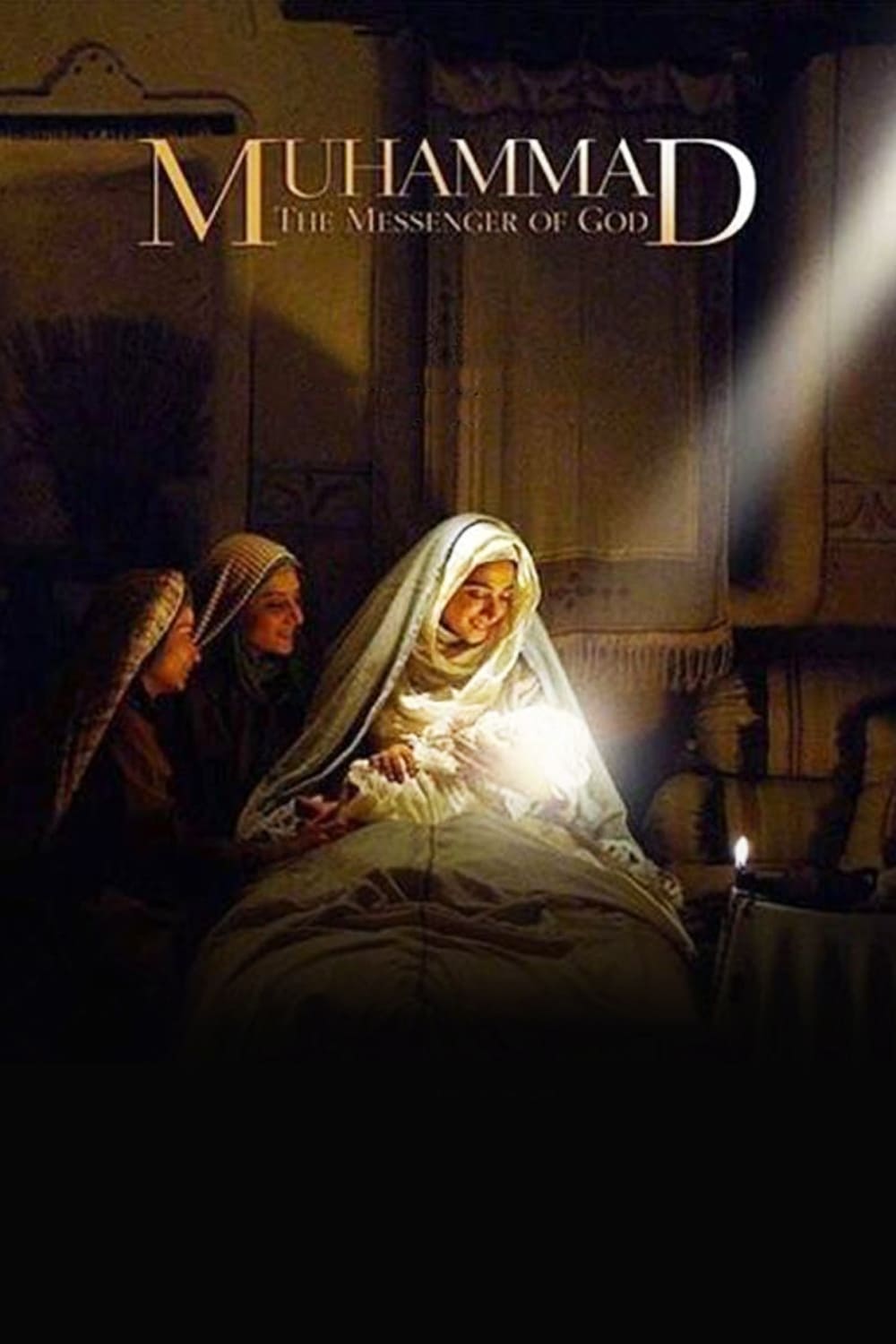
Majid Majidi directed this Iranian film depicting the childhood of the Islamic prophet. Saudi Arabia’s Grand Mufti condemned the film as a distortion of Islam and an act of hostility. The Muslim World League called for a ban on the movie due to the physical depiction of the Prophet. The film was blocked from theaters in many Sunni-majority countries due to these theological disagreements.
‘The Lady of Heaven’ (2021)
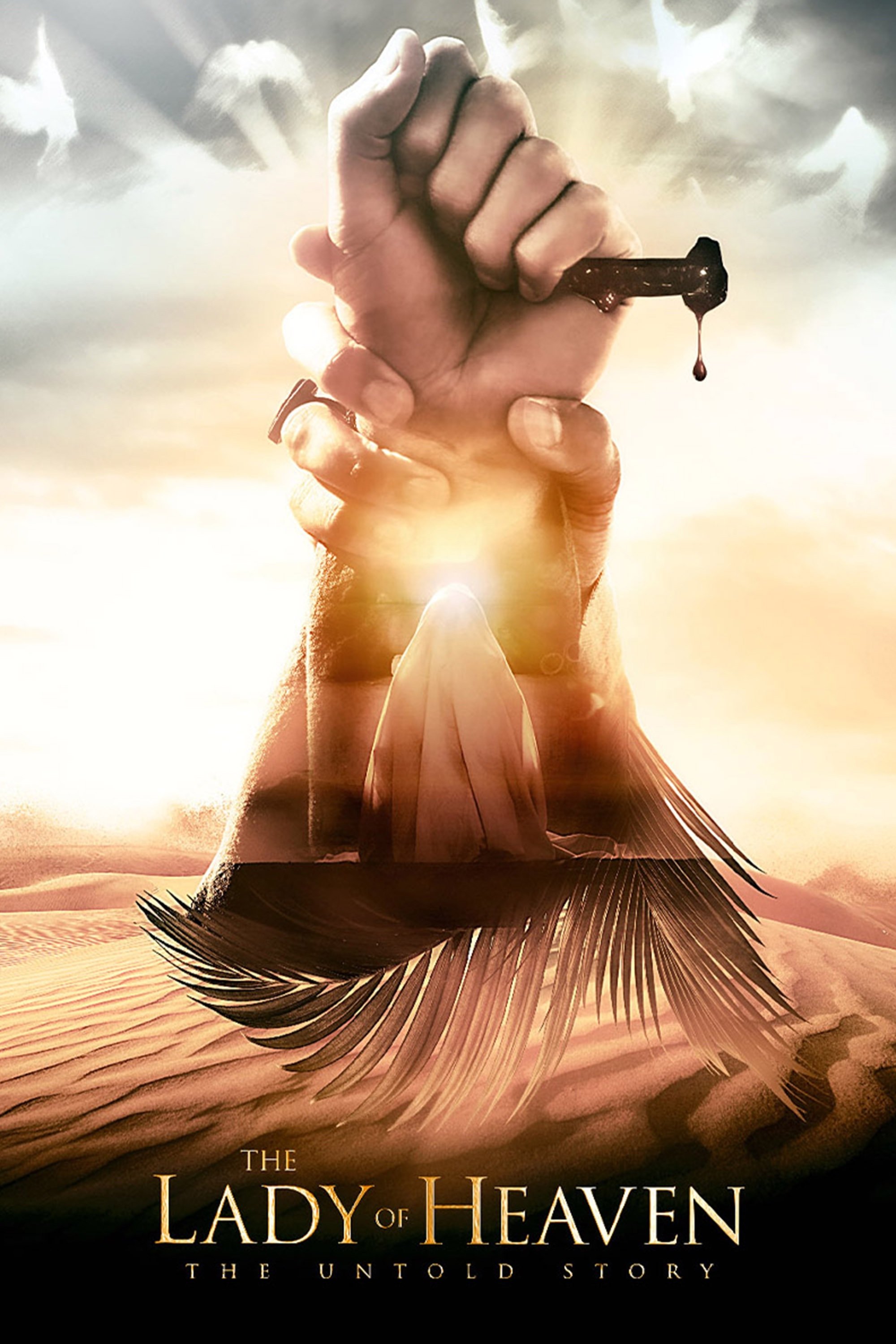
This British film depicts the life of Fatima who was the daughter of the Islamic prophet Muhammad. The movie sparked protests outside cinemas in the United Kingdom by Muslim groups who viewed it as sectarian. Morocco and Egypt banned the film for falsifying historical facts and undermining Islamic unity. Pakistan also blocked the release and labeled the content as sacrilegious.
‘Lightyear’ (2022)

Pixar produced this animated sci-fi adventure that serves as an origin story for the Buzz Lightyear character. The inclusion of a brief same-sex kiss caused the movie to be banned in fourteen Middle Eastern and Asian countries. Authorities in nations like Saudi Arabia and the UAE cited violations of media content standards related to religious and cultural values. China also requested cuts to the film which Disney refused to make.
‘Wonder Woman’ (2017)
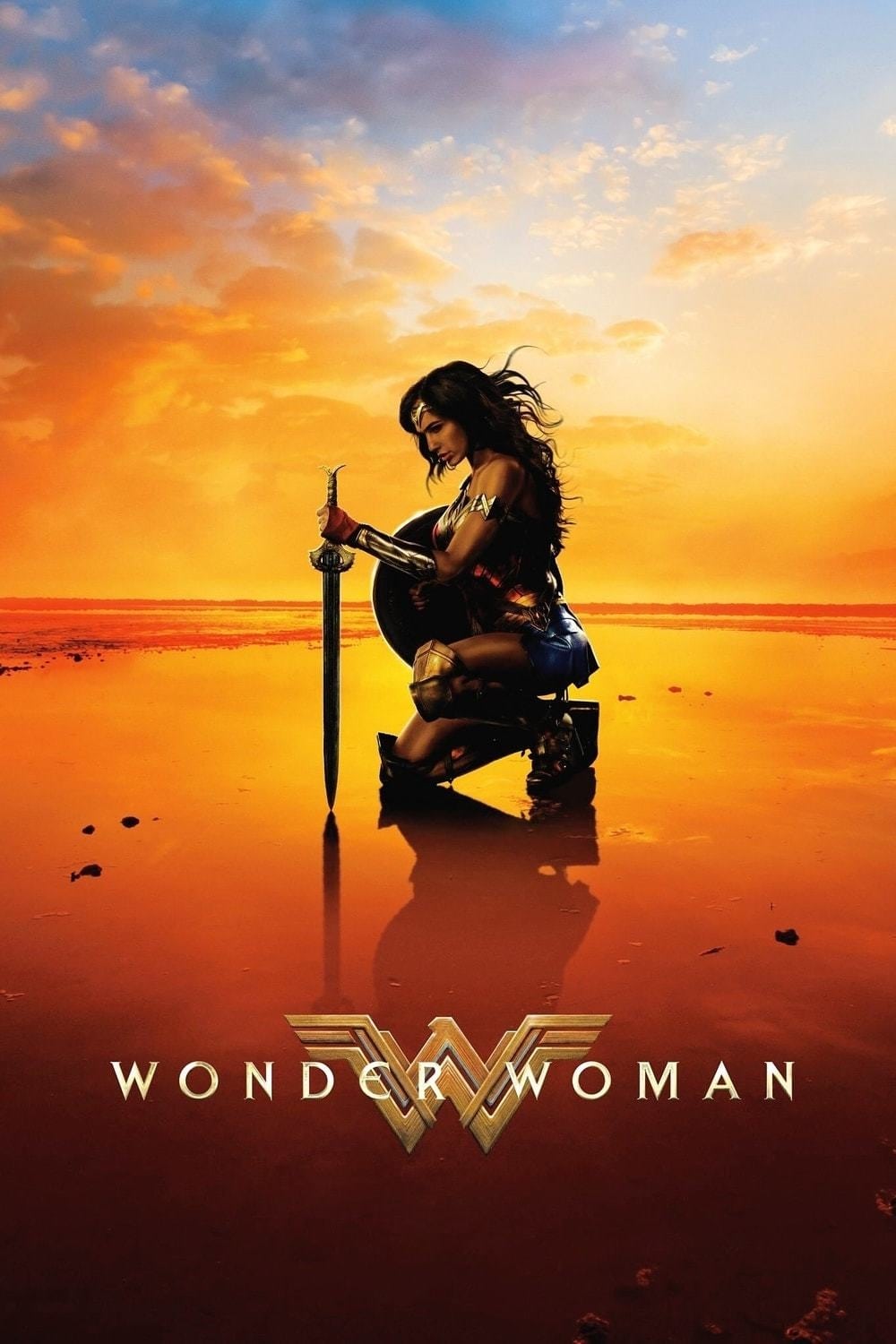
Patty Jenkins directed this superhero film starring Gal Gadot in the title role. Lebanon banned the movie because the lead actress is an Israeli citizen and served in the Israeli military. Tunisia and Qatar followed suit by prohibiting the film based on political and religious objections to the star. The ban was driven by the Campaign to Boycott Supporters of Israel rather than the content of the film itself.
Please share your thoughts on whether these bans were justified or if they infringed on artistic freedom in the comments.