16 TV Series That Switched Leads Mid-Show and It Worked

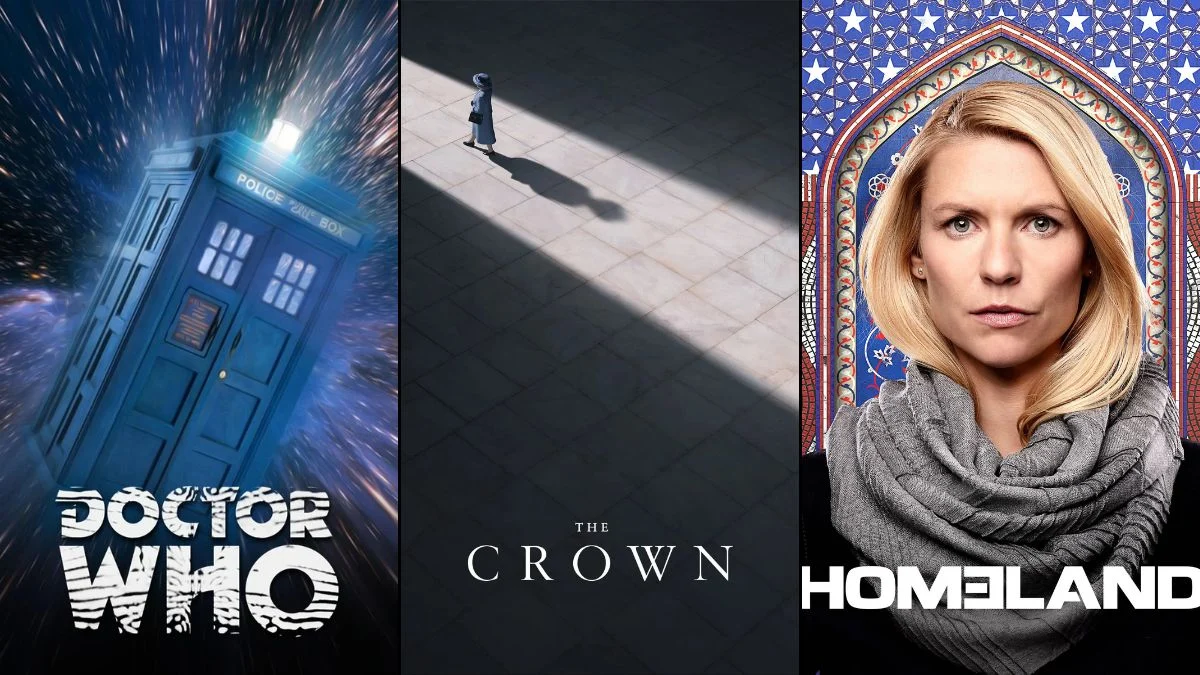

Television history is filled with shows that crumbled after losing a main character but some series managed to defy the odds by successfully swapping their leads. These productions proved that a compelling premise or a strong ensemble cast could survive the departure of a headline star. Writers often utilized creative narrative devices to explain the changes while keeping the core audience engaged with new storylines. The following series navigated these difficult transitions and maintained their popularity for years afterward.
‘Doctor Who’ (1963–Present)

This long-running science fiction series invented the concept of regeneration to allow the show to continue indefinitely. The alien protagonist transforms into a new physical form when sustaining fatal injuries and allows a new actor to take over the lead role. This clever narrative device has permitted over a dozen actors to portray the Doctor across several decades. The show reinvents itself with every new casting choice while keeping the continuity of the universe intact.
‘The Crown’ (2016–2023)

The creators of this historical drama made the bold decision to recast the entire ensemble every two seasons to accurately depict the passage of time. Claire Foy originated the role of Queen Elizabeth II before passing the torch to Olivia Colman and finally Imelda Staunton. This structure allowed the series to cover decades of royal history without relying on heavy prosthetic makeup or digital de-aging effects. Audiences accepted the rotating cast as a necessary stylistic choice that added gravitas to each era of the monarch’s life.
‘Cheers’ (1982–1993)
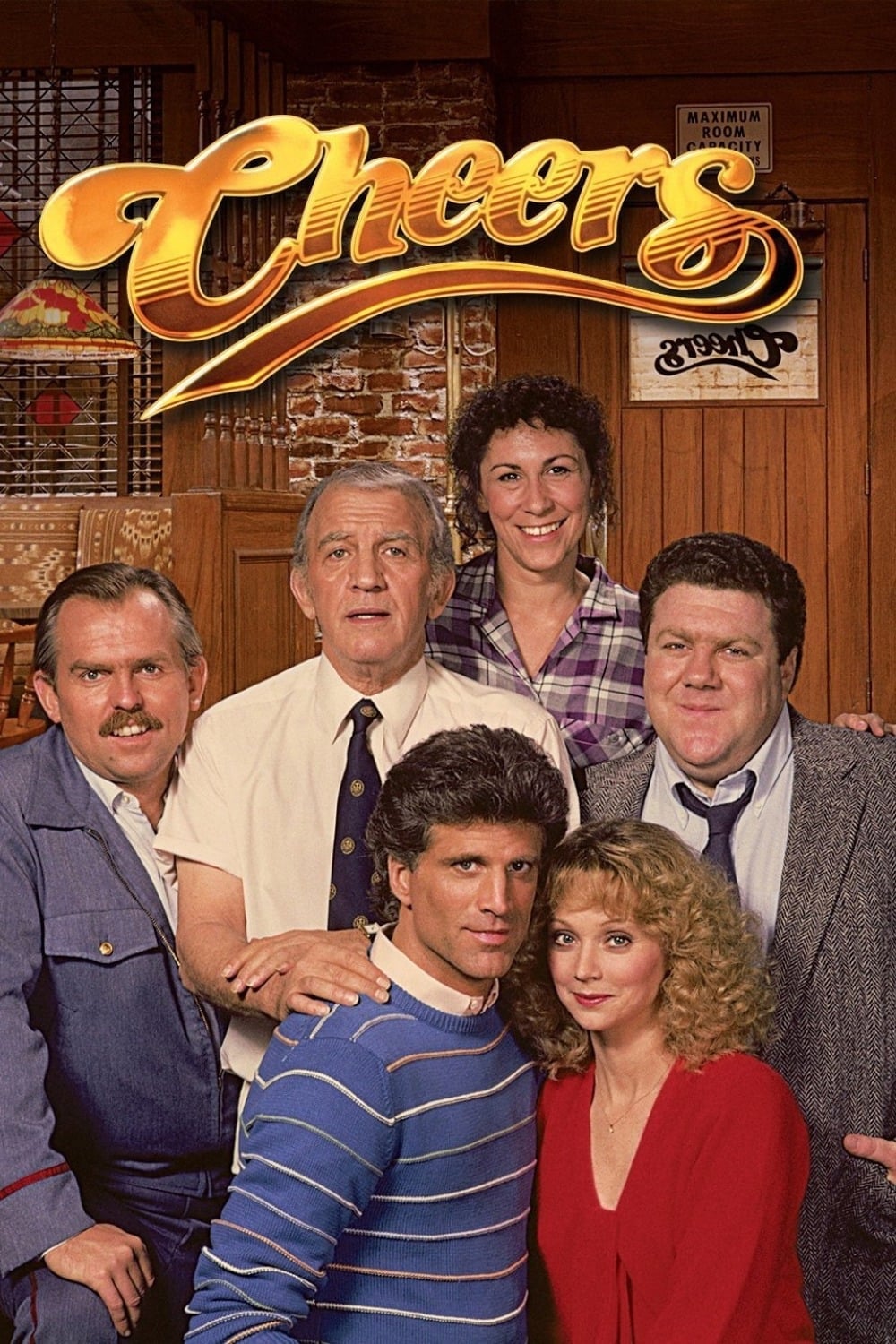
The dynamic between Sam Malone and Diane Chambers served as the central engine of the show for the first five seasons. Shelley Long departed the series at the height of its popularity and left a massive void in the cast. The writers introduced Kirstie Alley as Rebecca Howe to create a completely different foil for Sam. The show successfully pivoted from a romantic will-they-won’t-they dynamic to a broader ensemble comedy that ran for another six years.
‘NYPD Blue’ (1993–2005)
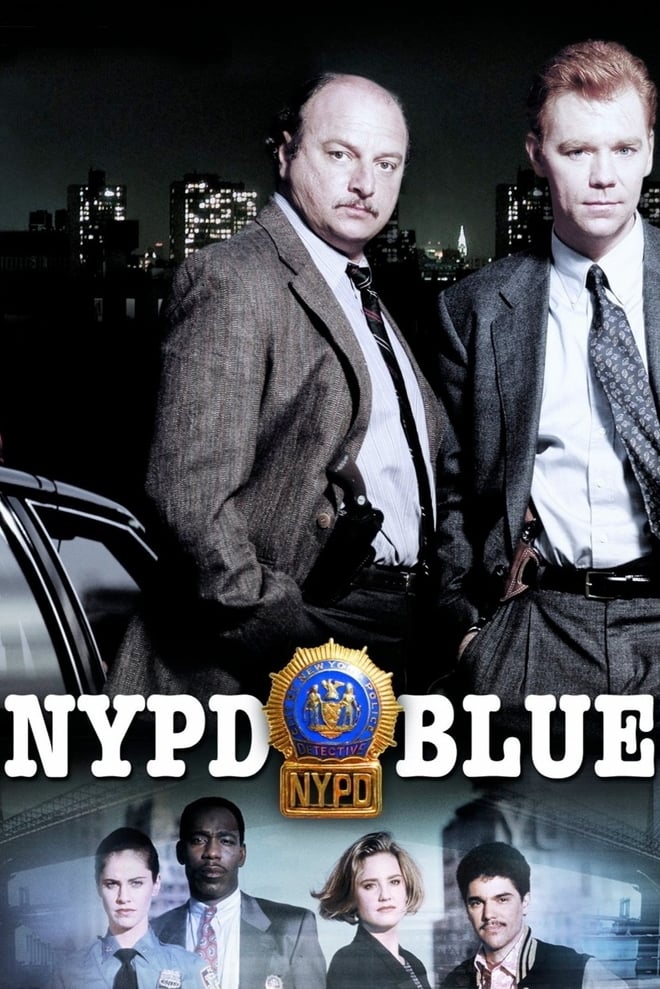
David Caruso became an instant breakout star during the first season of this gritty police procedural. His abrupt departure early in the second season forced the writers to pair Dennis Franz with Jimmy Smits. Smits brought a different energy to the precinct that complemented the existing cast members perfectly. The series continued for another decade and solidified its place as a staple of network television drama.
‘M*A*S*H’ (1972–1983)
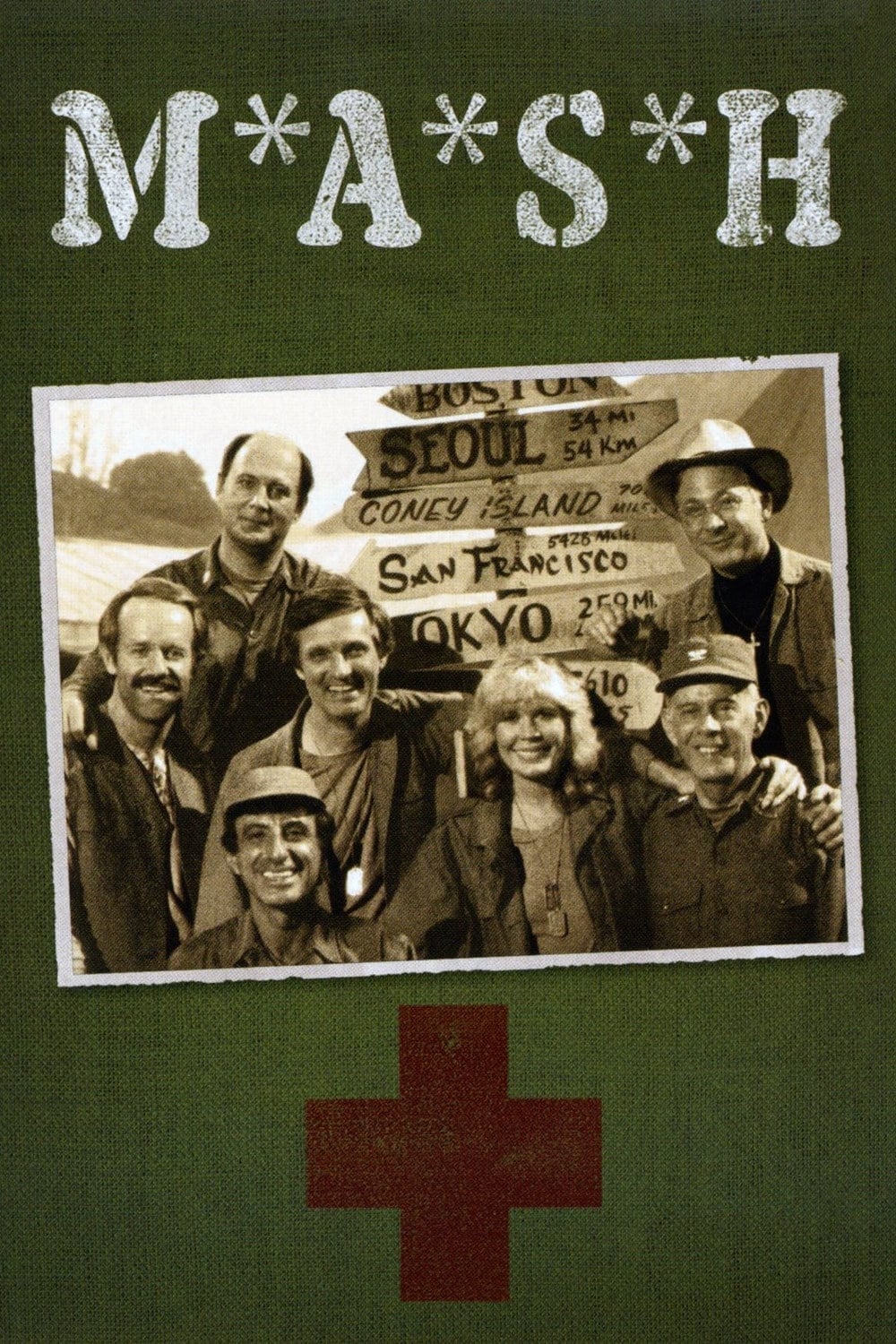
The early seasons of this war comedy focused heavily on the partnership between Hawkeye Pierce and Trapper John McIntyre. Wayne Rogers left the series and was replaced by Mike Farrell as B.J. Hunnicutt while Harry Morgan replaced McLean Stevenson as the commanding officer. These casting changes shifted the tone of the series from broad comedy to a more dramatic and character-driven narrative. The show actually grew in popularity after these swaps and resulted in the most-watched finale in television history.
‘Spin City’ (1996–2002)

Michael J. Fox starred as the Deputy Mayor of New York until his diagnosis with Parkinson’s disease required him to step down. Charlie Sheen stepped in as the new lead character Charlie Crawford to keep the sitcom going. The transition allowed the supporting cast to take on larger roles while Sheen brought his own comedic style to the series. The show managed to produce another two full seasons after losing its original headliner.
‘Two and a Half Men’ (2003–2015)
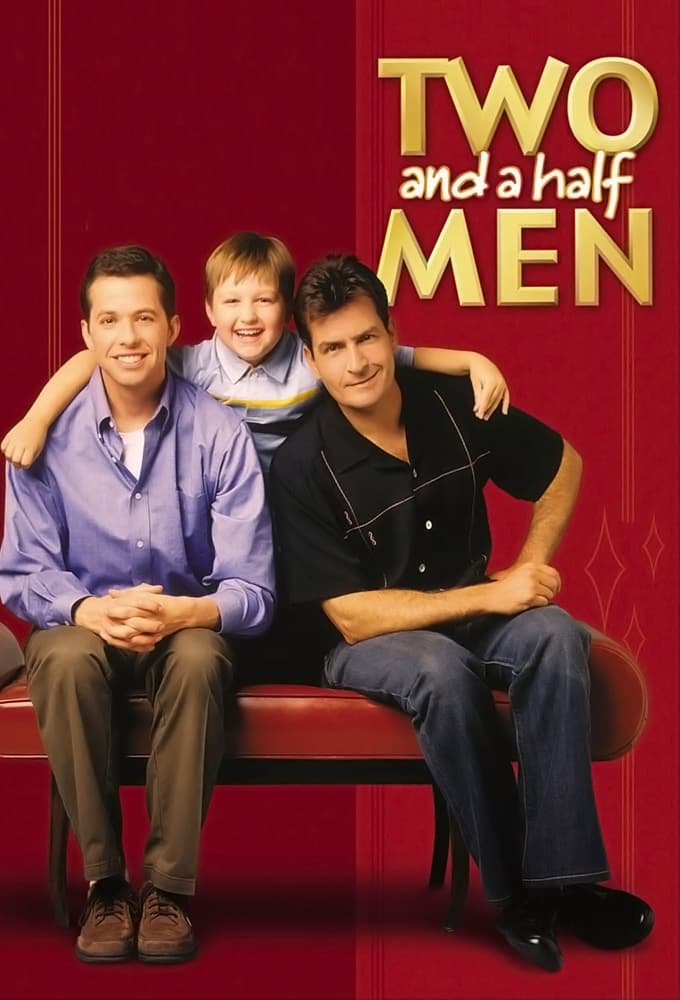
Charlie Sheen was the central figure of this massive sitcom hit until his firing after the eighth season. Ashton Kutcher joined the cast as billionaire Walden Schmidt to fill the void alongside Jon Cryer. The writers acknowledged the change directly and rebooted the dynamic of the house to focus on new relationships. The series maintained high ratings and continued for four additional seasons despite the public controversy surrounding the switch.
‘A Different World’ (1987–1993)
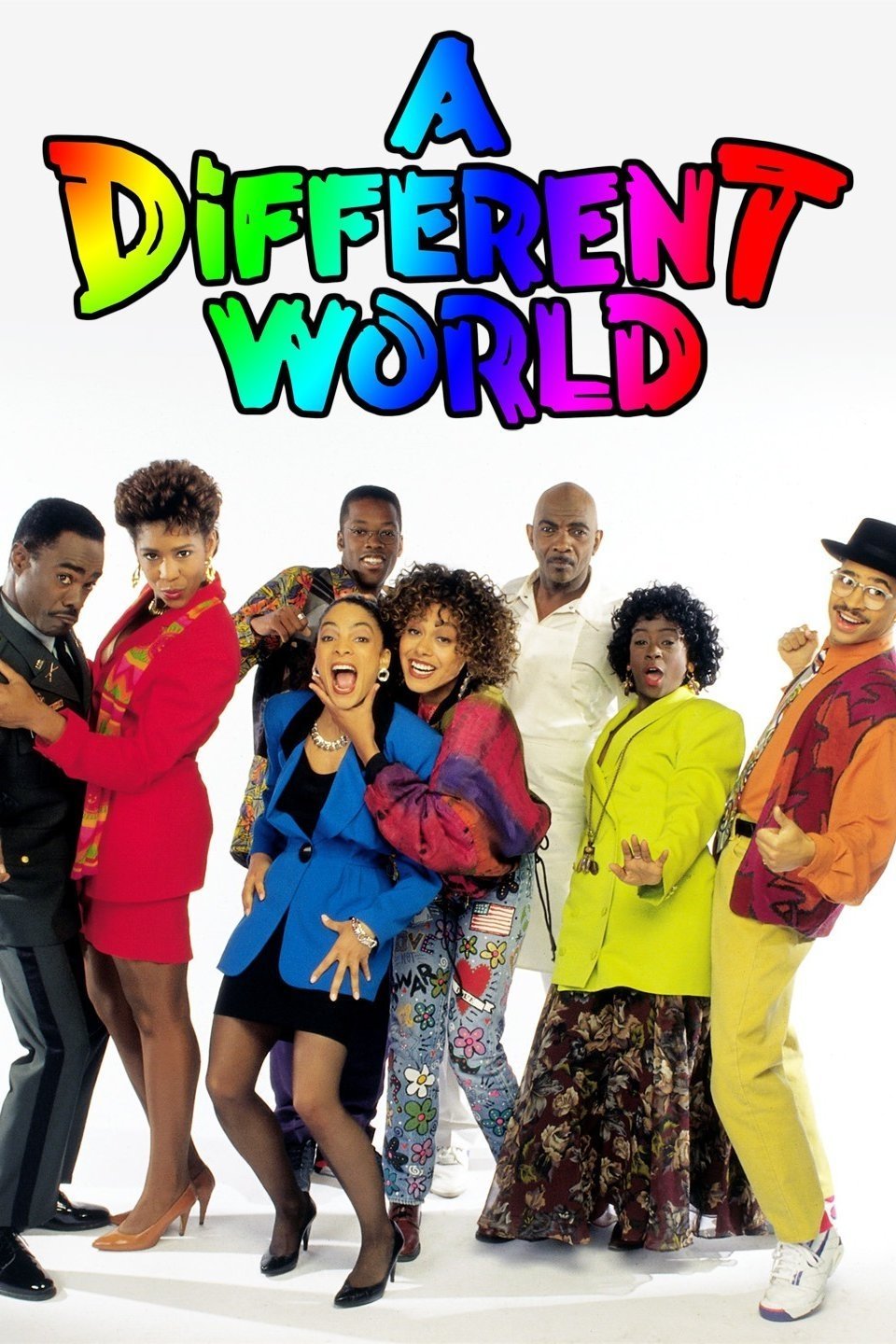
This spinoff originally focused on Denise Huxtable adjusting to life at Hillman College. Lisa Bonet left the series after the first season and the writers shifted the focus to Whitley Gilbert and Dwayne Wayne. This pivot transformed the show from a vehicle for one star into a celebrated ensemble piece about the HBCU experience. The chemistry between the new leads anchored the series for five more successful seasons.
‘Charmed’ (1998–2006)

The Power of Three was the core mythology of this supernatural drama about three witch sisters. Shannen Doherty left the show after three seasons and her character Prue Halliwell was killed off. Rose McGowan joined the cast as long-lost half-sister Paige Matthews to restore the trio. The show successfully reestablished the family dynamic and ran for five more seasons with the new lineup.
‘ER’ (1994–2009)
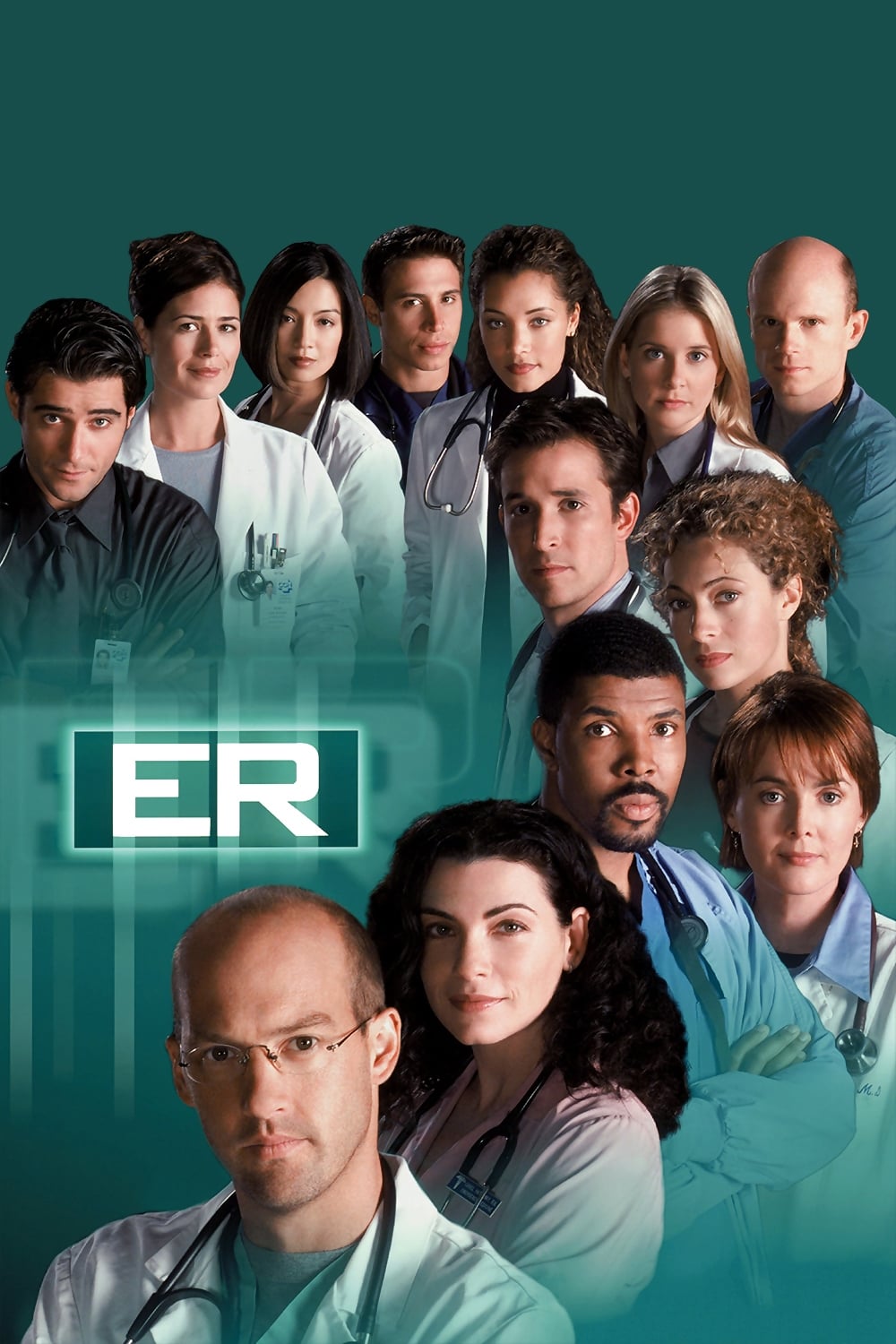
Anthony Edwards served as the moral center of the medical drama as Dr. Mark Greene for eight years. His departure marked a significant turning point where the show fully embraced a rotating ensemble format. Characters like Dr. Carter and Dr. Kovac stepped up to carry the main storylines as veteran actors left and new interns arrived. The series proved that the setting of County General Hospital was the true star and lasted for fifteen total seasons.
‘Law & Order’ (1990–Present)
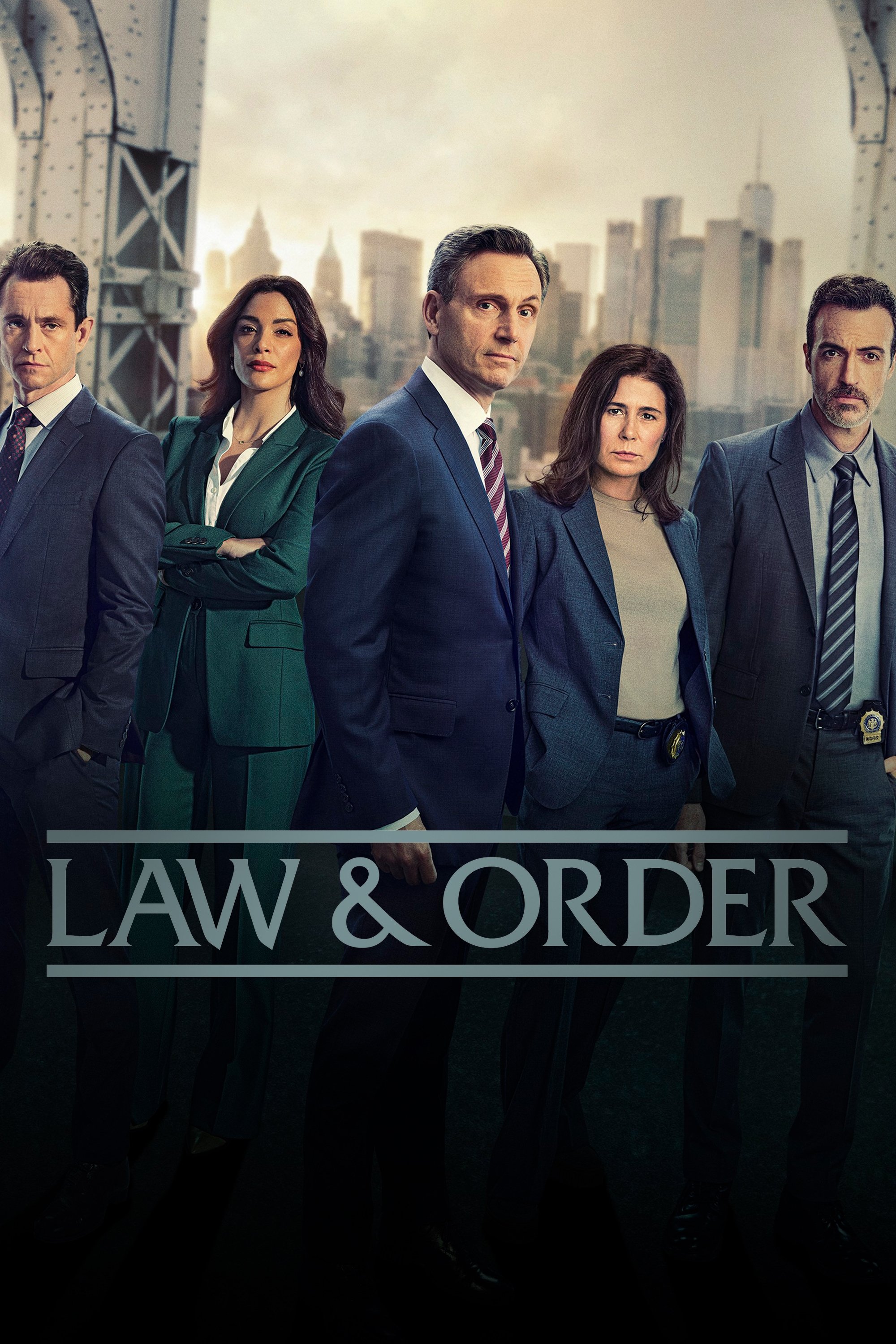
This procedural drama became famous for its constantly revolving door of detectives and district attorneys. The show established early on that the format mattered more than any single actor. Leads like George Dzundza and Paul Sorvino gave way to Jerry Orbach and Jesse L. Martin without the show losing momentum. This modular approach allowed the franchise to run for decades by simply swapping in fresh faces whenever contracts expired.
‘Criminal Minds’ (2005–2020)
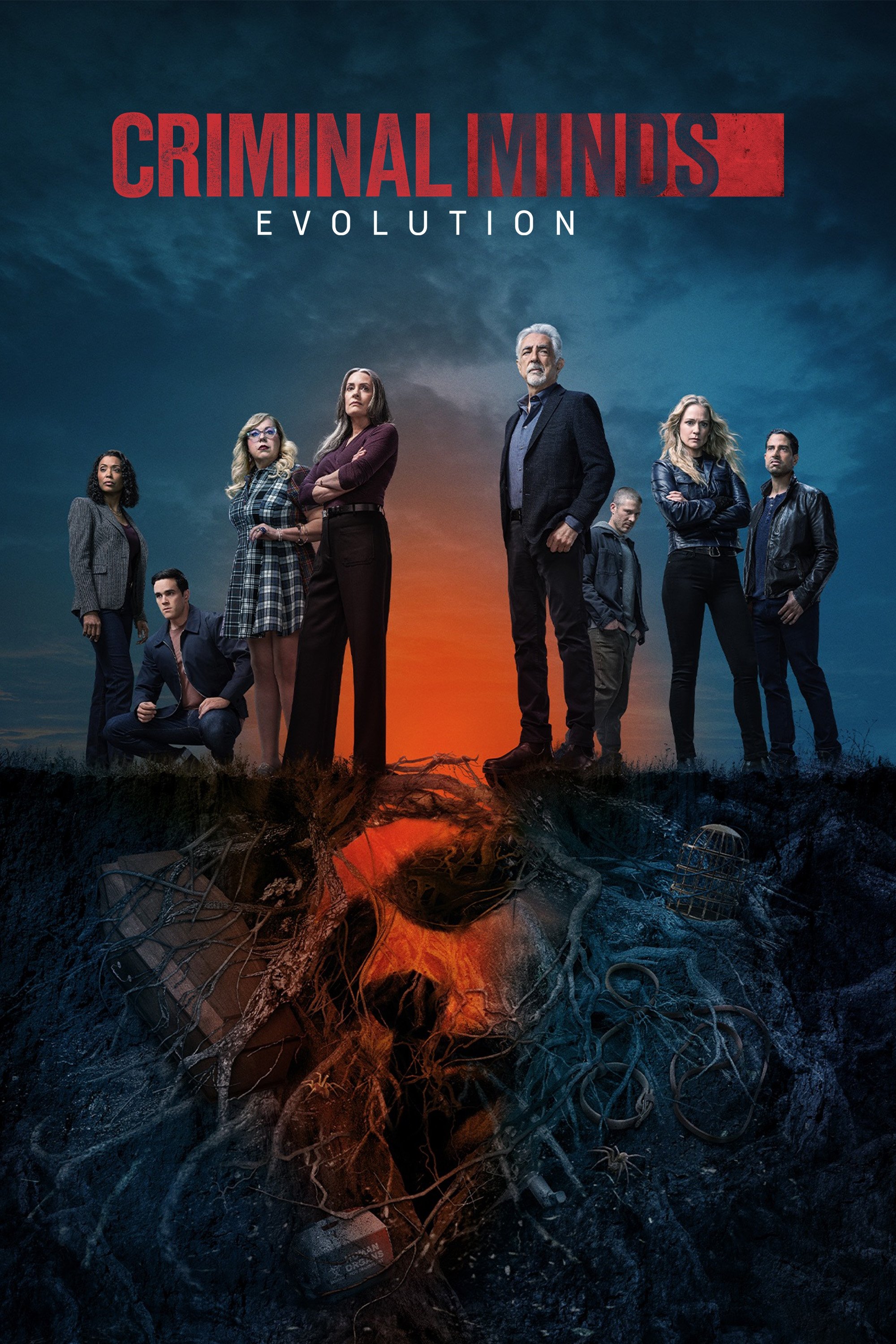
Mandy Patinkin served as the lead profiler Jason Gideon during the first two seasons of the show. His sudden exit forced the introduction of Joe Mantegna as David Rossi to lead the Behavioral Analysis Unit. The team dynamic shifted to become more egalitarian rather than focusing on a single mentor figure. The series grew into a massive global hit and ran for over a dozen seasons after the original lead walked away.
‘Homeland’ (2011–2020)

The first three seasons revolved entirely around the complex relationship between Carrie Mathison and Nicholas Brody. The writers made the risky decision to kill off Brody and shift the focus entirely to Carrie’s work as an intelligence officer. The series reinvented itself as a globe-trotting espionage thriller that tackled new geopolitical threats each season. This reinvention allowed the show to remain relevant and critically acclaimed long after the original premise was resolved.
‘Vikings’ (2013–2020)

Travis Fimmel portrayed the legendary Ragnar Lothbrok and carried the show as its charismatic protagonist for four seasons. The narrative eventually killed him off and passed the lead role to his various sons. The series expanded its scope to follow the sons’ separate journeys across Europe and the Mediterranean. This generational shift fulfilled the initial promise of the saga and kept the audience invested until the finale.
‘Death in Paradise’ (2011–Present)

This British-French crime drama has successfully replaced its lead detective multiple times since its premiere. Ben Miller was the original fish-out-of-water inspector before being replaced by Kris Marshall and subsequently Ardal O’Hanlon and Ralf Little. The formula remains consistent with each new detective bringing a slightly different quirk to the Caribbean setting. Viewers have come to expect the changing of the guard as a natural part of the show’s lifecycle.
‘The Walking Dead’ (2010–2022)

Rick Grimes was the primary protagonist who guided the audience through the zombie apocalypse for nine seasons. Andrew Lincoln left the show to spend time with his family while the series continued with an ensemble focus. Characters like Daryl Dixon and Maggie Rhee stepped into more prominent leadership roles to drive the plot forward. The brand remained strong enough to spawn multiple spinoffs even after the original sheriff departed the main series.
Tell us which of these cast changes you think was the most successful in the comments.