


22 Films Where the Weather Is Basically a Supporting Actor

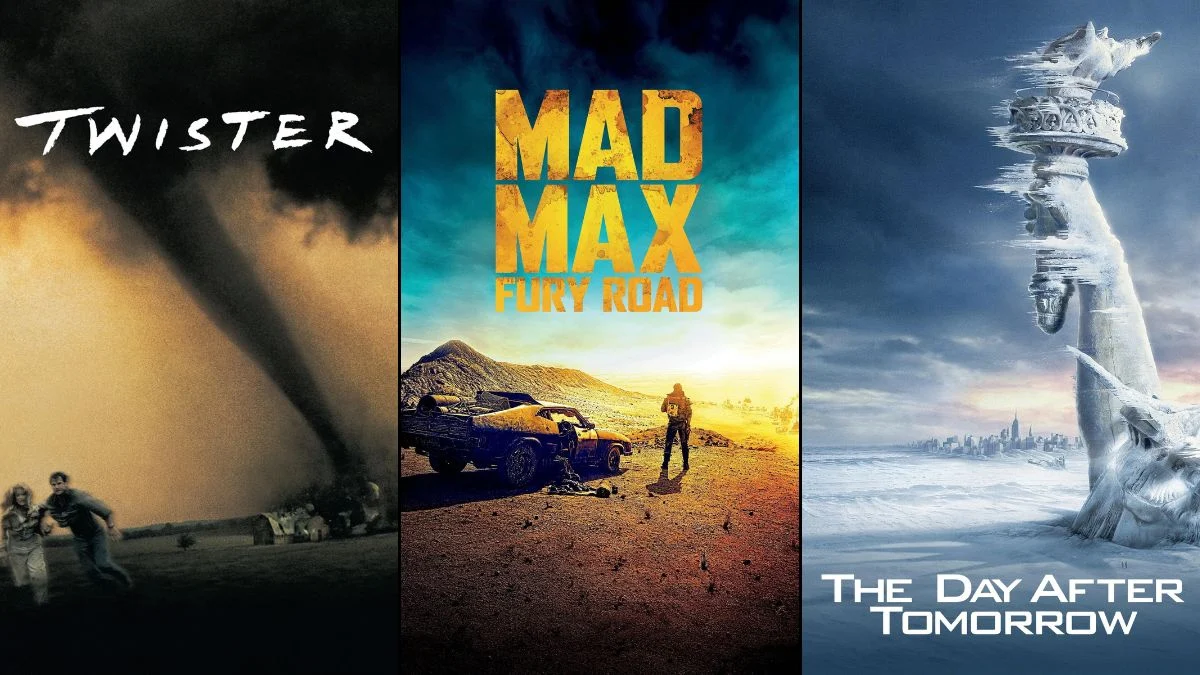


Atmospheric conditions often do more than just set the scene in cinema. Filmmakers utilize rain and snow or extreme heat to reflect internal conflicts or drive the narrative forward. The elements can become an antagonist that characters must survive or a catalyst for emotional change. These movies showcase instances where the weather commands as much presence on screen as the cast members.
‘Twister’ (1996)
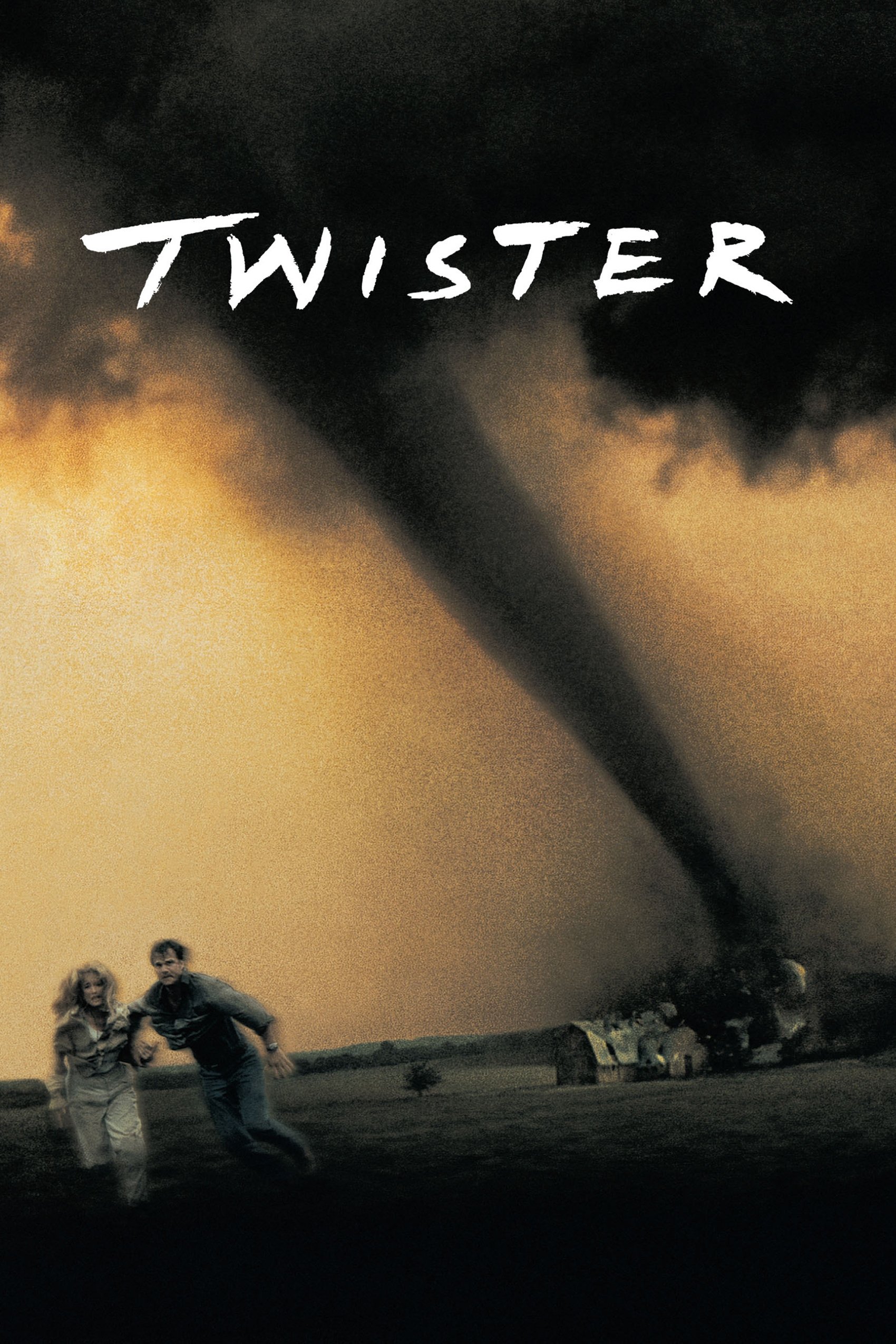
Bill and Jo Harding chase storms across Oklahoma while trying to finalize their divorce. They encounter a series of increasingly violent tornadoes that threaten to destroy everything in their path. The film utilizes practical effects and CGI to bring the destructive power of wind to life. Characters find themselves at the mercy of nature while attempting to deploy a new scientific device.
‘The Perfect Storm’ (2000)
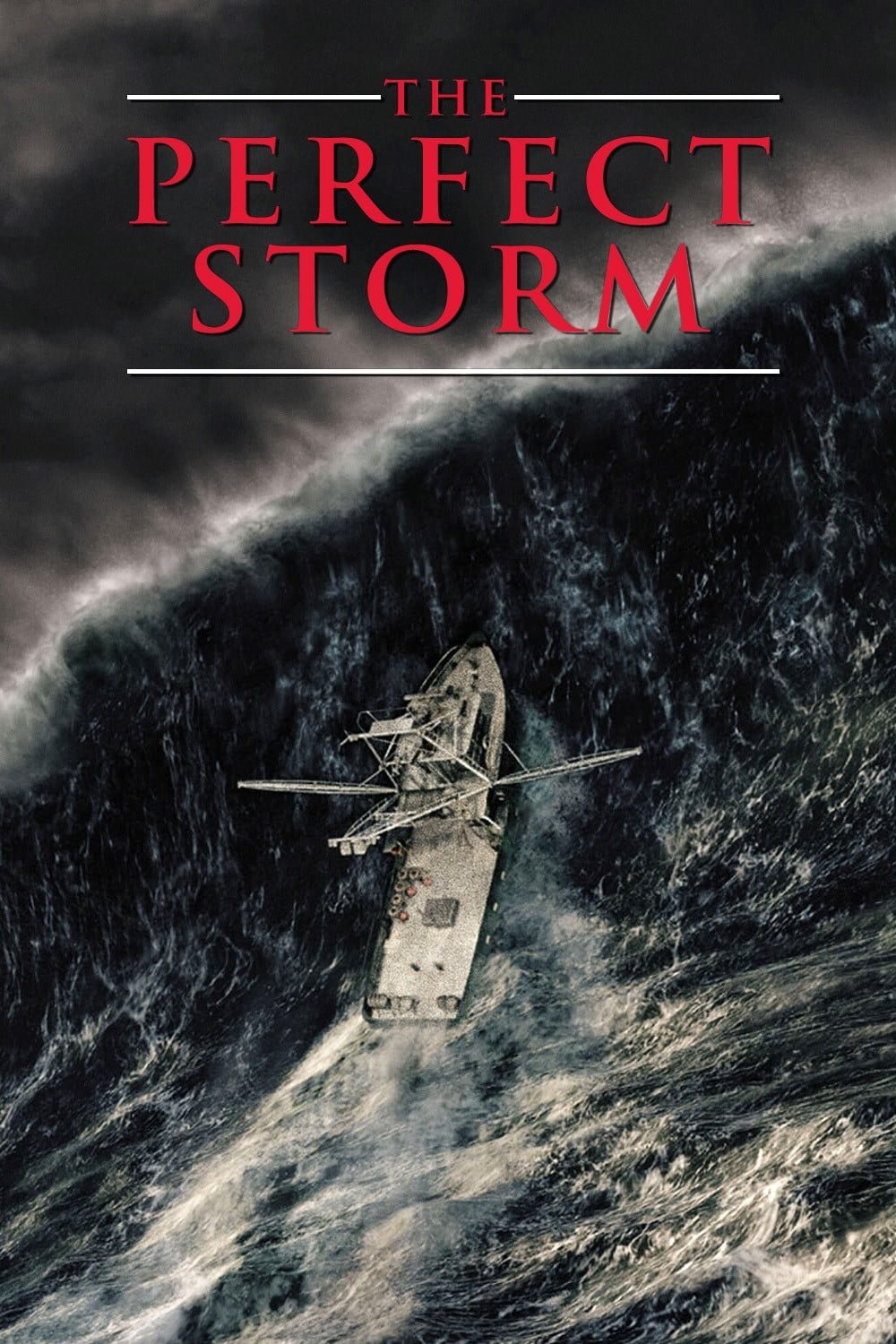
Commercial fishermen aboard the Andrea Gail venture into the Flemish Cap to find a catch late in the season. Two powerful weather fronts collide with a hurricane to create an inescapable tempest in the Atlantic Ocean. The crew fights for survival against massive waves and winds that batter their vessel. This biographical drama depicts the sheer force of the 1991 Halloween Nor’easter.
‘The Day After Tomorrow’ (2004)
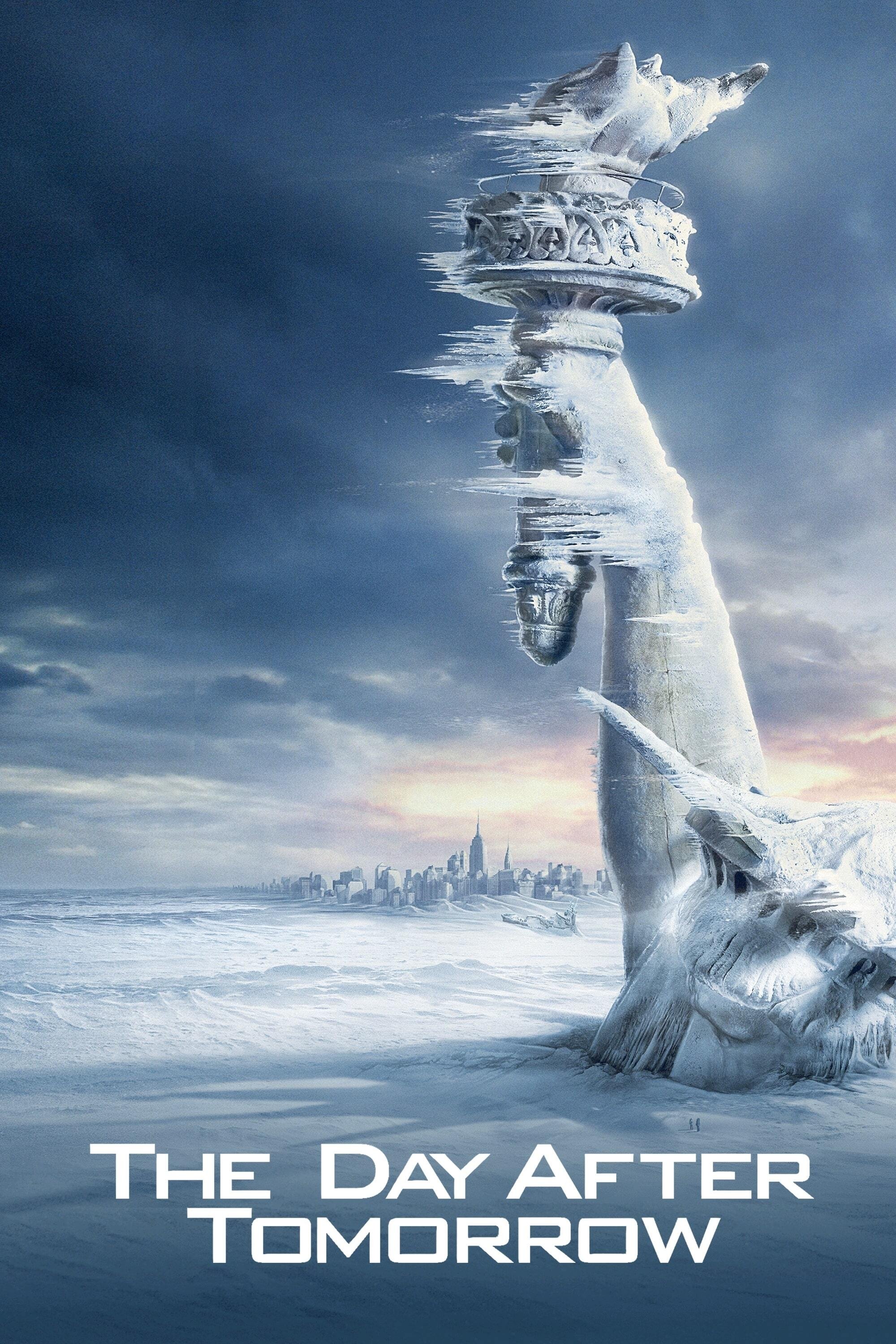
Climatologist Jack Hall races against time to save his son after a massive shift in global weather patterns. Superstorms freeze the Northern Hemisphere and trigger a new ice age within days. Survivors in New York City must burn books and furniture to stay warm in the plummeting temperatures. The film emphasizes the fragility of human civilization when faced with the wrath of nature.
‘Fargo’ (1996)
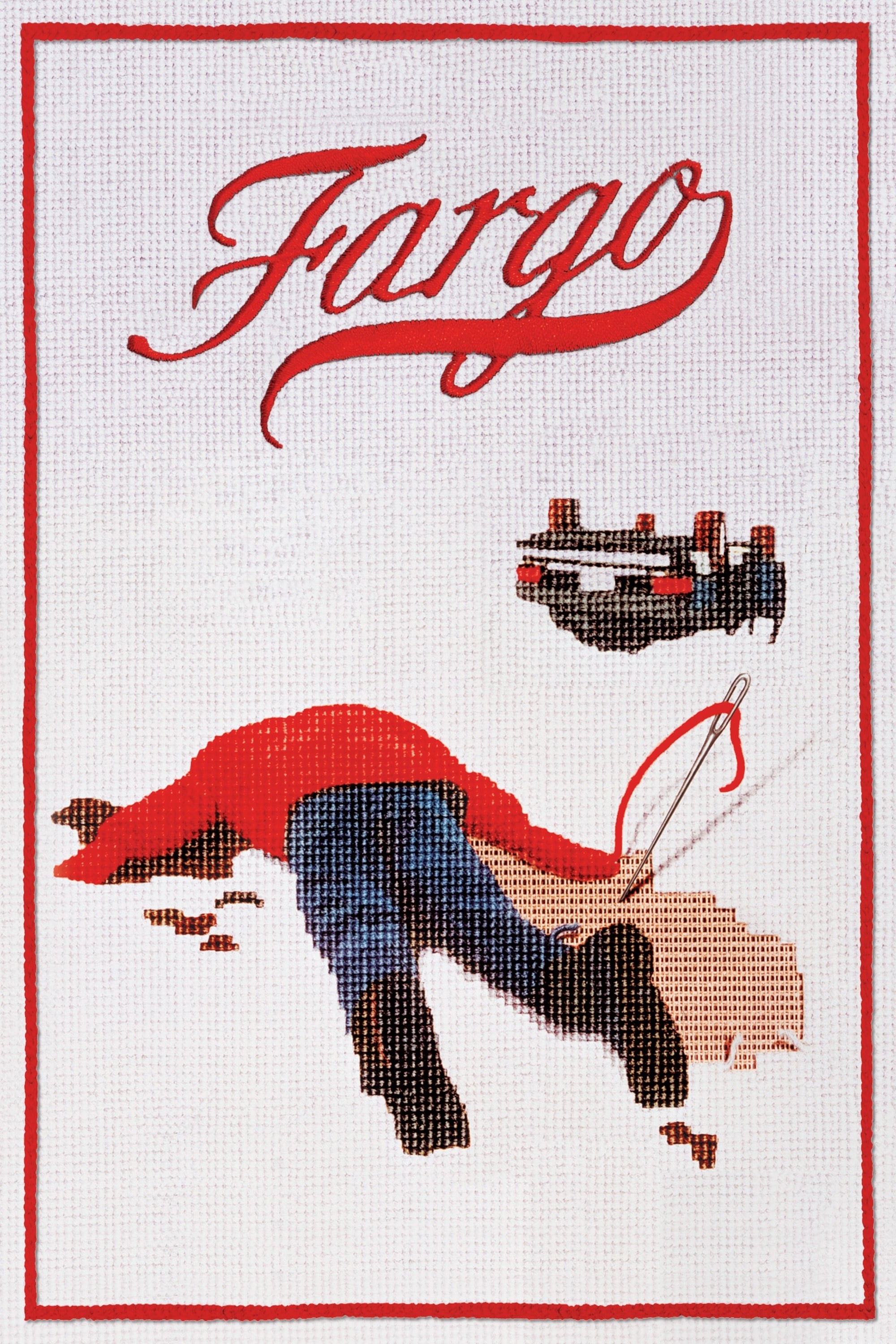
A car salesman hires two criminals to kidnap his wife in the frozen landscape of Minnesota. The blanket of white snow contrasts with the dark and violent crimes committed by the antagonists. Characters struggle to navigate the icy roads and subzero temperatures throughout the narrative. The endless winter setting emphasizes the isolation and bleak humor of the story.
‘Blade Runner’ (1982)
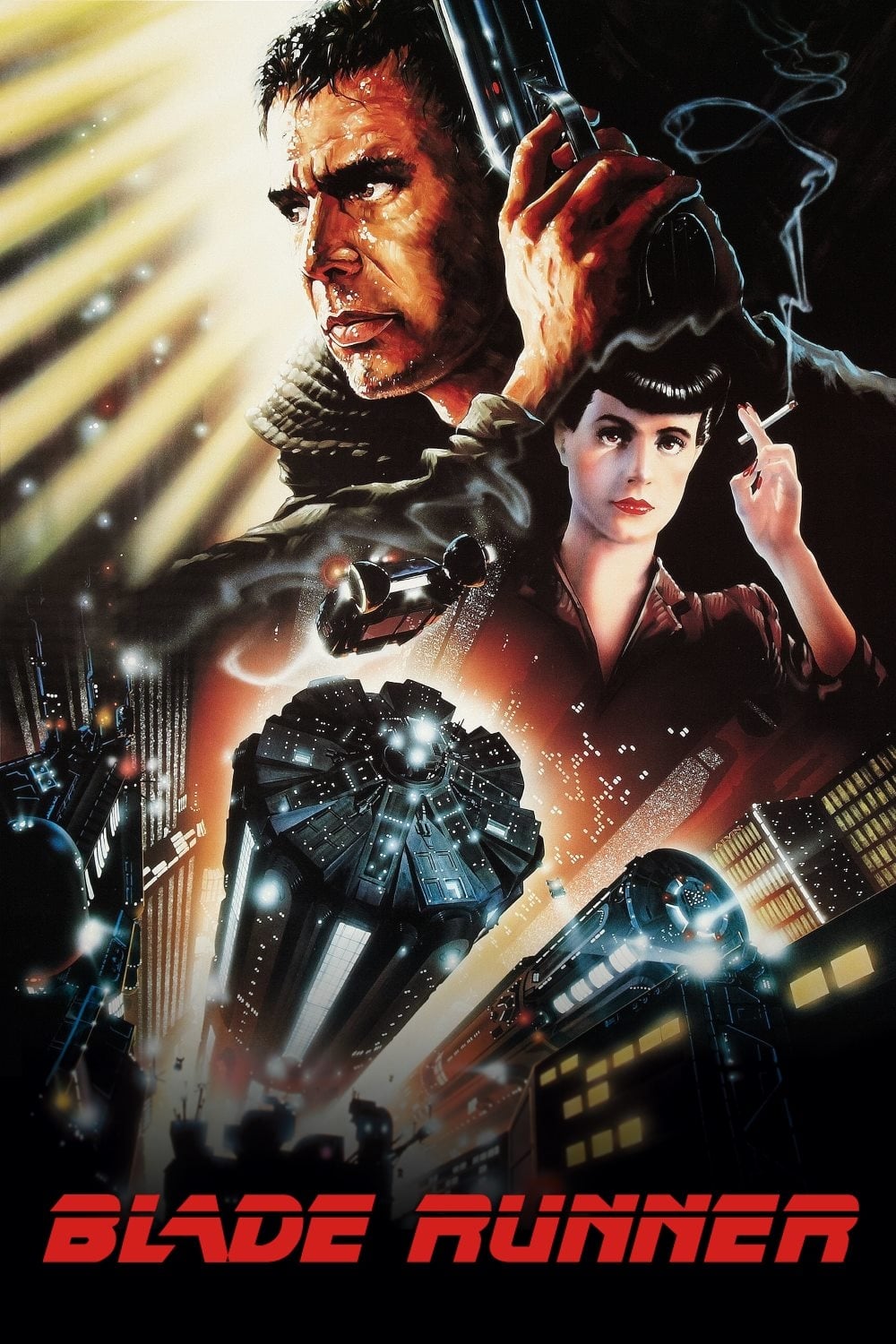
Rick Deckard hunts bioengineered replicants through the dystopian streets of a futuristic Los Angeles. Constant acid rain drenches the neon-lit cityscapes and creates a noir atmosphere of decay. The precipitation obscures vision and emphasizes the bleak nature of this technological society. Visual director Ridley Scott used the rain to mask set imperfections and unify the aesthetic of the film.
‘The Shining’ (1980)
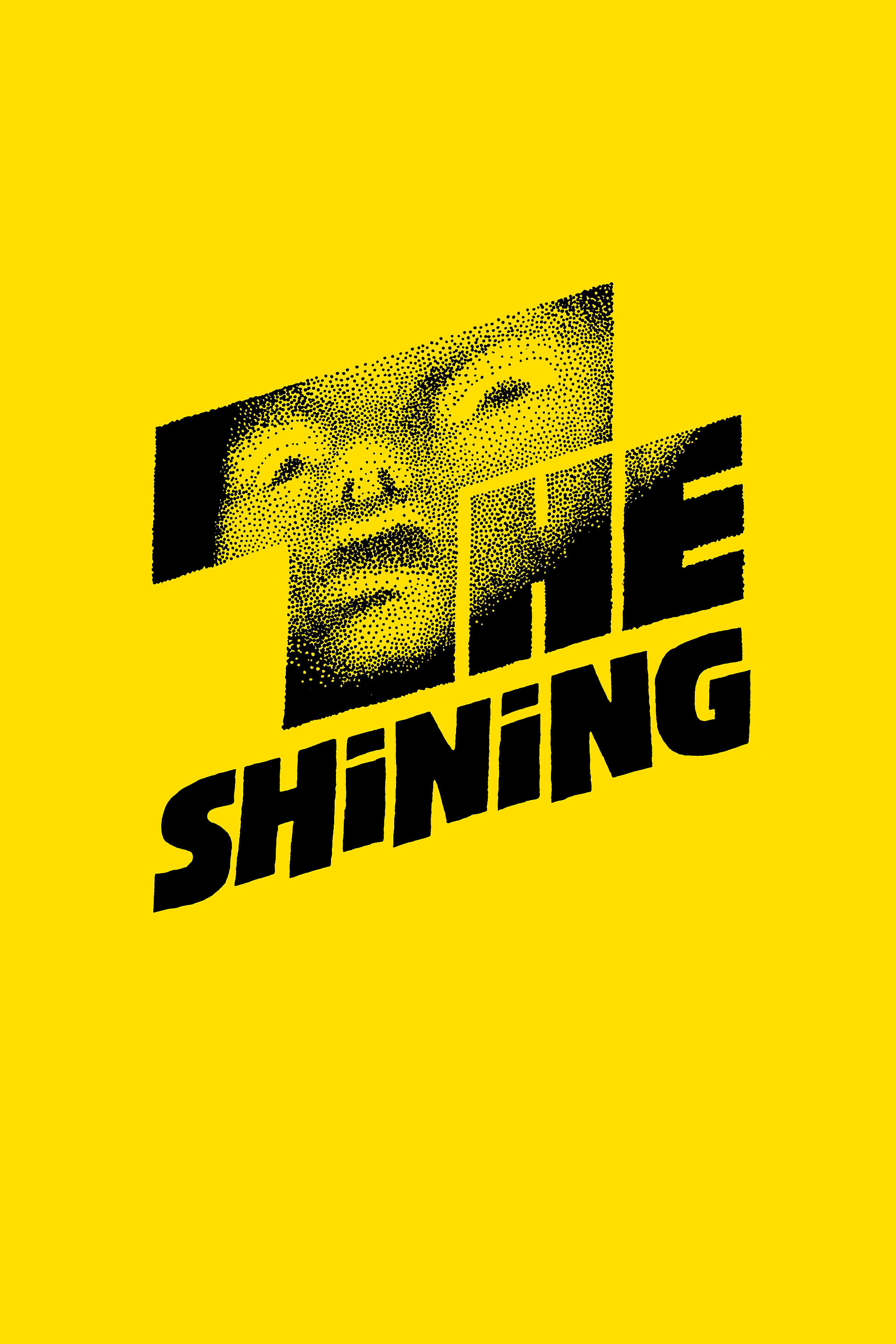
Jack Torrance accepts a job as the winter caretaker of the Overlook Hotel. A severe blizzard traps the family inside the isolated building for months. The accumulation of snow creates a claustrophobic atmosphere that mirrors the deteriorating mental state of the protagonist. The weather prevents any escape and forces the characters to confront the supernatural forces within the hotel.
‘Se7en’ (1995)
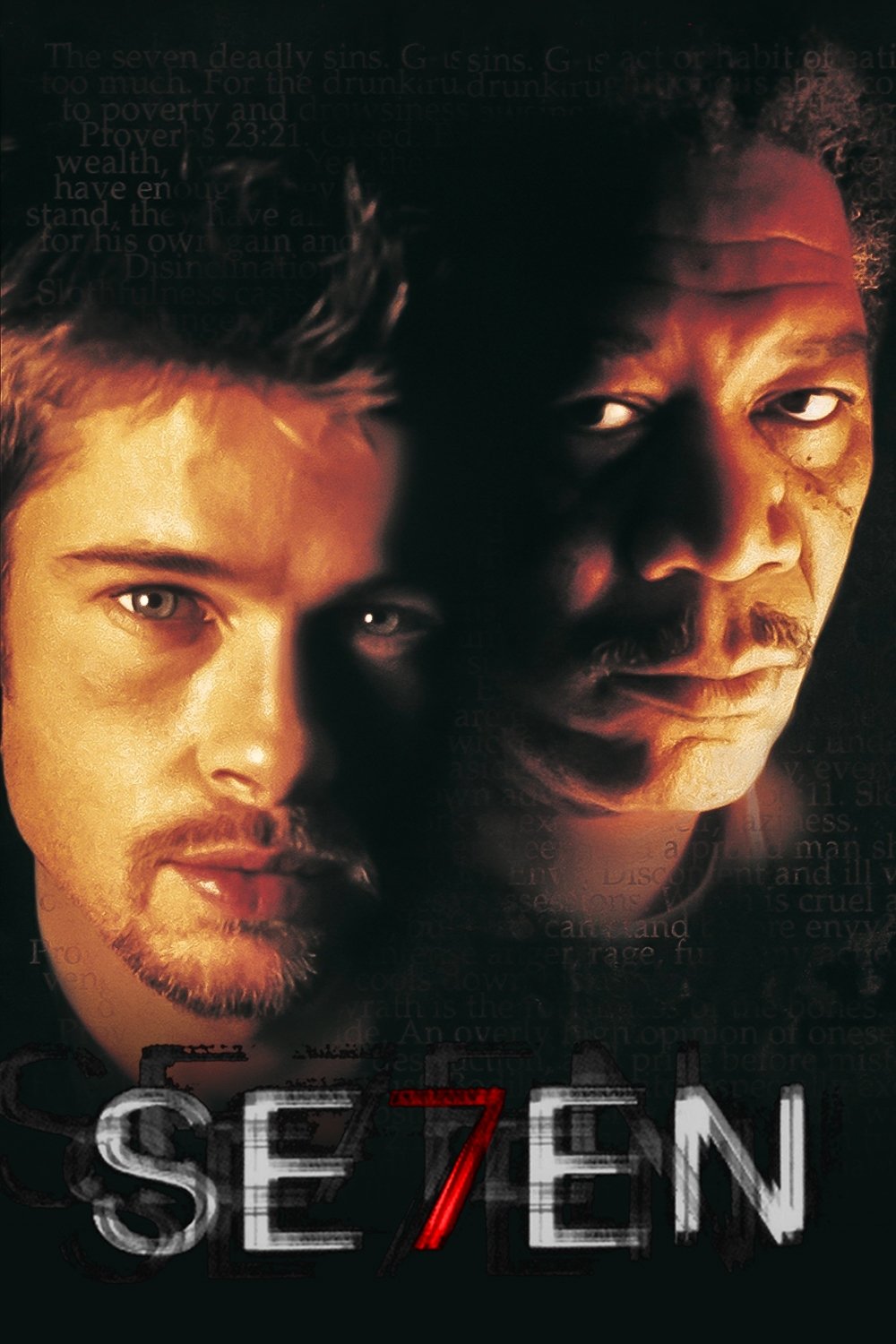
Detectives Somerset and Mills hunt a serial killer who uses the seven deadly sins as his modus operandi. Nearly every outdoor scene takes place during a relentless downpour that drenches the unnamed city. The constant rain adds a layer of gloom and moral decay to the urban environment. It only stops raining for the climactic final confrontation in the desert sun.
‘Mad Max: Fury Road’ (2015)

Imperator Furiosa leads a rebellion against a tyrant across a post-apocalyptic desert wasteland. A massive sandstorm engulfs the vehicles during a high-speed chase sequence. The swirling red dust and lightning create a chaotic environment that alters the physics of the battle. This weather event serves as a visual spectacle and a plot device that allows the heroes to evade capture.
‘The Revenant’ (2015)

Hugh Glass struggles to survive in the American wilderness after a bear attack and betrayal. The production team filmed in natural light during freezing conditions to capture the harsh reality of the frontier. Snow and ice create physical obstacles that the protagonist must overcome to seek revenge. The cold breath of the actors and the frozen landscapes are integral parts of the visual storytelling.
‘Singin’ in the Rain’ (1952)
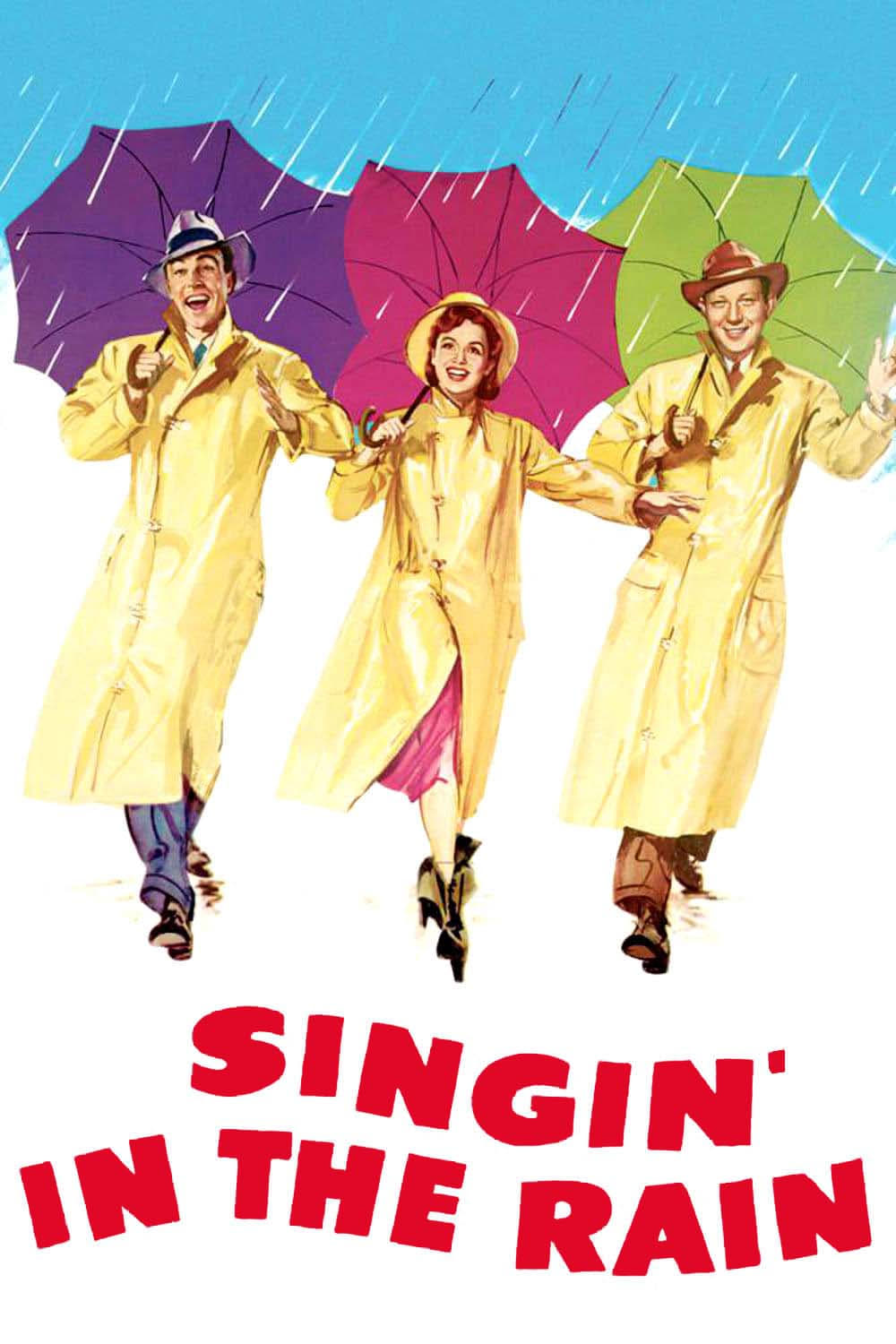
Don Lockwood navigates the transition from silent films to talkies in Hollywood. The titular musical number features the protagonist dancing joyfully through a heavy downpour. Rain serves as a symbol of optimism and love despite the challenges faced by the characters. Technical crews covered two city blocks with tarp to control the lighting for the famous scene.
‘Rear Window’ (1954)
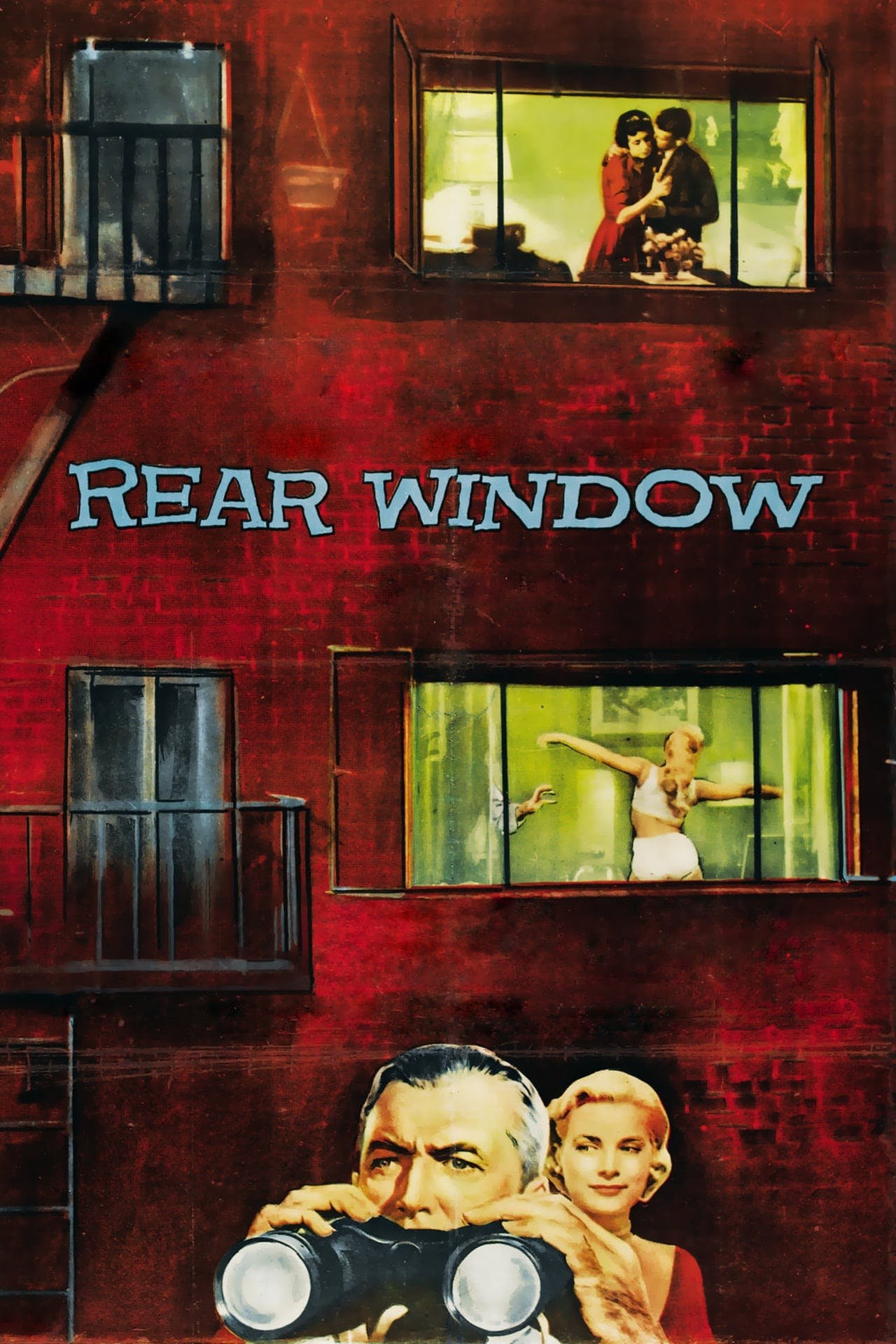
Photographer L.B. Jeffries spies on his neighbors while recovering from a broken leg. A sweltering heatwave forces all the residents of the apartment complex to keep their windows open. The high temperature dictates the behavior of the characters and explains why their private lives are visible. This weather condition enables the protagonist to observe the suspicious activities across the courtyard.
‘Do the Right Thing’ (1989)
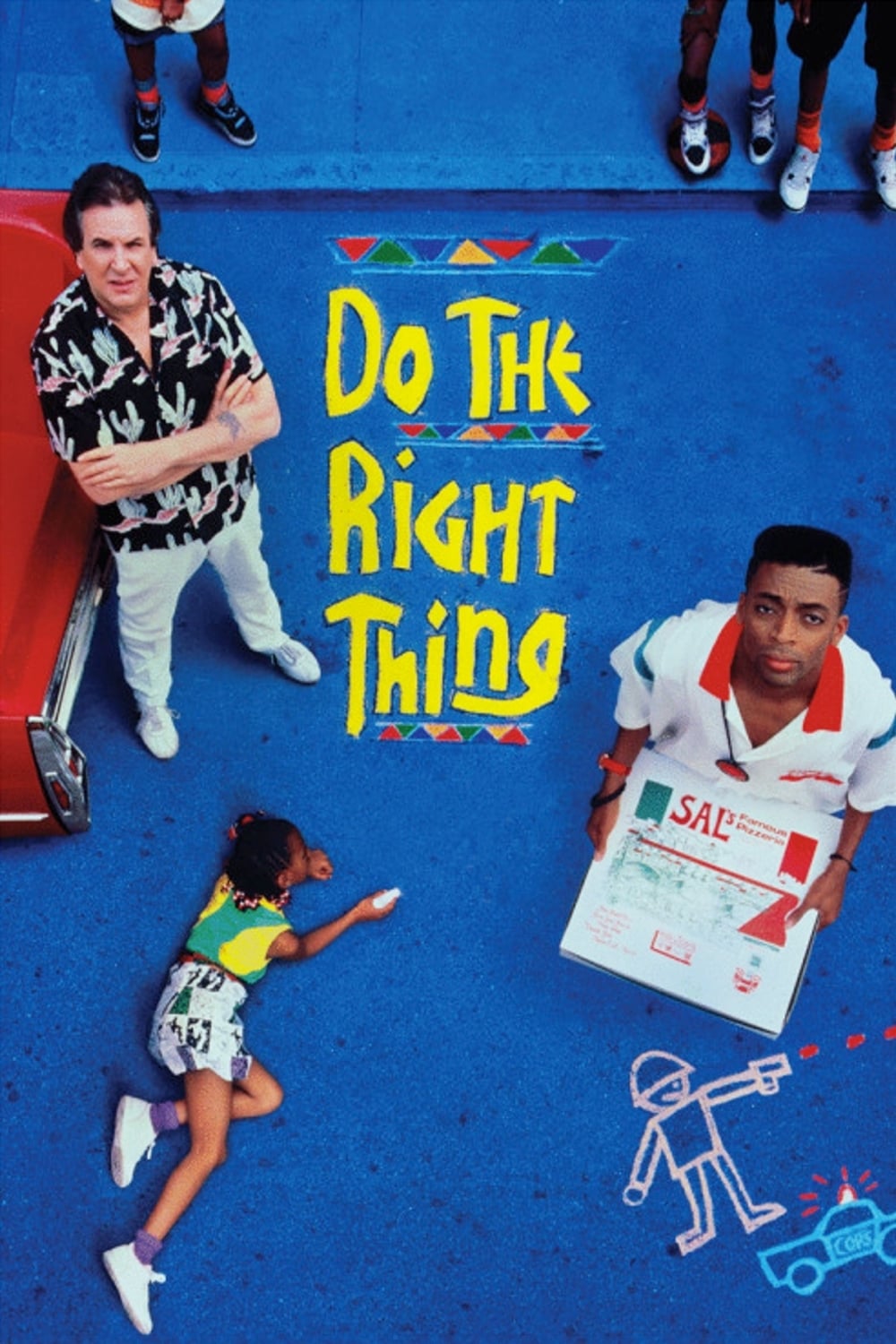
A sweltering heatwave raises tensions in a Brooklyn neighborhood during a single summer day. The rising temperature exacerbates underlying racial conflicts among the local residents and business owners. Spike Lee visualizes the heat through vibrant colors and sweat-drenched closeups of the ensemble cast. The oppressive humidity acts as a pressure cooker that eventually leads to a tragic climax.
‘The Mist’ (2007)
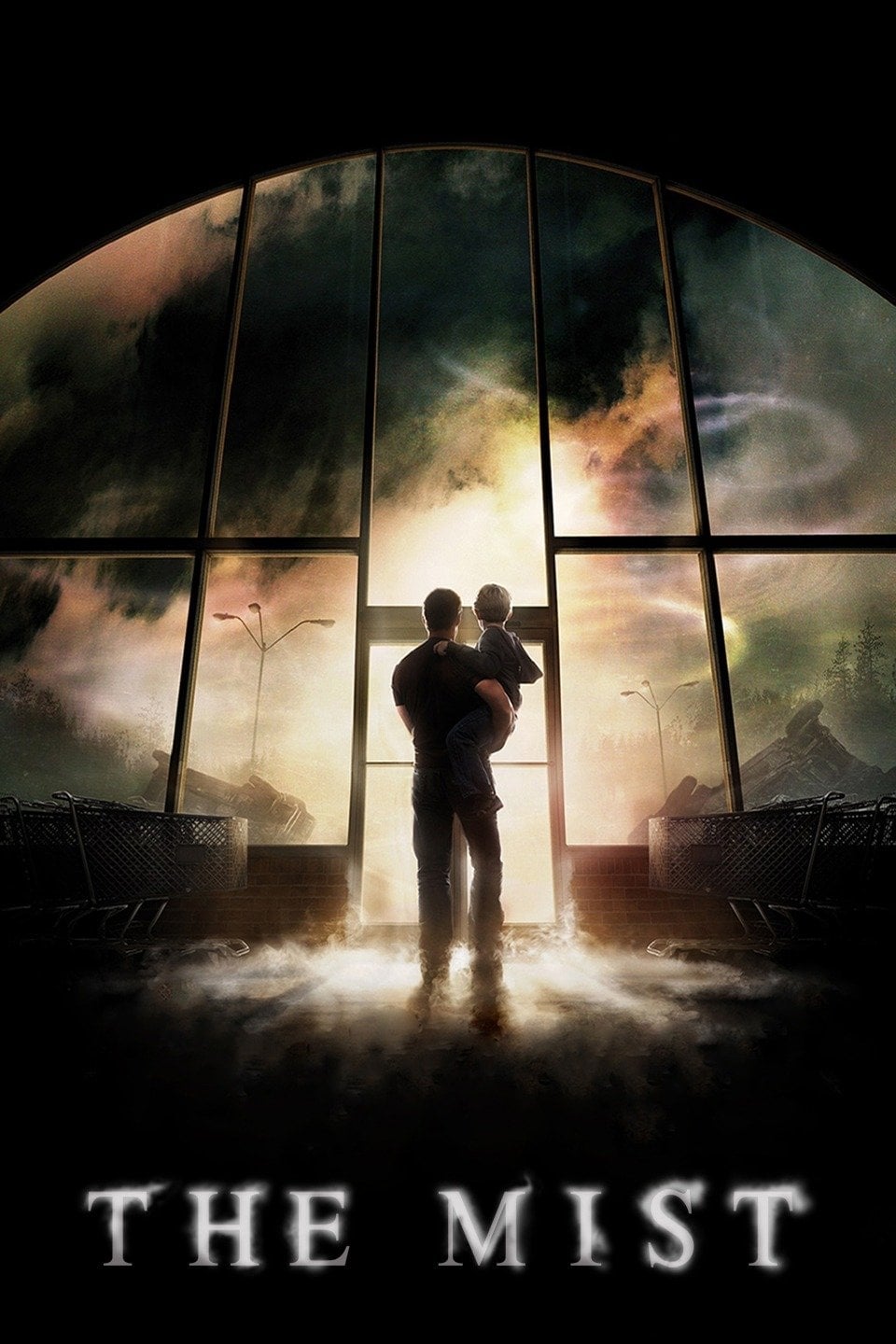
A group of townspeople becomes trapped in a grocery store when a thick vapor descends upon their town. The mist conceals deadly creatures from another dimension that hunt anyone who ventures outside. Fear and paranoia rise among the survivors as the weather phenomenon refuses to lift. The limited visibility forces the characters to rely on sound and imagination to gauge the danger.
‘The Hateful Eight’ (2015)
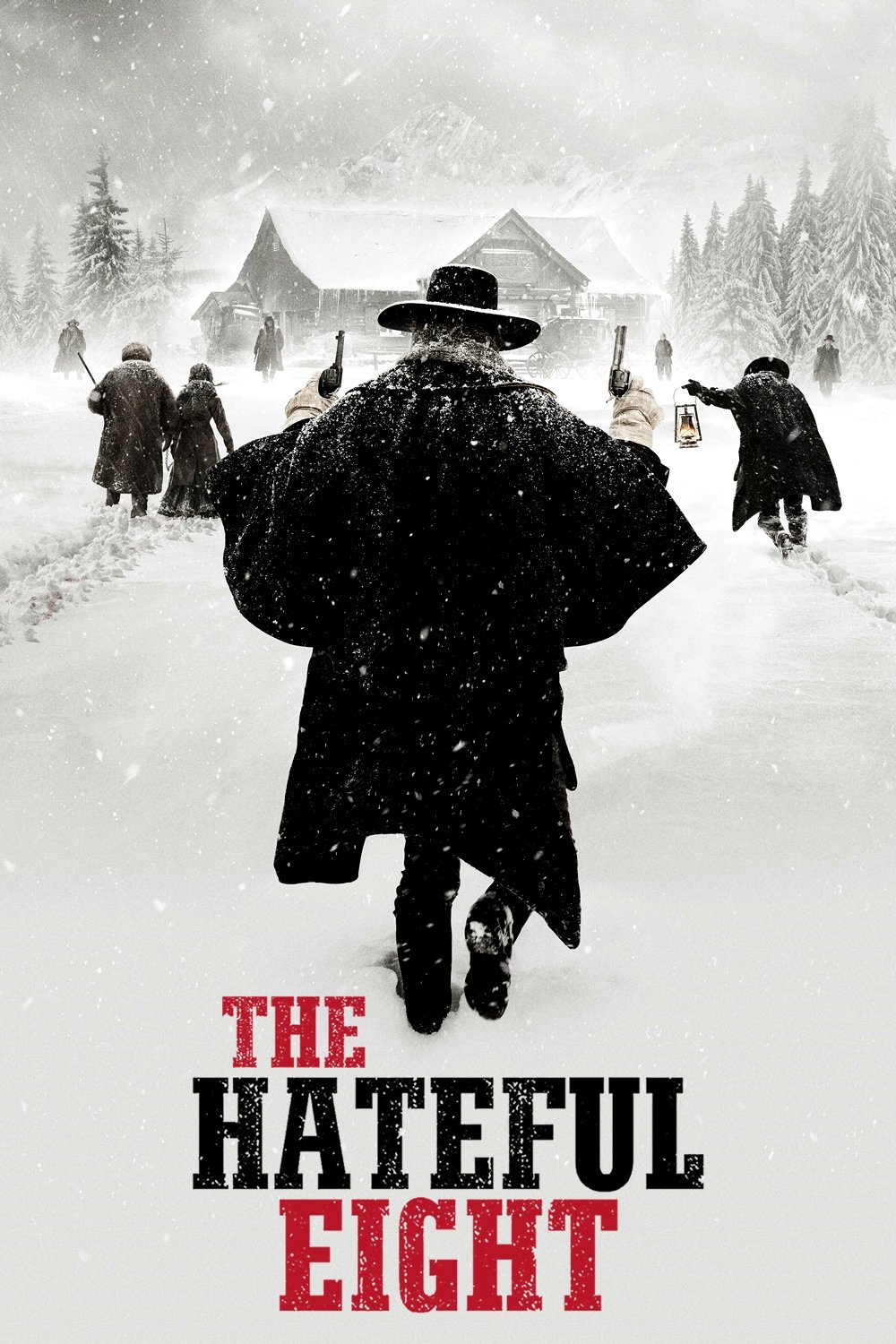
Bounty hunters and outlaws seek refuge at a stagecoach stopover during a blizzard in Wyoming. The severity of the storm prevents anyone from leaving the single room cabin. Tensions rise inside the shelter while the wind howls and snow piles up against the doors. The trapping mechanism of the weather turns the film into a tense chamber drama.
‘Groundhog Day’ (1993)

Weatherman Phil Connors finds himself reliving the same day over and over again. A blizzard hits the town of Punxsutawney and traps him there against his will. The storm serves as the physical barrier that keeps the protagonist within the time loop. He eventually learns to accept his situation and the weather conditions he once despised.
‘Crawl’ (2019)

Haley Keller ignores evacuation orders to check on her father during a Category 5 hurricane. Rising floodwaters trap them in a crawl space with aggressive alligators. The intensity of the wind and rain escalates throughout the film to complicate their escape efforts. The storm acts as a ticking clock that raises the water level and intensifies the danger.
‘The Fog’ (1980)

A glowing supernatural fog rolls into a small coastal town in California. The weather phenomenon brings with it the vengeful ghosts of mariners who died in a shipwreck a century prior. Residents must survive the night as the mist shrouds the streets and conceals the attackers. The director uses the weather to build suspense and limit the visibility of the characters.
‘The Lighthouse’ (2019)
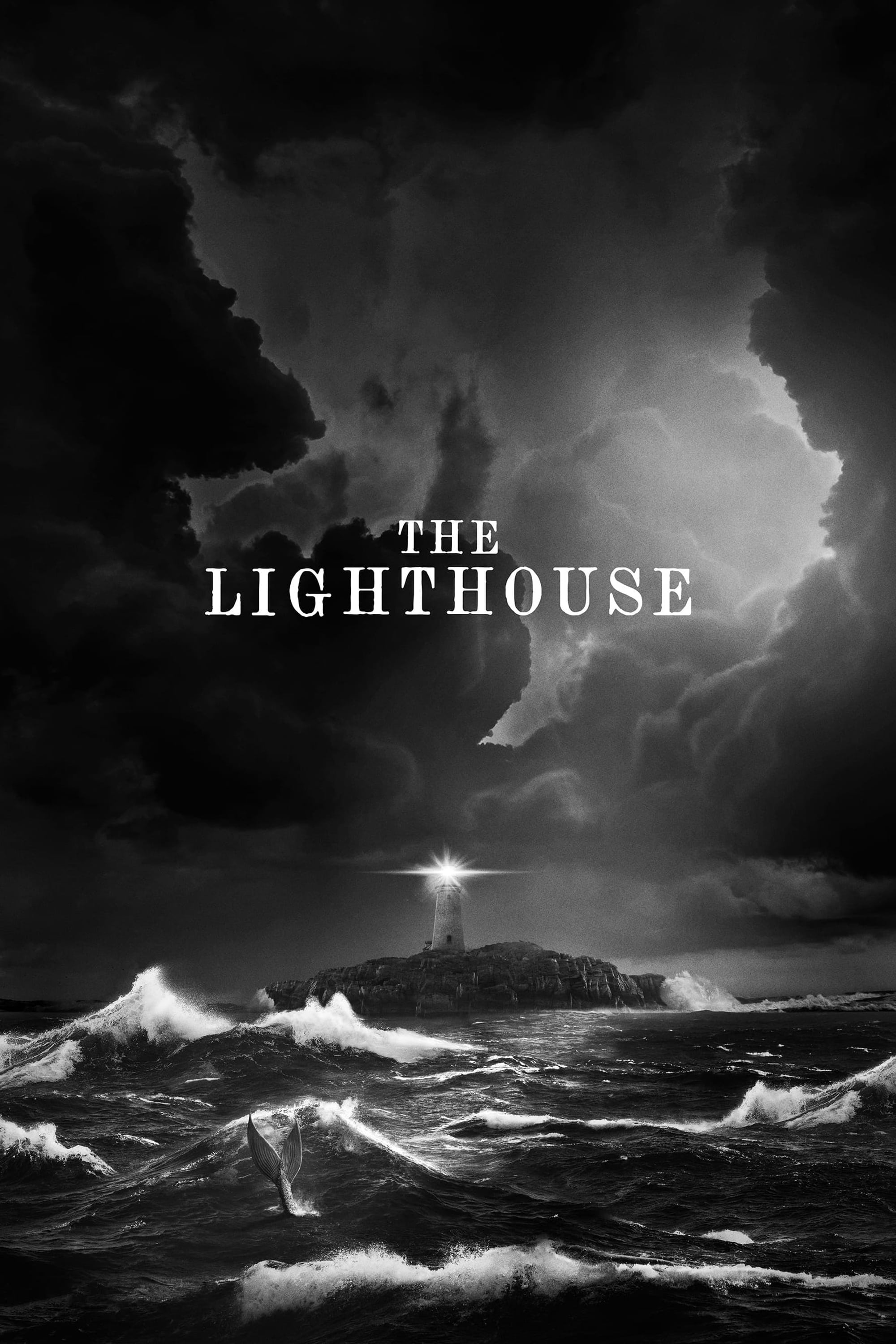
Two lighthouse keepers try to maintain their sanity while living on a remote island in the 1890s. Relentless gales and crashing waves batter their station and cut them off from civilization. The harsh weather mirrors the internal turmoil and madness consuming the two men. The sound design heavily features the roar of the wind and the ocean.
‘Key Largo’ (1948)
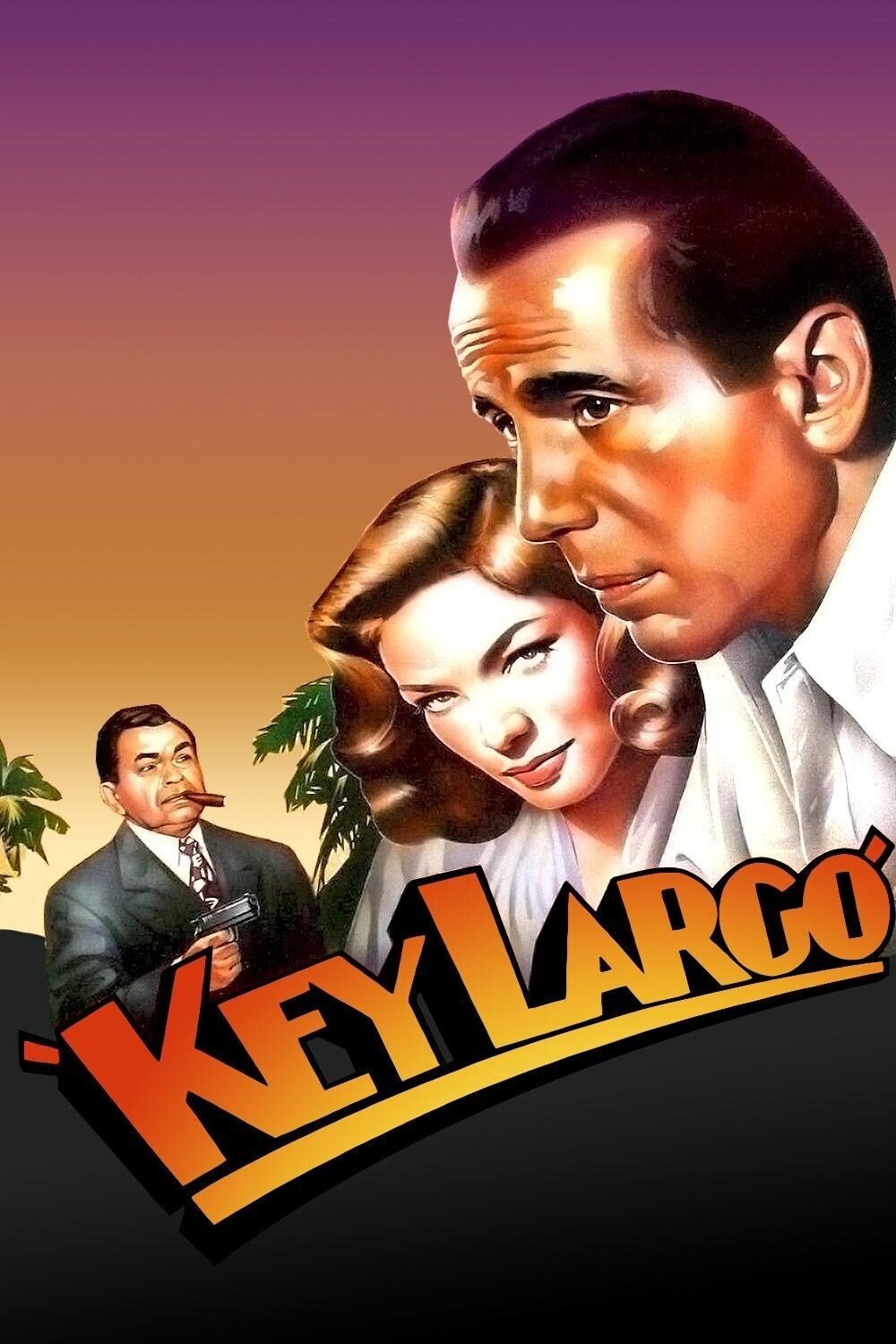
A hurricane strikes a hotel in the Florida Keys where a gangster holds several people hostage. The rising storm outside parallels the escalating violence inside the building. Characters sweat and fret as the shutters rattle and the wind shrieks. The weather acts as a great equalizer that frightens even the hardened criminals.
‘Hard Rain’ (1998)

An armored truck driver tries to protect three million dollars during a catastrophic flood. The town of Huntingburg is evacuated as a dam threatens to burst from heavy rainfall. Water levels rise continuously to force the action onto rooftops and into boats. The flood provides a unique setting for the heist and chase sequences.
‘Rashomon’ (1950)
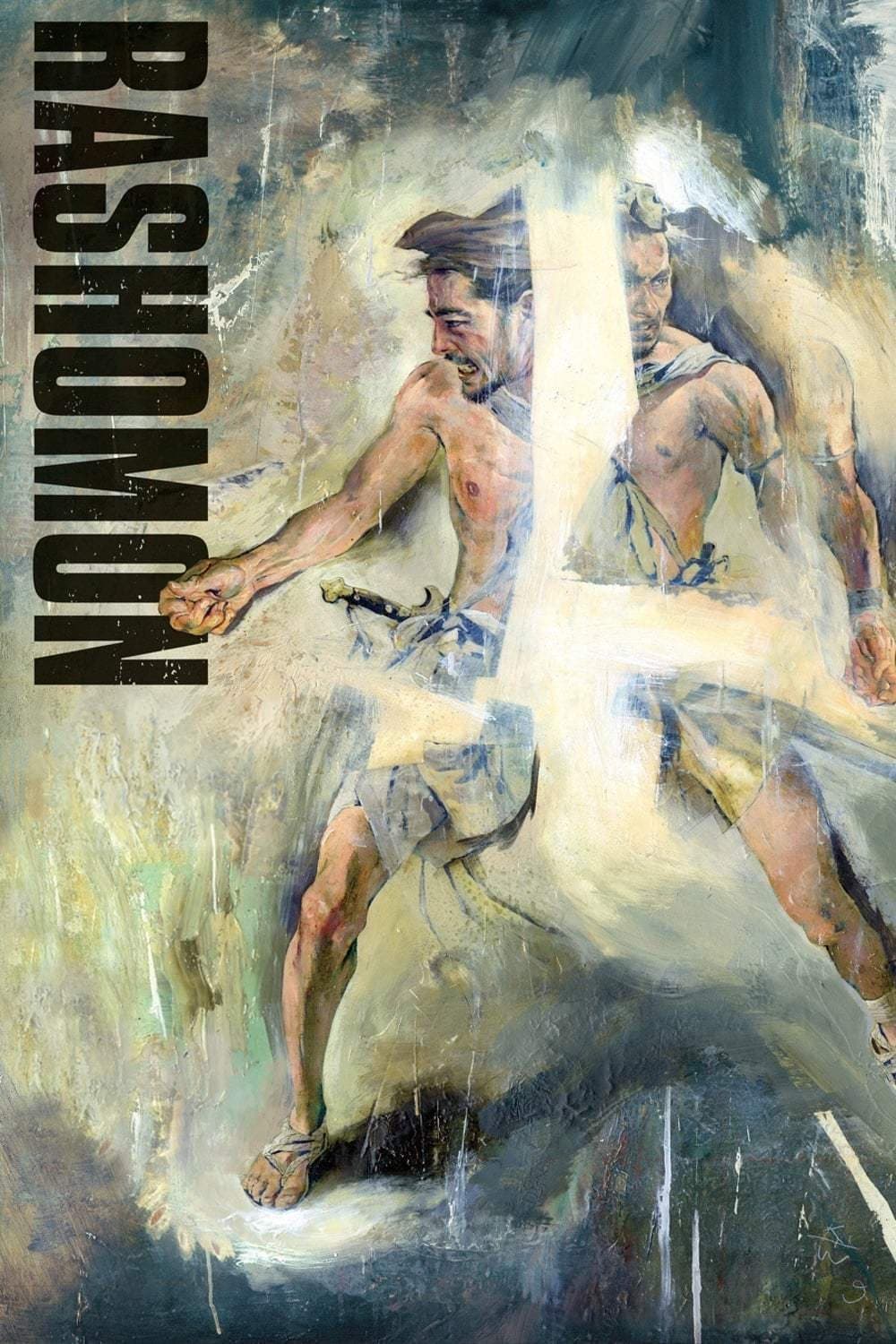
A priest and a woodcutter seek shelter from a torrential downpour under the Rashomon city gate. They recount conflicting stories about a murder to a commoner while waiting for the rain to stop. The heavy rainfall creates a somber mood and frames the narrative structure of the film. It isolates the three storytellers from the rest of the world.
‘The Ice Storm’ (1997)
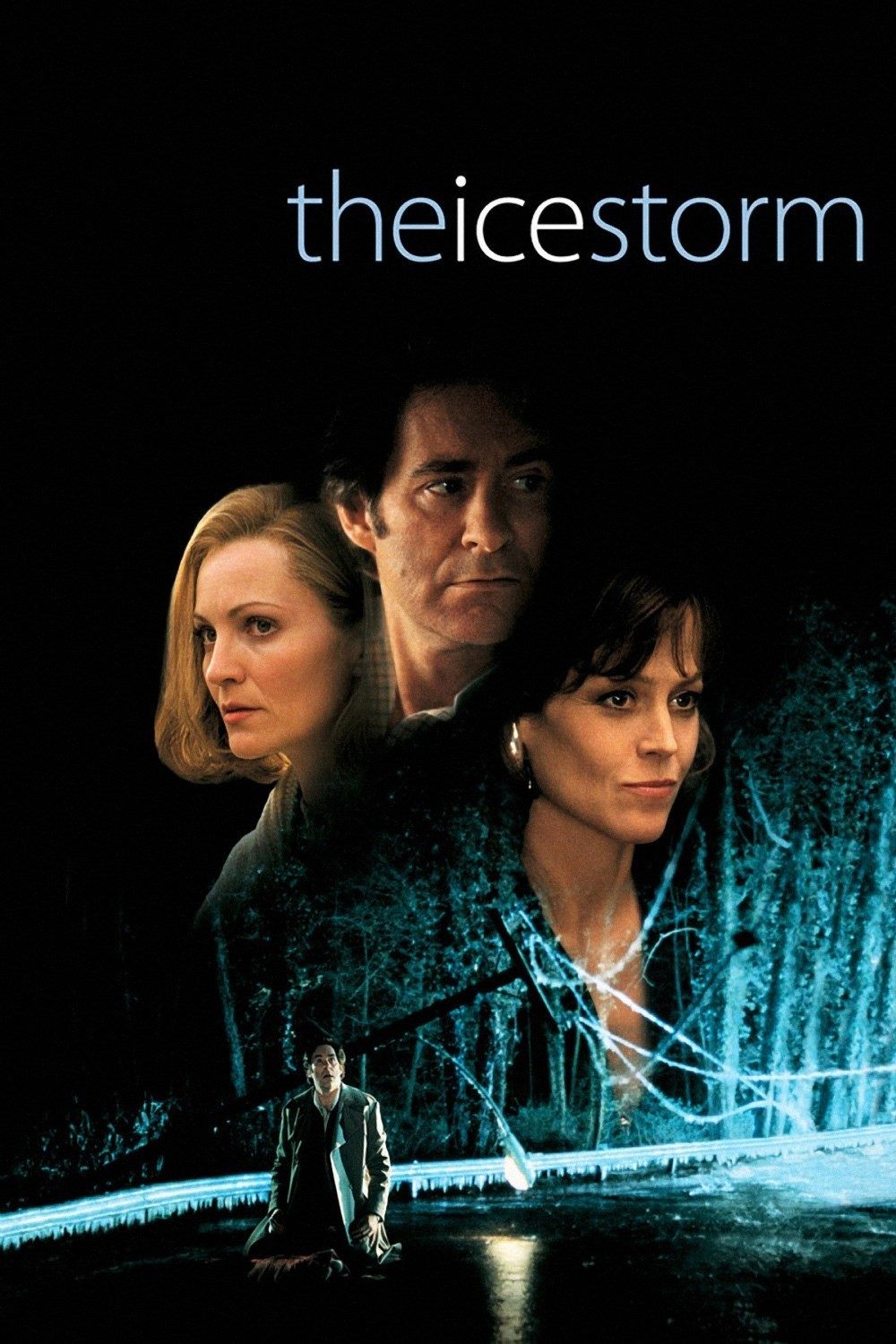
Two dysfunctional families in Connecticut deal with infidelity and alcohol during Thanksgiving weekend. An approaching ice storm freezes the landscape and disrupts the power grid. The slick roads and falling branches create dangerous conditions that lead to a tragic accident. The frozen environment reflects the emotional detachment of the characters.
Tell us which cinematic storm you found most memorable by leaving a comment in the comments.