15 Disaster Films That Treat the Science Seriously



Disaster movies often rely on exaggerated physics and impossible scenarios to generate excitement for the audience. A select few filmmakers choose to ground their stories in scientific reality to create a more terrifying experience. These productions consult experts to ensure the threats faced by the characters remain plausible. The following films demonstrate that real science can be just as dramatic as Hollywood fiction.
‘Contagion’ (2011)

Director Steven Soderbergh consulted closely with epidemiologists to depict a realistic viral outbreak. The film tracks the rapid spread of a novel virus and the resulting societal collapse. It accurately portrays the scientific method used by the CDC to identify and contain the pathogen. Viewers see a chillingly plausible scenario regarding transmission rates and vaccine development.
‘Apollo 13’ (1995)

Ron Howard recreated the ill-fated 1970 lunar mission with obsessive attention to technical detail. The film depicts the explosion of an oxygen tank and the desperate efforts to return the crew to Earth. Dialogue and procedures were lifted directly from mission transcripts to ensure authenticity. It serves as a testament to engineering ingenuity under extreme pressure.
‘The Martian’ (2015)

A botanist stranded on Mars must use scientific principles to survive until a rescue mission arrives. Ridley Scott adapted the novel to emphasize the chemistry and physics involved in growing food on a desolate planet. The orbital mechanics and space travel logistics remain grounded in real theories despite the fictional premise. NASA was heavily involved in the production to verify the technology shown.
‘Deep Impact’ (1998)
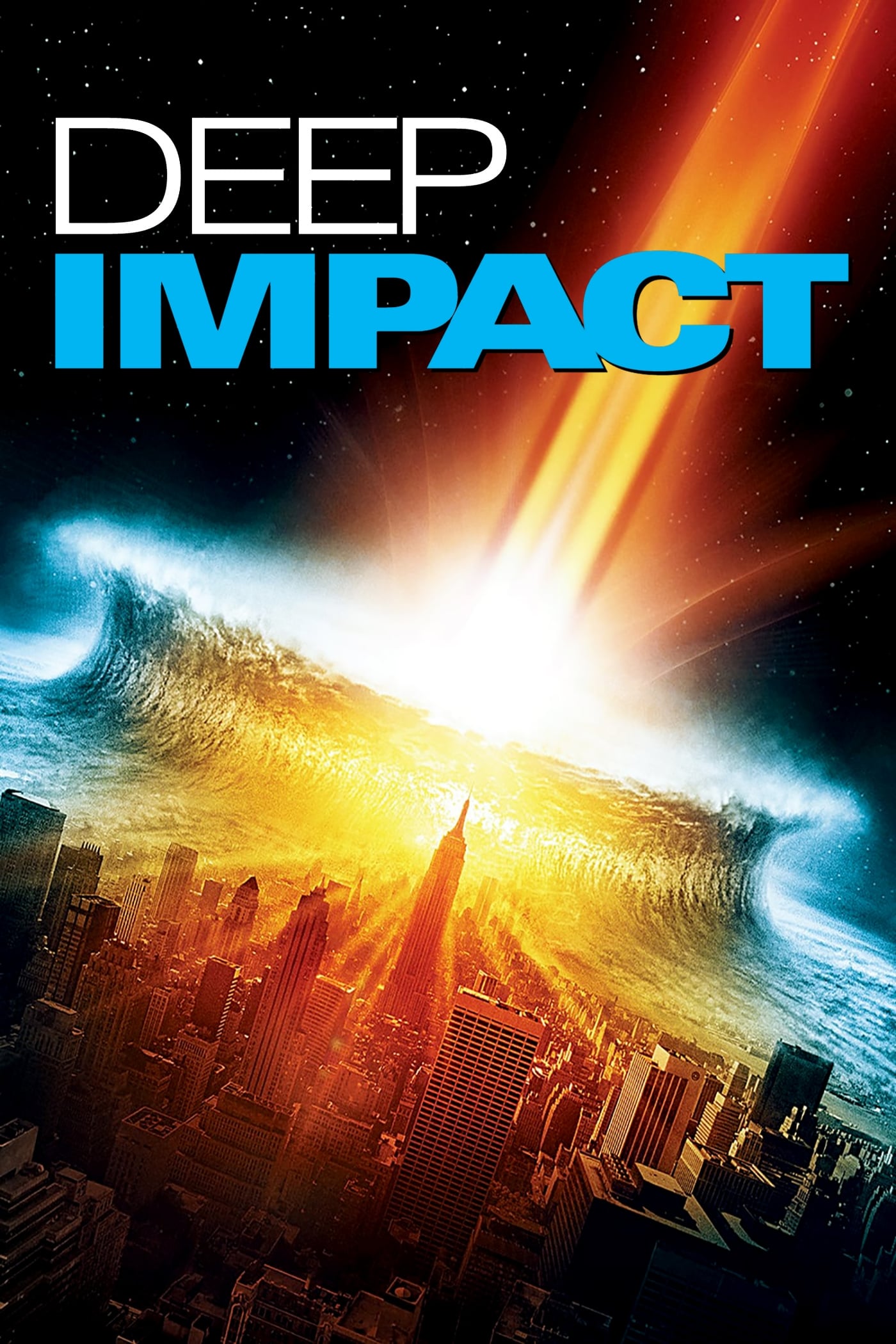
This film explores the sociological and physical consequences of a comet on a collision course with Earth. Scientists praise the depiction of the comet fragmenting and the resulting mega-tsunami physics. The production team prioritized realistic government responses over the action tropes found in similar movies of the era. It remains a standout for its somber and scientifically plausible tone.
‘The Wave’ (2015)

A Norwegian geologist discovers that a collapsing mountain pass threatens to create a massive tsunami in a fjord. The film builds tension through accurate geological monitoring and seismic data interpretation. The resulting destruction adheres to the laws of physics rather than exaggerated cinematic spectacle. It demonstrates the terrified reality of a natural disaster in a confined geographic area.
‘Dante’s Peak’ (1997)

Pierce Brosnan plays a volcanologist who tries to warn a town of an impending eruption. The movie accurately displays the warning signs of volcanic activity including gas emissions and acidity changes. While some escape sequences are dramatized the pyroclastic flows are terrifyingly realistic. Volcanologists often cite this film as the most accurate depiction of an explosive eruption.
‘The Impossible’ (2012)

This harrowing drama recounts the 2004 Indian Ocean tsunami through the eyes of one surviving family. The water physics and the chaotic aftermath of the wave are recreated with practical effects to maximize realism. Medical professionals commended the depiction of trauma injuries and the chaotic hospital conditions. It captures the sheer unpredictability of nature without resorting to artificial villainy.
‘Deepwater Horizon’ (2016)
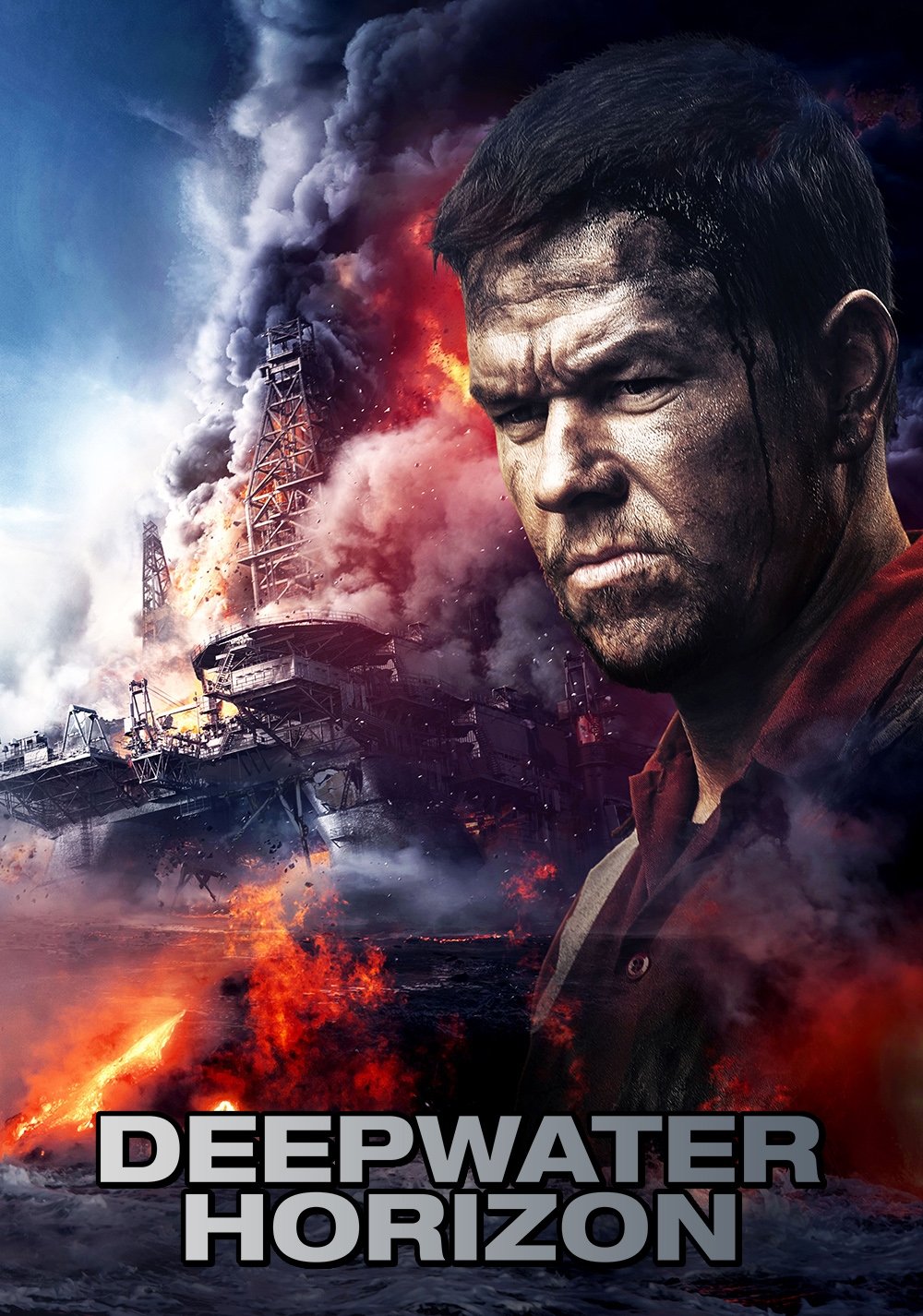
Peter Berg directs this intense dramatization of the 2010 oil rig explosion in the Gulf of Mexico. The film meticulously details the mechanical failures and pressure test anomalies that led to the blowout. It highlights the specific engineering oversight and safety protocol violations responsible for the disaster. The chaotic evacuation sequence mirrors the testimony of the real survivors.
‘Only the Brave’ (2017)

This biographical drama focuses on the Granite Mountain Hotshots and their battle against the Yarnell Hill Fire. It provides an in-depth look at the techniques used to fight wildfires including digging lines and controlled burns. The film avoids Hollywood heroics to show the dangerous reality of unpredictable fire behavior. Viewers gain a respect for the thermodynamics of fire and the risks faced by elite crews.
‘Everest’ (2015)

Two commercial climbing expeditions face a severe blizzard during their descent from the world’s highest peak. The film vividly portrays the physiological effects of high altitude including hypoxia and edema. It illustrates how slight delays and weather shifts can turn a calculated risk into a fatal trap. The narrative respects the harsh realities of survival in the death zone.
‘The China Syndrome’ (1979)
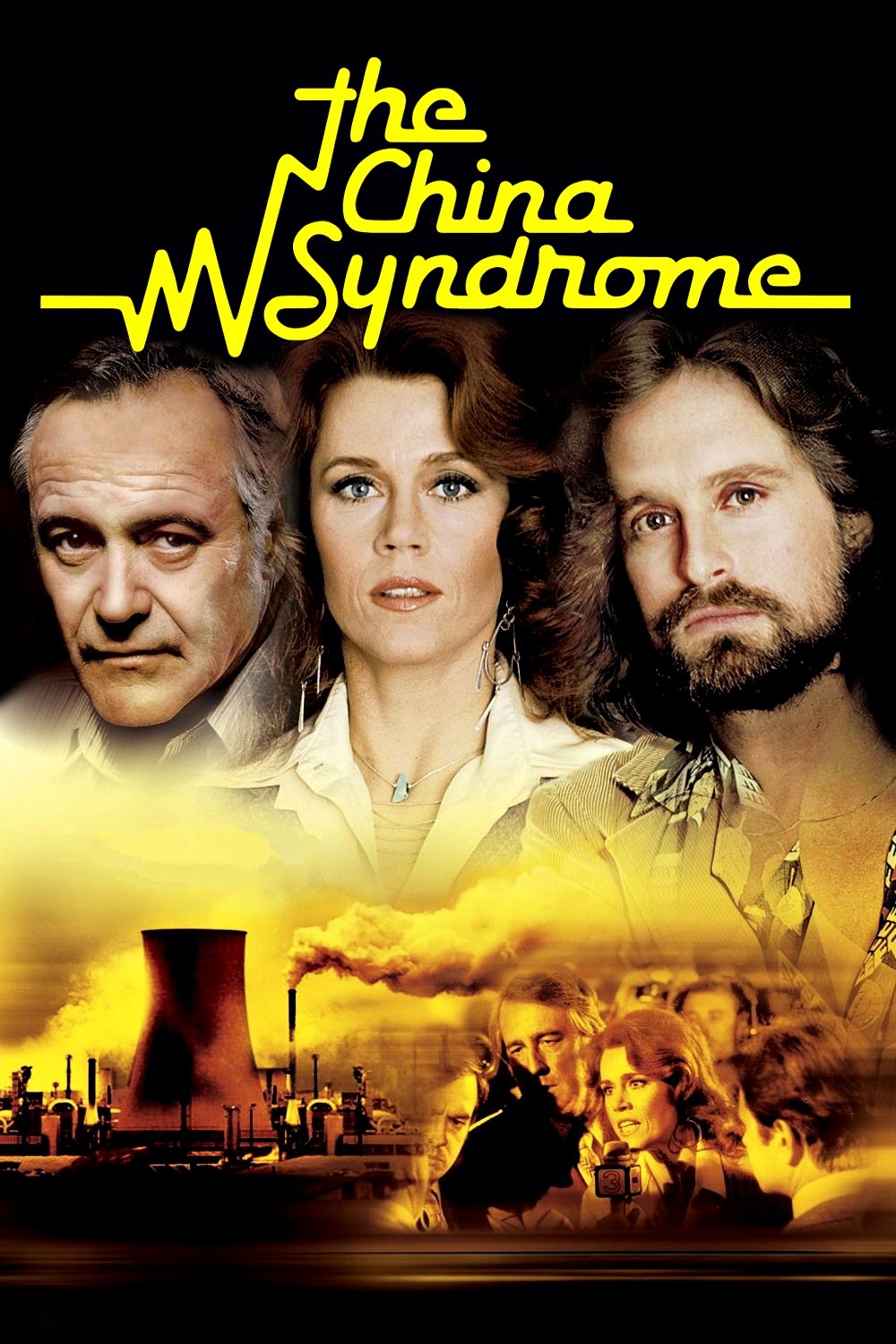
Released shortly before the Three Mile Island accident this thriller deals with a cover-up at a nuclear power plant. The film accurately explains the mechanics of a meltdown and the function of control rooms. It focuses on the importance of safety regulations and the potential consequences of corporate negligence. The tension arises from technical malfunctions rather than external villains.
‘Greenland’ (2020)
A family fights for survival as a planet-killing comet approaches Earth and fragments into smaller pieces. The film is noted for its realistic depiction of the panic and the fragmentation of the celestial body. It avoids the trope of a last-minute scientific solution to focus on the logistics of evacuation. The visual effects team worked to ensure the impact events followed plausible trajectories.
‘Thirteen Lives’ (2022)
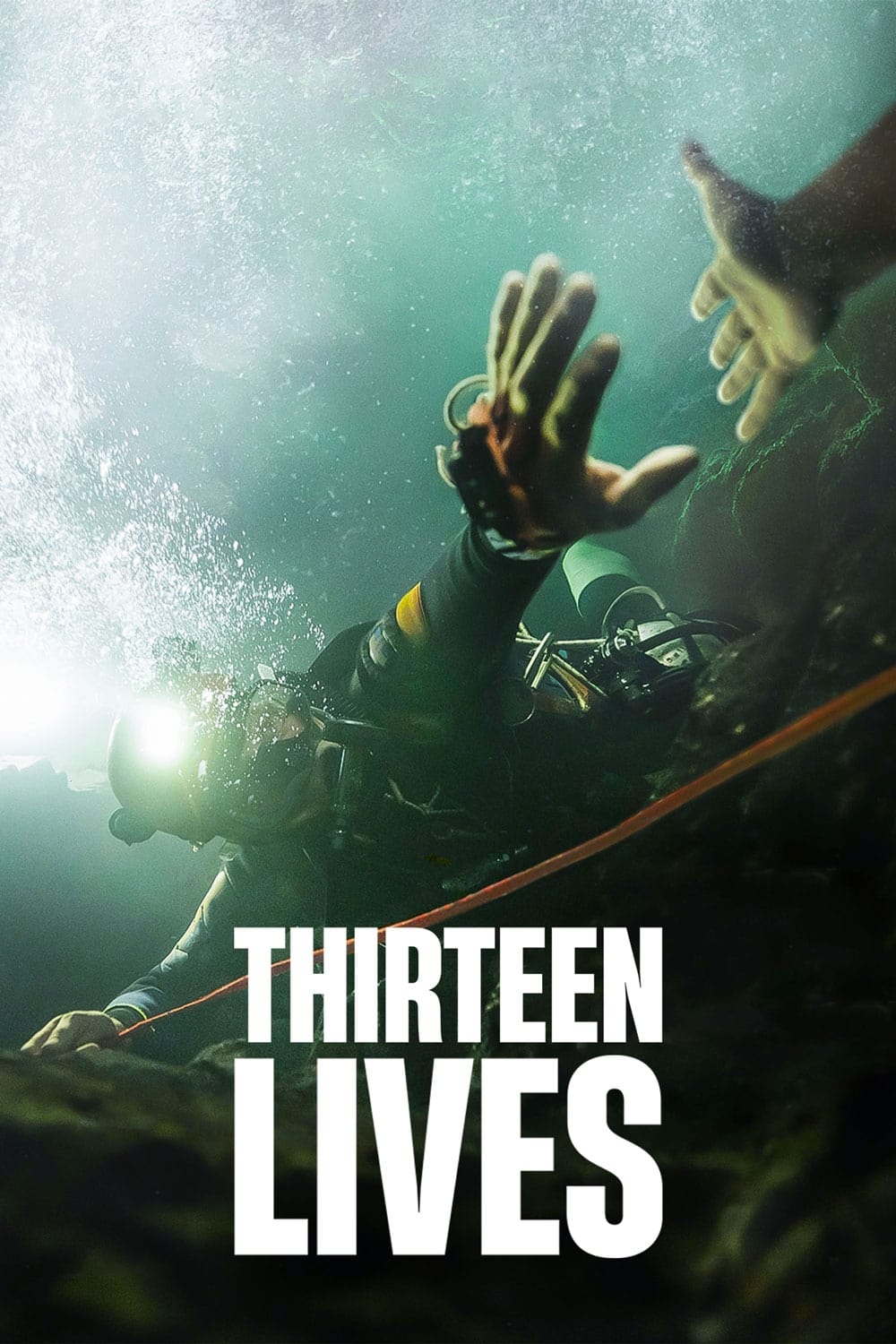
Ron Howard directs this account of the rescue of a soccer team trapped in the Tham Luang cave. The film emphasizes the complex diving physics and the unprecedented engineering required to extract the boys. It details the specific challenges of cave diving including visibility issues and oxygen management. The collaboration between international experts and local authorities is portrayed with documentary-like precision.
‘The Perfect Storm’ (2000)
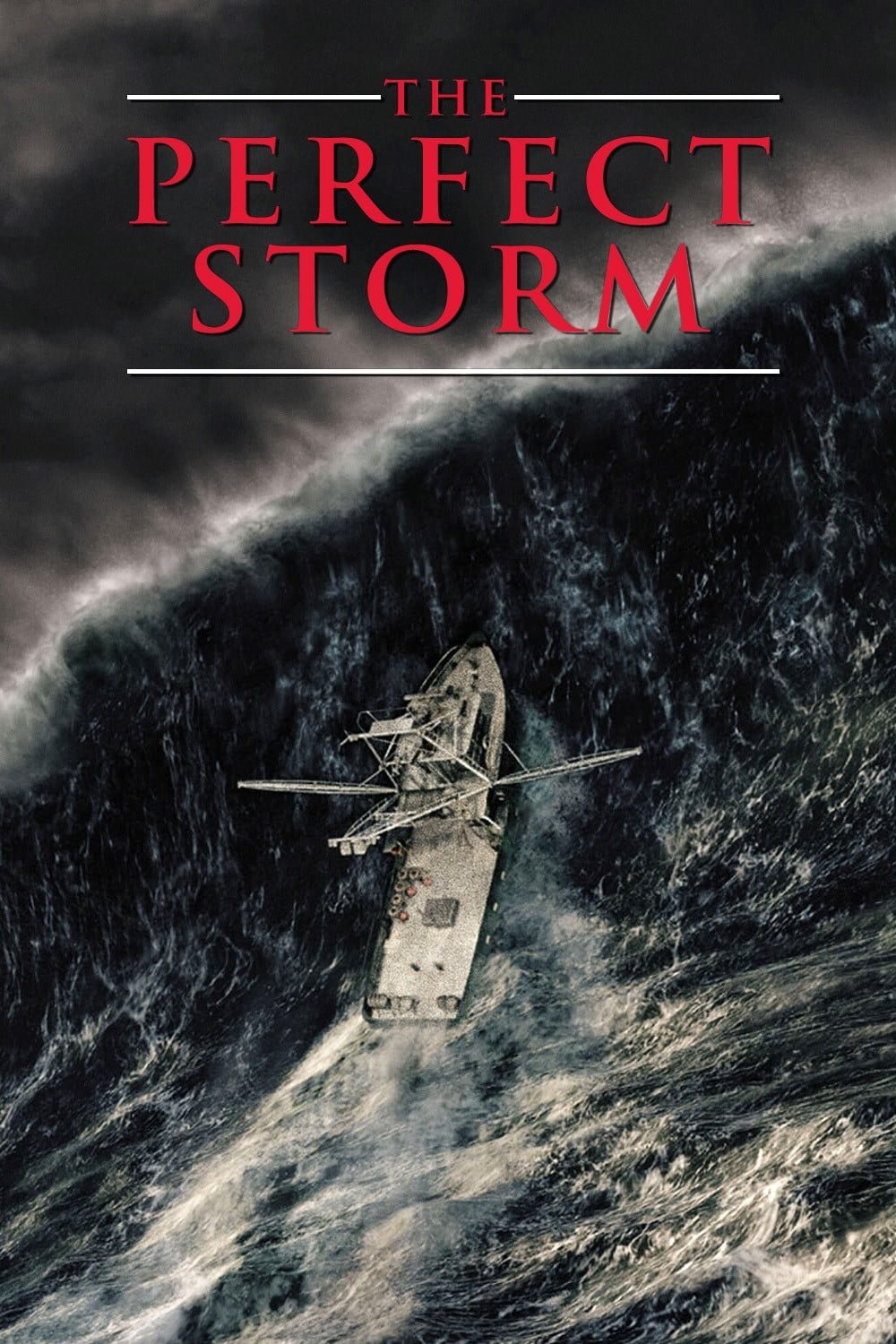
A commercial fishing vessel is caught between two weather fronts and a hurricane in the North Atlantic. The film illustrates the meteorological conditions that create rogue waves and extreme sea states. It demonstrates the mechanics of fishing equipment and the structural limits of the boat. The tragic conclusion respects the power of the ocean over human engineering.
‘K-19: The Widowmaker’ (2002)

The crew of a Soviet nuclear submarine must prevent a reactor meltdown during the Cold War. The film depicts the horrifying effects of acute radiation syndrome on the sailors who sacrifice themselves. It accurately shows the primitive containment methods available to the crew at the time. The narrative underscores the danger of rushing unproven nuclear technology into service.
Please let us know which of these scientifically grounded disaster films you found the most compelling in the comments.