15 TV Shows with the Most Creative Title Sequences of the 2010s



Title sequences experienced a renaissance during the 2010s as television budgets ballooned and prestige dramas sought to distinguish themselves immediately. Studios began treating opening credits as standalone works of art that set the tone and themes for the episodes ahead. This era moved beyond simple cast lists to embrace complex animation and heavy symbolism alongside memorable musical scores. The following selection highlights series that utilized their opening minutes to captivate viewers before the story even began.
‘Game of Thrones’ (2011–2019)
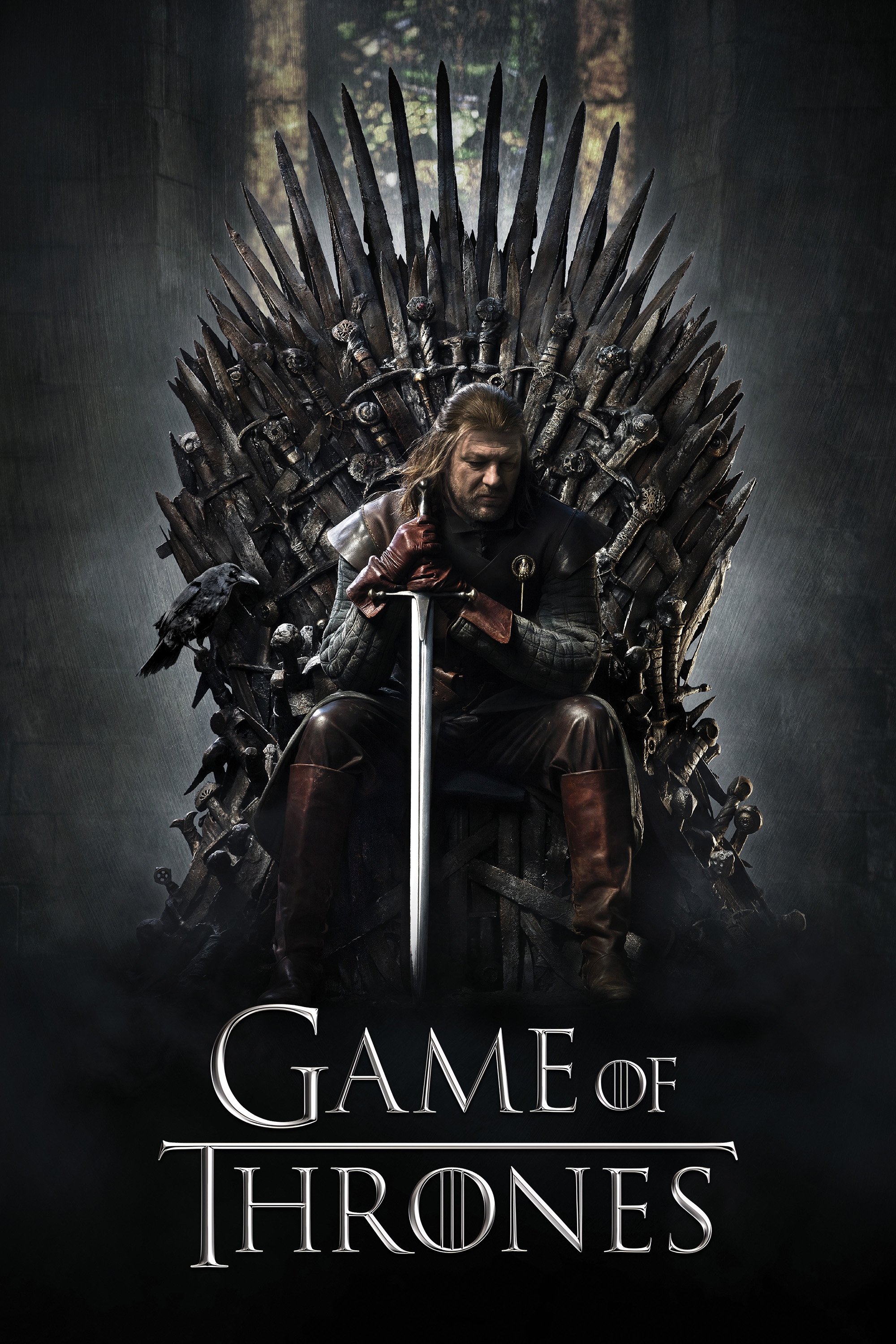
The sequence features a mechanical map of Westeros and Essos that evolves to reflect the locations visited in each specific episode. Clockwork gears spin to raise castles and cities from the ground while representing the intricate political maneuvering of the plot. Ramin Djawadi composed the driving cello theme that builds in intensity as the camera sweeps across the fictional geography. This introduction serves as a vital guide for viewers navigating the expansive world and its shifting power dynamics.
‘Westworld’ (2016–2022)
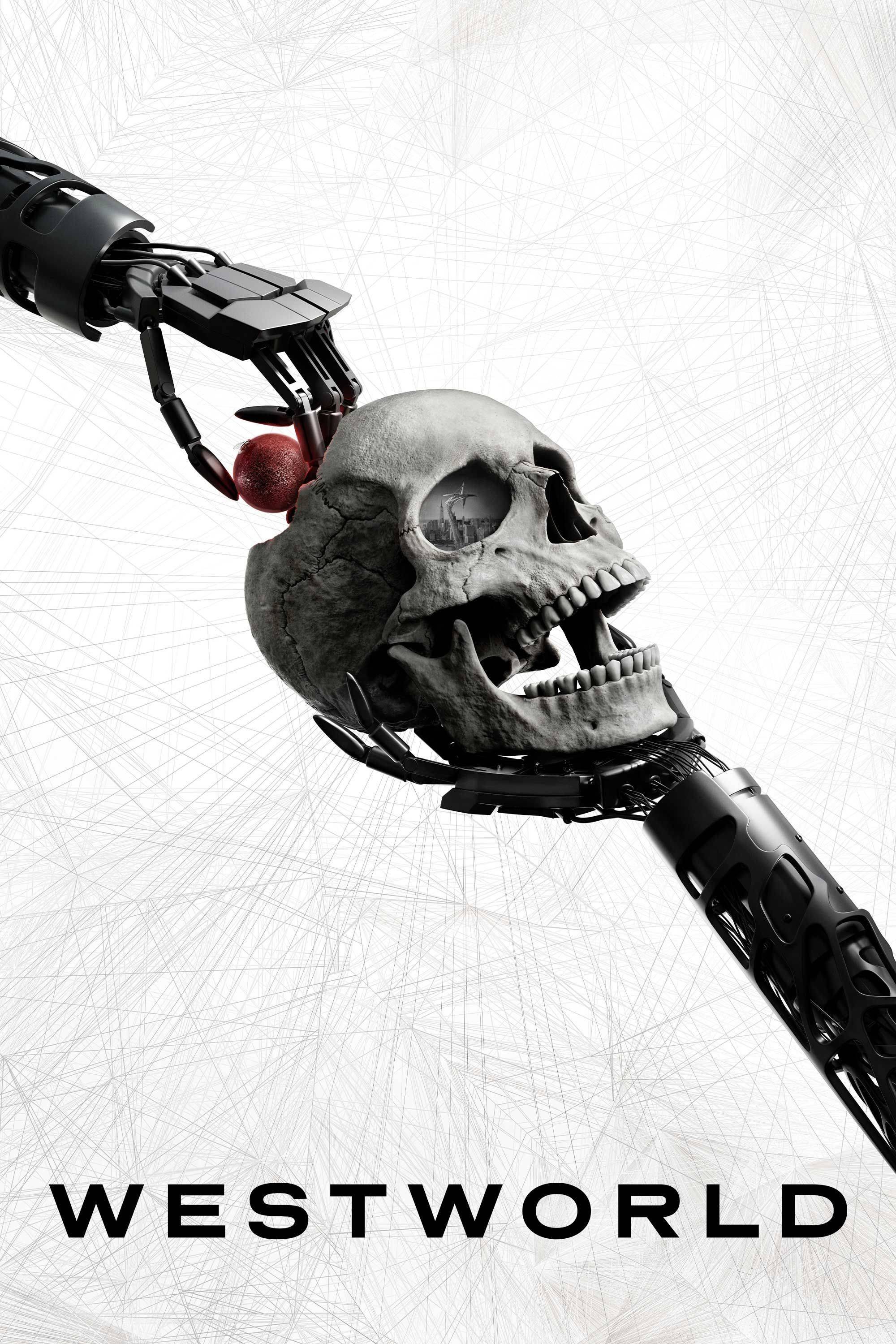
White synthetic fluid flows across muscle fibers and skeletal structures to depict the creation of artificial life. A piano player’s hands move away from the keys to reveal the instrument playing itself and emphasizing the themes of automation. The imagery juxtaposes the beauty of creation with the cold industrial process of manufacturing the hosts. Composer Ramin Djawadi provides a haunting score that mirrors the tragic and cyclical nature of the androids’ existence.
‘True Detective’ (2014–Present)
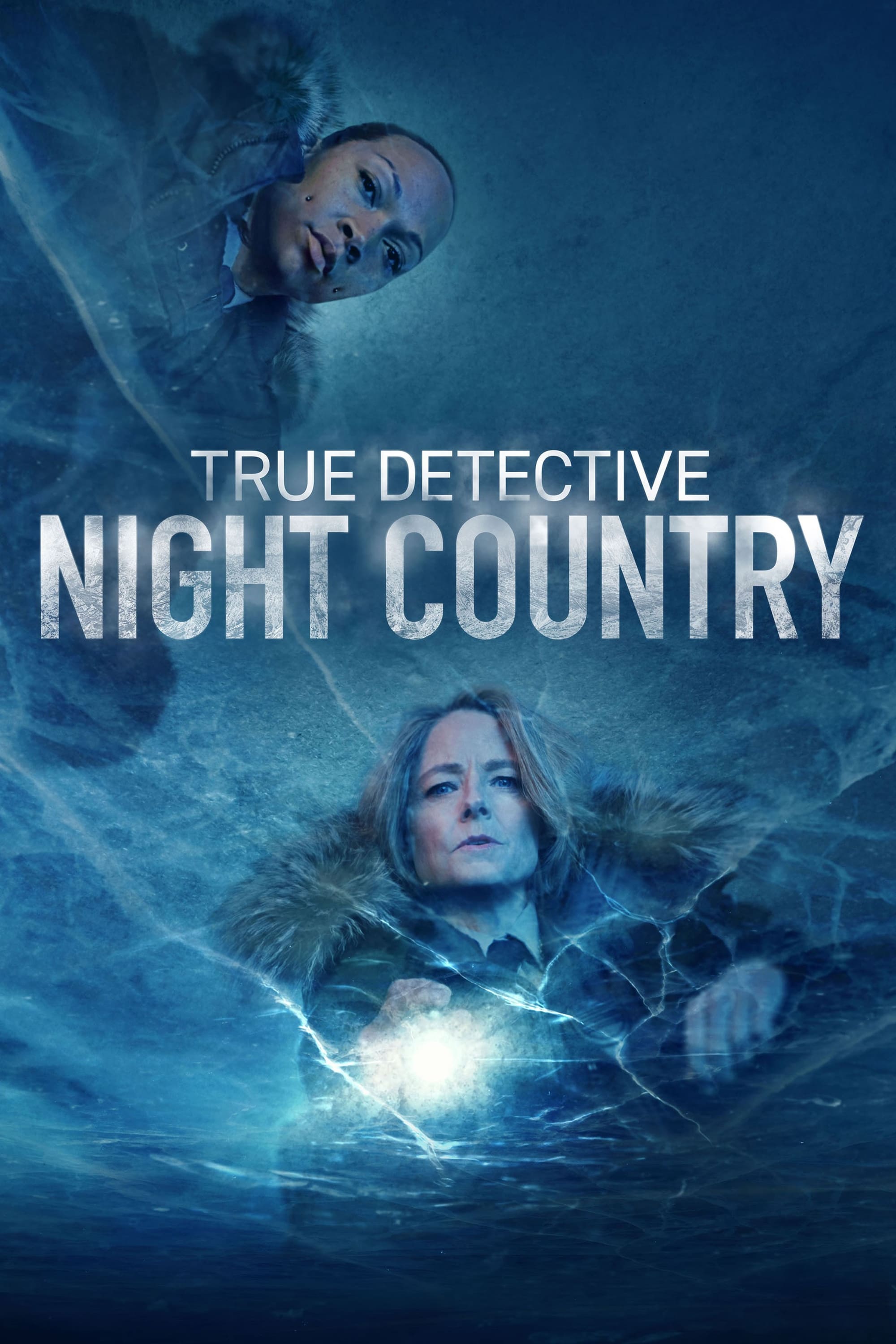
The first season utilizes double exposure photography to blend the rugged landscapes of Louisiana with portraits of the lead characters. Industrial silhouettes and cracked earth overlay human faces to suggest the toxic relationship between the environment and the people inhabiting it. The gritty visual style complements the Southern Gothic atmosphere established by the narrative. T Bone Burnett selected a somber folk song that perfectly matches the bleak and introspective mood of the crime drama.
‘Stranger Things’ (2016–Present)
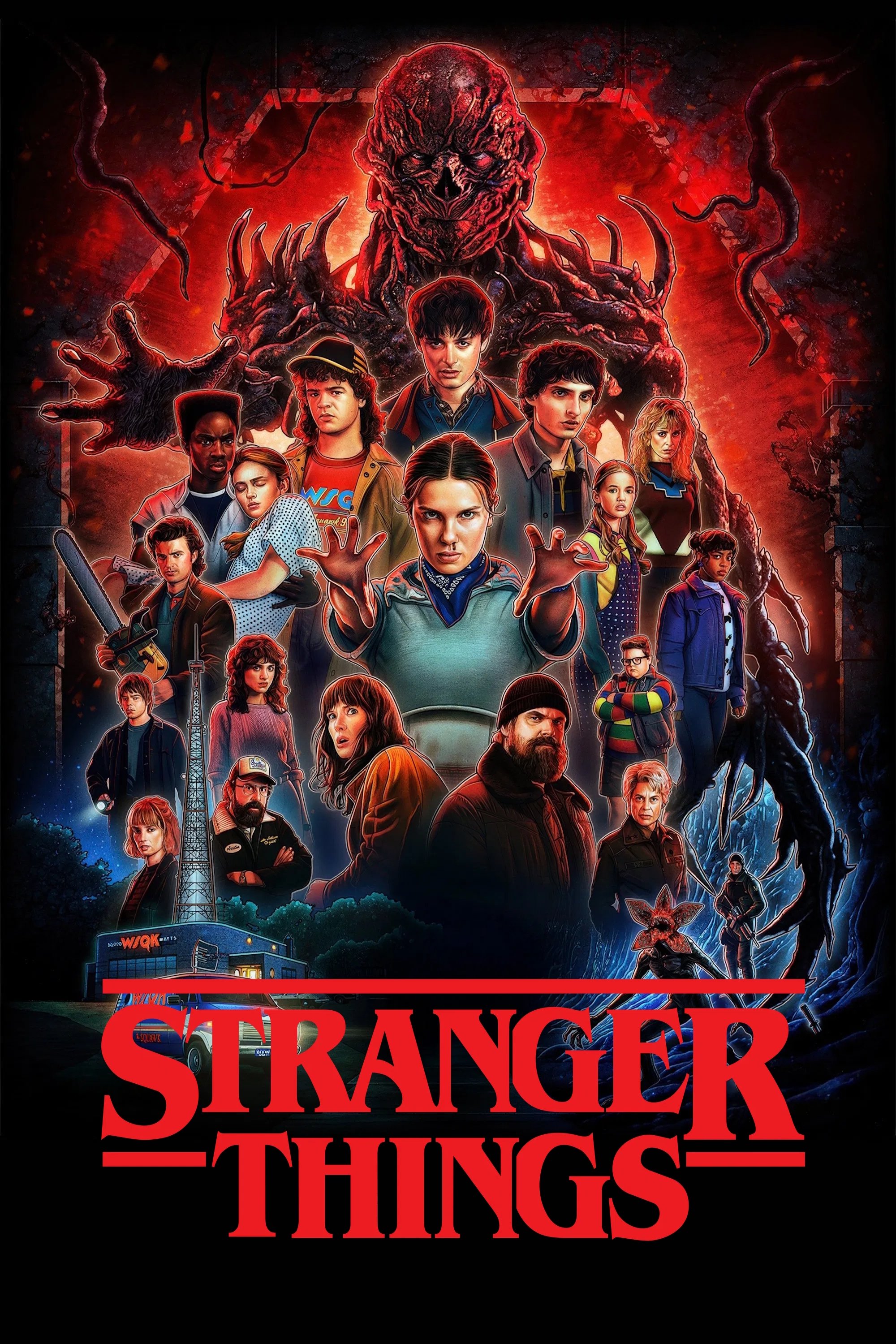
Giant neon red letters slowly drift together against a grainy black background to evoke the cover art of Stephen King novels. The sequence mimics the optical title design techniques used in 1980s cinema to trigger immediate nostalgia. Synthesizer music pulses rhythmically to pay homage to the electronic scores of John Carpenter and horror films of that decade. This minimalist approach effectively transports the audience back in time without needing complex animation or character footage.
‘Marvel’s Daredevil’ (2015–2018)
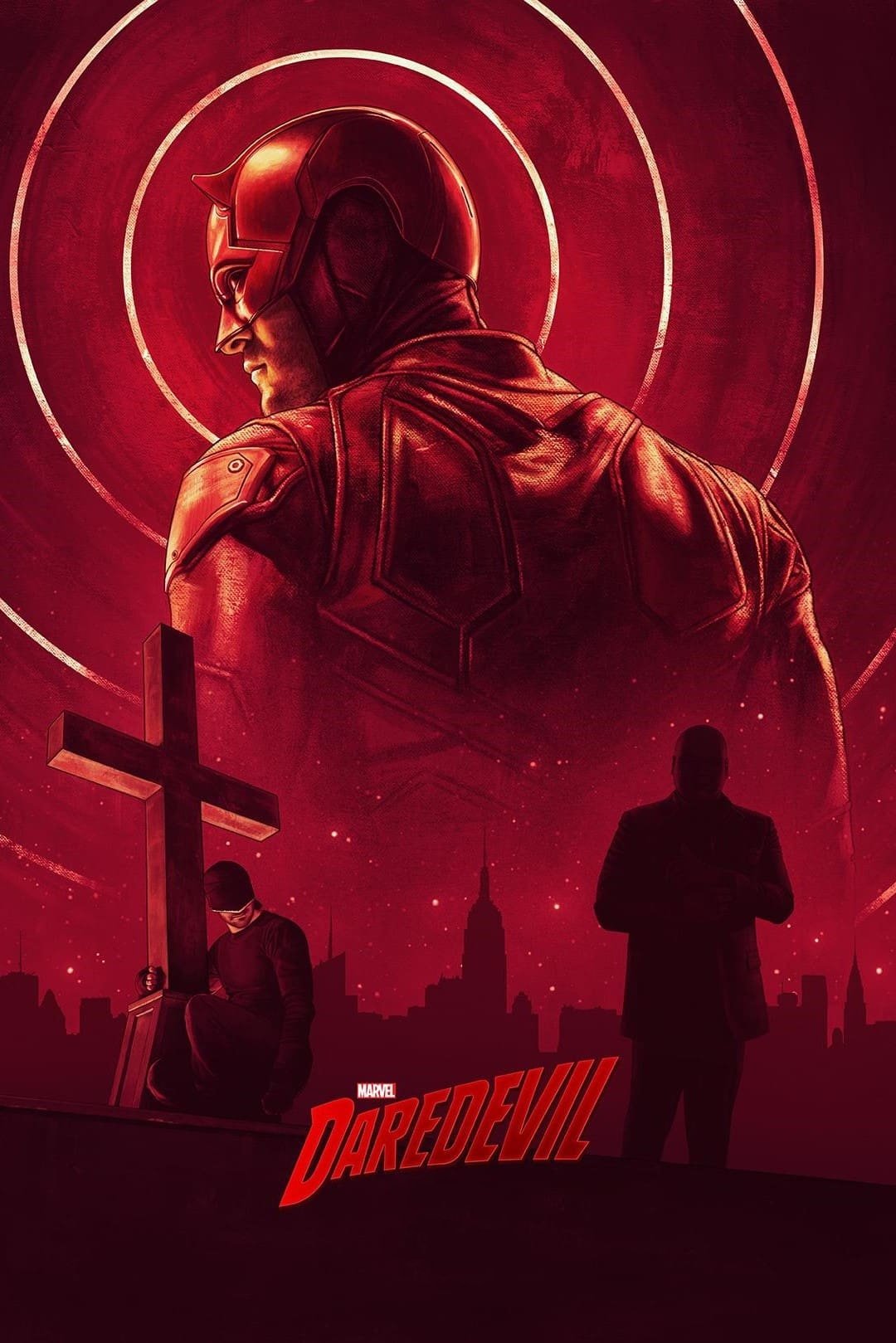
Thick red liquid drips down invisible structures to slowly reveal the topography of New York City and its landmarks. The fluid resembles both blood and wax as it forms the shape of the blind protagonist and the figure of Lady Justice. This visual metaphor highlights the themes of violence and moral ambiguity that pervade the series. The sequence establishes a dark and tactile aesthetic that differentiates the show from other superhero properties.
‘American Gods’ (2017–2021)
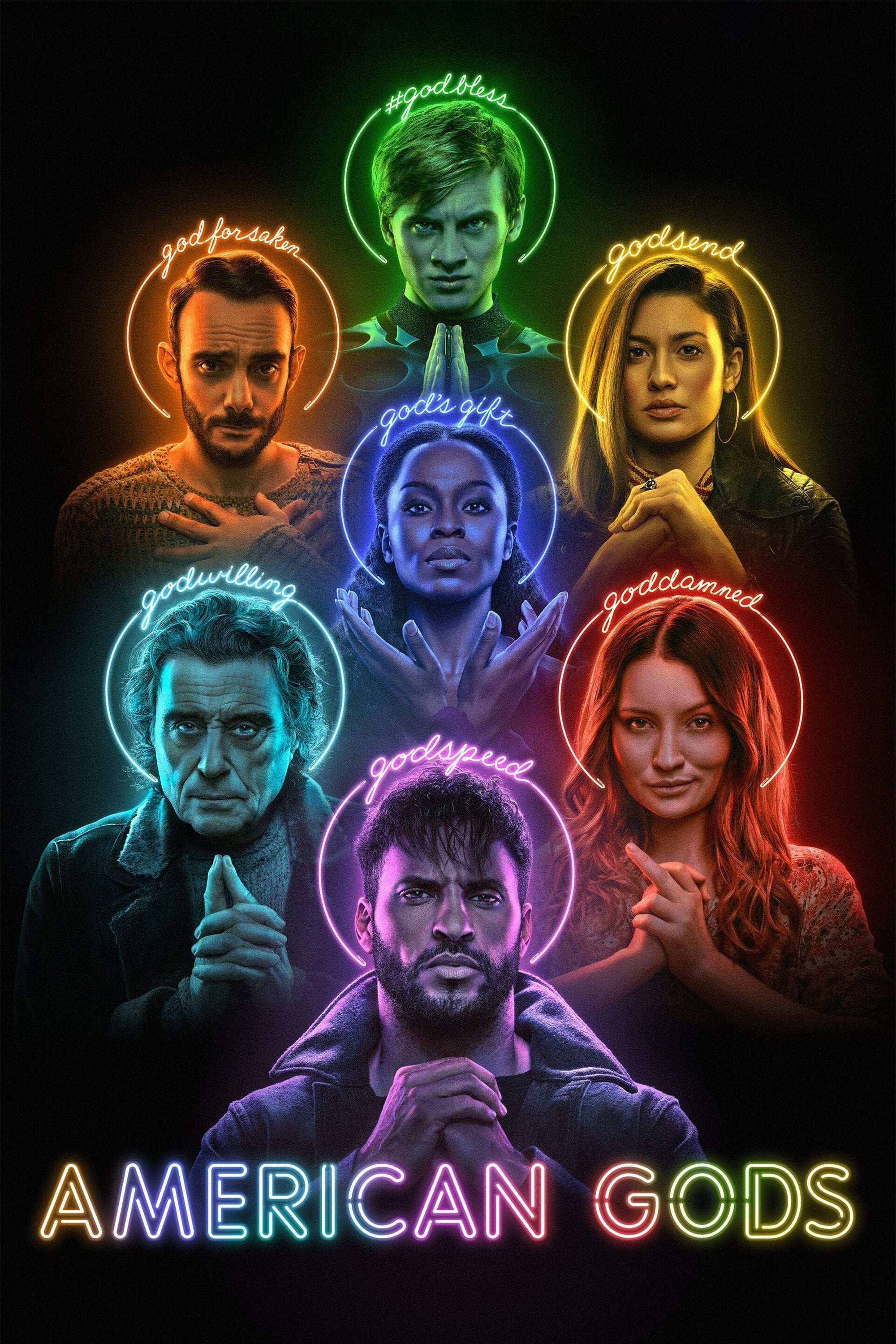
A totem pole of modern and ancient artifacts assembles itself in a surreal and neon-lit environment. Religious iconography blends with symbols of technology and consumerism to represent the war between old and new deities. The camera spirals up the structure to reveal crucified astronauts and drug-using centaurs in a bizarre display. This aggressive imagery prepares the viewer for the strange and often psychedelic narrative adapted from Neil Gaiman’s novel.
‘The Crown’ (2016–2023)
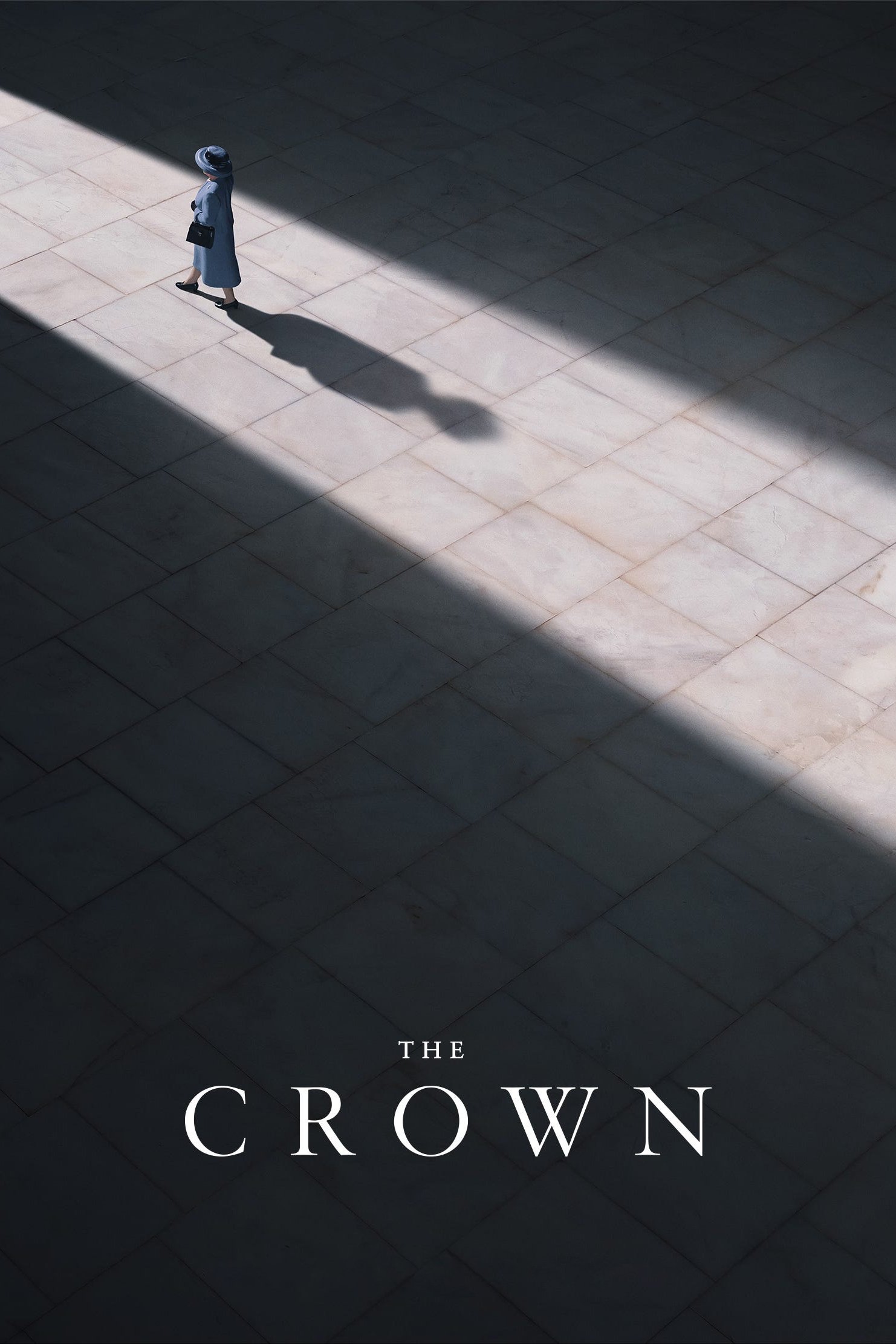
Molten gold flows slowly through intricate molds to forge the various components of the British royal crown. The macro photography captures the immense heat and pressure required to create the symbol of the monarchy. This process serves as a metaphor for the heavy burden placed upon Queen Elizabeth II as she assumes her role. Hans Zimmer composed the majestic theme that underscores the grandeur and historical weight of the series.
‘Dark’ (2017–2020)
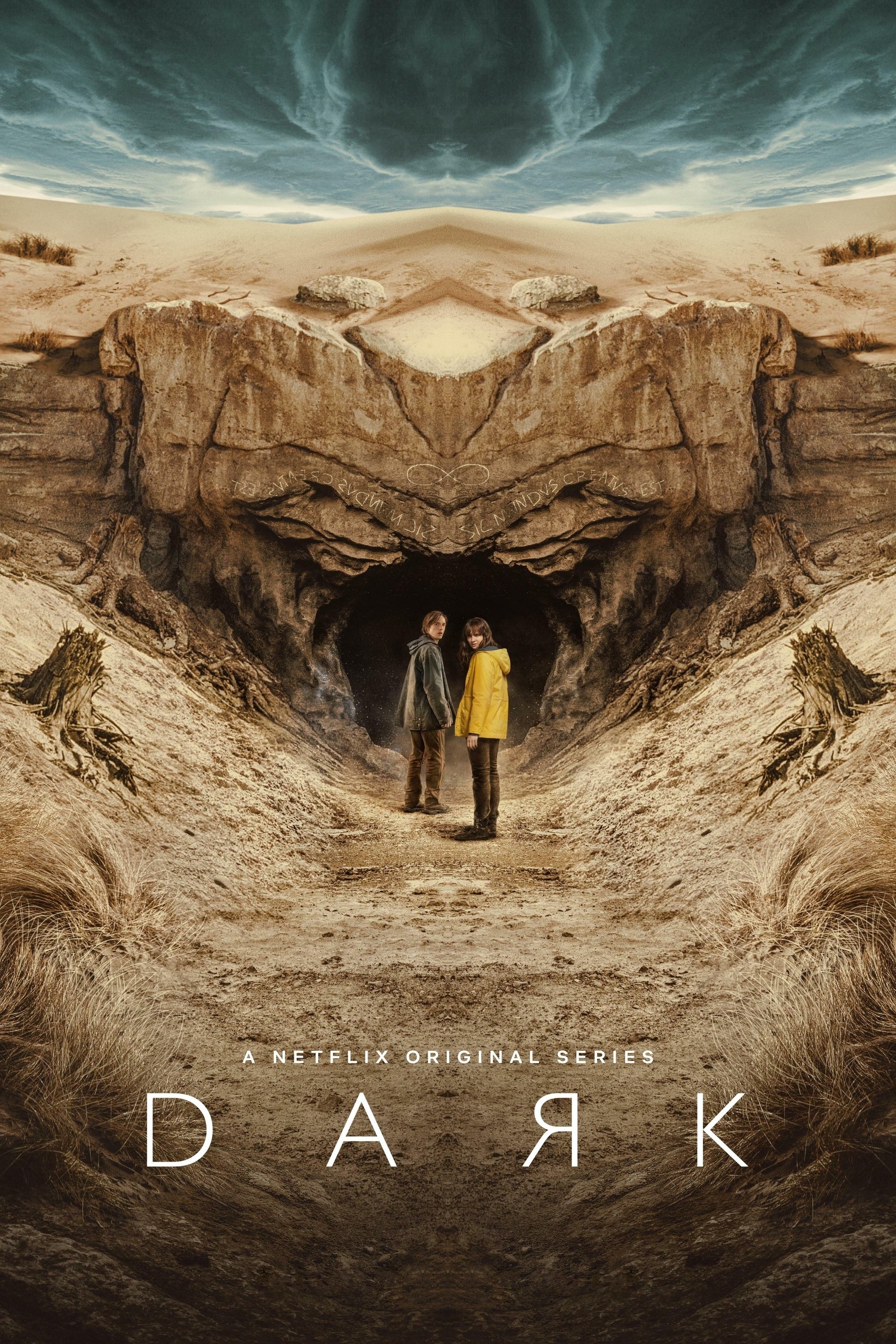
Symmetrical kaleidoscope effects mirror images of the characters and the winding forest roads of Winden. The split-screen visuals hint at the dualities and time travel paradoxes that form the core of the complex mystery. Historical diagrams and clock parts overlay the footage to emphasize the intricate connection between past and future. Apparat’s melancholic song ‘Goodbye’ reinforces the tragic inevitability facing the families involved in the generational saga.
‘Succession’ (2018–2023)
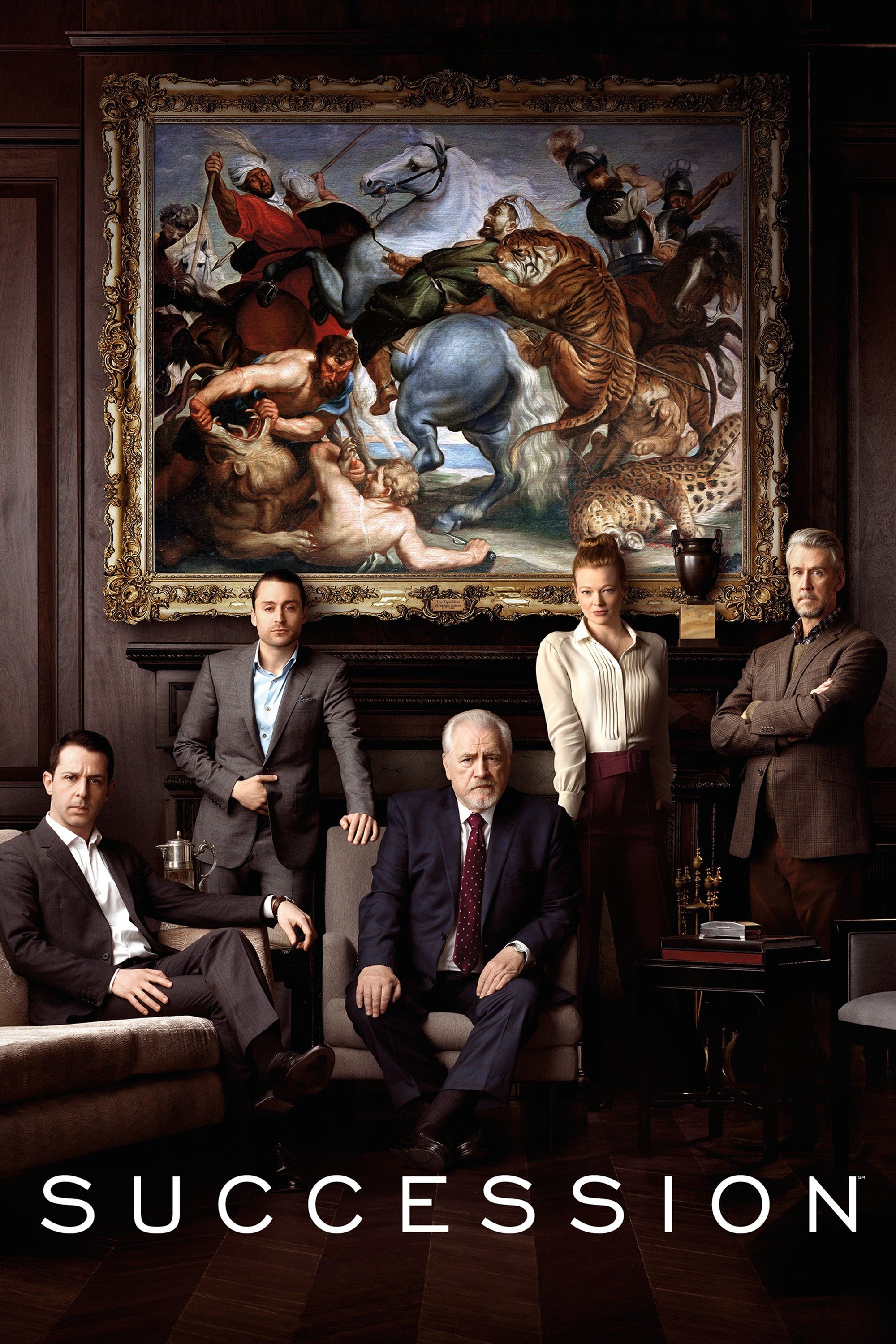
Grainy home video footage of a wealthy family flashes across the screen to depict an isolated and privileged childhood. The montage contrasts these nostalgic memories with cold shots of modern New York City skyscrapers and printing presses. Nicholas Britell composed a theme that mixes classical piano with hip-hop beats to reflect the clash between old money and modern ruthlessness. The sequence effectively establishes the dynastic struggles and emotional distance at the heart of the Roy family.
‘BoJack Horseman’ (2014–2020)
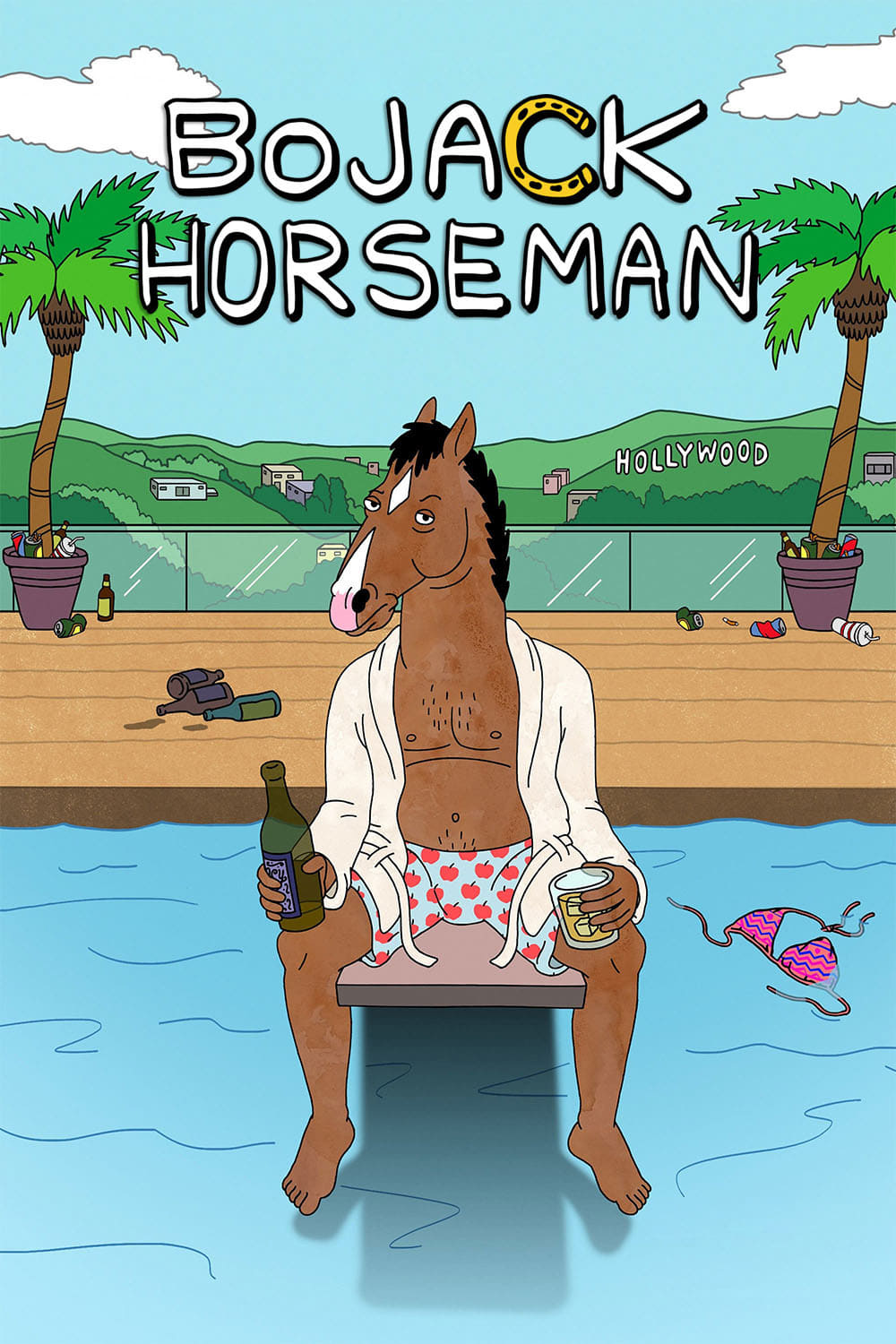
The protagonist drifts through his daily life in a glassy daze while the world behind him constantly shifts and changes. Friends and parties pass him by as he remains the static focal point of the colorful and chaotic animation. The sequence visually represents the hollowness of Hollywood celebrity and the disconnect felt by the main character. A saxophone-heavy track by Patrick Carney creates a groovy yet slightly disoriented atmosphere for the animated dramedy.
‘American Horror Story’ (2011–Present)
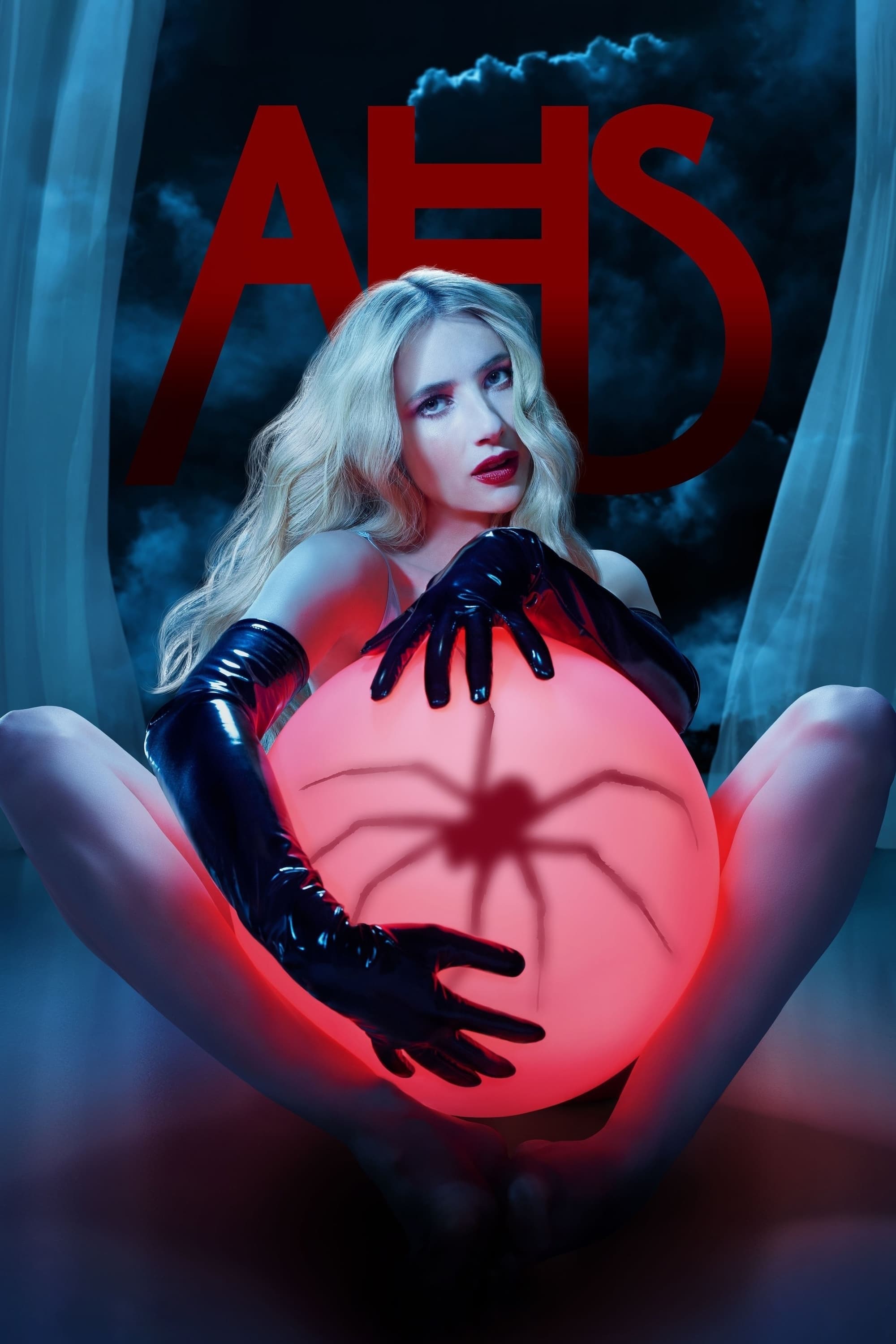
The creators design a unique title sequence for every season to match the specific horror subgenre being explored. Creepy imagery such as jarring medical instruments or decaying dolls flickers on the screen to unsettle the audience immediately. The sound design incorporates abrasive noises and a dissonant theme song that remains consistent despite the changing visuals. These introductions provide clues about the plot twists and distinct setting of each anthology installment.
‘Halt and Catch Fire’ (2014–2017)

A digital signal races through computer schematics and processes to visualize the flow of information inside a machine. The animation uses a stark color palette of red and pink to represent the heat and energy of innovation. Pixelated portraits of the main characters emerge from the data streams to suggest their lives are consumed by technology. Trentemøller provided the synth-heavy electronic track that captures the momentum of the personal computer revolution.
‘The Man in the High Castle’ (2015–2019)
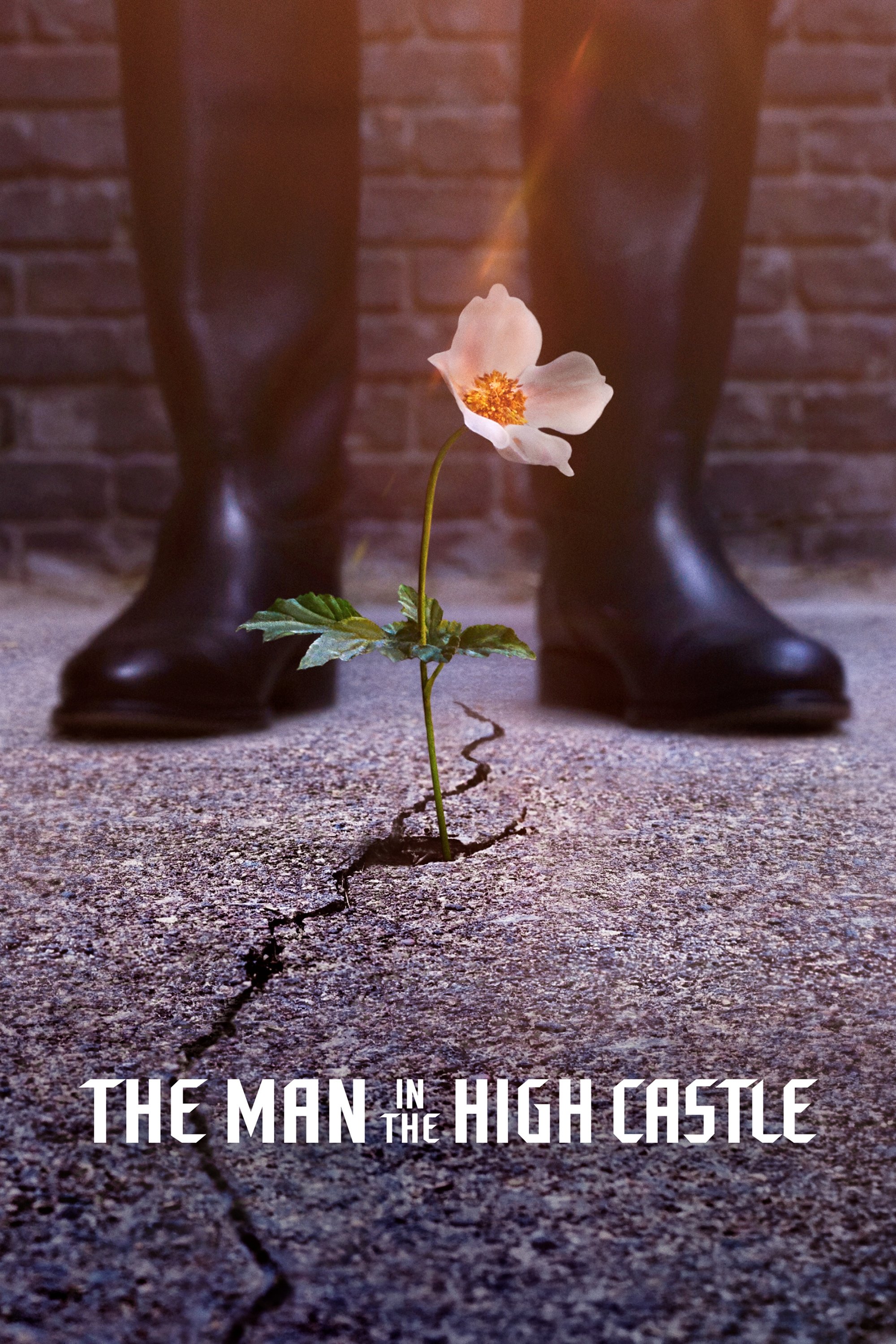
A projector beams archival footage of American history onto statues and monuments associated with the Axis powers. The visual effects depict a terrifying alternate reality where paratroopers descend upon the Statue of Liberty. Edelweiss plays softly in the background to create a haunting contrast between the gentle song and the dystopian imagery. This sequence efficiently explains the premise of a world where the Allies lost World War II.
‘Sherlock’ (2010–2017)
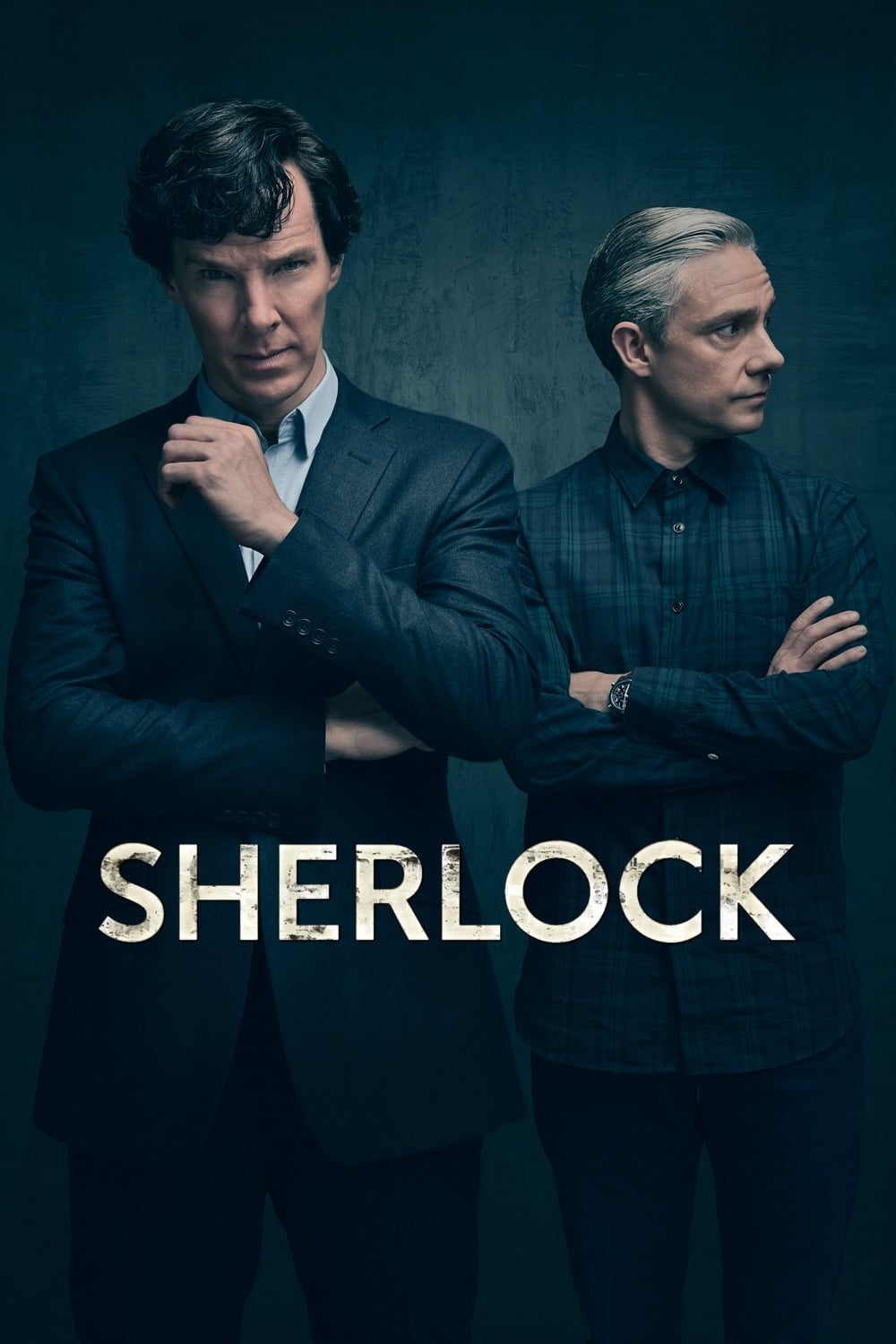
Tilt-shift photography makes modern London look like a miniature model board to illustrate the detective’s analytical perspective. The camera speeds through the streets and focuses on microscopic details that ordinary people might overlook. Names of the cast appear integrated into the environment as part of the bustling city infrastructure. The energetic string music reflects the frantic pace of Sherlock Holmes’ mind as he solves crimes.
‘Orange Is the New Black’ (2013–2019)

Extreme close-ups of eyes and mouths feature real formerly incarcerated women rather than professional actors. The sequence focuses on the diversity of faces and expressions to humanize the setting of the federal prison. Regina Spektor’s song ‘You’ve Got Time’ plays over the montage to emphasize the themes of confinement and waiting. This raw presentation prepares viewers for the blend of comedy and drama found within the series.
Share your favorite TV show intro from the last decade in the comments.