20 Films Where the Opening Credits Play Over a Single Continuous Shot

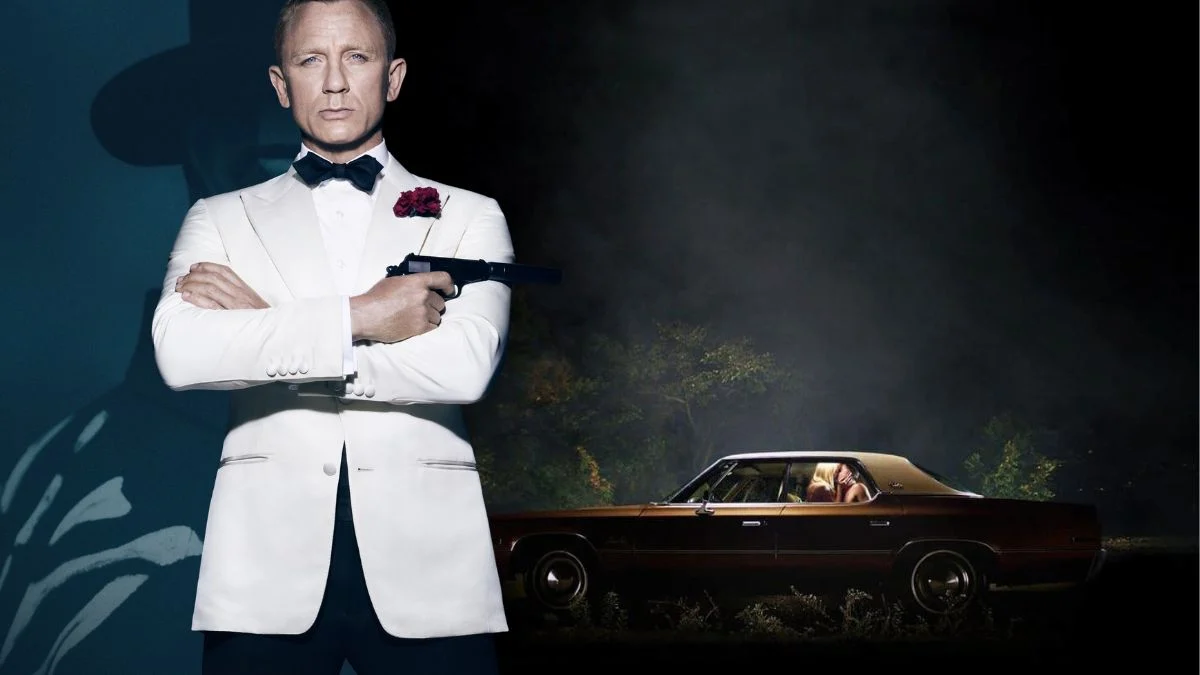

Filmmakers often use the opening shot of a movie to establish the tone and visual style immediately. A single continuous take at the start of a film can immerse the audience in the setting without the interruption of cuts. This technique requires meticulous planning and choreography to coordinate actors and camera movements perfectly. The opening credits frequently roll during these long takes to integrate the production information seamlessly into the narrative. The following films utilize this ambitious method to captivate viewers from the very first frame.
‘Touch of Evil’ (1958)
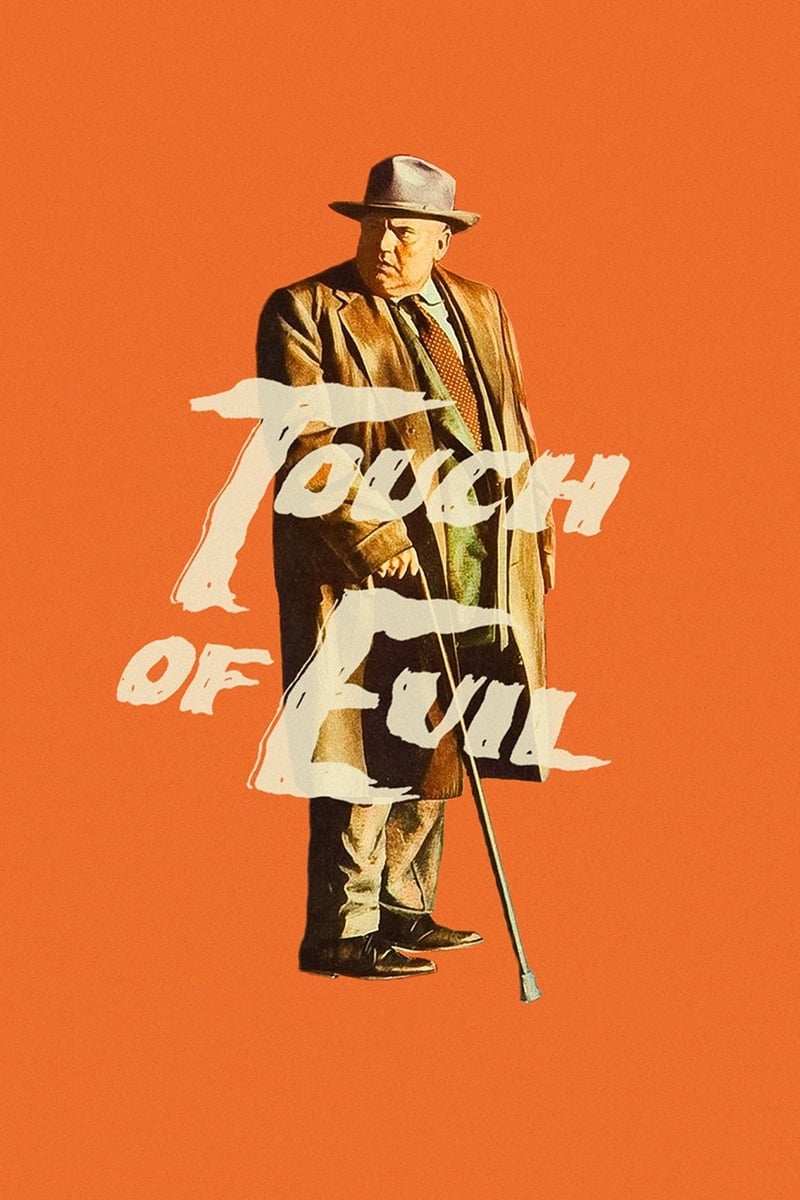
The camera tracks a ticking time bomb placed in a car trunk as the vehicle navigates across the Mexican border into the United States. Charlton Heston and Janet Leigh walk alongside the car while the tension mounts toward the inevitable explosion. Orson Welles orchestrated this three-minute sequence to establish the geography and high stakes immediately. This tracking shot remains one of the most famous and studied openings in cinematic history.
‘The Player’ (1992)
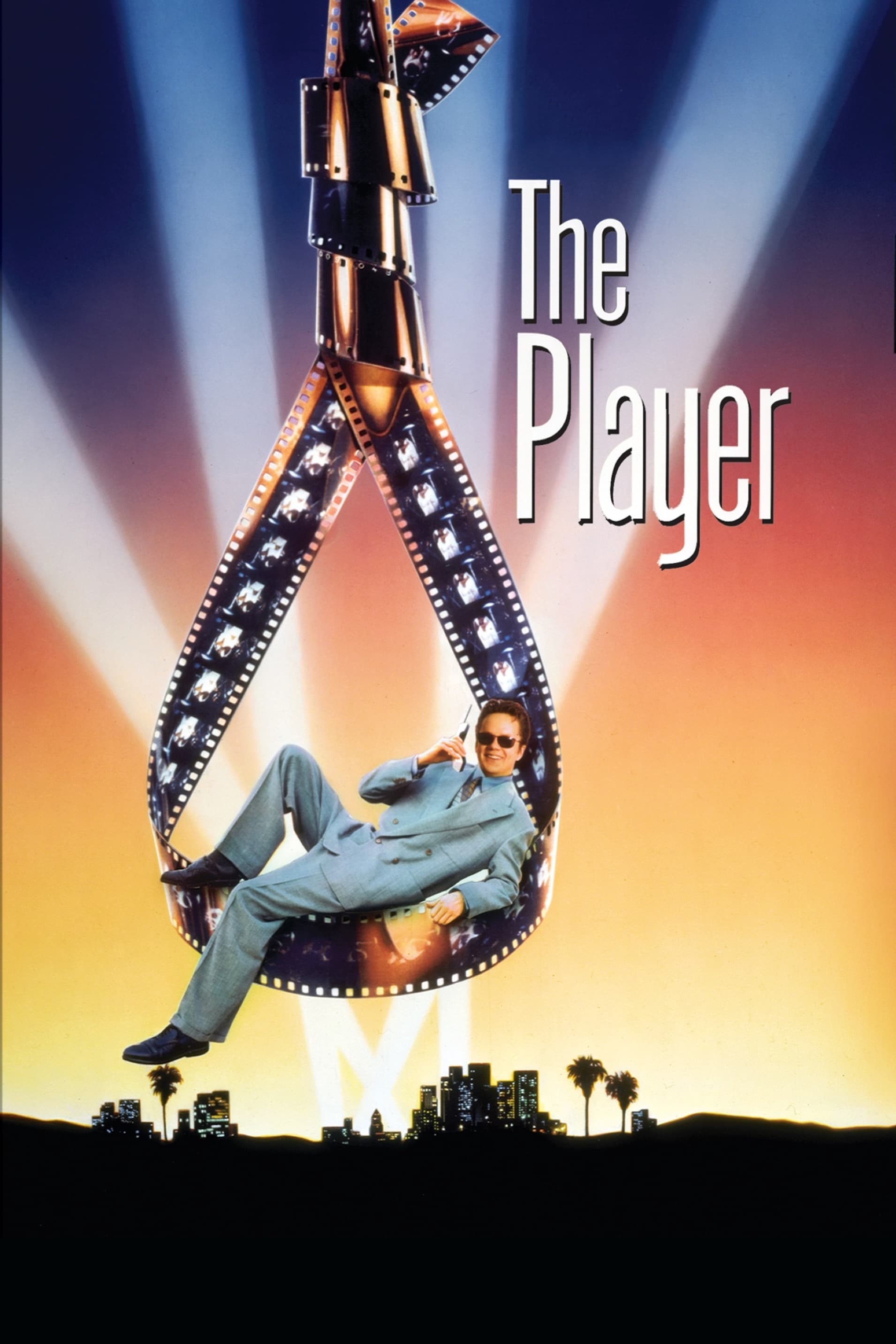
Robert Altman opens his satire of Hollywood with a sustained eight-minute shot that moves around a movie studio lot. Characters discuss famous long takes from other films while the camera weaves between various pitch meetings and industry gossip. The sequence introduces the chaotic atmosphere of the film business and the protagonist Griffin Mill. It sets a tone of self-aware irony that permeates the rest of the narrative.
‘Boogie Nights’ (1997)
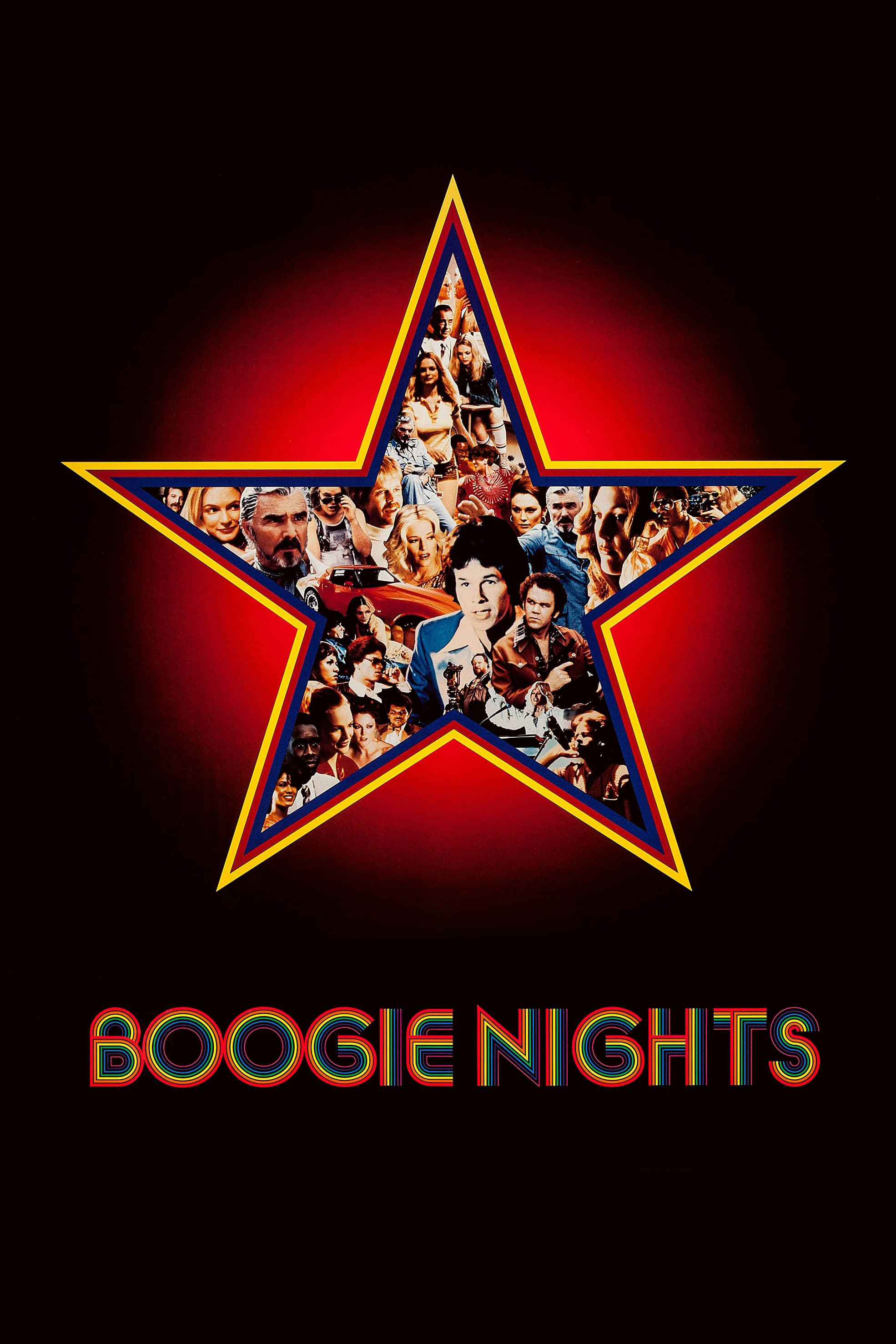
The camera starts outside a disco nightclub before following Little Bill inside to introduce the ensemble cast of characters. Viewers are guided through the vibrant and smoky atmosphere of the 1970s adult film industry scene. Paul Thomas Anderson utilizes the steadicam to seamlessly transition between different conversations and character introductions. This technique immerses the audience directly into the energy and interconnected relationships of the era.
‘Spectre’ (2015)
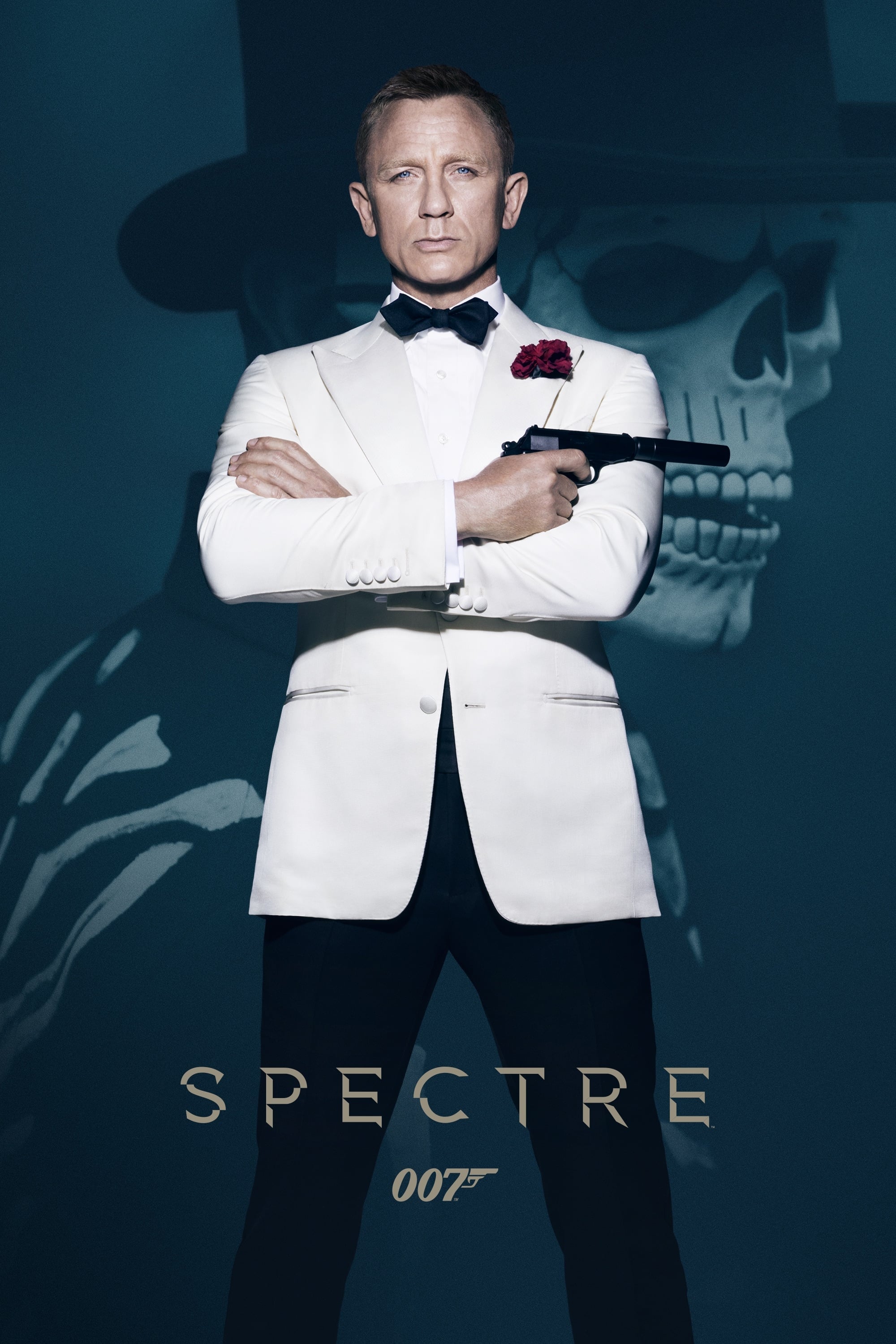
James Bond navigates through a massive Day of the Dead parade in Mexico City before entering a hotel and walking out onto a ledge. The camera follows him continuously as he tracks a target across rooftops to a waiting helicopter. Director Sam Mendes aimed to create an immersive experience that throws the audience straight into the action without cuts. The elaborate choreography involves thousands of extras and complex stunt work.
‘La La Land’ (2016)
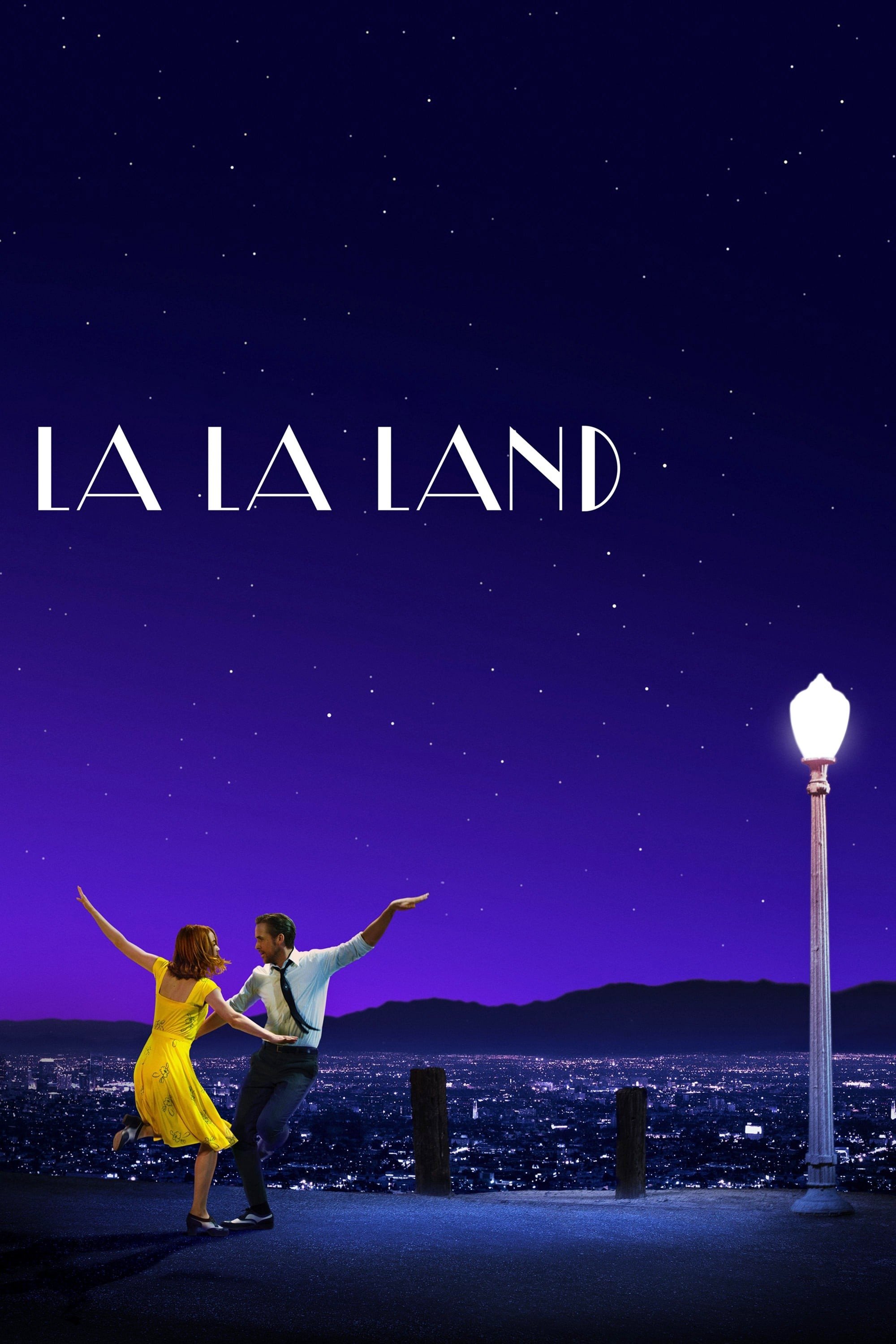
A massive traffic jam on a Los Angeles highway transforms into a vibrant musical number featuring singing and dancing commuters. The camera weaves through cars and performers to capture the song ‘Another Day of Sun’ in what appears to be a single take. Damien Chazelle coordinated this elaborate sequence to establish the dreamlike musical tone of the film. The scene ends by settling on the protagonists as the traffic begins to move again.
‘Halloween’ (1978)

The camera adopts the point of view of a mysterious intruder watching a house from the outside before breaking in. Viewers see through the eyes of the killer as he navigates the home and picks up a kitchen knife. The sequence culminates in a shocking reveal of the killer’s identity after he walks back out to the front lawn. John Carpenter used this technique to force the audience into an uncomfortable complicity with the antagonist.
‘Snake Eyes’ (1998)
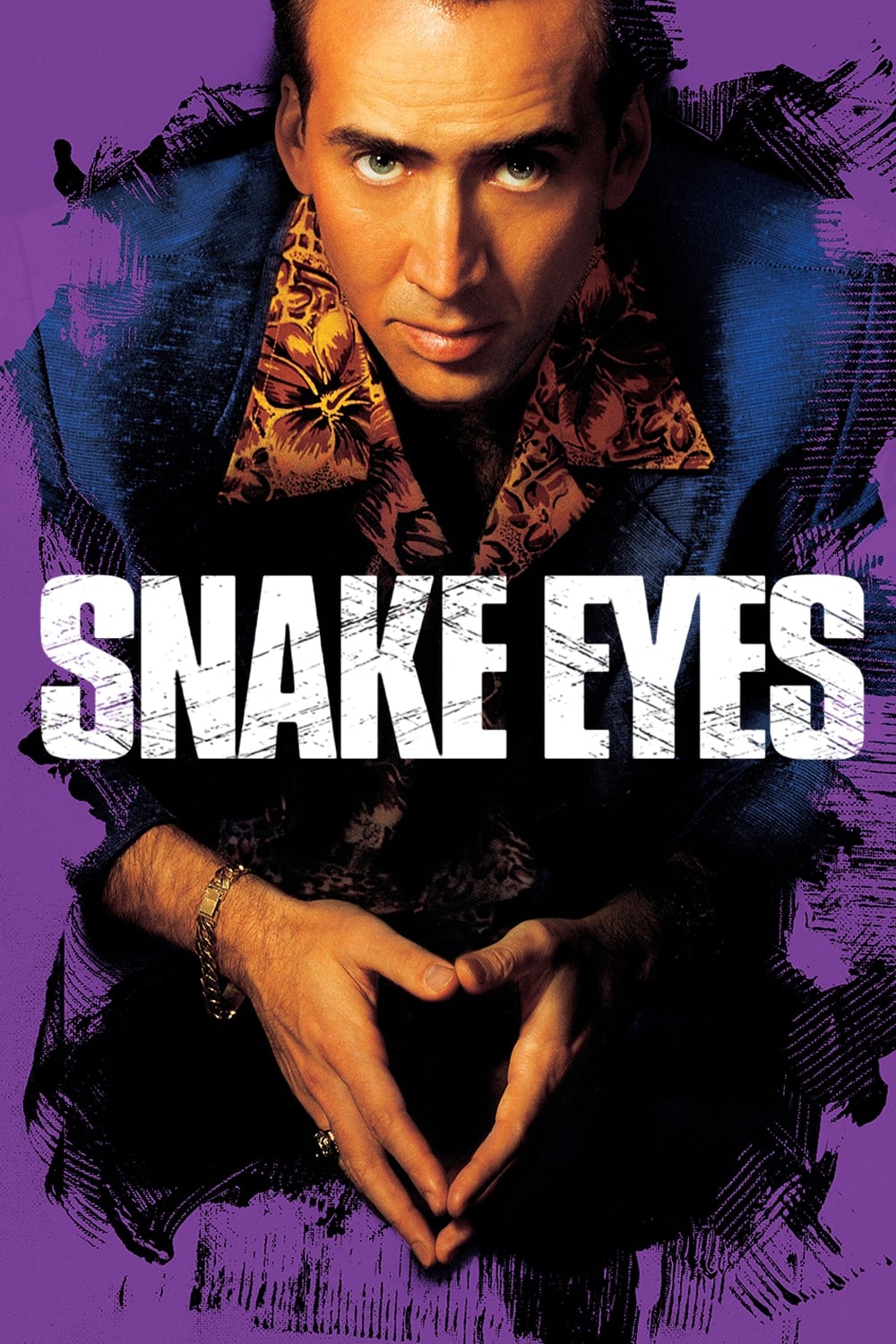
Nicolas Cage plays a corrupt detective moving through an Atlantic City boxing arena during a high-profile fight night. The camera follows him for nearly thirteen minutes as he interacts with various characters and uncovers a conspiracy. Brian De Palma constructed the sequence to show the geography of the assassination that occurs during the match. The intricate blocking highlights the chaos and excitement surrounding the sporting event.
‘Lord of War’ (2005)
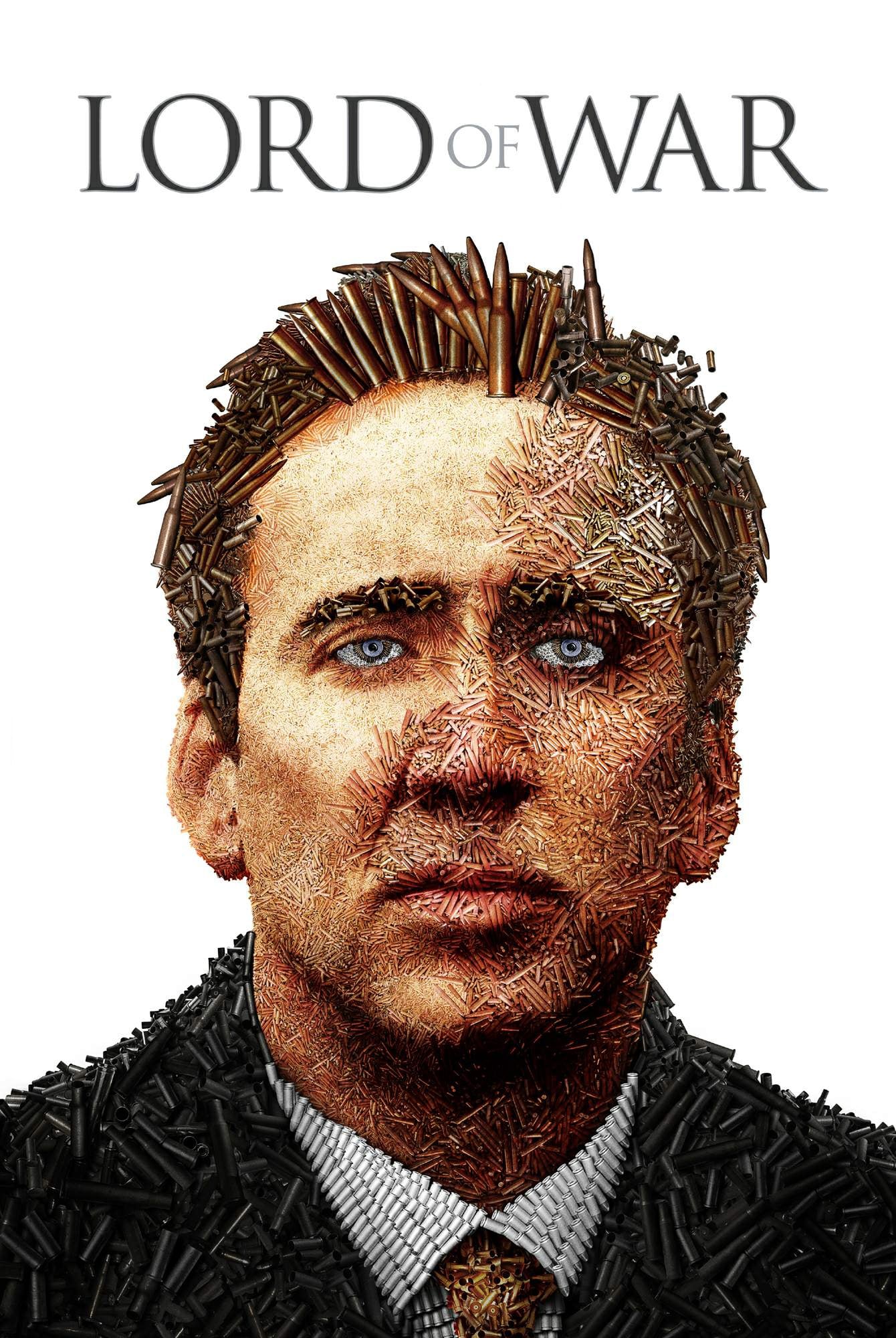
The opening sequence follows the life cycle of a single bullet from its manufacture in a factory to its final destination. Viewers watch the ammunition travel on conveyor belts and through shipping crates before being loaded into a weapon in a conflict zone. The camera adopts the perspective of the bullet as it travels through the barrel and strikes a victim. This visual journey grimly illustrates the global arms trade theme of the movie.
‘Jackie Brown’ (1997)
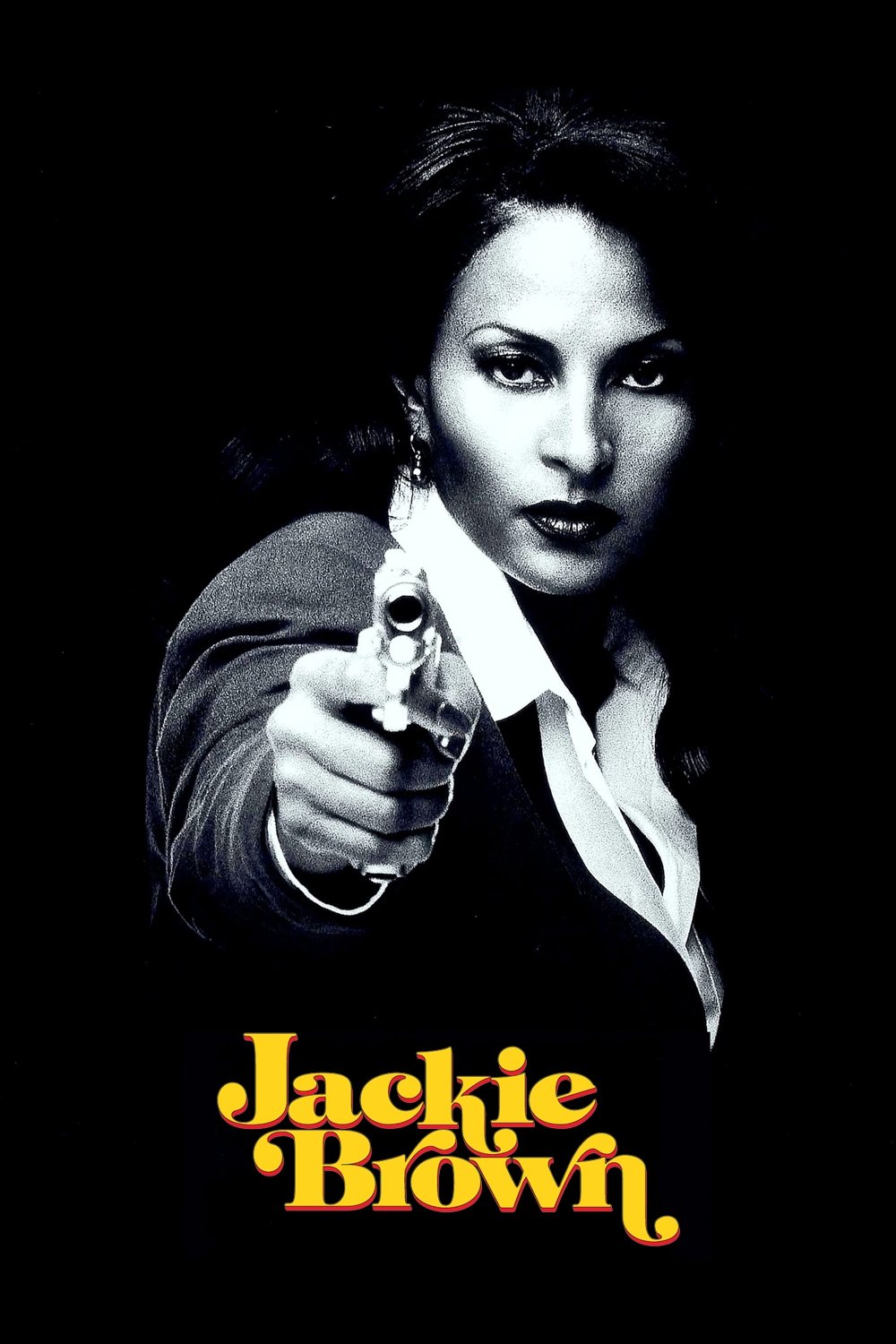
Pam Grier stands in profile on a moving airport walkway while the opening credits roll past her. The camera tracks her gliding motion against a colorful tiled wall to the sound of ‘Across 110th Street’. Quentin Tarantino pays homage to the blaxploitation genre and Grier’s iconic status with this simple yet effective introduction. The shot establishes the cool and composed demeanor of the titular character before the plot begins.
‘Forrest Gump’ (1994)
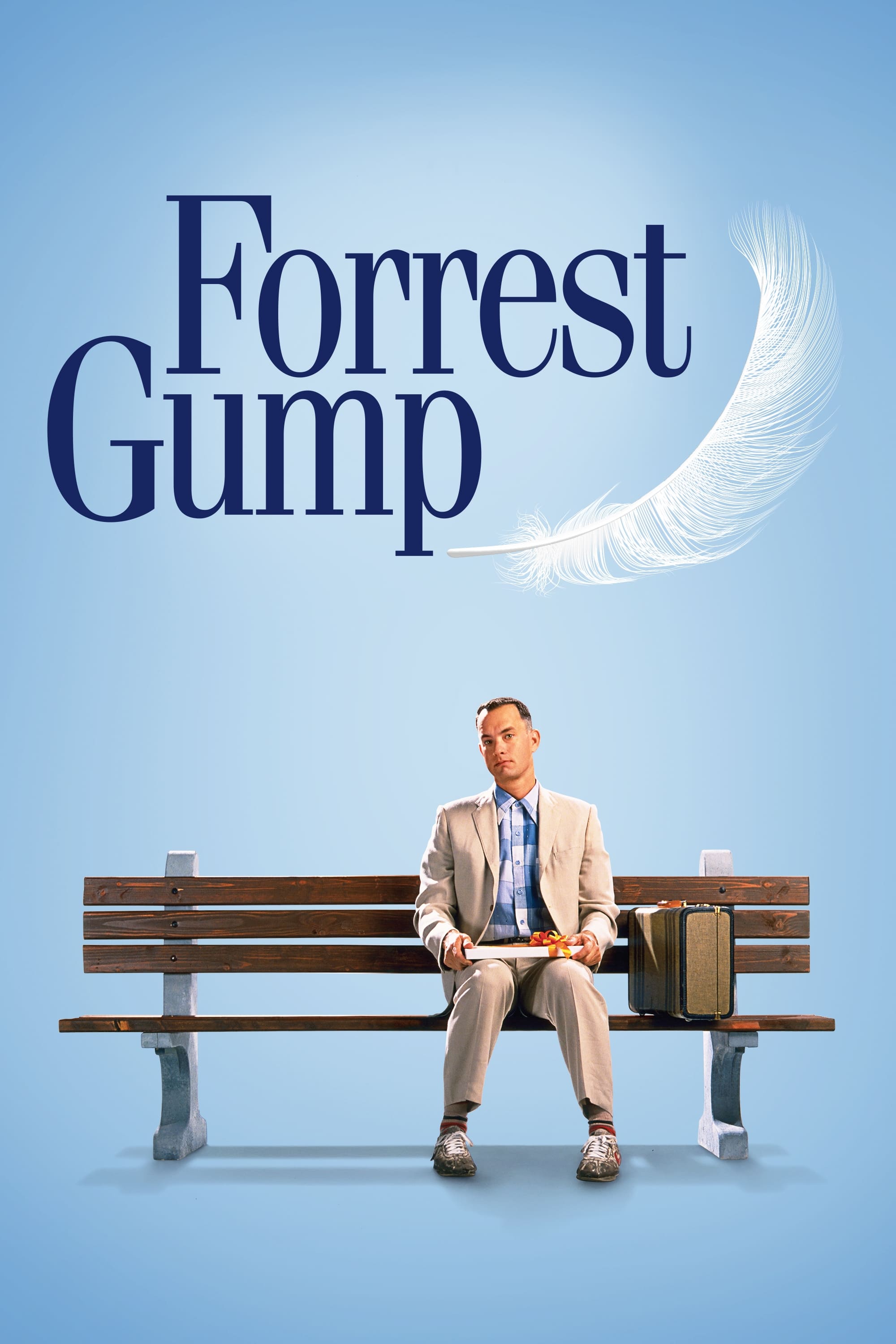
A white feather floats down from the sky and drifts through the streets of Savannah in Georgia. The camera follows its unpredictable path past buildings and cars until it lands at the feet of the protagonist. Tom Hanks picks up the feather and places it in his suitcase while waiting on a bus bench. This computer-generated shot symbolizes the theme of destiny and the random nature of life events.
‘The Conversation’ (1974)
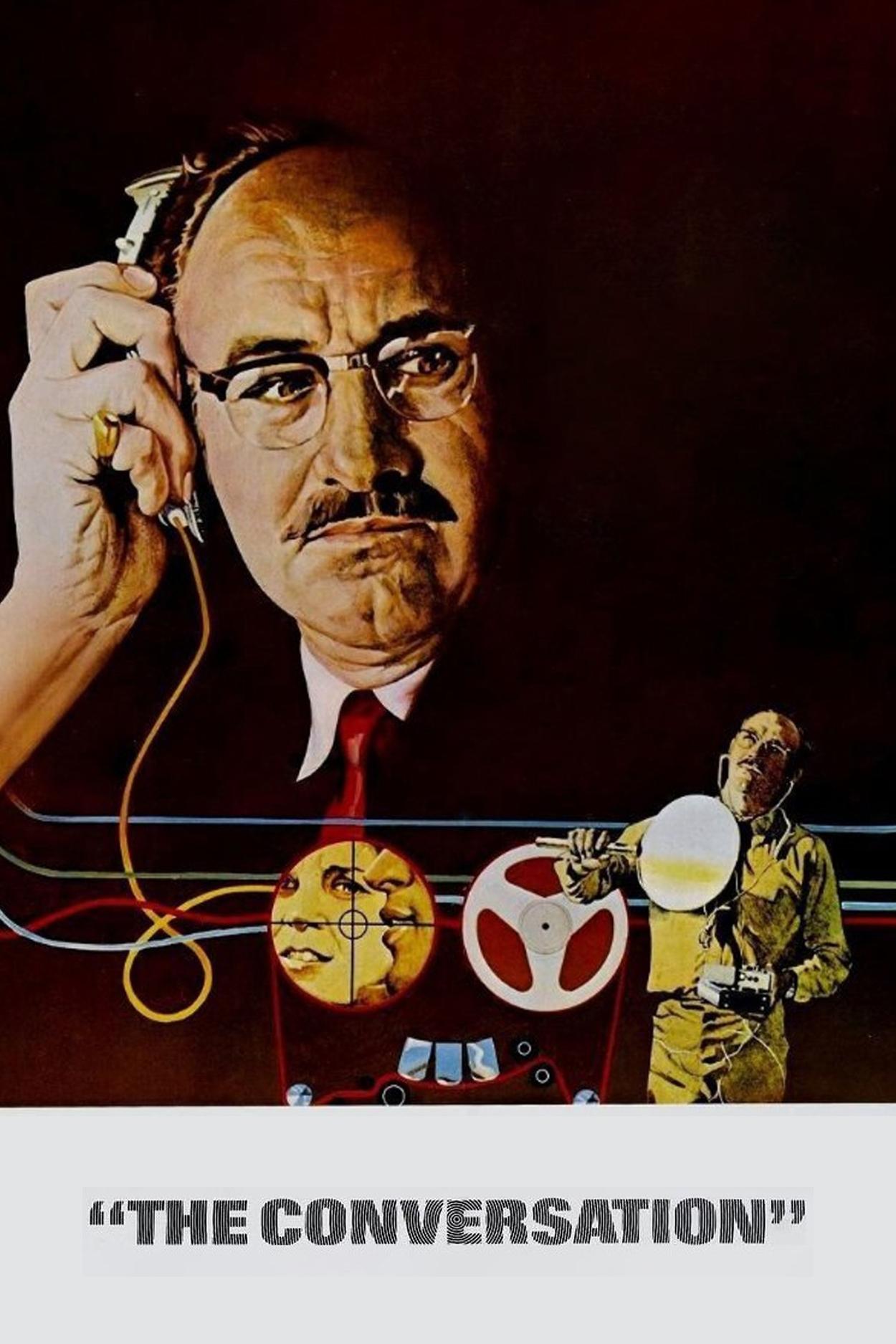
The camera slowly zooms in from a high angle overlooking Union Square in San Francisco where a mime mimics passersby. Electronic glitches and snippets of distorted audio play as the shot focuses on a specific couple walking through the crowd. Francis Ford Coppola uses this long take to establish the themes of surveillance and voyeurism. The audience immediately assumes the role of an eavesdropper trying to decipher a hidden message.
‘Panic Room’ (2002)
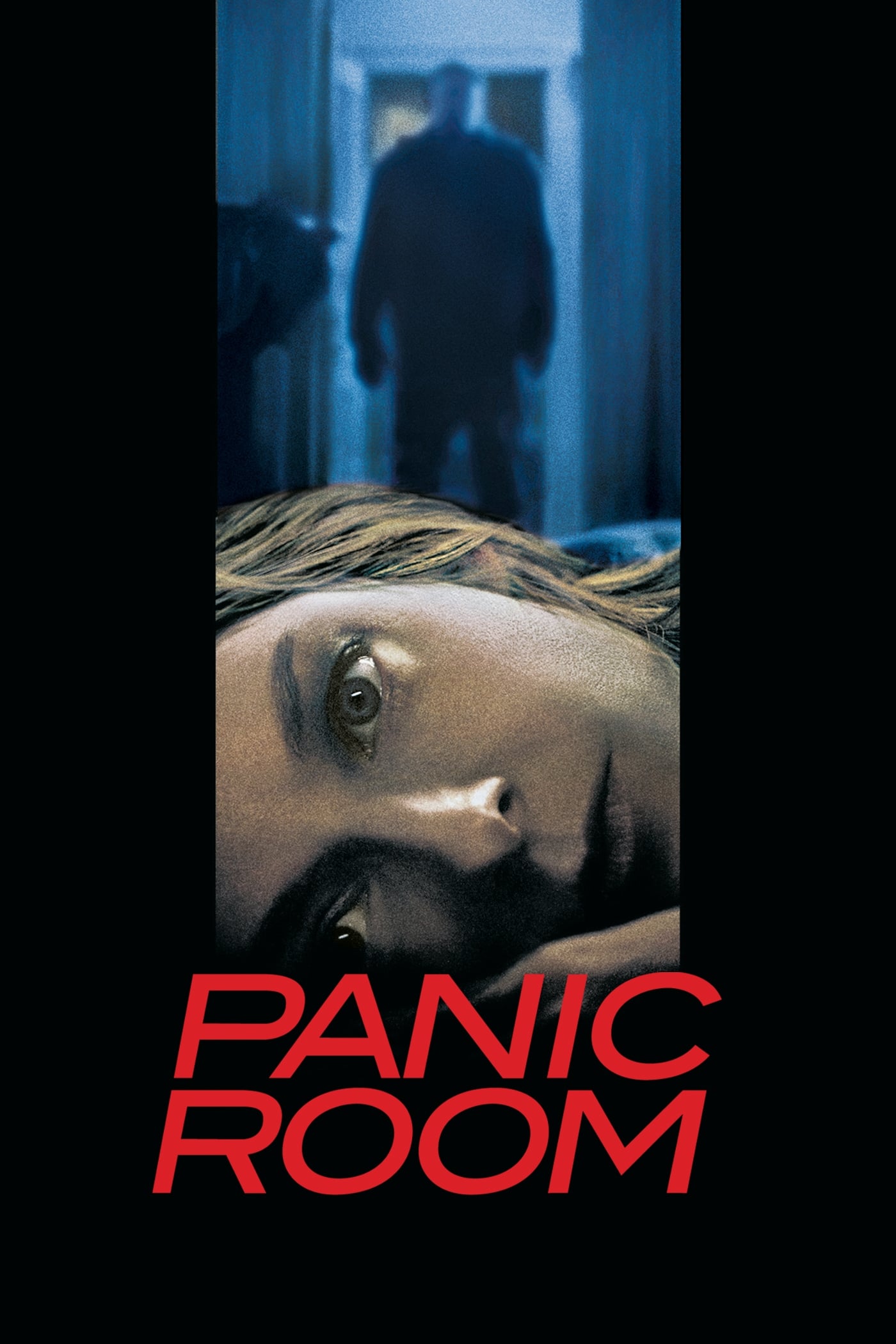
Giant three-dimensional credit text floats between the skyscrapers of New York City as the camera pans across the skyline. The shot moves seamlessly past buildings and down to the street level to find the main characters. David Fincher utilized visual effects to create a camera movement that would be physically impossible to achieve with traditional equipment. The sequence establishes the urban setting and the sense of vulnerability within the city.
‘Fight Club’ (1999)

The camera pulls back from the microscopic firing of neurons within a human brain to reveal the barrel of a gun. It continues to retreat through sweat pores and hair follicles until it shows the protagonist with a pistol in his mouth. This computer-generated journey visualizes the internal chaos and fear occupying the narrator’s mind. David Fincher sets the dark and psychological tone of the narrative immediately with this descent.
‘The Bonfire of the Vanities’ (1990)
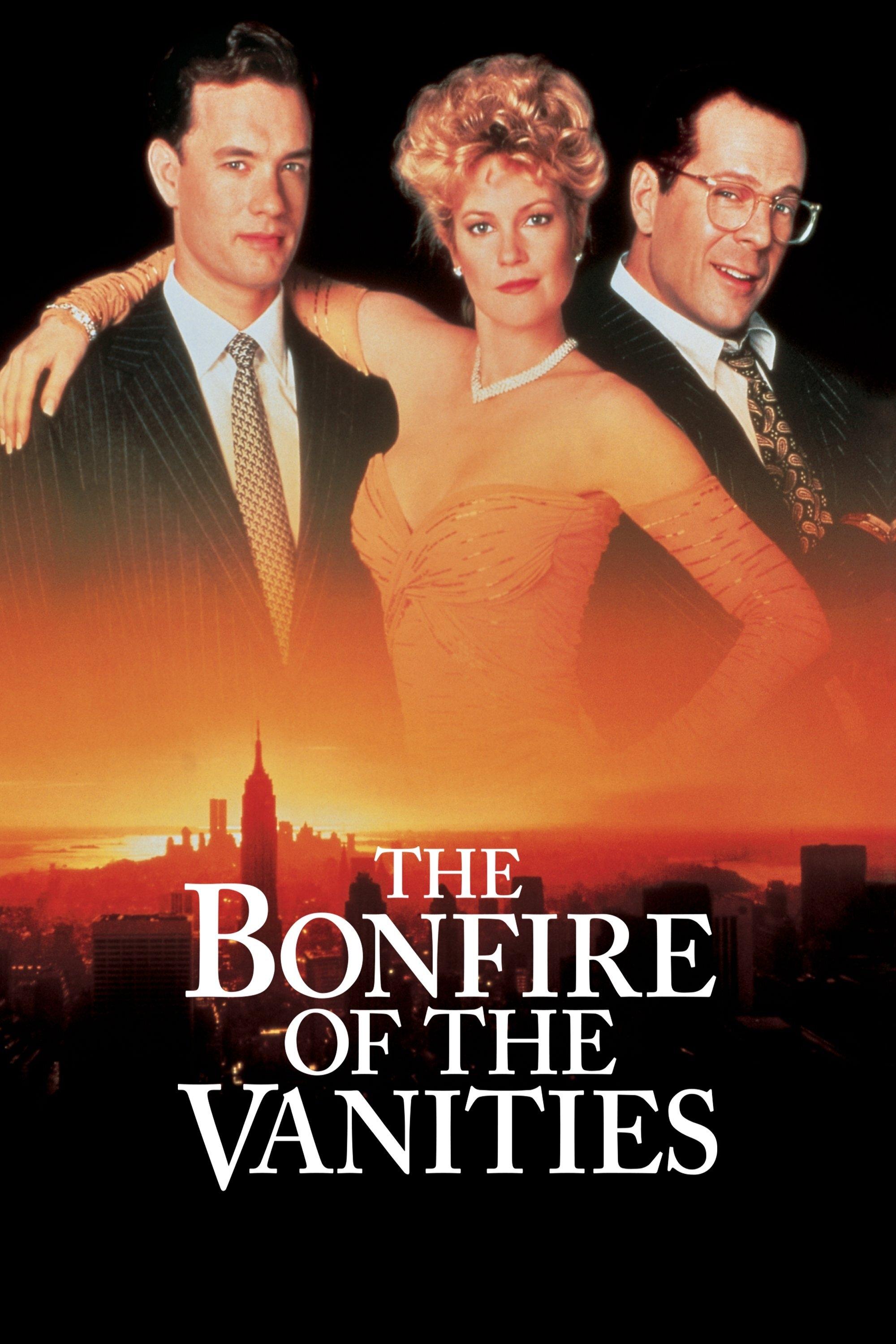
A drunk journalist played by Bruce Willis stumbles through the basement levels of a luxury building to a chaotic press event. The steadicam shot navigates elevators and hallways while capturing the frenetic energy of the New York social scene. Brian De Palma designed the shot to contrast the underground machinery with the glamorous world above. It serves as a complex logistical feat that introduces the satirical nature of the story.
‘Contact’ (1997)
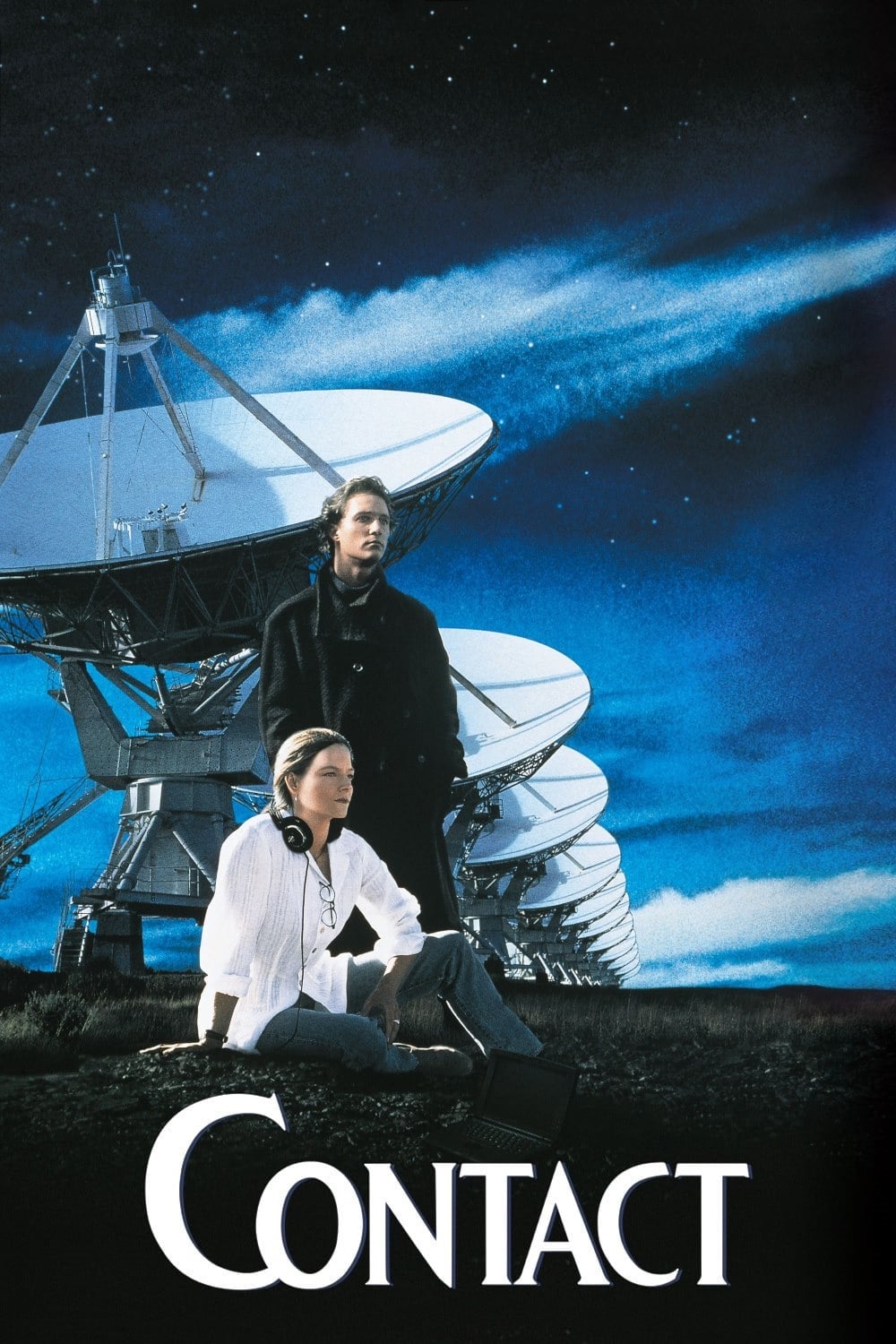
The camera pulls back from Earth to reveal the solar system and then the entire galaxy while radio broadcasts from history play in reverse chronological order. As the view expands into the silence of deep space the audio travels back to the earliest recorded sounds. The shot eventually retreats through the iris of a young girl’s eye as she listens to a ham radio. Robert Zemeckis uses this visual to illustrate the vastness of the universe and the human desire for connection.
‘Baby Driver’ (2017)

The protagonist dances through the streets of Atlanta on a coffee run while the environment syncs with the song in his headphones. Graffiti and street signs align perfectly with the lyrics of the track as he moves continuously toward the coffee shop and back. Edgar Wright choreographed the scene to establish the rhythmic connection between the music and the main character’s world. The seamless flow highlights the precision driving and timing that defines the rest of the film.
‘Funny Games’ (1997)
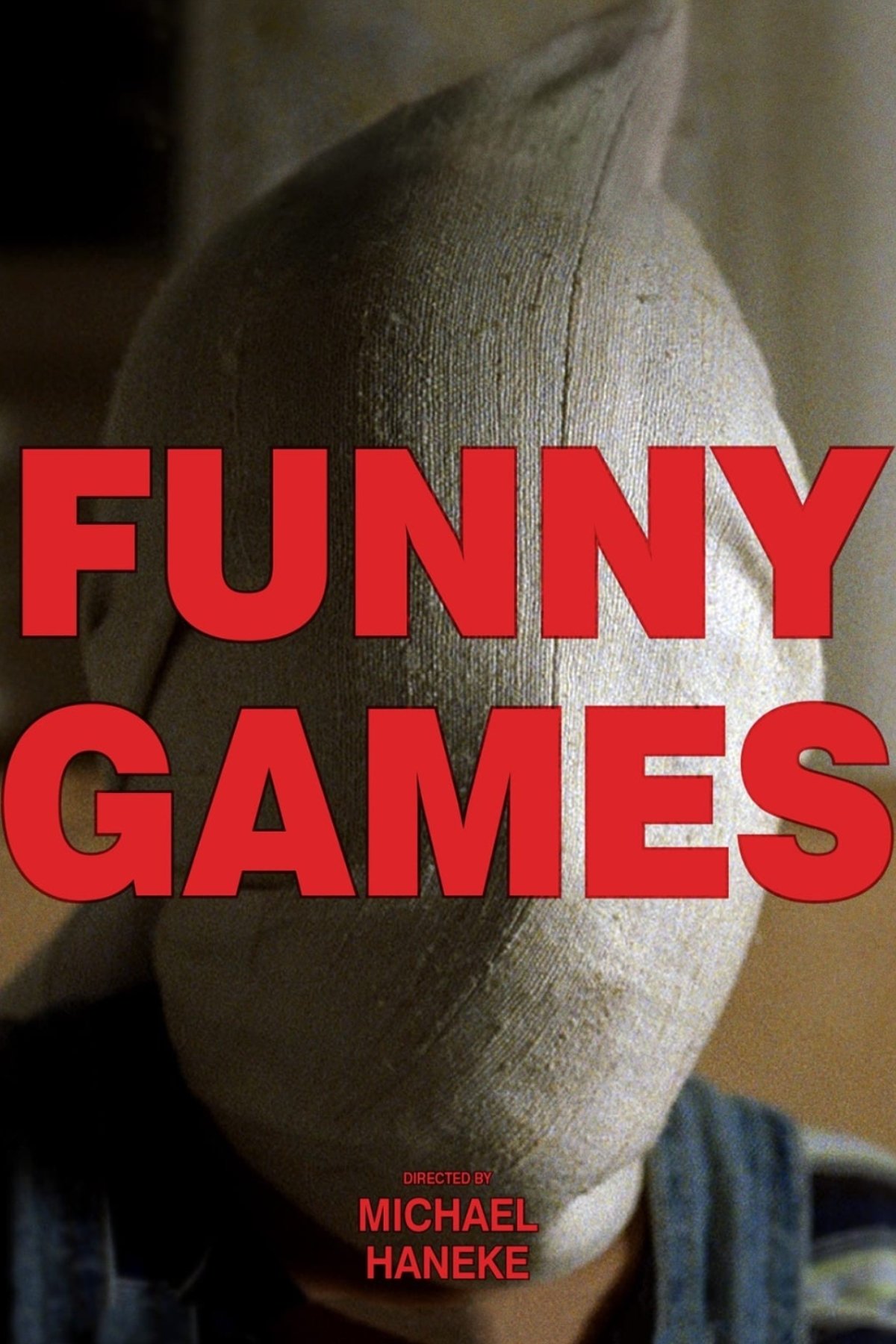
Two men drive their family to a vacation home while playing a guessing game with classical music. The camera stays fixed on the interior of the car as the serene atmosphere is suddenly interrupted by jarring heavy metal music. Michael Haneke uses this long take to disrupt audience expectations and signal the brutal violence to come. The juxtaposition of the peaceful drive and the aggressive audio creates an immediate sense of unease.
‘It Follows’ (2014)
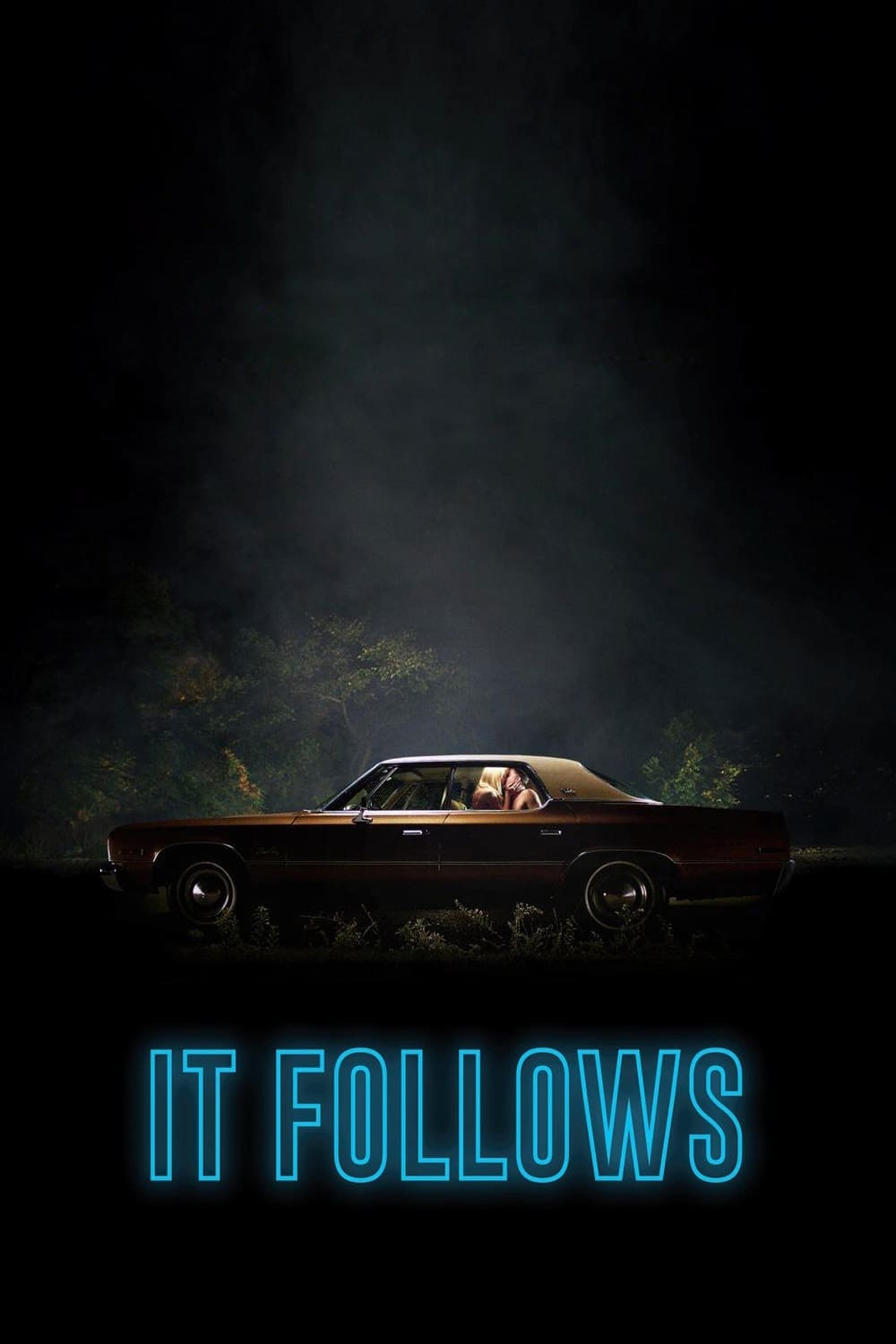
A young woman runs frantically out of her house and circles the neighborhood while looking back at an unseen threat. The camera pans around the street to show the quiet suburban setting in contrast to her sheer panic. She eventually drives away to a beach where the shot lingers as night falls. David Robert Mitchell uses the wide frame and continuous motion to establish the paranoia and inescapable nature of the entity.
‘Gravity’ (2013)
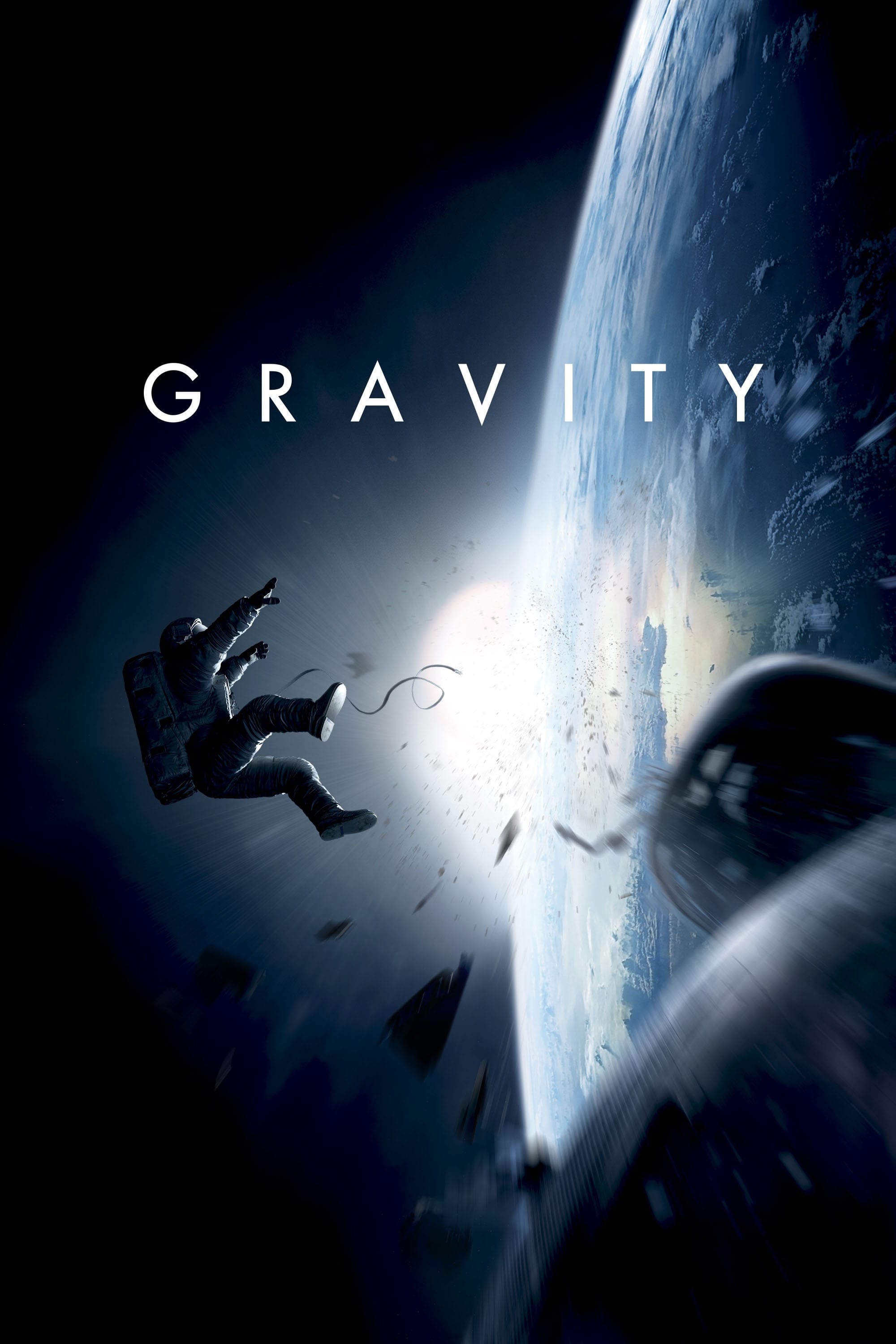
The camera floats silently in space to reveal a team of astronauts working on the Hubble Space Telescope. Viewers observe the mission for several minutes without a cut as debris begins to destroy their shuttle. Alfonso Cuarón orchestrated the sequence to immerse the audience in the disorientation and terror of being untethered in orbit. The lack of cuts emphasizes the isolation and the physical continuity of the disaster.
‘Day for Night’ (1973)

A crane shot captures a busy street scene where an actor walks out of a subway station and confronts his father. As the action completes the voice of the director calls cut and the illusion of the movie set is revealed. François Truffaut plays the director and the camera pulls back to show the crew and equipment. This meta-opening celebrates the art of filmmaking and establishes the movie-within-a-movie structure.
Please share your favorite film opening from this list in the comments.