14 Anime Adaptations That Whitewashed Black-Inspired Characters



Anime adaptations often face scrutiny when character designs drift too far from the original source material. One recurring issue involves the lightening of skin tones for characters who were originally depicted with Black or dark-skinned features in manga and light novels. This visual alteration can diminish the diversity intended by the original creators and erase distinct ethnic traits. The following list highlights instances where anime production choices resulted in significantly paler versions of Black-inspired characters.
‘Berserk’ (2016)
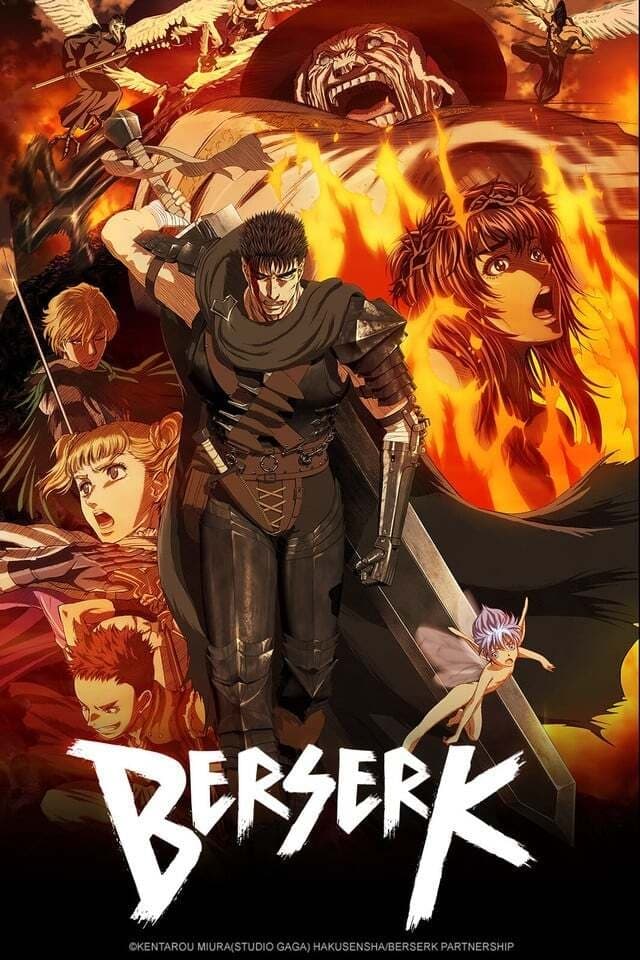
The 2016 television adaptation of this dark fantasy series drew heavy criticism for its visual treatment of the protagonist Casca. Kentaro Miura depicted her with dark brown skin in the manga and this was maintained in the earlier 1997 anime series. The 2016 production rendered her with a pale complexion that removed her distinct ethnic features and washed out her design. Fans noted that this change diminished her visual identity and contrasted poorly with the established canon.
‘One Piece’ (1999–Present)
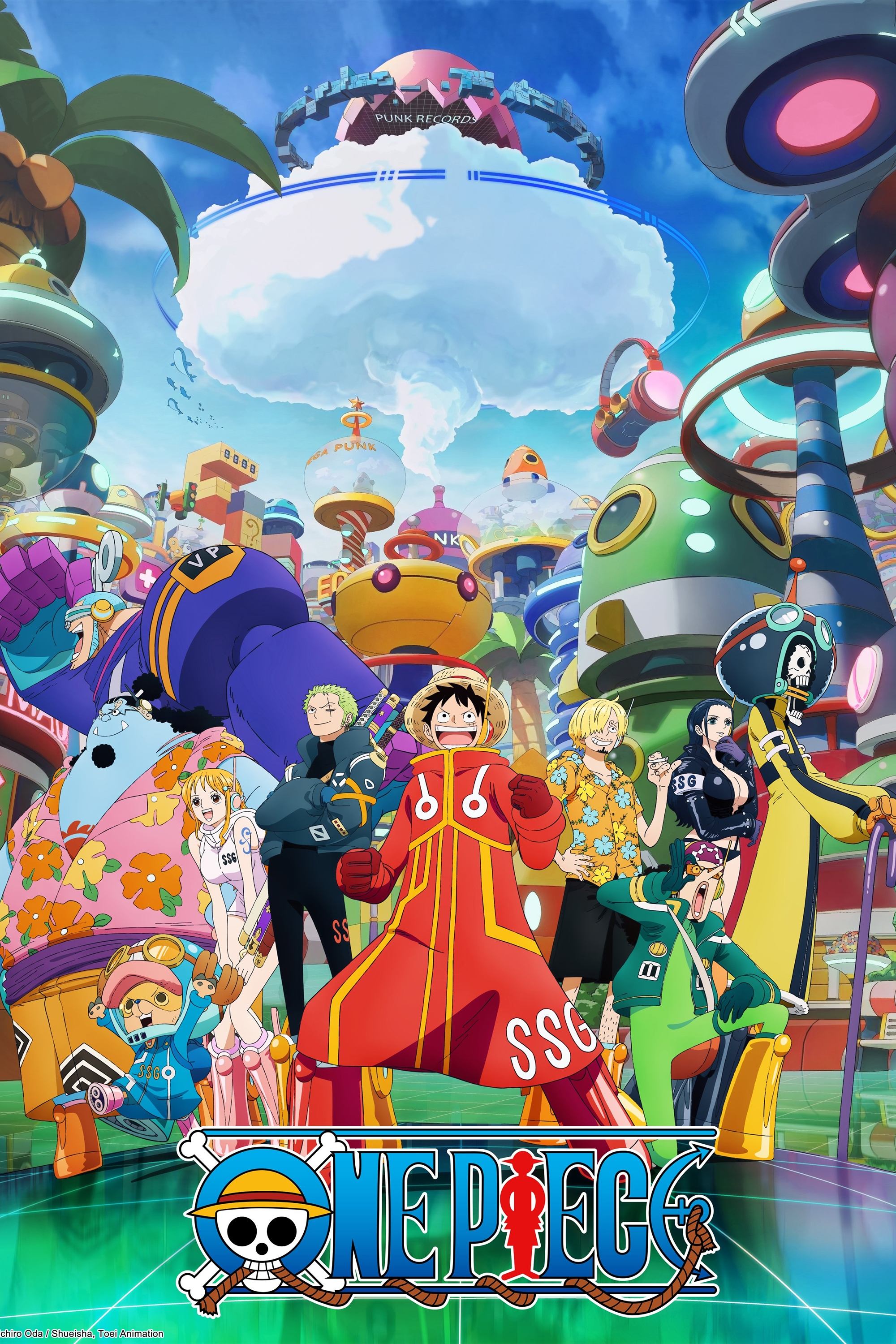
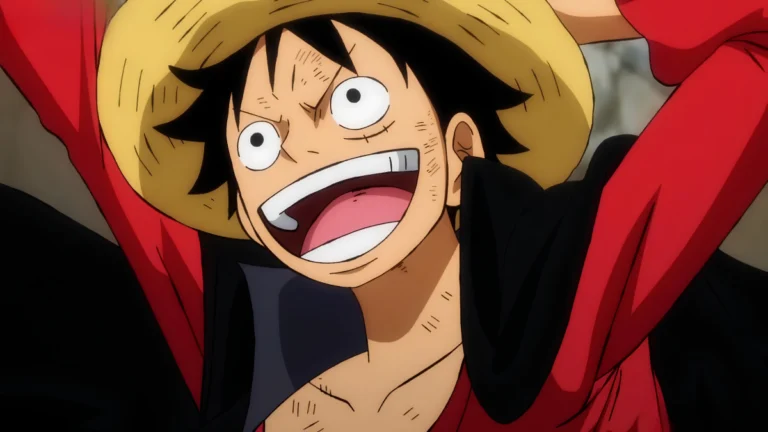
Creator Eiichiro Oda stated in interviews that the sharpshooter Usopp would be African if the series took place in the real world. The anime adaptation consistently colors him with a pale or light tan complexion that contradicts this description. This contrasts with manga color spreads where he often appears with a visibly darker skin tone than his crewmates. The live action adaptation eventually cast a Black actor to align more closely with the creator’s original intent.
‘Sailor Moon’ (1992–1997)
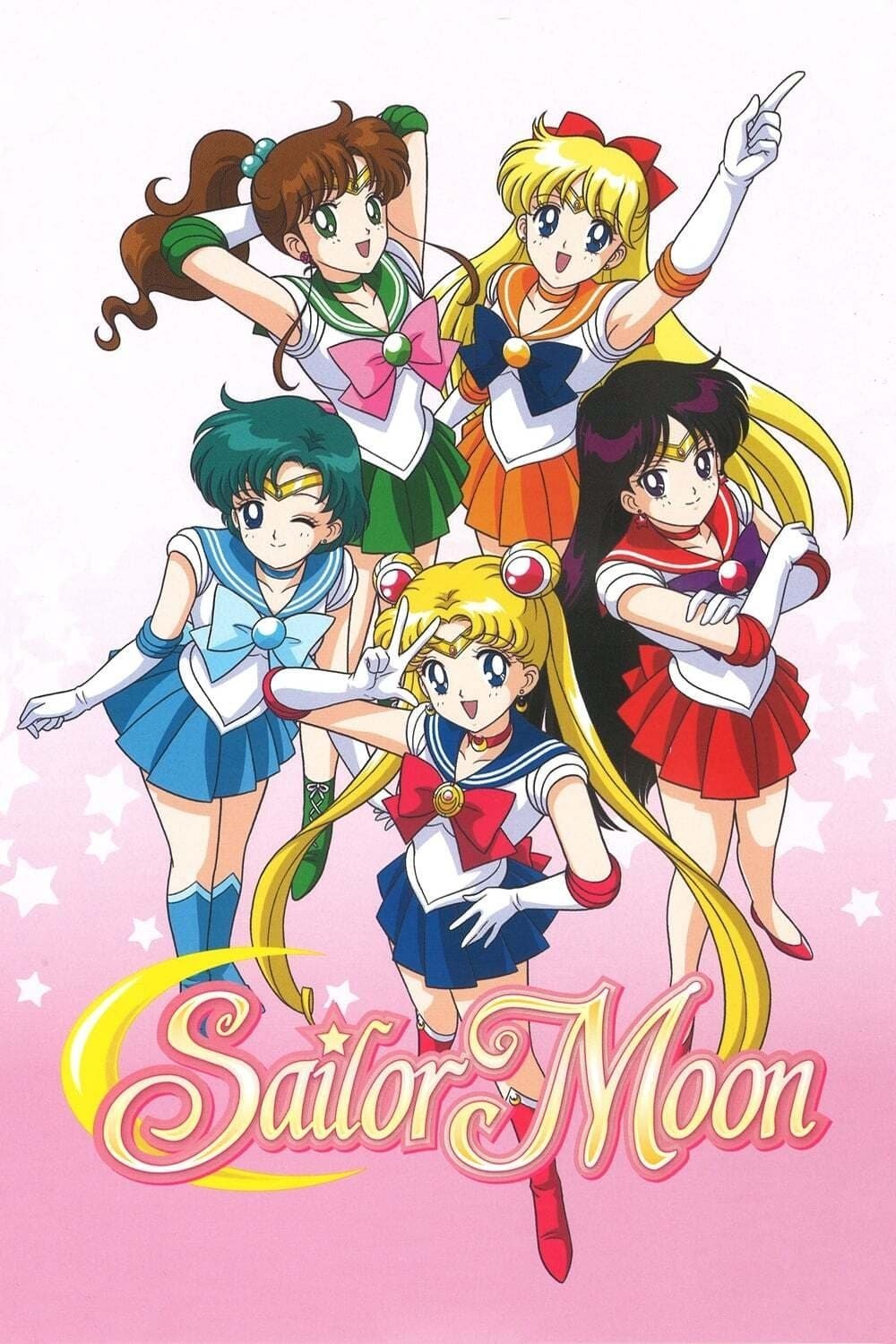
Setsuna Meioh appears in the original manga with a skin tone noticeably darker than the other Sailor Guardians. The 1990s anime adaptation removed this distinction and colored her with the same pale complexion as the rest of the Japanese cast. This creative choice erased a unique physical trait that distinguished her visually as the Guardian of Time. Later adaptations like ‘Sailor Moon Crystal’ eventually restored her darker skin to match the source material.
‘Bleach’ (2004–2012)
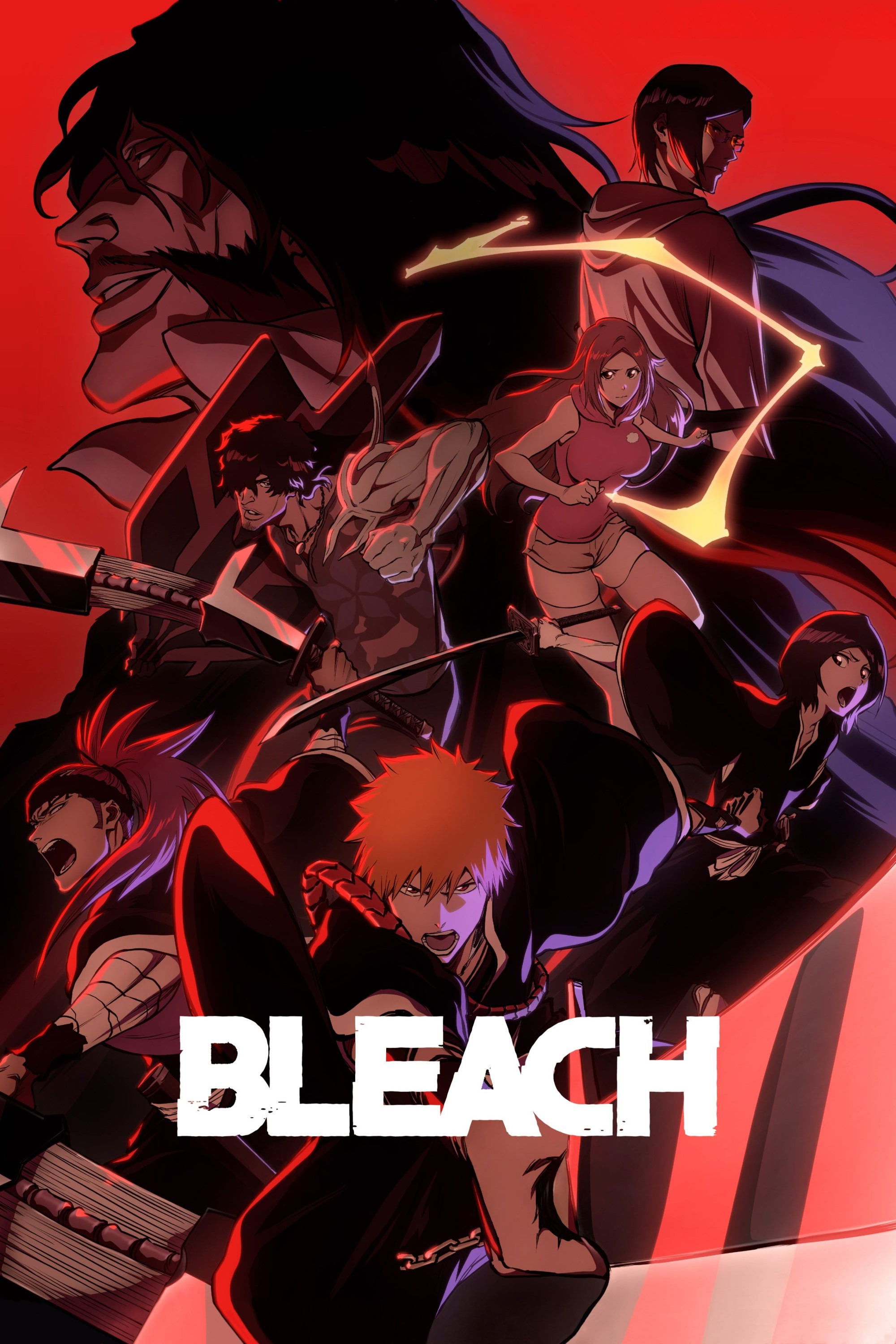
This popular series features Yoruichi Shihouin who is originally depicted with dark brown skin in manga color illustrations. The anime adaptation lightened her complexion significantly to a medium tan that lacks the depth of the original art. This discrepancy continues in various merchandise and promotional materials released for the franchise over the years. Her visual design in the animated series lacks the deep contrast found in Tite Kubo’s original character sketches.
‘My Hero Academia’ (2016–Present)
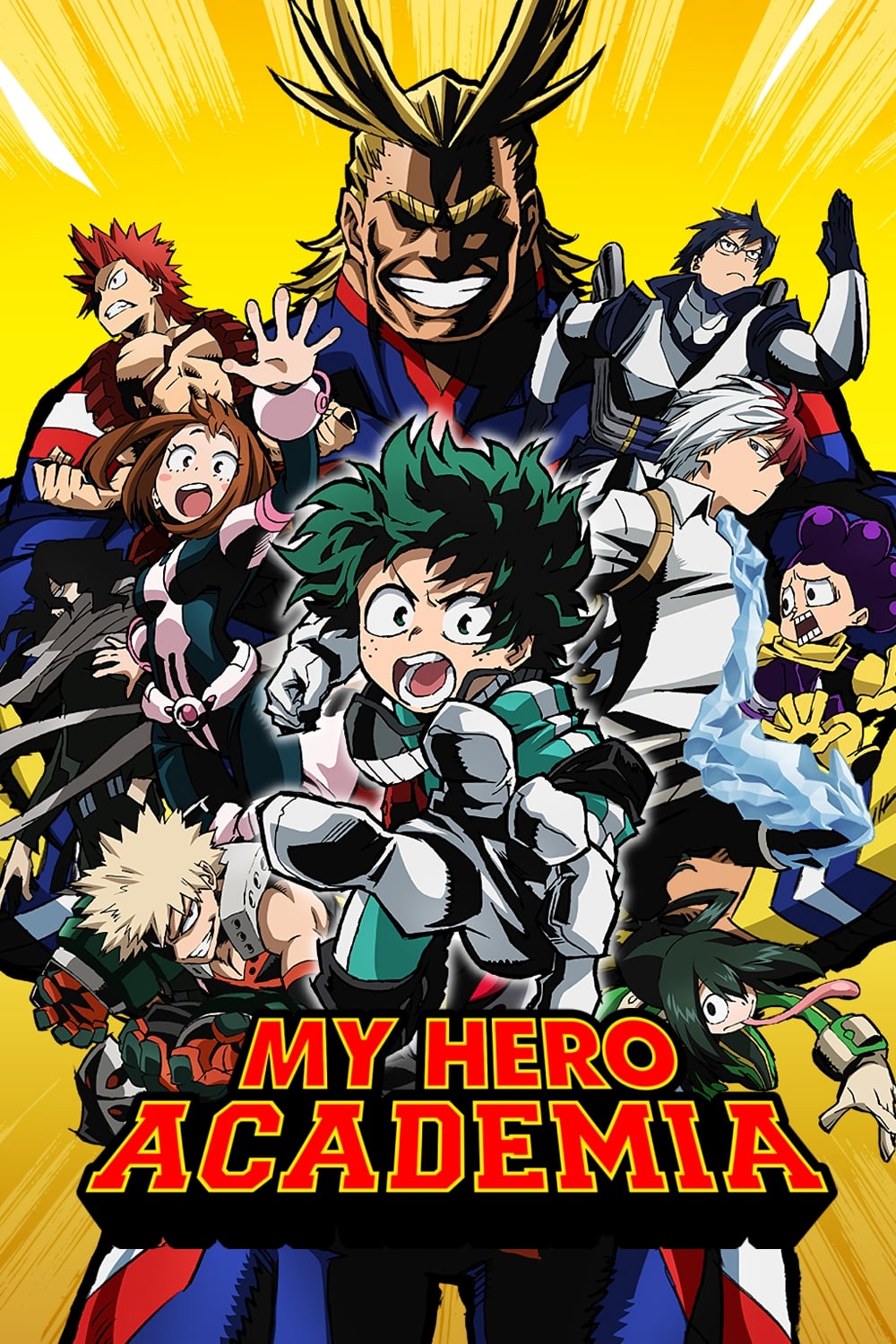
The Rabbit Hero Mirko became a fan favorite in the manga for her muscular build and dark skin. Studio Bones animated the character with a much lighter complexion that borders on a simple tan rather than the deep brown of the source material. Manga covers and sketches by Kohei Horikoshi consistently show her with a distinctively dark skin tone. The anime color palette significantly reduced the intensity of her original design and disappointed many fans.
‘Nadia: The Secret of Blue Water’ (1990–1991)
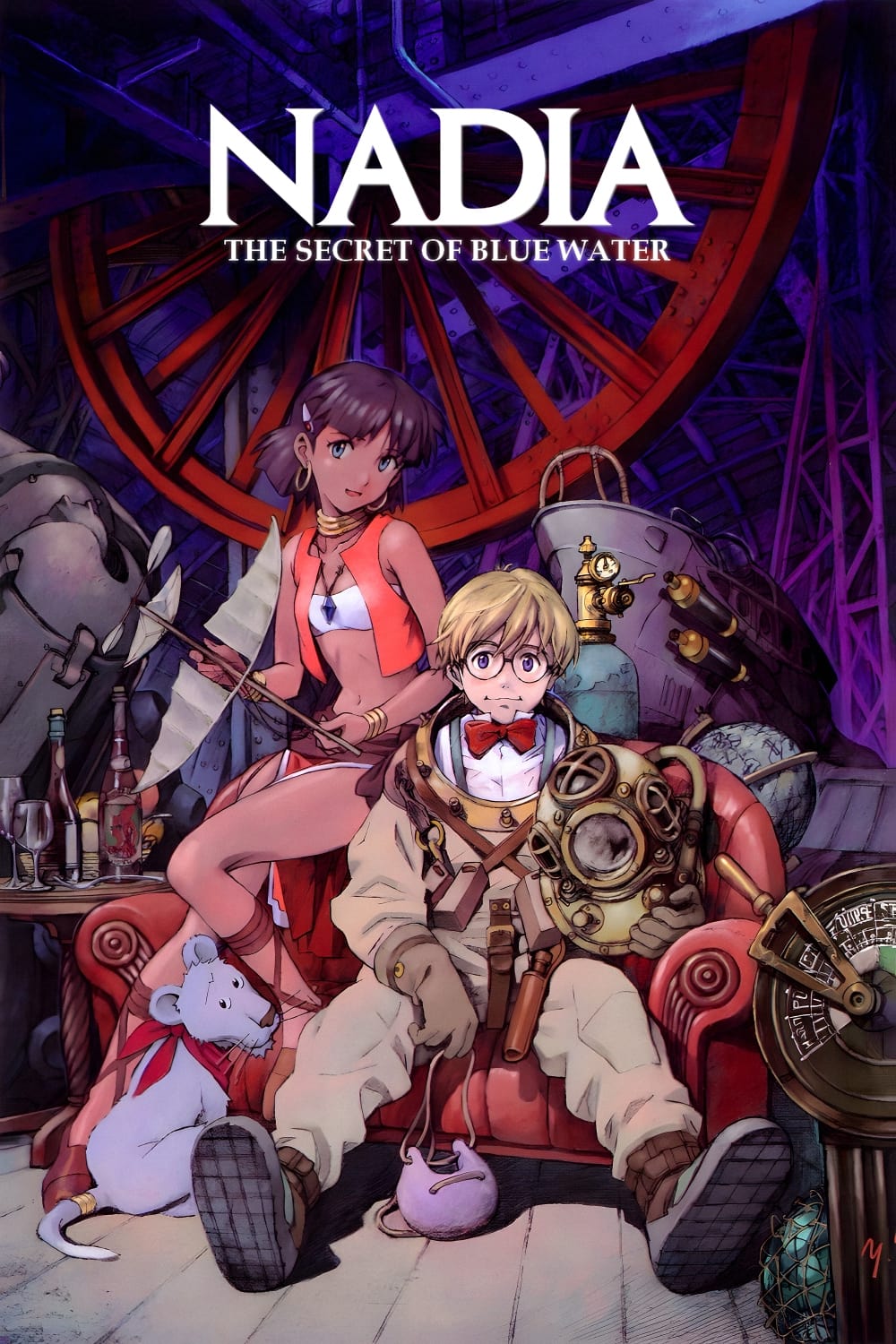
This series features a lead character of African descent who retains her dark skin in the television broadcast. Promotional artwork and the subsequent movie adaptation frequently depicted her with significantly lighter skin. This inconsistency confused fans who recognized her heritage as a central plot point regarding her origins. The official release of the movie poster famously showed a whitewashed version of the character that ignored her established identity.
‘Hunter x Hunter’ (2011–2014)
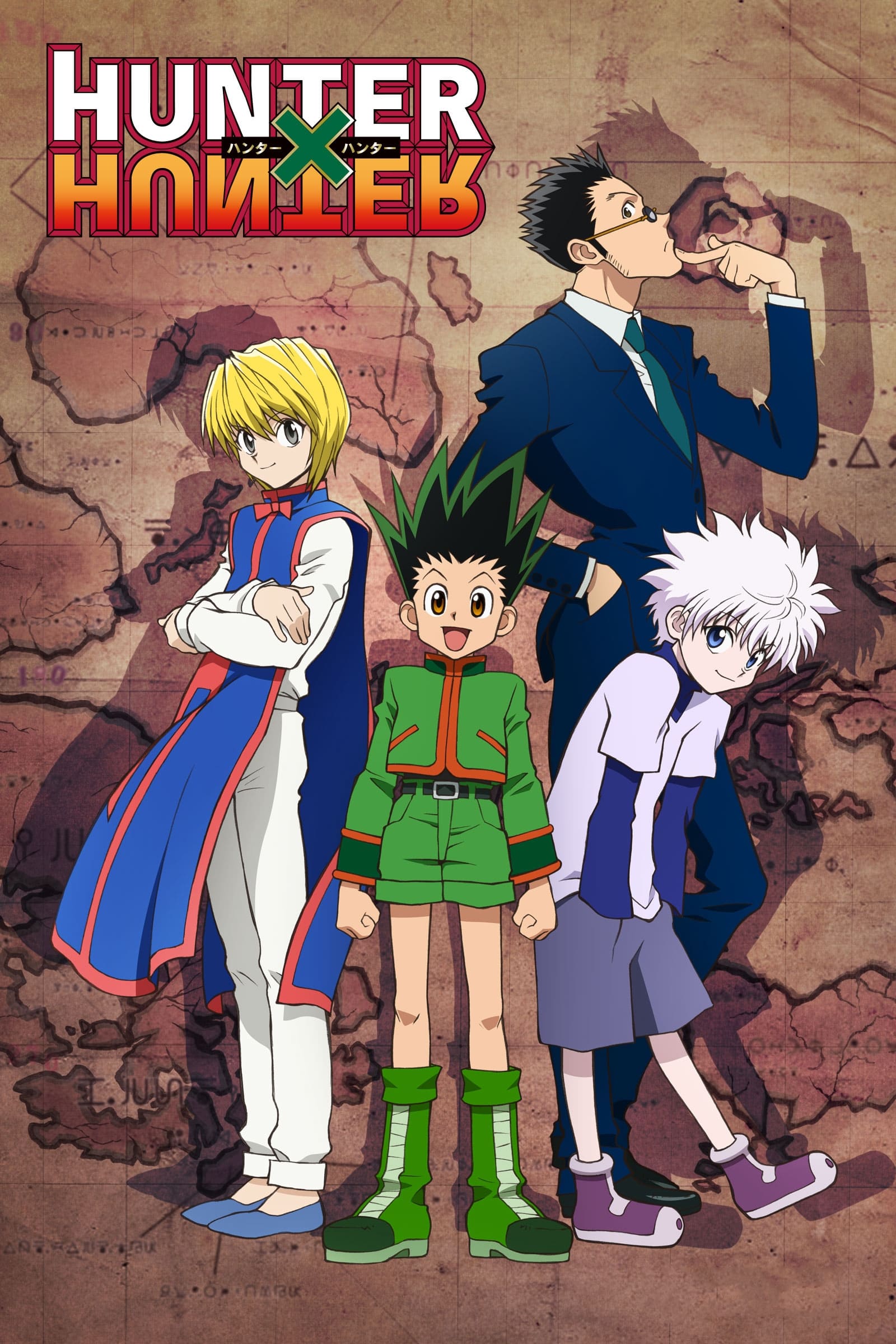
The Zoldyck family butler Canary is a young girl with distinct African features and dark skin in the manga. The 2011 anime series adapted her design with a lighter complexion that appears almost pale in bright lighting scenes. This change removed the visual contrast she held against the pale Zoldyck family members she serves. Her hair texture remained consistent while her skin tone lost the original depth intended by the author.
‘Fullmetal Alchemist: Brotherhood’ (2009–2010)
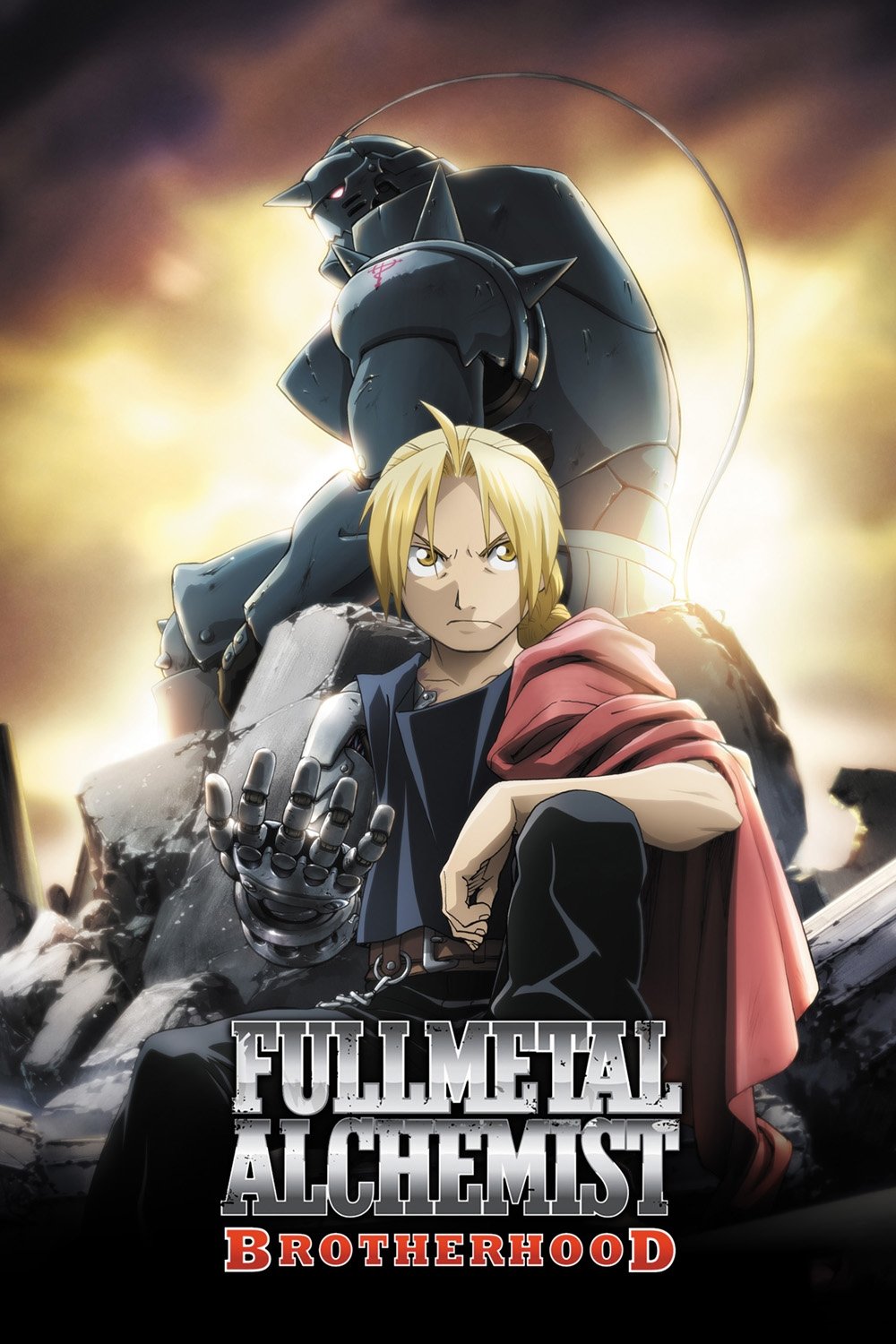
The manga depicts the Ishvalan people as an ethnic minority with brown skin and red eyes. The anime adaptation used a grayish or light tan palette for the character Scar that differs from the darker tones in Hiromu Arakawa’s art. This coloring choice affects the visual storytelling regarding the racial persecution of the Ishvalan people. The adaptation failed to capture the distinct brown skin tone evident in the manga covers and art books.
‘Soul Eater’ (2008–2009)
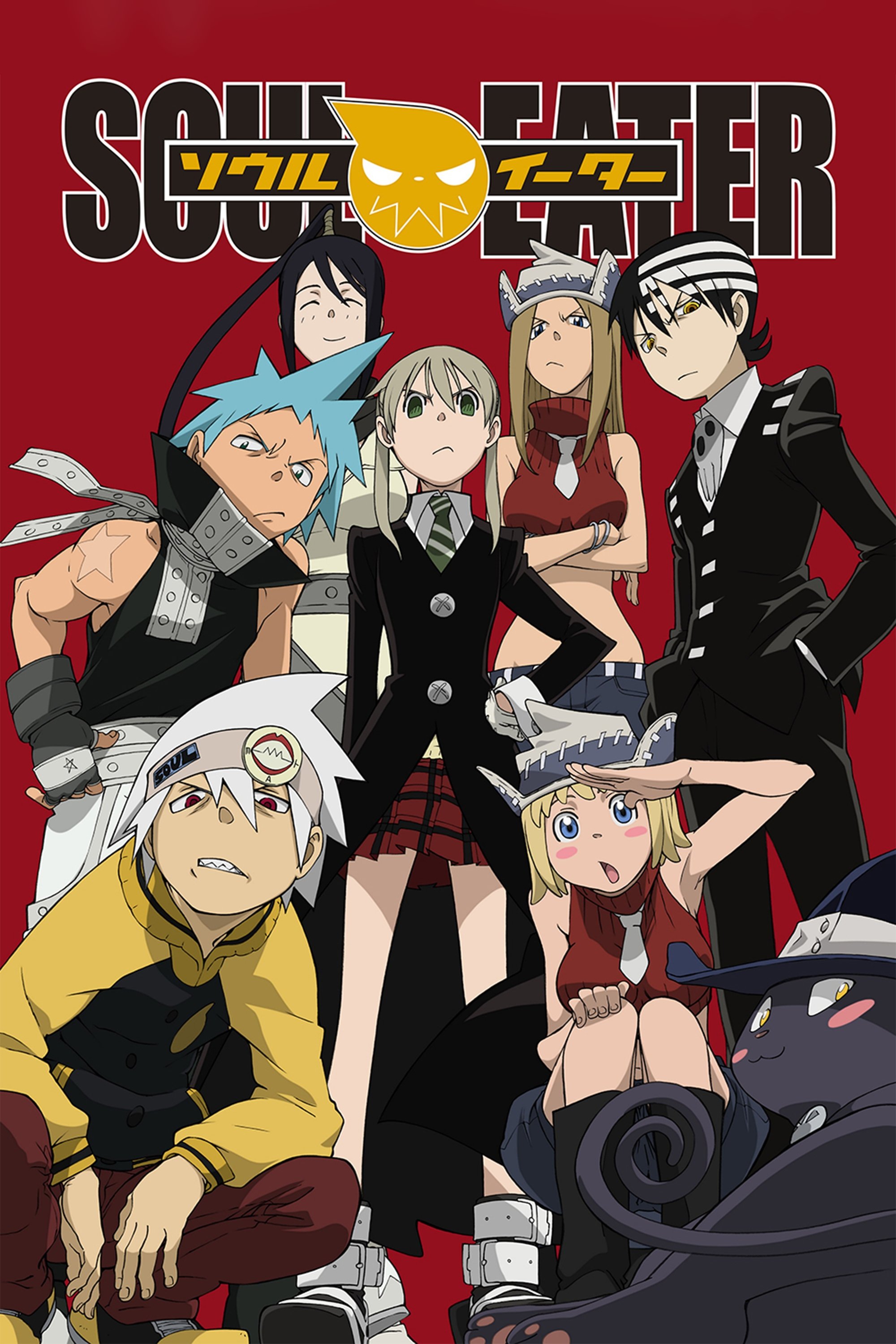
Kilik Rung is one of the few prominent Black characters in this series and draws inspiration from hip hop culture. The anime adaptation gave him a lighter skin tone compared to the dark brown used in Atsushi Ohkubo’s color artwork. His design includes distinct styling that the anime preserved while simultaneously washing out his complexion. The lightening of his skin remains a point of contention between the manga and anime versions.
‘Revolutionary Girl Utena’ (1997)
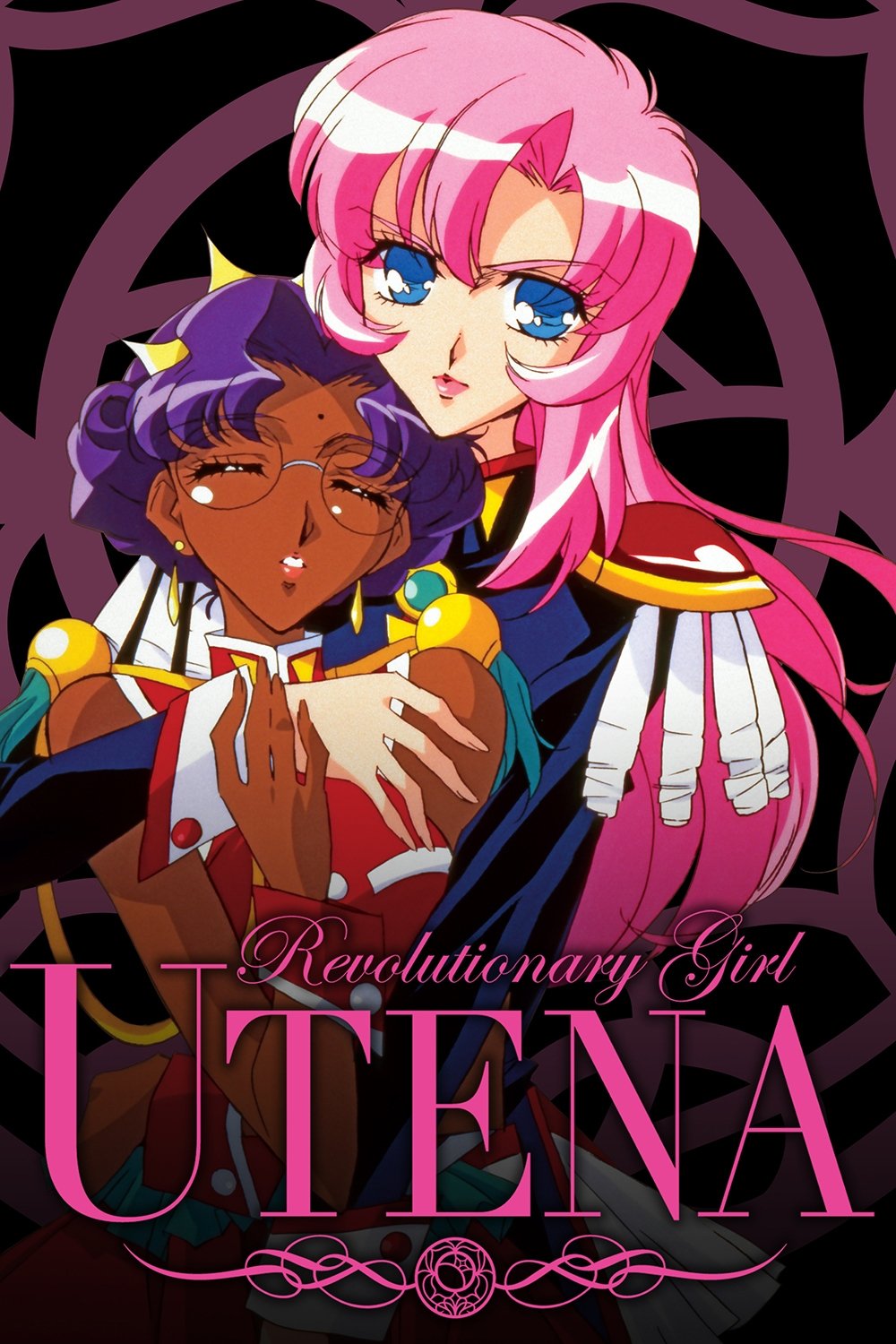
Anthy Himemiya is a character of Indian descent who is defined by her dark skin in the television series. The 1999 movie adaptation ‘Adolescence of Utena’ famously lightened her skin to a pale shade for its theatrical release. This drastic change occurred despite her dark skin being a defining trait in the original character design. The film adaptation removed a key visual element of her character without any narrative explanation.
‘Darker Than Black’ (2007)
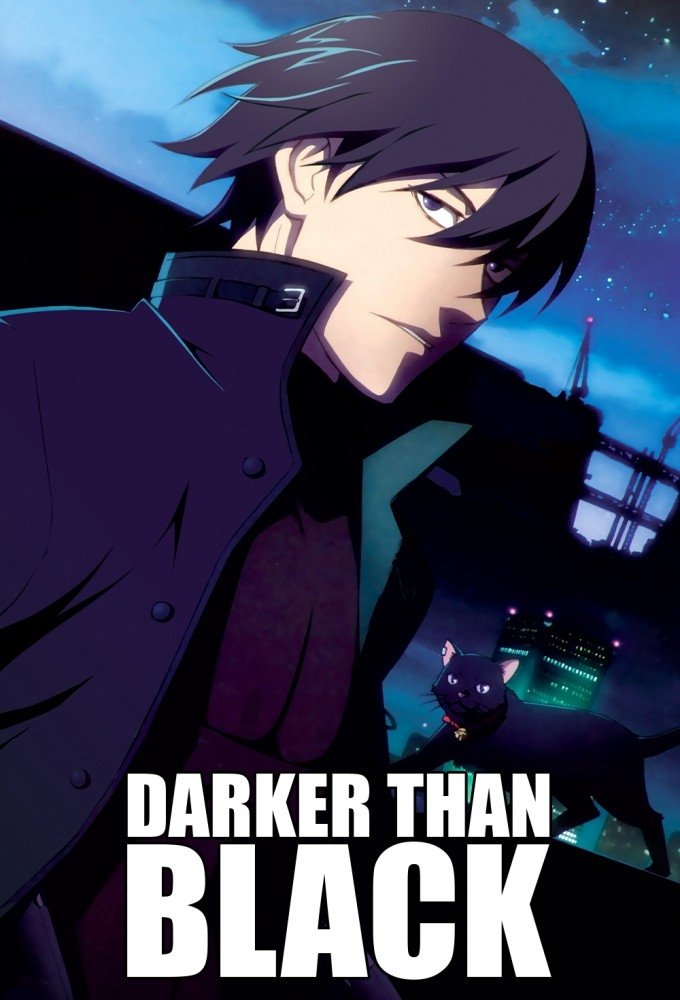
The character April appears in promotional materials and original design sheets with dark skin and icy blue hair. The actual anime series frequently lights her scenes in a way that makes her appear pale or washed out. Her distinct hair color was meant to contrast sharply with a deep complexion to create a striking visual. The animation production often failed to maintain the intended contrast of her character model during the show.
‘Sword Art Online’ (2012–Present)

Andrew Gilbert Mills is a recurring support character known as Agil who runs a shop in the virtual world. The light novel illustrations depict him with a rich brown skin tone fitting his African-American heritage. The anime series consistently colors him with a lighter and flatter brown shade than the source material. This adaptation choice diminishes the diversity of the cast present in the original text illustrations.
‘Black Lagoon’ (2006)
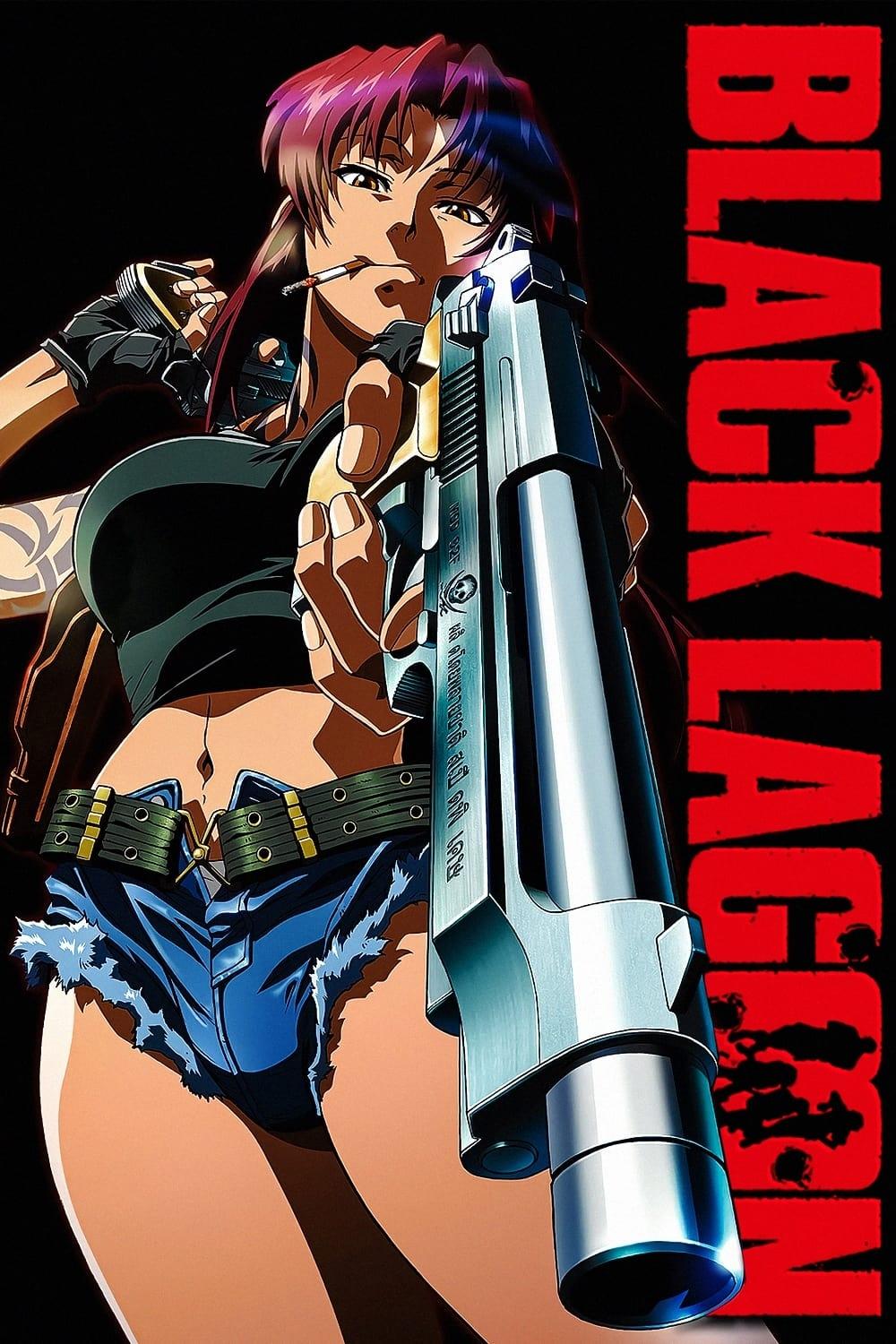
Dutch is the leader of the Lagoon Company and is an African-American Vietnam War veteran. The anime adaptation captures his features but often renders his skin tone lighter than the deep brown of the manga covers. Lighting effects in the show frequently wash out his complexion to a medium tan. The manga consistently portrays him with a much darker tone that emphasizes his character design and background.
‘Pokémon’ (1997–Present)

The gym leader Lenora was introduced in the games with dark skin and an apron design. The anime adaptation lightened her skin tone and eventually removed her apron following controversy over the design’s implications. This resulted in a character who looked significantly different from her original game sprite appearance. The changes made to her design for the anime were viewed by many as an unnecessary alteration of a Black-coded character.
Tell us which of these adaptations surprised you the most in the comments.