20 Films Where Black LGBTQ+ Creators Demanded Script Changes


Hollywood has a long history of overlooking diverse voices, but a new generation of Black LGBTQ+ talent is dismantling those barriers by taking control of the narrative. From actors refusing to deliver stereotypical lines to writers and directors crafting entire screenplays that defy convention, these creators have fought for authenticity in an industry that often prefers formula. Their interventions range from improvised monologues that made the final cut to hiring personal writers to overhaul blockbuster scripts. This list highlights twenty films where Black queer creators used their power to demand substantial changes to the script, ensuring their stories were told with truth and dignity.
‘Thor: Ragnarok’ (2017)
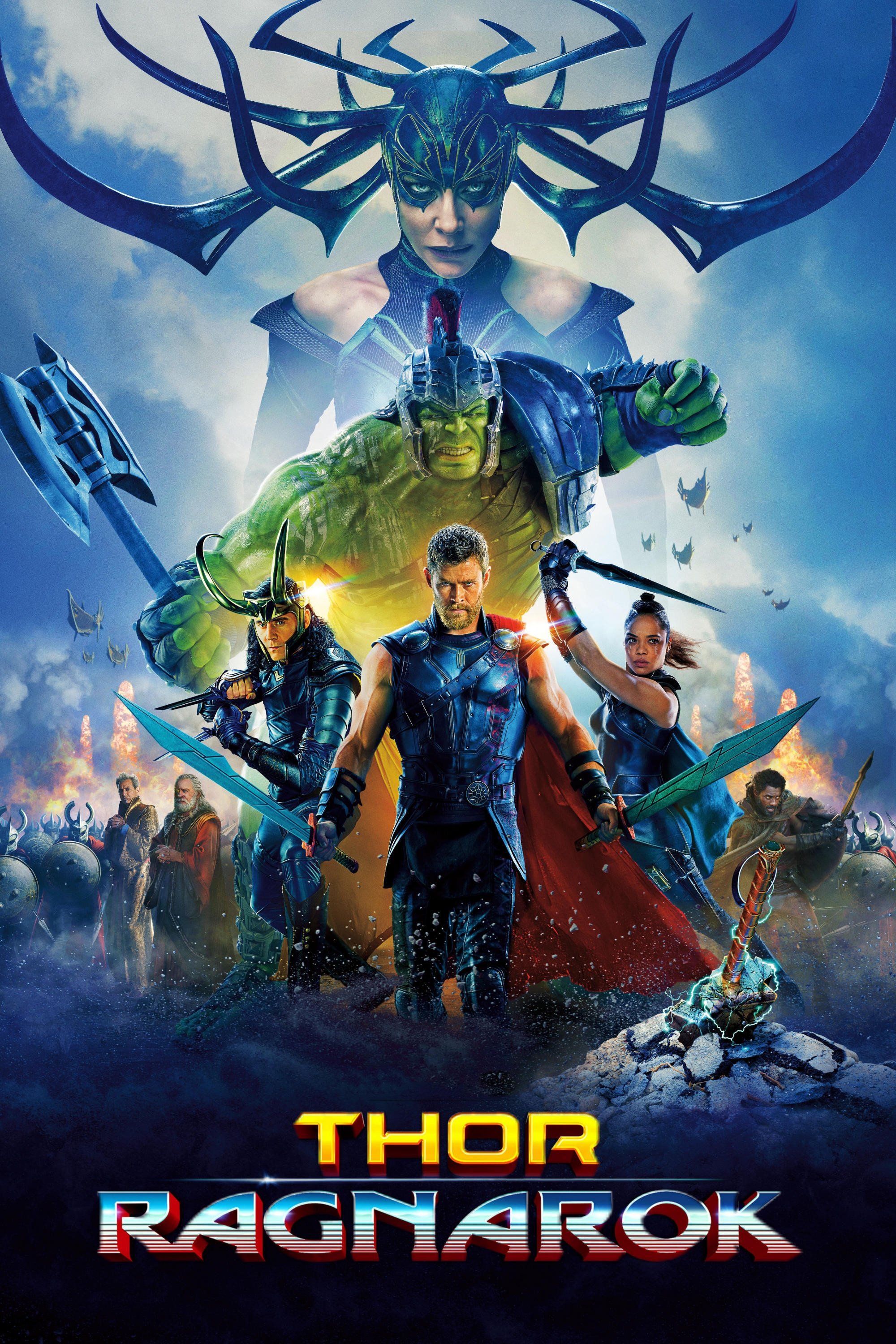
Tessa Thompson, who identifies as bisexual, actively pitched director Taika Waititi on restoring her character Valkyrie’s canonical bisexuality from the comic books. She convinced the production team to film a scene showing a woman walking out of Valkyrie’s bedroom to confirm her romantic preferences. Although the specific moment was ultimately cut for pacing, Thompson stated that the script changes and her performance were fundamentally shaped by this “demanded” backstory. Her creative input ensured that the character was played with a specific queer subtext that remained palpable in the final film.
‘Nope’ (2022)
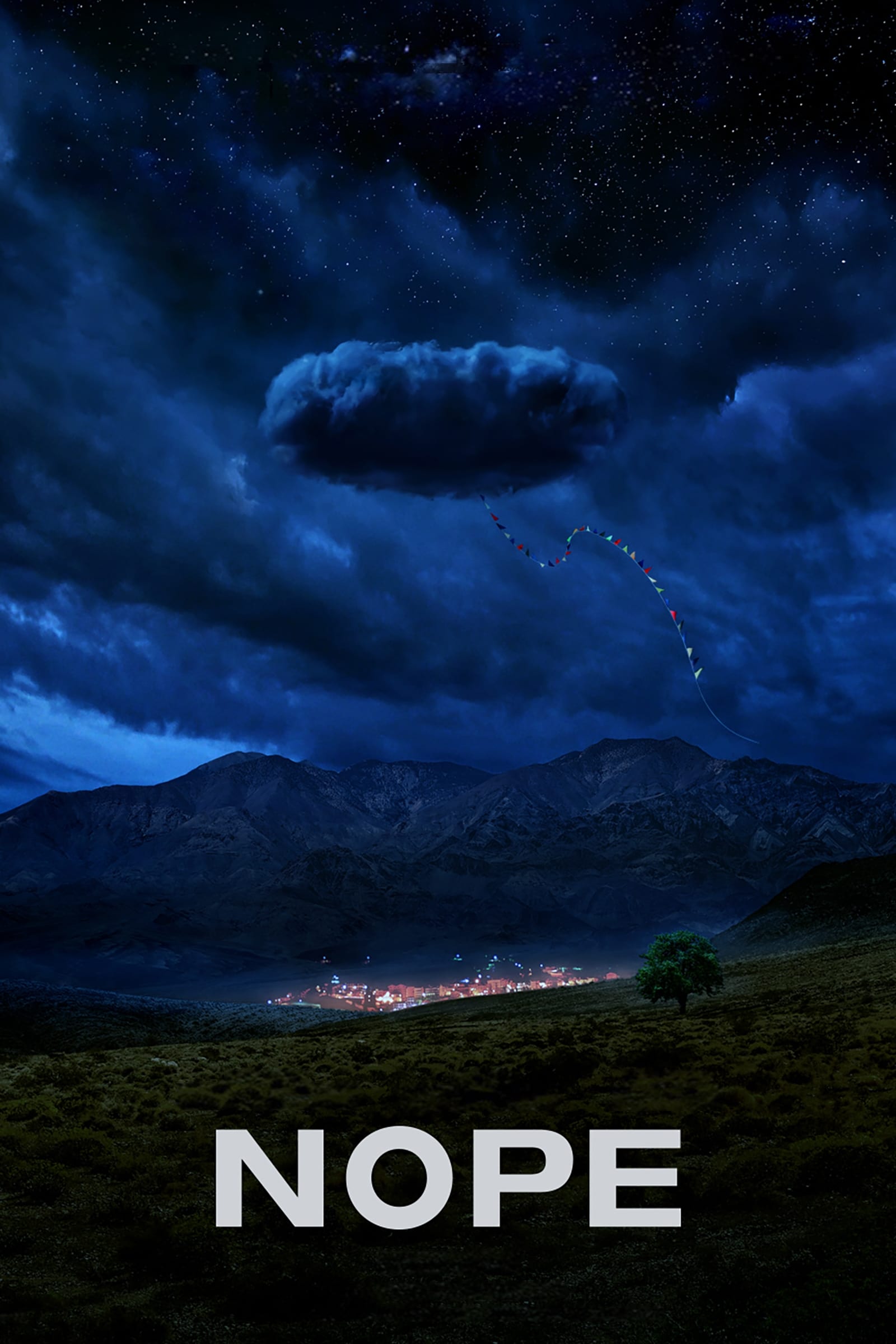
Keke Palmer famously took control of her character Emerald Haywood’s introduction by improvising the script during a pivotal monologue. Director Jordan Peele revealed that Palmer performed approximately 14 wildly different takes of the scene, effectively rewriting the rhythm and energy of the dialogue on the spot. Palmer used her background as an entertainer to inject a sense of desperate showmanship into the character that was not fully articulated on the page. Her ability to riff and alter the script’s flow resulted in one of the movie’s most memorable and character-defining sequences.
‘Rustin’ (2023)
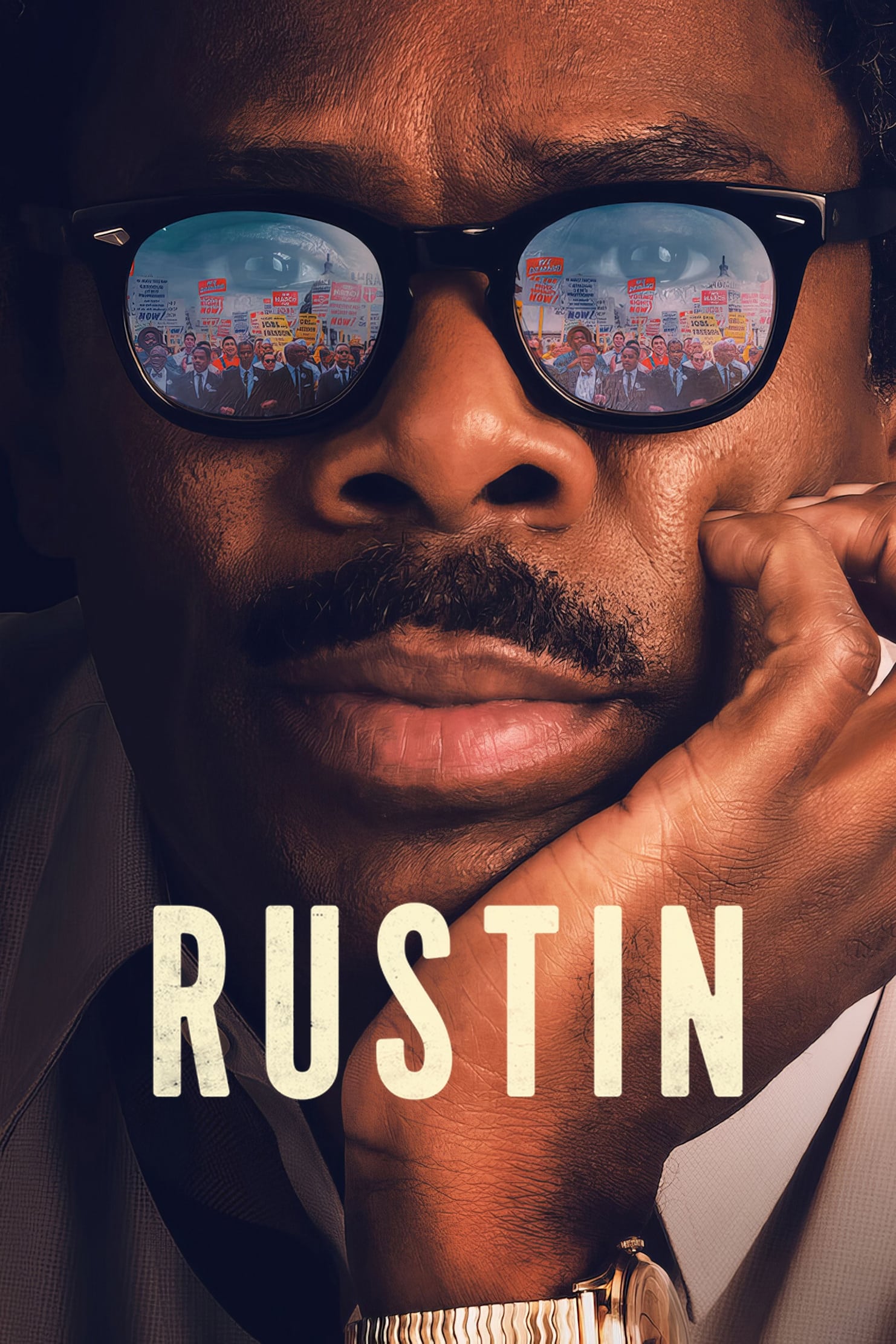
Actor Colman Domingo played a crucial role in shaping the script’s depiction of civil rights leader Bayard Rustin, ensuring the character’s sexuality was not portrayed merely as a source of trauma. Domingo worked with the filmmakers to adjust the script so that Rustin’s queerness was shown as a source of his personal liberation and strength rather than just a political liability. He pushed for a portrayal that balanced the historical weight of the March on Washington with the vibrant, unapologetic joy of Rustin’s personal life. These nuances elevated the film from a standard biopic to a complex portrait of a Black gay man.
‘Bodies Bodies Bodies’ (2022)
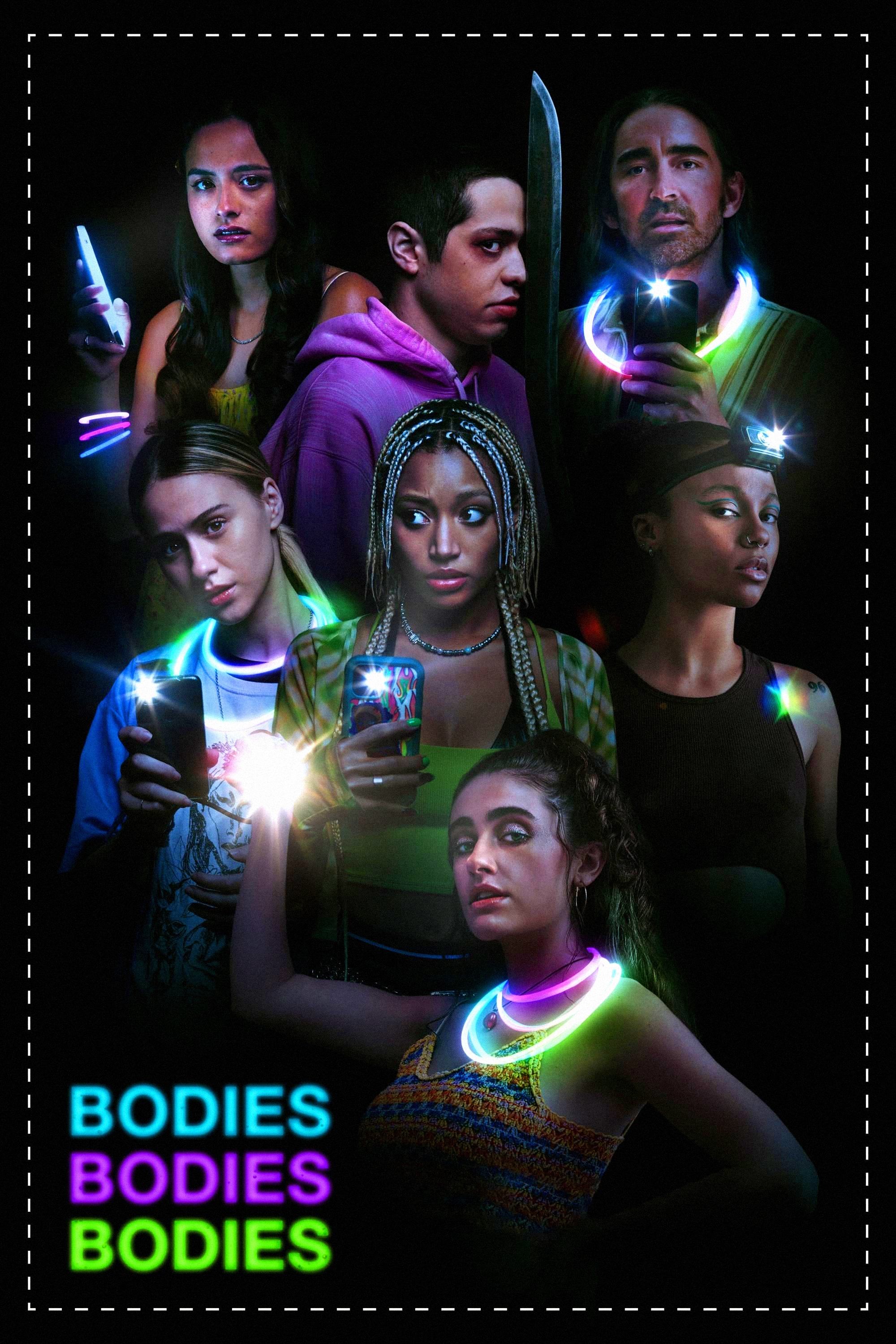
Amandla Stenberg served as an executive producer on this A24 slasher and had significant input on the script to ensure the Gen Z dialogue felt authentic rather than a caricature. Stenberg worked closely with the director to refine the ending, ensuring it landed with the intended nihilistic irony that defined the film’s satire. She focused on adjusting the dynamics between the characters to reflect real contemporary tensions regarding wealth and privilege. Her involvement transformed the screenplay from a simple horror premise into a sharp cultural critique.
‘Bottoms’ (2023)
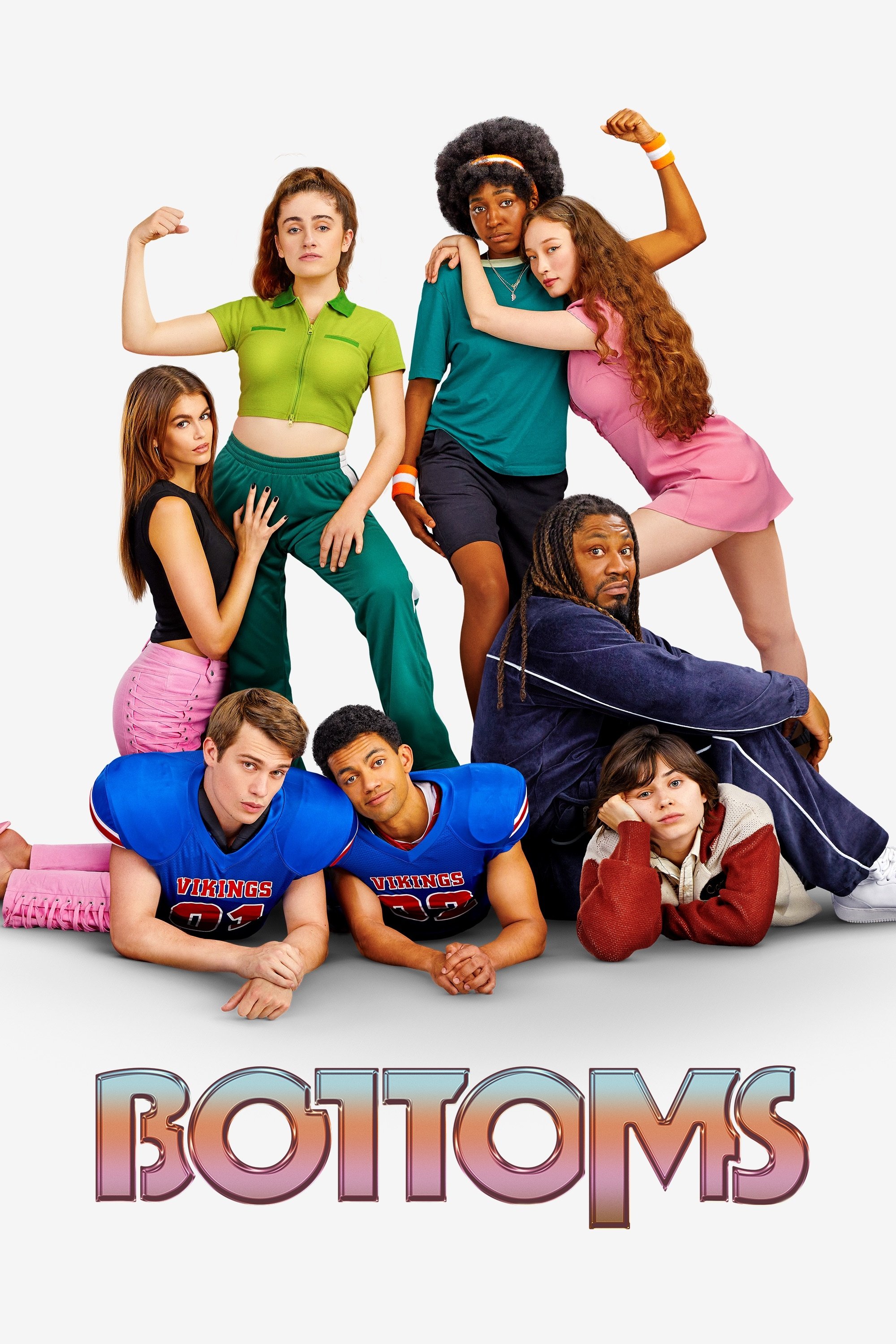
Ayo Edebiri, known for her sharp comedic voice, co-improvised and shaped much of the dialogue alongside her co-star Rachel Sennott, helping to craft the script’s unique tone. The film’s premise of a lesbian fight club required a delicate balance of absurdity and heart, which Edebiri helped cultivate through on-set rewrites and ad-libs. She pushed for the characters to remain unlikable and chaotic, resisting the studio trope of making female protagonists overly polished or morally correct. Her creative demands resulted in a script that felt raw, hilarious, and distinct from typical teen comedies.
‘The Inspection’ (2022)
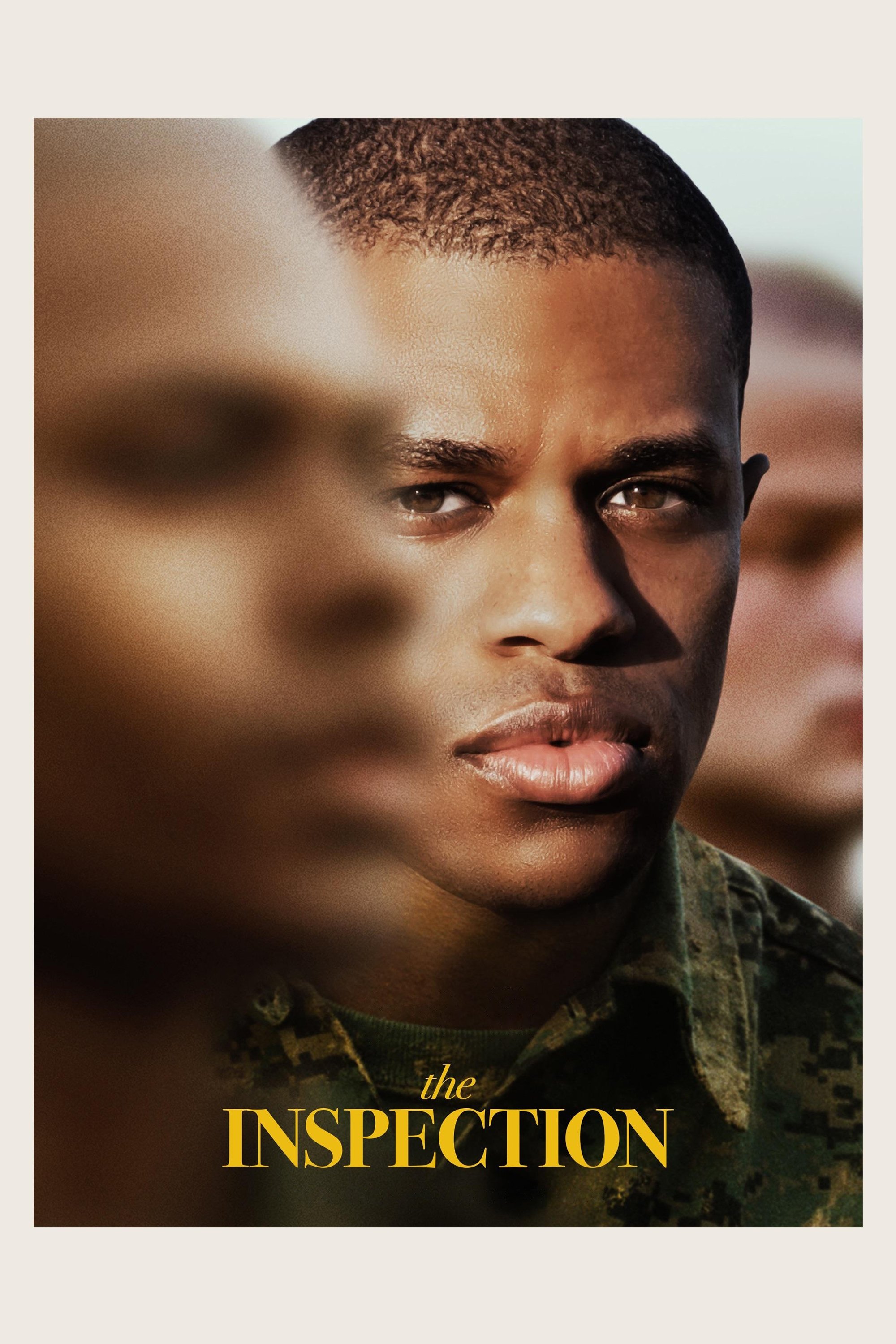
Writer and director Elegance Bratton based the script entirely on his own life story as a Black gay man in the Marine Corps, demanding a narrative that refused to shy away from the harsh realities of homophobia. Bratton resisted the urge to create a sanitized Hollywood ending, instead writing a script that focused on the protagonist’s complex desire for validation from a system that rejected him. He made specific script choices to highlight the intersection of racial and sexual identity within a hyper-masculine military environment. The result was a film that prioritized autobiographical truth over commercial comfort.
‘Pariah’ (2011)

Writer and director Dee Rees condensed her original 140-page script into a tight feature that defied the tragic tropes often associated with Black lesbian narratives. Rees specifically altered the traditional coming-of-age ending; instead of having the protagonist Alike trapped in a cycle of trauma, she wrote an ending where Alike chooses the unknown “beyond.” She fought to keep the script focused on Alike’s internal poetry and quiet evolution rather than external melodramas. This script decision established the film as a seminal work in Black queer cinema.
‘The Watermelon Woman’ (1996)
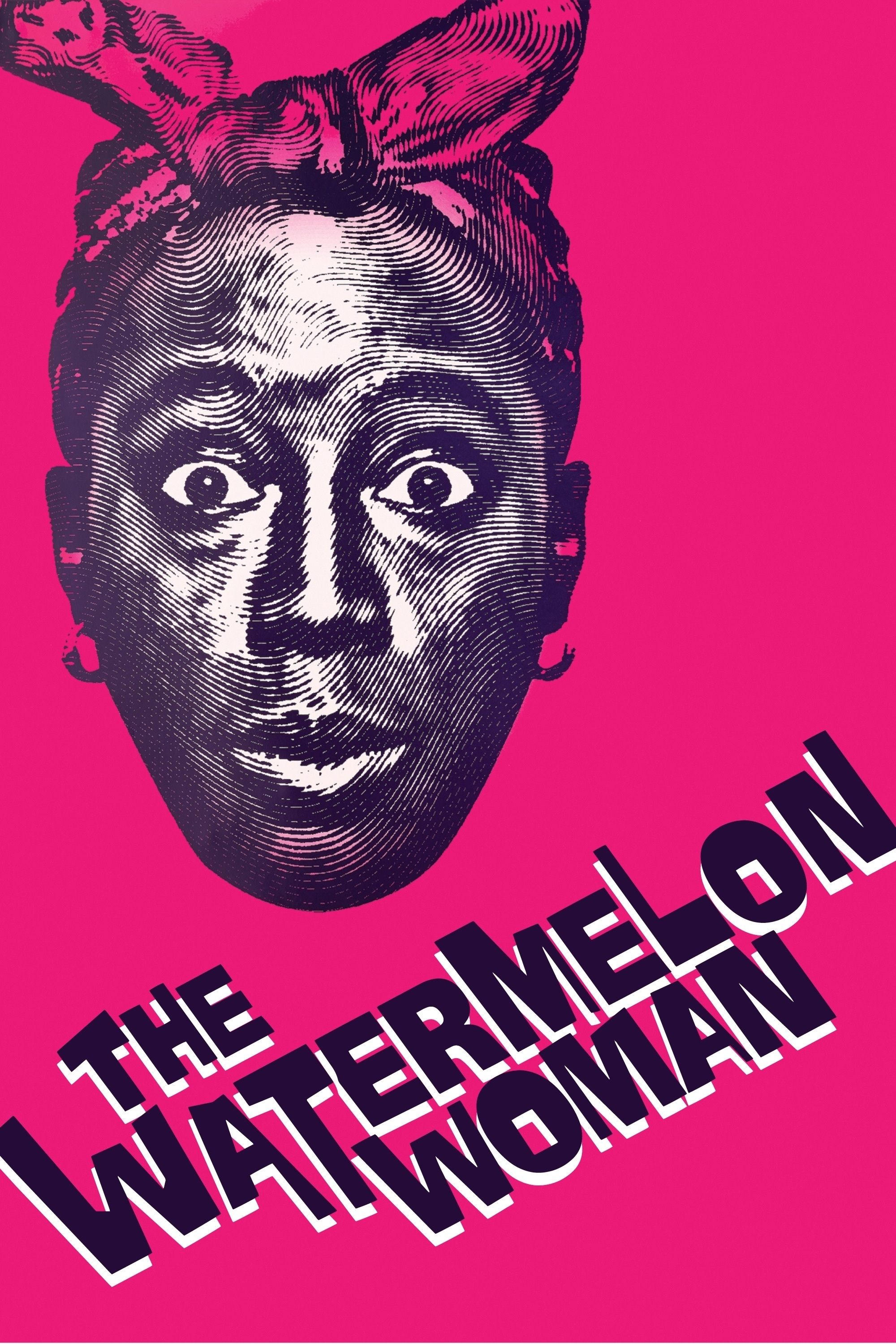
Cheryl Dunye, the first openly Black lesbian to direct a feature film, utilized a “dunamentary” style that rejected a fixed, rigid script in favor of controlled improvisation. Dunye demanded a production process where the actors, including herself, could shape the dialogue to reflect the natural cadence of their community. The script was treated as a living document, evolving as the cast explored themes of erasure in film history. This approach allowed for a level of authenticity and meta-commentary that a traditional studio script would have likely smoothed over.
‘Zola’ (2020)
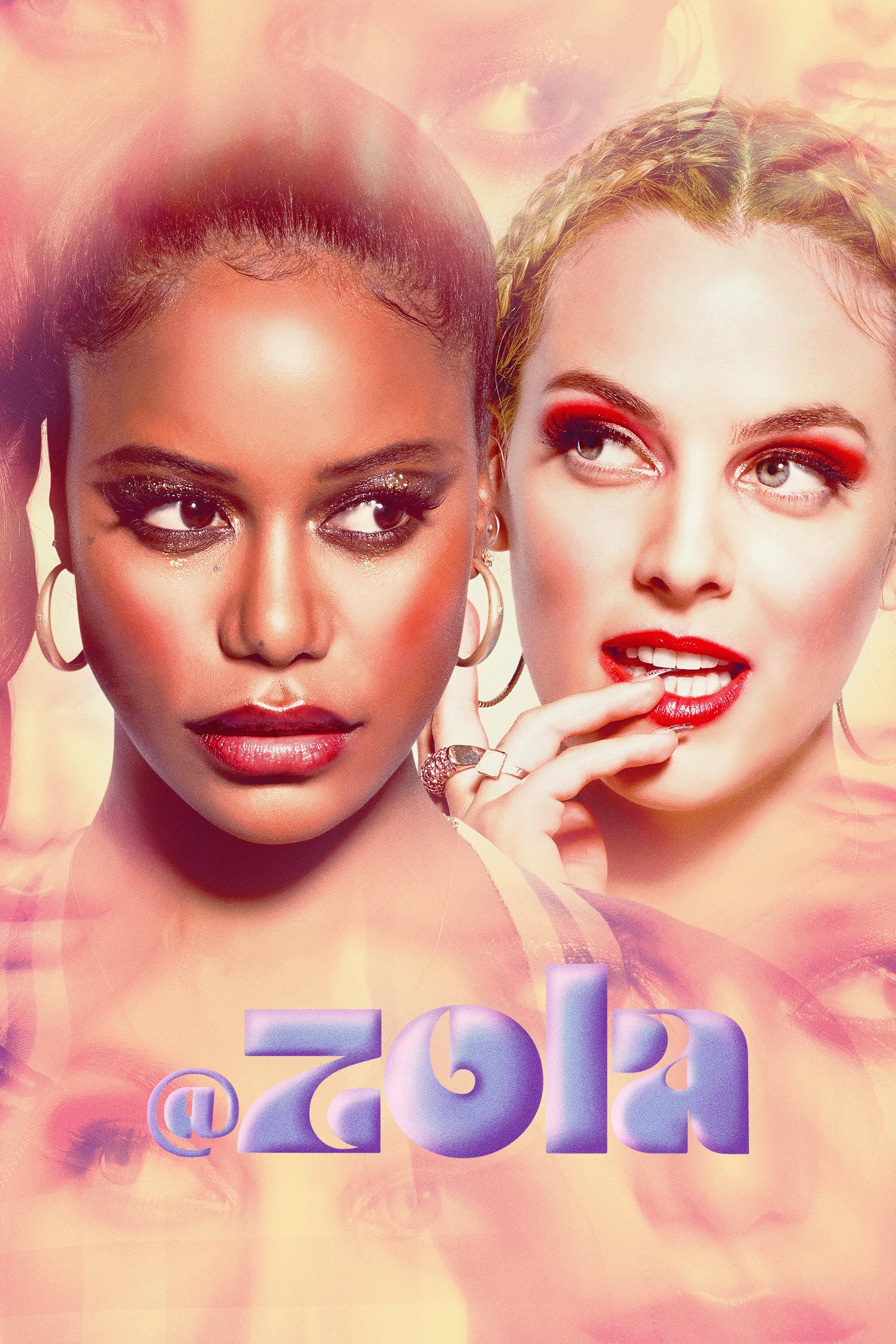
Director and co-writer Janicza Bravo took a viral Twitter thread and meticulously translated it into a screenplay that retained the specific voice and agency of the narrator. Bravo fought to keep the script rooted in the perspective of Zola, a Black sex worker, refusing to let the white character’s chaotic narrative hijack the emotional core of the film. She utilized the script to translate internet syntax into visual language, demanding that the audience respect the protagonist’s intelligence. Her adaptation turned a series of tweets into a high-art commentary on exploitation and storytelling.
‘Queen & Slim’ (2019)

Screenwriter Lena Waithe crafted a script that demanded the audience confront the fatalistic reality facing Black bodies in America, refusing a traditional “happy” ending. Waithe wrote the film as a protest art piece, insisting that the characters be given a legacy that outlived their physical presence. She structured the dialogue to serve as a meditation on Black love and survival, rather than just an action thriller. Her script choices were deliberate acts of resistance against the way police brutality is typically consumed as entertainment.
‘Men in Black: International’ (2019)
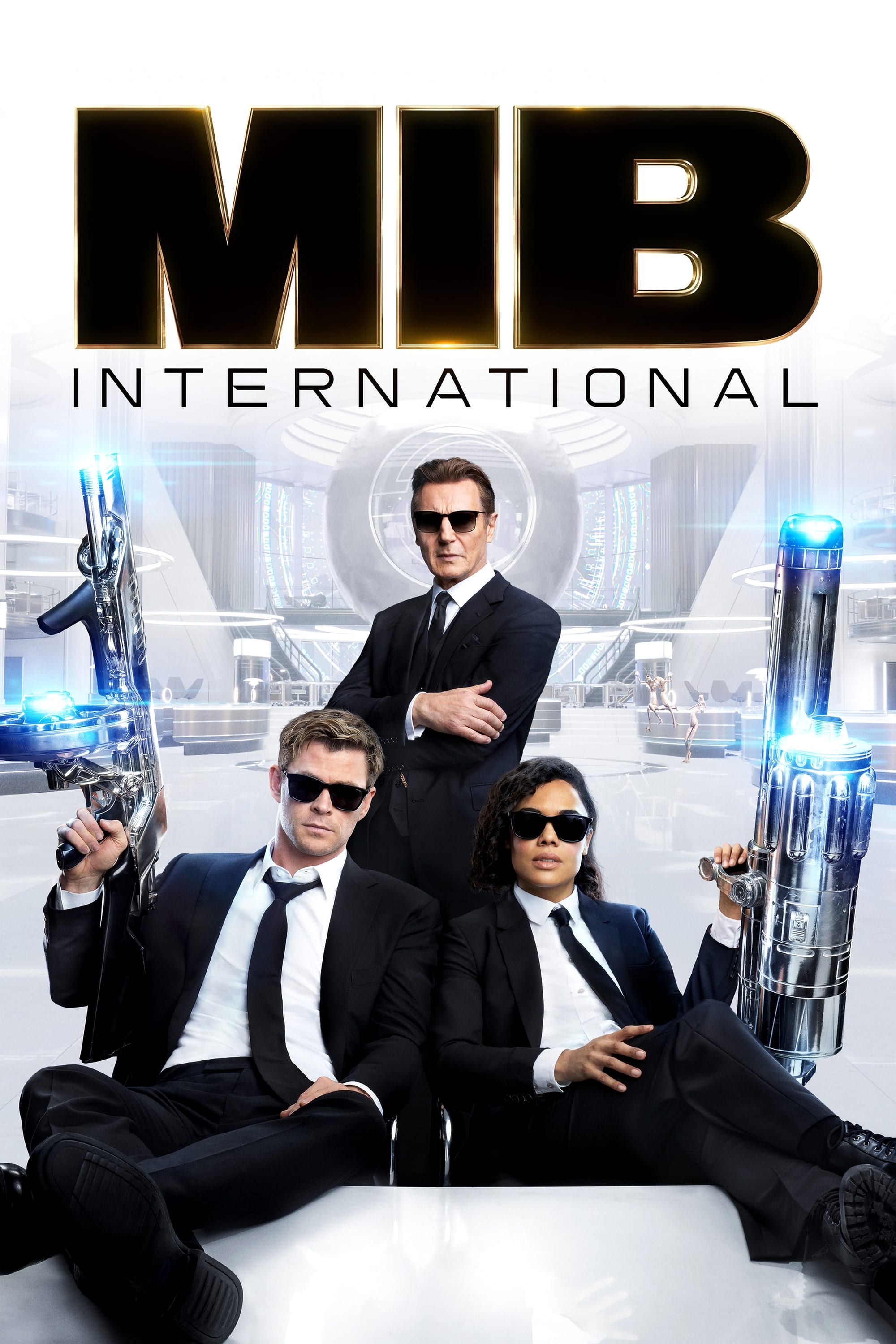
Tessa Thompson and her co-star Chris Hemsworth famously hired their own dialogue writers to overhaul the script during production. Dissatisfied with the generic nature of the original screenplay, Thompson pushed for changes that would add better banter and character depth to her role as Agent M. She demanded a script that allowed her character to be more than just a sidekick, engaging in a collaborative rewrite process on set. These changes were an effort to salvage the chemistry and pacing of the blockbuster.
‘The Color Purple’ (1985)
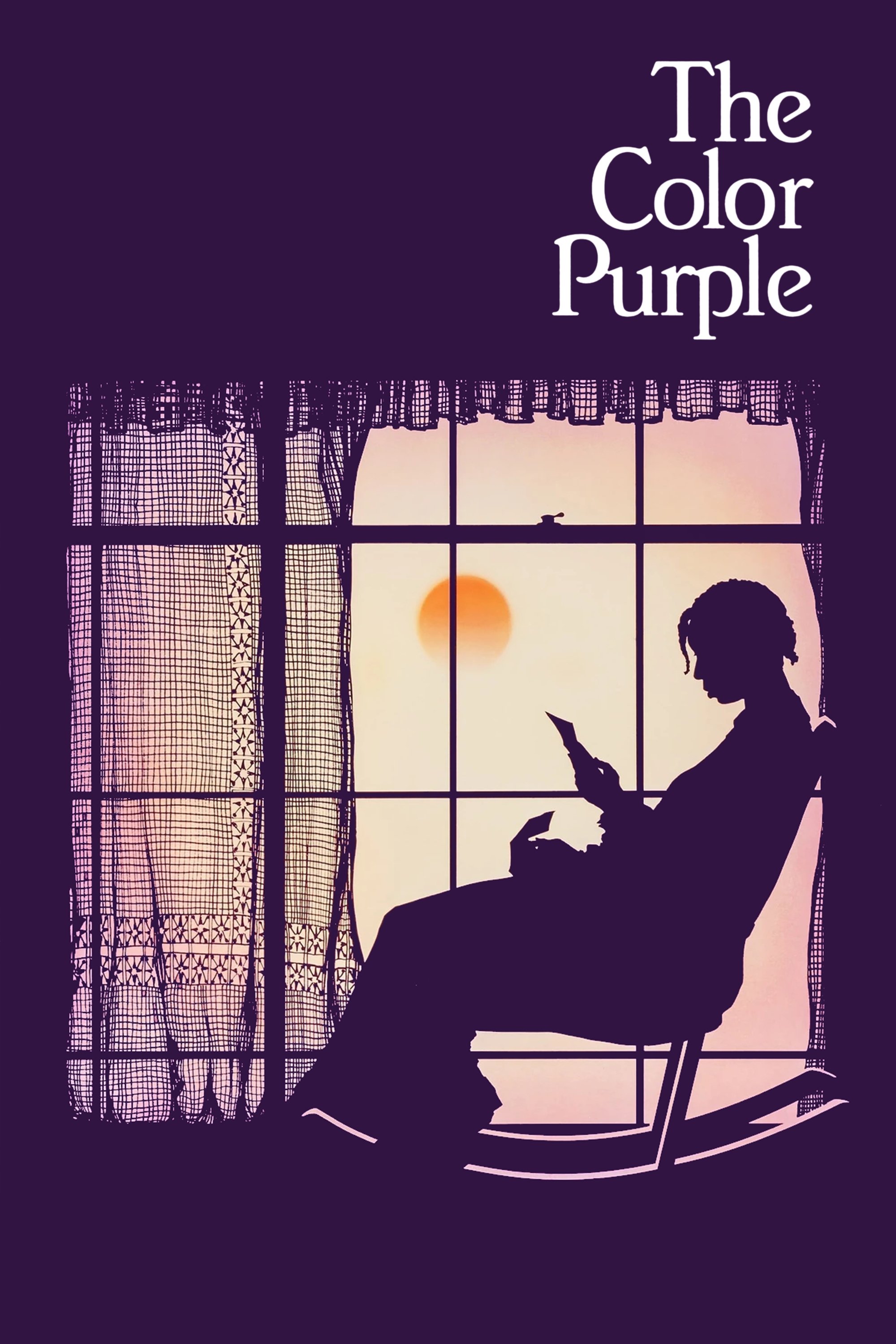
Author Alice Walker, who identifies as bisexual, served as a consultant and fought hard for the script to maintain the specific dialect and cultural integrity of her novel. While she clashed with the studio over the softening of the lesbian relationship between Celie and Shug, she successfully demanded that the script not sanitize the characters’ speech for white audiences. Walker’s insistence on keeping the “folk” voice authentic was crucial in preserving the spirit of the source material. Her influence ensured that the script retained its soulful, Black feminist core despite Hollywood pressures.
‘D.E.B.S.’ (2004)
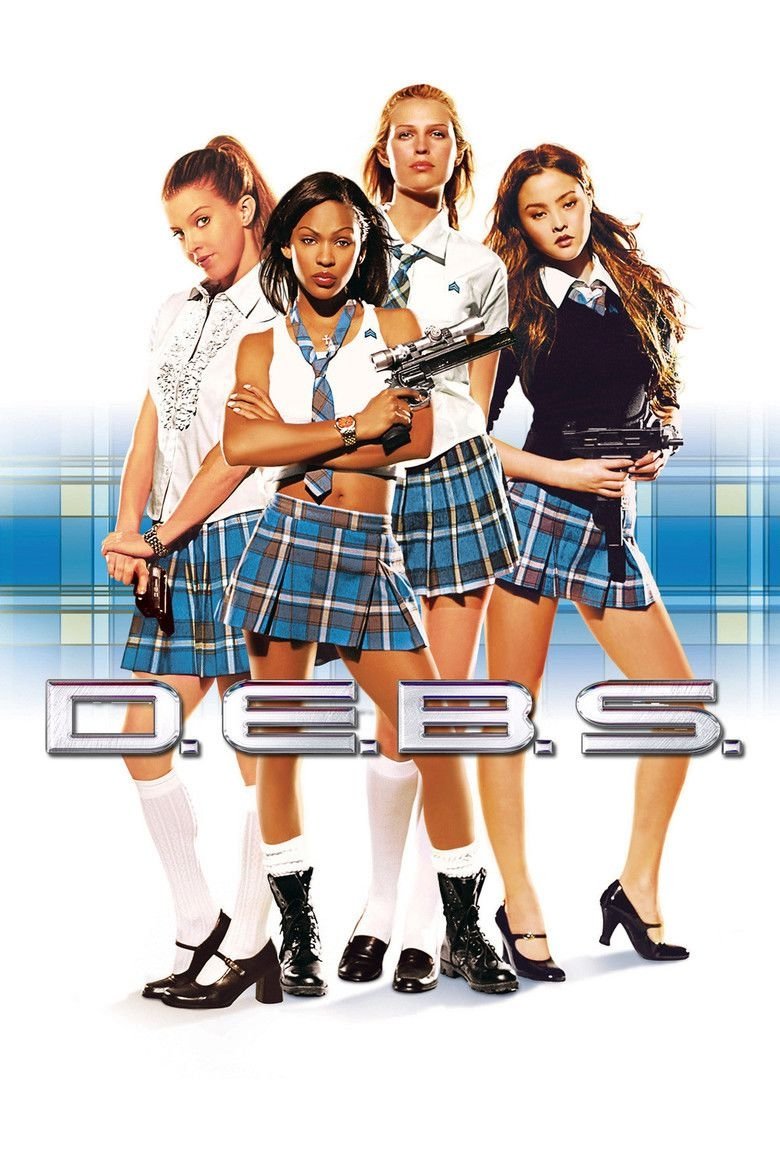
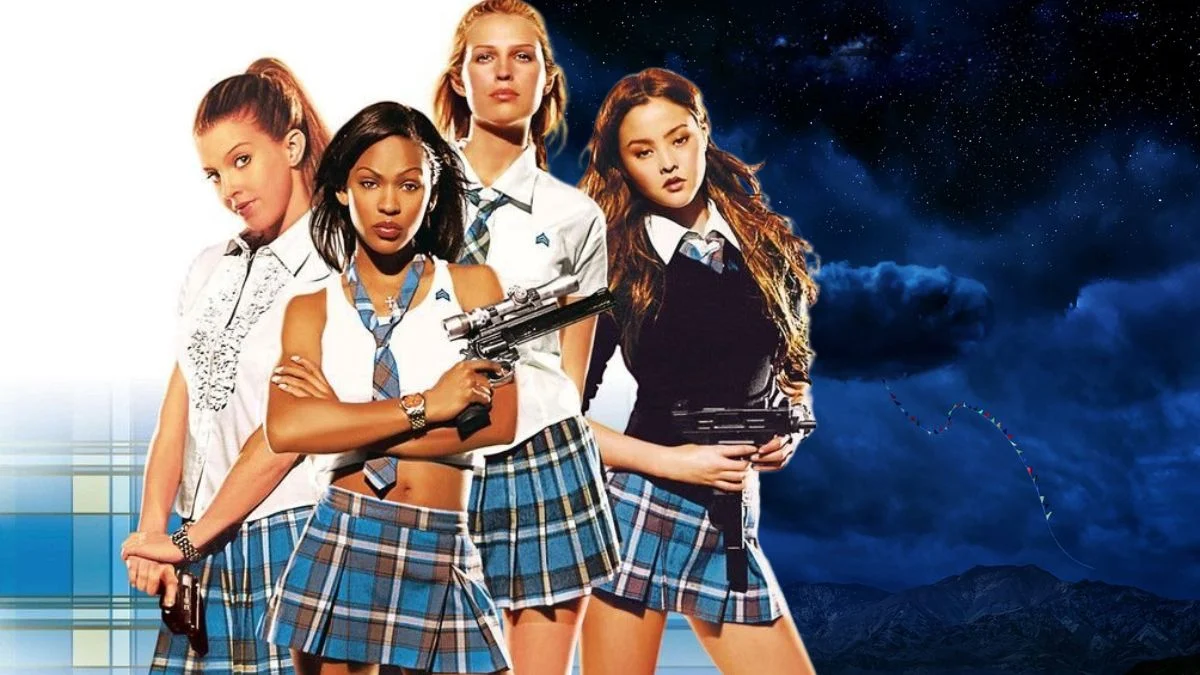
Writer and director Angela Robinson expanded her short film into a feature that subverted the spy genre by centering a lesbian romance without making it a “problem” narrative. Robinson wrote the script to treat the same-sex relationship with the same breeziness and trope usage as heteronormative teen movies. She demanded a tone that was campy and fun, rejecting the idea that queer films had to be serious or tragic. Her script flipped the script on the “secret agent” archetype, creating a cult classic in the process.
‘Dear White People’ (2014)
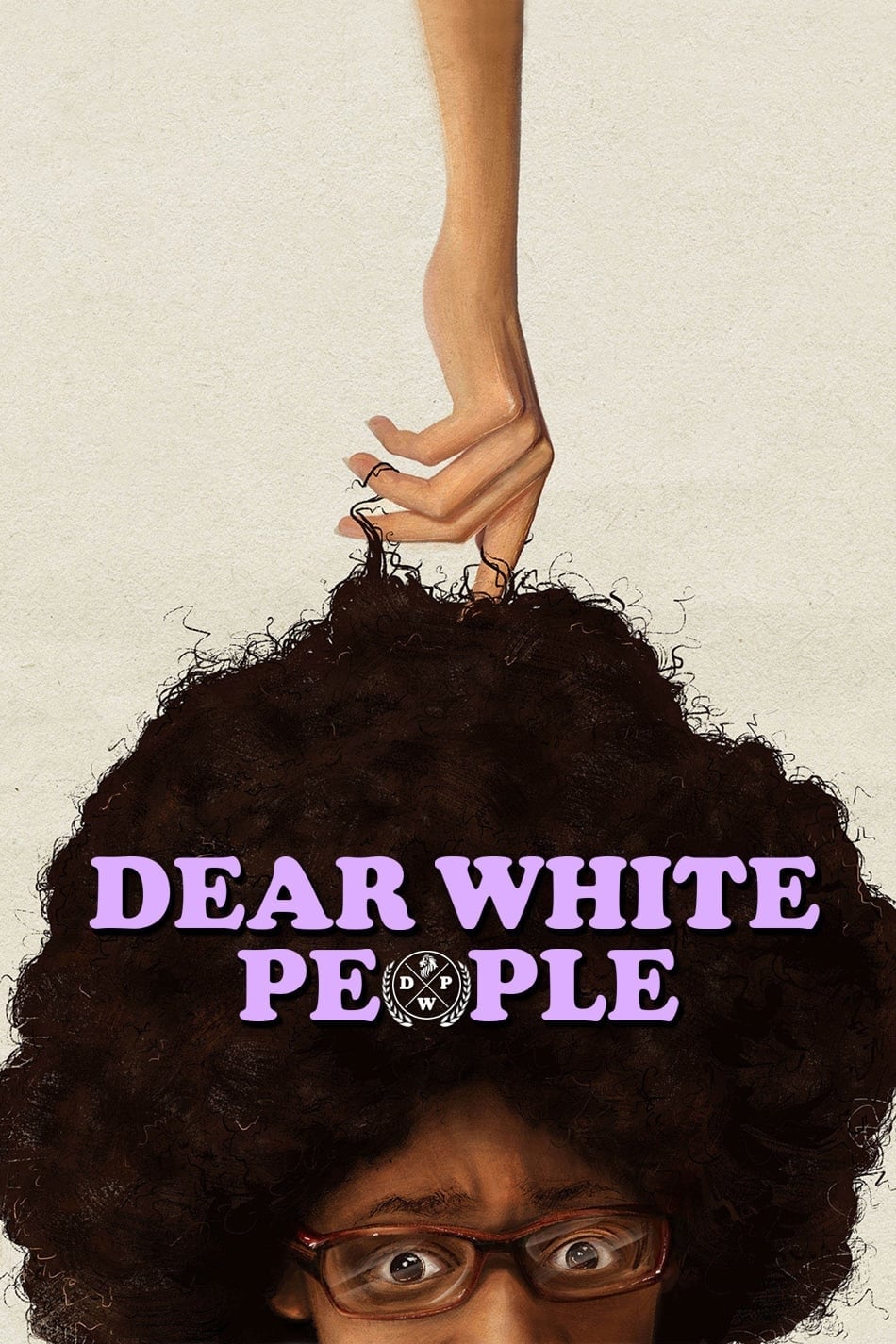
Justin Simien wrote the screenplay as a direct satire of the “post-racial” America narrative, demanding that the script address microaggressions head-on. Simien used the script to give voice to multiple conflicting viewpoints within the Black community, refusing to present a monolith. He fought to keep the dialogue sharp, academic, and culturally specific, challenging the audience to keep up. His script changes during development ensured that the film remained a biting critique rather than a safe campus comedy.
‘Tongues Untied’ (1989)

Filmmaker Marlon Riggs wrote and directed this experimental film that abandoned traditional narrative structures to demand visibility for Black gay men. The script was a mixture of poetry, personal monologue, and political manifesto, explicitly designed to break the silence surrounding HIV/AIDS in the Black community. Riggs refused to cater to a white or straight audience, famously stating in the film that “Black men loving Black men is the revolutionary act.” His script was a defiant reclamation of voice that challenged public broadcasting standards of the time.
‘Ma Rainey’s Black Bottom’ (2020)
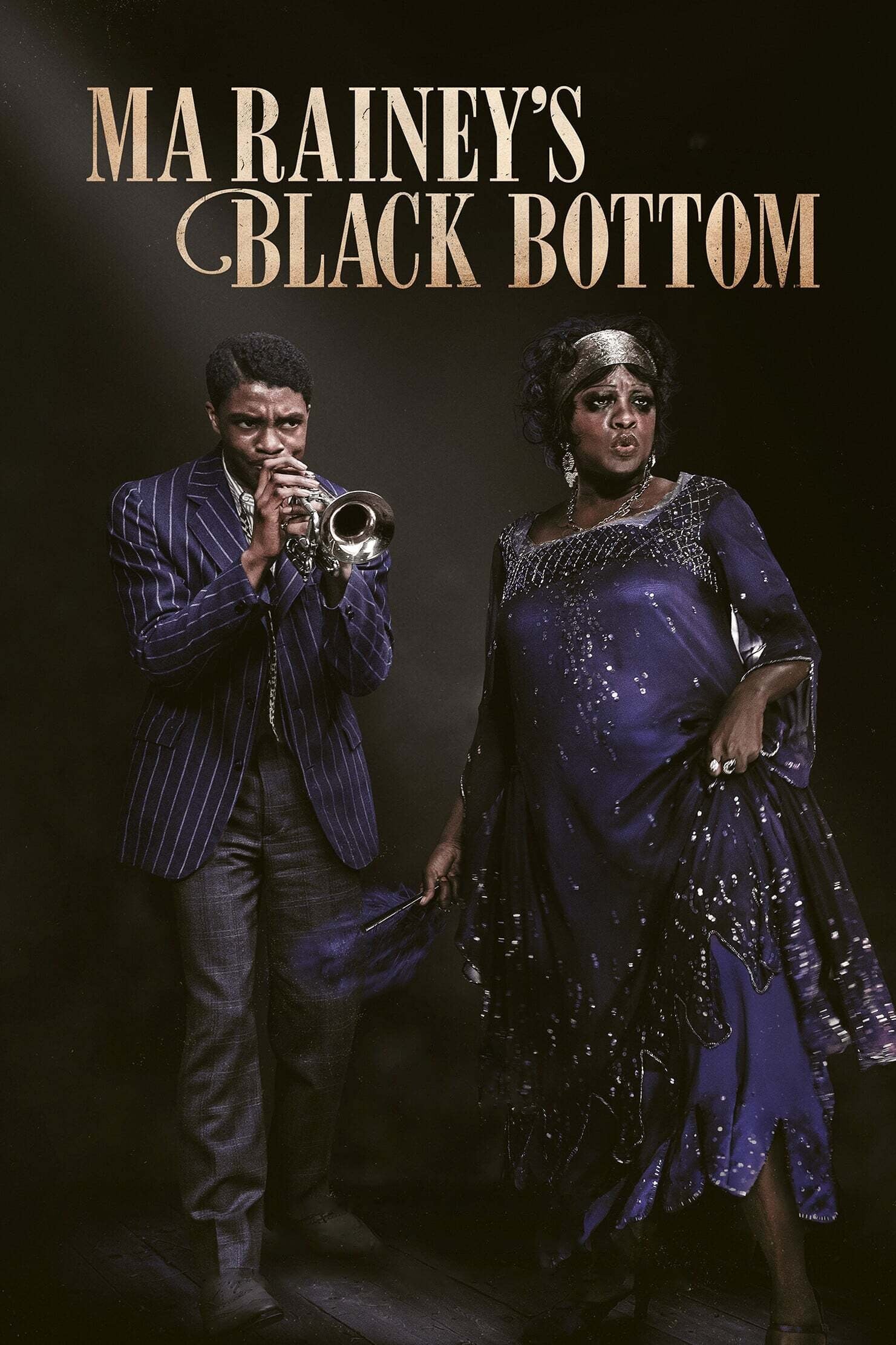
Director George C. Wolfe, a legendary figure in Black theater, adapted the script to ensure the camera focused intensely on the psychological state of the titular character. Wolfe made specific choices to emphasize Ma Rainey’s agency and her awareness of her exploitation by white producers, sharpening the dialogue’s impact. He guided the script translation to retain the musicality of August Wilson’s play while making it cinematic. His direction demanded that the audience understand the power dynamics in every line of dialogue spoken in the recording studio.
‘Brother to Brother’ (2004)
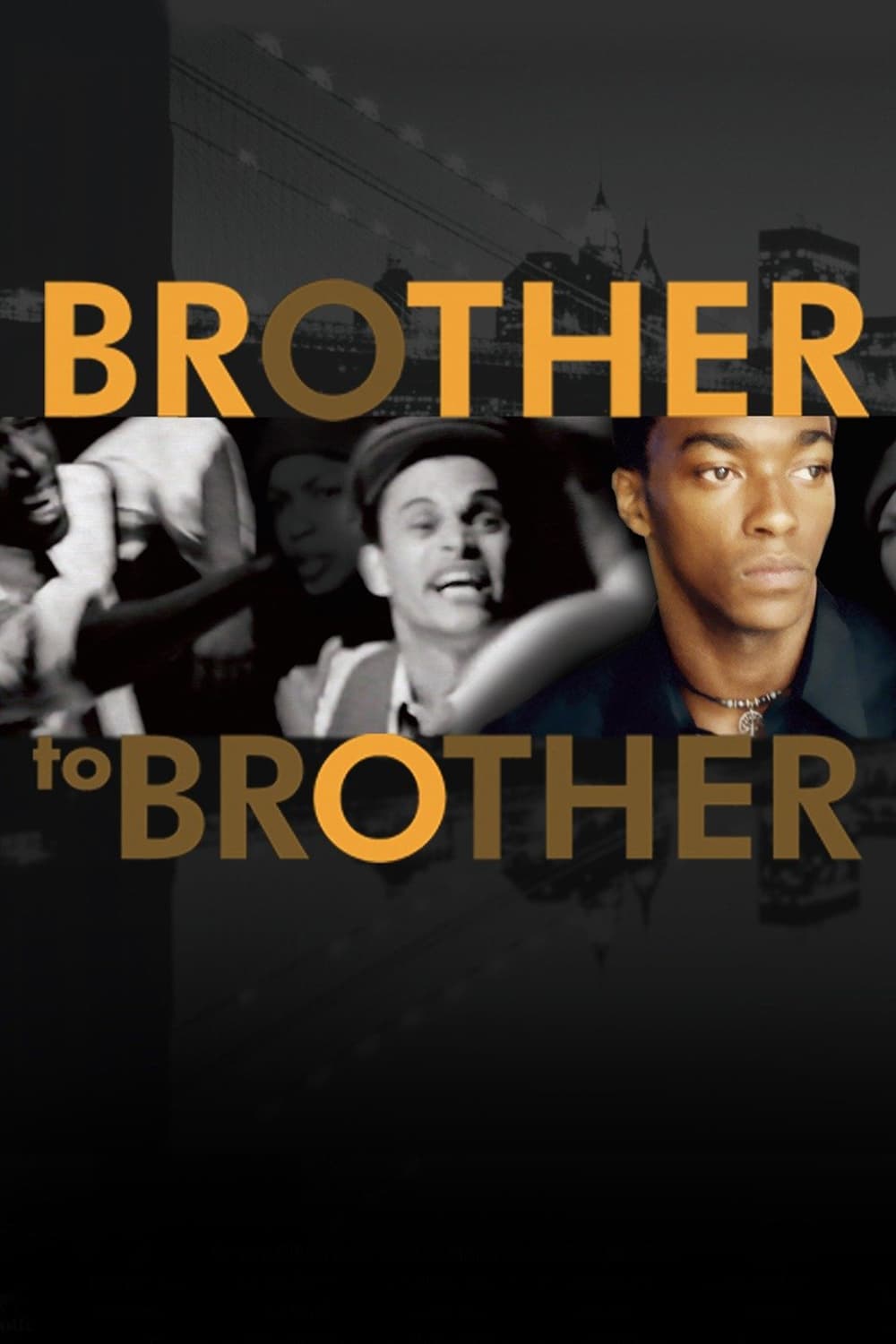
Rodney Evans wrote and directed this film to bridge the gap between the Harlem Renaissance and the contemporary Black queer experience. Evans crafted a script that wove historical figures like Bruce Nugent into a modern narrative, demanding that this forgotten queer history be acknowledged. He resisted the industry trend of separating Black history from LGBTQ+ history, writing a screenplay that presented them as inextricably linked. His script work was an act of archival preservation as much as storytelling.
‘Strange World’ (2022)
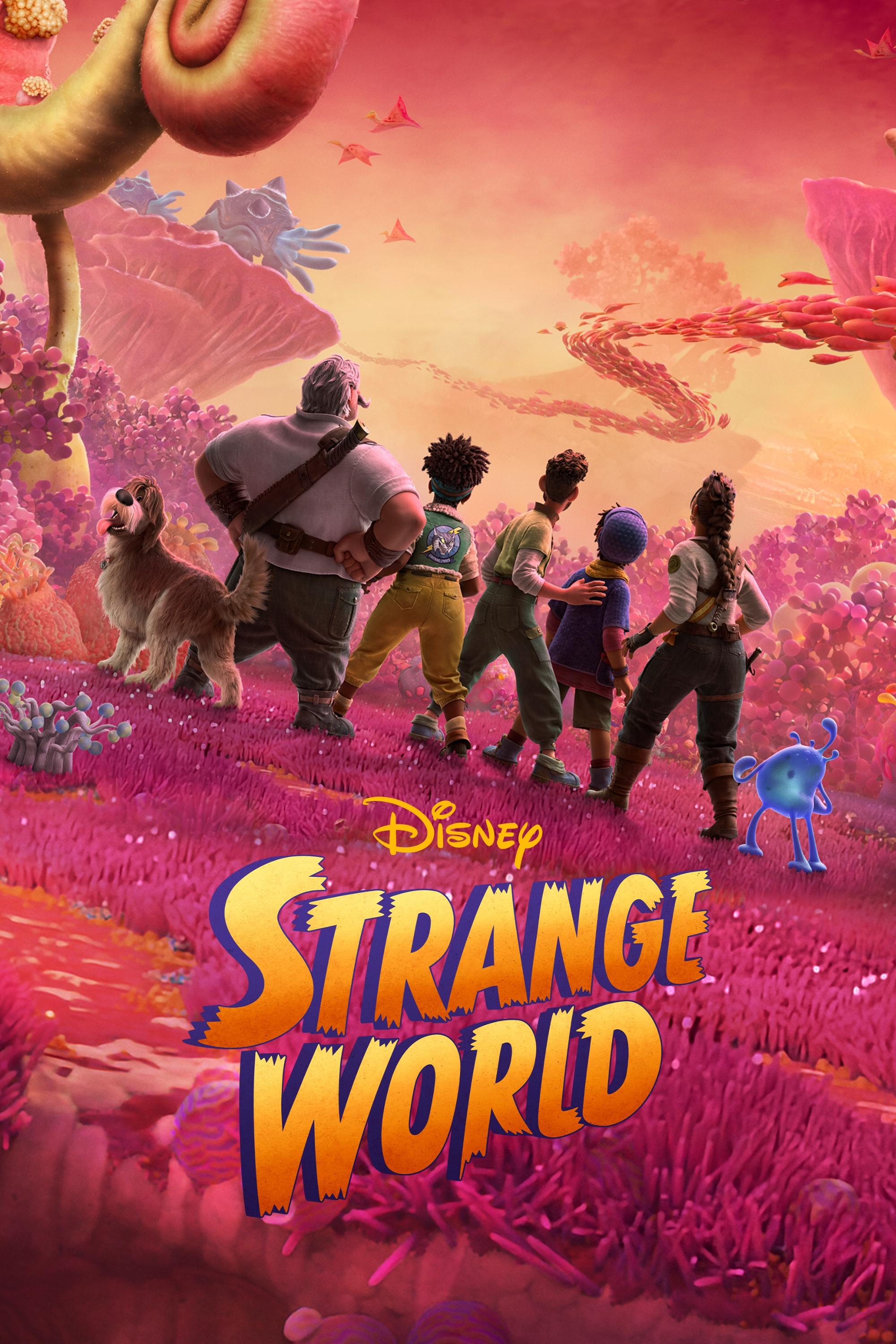
Jaboukie Young-White, who voiced the character Ethan Clade, influenced the script’s handling of the first openly gay teen romance in a Disney animated feature. Young-White leaned into a casual, naturalistic delivery that encouraged the writers to treat the romance as a non-issue within the world of the film. He pushed for the dialogue to feel like a normal teenage crush rather than a “very special episode” moment. His performance and input helped ensure the script normalized queer affection without fanfare or tragedy.
‘Moonlight’ (2016)
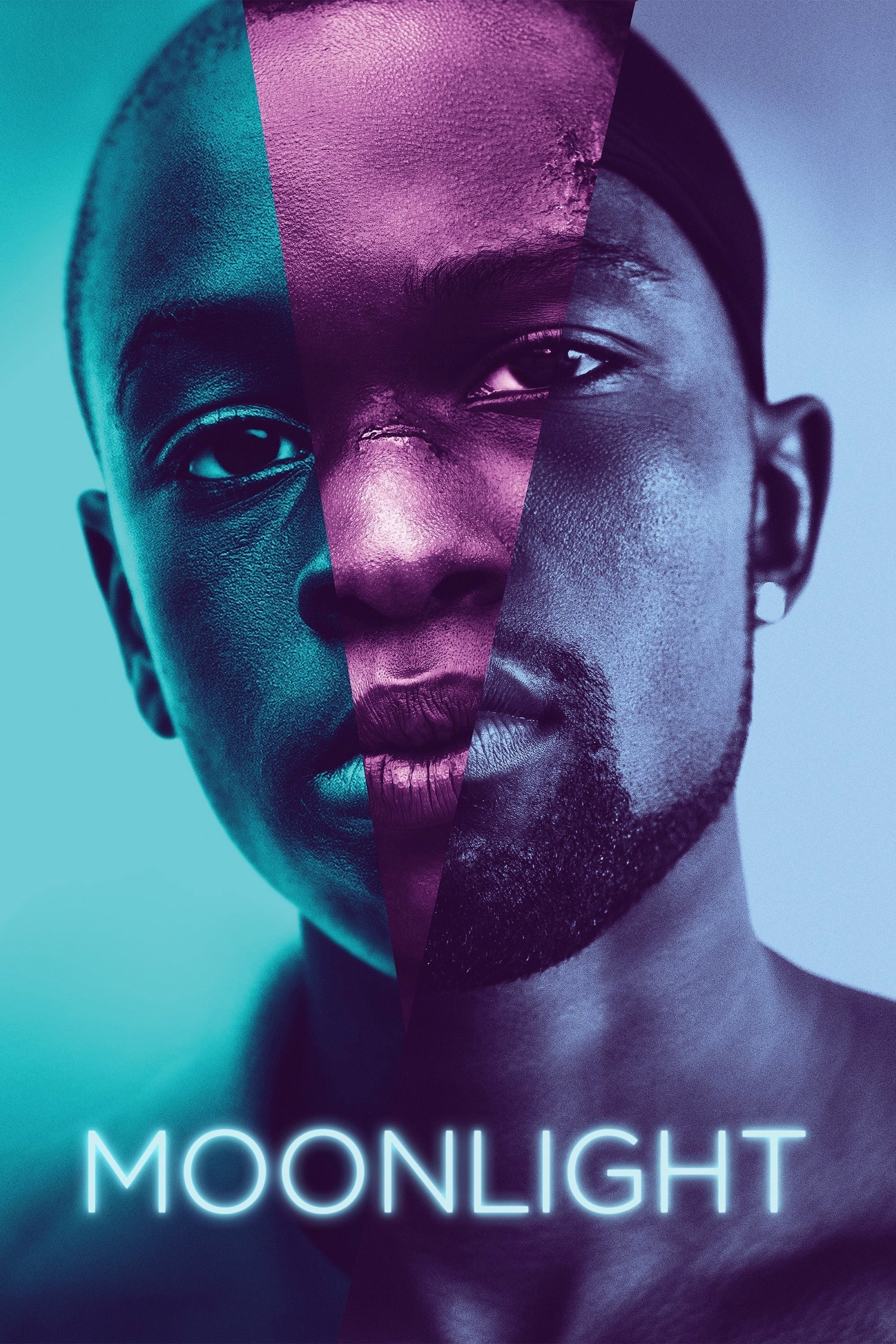
Tarell Alvin McCraney wrote the semi-autobiographical drama piece In Moonlight Black Boys Look Blue, which served as the foundational script for the film. McCraney’s original text demanded a structure that was non-linear and deeply atmospheric, protecting the vulnerability of the protagonist, Chiron. The script maintained the specific cultural dialect of Liberty City, Miami, which McCraney and director Barry Jenkins refused to dilute. This adherence to McCraney’s original vision ensured the film remained a raw, intimate exploration of Black masculinity and sexuality.
‘The Butler’ (2013)
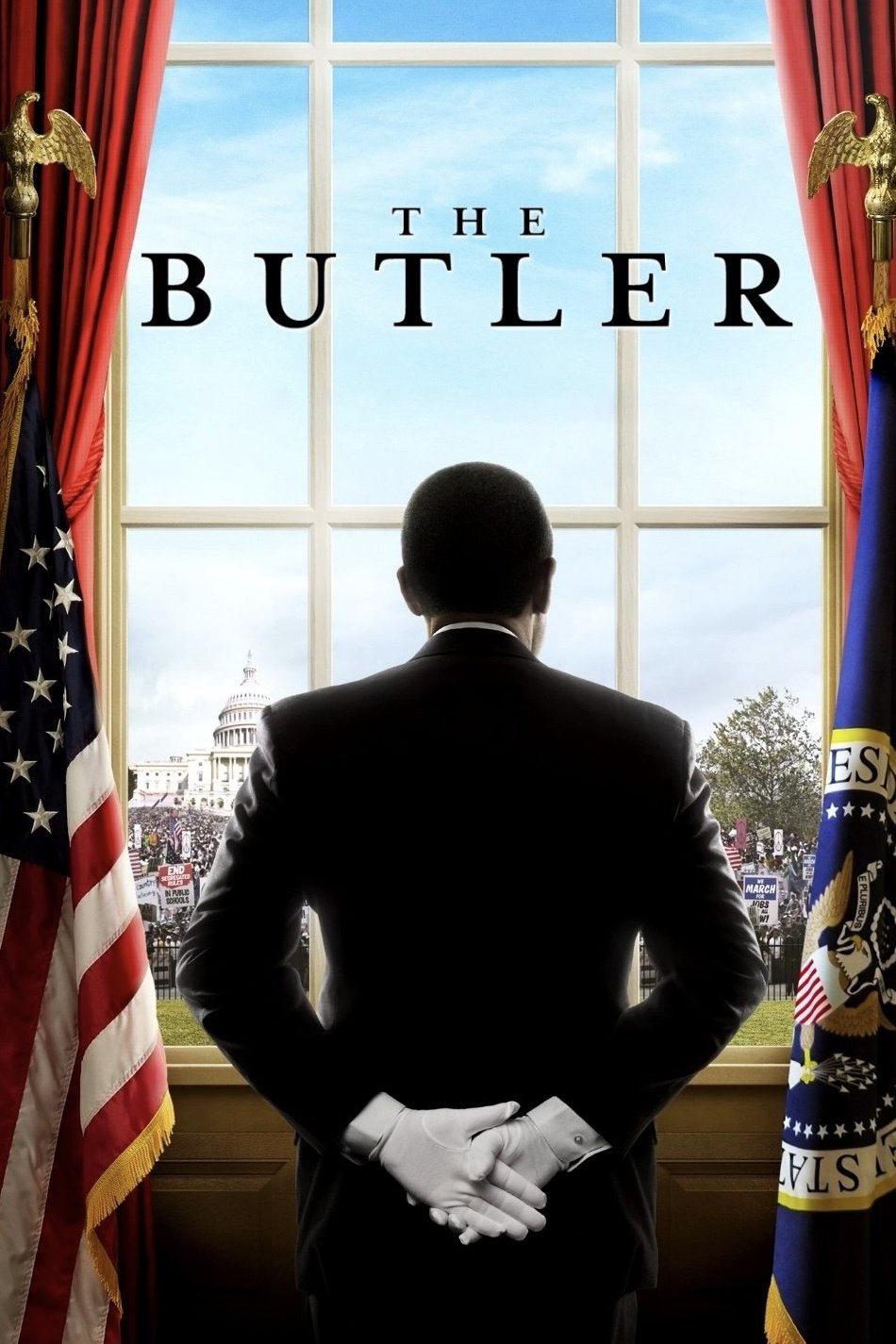
Director Lee Daniels took creative liberties with the script, which was based on a nonfiction article, to heighten the dramatic tension regarding the Civil Rights movement. Daniels demanded casting and script adjustments that emphasized the generational conflict between the passive father and the activist son. He pushed for the script to be more visceral in its depiction of the violence faced by the Freedom Riders, ensuring the film was not just a passive history lesson. His influence turned the script into a more aggressive commentary on race relations than the original source material suggested.
Share your favorite film from this list and tell us which creator you think made the biggest impact in the comments.