12 Controversial Anime Censorships Over Explicit Lesbian Scenes

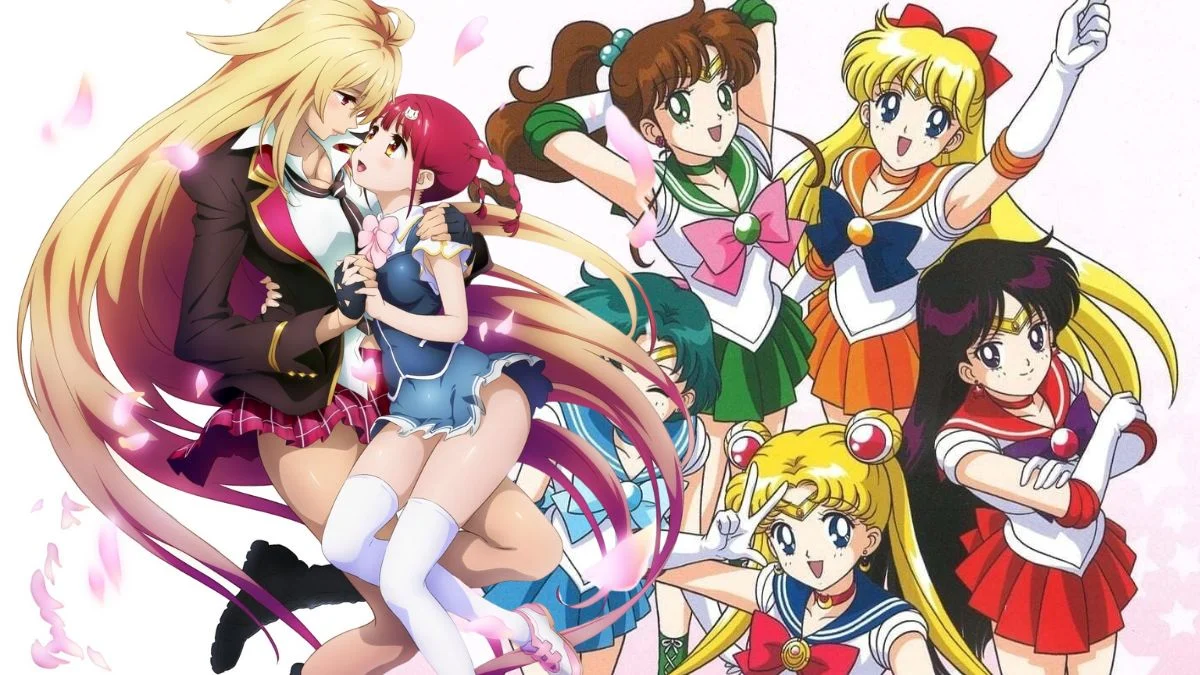

Censorship in anime has been a point of contention for decades as international standards often clash with the original artistic vision of Japanese creators. Lesbian relationships and yuri themes frequently face the brunt of these edits through visual obstructions or rewritten dialogue. Broadcasters may employ beams of light or fog to hide intimacy while localization teams sometimes alter entire plotlines to erase romantic connections. These changes often confuse viewers and dilute the emotional impact intended by the production studios.
‘Sailor Moon’ (1992–1997)
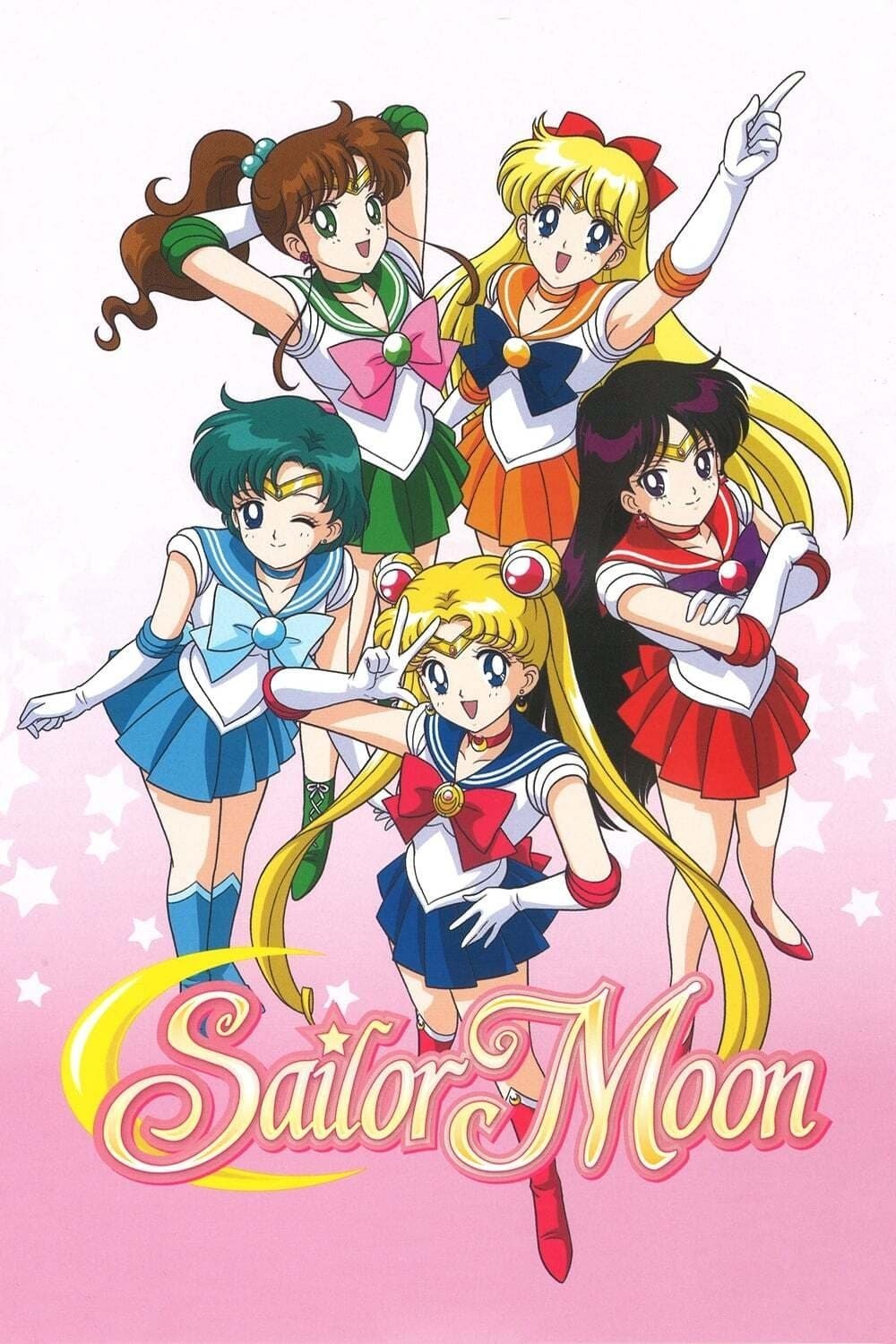
The original English dub of this iconic series made a drastic change to the relationship between Sailor Uranus and Sailor Neptune. Localization teams decided to portray Haruka and Michiru as cousins rather than lovers to avoid depicting a lesbian romance on children’s television. This decision backfired spectacularly when the dub retained their flirtatious body language and intense chemistry. The result was an accidental implication of incest that confused young audiences and outraged fans of the original work.
‘Cardcaptor Sakura’ (1998–2000)
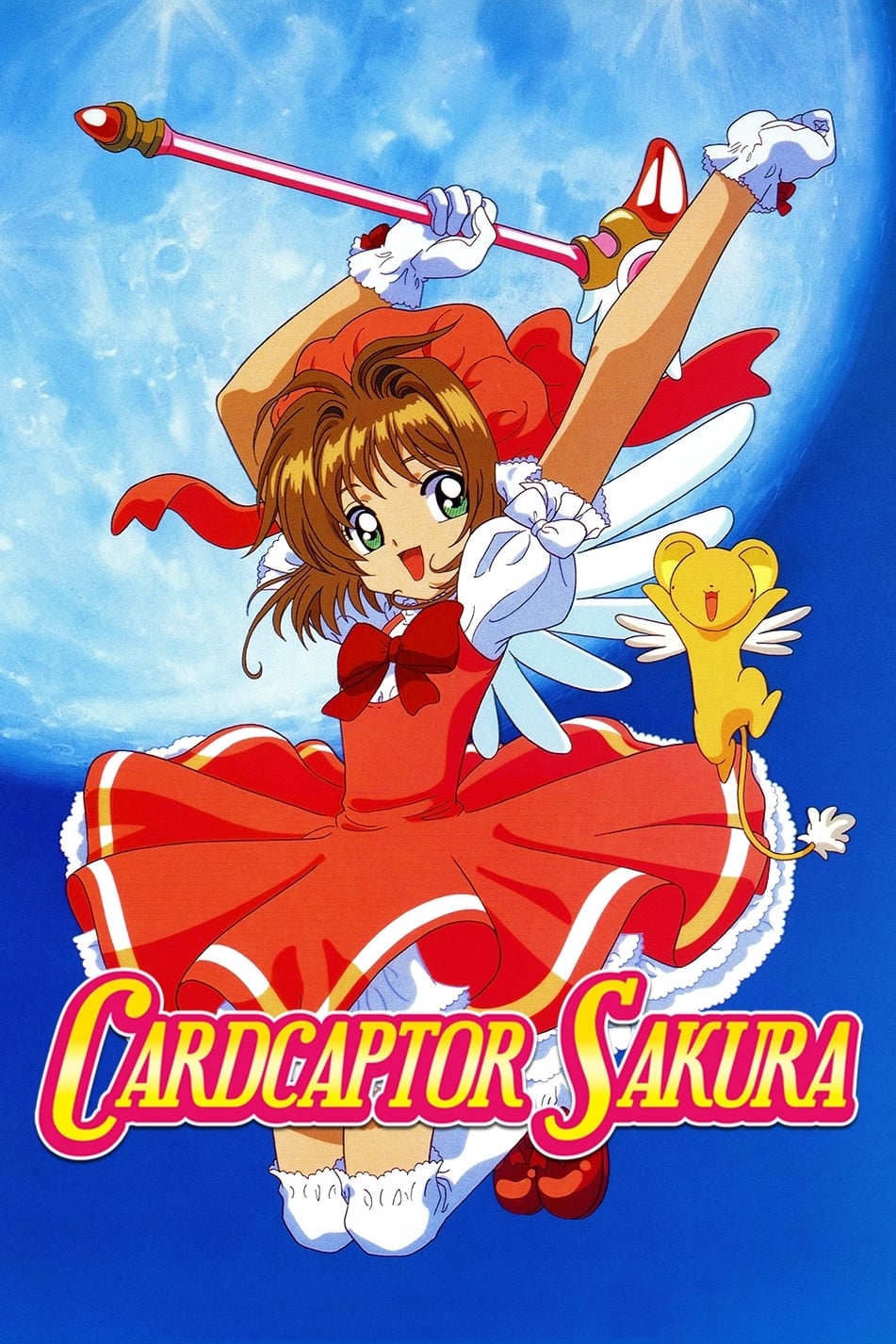
The North American adaptation known as ‘Cardcaptors’ heavily edited the series to appeal to a male demographic and remove controversial themes. One of the most significant casualties was the romantic affection Tomoyo held for the protagonist Sakura. The dub rewrote their interactions to frame Tomoyo as nothing more than a supportive best friend with no romantic underlying feelings. This erasure removed a core motivation for the character and simplified the complex web of relationships found in ‘Cardcaptor Sakura’.
‘Valkyrie Drive: Mermaid’ (2015)

This series features a combat system where characters power up through physical intimacy and arousal. The television broadcast covered these explicit transformation sequences with massive beams of light and intrusive steam effects. Fans complained that the heavy-handed censorship made it impossible to see the artwork or understand the action on screen. Viewers were forced to wait for the home video release to witness the uncensored interactions between the female leads.
‘Citrus’ (2018)
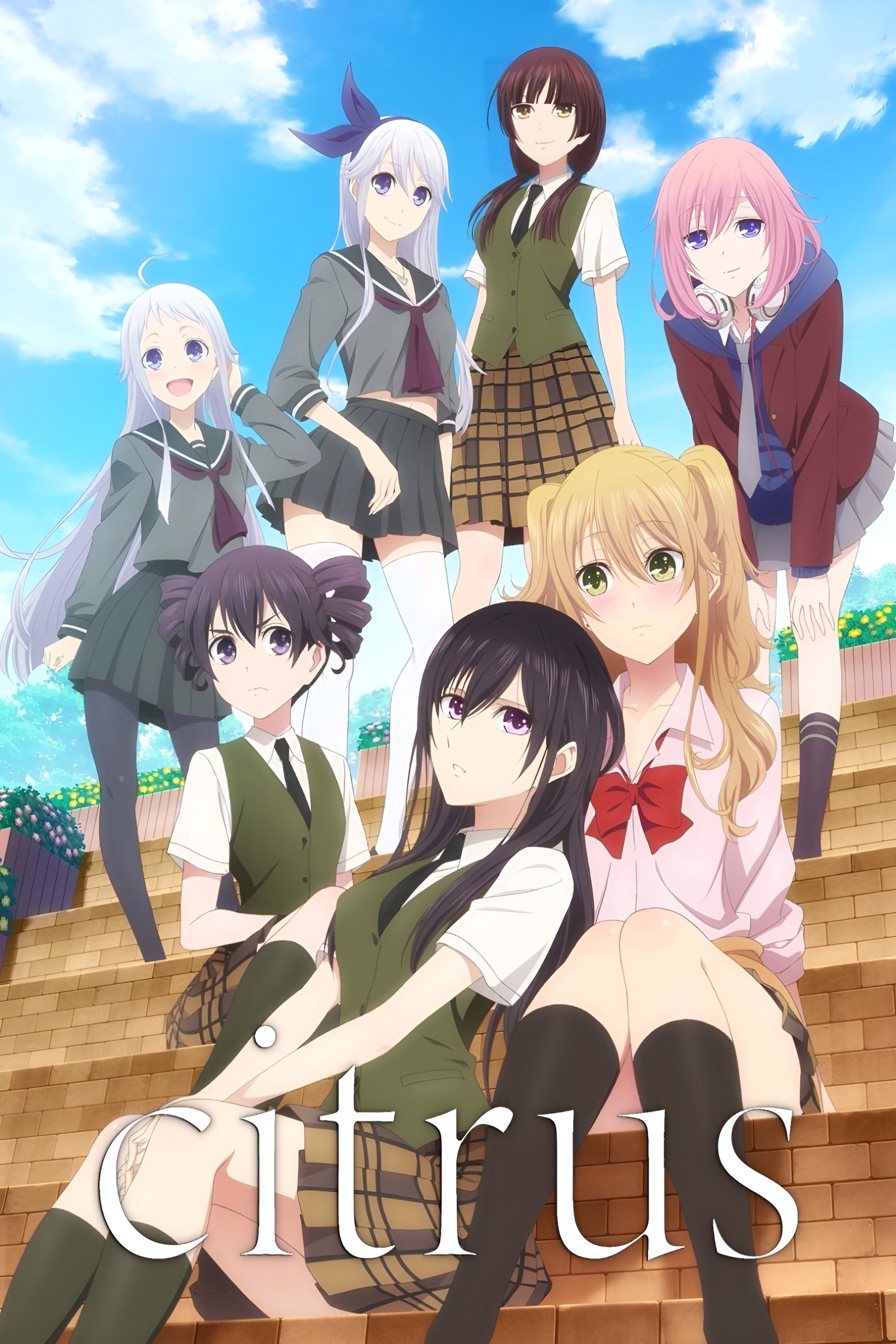
The narrative centers on the dramatic and often physical romance between two stepsisters named Yuzu and Mei. Television broadcasts obscured the frequent kissing scenes and moments of groping with strategic fog and lighting glares. These visual barriers often ruined the tension of serious dramatic scenes where the physical connection was paramount. The Blu-ray release removed these obstructions to display the full extent of their controversial relationship.
‘Psycho-Pass’ (2012–2013)
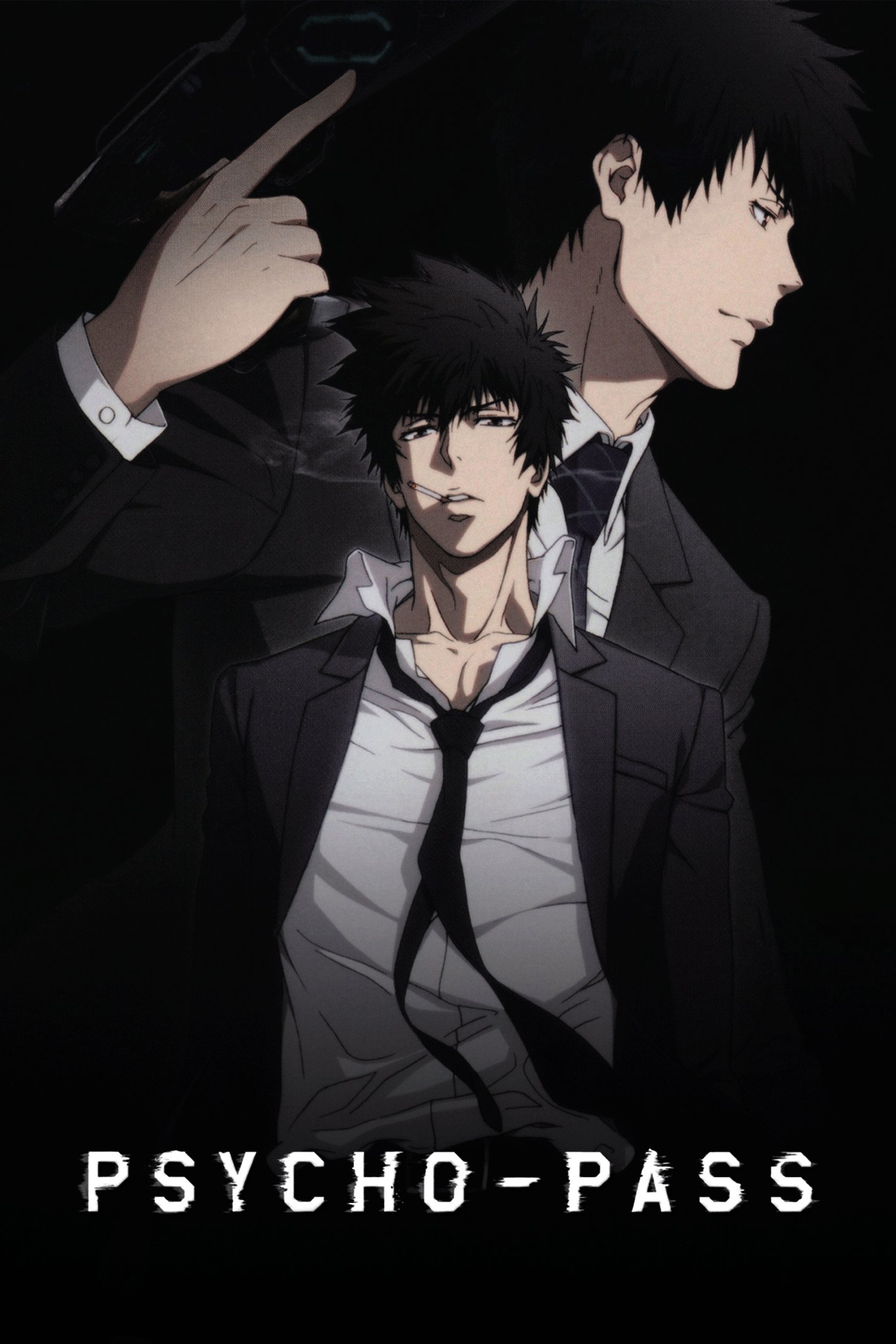
A specific scene establishing the sexual relationship between Enforcer Yayoi Kunizuka and analyst Shion Karanomori faced cuts in various regions. The sequence depicts the two women in bed together and confirms their romantic bond amidst the dystopian chaos. Removing this moment diminished the character development and made their later emotional reliance on each other seem less grounded. Fans argue that this censorship erased a rare example of a mature queer relationship in a sci-fi thriller.
‘Gushing Over Magical Girls’ (2024)
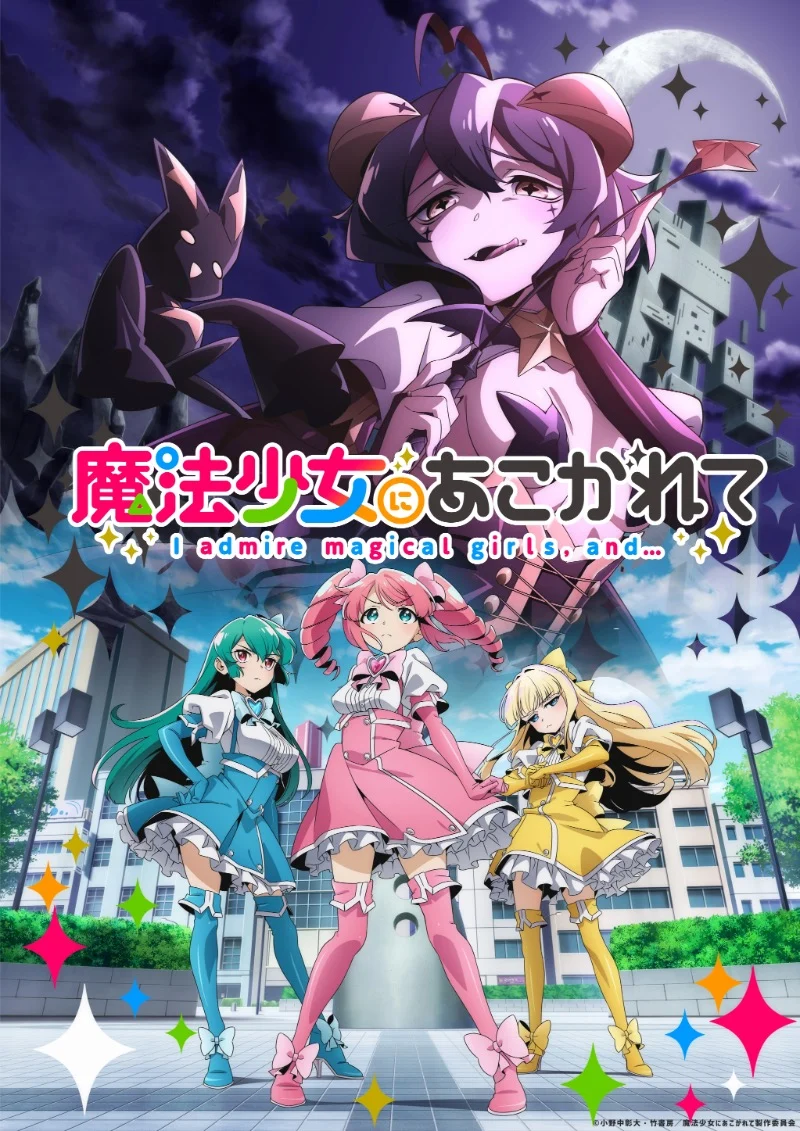
The protagonist of this series is a villainess who derives pleasure from battling and humiliating magical girls. The television broadcast censored the BDSM-themed visuals and audio so heavily that entire segments consisted of black screens or silenced dialogue. Audiences seeking to understand the plot had to seek out the premium AT-X broadcast version. The discrepancy between the two versions highlighted the extreme gap between broadcast standards and the explicit nature of modern ecchi anime.
‘Miss Kobayashi’s Dragon Maid’ (2017)
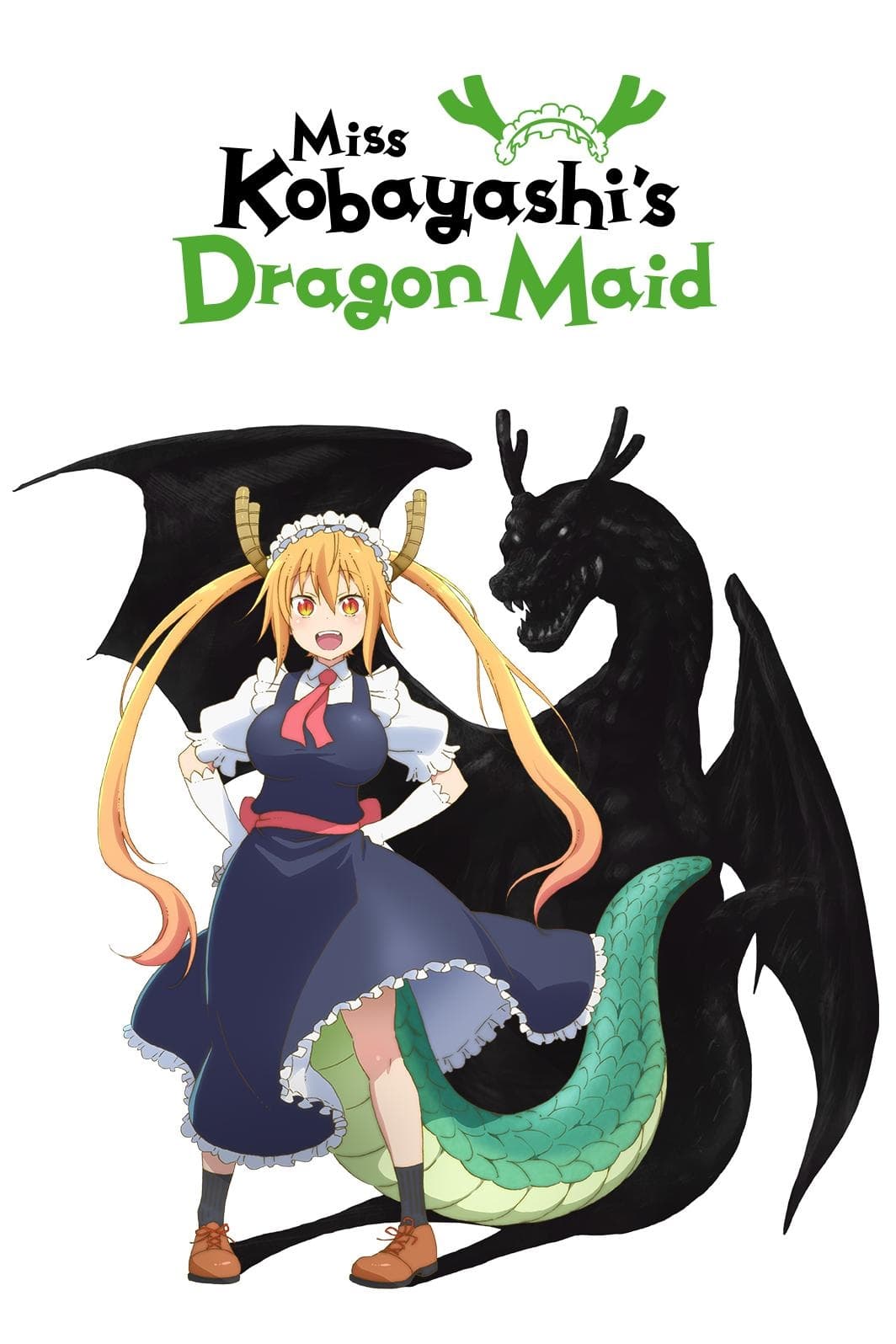
Controversy arose regarding the English localization of the series and its depiction of the relationship between Tohru and Kobayashi. Specific lines of dialogue were altered in the dub to tone down the romantic implications or change the context of their bond. Fans criticized these changes for deviating from the source material and imposing external viewpoints on the characters. The debate centered on whether localization should adapt text for culture or strictly adhere to the original Japanese intent.
‘Revolutionary Girl Utena’ (1997)
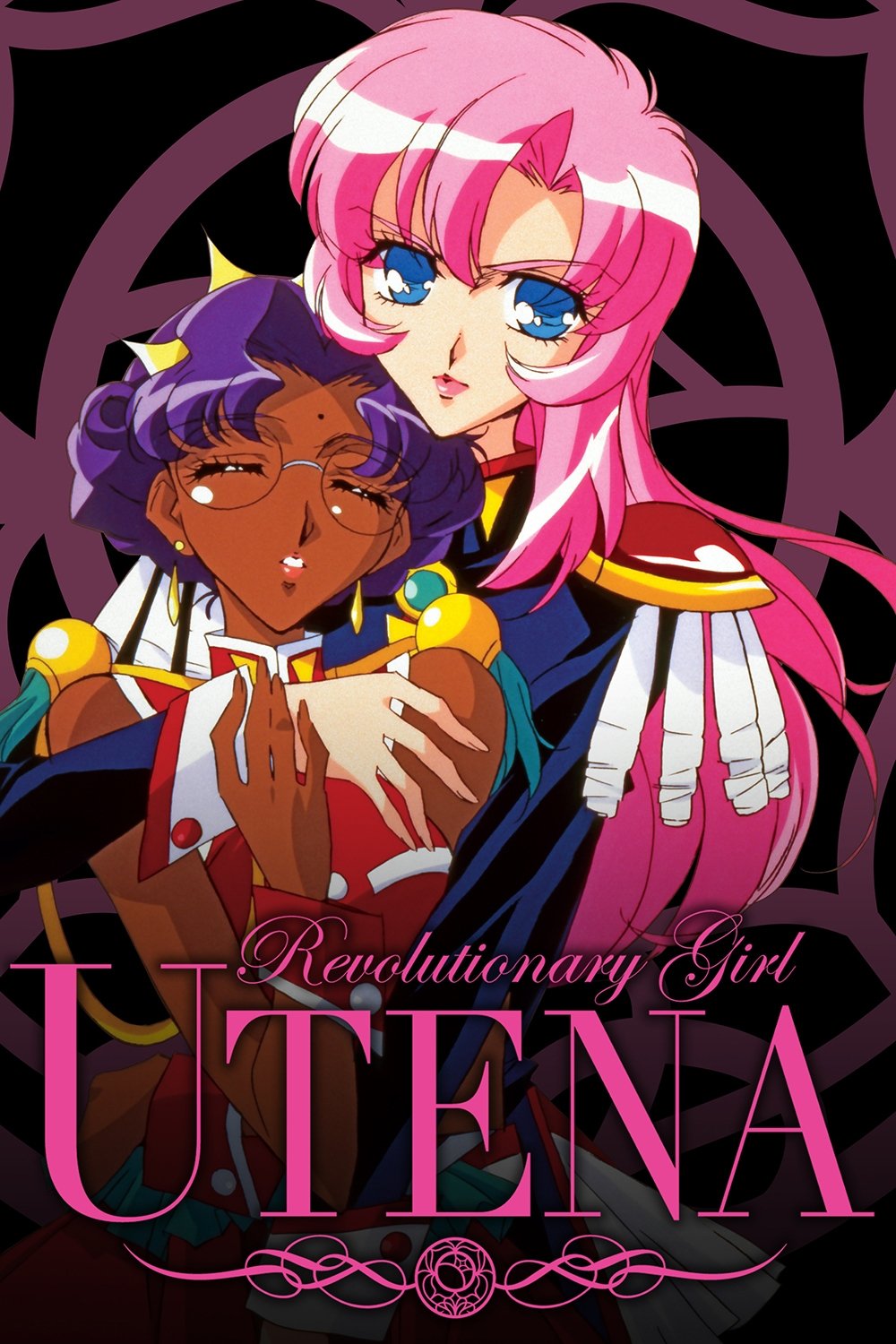
While the television series relied on metaphor to depict the relationship between Utena and Anthy, the movie ‘Adolescence of Utena’ was far more explicit. International releases often struggled with how to market or rate the film due to the visual representation of their romance. The famous car transformation sequence serves as a surreal but undeniable metaphor for their sexual consummation. Censorship discussions often revolve around the ambiguity of the TV ending versus the overt nature of the film.
‘Queen’s Blade’ (2009)
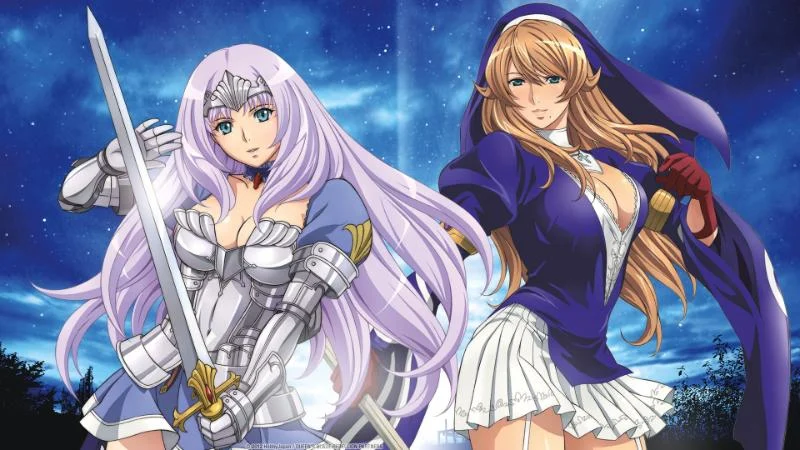
The franchise is built upon the concept of armor destruction and suggestive battles between female warriors. Broadcast versions covered the exposed skin and intimate grappling moves with convenient debris or light flares. These censors frequently obscured the lesbian overtones that were heavily implied during the combat interactions. Viewers felt that the television version failed to deliver the core appeal of the ‘Queen’s Blade’ property.
‘Seven Mortal Sins’ (2017)
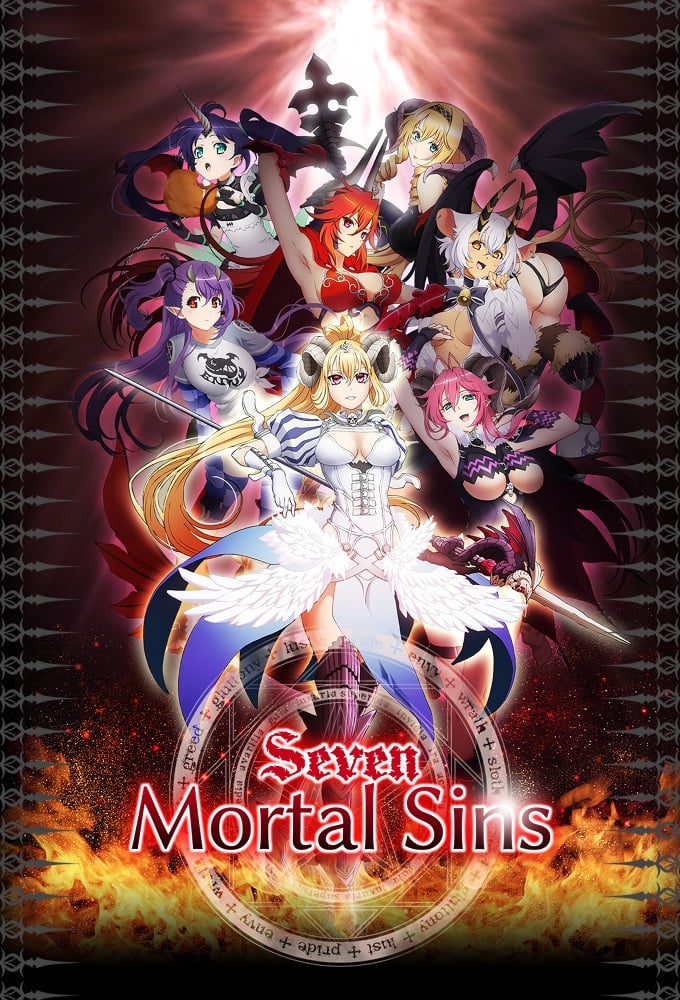
The anime features demon lords representing various sins who engage in lewd acts with one another. The television airing was jokingly referred to as the “Holiness” version because holy light blocked nearly all the artwork. This ironic form of censorship completely hid the detailed character designs and situations that were the main selling point. Fans had to purchase the physical media to see the “Unholy” version that the creators actually animated.
‘Kandagawa Jet Girls’ (2019)
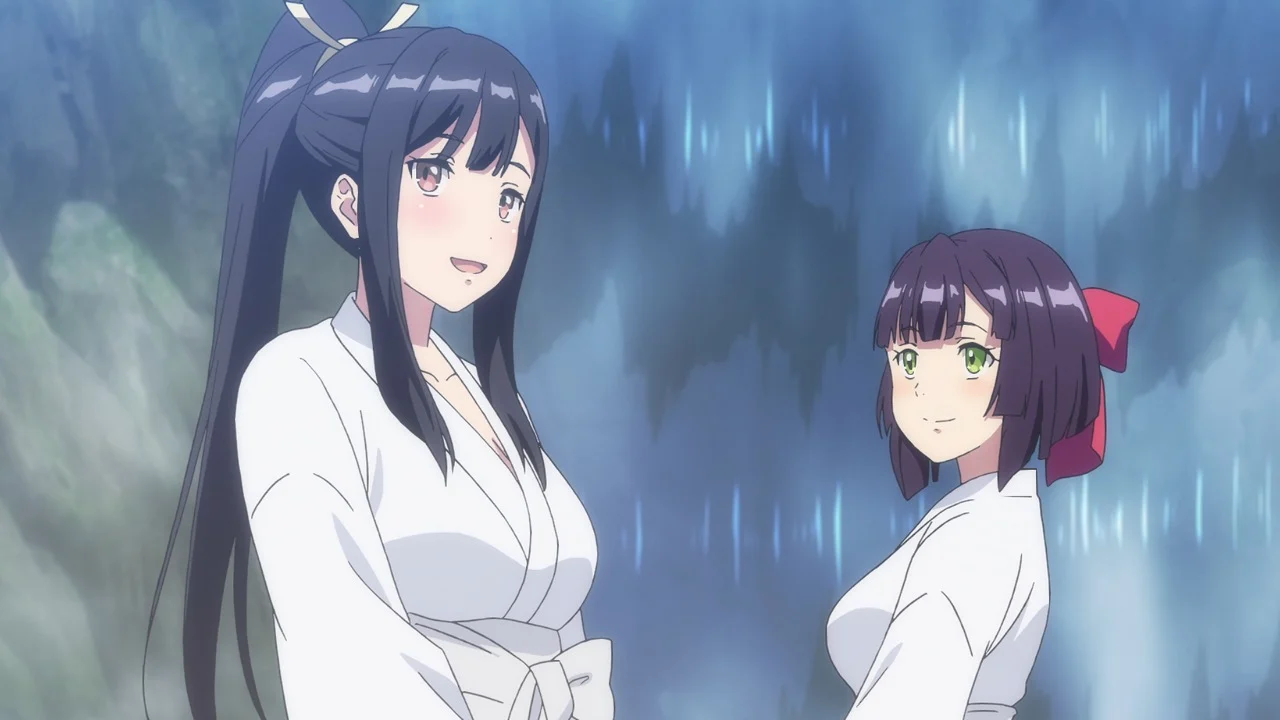
This multimedia project combines jet ski racing with fan service and relationship building between female partners. The television version used steam and water splashes to cover nudity caused by racing accidents or changing scenes. These visual obstructions often covered the romantic tension and physical comedy that drove the slice-of-life segments. The heavy censorship was criticized for being distracting and detracting from the lighthearted tone of ‘Kandagawa Jet Girls’.
‘Destiny of the Shrine Maiden’ (2004)
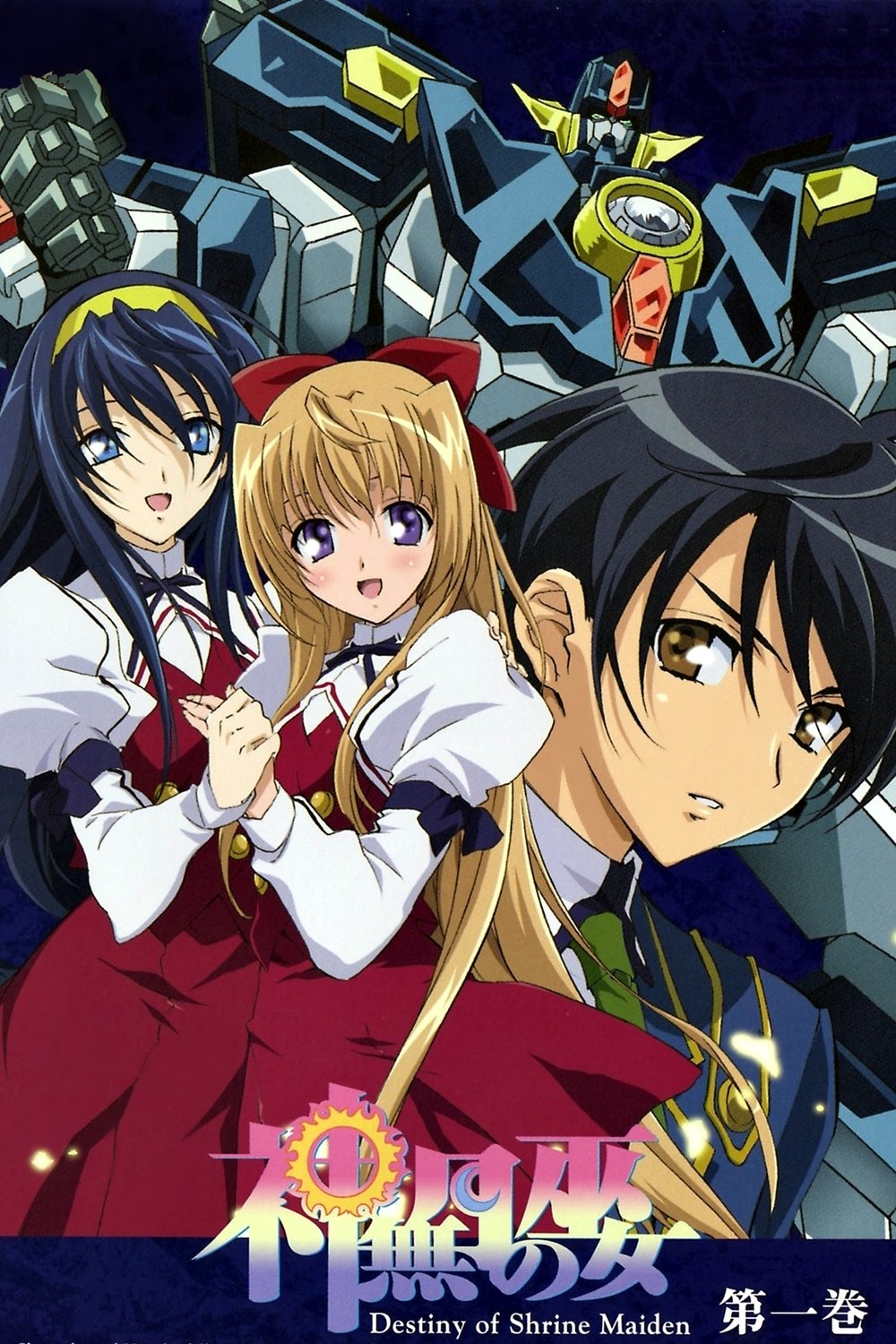
The plot relies heavily on the tragic and intense romance between the two priestesses Himeko and Chikane. Certain regional broadcasts trimmed the intensity of their physical closeness and the controversial assault scene to meet local standards. These edits softened the dark psychological aspects of their relationship and altered the viewer’s perception of Chikane’s desperate actions. The emotional payoff of the finale relies on the raw intensity that was dampened in censored versions.
Tell us which anime censorship decision baffled you the most by leaving a response in the comments.