25 Blockbusters That Whitewashed Asian and LGBTQ Historical Figures



Hollywood has a long history of altering the identities of real-life figures to align with perceived market preferences or censorship codes. This practice often involves casting white actors in roles of Asian descent or erasing the queer identities of historical icons to present a heteronormative narrative. Studios frequently defend these choices by citing commercial viability or star power, yet these decisions effectively rewrite history and marginalize the communities to which these figures belonged. The following films represent significant examples where the racial heritage or sexual orientation of historical subjects was modified for the big screen.
‘The Conqueror’ (1956)

John Wayne stars as the Mongol emperor Genghis Khan in this production that is frequently cited as one of the most egregious examples of miscasting in cinema history. The film attempts to transform the American Western icon into the Asian warlord using heavy makeup and costumes that bear little resemblance to historical reality. Critics and audiences alike panned the performance for its lack of authenticity and the absurdity of hearing Wayne’s distinct drawl in the role. This casting decision highlights an era when major studios prioritized attaching a marquee name over respecting the ethnic identity of the historical figure being portrayed.
‘The King and I’ (1956)
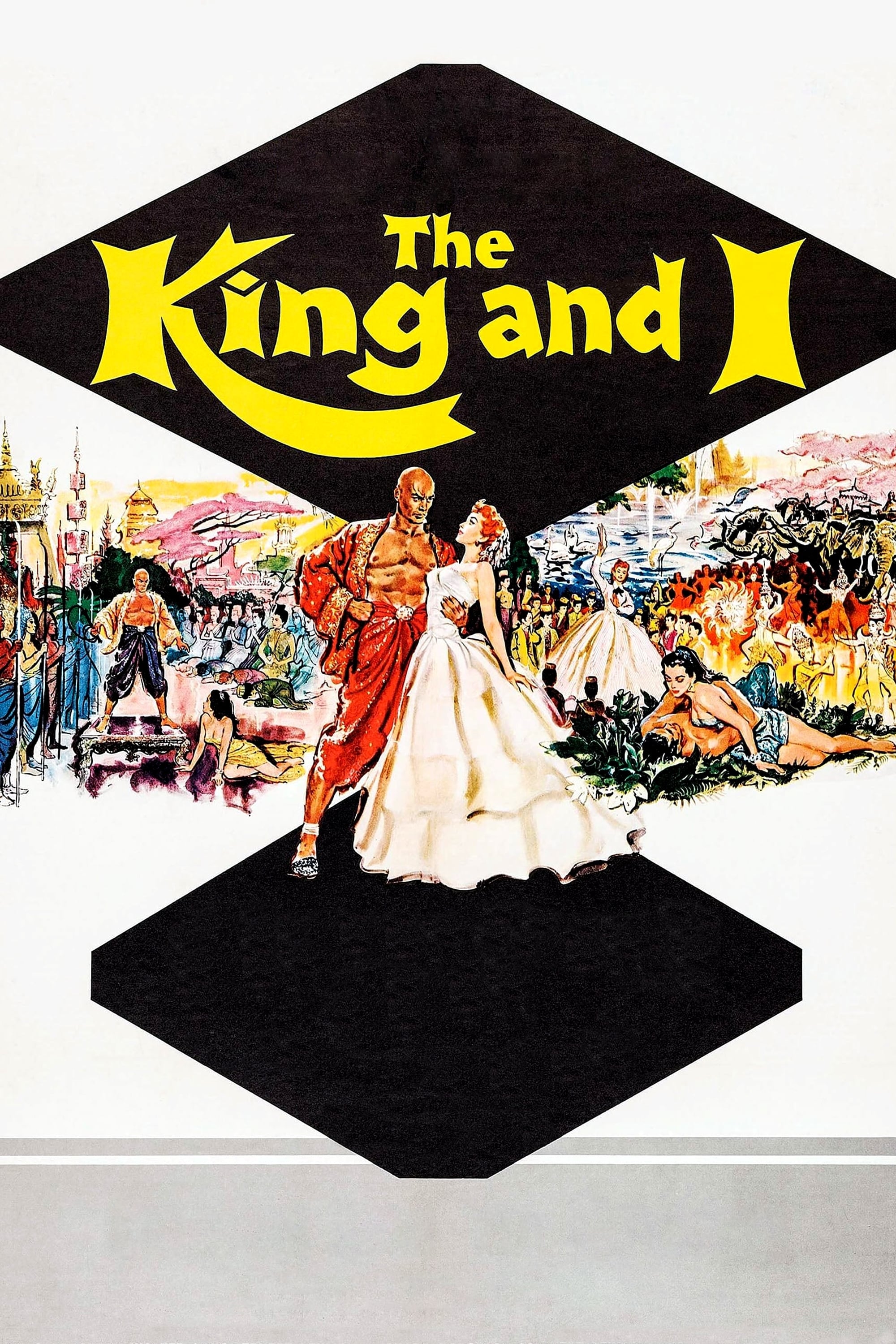
Yul Brynner plays King Mongkut of Siam in this musical adaptation that became a career-defining role for the actor. While Brynner was of mixed European and Mongol ancestry, his portrayal involves exaggerated mannerisms that have been criticized for perpetuating exoticized stereotypes of Asian rulers. The film simplifies the complex political maneuvers of the real King Mongkut and frames his modernization efforts solely through the influence of a British governess. The production remains a classic in the West but is viewed with skepticism in Thailand due to its historical inaccuracies and caricature of the monarch.
‘Anna and the King of Siam’ (1946)
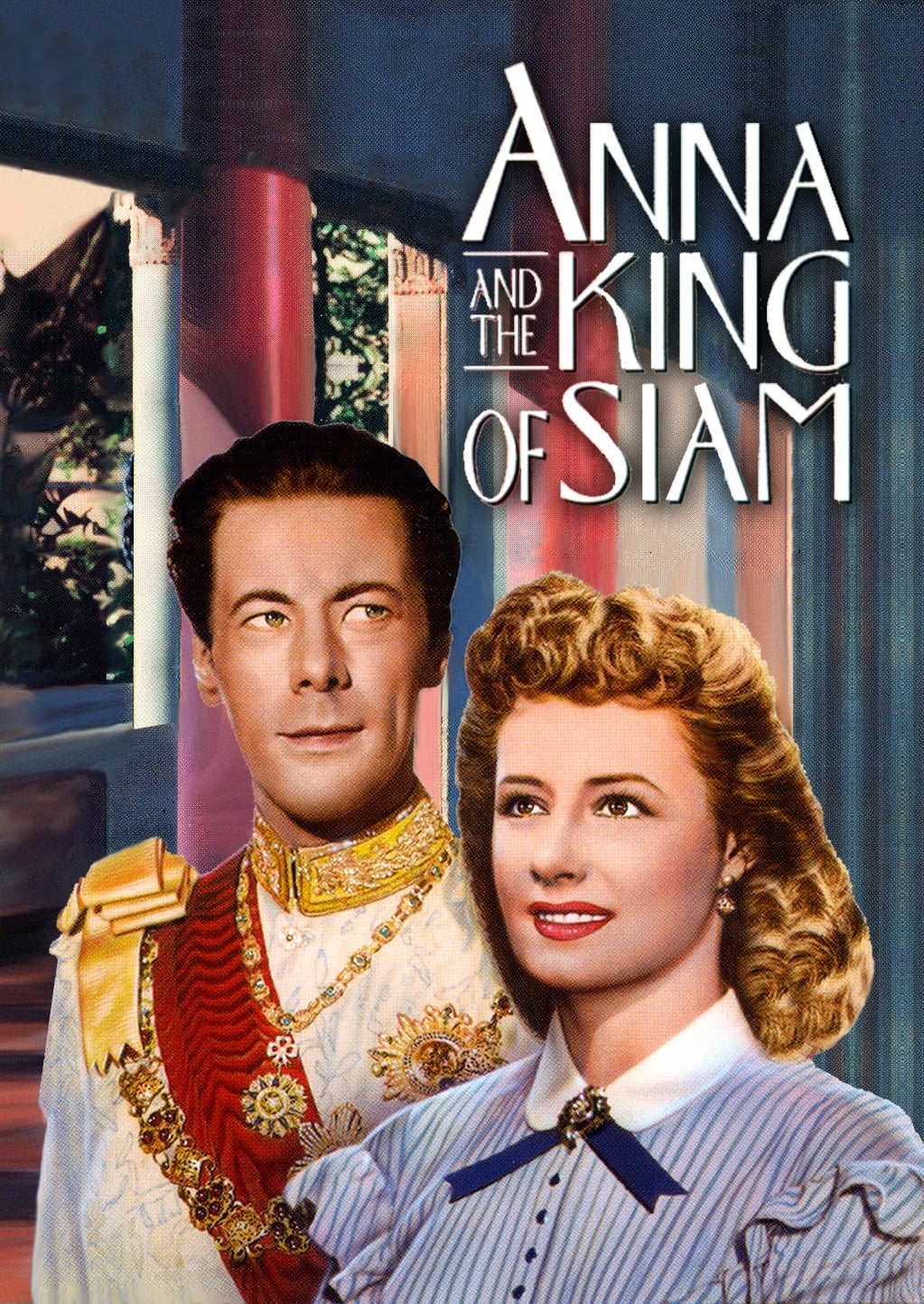
Rex Harrison portrays King Mongkut in this earlier dramatic version of the story that precedes the famous musical. Harrison performs the role in yellowface makeup and adopts broken English to depict the Thai monarch. The narrative focuses heavily on the perspective of the white governess while reducing the King to a figure who requires Western civilization to become enlightened. This film demonstrates how casually Hollywood utilized white actors to replace Asian historical figures during the mid-twentieth century.
‘Genghis Khan’ (1965)
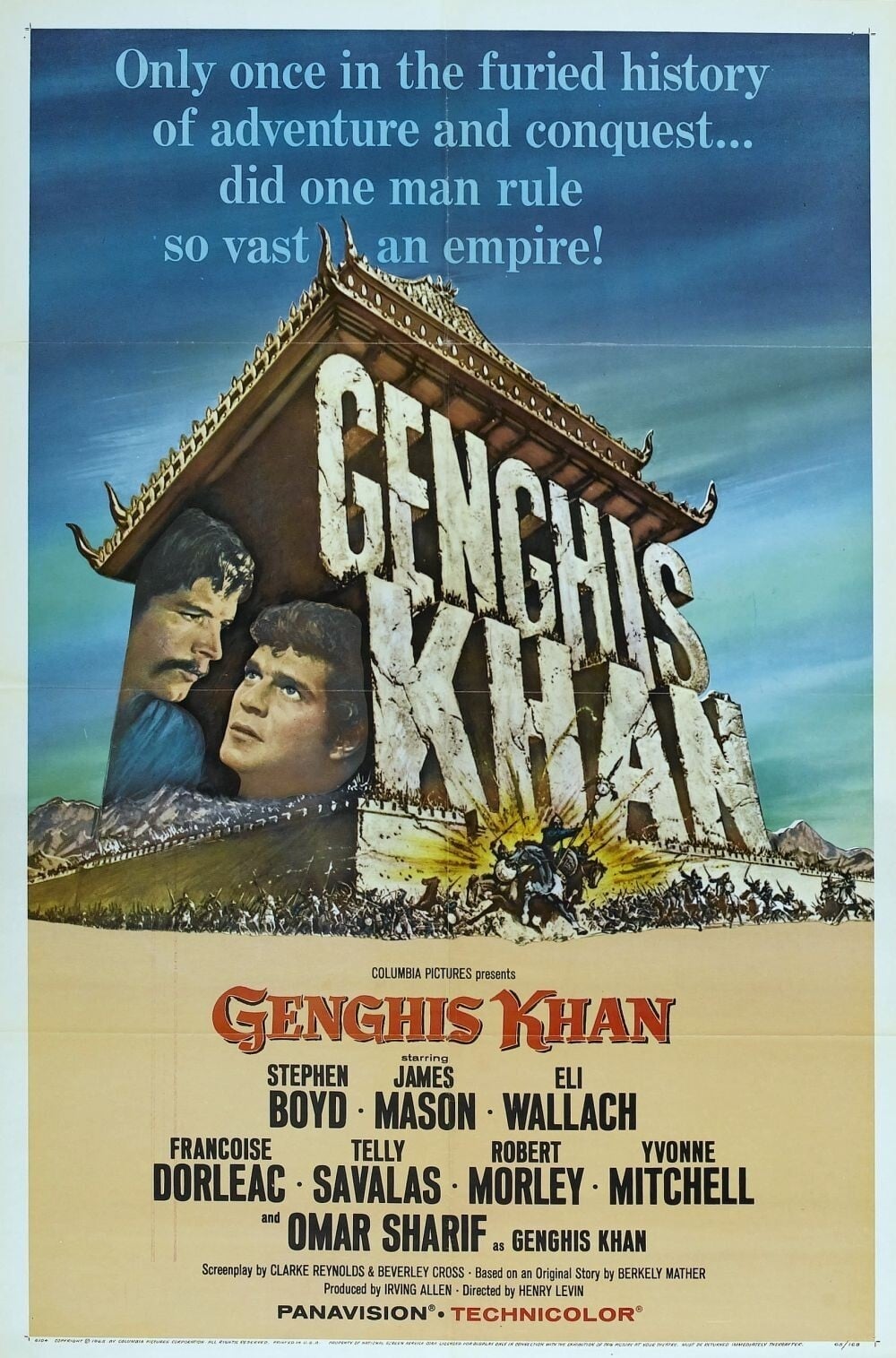
Omar Sharif takes on the role of the Mongol leader in this international co-production. While Sharif was Egyptian and a person of color, the casting still represents a displacement of East Asian representation in favor of a more globally recognized star from a different background. The film follows the standard Hollywood epic formula of the time by filling the supporting cast with white actors in varying degrees of makeup. This production further cemented the industry trend of treating Asian historical roles as interchangeable or open to interpretation by non-Asian actors.
‘The Inn of the Sixth Happiness’ (1958)
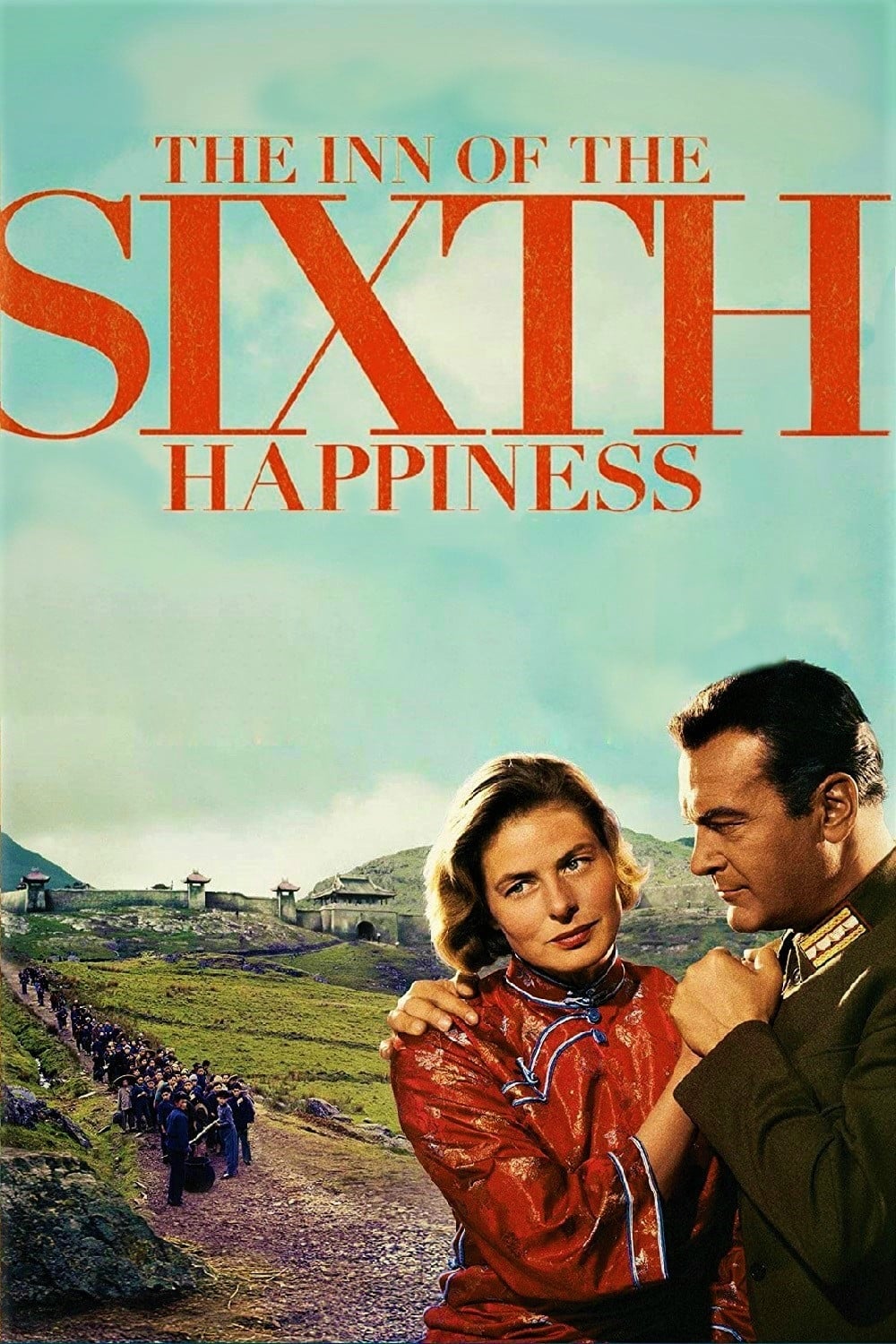
Curd Jürgens portrays Colonel Lin Nan in this biopic about the missionary Gladys Aylward. The character of Lin Nan was a Chinese officer in real life, yet the German-Austrian actor Jürgens played the role with taped eyelids to alter his appearance. The casting creates a jarring visual disconnect as the film attempts to portray an authentic romance between the missionary and the officer. This choice stands as a testament to the refusal of studios in the 1950s to cast Asian men as romantic leads even in stories set in Asia.
’21’ (2008)
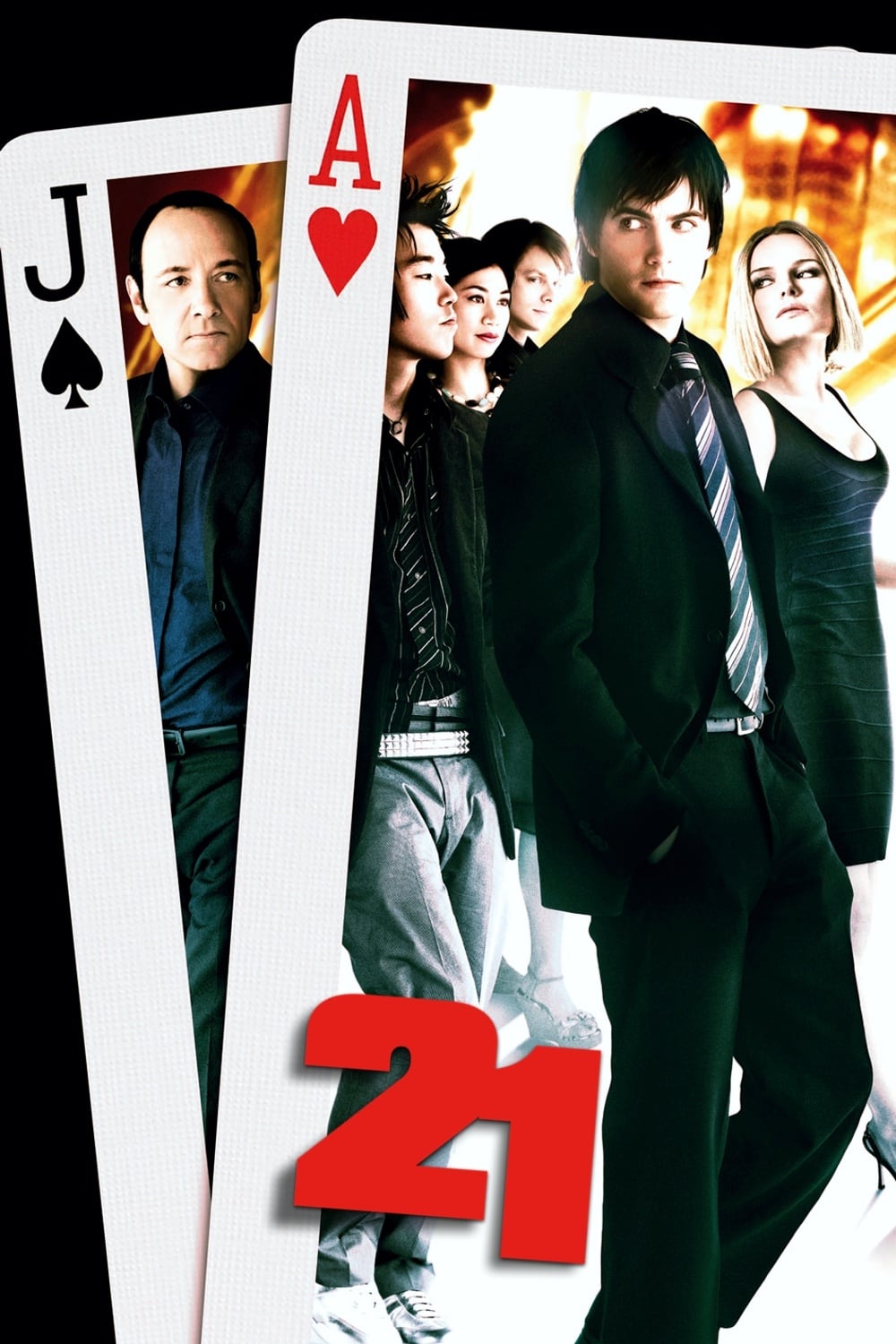
Jim Sturgess stars as Ben Campbell in this film based on the true story of the MIT Blackjack Team. The real-life inspiration for the character was Jeff Ma, an Asian-American student who was central to the actual events. Filmmakers changed the protagonist’s race to white for the movie adaptation while relegating Asian actors to supporting roles. This decision drew significant criticism for erasing the specific identity of the real person whose mathematical genius drove the story.
‘A Mighty Heart’ (2007)

Angelina Jolie portrays journalist Mariane Pearl in this drama about the kidnapping of Daniel Pearl. The real Mariane Pearl is of Afro-Chinese-Cuban descent and has a naturally curly hair texture and darker complexion than Jolie. The actress wore a wig and spray tan to approximate Pearl’s appearance, which sparked debates regarding colorism and the lack of opportunities for mixed-race actresses. Although Jolie received the blessing of Mariane Pearl herself, the casting remains a point of contention regarding Hollywood’s reluctance to cast actors who naturally fit the ethnic profile of real-life subjects.
‘Exodus: Gods and Kings’ (2014)

Joel Edgerton plays the Egyptian pharaoh Ramesses II in this biblical epic directed by Ridley Scott. The film features a predominantly white main cast portraying ancient Egyptians and Hebrews, while actors of color are largely relegated to roles as servants or thieves. The director defended the casting choices by claiming that budget constraints required big-name actors to secure financing. This explanation fueled a widespread conversation about the systemic whitewashing of North African and Middle Eastern history in blockbuster filmmaking.
‘Stonewall’ (2015)

Jeremy Irvine plays Danny Winters, a fictional white protagonist invented to lead the narrative of the historic Stonewall Riots. Historical accounts confirm that trans women of color and drag queens like Marsha P. Johnson and Sylvia Rivera were the primary instigators of the uprising. The film sidelines these real-life activists in favor of a conventionally palatable white lead who throws the first brick. Critics condemned the movie for sanitizing the diversity of the LGBTQ rights movement and erasing the contributions of its true pioneers.
‘Green Book’ (2018)
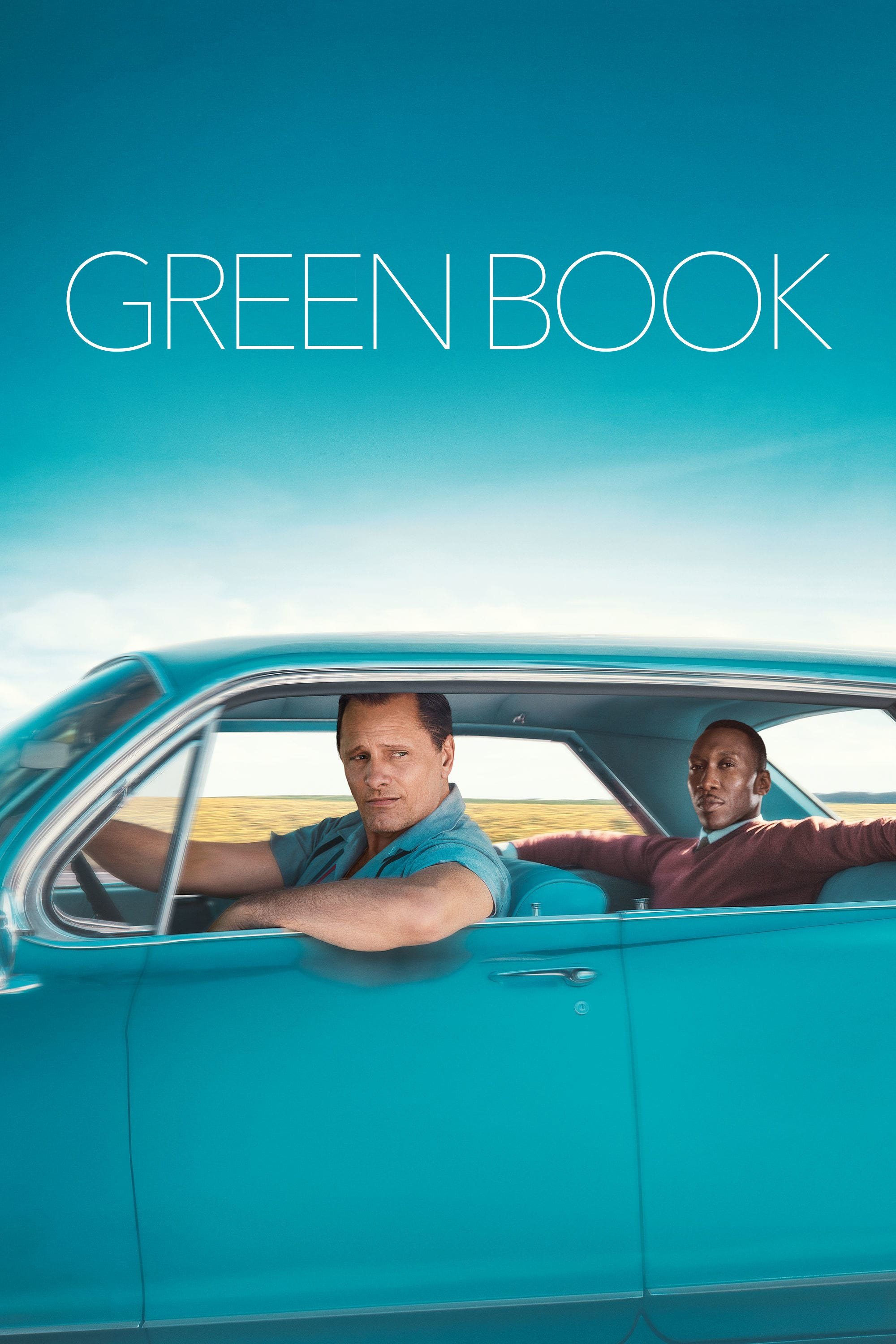
Mahershala Ali portrays the acclaimed pianist Dr. Don Shirley in this Academy Award-winning film. While the casting of a Black actor is accurate, the film has been criticized by Shirley’s surviving family for erasing his sexual orientation and misrepresenting his relationship with his family. The narrative glosses over Shirley’s queer identity, which was a significant aspect of his life and struggles during that era. The film focuses heavily on the white driver’s perspective, which critics argue simplifies Shirley’s complex existence as a queer Black man in the segregated South.
‘Bohemian Rhapsody’ (2018)
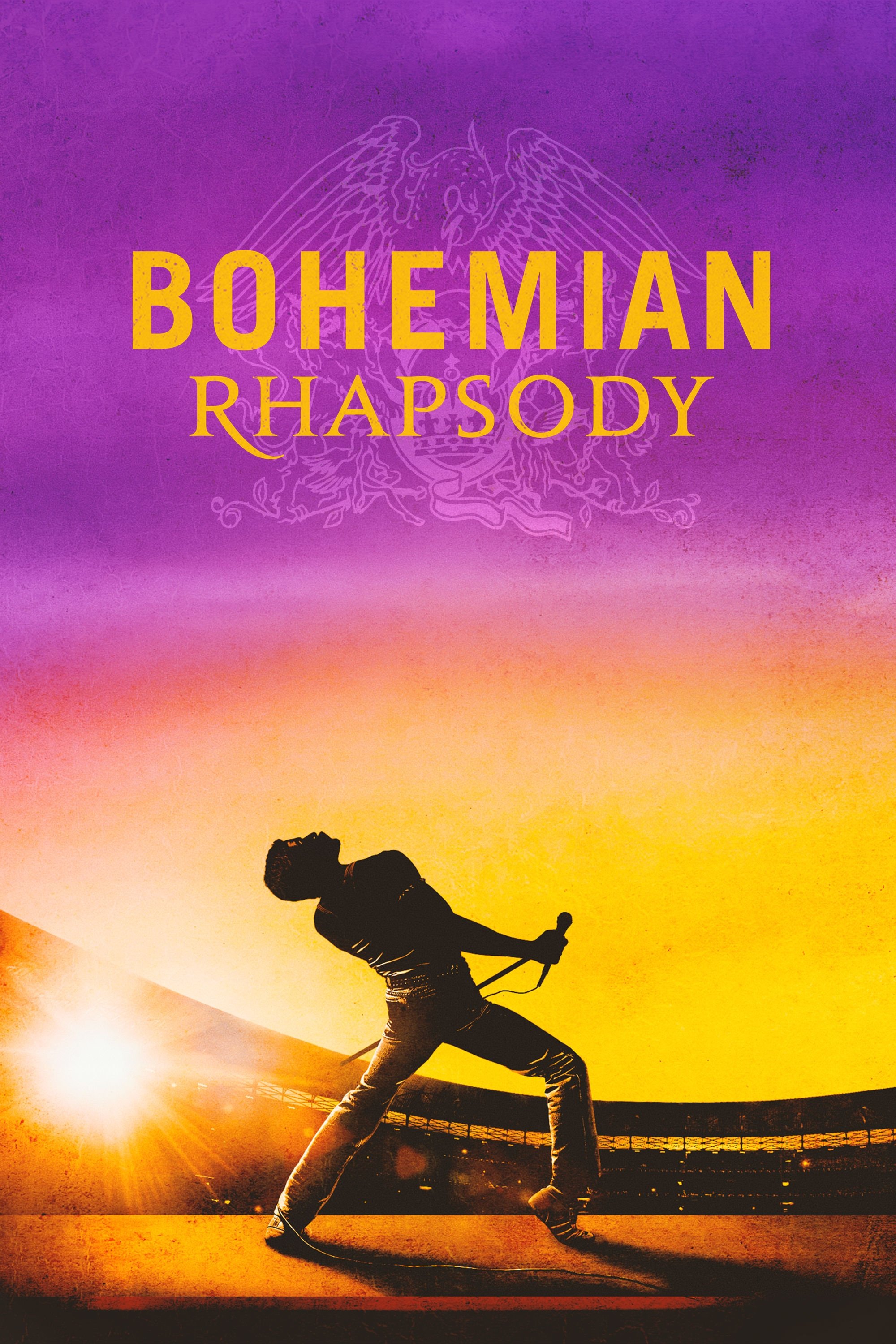
Rami Malek stars as the legendary Queen frontman Freddie Mercury in this musical biopic. While the film touches upon Mercury’s sexuality, critics argued that it sanitized his queer relationships and framed his lifestyle as a corrupting influence. The movie devotes significant screen time to his relationship with Mary Austin while treating his male partners with less depth and screen time. Many felt the PG-13 rating forced the filmmakers to straightwash the more vibrant and unapologetic aspects of Mercury’s personal life.
‘A Beautiful Mind’ (2001)
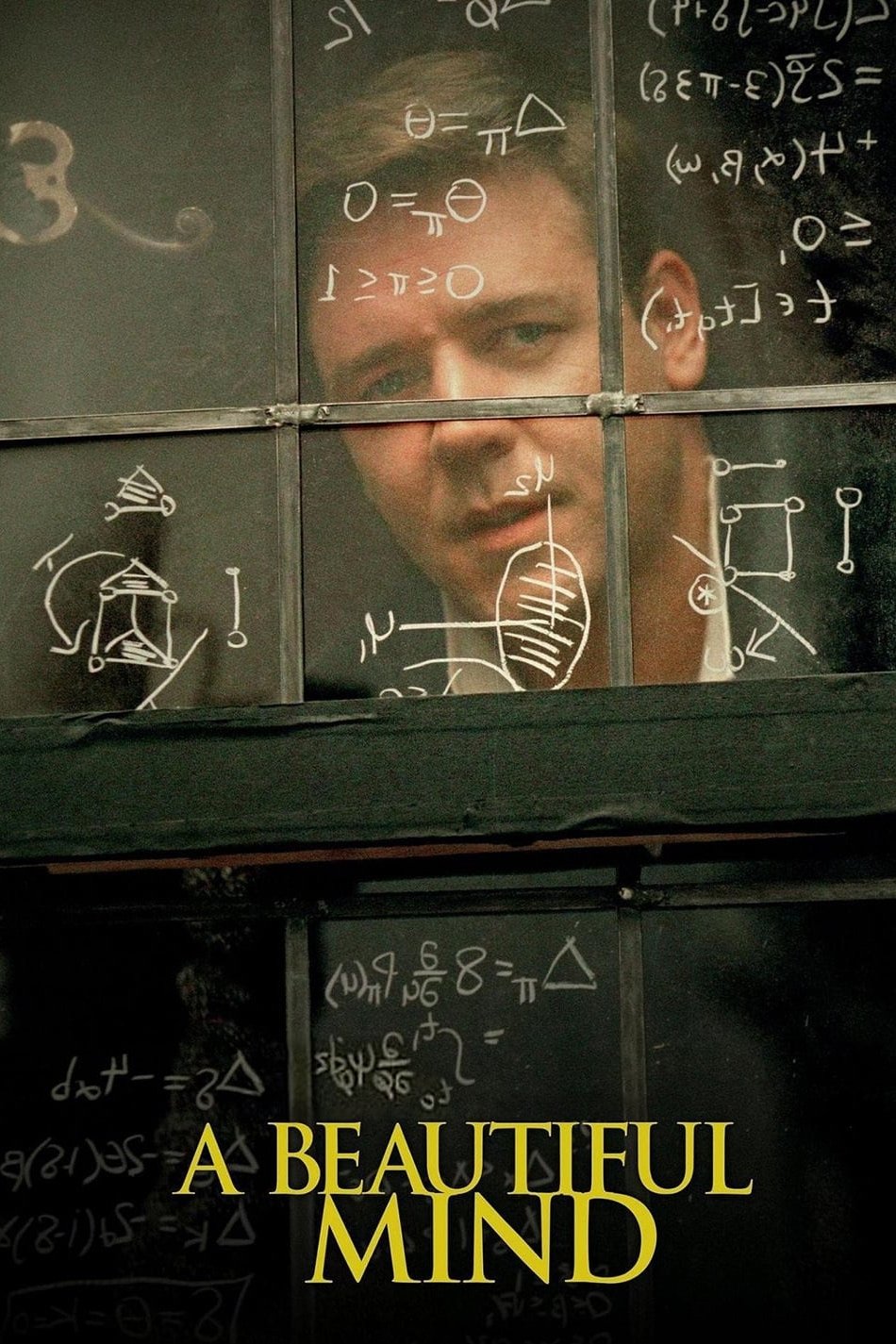
Russell Crowe plays the brilliant mathematician John Nash in this acclaimed biographical drama. The film omits Nash’s documented relationships with men and his arrest for indecent exposure in a sting operation targeting gay men. By presenting a strictly heteronormative romance with his wife, the movie ignores a crucial component of Nash’s complex personal history. This erasure serves to streamline the narrative for mass appeal but paints an incomplete picture of the man behind the mathematics.
‘The Imitation Game’ (2014)

Benedict Cumberbatch portrays the code-breaking genius Alan Turing during World War II. Although the film acknowledges Turing’s homosexuality, it refrains from showing him in any romantic or sexual context with men. The script instead creates a strong emotional bond with a female colleague, Joan Clarke, which dominates the emotional core of the film. This creative choice downplays the specific nature of Turing’s desire, which was the very reason the British government persecuted him.
‘Midnight Express’ (1978)
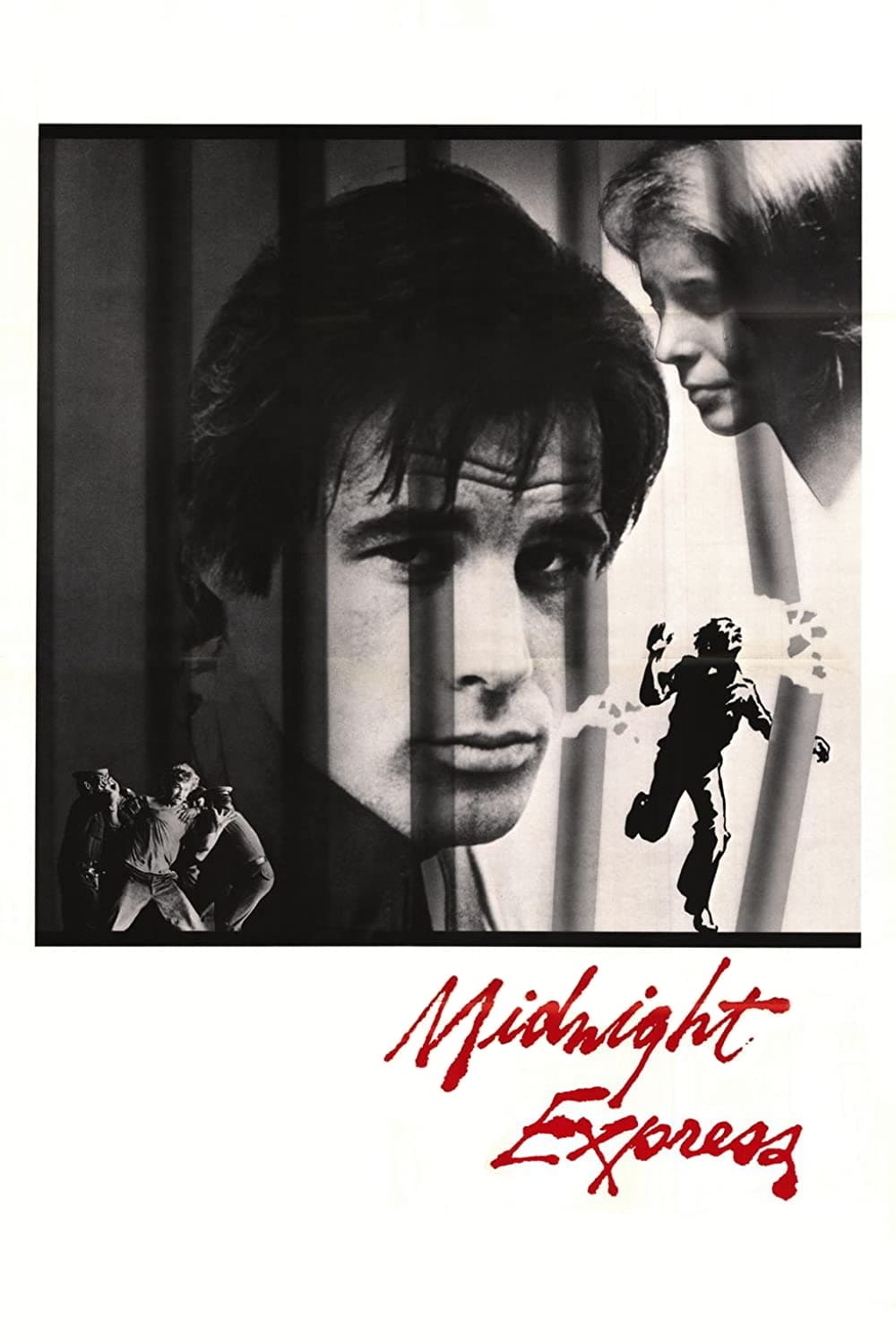
Brad Davis stars as Billy Hayes in this intense drama about an American student imprisoned in Turkey. The real Billy Hayes wrote about having a consensual sexual relationship with a fellow prisoner during his incarceration. The film adaptation removes this element entirely and instead inserts a scene where Hayes violently rejects a sexual advance. This alteration aligns the character with traditional masculine norms of the 1970s while rejecting the queer reality of his prison experience.
‘Braveheart’ (1995)

Peter Hanly portrays Prince Edward, the son of King Edward Longshanks, as a stereotypical and effeminate weakling. The film depicts the Prince’s relationship with his male lover Phillip primarily as a source of comedy and weakness to contrast with William Wallace’s hyper-masculinity. Historical records suggest Edward II was a capable albeit controversial ruler whose relationships were far more complex than the film’s mockery suggests. The narrative uses the Prince’s sexuality as a shorthand for incompetence and villainy.
‘Alexander the Great’ (1956)
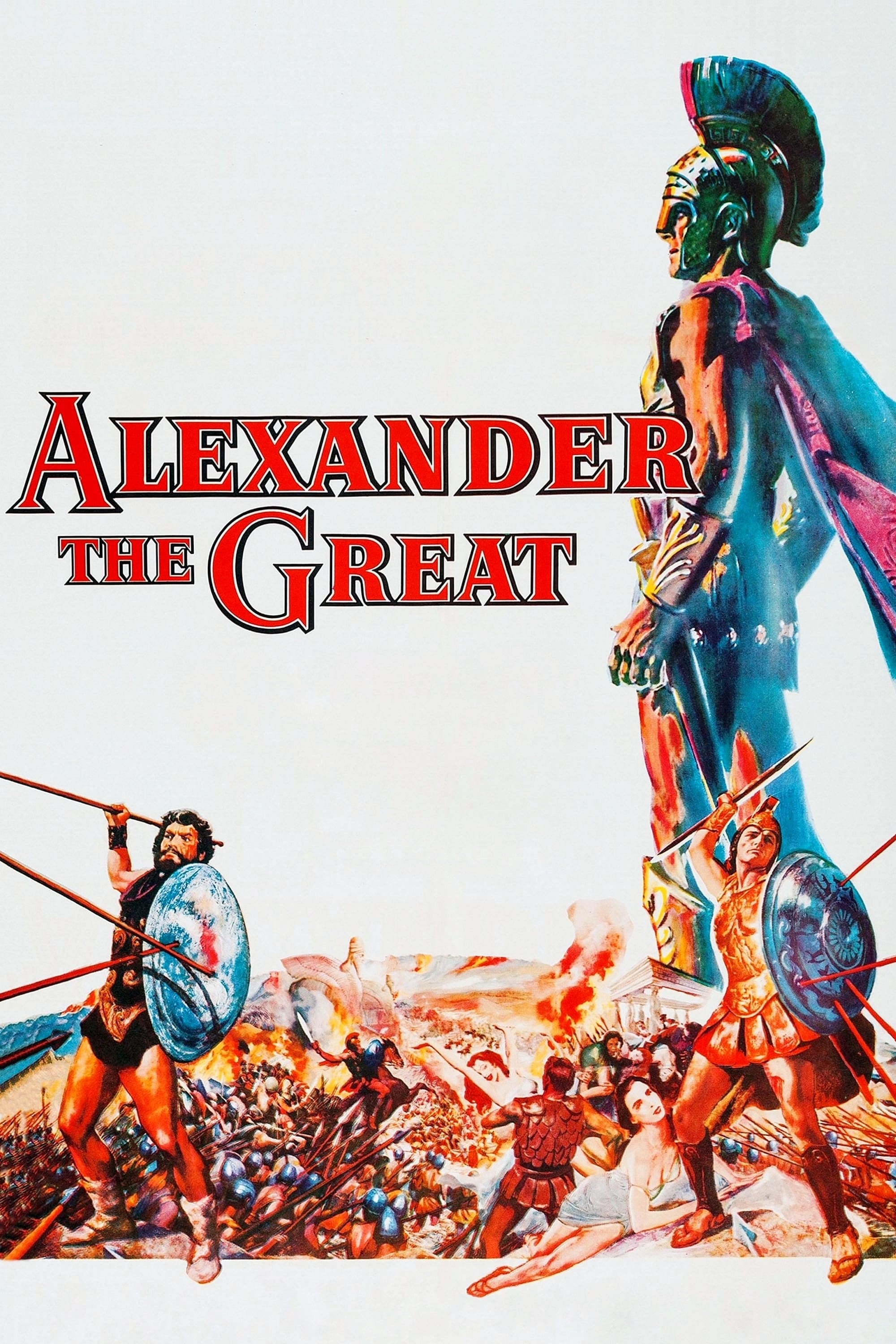
Richard Burton stars as the Macedonian conqueror in this classic Hollywood epic. The film completely excises the well-documented romantic and sexual nature of Alexander’s relationship with his general Hephaestion. Instead, the script focuses entirely on his military conquests and interactions with female characters to fit the censorship standards of the time. This portrayal set a precedent for decades of historians and filmmakers glossing over the fluidity of sexuality in ancient Greece.
‘Night and Day’ (1946)

Cary Grant plays the iconic songwriter Cole Porter in a biopic that bears almost no resemblance to Porter’s actual private life. The real Cole Porter was a gay man who maintained a marriage of convenience, yet the film presents him as a strictly heterosexual romantic hero. The narrative constructs a fictionalized romance with his wife that ignores his many relationships with men. This film serves as a prime example of the Motion Picture Production Code forcing the complete erasure of a subject’s queer identity.
‘Words and Music’ (1948)
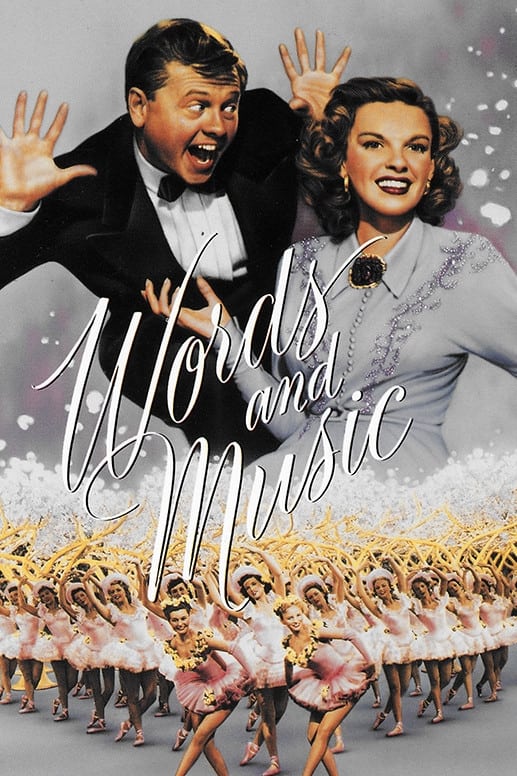
Mickey Rooney portrays the lyricist Lorenz Hart in this musical biography about the duo Rodgers and Hart. The real Lorenz Hart was a tormented gay man whose struggles with his sexuality contributed to his personal demons and eventual decline. The movie completely ignores this aspect of his life and attributes his unhappiness solely to his short stature and a failed romance with a woman. This revisionist history denies the audience an understanding of the true source of Hart’s pain and artistic inspiration.
‘The Agony and the Ecstasy’ (1965)
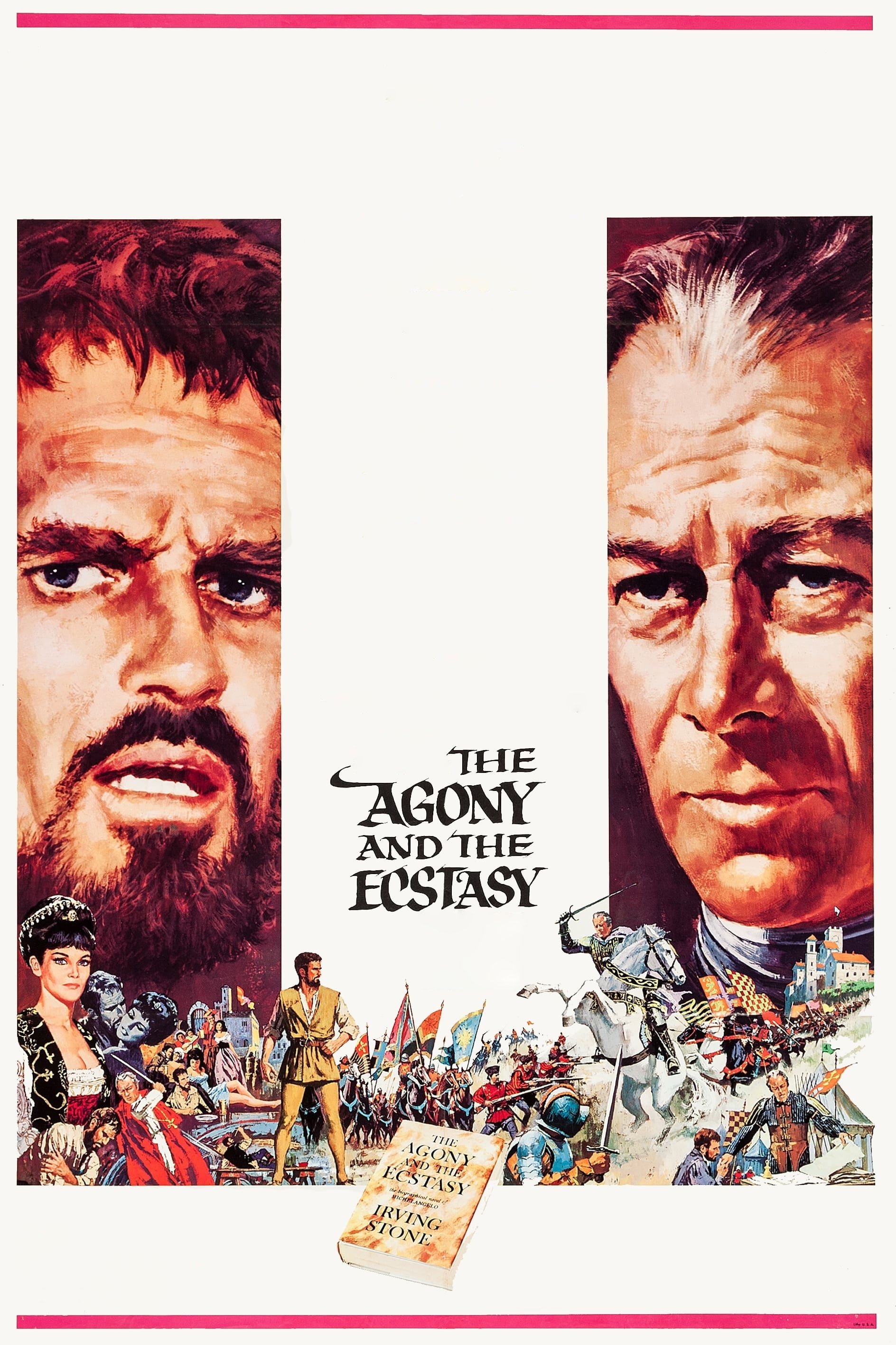
Charlton Heston stars as the Renaissance artist Michelangelo during the painting of the Sistine Chapel. The film portrays the artist as a rugged, asexual figure dedicated solely to his art and God, with a hint of romance involving a noblewoman. Historical evidence strongly indicates that Michelangelo had romantic relationships with men, which influenced much of his poetry and art. The movie sanitizes his identity to make him a palpable hero for mainstream religious and conservative audiences of the 1960s.
‘Calamity Jane’ (1953)

Doris Day plays the titular Wild West figure in a musical that presents her as a tomboy who eventually conforms to traditional femininity to win a man. Historical accounts of Martha Jane Cannary suggest she was gender-nonconforming and likely had relationships with women. The film transforms her story into a conventional heterosexual romance where marriage is the ultimate goal. This interpretation erases the gender fluidity that made the real Calamity Jane a subversive historical figure.
‘Bonnie and Clyde’ (1967)
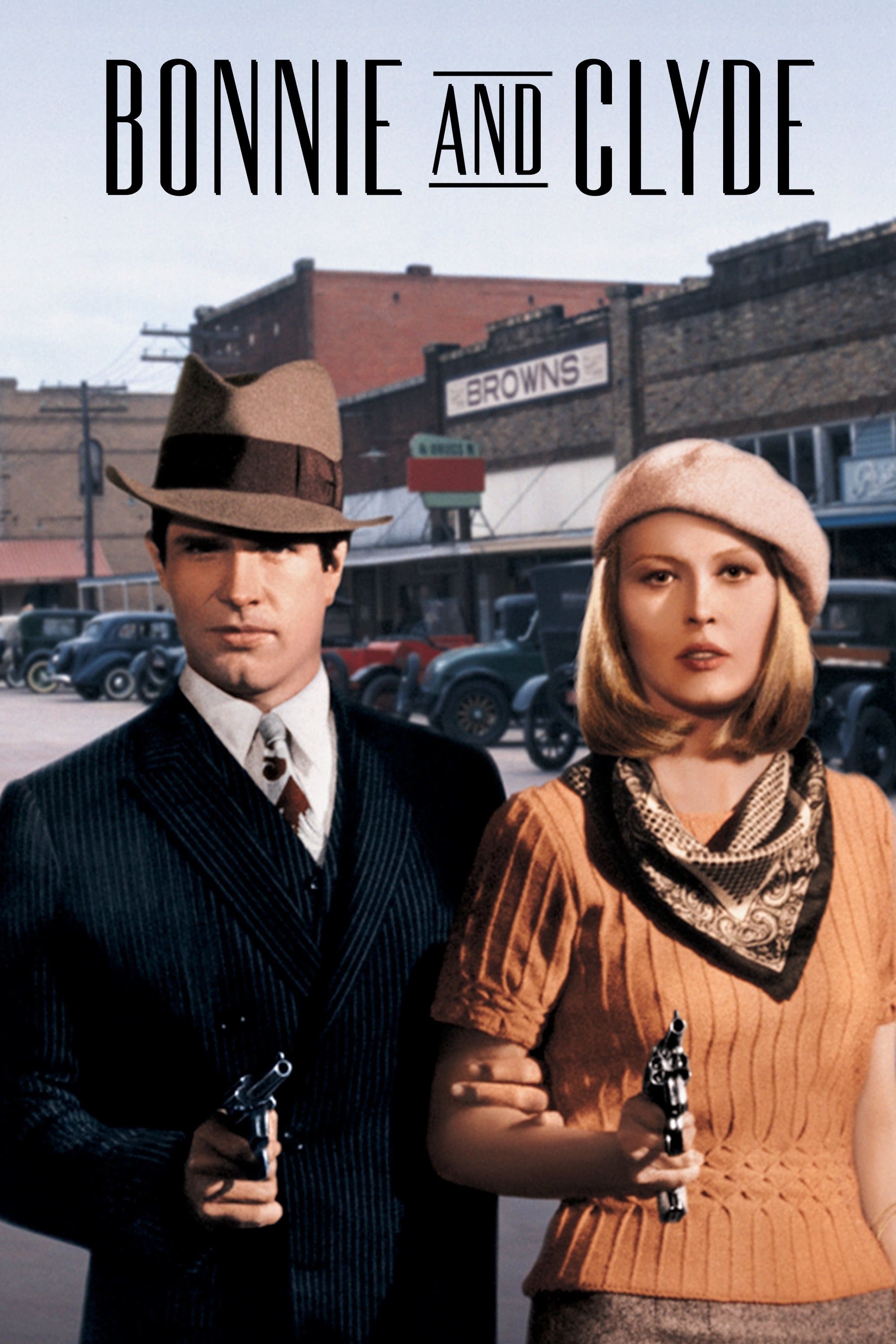
Warren Beatty stars as Clyde Barrow in this landmark film that changed American cinema. The script implies that Clyde is impotent in his relationship with Bonnie Parker, a choice made to explain their lack of sexual intimacy on screen. Biographers and historians have suggested that the real Clyde Barrow may have been bisexual, a detail the film avoids in favor of a psychological explanation for his behavior. The decision to pathologize his lack of heterosexual drive rather than explore his potential queerness reflects the psychoanalytic trends of the era.
‘The Danish Girl’ (2015)

Eddie Redmayne, a cisgender man, plays Lili Elbe, one of the first recipients of gender confirmation surgery. While the film brings a trans narrative to the mainstream, the casting of a cisgender male actor was criticized for reinforcing the idea that trans women are men playing dress-up. Additionally, the script takes significant liberties with Elbe’s life, altering the timeline and nature of her relationships to fit a tragic romance mold. The film has been accused of prioritizing a cisgender gaze over the authentic representation of a trans historical figure.
‘Lawrence of Arabia’ (1962)
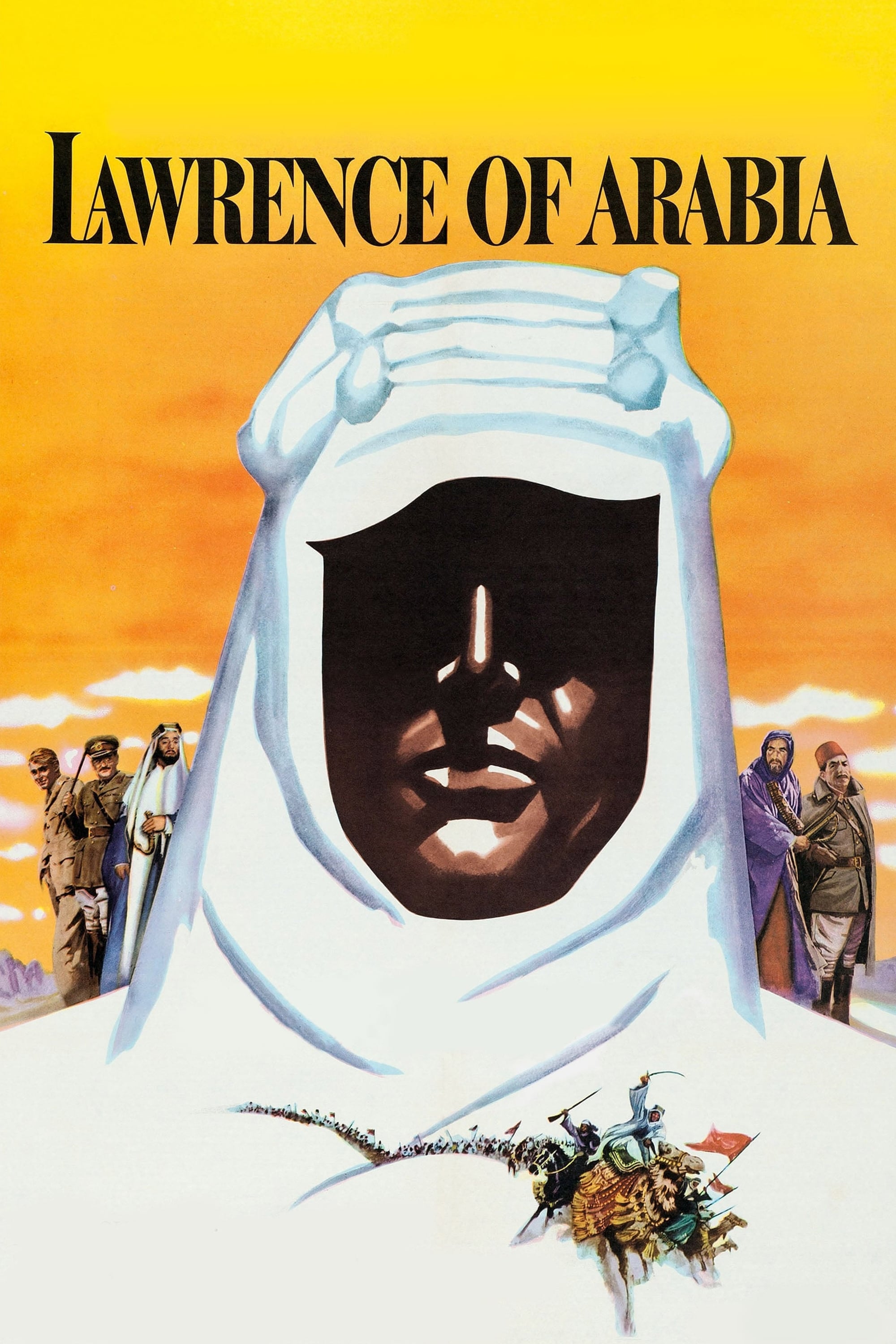
Peter O’Toole delivers an iconic performance as T.E. Lawrence in David Lean’s masterpiece. While the film hints at Lawrence’s masochism and eccentricity, it leaves his sexuality largely ambiguous or subtextual. Historical biographers have long discussed Lawrence’s homosexuality and his close relationships with men, which played a role in his life in the desert. The film’s refusal to explicitly address this aspect of his character creates a void in understanding his personal motivations and connections.
‘Spartacus’ (1960)

Laurence Olivier plays the Roman general Crassus in this epic directed by Stanley Kubrick. A famous scene where Crassus discusses his taste for both “snails and oysters” with a slave to imply bisexuality was cut from the original theatrical release due to censorship. The studio feared that acknowledging the character’s sexual interest in men would alienate audiences. The scene was only restored in later years, revealing how the film originally intended to depict the sexual norms of ancient Rome before studio interference.
‘Silkwood’ (1983)
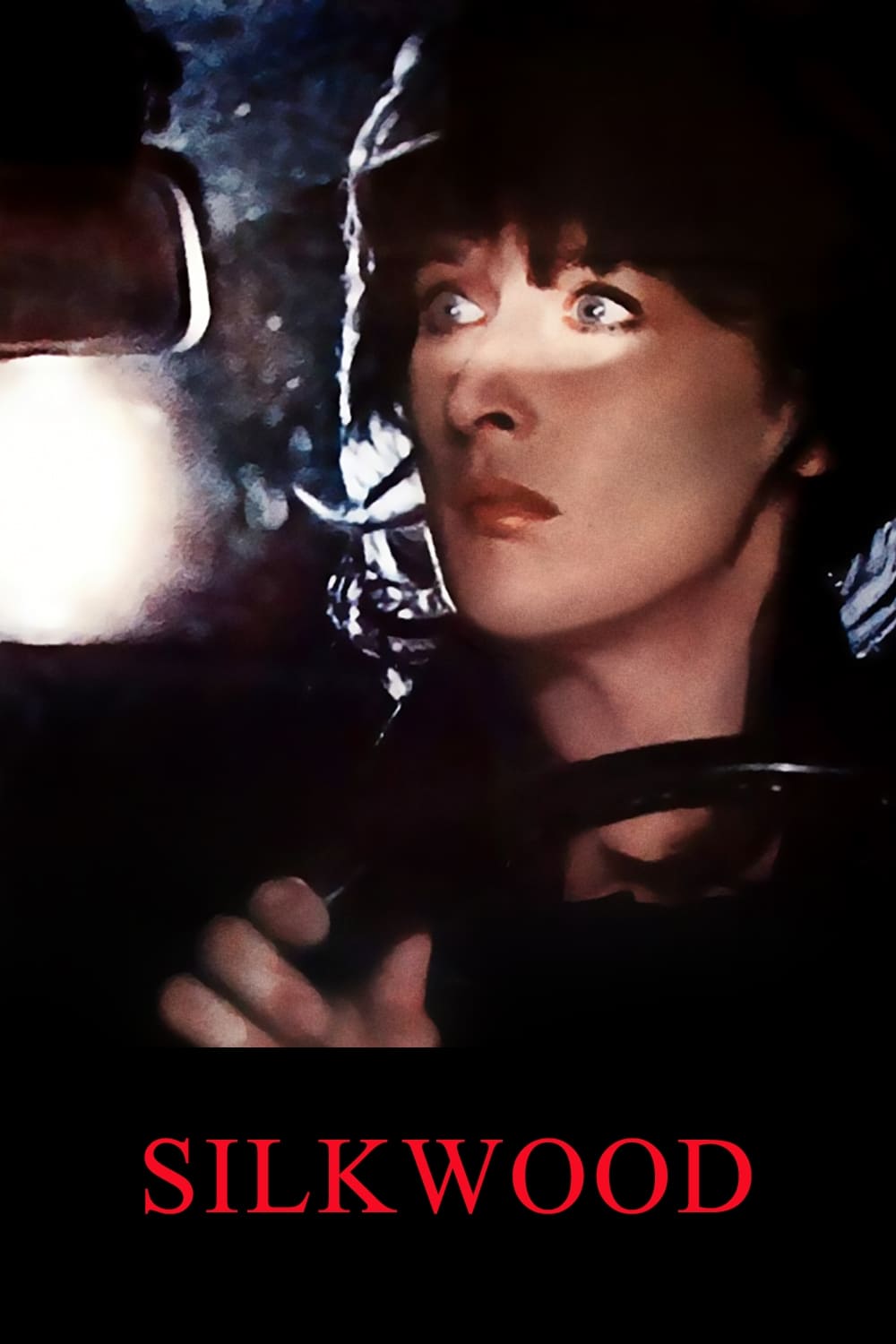
Meryl Streep stars as Karen Silkwood, a nuclear whistle-blower who died under mysterious circumstances. The film depicts Silkwood in a committed relationship with a male character played by Kurt Russell. In reality, during the final year of her life, Silkwood was in a relationship with a woman, which was a significant part of her support system. The filmmakers chose to straighten her narrative to focus the audience’s attention strictly on the corporate thriller aspect of her story.
Share your thoughts on which of these casting choices or narrative changes surprised you the most in the comments.