The 25 Most Racist Lines Kept in ‘Progressive’ LGBTQ Movies

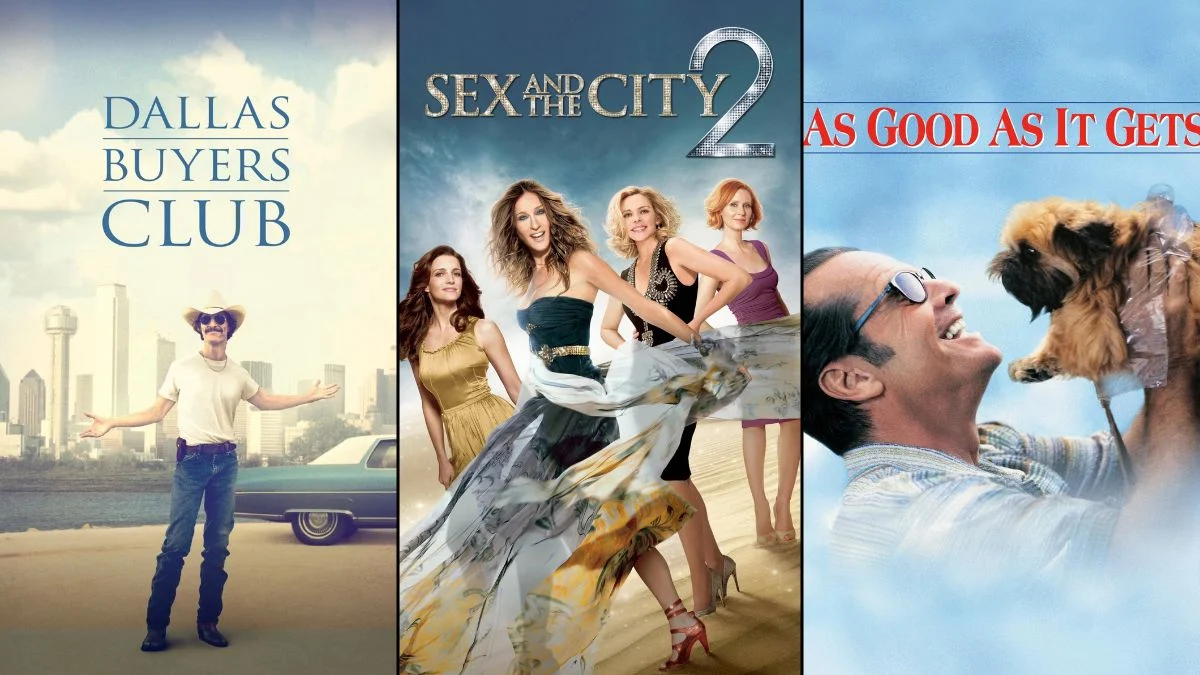

While LGBTQ cinema has made massive strides in representation, many celebrated films still struggle with intersectionality and racial sensitivity. Even movies hailed as progressive milestones often contain dialogue that relies on stereotypes, microaggressions, or blatant caricatures of people of color. These lines sometimes pass unnoticed by white audiences but remain glaringly painful for queer people of color who see their identities diminished or fetishized on screen. From “sassy” tropes to white savior narratives, these moments remind us that the fight for equality in film is far from over.
‘The Boys in the Band’ (1970)
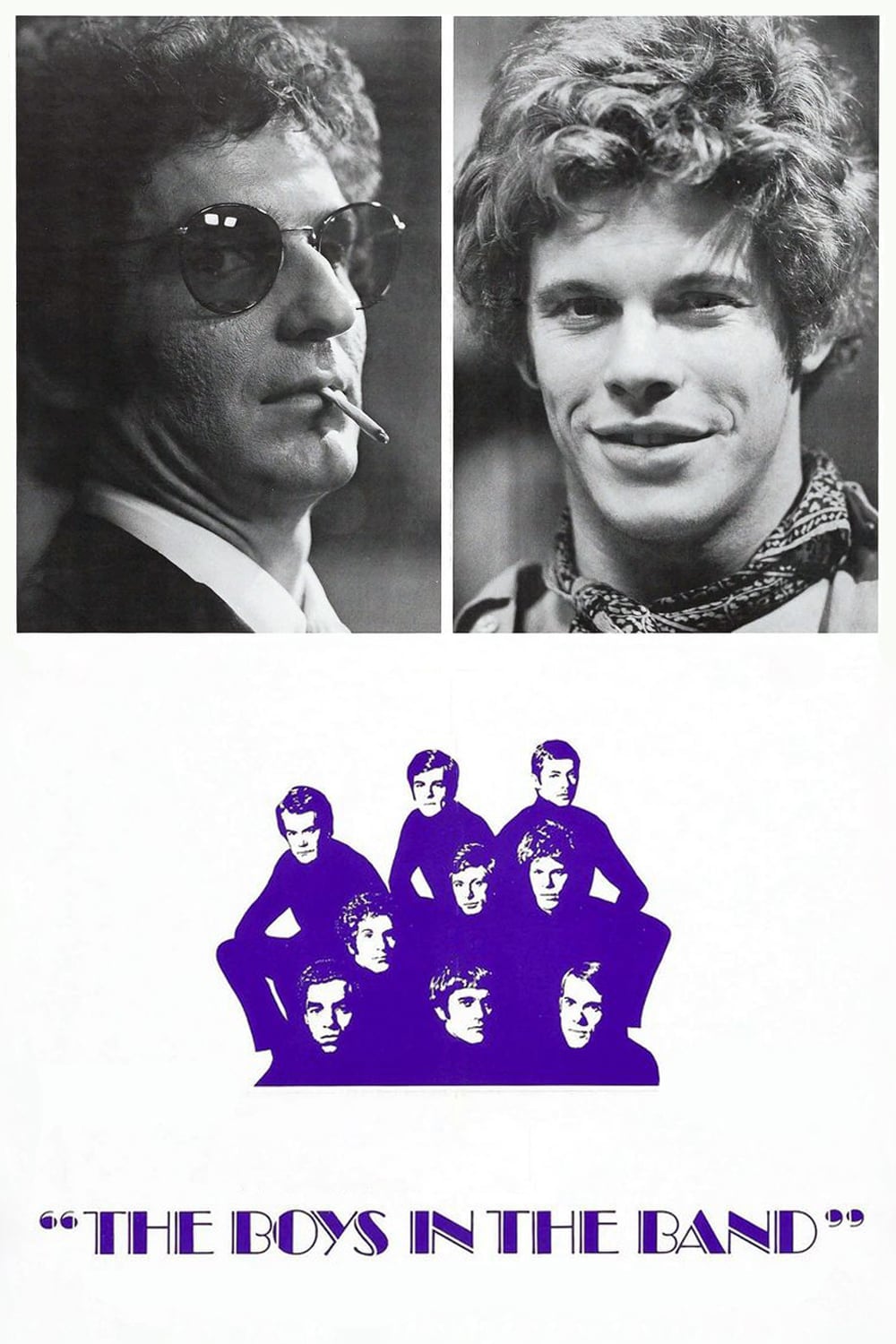
In both the original play and the groundbreaking film adaptation, the character Emory directs a barrage of anti-Black racial slurs at the only Black character, Bernard. Emory repeatedly calls Bernard a “pickaninny” and makes jokes about “watermelon” and the “Cotton Club” under the guise of campy banter. While the film intends to show how internalized self-hatred manifests as cruelty toward others, the relentless specific racism goes largely unchecked by the other characters. Modern viewings reveal how the script uses Bernard’s race as a punchline for Emory’s flamboyance, forcing the Black character to silently endure abuse for the sake of group cohesion.
‘The Adventures of Priscilla, Queen of the Desert’ (1994)
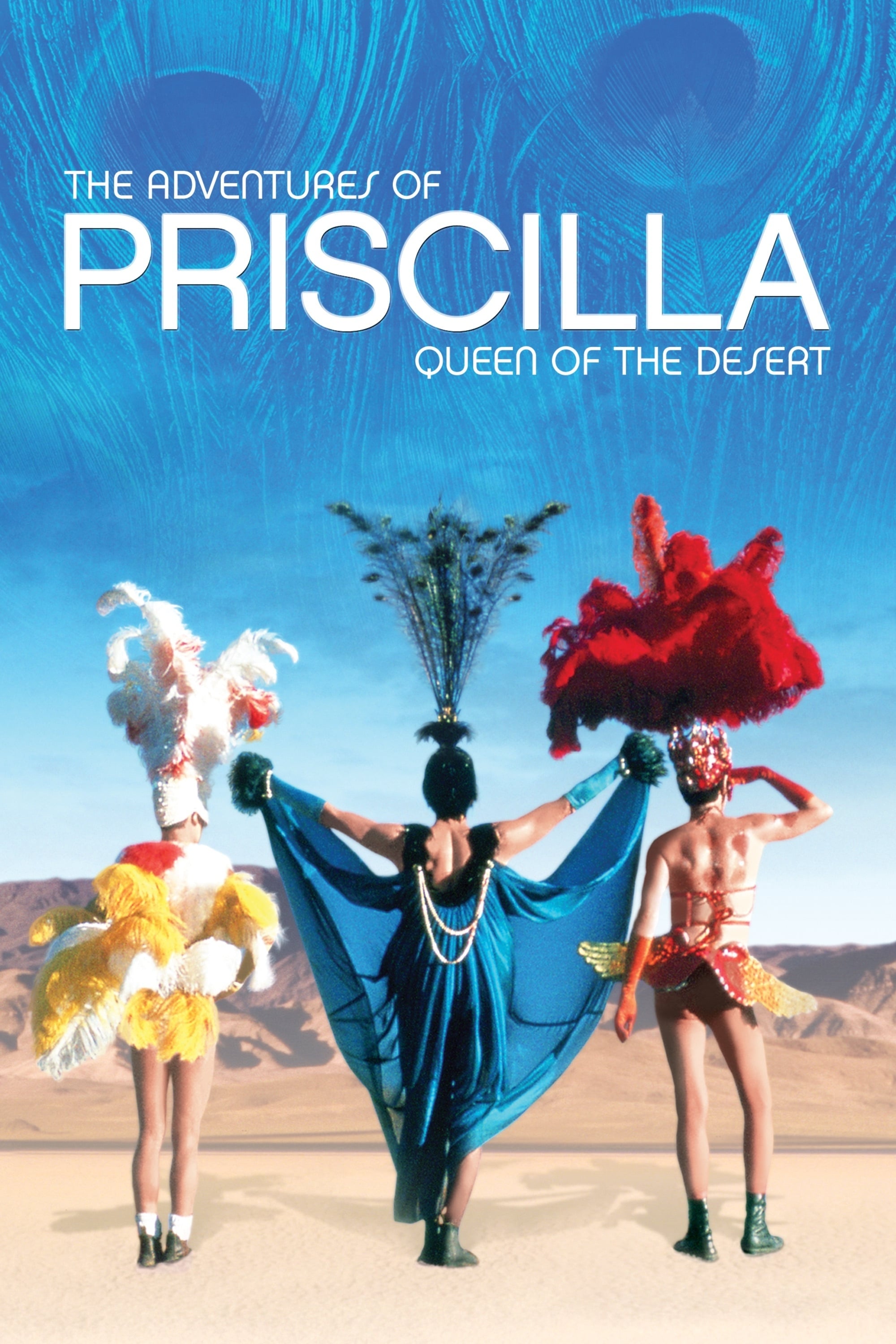
This Australian cult classic is beloved for its drag aesthetic, but the portrayal of Cynthia, a Filipino woman, remains a significant stain on its legacy. The script reduces her to a mail-order bride stereotype who is manic, hypersexual, and desperate for attention. The most infamous scene involves her performing a sex trick with ping-pong balls while shouting “Muny, muny, muny!” in a heavy, mocked accent. This dehumanizing dialogue and performance turn an Asian woman into a grotesque sideshow for the amusement of the white protagonists.
‘Stonewall’ (2015)
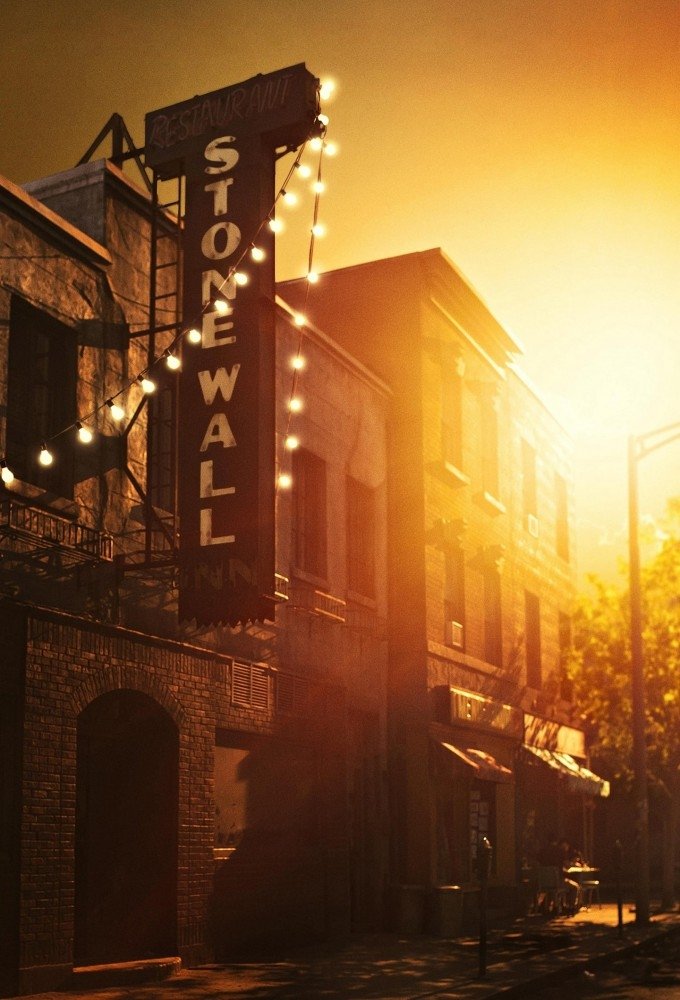
Roland Emmerich’s retelling of the Stonewall Riots was universally panned for whitewashing history, but the specific dialogue given to the fictional white lead, Danny, serves as the ultimate erasure. In the film’s climax, it is Danny who grabs the brick and screams “Gay Power!” to incite the riot, effectively stealing the voice and agency of the Black and brown trans activists who were actually on the front lines. By scripting the white protagonist as the catalyst for the movement, the film verbally and visually silences the real heroes like Marsha P. Johnson and Sylvia Rivera.
‘G.B.F.’ (2013)
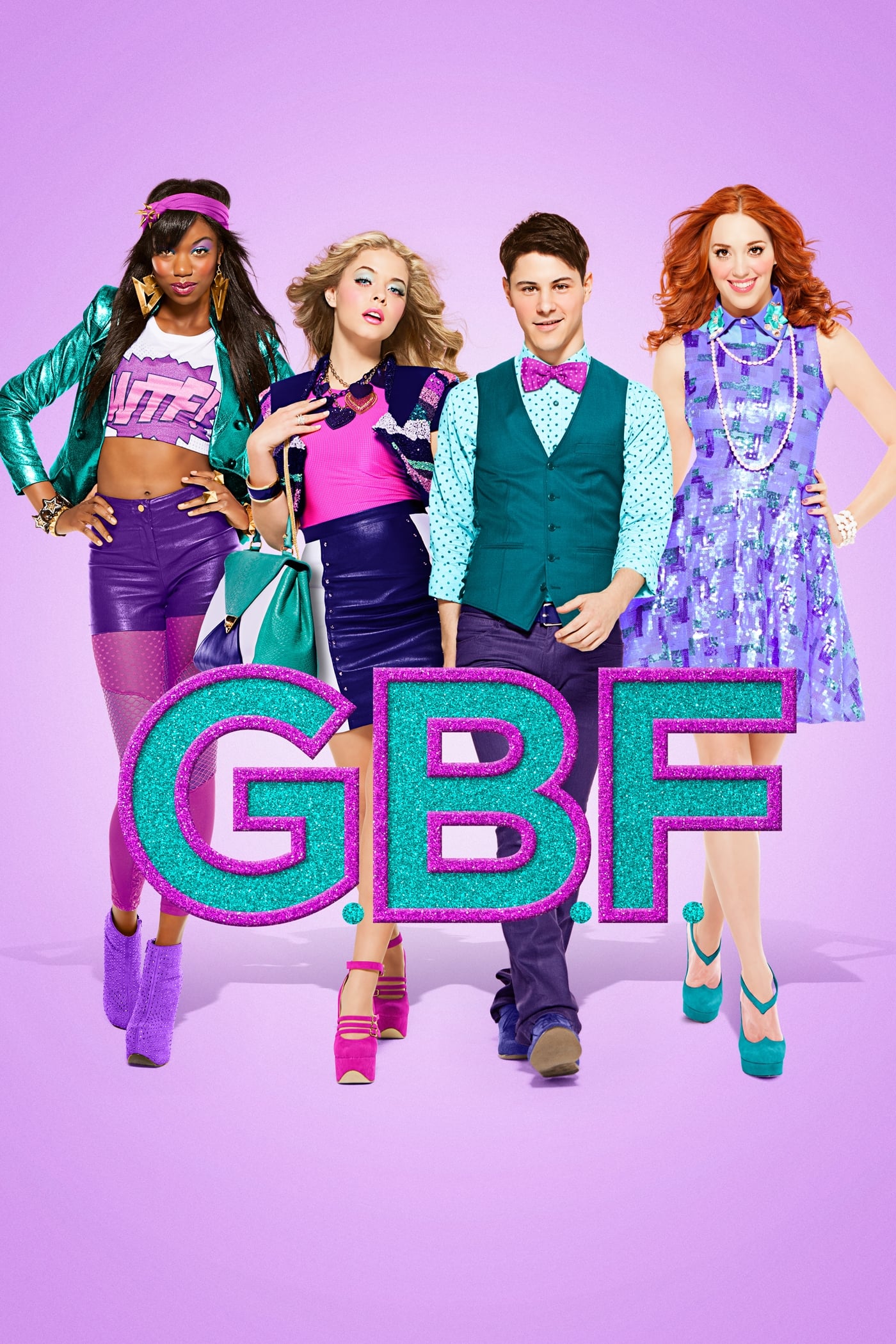
This teen comedy attempts to satirize high school social hierarchies but stumbles heavily with its racial politics. The film explicitly introduces the character Caprice as a status symbol for the white popular girls, who refer to her as their “S.B.F.” or “Sassy Black Friend.” The dialogue continually reinforces this trope, as characters treat her proximity as a trendy accessory comparable to a handbag. Instead of deconstructing the stereotype, the script leans into it, reducing a Black female character to an acronym defined entirely by her utility to white people.
‘To Wong Foo, Thanks for Everything! Julie Newmar’ (1995)
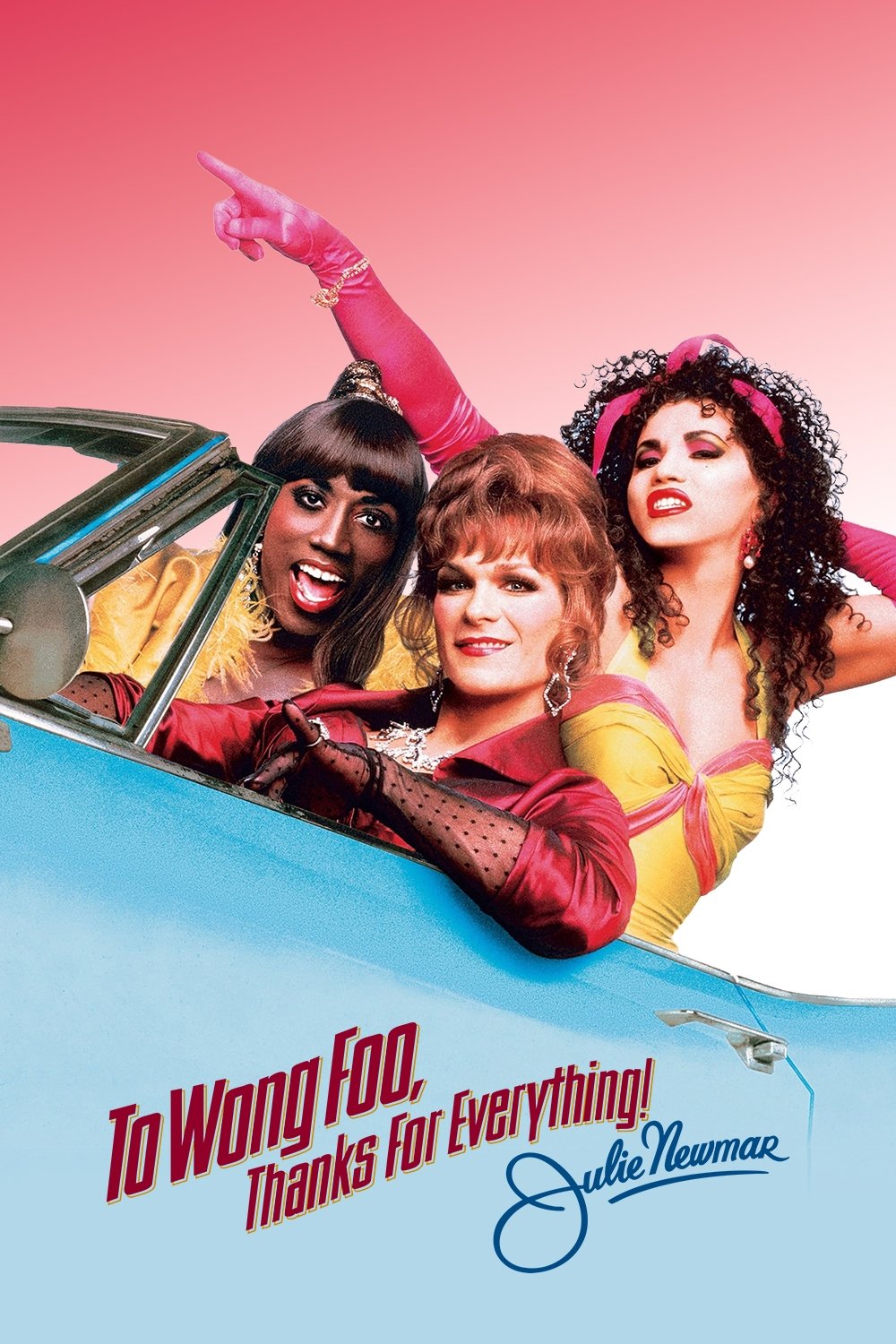
While this drag road trip movie attempted to bring acceptance to the mainstream, its treatment of the character Chi-Chi Rodriguez relies heavily on racial caricatures. The script frequently refers to her as a “little Latin boy in a dress” and frames her as the inexperienced, fiery, and “ghetto” member of the trio compared to her refined white counterparts. The dialogue written for Chi-Chi is a collection of Spanglish stereotypes that portrays her as needing civilization and training from the “sophisticated” white queens.
‘The Birdcage’ (1996)
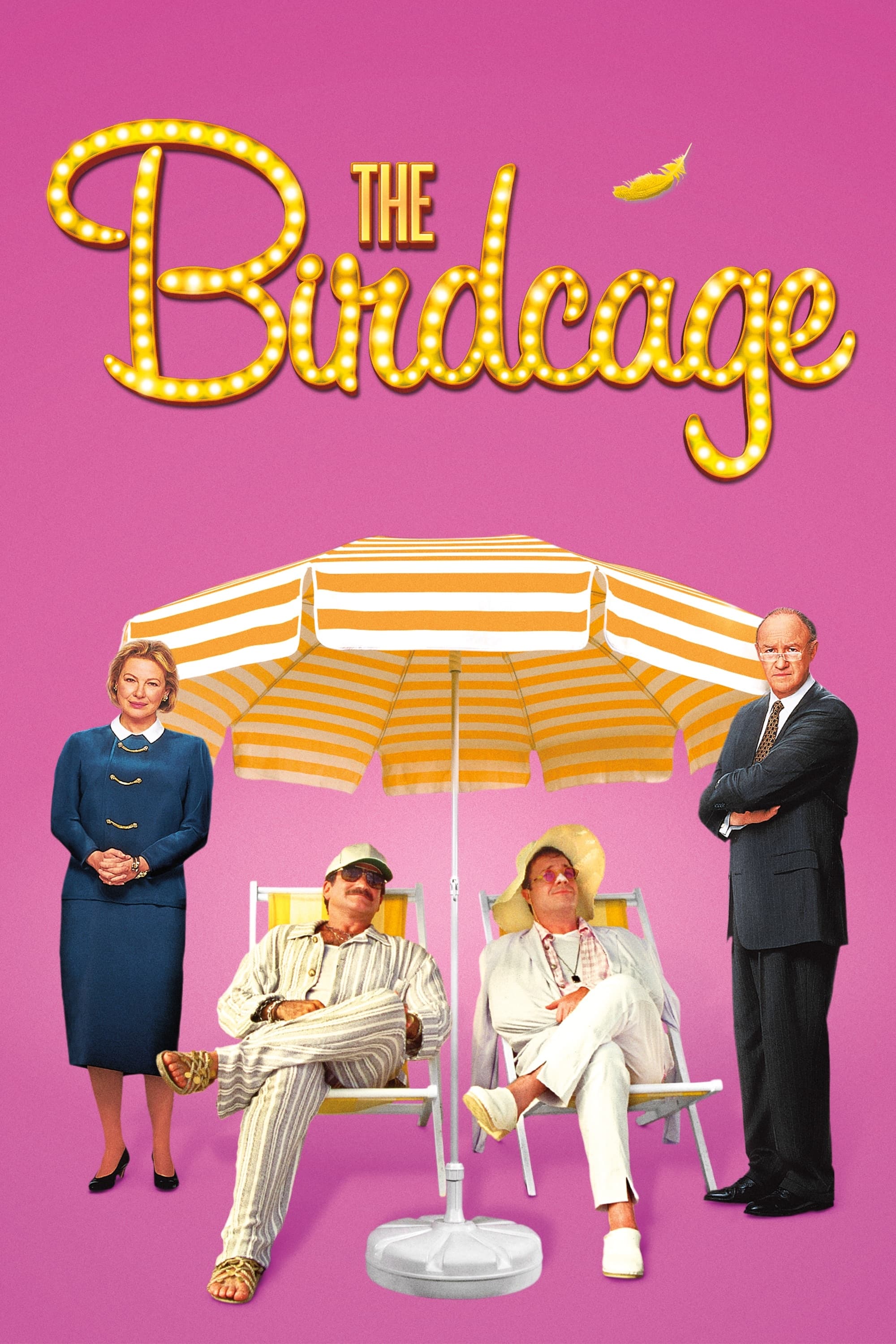
Agador Spartacus is a fan-favorite character, but his dialogue is built almost entirely around the “ignorant servant” archetype. He explicitly states, “I cannot wear shoes because they make me fall down,” a line that infantilizes him and plays into colonialist tropes of the “primitive” Guatemalan peasant. The film mines humor from his perceived lack of intelligence and his servitude to the white couple, framing his ethnicity as a source of slapstick comedy rather than humanity.
‘I Now Pronounce You Chuck & Larry’ (2007)
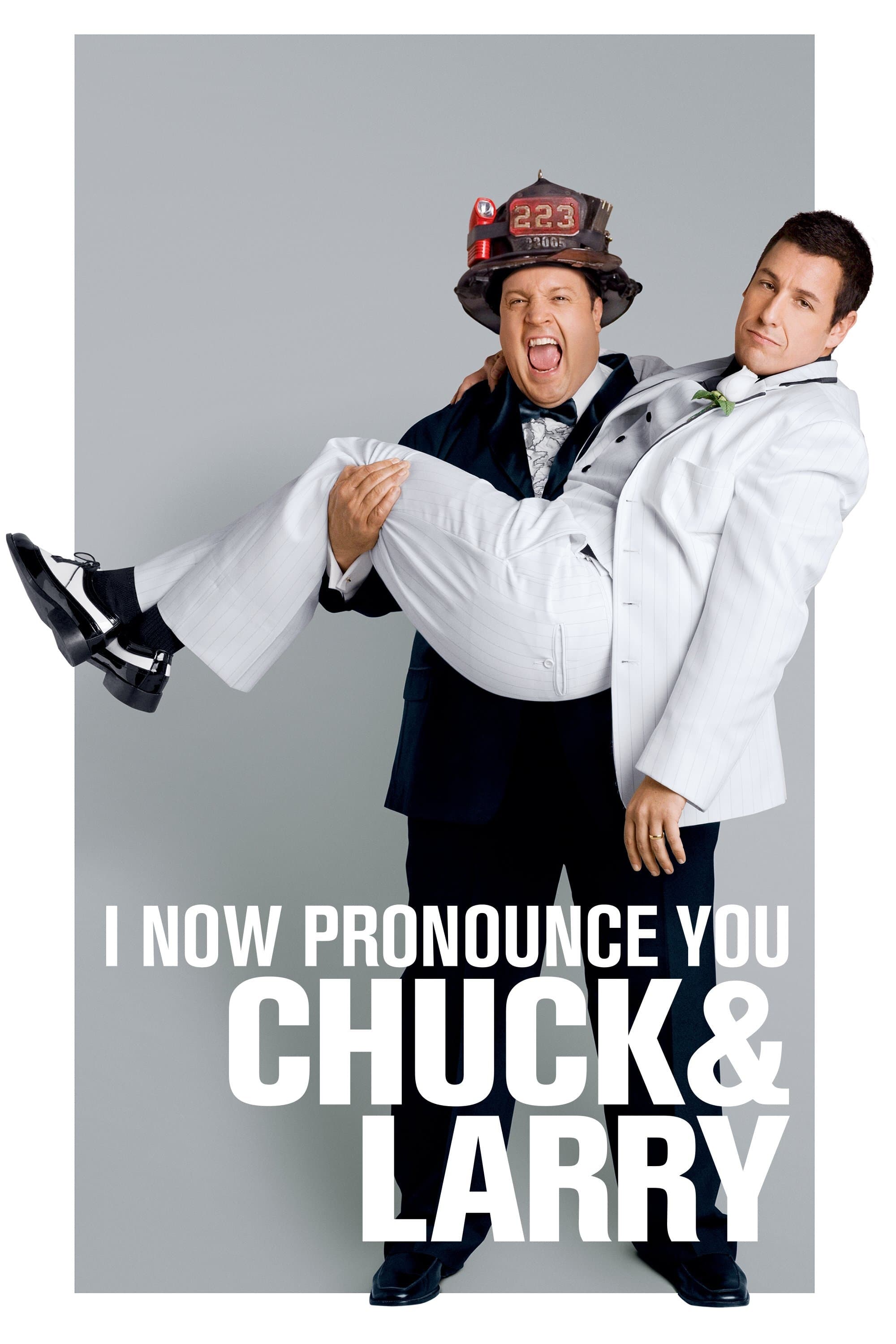
Though framed as a comedy advocating for gay marriage, this Adam Sandler vehicle includes a deeply offensive portrayal of an Asian minister played by Rob Schneider. The character is given dialogue consisting of broken English and “Confucius say” style jokes, culminating in the line “Ring the gong!” during the wedding ceremony. This blatant “yellowface” performance uses a grotesque racial caricature to generate cheap laughs in a movie that ostensibly preaches tolerance and acceptance.
‘Sex and the City 2’ (2010)
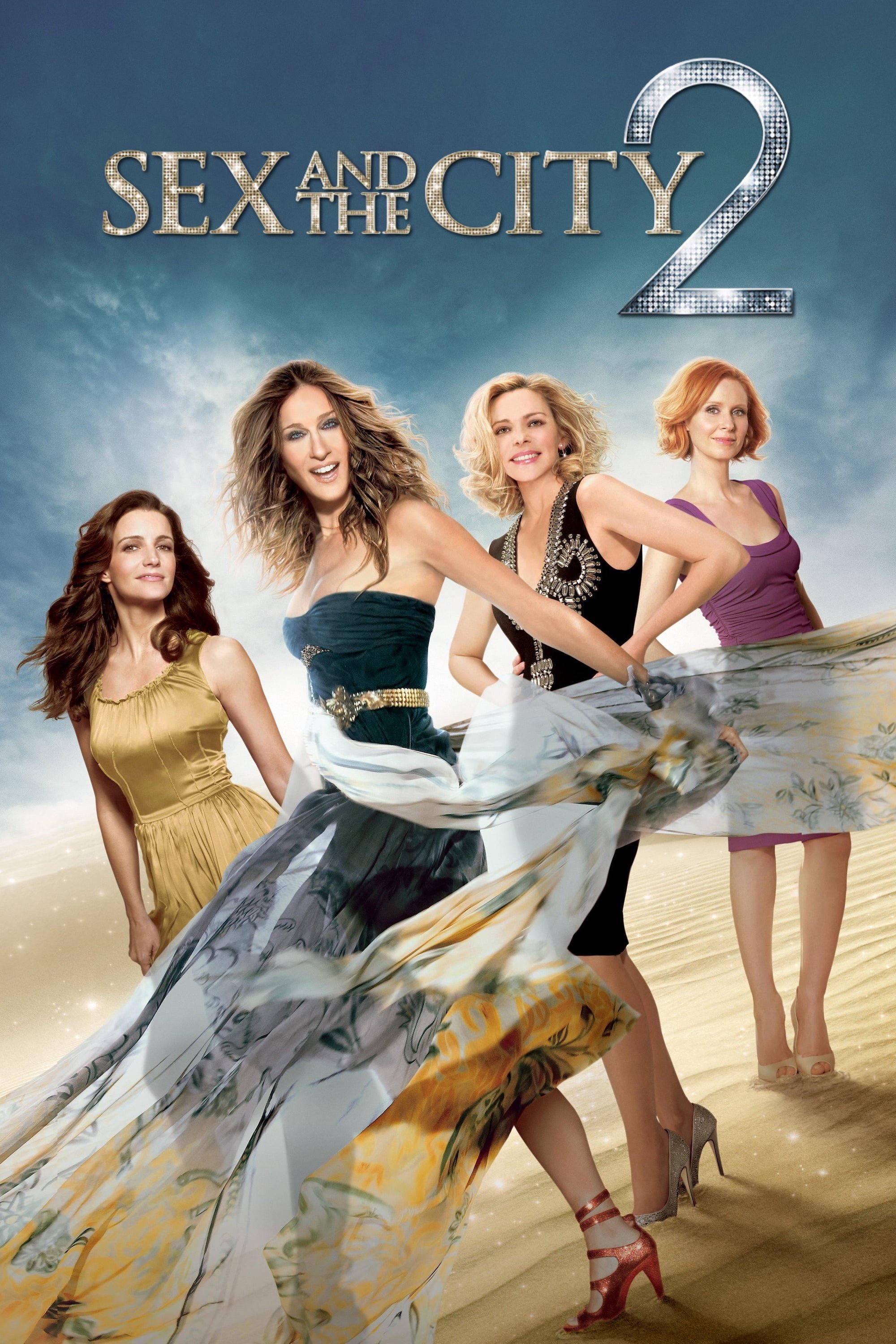
The sequel to the hit series took the women to Abu Dhabi, where the script indulged in numerous orientalist and Islamophobic lines. Carrie makes a joke about a “burqa hot flash,” while Samantha disrespects local customs and yells at conservative men in the market. The film treats the Middle Eastern setting and its people as backward props for the liberation of wealthy white women, with dialogue that consistently mocks the culture they are visiting.
‘Love, Simon’ (2018)
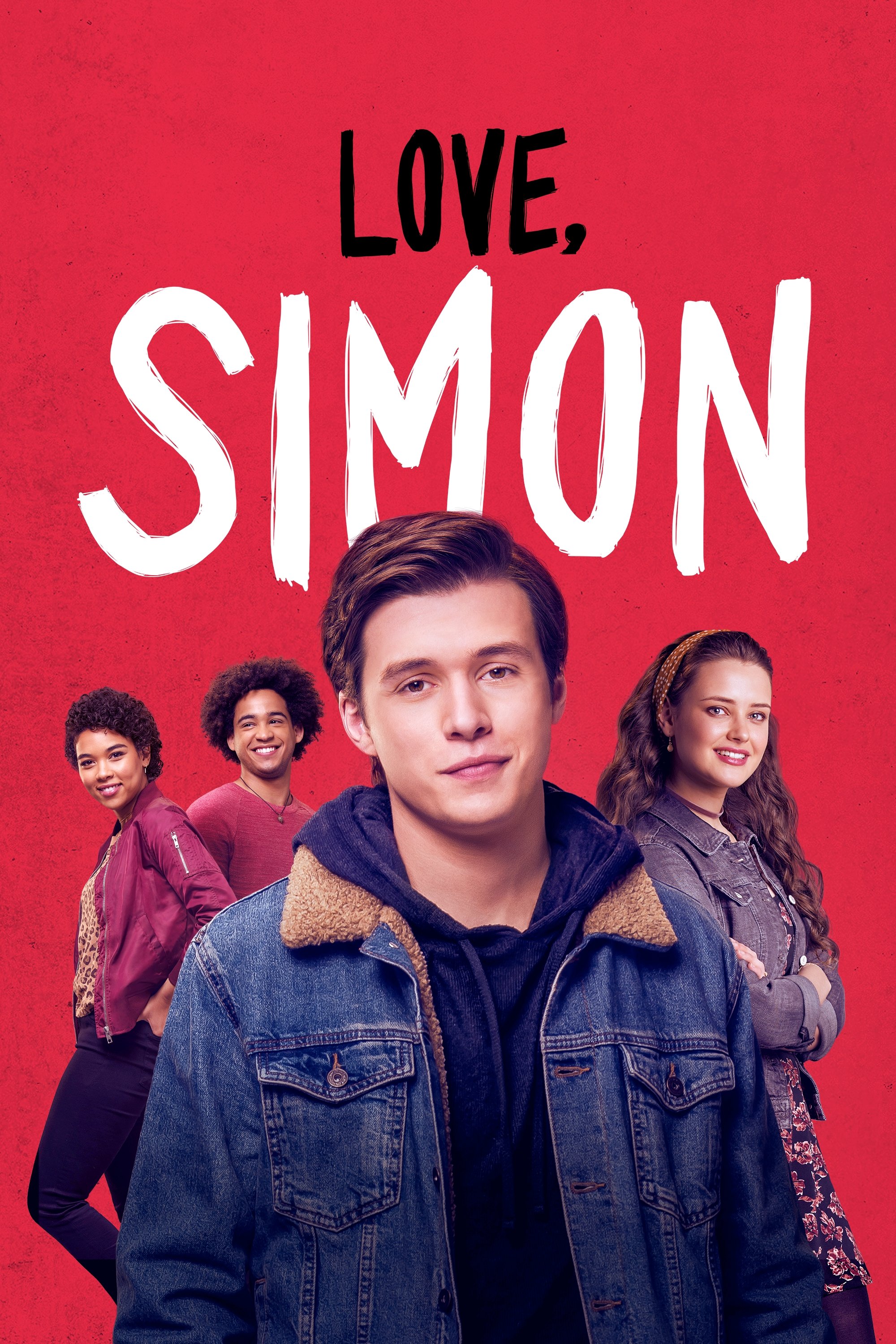
While hailed as the first mainstream gay teen rom-com, critics pointed out the problematic contrast between the masculine, white Simon and the effeminate, Black character Ethan. Students openly mock Ethan with lines that Simon never has to endure, yet the script treats Ethan’s suffering as background noise to Simon’s “palatable” struggle. The narrative implicitly validates the idea that Simon is the “correct” kind of gay person, while Ethan is a punchline whose own victimization is never given the same weight or defense.
‘Bohemian Rhapsody’ (2018)
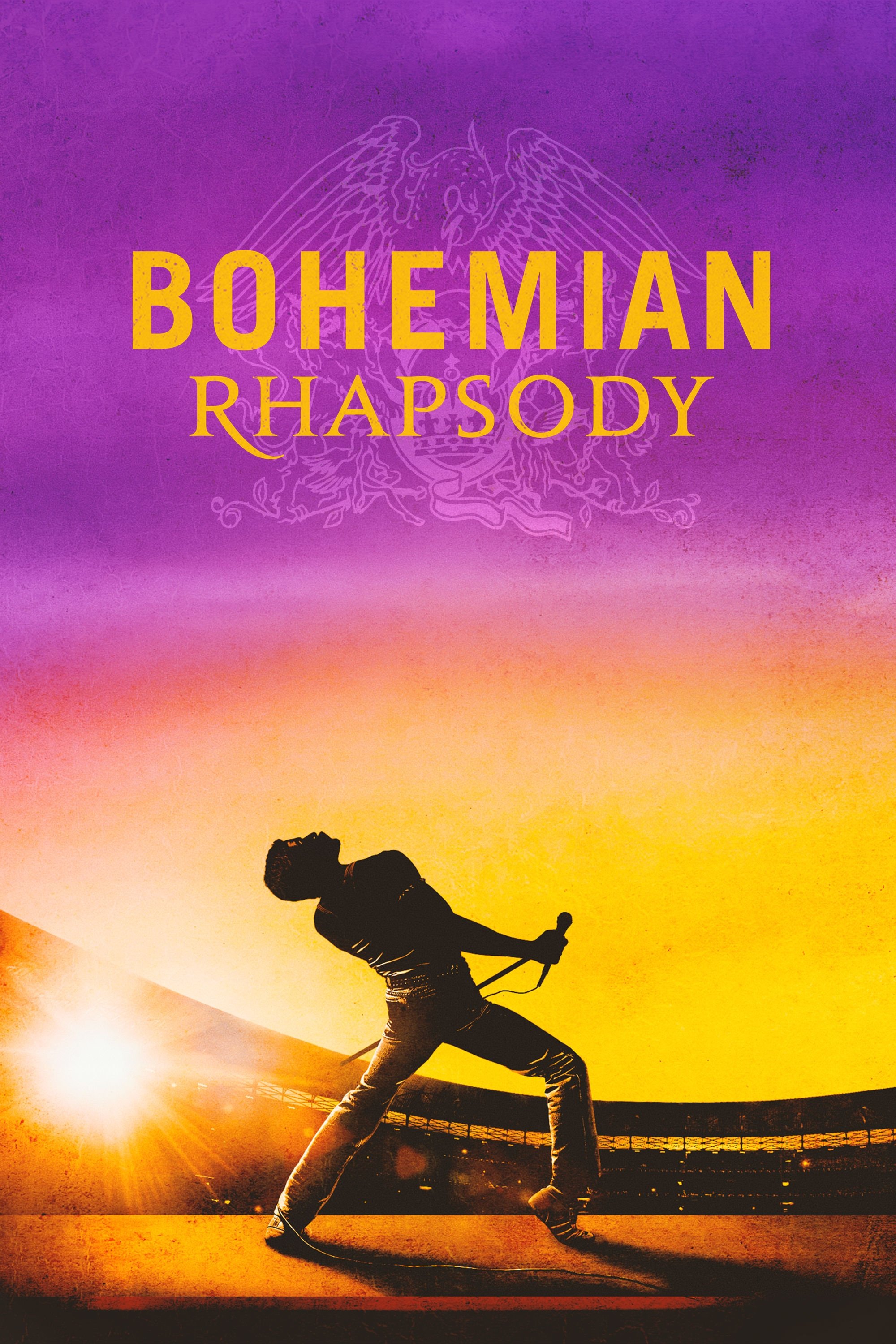
The Freddie Mercury biopic faced criticism for how it handled the singer’s Parsi heritage. The script includes scenes where Freddie is called a “Paki,” using the slur to establish external racism, but the film itself shows little interest in exploring his actual ethnic identity beyond these moments of abuse. By using the slur merely as a plot device to show his victimhood without celebrating his heritage, the film flattens his complex racial identity into a footnote for his white bandmates to witness.
‘Rent’ (2005)
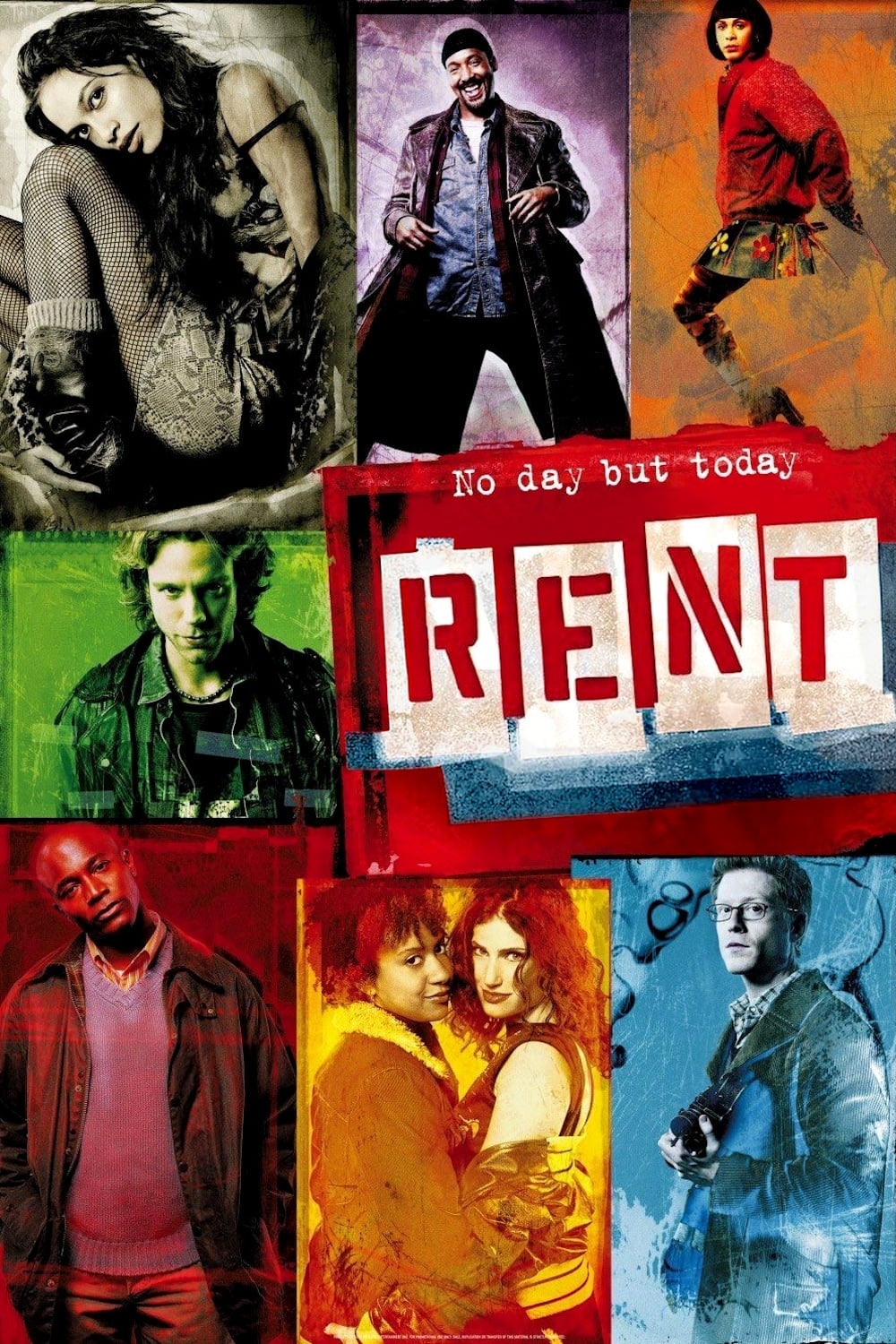
The film adaptation of the Broadway musical retains the character Benny, a Black man who has married into money, being framed as a “sellout” by his white, bohemian friends. The dialogue consistently berates Benny for escaping poverty, with the white characters claiming moral superiority because they choose to be poor artists. This dynamic ignores the racial privilege that allows the white characters to “slum it” while demonizing the Black character for seeking financial security in a systemic racist society.
‘Midnight in the Garden of Good and Evil’ (1997)
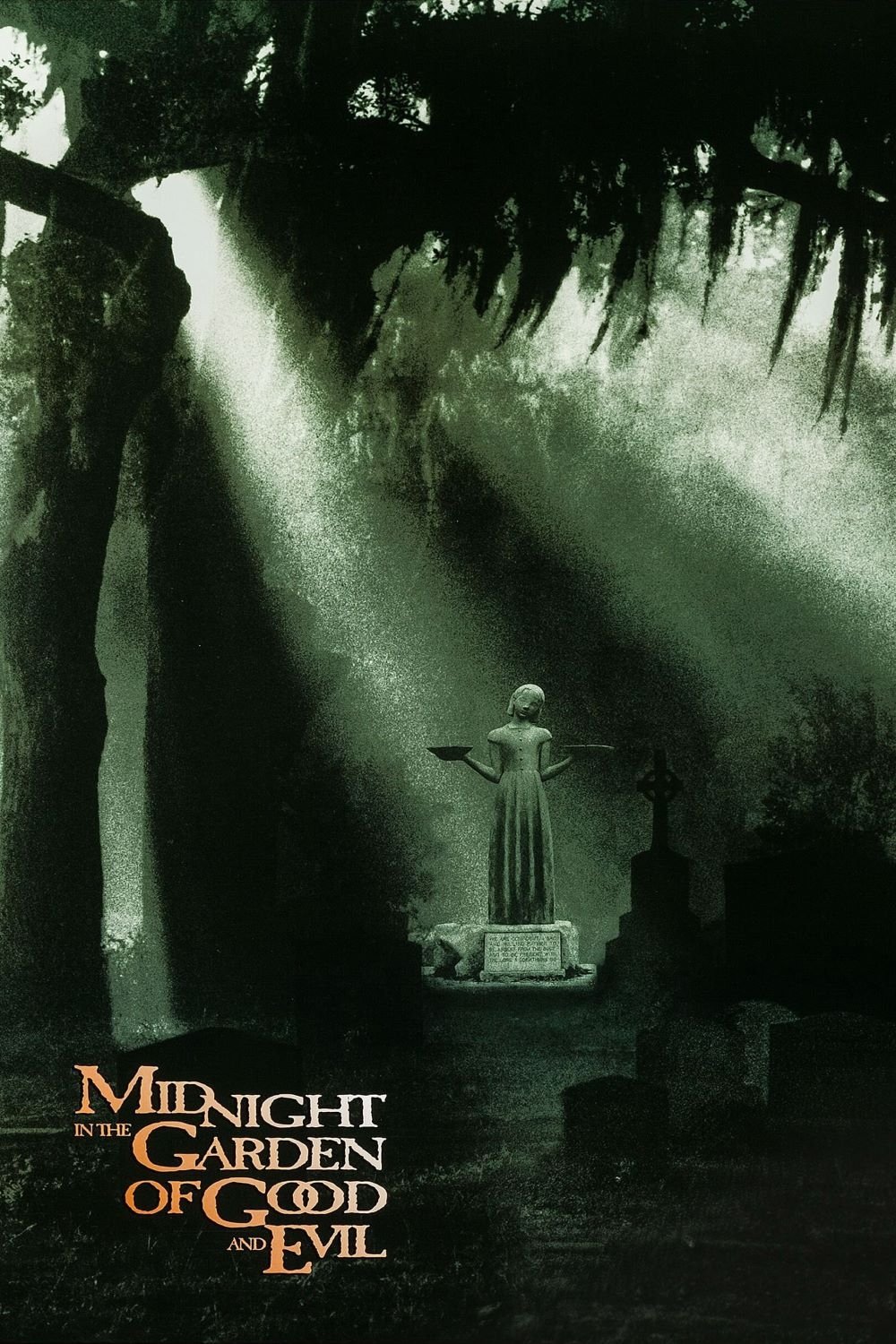
The Lady Chablis is a breakout star in this film, but the script often frames her through a lens of exotic curiosity for the white protagonist. Dialogue surrounding the Black community in Savannah focuses heavily on “voodoo,” “black magic,” and superstition, reducing Black spirituality to a spooky atmospheric device. The lines directed at and spoken by Chablis often emphasize her “otherness” in a way that feels like a spectacle for the white gaze rather than genuine inclusion.
‘Brokeback Mountain’ (2005)
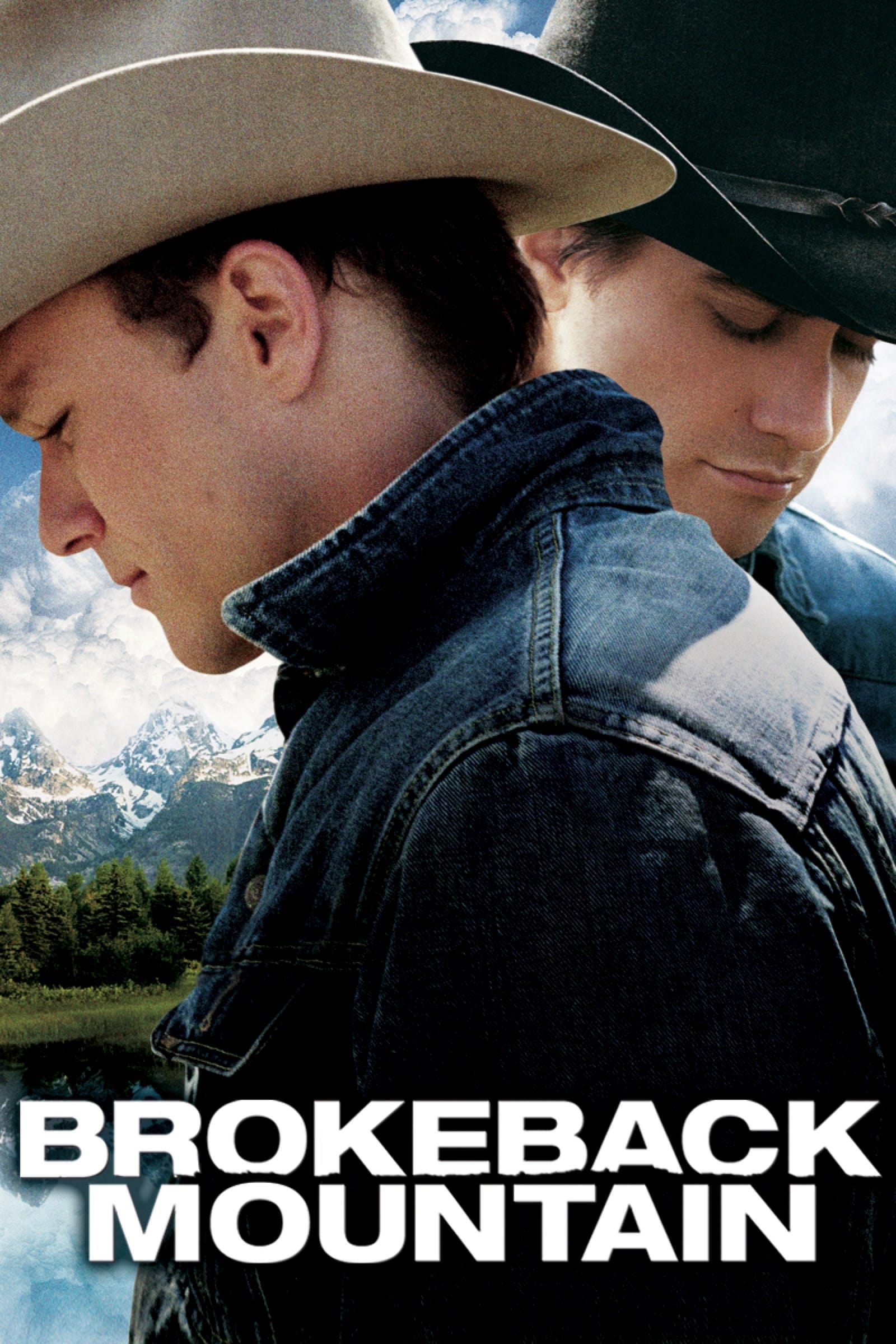
While a masterpiece of queer cinema, the film’s dialogue regarding Mexican people reflects the casual racism of its setting without much critique. Jack Twist speaks about going down to Mexico to find “putas” or hustlers, framing the country and its people solely as an outlet for illicit sexual release that “doesn’t count.” This dialogue reinforces a racial hierarchy where white gay love is tragic and romantic, while brown bodies are merely vessels for sexual utility.
‘A Single Man’ (2009)
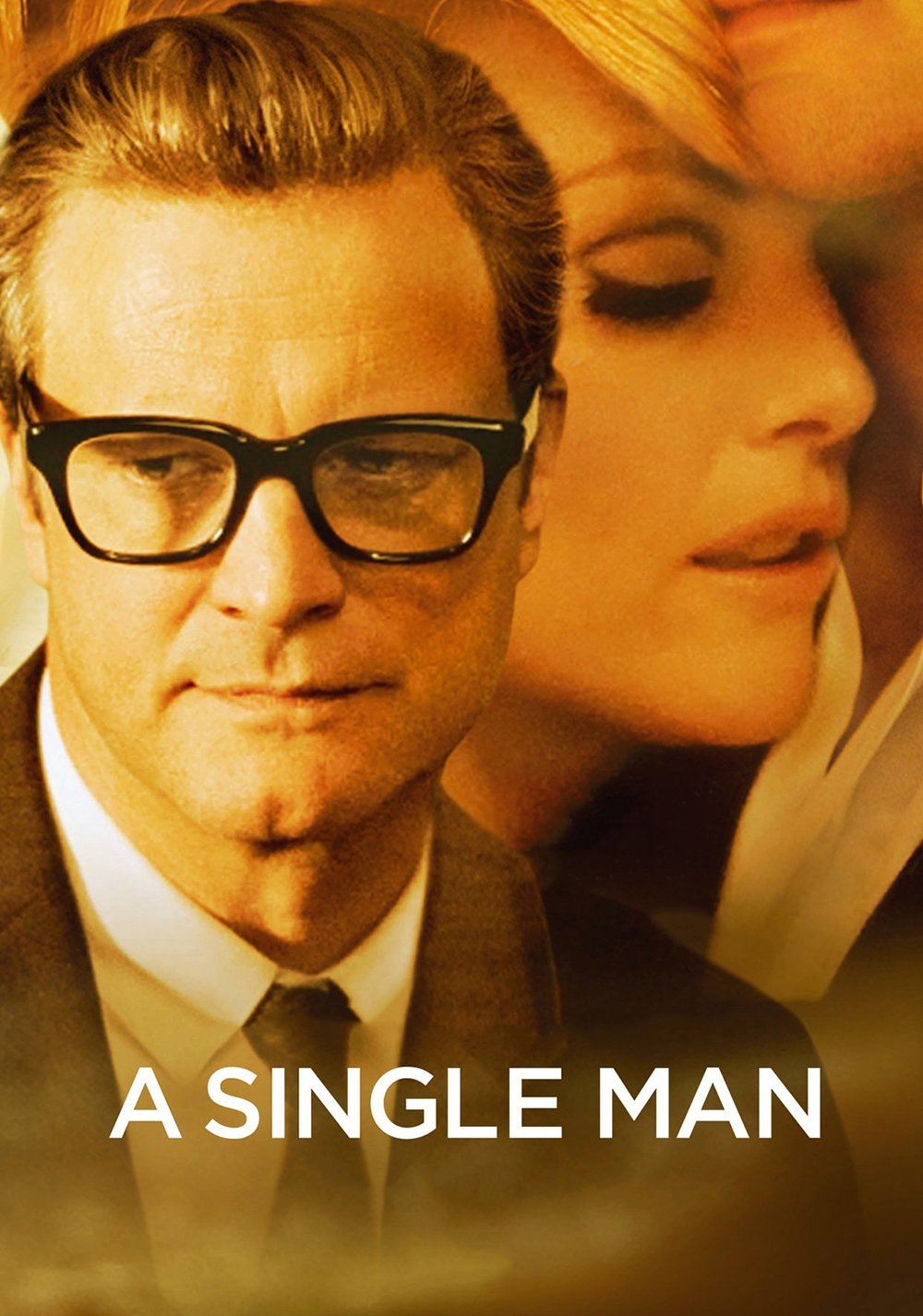
In a pivotal scene, the protagonist George encounters a Spanish hustler named Carlos. The dialogue in this interaction is steeped in fetishization, with George praising Carlos’s “smooth skin” and treating him as a beautiful object rather than a person. The script emphasizes the transactional and exoticized nature of the encounter, highlighting how the white protagonist views the immigrant youth as a momentary fantasy to soothe his grief.
‘Chasing Amy’ (1997)
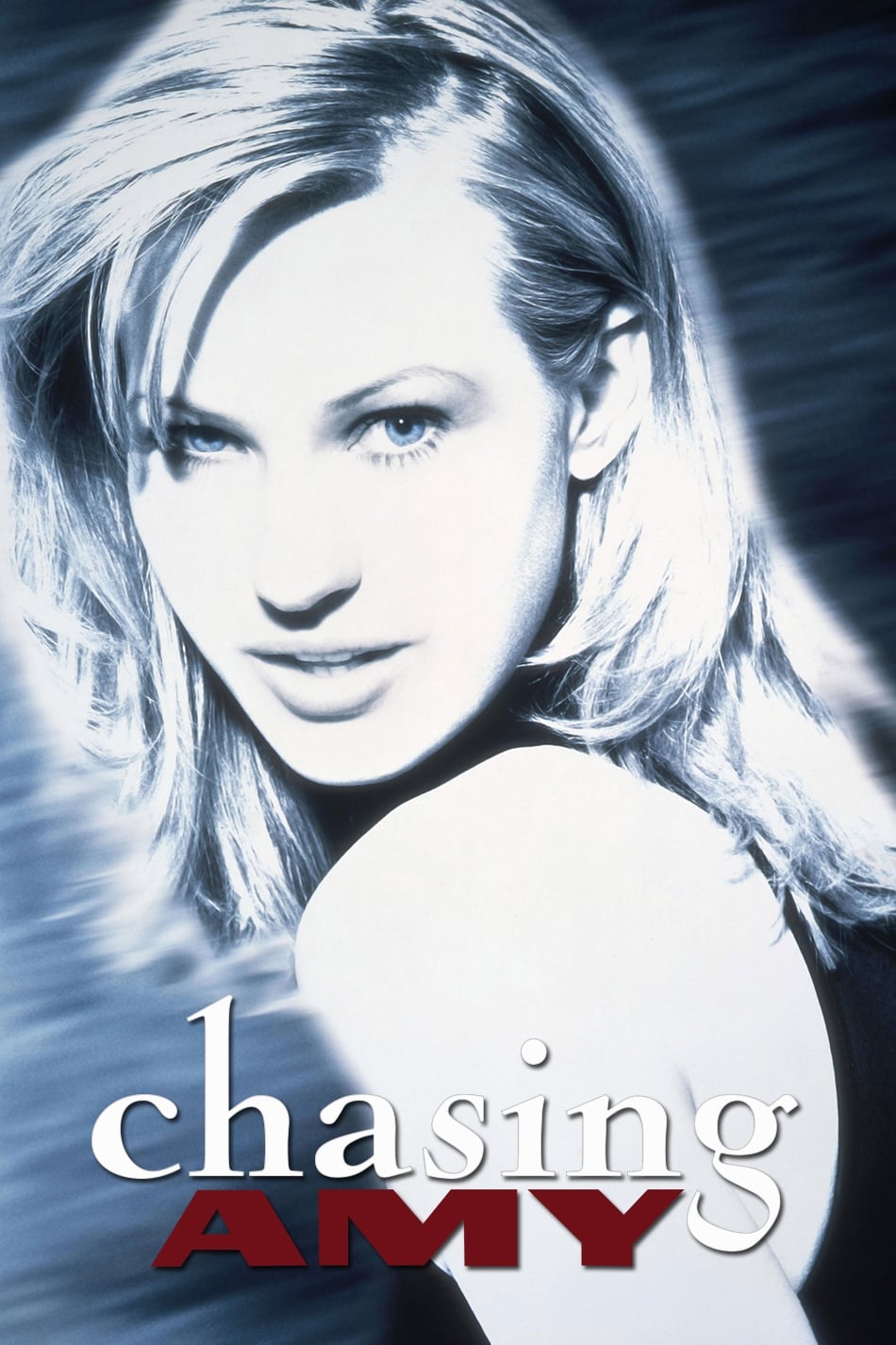
Kevin Smith’s exploration of sexual fluidity includes the character Hooper X, a Black gay man who performs a militant “Black Power” persona for the public. The script gives Hooper X a monologue about the “Black Rage” which is played for laughs, juxtaposing his militant public image with his private, softer demeanor. While intended as satire, the dialogue trivializes the very real concept of Black anger, turning civil rights language into a punchline for a white audience’s entertainment.
‘Brüno’ (2009)
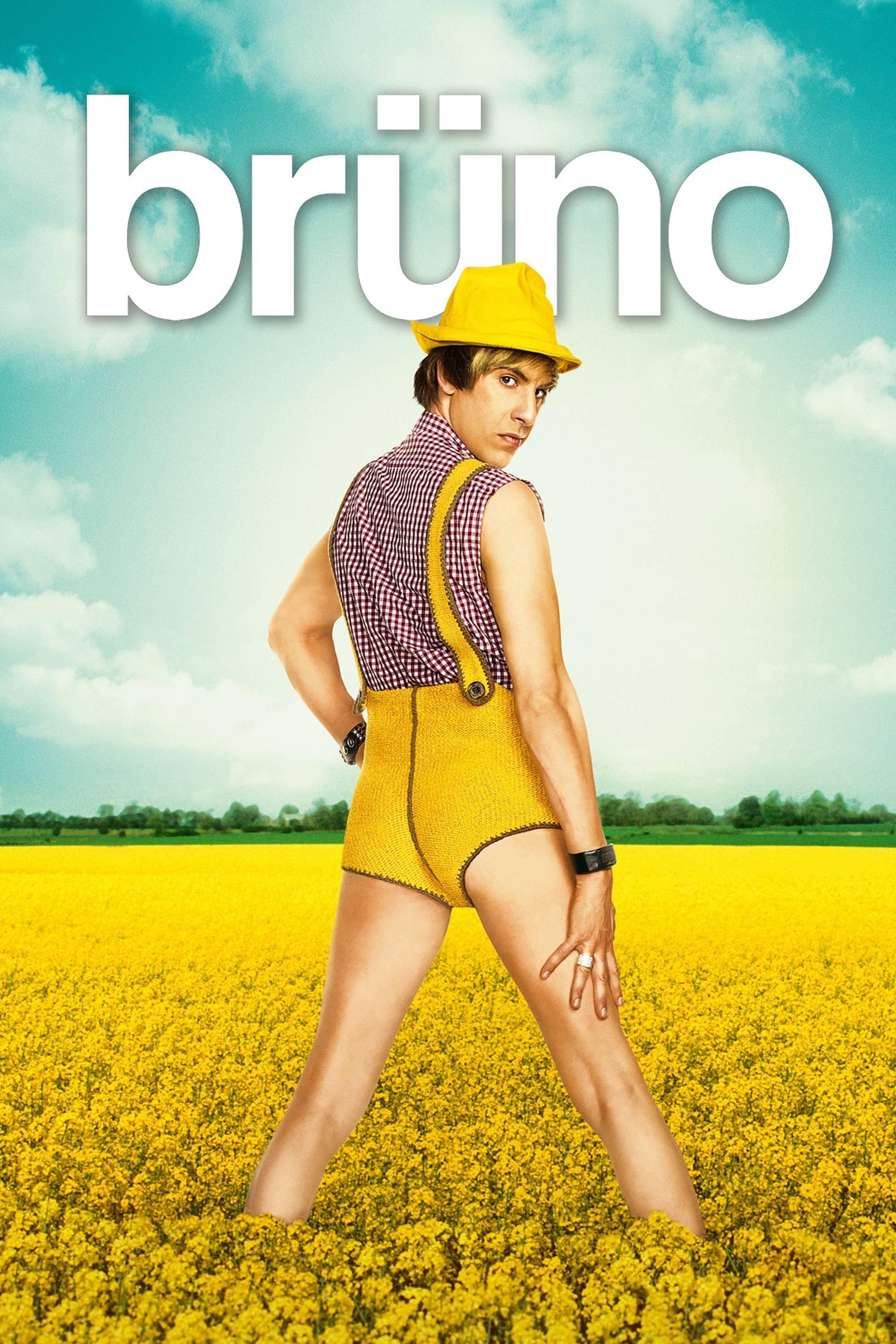
Sacha Baron Cohen’s satire aims to expose homophobia, but often does so at the expense of racial minorities. One of the most egregious lines involves Bruno trading an iPod for a Black baby, whom he then refers to with various exoticizing and dehumanizing terms. The joke is theoretically on the white celebrity adoption trend, but the dialogue uses a Black child as a literal prop and punchline, crossing the line from satire into distinct racial exploitation.
‘Dallas Buyers Club’ (2013)
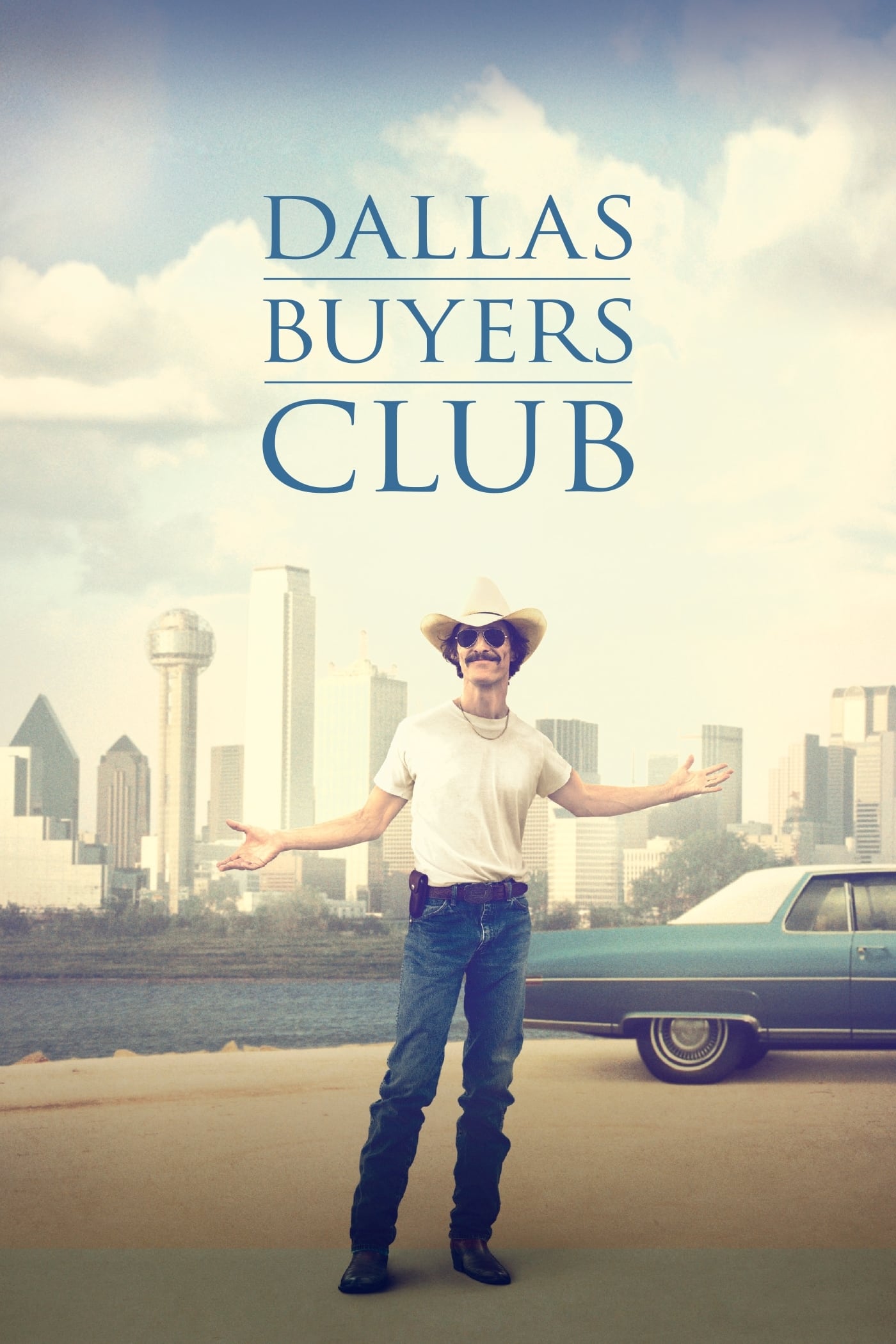
The character of Rayon, a trans woman, is portrayed with dialogue that emphasizes her tragic, drug-addicted status. The script rarely gives her the agency or intelligence afforded to the white, cisgender protagonist, Ron Woodroof. Her lines are often passive or self-deprecating, framing her existence solely as a tool to help the white hero learn tolerance, rather than as a fully realized human being with her own distinct fight.
‘Kinky Boots’ (2005)
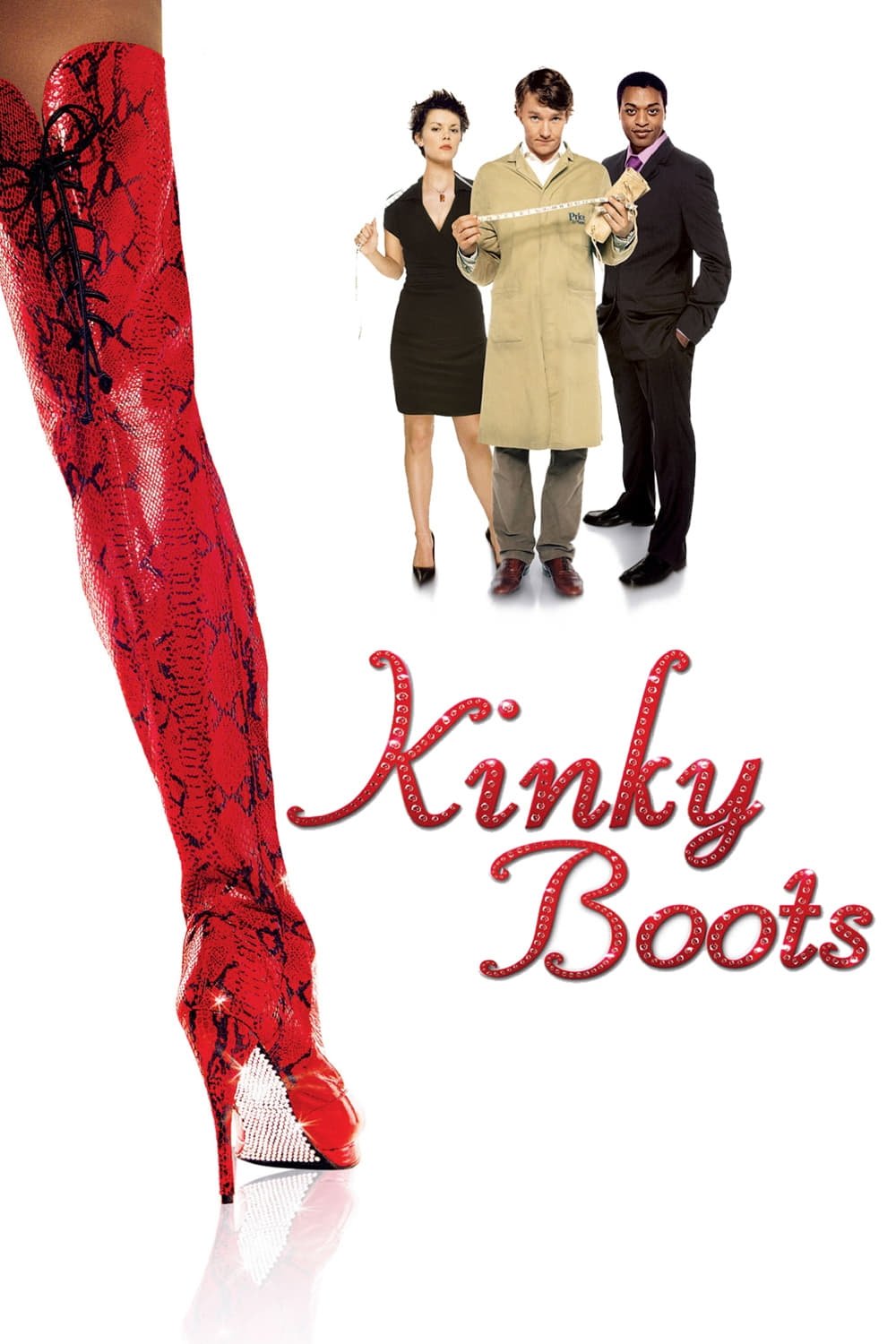
In the film, the drag queen Lola is challenged to a boxing match, and her opponent is a Black boxer referred to as “Burgundy.” The dialogue surrounding this confrontation relies on the visual gag of a masculine Black man being beaten by a “man in a dress.” The script utilizes the scary, hyper-masculine Black male stereotype to heighten the comedy of Lola’s victory, effectively using racial bias to sell the gender-bending humor.
‘Call Me by Your Name’ (2017)
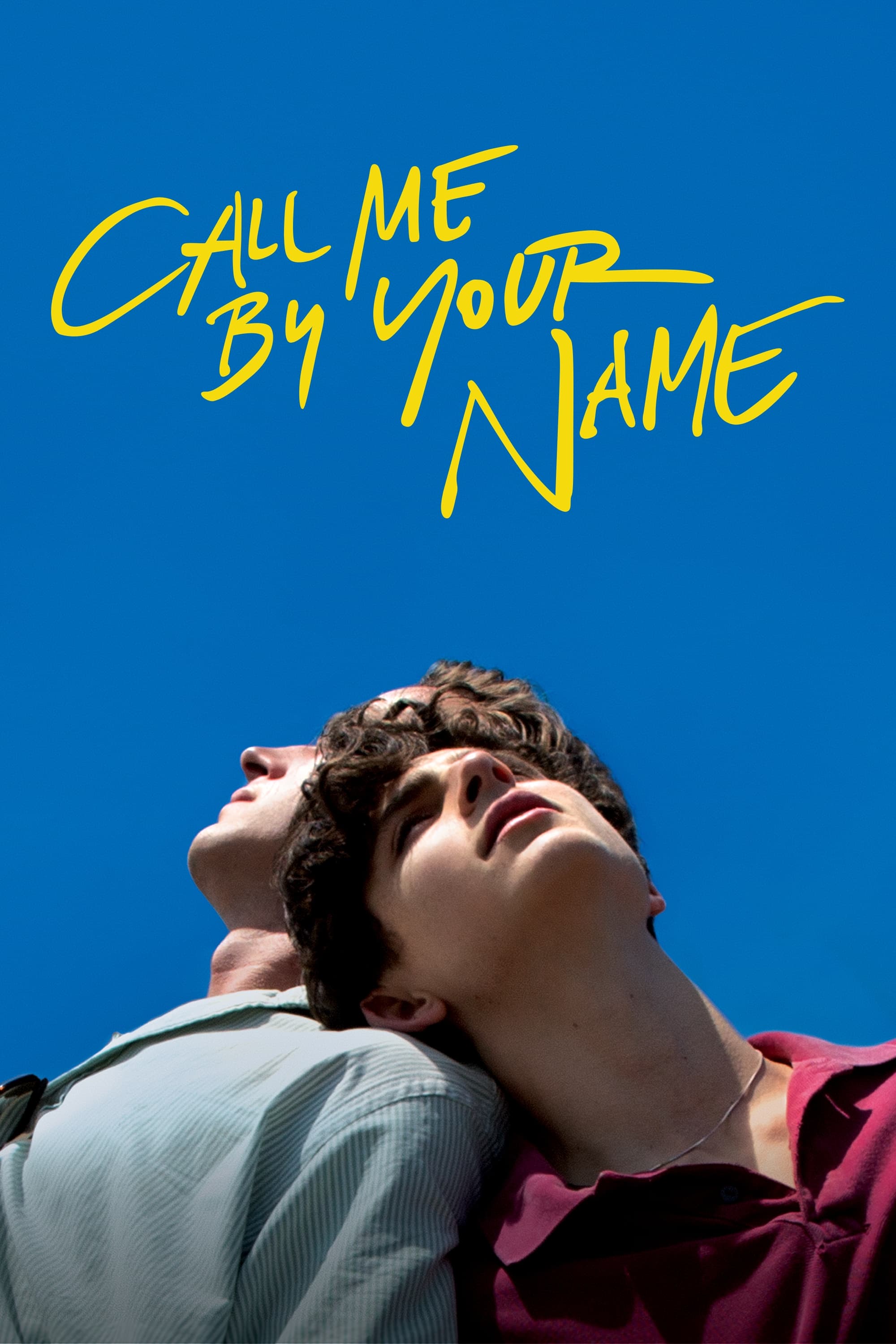
Critics have noted that despite being set in Italy, the film gives almost no speaking lines to the actual Italian locals, who are relegated to the background as servants or silent observers. The dialogue centers entirely on the wealthy, multilingual, white expatriates, treating the local populace as scenery. This exclusion creates a narrative bubble where the Italian setting is consumed for its aesthetic beauty while its people are voiceless in their own land.
‘The Family Stone’ (2005)
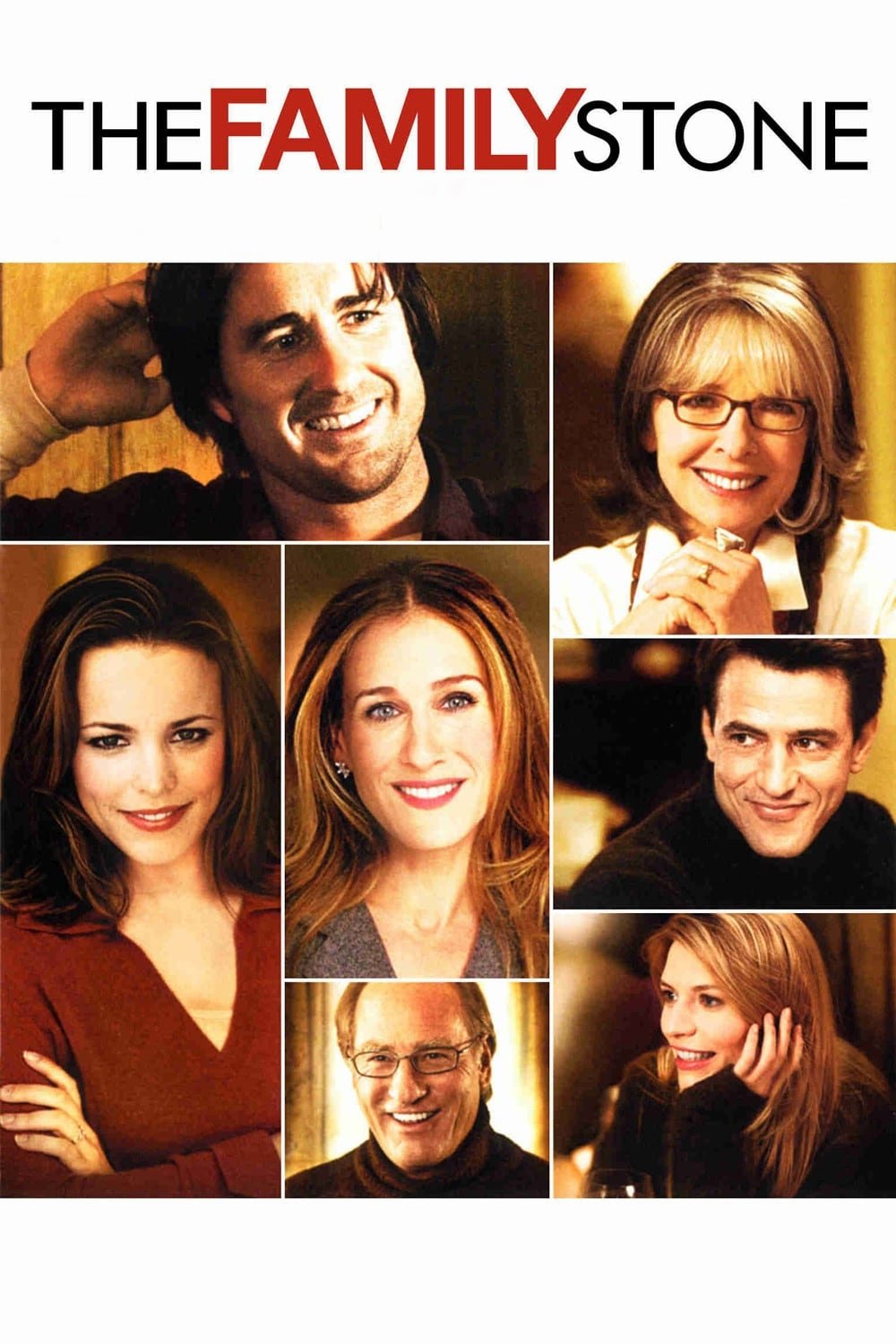
In this holiday dramedy, the liberal, progressive Stone family creates an awkward environment for their brother’s Black girlfriend. The dialogue includes Meredith making cringe-worthy comments about “interracial babies” and the family’s “acceptance” that feel less like character flaws and more like unexamined microaggressions. The script attempts to show the family’s messiness, but often leaves the racial discomfort of the Black characters unresolved and unaddressed.
‘Breakfast on Pluto’ (2005)
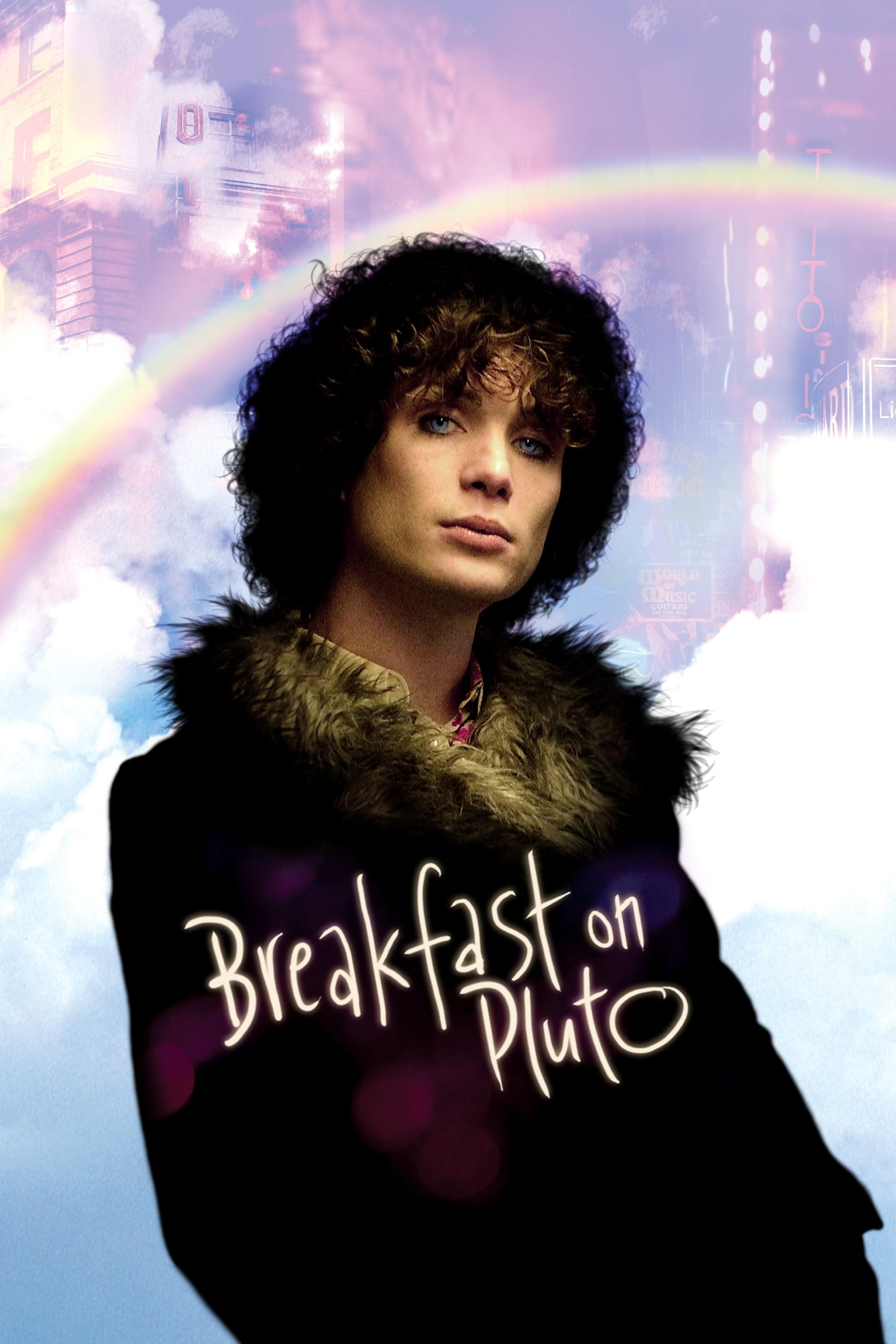
This film about a trans woman in the 1970s includes scenes involving Native Americans that rely on outdated “Squaw” stereotypes. The protagonist’s fantasy sequences and dialogue appropriate indigenous imagery for aesthetic flair. These lines reduce an entire culture to a costume and a backdrop for the white protagonist’s journey of self-discovery, lacking any awareness of the racial implications.
‘Kiss of the Spider Woman’ (1985)

Molina, the gay window dresser, recounts films to his cellmate, including one featuring a “Spider Woman” and exoticized jungle imagery. The dialogue in these retellings often leans into the “tragic mulatta” or “exotic temptress” tropes common in Golden Age cinema. While the film is commenting on escapism, it uncritically reproduces the racist language of the movies Molina loves, presenting them as romantic rather than problematic.
‘Cruising’ (1980)
William Friedkin’s controversial thriller set in the leather bar scene includes background dialogue using the N-word and other racial slurs. The film aims for a “gritty” realism, but the inclusion of this hate speech contributes to an atmosphere that equates homosexuality with depravity and bigotry. The lines are not used to critique racism within the community but rather to add texture to a world the director views as hellish.
‘As Good As It Gets’ (1997)
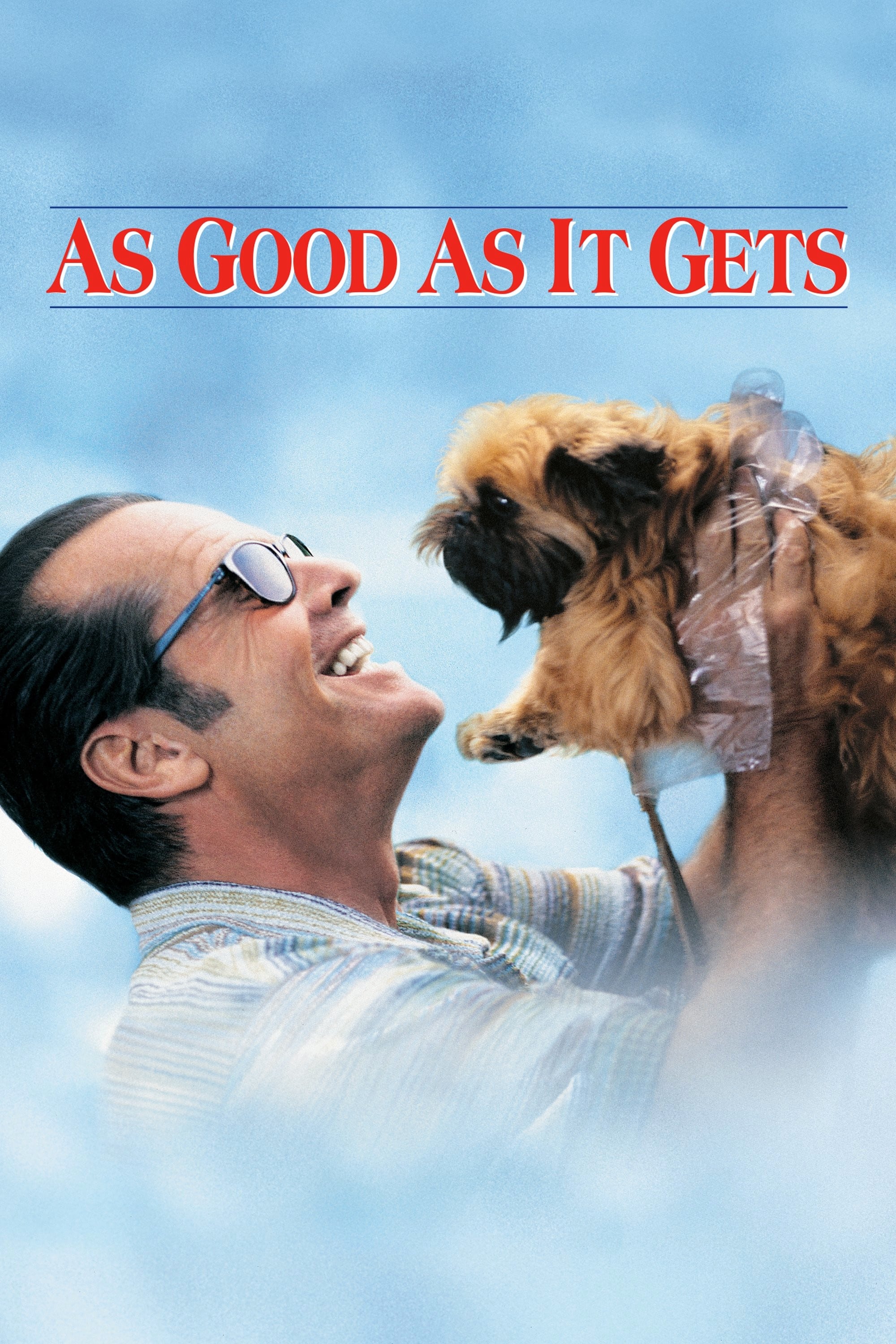
Greg Kinnear plays a gay artist who is the victim of a hate crime, but he also befriends Jack Nicholson’s character, Melvin, who freely uses the N-word and other slurs. The script frames Melvin’s racism as a quirky curmudgeonly trait that can be overlooked because he eventually learns to be “nice.” By the end of the film, the characters—including the gay man—accept Melvin, implicitly forgiving his violent racist language as a mere personality quirk.
‘Longtime Companion’ (1989)

As one of the first major films to address the AIDS crisis, its dialogue and casting completely erase the impact of the epidemic on people of color. The film focuses exclusively on a circle of affluent white gay men, with dialogue that treats the disease as a tragedy affecting only their specific demographic. This “whitewashing” of the AIDS narrative set a precedent for decades, silencing the stories of Black and Latino communities who were disproportionately affected by the virus.
Share your thoughts on these films and any other instances you’ve noticed in the comments.