The 20 Biggest Lies White LGBTQ Stars Tell About ‘Struggling’


Celebrity culture often thrives on a “rags to riches” narrative that makes wealthy stars seem relatable to their audience. For many white LGBTQ entertainers, this creates a specific pressure to manufacture stories of hardship that overshadow their actual economic or systemic privileges. While many have faced genuine homophobia, some have exaggerated their financial backgrounds or professional obstacles to gain credibility within marginalized communities. This trend highlights the disconnect between industry elites and the actual struggles faced by the working-class queer community they claim to represent.
Rebel Wilson
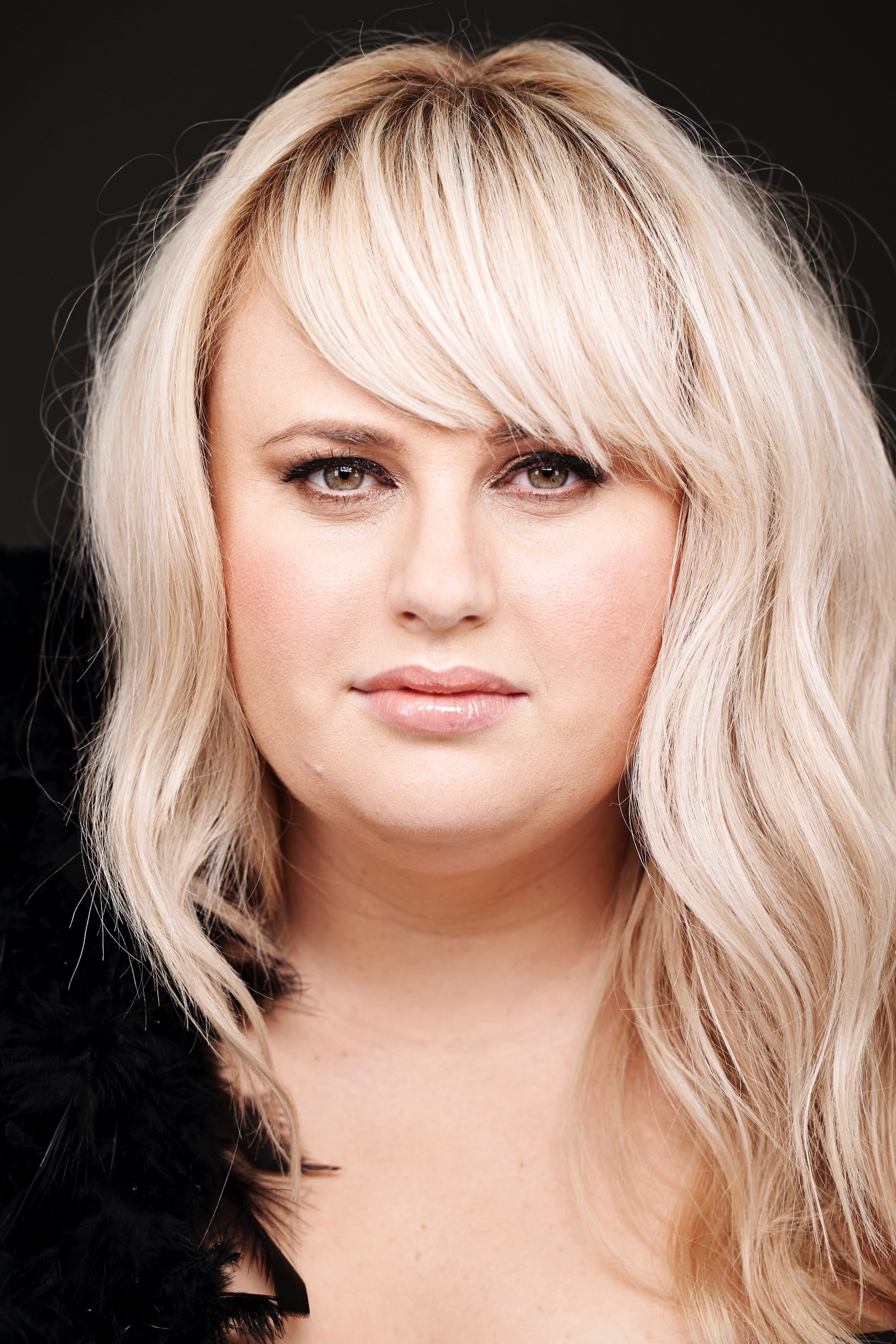
This Australian actress built her early career on a relatable “bogan” persona and stories of a rugged, unconventional upbringing in the “ghetto” of Sydney. Investigations by Australian media later revealed that Wilson actually attended an elite private boarding school and graduated with a law degree from a prestigious university. Her claims of being 29 years old were also debunked when business records proved she was actually 36 at the time of the controversy. Wilson later sued the publisher for defamation, arguing the exposé damaged her career, though the “struggle” narrative remains a point of contention.
Sam Smith
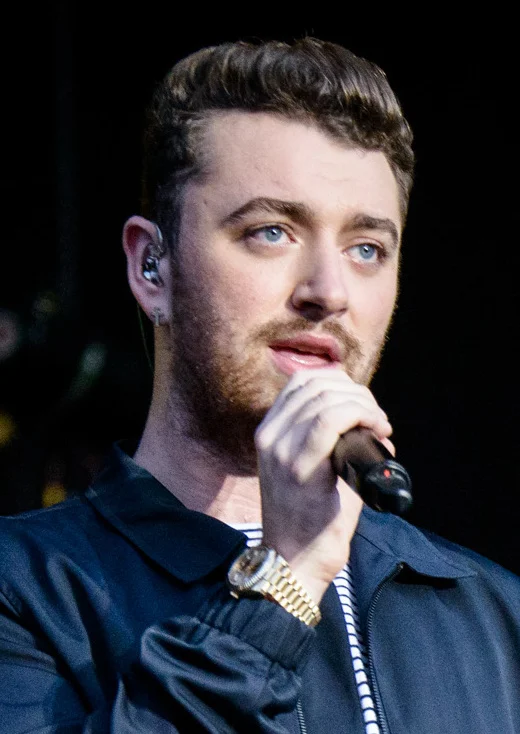
During an acceptance speech for Best Original Song, this singer erroneously claimed to be the first openly gay man to win an Oscar. The statement completely erased the achievements of previous winners like Dustin Lance Black, Elton John, and Howard Ashman, who had won years or even decades prior. Critics argued that the claim displayed a lack of knowledge about LGBTQ history and a desire to center himself as a pioneering victim-hero. The backlash forced Smith to apologize for the inaccuracy, which many viewed as a symptom of white queer privilege ignoring those who paved the way.
Ben Platt
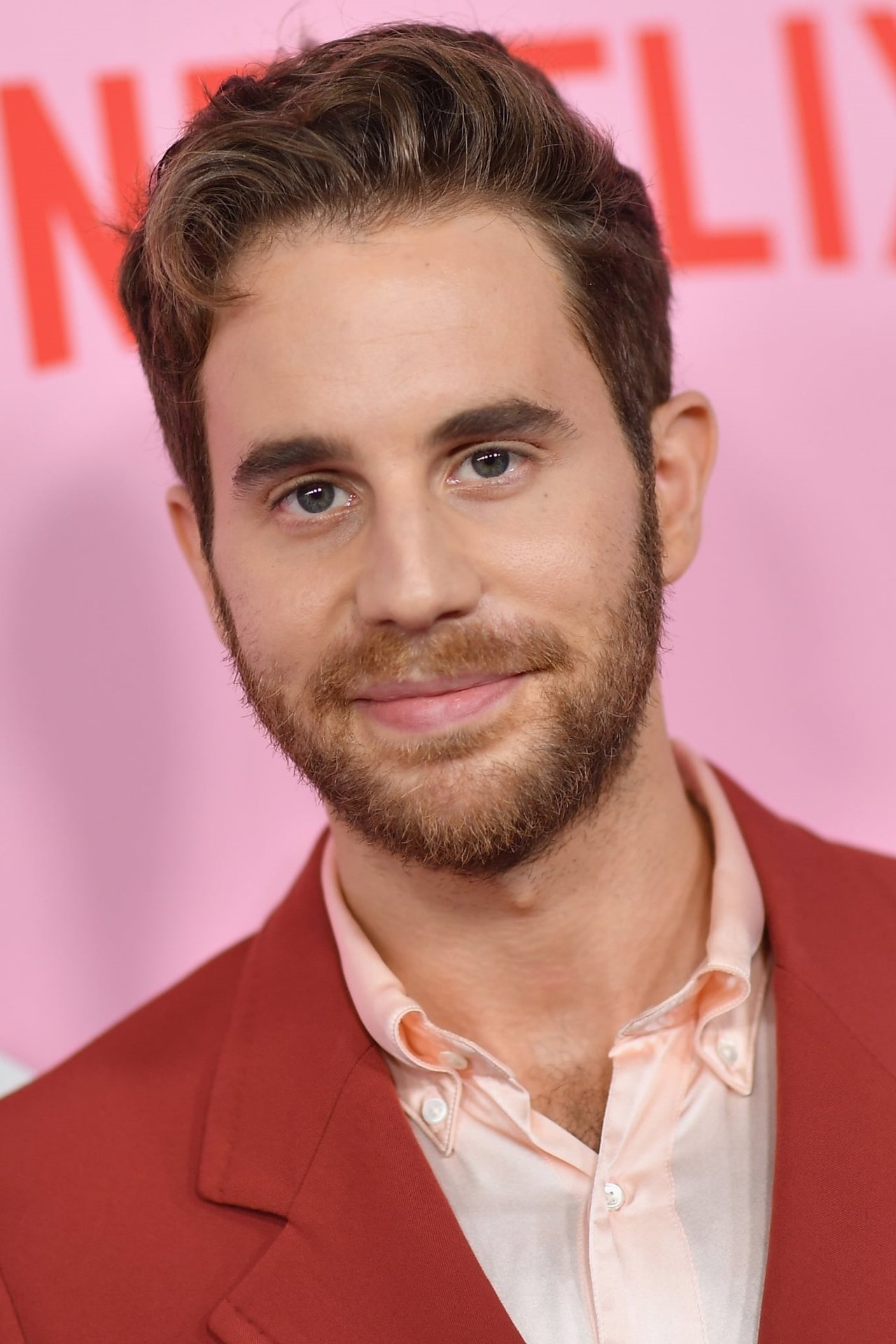
The ‘Dear Evan Hansen’ star has frequently downplayed the role his industry connections played in his meteoric rise to fame. While he insists he had to audition like everyone else, his father is Marc Platt, a powerhouse Hollywood producer who actually produced the film adaptation of the musical. Platt refused to answer questions about nepotism in a Rolling Stone interview, opting to cut the conversation short rather than acknowledge his massive advantage. This avoidance fueled the “nepo baby” discourse and highlighted the gap between his “loner” on-screen persona and his well-connected reality.
Lady Gaga

Stefani Germanotta has spent years cultivating a starving artist backstory involving a tiny apartment on the Lower East Side and eating “shit” while refusing help from her parents. However, biographical details confirm she grew up in a duplex on the Upper West Side and attended the expensive Convent of the Sacred Heart private school. Her father is a successful internet entrepreneur who reportedly supported her during her early career, contradicting the “street kid” narrative she often sells. This mythologizing of poverty allows her to co-opt a grit that was never actually required for her survival.
Ellen DeGeneres
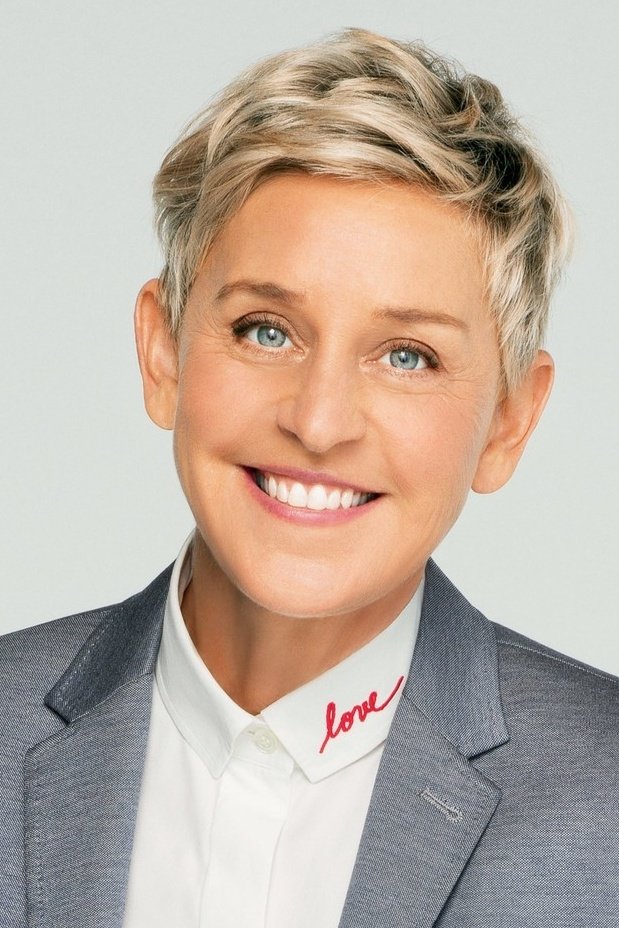
For nearly two decades, this comedian marketed herself and her talk show under the slogan “Be Kind,” positioning herself as a gentle alternative to mean-spirited Hollywood. That carefully curated image collapsed following an internal investigation that exposed a toxic workplace rife with intimidation, racism, and sexual misconduct allegations among executive producers. Staff members reported that DeGeneres was far from the relatable, dancing figure seen on TV, describing her as distant and demanding. The revelation proved that her “struggle” for kindness was largely a brand exercise rather than a backstage reality.
Caitlyn Jenner
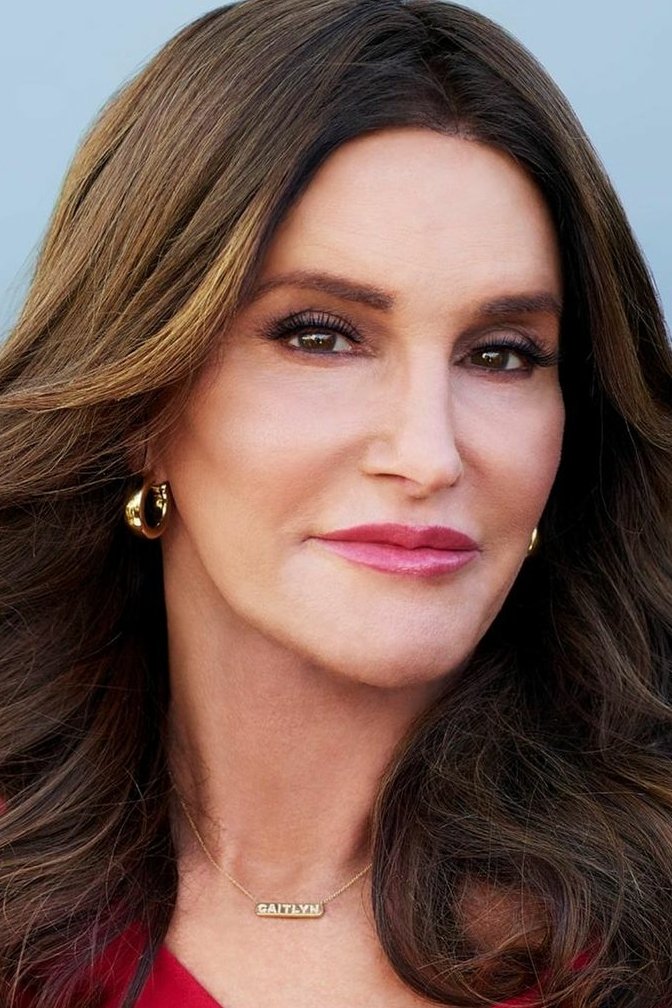
The former Olympian frequently claims that her financial success is solely the result of “hard work” and suggests that anyone can pull themselves up by their bootstraps. This narrative ignores the millions of dollars she had accumulated prior to her transition, which allowed her to bypass the economic devastation, healthcare disparities, and housing insecurity faced by most trans women. Her comments criticizing the homeless and supporting policies detrimental to the LGBTQ community have further alienated her from the people she claims to advocate for. Jenner’s refusal to acknowledge how wealth insulated her from the typical trans struggle remains a major point of friction.
Lily-Rose Depp

When confronted with the “nepo baby” label, this actress and model defensively compared her situation to the child of a doctor becoming a doctor. Critics immediately pointed out the flaw in her logic, noting that medical students must pass objective board exams, whereas her career was launched by high-fashion campaigns secured through her parents’ fame. She insisted that “nothing is going to get you the part except for being right for the part,” ignoring the access that gets her into the room in the first place. This denial of systemic advantage is a common trope among privileged stars trying to frame their career as a solitary struggle.
Grimes

The musician and former partner of Elon Musk once claimed she was an “outsider” who survived on peanut butter and experienced severe poverty during her early artistic years. This “poverty cosplay” was challenged by the fact that she attended McGill University and is the daughter of a successful former banker and a crown prosecutor. Her attempts to frame herself as a scrappy, street-smart survivor often clash with her background of upper-middle-class stability. The narrative of voluntary poverty for art is often offensive to those who experience involuntary poverty for survival.
Kevin Spacey
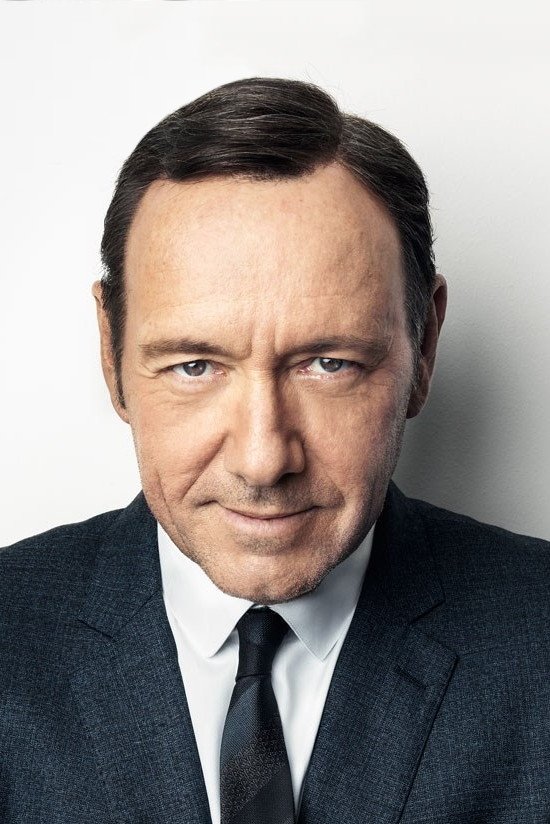
In a calculated move to deflect from serious sexual assault allegations involving a minor, the actor chose that specific moment to publicly come out as a gay man. By conflating his “struggle” with coming out with the predatory behavior he was accused of, he attempted to use his sexuality as a shield and a sympathy card. The LGBTQ community widely condemned this tactic, noting that it reinforced dangerous “predator” tropes that queer activists have fought against for decades. It was a lie of omission and manipulation, using the narrative of the closet to distract from accountability.
Ezra Miller
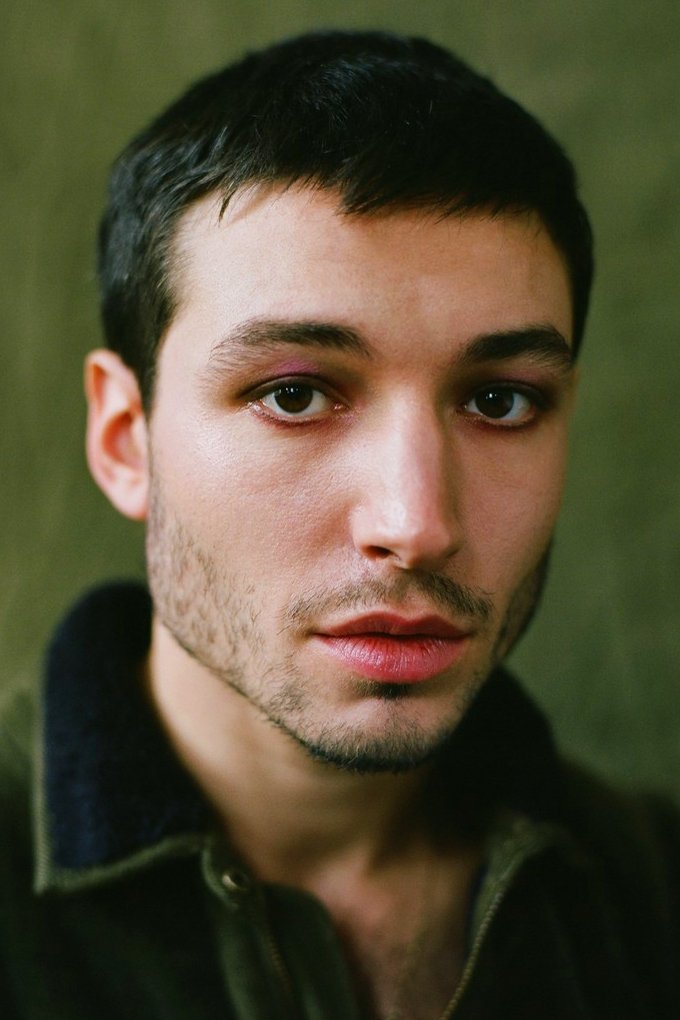
As legal troubles mounted regarding allegations of grooming, assault, and burglary, the actor’s camp began framing the backlash as a persecution of their non-binary identity. Reports suggested that Miller viewed themselves as a messiah figure and claimed that the authorities were targeting them due to transphobia rather than criminal conduct. This defense attempted to weaponize genuine systemic struggles faced by trans people to excuse violent and erratic personal behavior. The “struggle” here was fabricated to serve as a PR strategy against serious felony charges.
Cara Delevingne

The model and actress has often presented herself as a rebel who fought her way into the industry through sheer quirkiness and individuality. In reality, she is the granddaughter of a publishing magnate and the goddaughter of actress Joan Collins, with deep aristocratic ties in British society. Her “struggle” to be taken seriously is often contrasted with the reality that her family connections provided an immediate platform in high fashion. The narrative of the “awkward outcast” overlooks the immense safety net that allowed her to take risks without fear of failure.
Bella Thorne
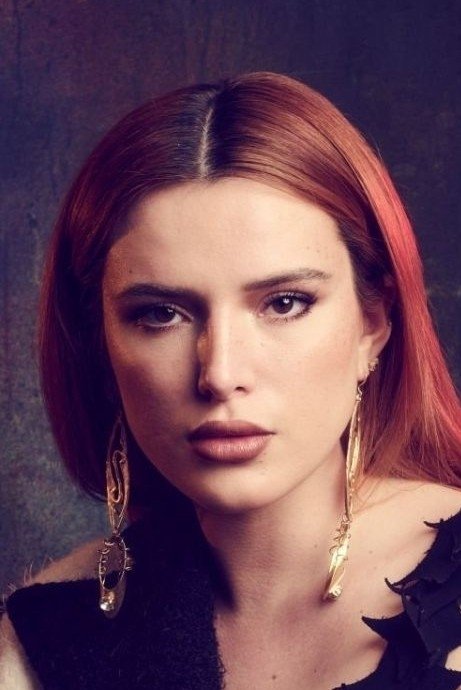
The former Disney Channel star faced backlash after claiming in a documentary that she had only $200 to her name after her series ended and she was on the verge of homelessness. Industry insiders and spectators questioned this claim, given her reported earnings per episode and subsequent lifestyle choices. While child stars often face financial mismanagement, her narrative of absolute destitution was viewed by many as an exaggeration to build a “started from the bottom” brand. It clashes with her consistent presence in the Hollywood social scene and subsequent massive earnings on subscription platforms.
Lea Michele

For years, the ‘Glee’ actress framed her on-set behavior as the result of intense perfectionism and a drive to be the best for the sake of the production. This narrative of the “struggling artist who cares too much” was shattered when former co-stars, particularly Black actors, accused her of traumatic microaggressions and bullying. The “perfectionist” defense was revealed to be a cover for entitlement and hostility that went unchecked due to her status as the star. Her “struggle” was actually the struggle of those around her to endure a toxic work environment she helped create.
Madonna
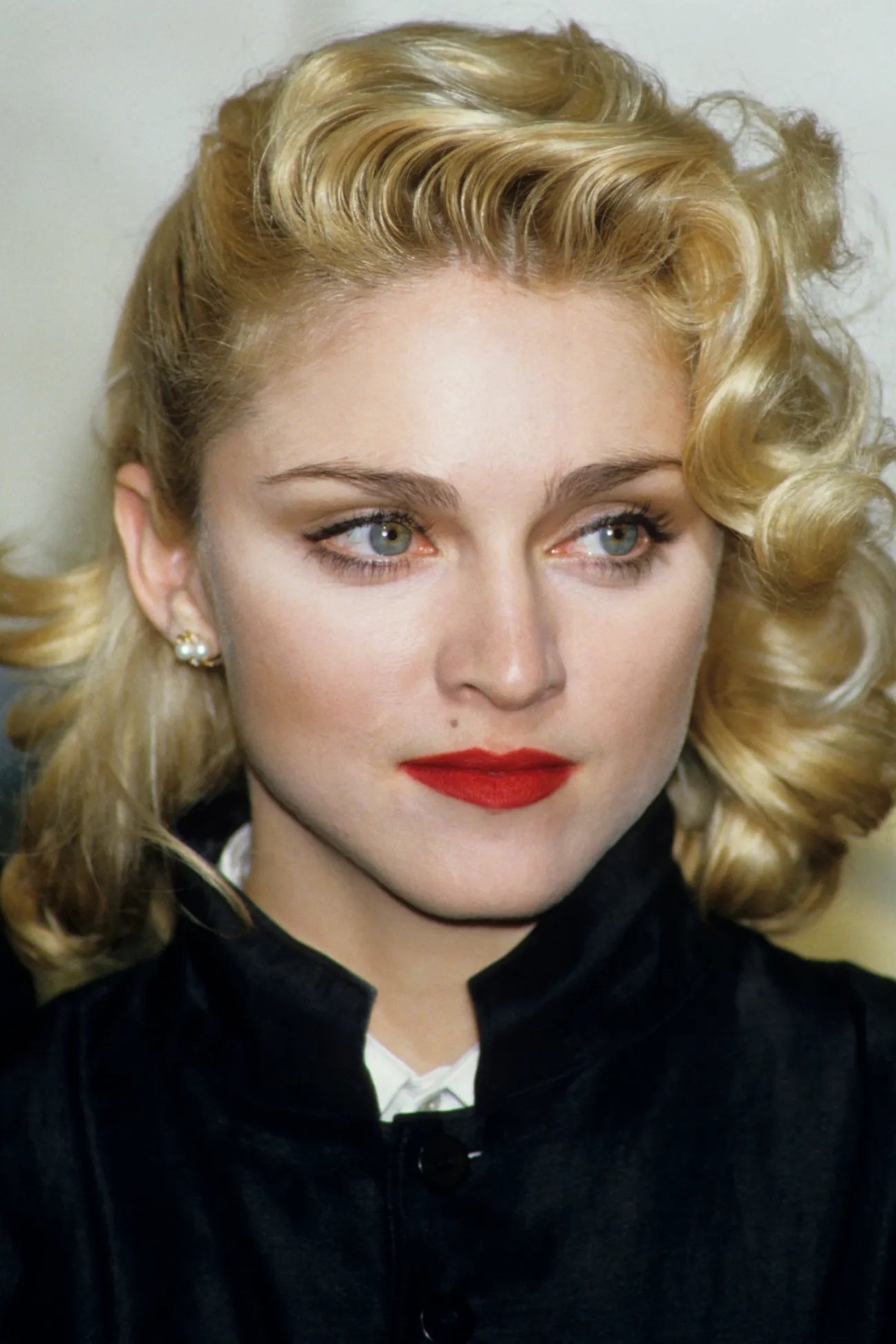
The pop icon’s lore includes the famous story of arriving in Times Square with only $35 in her pocket and a pair of ballet shoes. Her brother, Christopher Ciccone, later disputed the severity of this poverty, claiming she had a support system and connections that she conveniently omitted to enhance the mythology. While her drive is undeniable, the “destitute waif” image served to make her meteoric rise seem more miraculous than it was. This foundational lie allows her to claim a street credibility that overlooks her middle-class suburban origins.
Jessie J

The singer faced criticism for labeling herself as bisexual during her initial rise to fame, only to later label it a “phase” and declare herself straight, before later re-identifying as queer. While sexuality is fluid, critics accused her of using the “struggle” of bisexuality as a marketing tool to appear edgy and marketable to LGBTQ audiences when it was convenient. The “lie” was perceived as commodifying a marginalized identity to sell records, only to discard it when she sought a more mainstream image. This flip-flopping alienated many fans who felt their genuine identity struggles were treated as a costume.
Jeffree Star
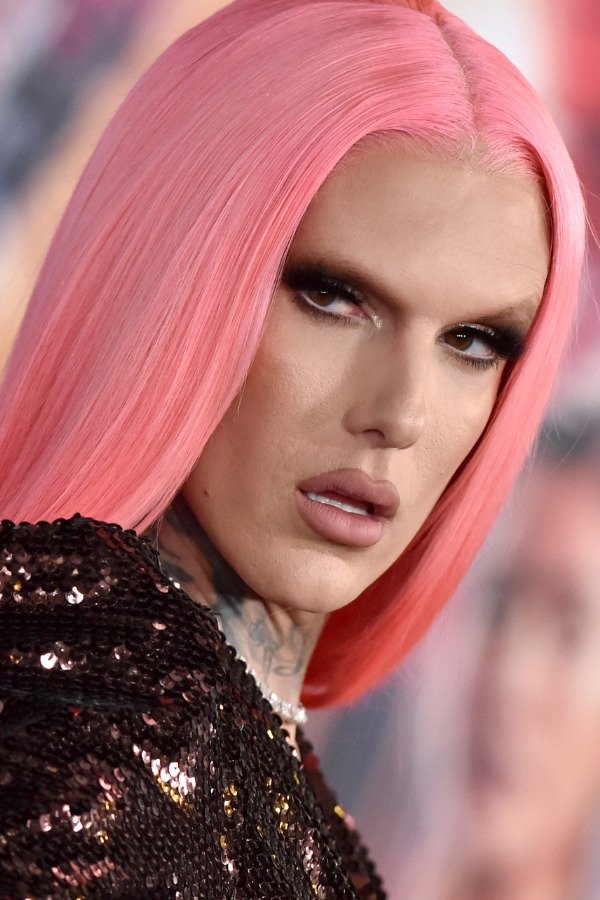
The beauty mogul has repeatedly attempted to rebrand himself as a “changed man” who has struggled against a past of misunderstanding and “dark times.” However, resurfaced videos and continuous involvement in drama often contradict his claims of growth regarding past racist and violent rhetoric. His narrative of being a victim of “cancel culture” ignores the documented history of his own aggressive behavior toward others. The “struggle” he claims is often the consequence of his own actions rather than external oppression.
Miley Cyrus

During her “Bangerz” era, the former Disney star adopted aesthetics and dance moves from Black culture, presenting herself as a rebellious outsider fighting against her polished image. She later distanced herself from hip-hop culture, criticizing the very genre she profited from, which led to accusations of tourism rather than genuine artistic struggle. Her ability to dip in and out of marginalized subcultures highlights the ultimate privilege of being able to put on and take off a “struggle” like a costume. The “rebel” narrative often obscured the fact that she is absolute Hollywood royalty with a safety net few can imagine.
James Charles
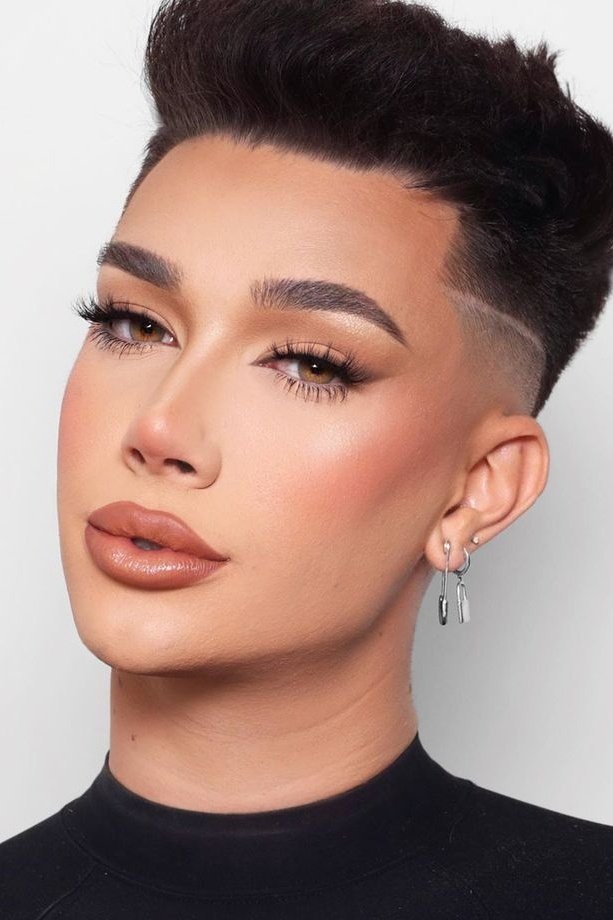
The beauty influencer has been involved in multiple controversies where he positioned himself as the innocent victim of older, predatory peers or lying friends. In several instances, particularly the “Bye Sister” scandal, he utilized tears and a narrative of being a naive, struggling youth to garner sympathy. While he was not always the sole aggressor, his pattern of weaponizing his youth and “fragile” mental state to deflect from accountability for his own manipulative behavior has become a recurring theme. The “struggle” is often a produced segment designed to retain subscribers rather than a reflection of reality.
Sia
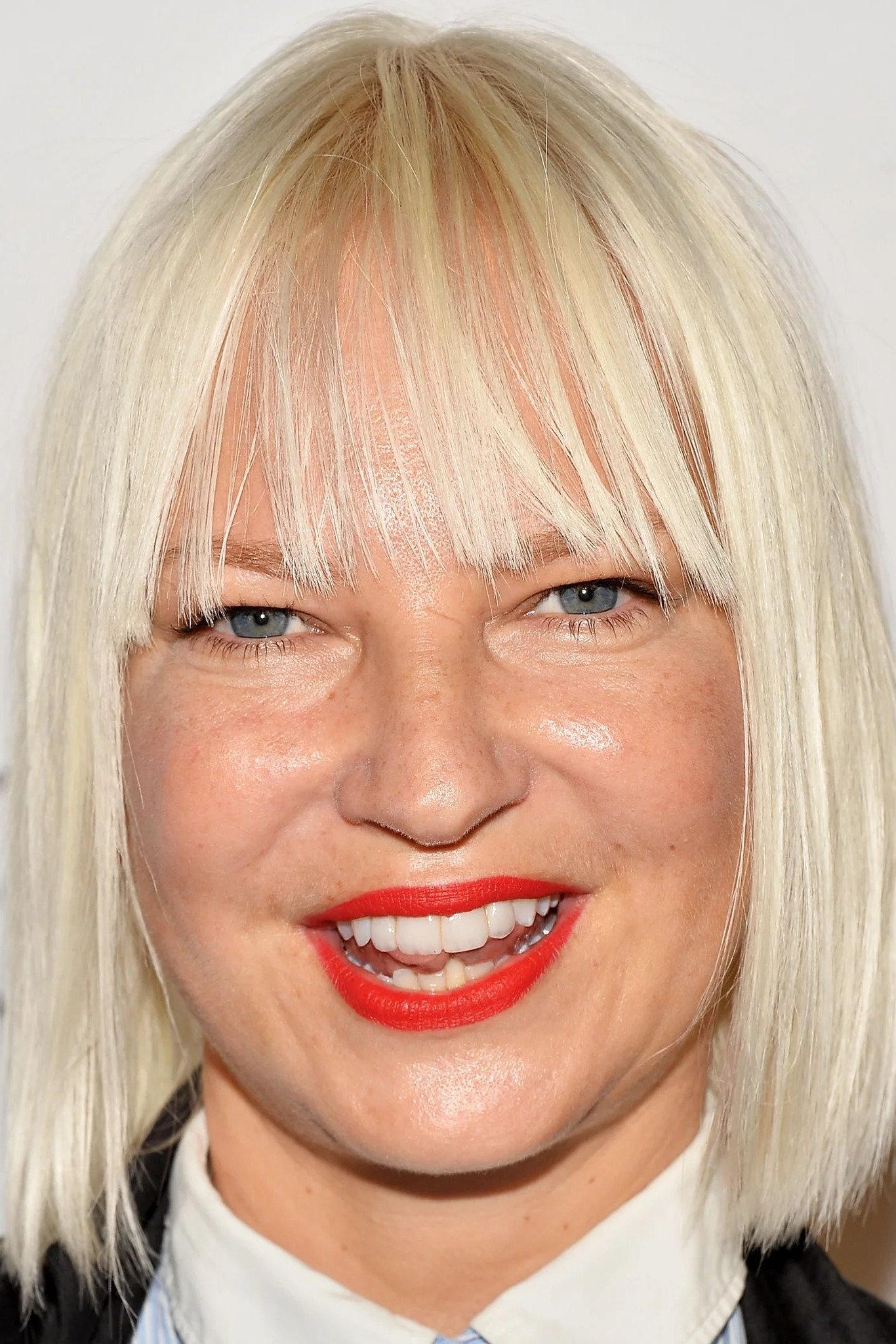
The singer and director claimed her film ‘Music’ was a “love letter” to the autistic community and that she struggled to find an autistic actor who could handle the role. This claim was widely debunked when autistic actors came forward to say they had auditioned or that the environment was not made accessible for them. Her defensive outbursts and claims of “good intentions” tried to frame her as a misunderstood artist under attack. The “lie” was that she tried to include the community she was representing, when in reality she prioritized her famous neurotypical collaborator.
Amber Heard
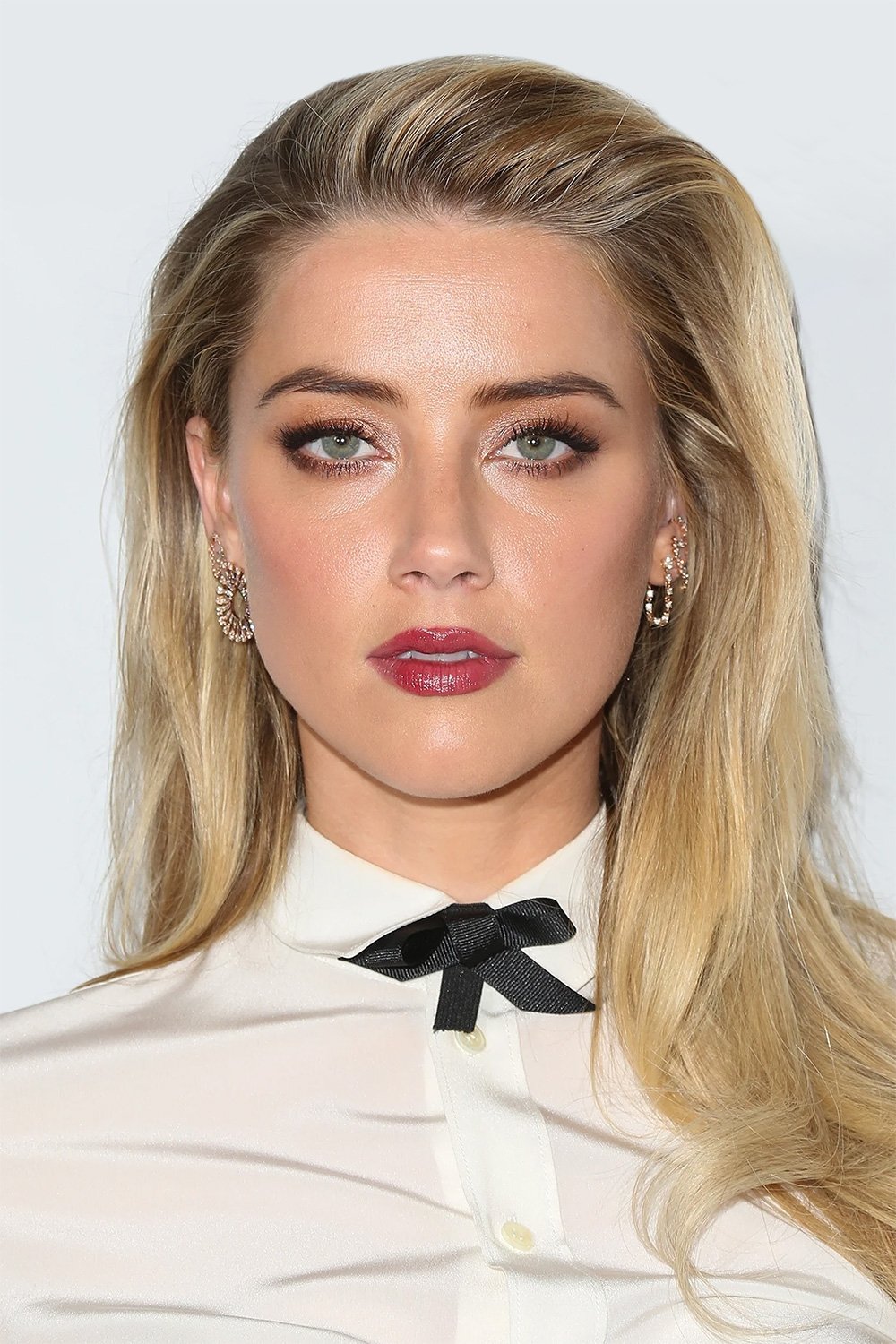
Throughout her highly publicized legal battles, the actress presented herself as a representative for all survivors of domestic abuse, tying her personal story to the wider feminist struggle. The subsequent trial revealed inconsistencies in her testimony and evidence, leading a jury to find her liable for defamation regarding her claims. While the topic remains polarized, the disconnect between her claims of being a powerless victim and the audio recordings of her admitting to hitting her partner damaged the credibility of the “imperfect victim” narrative. For many, the lie was using a very real and painful societal struggle as personal leverage in a toxic relationship.
Share your thoughts on which of these celebrity narratives you find the most misleading in the comments.