20 Gay Icons Whose Allyship Calls-Out Fell Flat with Fans

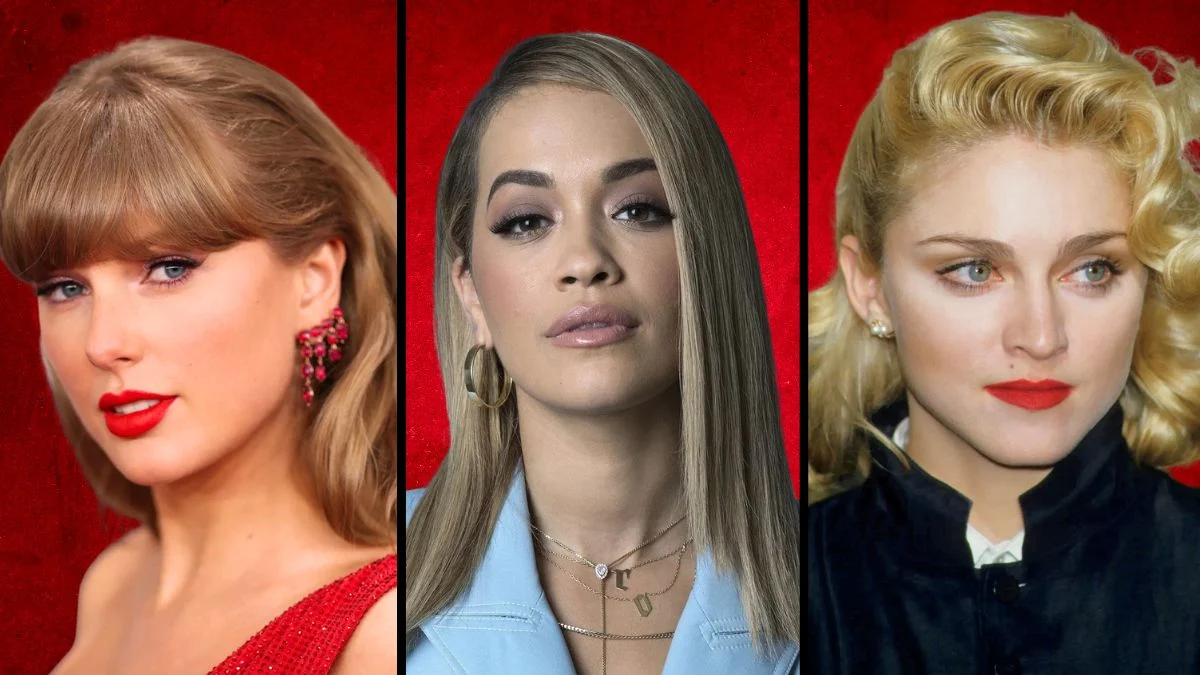

Celebrities and public figures often walk a fine line when engaging with the LGBTQ+ community. While many stars are embraced as icons for their support and advocacy, even the most beloved figures can make missteps that alienate their fanbase. Authentic allyship requires listening and learning, yet some attempts at activism or defense have been perceived as performative or tone-deaf. The following list explores moments when well-intentioned gestures or responses from icons resulted in significant backlash.
Madonna
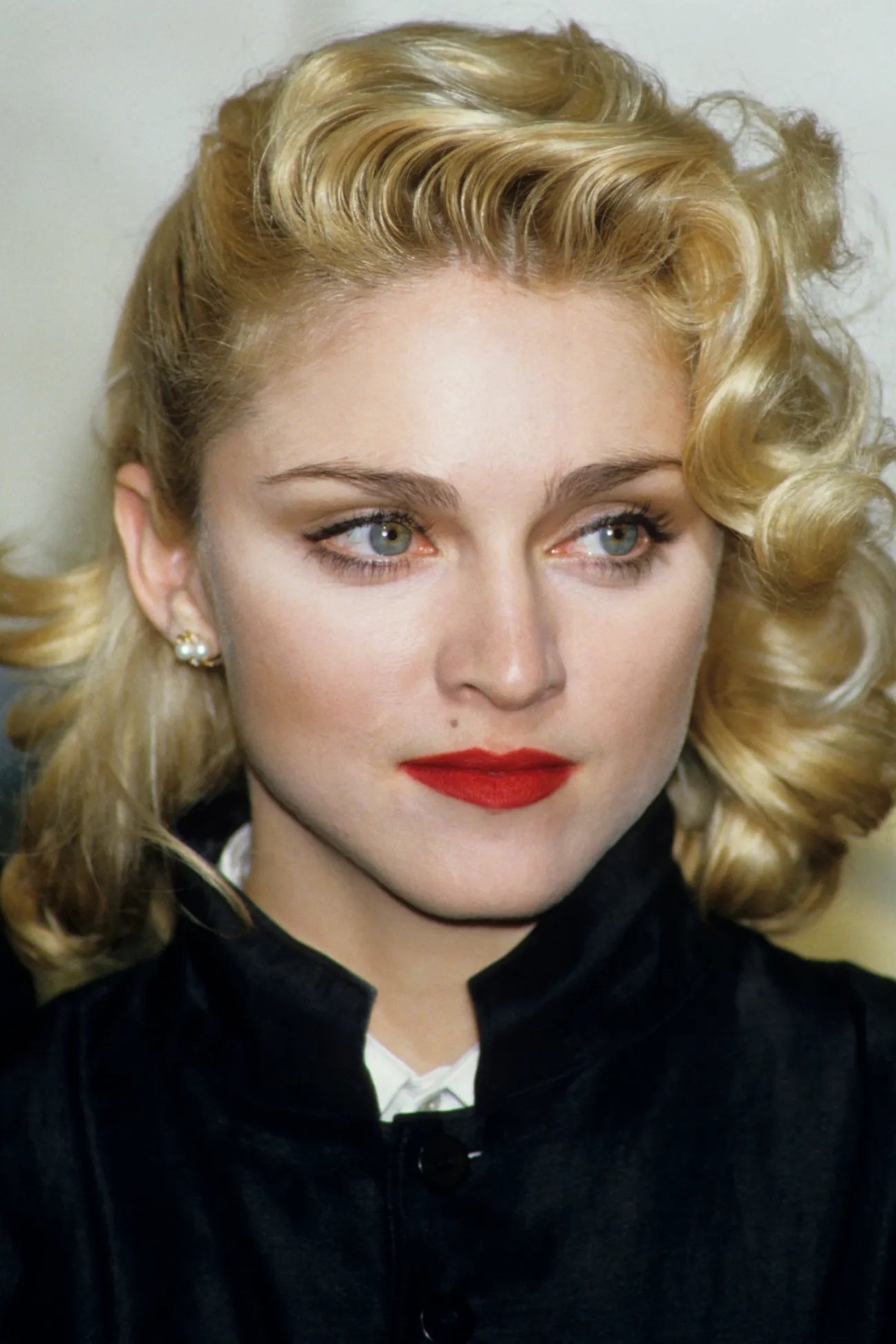
She is often hailed as the ultimate gay icon for her decades of advocacy and art. Fans were disappointed when she gave a tribute speech for Aretha Franklin that focused almost entirely on her own journey. Her attempts to honor the legacy of others have occasionally been criticized for centering her personal narrative rather than the subject. This disconnect led to significant backlash on social media regarding her awareness of privilege.
Taylor Swift

The release of the music video for ‘You Need To Calm Down’ sparked a polarized reaction within the LGBTQ+ community. While some praised the visibility of drag queens and queer celebrities, others felt the singer centered herself in a narrative about marginalized struggles. Critics argued that equipping a pop anthem with political imagery felt like a commodification of pride rather than genuine risk-taking. The inclusion of so many cameos was seen by some as performative rather than substantive advocacy.
James Corden
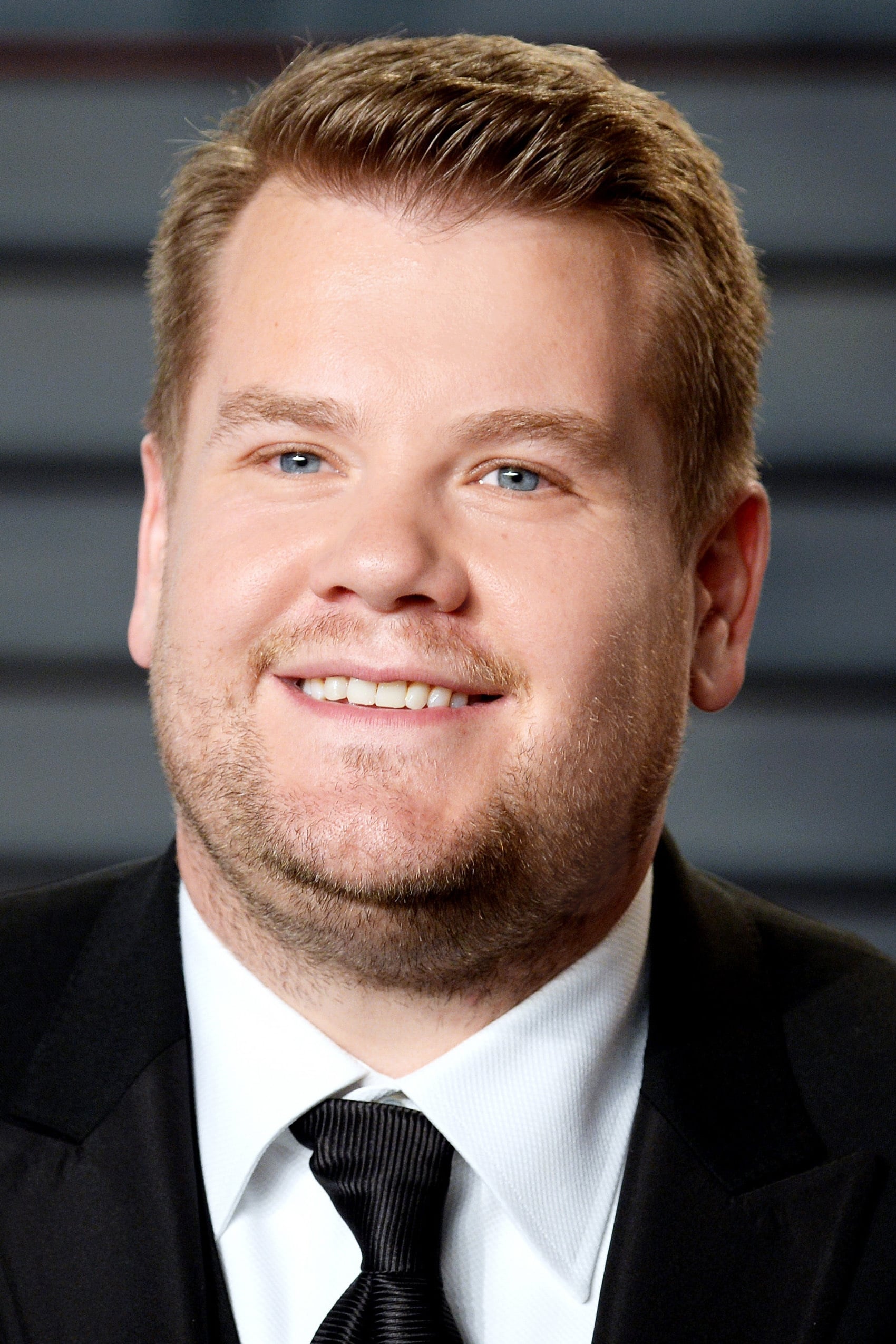
The talk show host has long positioned himself as a friend to the theater and queer communities. His performance as a gay character in ‘The Prom’ drew sharp criticism for relying on dated and offensive stereotypes. Viewers felt his portrayal leaned into flamboyant caricatures that the community has fought hard to move past. The backlash highlighted the ongoing debate regarding straight actors playing gay roles in a comedic fashion.
Sia
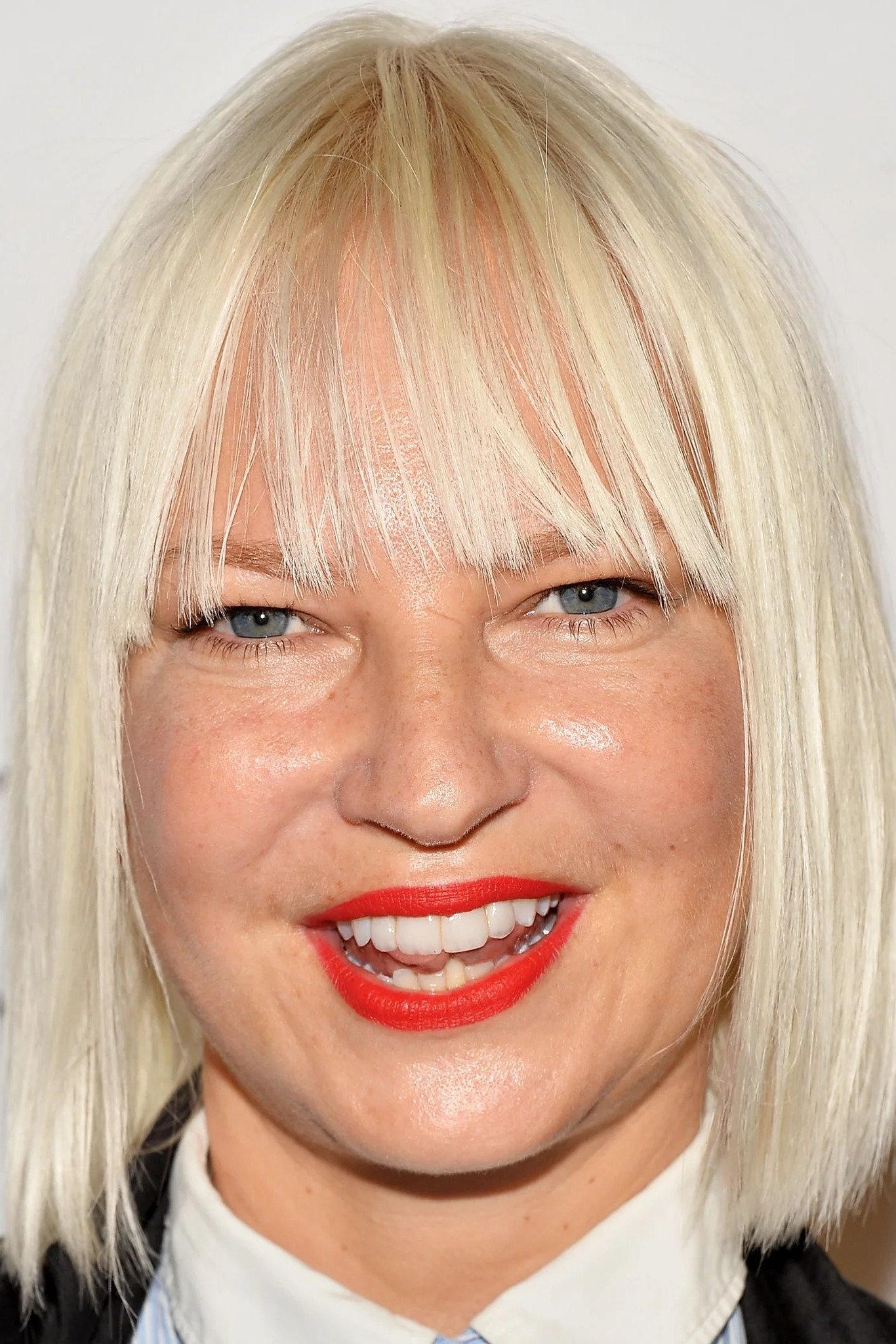
The singer faced immediate scrutiny after casting a neurotypical actor as a nonverbal autistic character in her film ‘Music’. When autistic advocates expressed concern over the portrayal and specific scenes involving restraint, she responded with hostility on Twitter. Her refusal to listen to the community she claimed to represent turned many fans against the project before it was even released. The controversy serves as a stark reminder of the importance of authentic representation and listening to marginalized voices.
Rita Ora
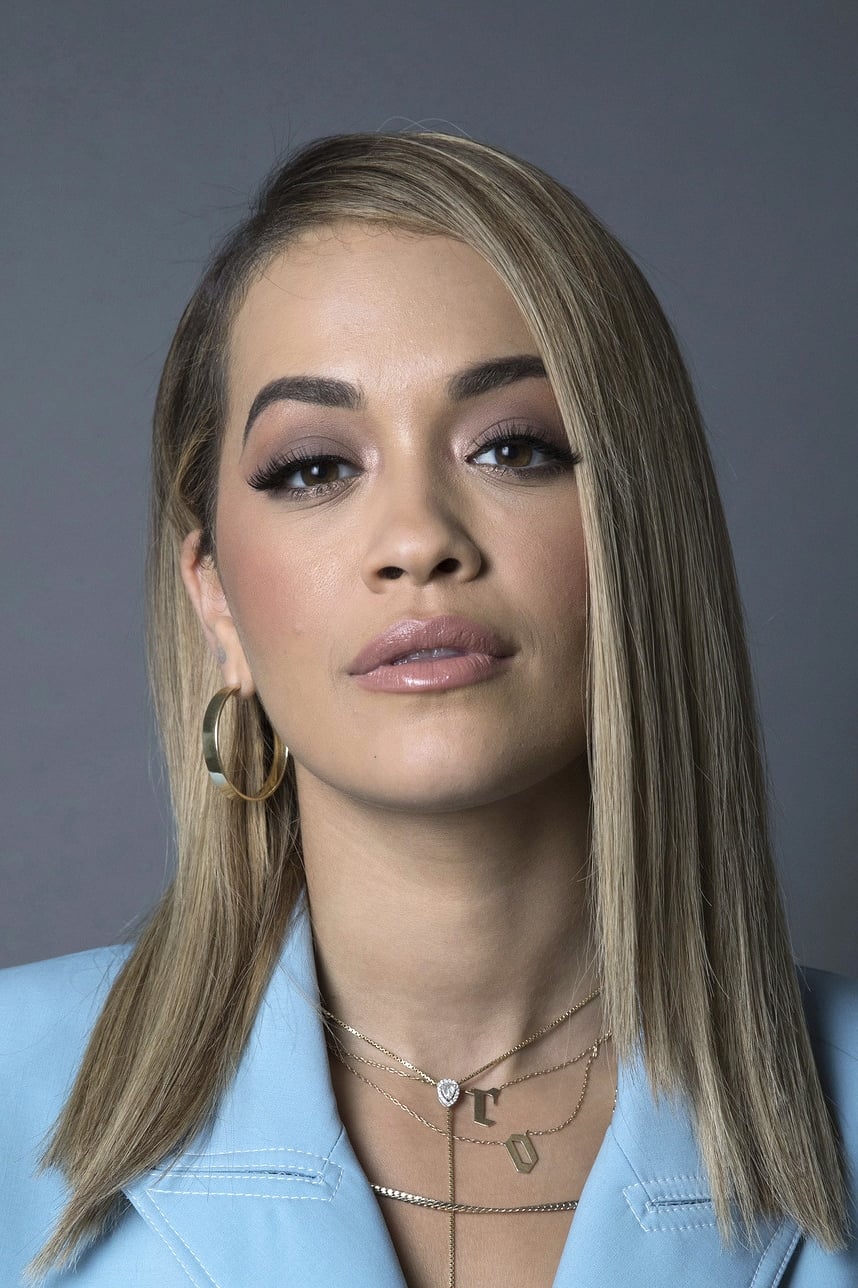
The release of her single ‘Girls’ was intended to be an anthem for bisexual empowerment. Many listeners and fellow artists criticized the lyrics for trivializing female same-sex relationships as merely situational or for male attention. The singer later apologized and clarified that the song represented her personal truth and experiences. Despite her explanation, the initial release was viewed as tone-deaf and harmful to the bisexual community.
Scarlett Johansson
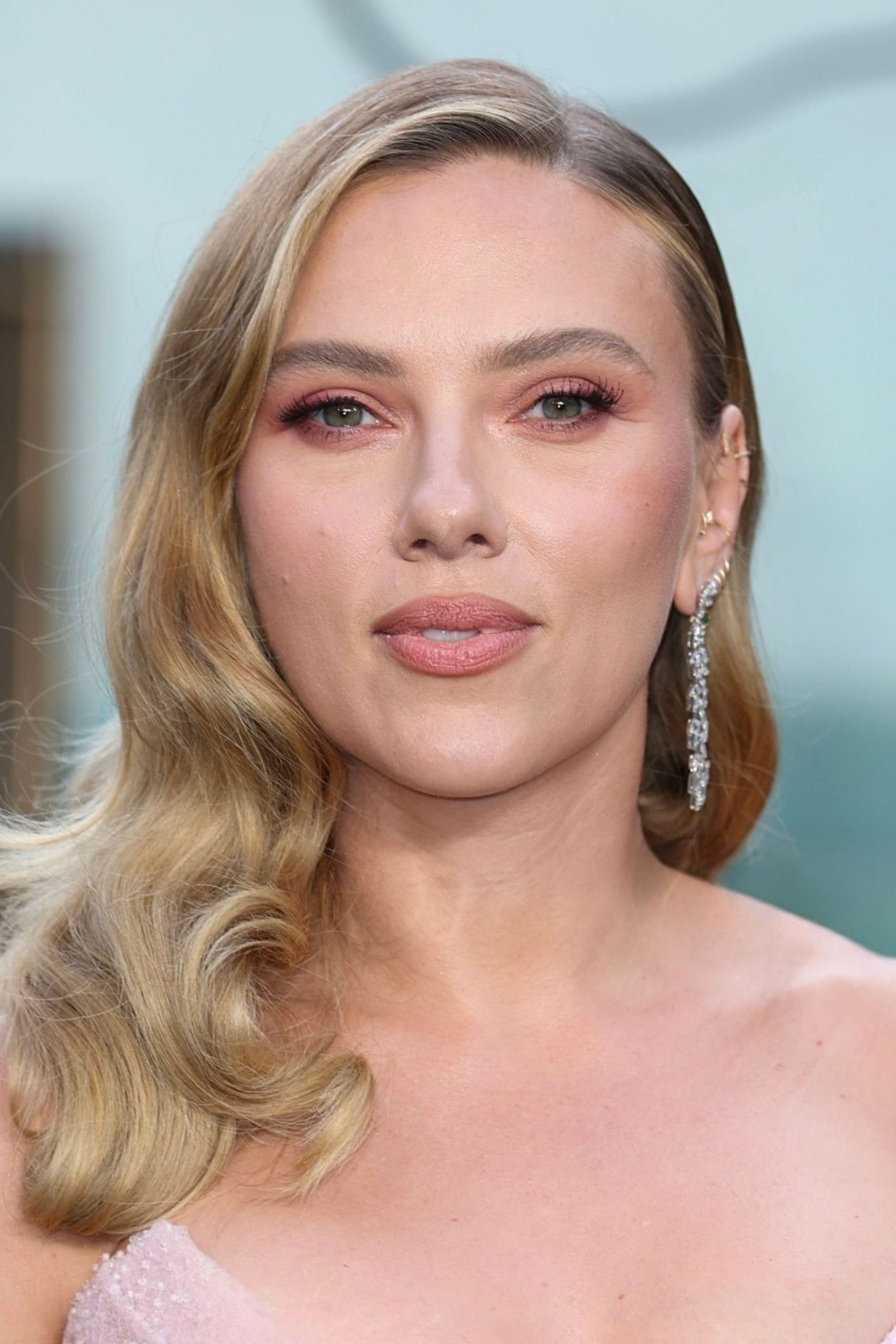
The actress faced intense backlash after being cast as a transgender man in the planned film ‘Rub & Tug’. Her initial response to the criticism was dismissive and cited other cisgender actors who had played trans roles. This reaction deepened the anger within the trans community regarding cisgender actors taking limited opportunities from trans performers. She eventually withdrew from the project and admitted her initial statement was insensitive.
Sam Smith
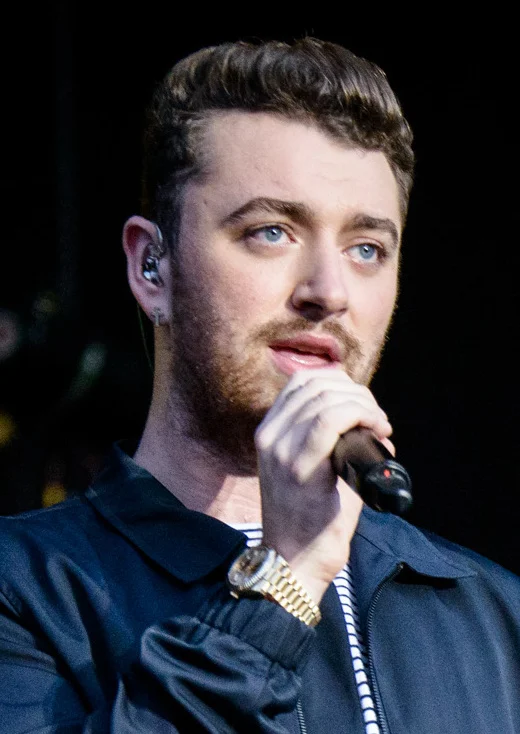
During an acceptance speech at the Oscars, the singer erroneously suggested they might be the first openly gay man to win an Academy Award. The statement erased the achievements of previous winners like Dustin Lance Black and Howard Ashman. Screenwriter Dustin Lance Black publicly corrected the error on social media shortly after the broadcast. The incident highlighted the importance of knowing queer history when speaking on a massive global platform.
RuPaul
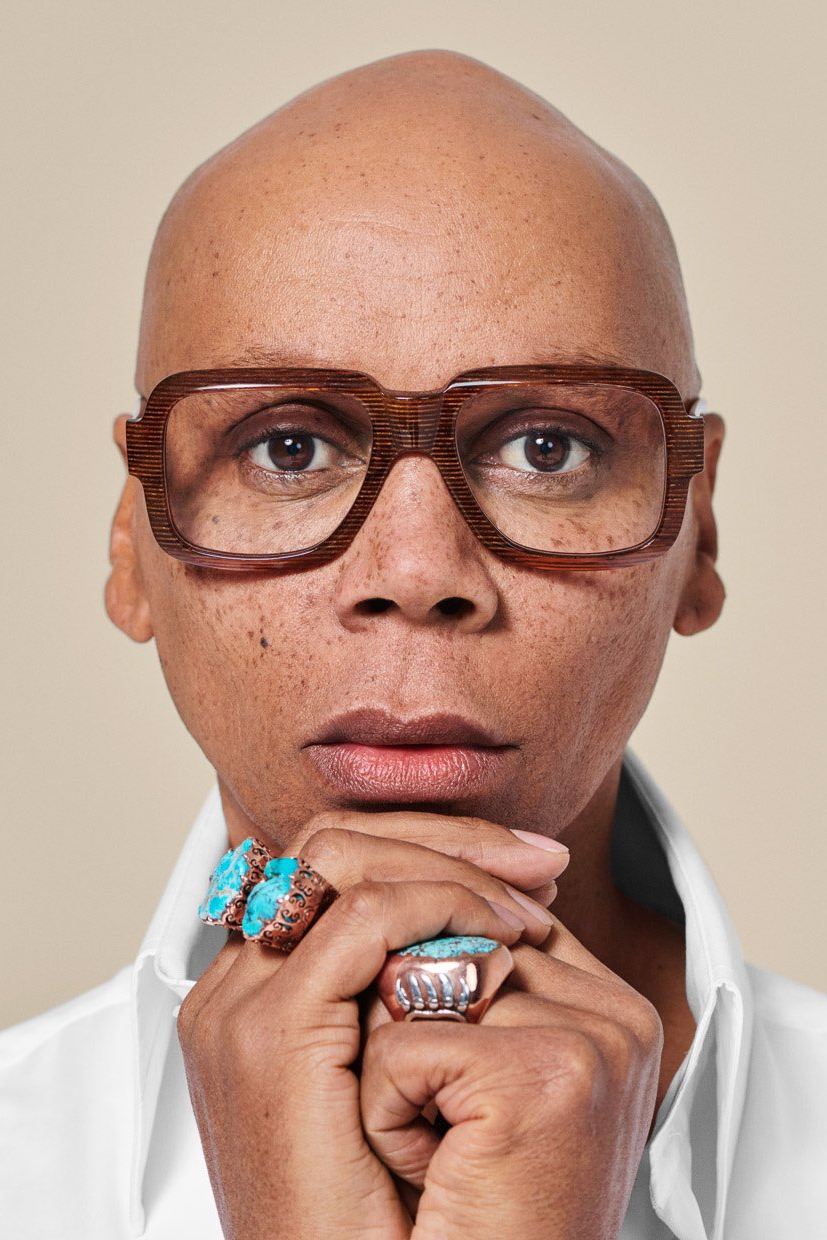
The host of ‘RuPaul’s Drag Race’ caused an uproar when he suggested in an interview that he would probably not allow trans women who had transitioned to compete on the show. Fans and former contestants quickly condemned the comments for excluding a vital part of the drag community history. He later issued an apology and the show has since cast several openly trans performers. The initial comments revealed a generational divide regarding inclusivity within the drag scene.
Ellen DeGeneres
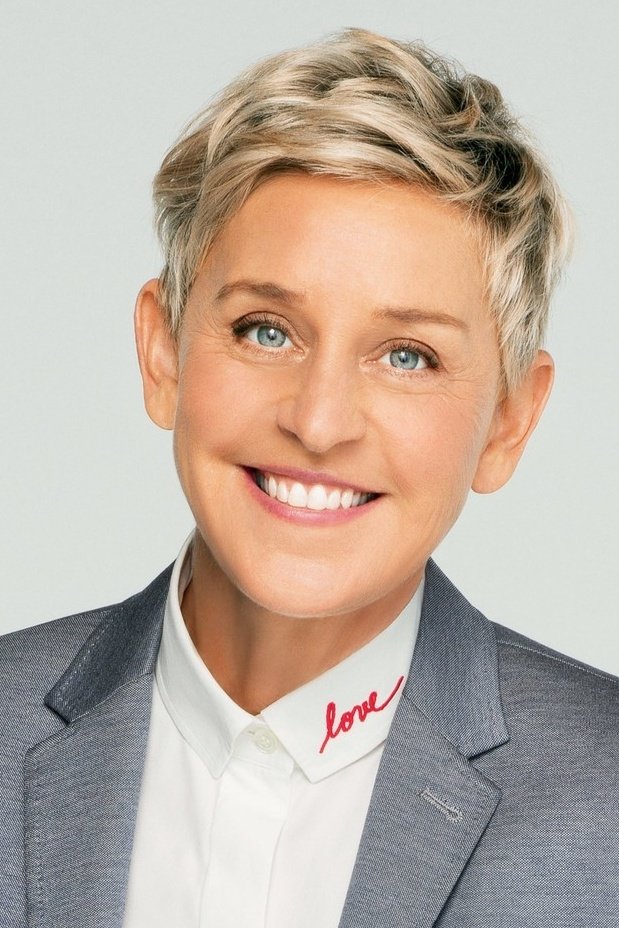
The talk show host faced criticism after being photographed laughing with former President George W. Bush at a football game. She defended the interaction during her show by stating that she is friends with people who have different views. Many fans felt this dismissed the former president’s legislative history against LGBTQ+ rights and marriage equality. The incident sparked a conversation about the limits of kindness when it comes to political ideologies that harm marginalized groups.
Jessie J
The singer initially came out as bisexual early in her career and became a role model for many young queer women. She later referred to her bisexuality as a phase she had outgrown during an interview. This comment perpetuated harmful stereotypes that bisexuality is not a valid or permanent sexual orientation. Fans expressed disappointment that a prominent figure would validate the specific stigma they often face.
Harry Styles
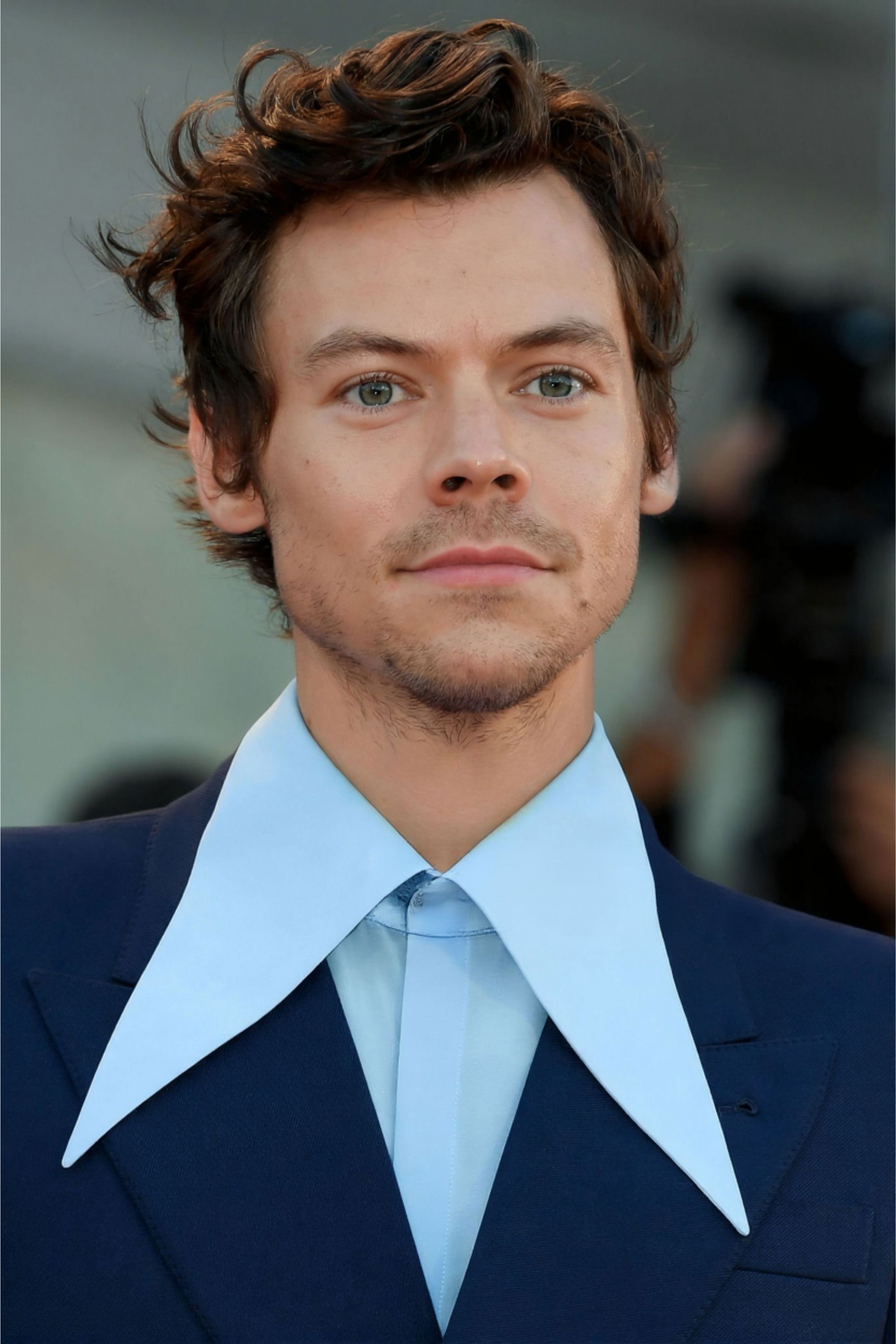
The singer frequently adopts gender-fluid fashion and holds up pride flags during his concerts. Some critics have accused him of queerbaiting by refusing to label his sexuality while profiting from queer aesthetics. Supporters argue he owes no one an explanation of his private life or identity. The discourse continues to divide fans regarding the expectations placed on celebrities to define themselves publicly.
Bette Midler

The legendary performer has been a staunch ally to the gay community for decades. She faced backlash for posting tweets that many viewed as trans-exclusionary while attempting to defend women’s rights. Her comments regarding language used to describe health care sparked anger among trans and non-binary advocates. The incident showed how even long-standing allies can alienate parts of the community through careless rhetoric.
Matt Damon
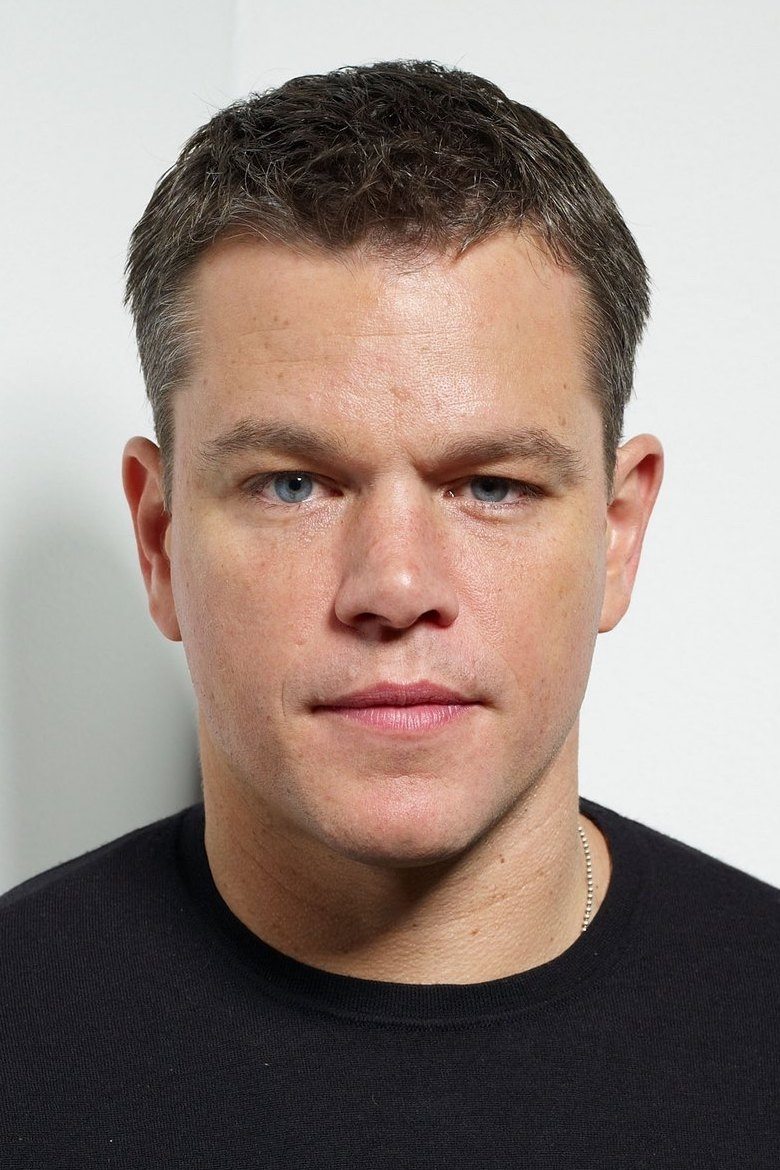
The actor discussed in an interview how he had only recently stopped using a homophobic slur after his daughter explained its gravity. His attempt to frame this as a learning moment backfired as fans questioned why he was using the word at all in modern times. The admission was seen as a display of ignorance rather than growth. It raised questions about how much credit celebrities should receive for meeting basic standards of respect.
Ariana Grande
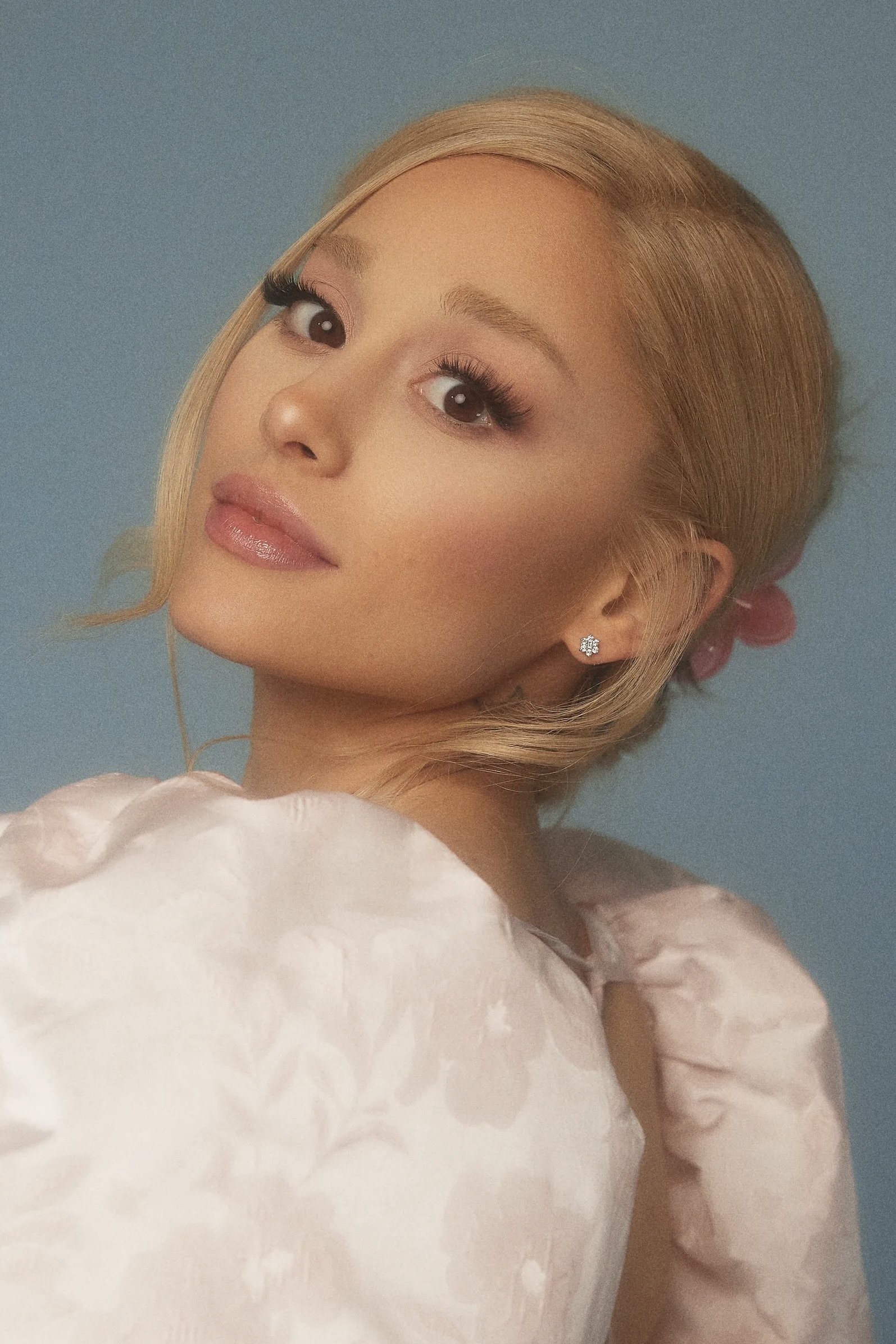
Her headlining slot at Manchester Pride raised questions about why a straight artist was leading a major LGBTQ+ event. The criticism intensified due to the high ticket prices that some felt exploited the queer community. She defended her presence by citing her long history of support and the special connection she has with the city. The situation highlighted the tension between corporate pride events and community-focused activism.
Katy Perry
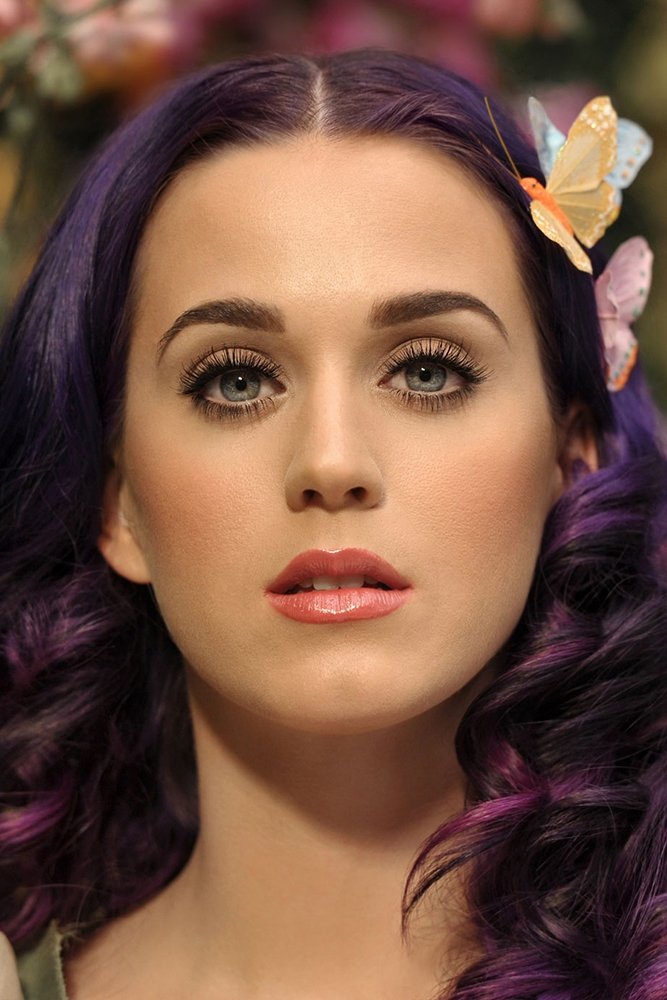
The pop star faced criticism for collaborating with the hip-hop group Migos shortly after they made homophobic comments. Fans felt that giving them a platform contradicted her public stance as an LGBTQ+ advocate. Her acceptance of an award from a deeply conservative organization also confused her progressive fanbase. These choices led to accusations that her allyship was conditional or convenient for her career.
Jameela Jamil
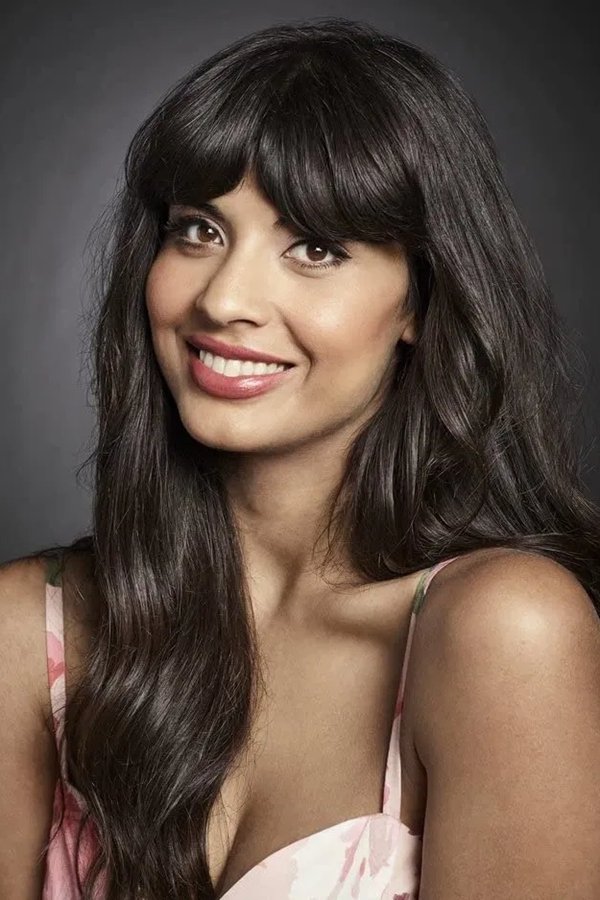
The actress was announced as a judge on a voguing competition show which sparked backlash about her lack of connection to ballroom culture. She responded by coming out as queer on Twitter in a move that some felt was defensive and timed to deflect criticism. Critics argued that coming out should not be used as a shield against valid questions regarding professional qualifications. The chaotic nature of the announcement overshadowed the conversation about the show itself.
Demi Lovato

The singer has been a vocal advocate for various causes but has often faced criticism for their approach to social media call-outs. Their public dispute with a frozen yogurt shop over diet culture messaging was viewed by many as an abuse of power against a small business. Fans felt the reaction was disproportionate and detracted from more serious advocacy work. The incident became a viral example of celebrity activism lacking nuance.
Kevin Hart
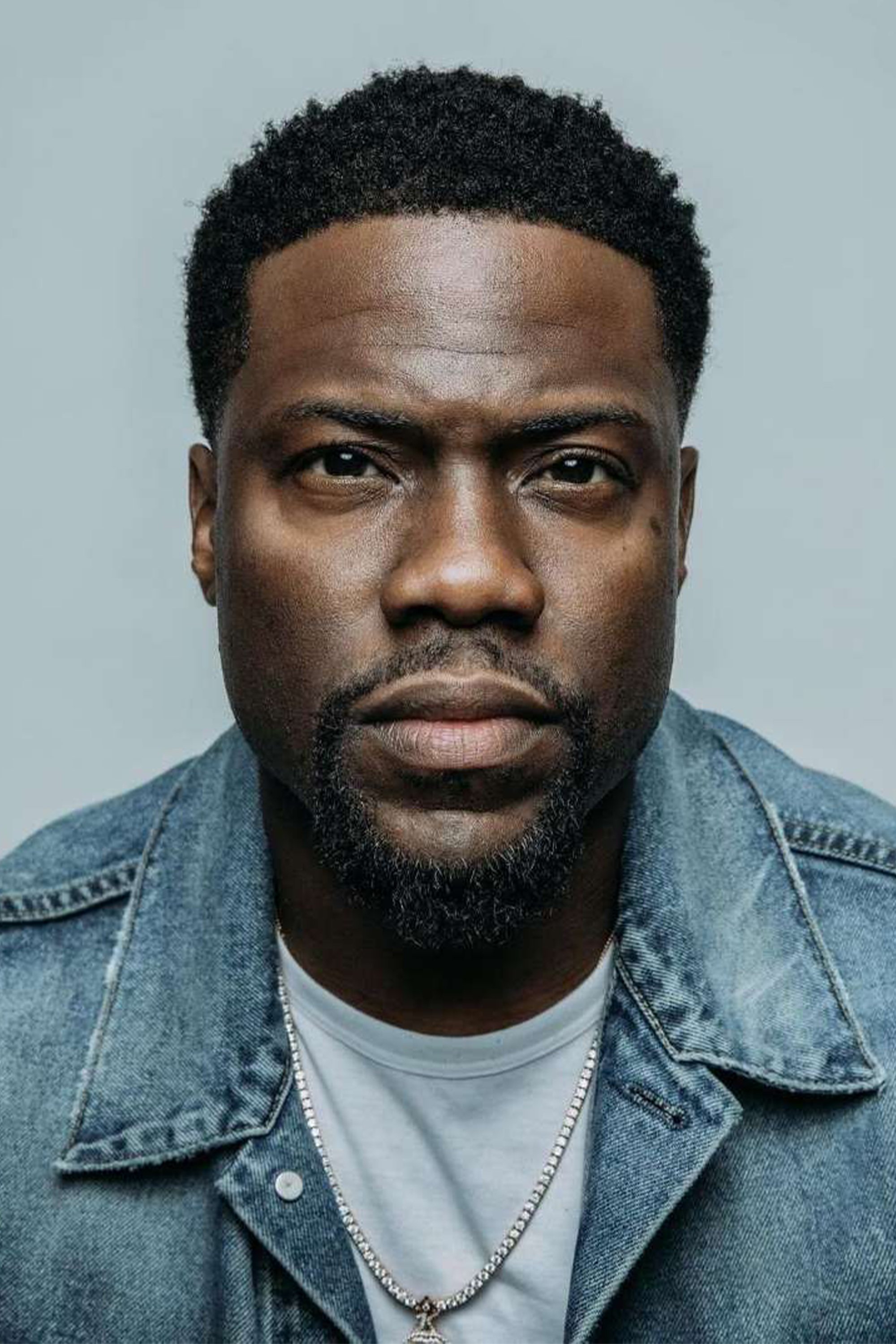
The comedian was selected to host the Oscars but stepped down after old homophobic tweets resurfaced. His initial refusal to apologize and insistence that he had already addressed the topic frustrated the LGBTQ+ community. He eventually stepped aside and issued an apology only after the backlash had peaked. The controversy sparked a wider debate about accountability and growth for public figures.
Tiffany Haddish
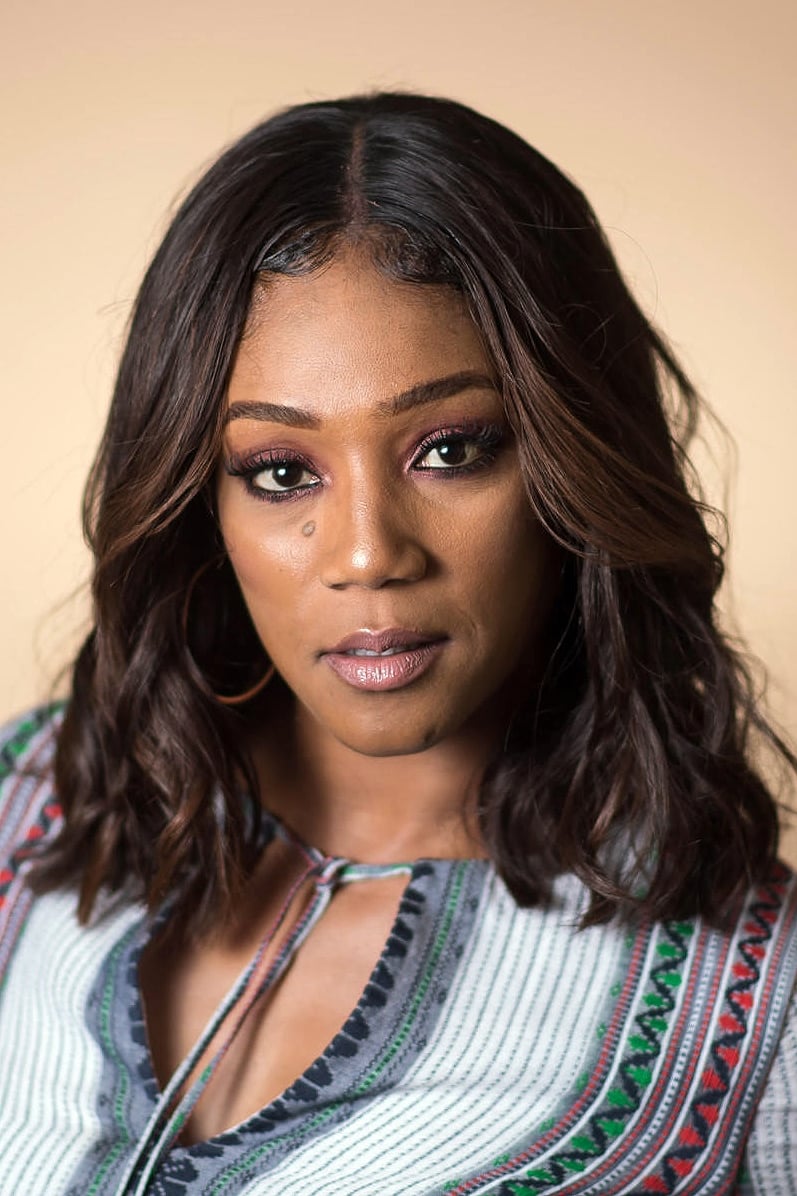
The comedian and actress has a large gay fanbase and often frequents queer spaces. She faced criticism for collaborating with organizations and individuals that have problematic histories regarding LGBTQ+ rights. Her dismissal of these concerns in interviews alienated fans who expect more due diligence from allies. The situation underscored the responsibility celebrities hold when choosing their professional associations.
Lance Bass
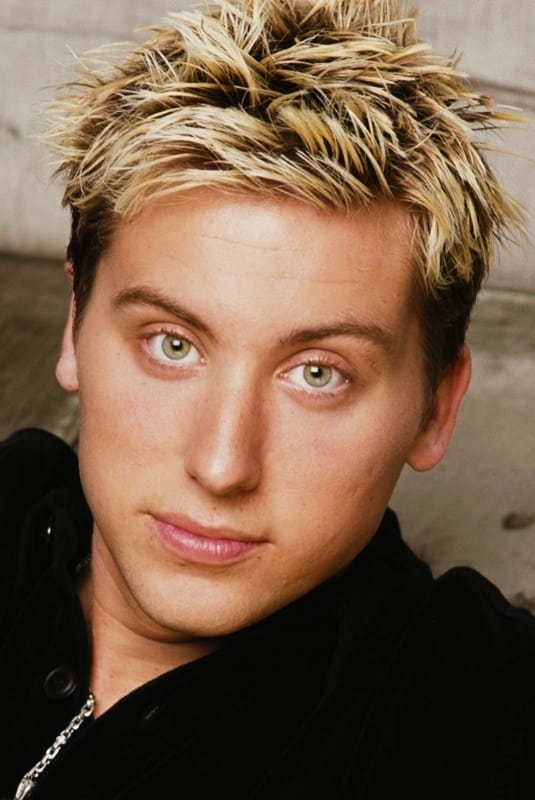
The former boy band member is a prominent figure in the gay community but faced backlash for mocking the Free Britney movement. He suggested on a podcast that fans were conspiracy theorists before eventually walking back his comments. Britney Spears later expressed hurt over his statements and lack of support during her conservatorship battle. His attempt to insert himself into the narrative without facts alienated him from both pop fans and disability advocates.
Please share your thoughts on these controversial moments in the comments.