20 Black Celebs in Feuds Over Who ‘Represents’ the Community Best

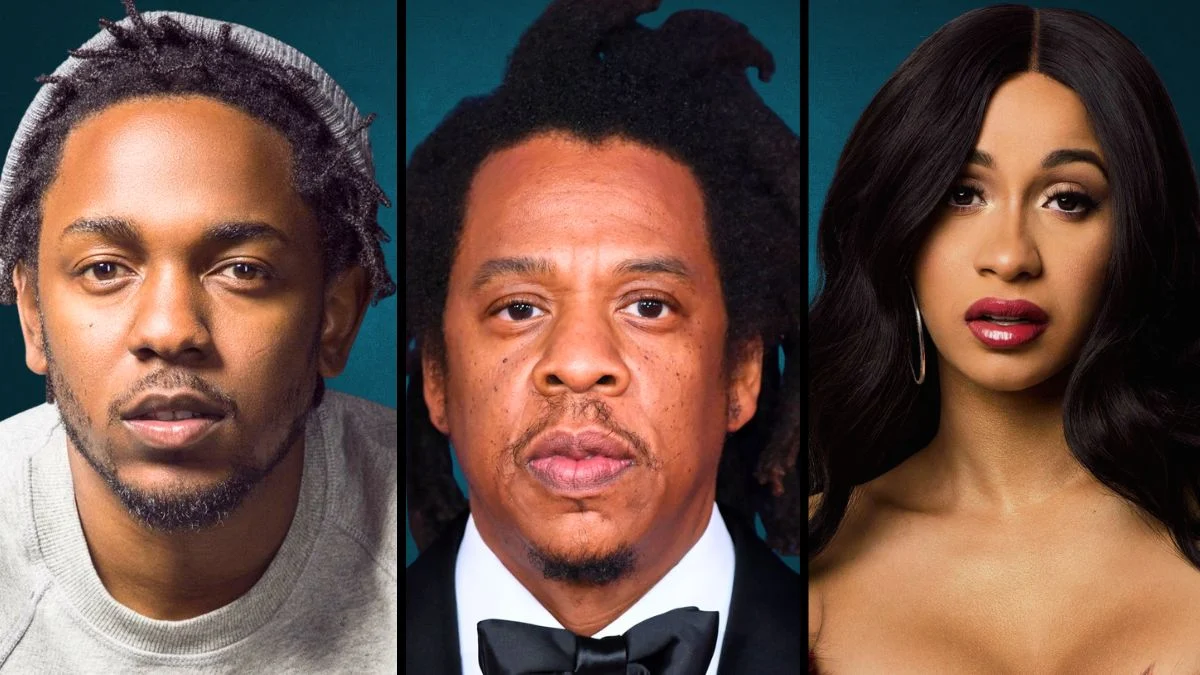

Disagreements regarding cultural representation and political responsibility have frequently sparked intense debates among prominent Black celebrities. These conflicts often highlight deep ideological divides about how to best advance the interests of the community in the public sphere. From arguments over protest tactics to disputes about authenticity in art, these figures have clashed publicly over what it means to be a leader. The following individuals engaged in high-profile feuds that forced fans to choose sides on critical social issues.
Kendrick Lamar
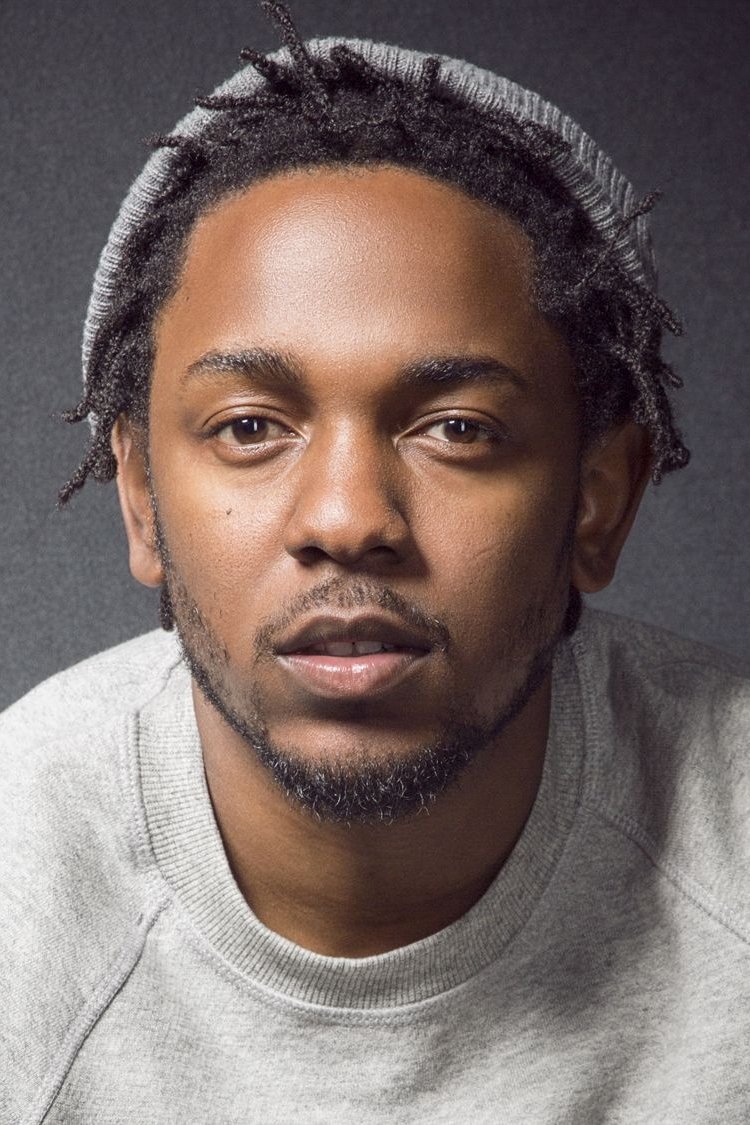
The Pulitzer Prize-winning rapper ignited a massive cultural conversation about authenticity and heritage within the music industry. He used his lyrics to accuse peers of exploiting West Coast culture for personal gain without respecting its roots or people. His chart-topping diss tracks served as a boundary line that questioned who has the right to speak for the culture. This stance positioned him as a guardian of regional identity against perceived outsiders.
Drake
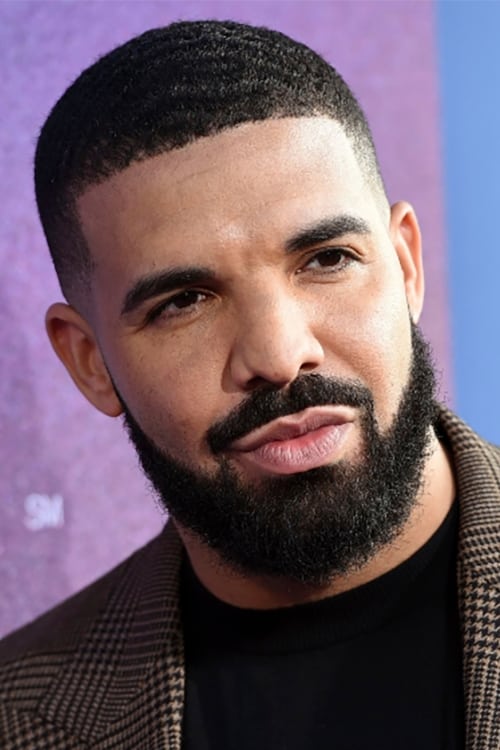
This global superstar found himself defending his identity against accusations of being a “colonizer” within the hip-hop genre. He argued that his massive commercial success and collaborations have done more to globalize the sound than his critics acknowledge. Throughout the conflict, he highlighted his financial generosity and long track record of supporting other Black artists. Despite his efforts, he faced persistent questions about his connection to the African American experience.
J. Cole

The North Carolina lyricist faced a wave of backlash after releasing a song that critiqued the tone of a fellow rapper’s activism. He admitted in his verses that he felt his own political contributions were inadequate but questioned the effectiveness of “queen tone” policing. His comments sparked a broader debate about the expectations placed on Black men to lead versus follow in social justice movements. He eventually apologized and acknowledged the validity of the criticisms leveled against his initial stance.
Noname
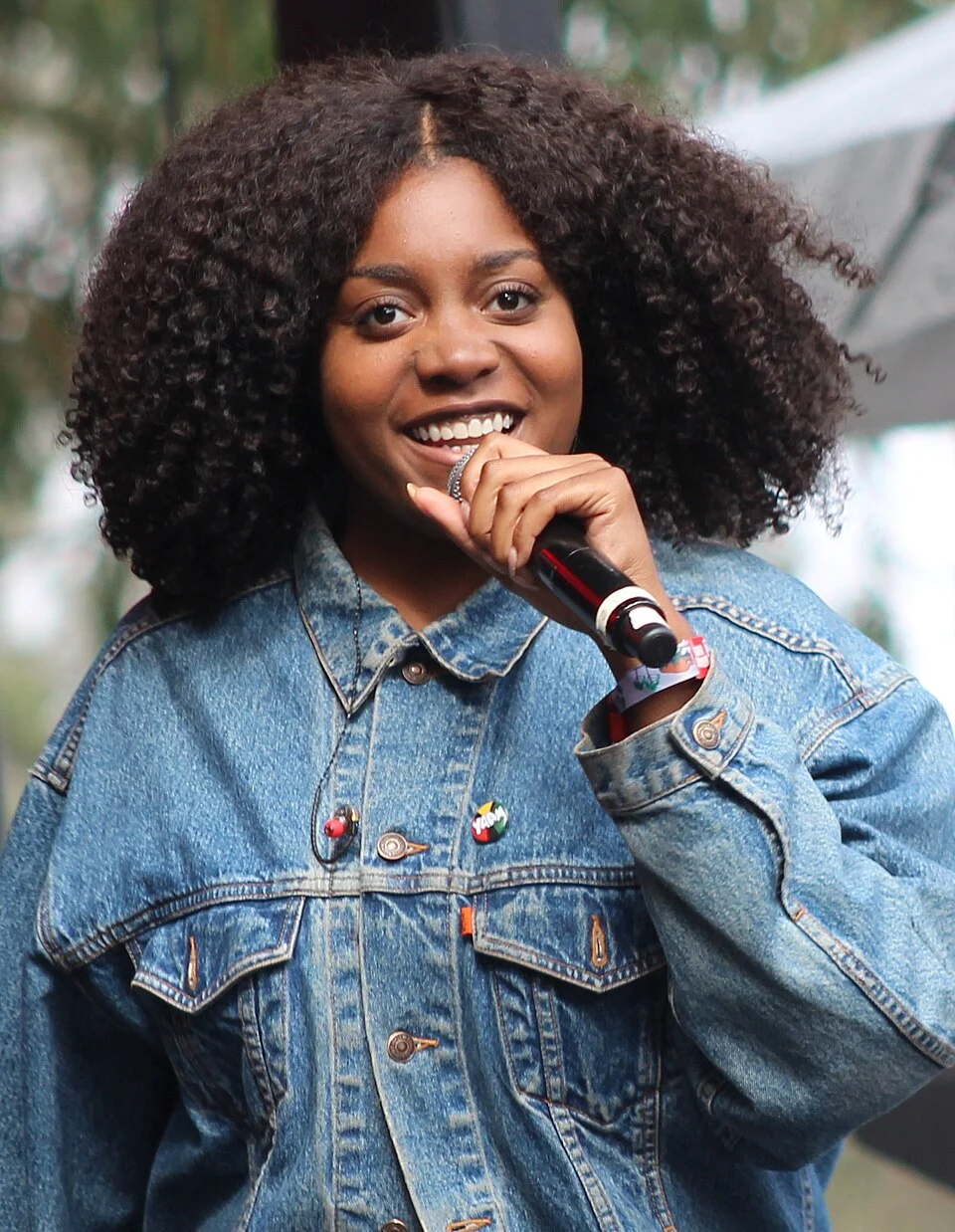
This Chicago-born rapper and book club founder publicly challenged high-profile artists to move beyond performative gestures. She criticized the silence of top-selling rappers during critical moments of civil unrest and demanded tangible contributions to the community. Her response to critiques of her tone emphasized the specific plight of Black women who are often ignored by the very leaders they support. Her unwavering stance highlighted the tension between celebrity capitalism and radical social change.
Candace Owens

The conservative commentator built a significant platform by challenging the political consensus of the Black community and criticizing movements like Black Lives Matter. She frequently engaged in heated online battles with entertainers who she felt were promoting destructive cultural values. Her arguments often centered on the idea that liberal policies have failed Black Americans and that celebrities are being used as pawns. She accused her opponents of emotional manipulation rather than engaging with hard facts.
Cardi B
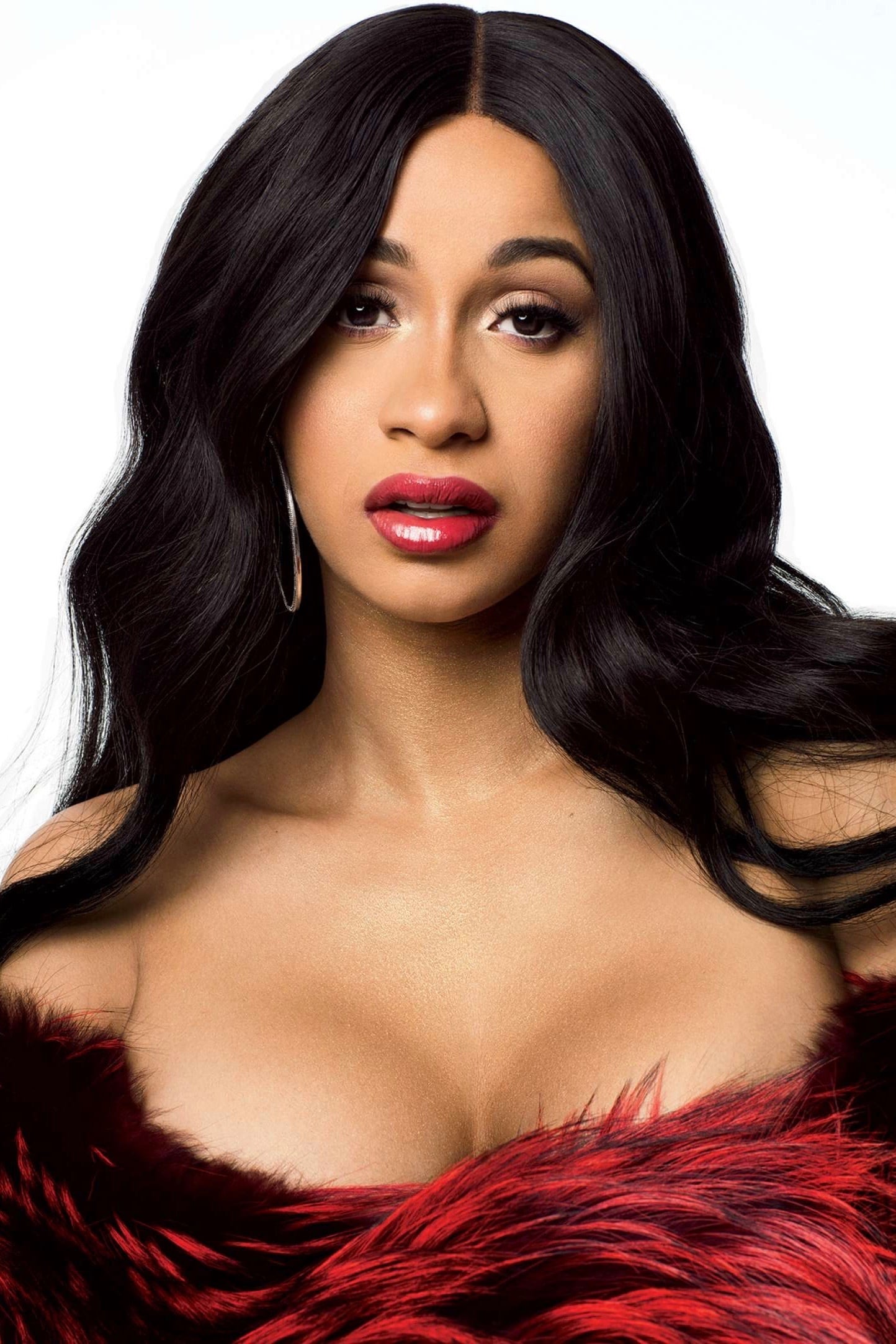
The Bronx-bred rapper utilized her massive influence to advocate for progressive political candidates and economic equity. She clashed fiercely with conservative pundits who questioned her intelligence and her right to speak on serious political issues. She argued that her tax contributions and life experiences gave her a valid stake in the country’s future direction. Her defense highlighted the importance of engaging everyday people in the political process regardless of their background.
Stephen A. Smith
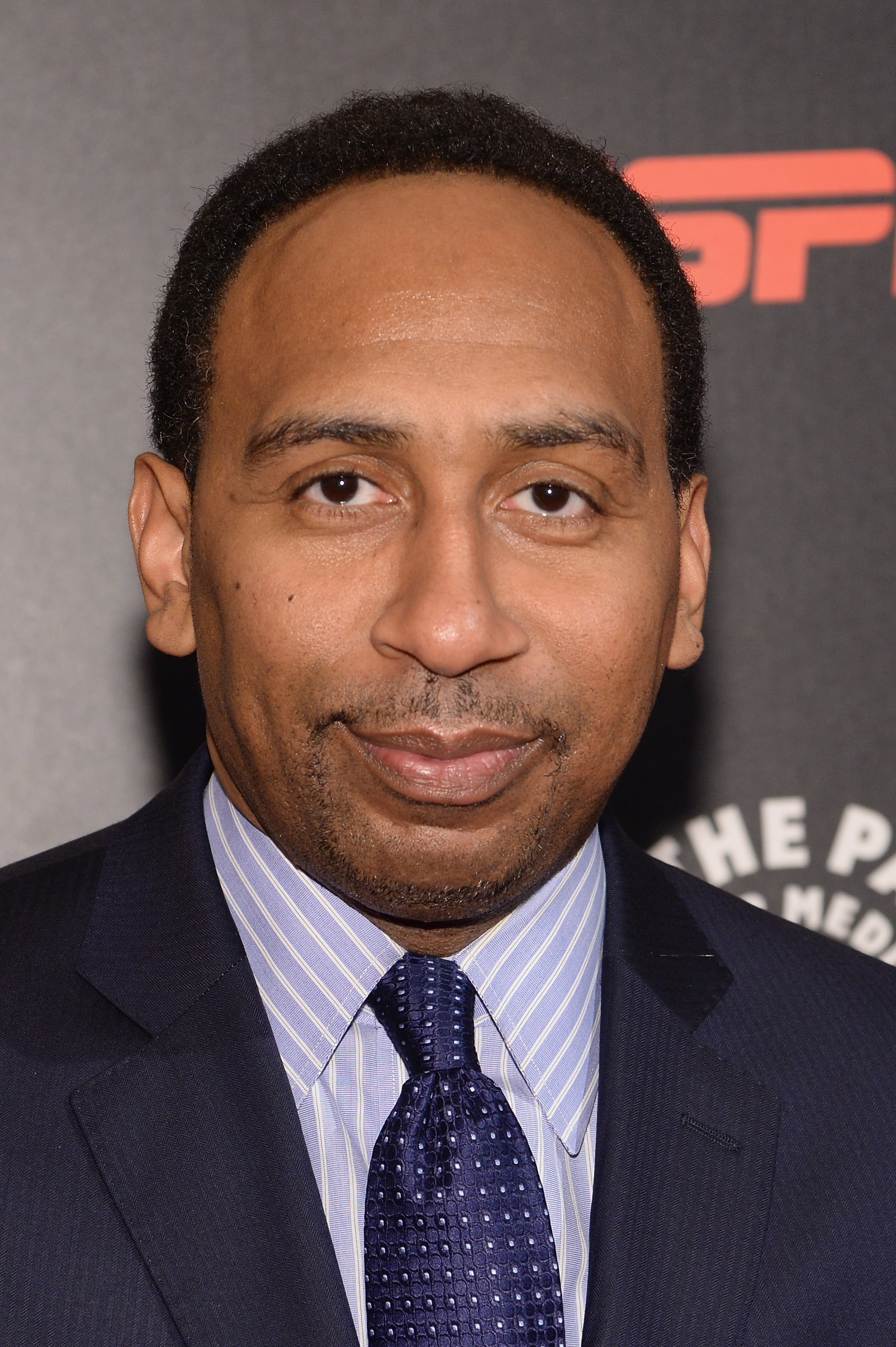
The sports media personality faced severe criticism for his harsh critiques of Black athletes and his perceived alignment with corporate narratives. His commentary on a former NBA player was viewed by many as a public humiliation of a Black man for entertainment value. He later expressed regret for the personal nature of his words after facing a unified backlash from the athletic community. His career often sparks debates about the role of Black commentators in predominantly white media spaces.
Kwame Brown
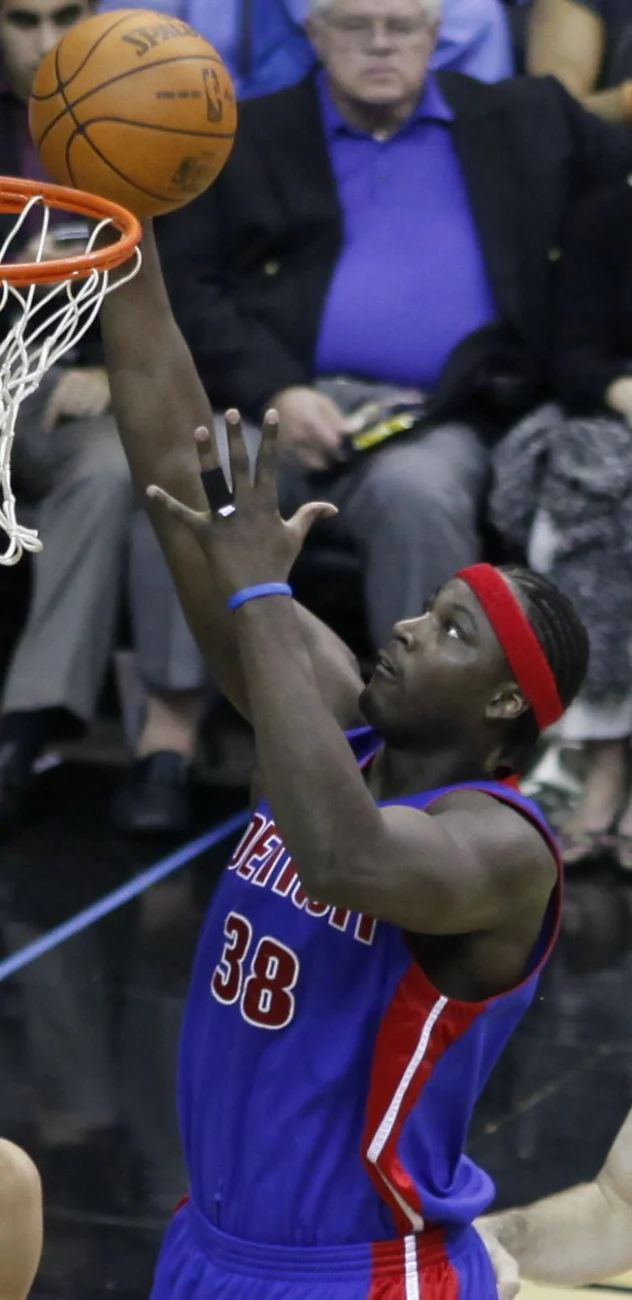
The former NBA draft pick broke years of silence to defend his dignity against media figures who he felt had monetized his humiliation. He utilized social media to launch a blistering counterattack against those who had mocked his career and character. His response resonated with many men who felt that the sports media landscape often strips Black athletes of their humanity. He demanded respect and challenged the narrative that professional struggles justify personal disrespect.
Terry Crews
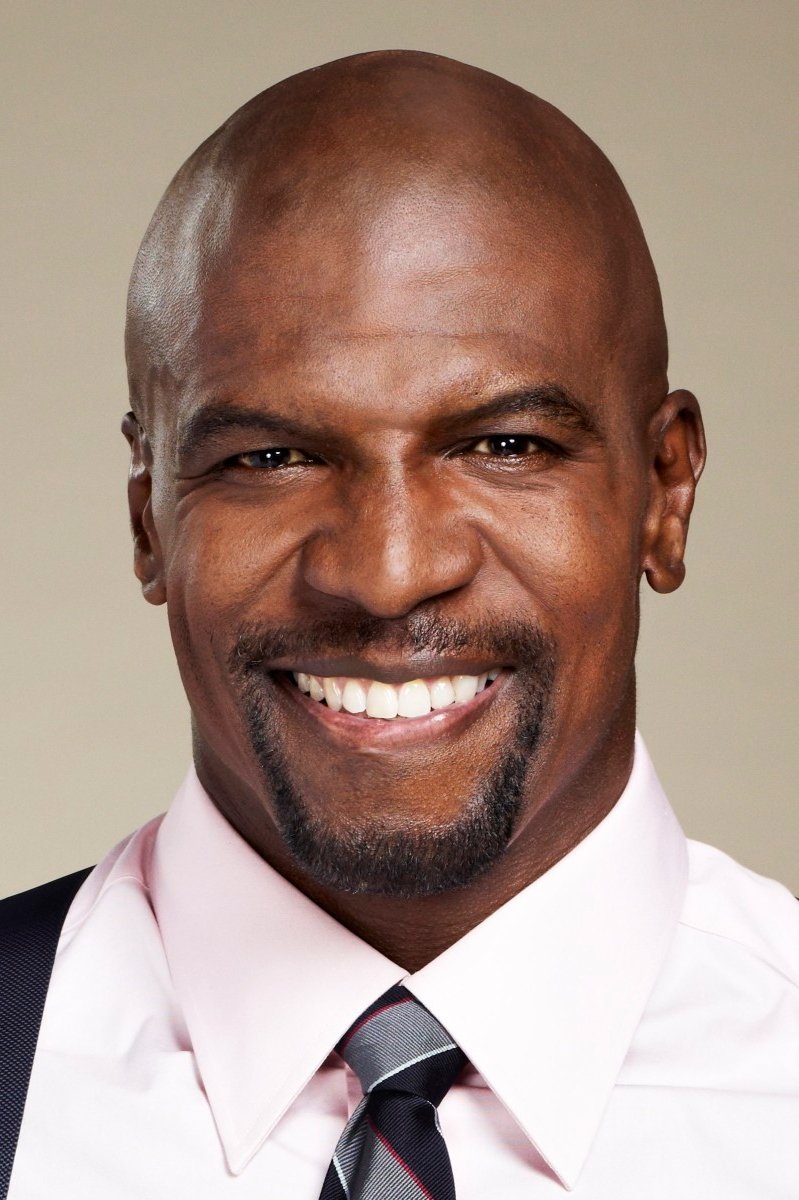
The actor and host faced a wave of criticism after posting warnings against “Black supremacy” during the height of racial justice protests. He was accused of undermining the movement and seeking validation from white audiences at a critical historical moment. His refusal to publicly support a co-worker who alleged racism on a shared set further alienated him from many fans. He later issued apologies to the Black community and acknowledged the need to better understand his own privilege.
Gabrielle Union
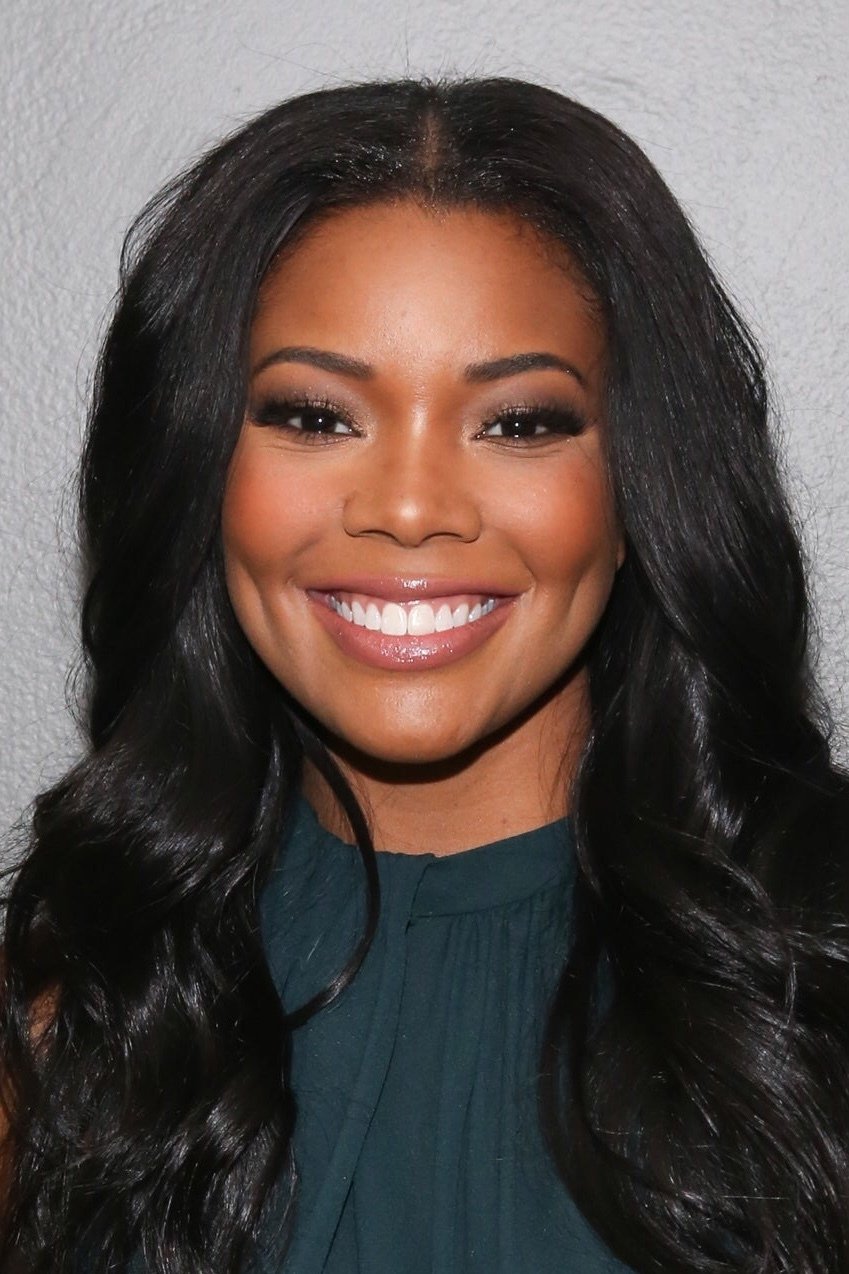
The actress took a firm stand against what she described as a toxic and racist culture on the set of ‘America’s Got Talent’. She reported concerns about racially insensitive jokes and excessive critiques of her appearance and hair. Her willingness to speak out led to a high-profile exit from the show and a subsequent investigation into the network’s practices. Her courage sparked a wider conversation about the specific punishments Black women face when they refuse to stay silent in the workplace.
Ice Cube
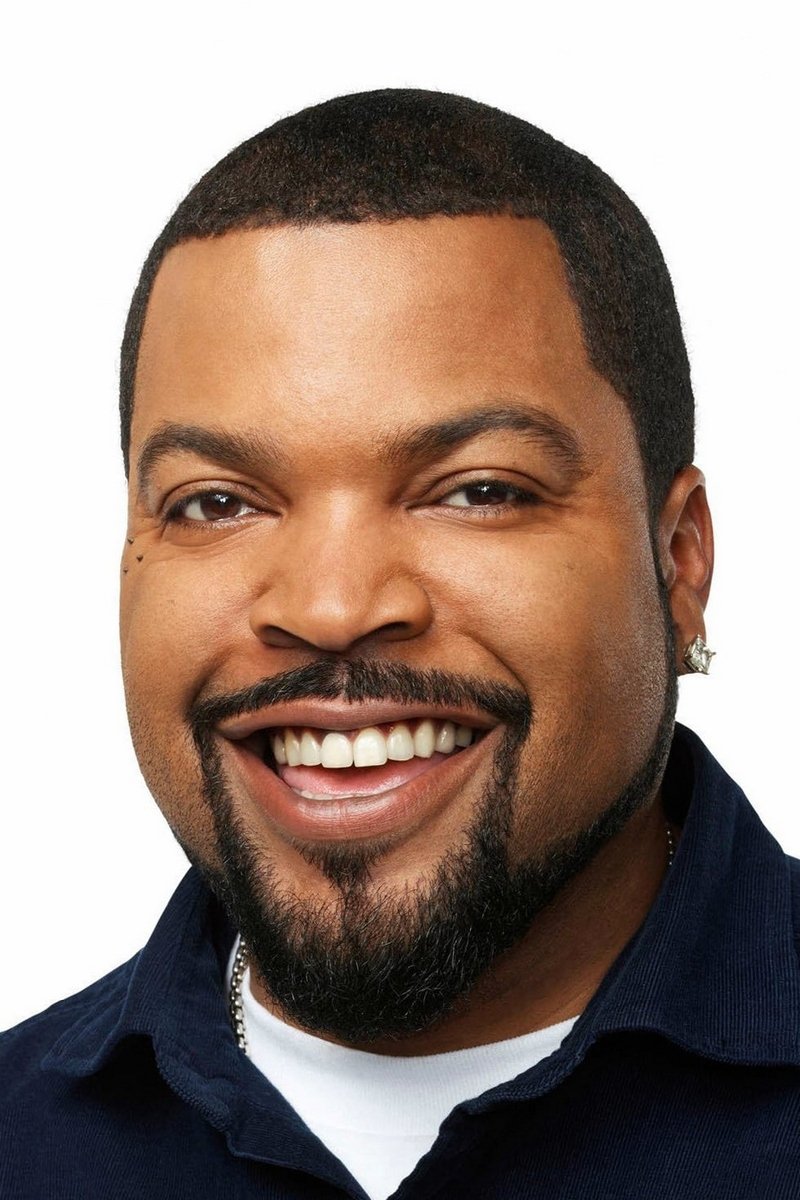
The legendary rapper and filmmaker faced scrutiny for meeting with the Trump administration to discuss his Contract with Black America. He argued that Black voters should leverage their political power to negotiate with whichever party holds office. His willingness to engage with both sides of the aisle drew accusations that he was being used as a political prop for election votes. He maintained that his only goal was to secure economic resources and policy changes for the community.
Roland Martin

The veteran journalist challenged the strategy of negotiating with an administration that many felt was hostile to Black interests. He utilized his platform to dissect the specifics of proposed political plans and questioned their actual legislative substance. His public exchanges with artists turned into a debate about the difference between political posturing and effective advocacy. He insisted that true representation requires holding all politicians accountable to detailed agendas.
Stacey Dash
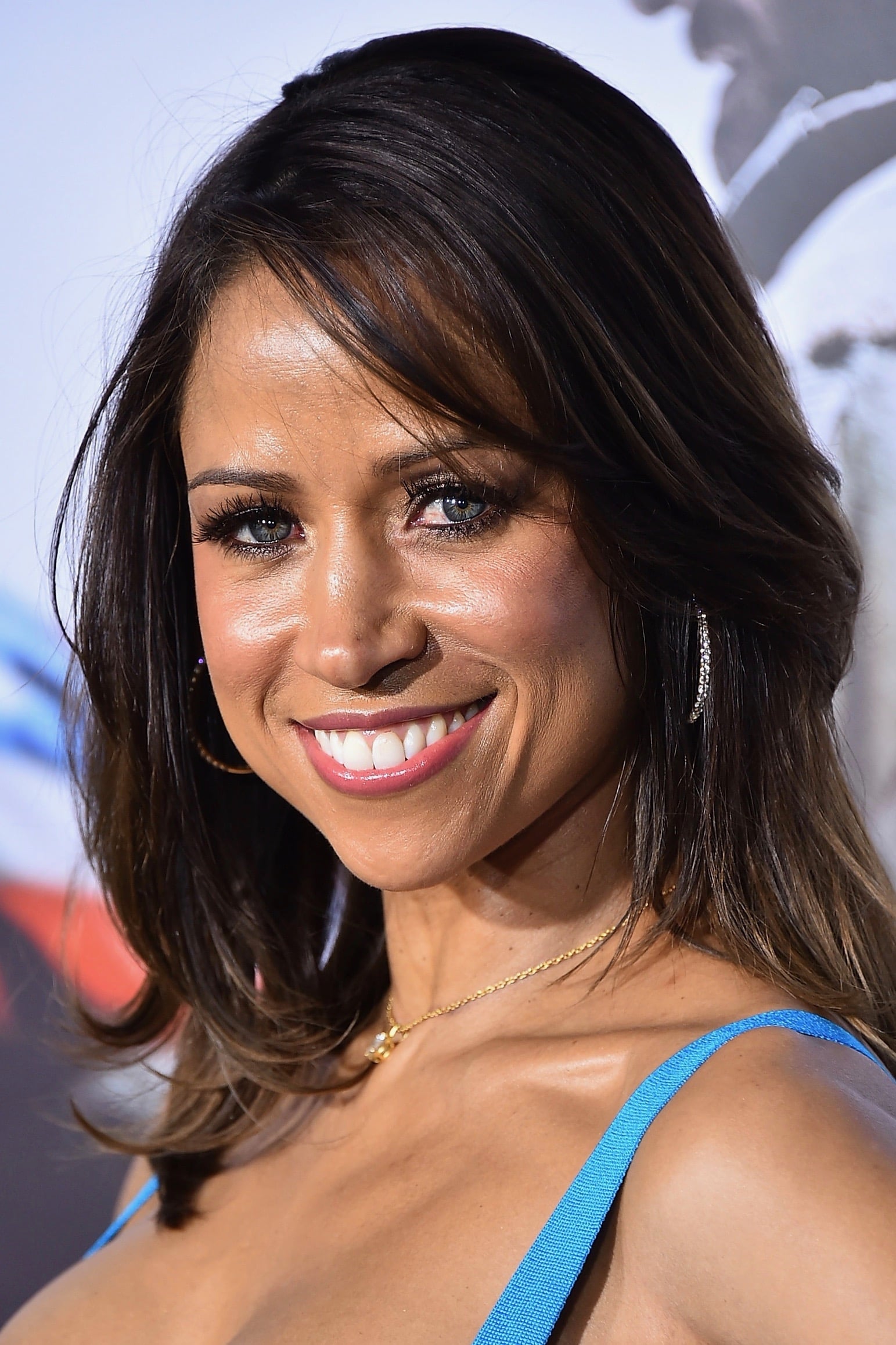
The actress and commentator caused a stir when she called for the elimination of Black History Month and the BET Awards. She argued that such institutions promote segregation and prevent true integration into American society. Her comments were met with disbelief and anger from those who view these spaces as essential for celebrating otherwise overlooked achievements. She eventually lost her platform at a major network but continued to maintain that self-segregation is harmful.
Mo’Nique
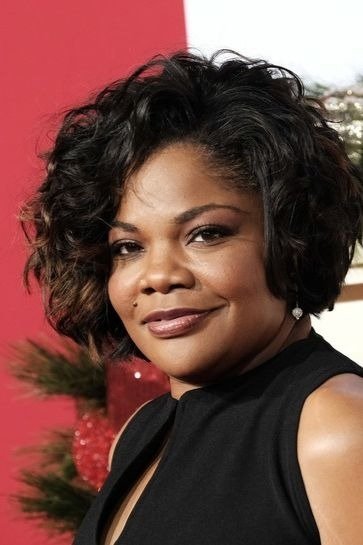
The Oscar-winning actress waged a years-long public battle against major industry power players she accused of blackballing her. She argued that she was punished for refusing to promote a film for free and for demanding equal pay. Her struggle highlighted the severe pay disparities that exist for Black women in Hollywood compared to their white and male counterparts. She refused to back down from her claims and insisted that integrity was more important than maintaining industry relationships.
Lee Daniels
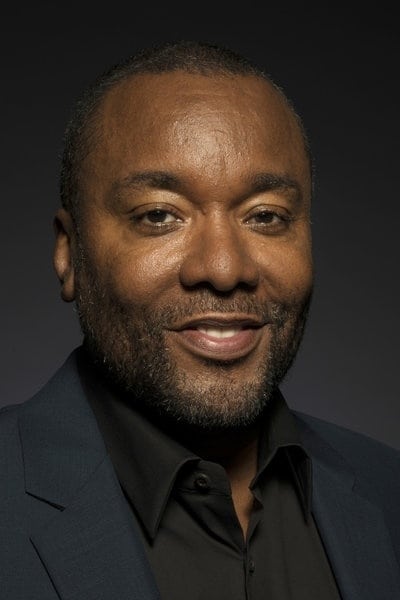
The acclaimed director found himself at the center of a feud regarding the professional obligations of actors during film promotion. He suggested that the actress played the game incorrectly and that her demands alienated potential employers. His perspective represented the industry standard that talent must go above and beyond to ensure a project’s success. The conflict illustrated the tension between artistic labor and the business machinery that controls Hollywood.
Jay-Z

The hip-hop mogul faced criticism for entering into a partnership with the NFL to oversee entertainment and social justice initiatives. Critics argued that he was providing cover for a league that had allegedly colluded against protesting players like Colin Kaepernick. He contended that it was time to move past kneeling and focus on actionable items that could effect real change. His move sparked a divide between those who favored corporate infiltration and those who believed in continued disruptive protest.
Eric Reid
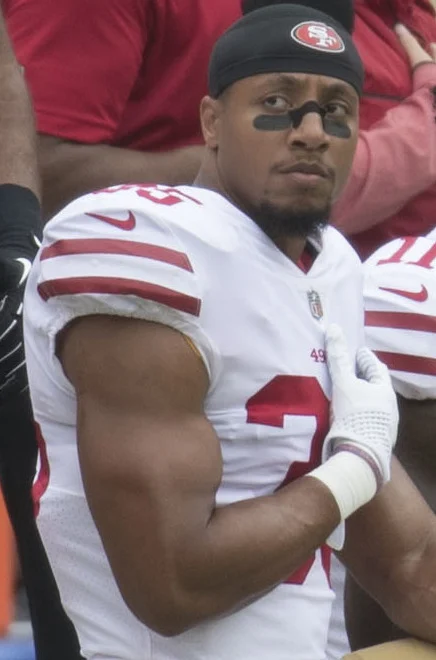
The professional safety and protestor publicly criticized the partnership between the rap mogul and the NFL. He accused the deal of being a disingenuous attempt to co-opt the social justice movement for financial gain. His stance remained loyal to the original intent of the protests regarding police brutality and systemic racism. He argued that true representation involves standing with those who sacrificed their careers rather than making deals with the entities that punished them.
Lil Wayne
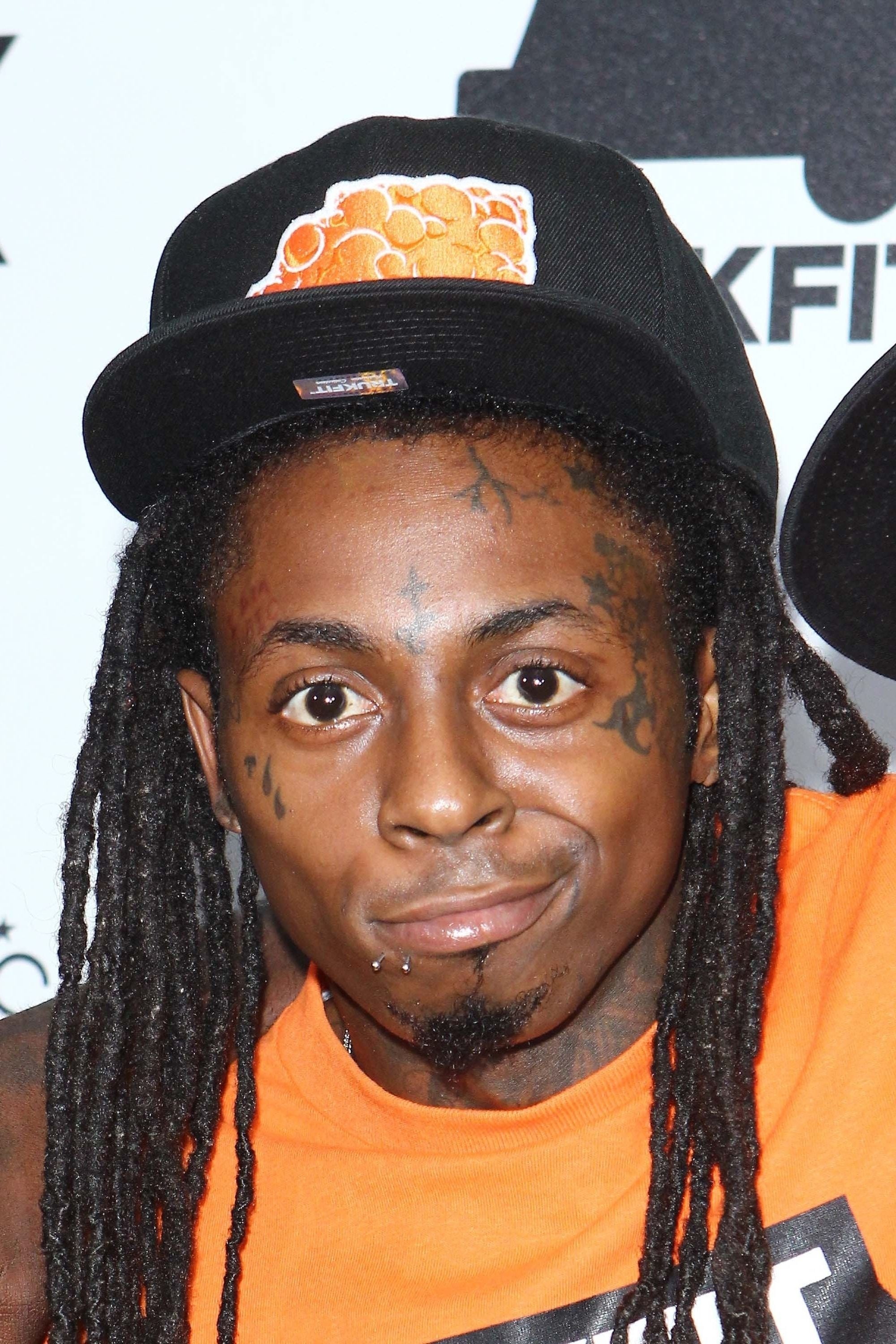
The rap superstar shocked many fans during a television interview when he dismissed the Black Lives Matter movement. He stated that his wealth and fame made him feel disconnected from the concept of racism in America. His comments were viewed as a display of ignorance regarding the systemic issues that affect the majority of the Black community. He later attributed his outburst to agitation during the interview, but the moment remained a point of contention.
Kanye West

The fashion icon and rapper has been a lightning rod for controversy due to his erratic political statements and alignments. He wore shirts with slogans that many considered hateful and made comments about historical oppression that alienated his fanbase. His actions sparked a painful debate about mental health and the responsibility of influential figures to protect the community’s image. He consistently framed his behavior as free thinking despite the hurt it caused to his supporters.
Trevor Noah
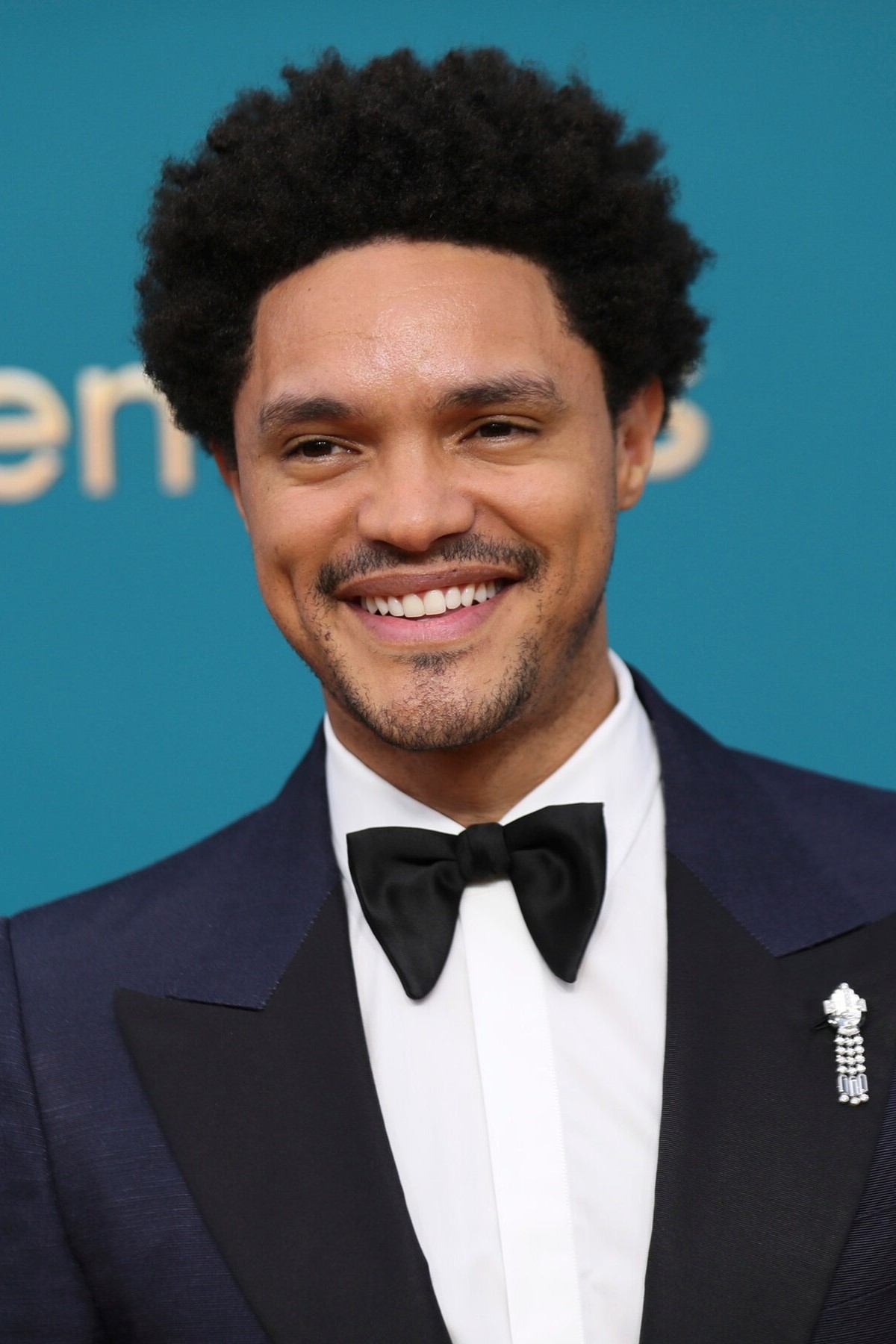
The comedian and former talk show host utilized his platform to critique the harassment of women by powerful men in the industry. He argued that the behavior of certain celebrities could lead to dangerous real-world consequences for victims. His analysis drew a hateful slur from the subject of his critique which led to a suspension from social media platforms. The incident highlighted the intersection of celebrity feuds and the serious issue of how the community addresses domestic instability.
Tell us which side of these debates you agree with by leaving a comment.