Top 20 Movies That People Still Don’t Understand


Filmmakers often create complex narratives that challenge audiences to look beyond traditional storytelling structures. These movies utilize non-linear timelines and ambiguous symbolism to explore deep philosophical and psychological themes. Viewers frequently find themselves debating the true meaning of these films long after the credits roll. The following list explores twenty cinematic works that continue to baffle and intrigue spectators worldwide.
‘Primer’ (2004)
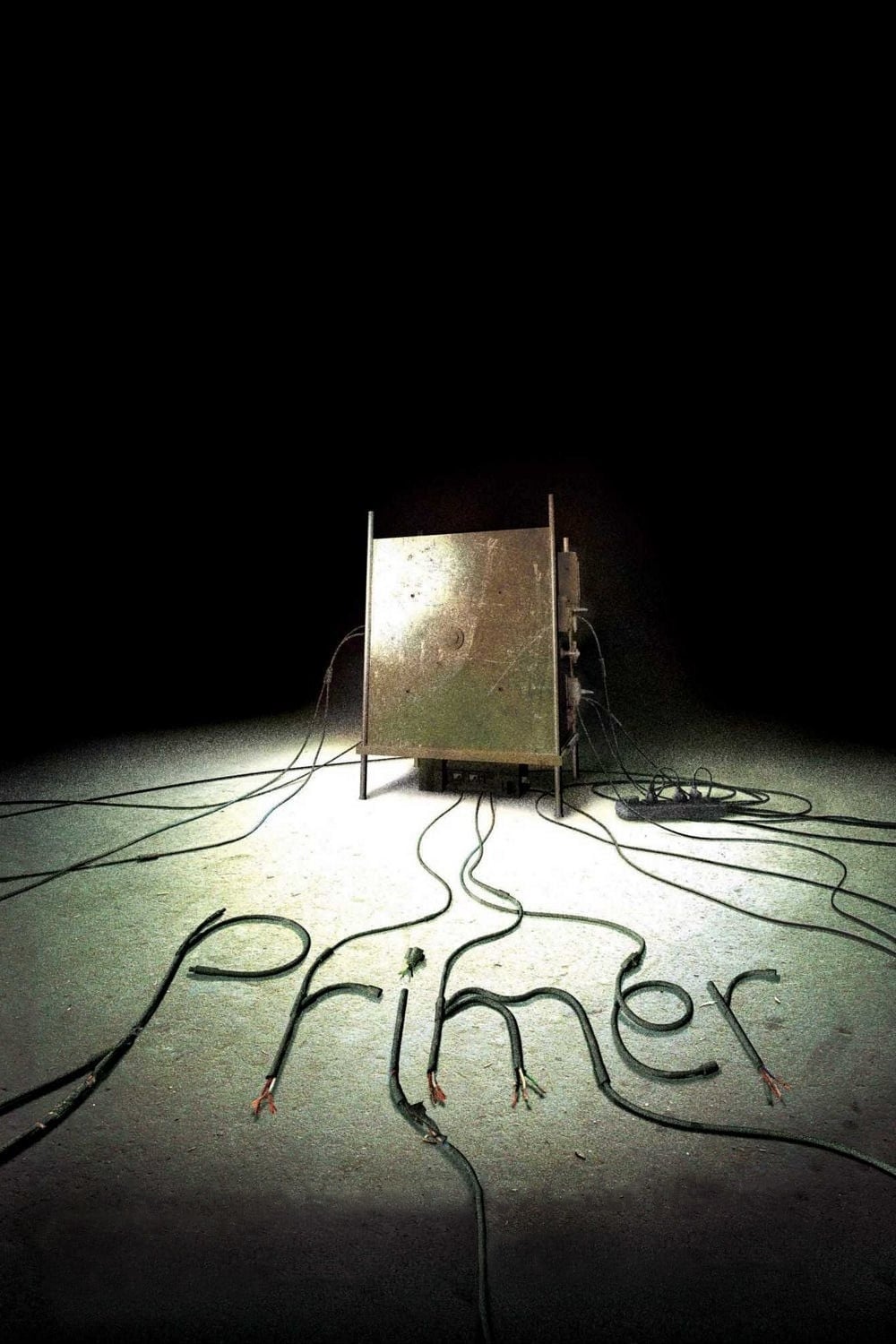
Two engineers accidentally discover a means of time travel while working in a garage on tech projects. They build a box that allows them to travel back a few hours to manipulate stock prices and their personal lives. The timelines quickly become overlapping and convoluted as the characters create multiple doubles of themselves. Viewers often struggle to track the various timelines and versions of the characters due to the dense technical dialogue and lack of exposition. It remains one of the most scientifically complex depictions of time travel in cinema history.
‘Mulholland Drive’ (2001)
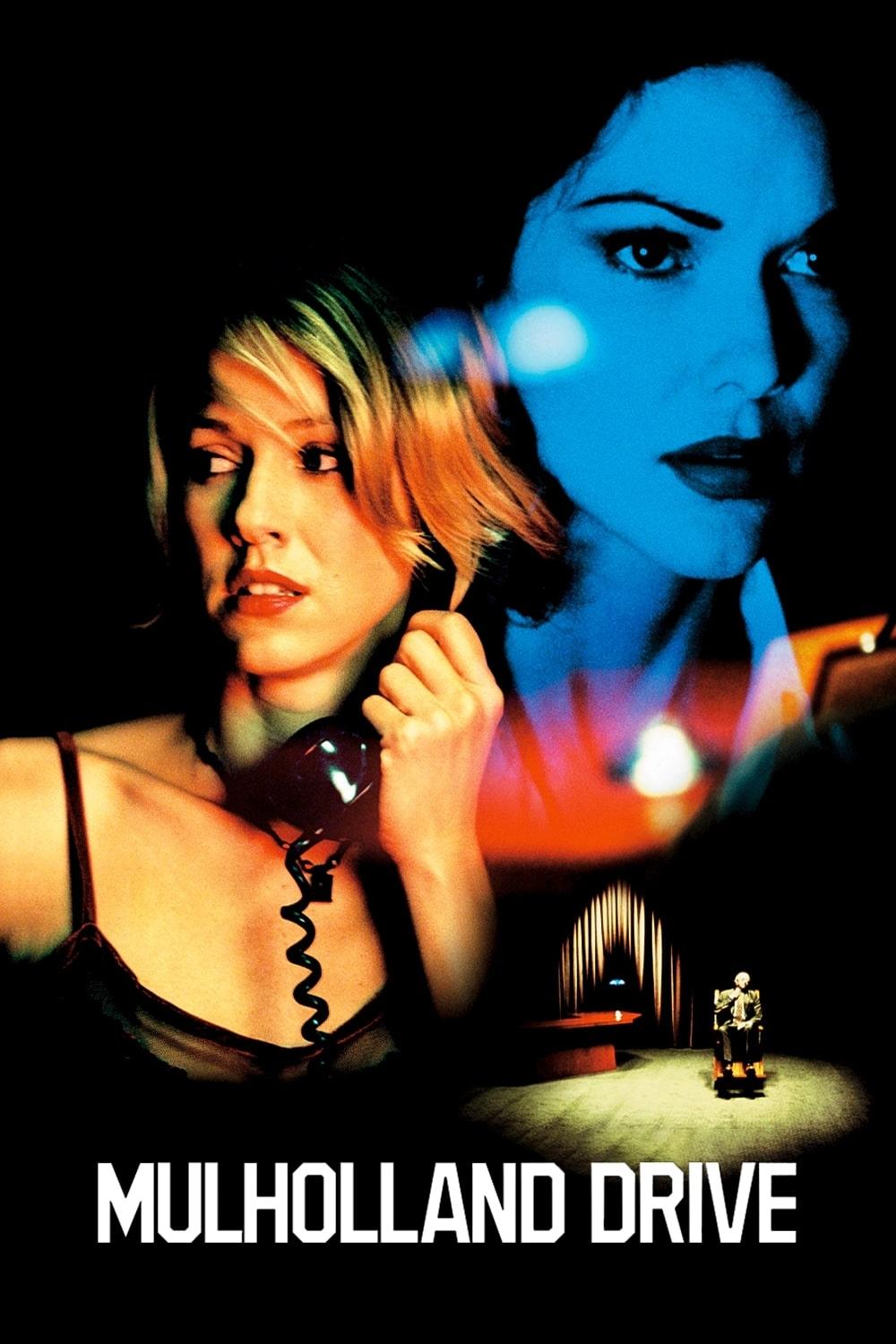
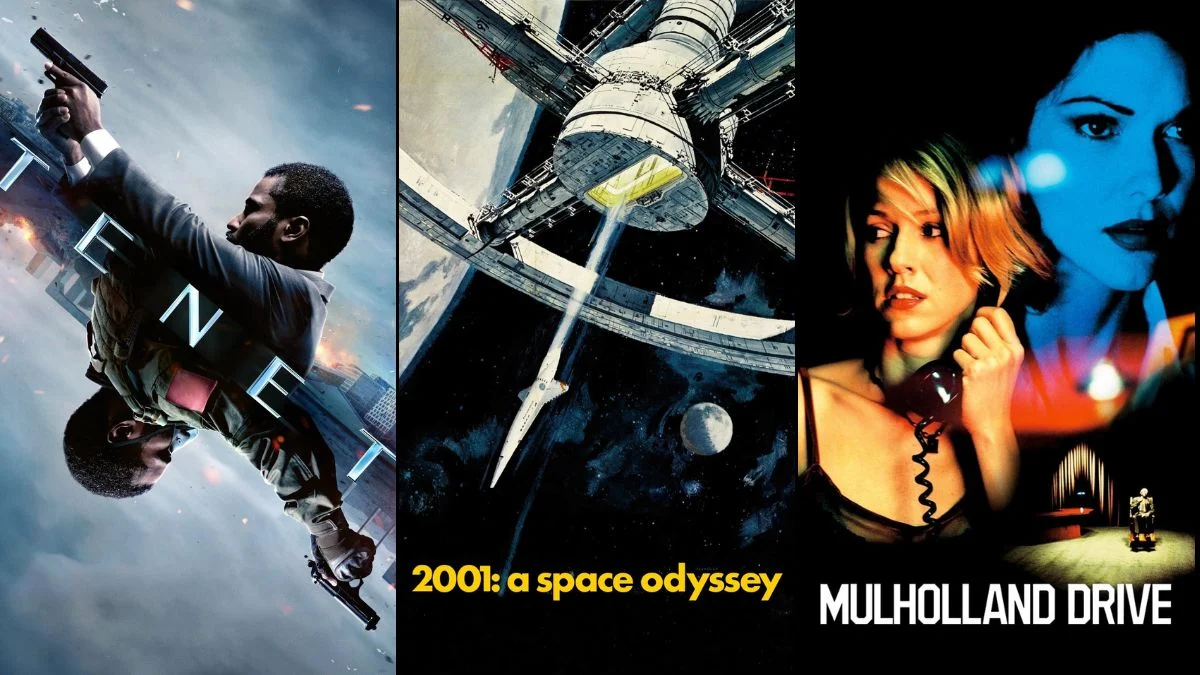
A woman survives a car crash on Mulholland Drive and wanders into an apartment with amnesia. She befriends an aspiring actress who helps her attempt to uncover her true identity. The narrative shifts abruptly into surreal vignettes and alternate realities that blur the lines between dreams and waking life. Director David Lynch crafted a puzzle box of a film that resists linear interpretation and invites endless analysis. The blue box and the club Silencio serve as key symbols that mark the transition between the various layers of reality.
‘2001: A Space Odyssey’ (1968)
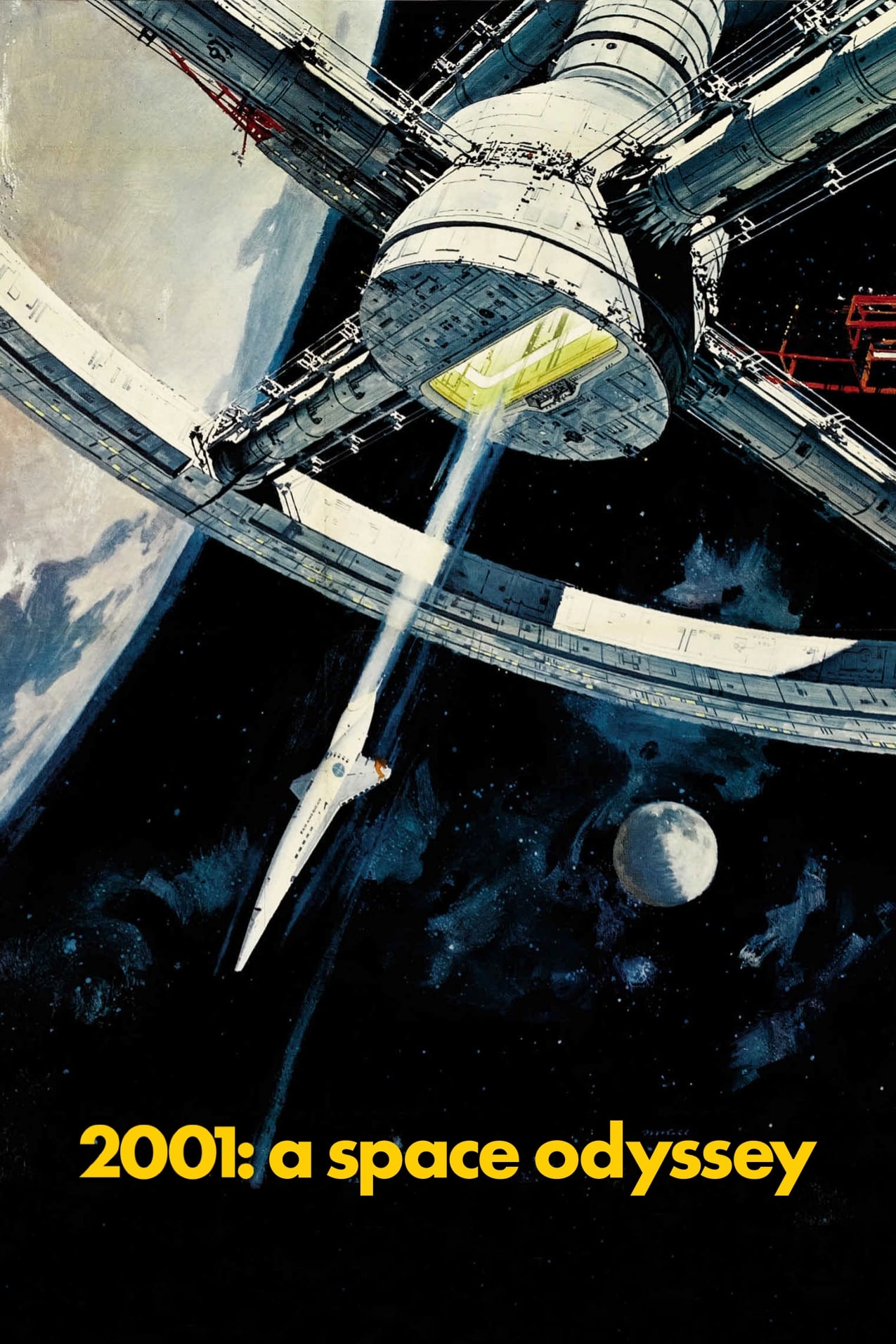
Humanity discovers a mysterious monolith buried on the moon that sends a signal to Jupiter. A spacecraft crew and the sentient computer HAL 9000 embark on a mission to investigate the origin of the signal. The journey transforms into a psychedelic trip through space and time that challenges the understanding of human evolution. The lack of dialogue in the final act leaves the ultimate fate of the astronaut open to broad metaphysical interpretation. Stanley Kubrick created a visual masterpiece that emphasizes experience over traditional storytelling structures.
‘Donnie Darko’ (2001)
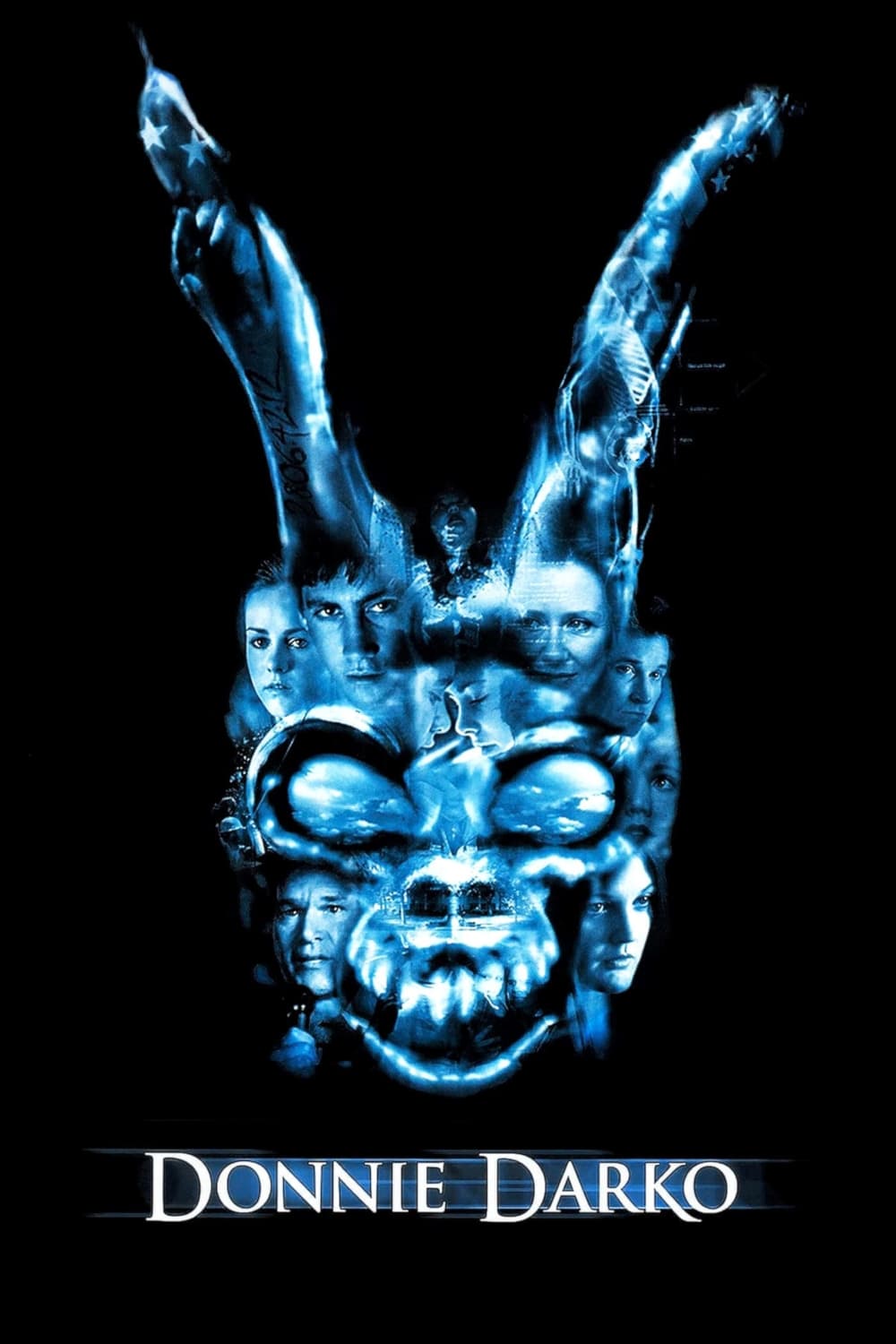
A troubled teenager escapes a bizarre accident involving a jet engine crashing into his bedroom. He begins to see a figure in a monstrous rabbit suit who tells him the world will end in 28 days. The plot incorporates elements of tangent universes and time travel philosophy derived from a fictional book within the movie. Audiences must decipher whether the events are hallucinations or part of a complex predestination paradox. The film explores themes of existentialism and sacrifice through a non-linear narrative structure.
‘Tenet’ (2020)
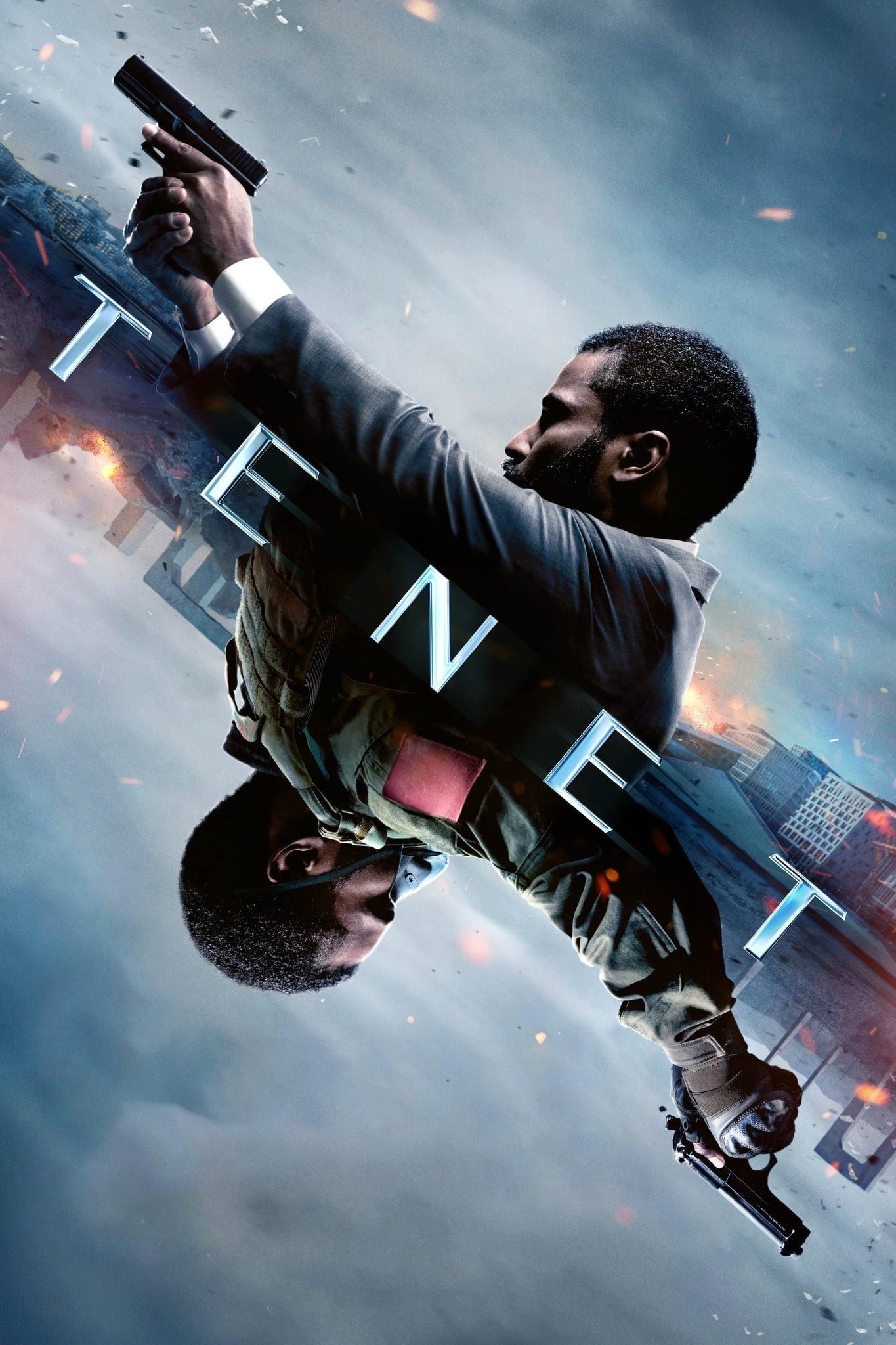
A secret agent embarks on a mission to prevent the onset of World War III using time inversion technology. Objects and people can move backward through time while the rest of the world moves forward. The protagonist must learn to manipulate the flow of time to fight an antagonist who is communicating with the future. The concept of entropy and the temporal pincer movement creates intricate action sequences that require close attention. Christopher Nolan designed the film as a palindrome where the beginning and end intersect in the middle.
‘Enemy’ (2013)
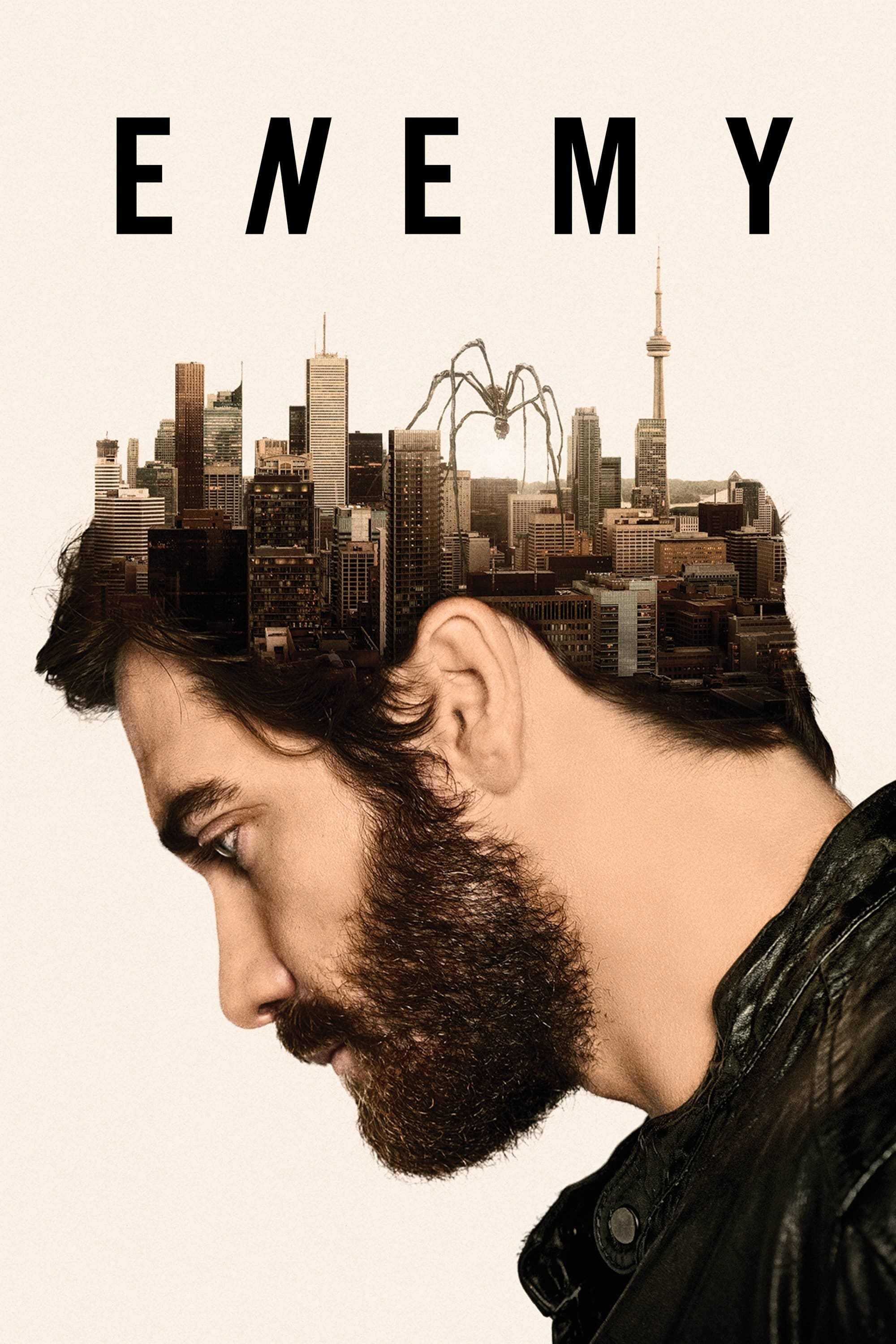
A history professor spots his exact physical double in a movie and becomes obsessed with tracking him down. The two men meet and find their lives becoming increasingly intertwined in a dangerous psychological struggle. The presence of giant spiders over the city serves as a metaphor that has sparked debate among critics and audiences. The film examines totalitarianism and the subconscious mind through a yellow visual palette. The abrupt and shocking ending recontextualizes the entire relationship between the two main characters.
‘Synecdoche, New York’ (2008)
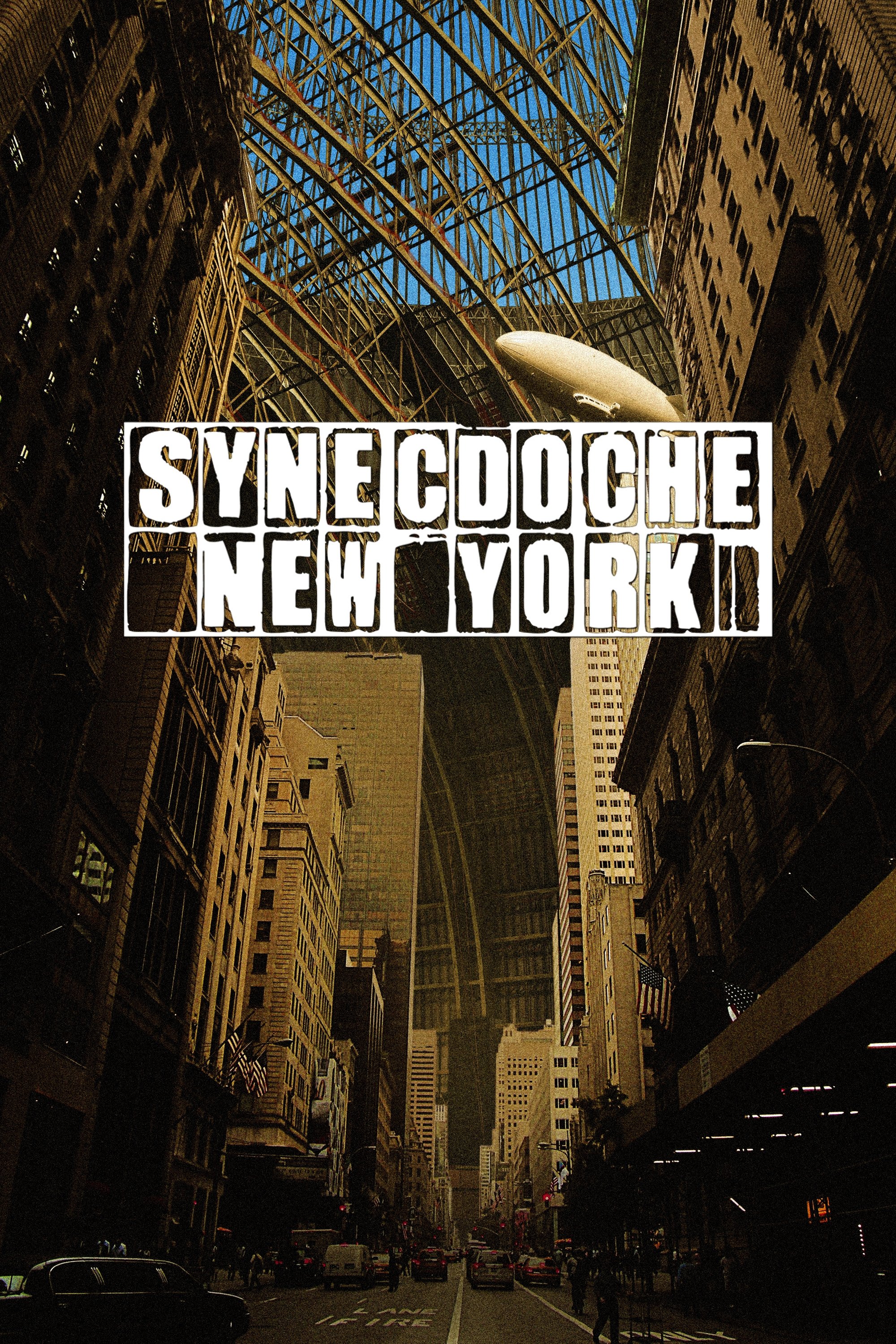
A theater director struggles with his work and personal life as he attempts to create a life-size replica of New York City inside a warehouse. The play continues to expand until the lines between the production and his actual life completely dissolve. Characters age rapidly and switch roles while the set becomes a living environment that houses thousands of people. The film deals with the fear of death and the impossibility of capturing the full human experience in art. Charlie Kaufman wrote a recursive narrative that intentionally confuses the passage of time.
‘Eraserhead’ (1977)
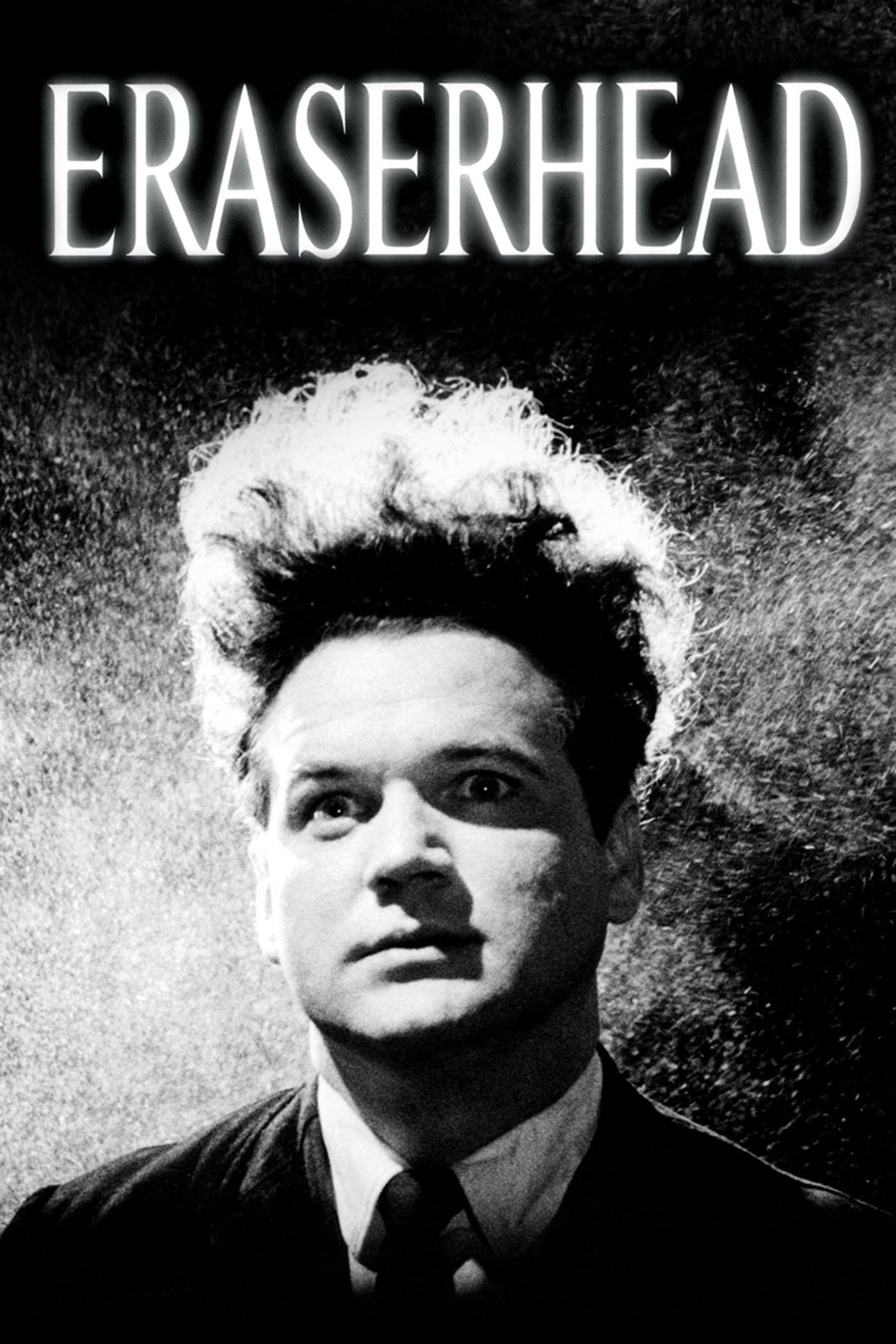
A man named Henry Spencer tries to survive his industrial environment and care for his angry girlfriend and their newborn mutant child. The baby cries incessantly and appears to be physically deformed in a way that defies biological explanation. Surreal dream sequences involve a woman in a radiator who sings while crushing worm creatures. David Lynch uses industrial noise and disturbing imagery to create a mood of dread rather than a coherent plot. The film serves as an abstract representation of the fear of fatherhood and domestic responsibility.
‘The Tree of Life’ (2011)
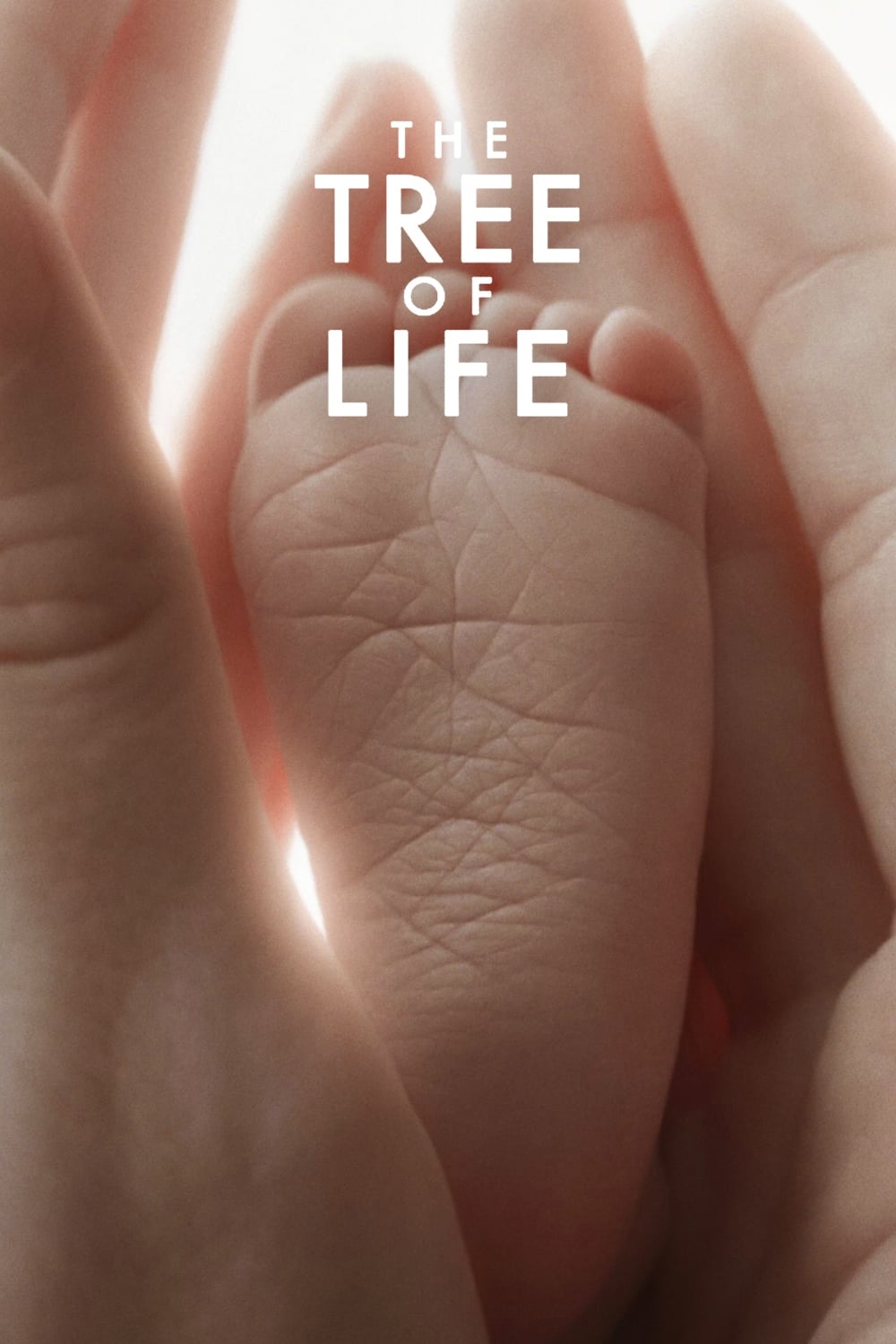
The story traces the journey of the eldest son of a Texas family from his childhood to his disillusioned adult years. These intimate family moments are juxtaposed with grand sequences depicting the creation of the universe and the age of dinosaurs. The narrative flows like a stream of consciousness rather than a structured plot. Terrence Malick uses voiceovers and wandering camera work to explore questions of grace and nature. Many viewers find the lack of clear chronology and the cosmic scale difficult to reconcile with the domestic drama.
‘I’m Thinking of Ending Things’ (2020)
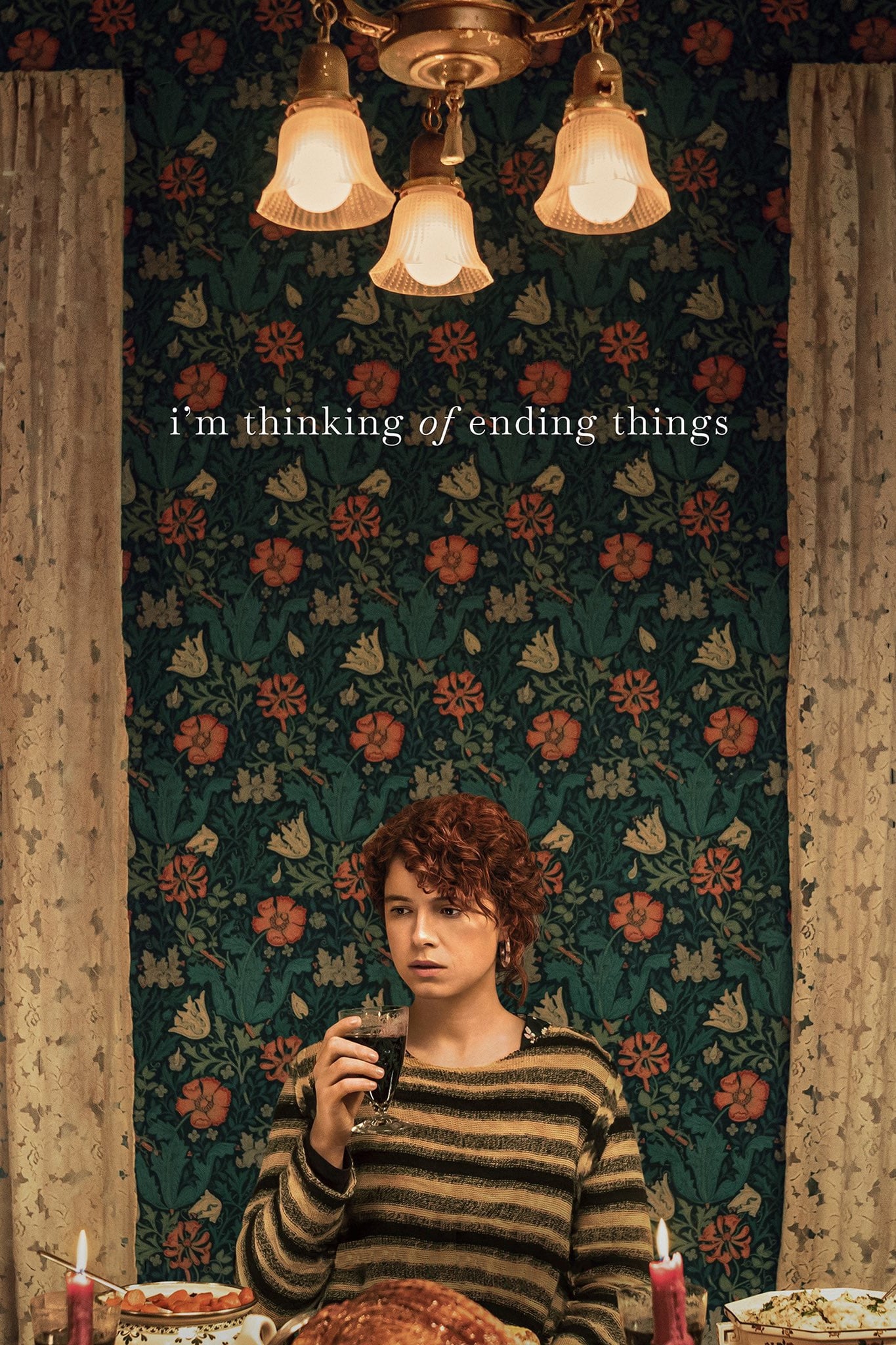
A young woman travels with her new boyfriend to his parents’ secluded farm during a snowstorm. The dinner with his parents becomes surreal as their ages shift rapidly and inconsistencies appear in the woman’s backstory. The setting eventually transitions to a high school where a janitor watches a dream ballet sequence. Director Charlie Kaufman adapts the source novel by blurring the identity of the narrator and the subject. The film explores memory and regret through a lens that completely destabilizes objective reality.
‘Cloud Atlas’ (2012)
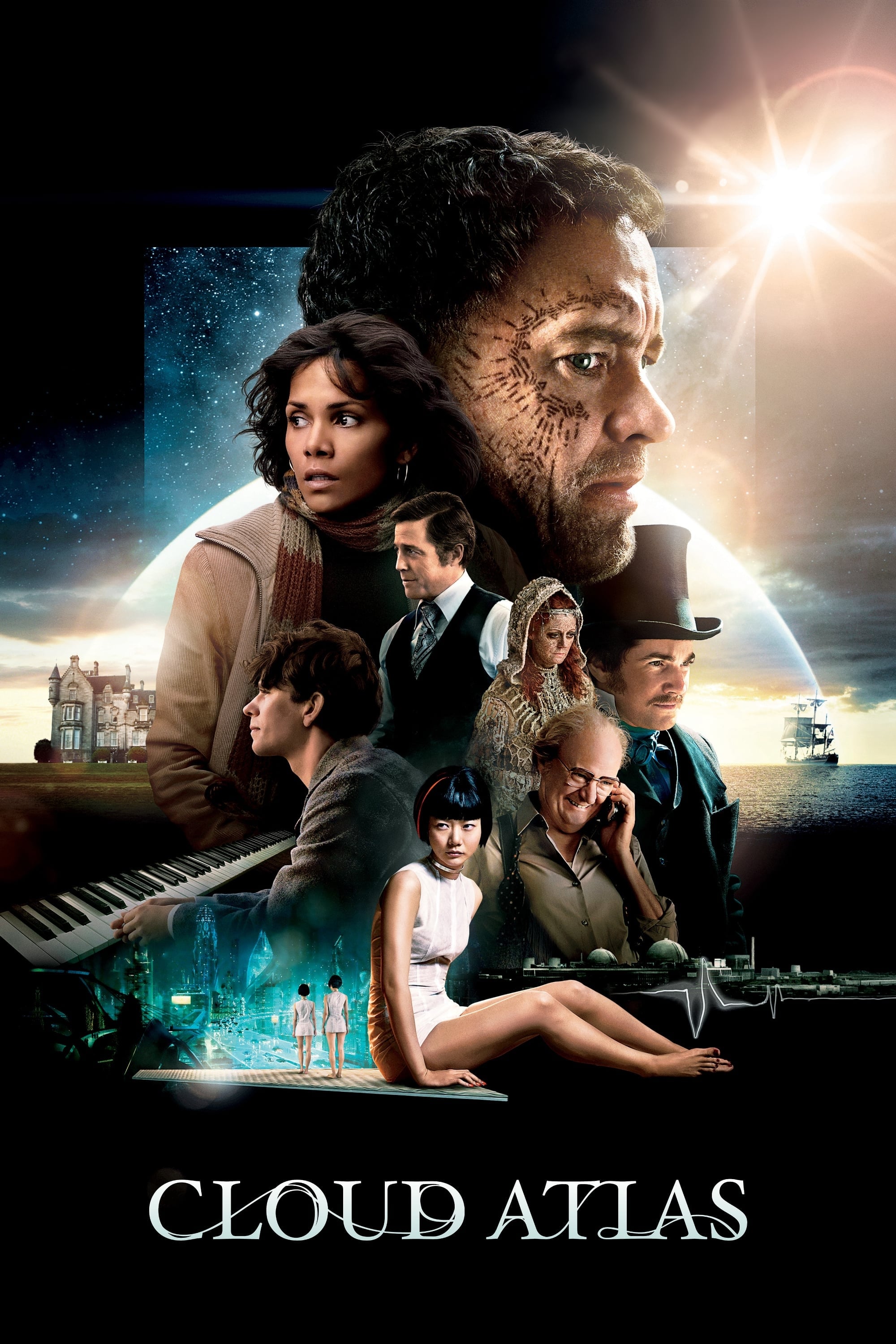
Six interconnected stories span across different time periods from the 19th century to a post-apocalyptic future. The same actors play multiple roles across these timelines to suggest the reincarnation of souls. Editing cuts between the stories rapidly to show thematic parallels rather than chronological progression. The complex structure requires the audience to track the spiritual evolution of the characters across centuries. The film posits that every action has consequences that ripple through time and affect the future.
‘Mother!’ (2017)

A poet and his young wife live in a tranquil Victorian home that she is dutifully restoring. Strangers arrive uninvited and begin to disrupt their lives with increasing aggression and chaos. The house itself seems to bleed and react to the emotional state of the wife as the situation escalates into a war zone. The allegorical nature of the story references biblical events and the destruction of the environment. Darren Aronofsky crafted a fever dream that eschews literal logic for intense metaphorical imagery.
‘Stalker’ (1979)
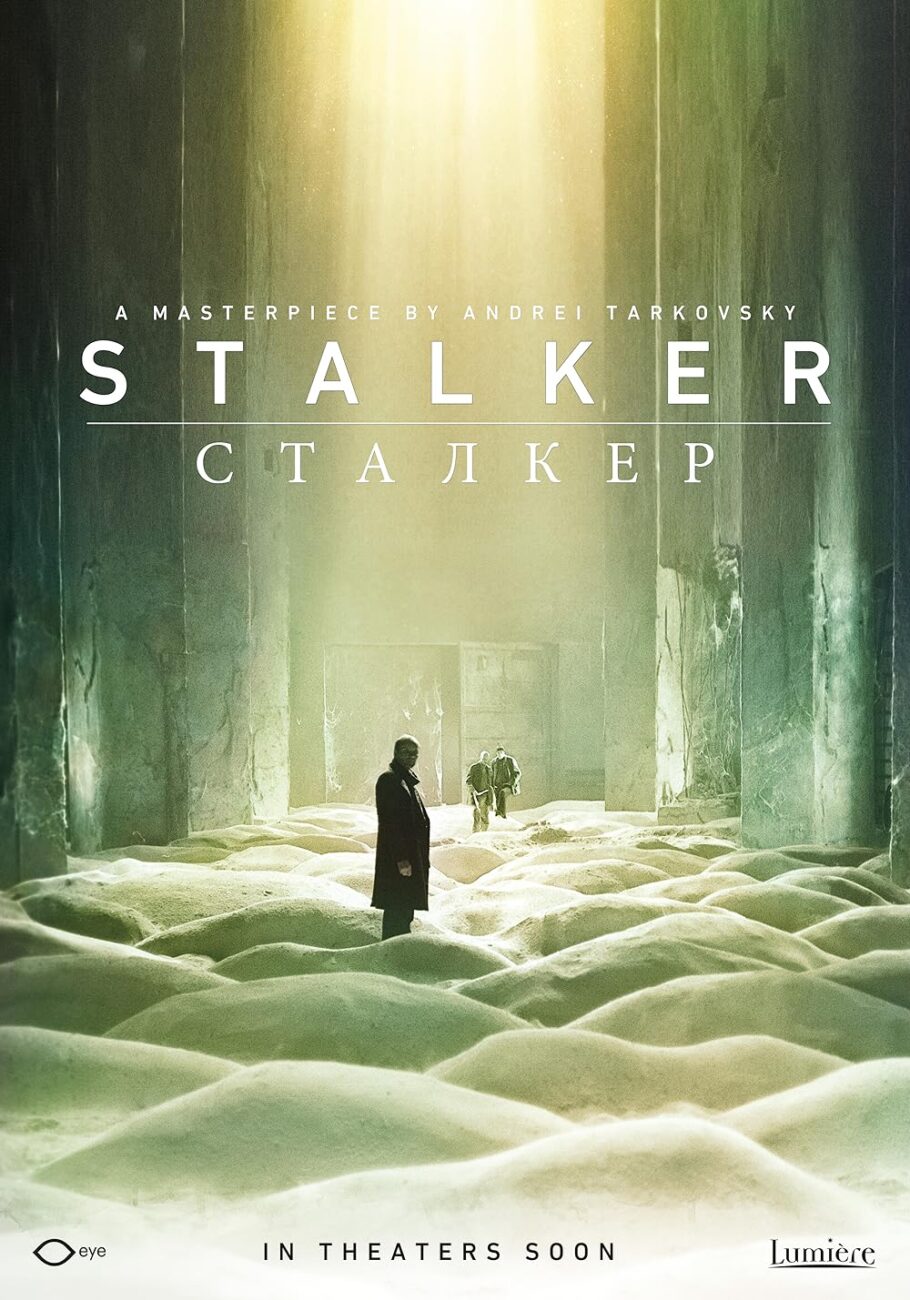
A guide known as a Stalker leads a writer and a professor into a restricted area called the Zone. They search for a room within the Zone that is rumored to grant a person their deepest desires. The landscape seems sentient and changes its path based on the internal state of the travelers. Andrei Tarkovsky uses long takes and philosophical dialogue to create a meditative atmosphere. The true nature of the Zone and the Room remains ambiguous even after the journey concludes.
‘Under the Skin’ (2013)
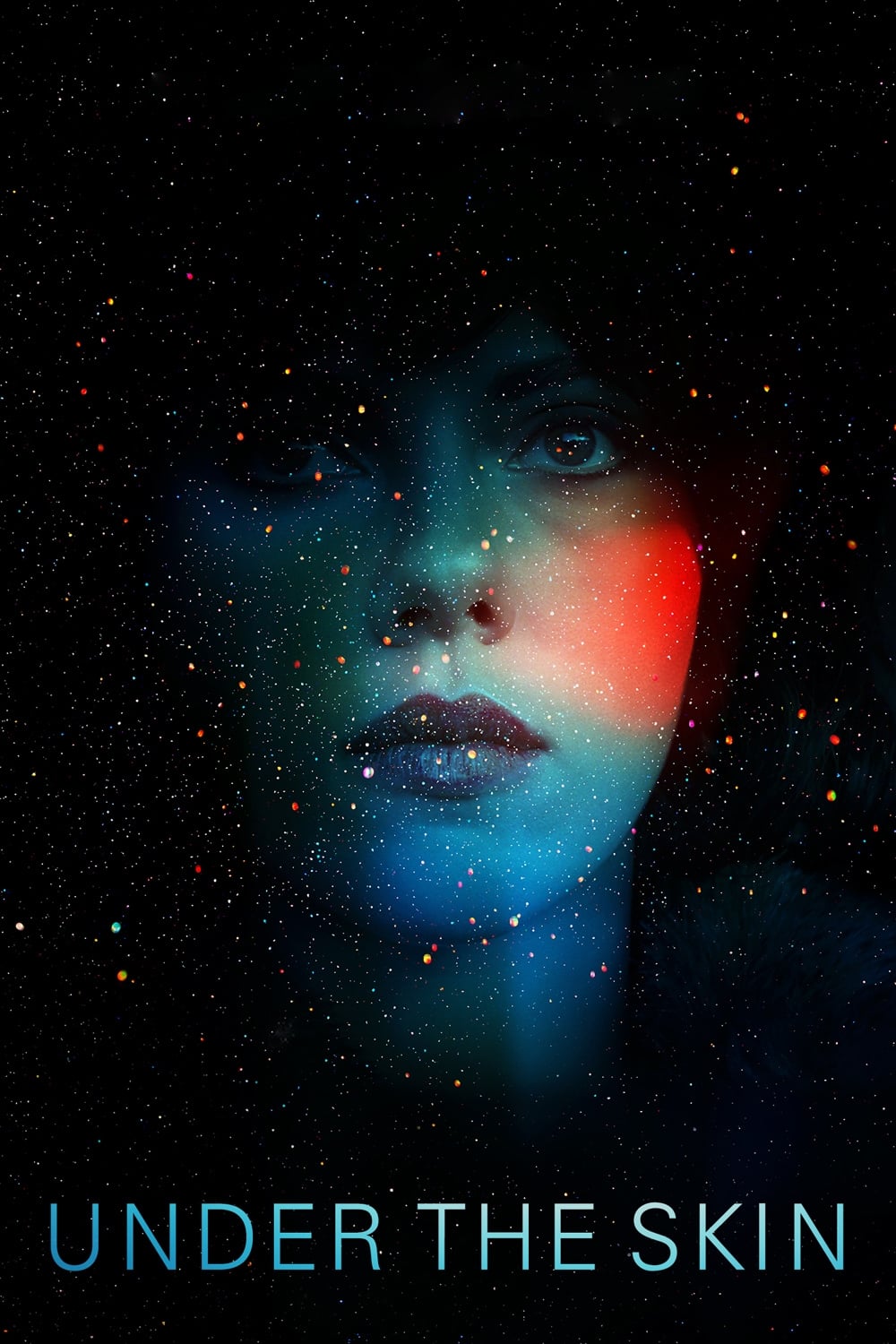
An alien entity inhabits the body of a woman and drives a van around Scotland to lure men into a void. The victims are submerged in a liquid abyss where they are consumed for unknown purposes. The alien begins to experience human emotions and questions its own mission and identity. Very little dialogue explains the origins of the creature or the mechanics of the harvesting process. Jonathan Glazer utilizes hidden camera footage to ground the sci-fi elements in a gritty documentary style.
‘Mr. Nobody’ (2009)
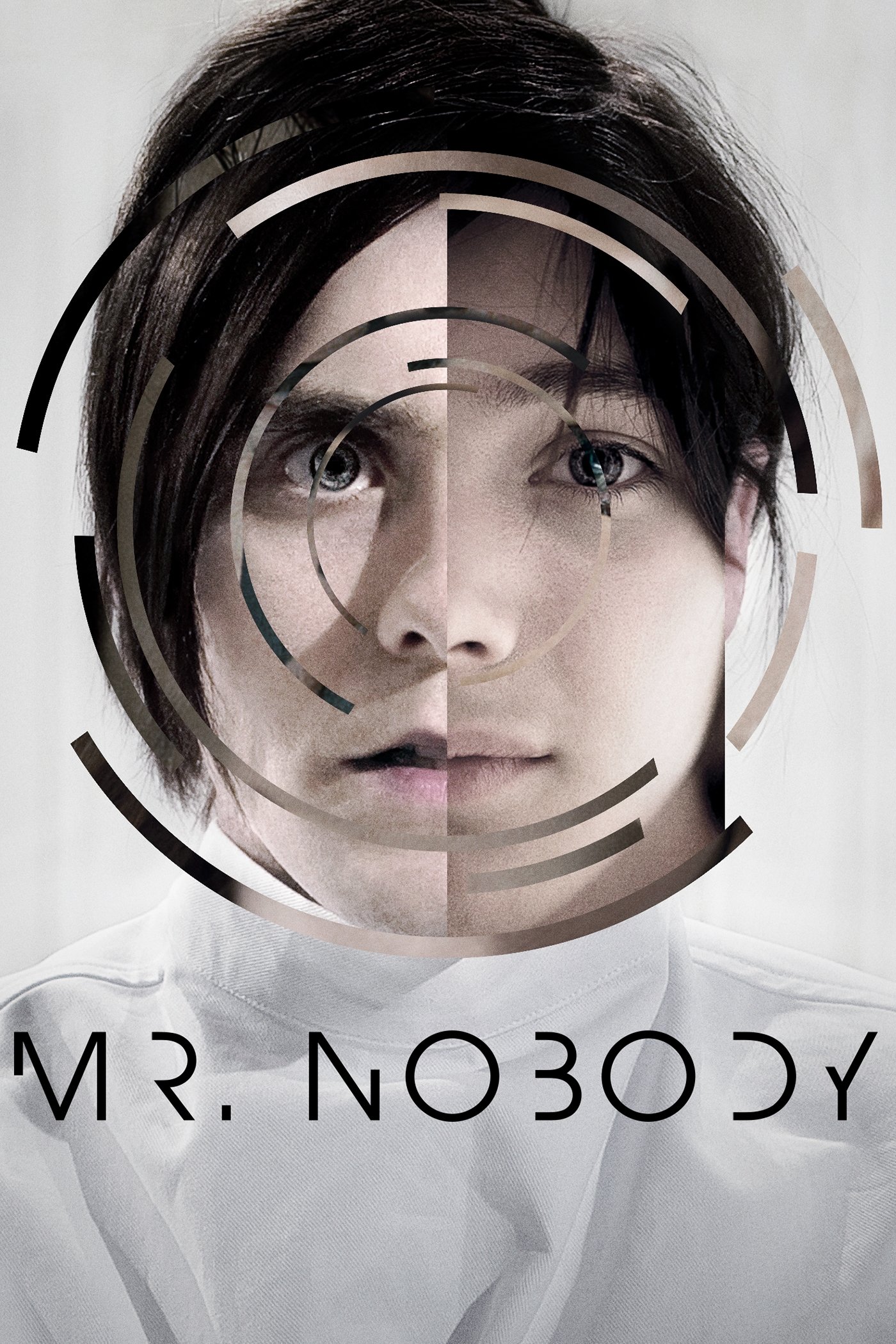
The last mortal human on Earth recounts his life story to a journalist at the age of 118. He describes multiple contradictory lives he could have led based on crucial choices made at a train station. The narrative jumps between these potential timelines without clearly distinguishing which one actually happened. The film explores the butterfly effect and the paralysis of choice through distinct visual styles for each path. The protagonist exists in a state of quantum superposition where all possibilities are true simultaneously.
‘The Fountain’ (2006)
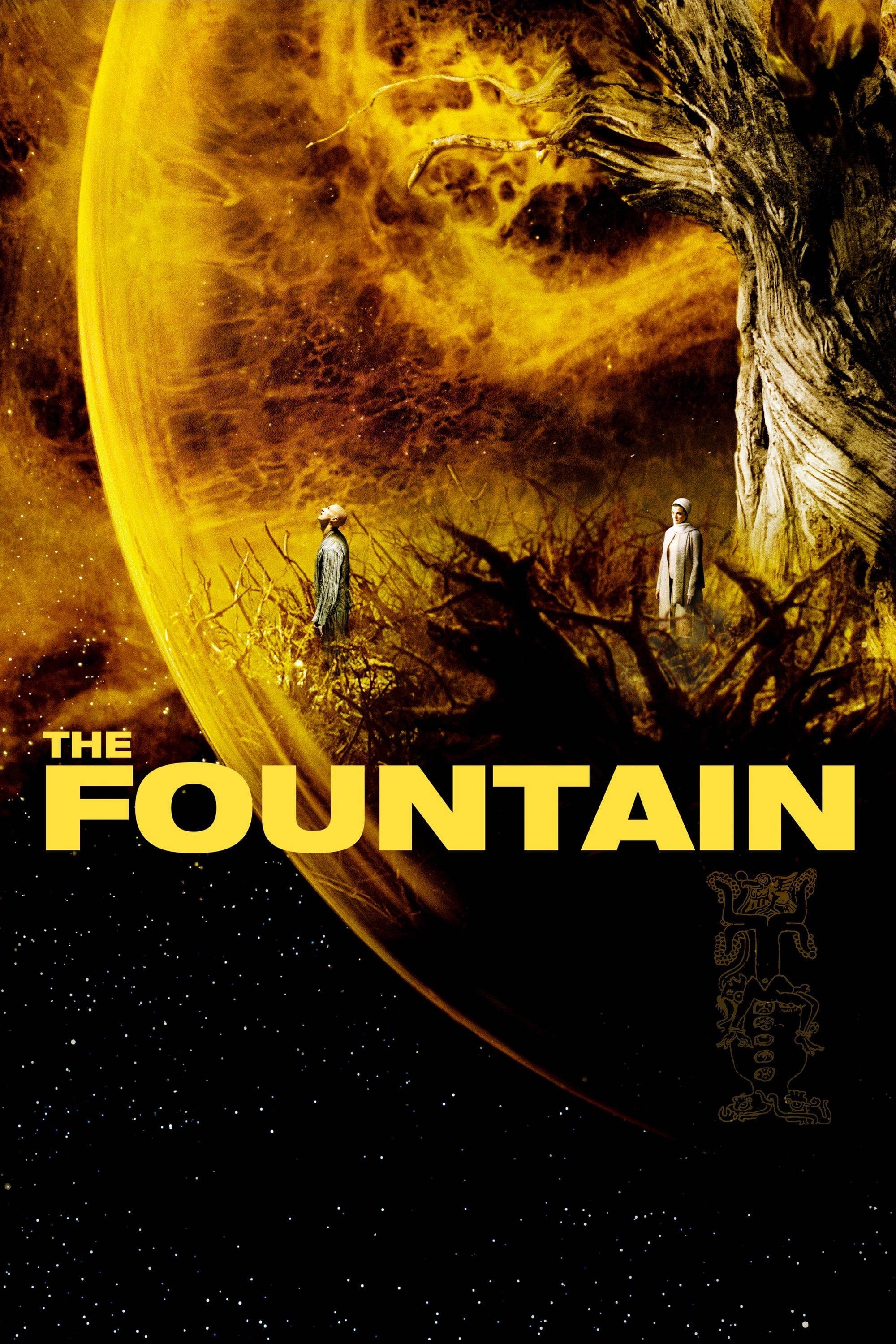
Three parallel stories spanning a thousand years focus on a man trying to save the woman he loves. A conquistador searches for the Tree of Life while a modern scientist seeks a cure for cancer and a space traveler floats in a bubble. The editing weaves these timelines together to explore themes of death and rebirth. Darren Aronofsky connects the stories visually through match cuts and recurring motifs like the tree and the ring. The ambiguity lies in whether the stories are literal reincarnations or a book written by the wife.
‘Memento’ (2000)
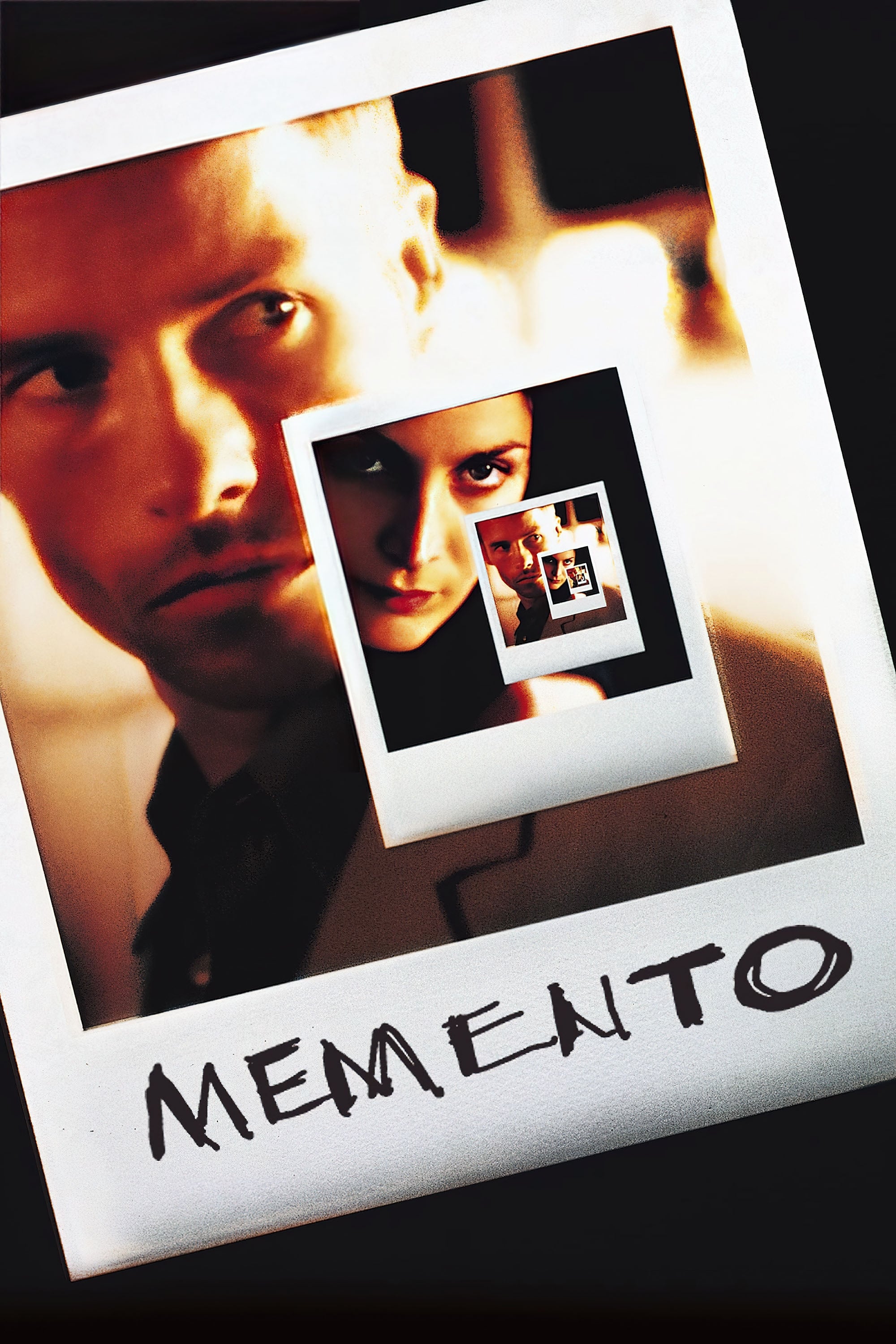
A man with short-term memory loss attempts to track down the person who killed his wife. The film presents the color scenes in reverse order while the black and white scenes move forward chronologically. The two timelines converge at the end of the film to reveal the truth about the investigation. Viewers must piece together the narrative fragments to understand the sequence of events just as the protagonist does. The unreliable narrator forces the audience to question the validity of memory and truth.
‘Lost Highway’ (1997)
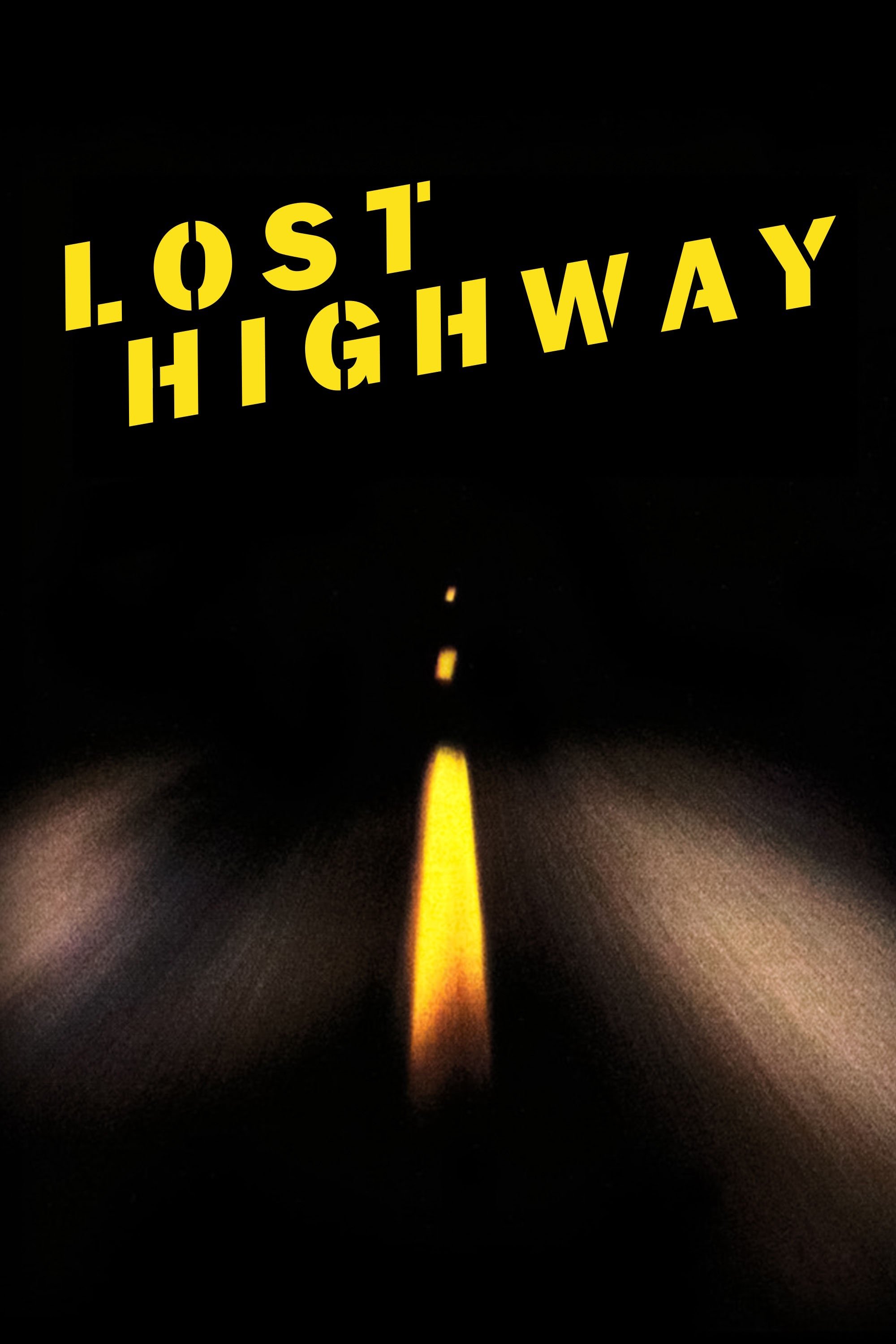
A jazz saxophonist is convicted of murdering his wife and mysteriously transforms into a young mechanic while in his prison cell. The mechanic is released and becomes involved with a gangster and a woman who looks identical to the saxophonist’s wife. The logic of the transformation is never explained and suggests a psychogenic fugue state. David Lynch creates a looping narrative where the beginning and end seem to connect in an impossible way. The mystery man with the video camera serves as a terrifying catalyst for the psychological breakdown.
‘Pi’ (1998)
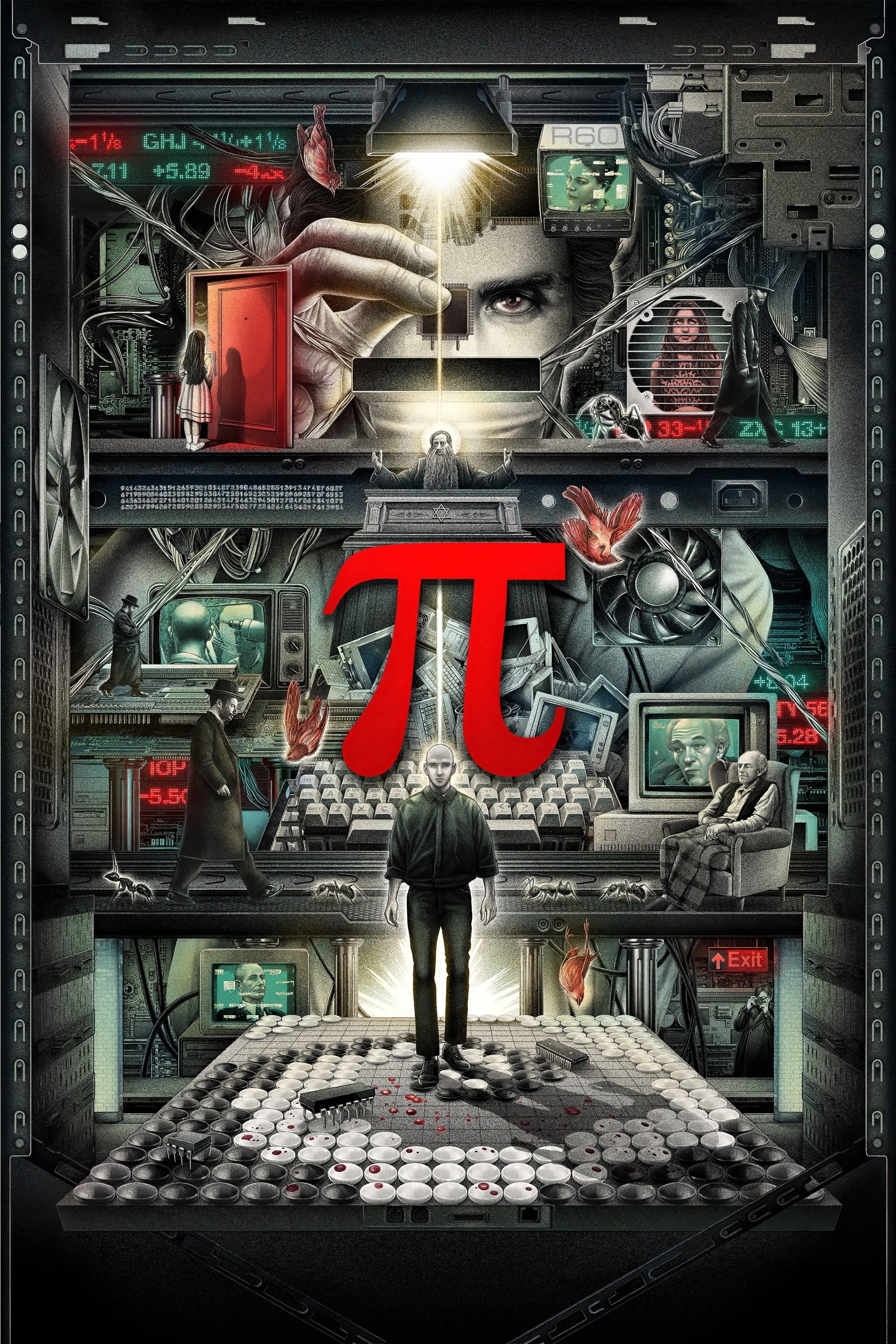
A paranoid mathematician searches for a key number that will unlock the universal patterns found in nature. He becomes the target of a Wall Street firm and a religious group who both want the number for their own ends. His obsession leads to severe headaches and hallucinations that blur his perception of reality. The high-contrast black and white photography mimics the intense mental state of the protagonist. The film leaves it unclear whether he found a mathematical truth or simply descended into madness.
‘Inception’ (2010)
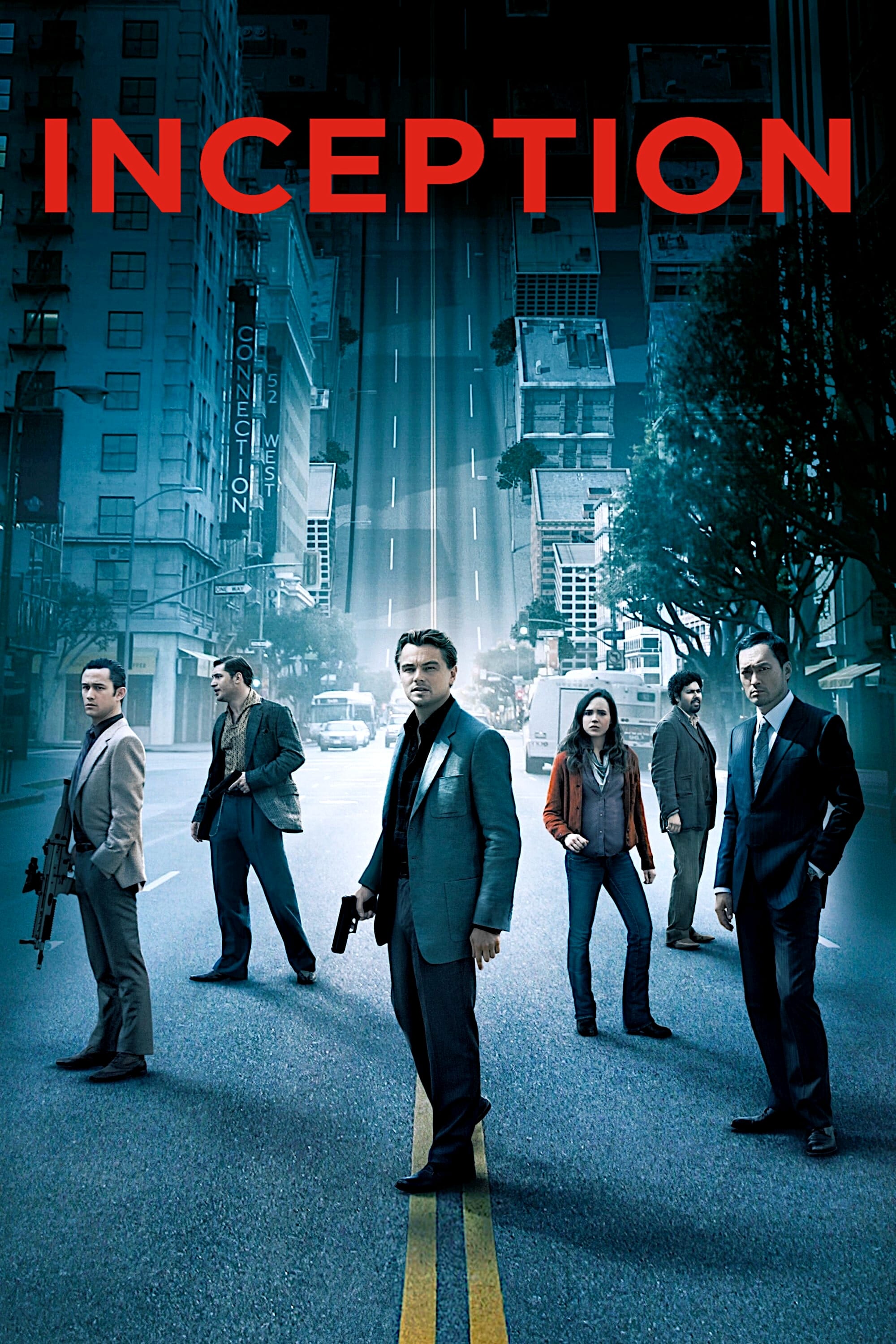
A thief who steals corporate secrets through the use of dream sharing technology is given the task of planting an idea into the mind of a CEO. The team must navigate through multiple dream layers where time moves slower at each deeper level. The presence of the protagonist’s deceased wife as a projection threatens to sabotage the mission. The spinning top in the final shot creates a lasting debate about whether the character returned to reality. Christopher Nolan establishes complex rules for the dream world that require the audience to keep track of multiple simultaneous realities.
Please share which movie from this list confused you the most in the comments.