Black Actors Who Refused Controversial ‘Magical Negro’ and Stereotypical Roles

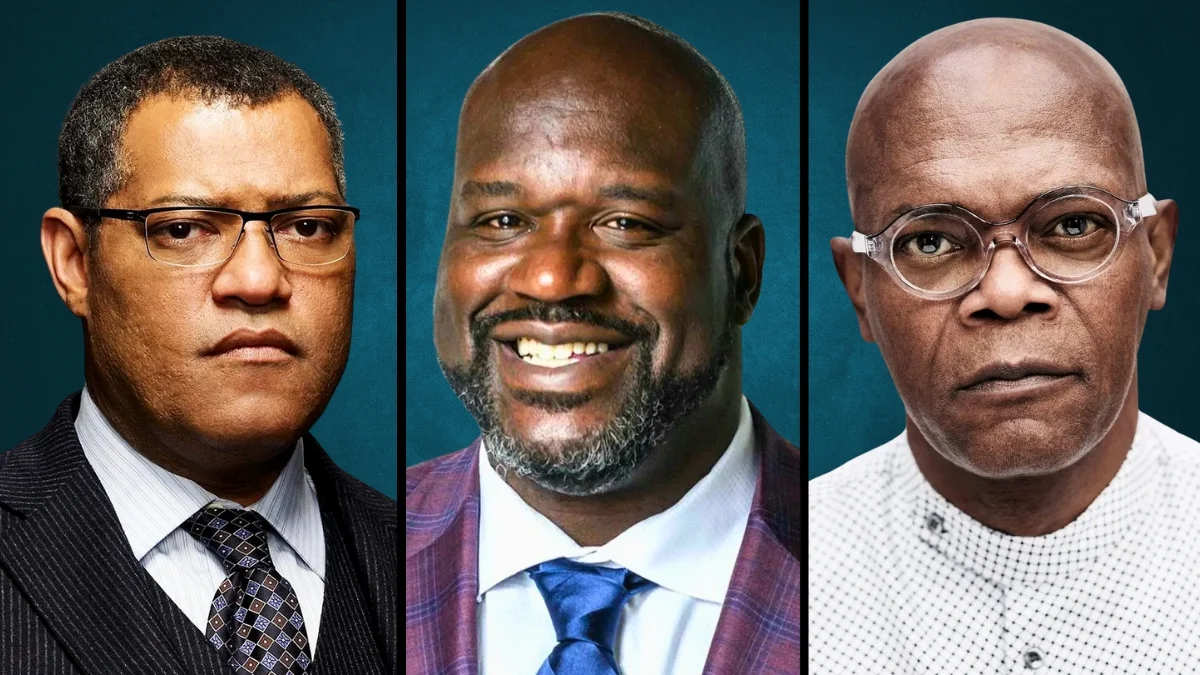

The “Magical Negro” is a cinematic trope popularized by critics like Spike Lee to describe Black characters who exist solely to aid white protagonists with folk wisdom or mystical powers, often at the expense of their own agency. While this archetype has garnered awards for some, many Black actors have taken a firm stance against playing characters that perpetuate subservience or racial caricatures. From refusing to play “gentle giants” to rejecting roles that glorify black trauma for white redemption, these performers prioritized dignity over paychecks. The following list highlights actors who said no to roles they felt were demeaning, stereotypical, or mere accessories to a white narrative.
Shaquille O’Neal
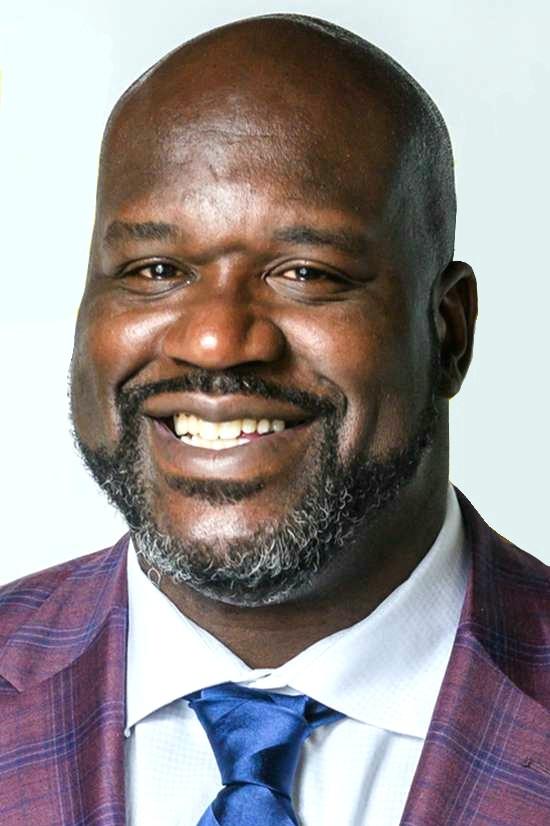
The NBA legend was the original choice for the role of John Coffey in ‘The Green Mile’ (1999), a part that eventually earned Michael Clarke Duncan an Academy Award nomination. O’Neal turned down the opportunity because he was uncomfortable playing a “down-South African American guy during slavery” who possessed magical healing powers. He expressed a desire to avoid the “gentle giant” stereotype and felt he would not have done justice to the heavy emotional demands of the character. O’Neal has since praised Duncan’s performance but maintains he made the right decision for his own career and personal comfort.
Dave Chappelle
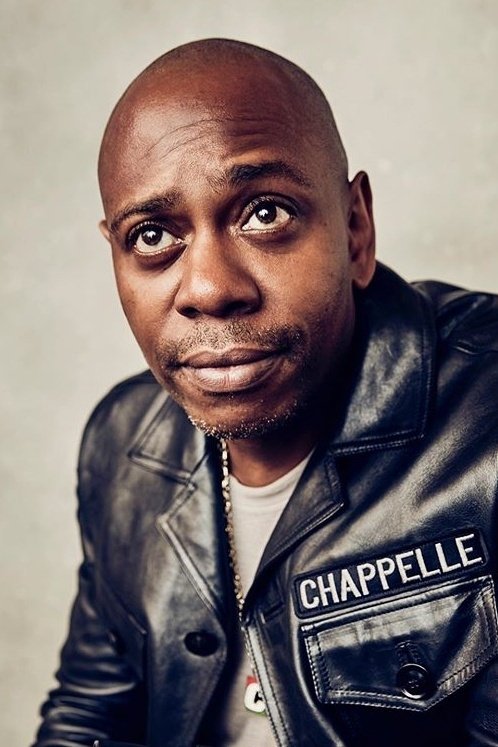
Before becoming a comedy icon, Chappelle was offered the role of Bubba in the blockbuster hit ‘Forrest Gump’ (1994). He rejected the part because he believed the character was a racially demeaning stereotype of a dim-witted Black man. Chappelle felt that the role reinforced negative perceptions and did not want his career to be defined by such a performance. Although he later joked about regretting the decision due to the film’s massive financial success, he stood by his principles regarding the portrayal of Black intelligence on screen.
Ice Cube
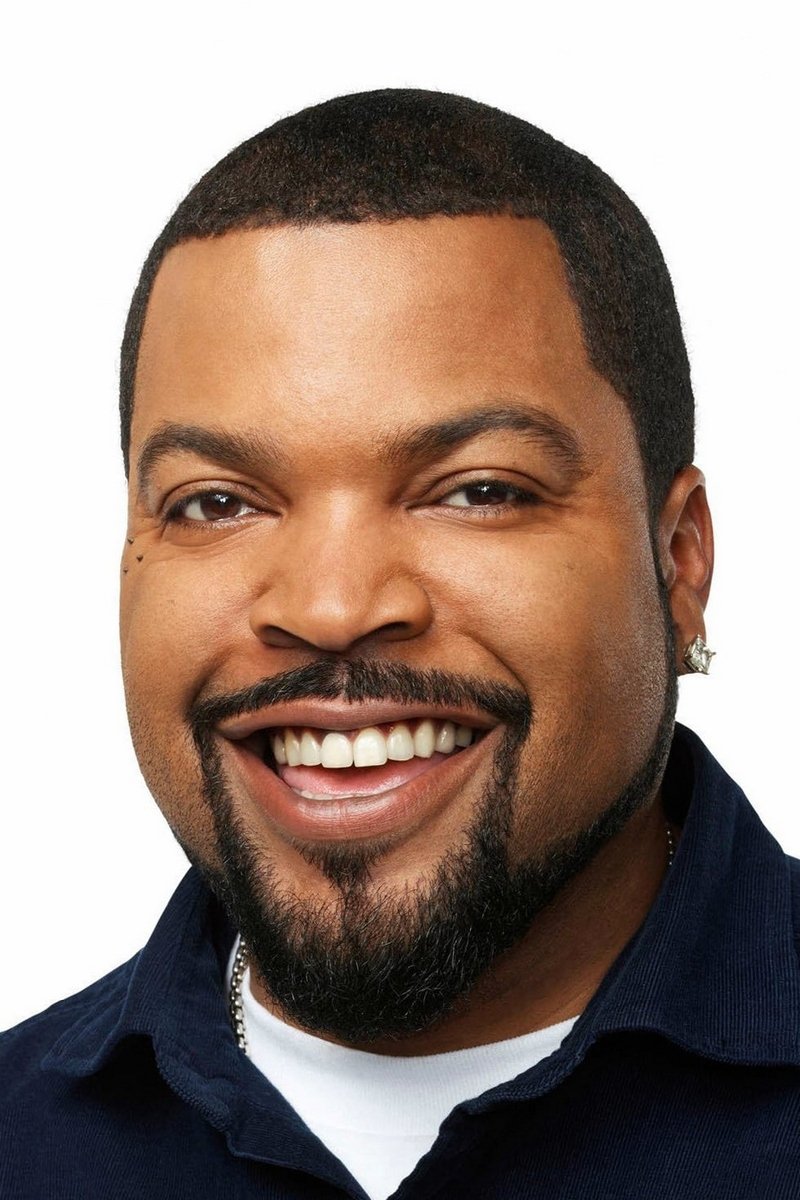
The rapper-turned-actor was another star approached to play Bubba in ‘Forrest Gump’ (1994) but swiftly declined the offer. Fresh off his success in ‘Boyz n the Hood’, Ice Cube was focused on playing characters with agency and grit, rather than subservient sidekicks. He explicitly stated that he did not want to play an “idiot” on screen, viewing the character’s simplicity as a regression for Black representation. His refusal highlighted a broader resistance among rising Black stars of the 90s to accept roles that minimized their onscreen power.
David Alan Grier
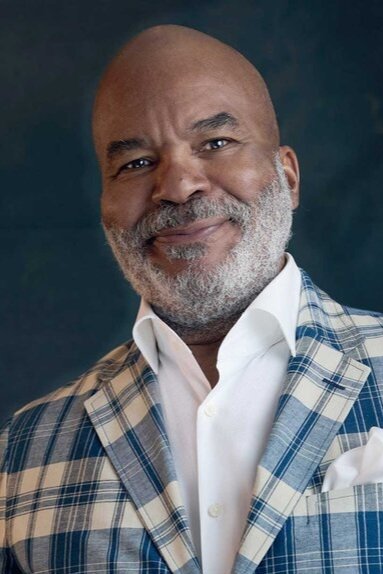
Known for his comedic range in ‘In Living Color’, Grier was also in the running for the role of Bubba in ‘Forrest Gump’ (1994). He turned it down, reportedly telling the filmmakers that he was not interested in playing a mentally challenged sidekick to a white protagonist. Grier felt that if he were to play a character with cognitive disabilities, he should be the lead of the film rather than a supporting prop for someone else’s story. His rejection underscored the lack of complex, leading narratives available to Black comedians at the time.
Will Smith
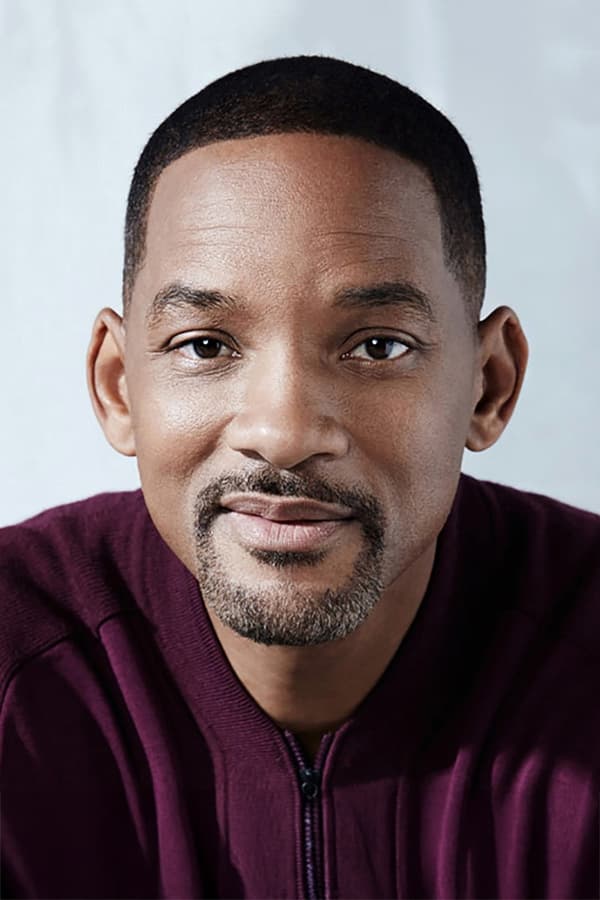
While ‘Django Unchained’ (2012) is a violent revenge fantasy rather than a traditional “Magical Negro” story, Smith turned down the title role because he felt the character lacked true agency. He argued that Dr. King Schultz, the white bounty hunter played by Christoph Waltz, was the actual hero who killed the main villain and drove the plot. Smith refused to be a supporting character in his own movie, insisting that the Black lead should be the one to deliver the final blow and save the day. His refusal was rooted in a desire to subvert the “White Savior” trope where the Black protagonist remains a passenger in their own liberation.
Angela Bassett
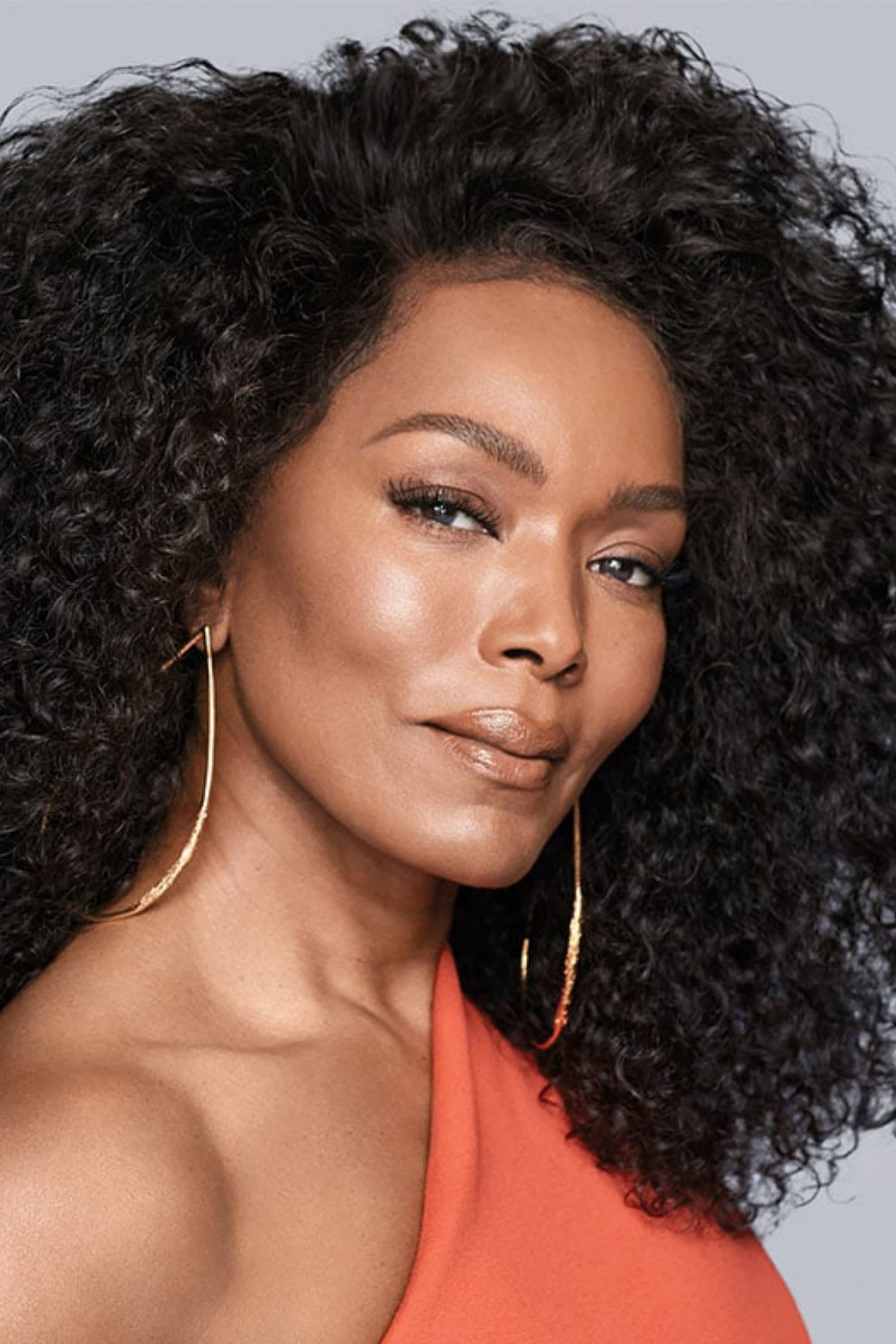
Bassett famously turned down the lead role of Leticia Musgrove in ‘Monster’s Ball’ (2001), a part that eventually won Halle Berry a historic Oscar. She criticized the role for being a stereotype of Black sexuality, specifically objecting to the explicit sexual content required to service the emotional arc of a racist white character. Bassett stated she was not interested in playing a “prostitute” on film, a term she used to describe the degrading nature of the character’s submission. Her decision sparked a significant conversation in Hollywood about the types of roles that garner Academy recognition for Black women.
Vanessa Williams
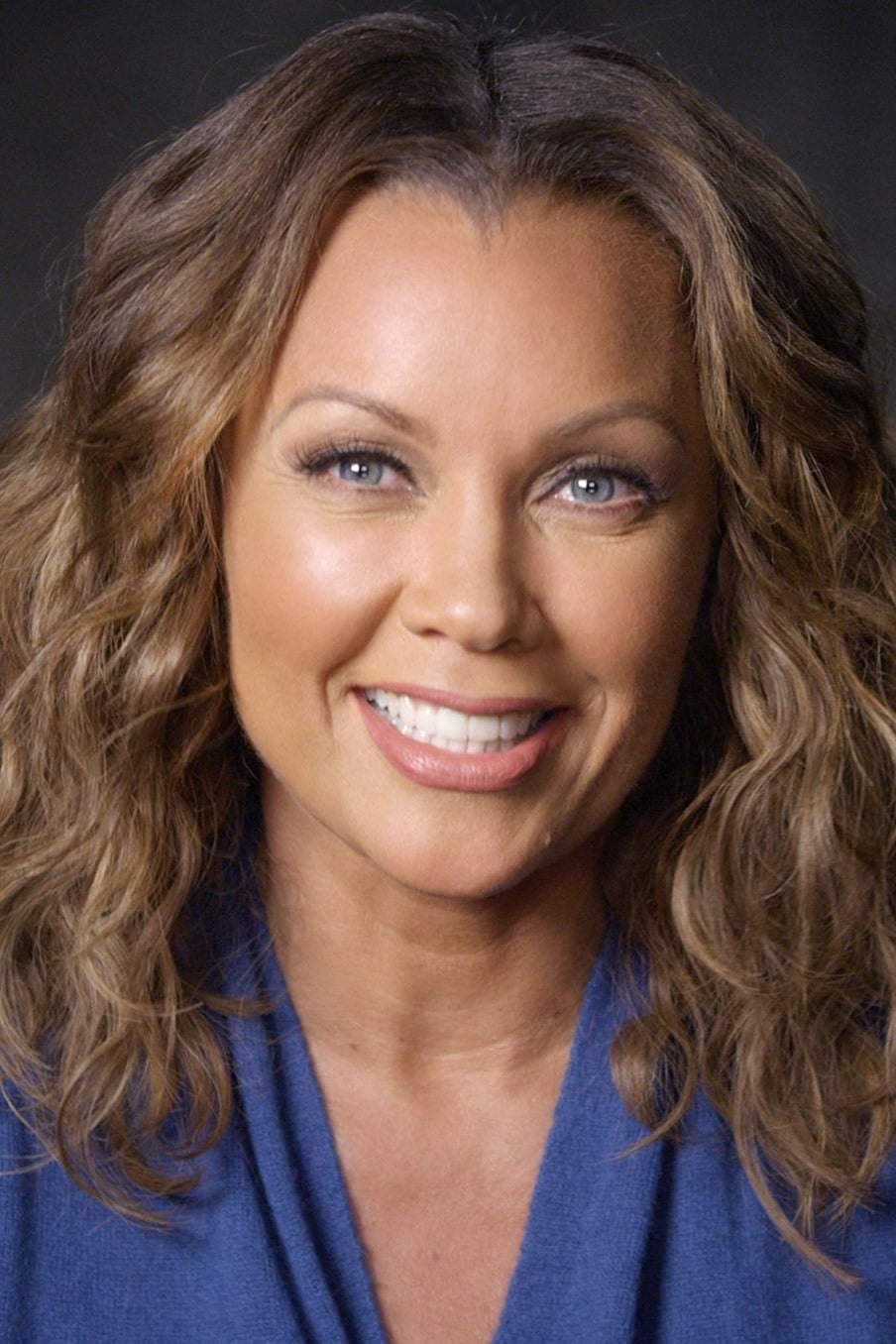
Like Bassett, Vanessa Williams was offered the role of Leticia Musgrove in ‘Monster’s Ball’ (2001) and ultimately declined. She cited similar concerns regarding the script’s demand for raw sexuality and the demeaning circumstances of the character’s relationship with the white protagonist. Williams felt that the role did not align with the image she wanted to project and was uncomfortable with the level of nudity required. Her refusal reinforced the sentiment that the role relied heavily on exploiting Black female trauma and bodies for dramatic effect.
Harry Belafonte

The legendary activist and actor was offered the lead role of Porgy in the film adaptation of ‘Porgy and Bess’ (1959). Belafonte refused the part flat out, calling the story racially demeaning and criticizing it for perpetuating stereotypes of Black people as drug addicts and simpletons. He was deeply committed to Civil Rights and refused to participate in a project that he felt set Black representation back decades. His rejection was a significant political statement, as ‘Porgy and Bess’ was considered a prestigious production by white Hollywood standards.
Sidney Poitier
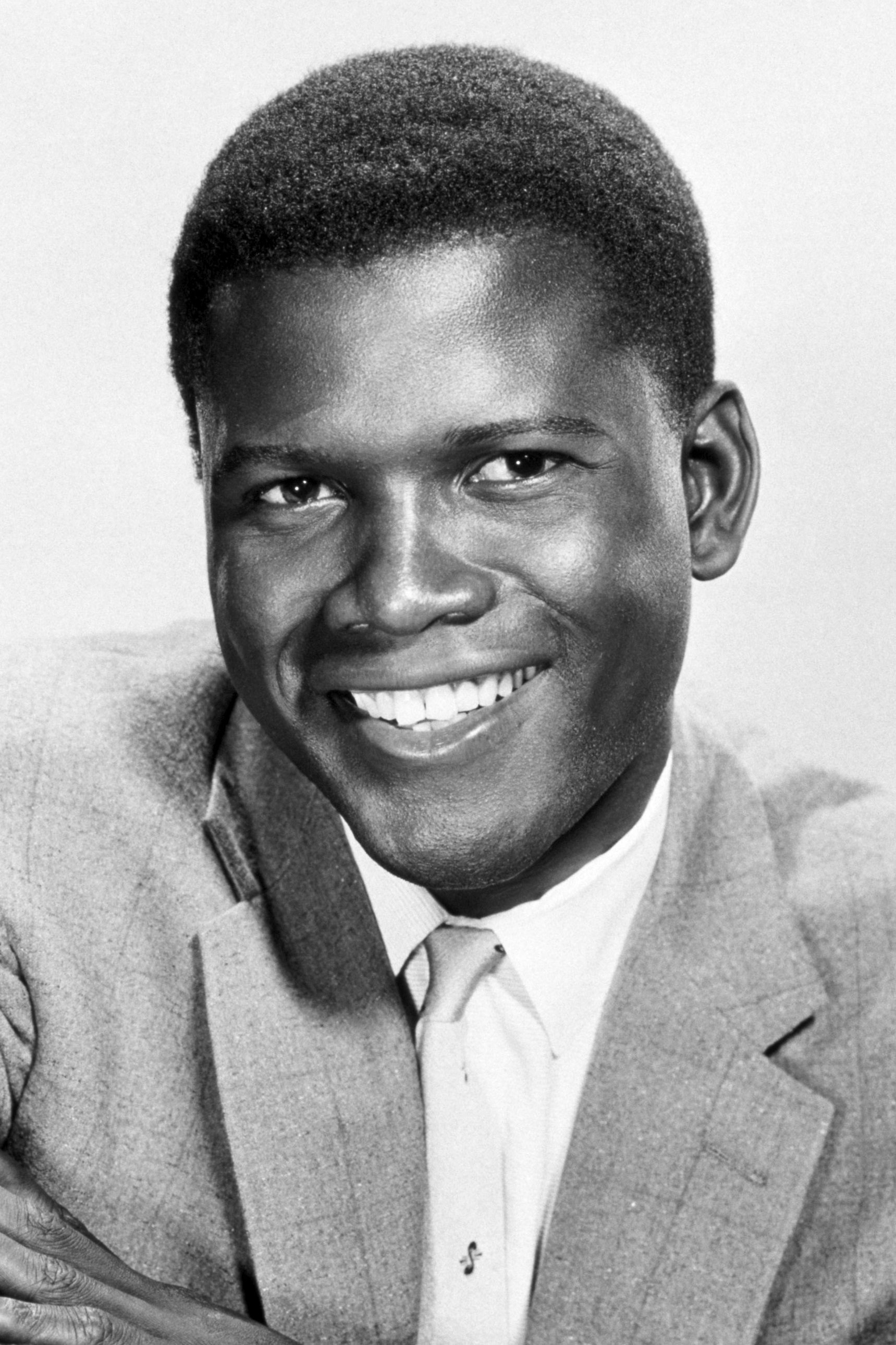
While Poitier eventually starred in ‘Porgy and Bess’ (1959) due to extreme pressure and coercion from producer Samuel Goldwyn, he initially fought hard to refuse the role for the same reasons as Belafonte. However, earlier in his career, he successfully turned down a role in ‘The Phenix City Story’ (1955) where he would have played a janitor who does nothing after his daughter is murdered. Poitier told the producers he could not play a father who lacked the dignity to react to such a tragedy, setting a precedent for his career-long demand for characters with integrity.
Denzel Washington
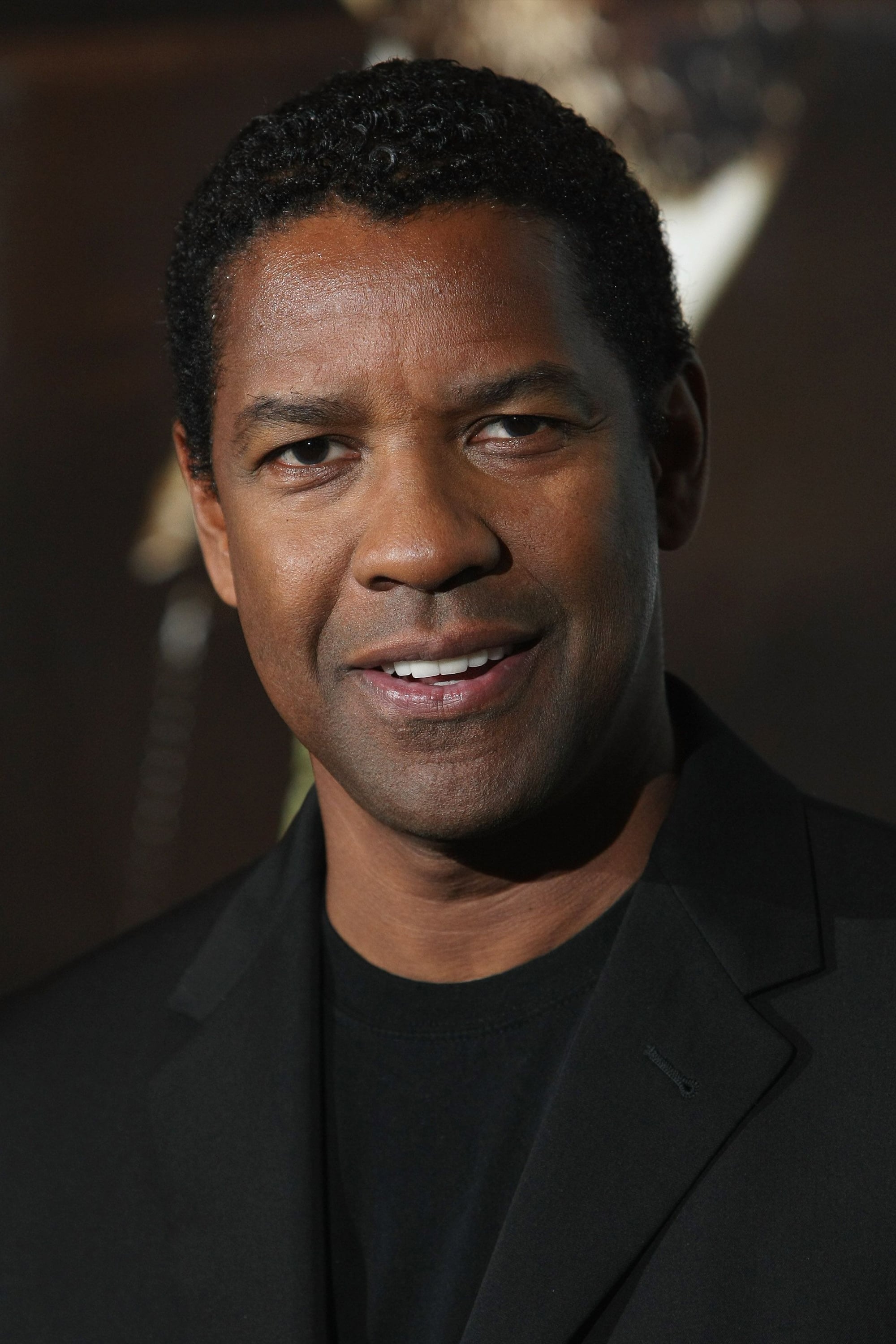
Washington turned down the role of Cinqué in Steven Spielberg’s ‘Amistad’ (1997) because he did not want to play a slave. Despite the film’s historical significance and prestigious director, Washington was wary of the “slave narrative” genre that often dominates Black historical dramas. He has historically been very selective about his roles, avoiding characters that lack authority or that exist merely to facilitate a white character’s emotional journey. This choice allowed him to maintain a career defined by positions of power and leadership.
Wesley Snipes
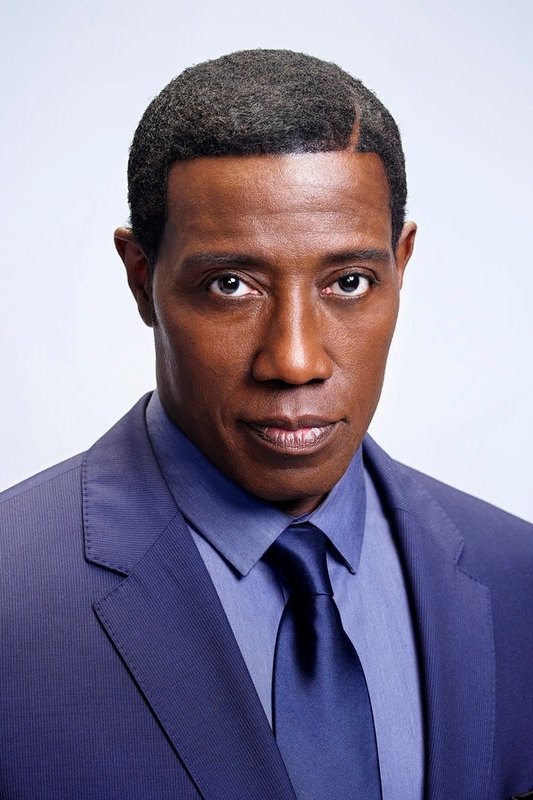
Snipes was approached to star in the remake of ‘Shaft’ (2000) but turned it down due to creative differences regarding the portrayal of the character. He criticized the script for what he viewed as “buffoonery” and felt that the direction of the film was exploring “blaxploitation” tropes rather than elevating the character. Snipes believed the script shamed African American culture rather than celebrating the coolness and agency of the original icon. He refused to participate in a project that he felt mocked the source material’s legacy of Black empowerment.
Cicely Tyson

Throughout her distinguished career, Tyson was notorious for refusing roles that she felt were demeaning to Black women, specifically turning down parts in the popular “Blaxploitation” genre of the 1970s. She famously rejected the lead role in ‘Claudine’ (1974) initially (though the role eventually went to Diahann Carroll) because she felt the character of an unwed mother on welfare was a negative stereotype she did not want to validate. Tyson committed herself to only playing characters that displayed strength, pride, and dignity, effectively curating a filmography that served as a counter-narrative to Hollywood stereotypes.
Samuel L. Jackson
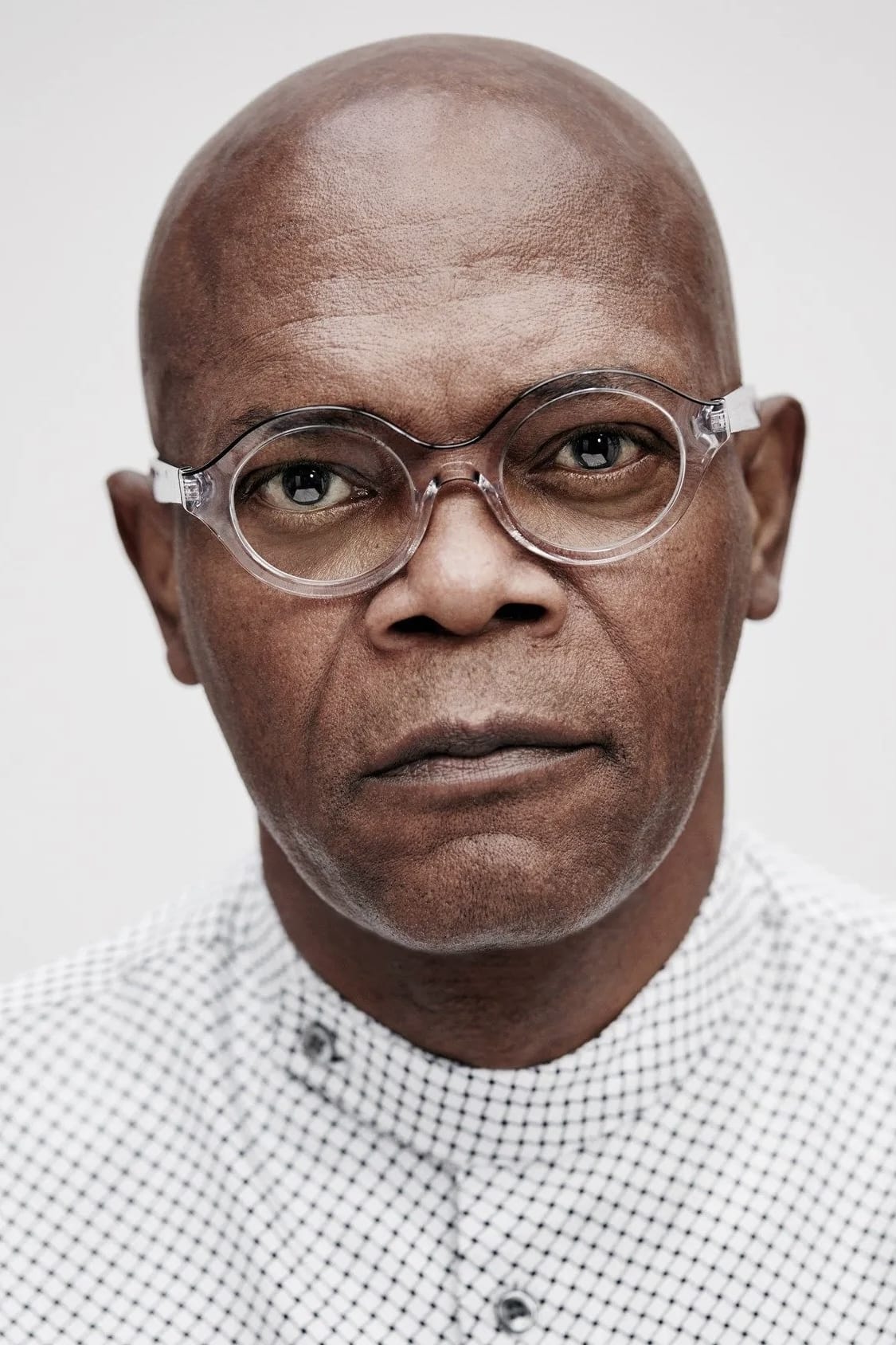
Although Jackson has played controversial roles in Tarantino films, he refused a role in the biopic ‘Get Rich or Die Tryin” (2005) starring 50 Cent. Jackson publicly stated that he did not want to lend his credibility as an accomplished actor to a project he felt glorified the “gangster rapper” stereotype. He argued that casting established actors alongside untested rappers legitimized a narrative that often reduced Black life to violence and crime. His refusal was a critique of the industry’s tendency to prioritize commercial stereotypes over the craft of acting.
Laurence Fishburne
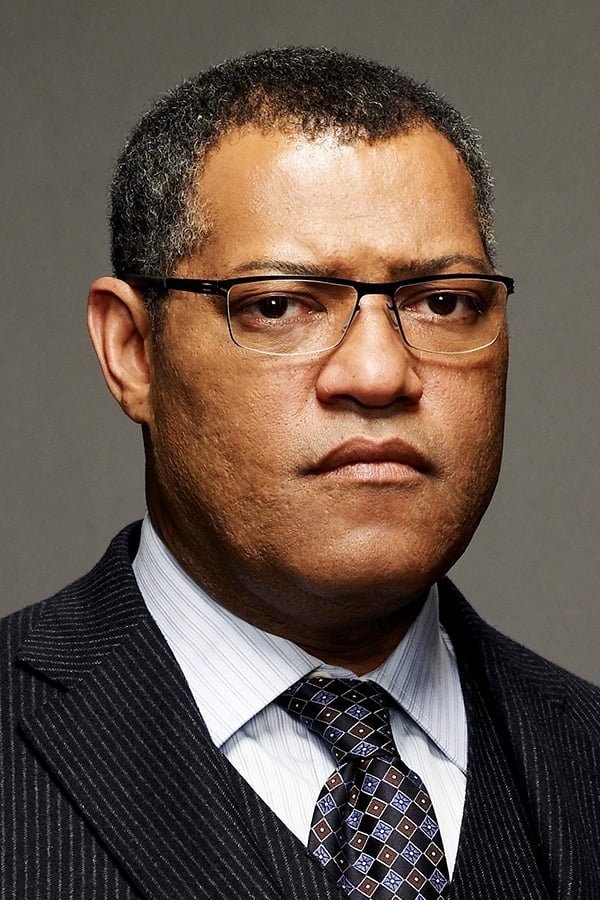
Fishburne turned down the iconic role of Jules Winnfield in ‘Pulp Fiction’ (1994), which was written specifically with him in mind. He rejected the part because he felt the film glorified heroin use and made the drug culture look attractive and “cool.” Fishburne was concerned about the social impact of the film on Black communities and refused to be a vehicle for what he saw as irresponsible storytelling. His moral stance on the depiction of drugs led the role to go to Samuel L. Jackson, creating a career-defining moment for the latter.
Lupita Nyong’o
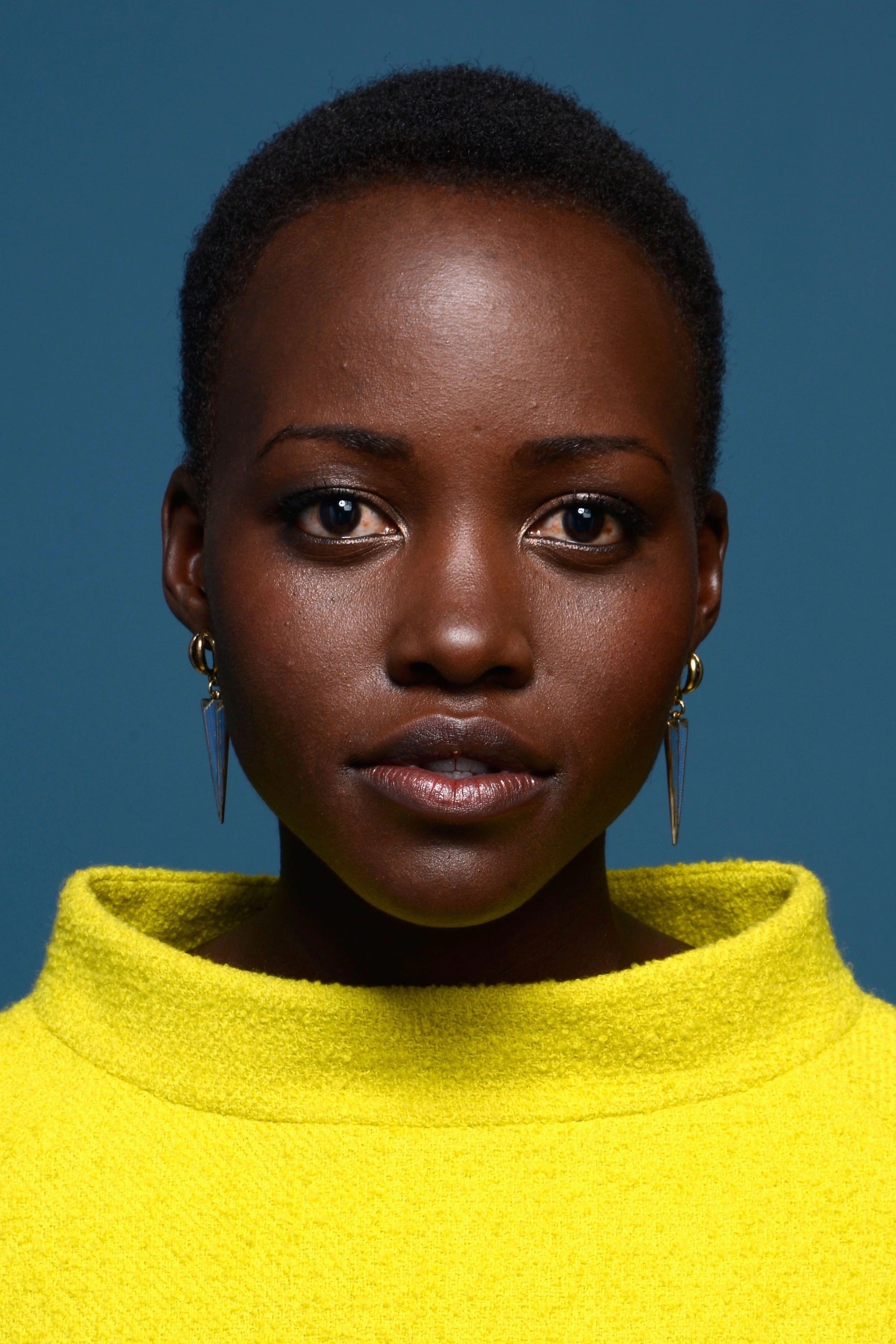
Following her Oscar-winning performance in ’12 Years a Slave’ (2013), Nyong’o made a conscious decision to turn down subsequent roles that asked her to play a slave. She feared being pigeonholed into a specific “trauma” archetype that Hollywood often forces upon dark-skinned Black actresses. Nyong’o sought to expand the scope of characters available to her, pushing for roles in diverse genres like horror and action rather than remaining in the limited box of historical servitude. Her refusal to accept typecasting has helped shift the industry’s perception of the roles dark-skinned women can inhabit.
What do you think about these actors standing their ground against Hollywood stereotypes? Share your thoughts in the comments.