25 Black Actors Whose Dialect Coaches Ignored Cultural Nuance

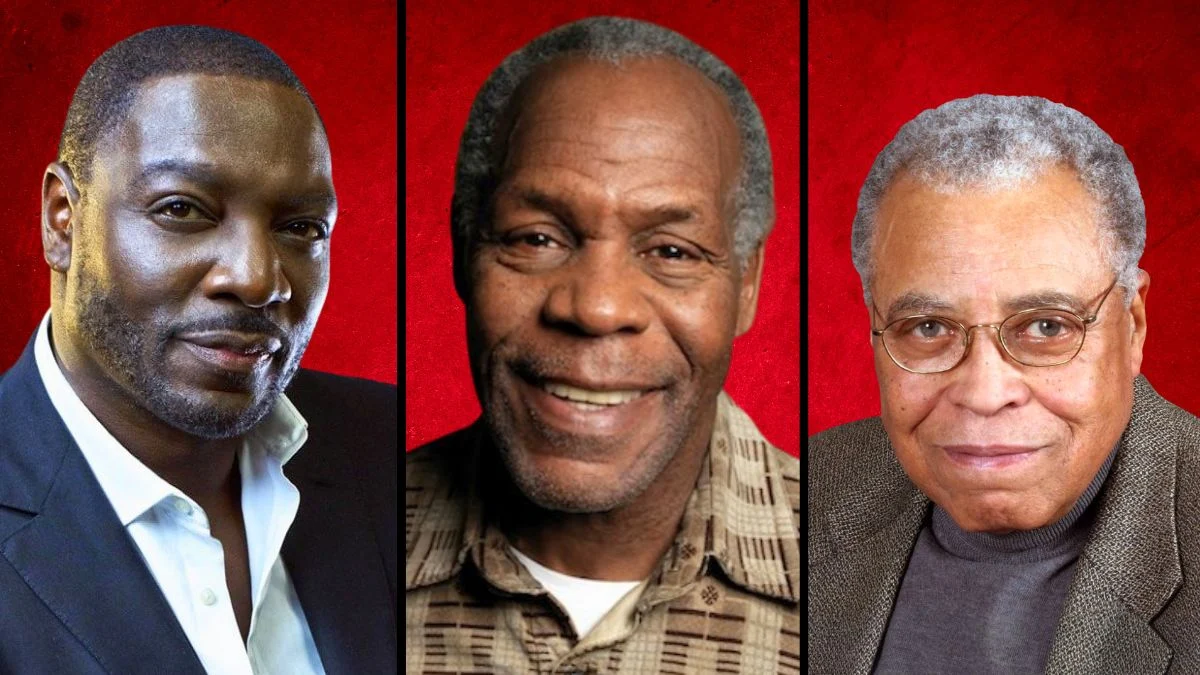

In the world of cinema, achieving a believable accent is one of the most challenging tasks for a performer. When Black actors take on roles requiring specific African, Caribbean, or European dialects, the results can sometimes fall short of authenticity due to insufficient coaching. The following list highlights instances where cultural nuance was overlooked in favor of generalized or inaccurate vocal performances.
Don Cheadle
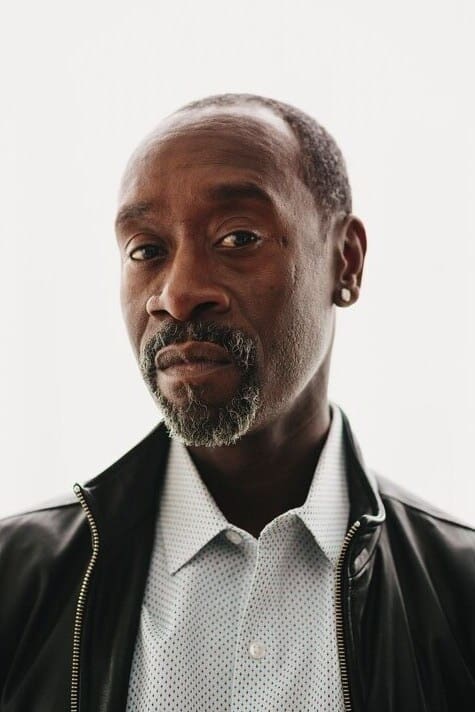
In the heist film ‘Ocean’s Eleven’ (2001), Don Cheadle portrays the explosives expert Basher Tarr. The character is written as a Londoner, requiring Cheadle to adopt a Cockney accent that stands out distinctively from the American ensemble. Critics and audiences frequently cite the vocal performance as one of the most confusing attempts at a British dialect in cinema history. The specific rhyming slang and intonation often felt exaggerated and theatrical rather than authentic to a native Londoner. Despite the film’s massive success, the dialect choice remains a frequent point of discussion regarding coaching failures.
Will Smith
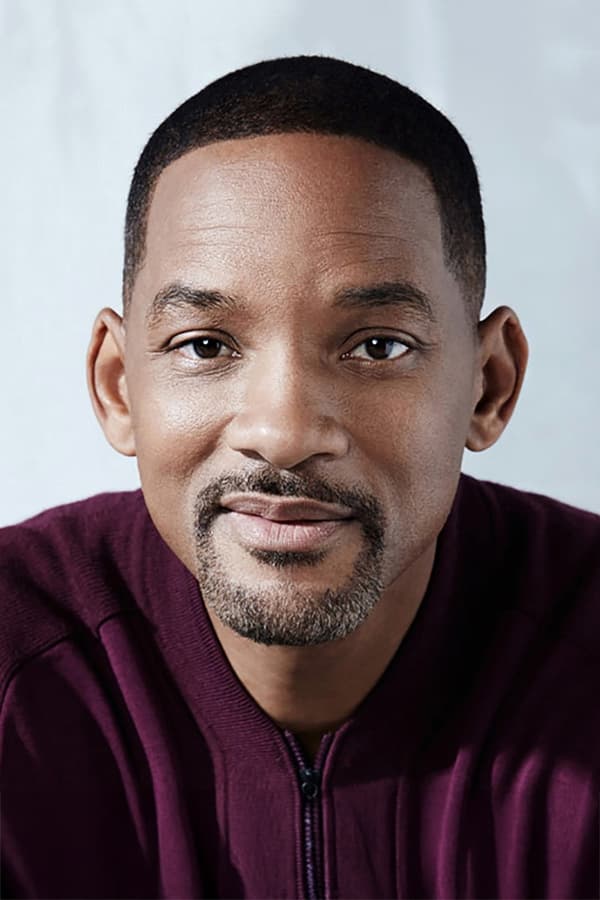
In the biographical drama ‘Concussion’ (2015), Will Smith plays Dr. Bennet Omalu, a Nigerian pathologist who confronts the NFL. Smith adopted a thick accent to mimic Omalu’s real-life speech patterns, but the result faced scrutiny for sounding generic. Many reviewers felt the dialect lacked the specific regional nuance of Omalu’s Igbo heritage, drifting into a caricature of an African immigrant. The vocal transformation became a focal point of criticism despite Smith’s Golden Globe nomination for the role. It served as a prime example of Hollywood prioritizing broad strokes over linguistic precision.
Forest Whitaker
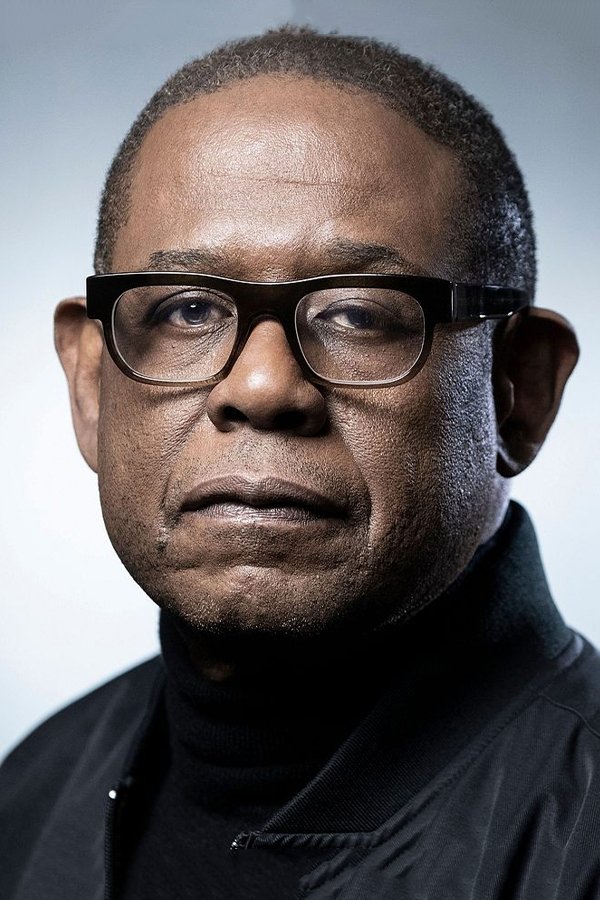
Forest Whitaker took on the role of Jody, a British soldier, in the thriller ‘The Crying Game’ (1992). The character is held hostage by the IRA, necessitating a convincing British accent from the American actor. Viewers noted that his delivery fluctuated significantly, often slipping back into his natural American cadence during emotional scenes. The attempt to sound like a working-class Londoner struggled to maintain consistency throughout his screen time. This performance is often referenced when discussing the difficulties American actors face with specific UK dialects.
Denzel Washington
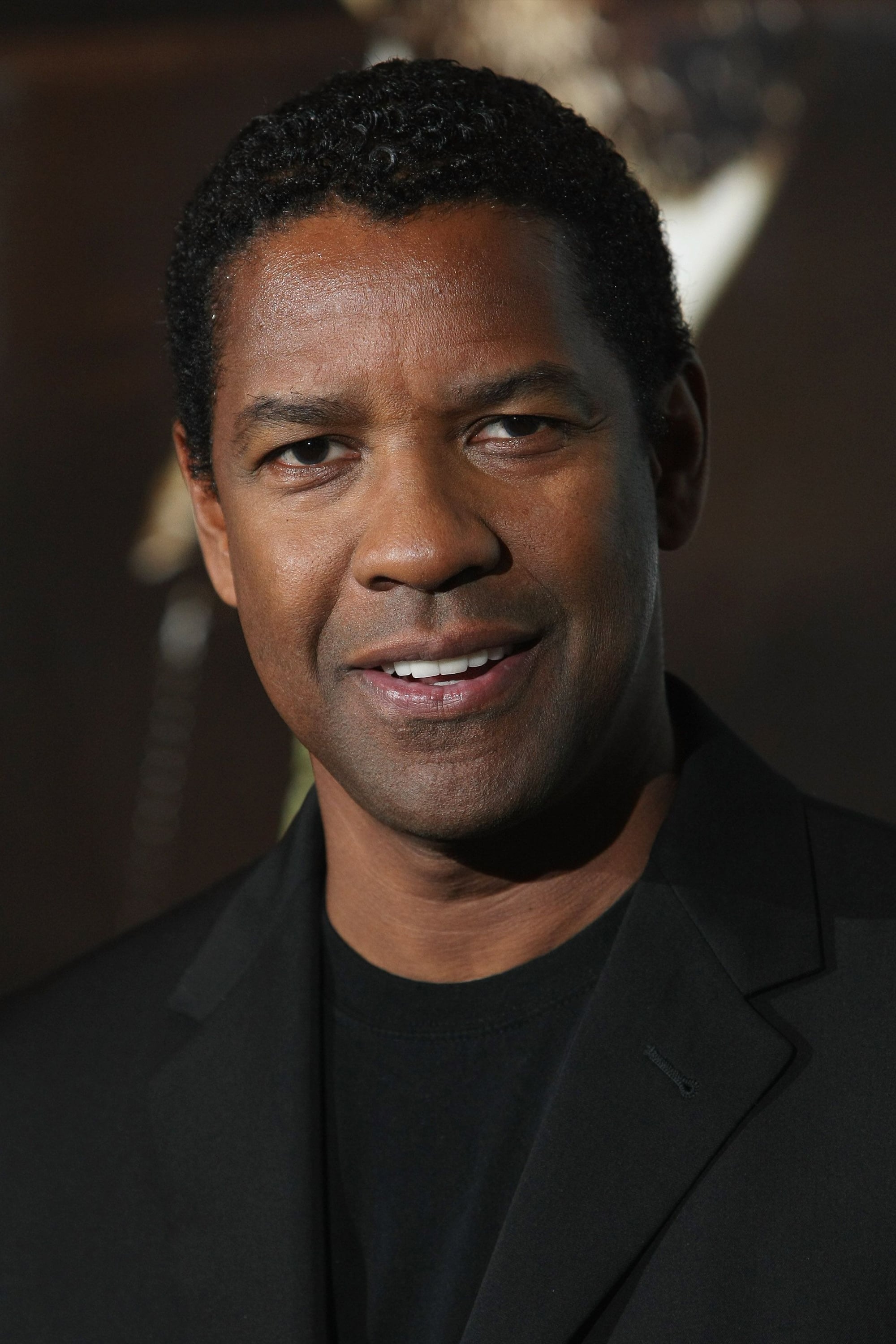
Denzel Washington stars as Xavier Quinn in ‘The Mighty Quinn’ (1989), a film set in a fictional Caribbean nation. While the setting is ambiguous, the character’s accent leans heavily towards a Jamaican patois that many found unconvincing. The dialect coach appeared to prioritize a generalized island sound rather than a specific, authentic region. Washington’s natural authority as an actor remained, but the linguistic performance wavered between American and Caribbean intonations. The inconsistency highlighted the challenge of adapting to a distinct cultural dialect without extensive immersion.
Taye Diggs
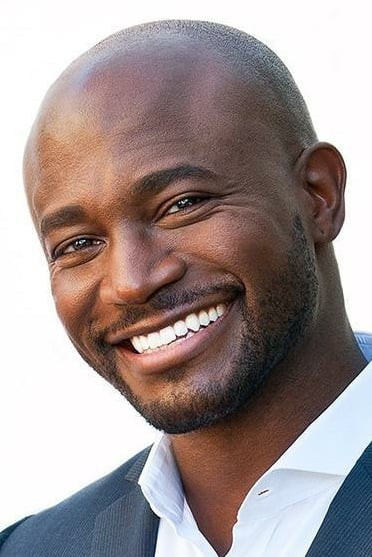
In the romantic drama ‘How Stella Got Her Groove Back’ (1998), Taye Diggs plays Winston Shakespeare, a young Jamaican man. The role required Diggs to adopt a Jamaican accent which was widely panned for its lack of authenticity. Critics observed that the dialect sounded more like a forced imitation than a natural manner of speaking. The performance relied on stereotypical inflections that failed to capture the rhythm of actual Jamaican patois. This portrayal is frequently cited in discussions about the miscasting of American actors in Caribbean roles.
Method Man
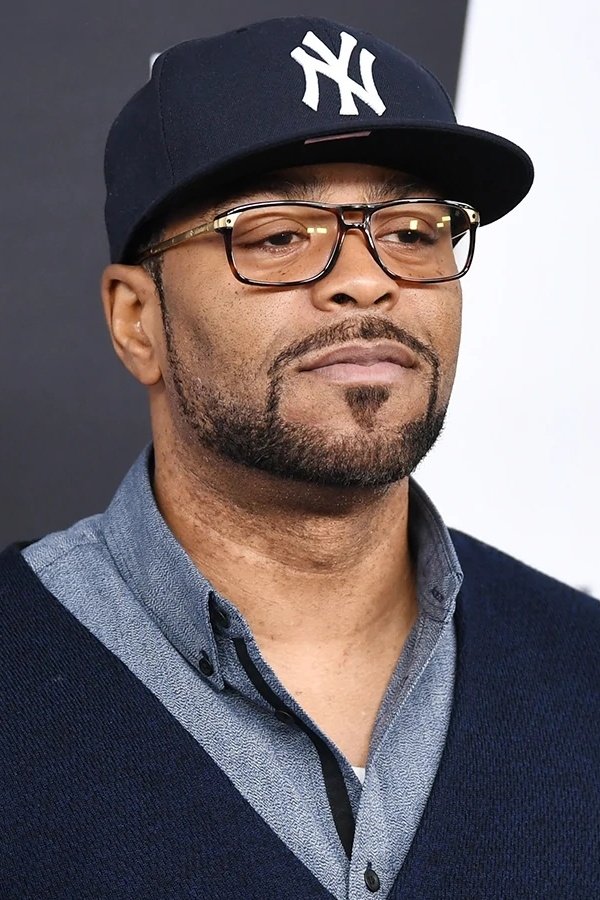
In the indie drama ‘The Wackness’ (2008), rapper Method Man plays Percy, a drug dealer who is supposed to be Jamaican. The performance was criticized for its inauthentic accent, which sounded nothing like a native Jamaican speaker. The dialect wavered in and out, relying on stereotypical slang rather than actual Patois grammar or cadence. Dialect coaches seemingly failed to correct the obvious American intonations present in his delivery. It serves as a prominent example of casting for star power over linguistic ability.
Sidney Poitier
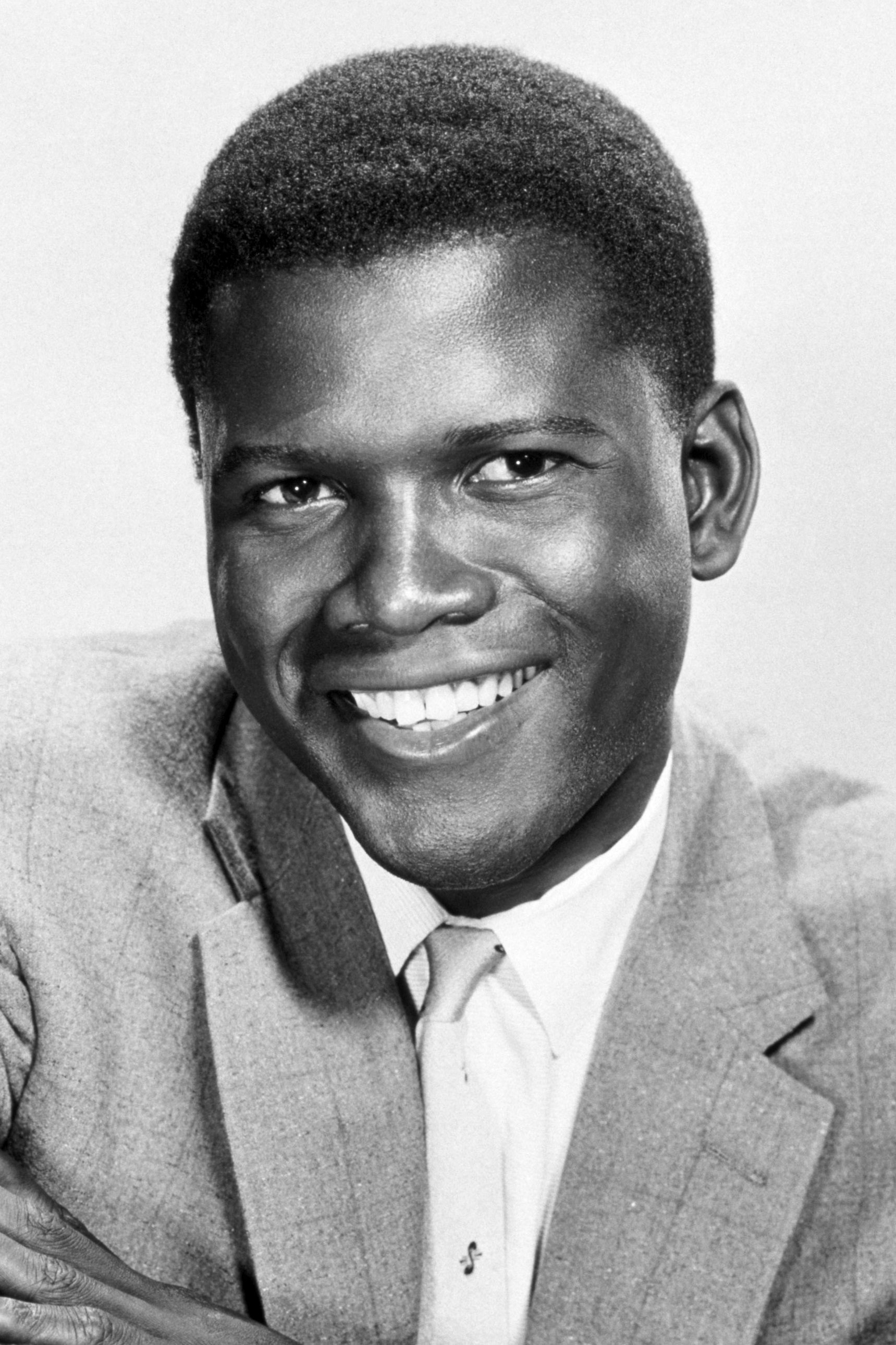
Legendary actor Sidney Poitier plays the FBI Deputy Director Carter Preston in the action thriller ‘The Jackal’ (1997). For this role, Poitier attempted an Irish accent that left many audiences baffled regarding the character’s background. The dialect was inconsistent, often drifting into a generic British sound or reverting to Poitier’s commanding American voice. The script offered little explanation for the specific vocal choice, making the lack of effective coaching evident. It remains a rare misstep in the career of a widely respected screen icon.
Samuel L. Jackson
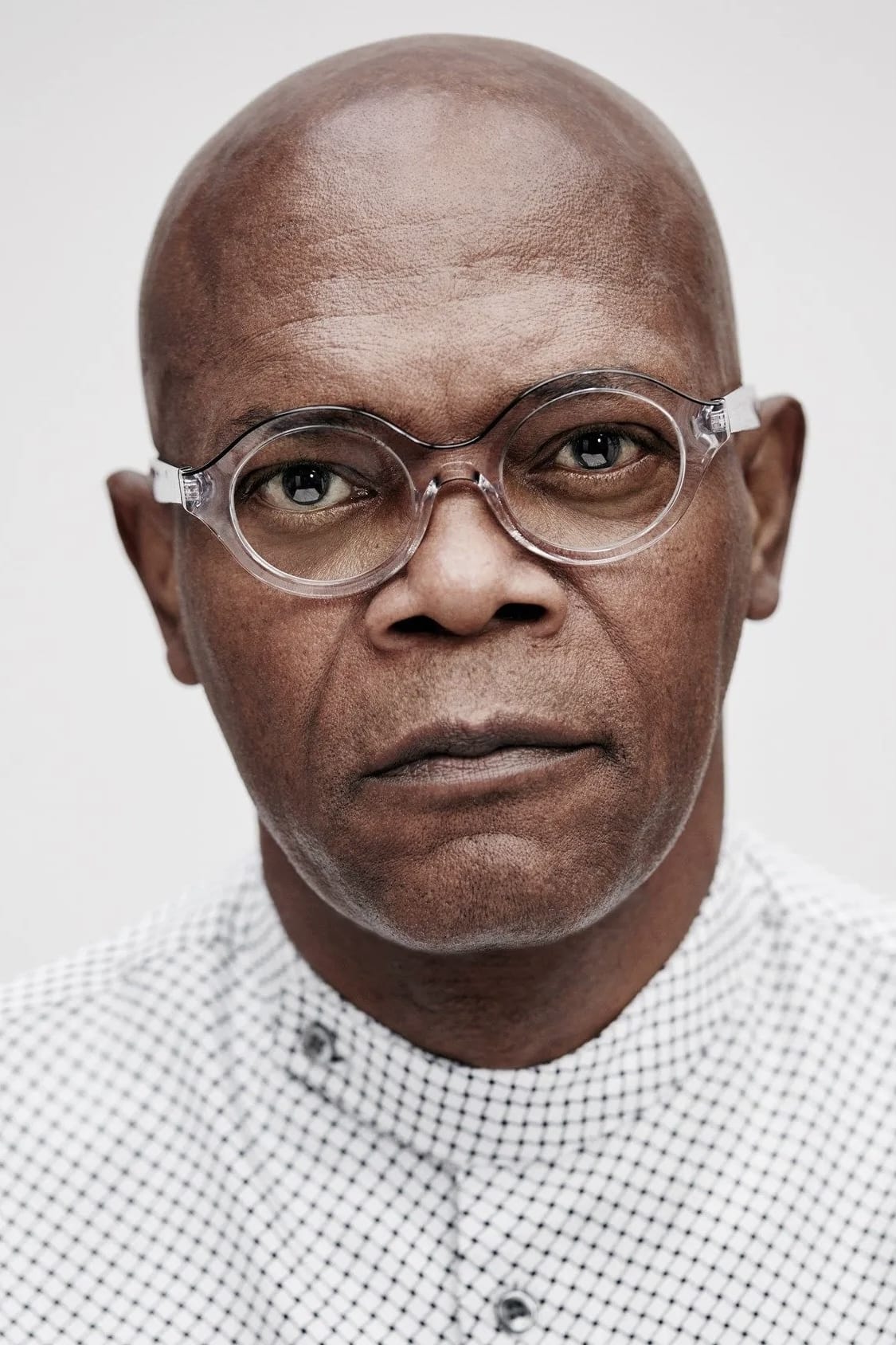
Samuel L. Jackson plays Elmo McElroy, a master chemist, in the action-comedy ‘The 51st State’ (2001). The character travels to Liverpool, and Jackson attempts a local accent that was intended to be distinct. However, the result was a confusing mix that failed to capture the unique Scouse dialect of the region. The performance often utilized American slang delivered with a forced British inflection. Linguistic experts noted the complete absence of the specific vowel sounds associated with Liverpool.
Morgan Freeman
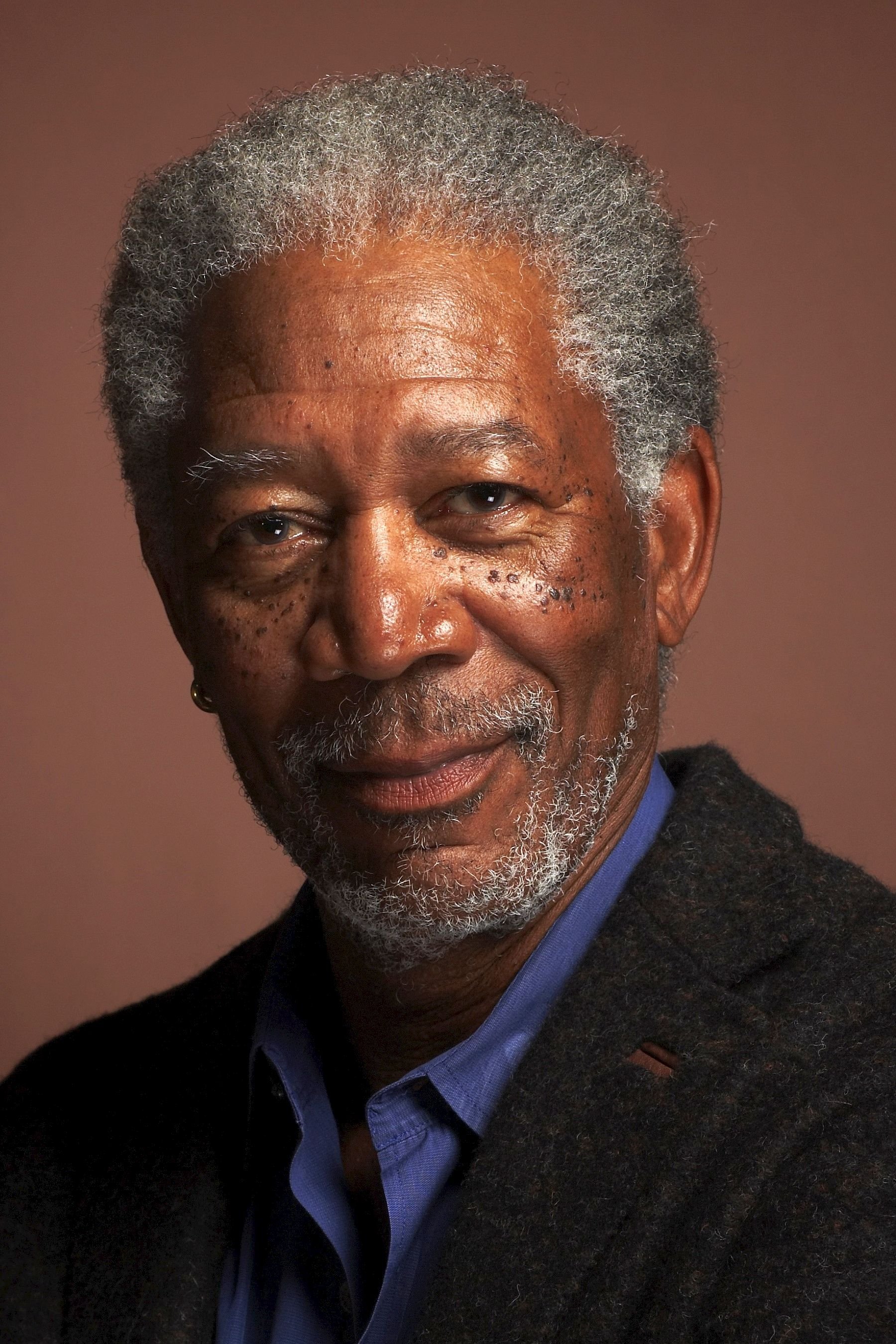
Morgan Freeman portrayed Nelson Mandela in the biographical film ‘Invictus’ (2009). While his physical resemblance and gravitas were praised, his vocal performance drew criticism for lacking the specific Xhosa-influenced lilt of Mandela’s speech. Freeman utilized a voice very similar to his own iconic narration style rather than adopting the distinct South African accent. The dialect coaches seemingly prioritized the actor’s star power over strict linguistic accuracy. This resulted in a version of Mandela that felt tailored for American audiences rather than historically accurate.
Eddie Murphy
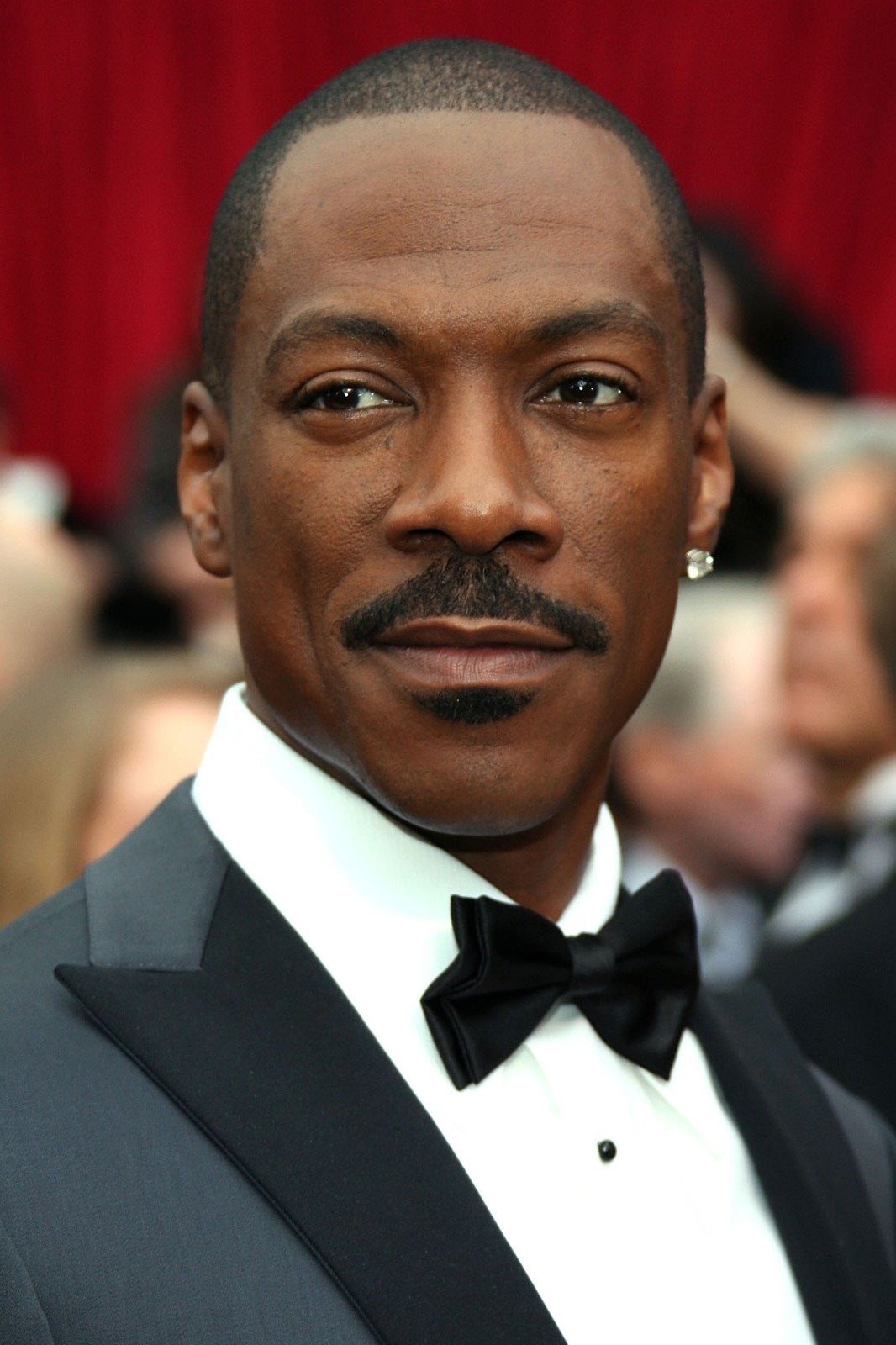
In the horror-comedy ‘Vampire in Brooklyn’ (1995), Eddie Murphy plays Maximillian, the last of a race of vampires from a Caribbean island. The accent adopted for the character is a comedic mishmash that defies specific geographical location. It ignores cultural nuance for campy horror effect, blending generalized island tropes with a Transylvanian drawl. While the film is a comedy, the vocal performance highlights a tendency to treat Caribbean accents as a monolith. The dialect lacks the specific grammatical structure of any real-world Creole language.
Idris Elba
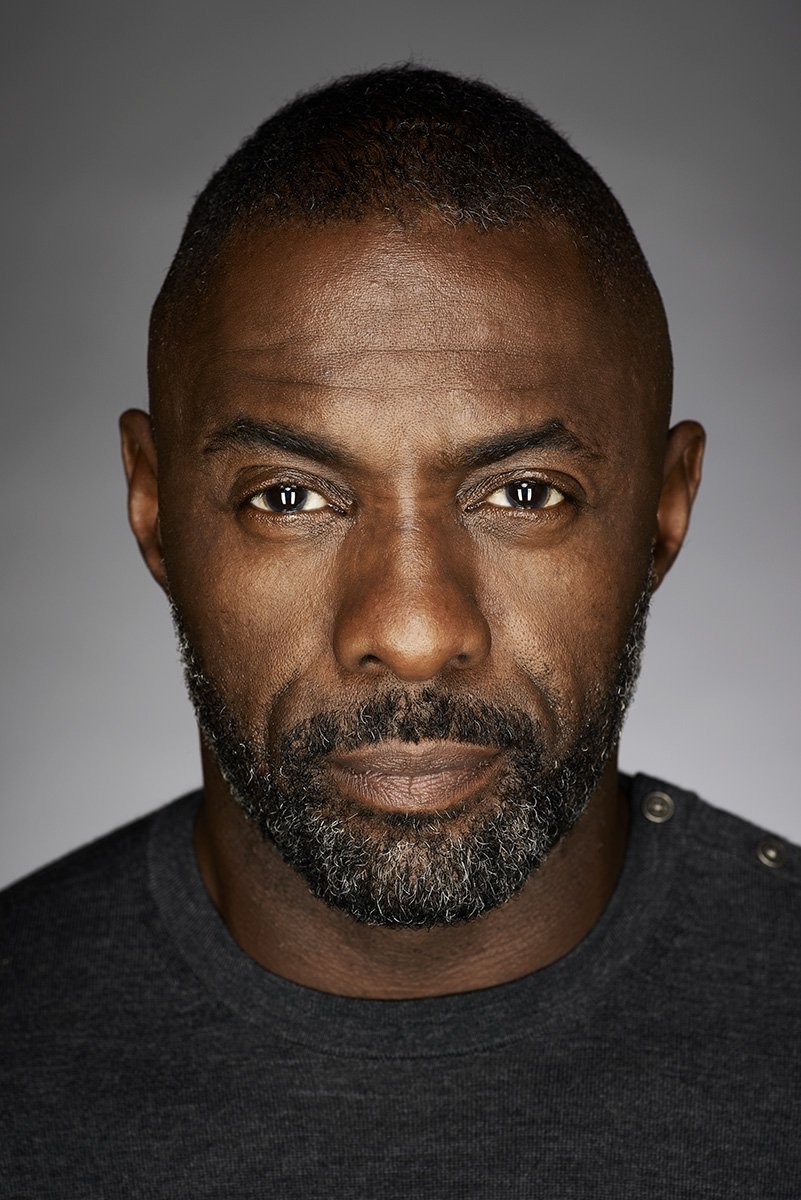
In ‘Mandela: Long Walk to Freedom’ (2013), Idris Elba took on the daunting task of playing the South African anti-apartheid revolutionary. Although Elba is British, his attempt at the specific South African accent was met with mixed reviews from native speakers. Some critics felt the accent drifted into a generic African sound rather than capturing the precise regional nuances of the Eastern Cape. The performance struggled to maintain the unique rhythm and pitch changes characteristic of Mandela’s voice. It highlighted the difficulty of replicating such a well-documented and distinct way of speaking.
Djimon Hounsou
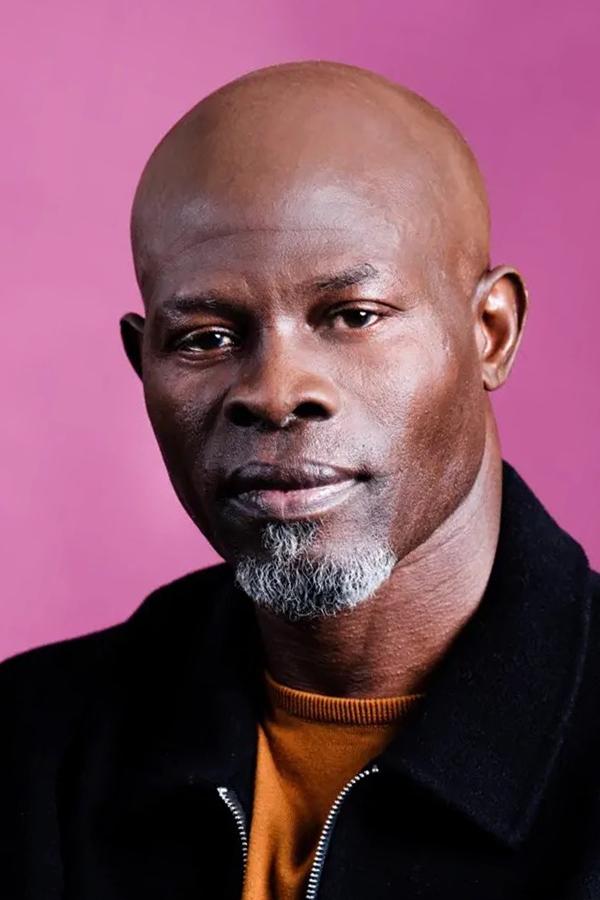
Djimon Hounsou plays a fisherman named Solomon Vandy in the war thriller ‘Blood Diamond’ (2006). Although Hounsou is from Benin, the character is from Sierra Leone, which possesses a distinct Krio dialect. Critics from the region noted that his accent sounded more like his native Beninese or a generalized West African accent than authentic Krio. The nuance of the Sierra Leonean speech patterns was largely missing from the dialogue. The performance demonstrated that being from the continent does not automatically grant mastery over its hundreds of distinct dialects.
Wesley Snipes
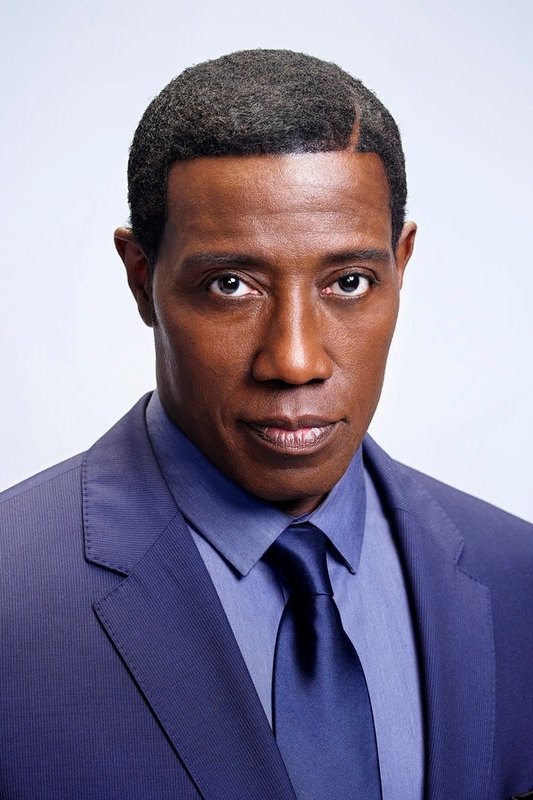
Wesley Snipes portrays General Izzi in the comedy sequel ‘Coming 2 America’ (2021). The character is a militaristic leader from a fictional African nation, allowing for some creative license. However, the accent adopted by Snipes relied heavily on broad stereotypes rather than any specific cultural linguistic markers. The resulting accent mirrored Hollywood tropes from the 1980s rather than a modern, nuanced approach. Dialect coaches prioritized comedic effect over the diversity of actual African speech.
Chadwick Boseman
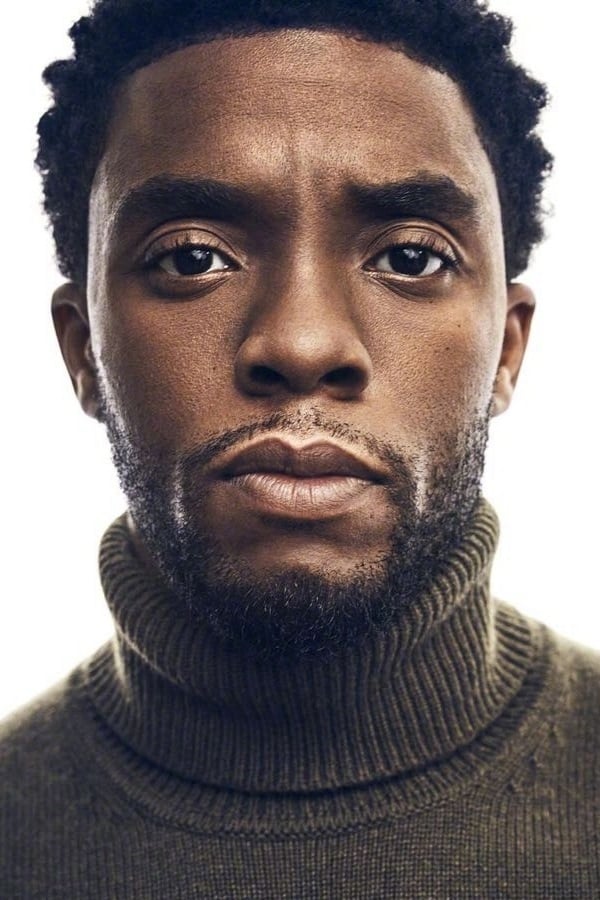
Chadwick Boseman plays Jacob King, a South African seeking vengeance, in ‘Message from the King’ (2016). While Boseman was known for his dedication to craft, his South African accent in this film received criticism for sounding forced. Observers noted that the specific vowel sounds and clicking consonants of the region were inconsistent. The dialect often flattened into a generic foreign intonation that lacked the history and geography of the character’s home. It served as a precursor to the debates surrounding the constructed accents in his later work.
James Earl Jones
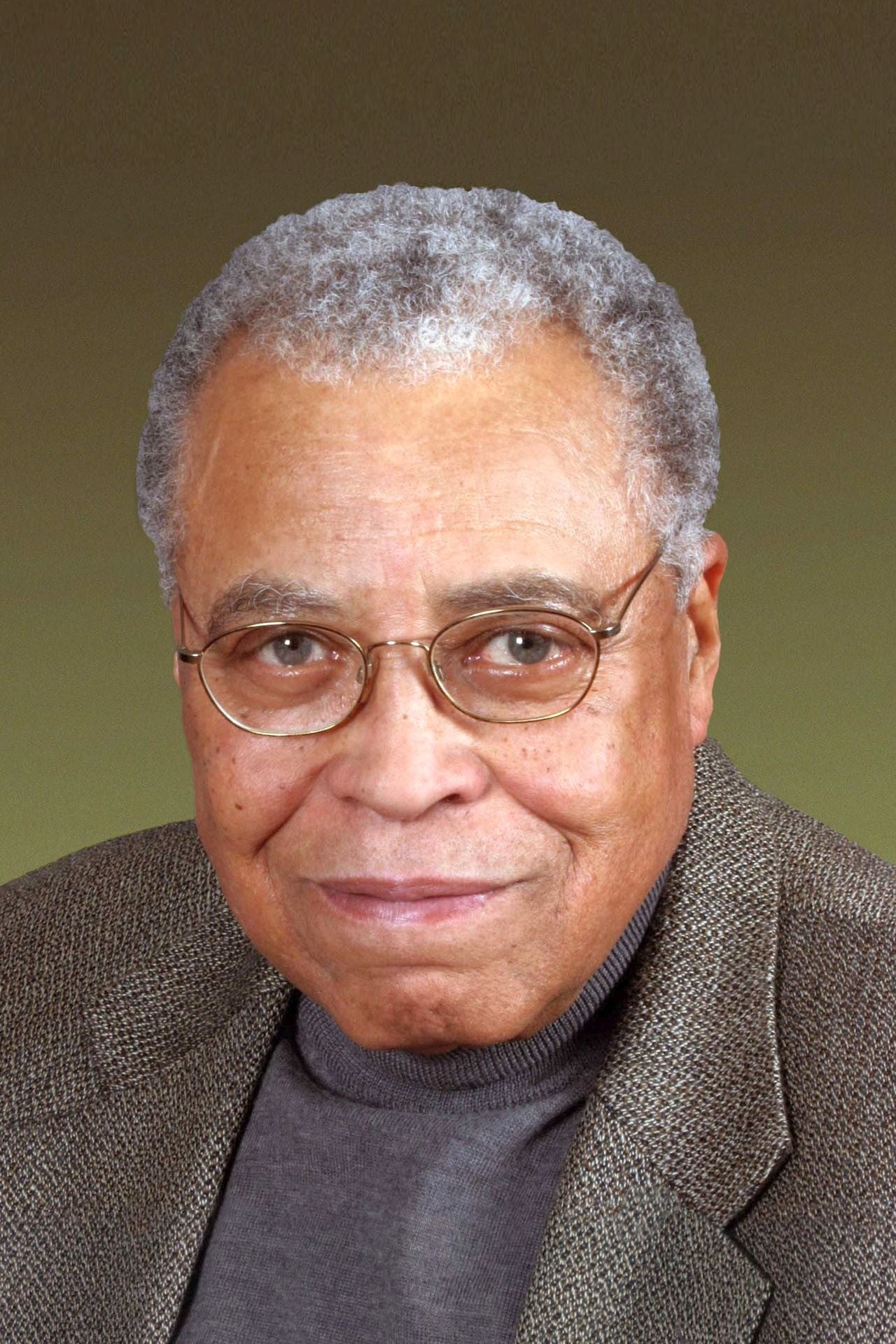
In ‘Cry, the Beloved Country’ (1995), James Earl Jones plays the Reverend Stephen Kumalo in apartheid-era South Africa. Despite his immense talent, Jones’s deep, resonant voice retained its distinctly American quality throughout the film. The subtle musicality and inflection of a native Zulu speaker speaking English were largely absent. Critics felt that the dialect coaching did not do enough to mask one of the most recognizable voices in cinema. The performance relied more on emotional weight than linguistic accuracy.
Danny Glover
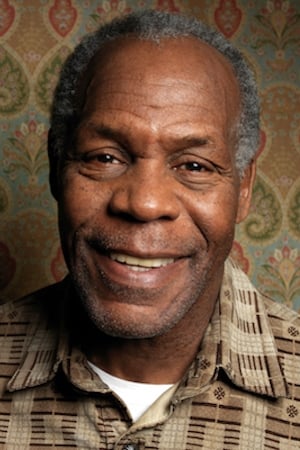
Danny Glover starred in the HBO film ‘Mandela’ (1987) as the title character. As one of the earlier major American portrayals of Nelson Mandela, the accent work was scrutinized for its American undertones. Glover struggled to suppress his natural speech patterns, resulting in a dialect that wavered constantly. The specific South African vowel shifts were often ignored in favor of a standard dramatic delivery. This portrayal underscored the lack of rigorous dialect training available for television productions at the time.
Cuba Gooding Jr.
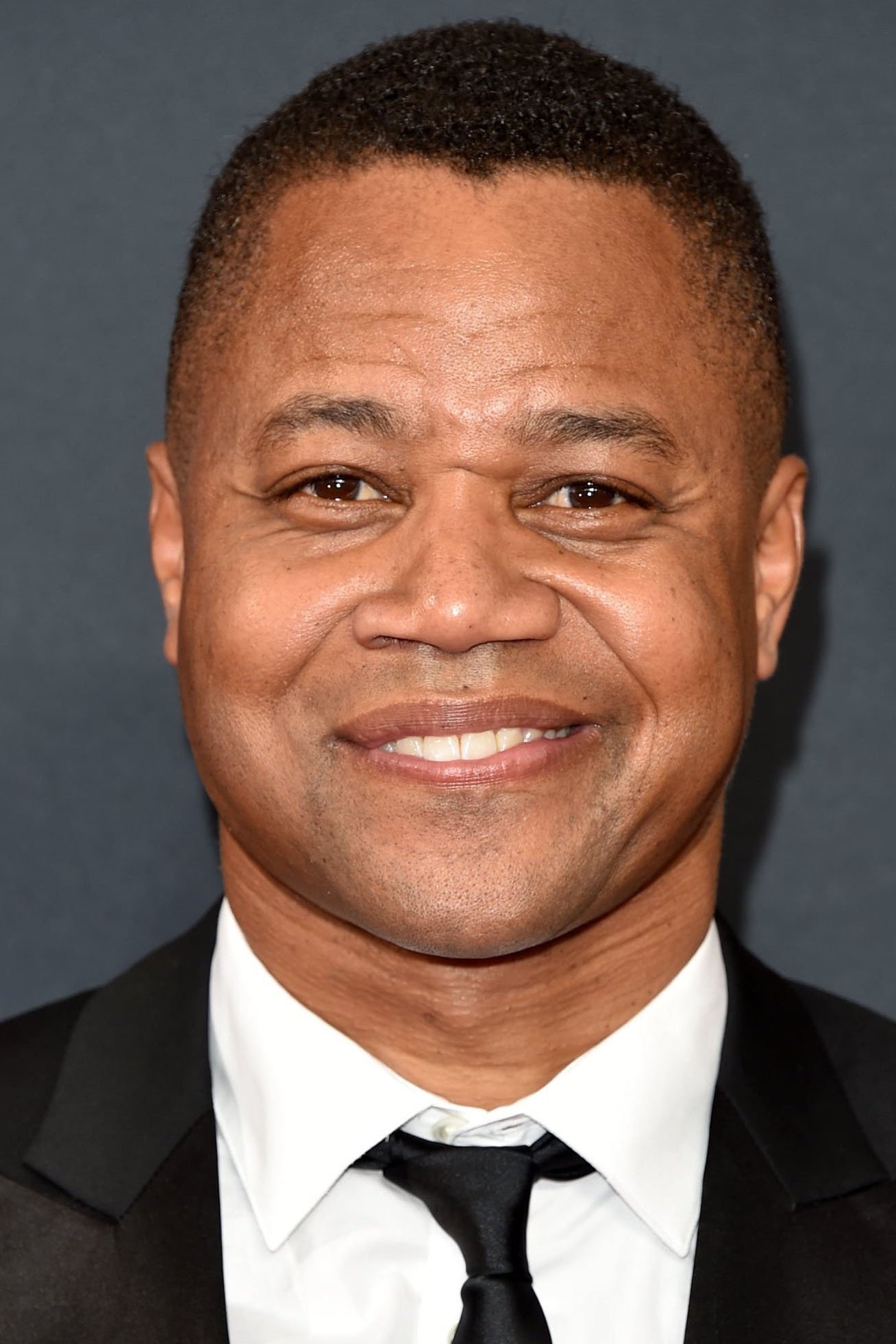
Cuba Gooding Jr. portrayed the former football star in ‘The People v. O. J. Simpson: American Crime Story’ (2016). While not a regional dialect issue, the vocal performance failed to capture the deep, commanding, and distinct socio-lect of Simpson. Gooding Jr. utilized his natural higher-pitched voice, which contrasted sharply with the real-life figure’s well-known manner of speaking. Critics argued that ignoring the vocal nuance broke the immersion of the biographical portrayal. The dialect coach focused more on emotional volatility than the specific cadence of the subject.
Terrence Howard
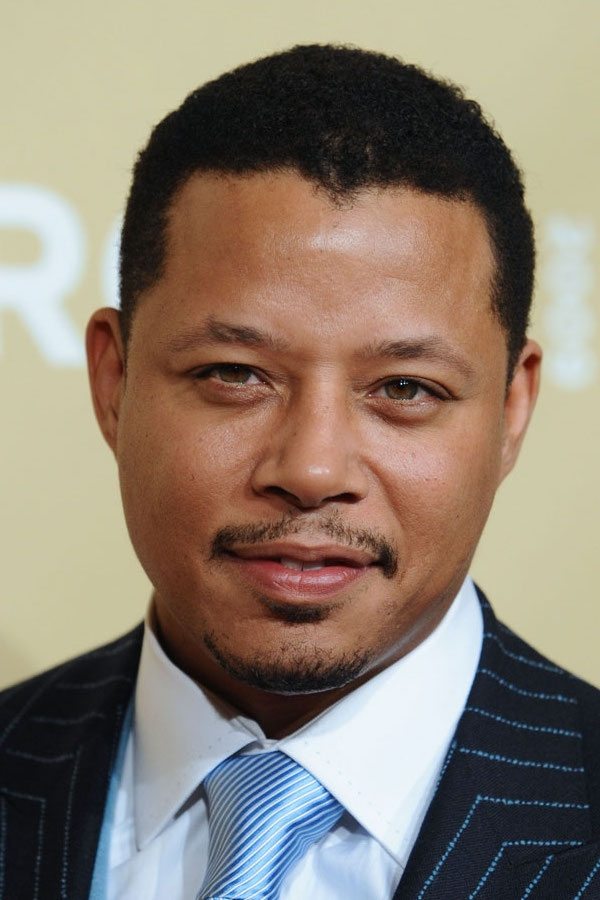
Terrence Howard played Nelson Mandela in the biopic ‘Winnie Mandela’ (2011). The casting itself was controversial, and the resulting accent did little to quell the backlash. Howard’s attempt at the South African accent was described by critics as wavering and unconvincing. The vocal performance lacked the gravitas and specific rhythmic structure associated with the leader. It remains cited as a prime example of a production ignoring the availability of capable South African actors.
Chiwetel Ejiofor
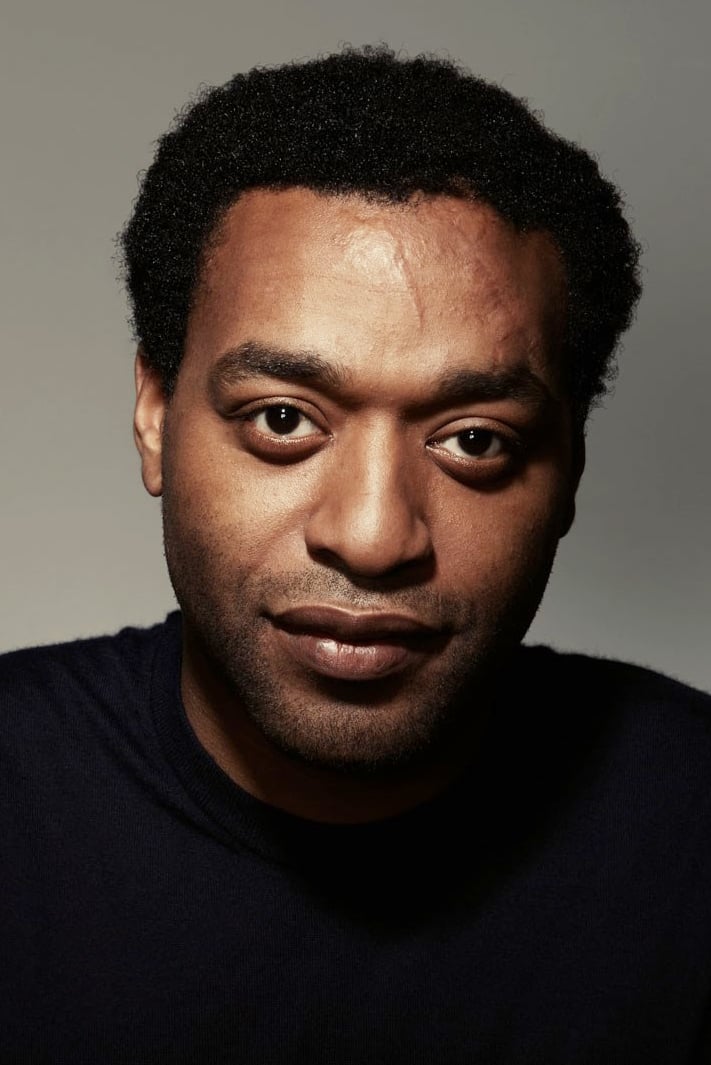
In ‘Half of a Yellow Sun’ (2013), British actor Chiwetel Ejiofor plays Odenigbo, a Nigerian academic during the Biafran war. Despite his own Nigerian heritage, Ejiofor’s accent in the film was criticized by local audiences for sounding too British. The character required a specific Igbo-influenced English accent, but the actor’s natural London dialect frequently seeped through. The nuance of the specific Nigerian region was lost, making the character sound like an outsider in his own story. It highlighted the distinction between heritage and linguistic performance.
Dennis Haysbert
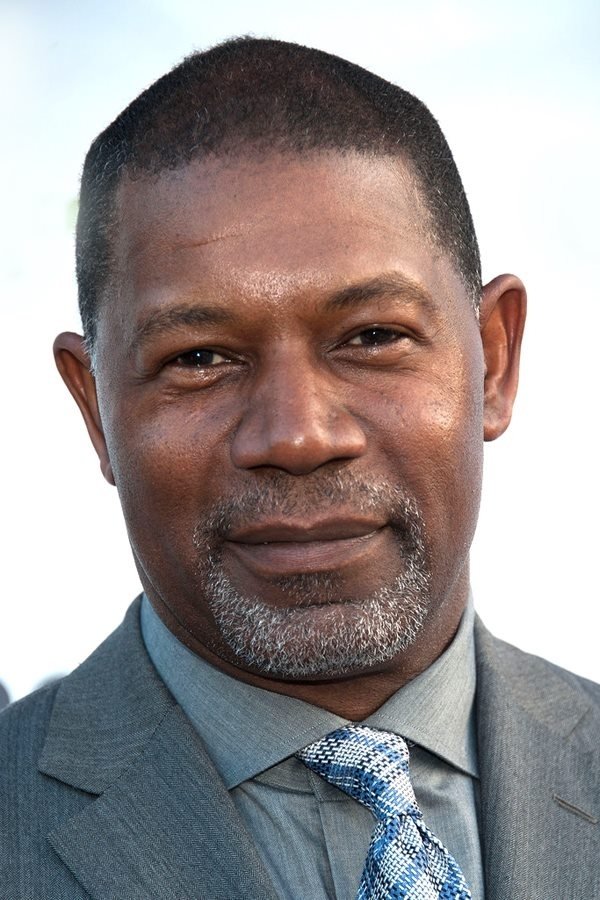
Dennis Haysbert took on the role of Nelson Mandela in the historical drama ‘Goodbye Bafana’ (2007). Known for his deep, smooth American commercial voice, Haysbert struggled to adapt to the clipped, rhythmic nature of the South African accent. Reviews noted that the accent was inconsistent, often disappearing entirely during emotional scenes. The dialect coaching failed to provide a stable linguistic anchor for the performance. The result was a portrayal that sounded like an American actor reciting lines rather than a complete transformation.
Dave Chappelle
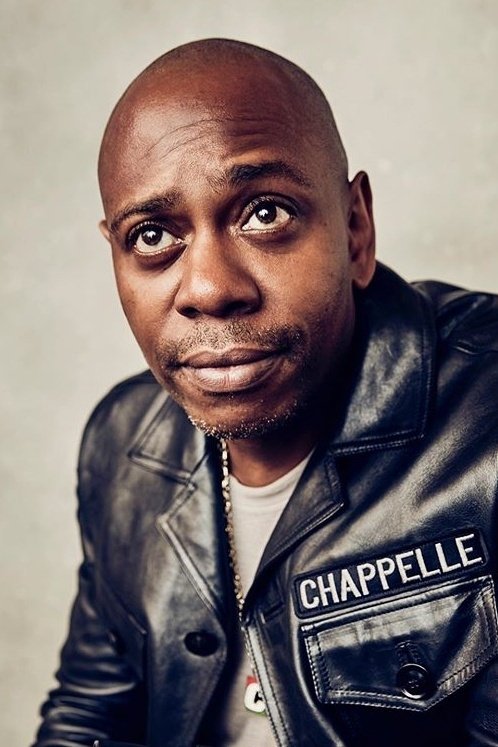
Comedian Dave Chappelle plays Samson in the cult comedy ‘Half Baked’ (1998). The character delivers a heavily exaggerated Jamaican accent that serves as a caricature rather than a genuine portrayal. While intended for comedic effect, the performance relies on archetypes that ignore all actual linguistic nuance of the Caribbean. It represents a Hollywood tendency to use the Jamaican dialect as a punchline without regard for accuracy. The lack of a serious dialect coach resulted in one of the most recognized but inaccurate accents in comedy.
Adewale Akinnuoye-Agbaje
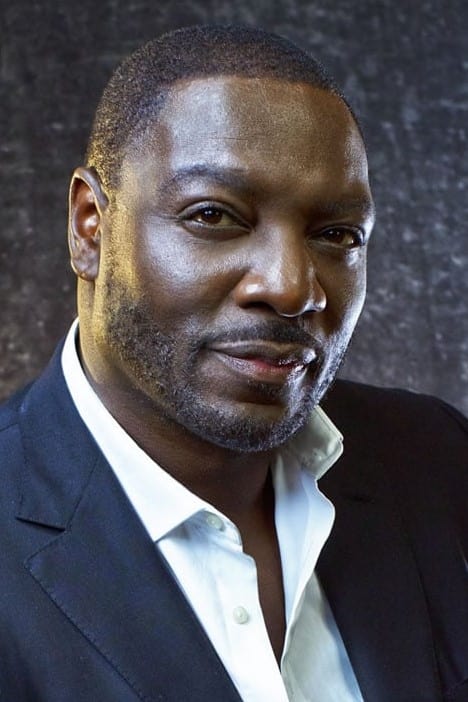
British actor Adewale Akinnuoye-Agbaje plays the character Majestic in ‘Get Rich or Die Tryin” (2005). The role required a convincing African American vernacular, but the actor’s native London accent created a strange hybrid. Critics described the performance as overcooked, with the American accent sounding forced and unnatural. The specific cadence of the New York underworld was replaced by a generic, heavy-handed toughness. The nuance of the local dialect was lost in the effort to simply sound American.
Robert Townsend
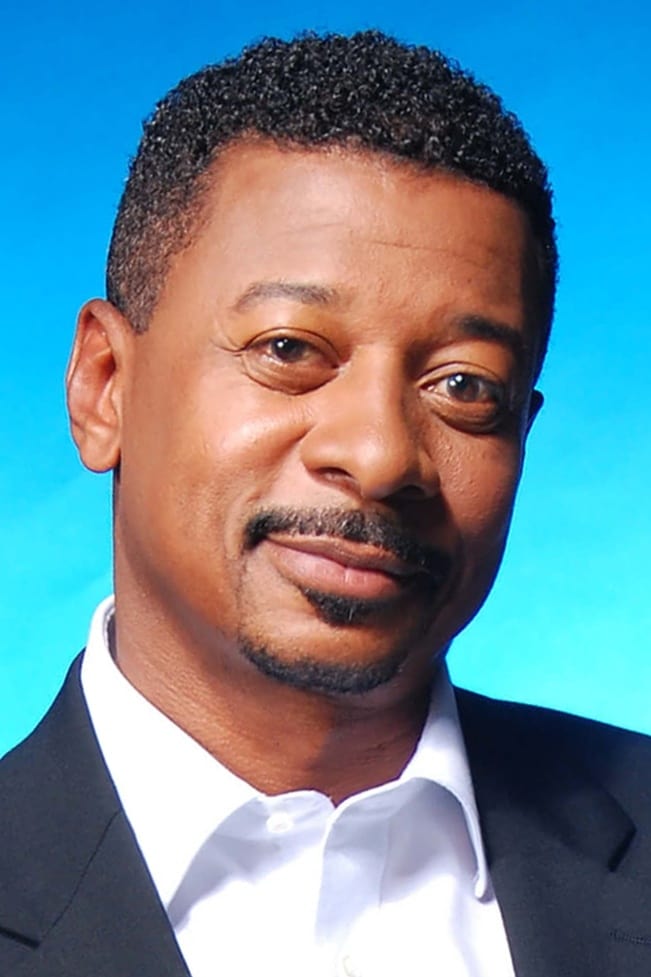
Robert Townsend directed and starred in ‘The Mighty Quinn’ (1989) alongside Denzel Washington. As a local hustler, Townsend adopted a Caribbean accent that fared even worse than his co-star’s. The dialect was a high-pitched, erratic attempt that bore little resemblance to any actual island nation’s speech. It appeared that no cultural consultant was involved in checking the authenticity of the slang or intonation. The performance remains a dated example of Americans approximating Caribbean culture.
Samuel E. Wright
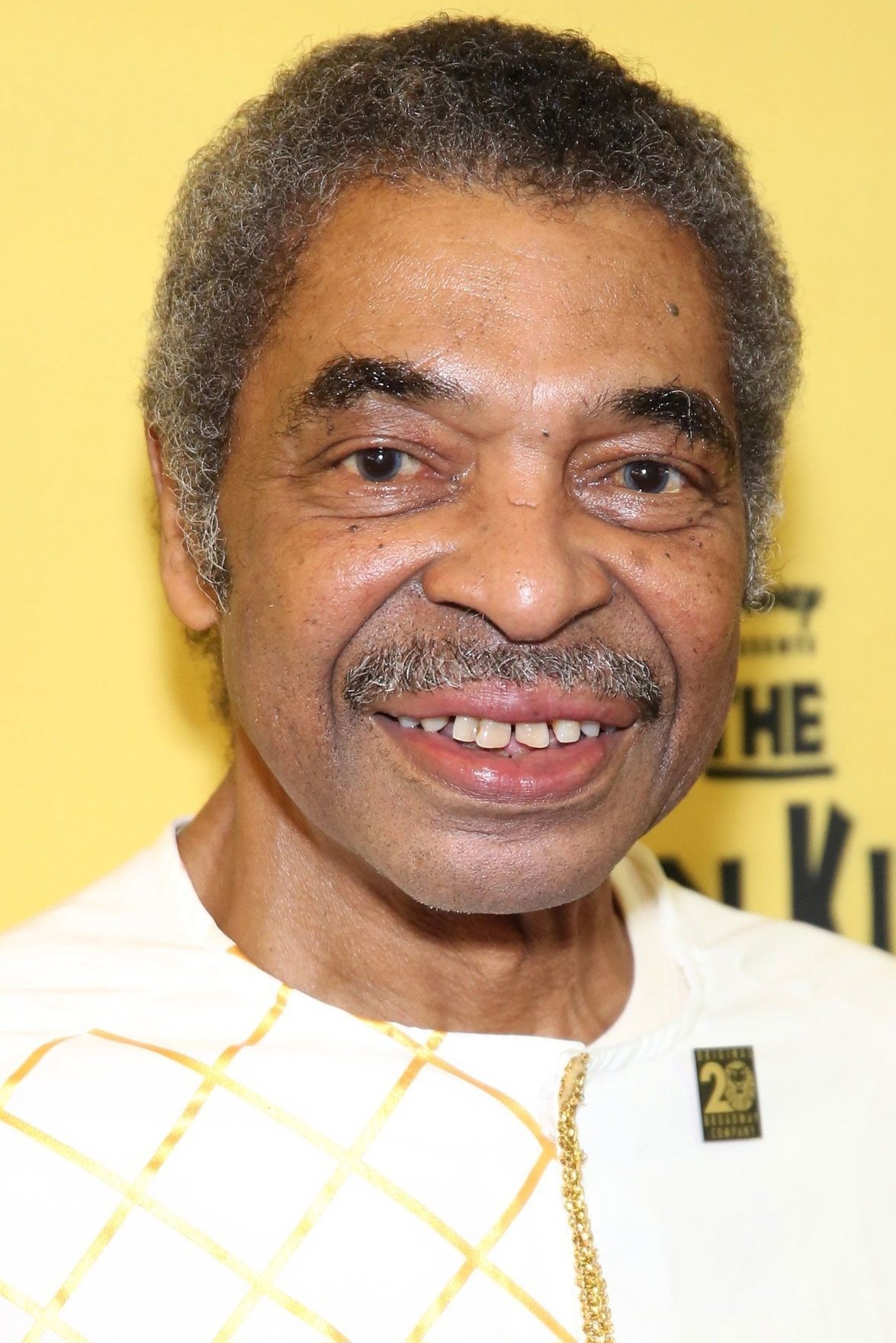
Samuel E. Wright provided the voice for Sebastian the crab in the animated feature ‘The Little Mermaid’ (1989). The character was designed to be Jamaican, yet the accent was a theatrical, inauthentic version of Caribbean speech. While the character became beloved, the dialect lacked the grammatical and tonal structure of true Patois. It established a long-standing trope in animation where island characters speak in a generalized, often inaccurate manner. The cultural nuance was sacrificed for a broad, accessible musicality.
Brian Tyree Henry
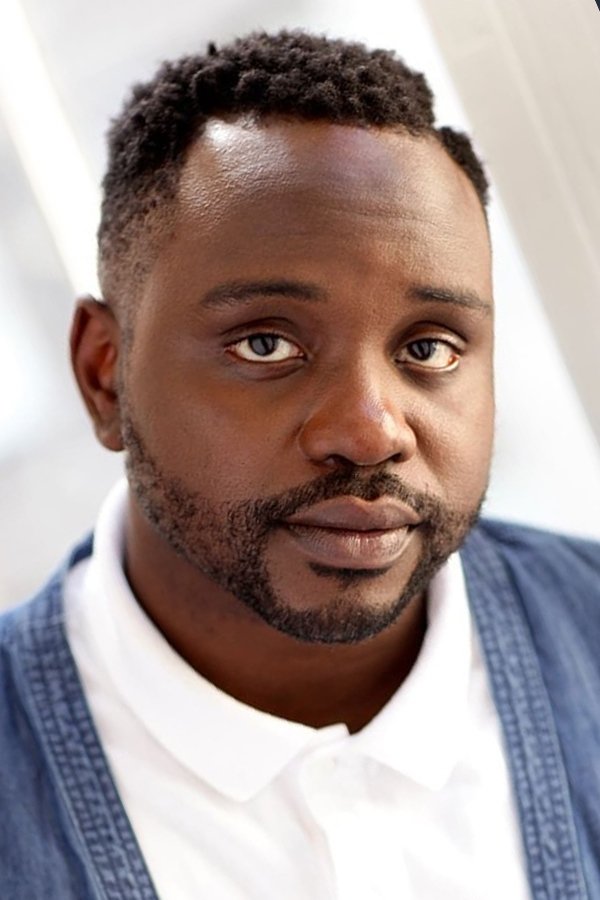
American actor Brian Tyree Henry plays the assassin Lemon in the action film ‘Bullet Train’ (2022). The character is British, requiring Henry to adopt a Cockney-adjacent accent for the duration of the movie. British audiences and critics were divided, with many noting the accent felt like a throwback to exaggerated cinematic attempts of the past. The specific glottal stops and vowel sounds often felt labored and unnatural coming from the American actor. It was a bold choice that highlighted the continued difficulty of the transatlantic dialect jump.
Tell us which of these performances you found the most distracting in the comments.