20 Anime Where the Protagonist’s Love Interest Is Canonically Non-Binary


The landscape of anime has long provided a space for exploring complex identities that defy traditional gender binaries. While many series feature protagonists who fall outside the male-female spectrum, there is a distinct collection of shows where the romantic interest holds a non-binary, gender-fluid, or gender-ambiguous identity. These characters often challenge the protagonist’s worldview and offer unique dynamics that transcend typical romance tropes. From sci-fi epics to high school comedies, these narratives present relationships that exist beyond conventional labels. Here are 20 anime where the protagonist’s love interest is canonically non-binary or gender-ambiguous.
‘Knights of Sidonia’ (2014–2015)
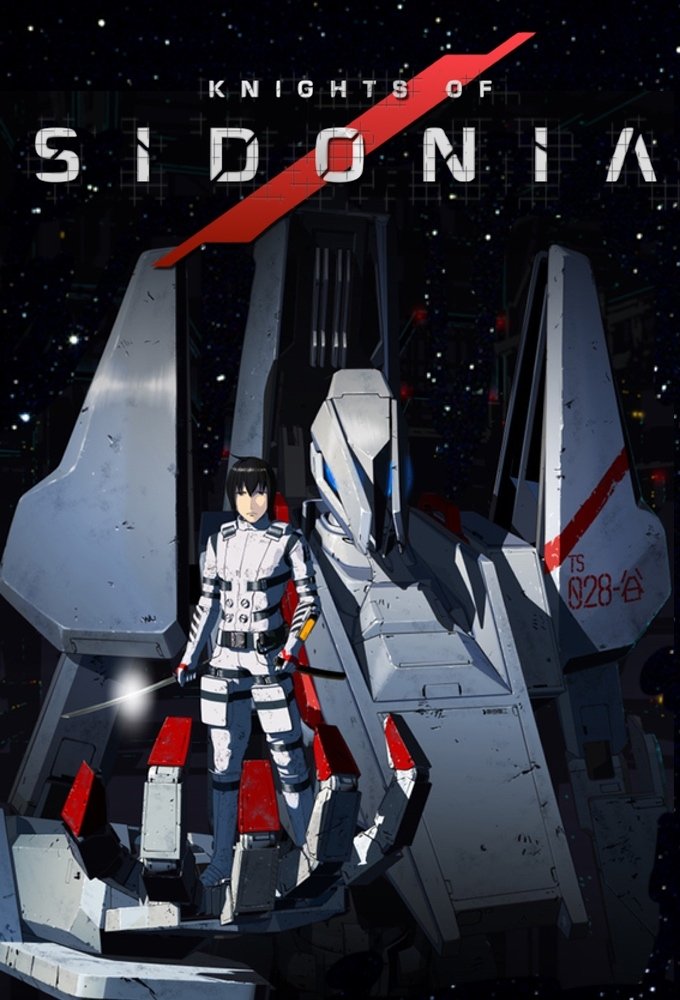
In this sci-fi mecha series, humanity has evolved to include a third gender capable of reproducing asexually or adapting to a partner’s genetics. Izana Shinatose, a pilot and close friend of the protagonist Nagate Tanikaze, belongs to this non-binary third gender during the majority of the series. Izana presents with an androgynous appearance and uses gender-neutral pronouns in the original Japanese text. As Izana develops romantic feelings for Nagate, their physiology begins to shift, highlighting the biological fluidity inherent to their species.
‘Tengoku Daimakyo’ (2023)
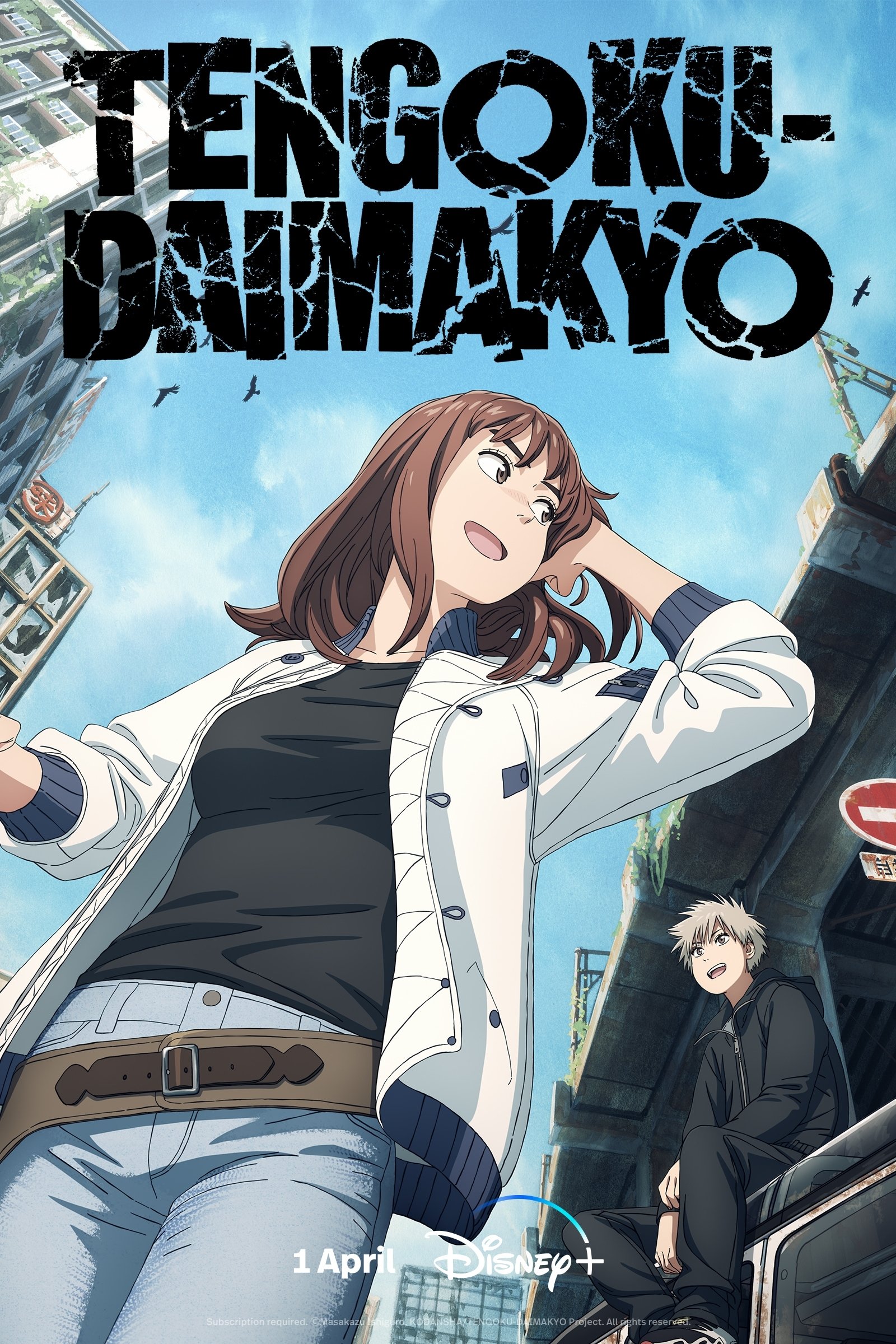
Kiruko acts as the bodyguard and primary companion to the protagonist, Maru, as they traverse a post-apocalyptic Japan. Kiruko’s existence is a complex result of a brain transplant, placing the consciousness of a young man named Haruki into the body of his sister, Kiriko. This unique circumstance creates a character who struggles with dysmorphia and an identity that blends male and female aspects. Maru develops a romantic interest in Kiruko, accepting the entirety of their complicated gender situation without hesitation.
‘Ouran High School Host Club’ (2006)
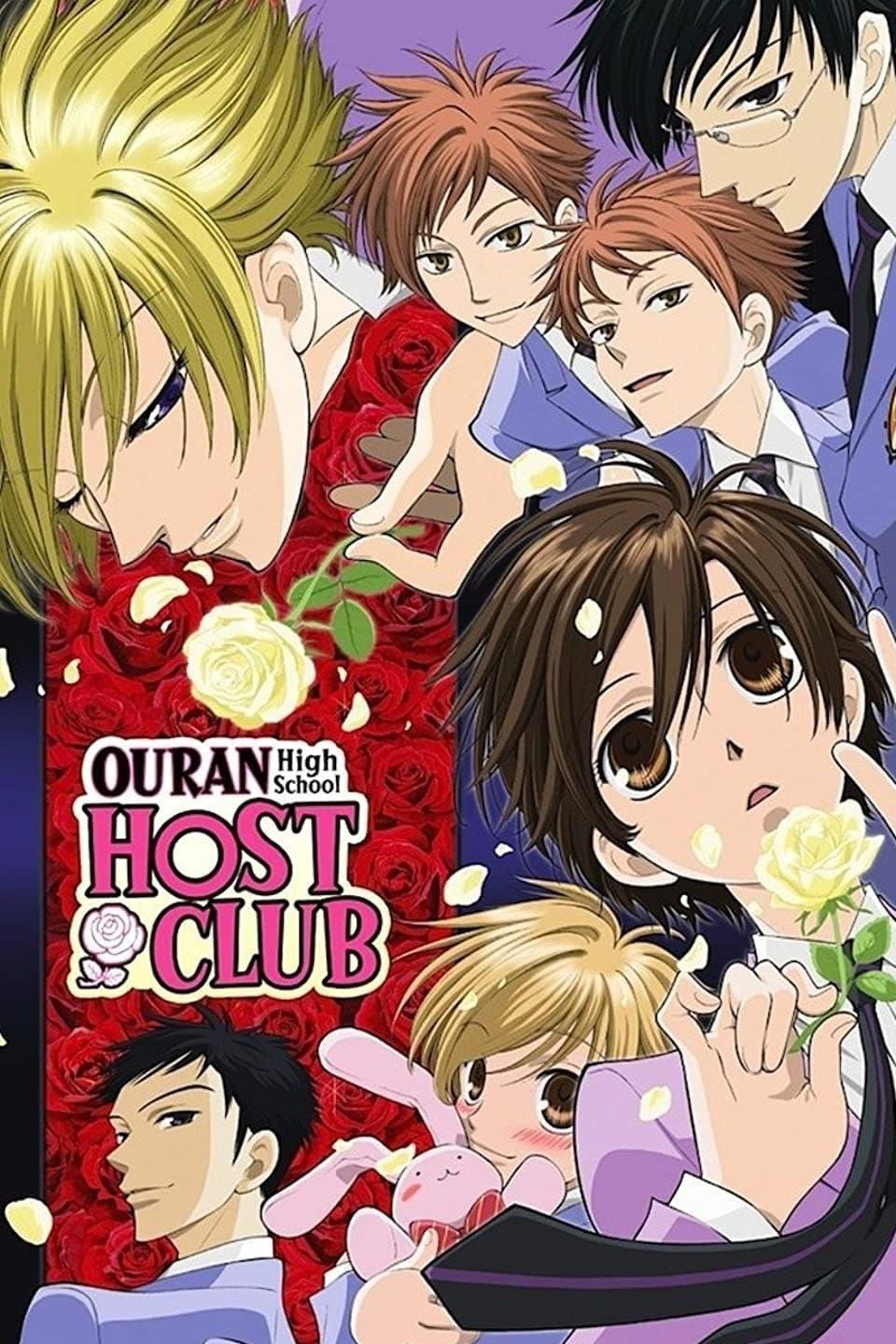
Haruhi Fujioka is the central character who stumbles into a club of wealthy male hosts and begins working as a boy to pay off a debt. While biologically female, Haruhi explicitly states a lack of interest in gender norms, telling the other characters that a person’s gender is irrelevant to who they are. Tamaki Suoh, the club’s leader, falls deeply in love with Haruhi regardless of her presentation or apathy toward gender labels. The series uses this dynamic to deconstruct shoujo romance tropes while validating Haruhi’s gender-neutral outlook.
‘Sailor Moon Sailor Stars’ (1996–1997)
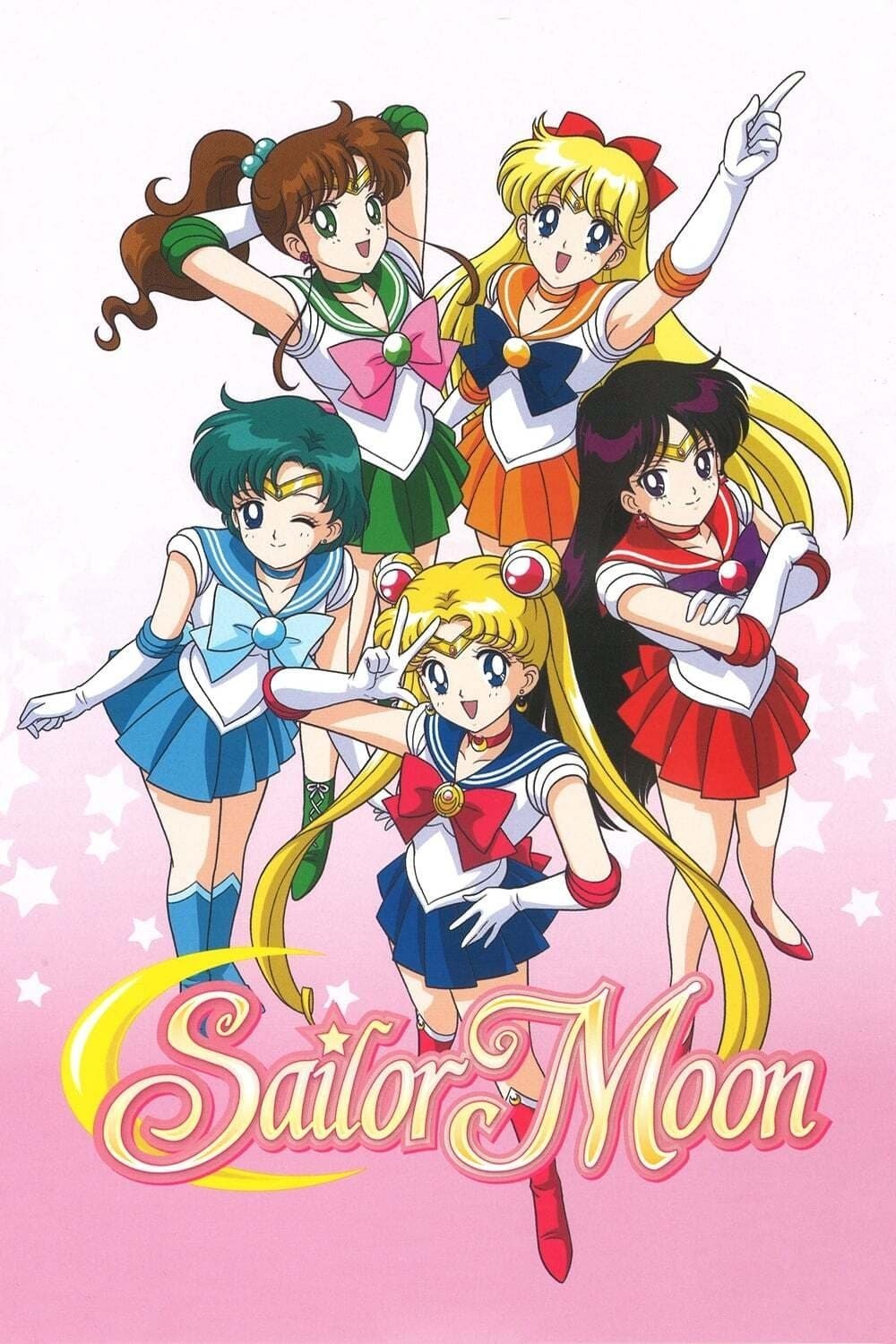
During the final arc of the original ‘Sailor Moon’ anime, the protagonist Usagi Tsukino meets the Sailor Starlights. The leader, Seiya Kou, transforms from a biological male on Earth into a female Sailor Guardian when fighting. Seiya develops a deep romantic affection for Usagi, often flirting with her in both male and female forms. This fluidity makes Seiya a canonically gender-fluid character whose love for the protagonist transcends their physical form.
‘Komi Can’t Communicate’ (2021–Present)
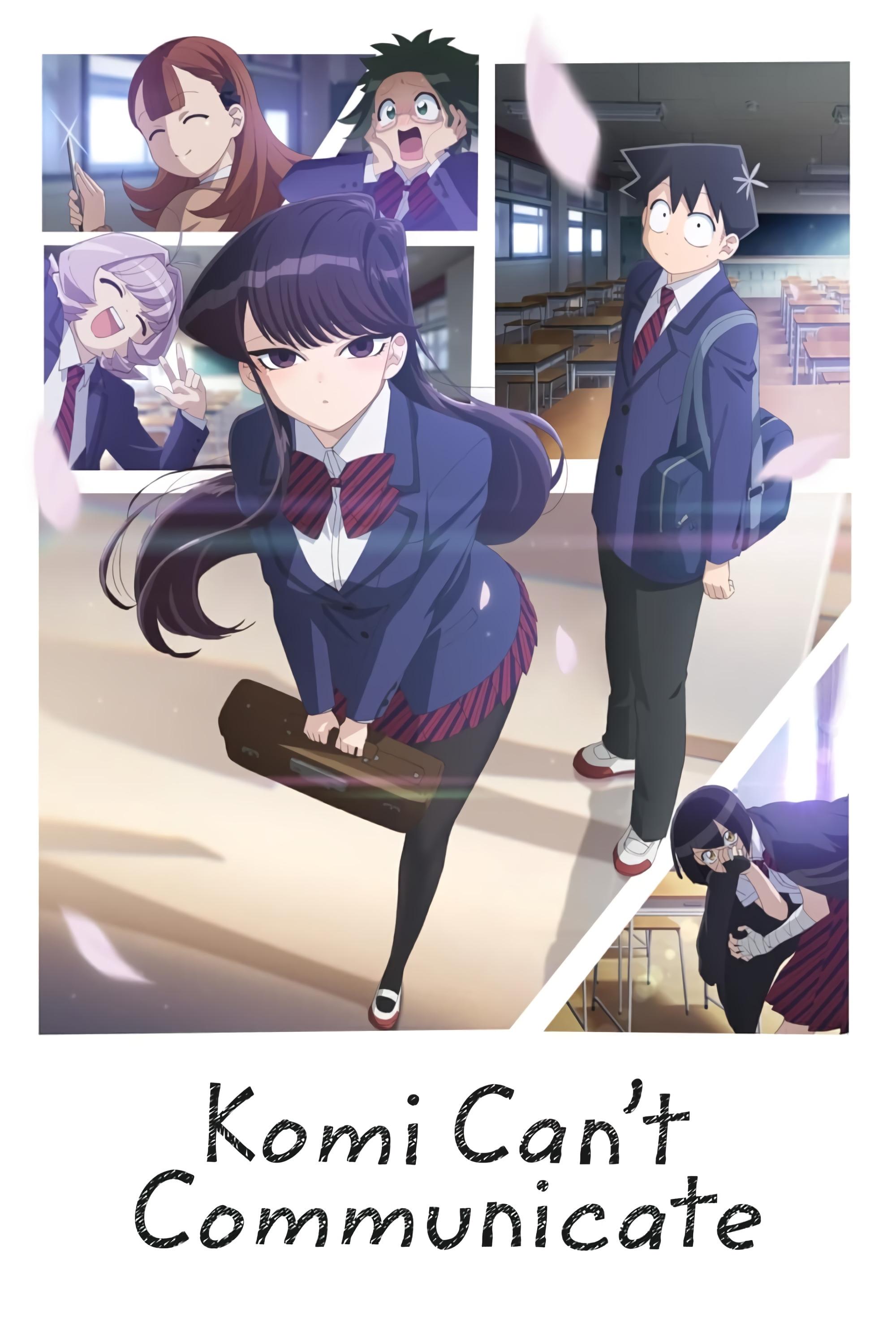
Najimi Osana is the childhood friend of everyone at Itan Private High School and serves as a foil to the socially anxious titular character. Najimi’s gender is canonically unknown and fluctuates depending on the situation; they wear a mixed uniform and switch pronouns frequently to confuse others. The male protagonist, Hitohito Tadano, admits to having had a crush on Najimi in middle school before realizing their gender was not straightforward. Najimi continues to play a central role in the group’s dynamic, maintaining a strictly ambiguous identity.
‘Steins;Gate’ (2011)
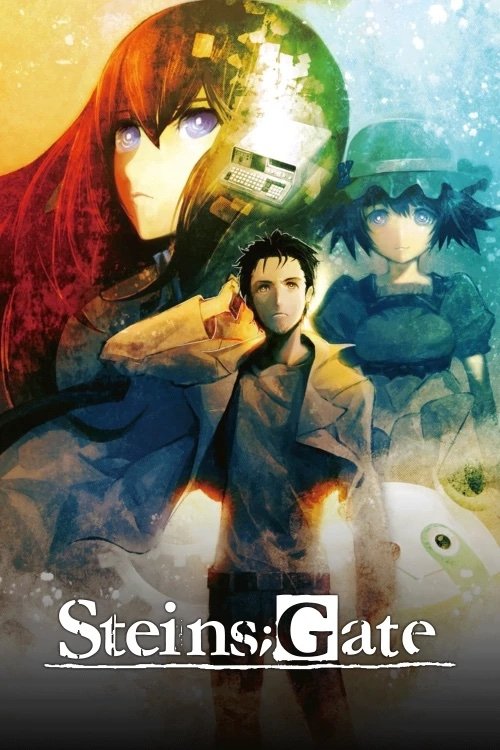
Luka Urushibara is a close friend of the protagonist Rintaro Okabe and serves as a shrine maiden who is physically male but presents entirely female. Throughout the series, Luka expresses a profound desire to change their biological sex to match their internal identity, which becomes a major plot point involving time travel. Okabe goes on a date with Luka in one timeline and shares a complex emotional bond with them across different realities. Luka’s character arc is a poignant exploration of gender dysphoria and unrequited love.
‘Soul Eater’ (2008–2009)
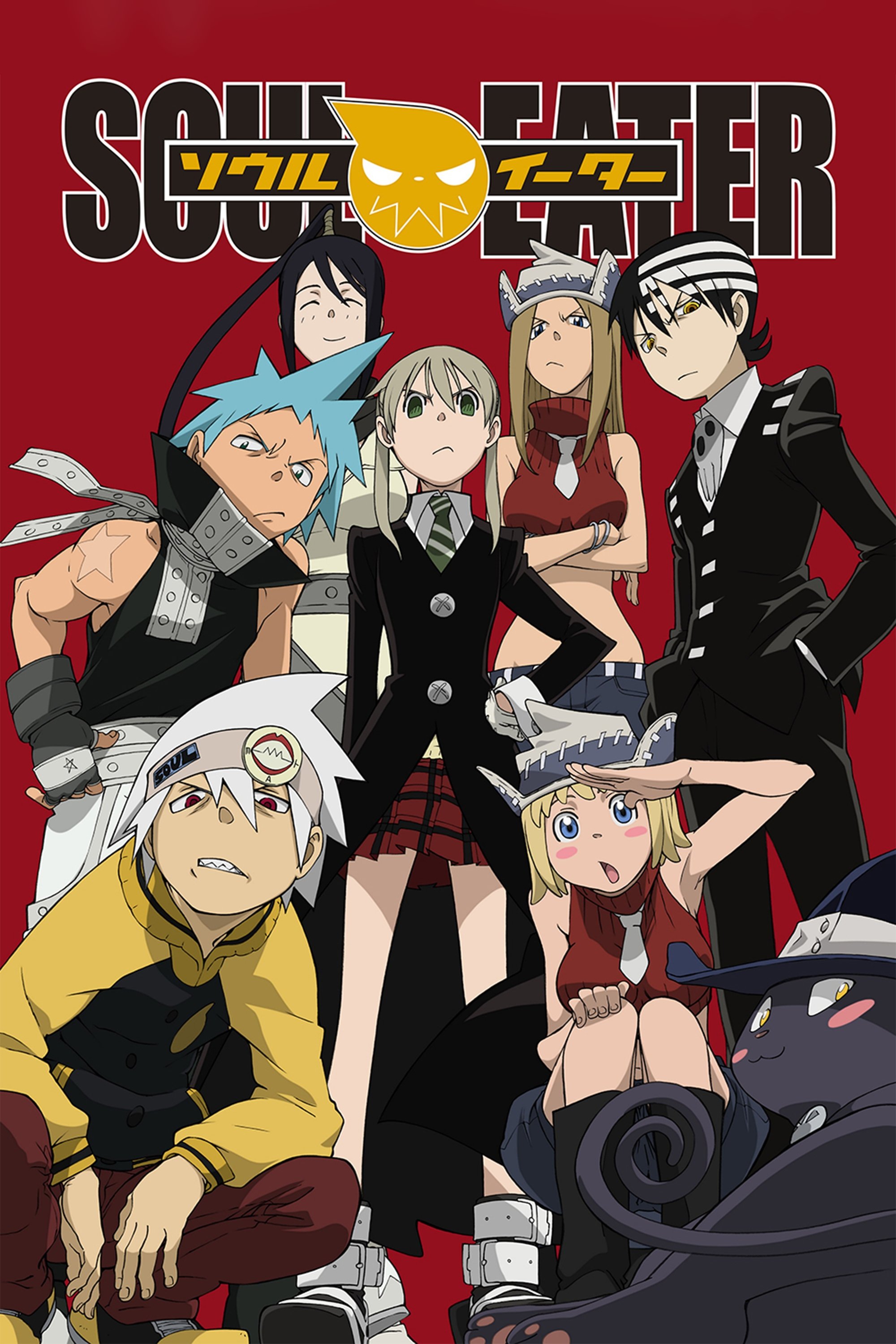
Crona is a Meister and the child of the antagonist Medusa, introduced initially as a villain before befriending the protagonist Maka Albarn. The creator, Atsushi Ohkubo, has confirmed that Crona’s gender is unknown, and the anime consistently avoids gendered pronouns or confirmation. Maka forms a deep soul resonance with Crona, saving them from madness through a connection that many fans interpret as romantic or at least deeply platonic. Crona’s androgynous design and lack of gender definition are central to their character’s mystique.
‘Dr. Stone’ (2019–Present)
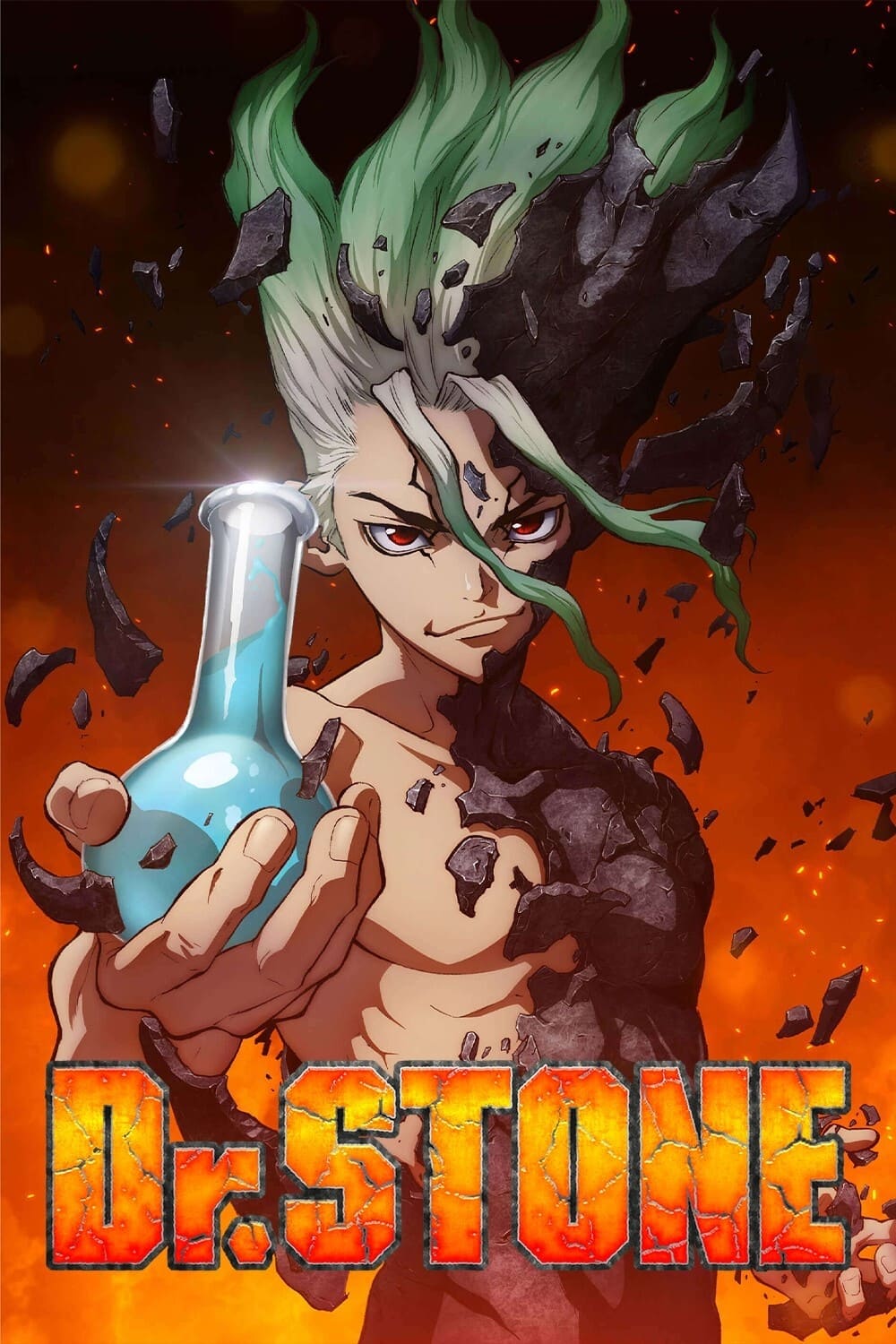
Francois is introduced as the loyal butler and right-hand to Ryusui Nanami, a master sailor and key ally to the protagonist Senku. Francois’s gender and nationality are explicitly left undefined by the creators, and they respond indifferently to questions about their identity. Ryusui holds a deep, devoted affection for Francois, stating that he desires them specifically for their capability and loyalty. The dynamic between them is one of the strongest pairings in the series, completely bypassing gender roles.
‘Neon Genesis Evangelion’ (1995–1996)
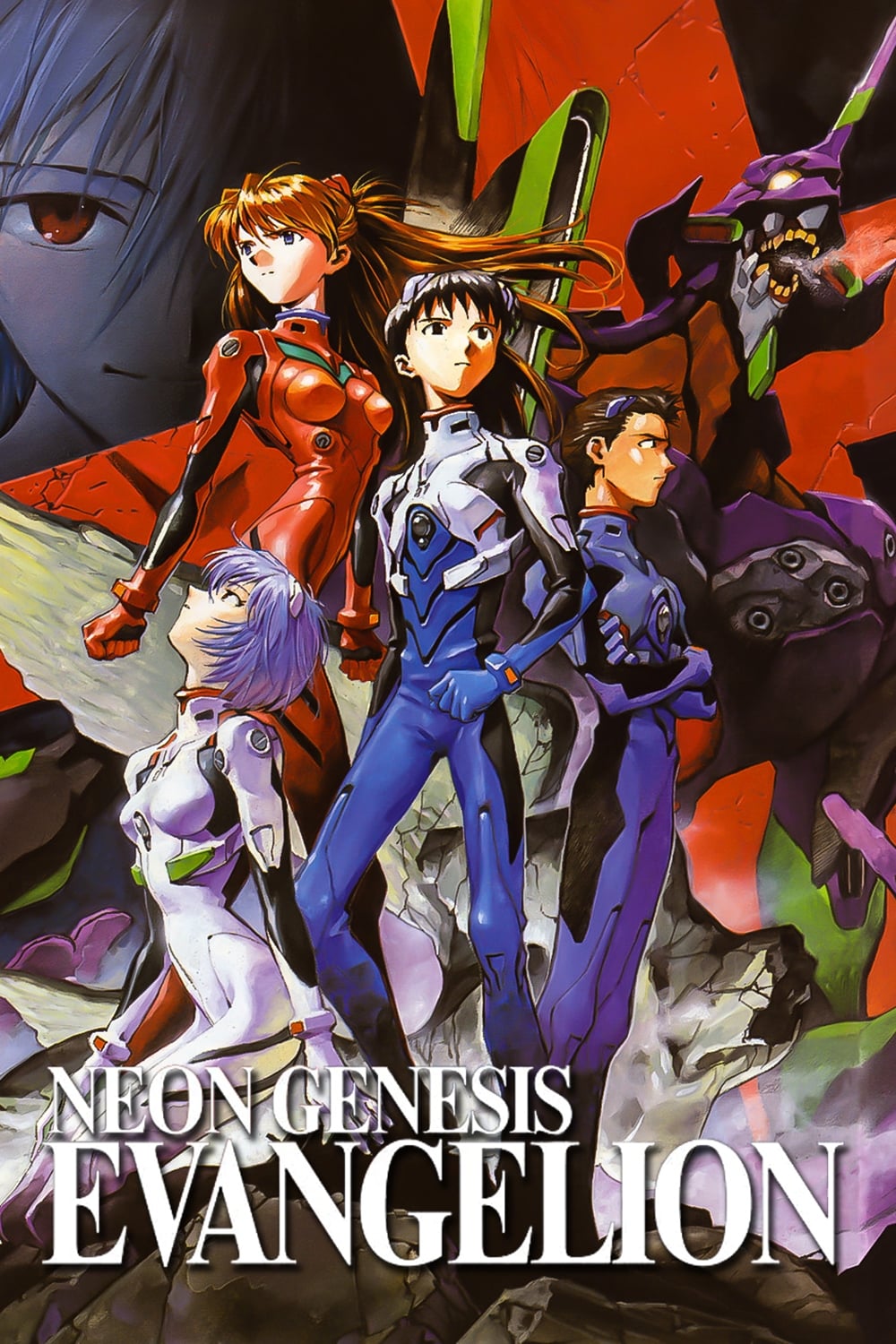
Kaworu Nagisa appears late in the series as the Fifth Child and quickly forms an intense emotional bond with the protagonist Shinji Ikari. As an Angel in human form, Kaworu exists outside of human biological constraints, effectively rendering him a non-binary or genderless entity manifesting as a male. He expresses love for Shinji, which provides the protagonist with a rare moment of unconditional acceptance. This relationship remains one of the most discussed romantic subtexts in anime history.
‘Ranma ½’ (1989–1992)
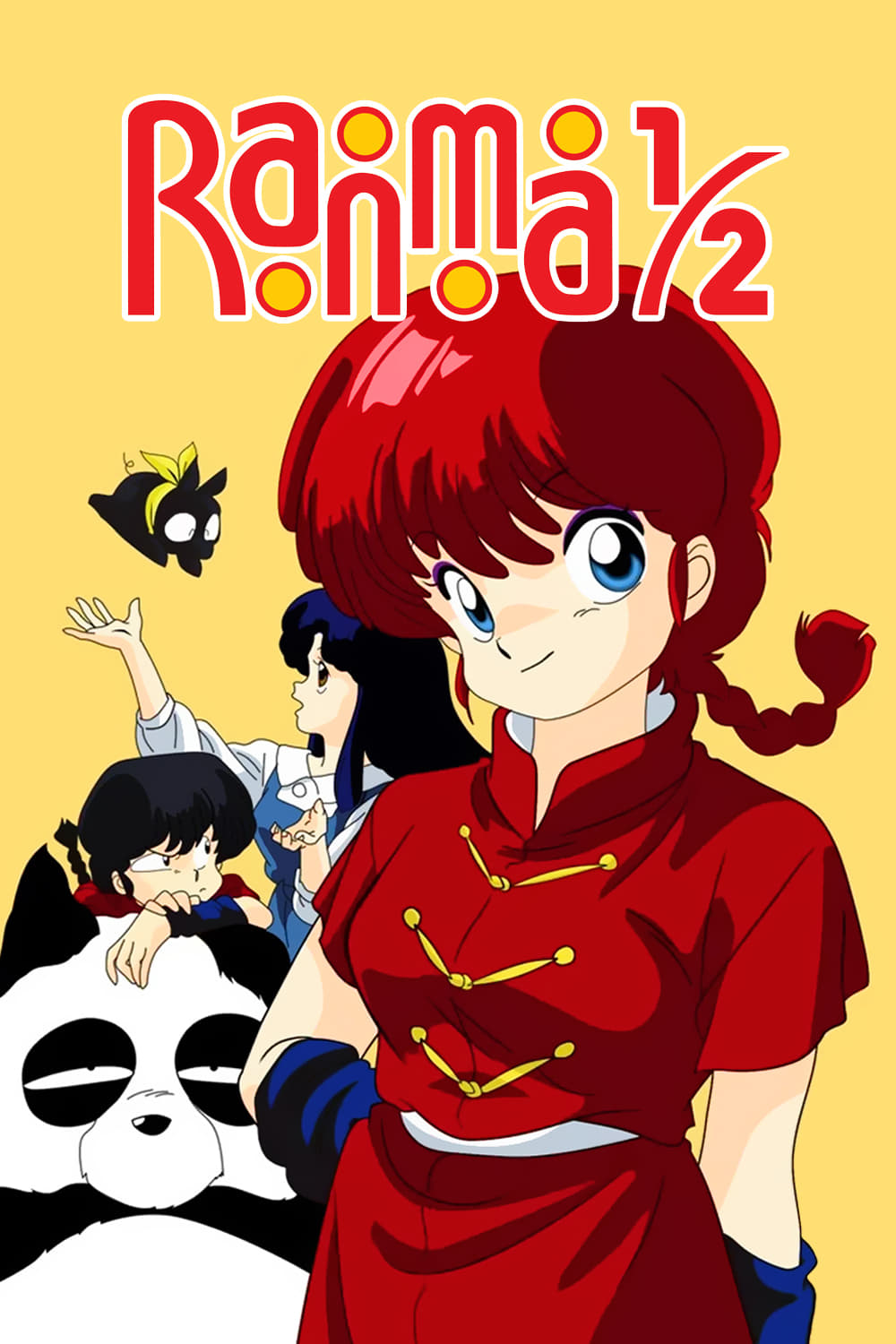
The titular character, Ranma Saotome, suffers from a curse that turns him into a girl when splashed with cold water and back to a boy with hot water. While Ranma identifies as male, his life is spent living as both genders, and he often utilizes his female form for strategic or social advantages. His fiancée, Akane Tendo, navigates a romance with Ranma that involves interacting with both his male and female personas. The entire premise of the show revolves around the fluidity of Ranma’s physical state and the romance that endures despite it.
‘Fate/Apocrypha’ (2017)
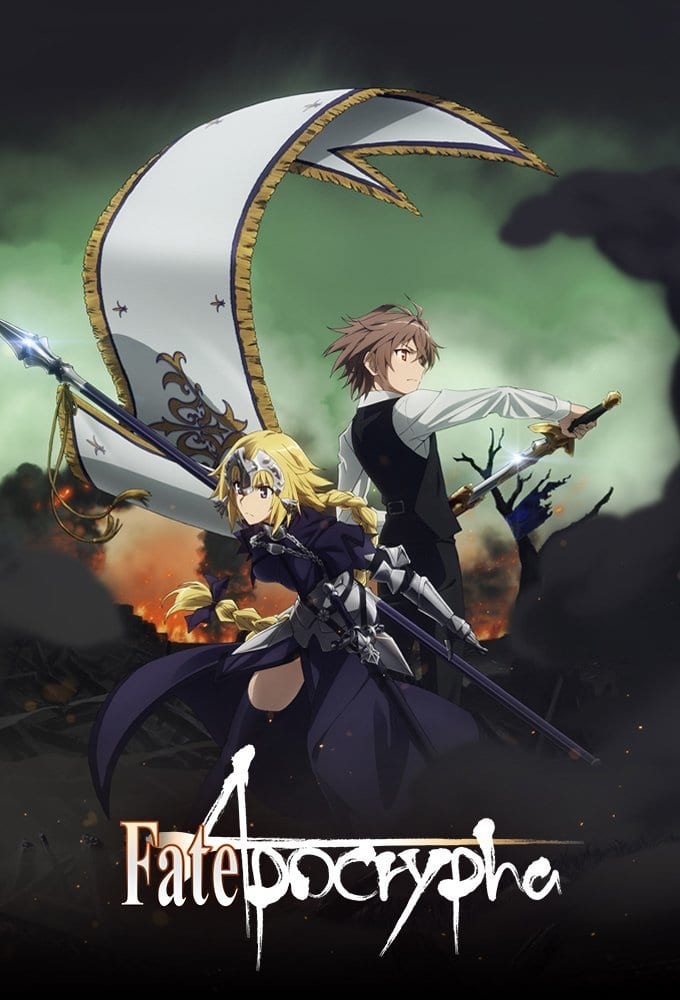
Astolfo, the Rider of Black, is a Heroic Spirit who presents in feminine attire but uses male pronouns in Japanese while leaving gender ambiguous on official stat sheets. Astolfo forms a pact and a close, affectionate partnership with the homunculus protagonist Sieg. Their relationship is built on mutual salvation and loyalty, with Astolfo often displaying physical affection toward Sieg. Astolfo’s rejection of gender norms is a key part of their carefree and heroic personality.
‘Tokyo Ghoul:re’ (2018)
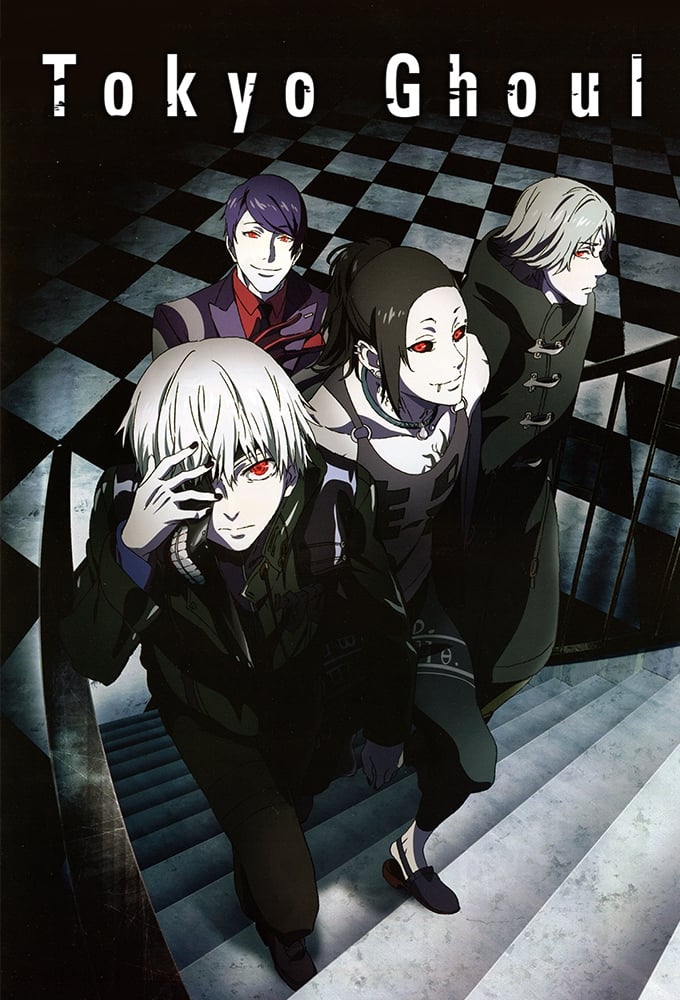
Tooru Mutsuki is a member of the Quinx Squad who was assigned female at birth but lives as a man and strives to be treated as one. Mutsuki harbors an intense, obsessive romantic love for his mentor, Haise Sasaki (Kenjiro Kaneki). Mutsuki’s journey involves a struggle with trauma and identity that is deeply intertwined with his feelings for the protagonist. While the romance is dark and one-sided, Mutsuki’s trans-masculine identity is central to the narrative conflict.
‘Black Butler’ (2008–2010)
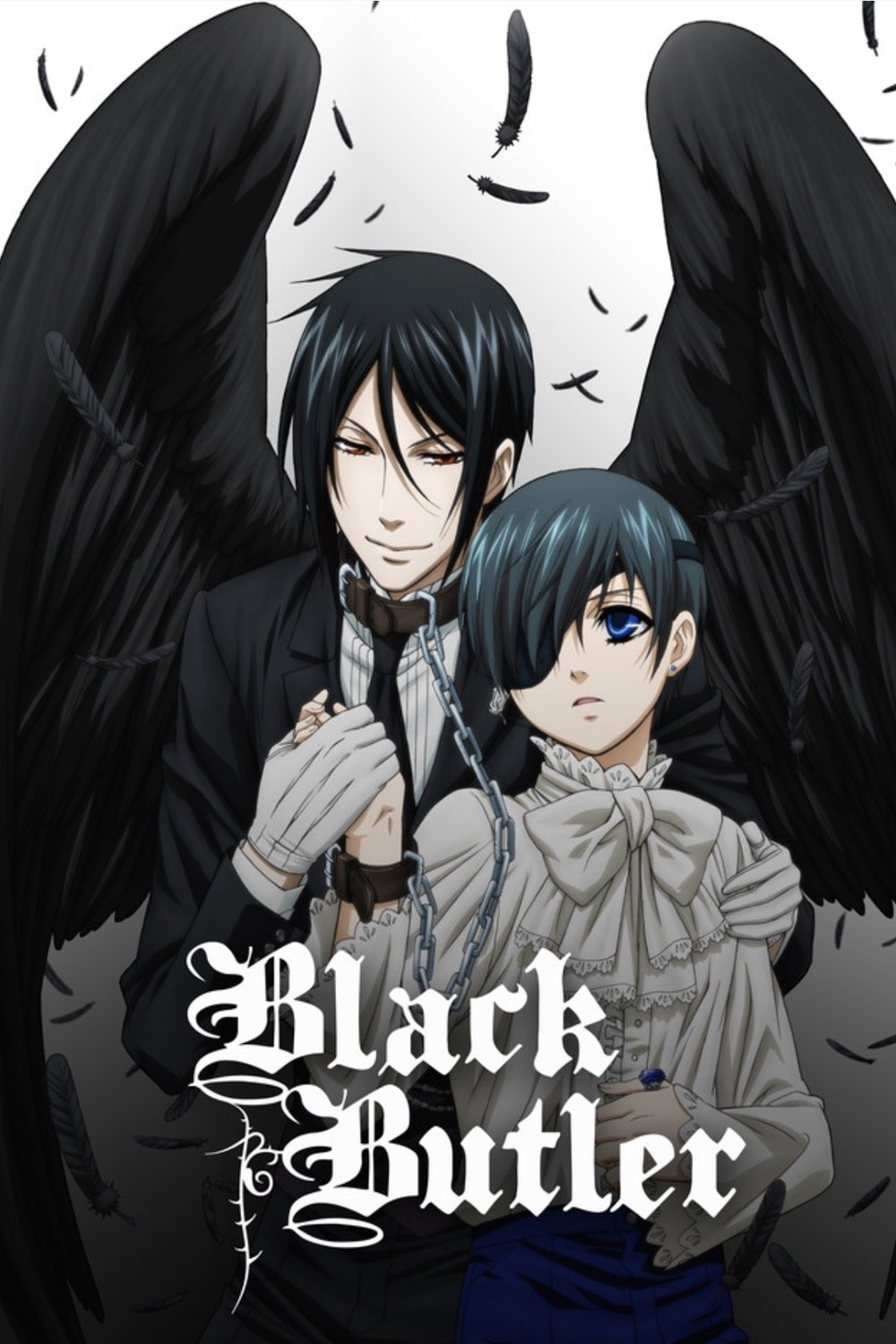
Grell Sutcliff is a Grim Reaper who initially appears as a butler but reveals her true nature as a flamboyant, long-haired woman. Grell consistently refers to herself as a lady and uses feminine speech patterns, despite being biologically male. She is madly in love with the demon butler protagonist Sebastian Michaelis, constantly making advances and fantasizing about a future together. Sebastian typically rejects these advances, but Grell’s persistent romantic pursuit is a recurring element of the show.
‘Fushigi Yûgi: The Mysterious Play’ (1995–1996)
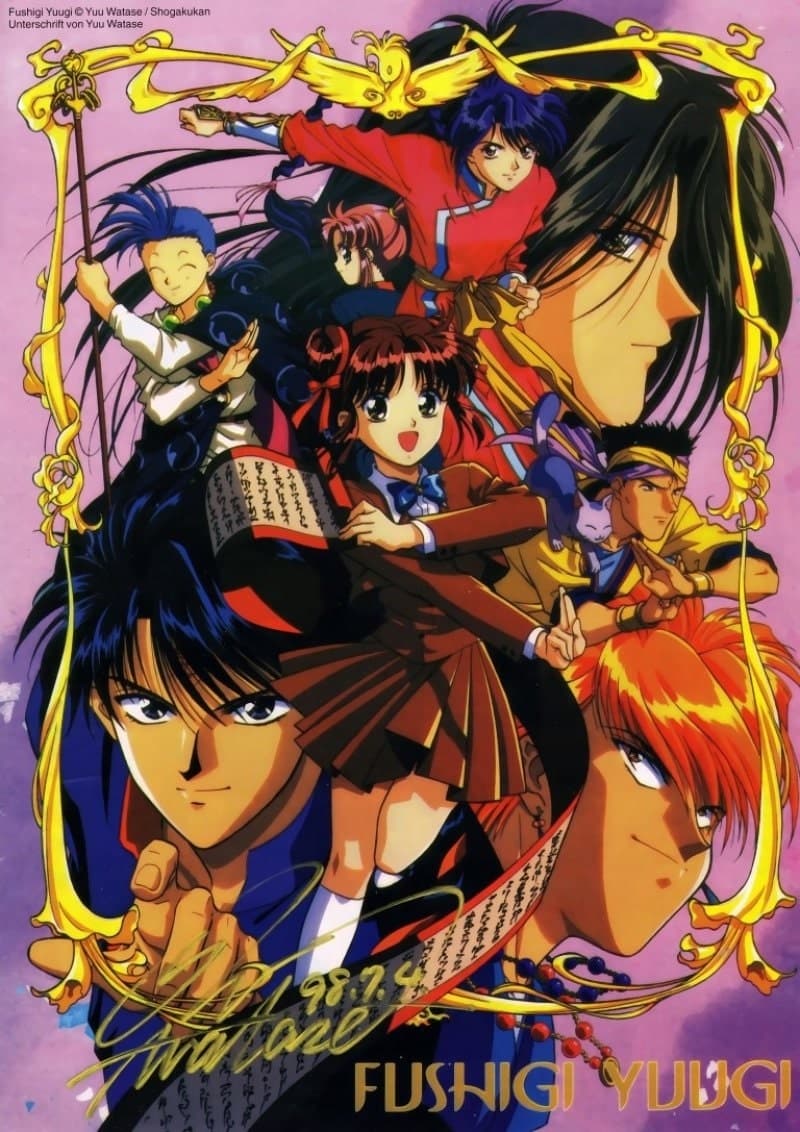
Nuriko is one of the Celestial Warriors who protects the priestess and protagonist Miaka Yuki. Biologically male, Nuriko presents as a woman and lives in the Emperor’s harem, initially claiming to be female to keep the spirit of a deceased sister alive. Over time, Nuriko embraces a gender-fluid identity that balances both masculine strength and feminine presentation while loving the Emperor Hotohori and later developing deep feelings for Miaka. Nuriko is a classic example of complex gender expression in 90s shoujo anime.
‘Simoun’ (2006)
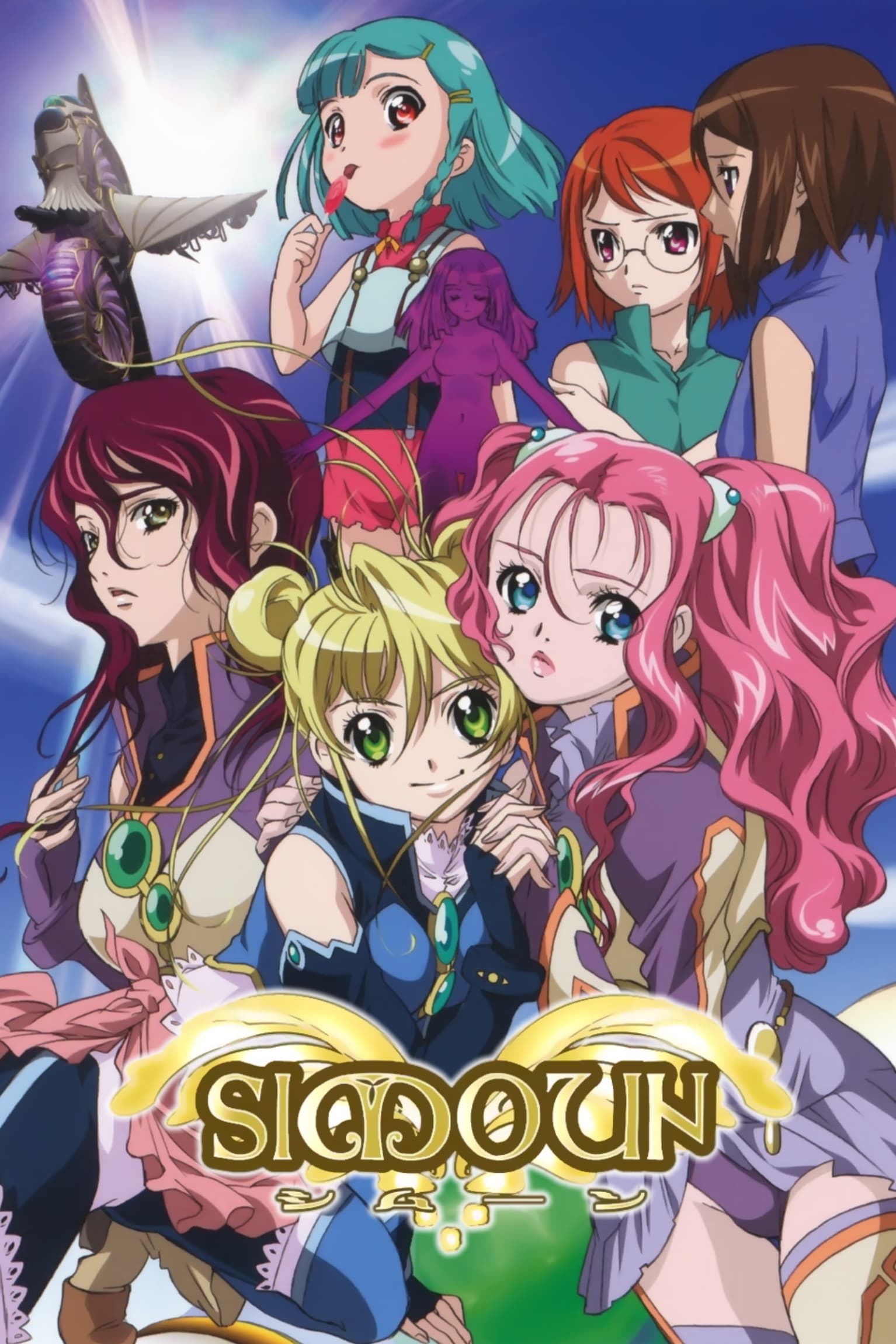
In the theocratic society of Simulacrum, everyone is born female and chooses their permanent sex at a sacred spring at age 17. The characters are pilots of ships called Simoun, which require pairs to operate, and romantic relationships between these temporary females are the norm. The protagonist Aer joins the choir and partners with Neviril, the leader of the squad. Their relationship develops during this period of gender flux before they must make the ultimate decision about their adult identities.
‘Urusei Yatsura’ (1981–1986)

Ryuunosuke Fujinami is a character who was raised as a boy by her eccentric father to run the family seaside shop, despite being biologically female. Ryuunosuke constantly struggles with her father’s enforcement of masculinity while yearning to express her femininity. The protagonist Ataru Moroboshi is attracted to her, as he is to most women, but specifically chases her despite her masculine presentation and confusion. Her arc focuses on the comedy and tragedy of forced gender performance.
‘Made in Abyss’ (2017–Present)
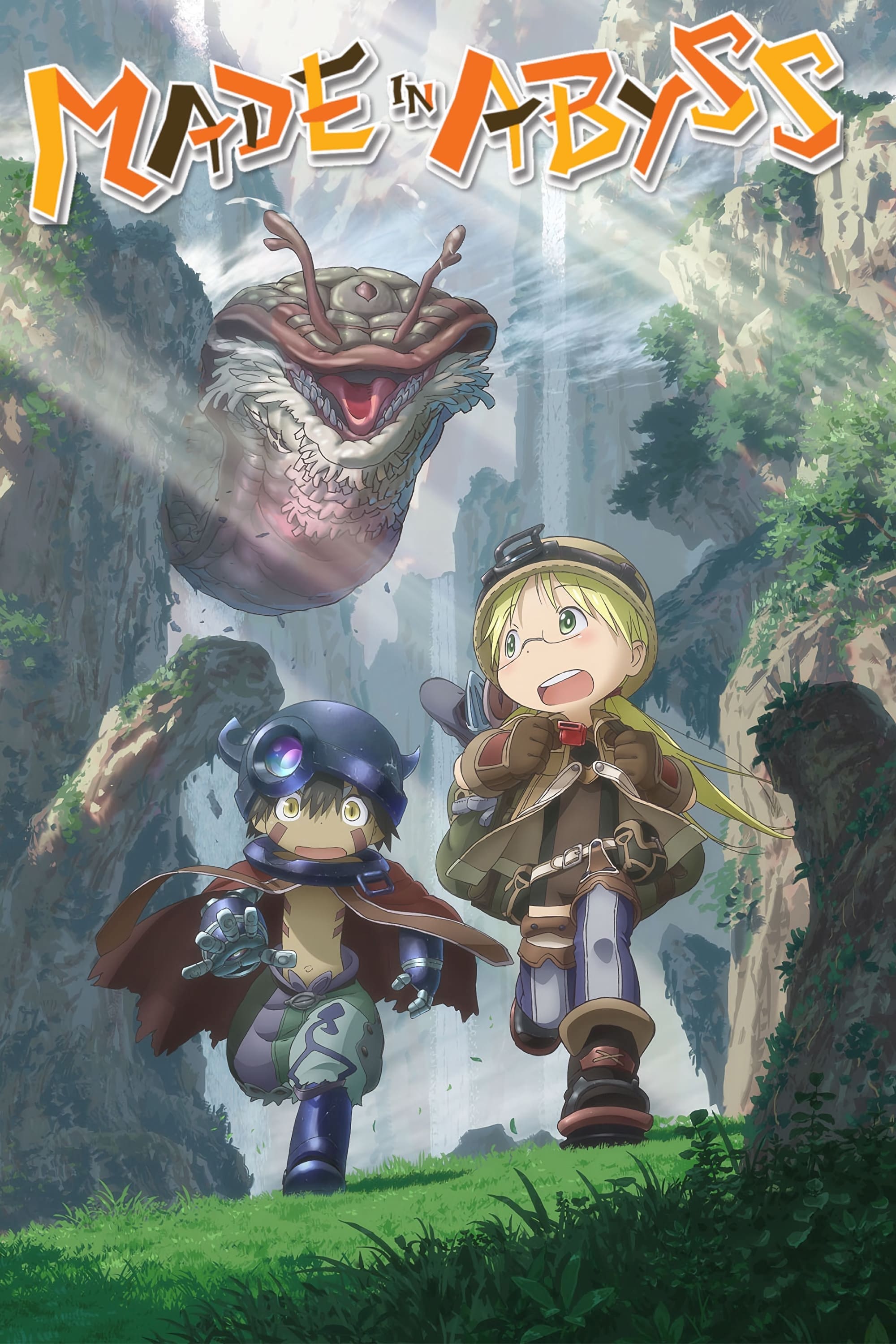
Nanachi is a “Hollow,” a former human who was transformed by the Curse of the Abyss into a rabbit-like creature. Nanachi’s gender is deliberately left ambiguous and unstated in the anime, and they use gender-neutral pronouns. The robot protagonist Reg forms a fast and tactile emotional bond with Nanachi, often blushing or reacting to them with innocent affection. Nanachi becomes an inseparable partner to the main duo, Riko and Reg, serving as a guide with a mysterious, genderless nature.
‘Stop!! Hibari-kun!’ (1983–1984)
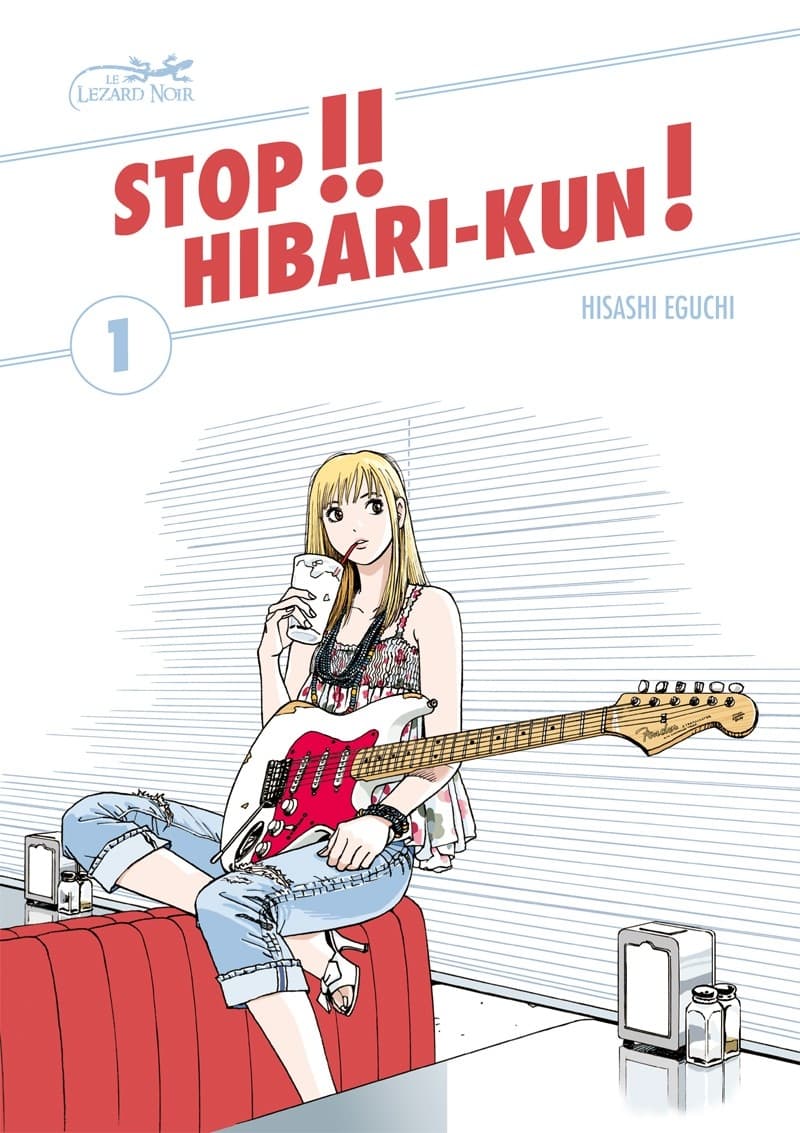
This early anime features Hibari Ozora, a trans girl who was assigned male at birth but identifies and presents entirely as female. The protagonist, Kosaku Sakamoto, moves into the Ozora household and falls in love with Hibari, only to be constantly conflicted upon learning about her biology. Hibari is confident, popular, and canonically identifies as a girl, challenging Kosaku’s traditional views on romance. The series is considered a pioneering work for transgender representation in anime.
‘Ixion Saga: Dimension Transfer’ (2012–2013)
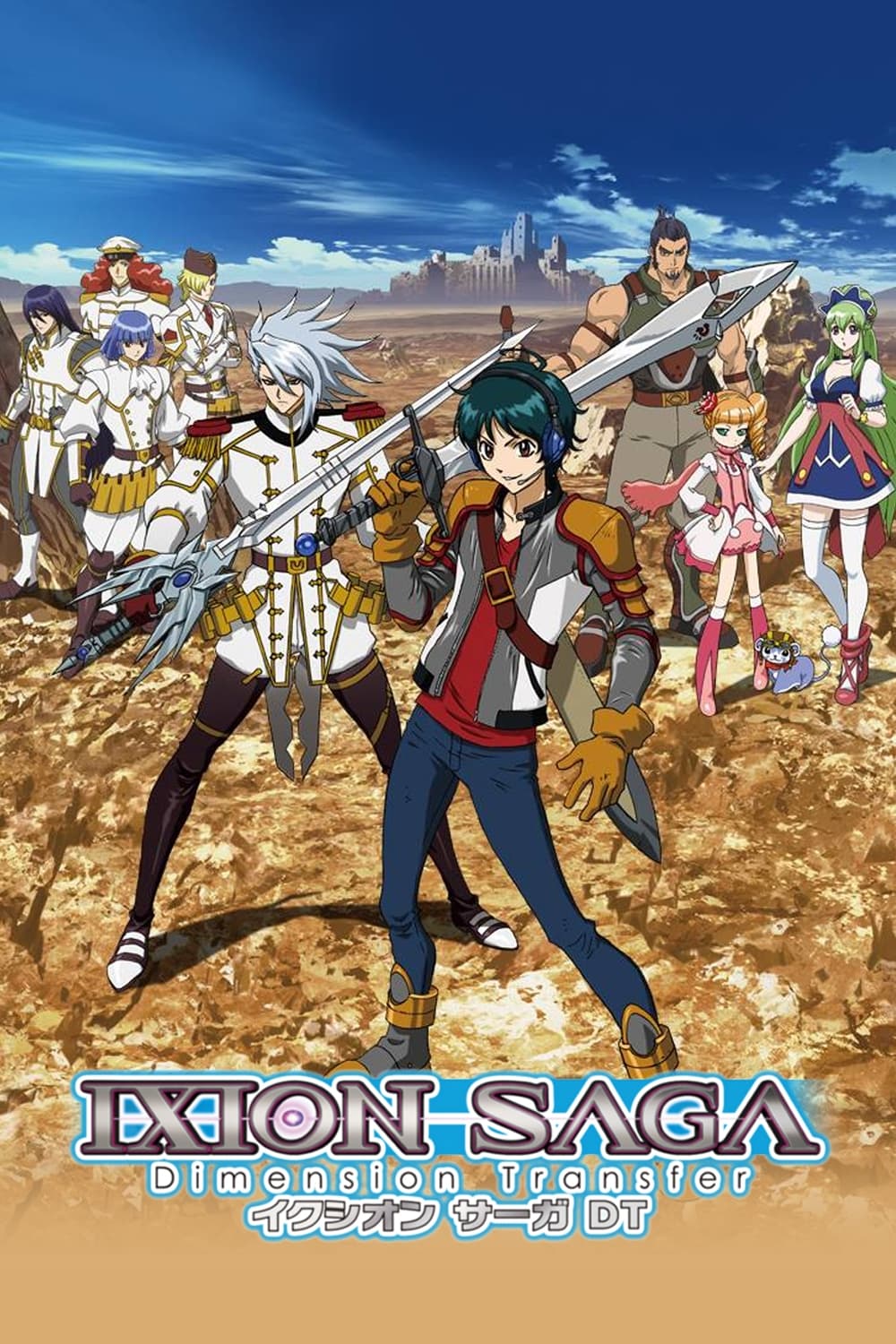
Kon Hokaze is transported to a fantasy world where he meets and falls for the maid of the princess, Mariandale. Mariandale is a trans woman who is biologically male but presents as female and serves as a loyal protector. Kon is initially attracted to Mariandale’s beauty and remains close to her even after discovering her biological sex. The show plays this for comedy but establishes Mariandale as a competent and desirable character within the party.
‘Gankutsuou’ (2004–2005)
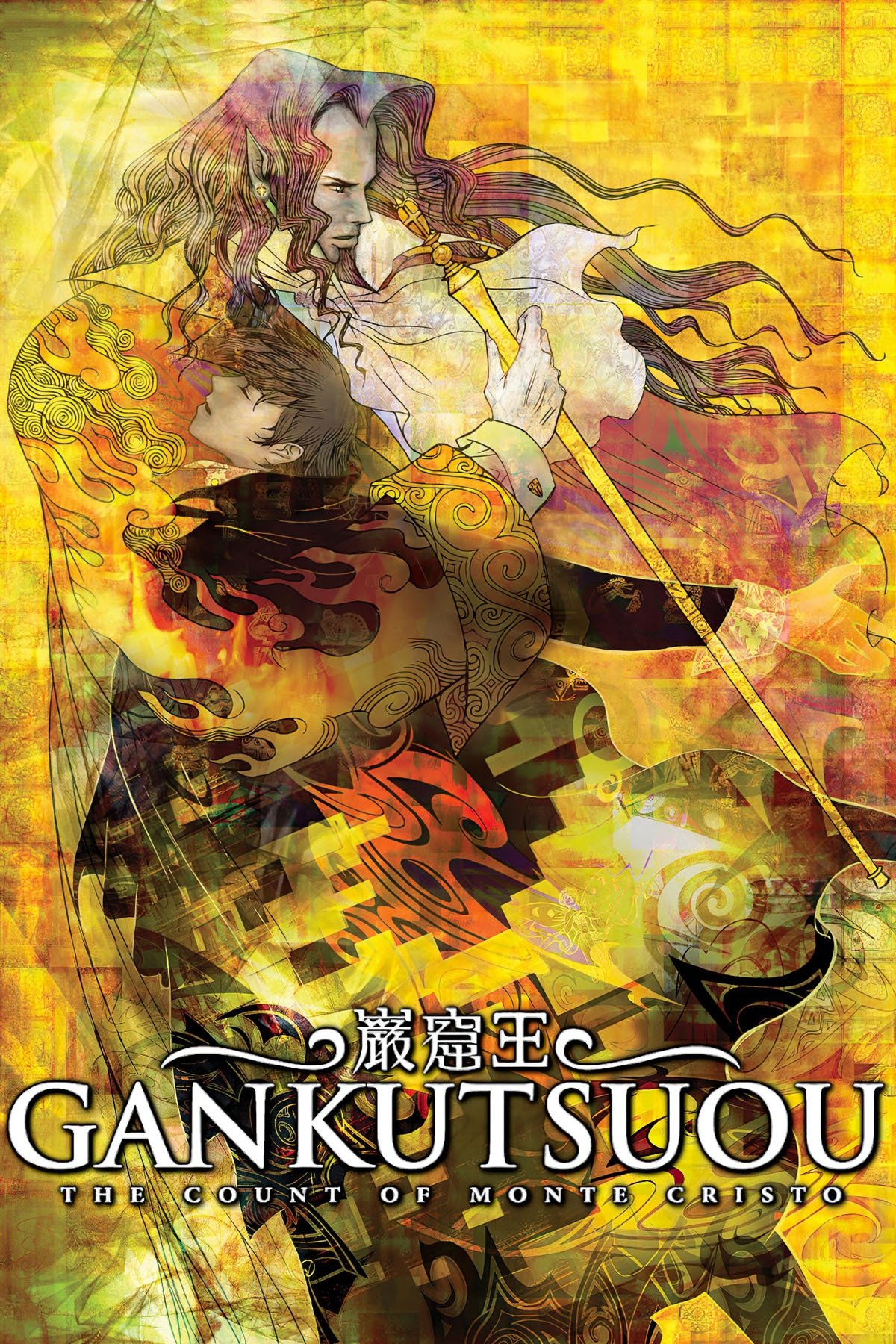
In this sci-fi retelling of the classic Dumas novel, the young protagonist Albert de Morcerf encounters a member of the Count’s household named Peppo. Peppo is a trans girl who flirts heavily with Albert and eventually reveals her biological sex to him. Despite the revelation, Peppo maintains a flirtatious and affectionate dynamic with Albert throughout the series. She serves as a seductress and a tragic figure caught in the Count’s revenge plot.
Which of these characters do you think had the most compelling dynamic with the protagonist? Share your thoughts in the comments.