25 Anime That Gave Zero Screen Time to Straight Romance

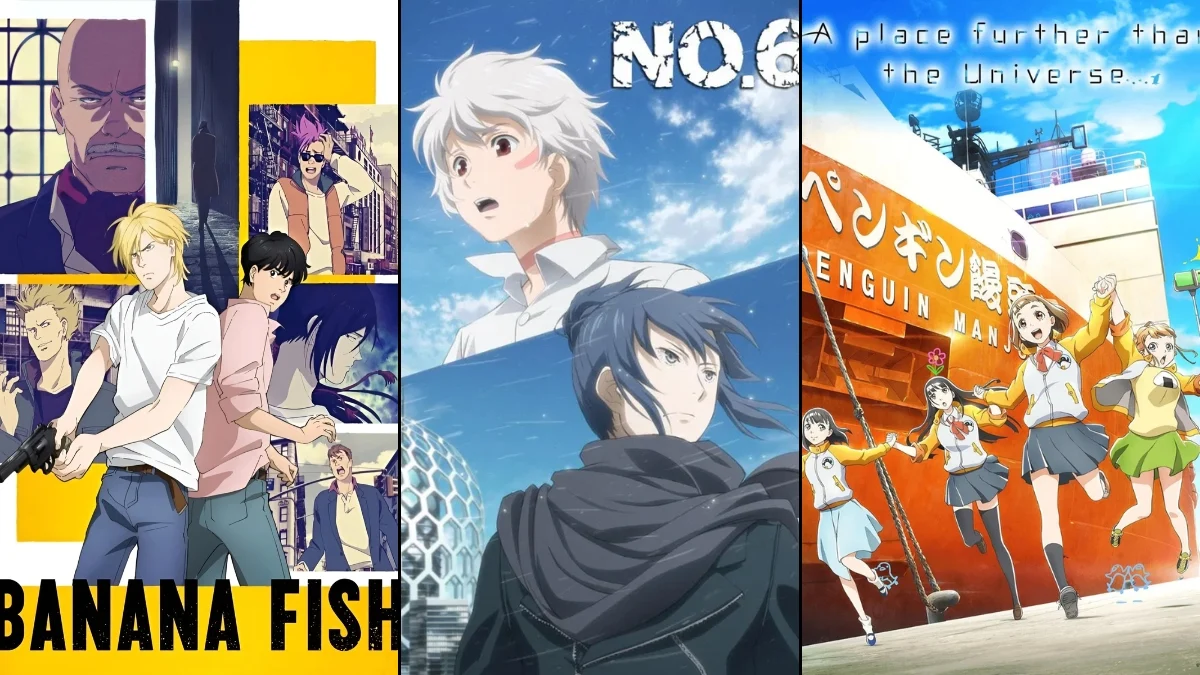

Anime offers a vast array of genres that move beyond traditional heterosexual romantic subplots to explore other types of relationships. Many series prioritize deep friendships or familial bonds while others focus entirely on professional rivalries and personal growth. LGBTQ+ themes also feature prominently in narratives that eschew straight romance for same-sex attraction or gender exploration. Viewers looking for shows without standard boy-meets-girl tropes have plenty of high-quality options available. The following titles deliver compelling stories where straight romance is completely absent from the main narrative screen time.
‘Yuri!!! on Ice’ (2016)
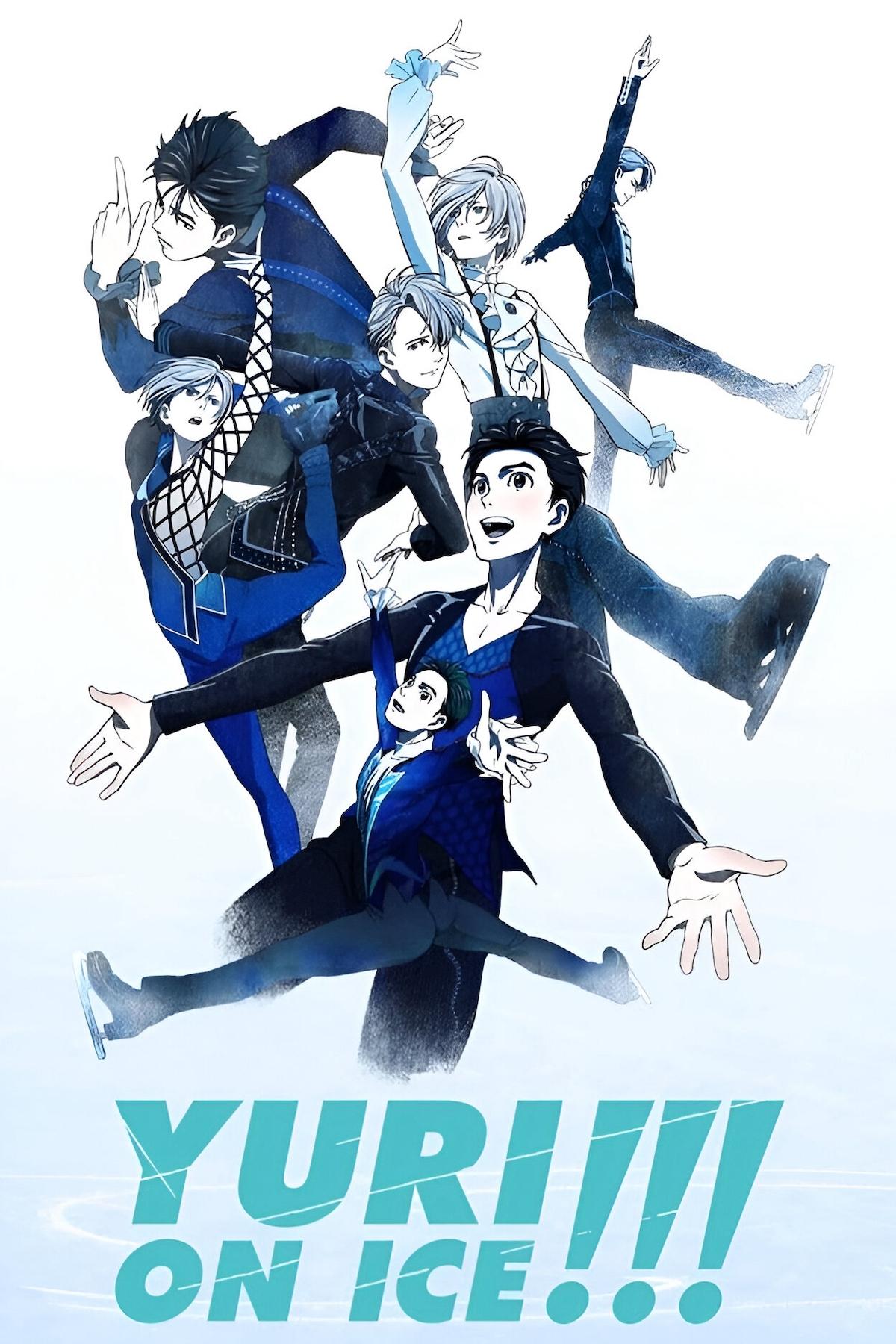
Japanese figure skater Yuri Katsuki faces a crushing defeat and considers retiring from the sport he loves. His life changes when Russian champion Victor Nikiforov arrives in Japan to become his coach. The narrative focuses entirely on the professional and emotional bond that develops between the two men as they navigate the competitive skating world. Their relationship evolves from mentorship into a profound love that drives the central plot. This series received international acclaim for its respectful and nuanced depiction of a same-sex relationship.
‘Banana Fish’ (2018)
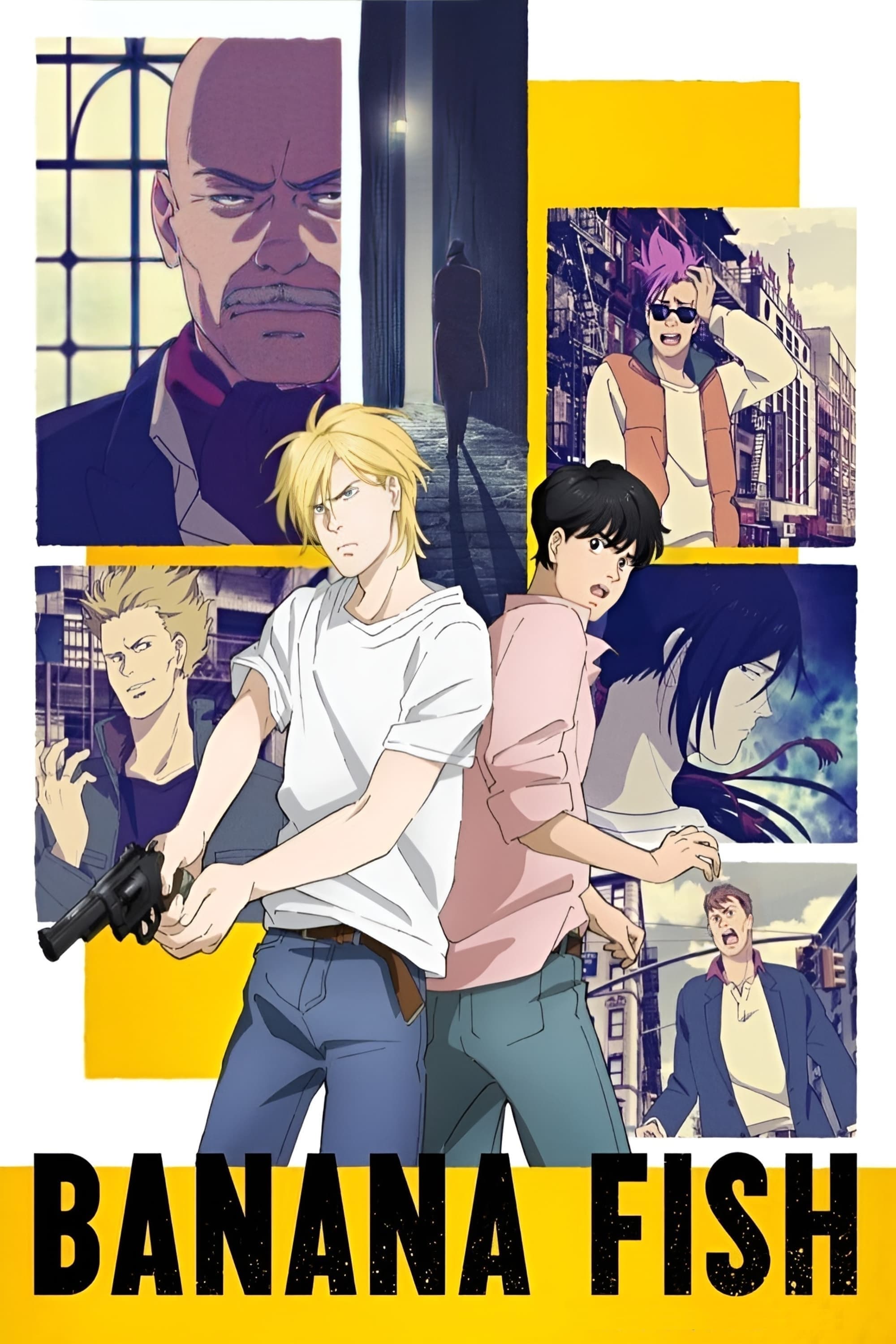
Ash Lynx leads a street gang in New York City while uncovering a conspiracy regarding a mysterious drug. He crosses paths with Eiji Okumura who arrives from Japan as an assistant to a photographer. The story is a gritty crime thriller that centers on the deep spiritual connection between Ash and Eiji amidst violence and trauma. Their bond serves as the emotional anchor of the series without any distraction from heterosexual romantic arcs. The anime adapts a classic manga that is famous for its tragic and intense portrayal of love.
‘Given’ (2019)
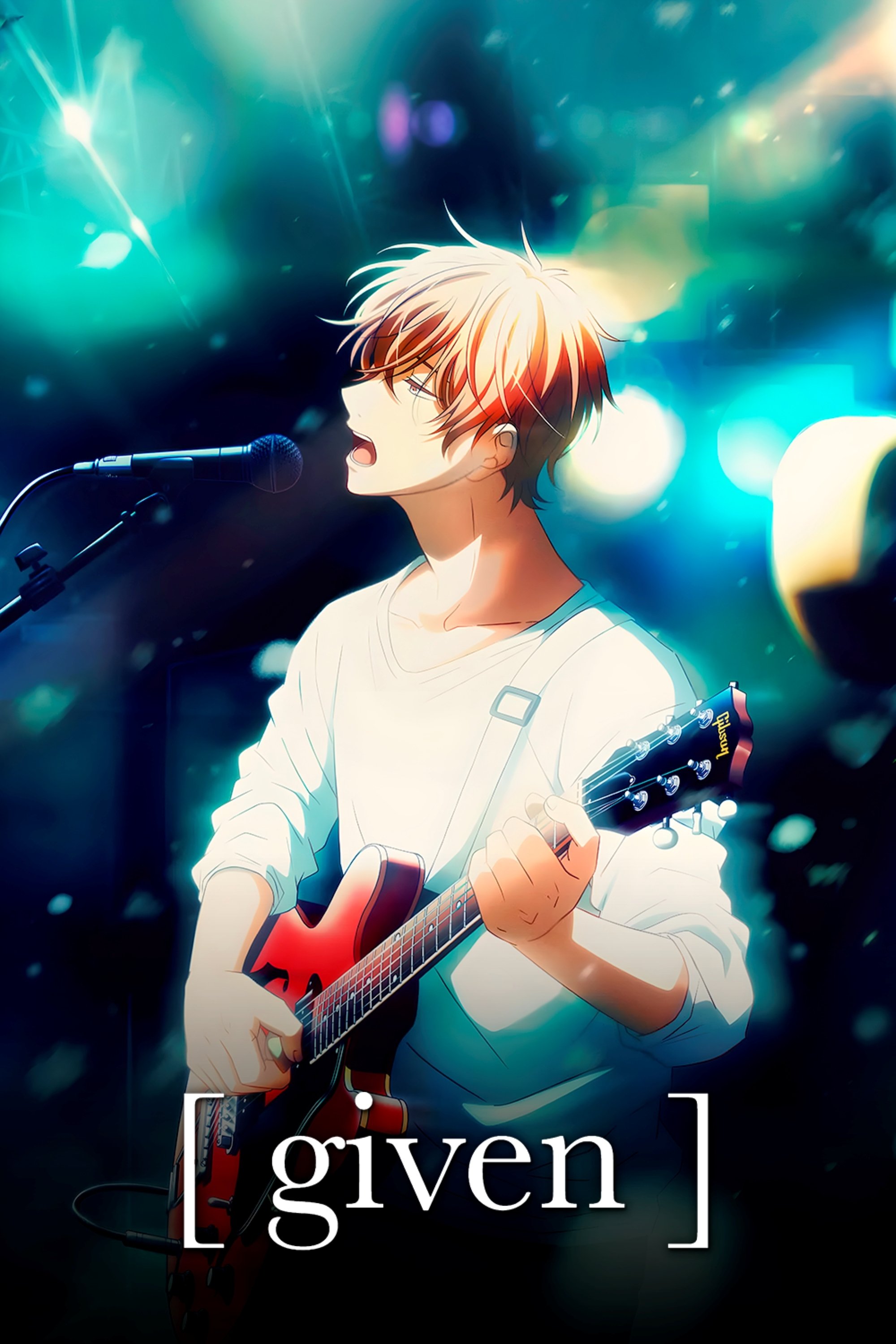
Ritsuka Uenoyama loses his passion for playing the guitar until he meets Mafuyu Sato holding a broken instrument. Mafuyu asks Ritsuka to fix his guitar and subsequently teach him how to play music. The series follows their band as they develop their musical skills and navigate their budding romantic feelings for one another. It explores themes of grief and healing through the lens of a gay romance. The narrative stays grounded in the relationships between the male band members.
‘Bloom Into You’ (2018)
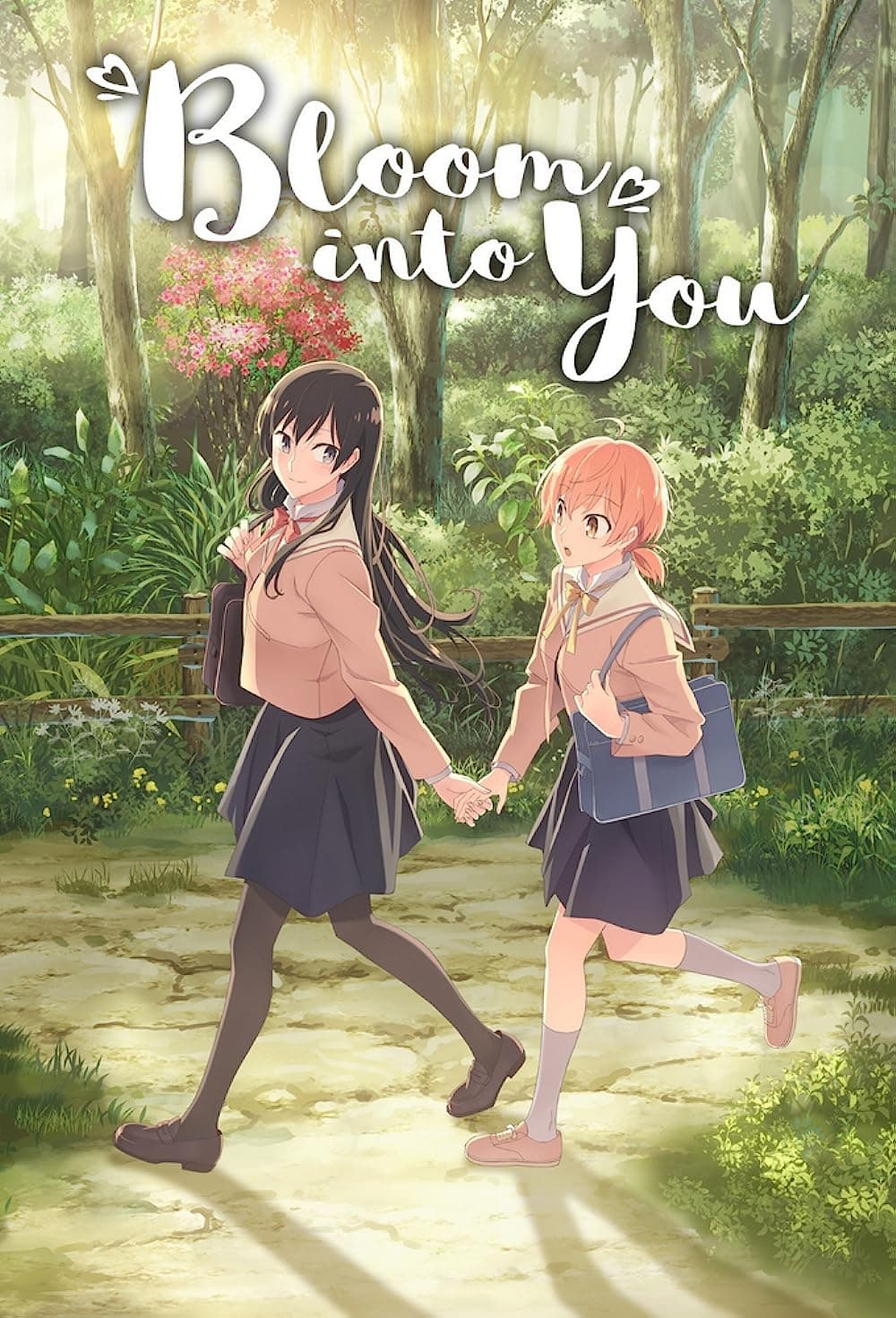
Yuu Koito loves shoujo manga but feels nothing when a boy confesses his love to her. She meets Touko Nanami who also rejects confessions because she does not wish to be loved by anyone. The two girls discover a shared understanding that eventually blossoms into a complex romantic attraction. The show deconstructs romance tropes while focusing exclusively on the developing relationship between the female leads. It stands out for its honest exploration of asexuality and lesbian romance.
‘No. 6’ (2011)
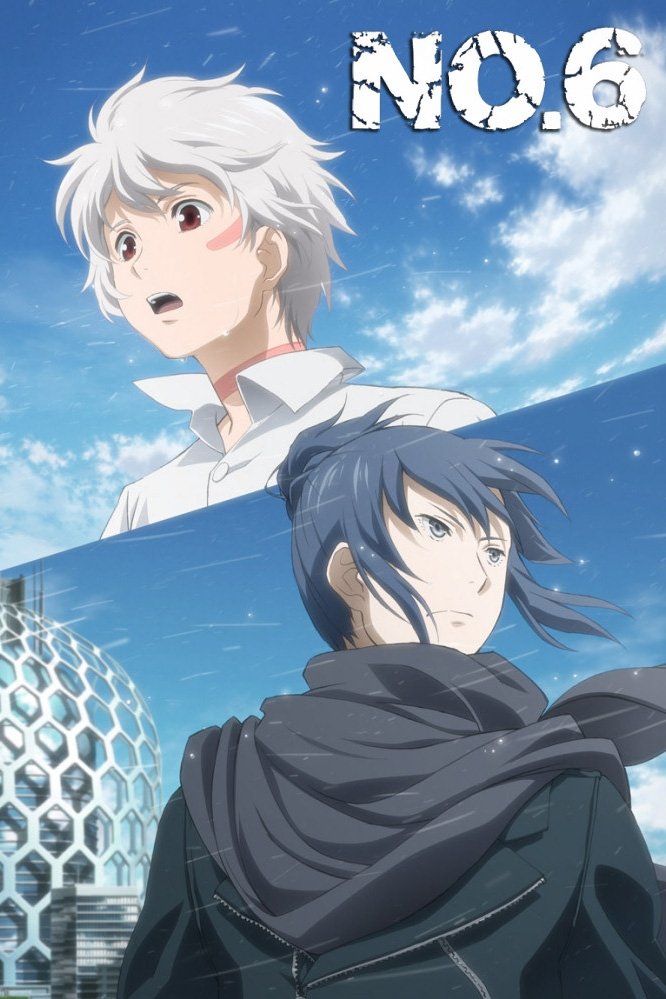
Shion lives a privileged life in a dystopian city until he shelters a fugitive named Nezumi during a storm. This act of kindness forces Shion to flee his home and survive in the slums outside the city walls. The plot revolves around the mystery of the city and the intense bond that forms between the two young men. Their relationship drives every major decision in the story as they fight against a corrupt system. Straight romance plays no part in their journey for truth and survival.
‘Promare’ (2019)
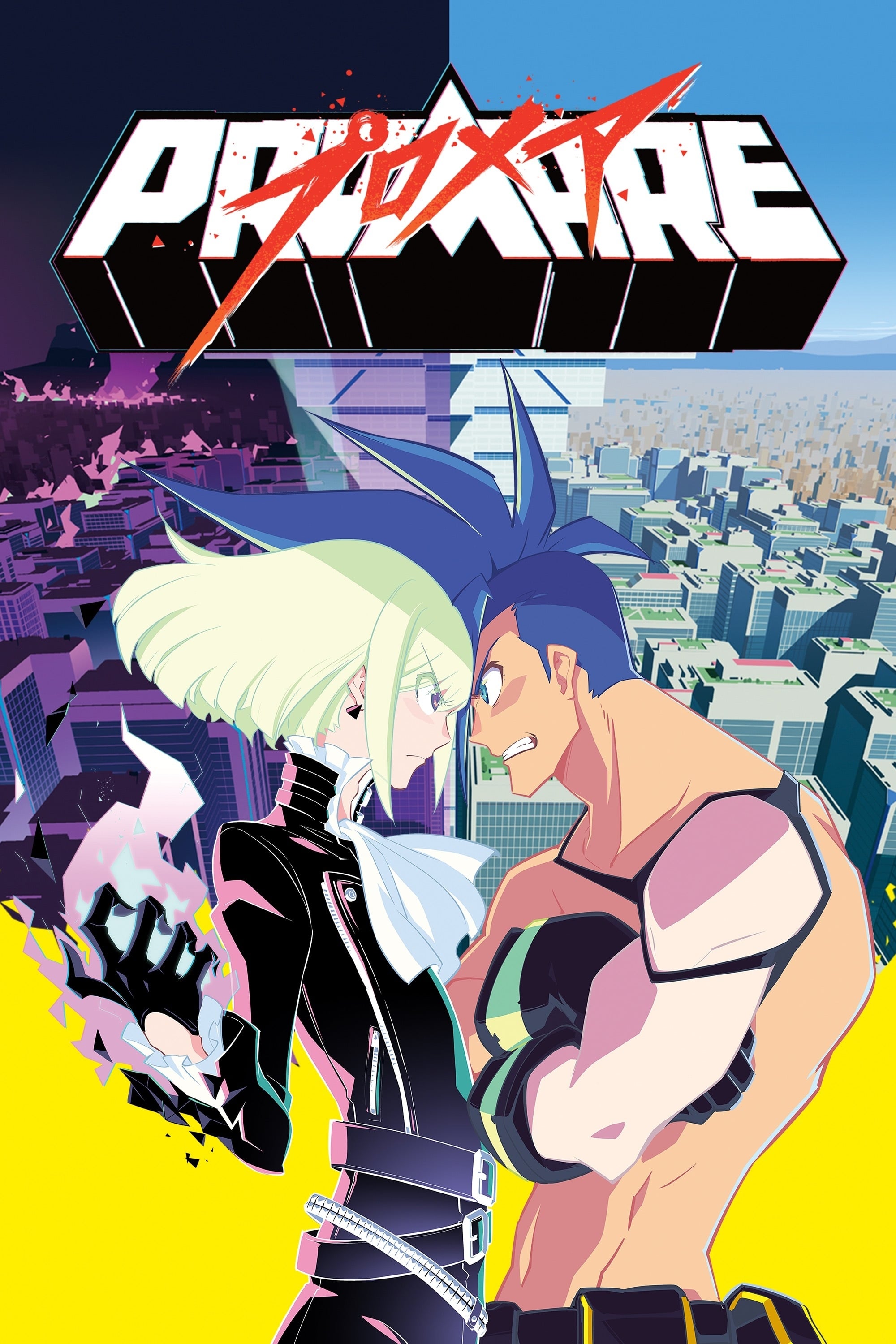
Galo Thymos serves as a firefighter using heavy mecha gear to battle flame-wielding mutants known as the Burnish. He encounters Lio Fotia who leads the terrorist group Mad Burnish in a fight for their freedom. The film is a high-octane action spectacle that highlights the friction and eventual alliance between these two opposing forces. The visual style is vibrant and the narrative focuses on the connection between Galo and Lio to save the planet. Viewers enjoy the adrenaline without any traditional romantic subplots slowing down the pace.
‘Free!’ (2013)
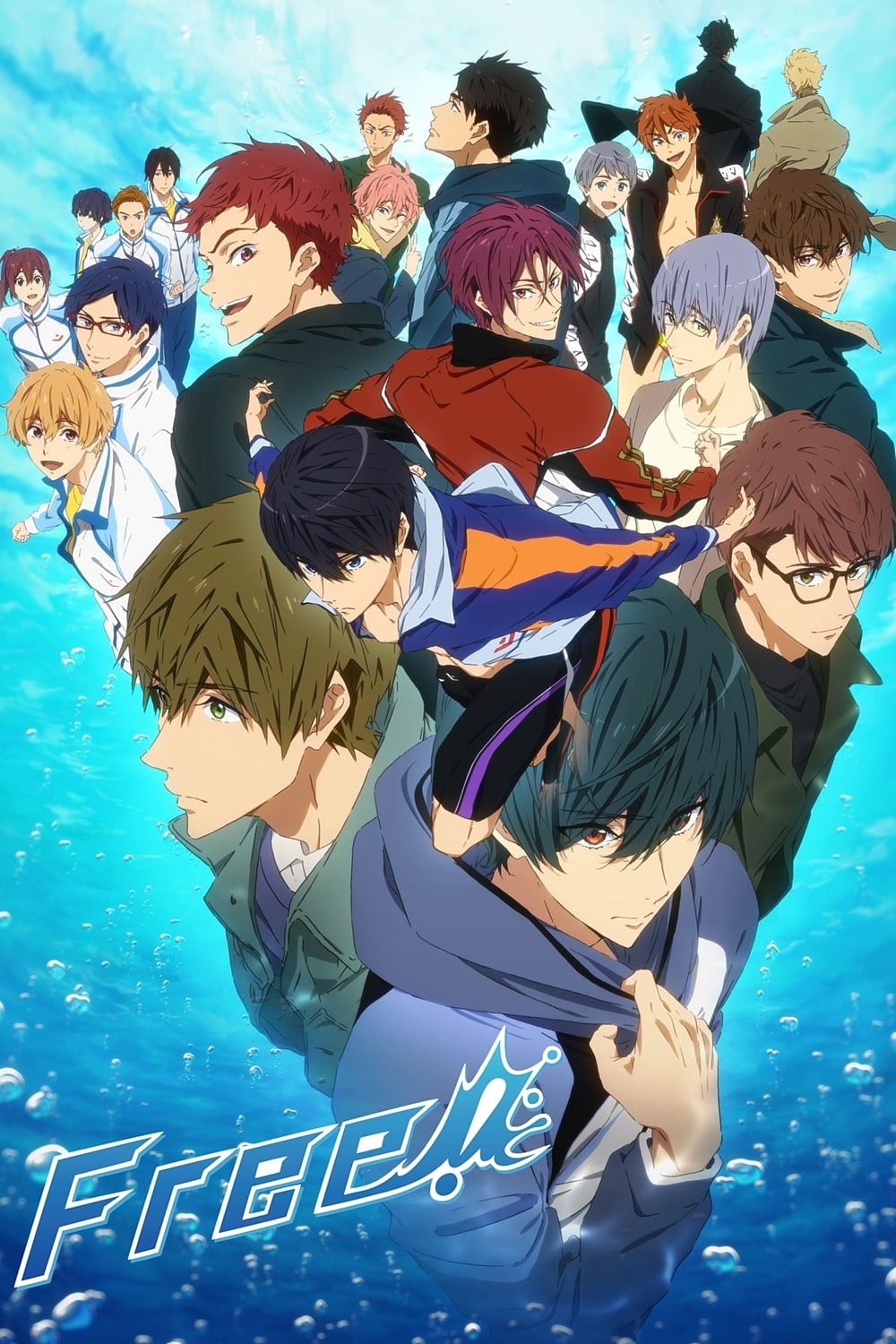
Haruka Nanase loves swimming and revitalizes a high school swim club with his friends to compete in tournaments. The show focuses on the rivalries and friendships between the boys as they strive for athletic excellence. Emotional drama stems from their competitive history and their desire to swim together in a relay. The series is famous for its dedication to the sport and the close bonds between the male characters. Romantic interests of the opposite sex are entirely absent from the screen.
‘SK8 the Infinity’ (2021)
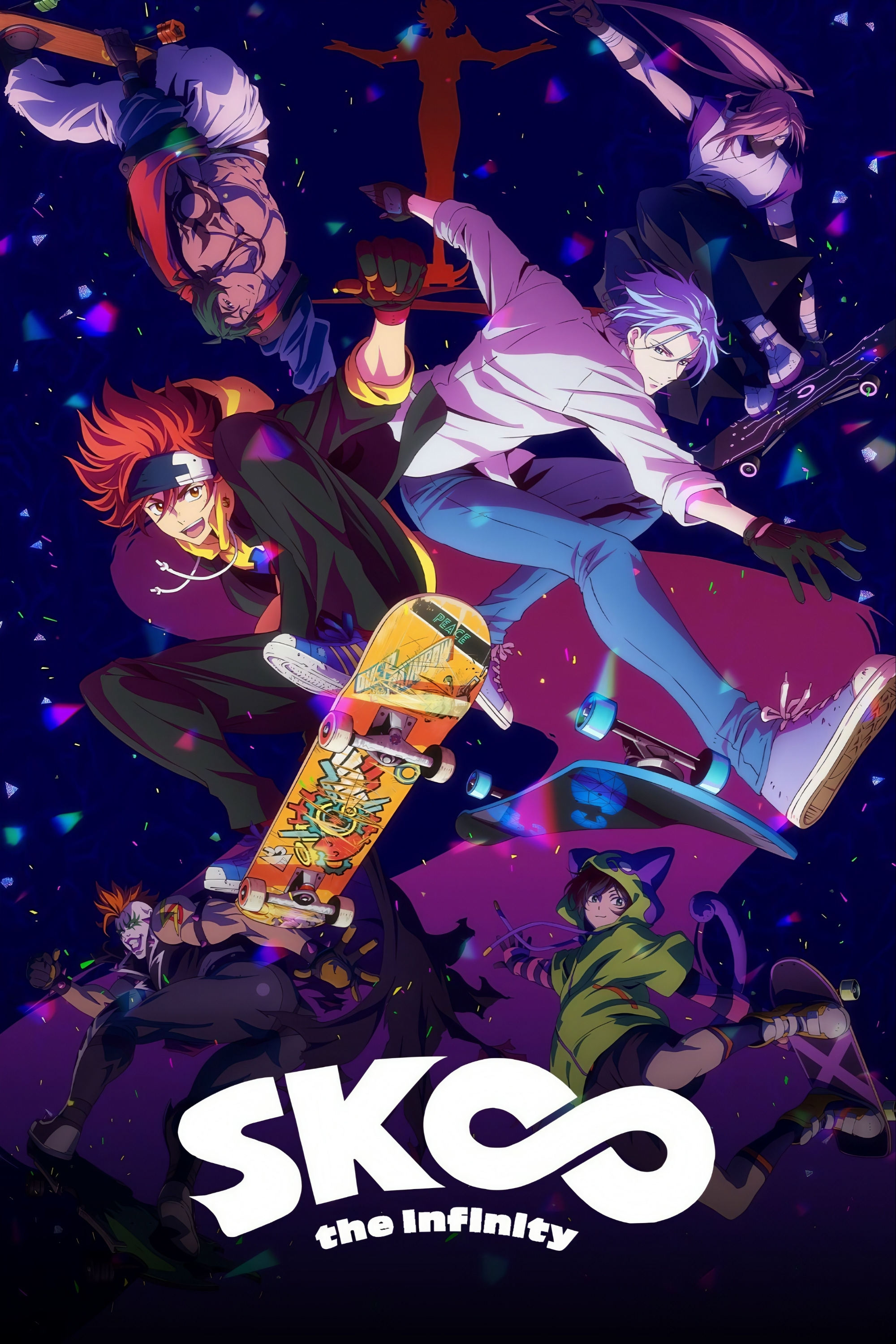
Reki Kyan is a high school student obsessed with a secret underground skateboarding race known as S. He introduces transfer student Langa Hasegawa to the dangerous world of downhill skateboarding. The anime centers on their partnership and the rivalries they form with other colorful skaters. The story prioritizes the thrill of the sport and the chemistry between Reki and Langa. It delivers high energy and emotional stakes without allocating time to straight romance.
‘Land of the Lustrous’ (2017)
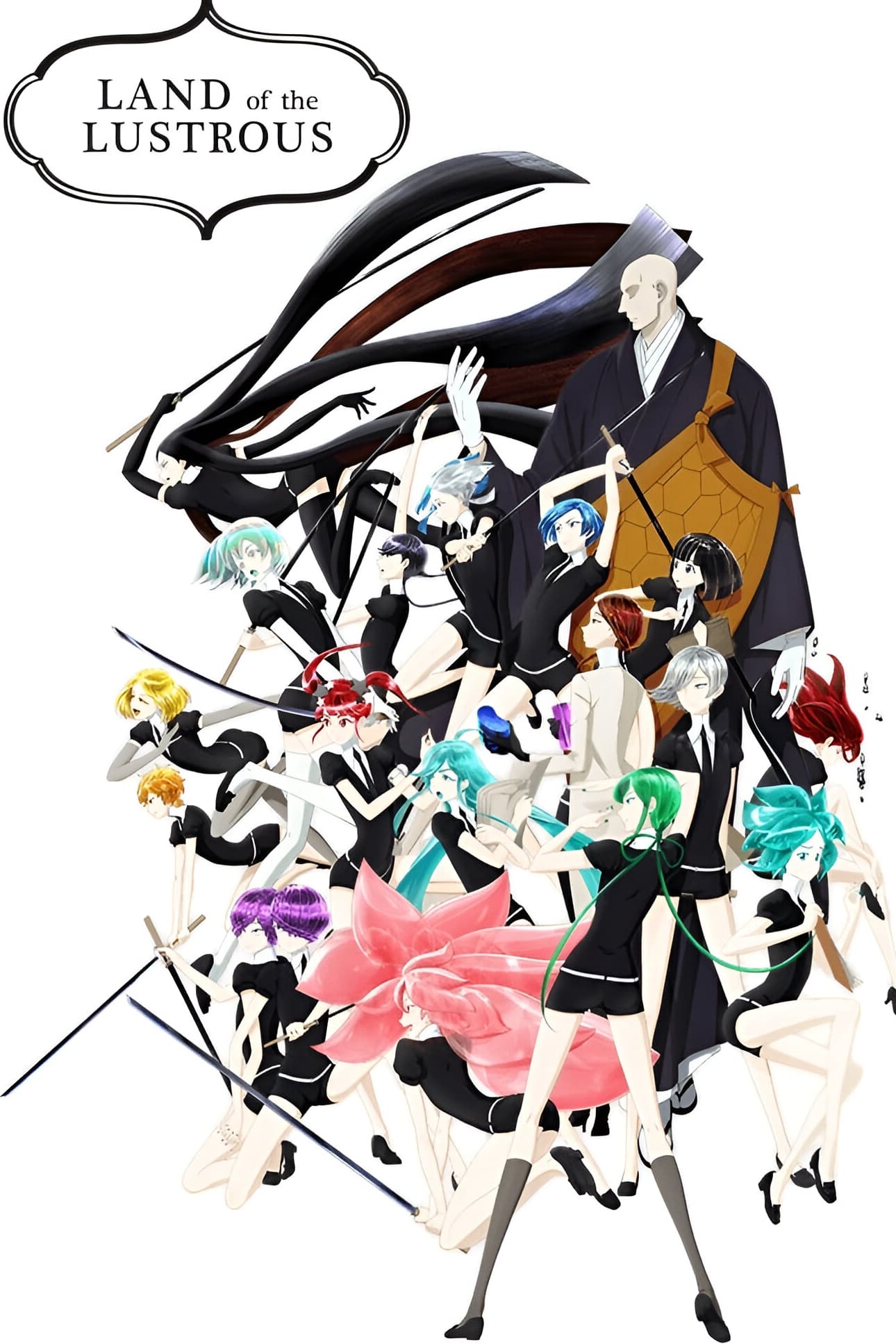
Immortal genderless gems fight to protect themselves from Lunarians who wish to harvest them for decoration. The youngest gem Phos seeks a purpose in their society and uncovers dark truths about their existence. This series explores existential themes and identity through a cast that is non-binary by nature. The relationships are based on camaraderie and duty rather than romantic affection. The unique setting and character dynamics leave no room for traditional human romance.
‘K-On!’ (2009–2010)
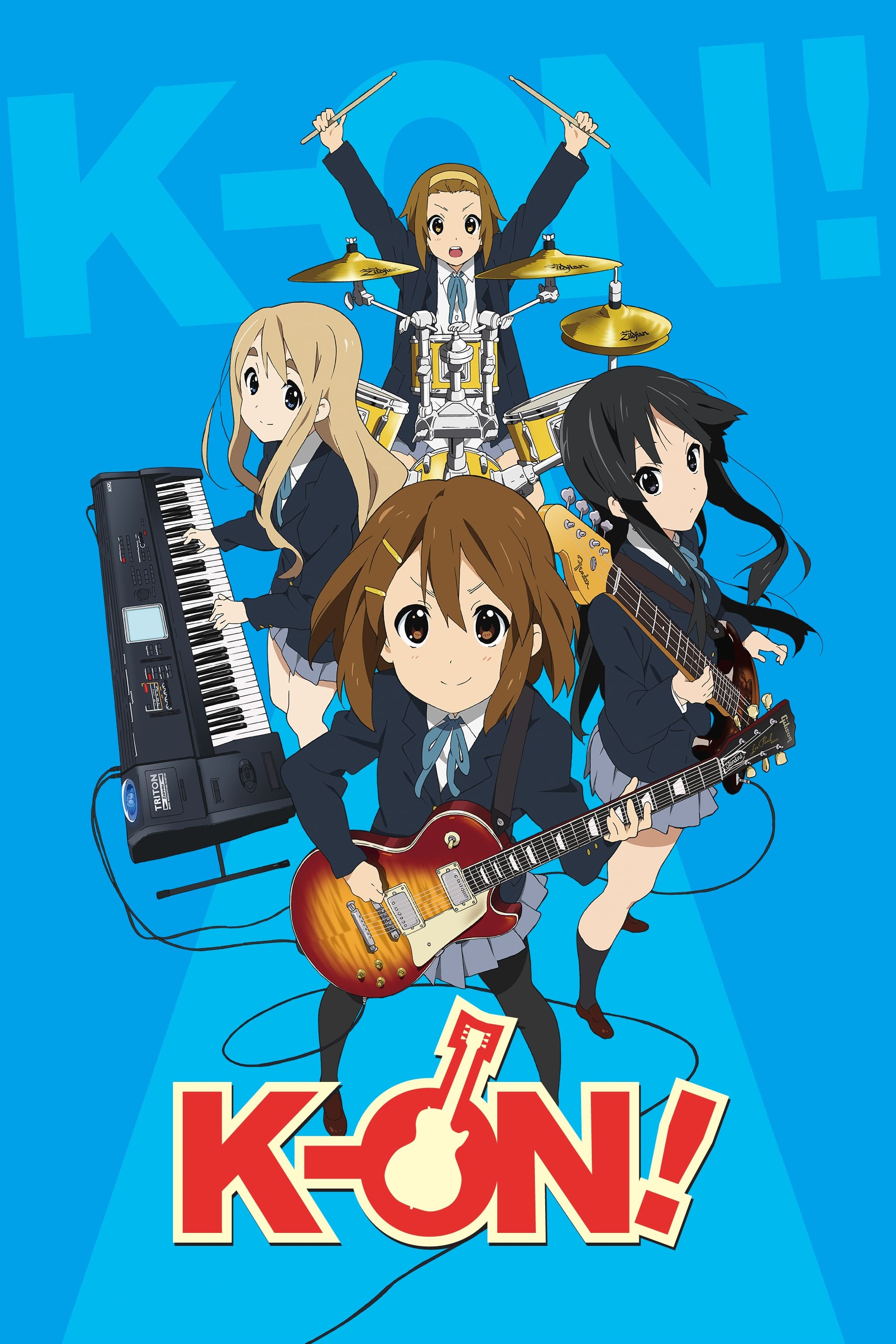
Yui Hirasawa joins the Light Music Club at her high school despite not knowing how to play an instrument. She and her bandmates spend their days practicing music and drinking tea in the club room. The show is a defining example of the slice-of-life genre that emphasizes female friendship and daily antics. The narrative is lighthearted and focuses entirely on the group dynamic of the girls. There are no romantic subplots to distract from their musical journey and graduation.
‘Laid-Back Camp’ (2018)

Rin Shima enjoys camping alone at the base of Mount Fuji until she meets Nadeshiko Kagamihara. The two girls and their friends explore various campsites and enjoy the simple pleasures of the outdoors. The anime is celebrated for its relaxing atmosphere and educational tips about camping gear and cooking. The interactions are purely platonic and center on the joy of sharing a hobby. Romance is completely irrelevant to the cozy vibes of the show.
‘Bocchi the Rock!’ (2022)
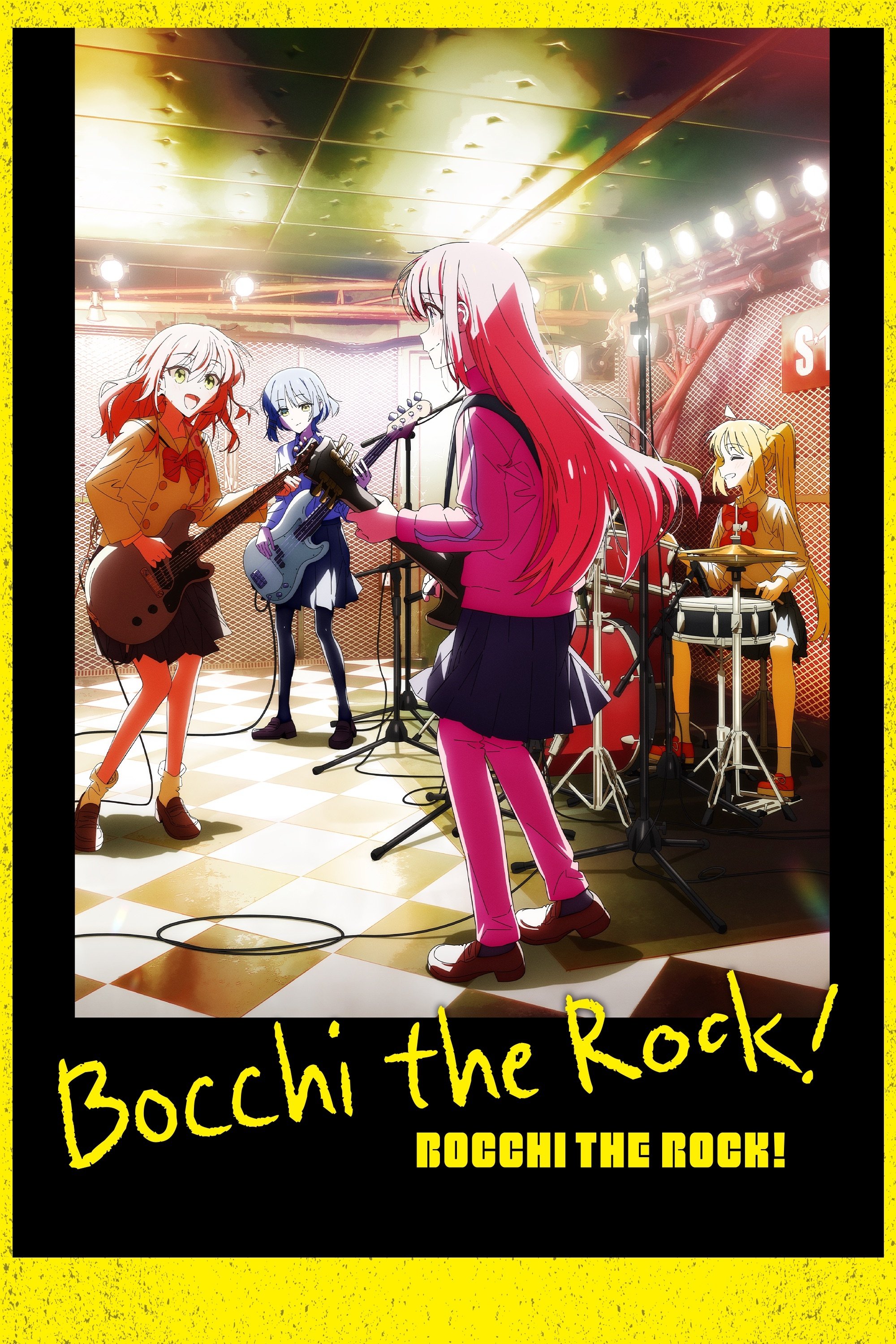
Hitori Gotoh is a socially anxious girl who dreams of making friends by becoming a rock musician. She joins a band called Kessoku Band and learns to perform live while managing her extreme shyness. The series focuses on her internal struggles and the supportive friendships she builds with her female bandmates. The comedy and drama arise from her social anxiety rather than romantic pursuits. It is a dedication to music and friendship without any straight romance.
‘A Place Further Than the Universe’ (2018)
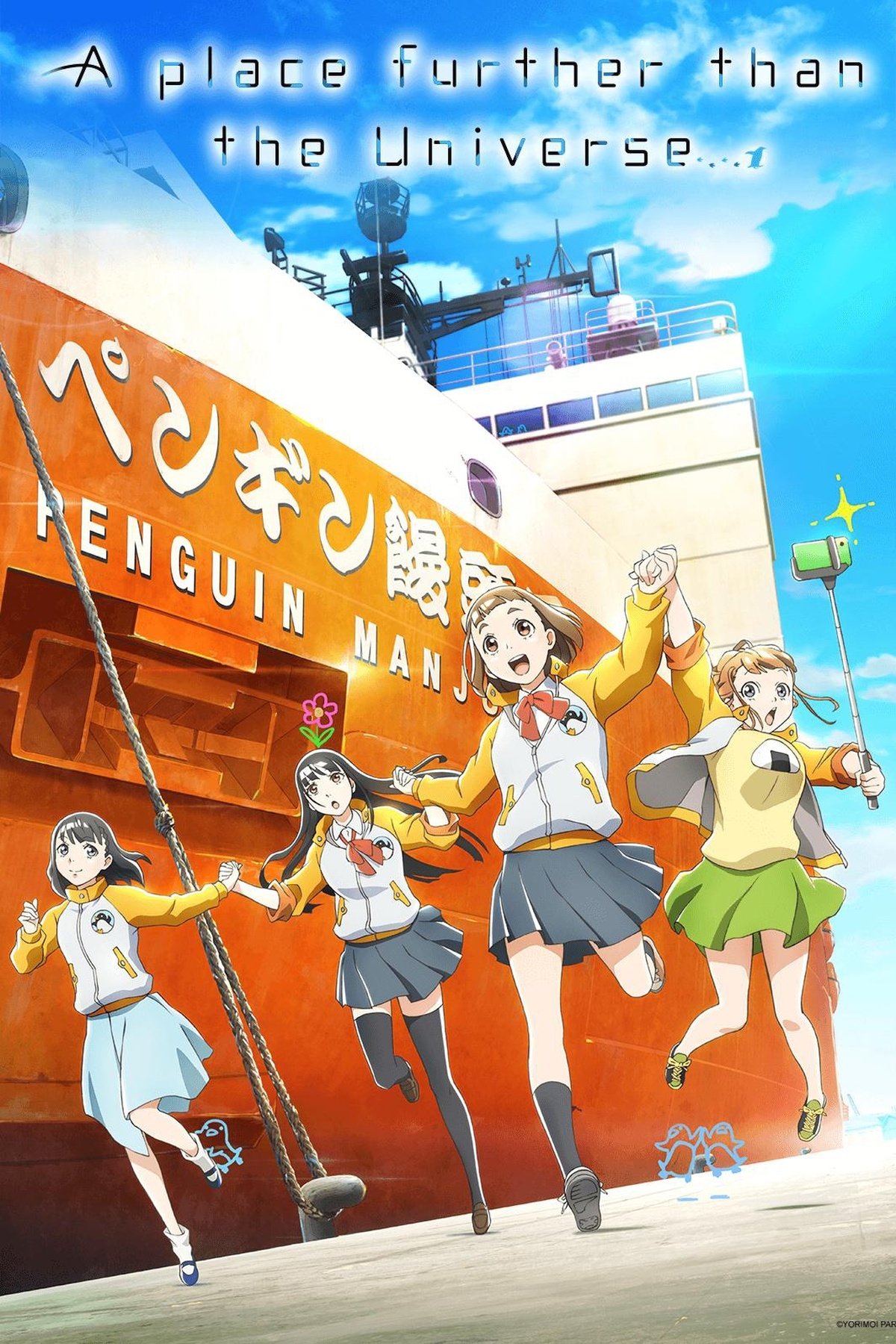
Mari Tamaki wants to make the most of her youth and impulsively decides to join a girl traveling to Antarctica. Four girls from different backgrounds come together to join a civilian expedition to the frozen continent. The story is an emotional adventure that deals with grief and the pursuit of dreams. The bond between the travelers is the heart of the series as they face harsh conditions together. Romance takes a backseat to the grand adventure and personal growth of the protagonists.
‘Keep Your Hands Off Eizouken!’ (2020)
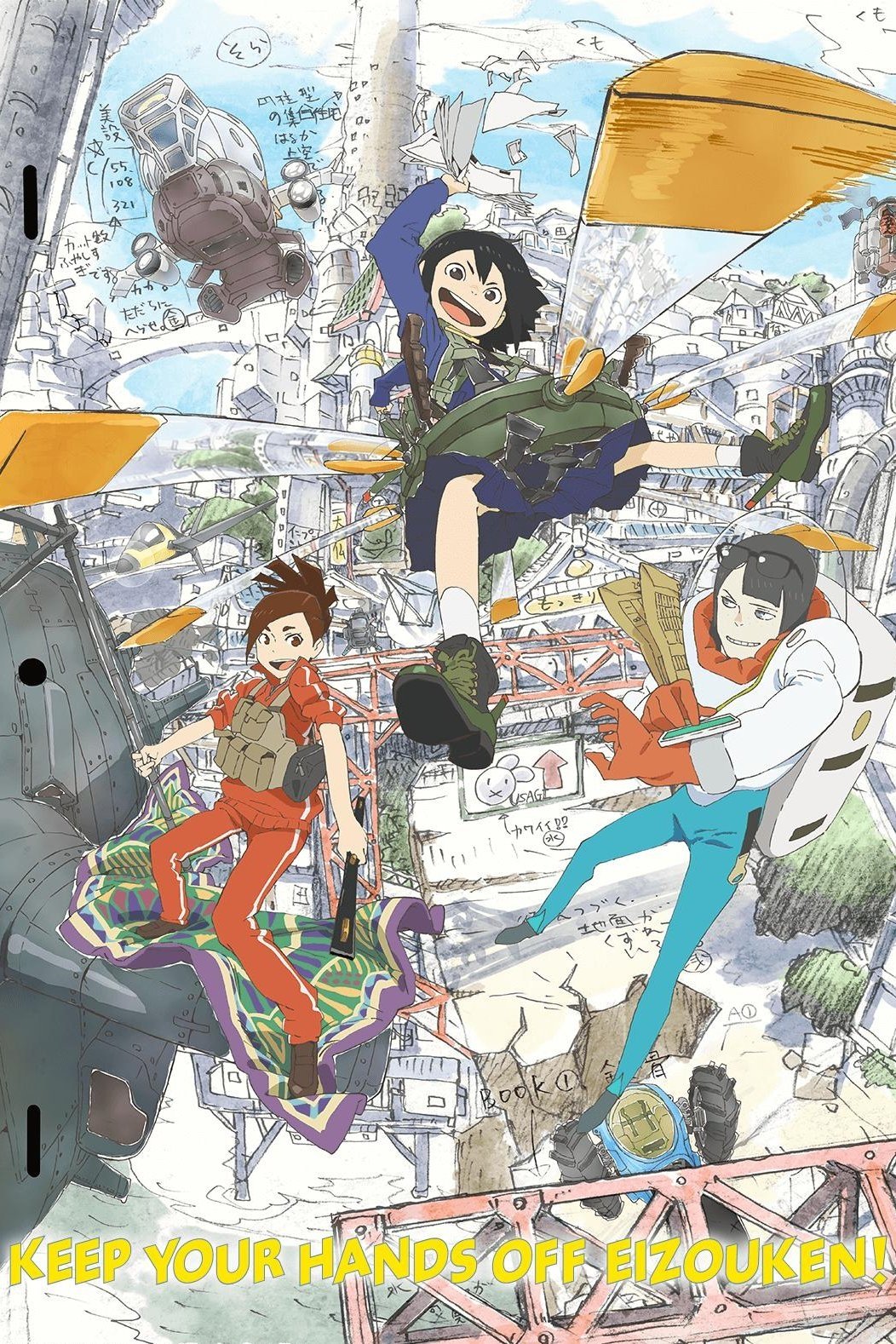
Midori Asakusa wants to create anime and teams up with two other students to form an animation club. The trio combines their unique talents in concept art and production management to bring their vivid imaginations to life. The show is a love letter to the creative process and the technical side of animation production. The passion for art drives the characters rather than any romantic interests. Viewers watch them overcome production hurdles instead of relationship drama.
‘Nichijou: My Ordinary Life’ (2011)
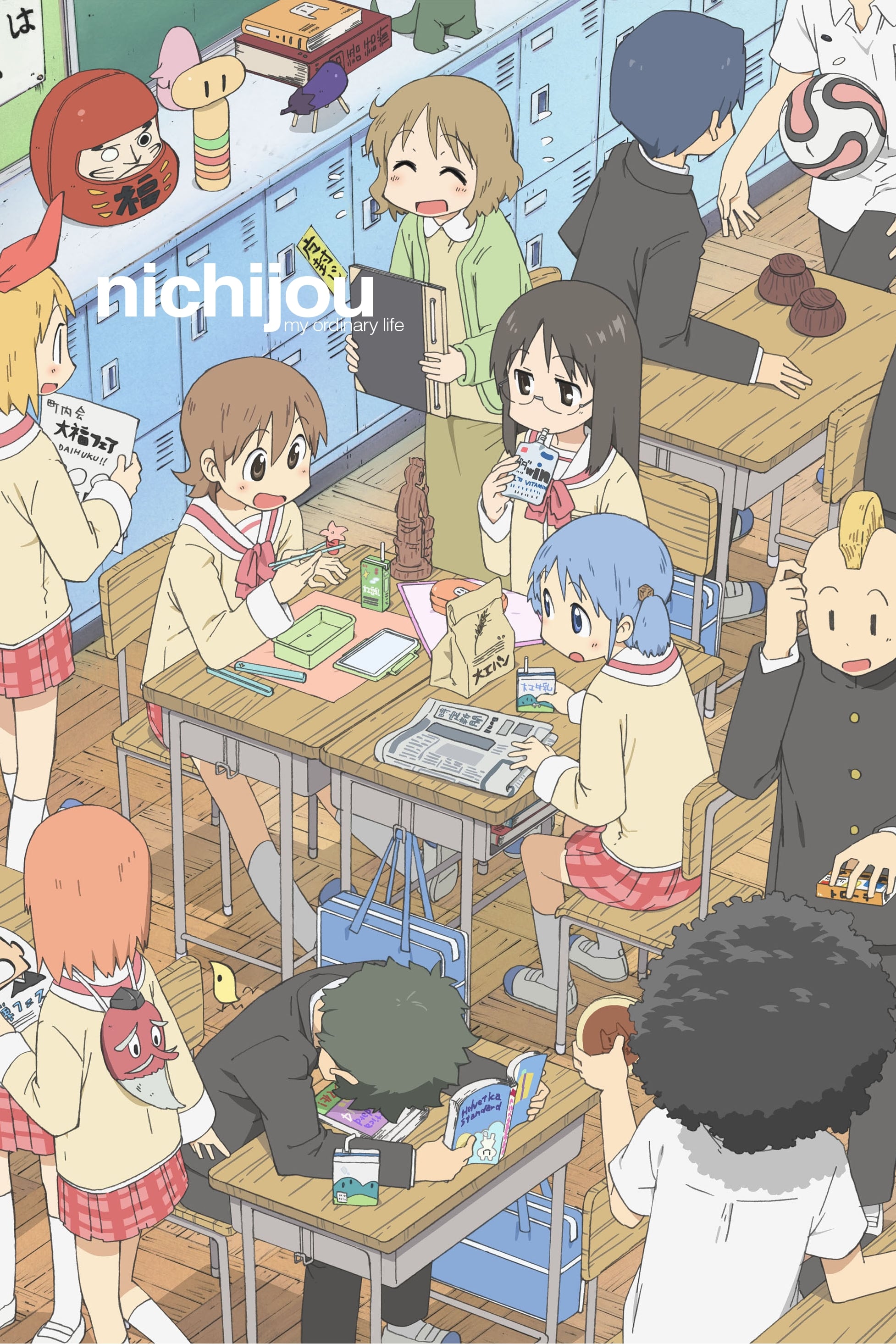
The daily lives of high school students and a young professor are portrayed with absurdist humor and chaotic energy. Ordinary events are exaggerated to extreme levels alongside supernatural elements like a robot girl. The comedy relies on slapstick and surreal situations rather than romantic tension. Friendships are central to the skits but never cross into serious romantic territory. The show remains a cult classic for its humor and lack of conventional plot structures.
‘Azumanga Daioh’ (2002)
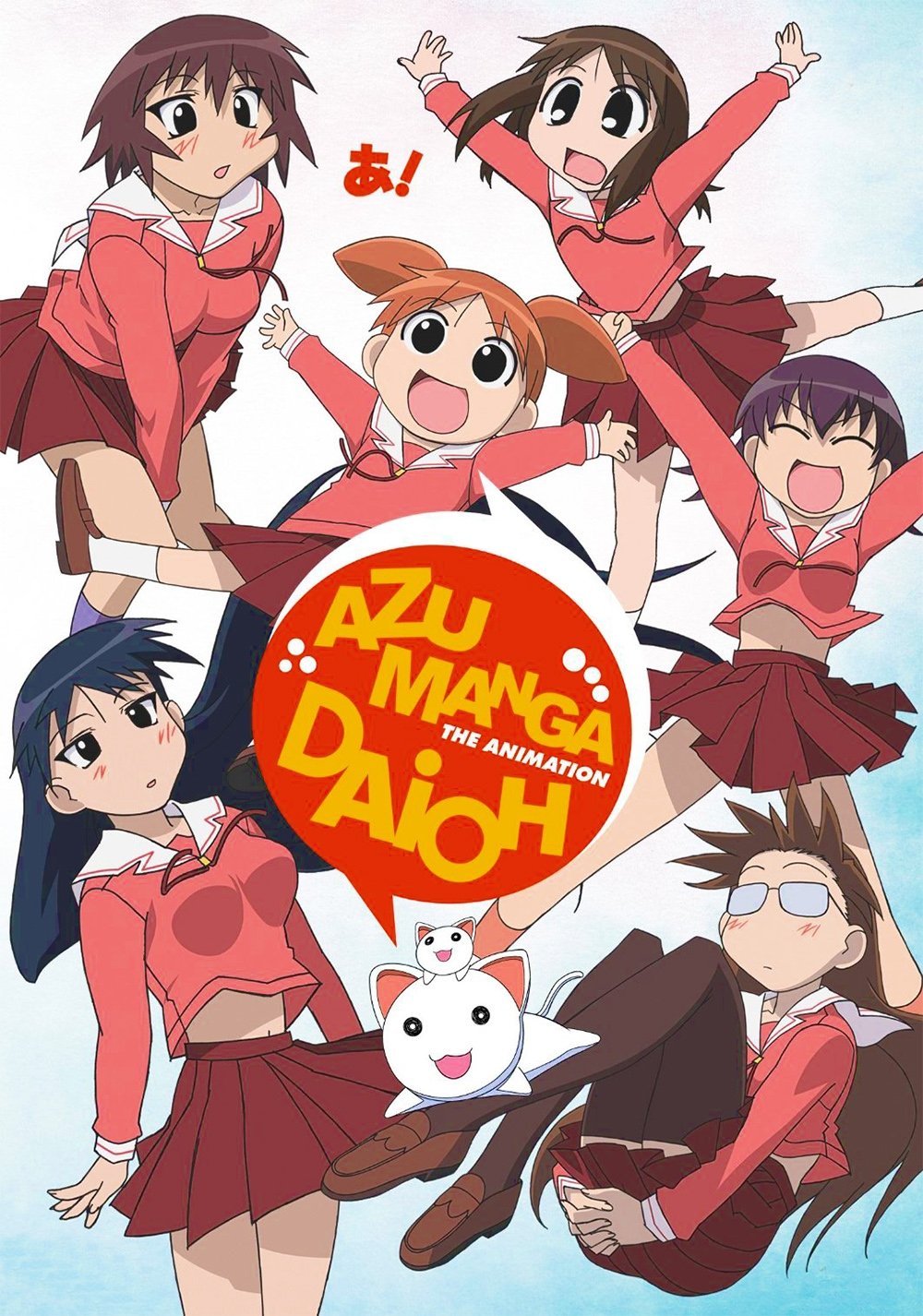
Chiyo Mihama is a child prodigy who enters high school and befriends a group of eccentric older girls. The series follows their school life through three years of exams and cultural festivals and summer trips. The humor is derived from the quirky personalities of the cast and their bizarre conversations. It established many tropes for the slice-of-life genre and focuses strictly on friendship. Romantic subplots are nonexistent in this wholesome comedy.
‘Girls’ Last Tour’ (2017)
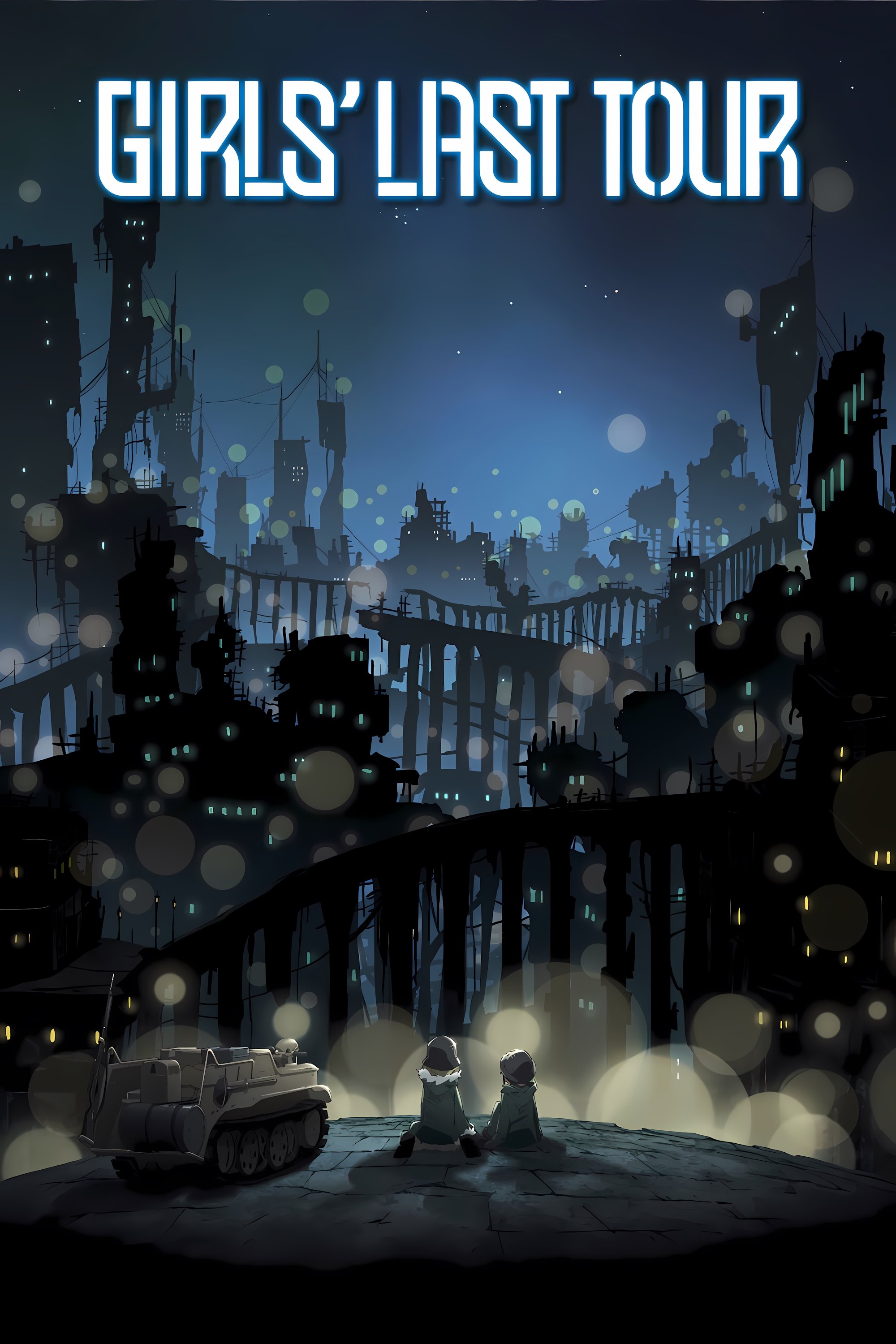
Chito and Yuuri travel through the ruins of a massive city on their beloved half-track motorcycle. They scavenge for food and fuel while pondering the history of the civilization that came before them. The atmosphere is melancholic yet comforting as the two rely solely on each other for survival. Their relationship is one of profound companionship in a desolate world. The narrative explores philosophical themes without any need for romance.
‘Serial Experiments Lain’ (1998)
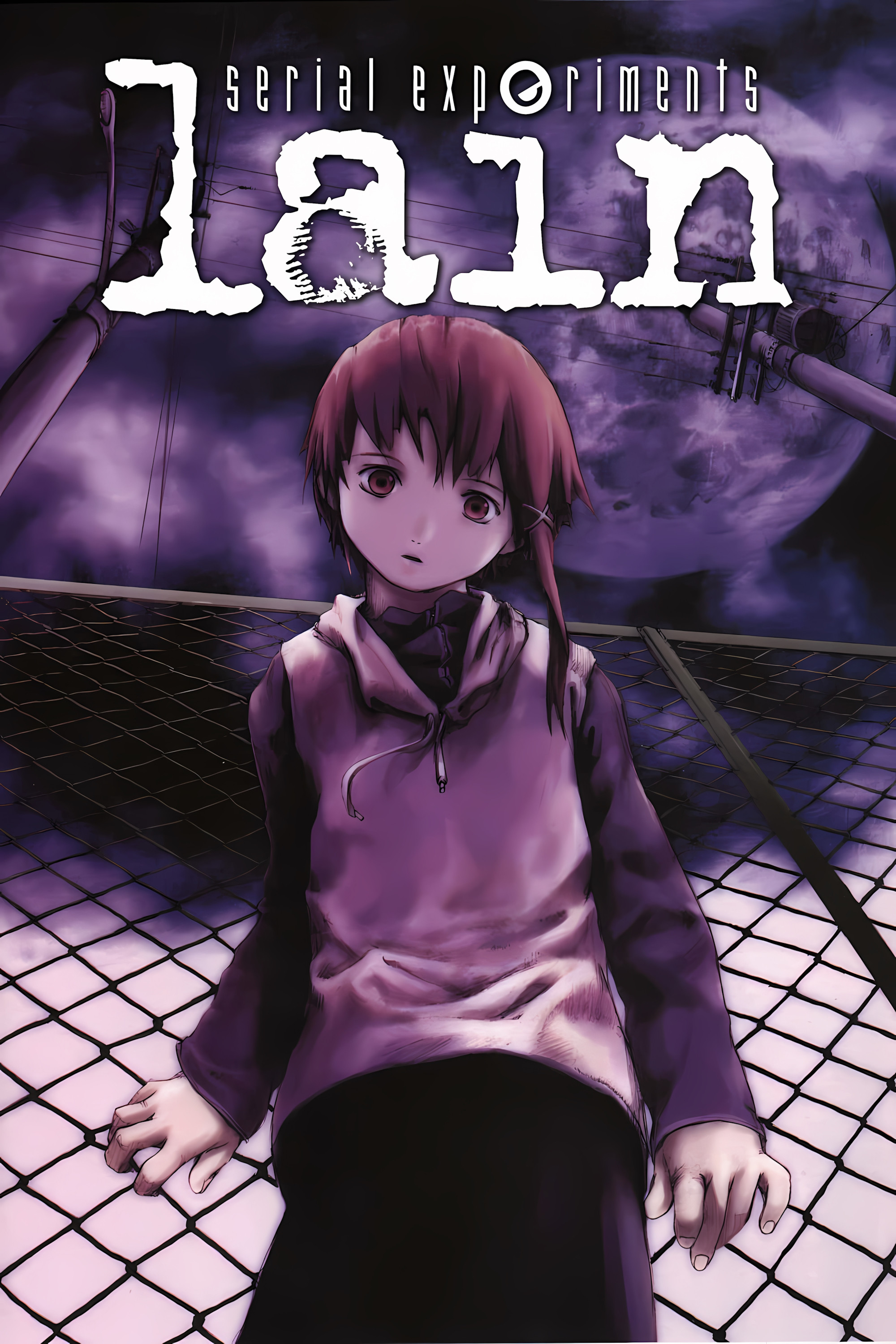
Lain Iwakura is an introverted girl who becomes obsessed with the Wired after receiving an email from a deceased classmate. She begins to lose her grip on reality as the lines between the digital world and the physical world blur. The anime is a psychological horror that delves into identity and consciousness and technology. The story is complex and abstract with no room for a traditional love story. Lain’s journey is a solitary and terrifying exploration of self.
‘Kino’s Journey’ (2003)
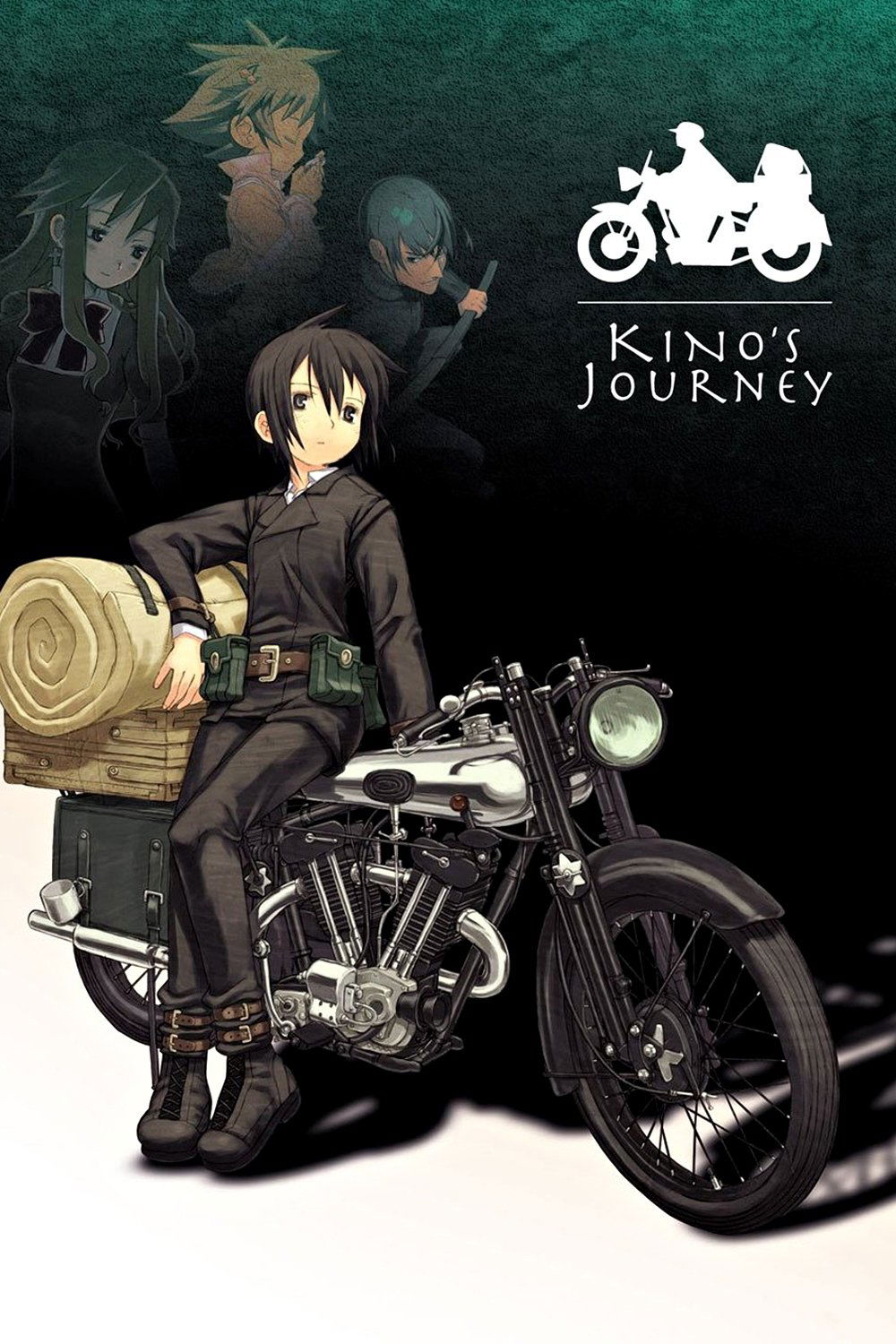
Kino travels the world on a talking motorcycle named Hermes and stays in each country for only three days. Each episode presents a new society with unique customs and moral dilemmas that Kino observes as an outsider. The show is philosophical and episodic in nature with a focus on human behavior. Kino maintains a neutral stance and forms no lasting romantic attachments during the travels. The narrative prioritizes social commentary over character relationships.
‘Natsume’s Book of Friends’ (2008)
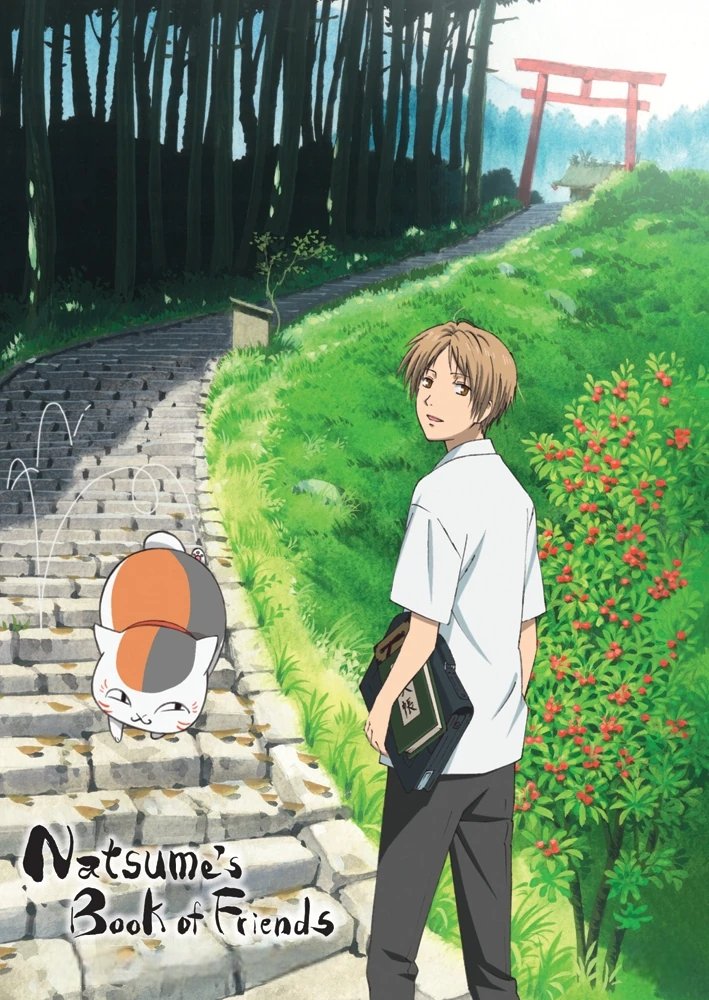
Takashi Natsume has the ability to see spirits and inherits a book of names from his grandmother. He decides to return the names to the spirits with the help of a powerful spirit disguised as a lucky cat. The series is episodic and focuses on the poignant stories of the spirits and Natsume’s growth. The relationships he builds are with the supernatural entities and his foster family. Romance is not a factor in this gentle and atmospheric story.
‘Barakamon’ (2014)
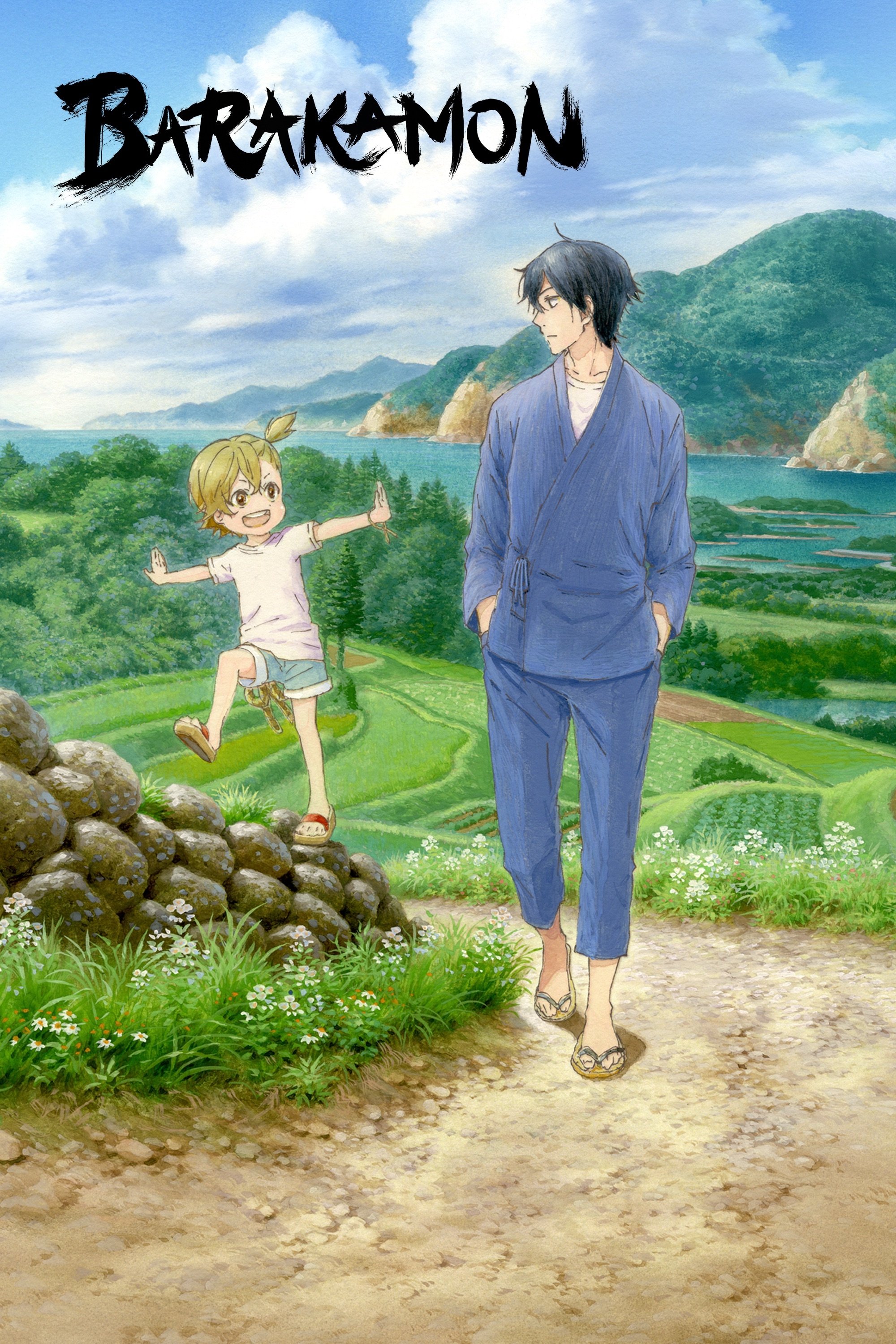
Seishuu Handa is a calligrapher who is sent to a rural island to cool his head after punching a critic. He meets a lively child named Naru and other eccentric villagers who teach him about life and art. The story focuses on Handa’s personal maturation and his bond with the community. Naru acts as a younger sister figure and helps him find his own artistic style. The anime is a heartwarming comedy about community without any romantic focus.
‘Mushi-shi’ (2005–2006)
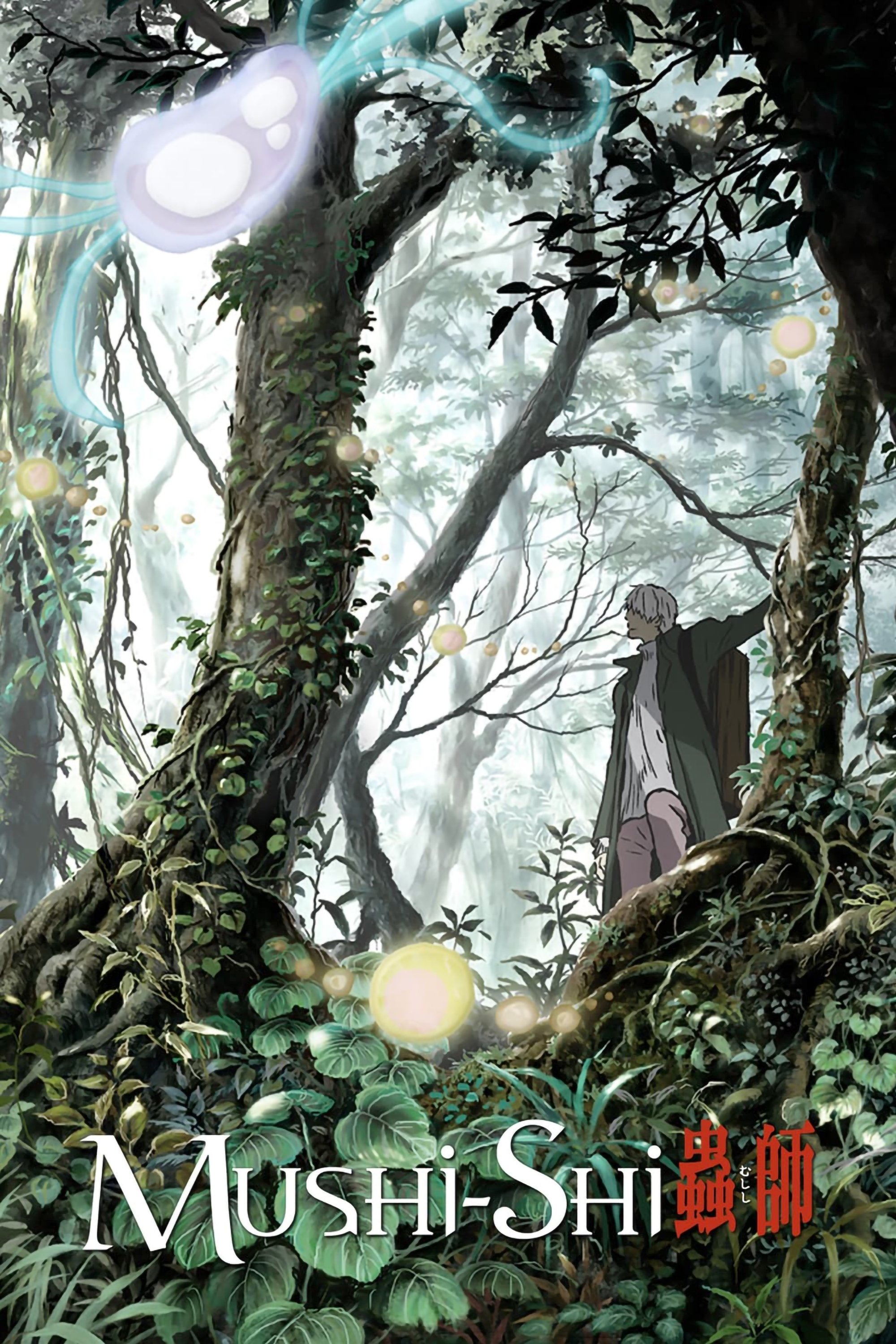
Ginko is a traveler who specializes in solving problems caused by supernatural creatures known as Mushi. He visits different villages to heal people affected by these invisible life forms. The tone is quiet and contemplative with a focus on the mystery of nature and life. Ginko is a solitary figure who moves on after each case concludes. The series explores the relationship between humanity and nature rather than romantic love.
‘Mononoke’ (2007)
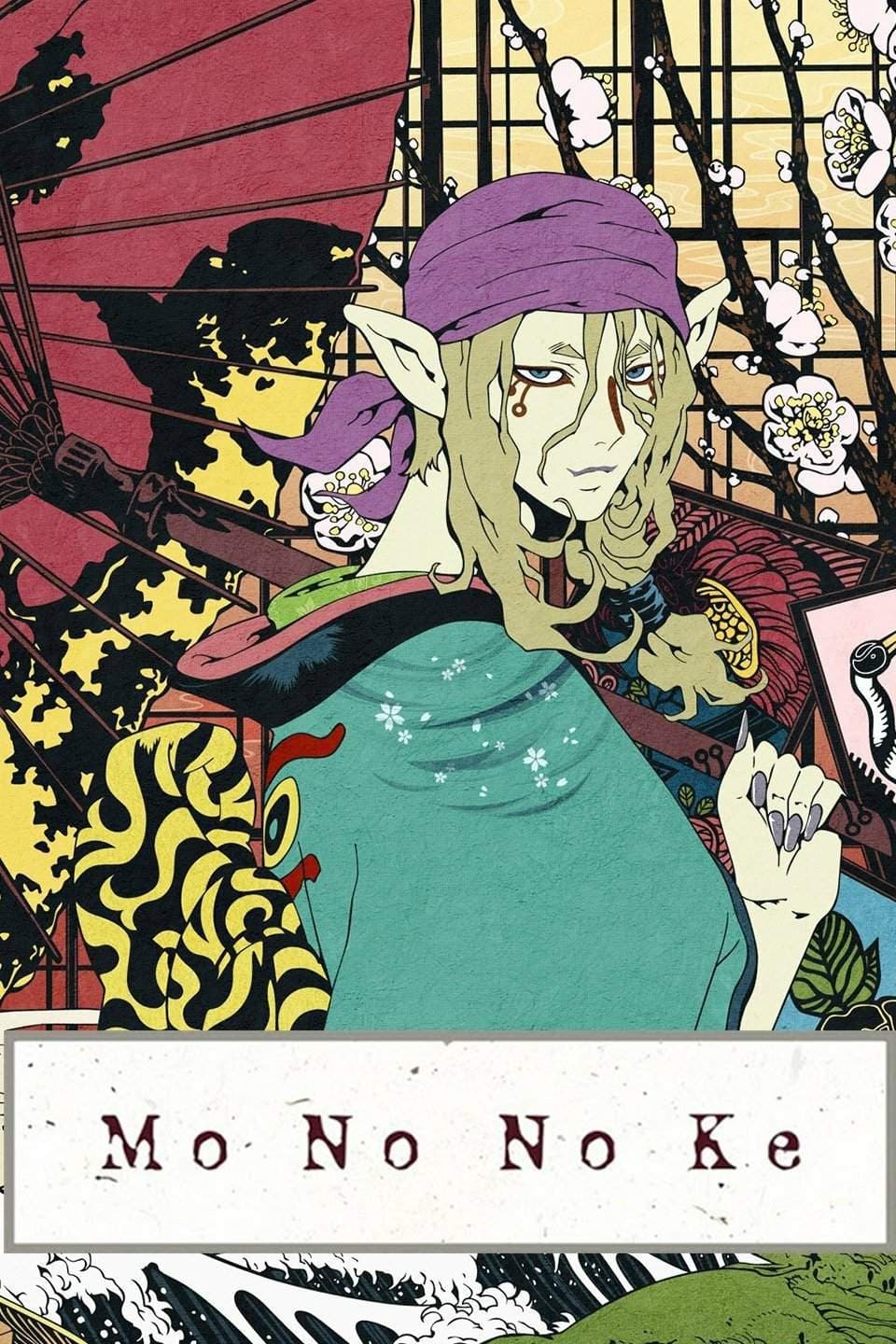
The Medicine Seller travels across feudal Japan to exorcise malevolent spirits known as Mononoke. He must learn the Form and Truth and Regret of the spirit before he can draw his sword to slay it. The visual style is distinct and resembles moving traditional paper art with vibrant colors. The stories are tragic horror tales that reveal the dark secrets of the human heart. The Medicine Seller remains a mysterious observer with no romantic entanglements.
‘Shirobako’ (2014)
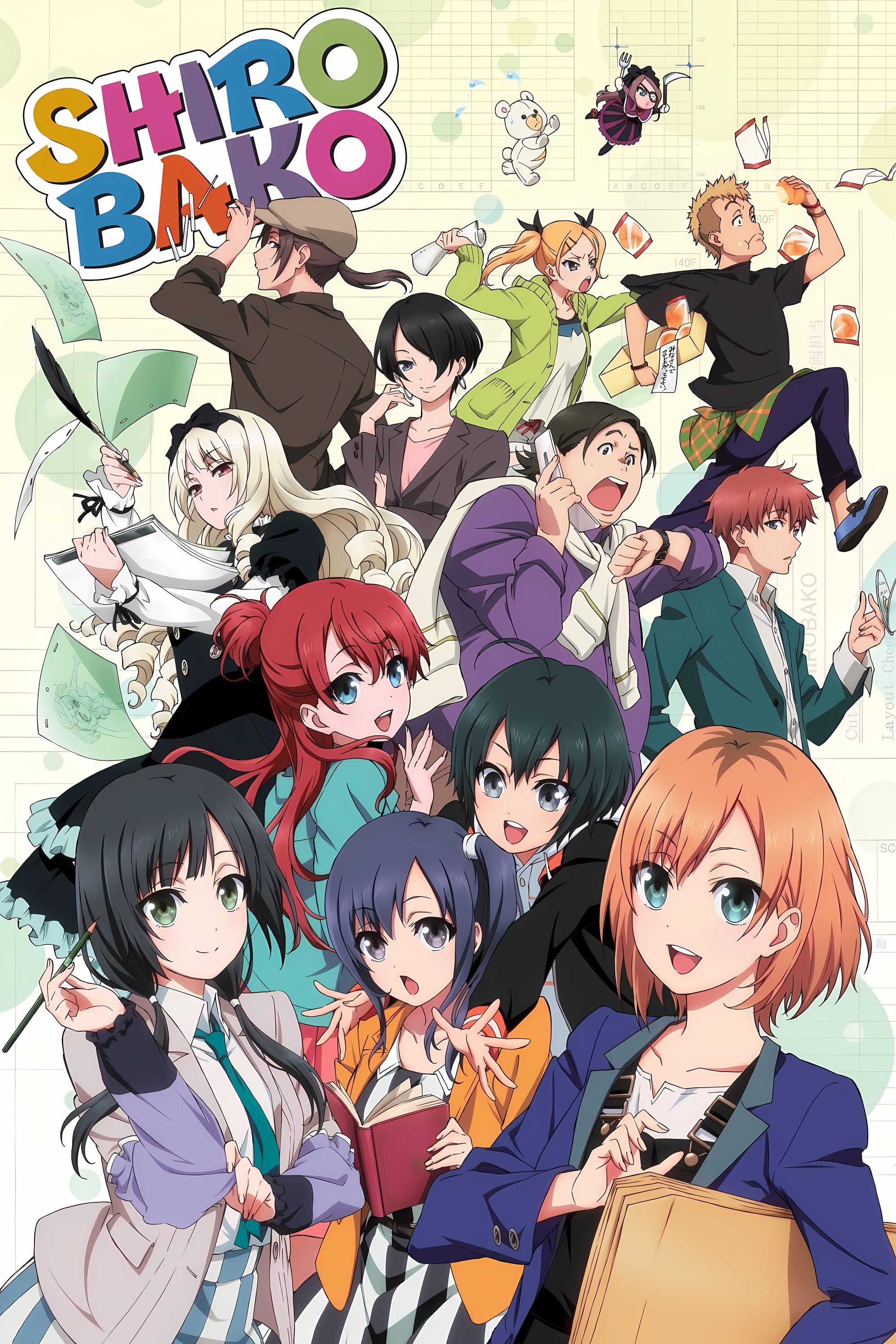
Aoi Miyamori works as a production assistant at an animation studio and strives to deliver episodes on time. The anime provides a realistic look at the anime industry and the struggles of the creative staff. It features a large ensemble cast working together to solve professional problems and meet deadlines. The focus is strictly on the workplace dynamics and the passion for creating animation. Personal lives are shown but straight romance does not consume screen time.
‘Non Non Biyori’ (2013)
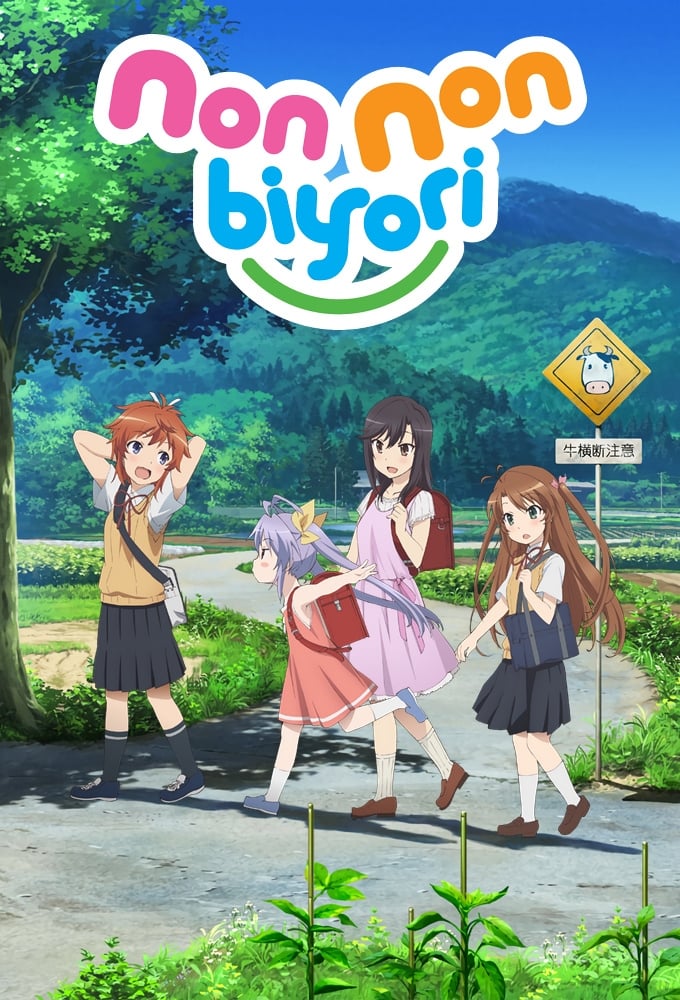
Hotaru Ichijo moves from Tokyo to a remote countryside village where the school has only five students. She adjusts to the slow pace of rural life and plays with her new friends in the beautiful outdoors. The show highlights the changing seasons and the simple innocence of childhood. The interactions are charming and comedic with a focus on the scenery and daily play. It is a pure healing anime with zero romantic elements.
Share your favorite non-romantic anime series in the comments to let us know what we missed.