20 Underrated Anime That Famous Directors Say Changed Their Lives


Cinema history is filled with instances of cross-cultural exchange where Hollywood directors pull inspiration from Japanese animation to craft their blockbusters. Visionaries like James Cameron and the Wachowskis have openly acknowledged how specific anime titles shaped their storytelling and visual language. These animated works often provide the blueprints for iconic scenes or the thematic backbone for entire film franchises. The following list highlights lesser-known or cult anime that famous filmmakers have cited as essential viewing or major influences on their careers.
‘Birdy the Mighty: Decode’ (2008)
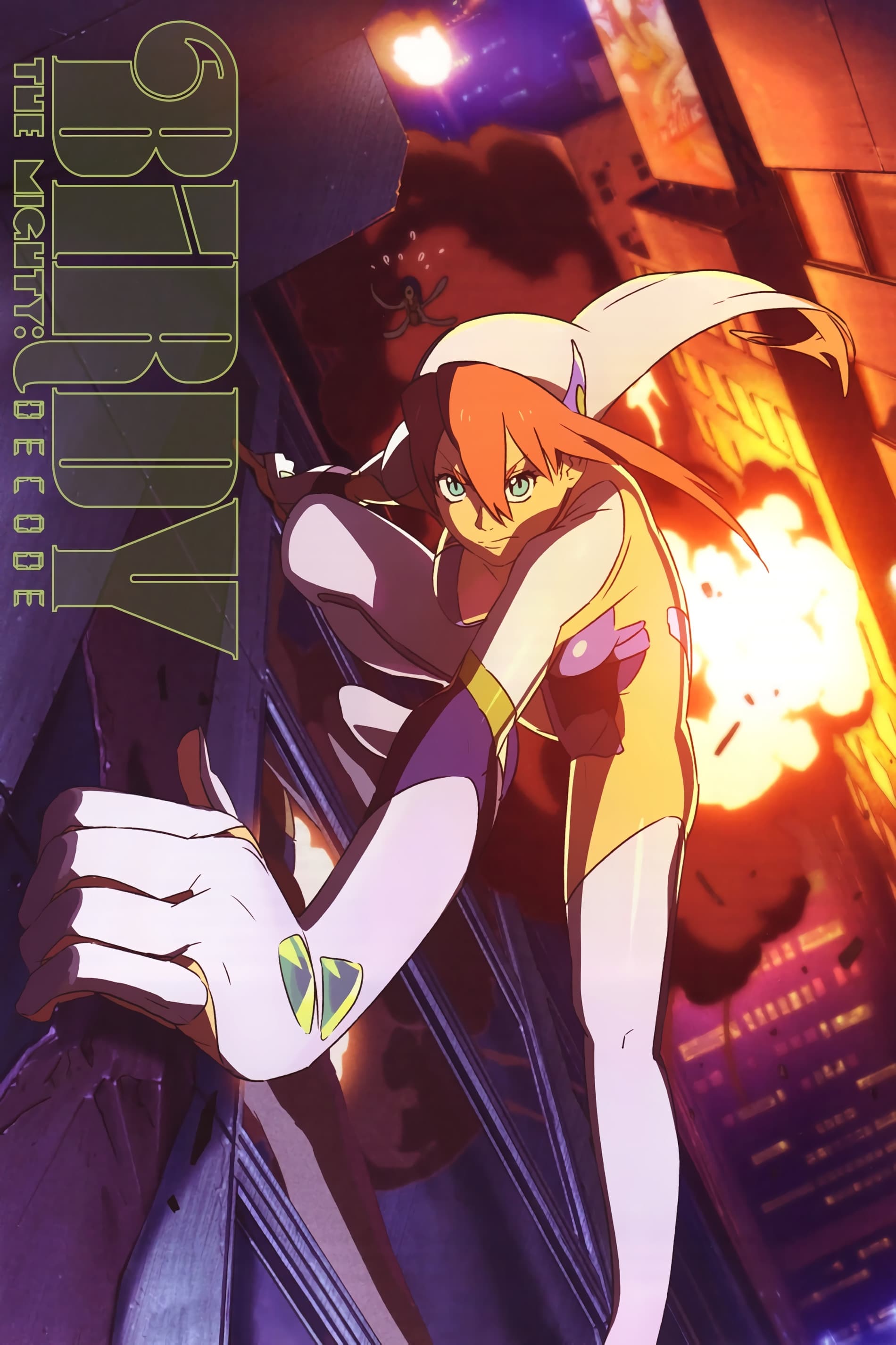
Zack Snyder explicitly revealed that this sci-fi series served as a primary reference for the action sequences in his Superman adaptation. The director was particularly drawn to how the anime depicted super-powered beings fighting at high speeds through urban environments. The chaotic destruction and the weight of the impacts in the anime directly translated to the final battle in Metropolis. This show follows a Federation agent who must share a body with a high school student while hunting down alien criminals on Earth.
‘Future Boy Conan’ (1978)

Guillermo del Toro has frequently called this post-apocalyptic adventure his absolute favorite animated production of all time. The series was directed by Hayao Miyazaki before the founding of Studio Ghibli and features themes of environmentalism and war that resonate throughout Del Toro’s filmography. He praises the show for its charming protagonist and the seamless blend of darkness with hopeful adventure. The distinct mechanical designs in the series also parallel the director’s love for intricate machinery and fantasy worlds.
‘The Castle of Cagliostro’ (1979)
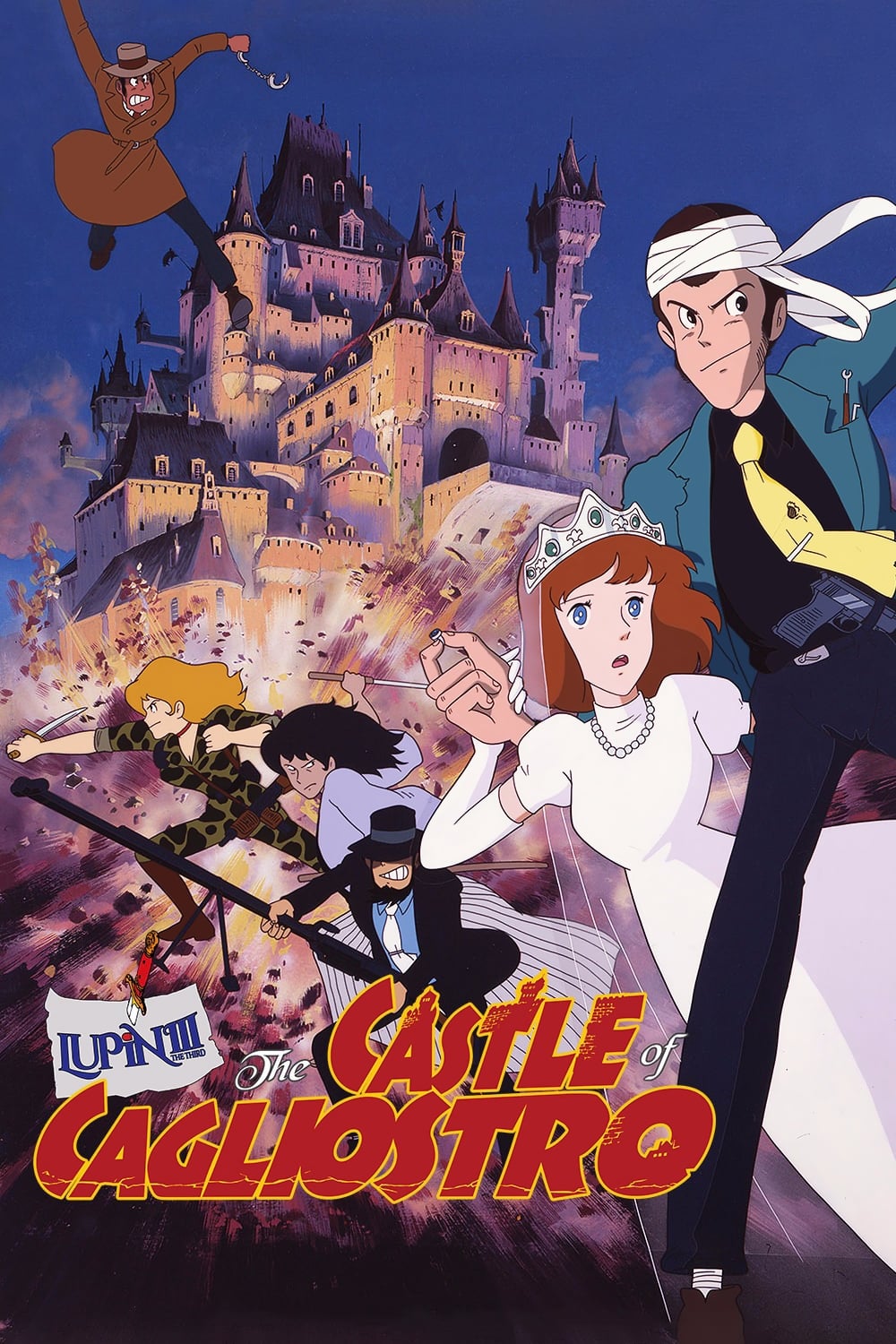
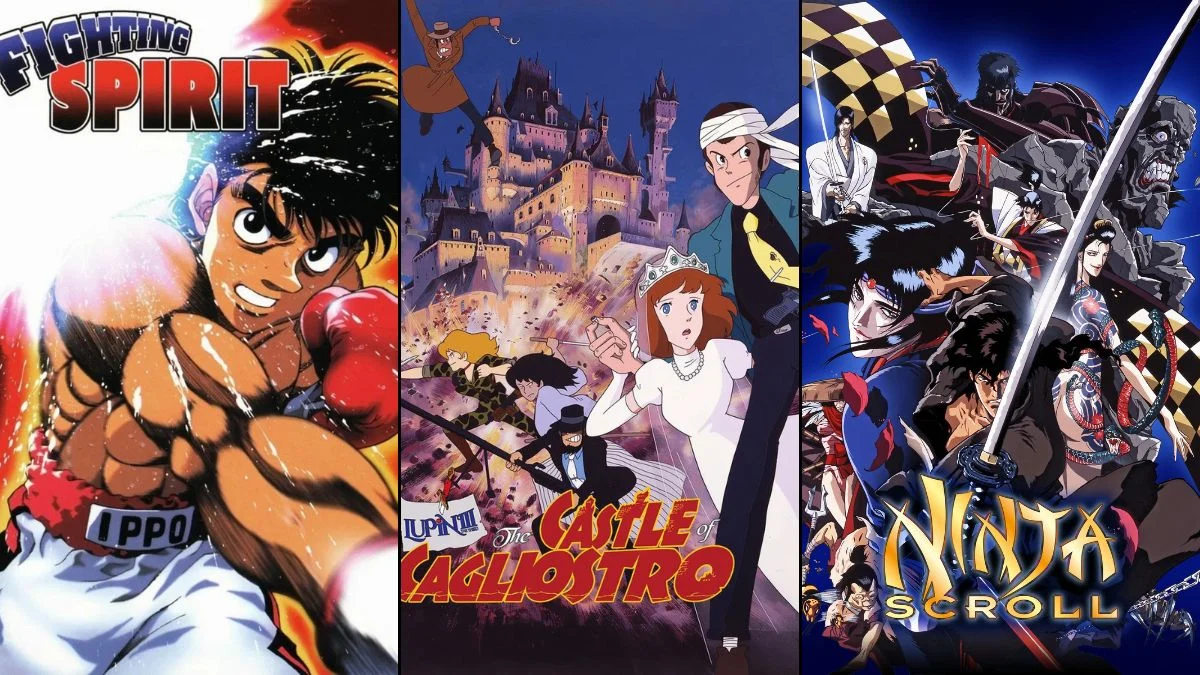
John Lasseter credits this film with fundamentally changing his perspective on what animation could achieve for general audiences. The Pixar co-founder famously courted his wife by showing her the car chase sequence from this movie to demonstrate his passion for the medium. Steven Spielberg has also reportedly cited that same chase scene as one of the greatest action sequences in cinema history. The film follows the master thief Lupin III as he infiltrates a fortified European castle to uncover a counterfeiting ring and save a princess.
‘Perfect Blue’ (1997)
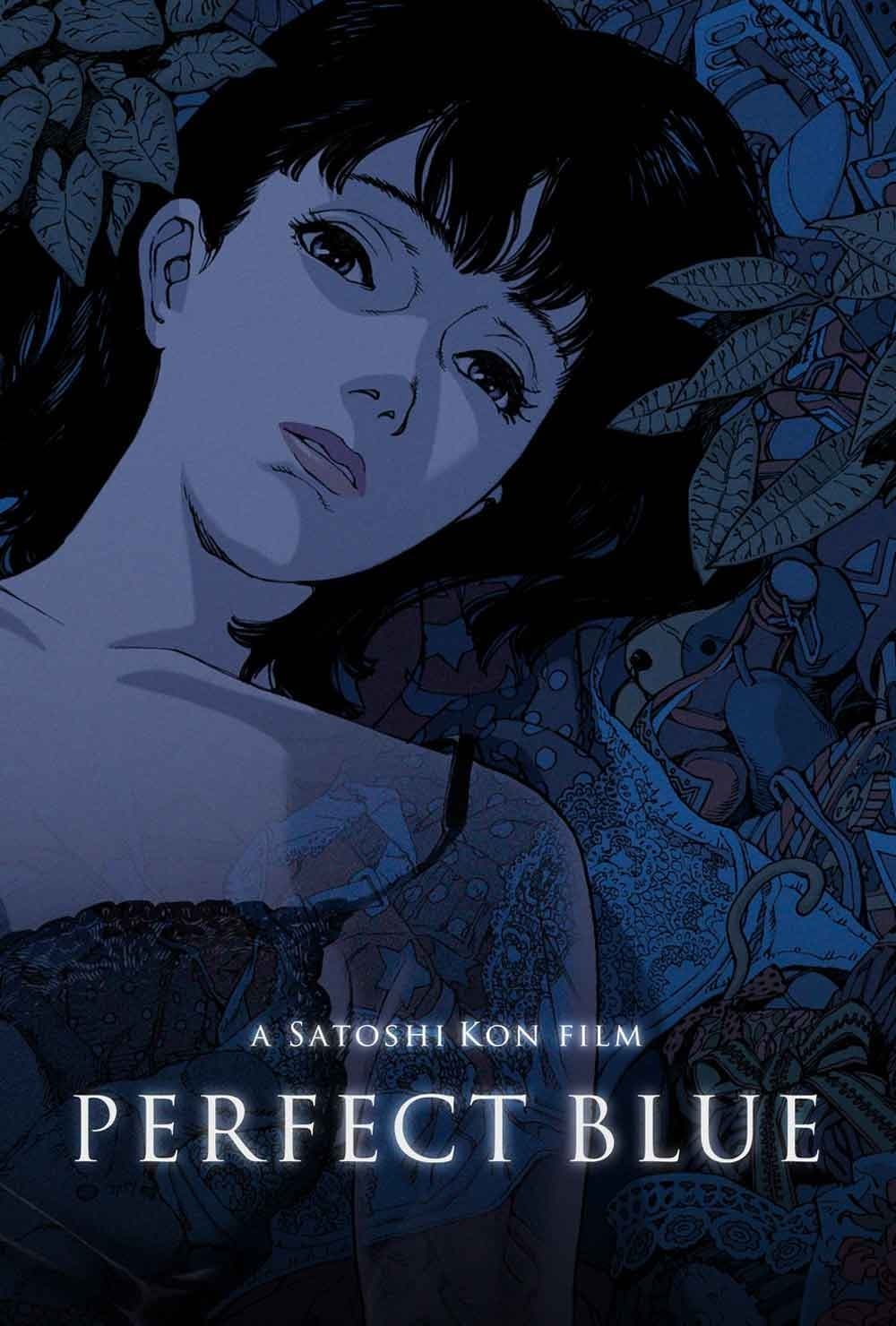
Darren Aronofsky was so influenced by this psychological thriller that he purchased the rights to the film to recreate a specific scene. His movie regarding drug addiction features a bathtub screaming sequence that is a shot-for-shot homage to this anime. The director later explored similar themes of duality and psychological fracturing in his film about ballet dancers. The story concerns a pop idol who transitions into acting and slowly loses her grip on reality as a stalker terrorizes her.
‘Fighting Spirit’ (2000–2014)
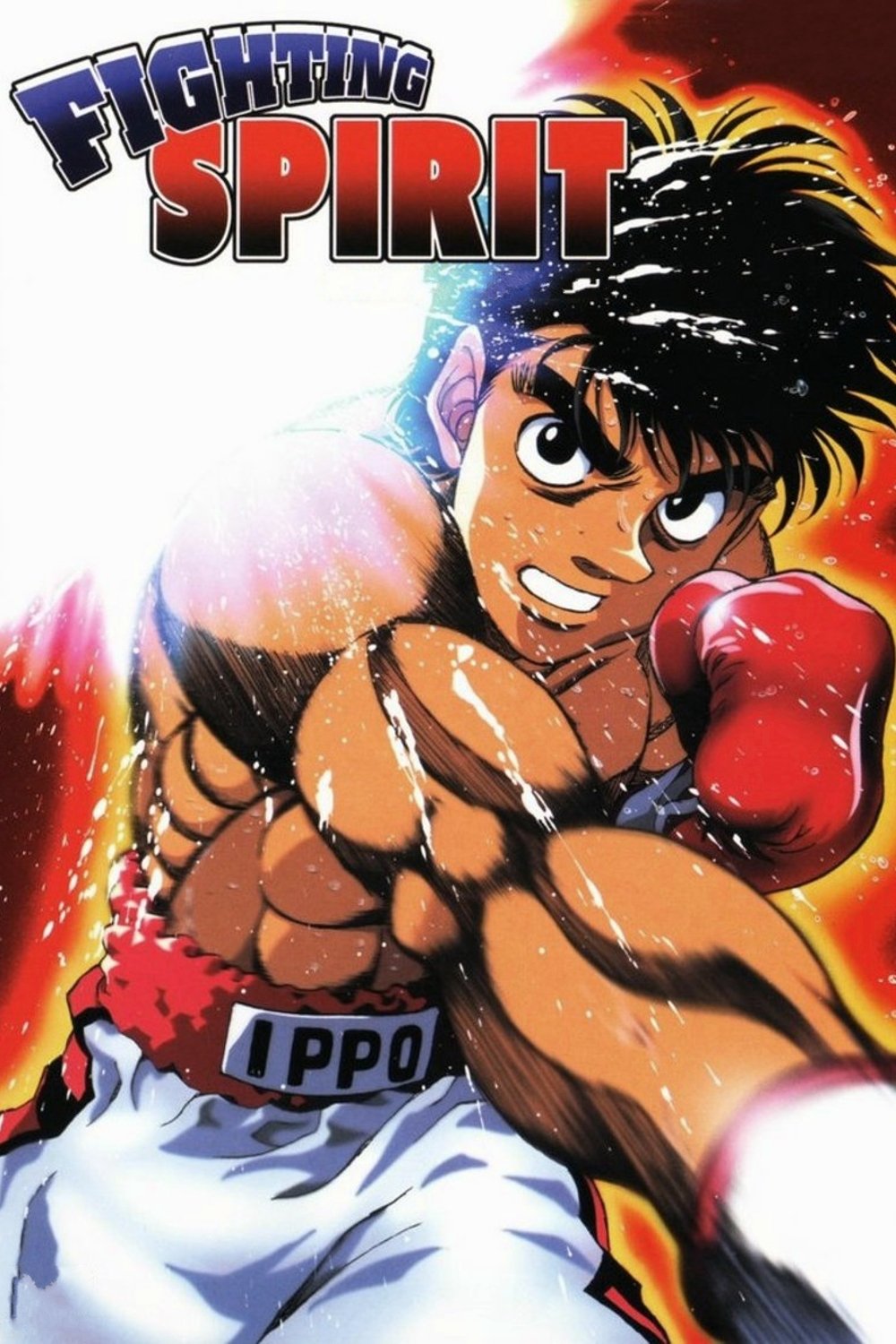
Michael B. Jordan cited this long-running boxing series as a major visual influence when he directed the third installment of the Creed franchise. He utilized the anime’s technique of showing internal dialogue during high-speed combat to add emotional weight to the boxing matches. The actor and director also included a specific double-punch maneuver in the film as a direct tribute to the animation. The story charts the rise of a bullied high school student who discovers a talent for professional boxing.
‘Ninja Scroll’ (1993)
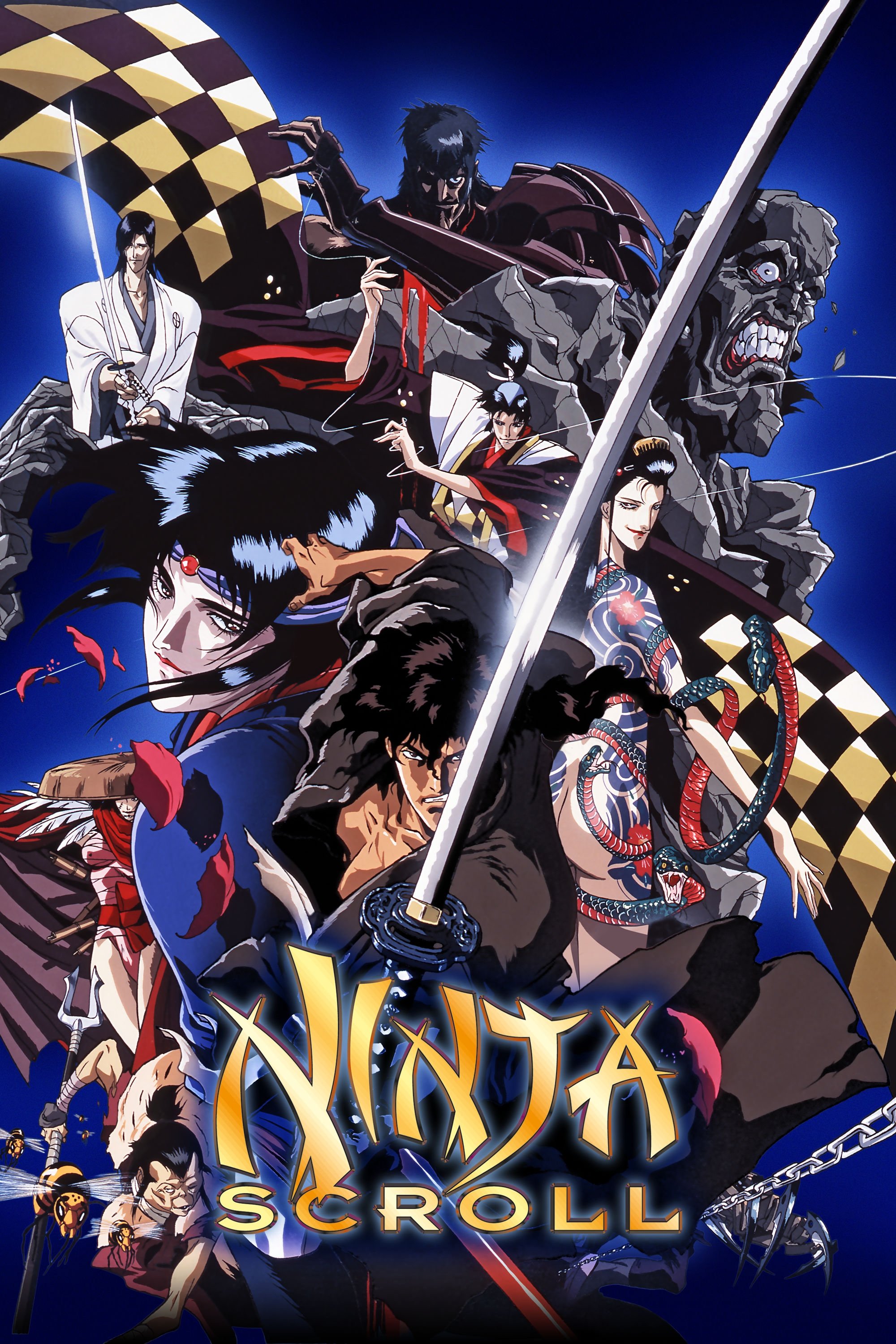
The Wachowskis urged their producer to watch this violent period piece because they wanted to replicate its visceral style in live action. They specifically admired the juxtaposition of time and space during the action beats and sought to bring that fluidity to their cyberpunk trilogy. The anime is renowned for its stylized violence and inventive creature designs that pushed the boundaries of the medium in the nineties. It follows a wandering swordsman who battles a team of demonic ninjas plotting to overthrow the government.
‘Blood: The Last Vampire’ (2000)
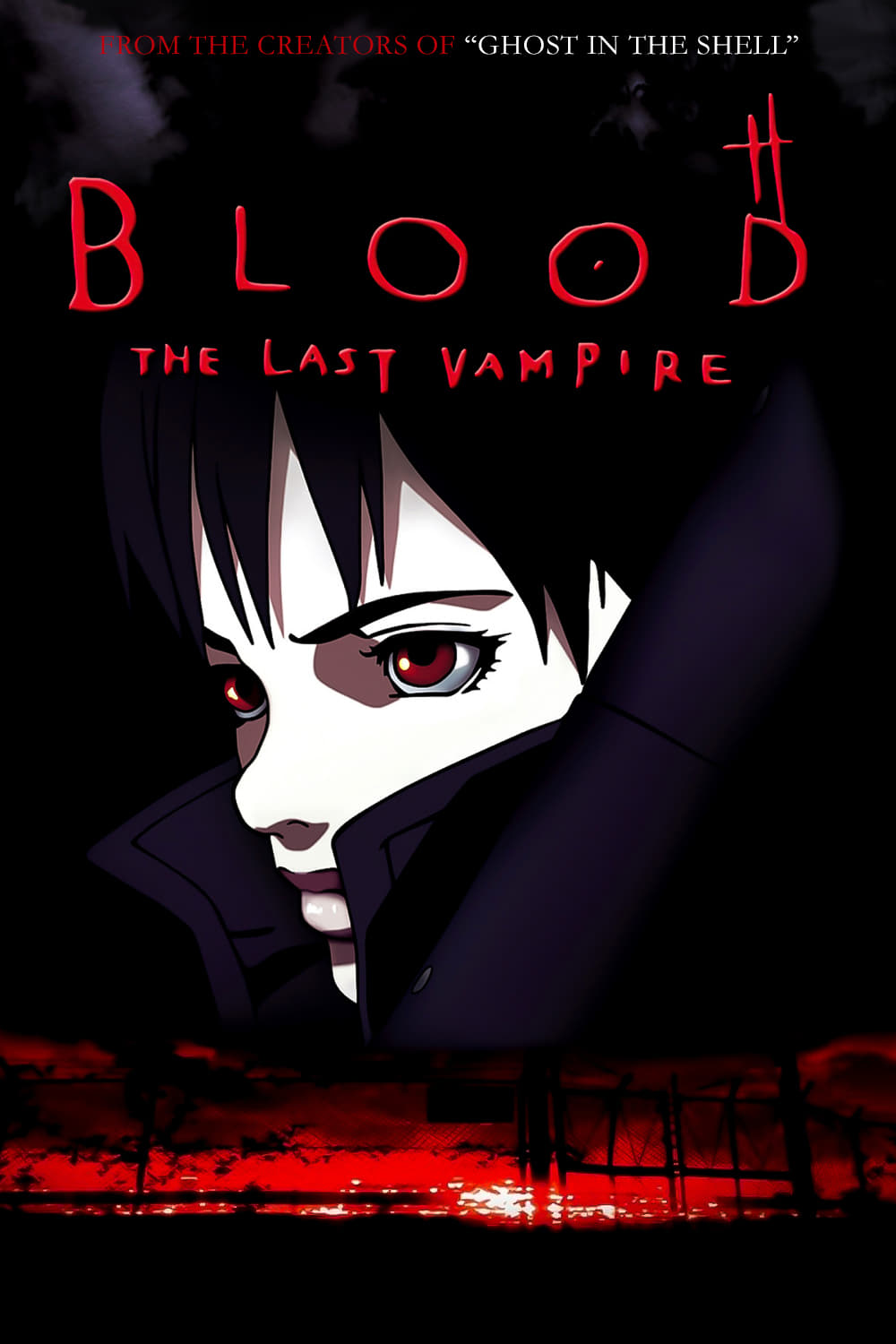
Quentin Tarantino was such a fan of this short film that he hired the production studio behind it to animate a sequence in his martial arts revenge epic. The director loved the brutal efficiency of the action and the moody atmosphere of the storytelling. He felt that animation was the only way to properly convey the violent backstory of one of his antagonists. The original anime tells the story of a girl who hunts chiropterans within a US military airbase in Japan during the Vietnam War era.
‘Patlabor: The Movie’ (1989)
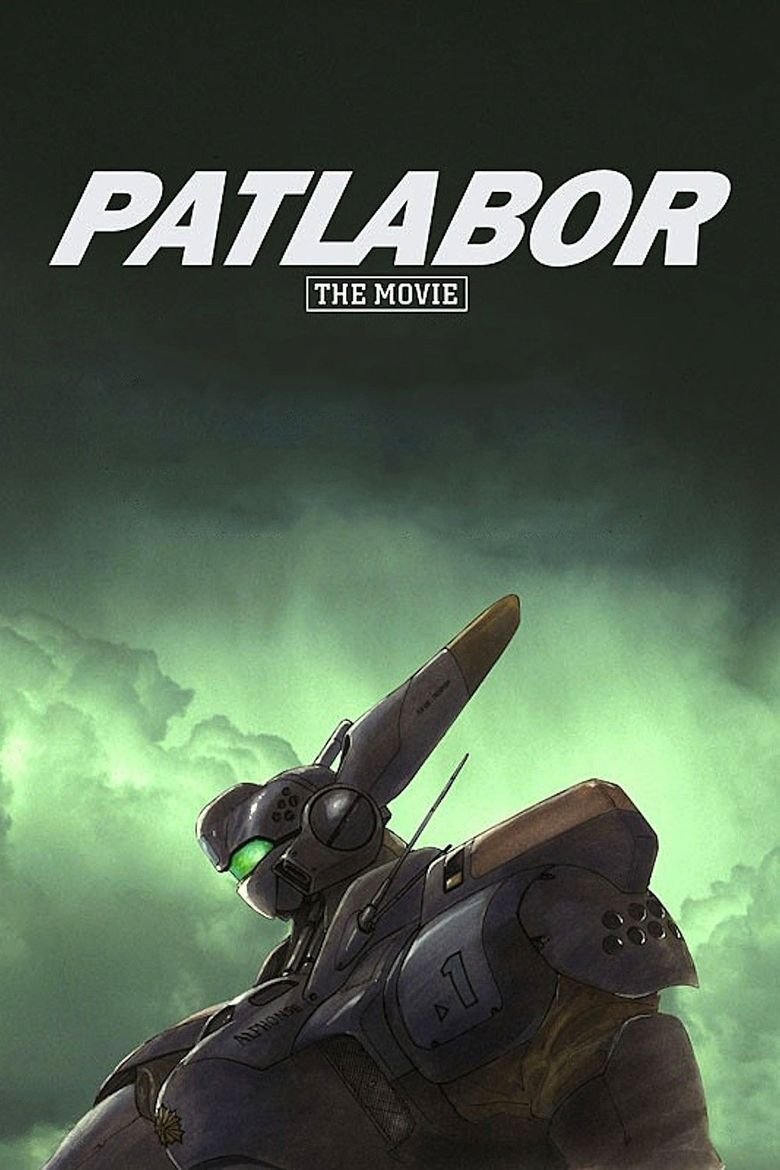
Guillermo del Toro cited the realistic mechanical designs of this franchise as a key inspiration for his own giant robot film. He appreciated how the series treated the mechs as heavy industrial machines rather than magical superheroes. James Cameron has also expressed admiration for the sequel to this film for its political depth and complex narrative. The series focuses on a police division that utilizes labor robots to combat crime in a futuristic Tokyo.
‘Neon Genesis Evangelion’ (1995–1996)
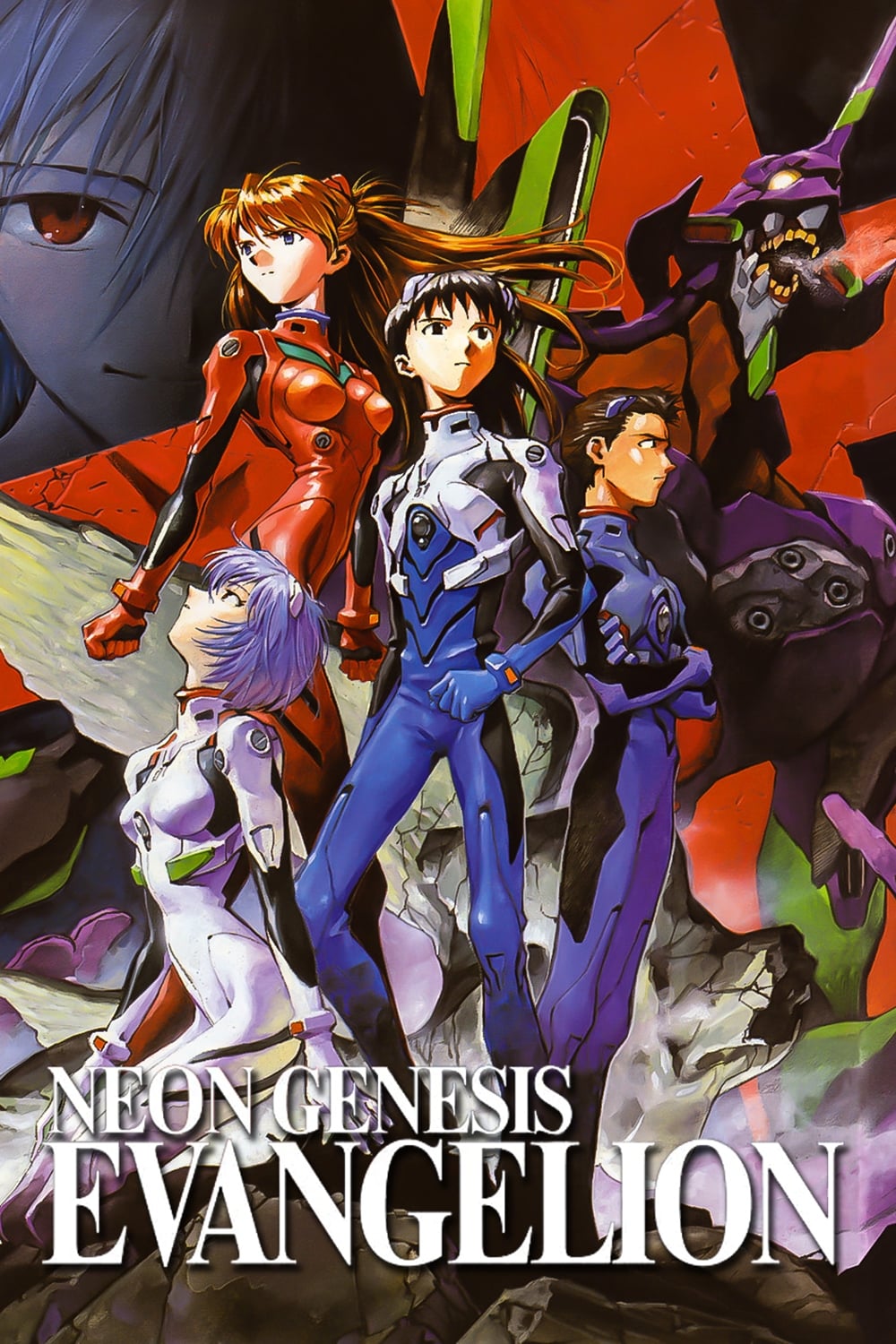
Wes Anderson stated that he watched every episode of this dense sci-fi series in less than a week and became completely absorbed by it. The director noted that the show could spawn a belief system due to its complex lore and psychological depth. Elements of the anime’s framing and dystopian aesthetic can be seen in the background textures of his stop-motion dog movie. The plot centers on teenagers who pilot giant biological machines to protect humanity from mysterious entities known as Angels.
‘Cowboy Bebop’ (1998–1999)
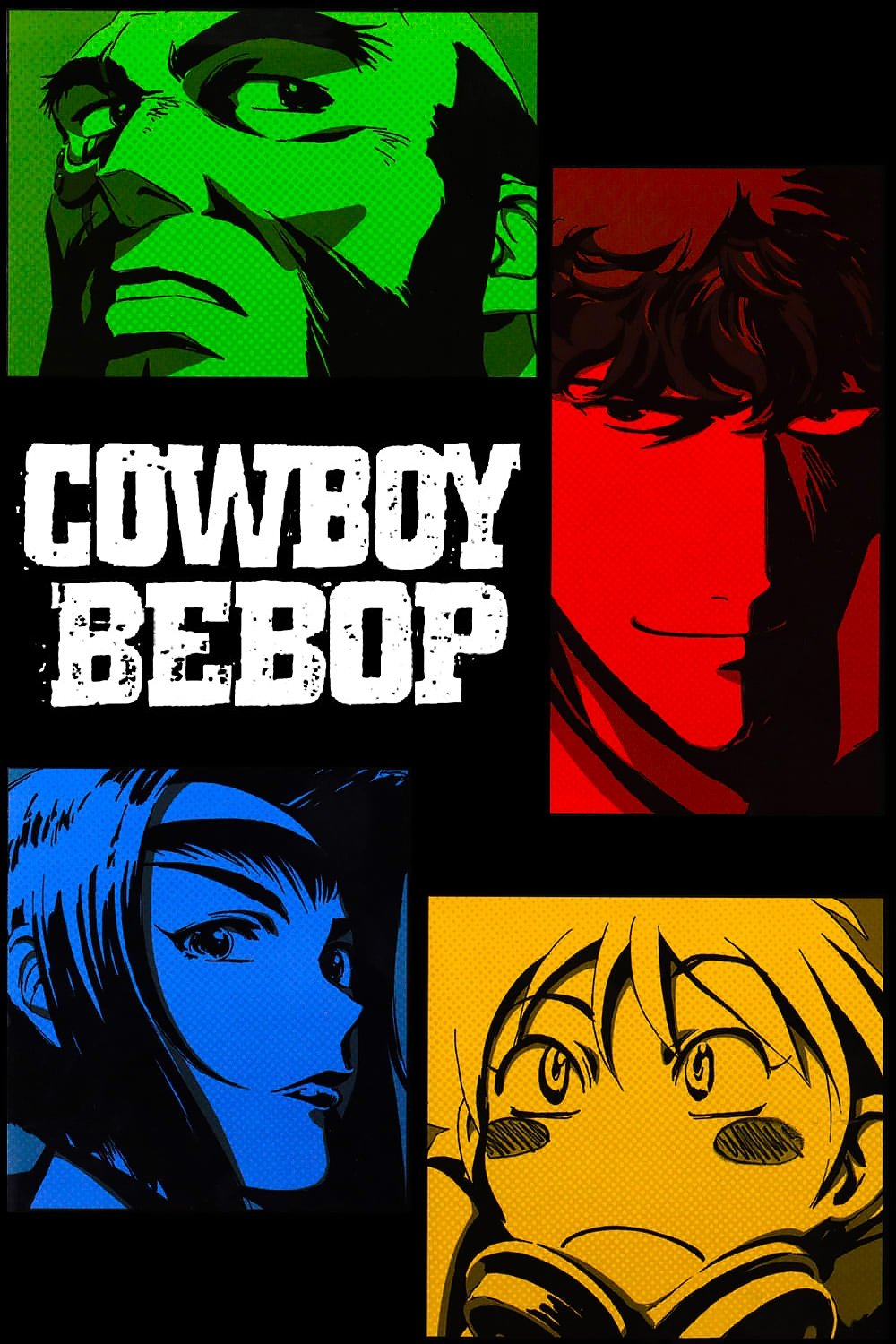
Rian Johnson has acknowledged the visual influence of this space western on his debut neo-noir film. The director used specific visual cues from the anime to shape the tone and atmosphere of his hardboiled high school detective story. He also noted that the futuristic world of his time-travel assassin movie shares DNA with the lived-in universe of the anime. The series follows a ragtag crew of bounty hunters traveling the solar system on their ship while confronting their pasts.
‘Elfen Lied’ (2004)

The Duffer Brothers cited this dark sci-fi anime as a primary influence for the character of Eleven in their hit supernatural series. They were inspired by the concept of a young girl with psychic powers escaping from a government laboratory. The show is known for its extreme violence and emotional intensity which mirrors the darker moments of their show. It tells the tragedy of a mutant species with invisible arms who is rejected by humanity and hunted by the military.
‘Barefoot Gen’ (1983)
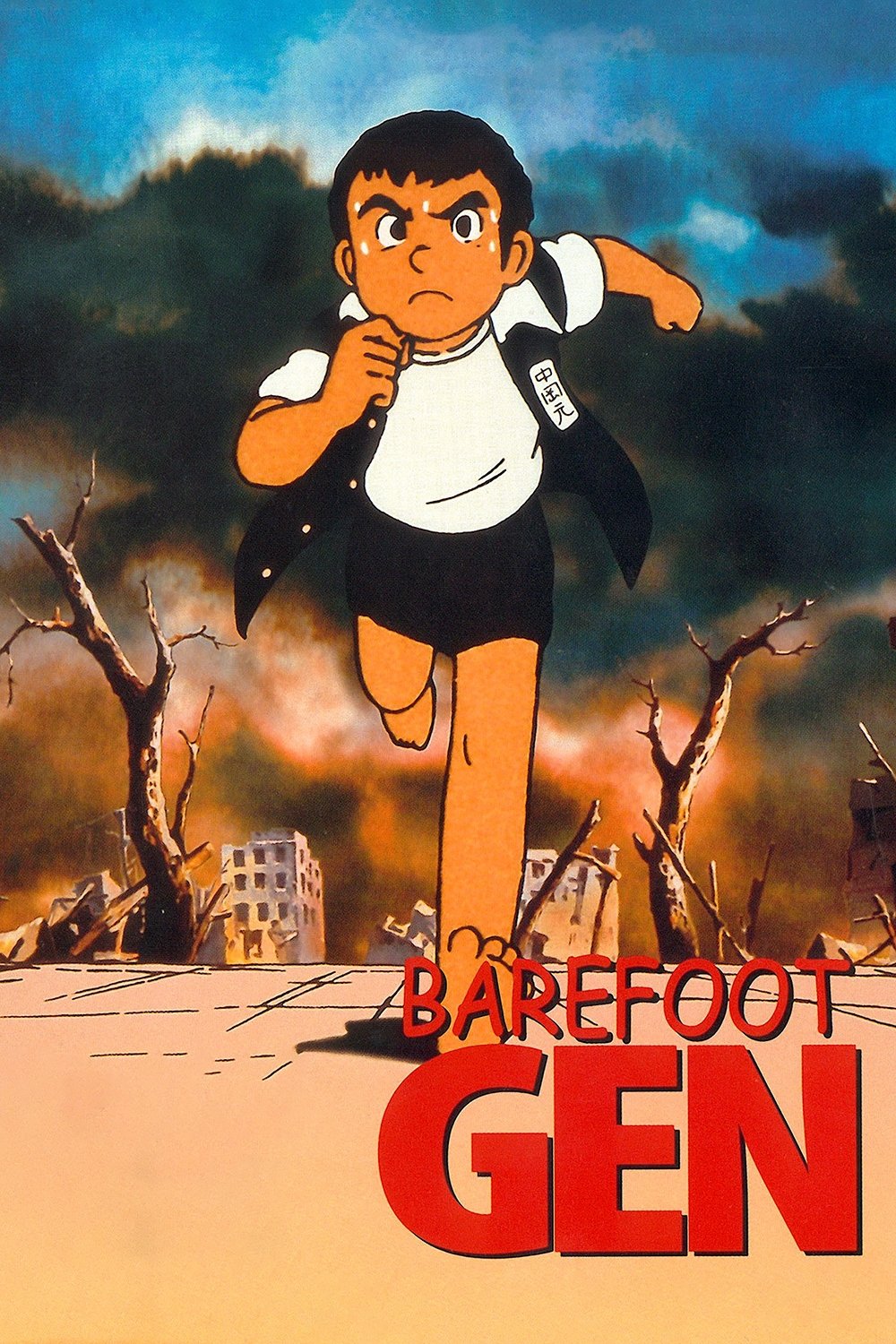
James Gunn has spoken about the profound impact this harrowing war film had on him as a viewer. The director described scenes from the movie as some of the most horrifying and realistic depictions of the atomic bombing ever put to screen. It stands as a testament to the power of animation to handle mature and devastating historical events. The story is an autobiographical account of a young boy struggling to survive in Hiroshima during and after the events of World War II.
‘Saint Seiya’ (1986–1989)
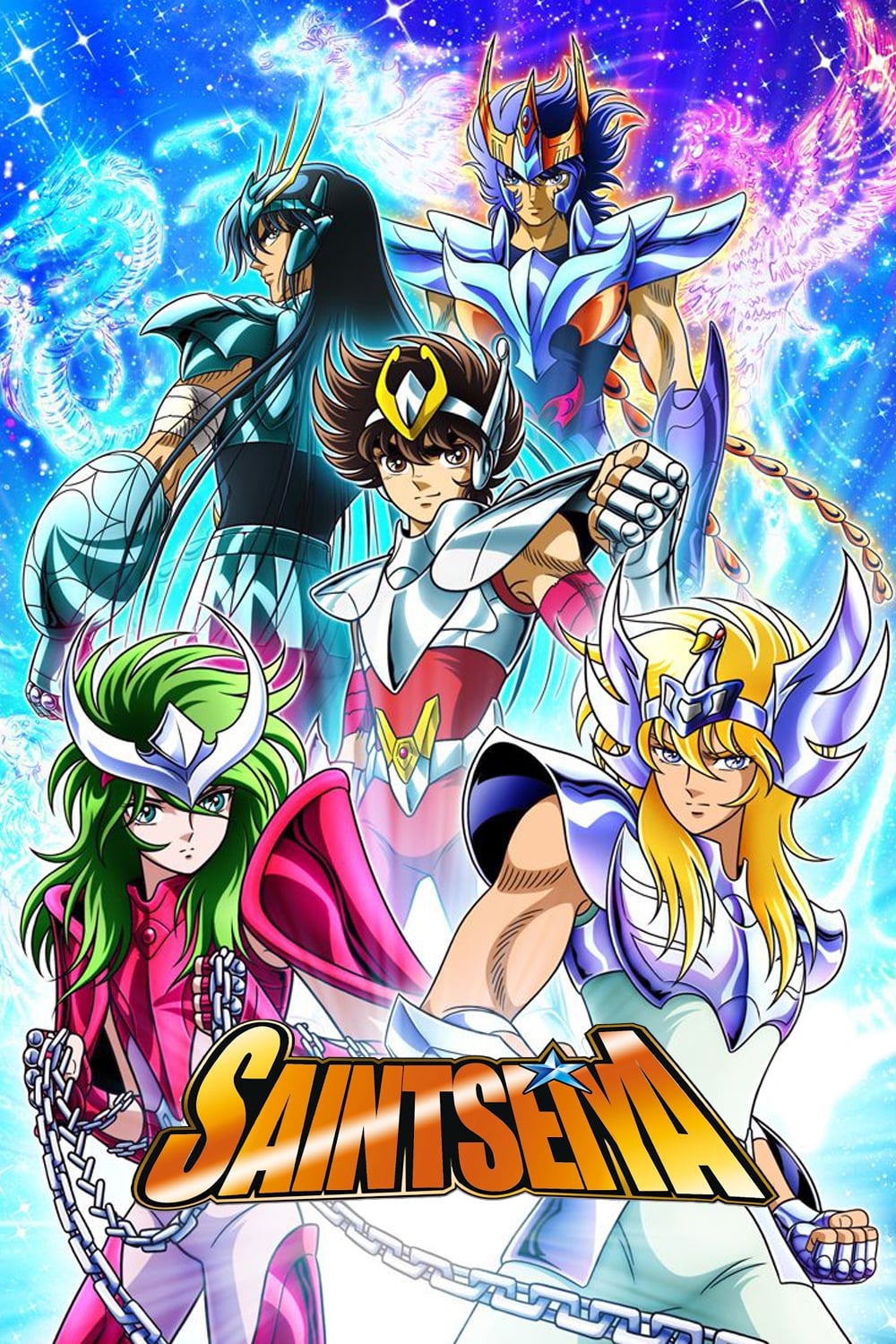
Louis Leterrier requested that the armor designs in his remake of a Greek mythology blockbuster pay homage to this classic anime. The director was a fan of the show growing up in France and wanted to capture the majestic aesthetic of the anime’s warriors. He even commissioned the original manga artist to create promotional posters for the Japanese release of his film. The series features mystical warriors known as Saints who wear magical cloth armor and defend the goddess Athena.
‘Space Battleship Yamato’ (1974–1975)
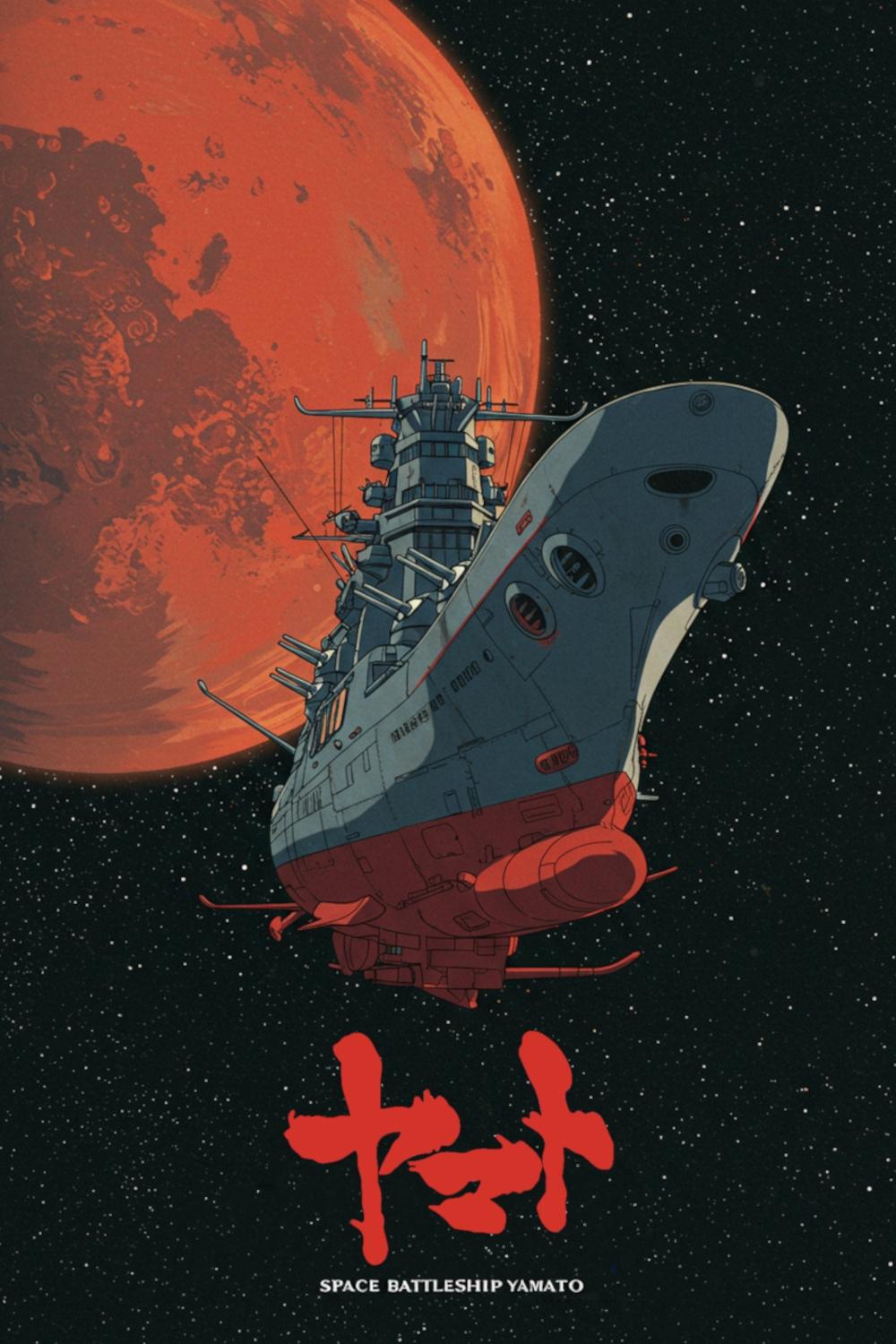
George Lucas has been associated with this space opera which aired as Star Blazers in the West during the seventies. The series is credited with introducing serious overarching narratives to television animation which paved the way for modern serialized storytelling. Zack Snyder has also mentioned the show as a personal favorite that influenced his appreciation for the genre. The plot involves a crew embarking on a desperate voyage across the galaxy to retrieve a device that can save a dying Earth.
‘Kite’ (1998)
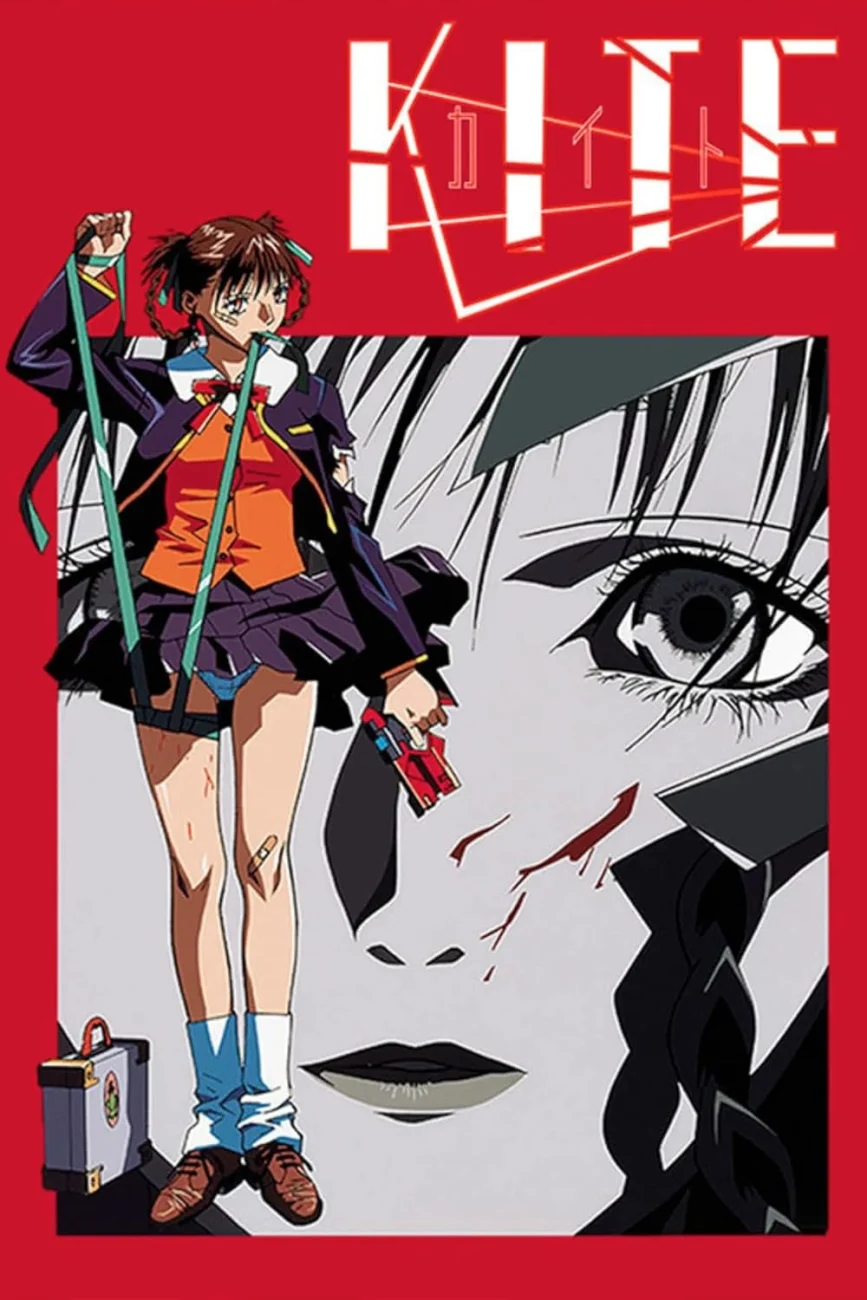
Quentin Tarantino reportedly recommended this controversial OVA to the actress who played Gogo Yubari to help her prepare for her role. The director was drawn to the stylized action and the concept of a young female assassin navigating a corrupt world. Samuel L. Jackson was also such a fan of the original anime that he produced a live-action adaptation years later. The story follows an orphaned girl who is forced to carry out hits for corrupt detectives in a grit-filled future.
‘Speed Racer’ (1967–1968)
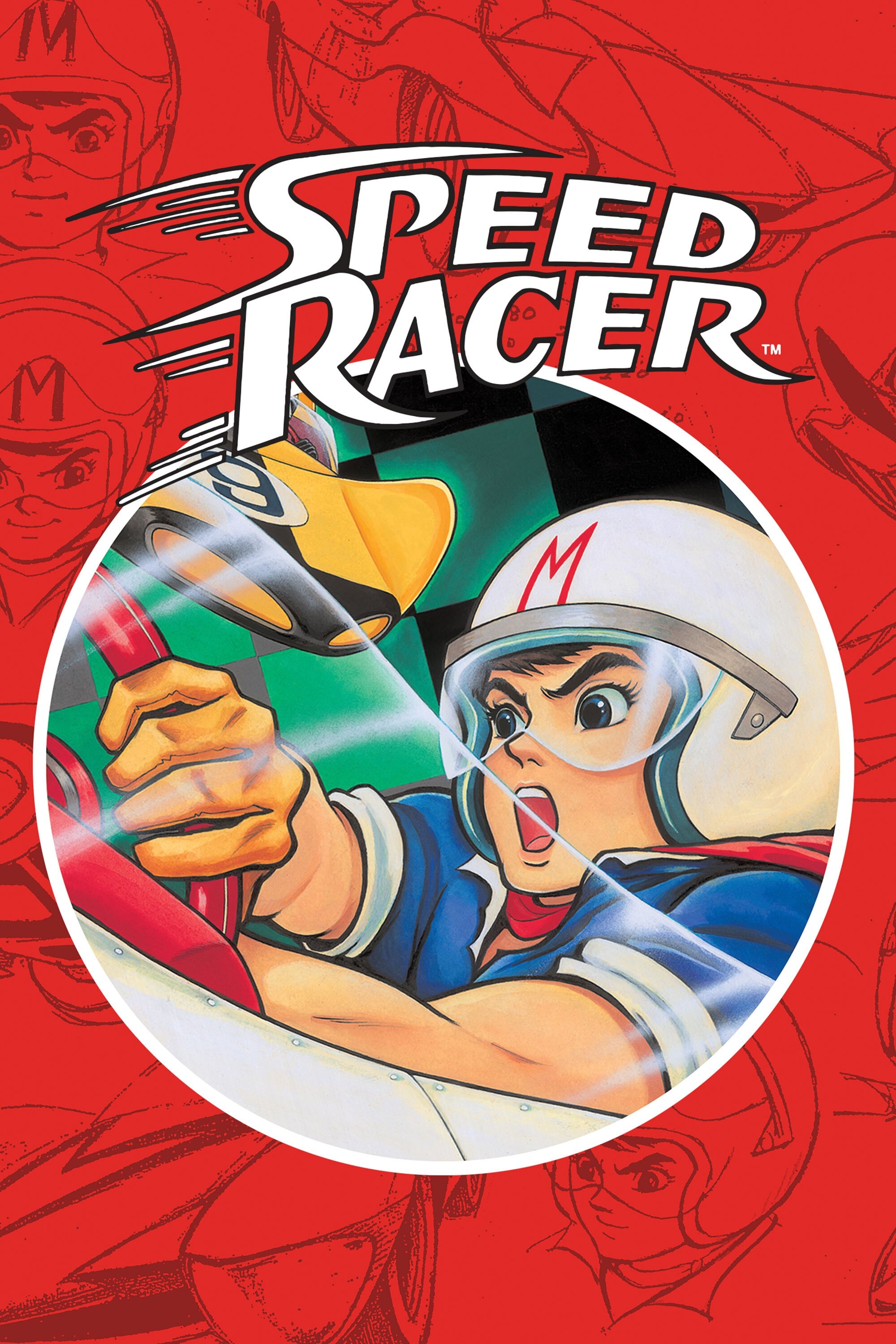
The Wachowskis directed a live-action adaptation of this classic series because it was a foundational part of their childhoods. They developed a unique visual style for the film that mimicked the panning and bright colors of the original limited animation. The directors aimed to create a live-action cartoon that retained the innocence and kinetic energy of the source material. The show focuses on a teenage race car driver who competes in dangerous global races with his gadget-filled vehicle.
‘Super Dimension Fortress Macross’ (1982–1983)
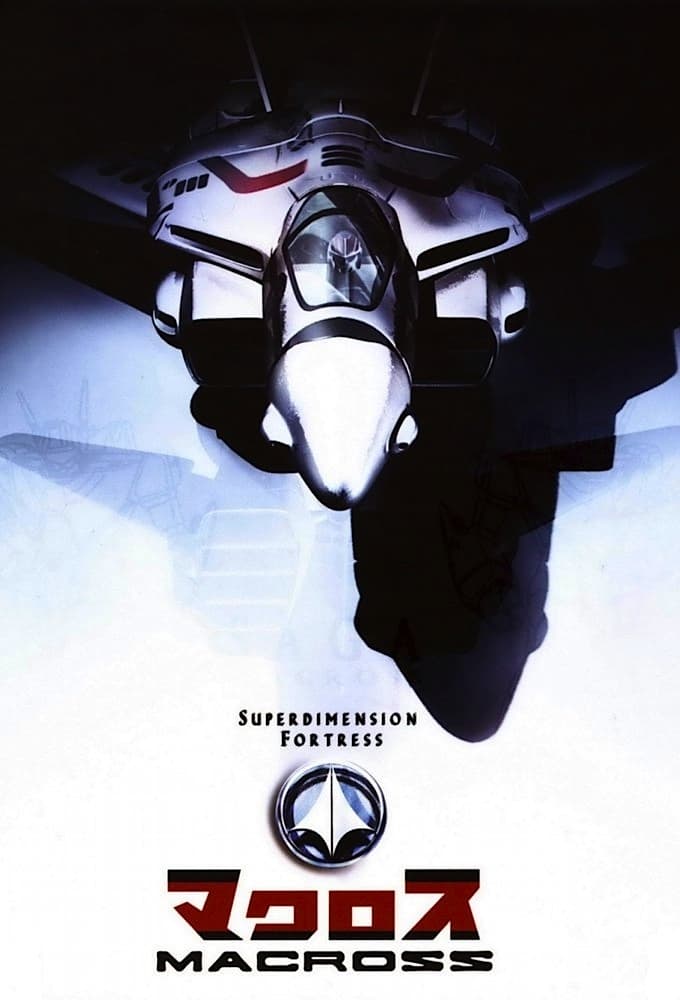
James Gunn has expressed his love for the mecha designs and the overarching space opera narrative of this franchise. The seamless combination of transforming robots and a love triangle set against an interstellar war helped define the genre for a generation. The series demonstrates how personal drama can coexist with epic galactic stakes. The story centers on a massive spacecraft that carries an entire city of civilians while being pursued by giant alien warriors.
‘Space Pirate Captain Harlock’ (1978–1979)

James Cameron is a known admirer of this Leiji Matsumoto creation and its influence is visible in his approach to sci-fi machinery and rebellious heroes. The character of the brooding space pirate has influenced countless creators including Daft Punk and Guillermo del Toro. The archetype of the noble outlaw sailing the sea of stars is central to the show’s enduring legacy. The narrative follows the captain and his crew aboard the Arcadia as they resist an alien invasion that the earth’s government ignores.
‘Paprika’ (2006)
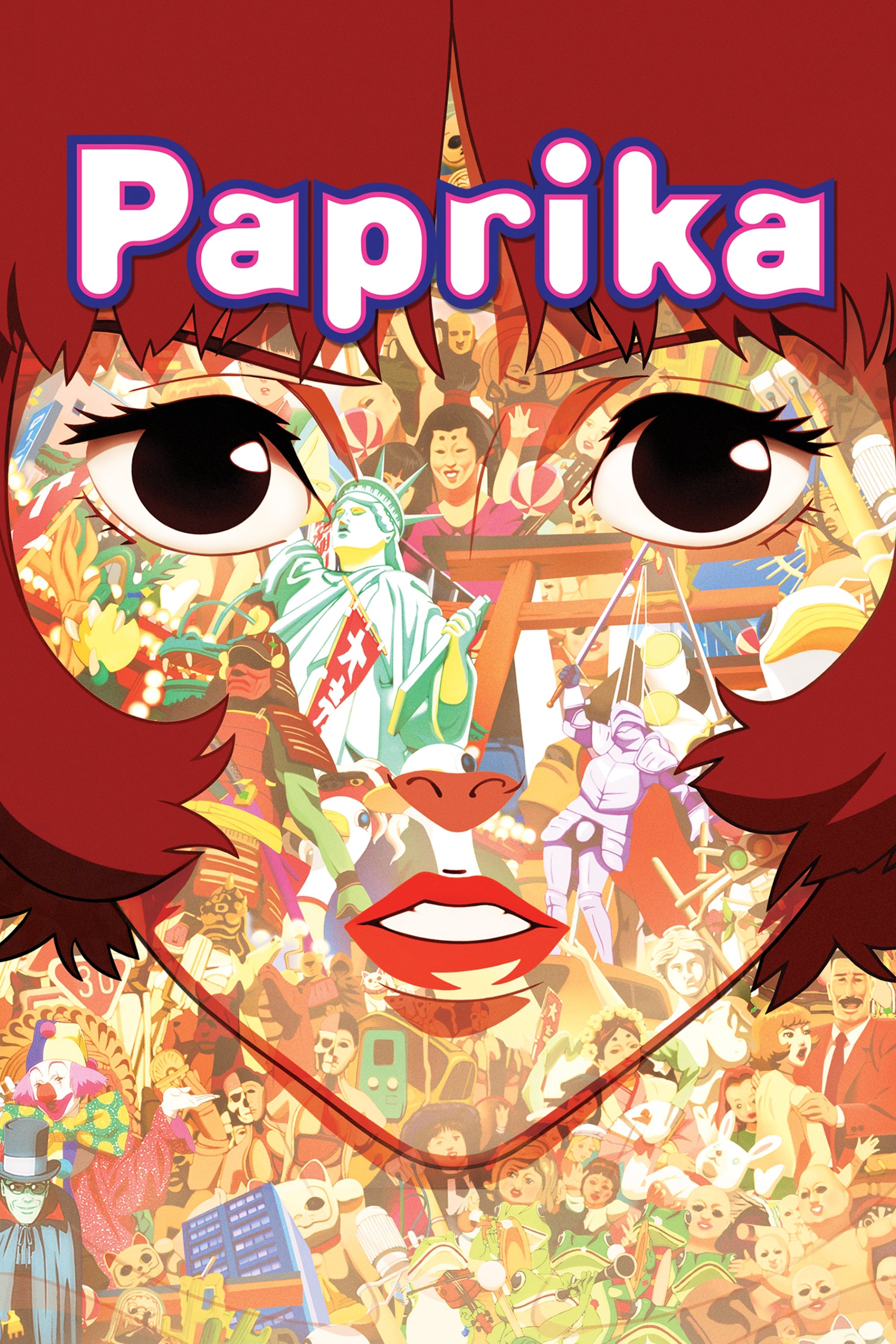
Christopher Nolan has faced constant comparisons between his dream-heist blockbuster and this surreal masterpiece by Satoshi Kon. While direct inspiration is often debated by critics, the visual parallels involving shattering mirrors and hallway gravity distortions are undeniable. Wolfgang Petersen was even attached to direct a live-action adaptation of the anime before the project stalled. The film features a device that allows therapists to enter their patients’ dreams which is stolen by a terrorist.
‘Battle of the Planets’ (1978–1979)
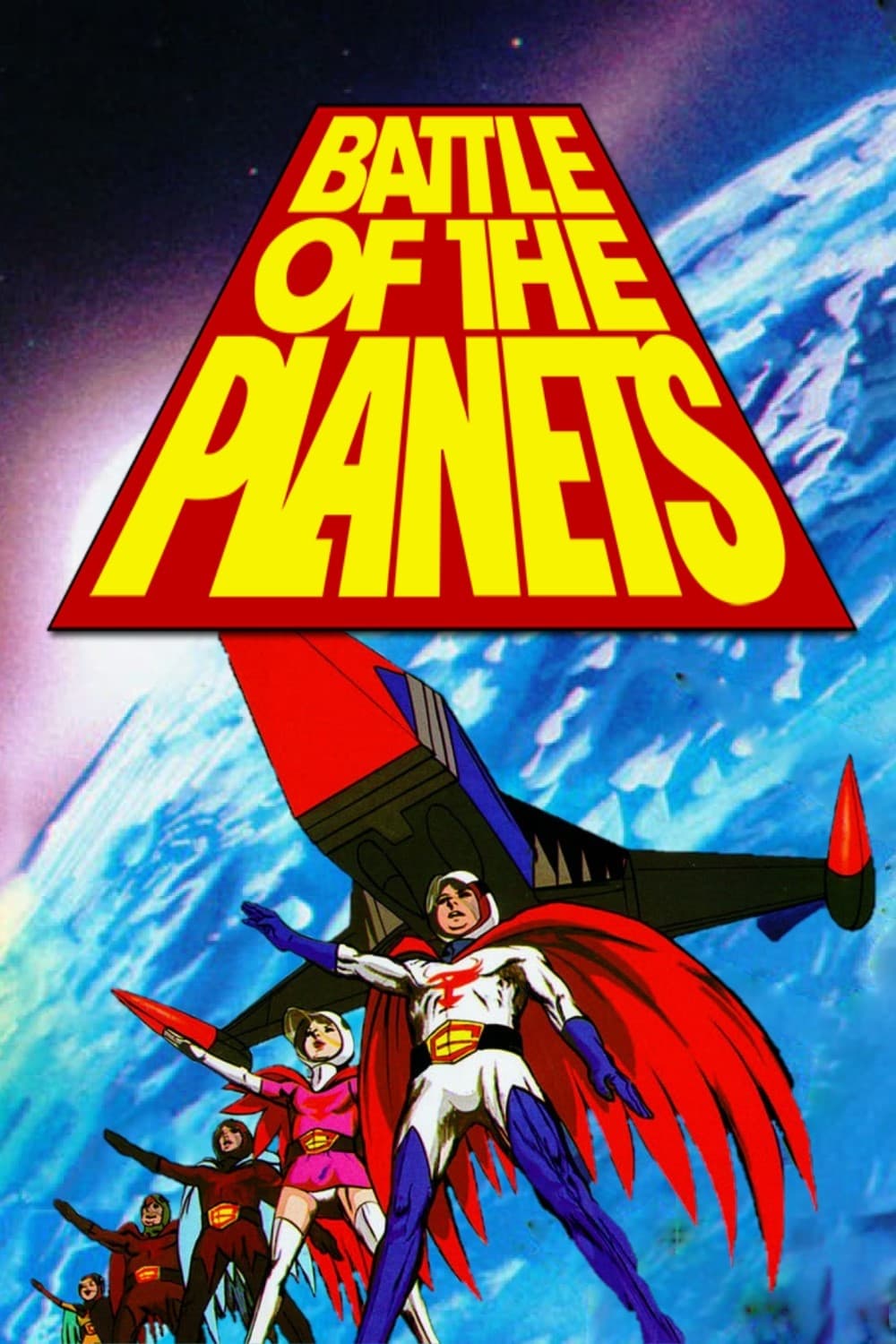
The Russo Brothers have spent years developing a live-action adaptation of this series which is known in Japan as Gatchaman. They cited the show as a significant part of their childhood that fueled their interest in team-based storytelling. The directors aim to modernize the story while respecting the original themes of environmentalism and technology. The series features a five-member superhero team dressed in bird-themed costumes who fight a terrorist organization seeking to conquer the world.
Tell us which of these director favorites you plan to watch next in the comments.