14 Movies Where the Black Character Refuses to Save the White Protagonist

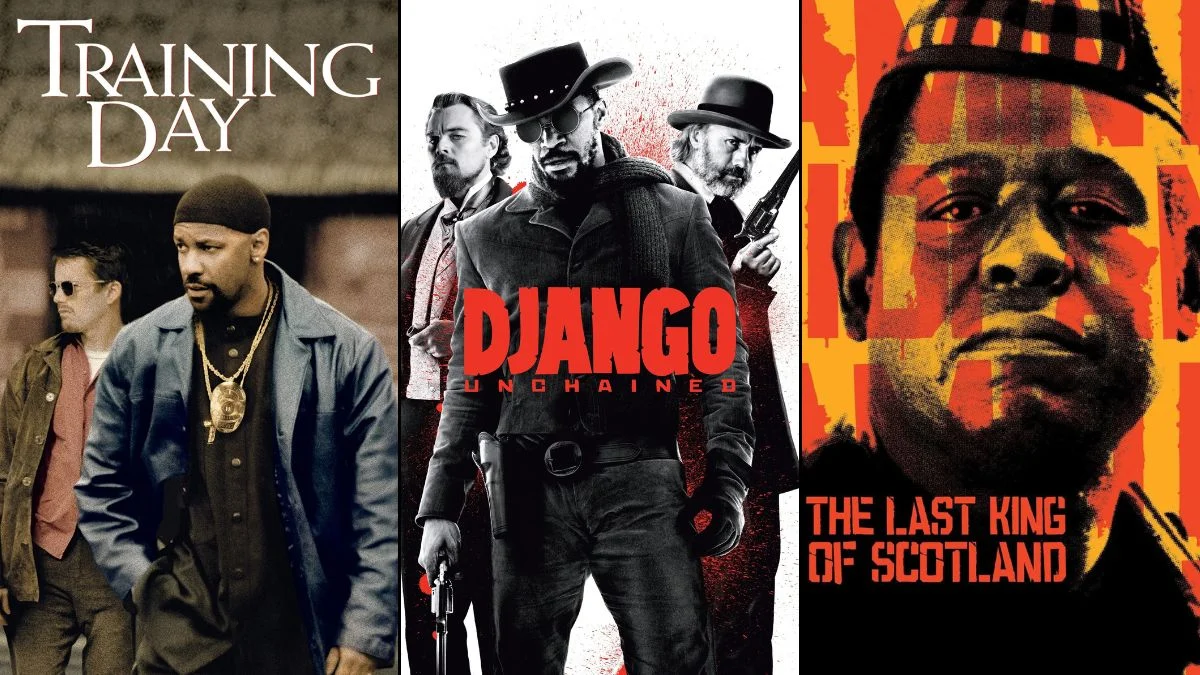

The “Magical Negro” trope has long plagued cinema by reducing Black characters to mere plot devices who exist solely to assist, guide, or sacrifice themselves for white protagonists. Audiences have grown tired of seeing dynamic supporting actors throw their lives away to ensure the survival of the main hero. A growing collection of films subverts this expectation by presenting Black characters who prioritize their own survival or actively work against the white lead. These movies feature complex individuals who refuse to be saviors and sometimes become the architect of the protagonist’s downfall.
‘Training Day’ (2001)
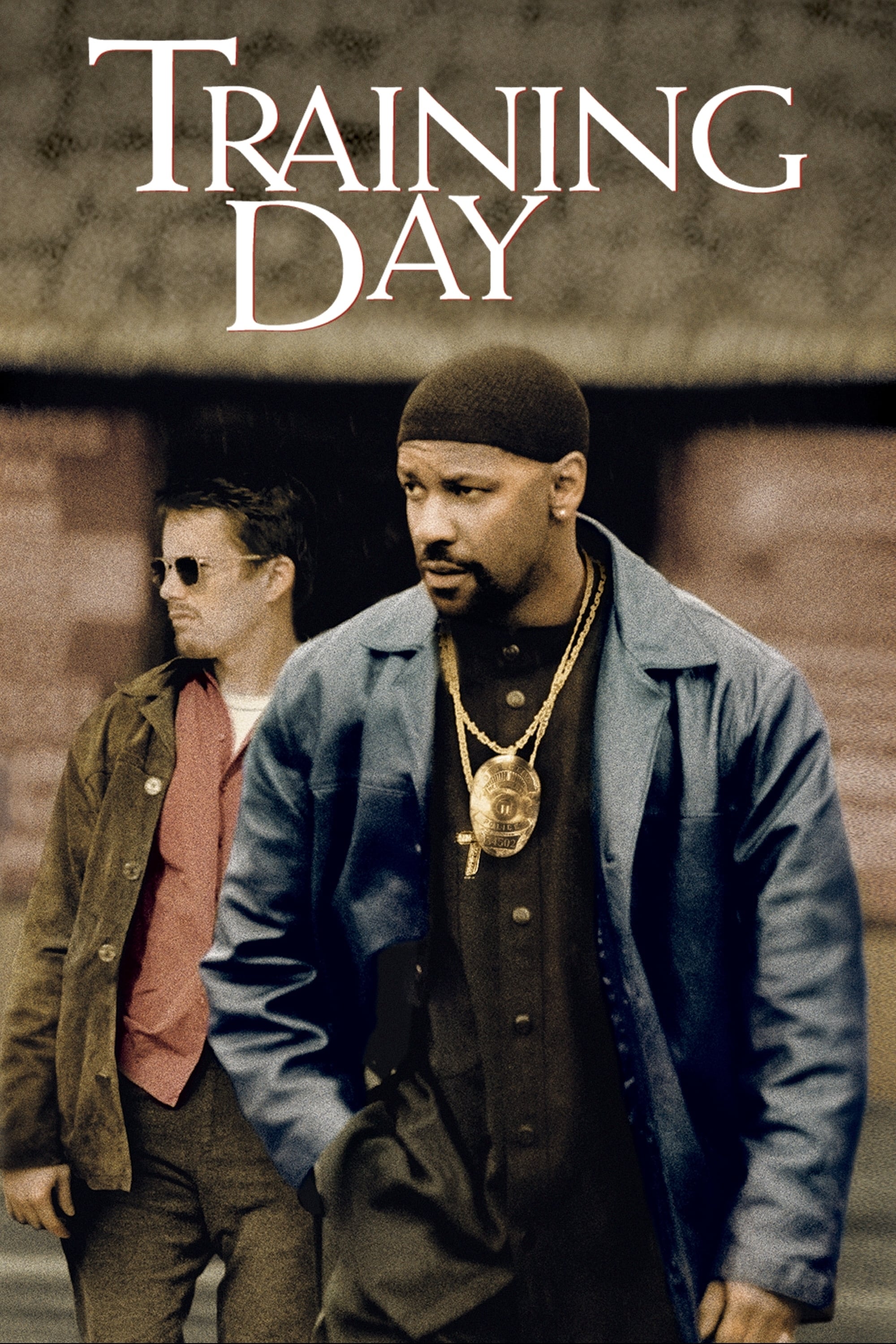
Detective Alonzo Harris is the ultimate subversion of the mentor figure who guides a rookie through a dangerous world. He spends the entire film manipulating his new white partner Jake Hoyt into a position where he can be murdered to settle a debt. Alonzo explicitly leaves Jake to be executed by a local gang while he walks away with stolen money. His refusal to save Jake is not just a moment of inaction but a calculated betrayal that drives the film’s climax.
‘Django Unchained’ (2012)
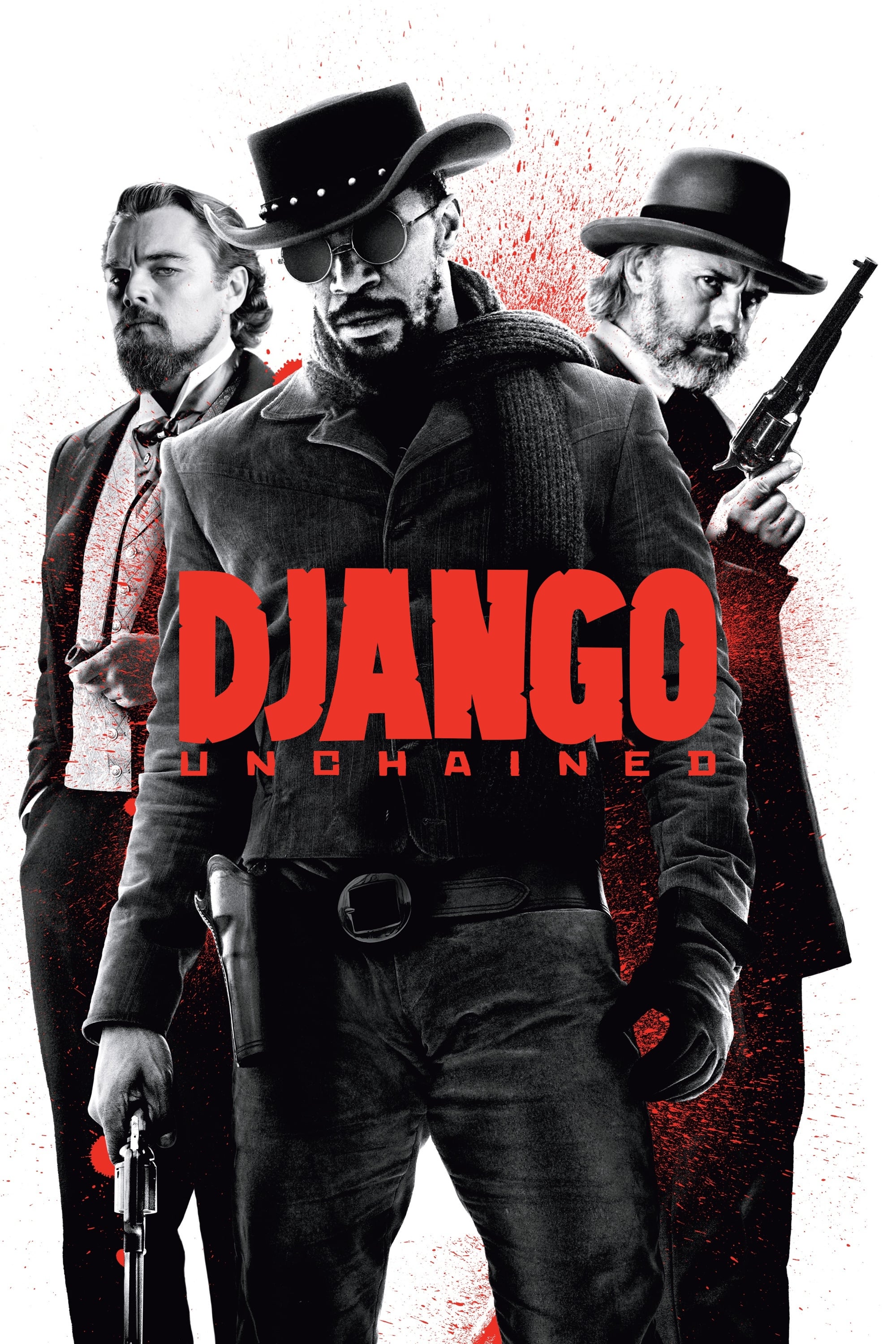
Stephen acts as the house slave and loyal confidant to the villainous Calvin Candie. When Dr. King Schultz and Django arrive to rescue a slave named Broomhilda, Stephen immediately sees through their disguise and refuses to aid their mission. He actively informs Candie of the deception and orchestrates the confrontation that leads to Schultz’s death. Stephen protects the oppressive system that benefits him rather than engaging in any solidarity with the heroes.
‘Unbreakable’ (2000)
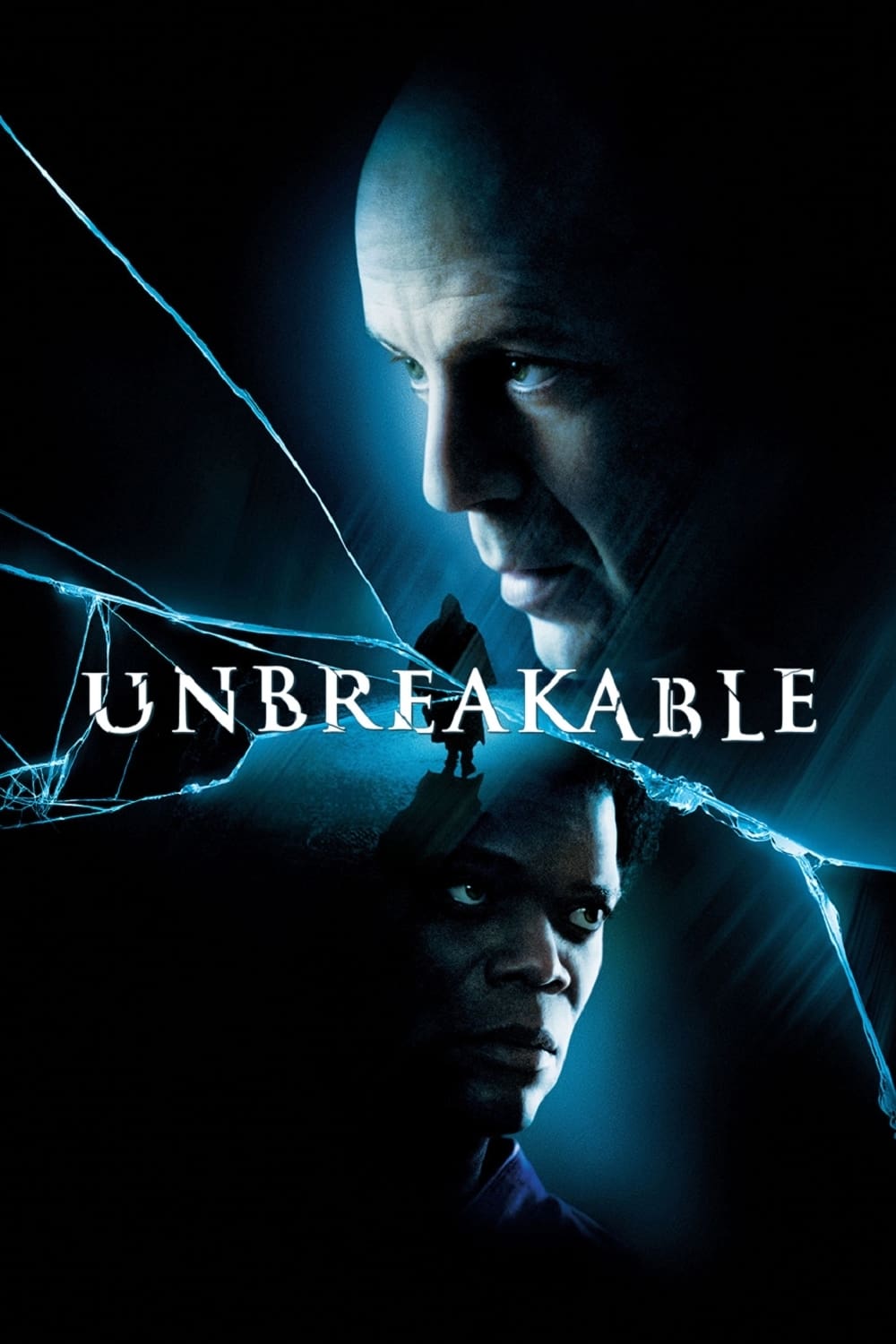
Elijah Price presents himself as a mentor helping David Dunn discover his superhuman potential. It is revealed that Elijah orchestrated massive disasters including a deadly train crash to find a person who could survive them. He does not save people but rather sacrifices countless white and innocent lives to validate his own existence as a comic book villain. His refusal to protect life is the core of his philosophy regarding the hero and villain dynamic.
‘Get Out’ (2017)
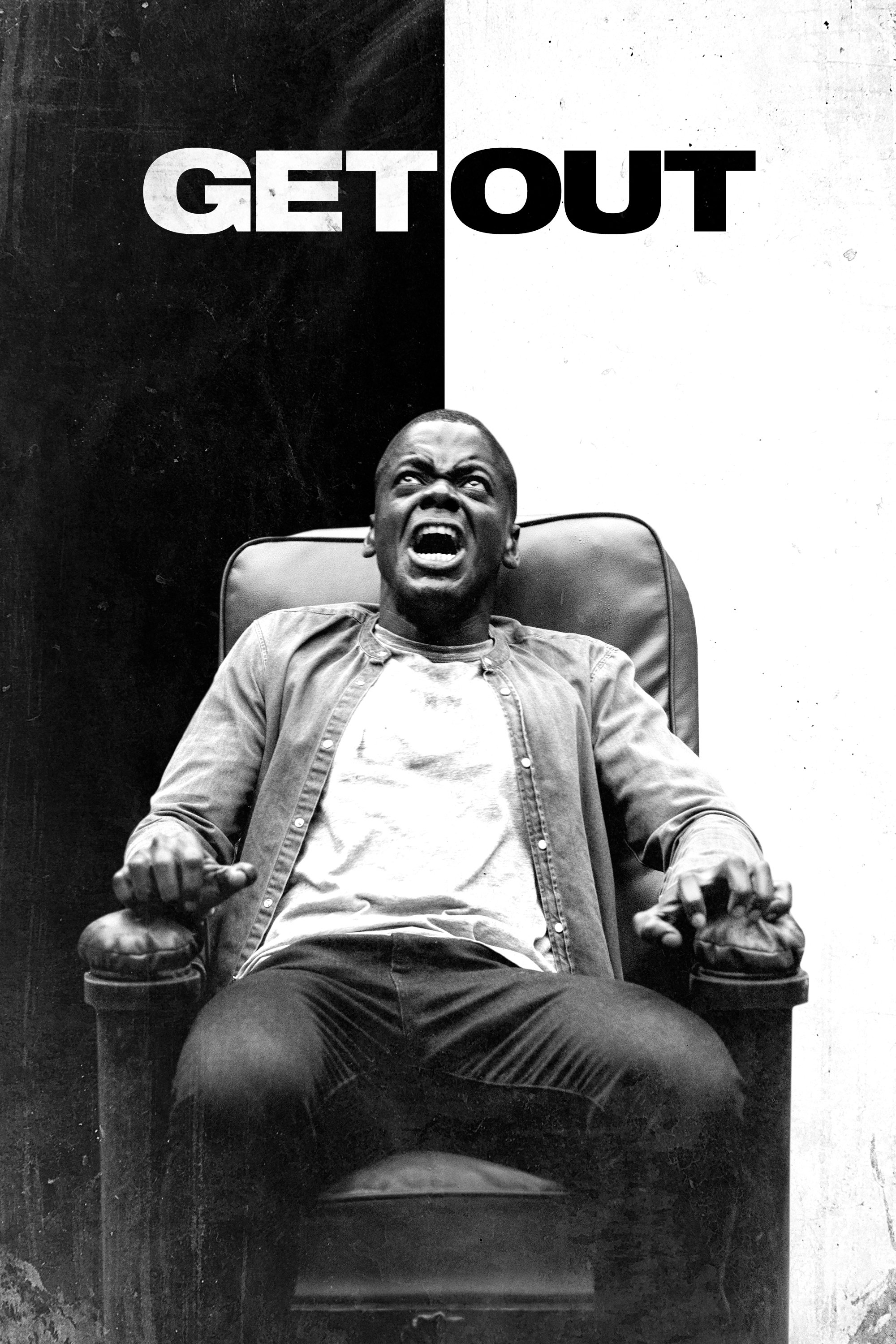
Walter and Georgina appear to be the hired help for the Armitage family but are actually vessels for the minds of white ancestors. When Chris tries to escape the estate, Walter actively tackles him and prevents his flight while Georgina blocks exits. These characters do not offer the secret assistance or warnings often seen in horror movies but instead serve as physical enforcers for the antagonists. Their actions are a terrifying rejection of the allyship Chris desperately seeks in a hostile environment.
‘Us’ (2019)
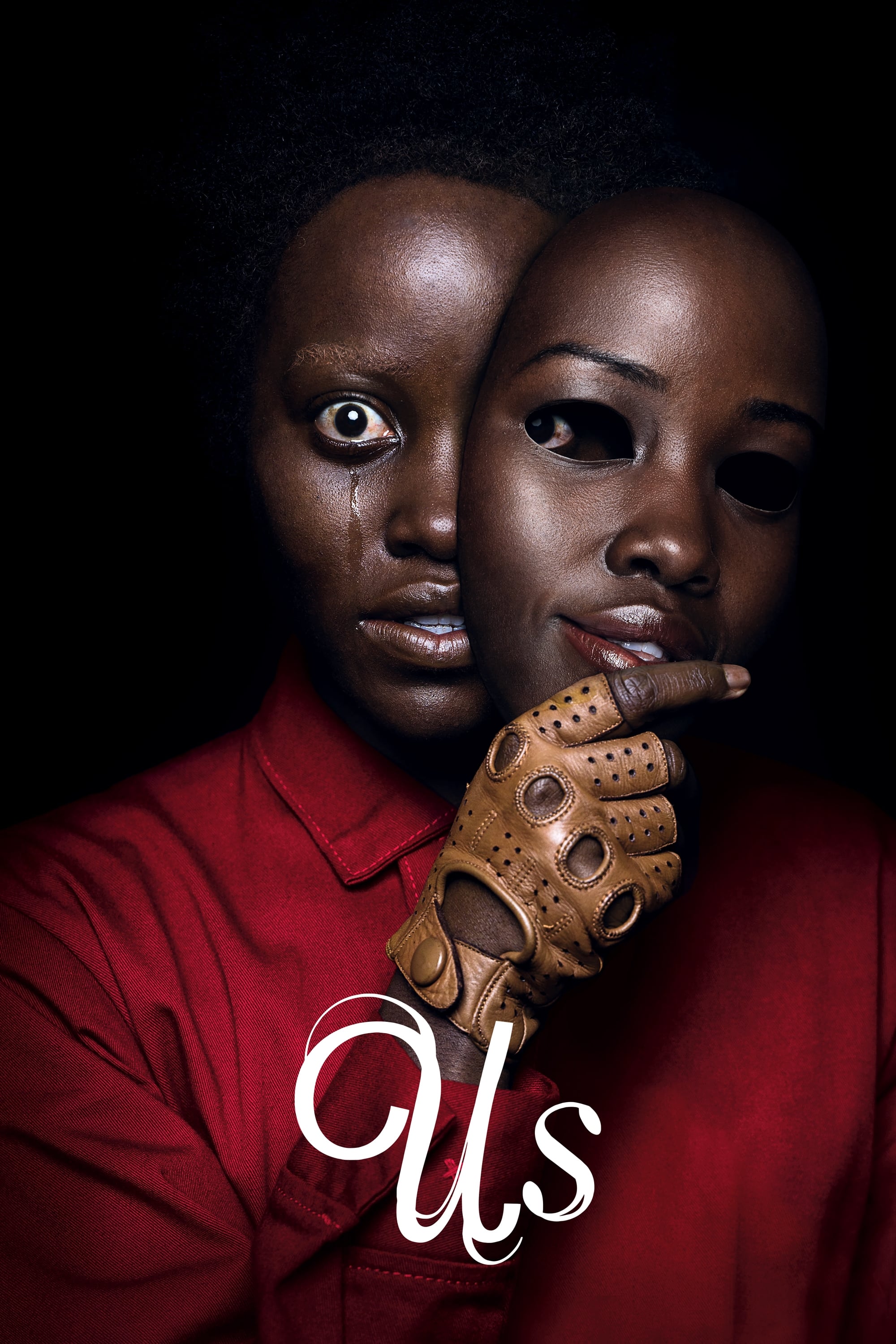
Red is the tethered doppelgänger of the protagonist Adelaide Wilson and orchestrates a violent uprising. She has no intention of saving Adelaide or her family and instead seeks to reclaim the life she feels was stolen from her. The film centers on Red’s calculated mission to eliminate her white-adjacent counterpart rather than support her. Her refusal to show mercy dismantles the idea that a shadow self exists to support the primary character.
‘The Last King of Scotland’ (2006)
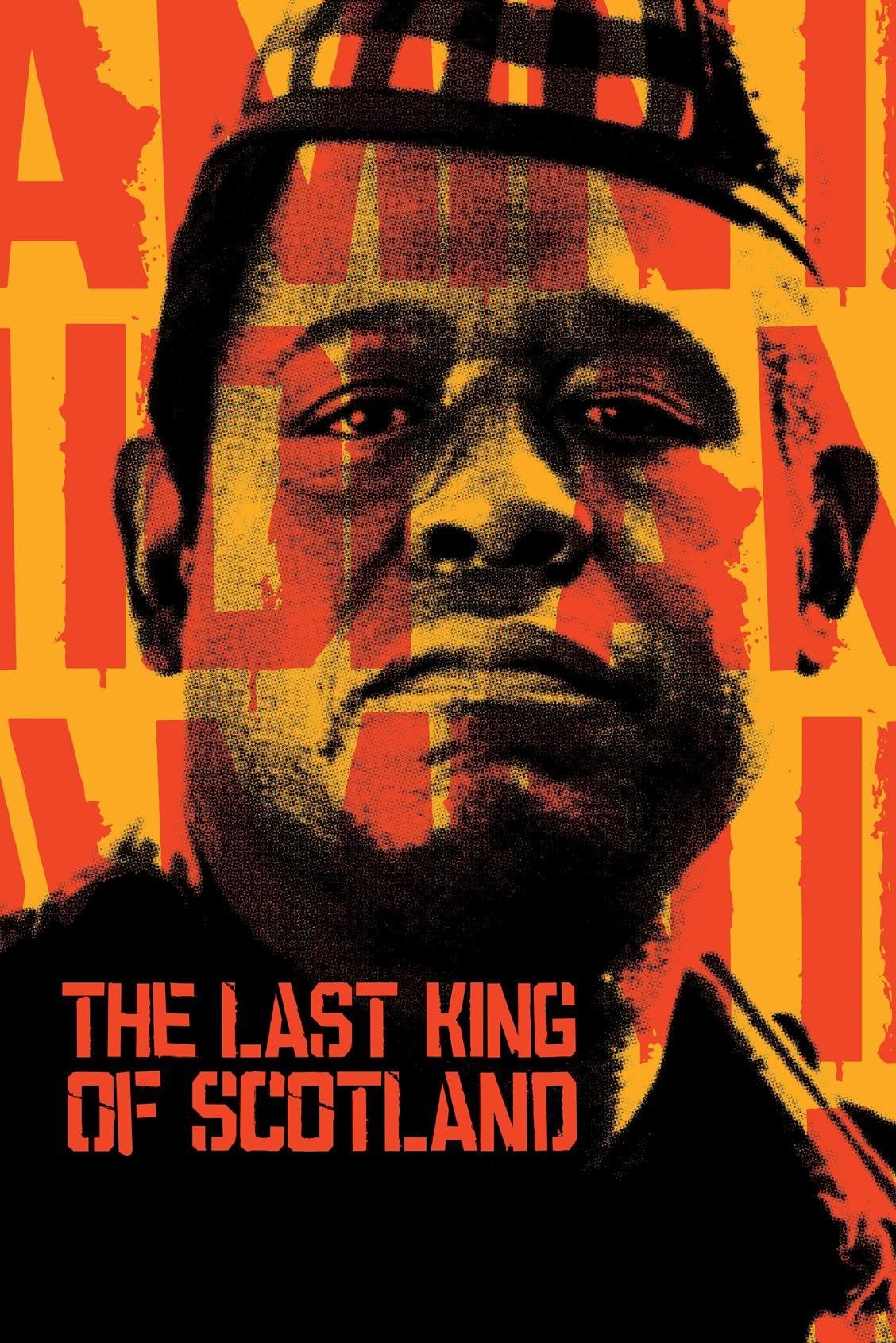
Idi Amin initially charms the Scottish doctor Nicholas Garrigan and welcomes him into his inner circle as a close advisor. As the political situation deteriorates, Amin refuses to let Garrigan leave the country and confiscates his passport. The dictator manipulates the doctor into becoming an accomplice to atrocities rather than protecting him from the chaos. Garrigan realizes too late that his powerful friend is actually his captor who will sacrifice him to maintain power.
‘Kong: Skull Island’ (2017)

Lieutenant Colonel Preston Packard becomes obsessed with killing the giant ape after his men are killed in the initial landing. He refuses to listen to the warnings of tracker James Conrad and photographer Mason Weaver who want to leave the island peacefully. Packard threatens the group and forces them into a death trap to satisfy his need for revenge. His refusal to prioritize the safety of the civilians leads to further unnecessary deaths.
‘Cube’ (1997)

Quentin starts as the leader of the group trying to escape a deadly maze of booby-trapped rooms. The stress of the situation causes him to suffer a mental breakdown and turn against his fellow captives. He eventually murders a white woman named Holloway and attempts to kill the others to ensure his own survival. Quentin devolves from a potential savior into the primary antagonist who must be defeated for anyone else to live.
‘Escape Room’ (2019)

Jason Walker is a wealthy day trader who believes his financial success makes him superior to the other players. During a challenge involving a hallucinogenic poison, he battles a white stoner named Ben for the single dose of the antidote. Jason refuses to share or help Ben and actively tries to kill him to secure the cure for himself. His character embodies ruthless self-interest over the communal survival trope often seen in thriller ensembles.
‘Lakeview Terrace’ (2008)

Officer Abel Turner is a rigid and aggressive policeman who disapproves of his new neighbors. He systematically terrorizes the interracial couple moving in next door rather than welcoming them to the neighborhood. Abel uses his authority and resources to make their lives miserable and refuses to help them when wildfires threaten their homes. The film flips the script by making the Black law enforcement officer the source of danger rather than a protector.
‘Candyman’ (1992)

The titular entity is a vengeful spirit who haunts the Cabrini-Green housing projects. He seduces and eventually destroys the white graduate student Helen Lyle rather than saving her from the dangers of the neighborhood. Candyman seeks to immortalize his own legend by forcing Helen to become a part of his tragic folklore. He rejects the role of a victim or a helper and asserts his dominance as a powerful force of horror.
‘Captain Phillips’ (2013)
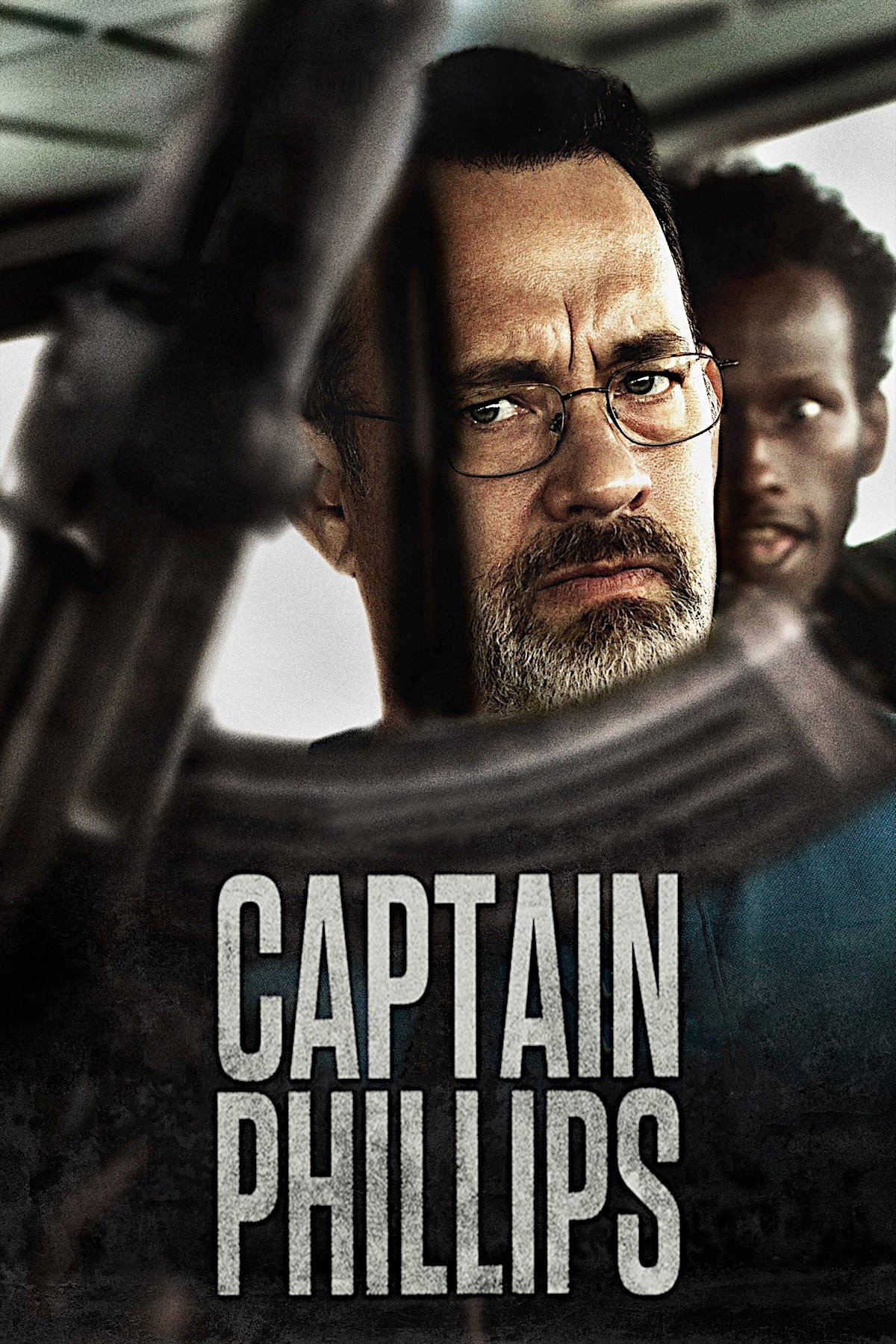
Muse is the leader of a group of Somali pirates who hijack an American cargo ship. He holds the white captain hostage in a lifeboat and refuses to release him despite offers of money and the arrival of the Navy. Muse remains committed to his desperate mission and endangers Phillips until the very end. The dynamic is strictly adversarial with the Black character serving as the captor who holds the protagonist’s life in his hands.
‘Ma’ (2019)

Sue Ann befriends a group of white teenagers by buying them alcohol and letting them party in her basement. Her hospitality is a trap designed to exact revenge for the bullying she endured in high school. She drugs and tortures the students instead of protecting them from the consequences of their reckless behavior. Sue Ann uses the expectation of the helpful older figure to lure the protagonists into a nightmare.
‘Z for Zachariah’ (2015)
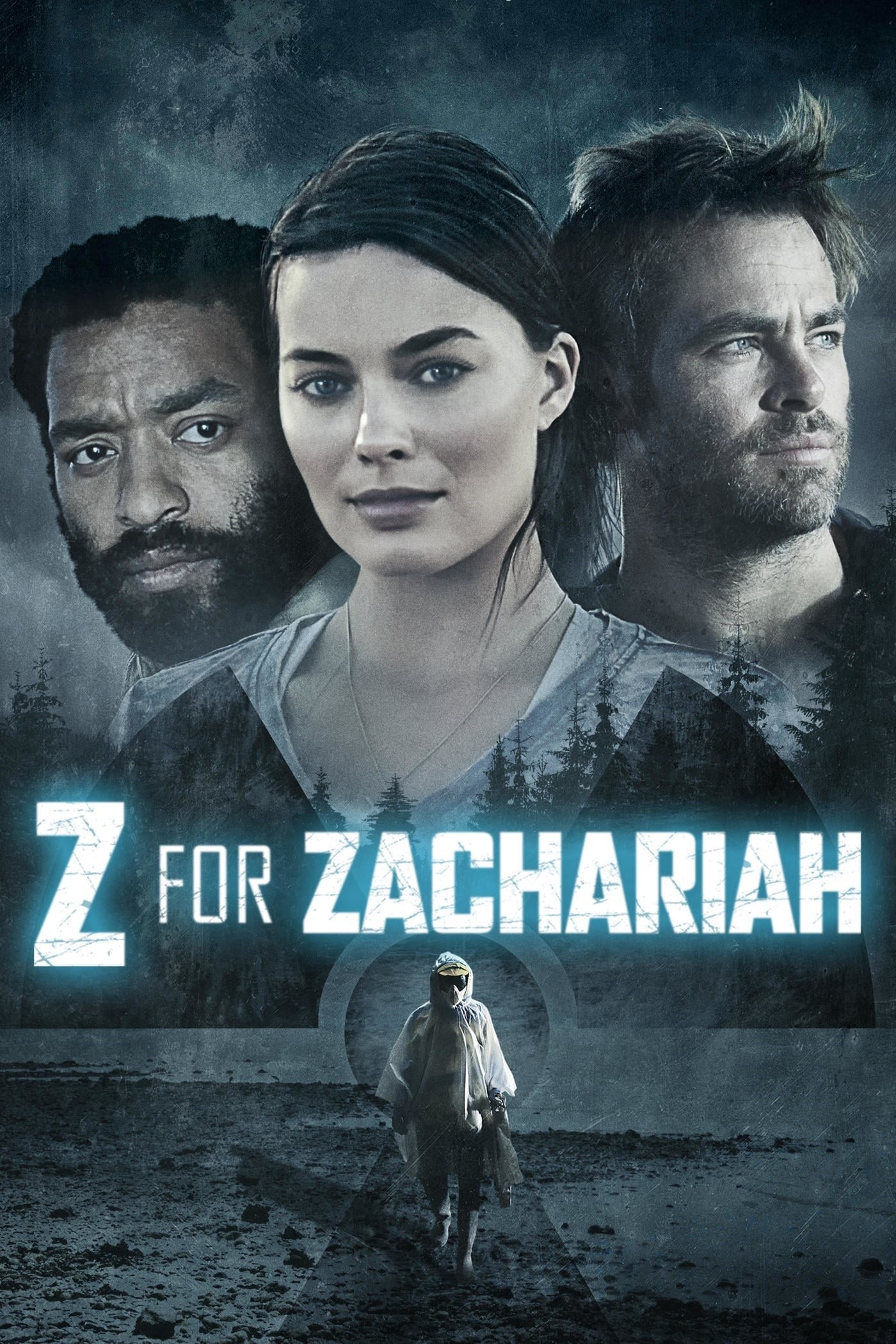
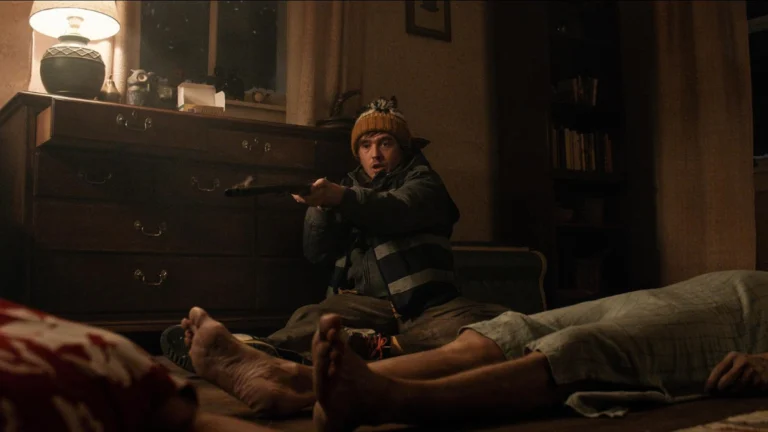
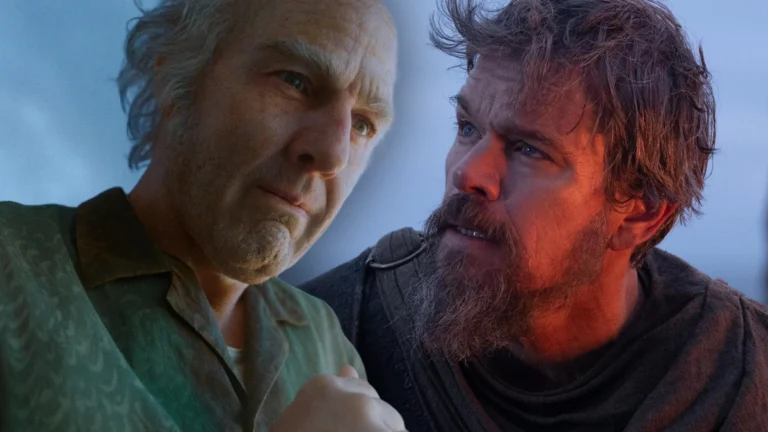
Loomis is a pragmatic survivor who finds himself in a love triangle with a white woman and a white man named Caleb. Tension builds as Loomis realizes that Caleb poses a threat to his relationship with the woman. During a repair mission near a radioactive waterfall, Loomis refuses to save Caleb from slipping and lets him fall to his death. This dark act of omission ensures his rival is removed permanently.
Tell us which of these subversions shocked you the most in the comments.