13 Anime That Gave Us Canon Bisexual Leads Before It Was Cool


Japanese animation has explored complex themes of gender and sexuality for decades often predating similar representation in Western media. Many classic series featured main characters who expressed romantic interest in both men and women without the need for strict labels. These portrayals ranged from subtle subtext in shonen action series to explicit plot points in dramatic romances. The medium allowed creators to challenge societal norms through compelling character dynamics and emotional depth.
‘The Rose of Versailles’ (1979–1980)

Oscar François de Jarjeyes is raised as a man to command the Royal Guard yet she identifies as a woman throughout the series. She shares a profound and tragic romantic bond with her childhood friend André Grandier. Her intense attraction to the Swedish nobleman Hans Axel von Fersen also drives much of the dramatic tension. Oscar remains a revolutionary figure in anime history for her refusal to conform to traditional gender roles or binary affections.
‘Sailor Moon’ (1992–1997)
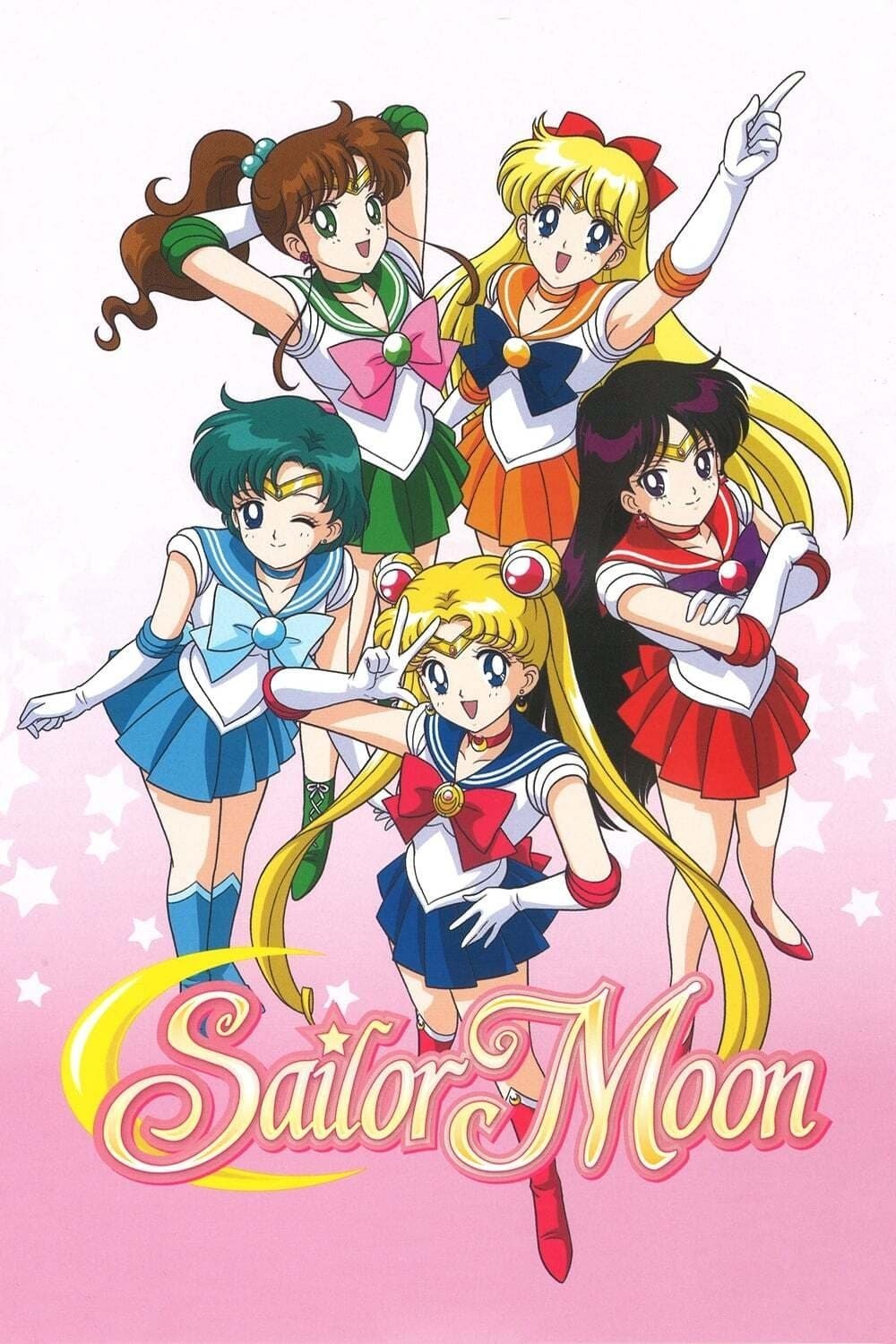
Usagi Tsukino is best known for her eternal romance with Mamoru Chiba but her attractions are not limited to him. The titular heroine displays visible flustered excitement when she meets the masculine-presenting Sailor Uranus. Her interest in the gender-bending Sailor Starlights further highlights her capacity to find beauty and charm in various identities. This foundational magical girl series quietly normalized fluid crushes amidst its themes of friendship and destiny.
‘Neon Genesis Evangelion’ (1995–1996)
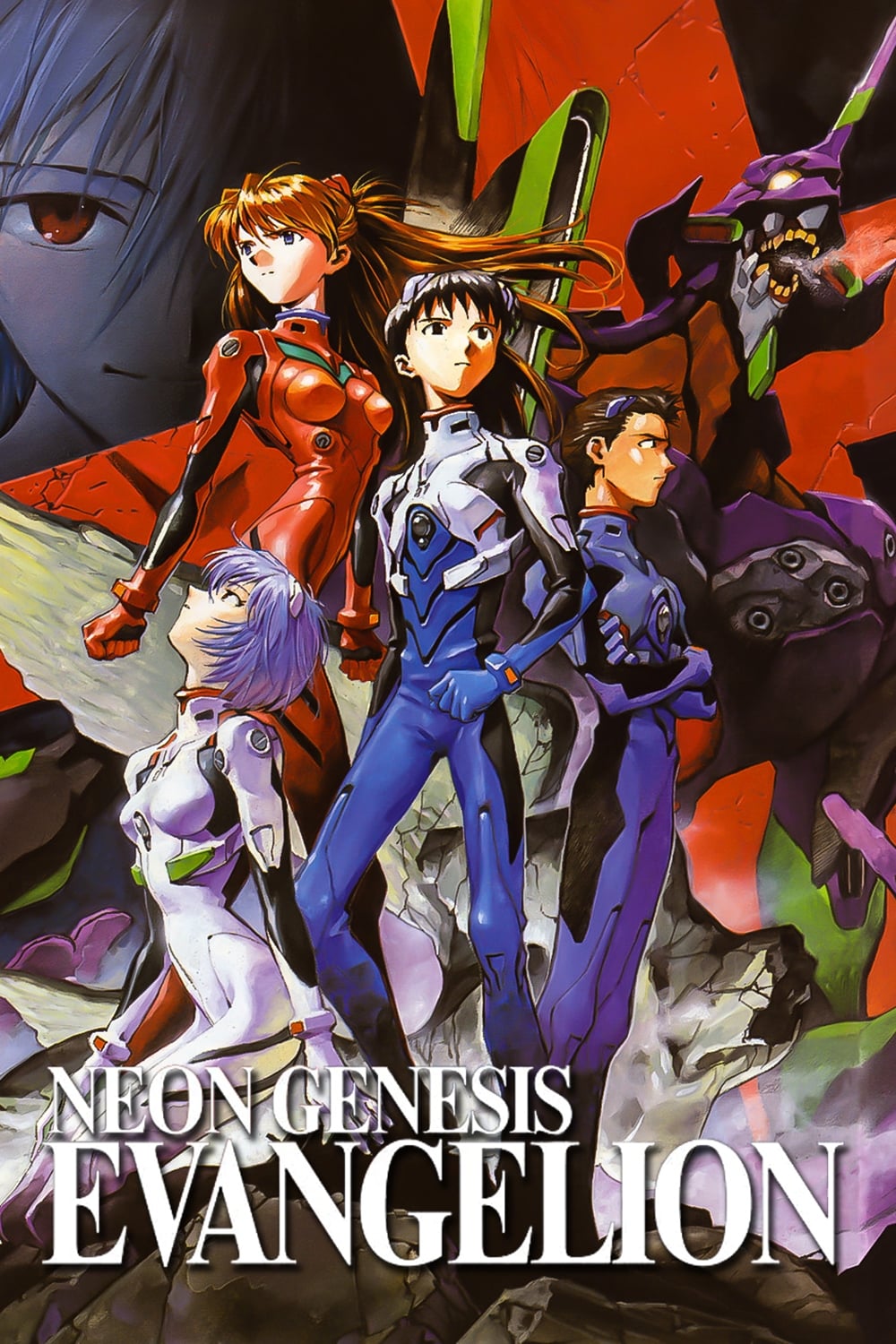
Shinji Ikari struggles with isolation and connection throughout this psychological mecha deconstruction. His relationships with female pilots Asuka and Rei form a core part of his adolescent angst and confusion. The arrival of Kaworu Nagisa introduces a boy who offers Shinji unconditional love and intimacy that he desperately craves. This relationship confirms Shinji is capable of romantic feelings regardless of gender even if the circumstances are tragic.
‘Berserk’ (1997)
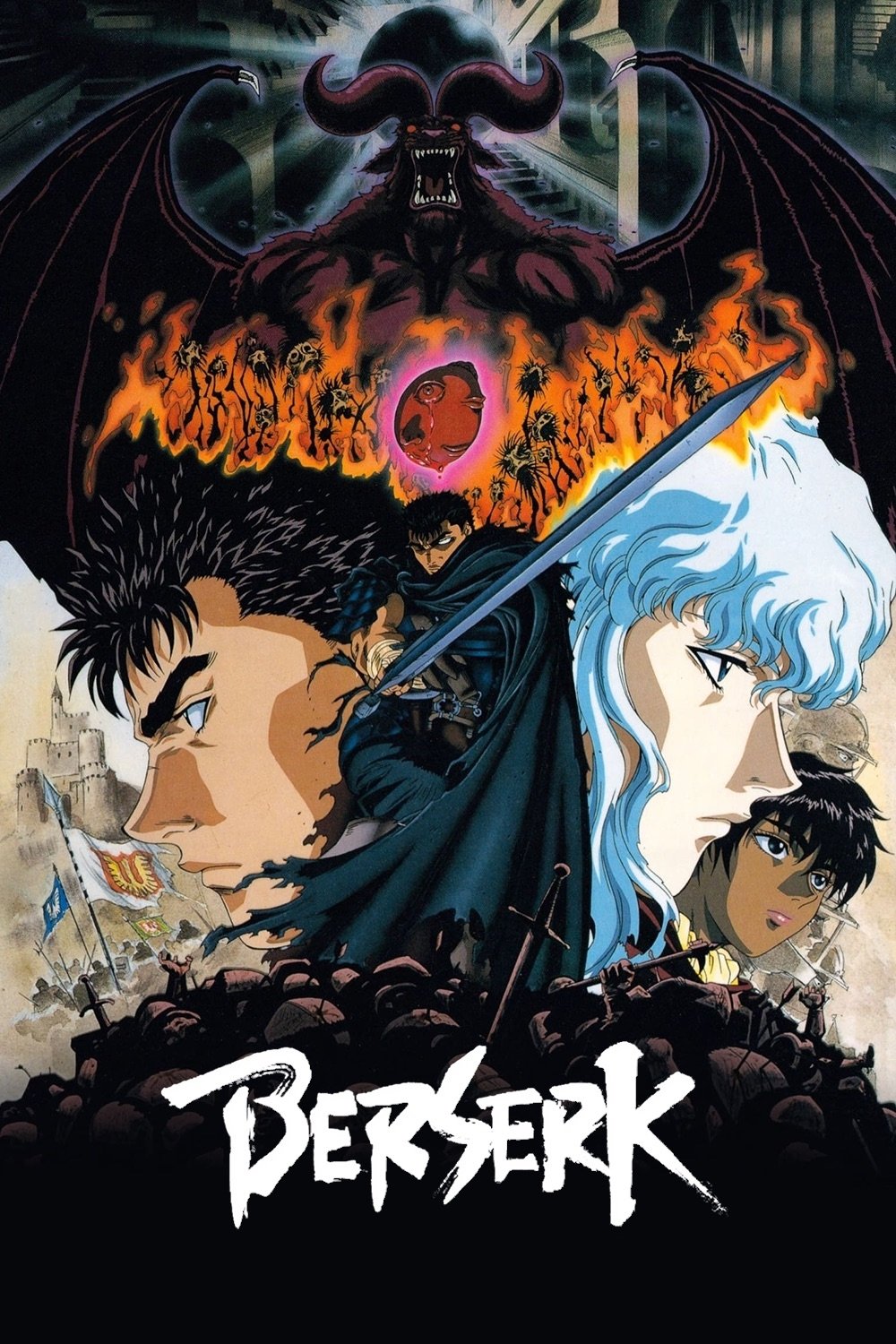
Griffith uses his immense charisma and beauty to manipulate anyone who can help him achieve his dream of a kingdom. He engages in transactional sexual relationships with older men to fund his mercenary band while maintaining a deep emotional connection to Guts. His eventual pursuit of Princess Charlotte demonstrates his willingness to engage with women when it suits his political ambitions. The ambiguity of his true desires adds another layer of complexity to his villainous transformation.
‘Revolutionary Girl Utena’ (1997)
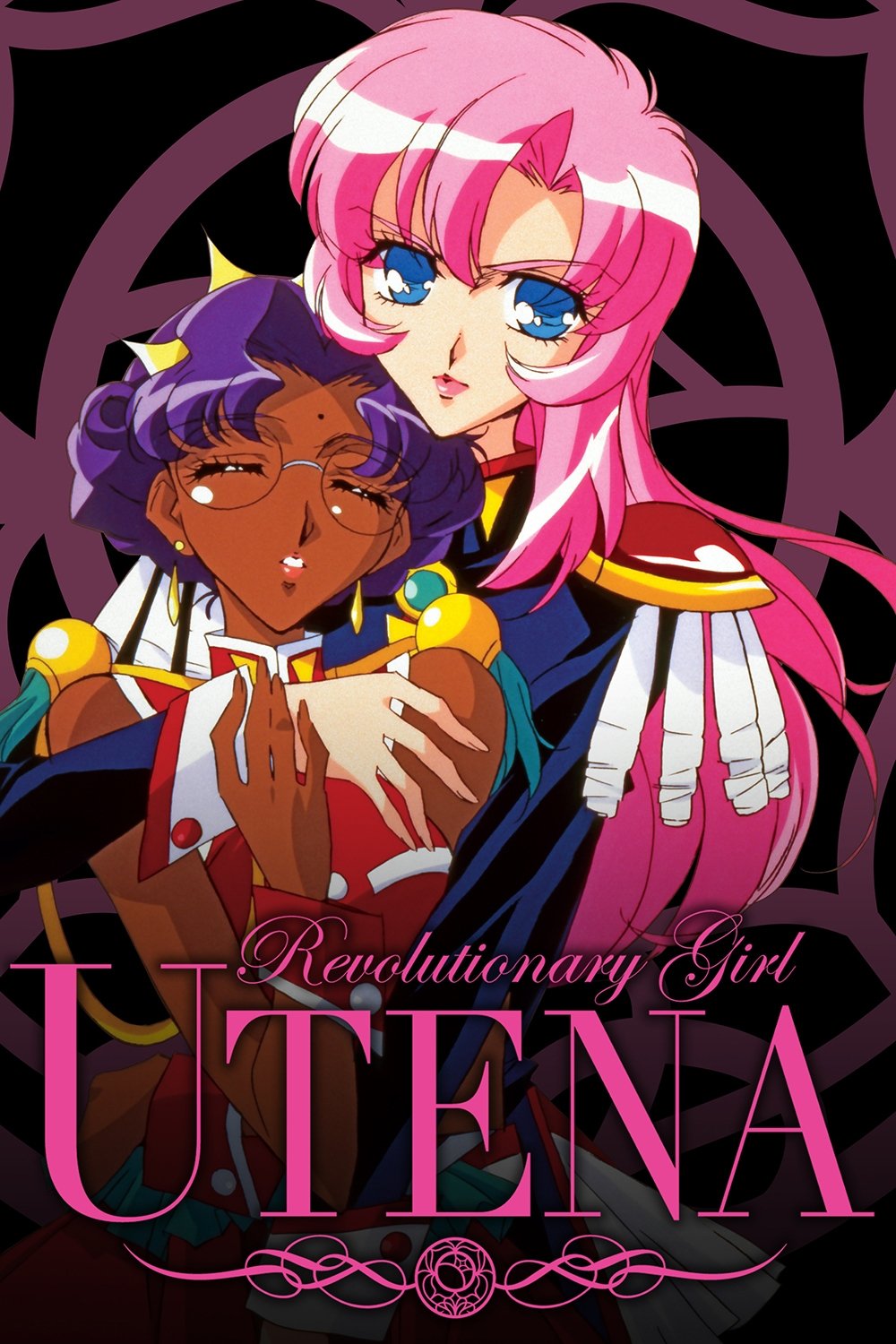
Utena Tenjou seeks to become a prince and finds herself engaged to the Rose Bride Anthy Himemiya. The bond between Utena and Anthy evolves from friendship into a romance that defies the patriarchal structures of their world. Utena also navigates complicated feelings for the manipulative Akio Ohtori during the series. The show uses these relationships to deconstruct fairy tale tropes and explore the liberating power of queer love.
‘Cardcaptor Sakura’ (1998–2000)
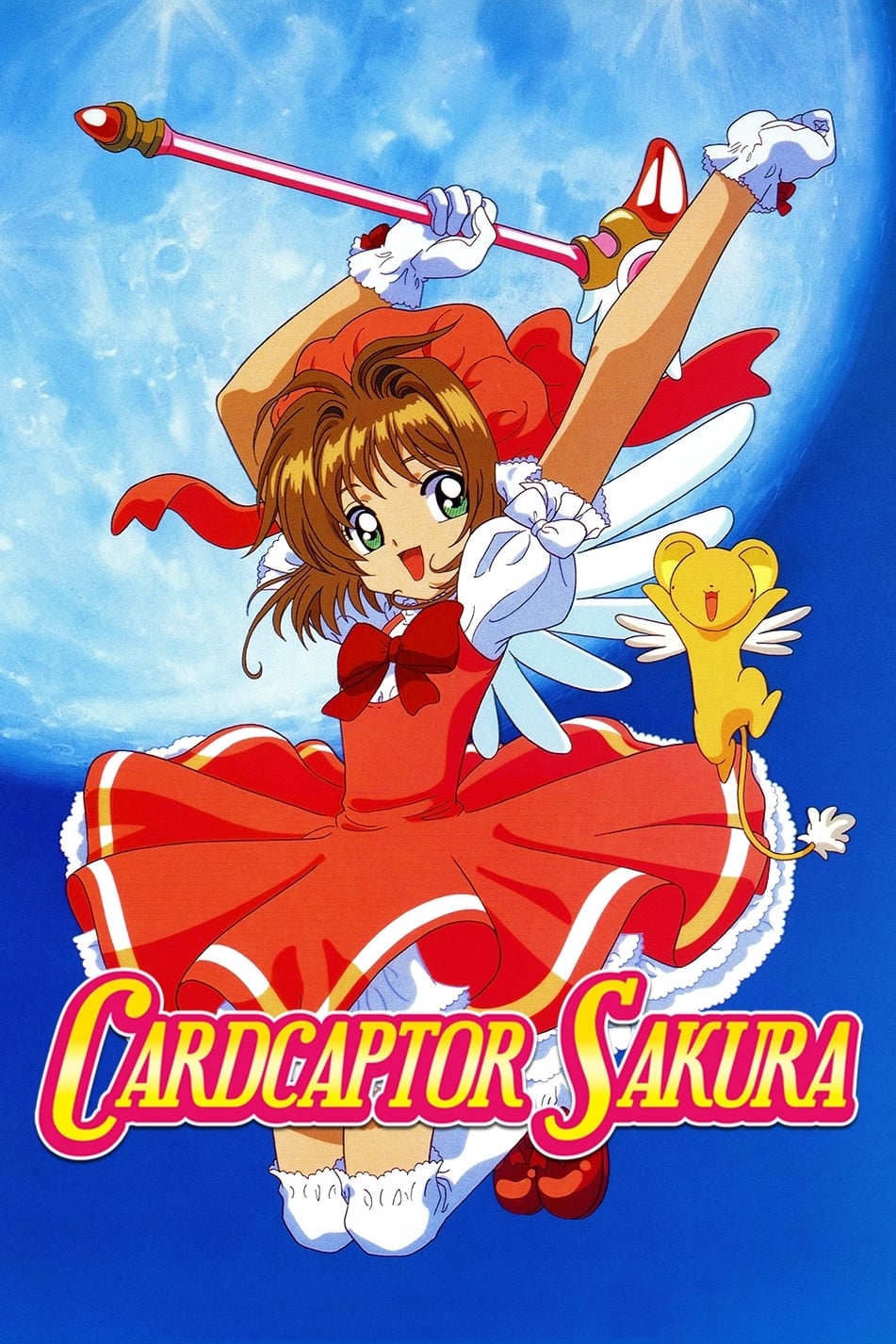
Touya Kinomoto is the protective older brother of the main character and a central figure in the show’s romantic web. He had a past relationship with his female junior high teacher Kaho Mizuki before the series begins. His most significant bond is with his best friend Yukito Tsukishiro whom he prioritizes above everyone else. The series presents his love for Yukito as a natural and accepted fact without the need for dramatic coming-out narratives.
‘Hunter x Hunter’ (1999–2001)
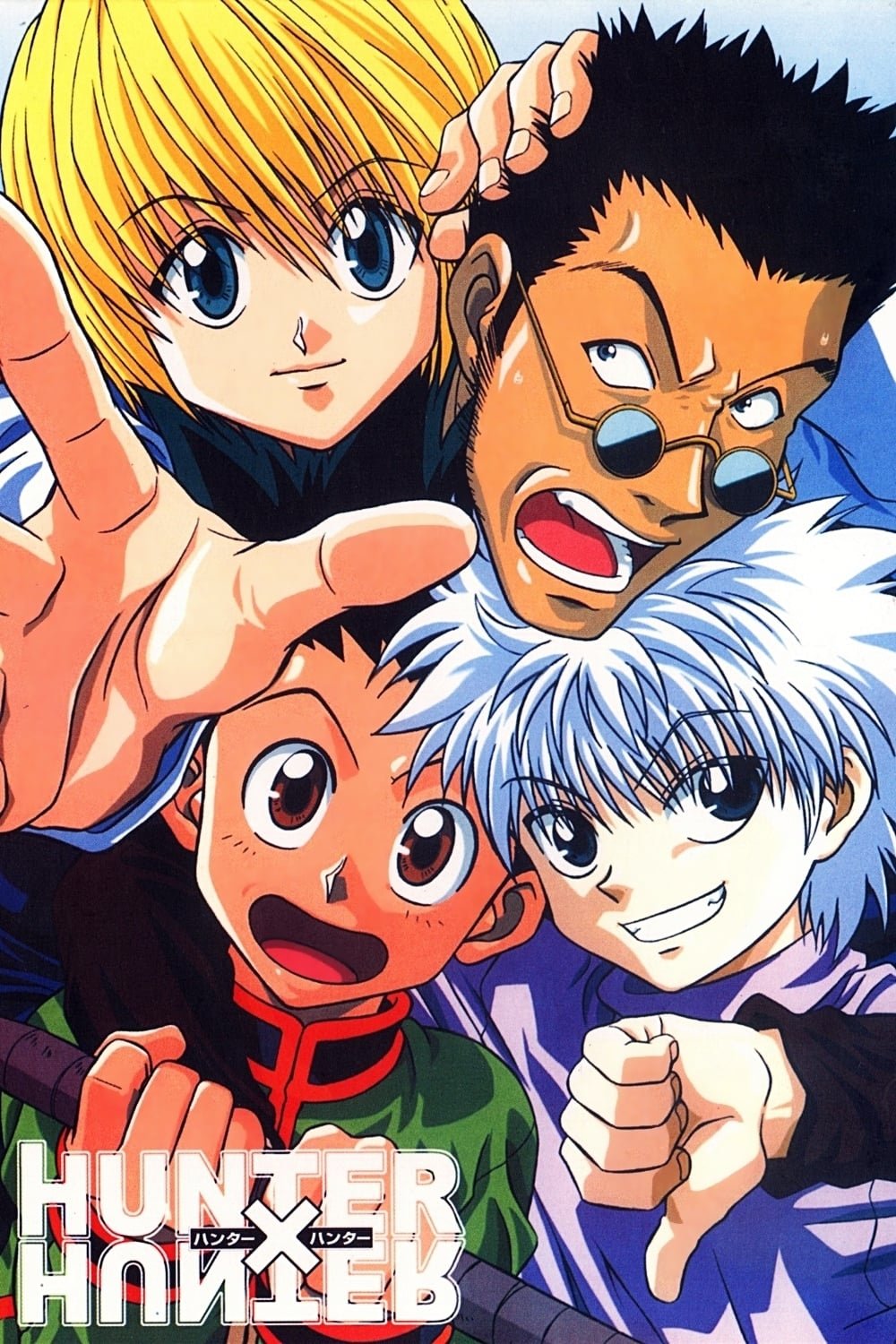
Hisoka Morow is driven entirely by his lust for power and the potential he sees in strong opponents. He expresses intense attraction to powerful fighters regardless of their gender or age. His fixation on Chrollo Lucilfer and his unsettling interest in the growth of Gon and Killua highlight his singular worldview. His desires are depicted as fluid and predatory rather than fitting into a conventional romantic orientation.
‘Ghost in the Shell: Stand Alone Complex’ (2002–2003)

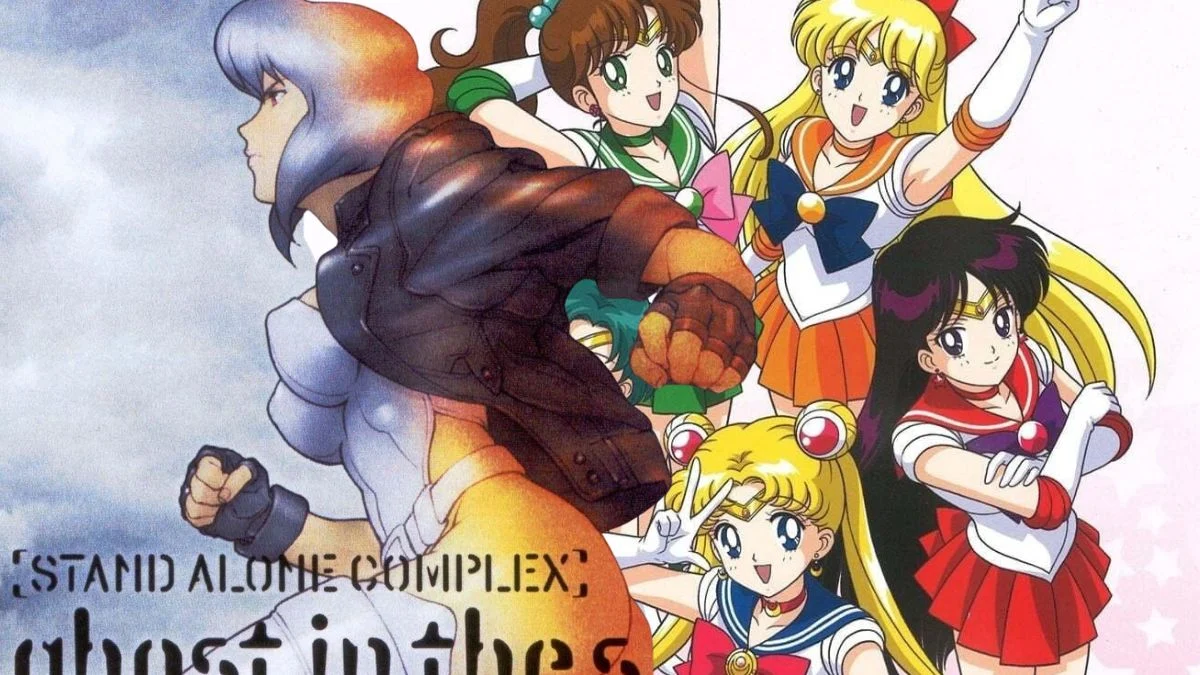
Major Motoko Kusanagi inhabits a full-body cyborg prosthetic that distances her from traditional biological imperatives. The series depicts her with female partners during her downtime implying lesbian relationships are her preference. She also maintains a complex history with male colleagues like Kuze which suggests a broader scope of attraction. Her cybernetic existence allows her to transcend physical definitions of sex and engage with others on a purely mental or compatible level.
‘Paradise Kiss’ (2005)
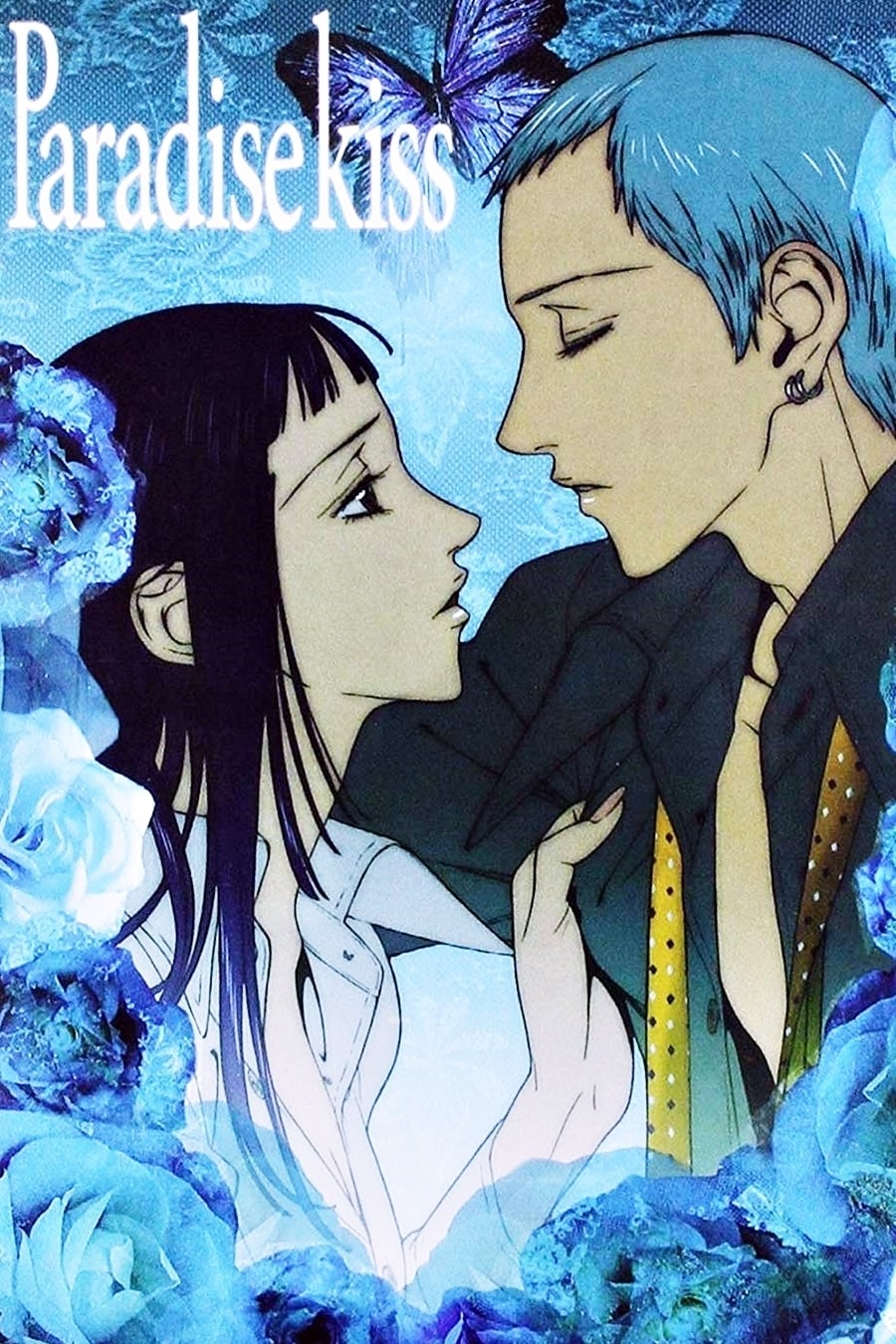
George Koizumi is an eccentric fashion designer who takes the protagonist Yukari as his muse and lover. He speaks openly about his fluid sexuality and references past relationships with men during conversations. George creates clothing that challenges gender norms and treats his own attractions with the same avant-garde attitude. His bisexuality is presented as just another facet of his artistic and unconventional lifestyle.
‘Ouran High School Host Club’ (2006)
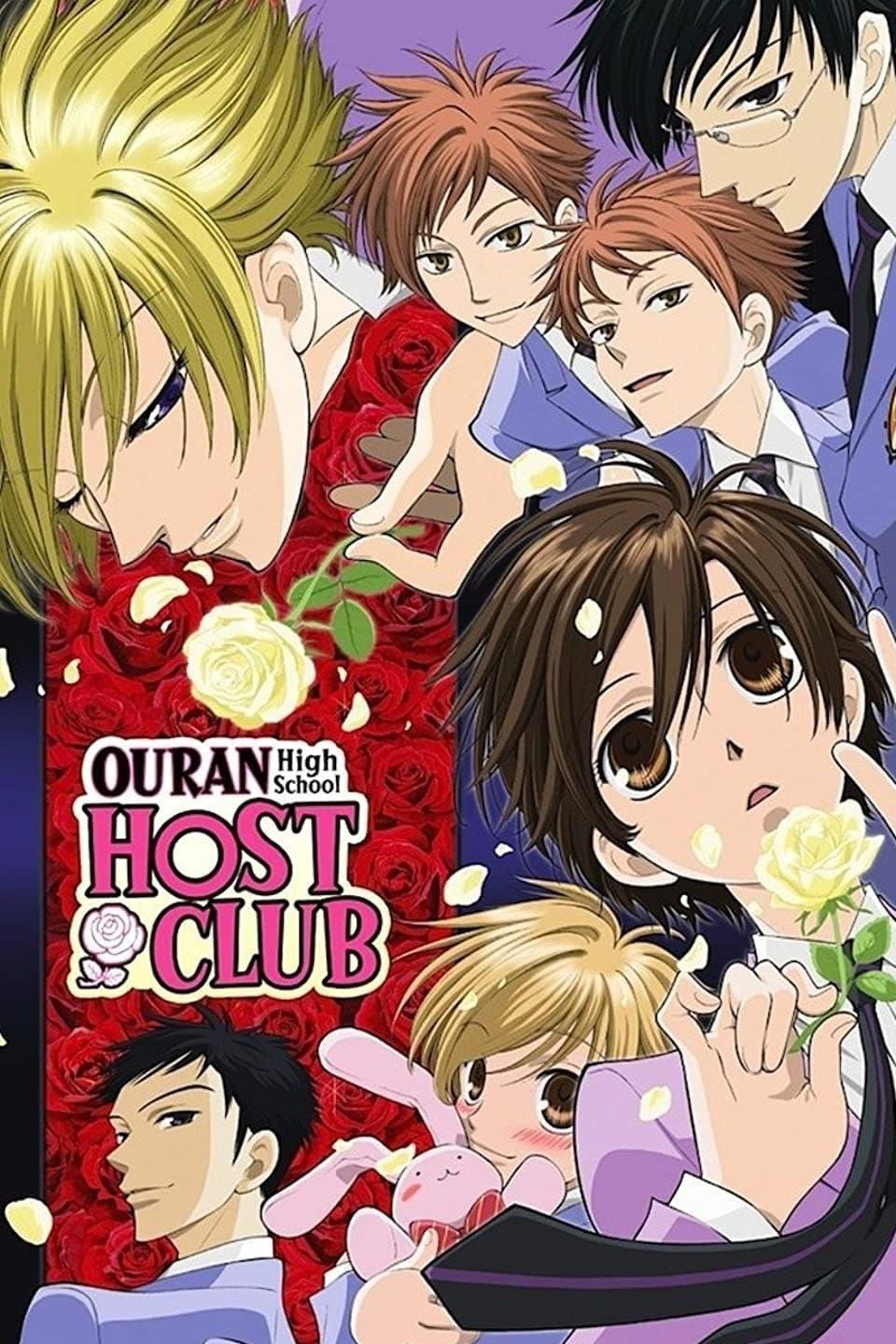
Haruhi Fujioka stumbles into a host club and pays off a debt by entertaining female clients while disguised as a boy. She explicitly states that she does not care about gender recognition or the gender of her partner. She charms girls with natural ease while slowly developing romantic tension with the male leader of the club Tamaki Suoh. Haruhi remains one of the most popular examples of a protagonist who rejects gender binaries entirely.
‘From the New World’ (2012–2013)
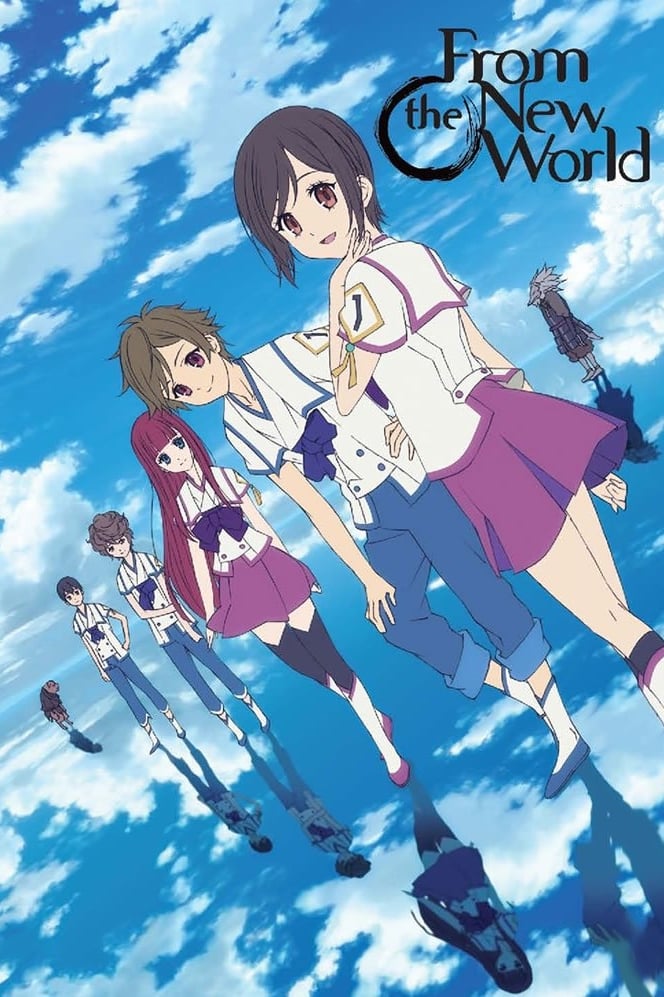
Saki Watanabe lives in a future society where adolescent sexual intimacy is encouraged as a way to reduce aggression. She engages in a romantic and sexual relationship with her female friend Maria Akizuki during her teenage years. Saki eventually marries her male childhood friend Satoru Asahina later in life. The series portrays these shifting attractions as a normal developmental phase within their unique societal structure.
‘JoJo’s Bizarre Adventure’ (2012)
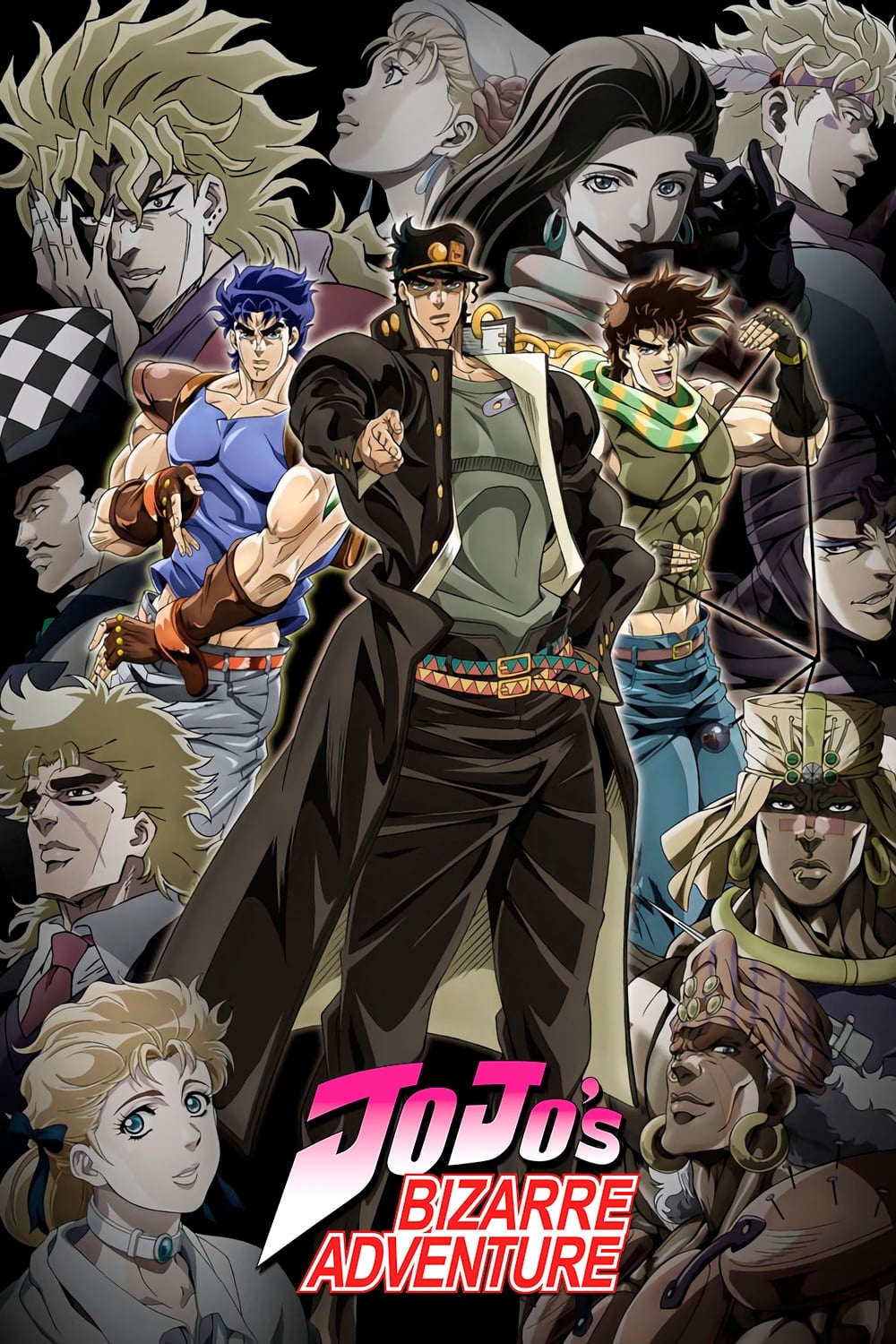
Dio Brando is the generational antagonist who seeks to destroy the Joestar bloodline at any cost. He utilizes his vampiric charm to seduce both men and women to do his bidding. The creator Hirohiko Araki has confirmed that Dio is capable of loving anyone regardless of gender if they serve his purpose. His flamboyant presentation and possessive nature over Jonathan Joestar have made him a queer icon in the anime community.
‘Re: Cutie Honey’ (2004)
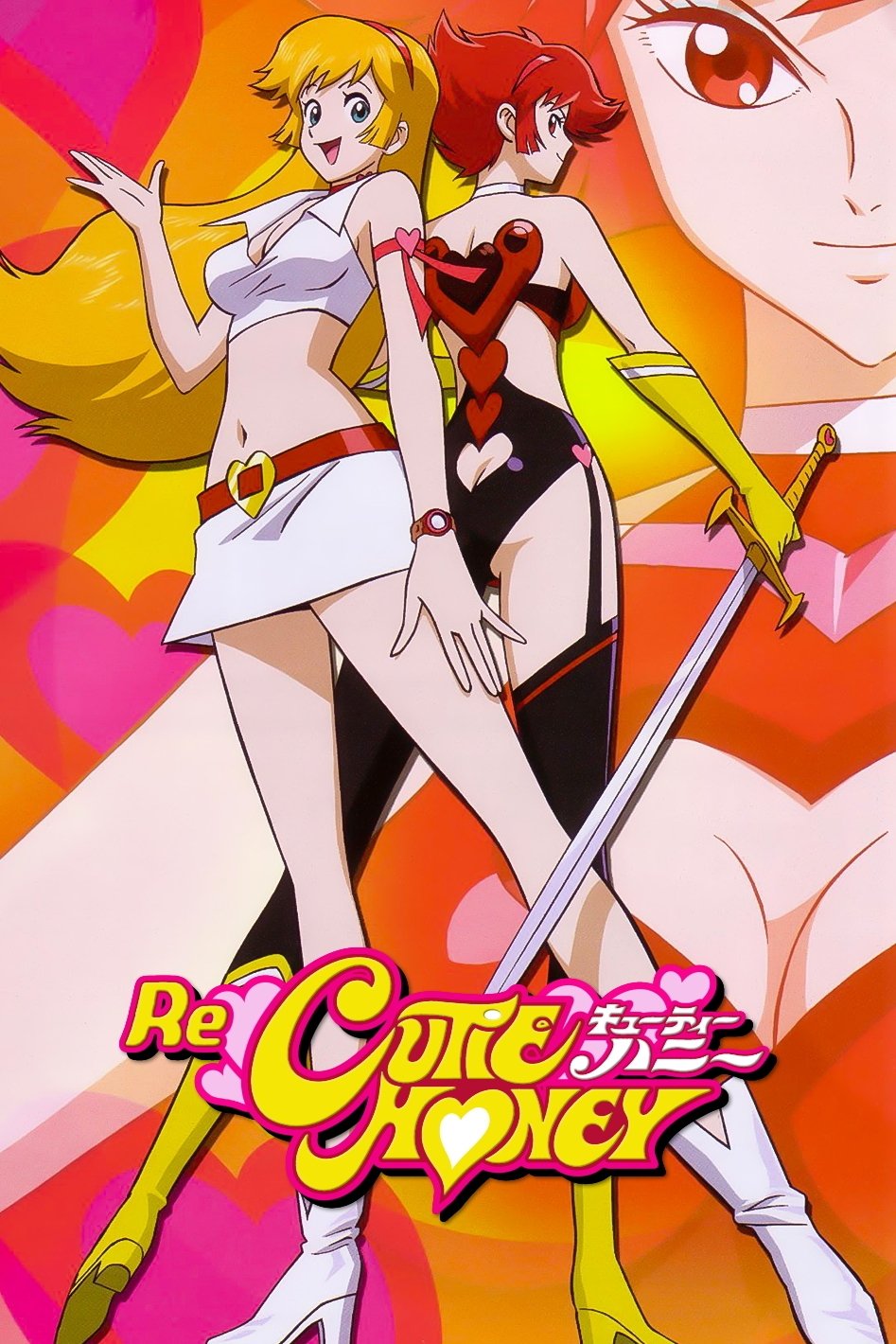
Honey Kisaragi is an android warrior who can transform into various personas to fight evil organization Panther Claw. She shares a home and a deeply intimate connection with a woman named Natsuko Aki. Honey also frequently expresses attraction to the male detective Seiji Hayami who aids her in battle. Her ability to shift forms mirrors her boundless capacity to love the people who support her justice.
Tell us which of these trailblazing characters is your favorite in the comments.