19 TV Shows That Turned “Gay Panic” Jokes Into Actual Gay Characters


Television has a long history of using male intimacy or gender non-conformity as a punchline for straight audiences. Writers often relied on the trope of characters freaking out about being perceived as gay or bullies attacking others to hide their own insecurities. Modern storytelling has increasingly reclaimed these moments by evolving one-dimensional jokes or subtext into fully realized queer identities. This shift allows shows to explore the psychological depth behind repression while validating fan interpretations that were once dismissed.
‘It’s Always Sunny in Philadelphia’ (2005–Present)

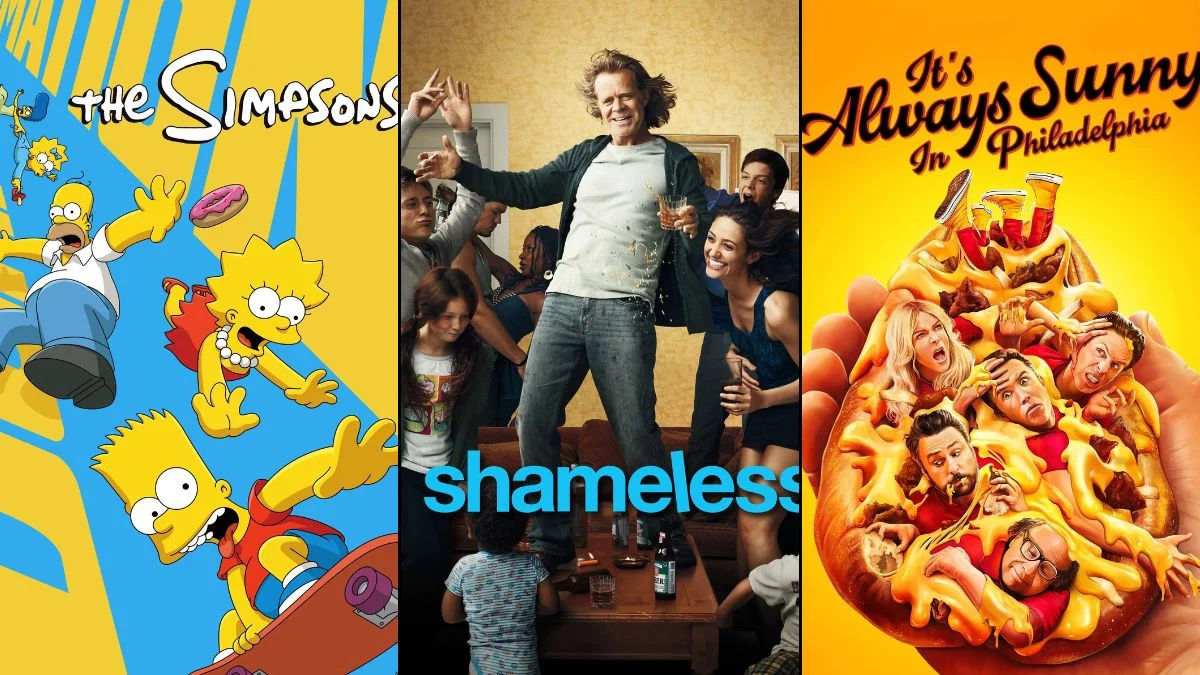
Mac spent seasons vehemently asserting his heterosexuality and projecting extreme homophobic views to the rest of the gang. This defensive behavior served as a running gag regarding his obvious insecurity and obsession with male physiques. The writers eventually transformed this subtext into a genuine coming out arc that culminated in an emotional interpretive dance sequence. Rob McElhenney decided to align the character with the fan theories to create a more complex narrative about repression and acceptance.
‘The Simpsons’ (1989–Present)
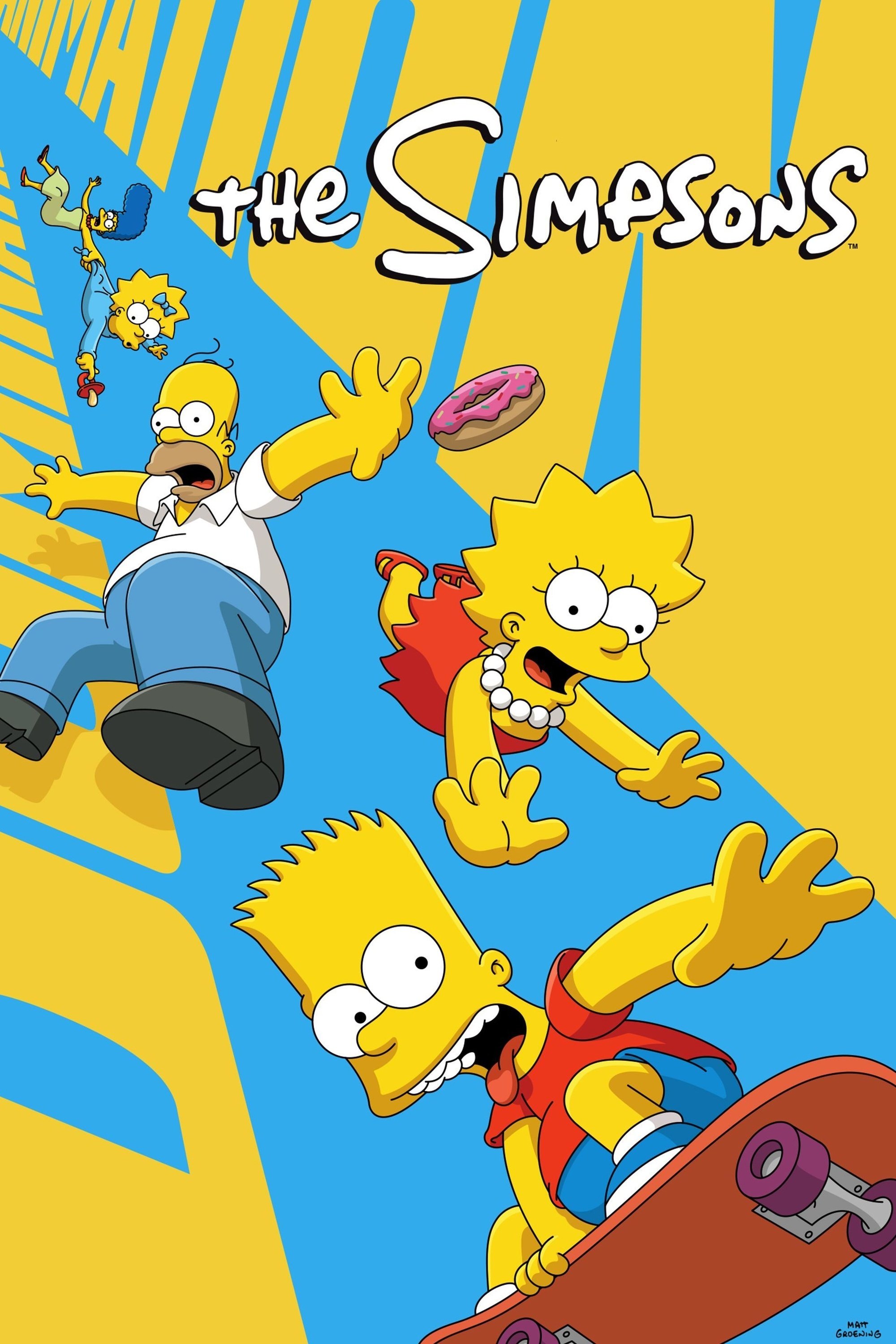
Waylon Smithers began as a sycophantic assistant whose devotion to Mr. Burns was often played for laughs through ambiguous innuendos. The writers relied on his closeted nature for decades before allowing him to officially come out to his boss. This evolution shifted the character from a caricature of unrequited obsession into a figure of genuine romantic longing. His journey reflects changing societal attitudes toward queer representation in animation over the last thirty years.
‘Shameless’ (2011–2021)
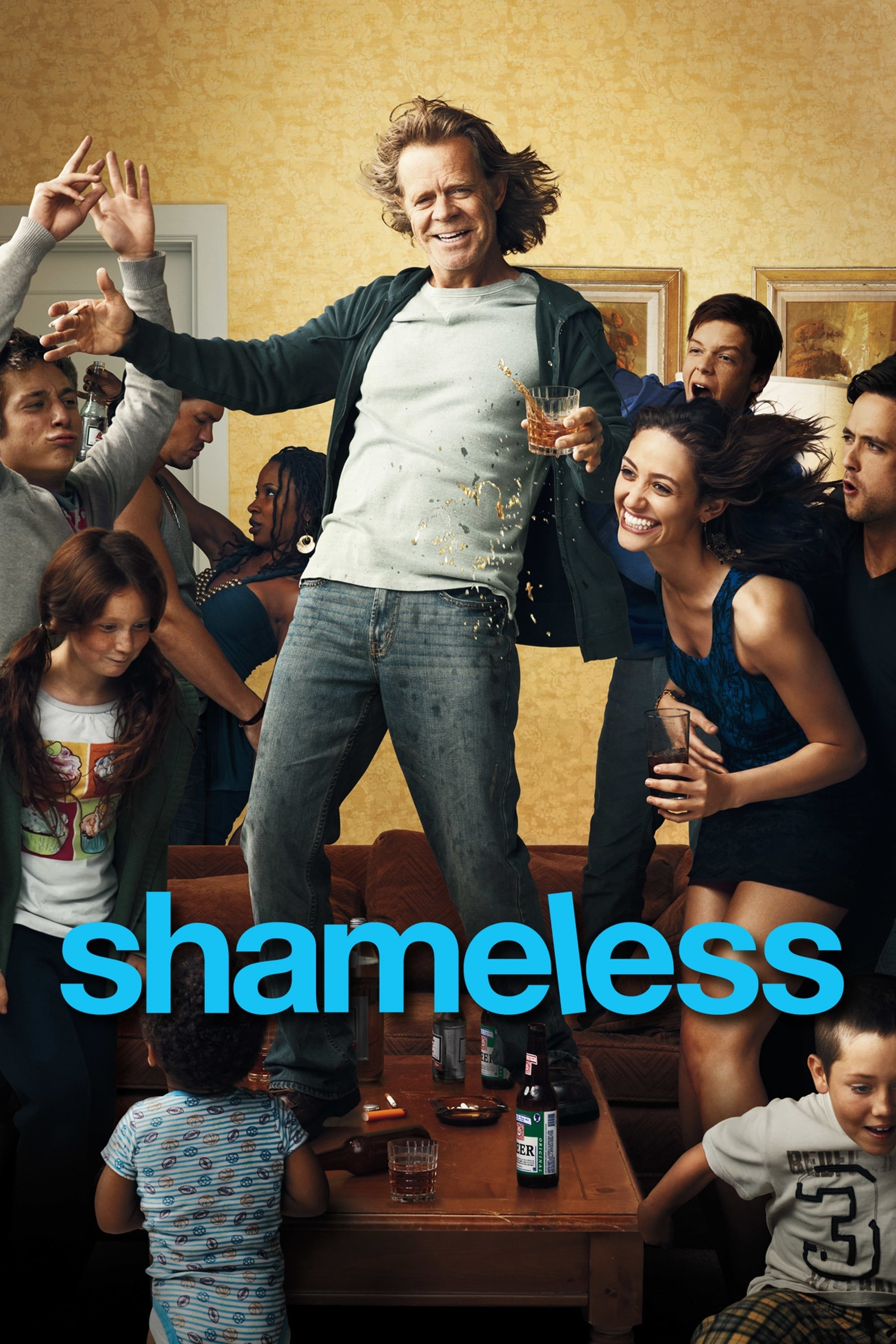
Mickey Milkovich started as a violent neighborhood bully who terrorized Ian Gallagher to mask his own attractions. The show initially used his aggressive denial for dark comedy and tension before developing a serious romance between the two characters. Mickey evolved from a one-dimensional antagonist into one of the most beloved husbands on the series. His narrative arc highlights how toxic masculinity often functions as a shield for vulnerable closeted men in rough environments.
‘South Park’ (1997–Present)
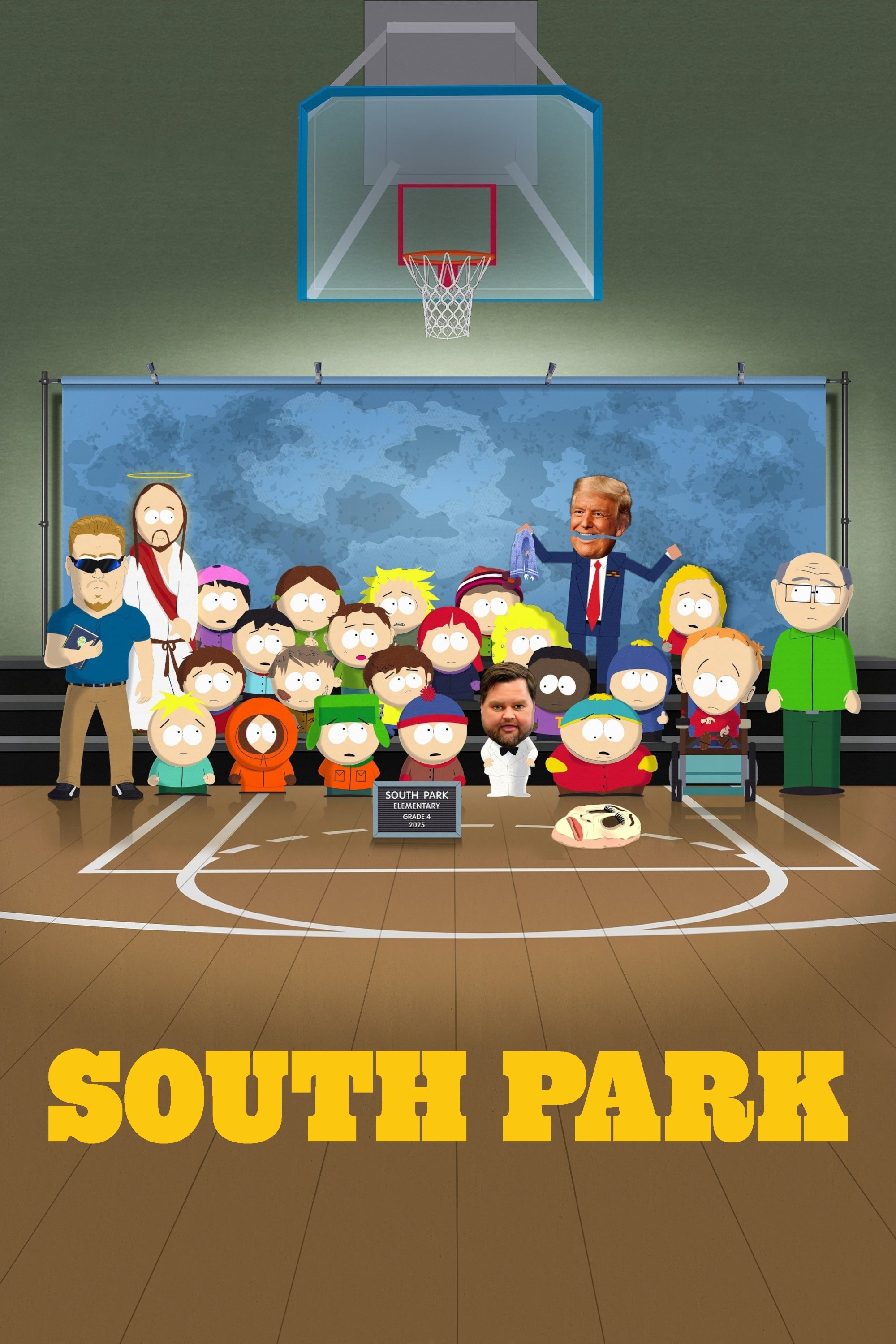
Craig Tucker and Tweek Tweak were originally just background characters until an episode satirized the yaoi fan art genre. The creators decided to lean into the fan perception rather than dismiss it as a mere joke about shipping culture. Their relationship grew from a forced misunderstanding into a stable and supportive partnership that persisted in subsequent seasons. This move validated the audience interpretation while adding surprising depth to the show’s ensemble cast.
‘Glee’ (2009–2015)
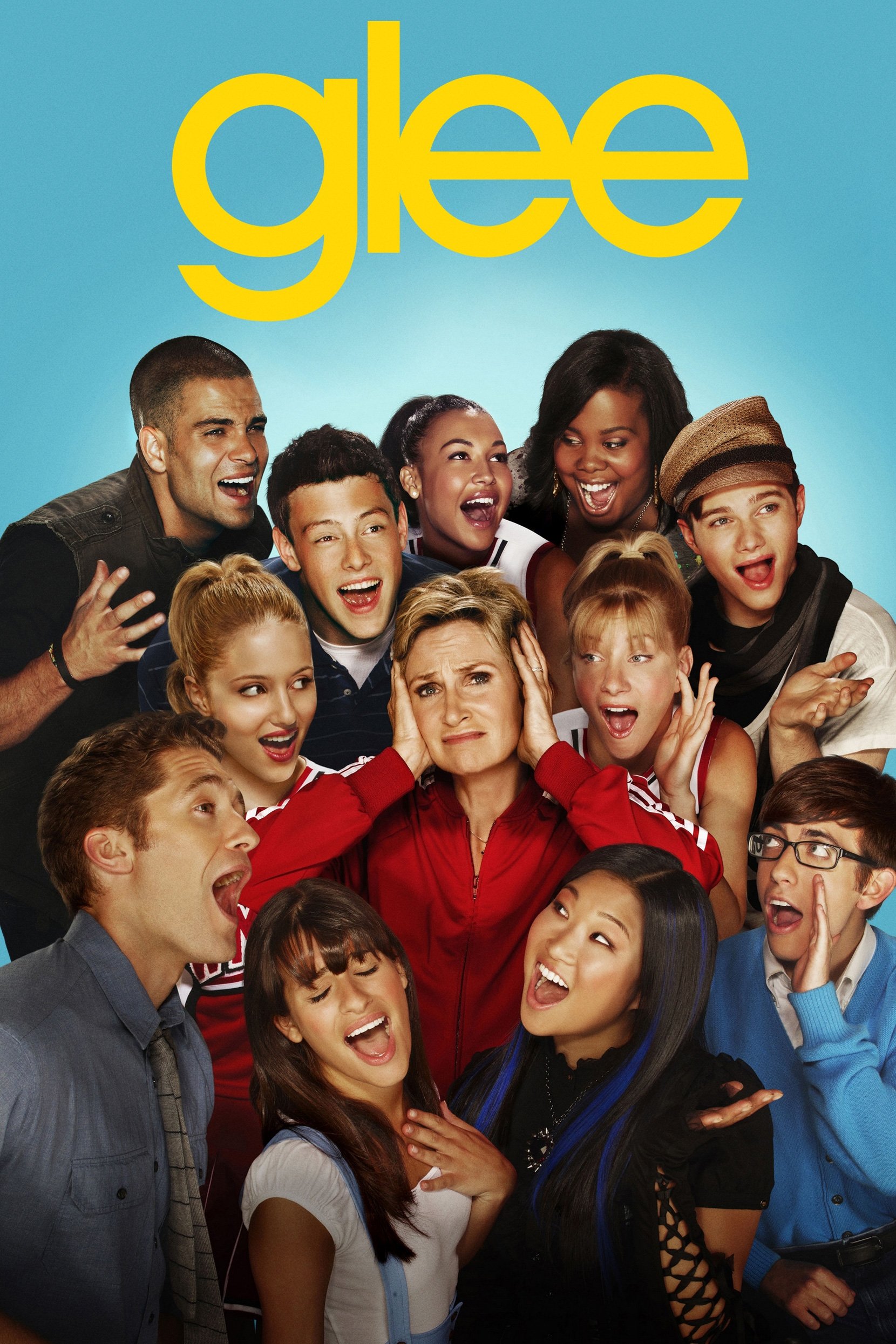
Dave Karofsky initially appeared as a stereotypical jock who bullied Kurt Hummel to deflect attention from his own sexuality. His violent outbursts and slushie attacks were revealed to be manifestations of intense internal self-loathing. The series later explored his suicide attempt and eventual self-acceptance in a dramatic turn from the initial high school villain trope. This storyline addressed the severe psychological toll of the closet on young athletes.
‘Sex Education’ (2019–2023)
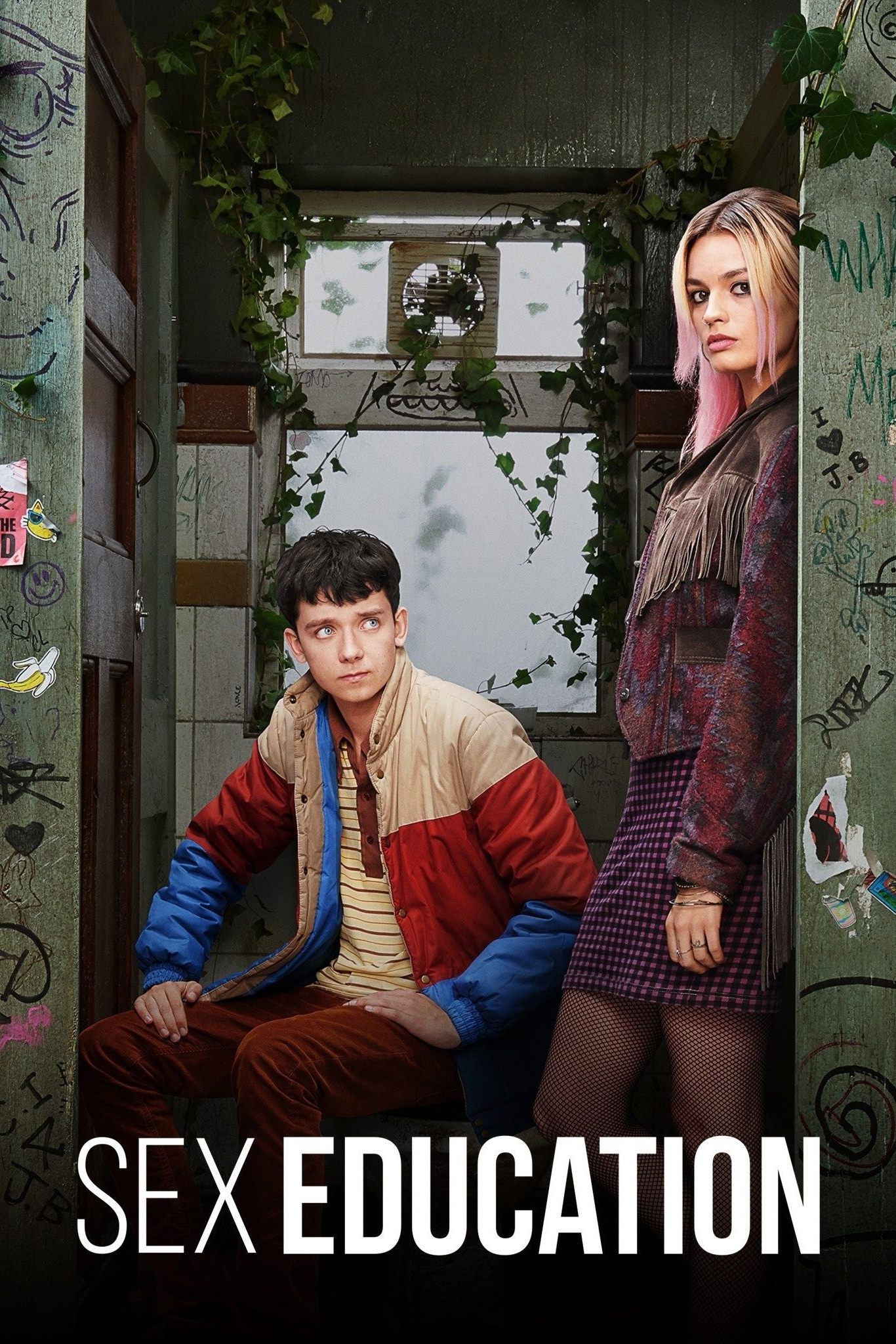
Adam Groff tormented Eric Effiong with bullying tactics that concealed his own confusing desires. The show utilized his aggressive posturing to explore the pressure placed on the Headmaster’s son to perform traditional masculinity. His journey from tormentor to Eric’s boyfriend allowed the writers to unpack complex themes of bisexual erasure and public affection. Adam eventually found his own voice and passion for dog training separate from his romantic entanglements.
‘Riverdale’ (2017–2023)
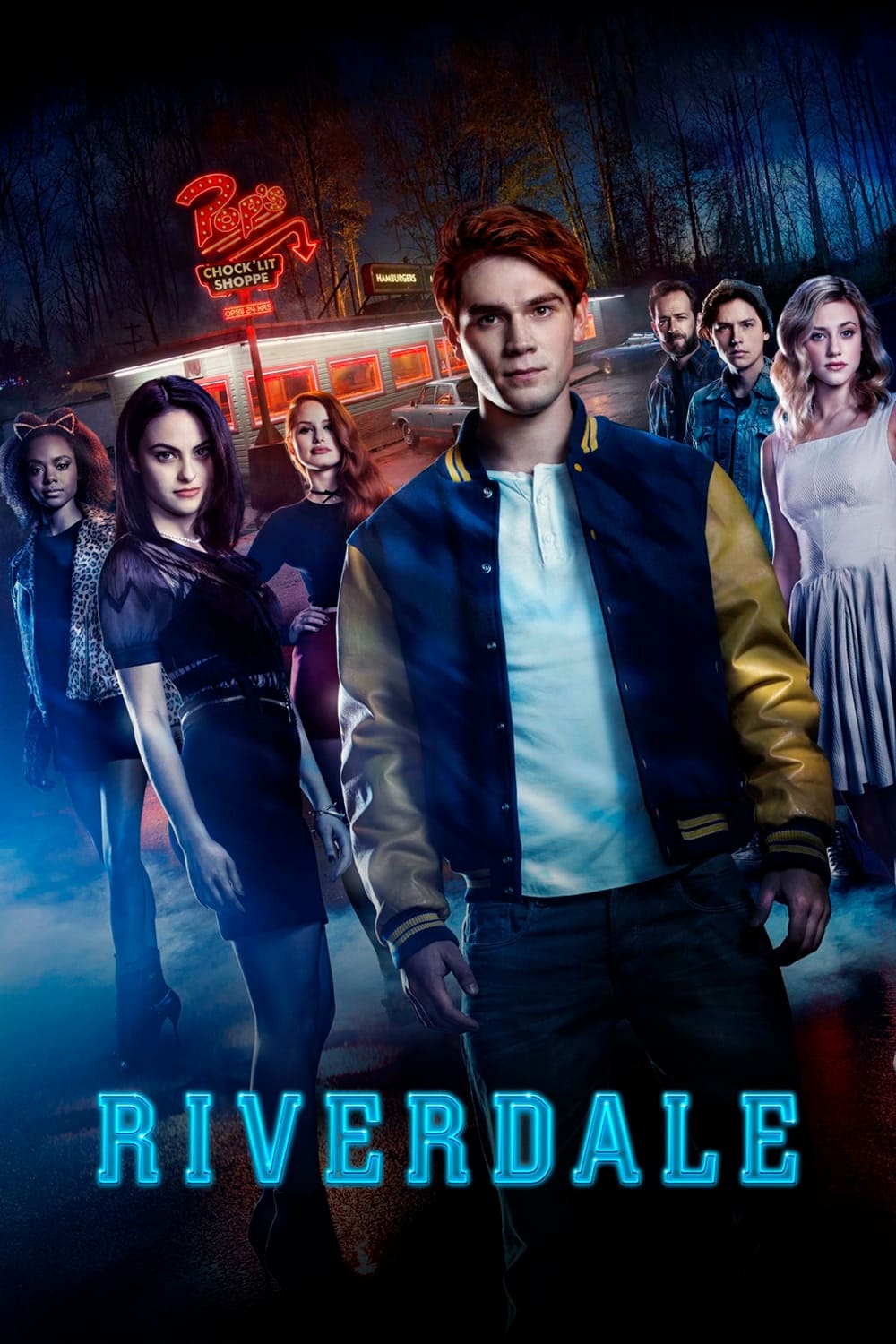
Moose Mason spent the early seasons keeping his trysts with Kevin Keller hidden while dating girls to maintain his social status. The narrative often used his reluctance to be seen with Kevin as a source of melodramatic conflict typical of the teen drama genre. He eventually confronted his father regarding his sexuality and exited the closet in a dramatic fashion. The character arc moved beyond the secrecy trope to explore the consequences of military school repression.
‘Teen Wolf’ (2011–2017)

Jackson Whittemore was introduced as the arrogant captain of the lacrosse team who was deeply insecure about his identity. His obsessive need to be the best and his hostility often masked a deeper struggle with self-worth and connection. The character was written out and later returned with a male partner to confirm his sexuality as canon. This revelation recontextualized his earlier aggressive behavior as overcompensation for his hidden truth.
‘Buffy the Vampire Slayer’ (1997–2003)
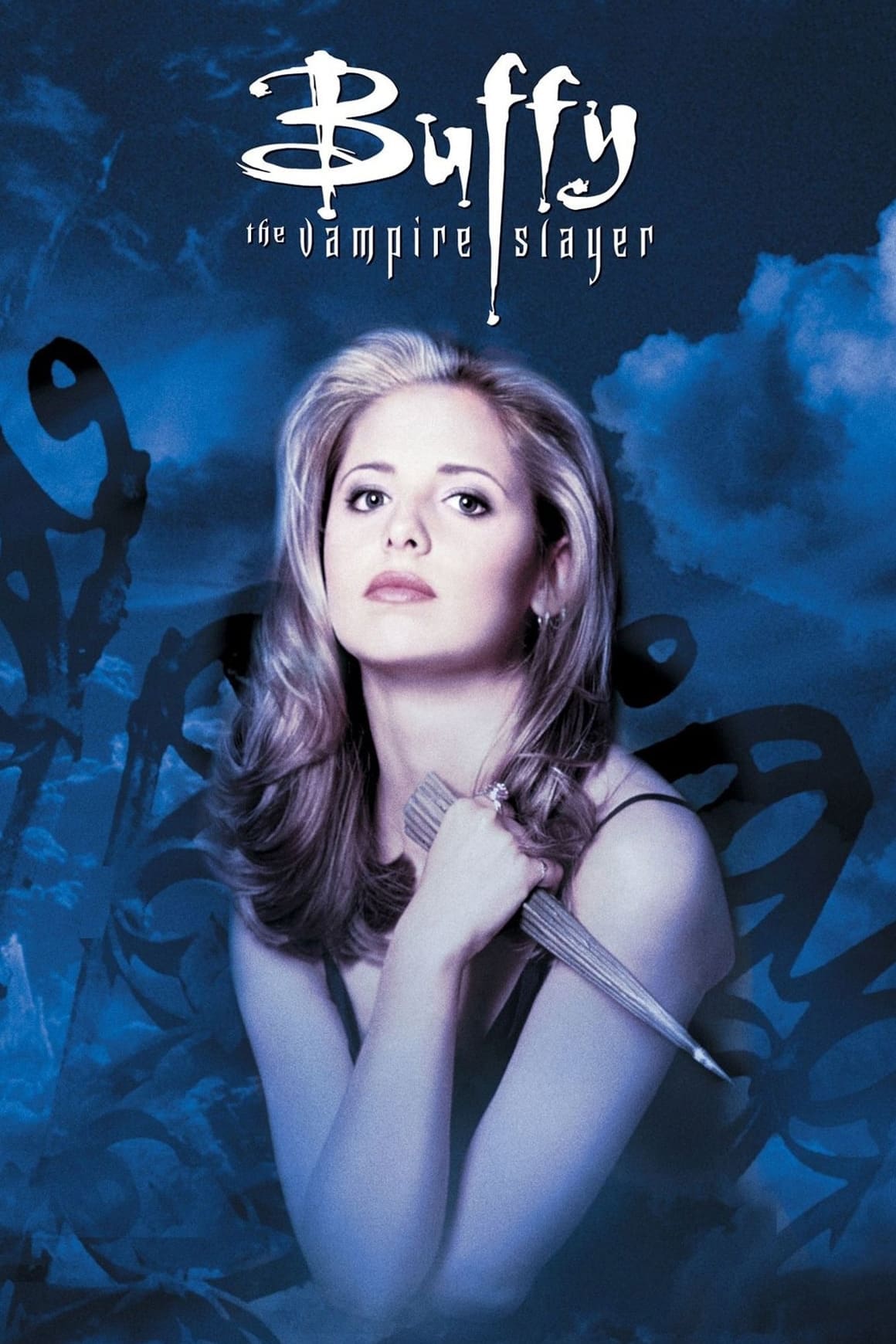
Willow Rosenberg initially had crushes on boys and participated in typical high school romance plots. The writers slowly introduced magical metaphors that paralleled a queer awakening before she met Tara Maclay. Her transition from a straight sidekick to a powerful lesbian witch became a landmark moment in television history. The evolution felt organic rather than forced because the show allowed her identity to expand alongside her magical abilities.
‘Xena: Warrior Princess’ (1995–2001)

Xena and Gabrielle shared a bond that transcended friendship and constantly bordered on romantic tension. The writers and actresses leaned into the subtext heavily as the series progressed despite never making it explicit during the original run. Fans widely accepted them as a couple long before modern reboots or cast interviews confirmed the intention. The show remains a prime example of how chemistry can override original heteronormative scripts.
‘9-1-1’ (2018–Present)
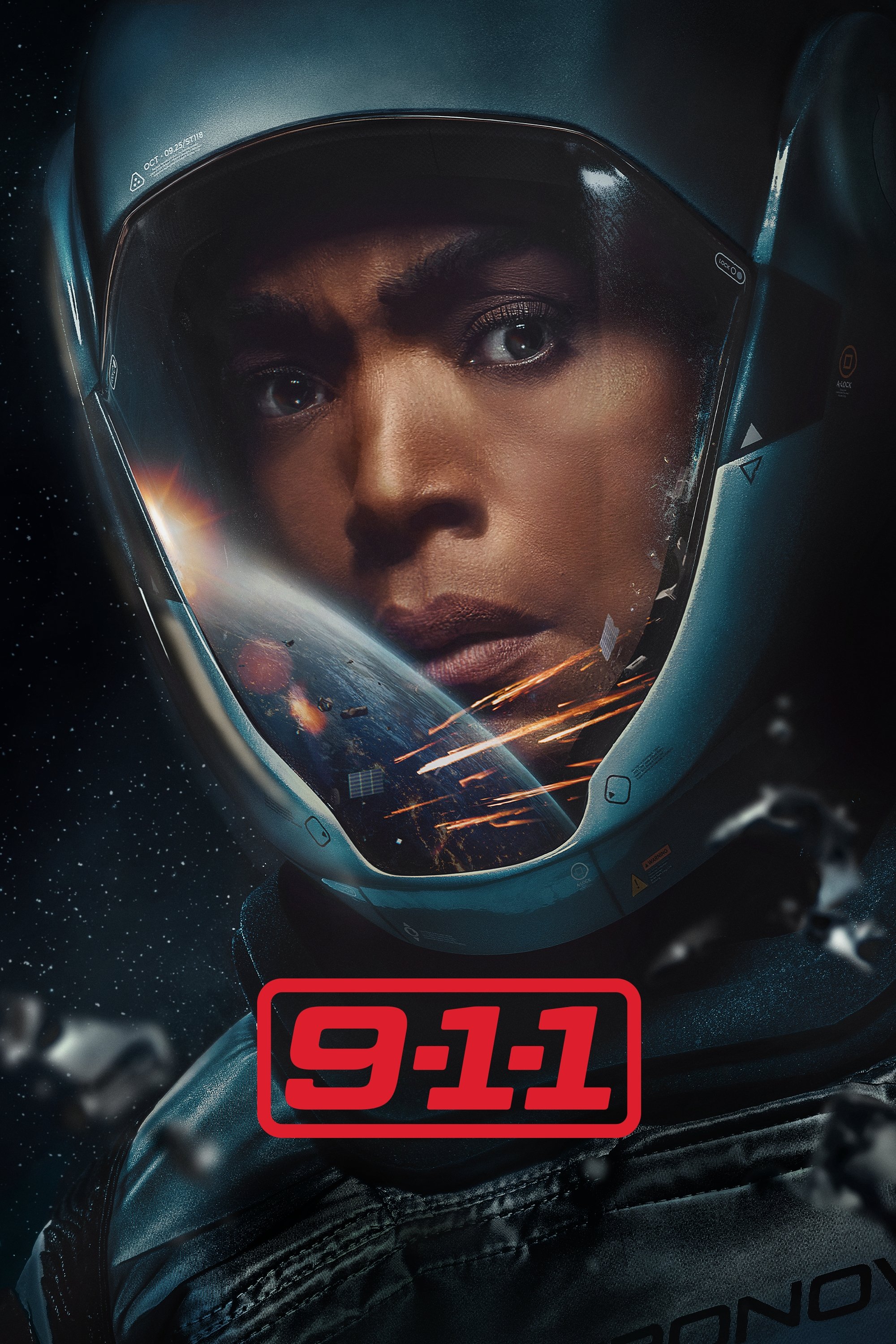
Evan Buckley spent years as a chaotic ladies’ man whose intense emotional reliance on Eddie Diaz sparked endless fan speculation. The showrunners frequently played with the concept of their closeness without crossing the line into romance. Buck eventually realized his attraction to men in a recent season and began exploring his bisexuality openly. This development validated years of audience interpretation regarding his behavior and attachment style.
‘Supernatural’ (2005–2020)
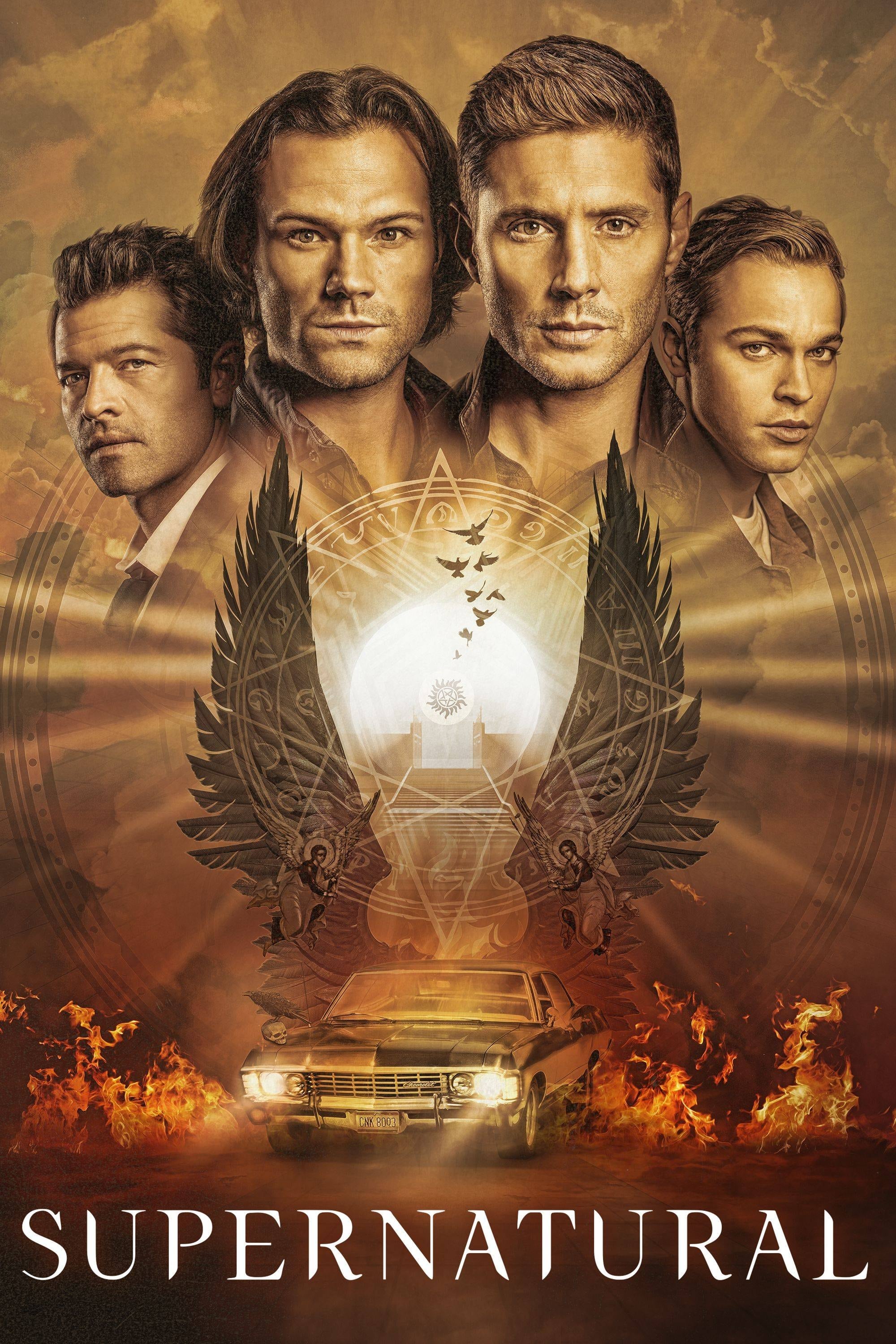
Castiel the angel began his journey as a stoic soldier of heaven with no understanding of human norms or boundaries. His profound bond with Dean Winchester led to countless jokes about their proximity and lack of personal space. The character ultimately confessed his love in a sacrificial moment during the final season. This canonization of his feelings acknowledged the romantic coding that had existed in the script for over a decade.
‘Community’ (2009–2015)
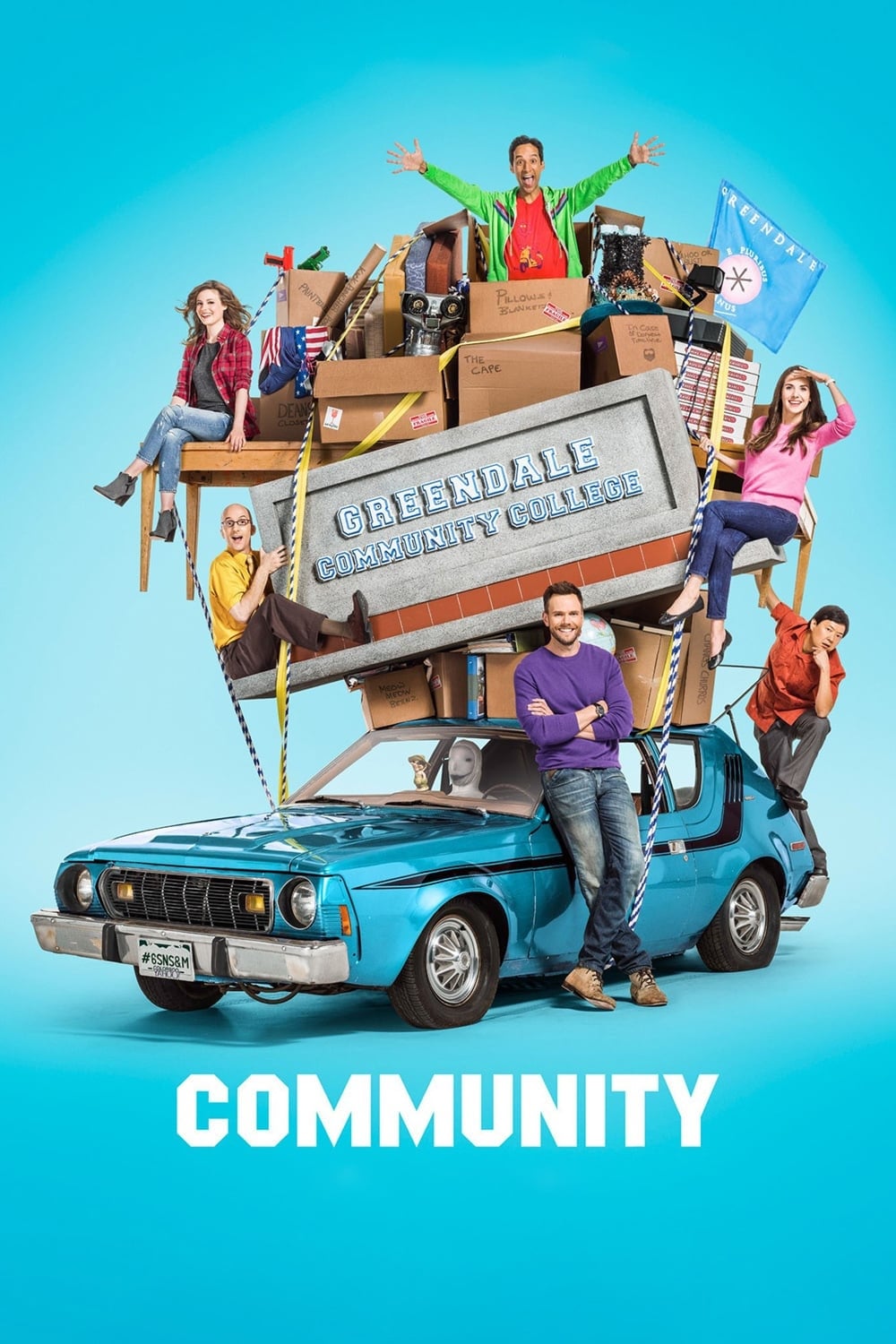
Dean Pelton started as a quirky administrator whose obsession with Jeff Winger was played for broad comedy. The writers expanded his character to encompass a fluid sexuality that became a core part of his identity rather than just a punchline. He openly expressed his unique preferences and even incorporated them into his elaborate costumes. The show treated his specific orientation with a surprising amount of consistency and eventual heart.
‘Crazy Ex-Girlfriend’ (2015–2019)
White Josh was initially presented as a bro-ish gym rat who seemed like a caricature of West Covina masculinity. His character revealed unexpected depth and intelligence when he began dating the eccentric Darryl Whitefeather. The show avoided treating their relationship as a joke and instead portrayed it as one of the healthiest dynamics in the series. Darryl himself underwent a journey of discovering his bisexuality later in life.
‘The Legend of Korra’ (2012–2014)

Korra and Asami Sato both dated the same male character early in the series before developing a close female friendship. The final moments of the show confirmed their romantic connection in a subtle but groundbreaking gesture for western animation. This shift recontextualized their previous interactions and support for one another as the foundation of a deeper love. The sequel comics later explored their relationship explicitly without the constraints of broadcast censorship.
‘Adventure Time’ (2010–2018)
Princess Bubblegum and Marceline the Vampire Queen shared a tense history that hinted at a messy breakup. The show initially left their past ambiguous while dropping clues through songs and emotional confrontations. They eventually confirmed their romance onscreen with a kiss in the series finale. This slow burn transformed what could have been interpreted as rivalry into a complex narrative about exes finding their way back to each other.
‘Brooklyn Nine-Nine’ (2013–2021)

Rosa Diaz was established as a tough and secretive detective with a mysterious past involving various boyfriends. The writers decided to incorporate actress Stephanie Beatriz’s real-life bisexuality into the character arc. Rosa came out to her colleagues and family in storylines that handled the subject with both humor and sensitivity. Her dating life subsequently included women and validated her identity without compromising her stoic personality.
‘Gravity Falls’ (2012–2016)
Sheriff Blubs and Deputy Durland were inseparable law enforcement officers whose closeness was a running gag throughout the mystery series. They constantly prioritized their friendship and affection for each other over their police duties. The series finale confirmed they were a romantic couple during the closing montage sequence. Creator Alex Hirsch fought to include this confirmation to move their dynamic from coded subtext to actual representation.
‘Peacemaker’ (2022–Present)

Christopher Smith projected an image of hyper-masculine aggression and violence as a way to achieve peace. The series peeled back layers of his trauma and eventually confirmed his sexual fluidity. He mentioned sexual encounters with men casually in conversation without it becoming a major plot crisis. This approach normalized his identity within the context of his chaotic and violent life story.
Tell us which character evolution surprised you the most in the comments.