20 TV Shows That Gave Us Black Trans Leads Before 2018

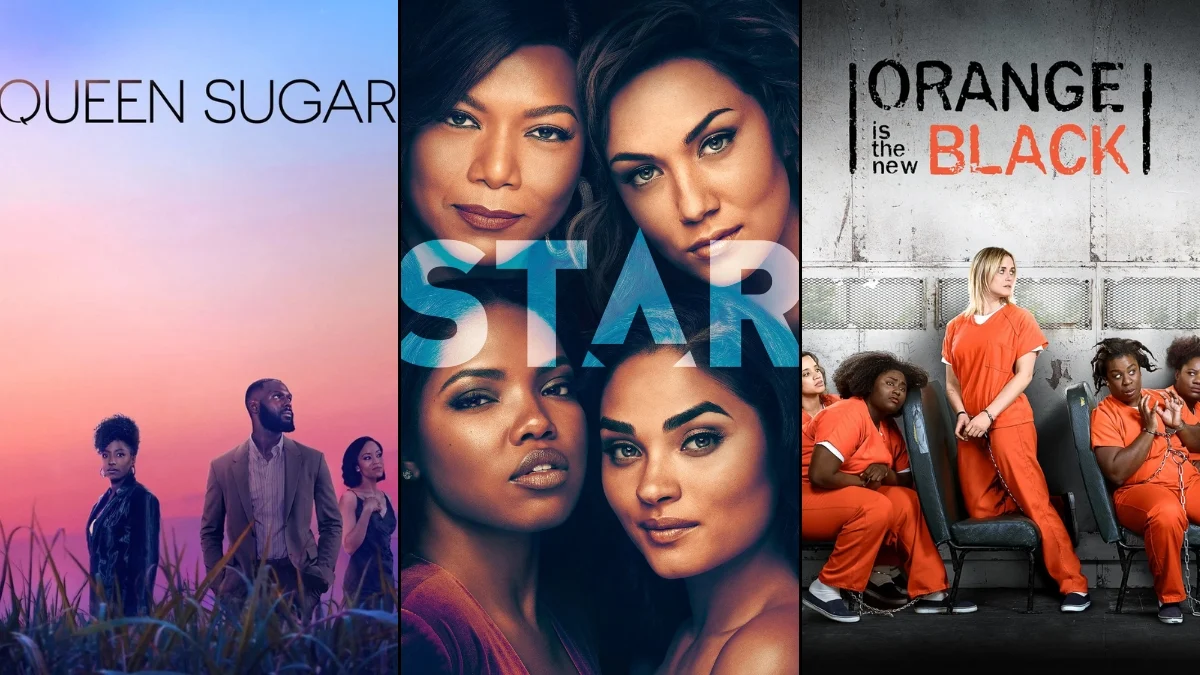

Representation of Black transgender people in television history was exceedingly rare prior to the watershed moments of 2018. For decades, trans characters were often relegated to one-off episodes or tragic storylines, but a few pioneering series and reality programs broke the mold by casting Black trans talent in significant roles. From reality competition standouts to recurring scripted characters, these shows helped pave the way for the more inclusive landscape we see today.
‘Star’ (2016–2019)

Lee Daniels created this musical drama that prominently featured Amiyah Scott as Cotton Brown, a transgender woman navigating her relationship with her mother and her identity. Scott became one of the first openly trans actors to play a trans main character in a scripted primetime drama. The series explored Cotton’s life beyond just her transition, delving into her career ambitions and romantic relationships. Her presence as a series regular marked a significant step forward for Black trans visibility on network television.
‘Orange Is the New Black’ (2013–2019)

Laverne Cox burst into the mainstream consciousness with her portrayal of Sophia Burset, an incarcerated trans woman who runs the prison salon. The character’s storyline provided a humanizing look at the medical and social struggles faced by trans inmates, including the fight for hormone therapy. Cox’s performance earned her a Primetime Emmy nomination, making her the first openly transgender person to be nominated in an acting category. The show is often credited with sparking a global conversation about transgender rights and representation.
‘Doubt’ (2017)
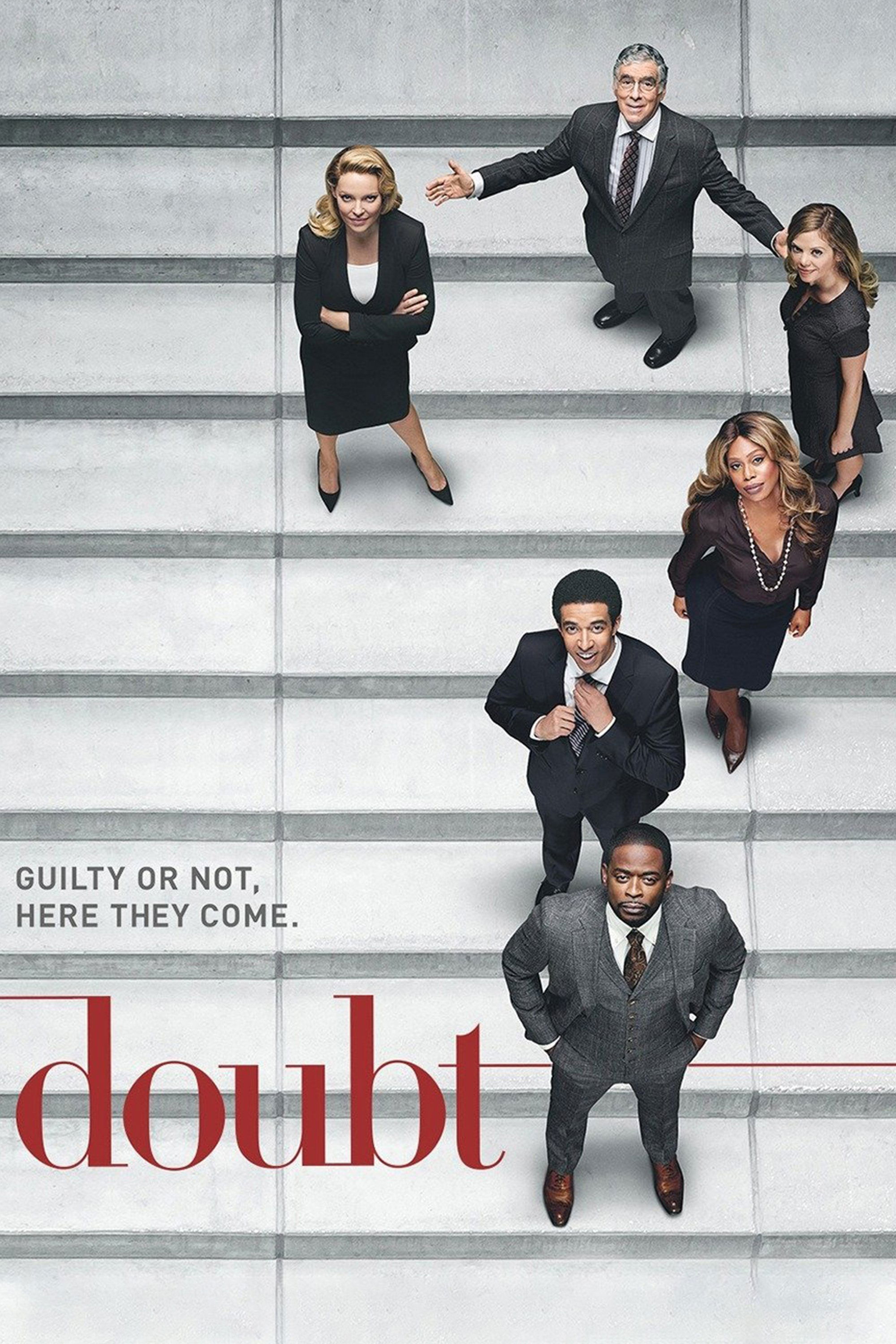
Although this legal drama was short-lived, it made history by casting Laverne Cox as Cameron Wirth, a transgender Ivy League-educated defense attorney. This role was groundbreaking as it was the first time a transgender actor played a transgender series regular on a broadcast network legal procedural. The character was defined by her professional competence and courtroom skill rather than solely by her gender identity. Despite the show’s cancellation, it proved that trans characters could lead professional storylines in major network dramas.
‘The Bold and the Beautiful’ (1987–Present)
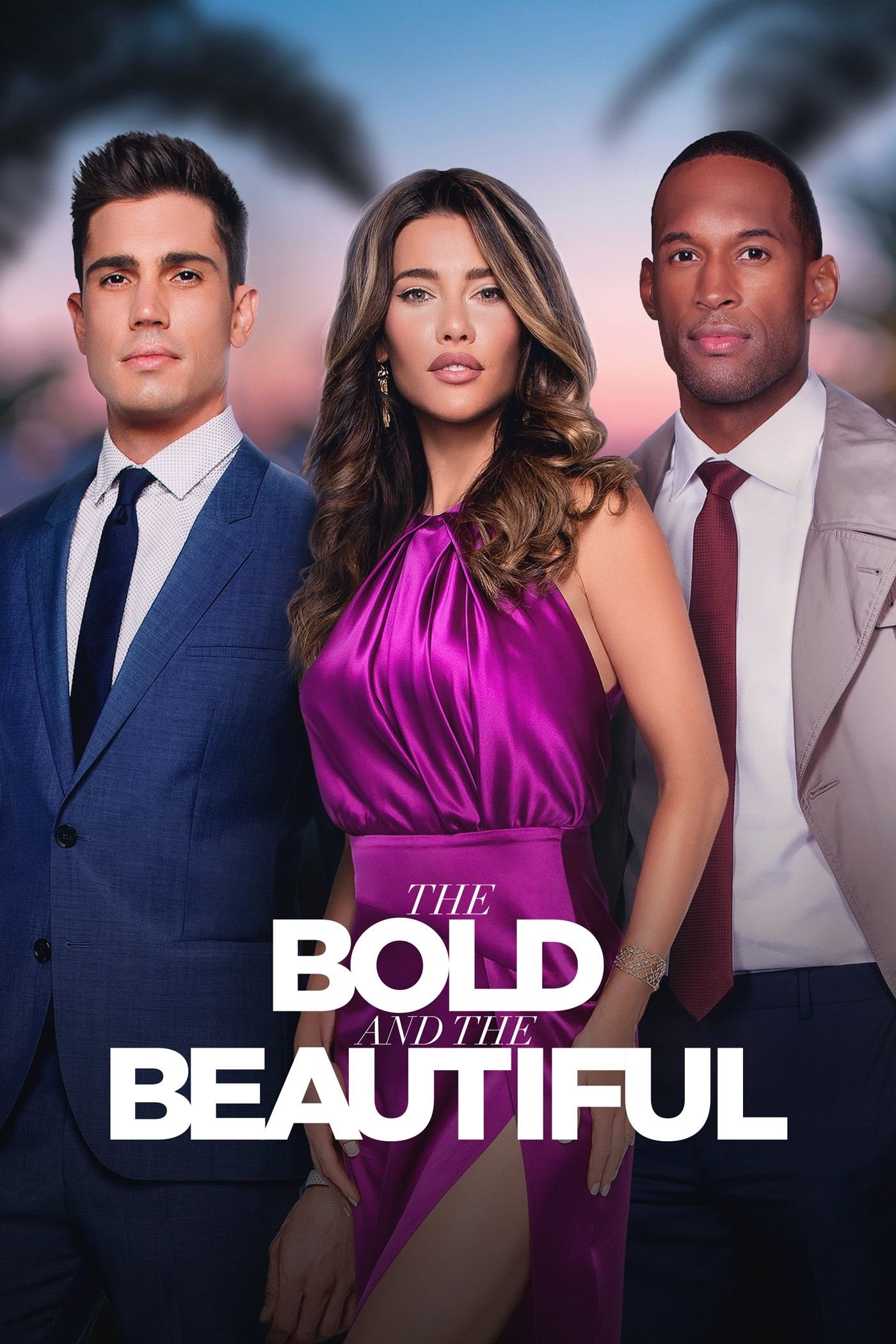
In 2015, this long-running soap opera introduced a massive storyline revealing that lead character Maya Avant was a transgender woman. Maya, played by Karla Mosley, became the first transgender bride on daytime television during her wedding to Rick Forrester. The revelation and subsequent storylines explored themes of disclosure, acceptance, and love within the heavily traditional soap opera format. This arc brought trans visibility to a massive, daily daytime audience that skewered older and more conservative.
‘Queen Sugar’ (2016–2022)
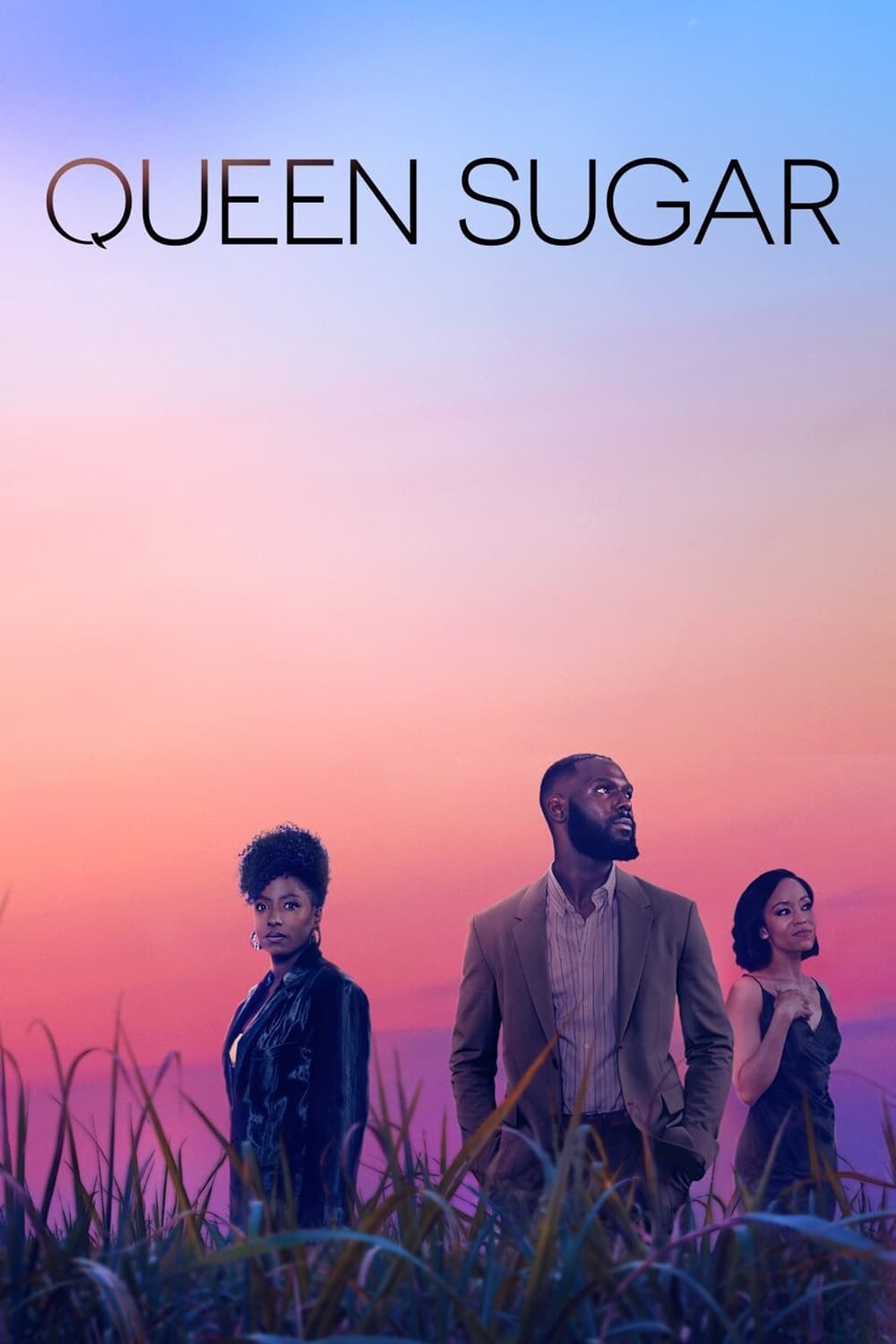
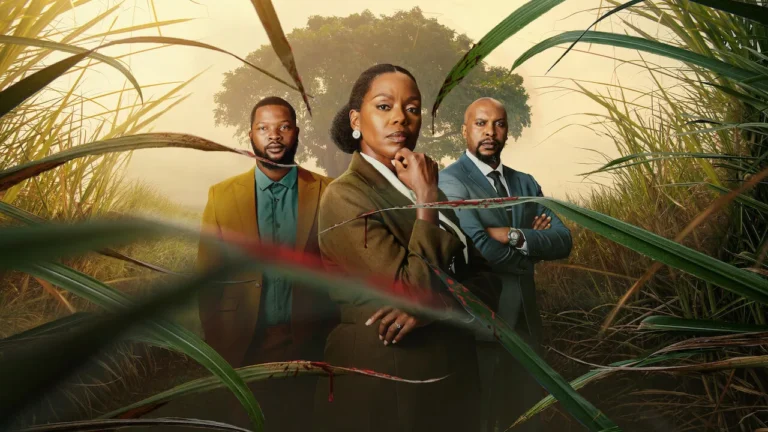
Ava DuVernay’s drama series introduced the character Toine Wilkins, a transgender police officer and high school friend of the main character Ralph Angel. Played by trans actor Brian Michael Smith, Toine was presented as a grounded, successful, and supportive Black man living his life in Louisiana. The role was significant for portraying a Black trans man in a positive light, focusing on friendship and community rather than trauma. Smith’s performance challenged the invisibility often faced by trans men in media.
‘Glee’ (2009–2015)
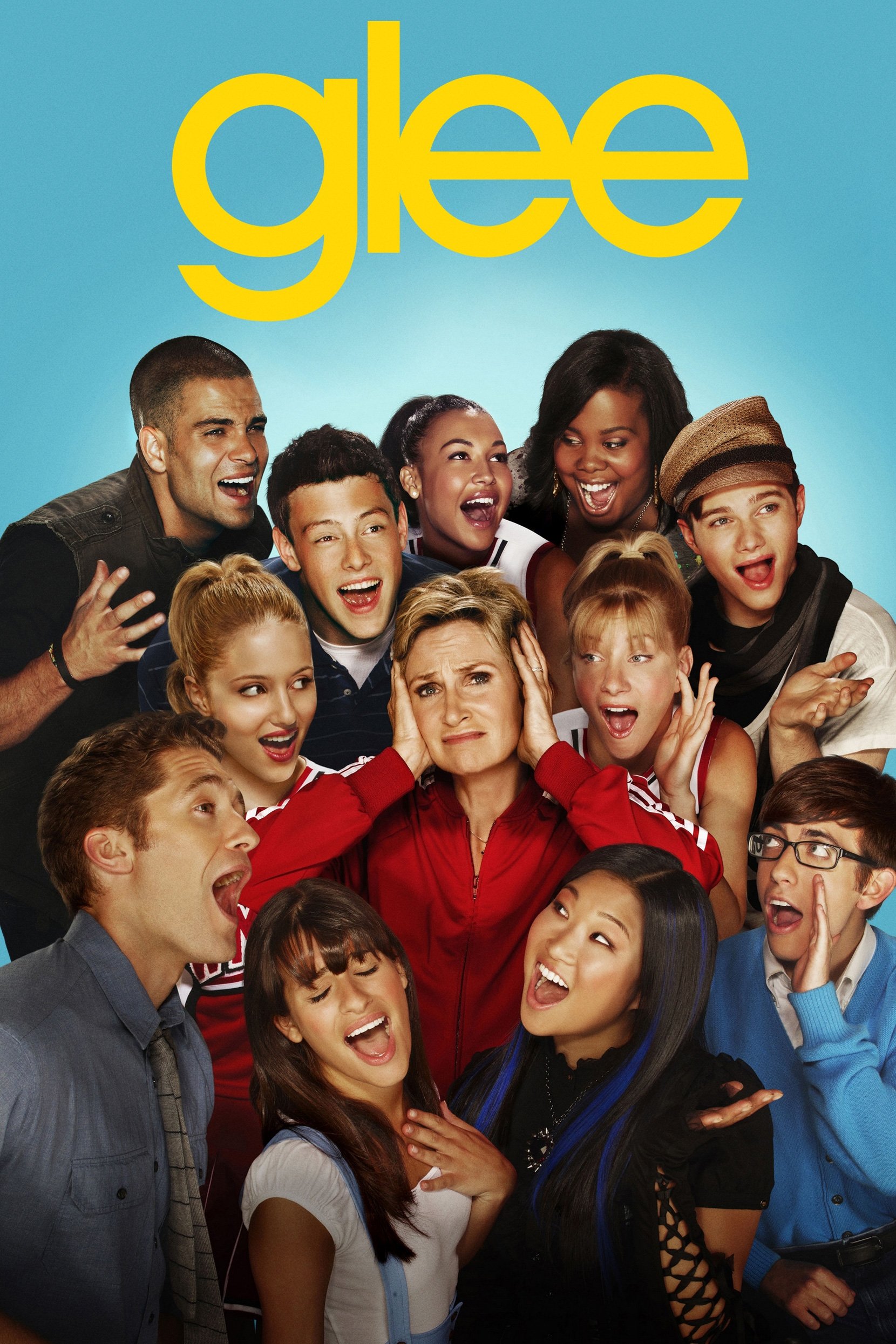
The musical comedy-drama introduced the character Unique Adams, played by Alex Newell, who possessed a powerhouse voice and a bold presence. Unique’s storyline traversed the difficulties of being a gender non-conforming and trans student in a high school environment, touching on issues of bathroom access and bullying. While the show’s handling of the subject matter was occasionally controversial, Unique remained a central figure in the glee club for several seasons. The character provided early mainstream visibility for Black gender-variant youth.
‘America’s Next Top Model’ (2003–2018)
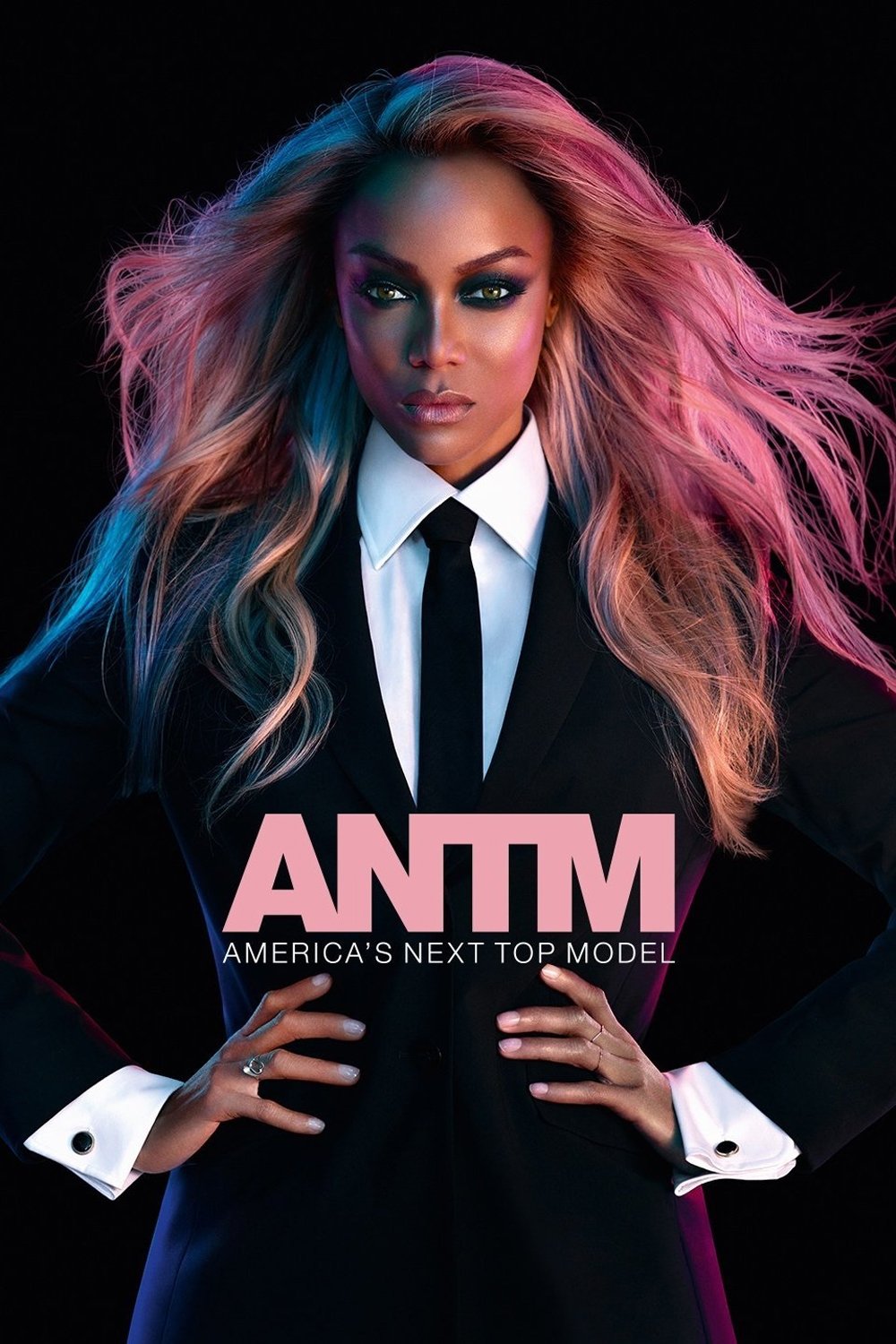
In 2008, Isis King competed in Cycle 11, becoming the first openly transgender contestant in the franchise’s history. Her participation sparked national conversations about transgender people in the fashion and modeling industries. King returned for the “All-Stars” cycle, further cementing her status as a reality TV pioneer. Her visibility on the show challenged conventional beauty standards and inspired a generation of trans youth.
‘Strut’ (2016)
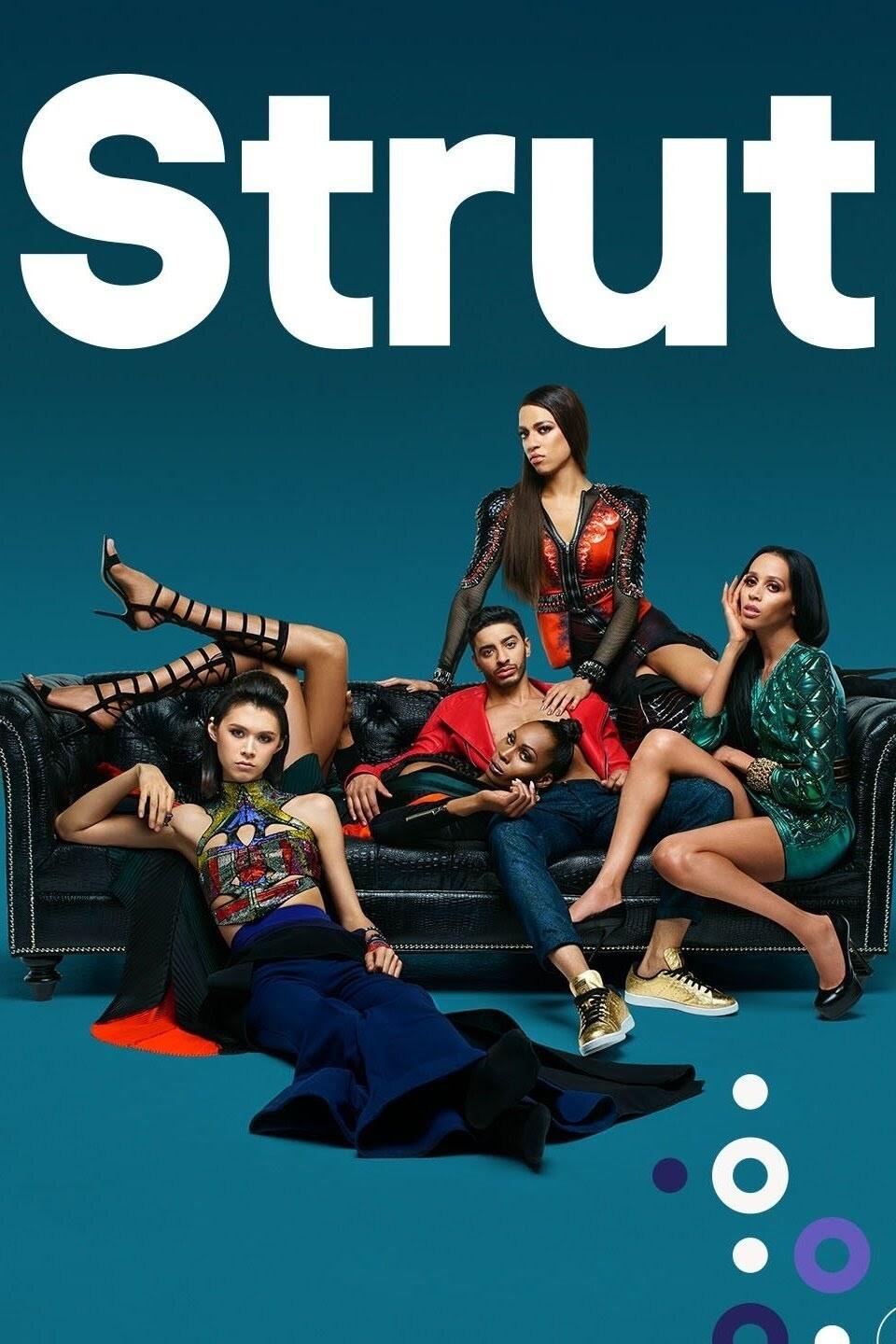
Executive produced by Whoopi Goldberg, this reality series focused exclusively on the models of Slay Model Management, an agency dedicated to transgender talent. The cast featured predominantly Black and minority trans models, including Isis King and Dominique Jackson, as they navigated the fashion world. The show provided an intimate look at the professional and personal lives of its cast, highlighting their ambition and resilience. It was one of the first programs to center an entire ensemble of trans people of color.
‘I Want to Work for Diddy’ (2008–2010)
Laverne Cox made her television debut as a contestant on this VH1 reality competition series. Her presence on the show was notable for her refusal to hide her identity, forcing the show and its viewers to engage with a Black trans woman in a professional competition setting. Although she did not win, her charisma and intelligence made a lasting impression that launched her career. This appearance is often cited as one of the earliest instances of authentic Black trans representation in reality TV.
‘TRANSform Me’ (2010)
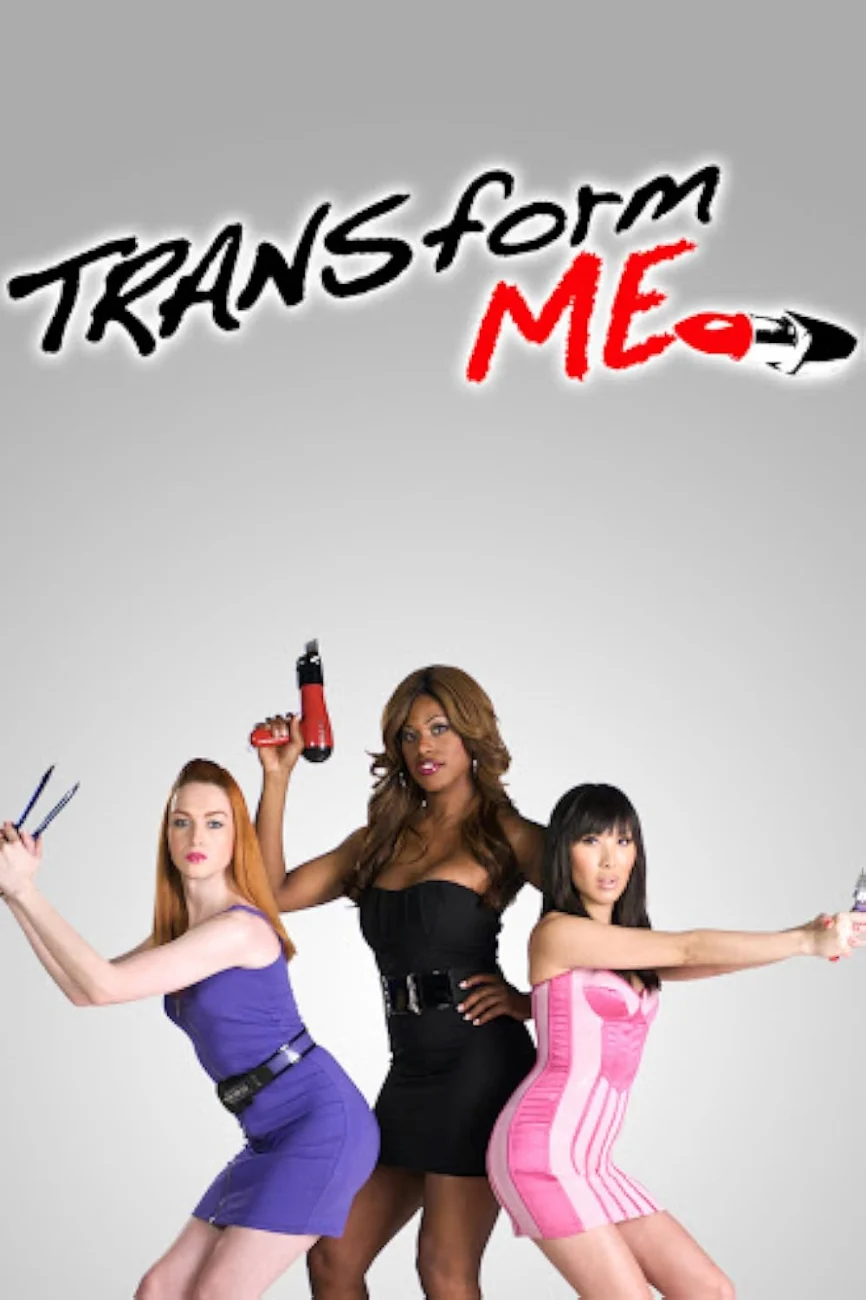
Following her reality debut, Laverne Cox produced and starred in this makeover series, becoming the first Black transgender woman to produce and star in her own TV show. The series featured a team of trans women traveling the country to give style makeovers to cisgender women. It flipped the traditional script by positioning trans women as the experts on beauty and style. The show normalized trans women as hosts and authorities in the lifestyle genre.
‘Big Brother’ (2000–Present)
In 2015, Audrey Middleton became the first openly transgender houseguest in the U.S. version of this massive reality franchise. Her casting brought the conversation about transgender identity to a primetime CBS audience three nights a week. While her gameplay was chaotic, her presence in the house forced conversations among houseguests who had never met a trans person. Middleton’s appearance marked a significant step for inclusion in competitive reality formats.
‘RuPaul’s Drag Race’ (2009–Present)
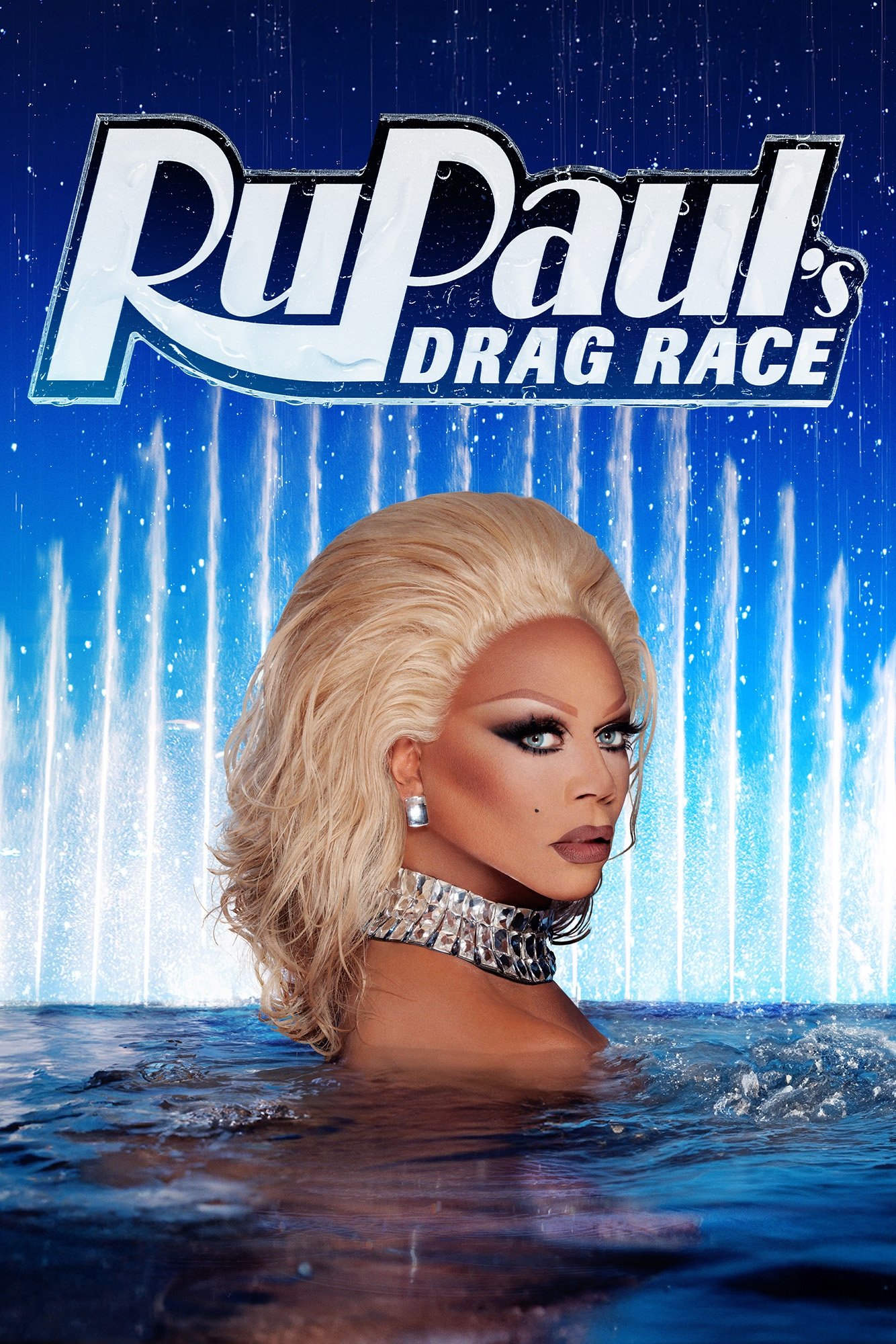
While the show focuses on drag queens, it has featured several contestants who are trans women, including Monica Beverly Hillz, who famously came out as a trans woman during the taping of Season 5 in 2013. Later, Peppermint entered Season 9 in 2017 as the first contestant to be openly trans prior to the season airing, eventually becoming the runner-up. These queens highlighted the intersection of drag culture and trans identity. Their stories brought nuance to the understanding of gender expression versus gender identity.
‘I Am Cait’ (2015–2016)
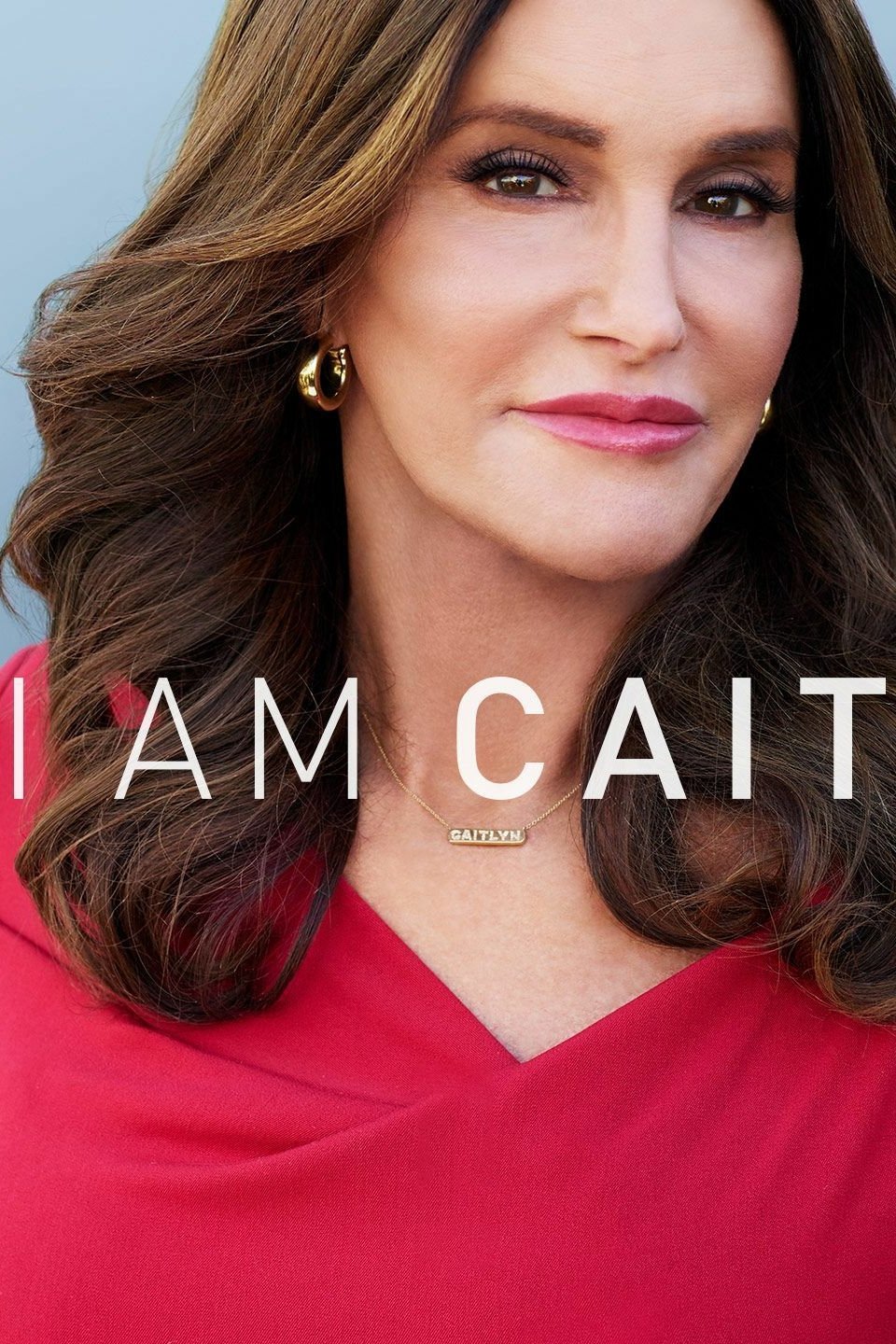
This docuseries centered on Caitlyn Jenner but heavily featured a supporting cast of trans activists and community leaders, including Chandi Moore. Moore, a Black trans woman and health educator, often served as a voice of reason and educated Jenner on the intersectional struggles of race and class within the trans community. Her presence provided a crucial counter-narrative to the privileged bubble of the show’s lead. Moore became a standout figure for her authenticity and dedication to her community.
‘The Rocky Horror Picture Show: Let’s Do the Time Warp Again’ (2016)
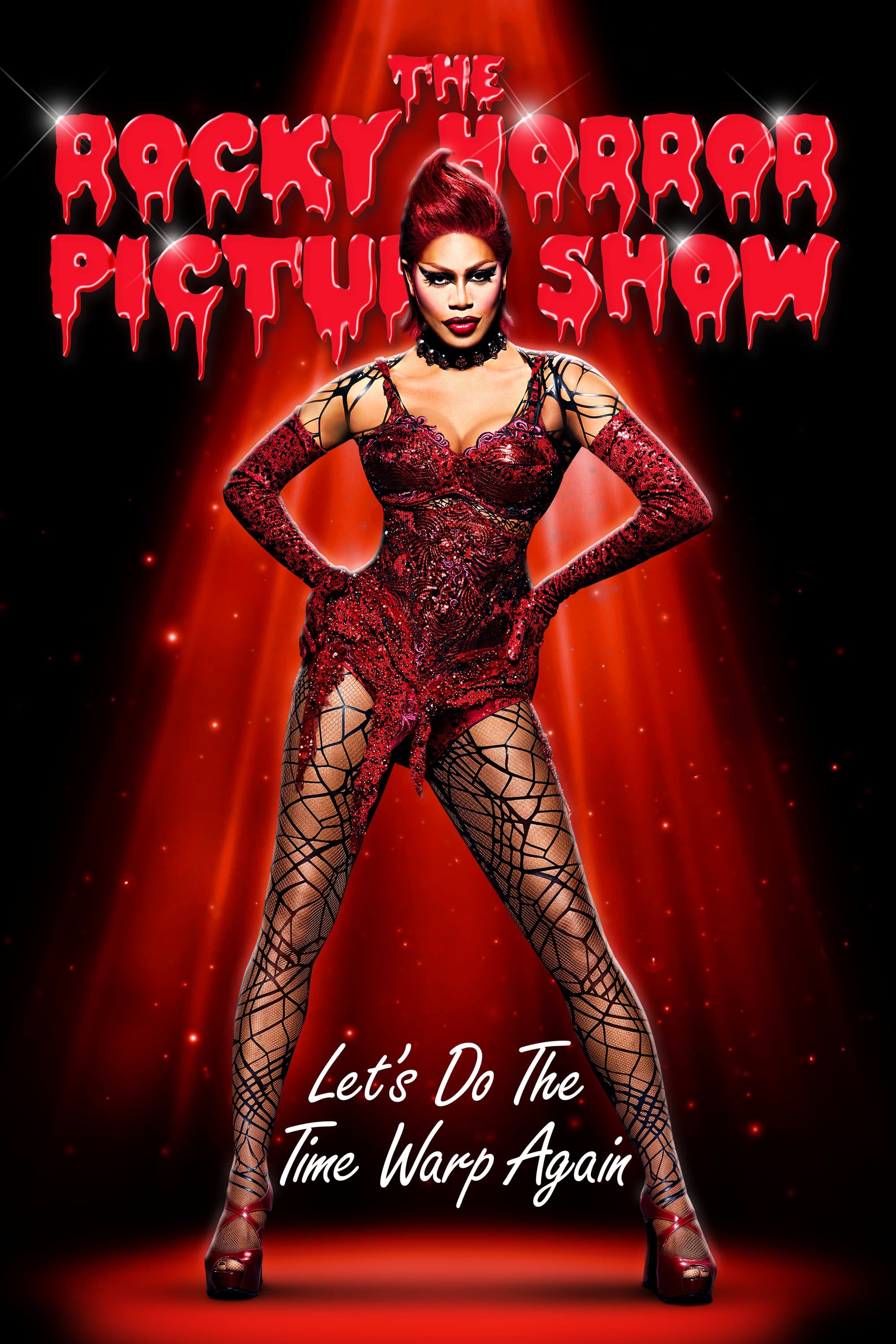
In this television movie remake of the cult classic, Laverne Cox took on the iconic lead role of Dr. Frank-N-Furter. Casting a Black trans woman in a role traditionally played by a cisgender man in drag was a bold reimagining of the character. Cox brought a new layer of gender performance and glamour to the part, showcasing her triple-threat talents in singing and dancing. The project placed a trans actor front and center in a major network musical event.
‘Her Story’ (2016)
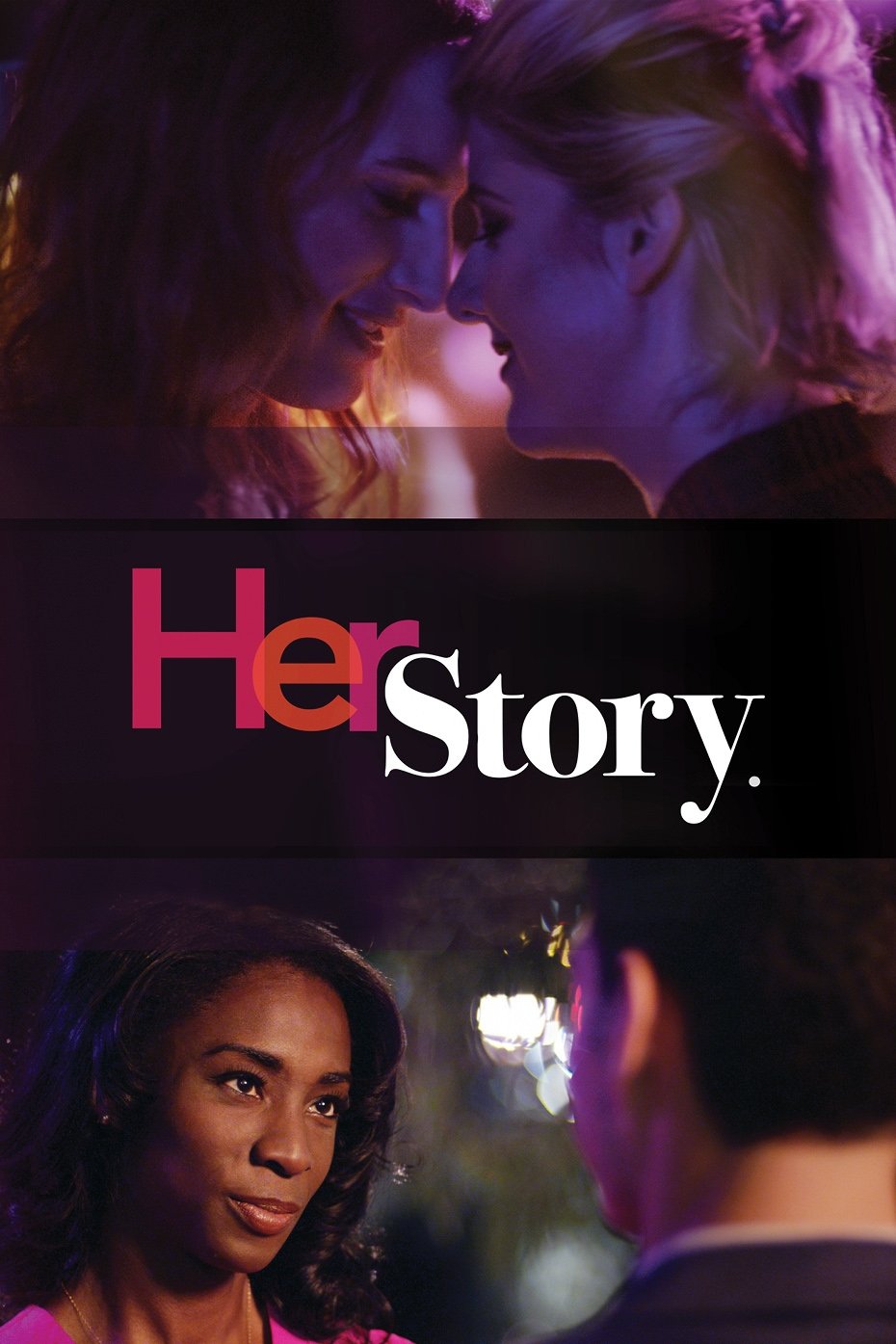
This Emmy-nominated web series, which achieved broadcast-level recognition, starred Angelica Ross as a trans woman navigating dating and romance in Los Angeles. The show was praised for being written by and starring trans women, ensuring authentic dialogue and scenarios. Ross’s performance as Paige offered a rare look at Black trans womanhood defined by desire and vulnerability rather than tragedy. It demonstrated the demand for narratives that centered trans joy and love.
‘Shameless’ (2011–2021)
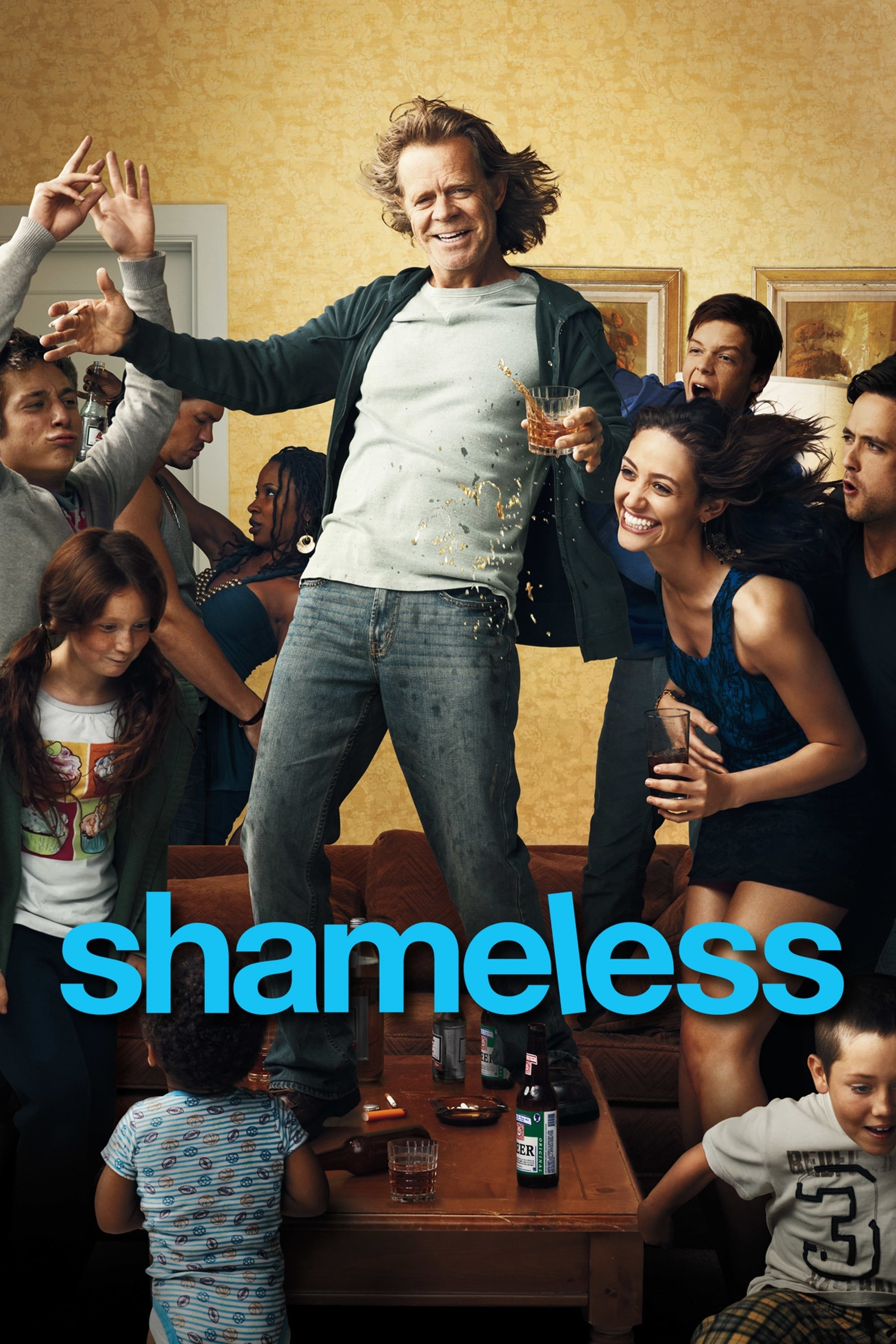
Isis King guest-starred in a multi-episode arc during Season 7 as a character named Gia. The storyline involved the main characters interacting with the local youth center and community, bringing visibility to trans youth issues in Chicago’s South Side. King’s inclusion in the gritty, popular dramedy introduced her to a different demographic of viewers. It was another example of a trans actor securing a role in a high-profile ensemble cast.
‘Faking It’ (2014–2016)
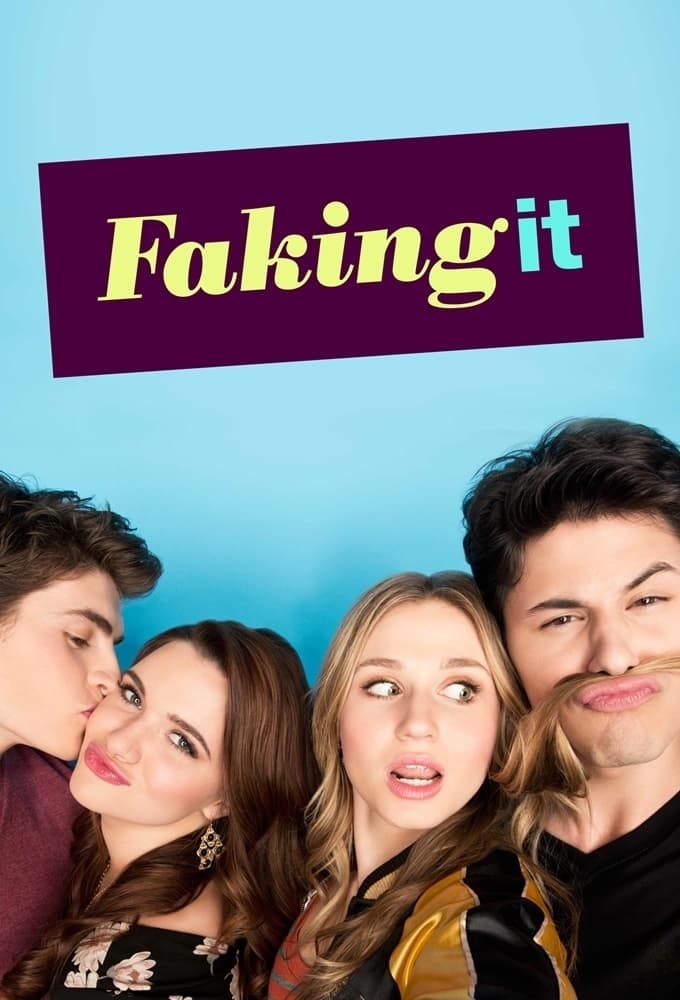
This MTV romantic comedy series featured Laverne Cox in a guest arc as Margot, the demanding drama teacher and alumna of the high school. The character was portrayed as successful, glamorous, and intimidating, unrelated to her trans identity. Inclusion in a show targeted at a teen audience helped normalize trans authority figures for younger viewers. The show itself was known for its fluid approach to sexuality and identity.
‘The Mindy Project’ (2012–2017)
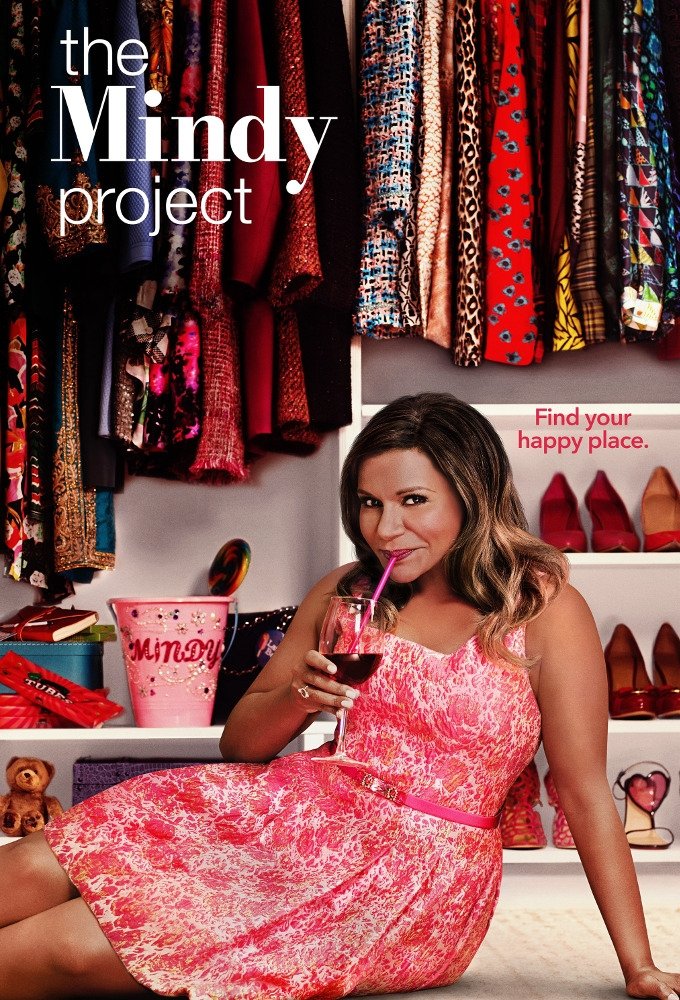
Laverne Cox appeared in a guest role as Sheena, the cousin of the titular character’s nurse, Tamra. Sheena was depicted as a confident stylist who helps Mindy get her life together, playing on Cox’s public persona as a beauty icon. The role allowed Cox to exercise her comedic chops in a mainstream sitcom environment. It was a positive, lighthearted portrayal that avoided the “very special episode” tropes often associated with trans characters.
‘Girlfriends’ Guide to Divorce’ (2014–2018)
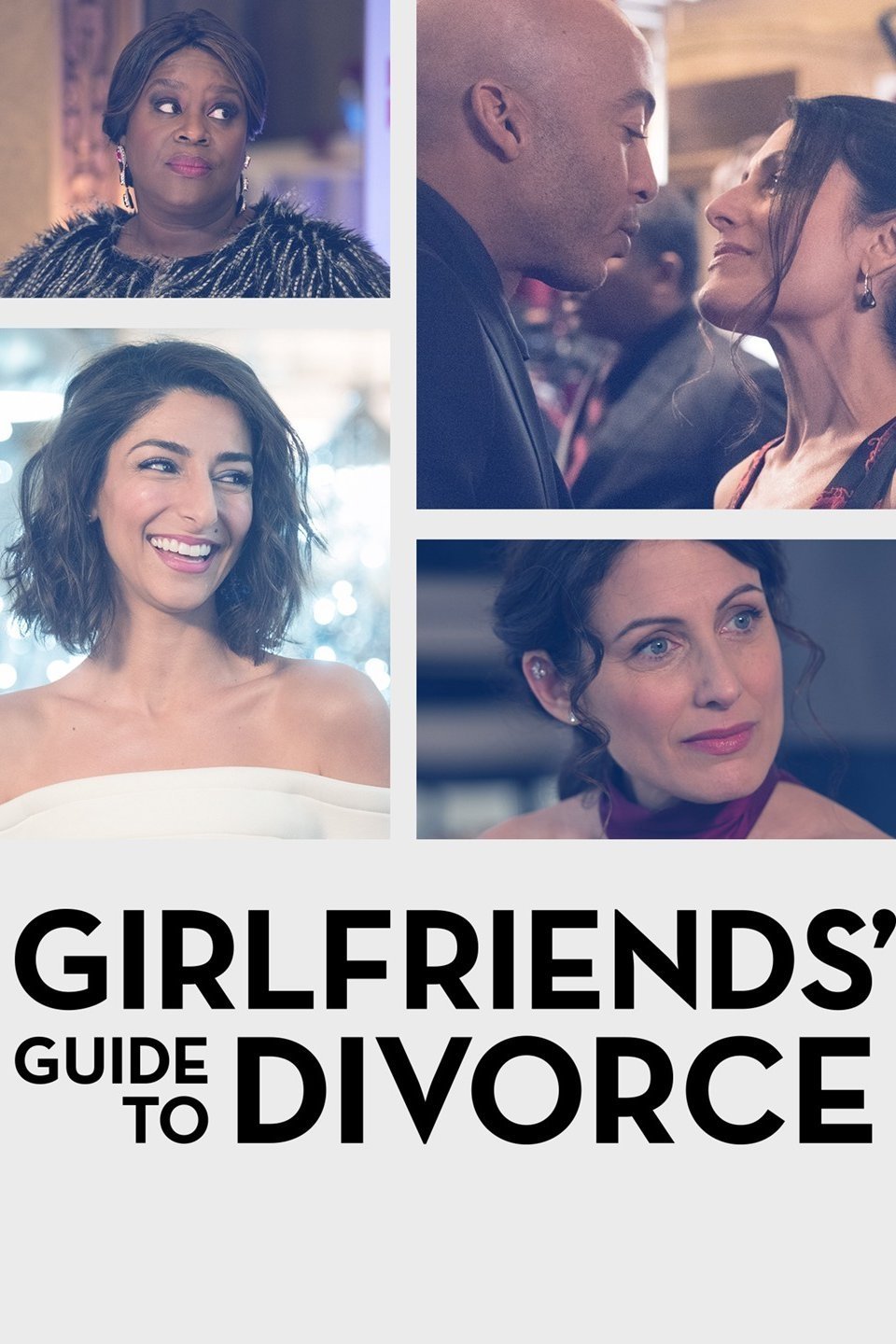
Laverne Cox guest-starred as Adele Northrop, a war journalist and LGBT activist, in this Bravo scripted series. The character was presented as a high-powered, respected professional within the show’s world of affluent media types. This role continued the trend of casting trans actors in parts that emphasized their careers and accomplishments. It contributed to the normalization of trans characters in elite social circles on television.
‘Law & Order: Special Victims Unit’ (1999–Present)
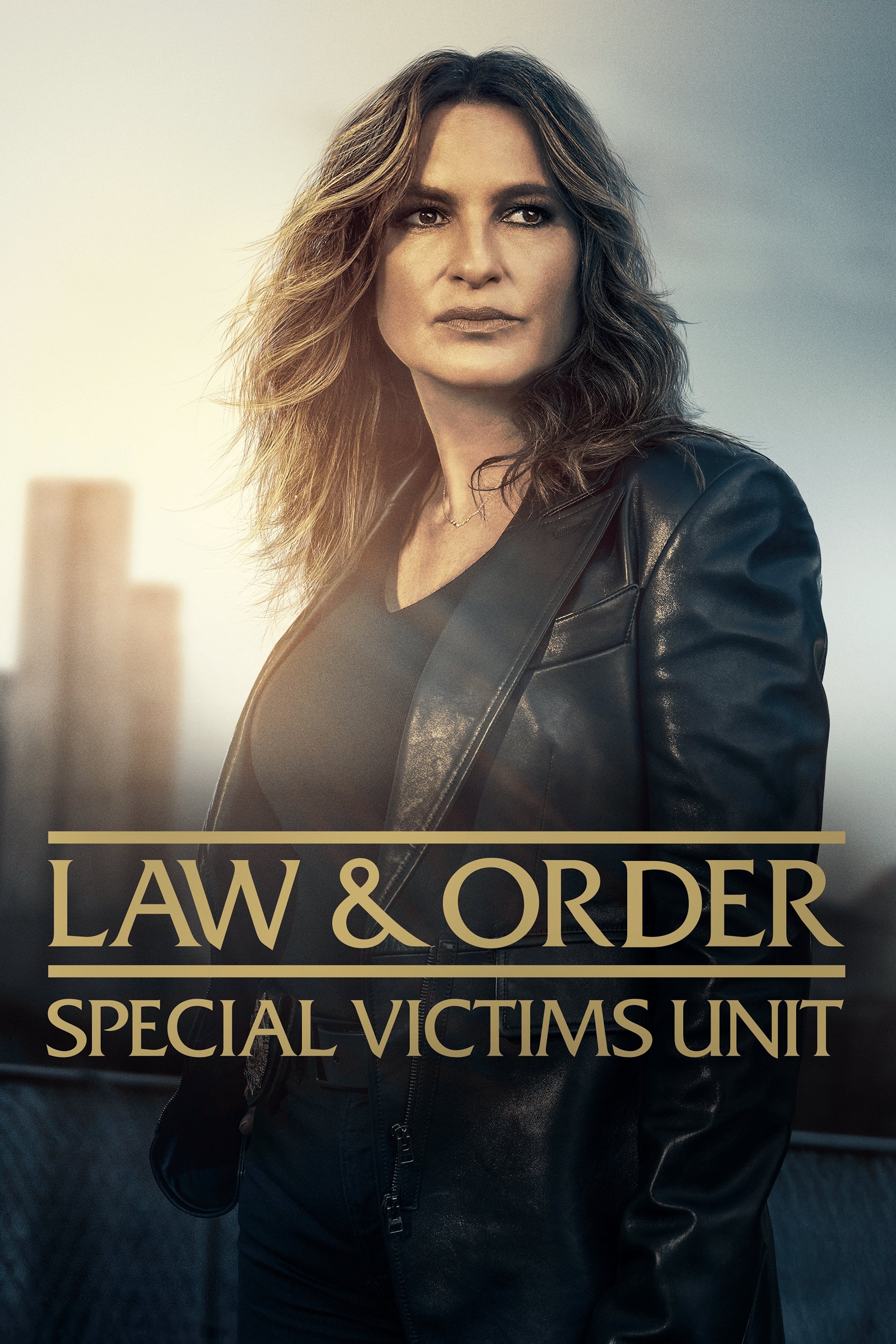
In the 2008 episode “Closet,” Laverne Cox played a gym manager in a storyline that, while tragic, offered her one of her first significant speaking roles on television. This appearance is often cited in retrospectives of Cox’s career as a stepping stone toward her later success. The Law & Order franchise has historically been a testing ground for New York-based talent, and this role marked an early instance of a Black trans actress getting work in the procedural space. It stands as a marker of the limited opportunities available before the industry shifted.
How do you think these early representations shaped the landscape for modern shows like Pose? Share your thoughts in the comments.