20 Films That Cast Queer Actors as Straight Villains and It Was Perfect


Villain roles can be career-defining, and plenty of LGBTQ+ performers have delivered memorable, straight-coded antagonists on the big screen. Below are twenty films where openly queer or widely acknowledged queer actors stepped into the role of the bad guy—masterminds, killers, tyrants, and schemers—and made the story sing. Each entry notes the actor, the character, and the specific kind of threat they pose, so you can place the performance in context fast.
‘Perfume: The Story of a Murderer’ (2006)

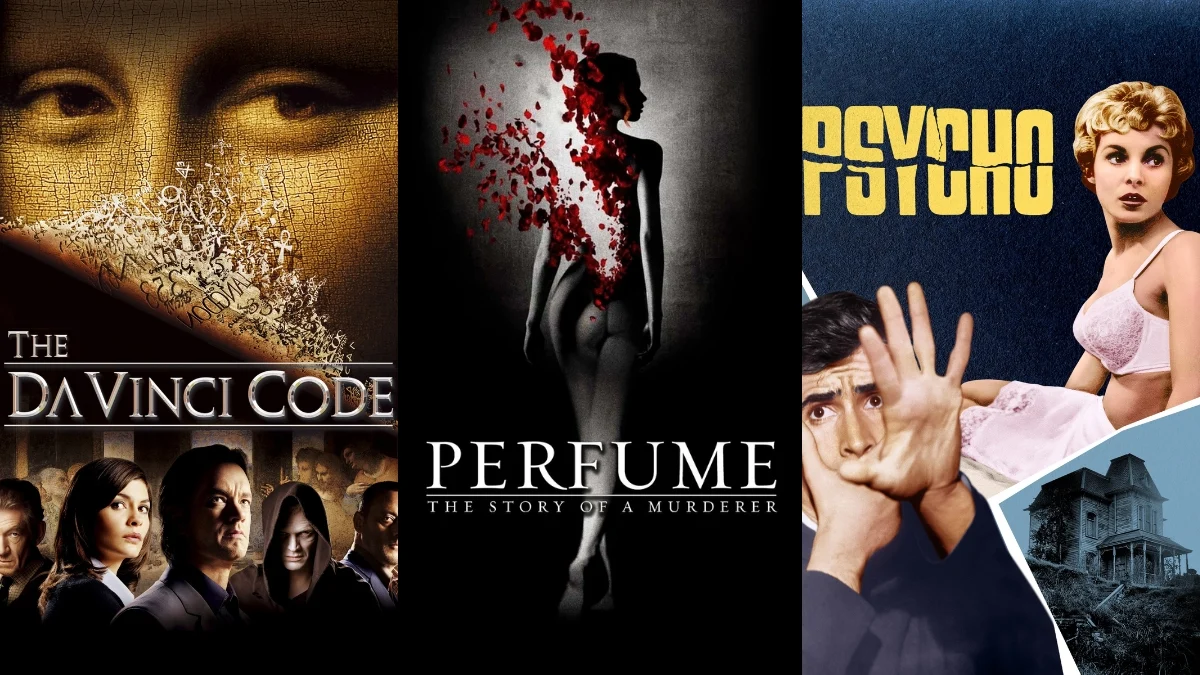
Ben Whishaw plays Jean-Baptiste Grenouille, a gifted perfumer who murders young women to distill their scent. The character fixates on female subjects and pursues them with methodical, straight-coded obsession. Whishaw’s portrayal anchors the period thriller as Grenouille moves from apprentice to serial killer. The plot culminates in a mass hysteria scene that underlines the character’s manipulative power.
‘The Da Vinci Code’ (2006)

Ian McKellen portrays Sir Leigh Teabing, a respected historian secretly orchestrating the central conspiracy. Teabing manipulates allies and enemies to seize a long-guarded religious secret. He presents a refined public image while directing violent operatives behind the scenes. His double-cross provides the film’s key third-act twist and drives the final chase.
‘Richard III’ (1995)
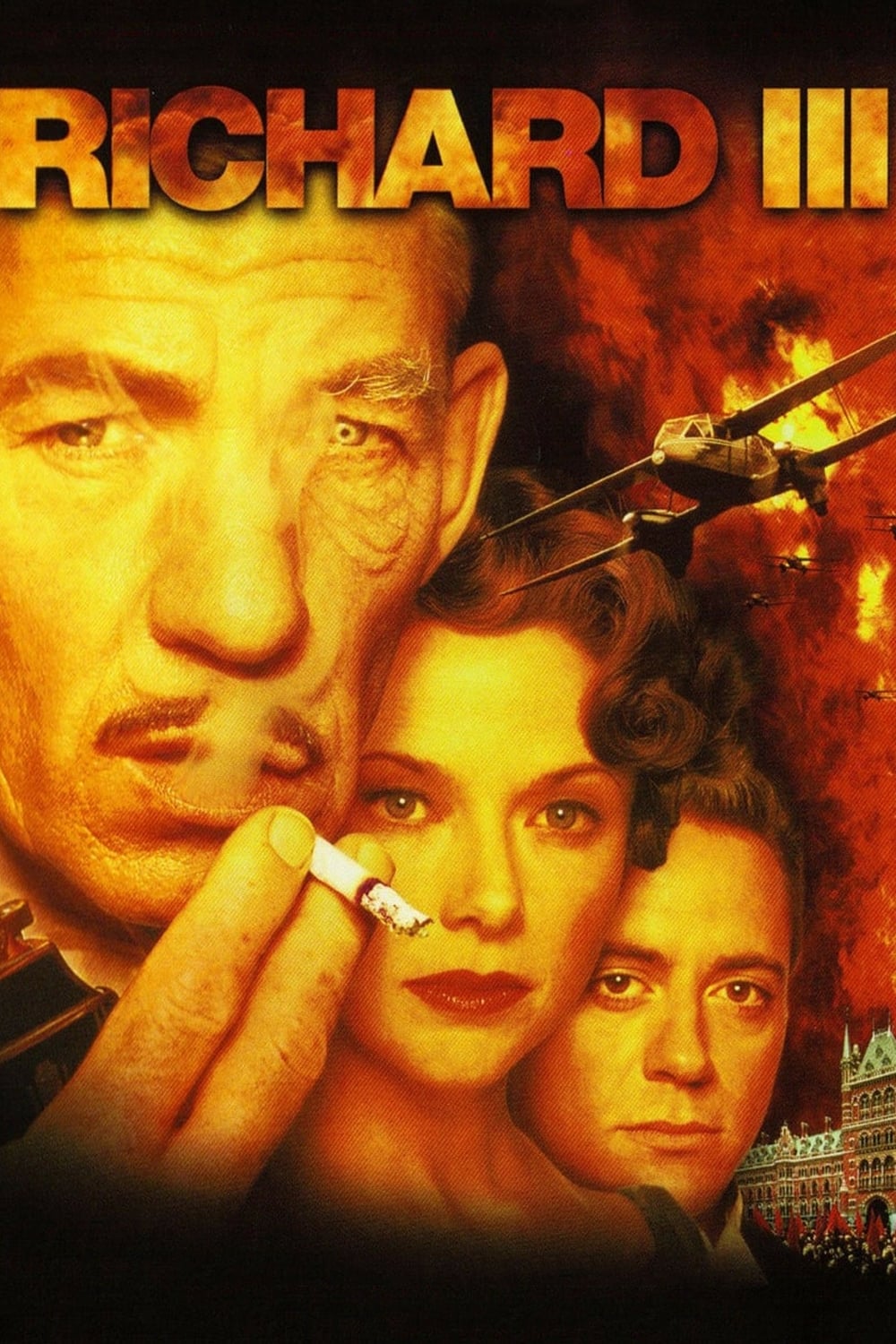
Ian McKellen embodies King Richard, a ruthless usurper who lies, seduces, and murders to claim England’s throne. Set in an alternate 1930s milieu, the film translates Shakespeare’s schemer into a fascist-era strongman. Richard’s plots include a politically expedient marriage and targeted assassinations of rivals. The adaptation highlights propaganda, staged spectacles, and backroom deals to show his rise and fall.
‘Apt Pupil’ (1998)
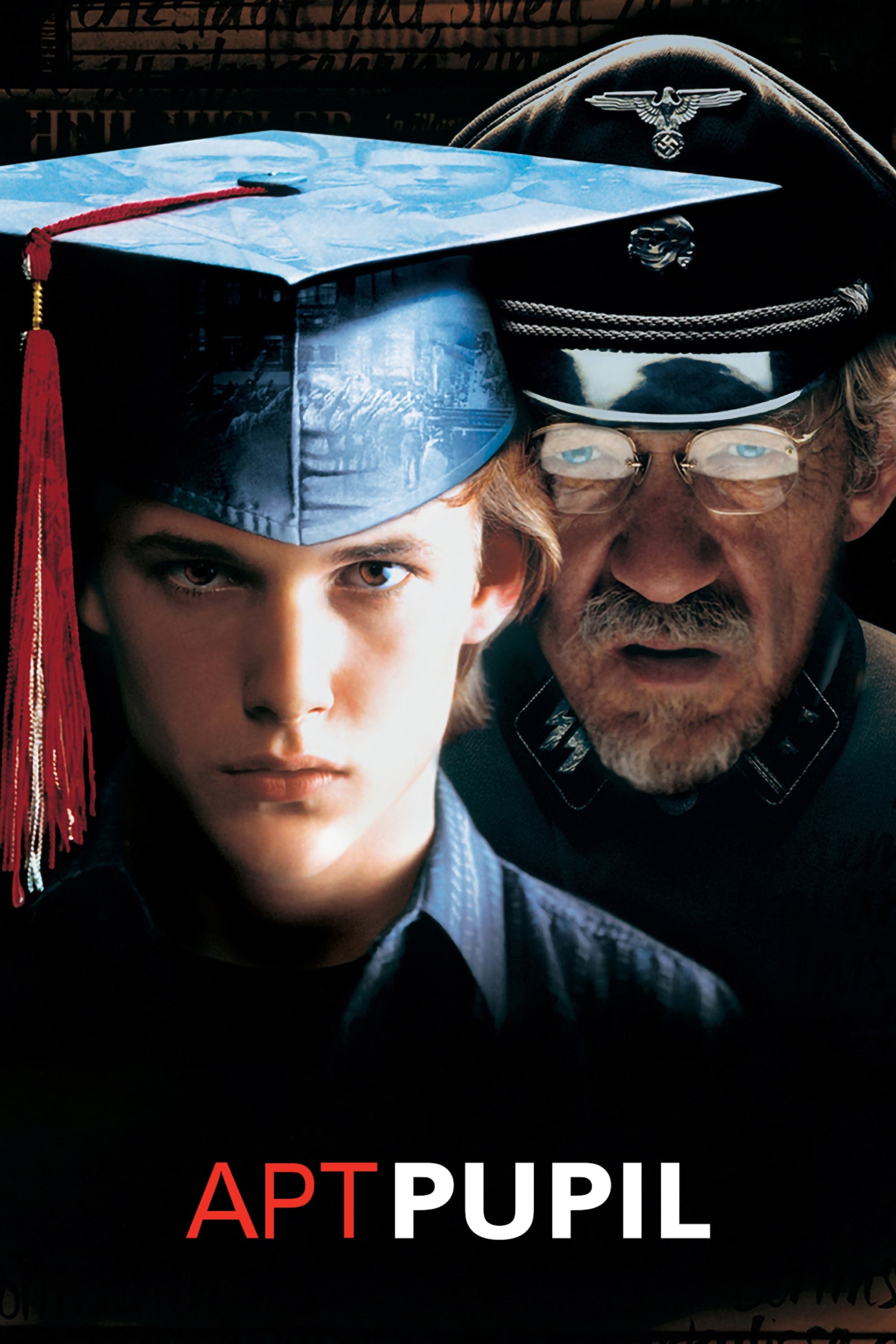
Ian McKellen plays Kurt Dussander, a fugitive Nazi war criminal hiding in American suburbia. Blackmailed by a teenager who recognizes him, Dussander reasserts predatory control through intimidation and psychological games. The character’s past atrocities resurface as he mentors the boy in cruelty. Their escalating pact links historical evil with present-day violence.
‘Run’ (2020)

Sarah Paulson is Diane Sherman, a mother who isolates her wheelchair-using daughter and controls every aspect of her life. The story centers on medical abuse—Munchausen by proxy—and the daughter’s attempt to uncover the truth. Diane forges documents, withholds medications, and stages deceptions to maintain power. The thriller builds around escape attempts and evidence hidden in plain sight.
‘Beauty and the Beast’ (2017)

Luke Evans plays Gaston, a swaggering hunter who pursues Belle and incites the village against the castle. Gaston’s straight-coded fixation on marriage and status fuels his cruelty. He lies about Belle’s father, foments mob violence, and leads the assault that triggers the finale. His arrogance and jealousy escalate into an armed siege.
‘Suicide Squad’ (2016)

Cara Delevingne portrays Dr. June Moone, who becomes the Enchantress, an ancient entity bent on world domination. The villain resurrects her brother and builds a destructive machine in a city center. She exploits a romantic bond with a special-ops leader to destabilize the heroes. The Squad’s mission culminates in severing her power source and freeing the host.
‘House of Gucci’ (2021)
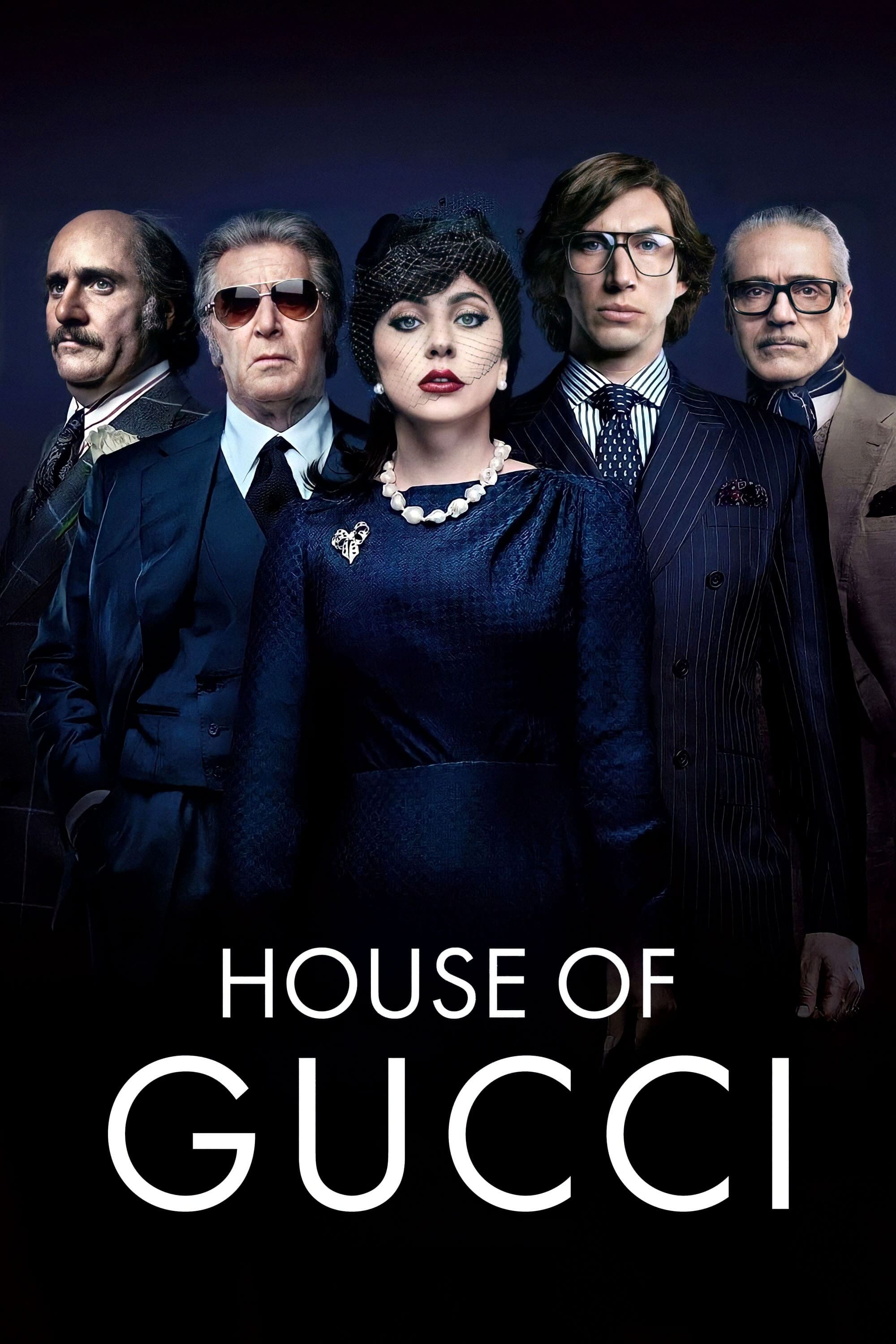
Lady Gaga plays Patrizia Reggiani, who marries into the Gucci family and later engineers a murder-for-hire plot. The film traces her move from outsider to power player through alliances, fraud, and surveillance. Financial disputes and inheritance battles push the plan forward. The case ends with arrest, trial, and a prison sentence that reshaped the brand’s history.
‘We Need to Talk About Kevin’ (2011)

Ezra Miller portrays Kevin Khatchadourian, a boy who grows into a calculated mass killer. The narrative uses flashbacks to show escalating cruelty, property damage, and targeted harm toward family members. Kevin’s attacks are planned and timed to inflict maximum emotional devastation. The film’s structure links early warning signs to the final atrocity.
‘GoldenEye’ (1995)
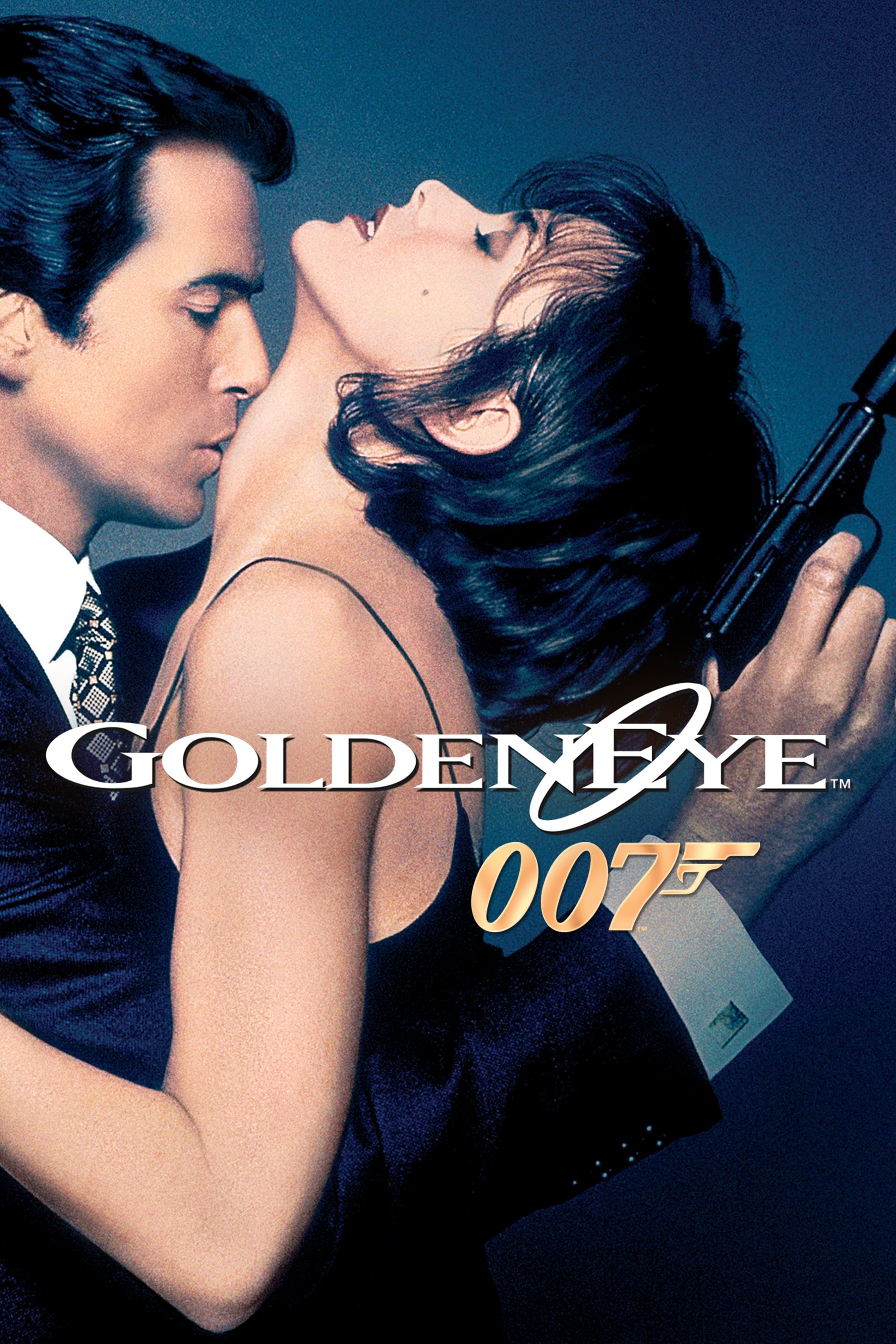
Alan Cumming plays Boris Grishenko, a brilliant but treacherous programmer assisting a satellite-weapon heist. He compromises government systems, launders credentials, and taunts colleagues with backdoor access. Boris’s role includes encrypting control sequences and safeguarding the targeting algorithm. His overconfidence during the antenna showdown proves decisive.
‘Blade’ (1998)
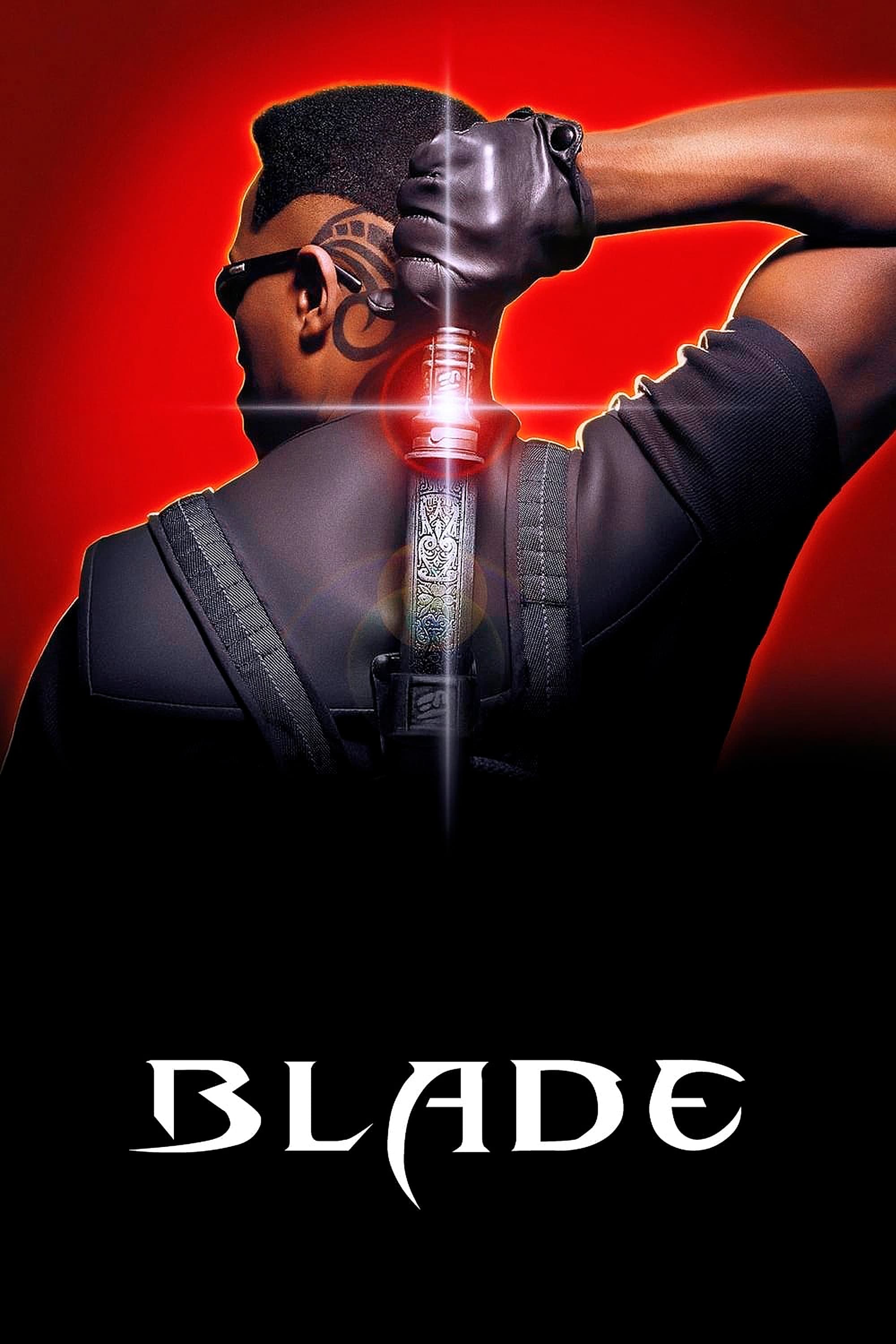
Udo Kier appears as Dragonetti, a vampire elder who resists a coup but remains part of a predatory ruling class. He runs elite gatherings while sanctioning human exploitation and blood-farming. Internal power struggles expose his faction’s hypocrisy and decadence. The conflict with Deacon Frost reveals the council’s vulnerability and infighting.
‘Jurassic World: Fallen Kingdom’ (2018)

BD Wong returns as Dr. Henry Wu, whose gene-splicing program leads to weaponized hybrids. He collaborates with financiers to auction bioengineered dinosaurs and prototypes. Security protocols fail as DNA samples and embryos change hands at a private estate. The plot ties his research to military applications and black-market buyers.
‘John Wick: Chapter 3 – Parabellum’ (2019)

Asia Kate Dillon plays the Adjudicator, an enforcer who punishes rule-breakers for the High Table. They revoke protections, sanction excommunication, and levy retribution across New York’s underworld. The character coordinates raids, demands fealty, and imposes strict deadlines. Their legalistic authority escalates every confrontation Wick faces.
‘Psycho’ (1960)

Anthony Perkins portrays Norman Bates, a motel owner who commits multiple murders and conceals them with elaborate cover-ups. He stages clean-ups, forges notes, and manipulates guests’ schedules to avoid detection. A hidden staircase, a swamp, and a locked house support the deception. The investigation reveals a split identity and a preserved corpse at the heart of the mystery.
‘Witness for the Prosecution’ (1957)
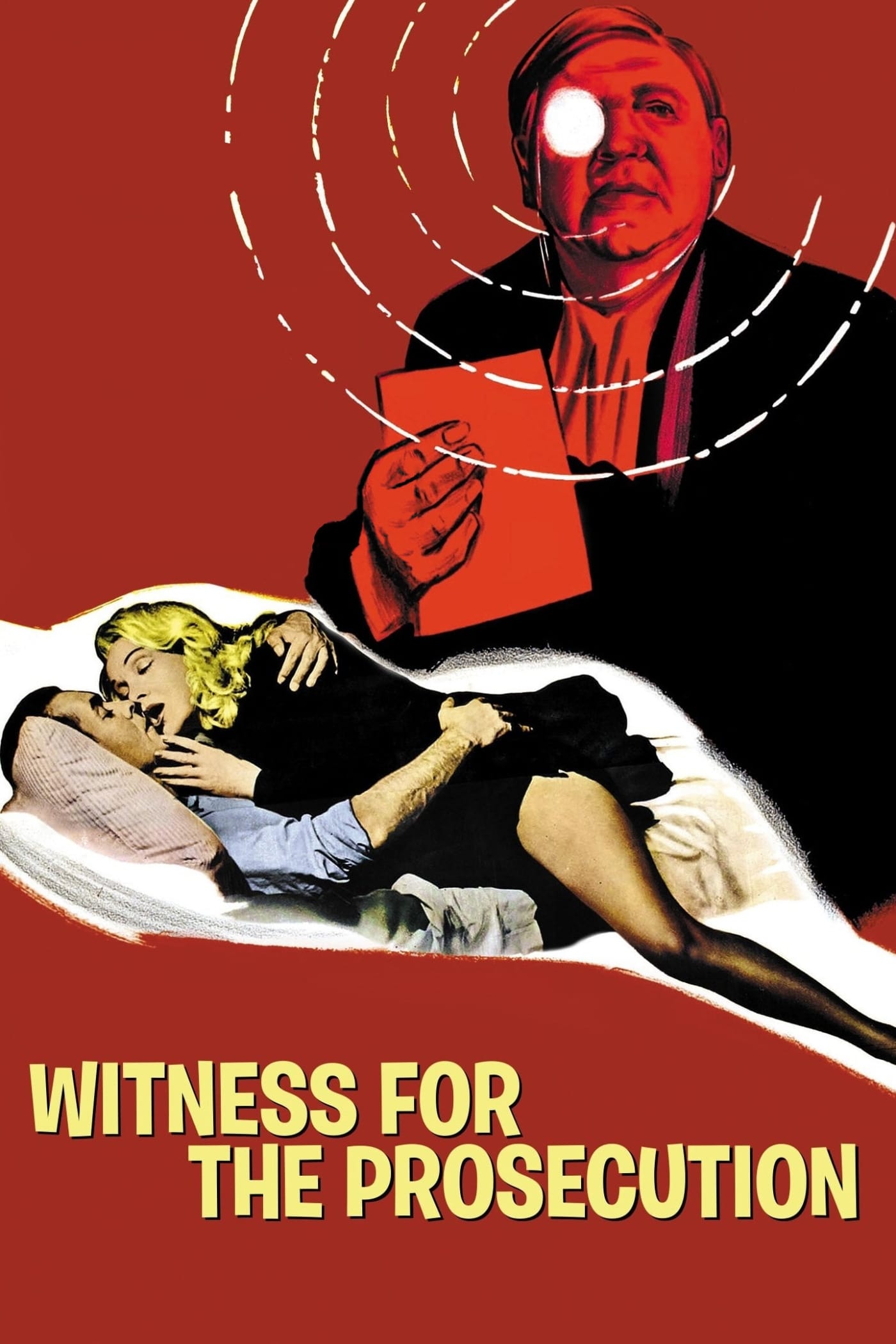
Marlene Dietrich plays Christine, who delivers testimony designed to mislead court and counsel. She engineers false identities, staged meetings, and planted evidence to steer the trial. Her relationship to the defendant becomes a legal weapon rather than a romance. The film’s final reversals hinge on her deception under oath.
‘Inspector Gadget’ (1999)
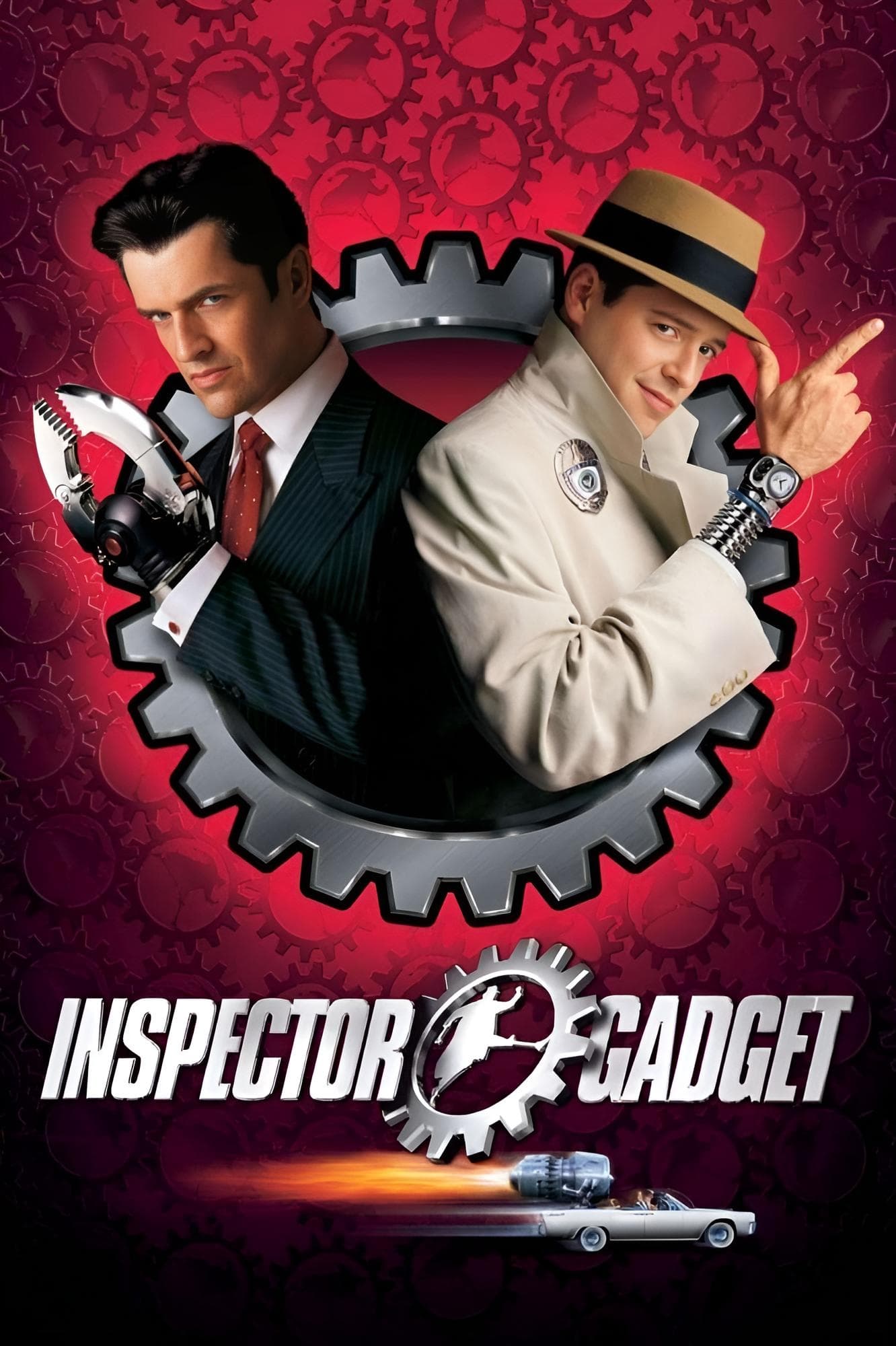
Rupert Everett appears as Sanford Scolex, also known as Claw, a tech tycoon turned cybernetic criminal. He steals experimental components and funds a robotic double to frame the hero. Corporate labs, remote controls, and detachable devices enable his thefts. The showdown centers on exposing the imposter and disabling Claw’s gadgets.
‘The Matrix Resurrections’ (2021)
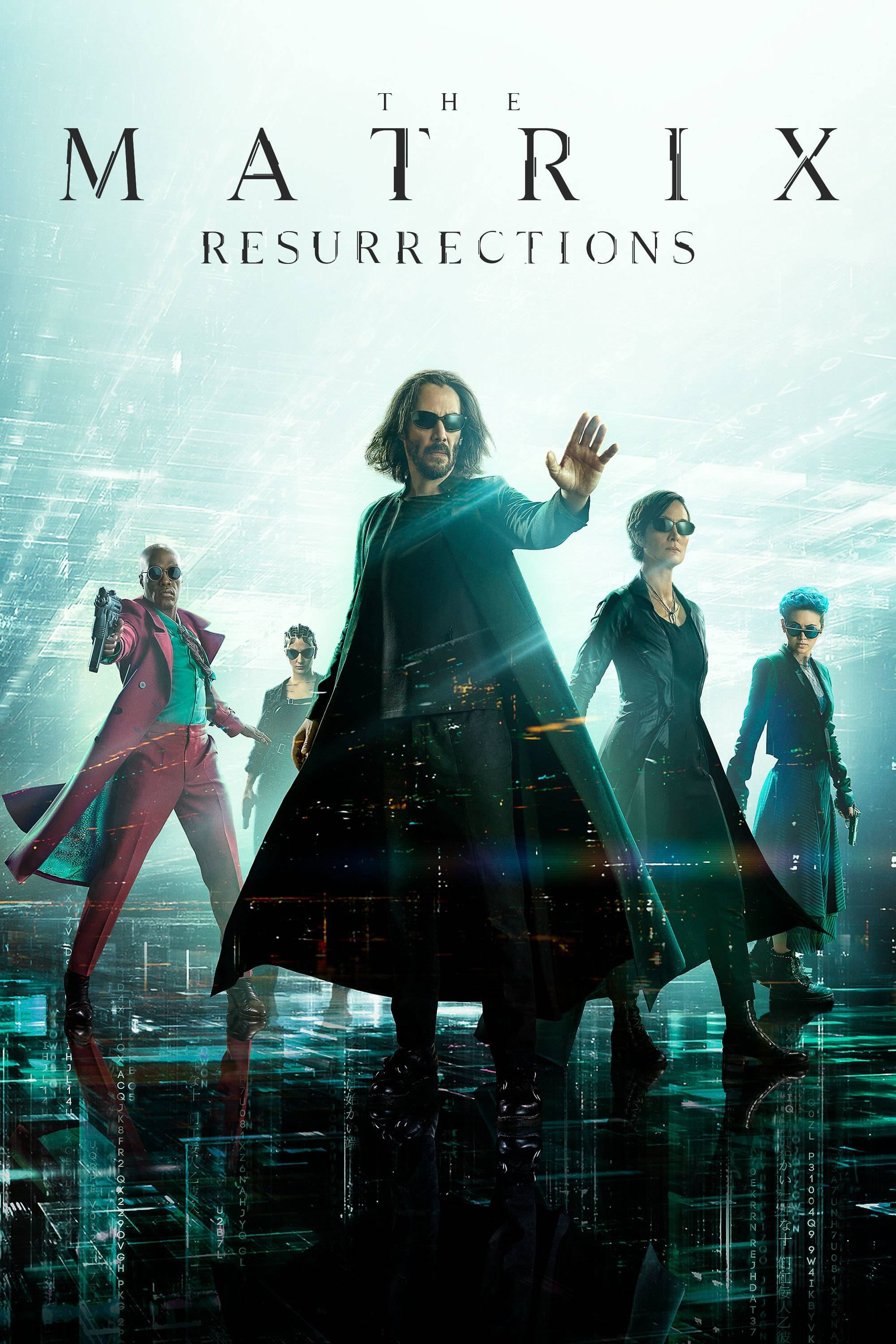
Neil Patrick Harris plays the Analyst, a designer who repackages the Matrix to manipulate human emotions. He weaponizes trauma loops, time dilation, and algorithmic incentives to keep subjects compliant. Corporate therapy sessions and game-development meetings mask his control. The climax targets his failsafes to free key captives.
‘X-Men’ (2000)

Ian McKellen portrays Magneto, who leads a militant faction seeking dominance over humans. He constructs a machine to trigger forced mutation on world leaders during a summit. The plan involves kidnapping, a custom device on Liberty Island, and a decoy infiltration. Countermeasures hinge on disabling the machine without killing its power source.
‘The Servant’ (1963)
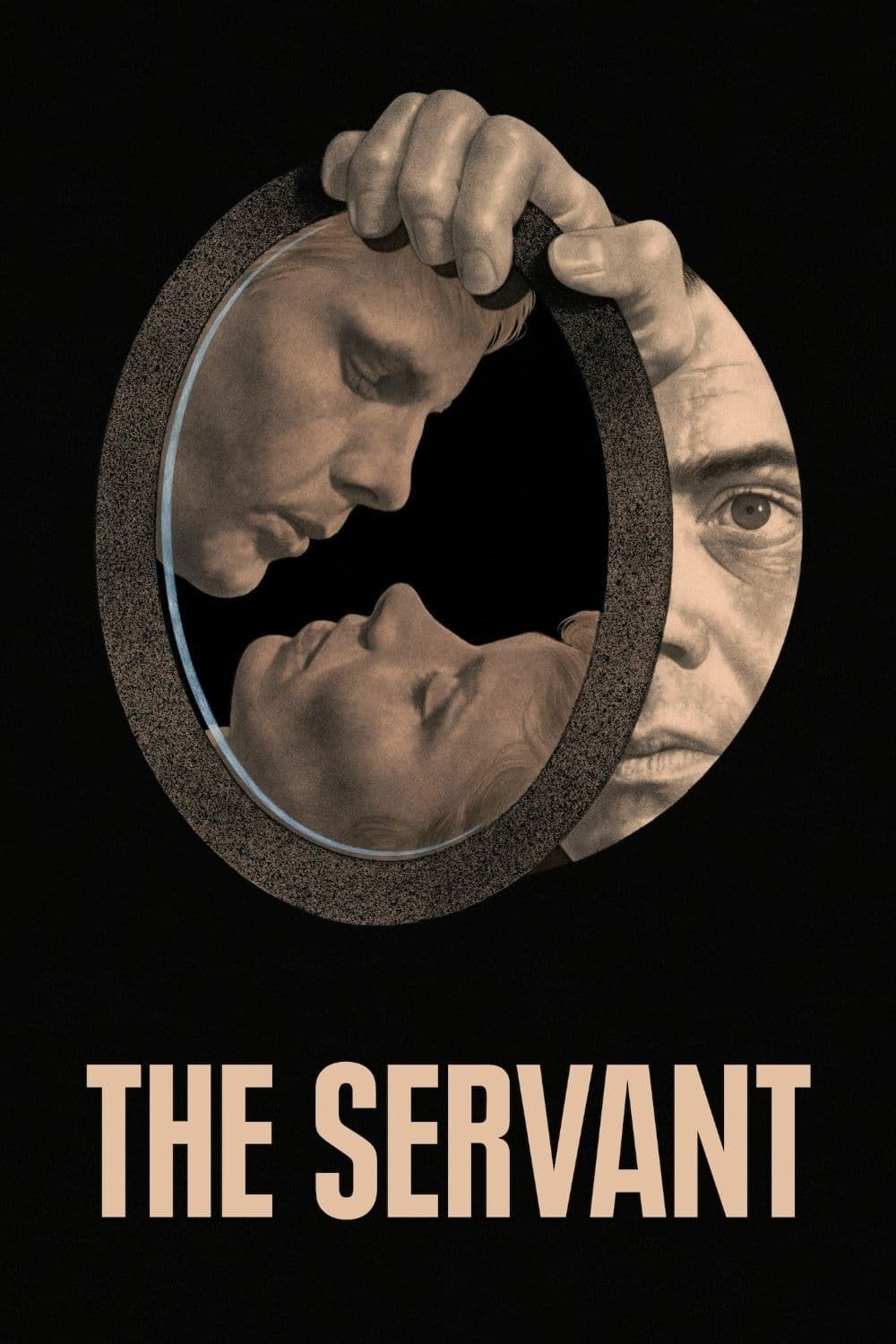
Dirk Bogarde plays Barrett, a manservant who undermines his employer through seduction, blackmail, and calculated dependency. He rearranges the house’s routines, introduces an accomplice, and erodes boundaries. Financial control and alcohol become tools for domination. The household’s power dynamic inverts as Barrett consolidates authority.
‘Rope’ (1948)
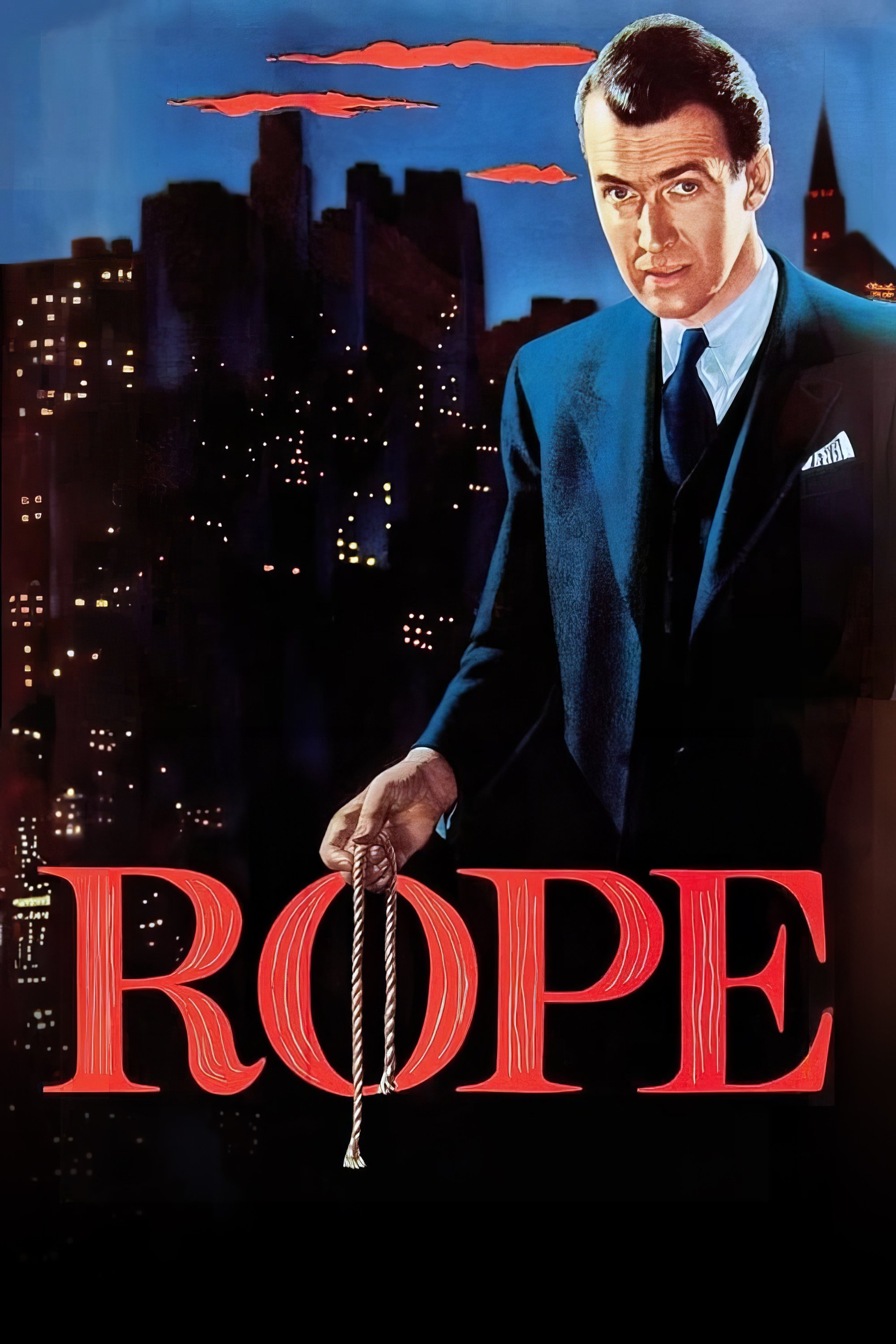
Farley Granger appears as Phillip, one of two former students who commit a “perfect” murder and hide the body during a dinner party. He participates in staging the apartment and disposing of evidence in plain sight. The pair’s guest list includes a mentor whose scrutiny tightens the noose. Their intellectual justification collapses under probing questions and a crucial trunk reveal.
If we missed a favorite performance, drop your pick in the comments and tell us which scene sealed it for you.