Black Actors Who Demanded Better Avatars in Live-Action Game Adaptations

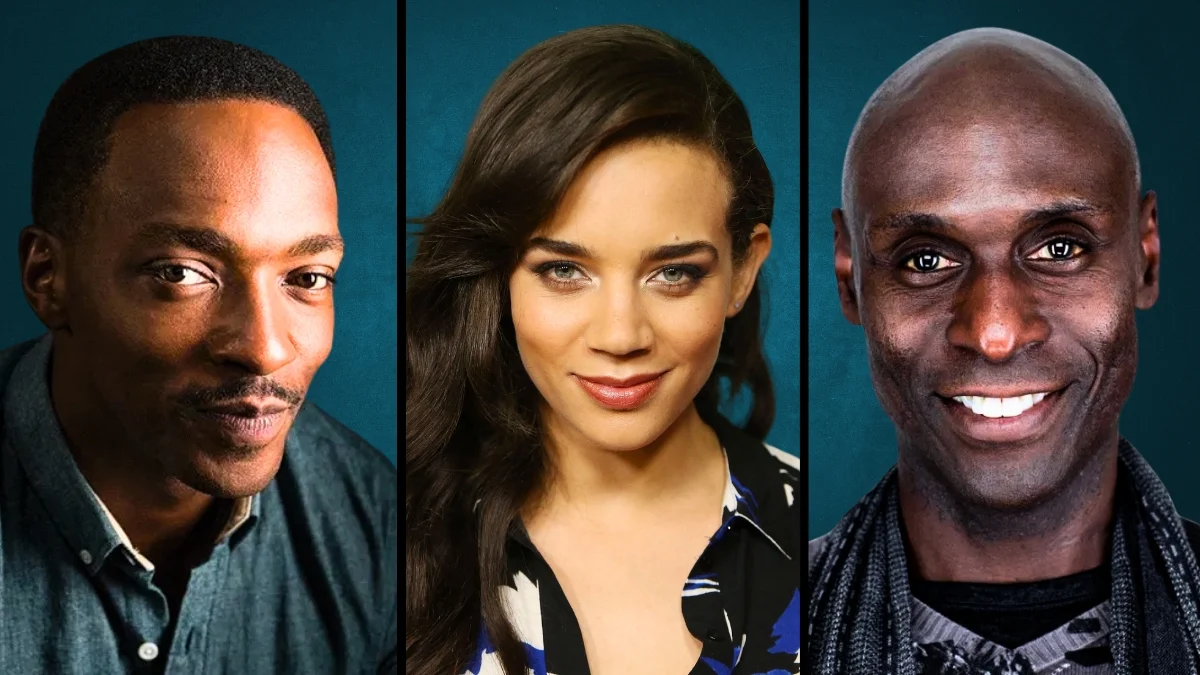

Translating game icons to flesh-and-blood characters is tricky, and plenty of Black performers have pushed productions to make those on-screen “avatars” look, move, and read like the source material promised. From fighting for authentic hair and costuming to working directly with stunt, VFX, and lore teams, these actors helped bridge the gap between controller and camera. Here are the faces who insisted that live-action game adaptations do the work—so audiences didn’t have to imagine the missing pixels.
Anthony Mackie
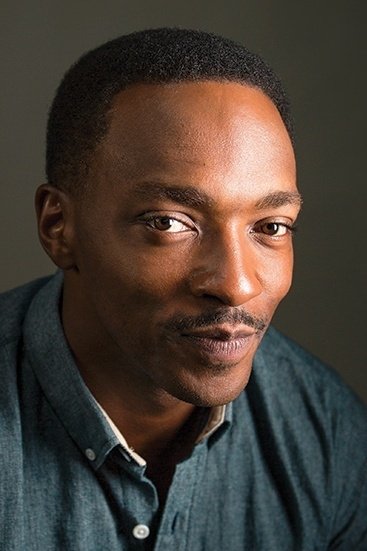
In ‘Twisted Metal’ (Peacock), Anthony Mackie also served as a producer, giving him a seat at the table with Sony Pictures Television and PlayStation Productions. He collaborated with vehicle, costume, and stunt units to capture the demolition-derby energy the franchise is known for. Production teams used practical car rigs and crash choreography to anchor the show’s arcade chaos in real-world physics. Peacock’s release strategy paired those choices with punchy editing so Mackie’s John Doe read like a playable character in motion.
Mehcad Brooks
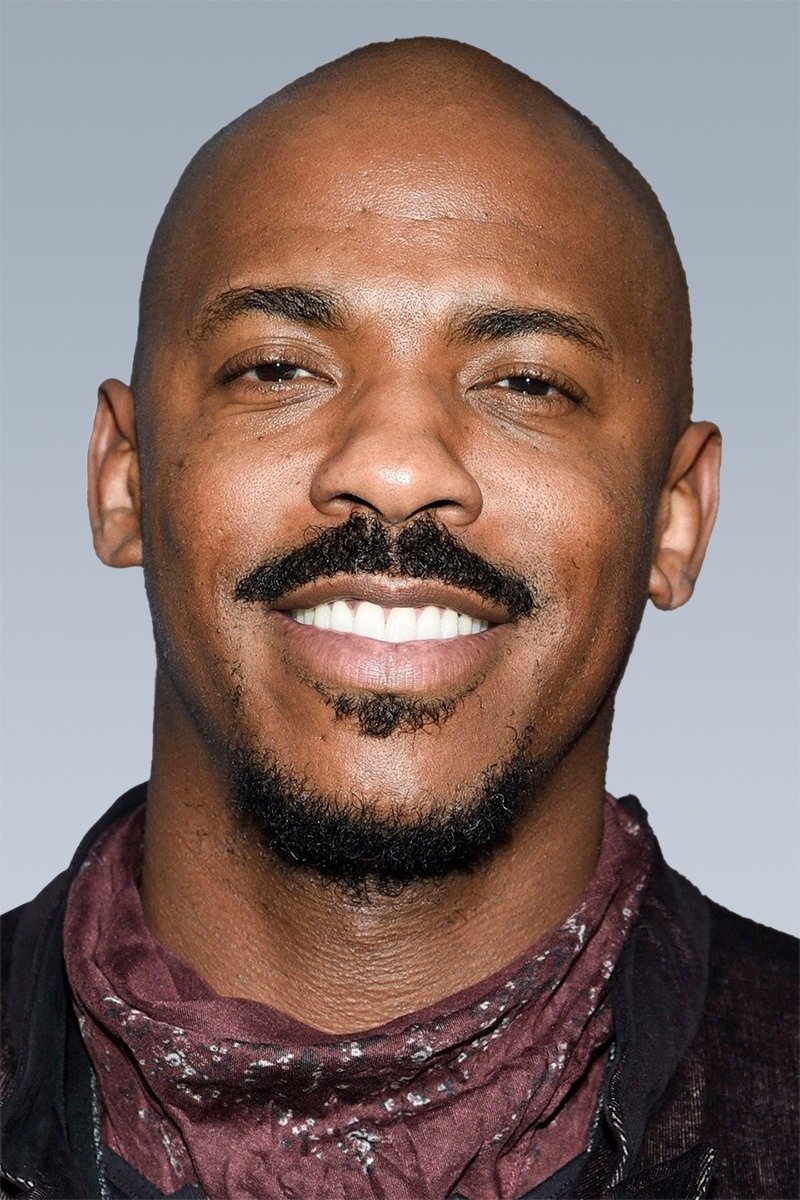
Warner Bros. and New Line brought Mehcad Brooks aboard as Jax in ‘Mortal Kombat’, and he partnered with the makeup and props departments to sell the character’s signature bionic arms. Fight designers mapped combinations that mirrored the game’s grapples and ground-pound beats. Brooks trained for size and endurance so the silhouette matched fan expectations under armor. The production kept camera angles tight on impacts to echo the game’s finishers without breaking the film’s realism.
Sisi Stringer
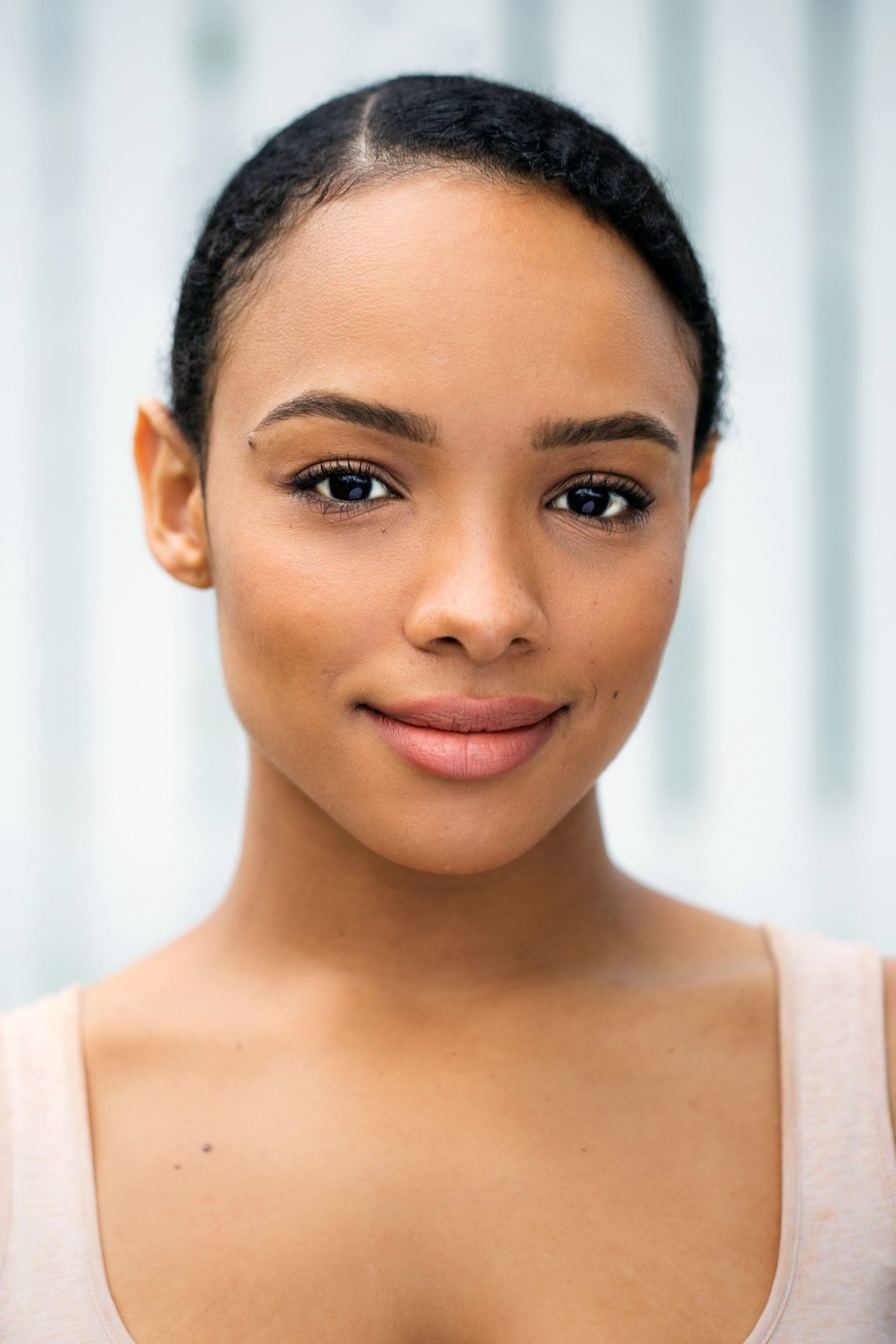
As Mileena in ‘Mortal Kombat’, Sisi Stringer worked with prosthetics and VFX to blend the character’s Tarkatan features into a performance-first design. New Line’s teams built multiple mouth rigs to preserve facial expressiveness in dialogue scenes. Choreography emphasized acrobatics and twin sai work that tracked to Mileena’s in-game move set. Lighting and color timing helped her costume texture read like the game’s leather and lacquer under practical conditions.
Hannah John-Kamen
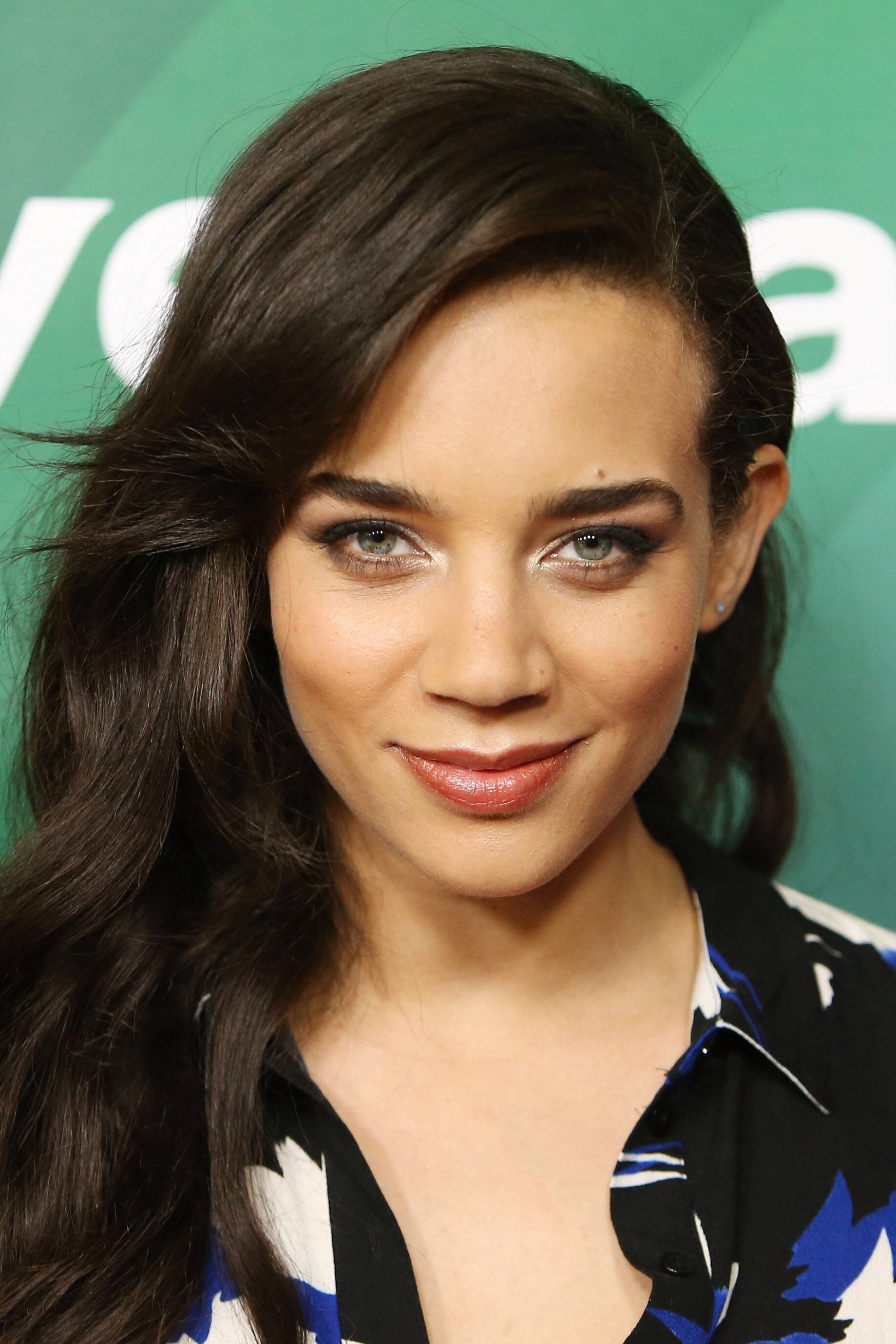
Screen Gems and Constantin Film cast Hannah John-Kamen as Jill Valentine in ‘Resident Evil: Welcome to Raccoon City’. Wardrobe consulted game art to tune Jill’s tactical gear, holster layout, and color blocking for night shoots. The film leaned on grounded police procedure to connect Jill’s decision-making to the series’ survival mechanics. Practical sets—flooded corridors, flickering lights—gave her movements the same flashlight-and-handgun cadence players know.
Lance Reddick
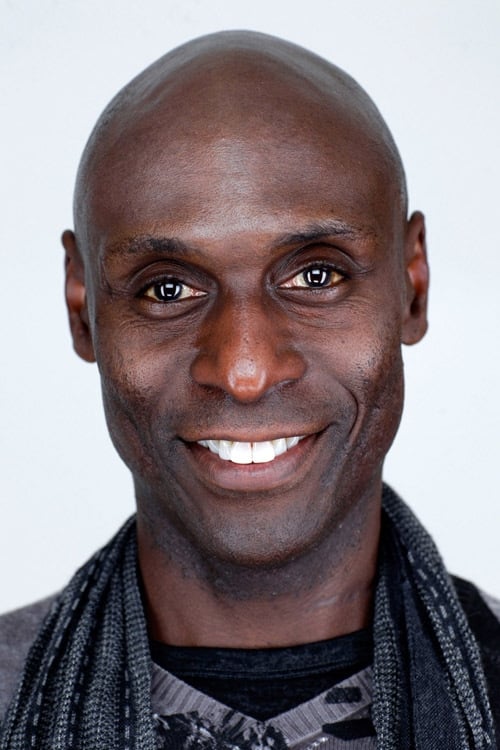
Netflix’s ‘Resident Evil’ series positioned Lance Reddick at the center as Albert Wesker, and he engaged with the writers to align Biohazard lore with the show’s new timeline. Constantin Film and Netflix gave him access to lab set builds and prop continuity so performance choices tracked across flashbacks. Costume and hair departments created multiple Wesker silhouettes to represent different project phases. Those visual cues made the character’s “avatar” evolution legible without exposition dumps.
Michael Kenneth Williams
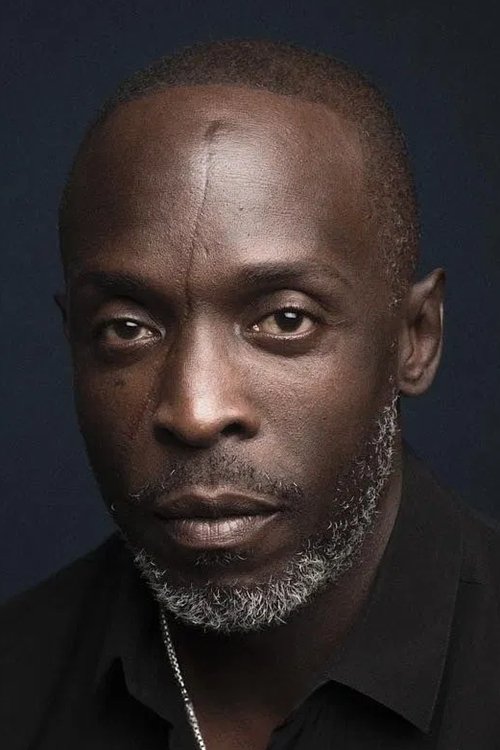
In ‘Assassin’s Creed’, produced by 20th Century Fox, New Regency, and Ubisoft Motion Pictures, Michael K. Williams worked with parkour coordinators to preserve the series’ freerunning DNA in close-quarters scenes. His character’s look pulled from the franchise’s database-era styling, refined for natural light. The production’s stunt previs helped sync his beats to the Animus-assisted logic fans recognized. That collaboration kept the world’s rules consistent from lab floor to rooftops.
Ludacris
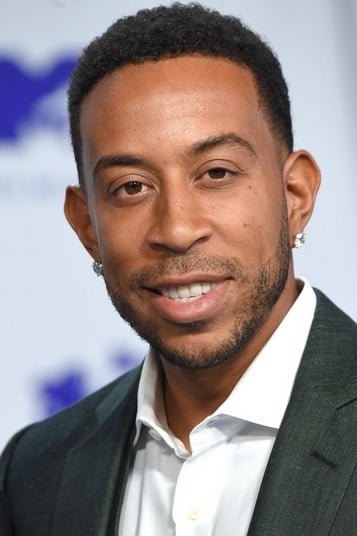
20th Century Fox’s ‘Max Payne’ cast Ludacris as Jim Bravura, and he interfaced with weapons trainers so the character’s police handling matched the game’s hard-boiled vibe. Wardrobe kept coats, holsters, and shoes functional for long takes in snow and rain. His scenes used steady, longer lenses to honor the franchise’s noir framing. Sound design layered in punchy Foley for doors, slides, and shells so interactions felt tactile.
Brian J. White
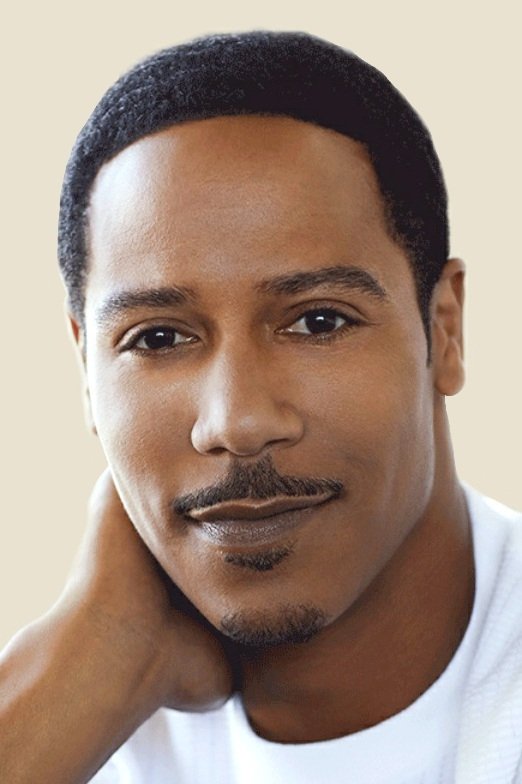
As Zack in ‘DOA: Dead or Alive’, Brian J. White worked with the fight team to integrate capoeira-influenced rhythm into his bouts—an echo of the series’ showmanship. Impact Pictures and The Weinstein Company prioritized wide shots to let full-body movement read like a side-on arena. Colorful costuming and ring-side lighting referenced the game’s tournament presentation. The result kept Zack’s playful bravado aligned with his in-game persona.
Michael Clarke Duncan
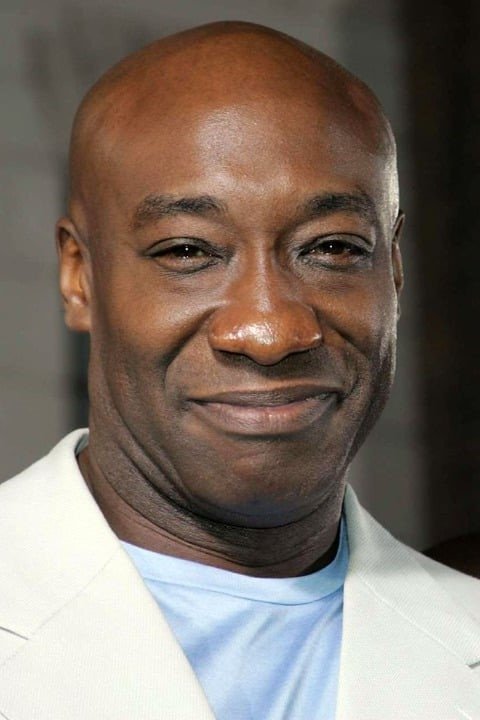
Playing Balrog in ‘Street Fighter: The Legend of Chun-Li’, Michael Clarke Duncan collaborated with 20th Century Fox and Hyde Park’s stunt unit to emphasize heavy, forward-driving power. His wardrobe’s hand wraps, boots, and trunks were built for repeated takes and stunt falls. Fight beats favored close-range hooks and body shots that echoed the character’s boxing roots. Cameras stayed low to exaggerate mass and momentum on impact.
Dwayne Johnson
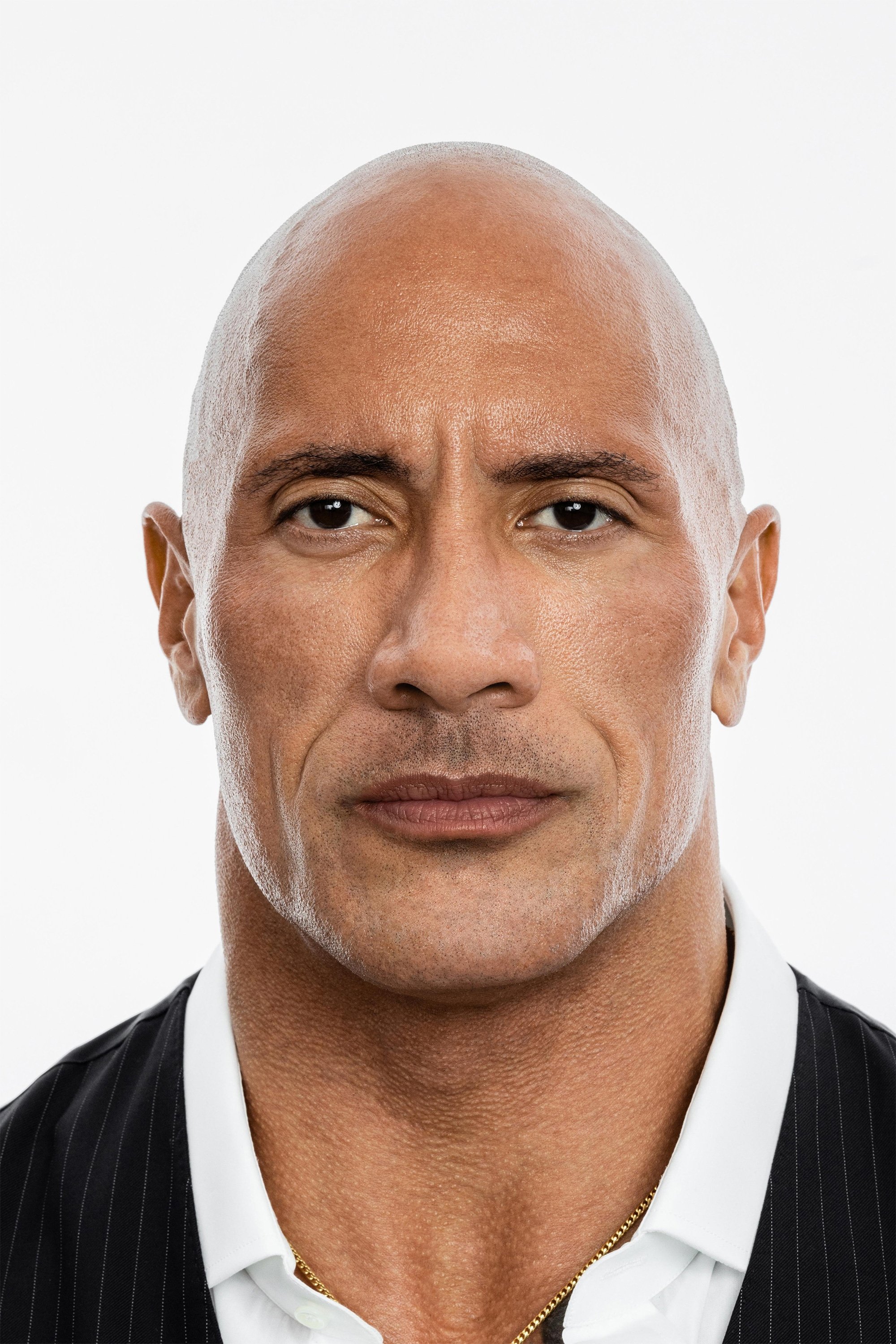
‘Rampage’ from Warner Bros. and New Line built Dwayne Johnson’s scenes around extensive previsualization so eye lines and hand placements matched the CG creatures’ scale. Weta Digital provided on-set reference to keep interactions with George consistent from shot to shot. Johnson’s wardrobe and harness points were chosen to hide rigs during wire gags. That coordination made his action beats feel like a cooperative “avatar” session with an invisible co-star.
Djimon Hounsou
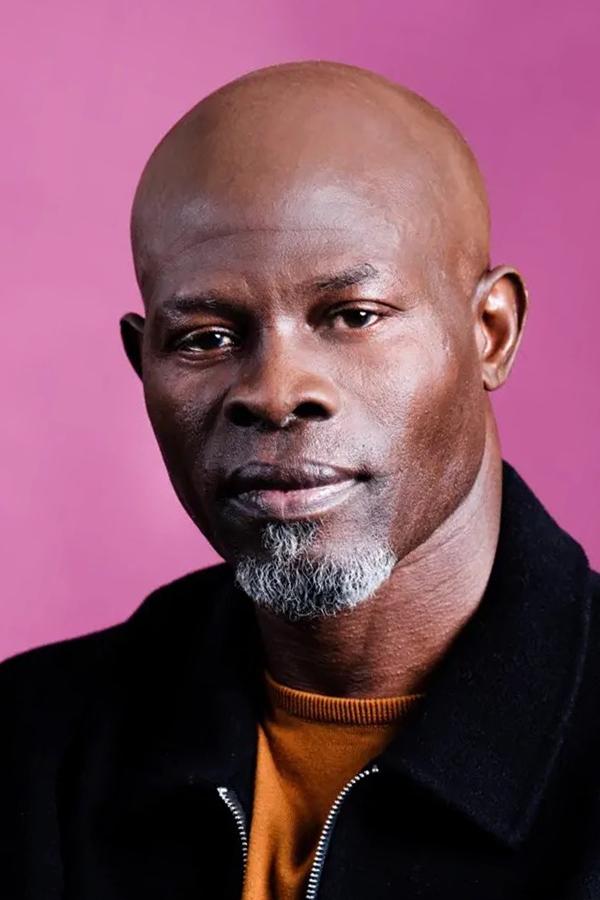
In Sony’s ‘Gran Turismo’, Djimon Hounsou grounded the film’s family stakes and worked with the racing unit on paddock blocking that mirrored real-world procedures. Production coordinated with PlayStation Productions to integrate HUD-style inserts sparingly, keeping performances front-and-center. Wardrobe used FIA-accurate teamwear and credentialing to sell authenticity. Engine-bay sound beds were tuned around dialogue so character beats didn’t drown under the mix.
Paula Patton
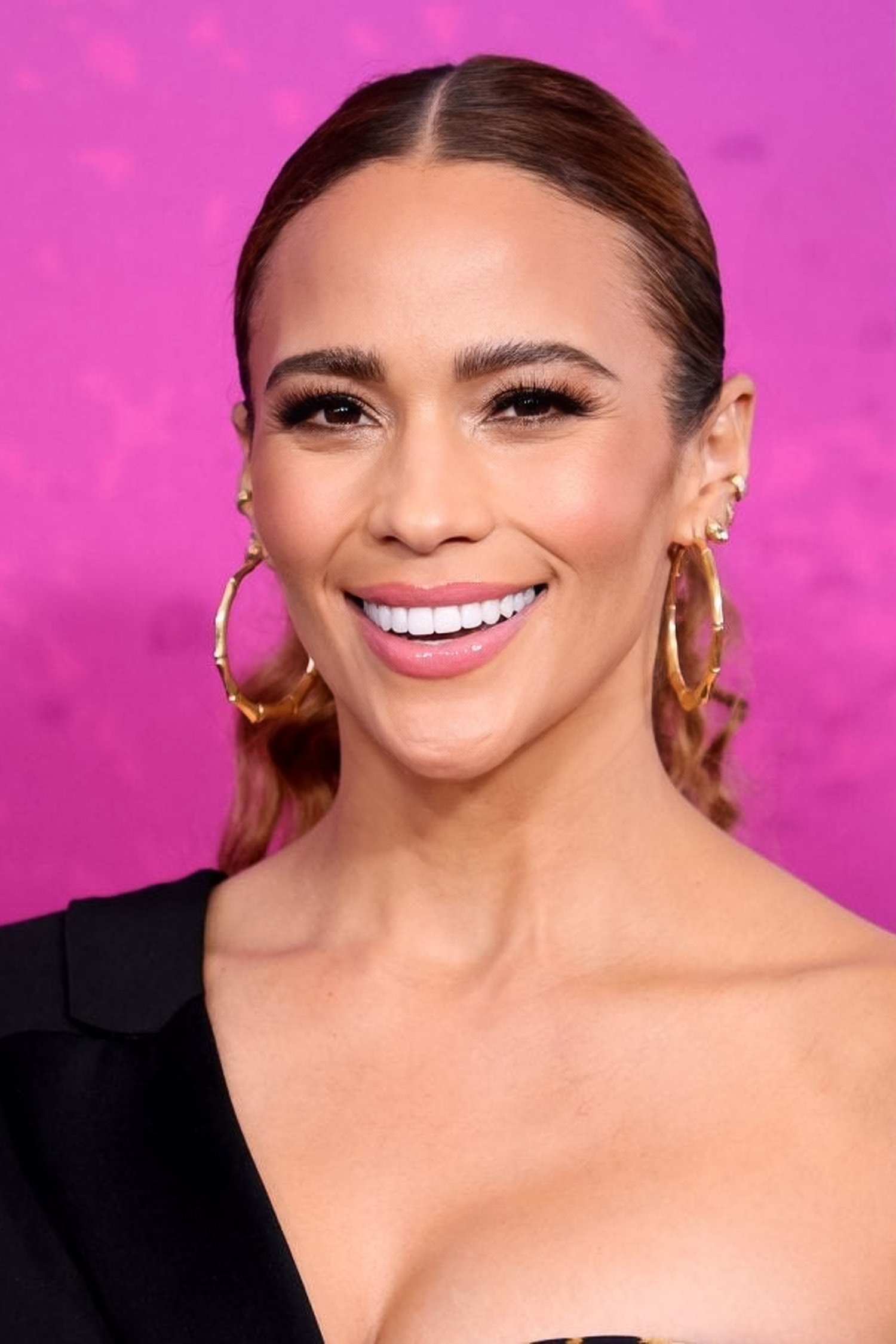
‘Warcraft’ required Paula Patton to balance prosthetics with performance as Garona. Legendary Pictures, Blizzard, and Universal designed hybrid makeup so facial micro-expressions survived under orc tusks and pigment. Movement coaches created a gait bible for village, throne-room, and combat contexts. Her armor’s weight and weathering were scaled to read correctly in wide shots without hampering fight continuity.
Boris Kodjoe
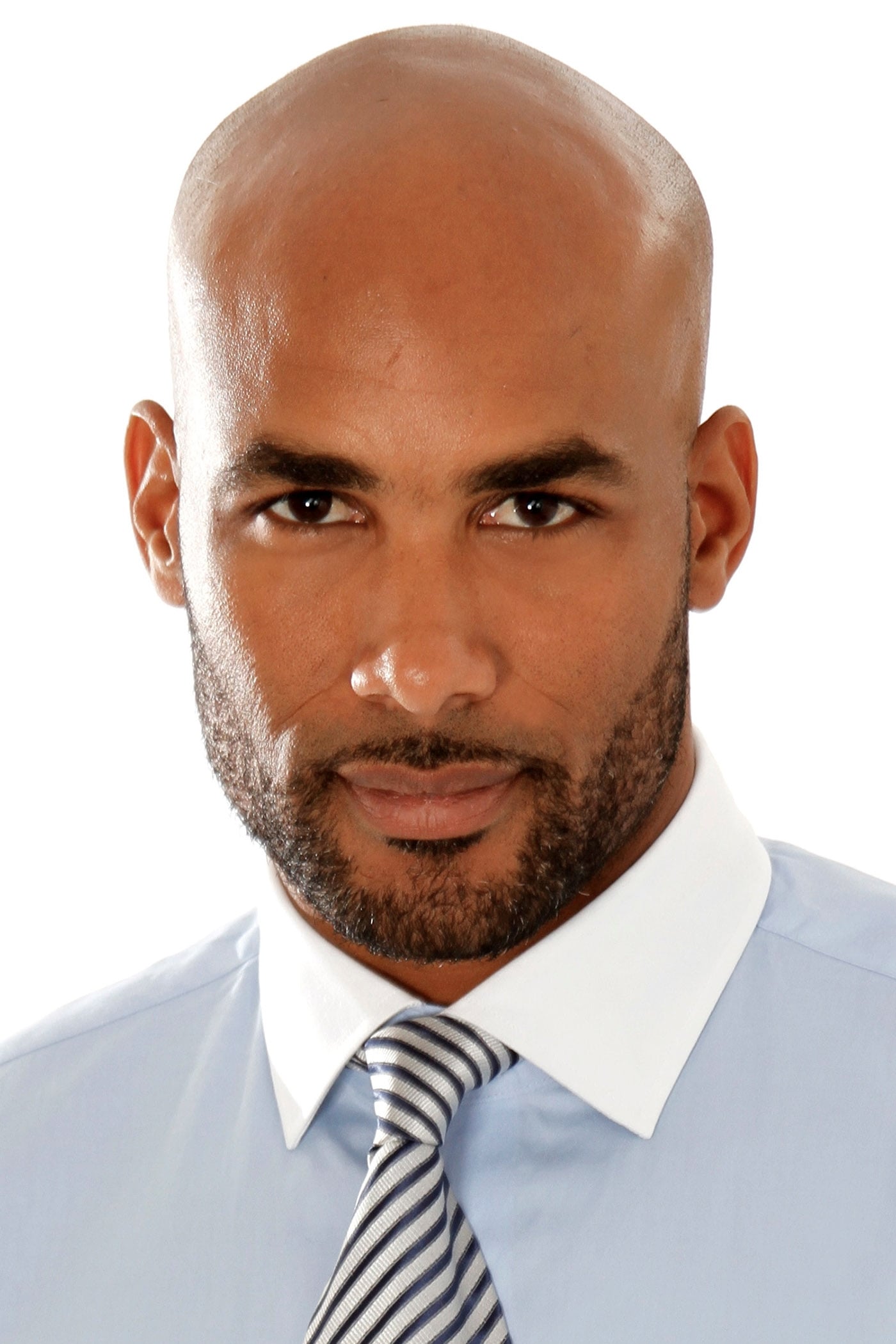
Sony’s ‘Resident Evil: Afterlife’ and ‘Retribution’ gave Boris Kodjoe a combat-ready wardrobe tailored for reload and holster choreography. Stunt teams mapped room-clear patterns that nodded to the series’ tactical feel. The production tracked muzzle flash, casing ejections, and blood squibs to maintain consistent cause-and-effect. Kodjoe’s character arc used staging that echoed the games’ team-based survival rhythms.
Colin Salmon
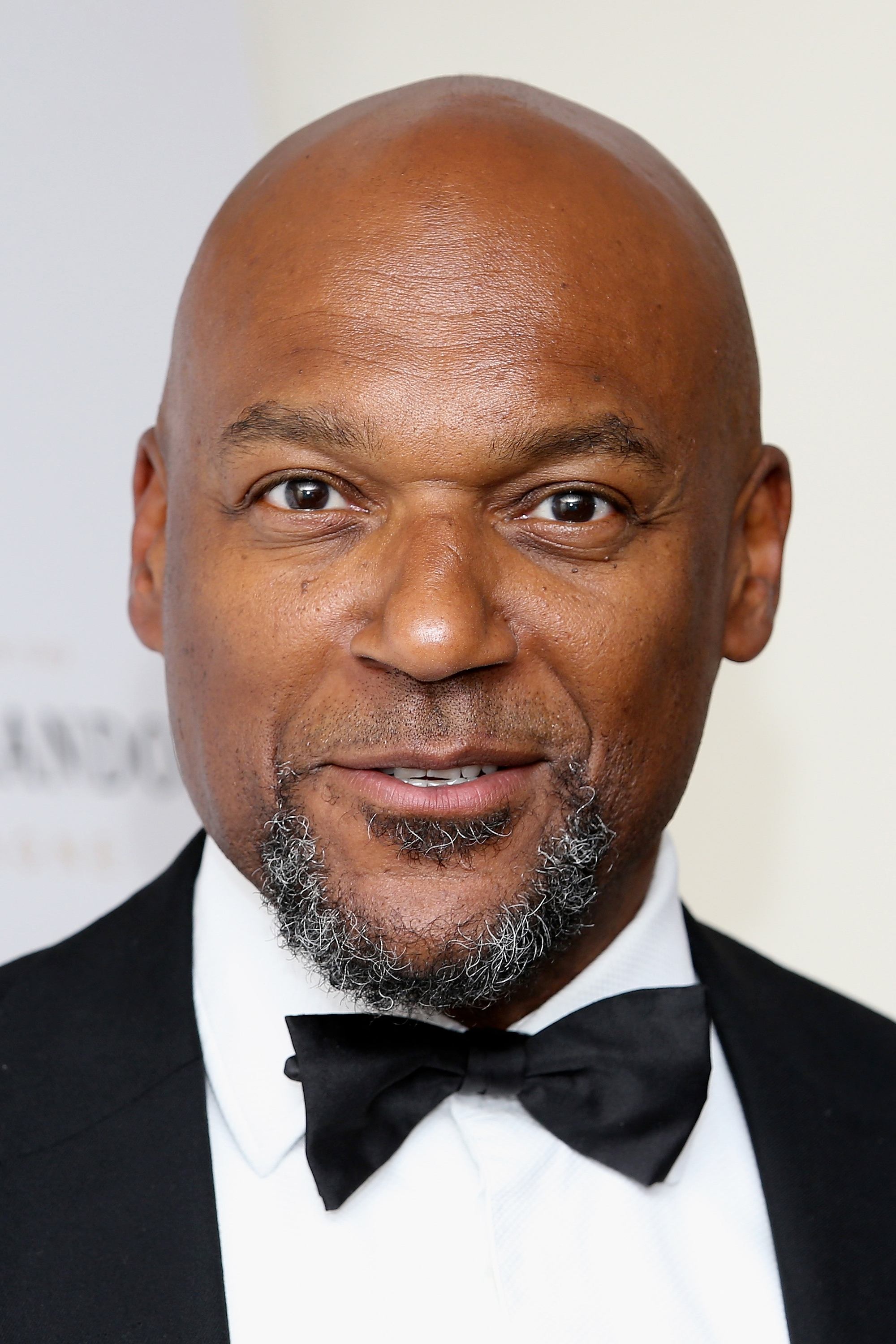
As James “One” in ‘Resident Evil’, Colin Salmon worked with Impact Pictures and Constantin Film to anchor early franchise tactics—stack formation, breach timing, and hand signals. His gear layout was designed to be functional under strobe and fog effects. The laser corridor set piece was rehearsed with measured marks so the camera could capture geometry precisely. That precision gave the sequence its game-logic clarity.
Adewale Akinnuoye-Agbaje
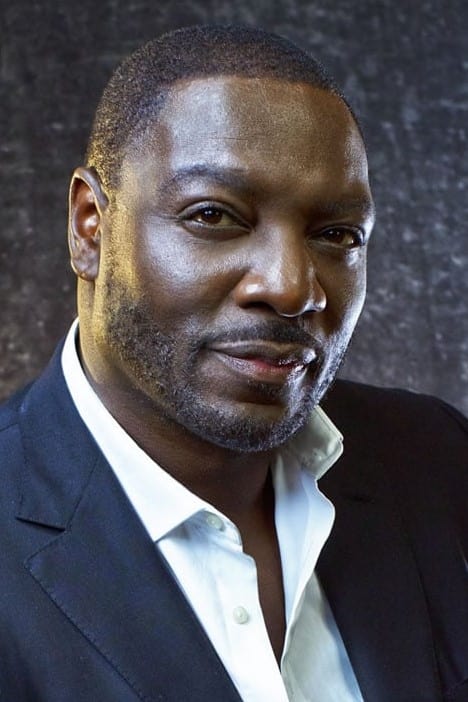
‘Silent Hill: Revelation’ used layered practical effects, and Adewale Akinnuoye-Agbaje coordinated with makeup and costuming to keep movement readable under heavy pieces. Open Road Films and Davis Films prioritized in-camera textures—ash fall, damp stone—to retain the franchise’s oppressive mood. Blocking ensured sightlines sold threat even when faces were partially obscured. The approach kept character presence strong inside the series’ dreamlike grammar.
Justice Smith
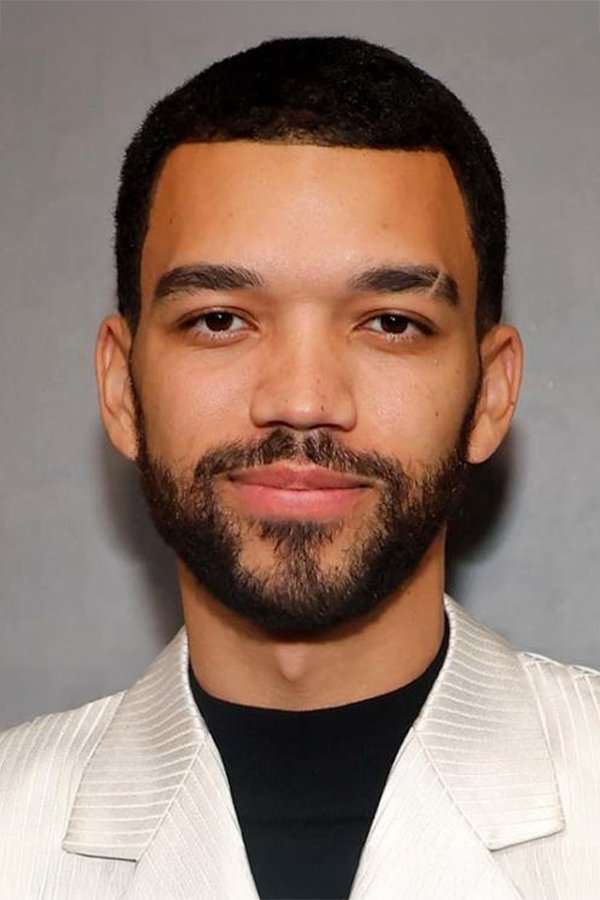
Paramount and Legendary’s ‘Pokémon Detective Pikachu’ depended on Justice Smith to interact with CG partners believably across long takes. Performance-capture references and set-placed stand-ins gave him consistent anchors for handoffs and eye lines. Wardrobe stayed neutral in palette so digital characters maintained visual priority. Editorial matched reaction timing to animated beats, preserving the back-and-forth energy players expect.
Tika Sumpter
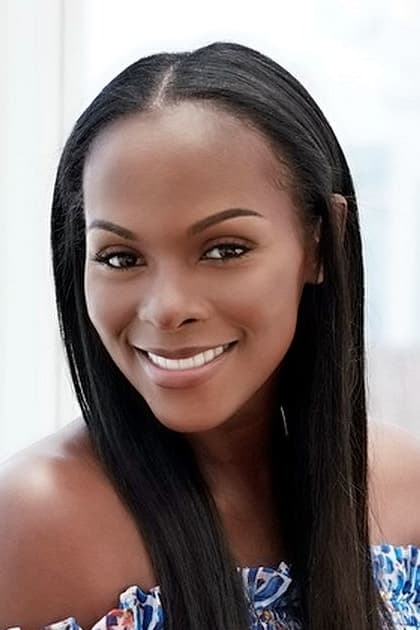
In ‘Sonic the Hedgehog’, Tika Sumpter’s live-action work with Paramount and Sega focused on grounded spatial continuity—door swings, prop passes, and driving angles—so Sonic’s speed gags landed. Scenes were rehearsed with proxy models to keep pacing consistent across plates. Her costuming avoided reflective surfaces that complicate VFX integration. The result helped the hybrid world feel cohesive in everyday environments.
Idris Elba
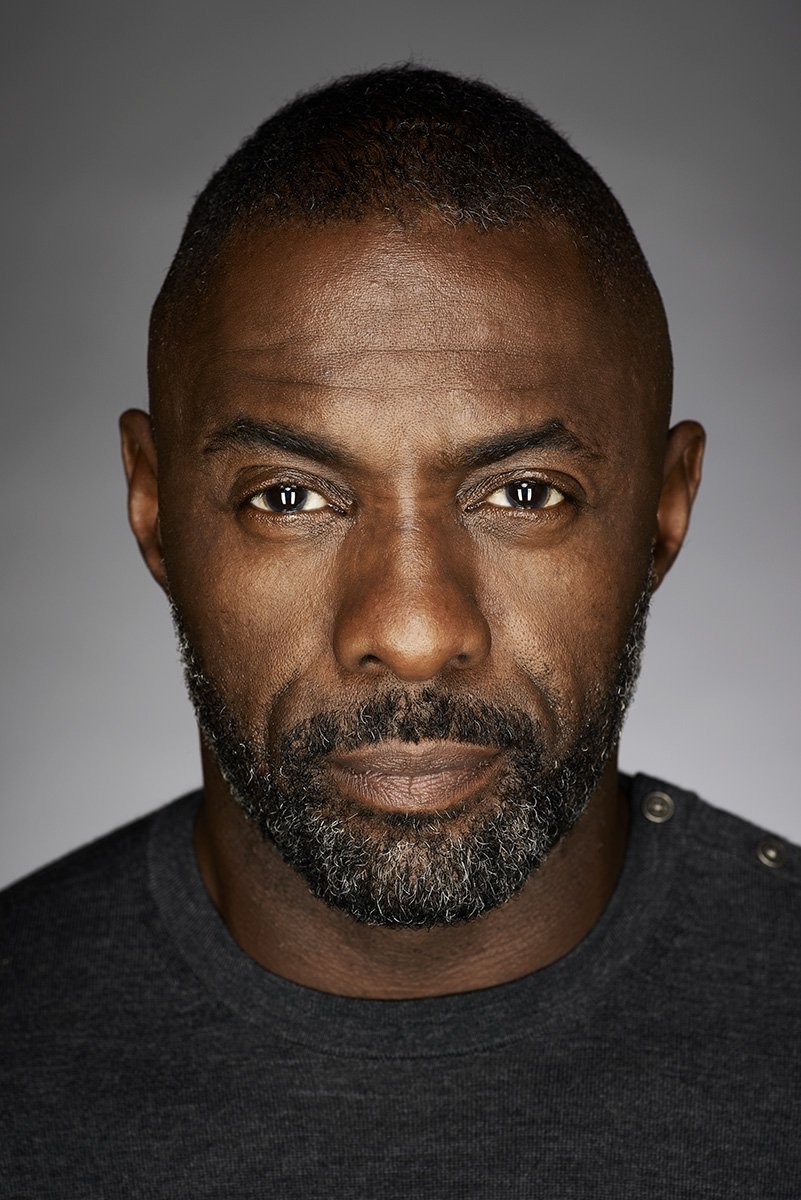
‘Sonic the Hedgehog 2’ brought Idris Elba in for Knuckles, and the team captured new facial reference to map his delivery onto the CG model. Paramount and Marza Animation Planet tuned animation curves so consonants and breaths hit naturally without over-articulation. Fight beats with live-action performers were choreographed to leave clear silhouette space for Knuckles’ fists. Sound editors layered low-end presence to match his vocal weight.
Kevin Hart
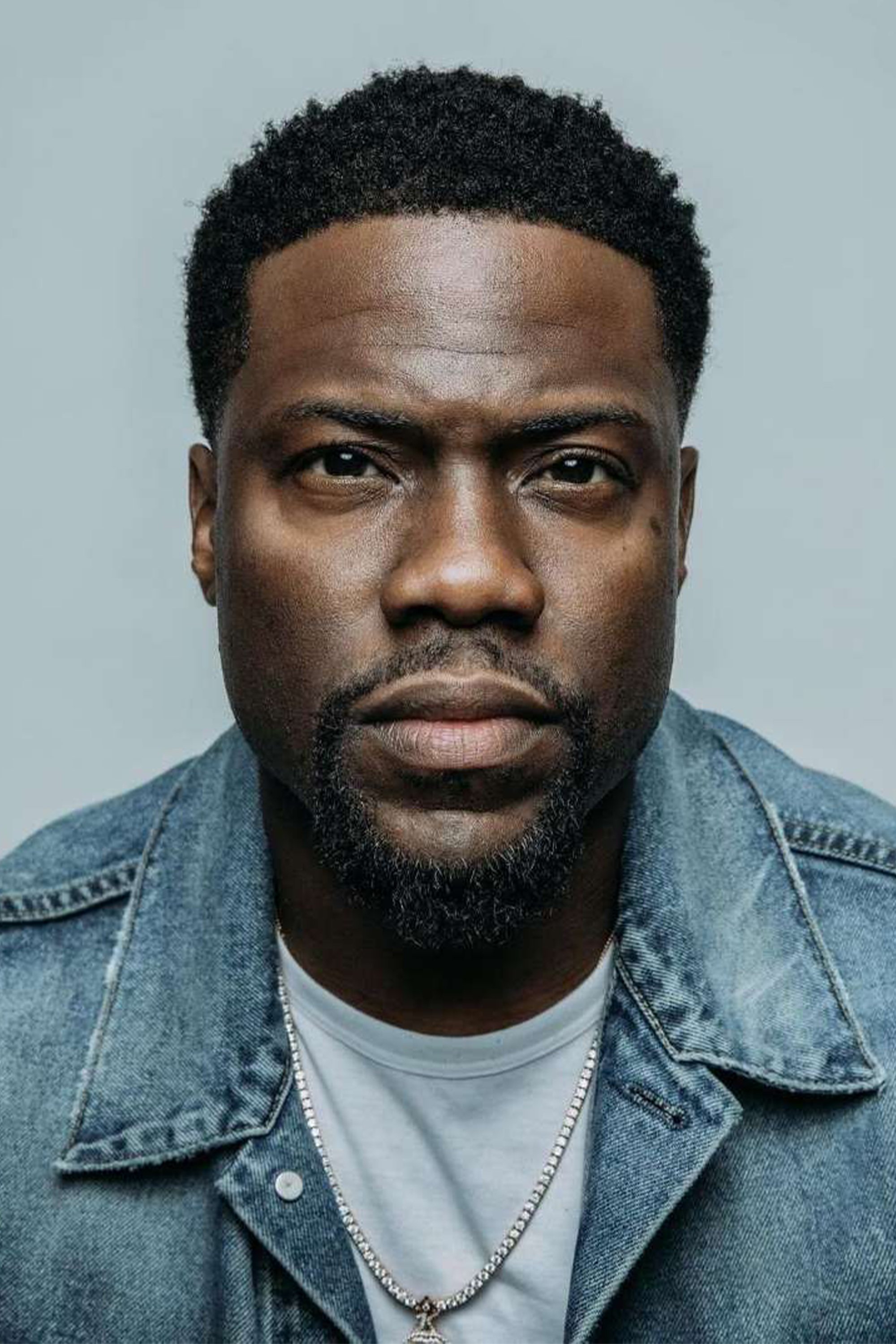
Lionsgate’s ‘Borderlands’ cast Kevin Hart as Roland, and he trained with weapons and movement coaches to match the franchise’s soldier archetype. Gear placement—mag pouches, sling points, and plate carrier fit—was validated for quick transitions. Hair and makeup kept a field-ready look that matched Pandora’s grime. The production coordinated with Gearbox on weapon silhouettes so props tracked to recognizable loot tiers.
Aaron Moten
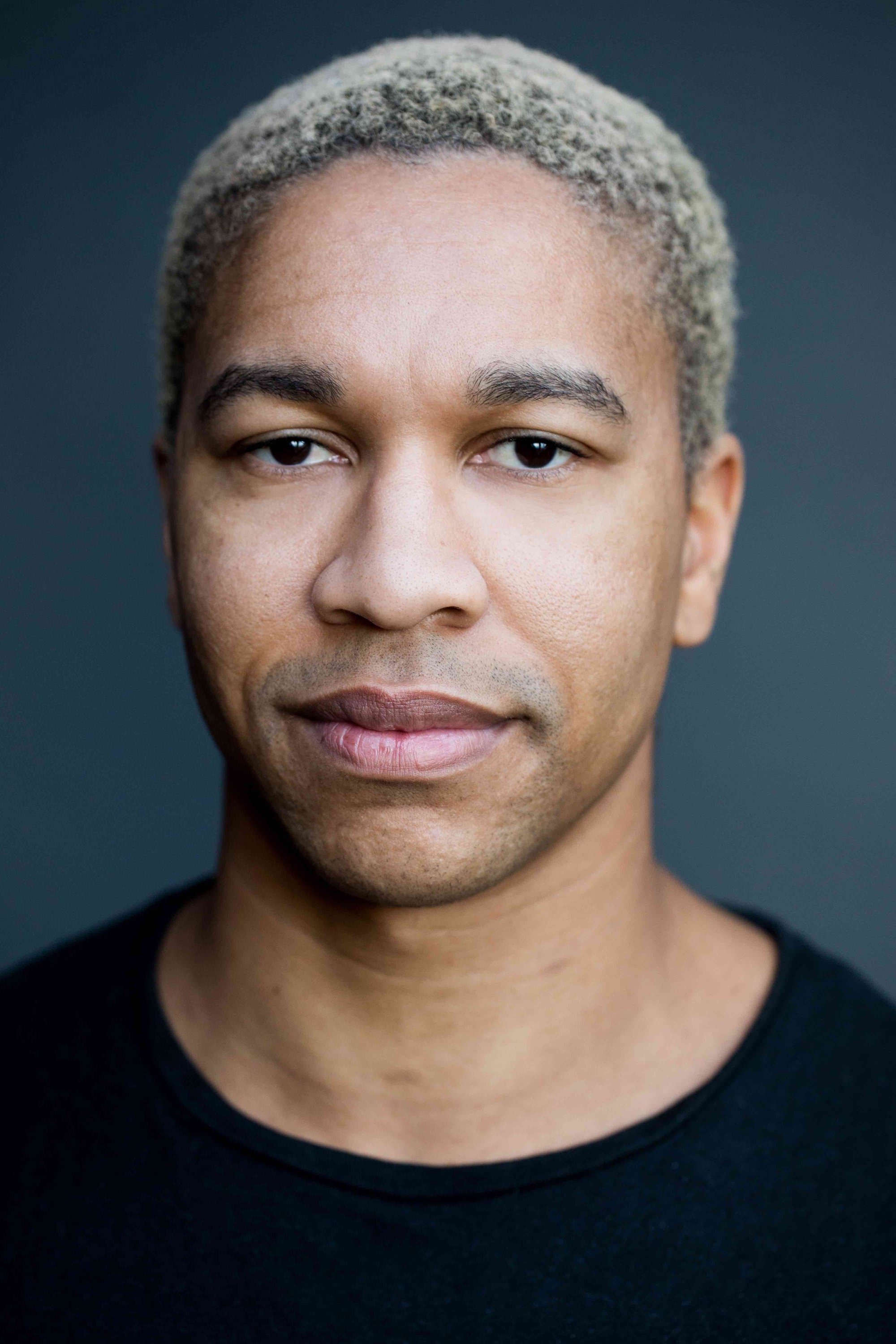
Amazon MGM Studios’ ‘Fallout’ series suited Aaron Moten in Brotherhood armor built by Legacy Effects with weight, hinge points, and range of motion mapped for combat choreography. The show’s armor bible preserved emblem placement and wear patterns from Bethesda’s art. Moten’s movement cues—footfall tempo, shoulder turns—were designed to look heavy on camera. Dialogue scenes staged at seated positions gave the suit’s bulk believable resting states.
Bokeem Woodbine
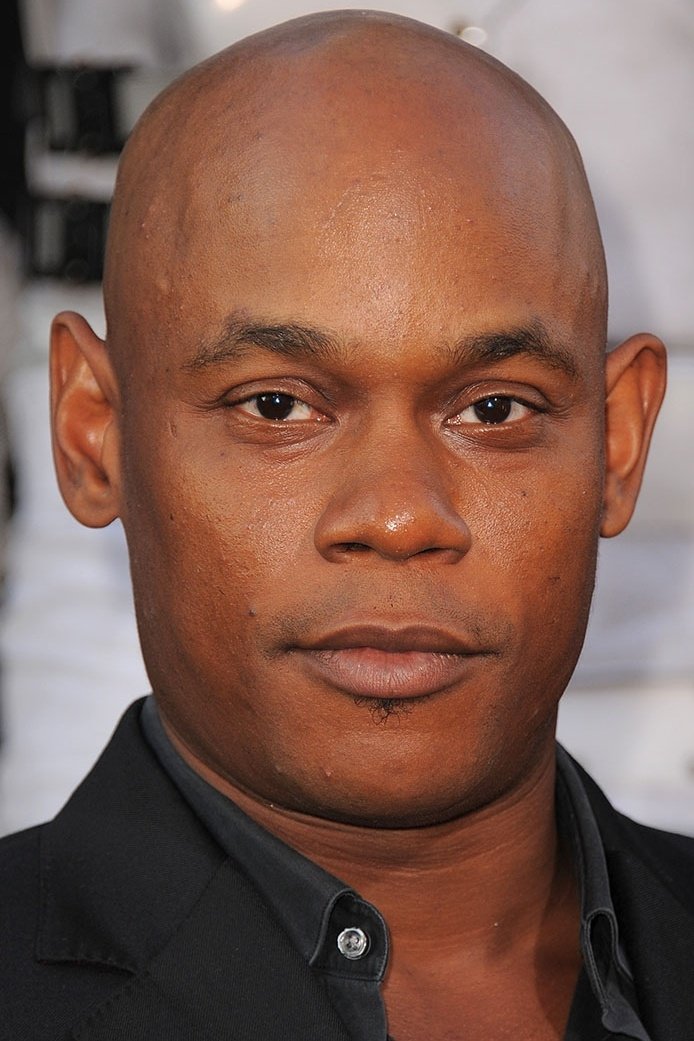
In ‘Halo’ (Paramount+), Bokeem Woodbine’s Soren required a custom ex-Spartan silhouette that read differently from standard Mjolnir armor. 343 Industries provided reference packets so scars and prosthetics aligned with canon. The series’ vehicles and weapon props were sized to maintain scale credibility next to Spartans. Woodbine’s blocking emphasized asymmetry—one shoulder higher, a guarded stance—to communicate the character’s altered physiology.
Olive Gray
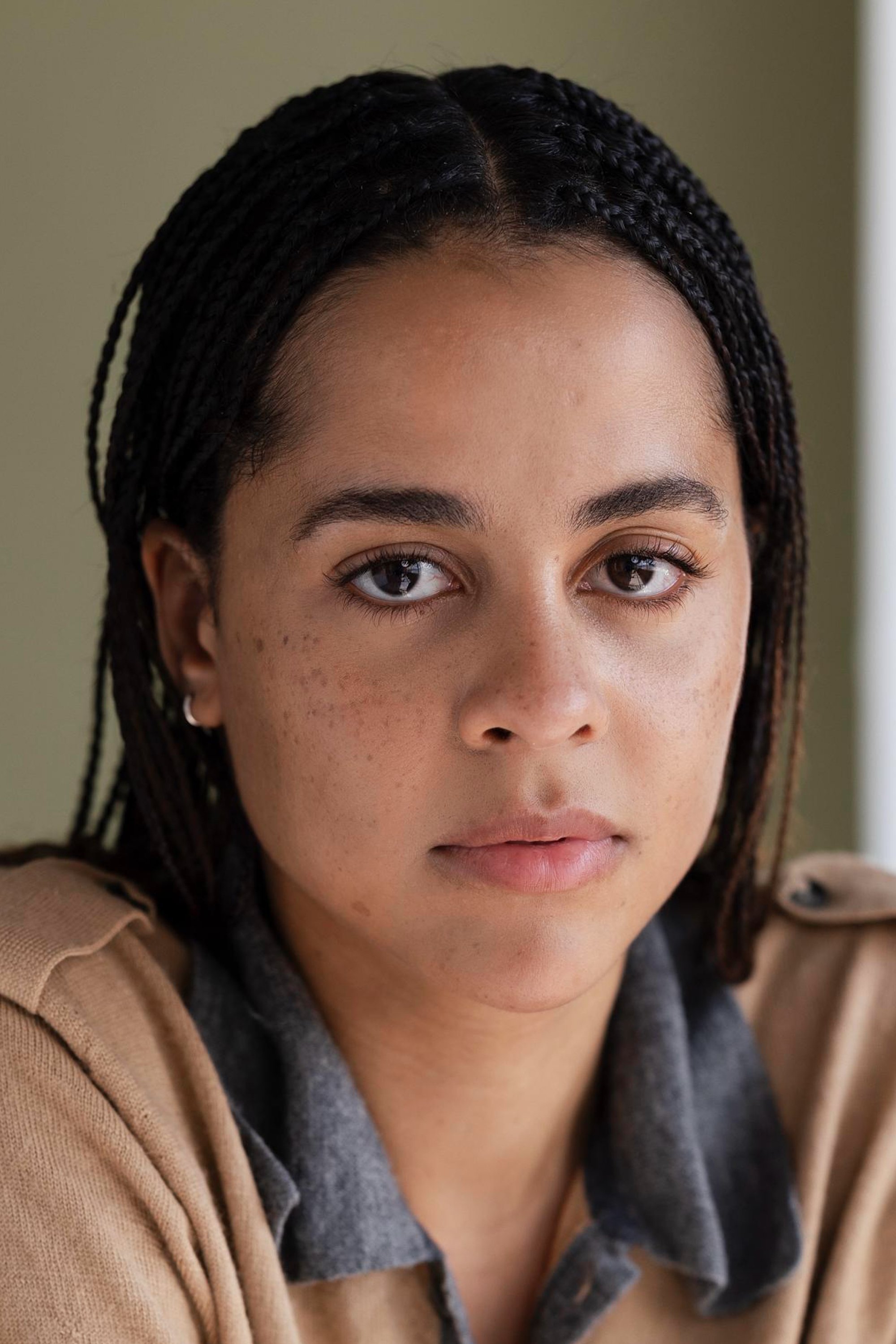
Also in ‘Halo’, Olive Gray’s Miranda Keyes lived mostly in labs and command spaces, and prop continuity kept datapads, badges, and consoles consistent across episodes. The production’s UI team designed diegetic screens that mirrored franchise typography. Gray rehearsed with tech advisors so touch-targets and vocal commands aligned with the show’s interface logic. That specificity made her “avatar” of a military scientist feel native to the ‘Halo’ world.
Lateef Crowder
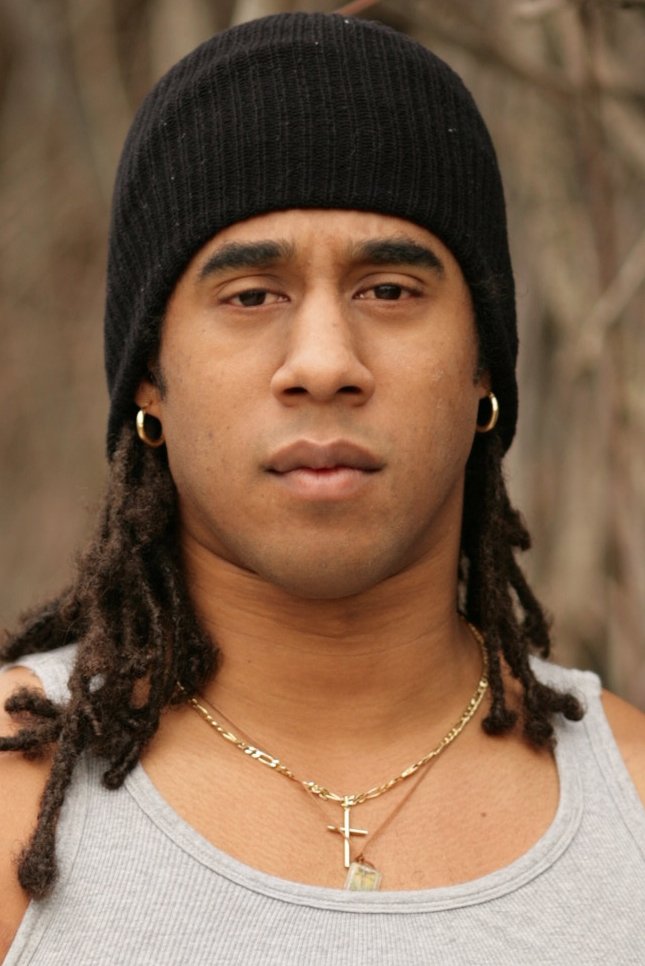
‘Tekken’ leveraged Lateef Crowder’s capoeira background to realize Eddy Gordo with Crystal Sky Pictures’ fight unit. Choreography prioritized full-body spins, sweeps, and takedown chains that read in-camera. Wardrobe’s flexible fabrics resisted tearing under rotational forces. Editors protected motion arcs by holding on wide frames, preserving the game’s rhythm.
Kid Cudi
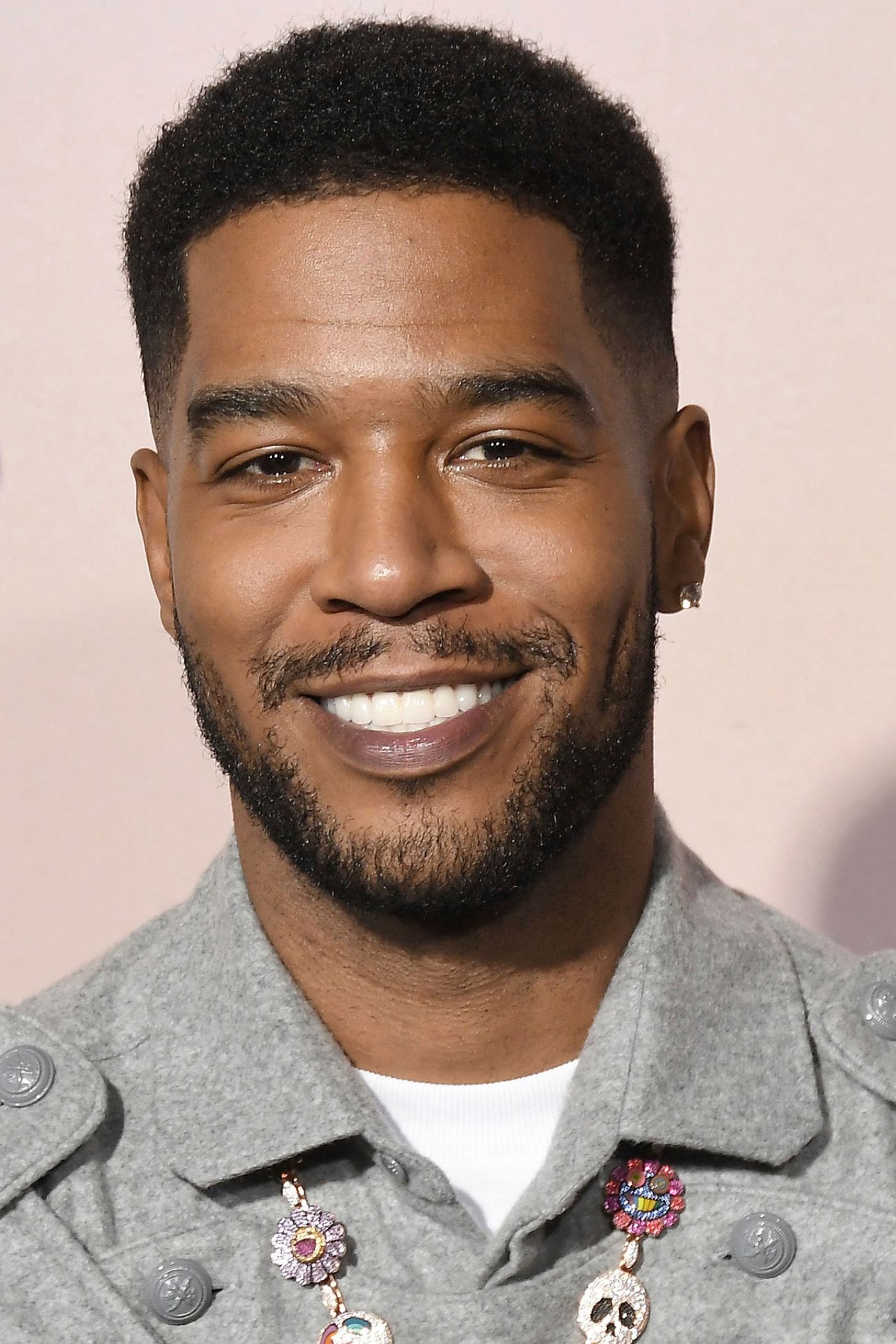
DreamWorks and Touchstone’s ‘Need for Speed’ placed Kid Cudi in the team dynamic, and vehicle photography rules kept cockpit geography consistent for dialogue and action. Radio chatter was recorded with engine beds to match on-set acoustics. Costuming used team jackets and headset rigs accurate to endurance racing. Practical camera mounts gave actors stable eye lines across high-speed passes.
T.I.
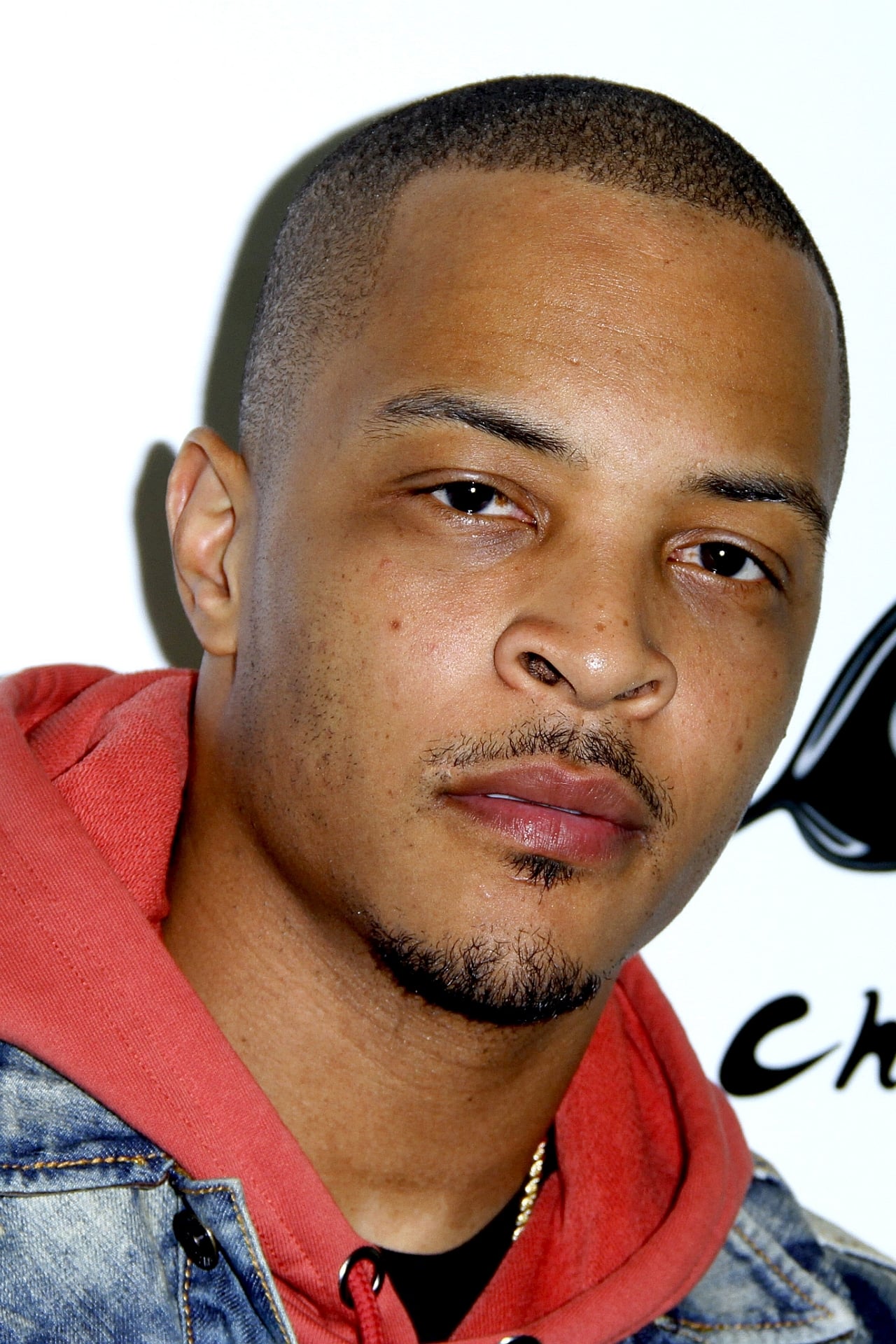
Screen Gems’ ‘Monster Hunter’ shot across sand and rock, and T.I. worked with the armorer to adapt weapon carry for uneven terrain. Costume pieces were scaled to stay readable under harsh sunlight and dust. Blocking ensured formation changes looked intentional against sudden creature reveals. The VFX team provided on-set animatics so actors could time strikes and evasions to digital beats.
Share the ones you think nailed it—or the ones we missed—in the comments!