20 Anime That Sneakily Portrayed Healthy Same-Sex Relationships in the 90s

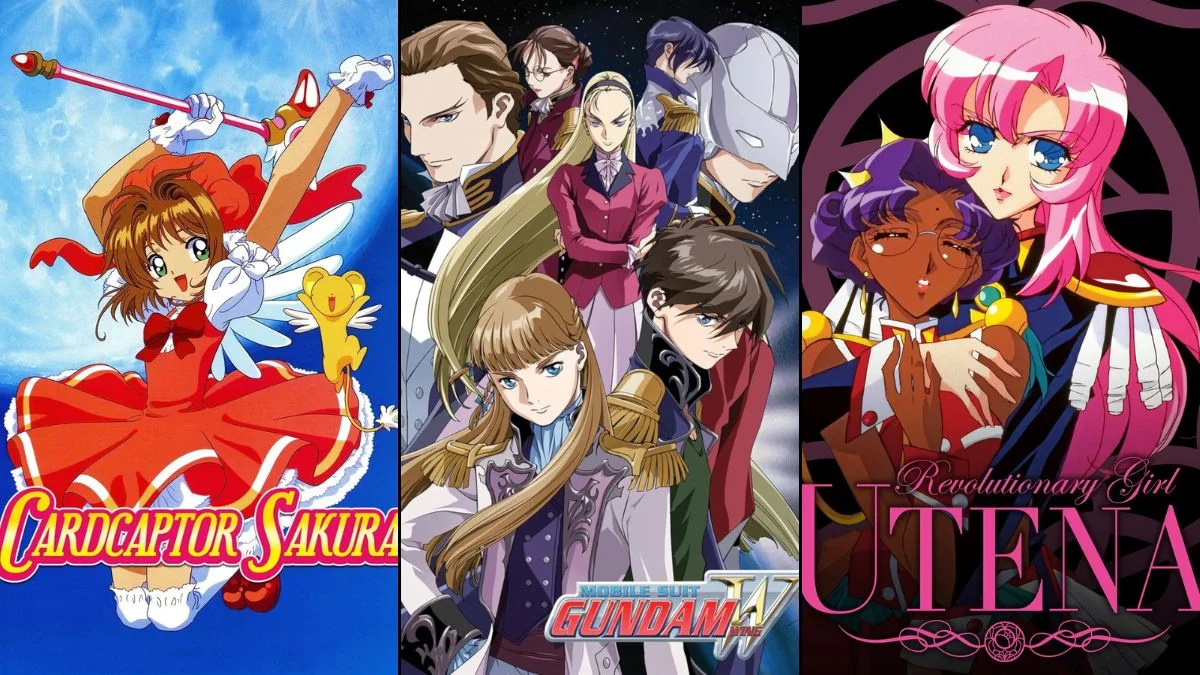

The 1990s was a transformative decade for anime that saw creators pushing boundaries regarding gender norms and romantic pairings. Many series during this era included same-sex relationships that were coded or subtle to bypass censorship while still delivering powerful messages of love and devotion. These shows often depicted queer characters who supported one another through emotional turmoil and world-ending threats. The relationships listed here range from deeply devoted friendships to heavily implied romances that resonated with audiences worldwide.
‘Sailor Moon’ (1992–1997)
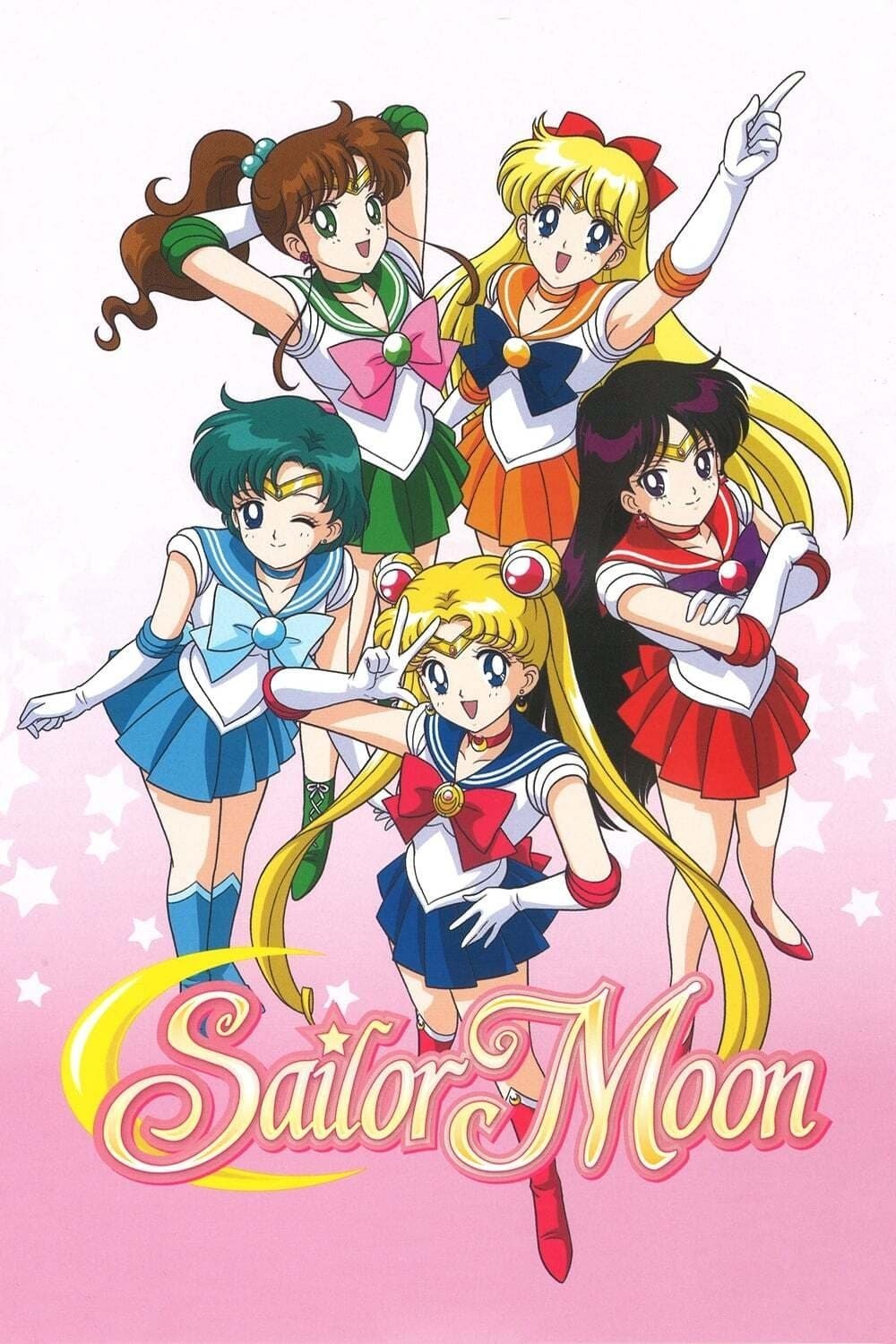
Haruka Tenoh and Michiru Kaio are perhaps the most iconic same-sex couple from nineties anime. These two Sailor Guardians share a bond that is explicitly romantic in the original Japanese version despite censorship attempts elsewhere. They fight in perfect synchronization and frequently flirt with one another in their civilian lives. Their relationship is depicted as a mature partnership where they prioritize their duty and their love for each other above all else. They also serve as protective parental figures for Sailor Saturn later in the series.
‘Cardcaptor Sakura’ (1998–2000)
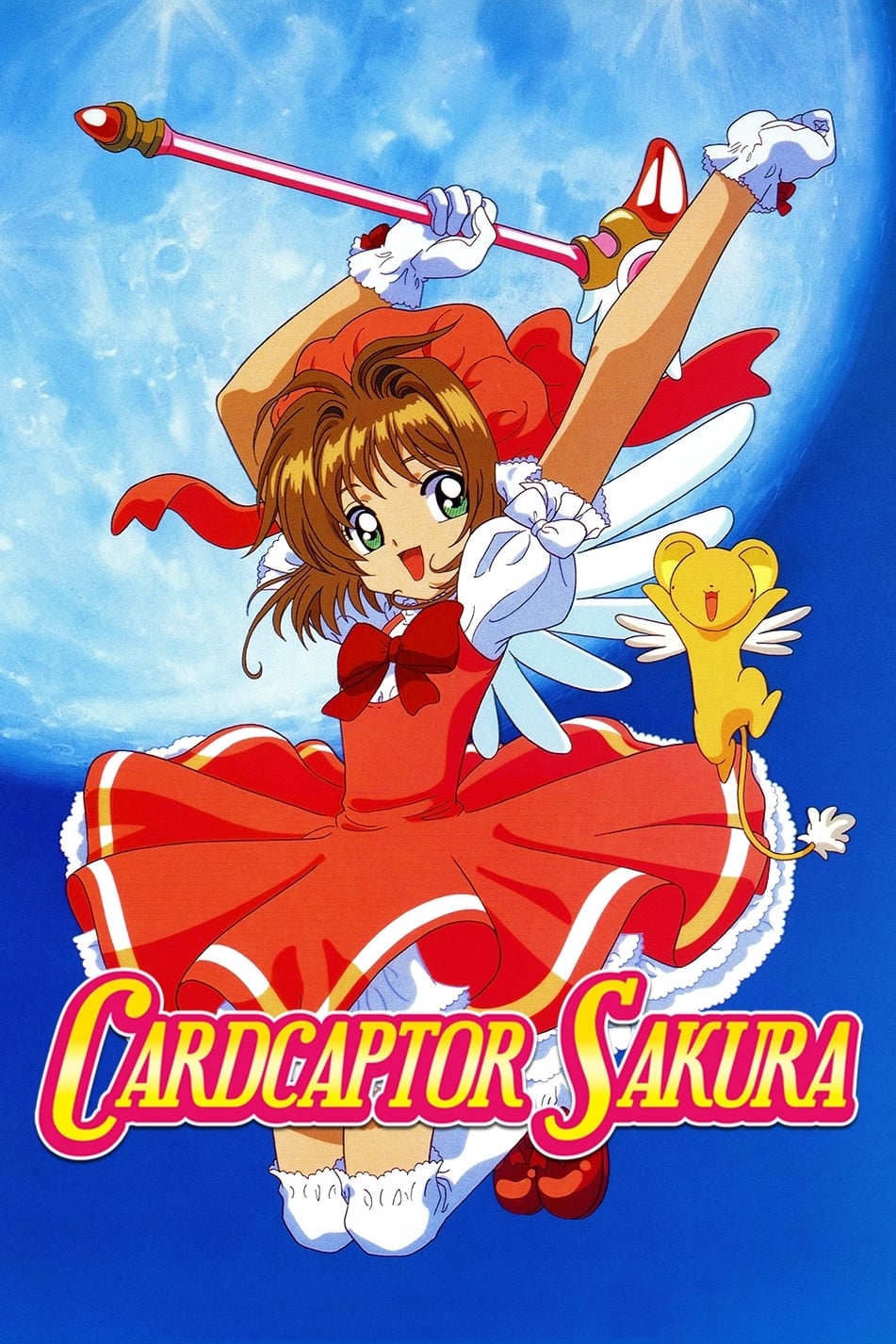
Touya Kinomoto and Yukito Tsukishiro share a connection that serves as a pillar of emotional support within the series. Touya is consistently protective of Yukito and eventually sacrifices his own magical power to save Yukito’s life. The narrative frames their bond as the most important relationship for both characters without needing explicit labels. Viewers easily picked up on the fact that Yukito is the person Touya loves most in the world. Their dynamic remains a gold standard for gentle and supportive male affection in anime.
‘Revolutionary Girl Utena’ (1997)
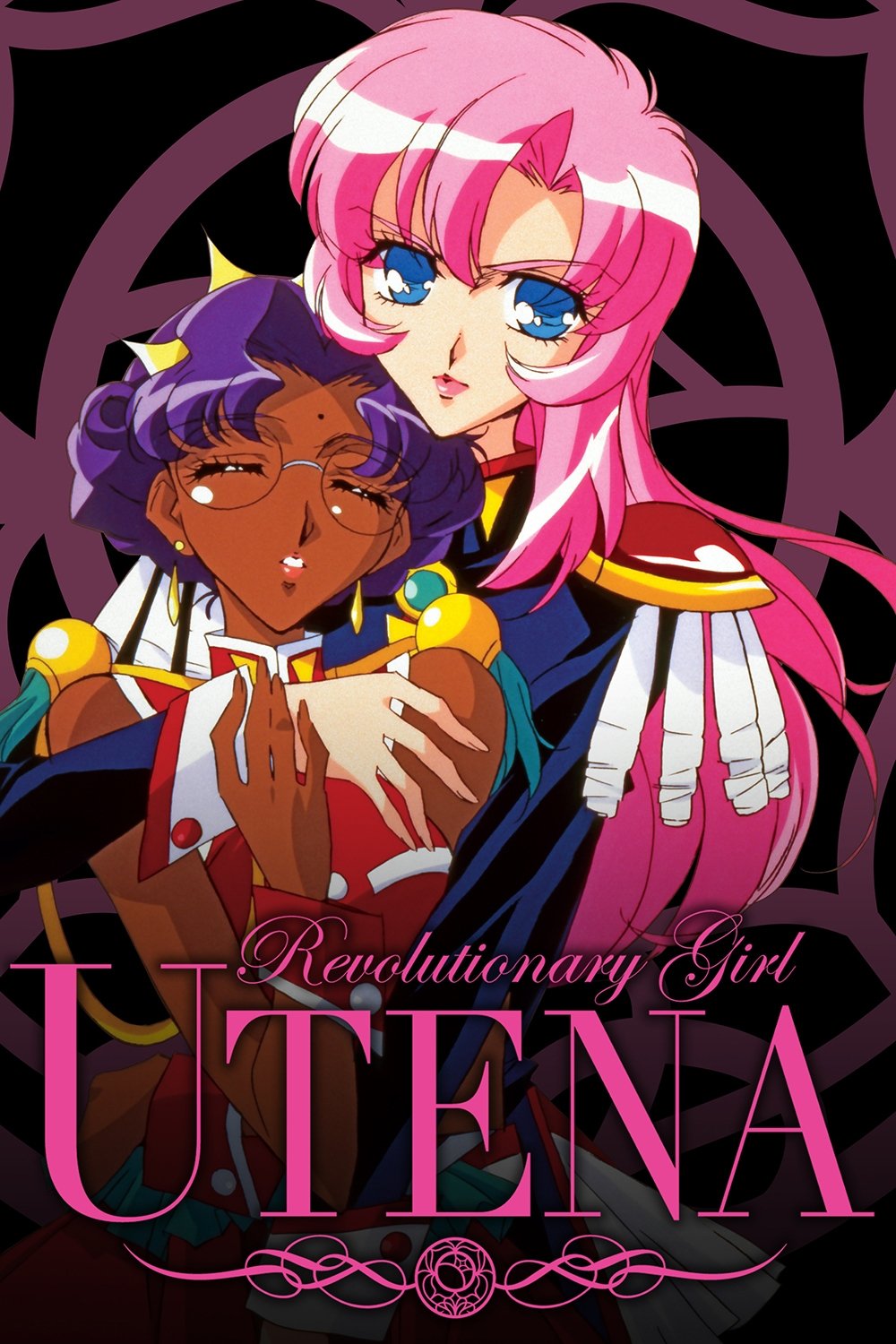
Utena Tenjou and Anthy Himemiya develop a complex relationship that deconstructs traditional fairy tale tropes. Utena strives to become a prince to protect Anthy from the abusive dueling system of Ohtori Academy. Their connection evolves from a protector and protected dynamic into a mutual understanding of shared trauma and liberation. The series finale solidifies their bond as they revolutionize their world together. It stands as a landmark metaphorical exploration of queer identity and female empowerment.
‘Neon Genesis Evangelion’ (1995–1996)
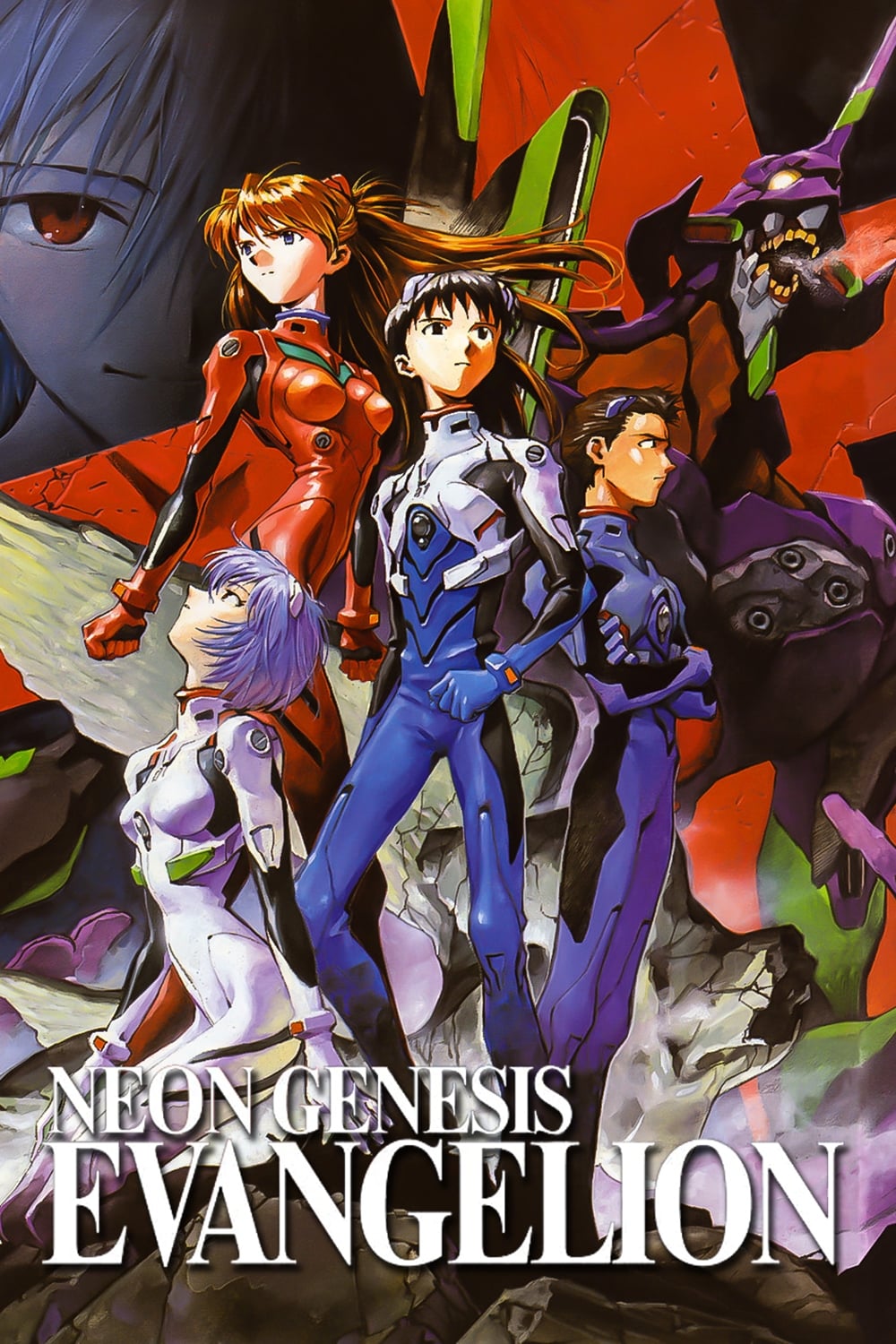
Kaworu Nagisa enters the life of Shinji Ikari during a time of profound isolation and psychological distress. He offers Shinji a rare moment of unconditional love and physical intimacy that the protagonist desperately craves. Their interactions in the bathhouse and sleeping quarters strip away the barriers Shinji usually maintains with others. Kaworu explicitly vocalizes his affection and treats Shinji with a kindness that no other character provides. This brief but intense connection leaves a lasting impact on Shinji and the audience.
‘Mobile Suit Gundam Wing’ (1995–1996)
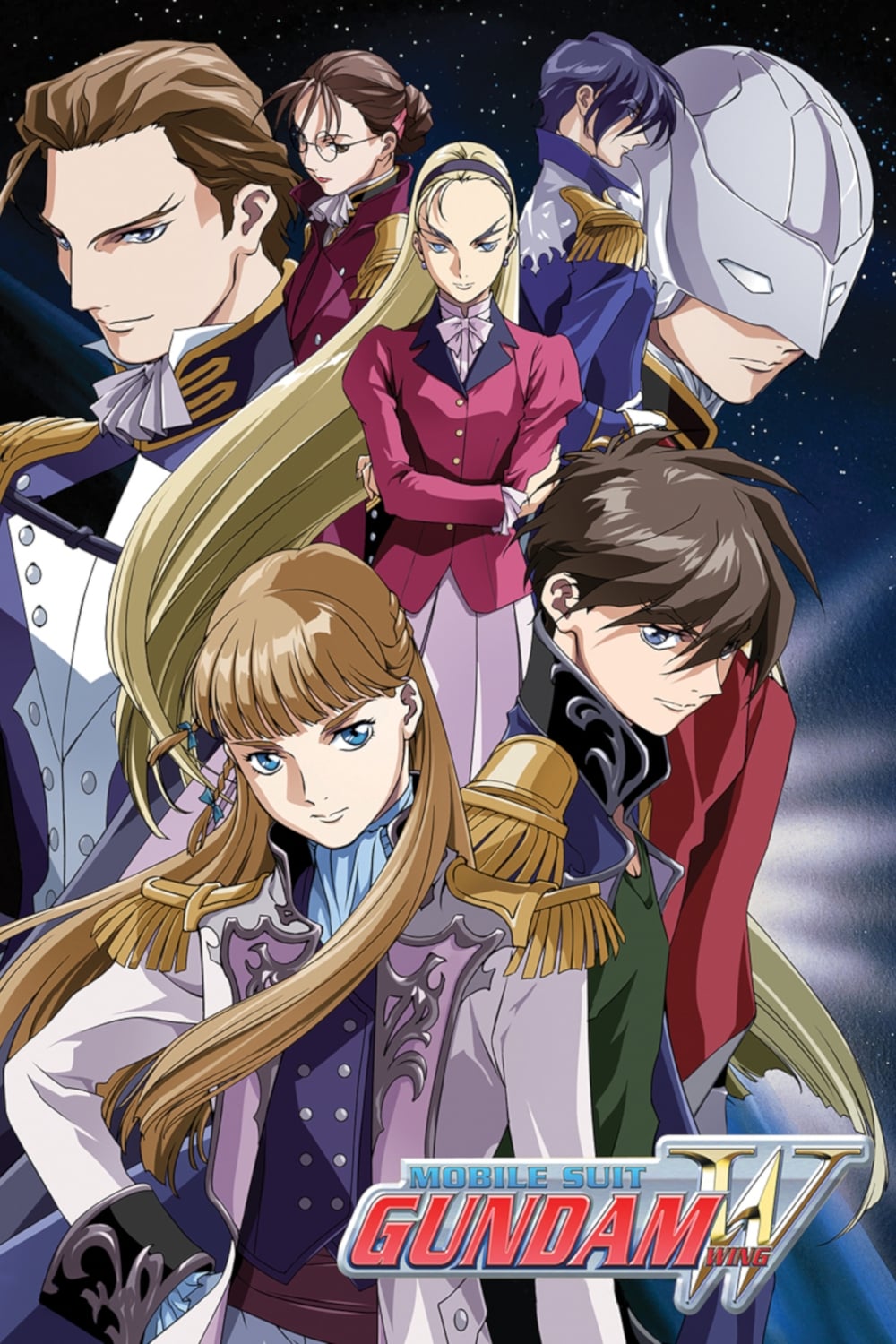
Quatre Raberba Winner and Trowa Barton exhibit a profound devotion to one another amidst the chaos of war. Quatre is often the only person who can understand the silent and stoic Trowa. Trowa in turn goes to great lengths to protect Quatre and help him recover when he loses his way. Their reunion scenes are framed with emotional intensity that surpasses typical camaraderie among soldiers. The series highlights their empathy as a strength rather than a weakness on the battlefield.
‘YuYu Hakusho’ (1992–1994)

Itsuki and Shinobu Sensui are antagonists who share a deeply loyal partnership. Itsuki remains by Sensui’s side for years as his only confidant and supporter during his mental decline. The series portrays Itsuki as the one person who fully understands and accepts all seven of Sensui’s distinct personalities. Their relationship is tragic but defined by an unwavering commitment to one another until the very end. This portrayal gave depth to the villains by grounding their motivations in love.
‘You’re Under Arrest’ (1994–1995)
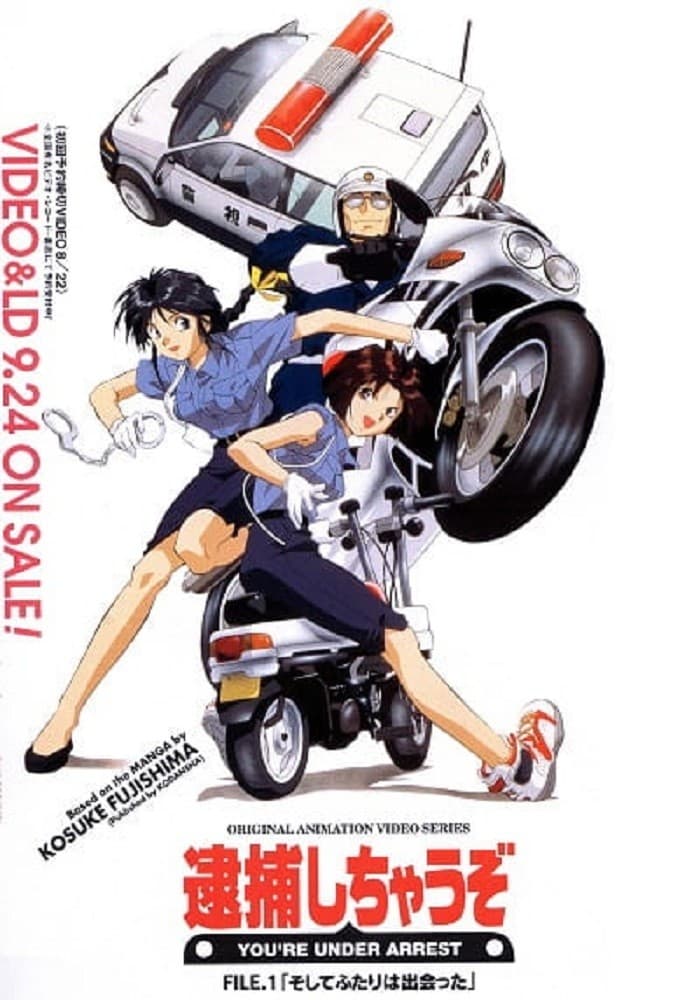
Miyuki Kobayakawa and Natsumi Tsujimoto are police partners who live together and share every aspect of their lives. Their domestic life is portrayed with a closeness that often blurs the line between best friends and life partners. They cook for each other and provide emotional support through work crises and personal slumps. The show emphasizes that they function best as a unit and are incomplete without the other. This dynamic created a strong subtext of a domestic partnership that many fans adored.
‘Battle Athletes Victory’ (1997)
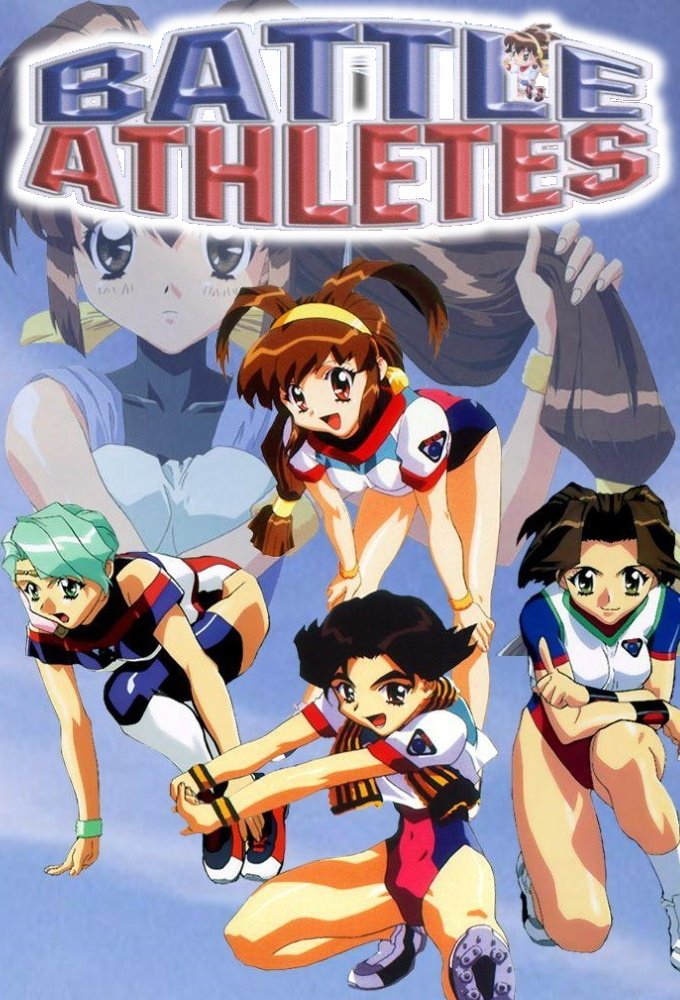
Akari Kanzaki and Kris Christopher develop a relationship that goes far beyond competitive rivalry. Kris is openly affectionate toward Akari and frequently initiates physical closeness that flusters the protagonist. The narrative treats their bond as a source of strength that allows them to excel in the cosmic athletic competition. They eventually share a kiss that is framed as a spiritual and emotional union. The series celebrates their love as a pure force that conquers fear.
‘Magic Knight Rayearth’ (1994–1995)
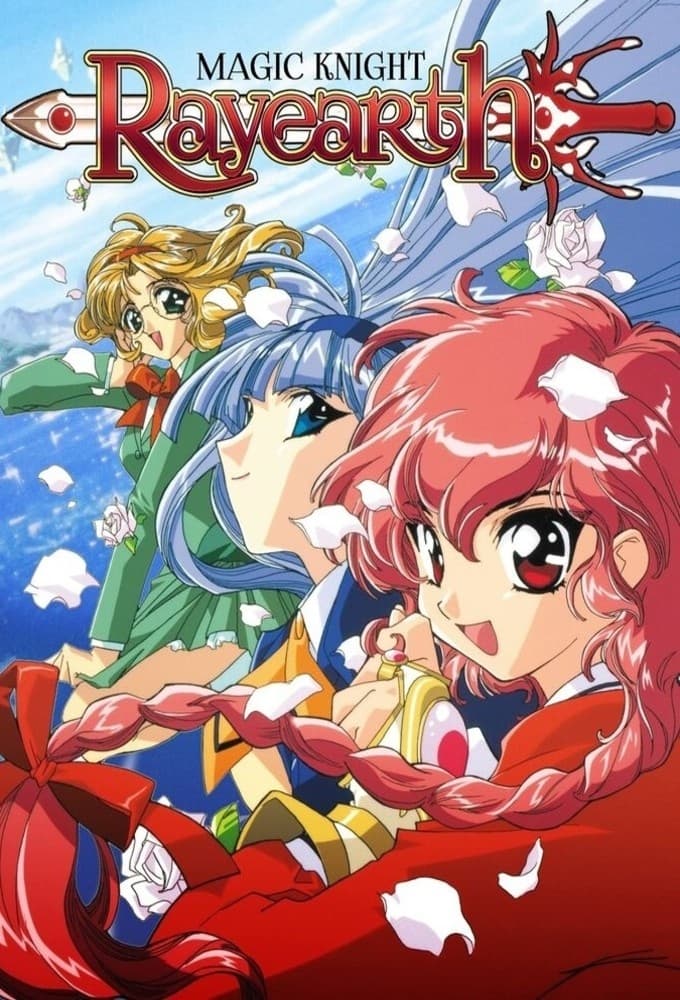
Eagle Vision and Lantis share a history and connection that influences the political landscape of their world. Eagle Vision is driven by a wish to save the world of Cephiro but his motivations are deeply tied to his bond with Lantis. The anime adaptation softens some elements from the manga but retains the deep emotional current between the two men. Scenes between them are laden with quiet understanding and mutual respect. Their relationship provides a mature counterpoint to the younger romances in the series.
‘Legend of the Galactic Heroes’ (1988–1997)
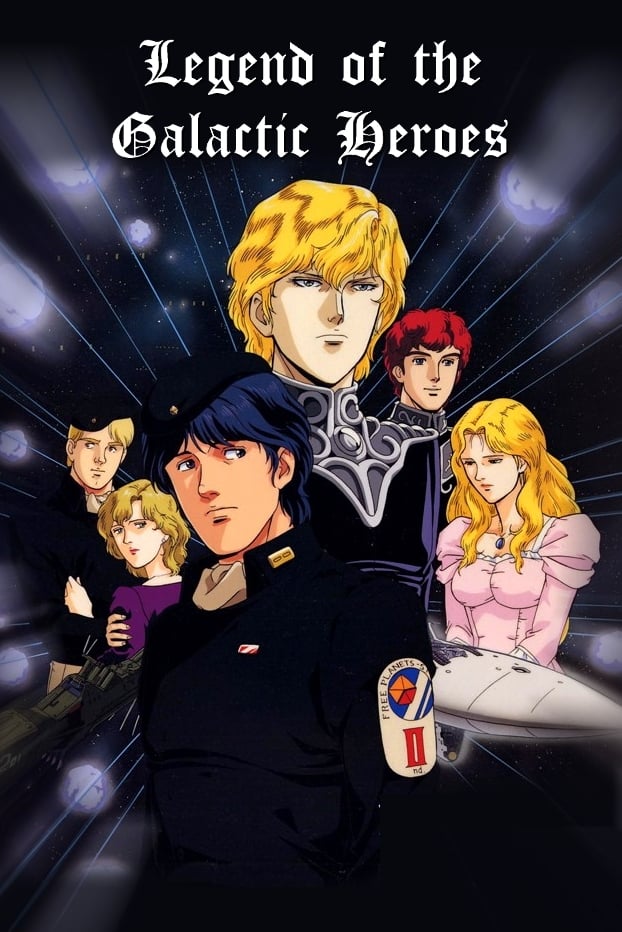
Reinhard von Lohengramm and Siegfried Kircheis share a soulmate bond that shapes the history of the galaxy. Kircheis is the only person allowed to be informal with the ambitious Reinhard and serves as his moral compass. Reinhard values Kircheis above his own empire and falls into despair when they are separated. The narrative makes it clear that their love for one another is the primary motivation for many of their conquests. It is a grand space opera romance in everything but name.
‘Serial Experiments Lain’ (1998)
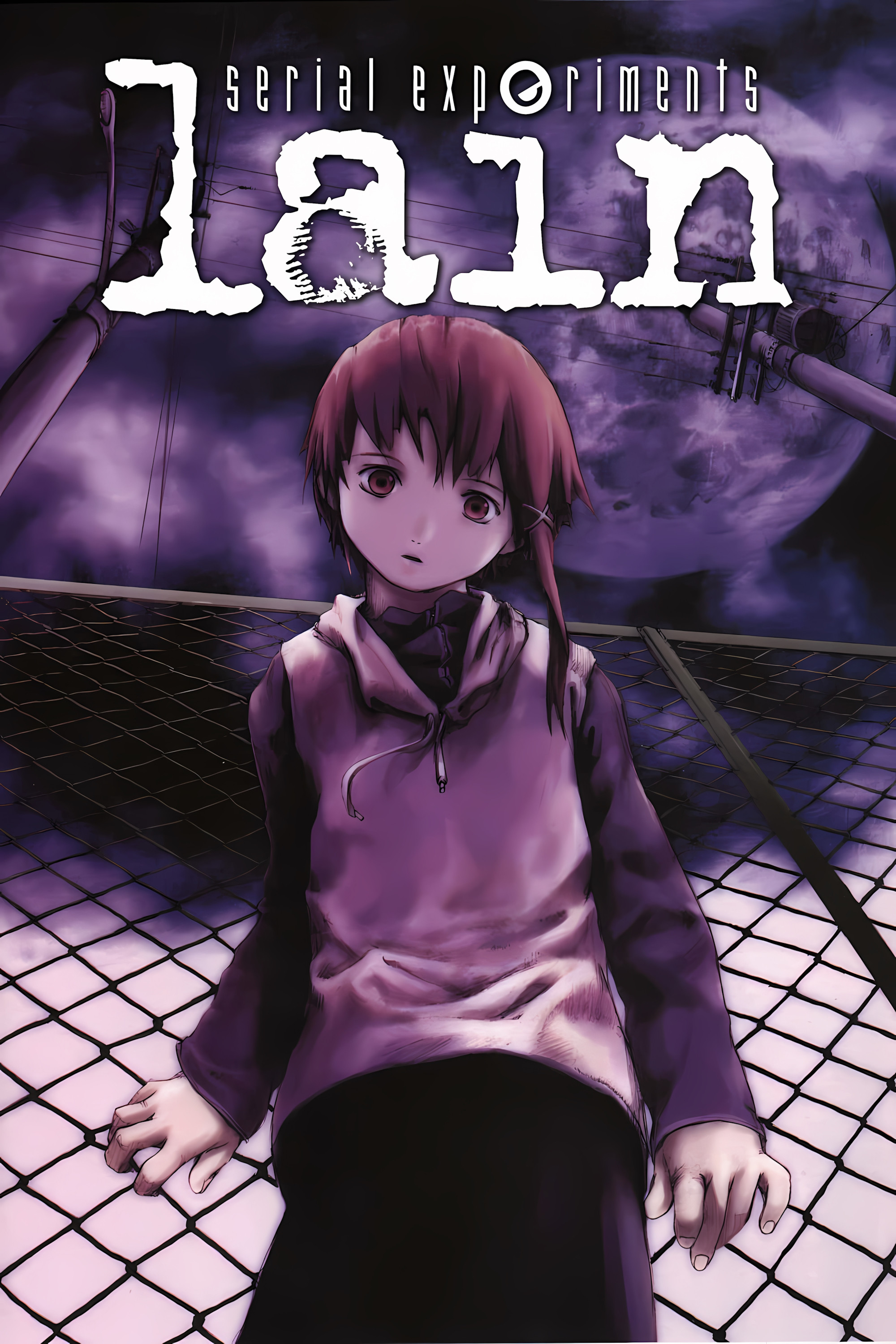
Alice Mizuki serves as the grounding human connection for the digital entity known as Lain. While Lain loses touch with reality and humanity, Alice remains the sole figure who loves and accepts her unconditionally. Alice risks her own sanity to reach out to Lain when the rest of the world turns away. This friendship saves Lain from total dissociation and proves the power of human connection. The show portrays Alice’s love as the only true reality in a virtual world.
‘Weiss Kreuz’ (1998)

Yohji Kudo and Ken Hidaka are teammates who share a distinct chemistry that separates them from the rest of the group. They frequently partner up on missions and worry excessively about each other’s safety. The show creates numerous scenarios where one must save the other from dire situations. Their banter and reliance on one another became a focal point for fans looking for romantic subtext. It creates a “married couple” dynamic within the team of assassins.
‘Dear Brother’ (1991)
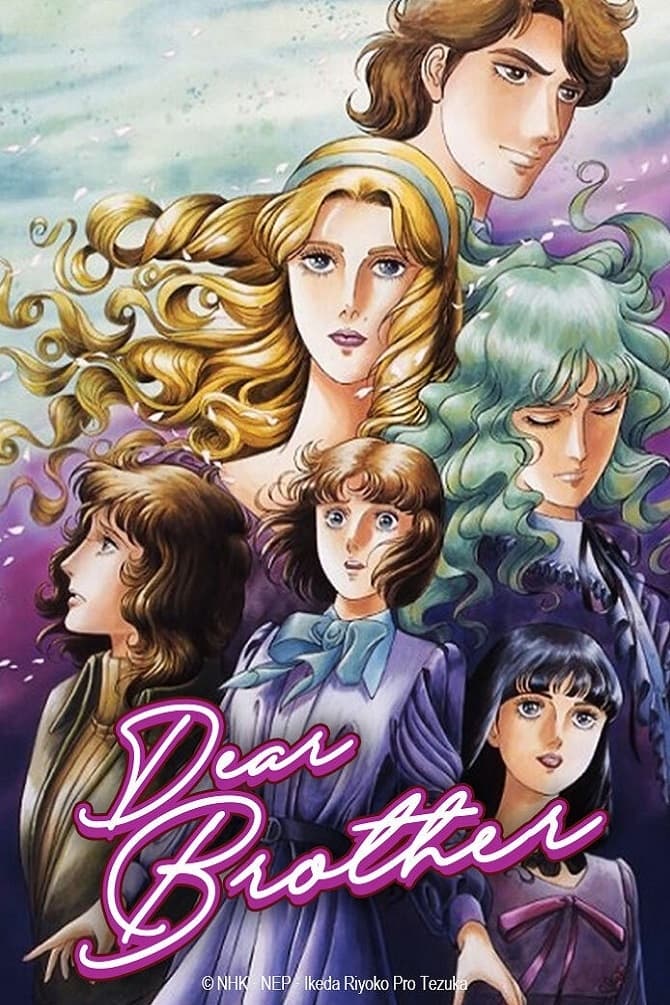
This series explores intense and melodramatic relationships between women at a prestigious all-girls school. Nanako Misono forms deep emotional attachments to her classmates that blur the lines of admiration and romance. The show treats these female bonds with the same gravity and passion usually reserved for heterosexual melodrama. While often tragic, the series validates the intensity of female desire and heartbreak. It remains a seminal work for the shoujo-ai genre.
‘Tokyo Babylon’ (1992–1994)
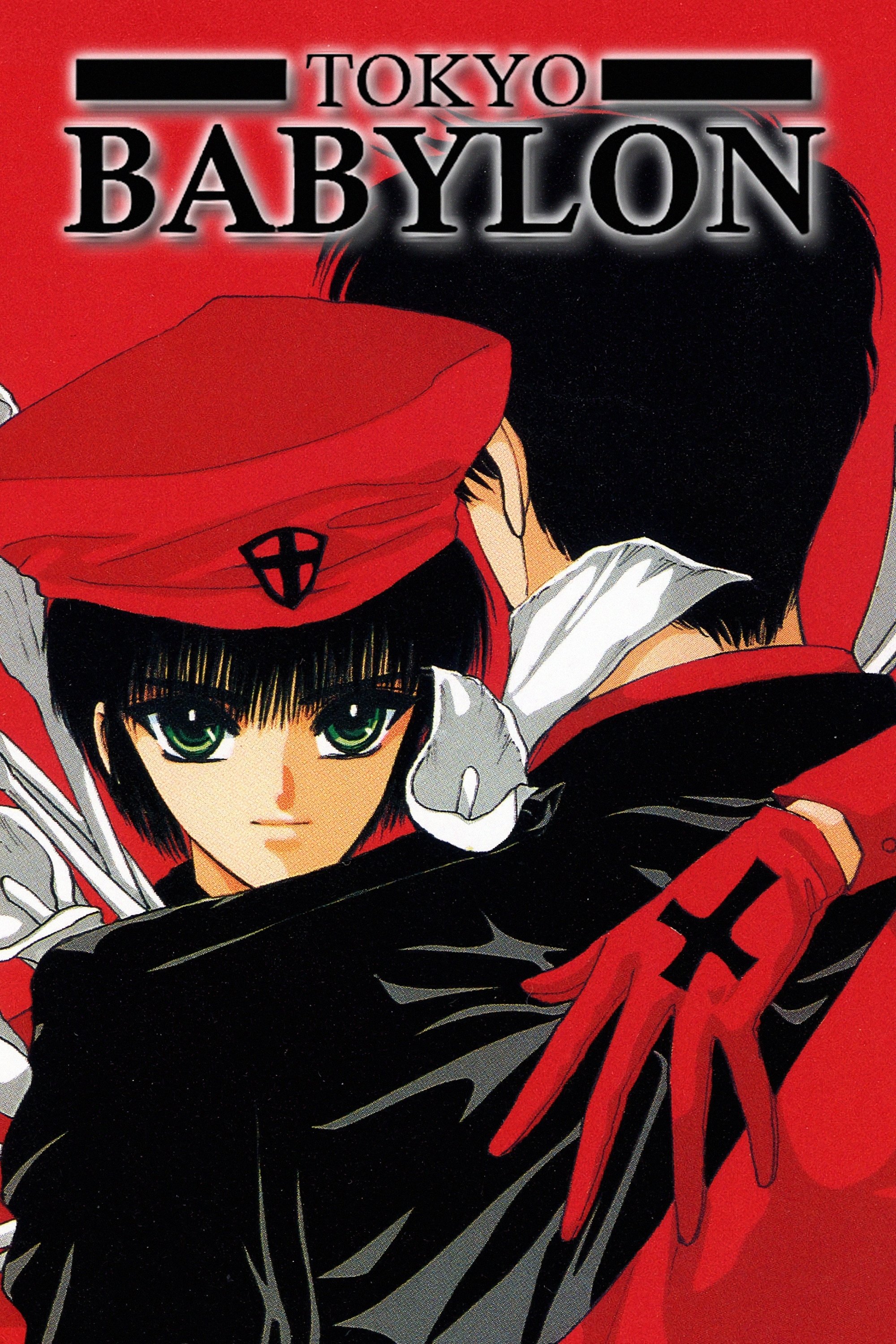
Subaru Sumeragi and Seishiro Sakurazuka share a relationship defined by flirtation and a protective mentorship. Seishiro frequently declares his love for Subaru in a way that seems joking but carries serious undertones. The nineties OVAs capture the period of their relationship where they function as a crime-solving duo. Their dynamic challenges the innocent Subaru to confront his own feelings and maturity. It is a visually stunning representation of the tension between two spiritually powerful men.
‘Gravitation: Lyrics of Love’ (1999)
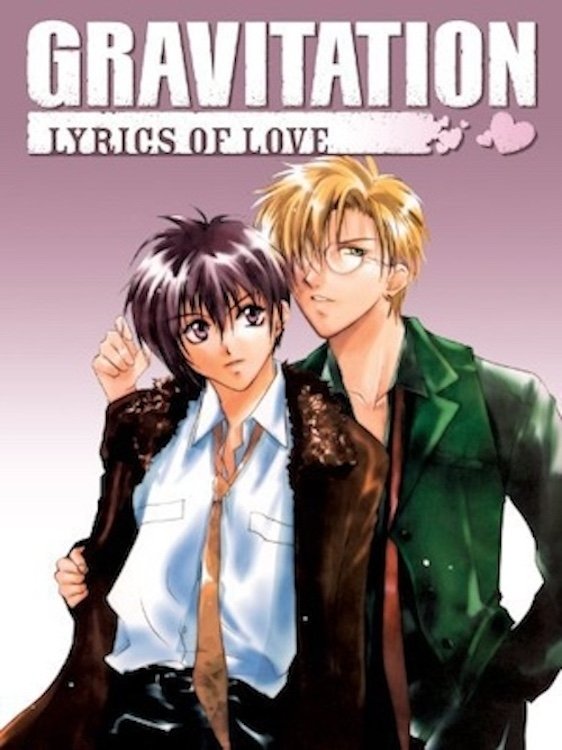
The 1999 OVA version of this title introduced audiences to the chaotic romance between aspiring musician Shuichi and romance novelist Eiri. Shuichi is relentless in his pursuit of Eiri despite the older man’s cold exterior. The story focuses on how Shuichi’s genuine affection slowly melts the walls Eiri has built around his heart. Their relationship deals with the struggles of fame and past trauma. It was one of the more direct portrayals of a male romance that bridged the gap to the mainstream.
‘Fushigi Yûgi: The Mysterious Play’ (1995–1996)
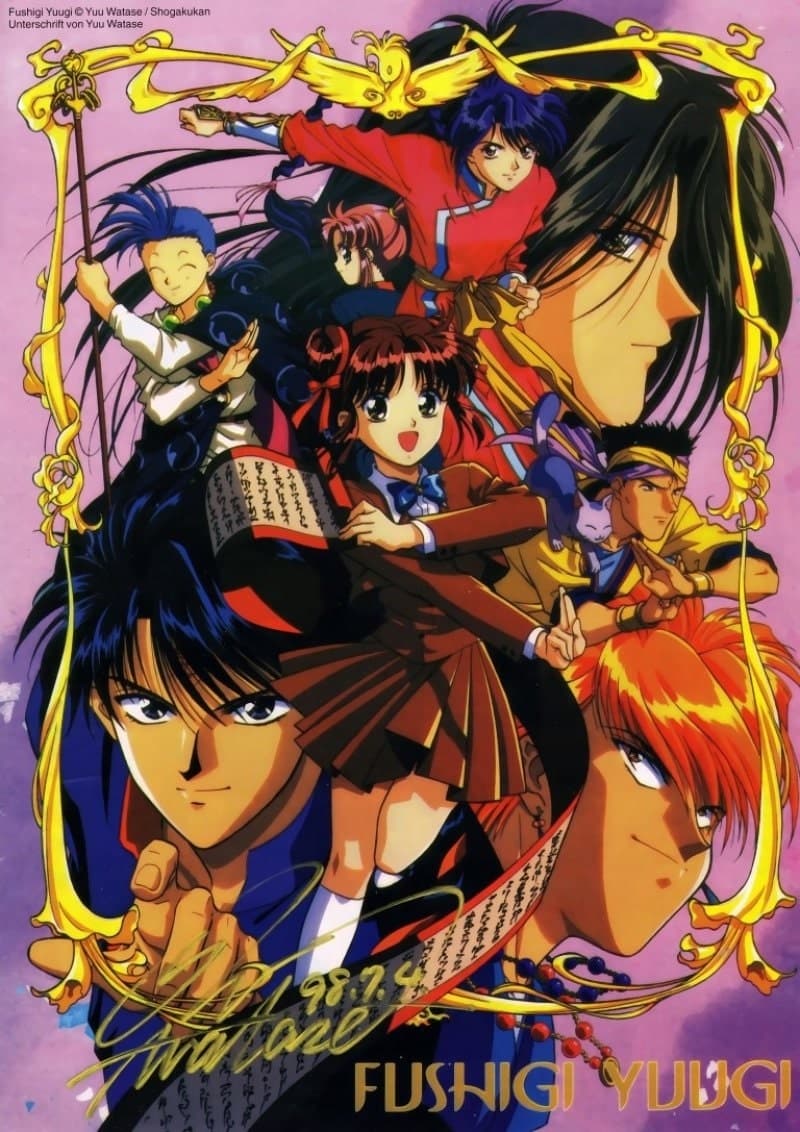
Nuriko is a Celestial Warrior who openly loves the Emperor Hotohori and identifies as a woman despite physical assignment. The other characters eventually come to respect Nuriko’s identity and capacity for love. Nuriko’s devotion to Hotohori is portrayed as tragic but beautiful and valid. The series handles the unrequited nature of this love with surprising dignity for the time. It allows Nuriko to be a hero whose power stems from deep emotional capacity.
‘Earthian’ (1989–1996)
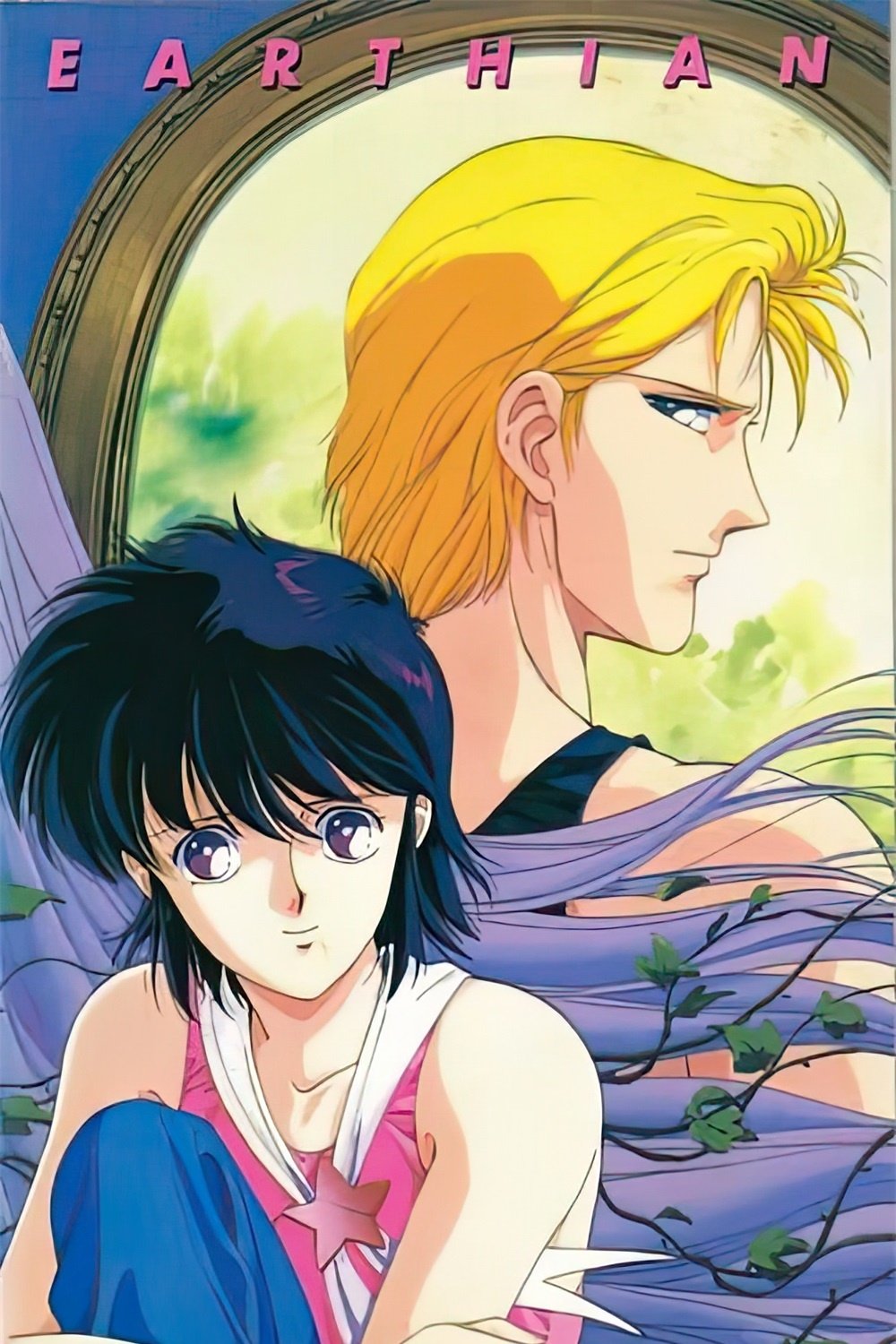
Chihaya and Kagetsuya are angels sent to observe humanity and decide if the species should be destroyed. They are partners who have complementary personalities and rely on each other to navigate the human world. The series depicts their growing intimacy as they question their mission and their superiors. Their bond is the central emotional anchor of the story that saves them from corruption. It presents a “partners against the world” narrative that resonated with queer audiences.
‘Miyuki-chan in Wonderland’ (1995)
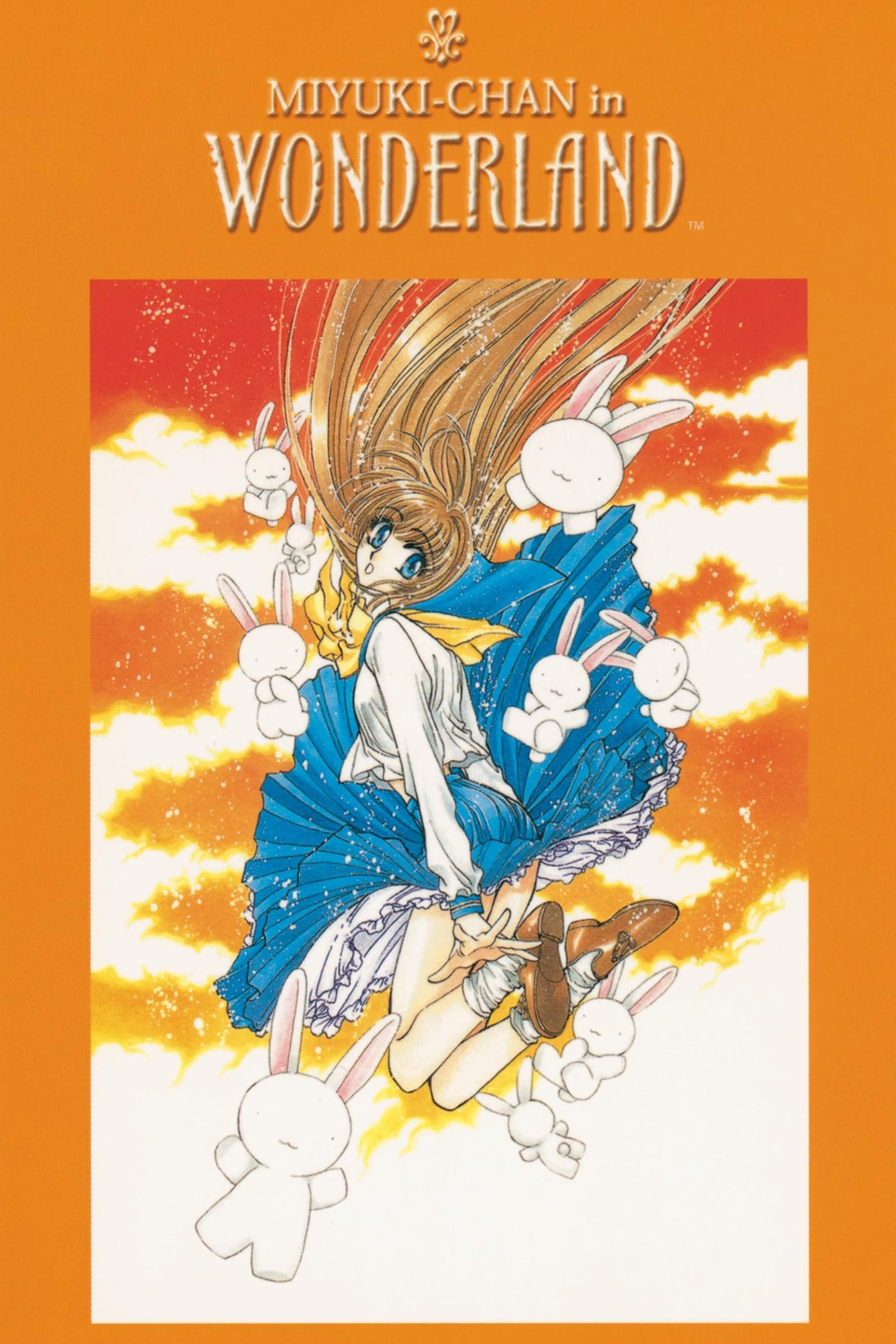
This surreal OVA features a protagonist named Miyuki who is transported to a strange world where every female character falls in love with her. While comedic in tone, the show creates a universe where same-sex attraction is the absolute norm. Miyuki is pursued by women of all archetypes who find her irresistible. The lack of male characters creates a unique space where queer desire is the driving plot force. It serves as a lighthearted celebration of women loving women.
‘Fake’ (1998)
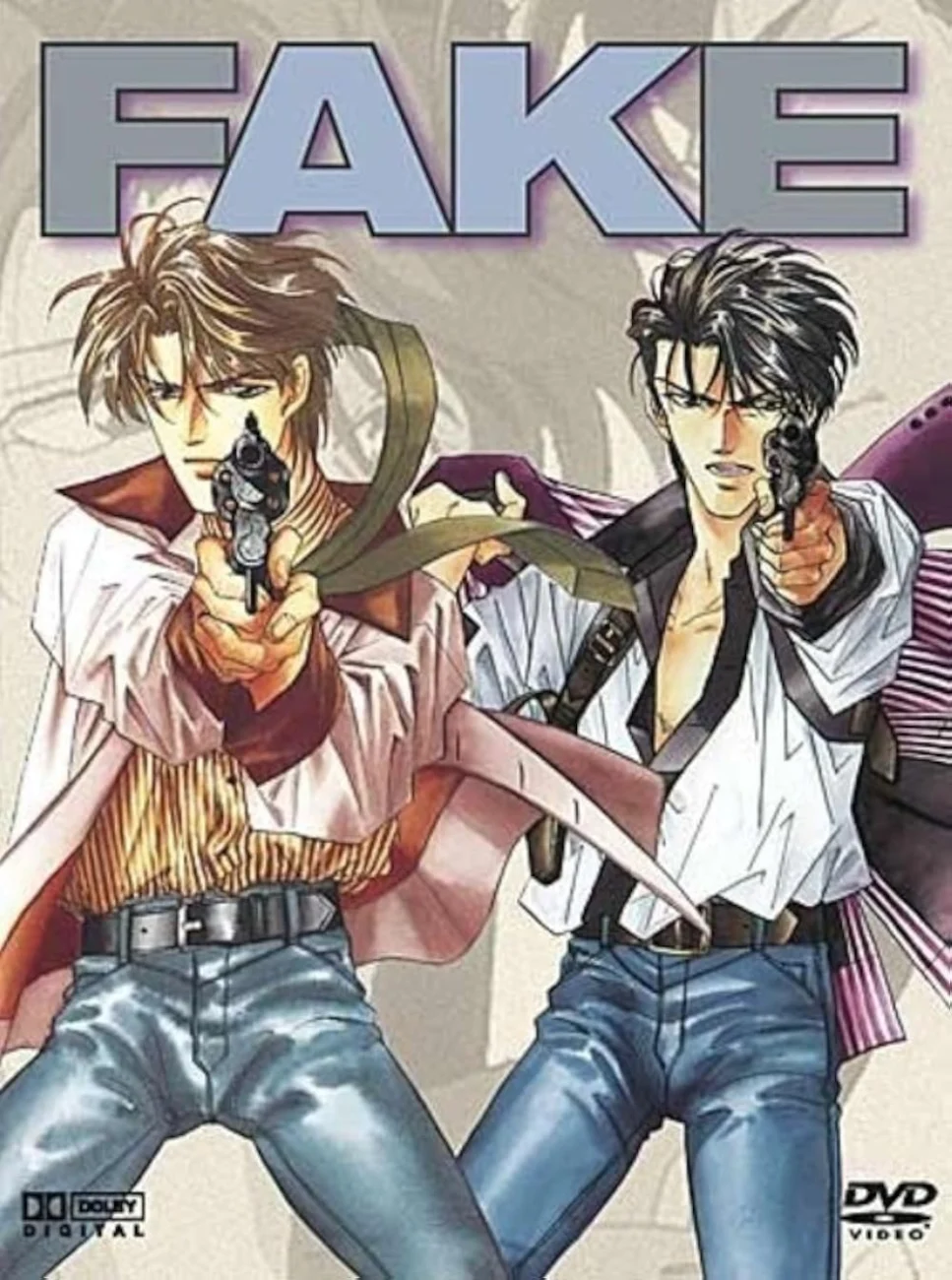
J.C.StaffDee Laytner and Ryo Maclean are New York City detectives who are partners in both work and life. Dee is open about his romantic pursuit of Ryo while Ryo plays hard to get due to his own past traumas. The OVA showcases their domestic life and their ability to solve crimes through their deep connection. It balances action elements with a developing romance that feels grounded and sincere. The show portrays them as a functioning family unit despite the danger of their jobs.
‘Seraphim Call’ (1999)
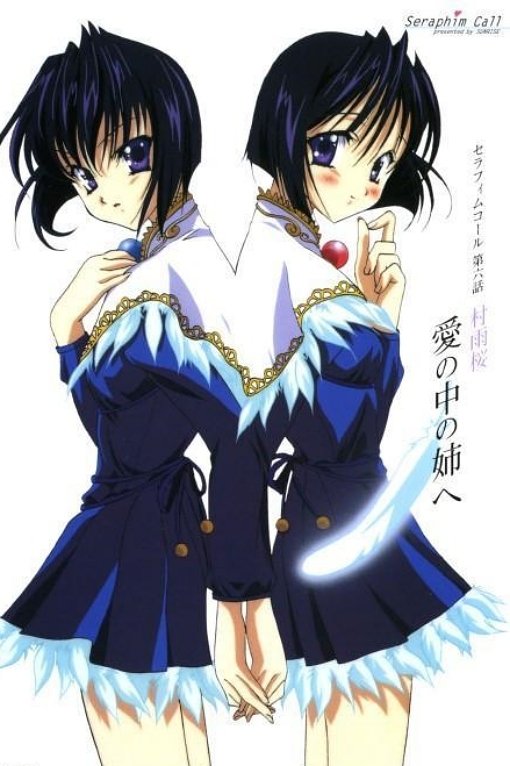
The series is an anthology where different episodes focus on different girls, but one episode highlights a romantic connection between Murasame and Yukina. The narrative explicitly deals with the realization of romantic feelings between two female friends. One character struggles with the fear of ruining their friendship by confessing her love. The resolution is handled with sensitivity and focuses on the courage required to be honest. It stands out as a quiet and healthy depiction of young queer love.
Share your favorite 90s anime ships and moments in the comments!