20 Movies That Flopped Because Studios Cut the Black LGBTQ+ Subplot


Studio interference has long been a source of frustration for filmmakers who strive to tell authentic stories, particularly when it comes to marginalized identities. Many films have suffered critically and commercially after executives decided to sanitize or remove storylines centered on Black LGBTQ+ characters, often in a misguided attempt to appeal to wider audiences or international markets. These decisions frequently result in disjointed narratives, lack of character depth, and a failure to connect with the very communities that would have championed the film. The following list highlights movies where the erasure of these subplots contributed to their failure to resonate with audiences or achieve box office success.
‘Stonewall’ (2015)
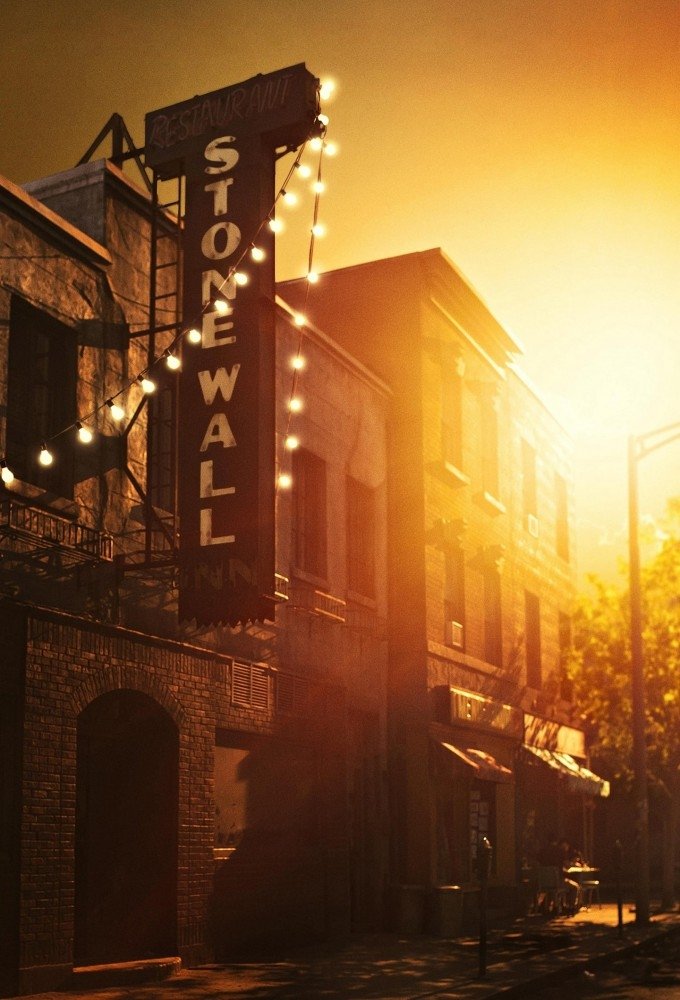
This historical drama attempted to retell the story of the 1969 Stonewall riots but failed miserably at the box office and with critics. The film was heavily criticized for centering a fictional white protagonist while sidelining real-life Black trans activists like Marsha P. Johnson. Early drafts and historical accounts emphasize the pivotal role of Black and Latinx queer figures, yet the studio chose to minimize their screen time and agency. By erasing the true diversity of the movement, ‘Stonewall’ alienated the LGBTQ+ community it was meant to honor and flopped spectacularly.
‘Solo: A Star Wars Story’ (2018)
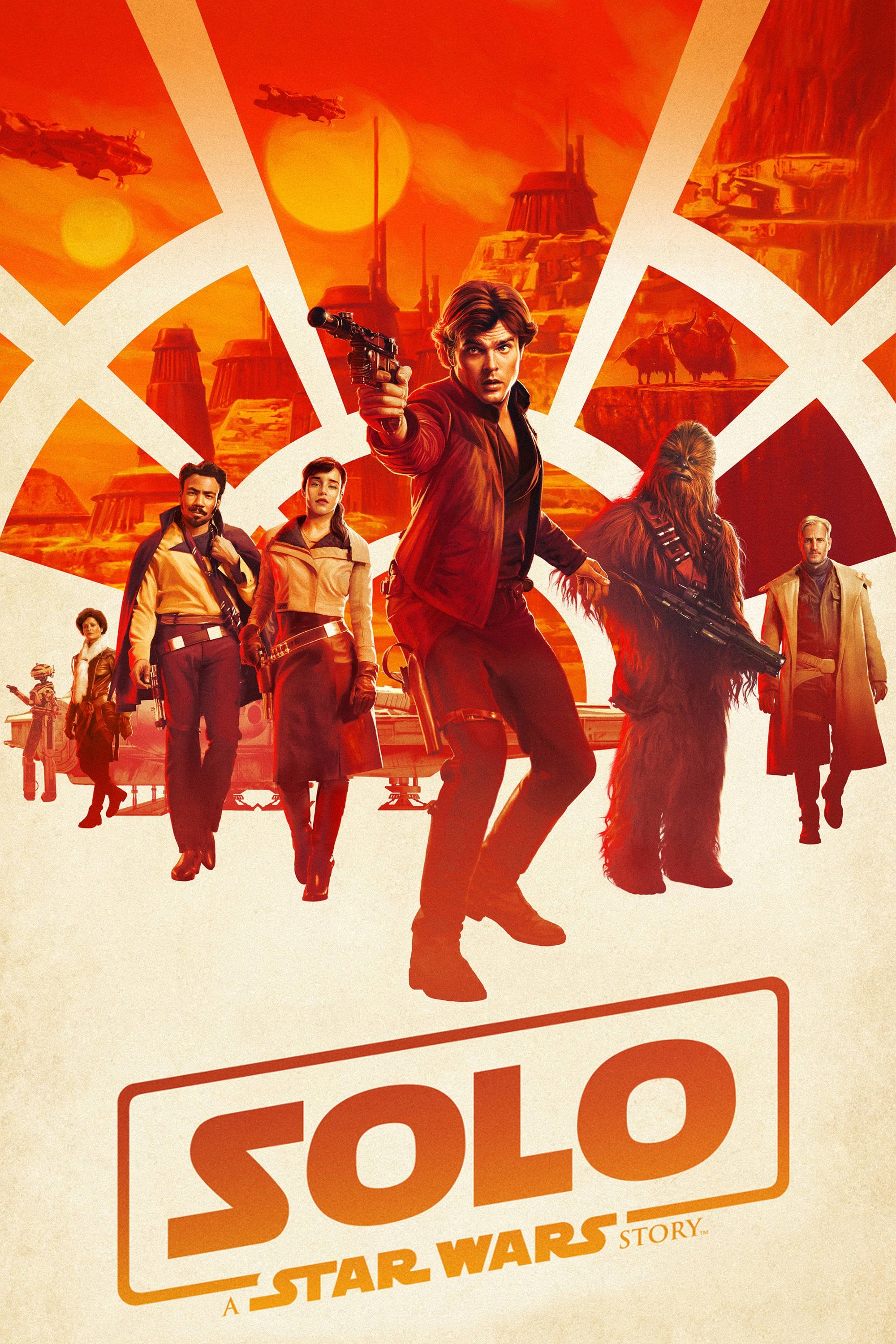
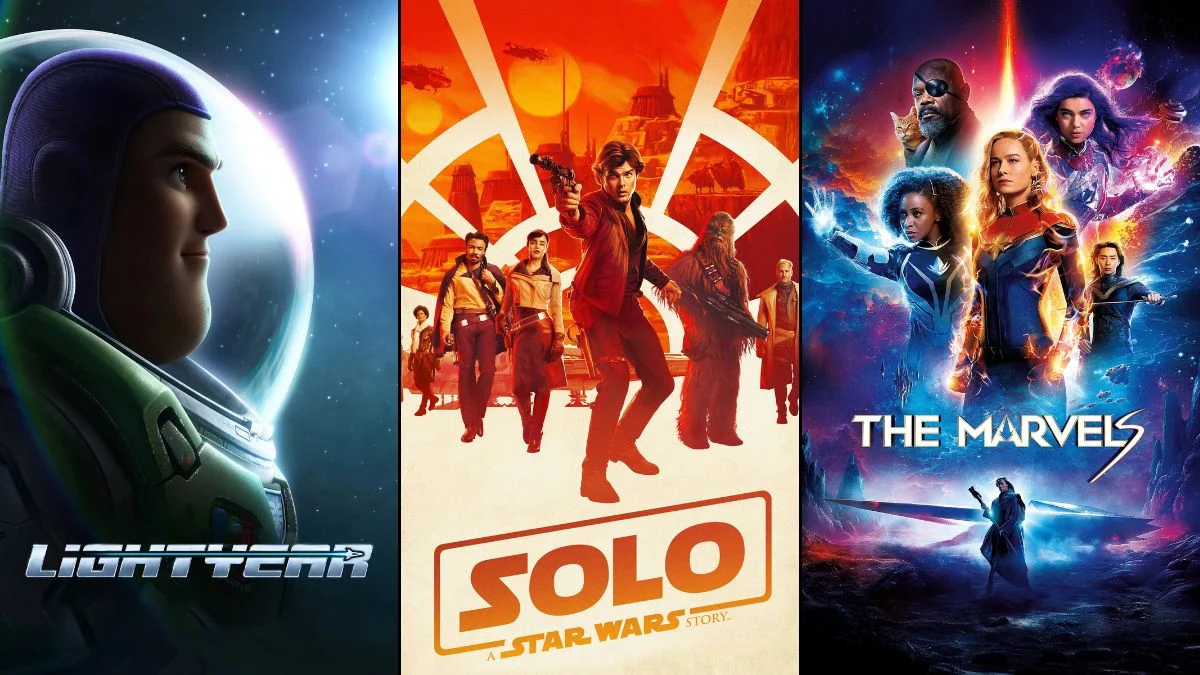
Before the release of this ‘Star Wars’ prequel, screenwriter Jonathan Kasdan confirmed that Lando Calrissian, played by Donald Glover, was pansexual. However, the film itself failed to explicitly depict this aspect of the character, limiting it to a few ambiguous lines and a close relationship with a droid. Fans who were excited for the first openly queer major character of color in the franchise were left disappointed by the lack of on-screen representation. The film became the first box office bomb in the franchise’s history, partly due to a lack of enthusiasm from a fanbase feeling baited by empty promises.
‘Whitney Houston: I Wanna Dance with Somebody’ (2022)

The biopic of Whitney Houston struggled to find a massive audience, arguably because it pulled punches regarding her complex personal life. While the film acknowledged her relationship with Robyn Crawford, many critics and viewers felt the studio sanitized the depth and passion of their bond to keep the rating accessible. By treating the Black queer romance as a footnote rather than a central emotional pillar, the narrative felt incomplete and safe. This hesitation to fully commit to the truth of Houston’s life contributed to the movie feeling like a generic musical biopic rather than a definitive portrait.
‘Star Wars: The Rise of Skywalker’ (2019)
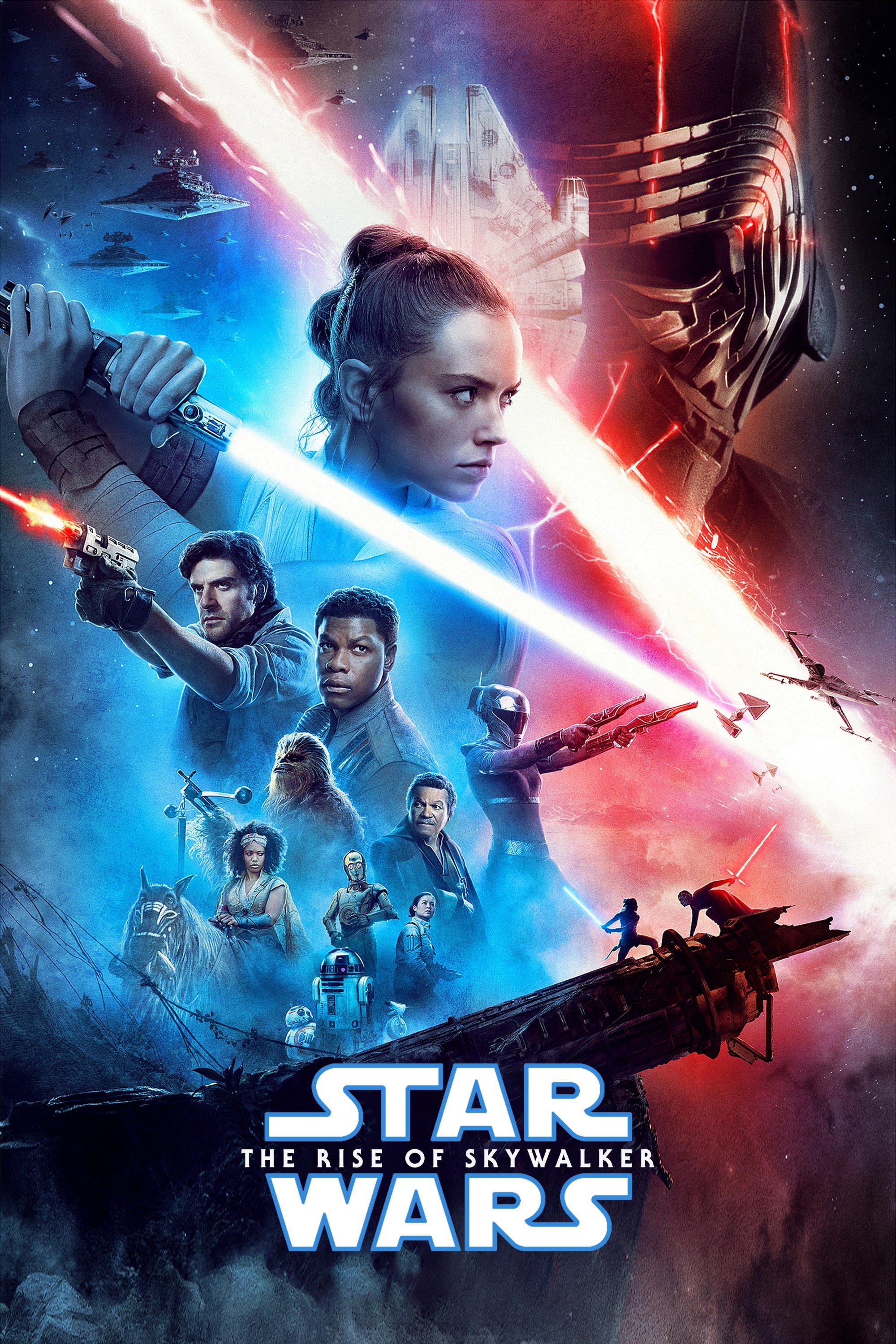
The final installment of the Skywalker saga faced immense backlash for its disjointed plot and refusal to commit to established character dynamics. John Boyega, who played Finn, and Oscar Isaac, who played Poe Dameron, openly played their characters with romantic tension that many fans hoped would become canon. Disney and the studio executives reportedly steered away from a Black-Latino gay romance, opting instead for forced heterosexual pairings that lacked chemistry. The film’s critical failure was exacerbated by this refusal to pay off a relationship that had naturally developed over the trilogy.
‘Lightyear’ (2022)
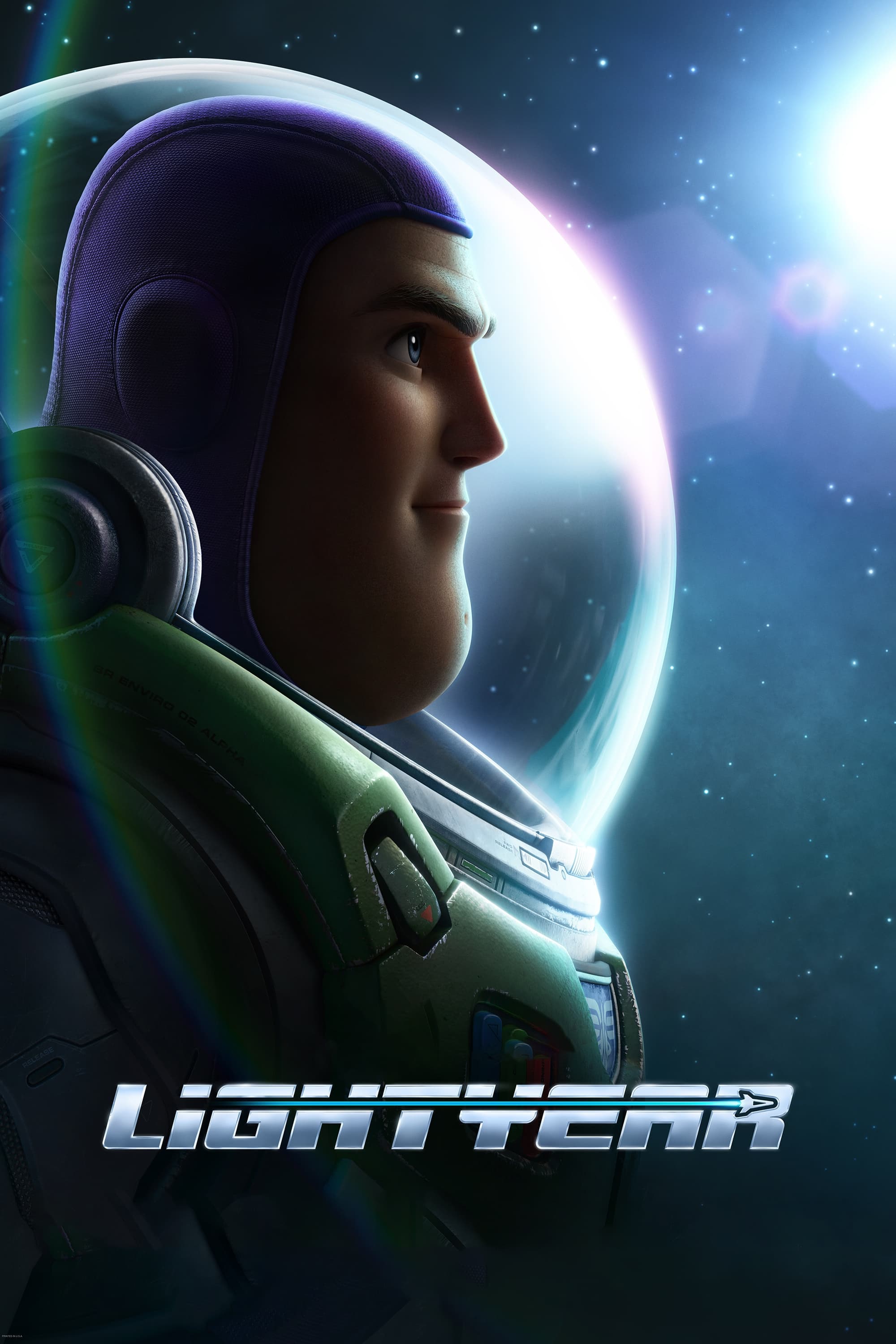
This Pixar spinoff became embroiled in a public controversy when it was revealed that executives had originally cut a kiss between the Black lesbian character Alisha Hawthorne and her partner. Although the scene was restored after employee backlash, the publicized indecision and lack of conviction hurt the film’s marketing and public perception. The movie ultimately flopped at the box office, alienating conservative audiences while simultaneously failing to earn the full trust of progressive viewers who viewed the inclusion as a reluctant afterthought. The studio’s clumsy handling of the subplot overshadowed the film’s actual sci-fi adventure.
‘The Marvels’ (2023)
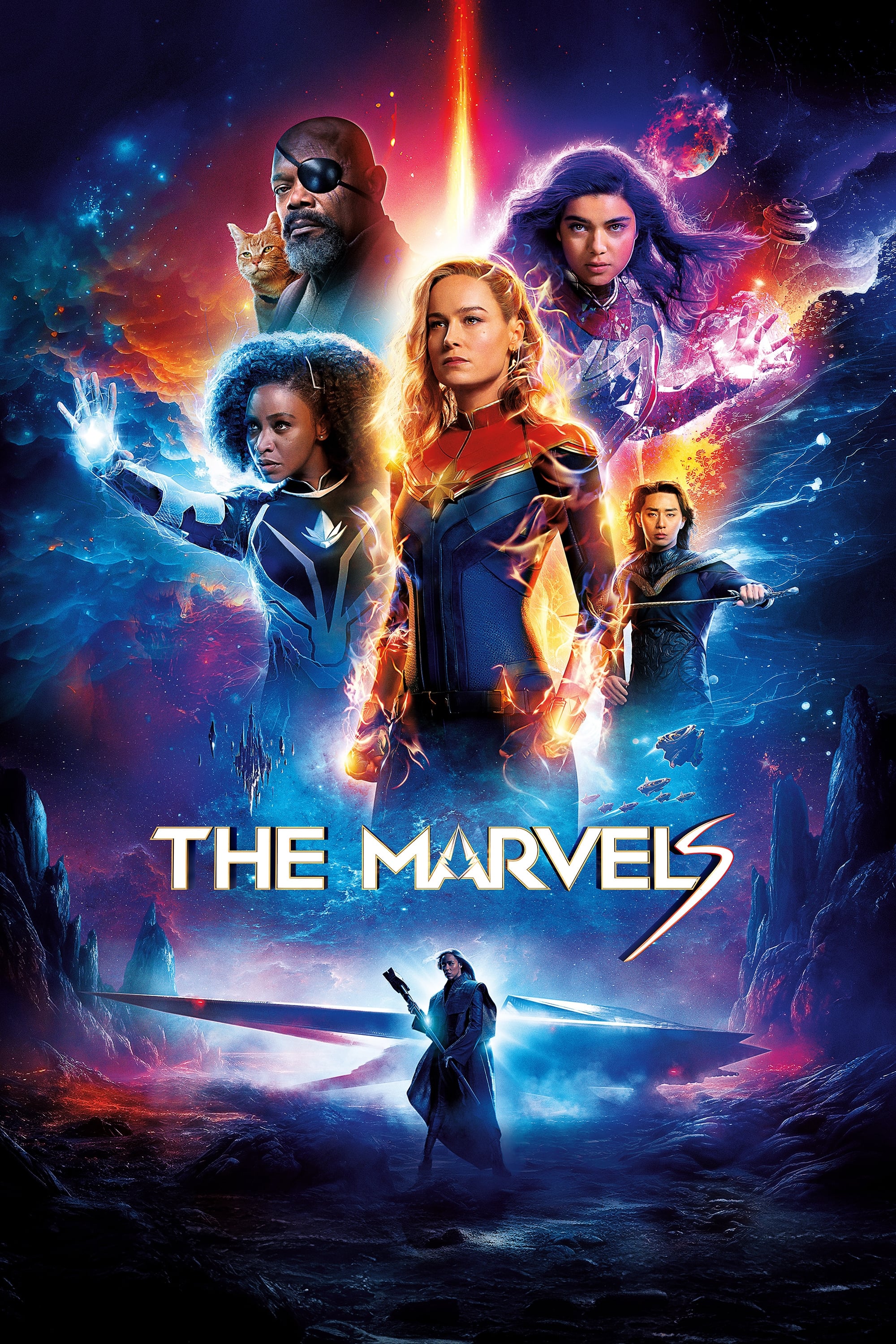
While Valkyrie, played by Tessa Thompson, appeared briefly in this film, fans were disappointed that her potential romance with Captain Marvel was completely ignored. The chemistry between the two characters had been a talking point for years, and Thompson had previously fought for her character’s bisexuality to be explicit in ‘Thor: Ragnarok’. The studio’s decision to keep their interaction platonic and brief felt like another missed opportunity to deliver on the queer coding present in the MCU. This lack of bold storytelling contributed to the general apathy toward the film, which became a historic box office low for the franchise.
‘Nina’ (2016)

The biopic of Nina Simone was a disaster from the start, largely due to the casting of Zoe Saldana and the use of darkening makeup. Beyond the casting controversy, the film also glossed over Simone’s bisexuality and her fluid relationships, which were integral to her radical identity. By straightening out the narrative of a Black queer icon, the filmmakers stripped the story of its revolutionary spirit. The movie was a critical and commercial failure, rejected by Simone’s estate and the public alike for its inauthenticity.
‘James White’ (2015)
This indie drama featured a supporting performance by Kid Cudi, who filmed a scene where his character comes out as gay. The scene was ultimately cut from the final version, leaving his character’s internal life and motivations largely unexplored. While the film received some positive reviews, the removal of this subplot denied the movie a layer of complexity regarding Black masculinity and friendship. Retaining the scene could have garnered the film more attention and praise for its nuanced depiction of a Black gay man.
‘Pitch Perfect 3’ (2017)
Throughout the franchise, the character Cynthia-Rose, played by Ester Dean, was depicted as a Black lesbian, yet her sexuality was often treated as a punchline rather than a serious subplot. In the third installment, which saw diminishing returns critically and commercially, opportunities to give her a genuine romantic arc were sidestepped in favor of repetitive jokes. Fans of the character felt shortchanged by the studio’s refusal to allow her a happy, fully realized ending. The film’s reliance on tired tropes instead of character growth contributed to the feeling that the series had run out of steam.
‘Men in Black: International’ (2019)
Tessa Thompson and Chris Hemsworth reunited for this reboot, but the film failed to capture the spark of their previous collaboration. Early discussions and fan theories suggested a more fluid approach to Thompson’s character’s sexuality, similar to her role as Valkyrie, but the studio played it strictly safe and conventional. The lack of any subversive or fresh character dynamics made the movie feel like a hollow corporate product. It was panned by critics and audiences, failing to launch a new trilogy.
‘Coming 2 America’ (2021)
The long-awaited sequel introduced a lesbian daughter for Prince Akeem, but the subplot was so minor and sanitized that it barely registered. The film avoided exploring the conflict between traditional royal expectations and her sexuality in any meaningful way, opting for a safe, Disney-fied resolution. This refusal to engage deeply with a Black queer narrative in a modern context made the film feel dated and irrelevant. Critics panned the movie for relying on nostalgia while ignoring the potential for genuine social commentary.
‘Ghostbusters’ (2016)
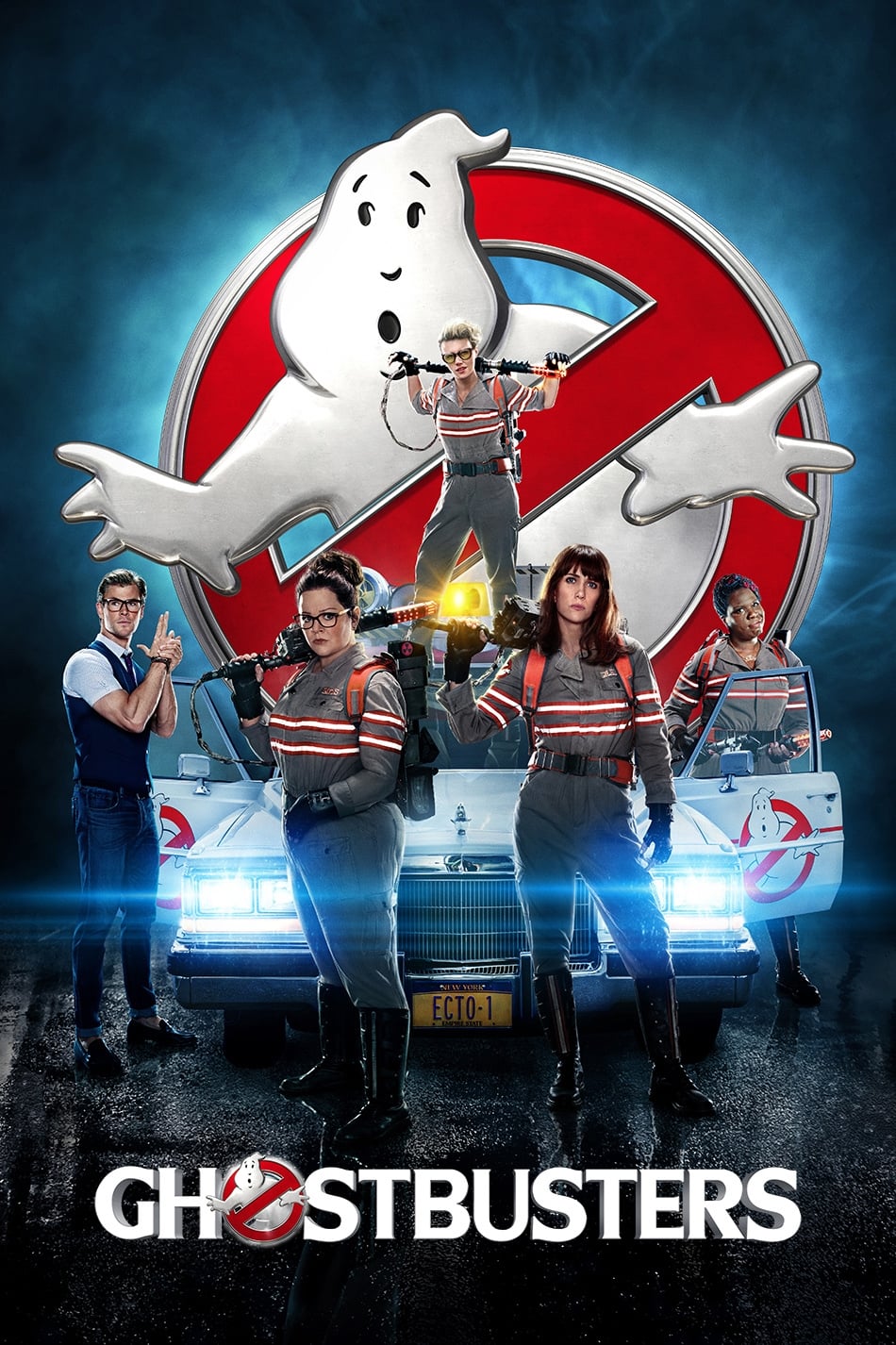
Leslie Jones’s character, Patty, was the subject of intense scrutiny, with many criticizing the role for falling into loud stereotypes compared to her white scientist co-stars. Fans and cultural commentators argued that the film missed a massive opportunity to subvert these tropes by giving Patty a more complex backstory, potentially including a queer identity that Jones has explored in other work. The studio’s decision to keep her character within a narrow, non-threatening box contributed to the film’s inability to win over skeptics. The movie underperformed significantly, leading to the cancellation of direct sequels.
‘Jem and the Holograms’ (2015)
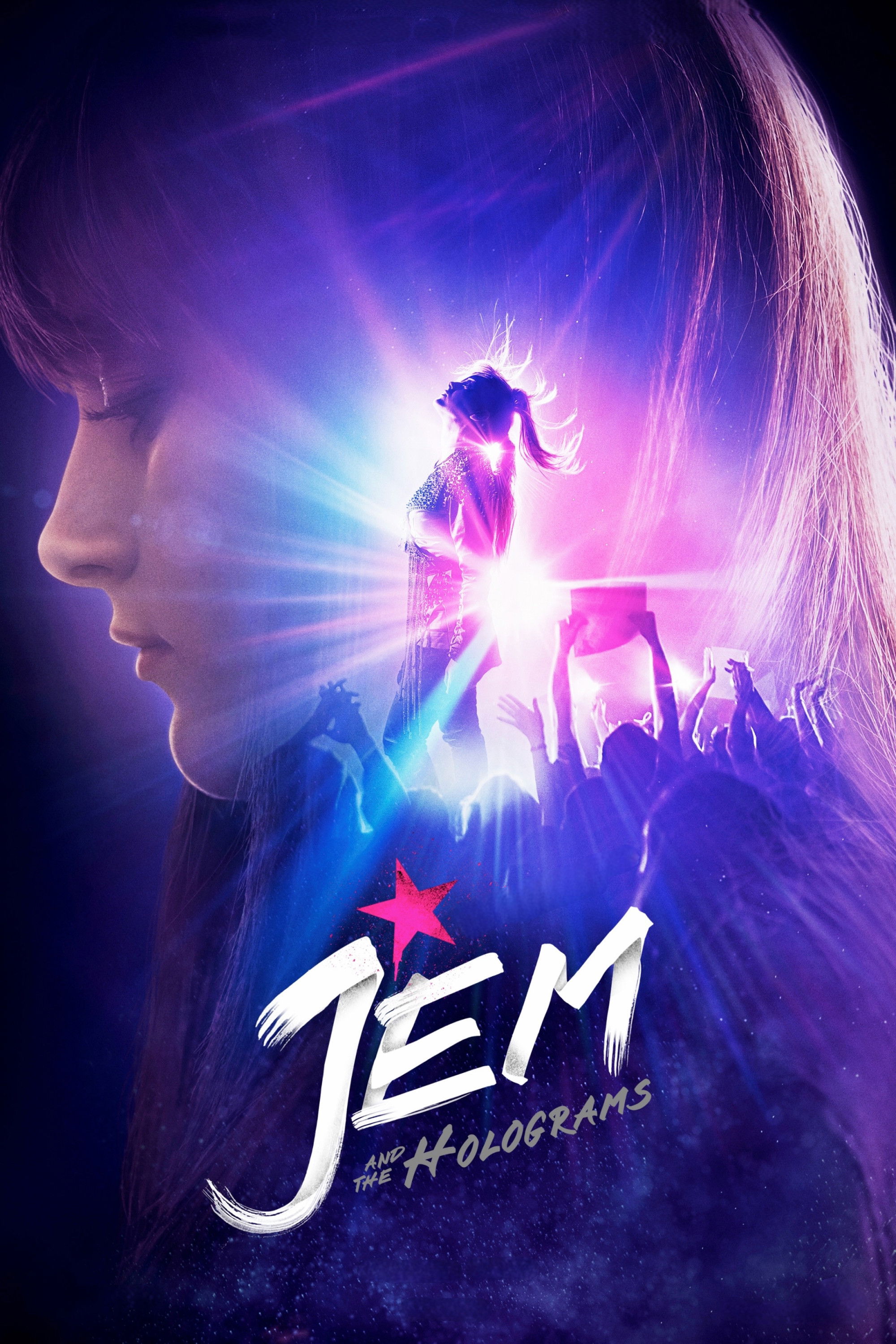
The live-action adaptation of the beloved cartoon stripped away almost everything that made the original special, including its diverse and campy spirit. The character of Shana, a Black drummer, was reduced to a background player with zero personal life or agency. By removing the colorful, inclusive, and subtly queer-coded energy of the source material, the film alienated the built-in fanbase. It was pulled from theaters after just two weeks, standing as one of the biggest flops of the decade.
‘Pacific Rim: Uprising’ (2018)

John Boyega starred in this sequel that failed to live up to the original, and many fans pointed to the lack of chemistry in the forced heterosexual romance. Viewers noted a significantly stronger spark between Boyega’s character and his rival-turned-partner, played by Scott Eastwood, leading to widespread shipping. By ignoring this natural chemistry in favor of a generic, studio-mandated female love interest, the film lost its emotional core. The movie’s generic approach to relationships was a key factor in its critical drubbing and box office disappointment.
‘Haunted Mansion’ (2023)
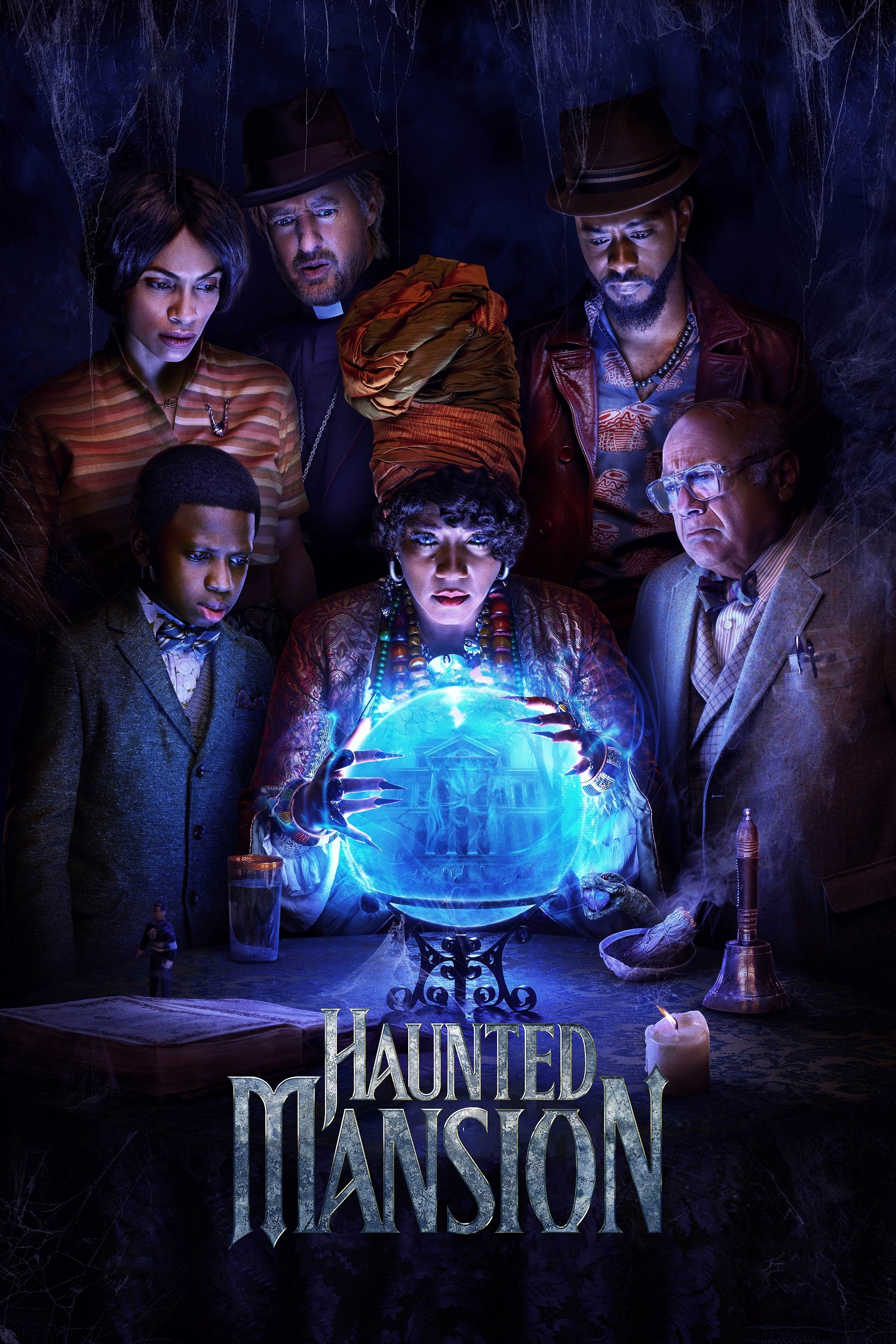
This Disney reboot featured a star-studded cast, including Tiffany Haddish as a psychic, but failed to make an impact at the box office. Haddish, who has played queer characters before, portrayed the psychic with a flamboyant energy that could have easily leaned into a campy, queer-coded performance. However, the script kept her character strictly asexual and functional, missing a chance to add personality and depth. The film was criticized for being a bland, committee-designed product that took no risks with its characters.
‘Respect’ (2021)
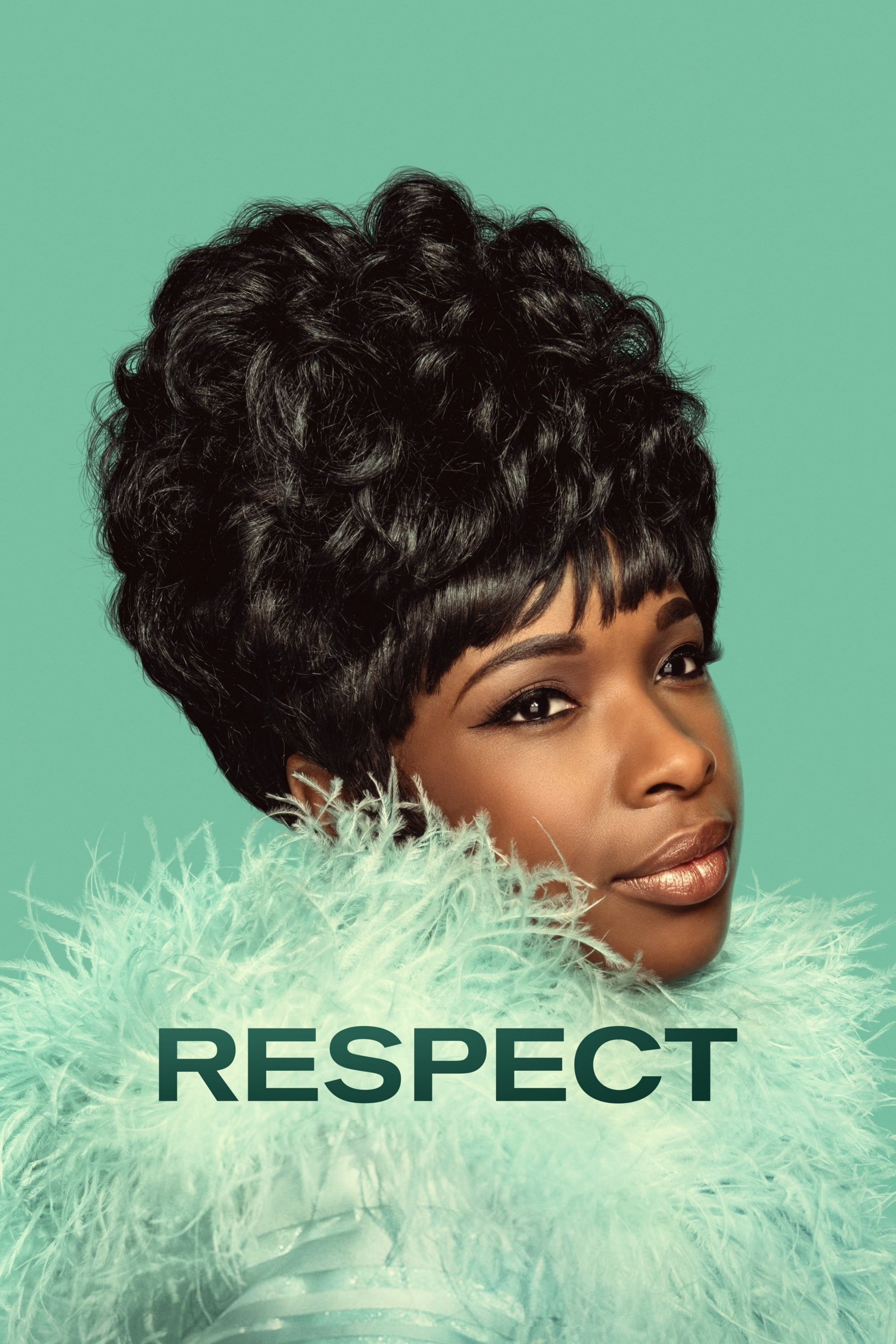
The Aretha Franklin biopic performed modestly but failed to reach the heights of similar films, partly due to a screenplay that felt like a checklist of events. While the film touched on her sisters and family, it shied away from the deeper, messier aspects of the music industry’s intersection with Black queer culture during that era. By keeping the narrative focused strictly on a sanitized version of history, the film felt safe and Oscar-baity without the necessary grit. Audiences seeking a raw, truthful look at the Queen of Soul’s world found the movie too polished and restrained.
‘Spiral: From the Book of Saw’ (2021)

This attempt to revitalize the ‘Saw’ franchise starred Chris Rock and Max Minghella, attempting a gritty buddy-cop dynamic. The film suffered from a lack of emotional stakes, which could have been remedied by exploring a deeper, perhaps obsession-fueled or latent queer bond between the partners before the twist. By sticking to a by-the-numbers procedural relationship, the betrayal in the finale lacked the heartbreaking impact it needed. The movie underperformed, failing to reignite mainstream interest in the horror series.
‘Space Jam: A New Legacy’ (2021)
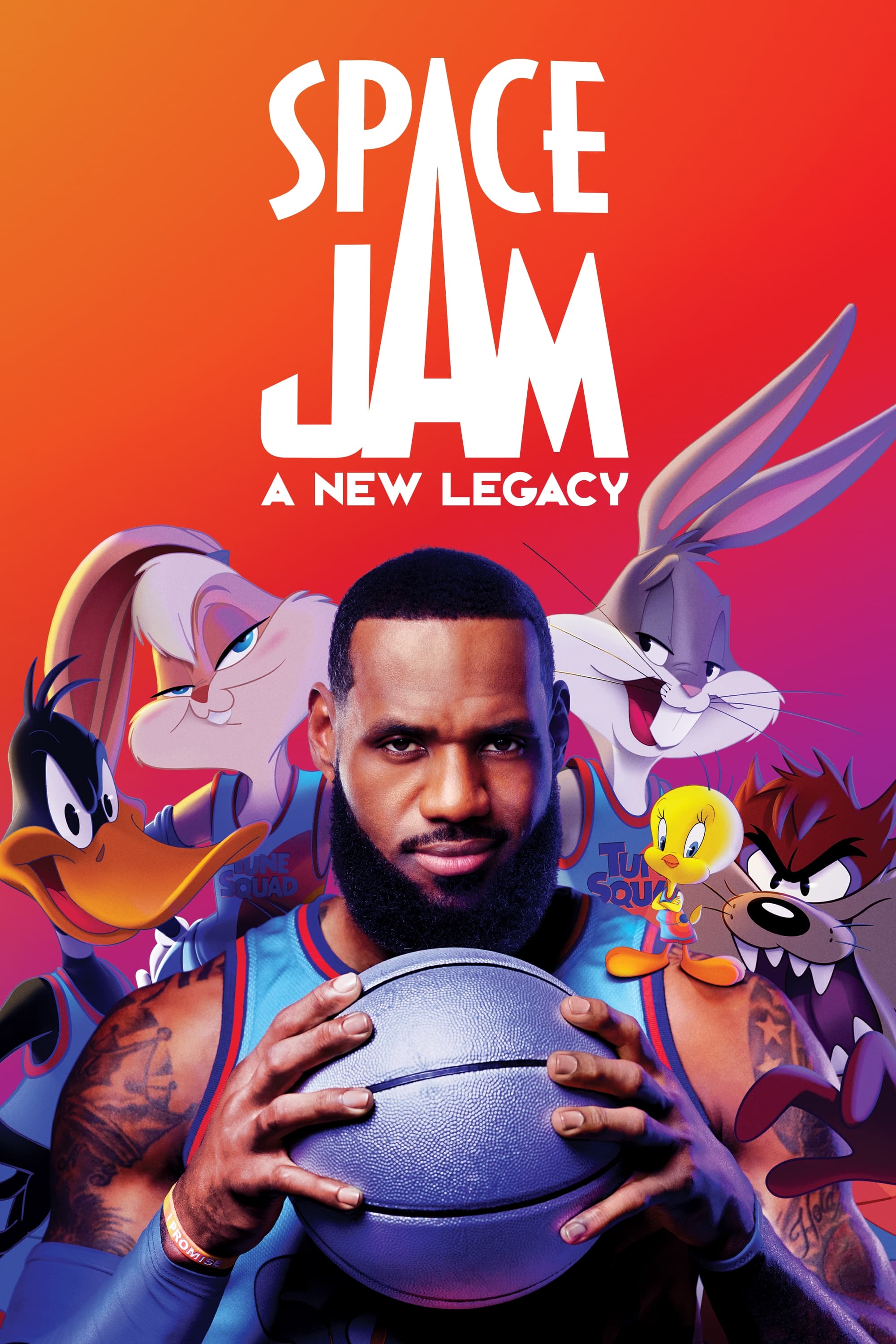
This sequel was criticized for being a soulless advertisement for Warner Bros. intellectual property rather than a cohesive movie. Among its many issues was the desexualization and flattening of characters like Lola Bunny, but also the missed opportunity to modernize the “Looney Tunes” with diverse human counterparts who felt real. The film ignored the vibrant culture of modern basketball fandom, which includes a visible Black queer presence, in favor of a safe, corporate family value structure. The result was a critical disaster that failed to connect with the original’s cult following.
‘All Eyez on Me’ (2017)
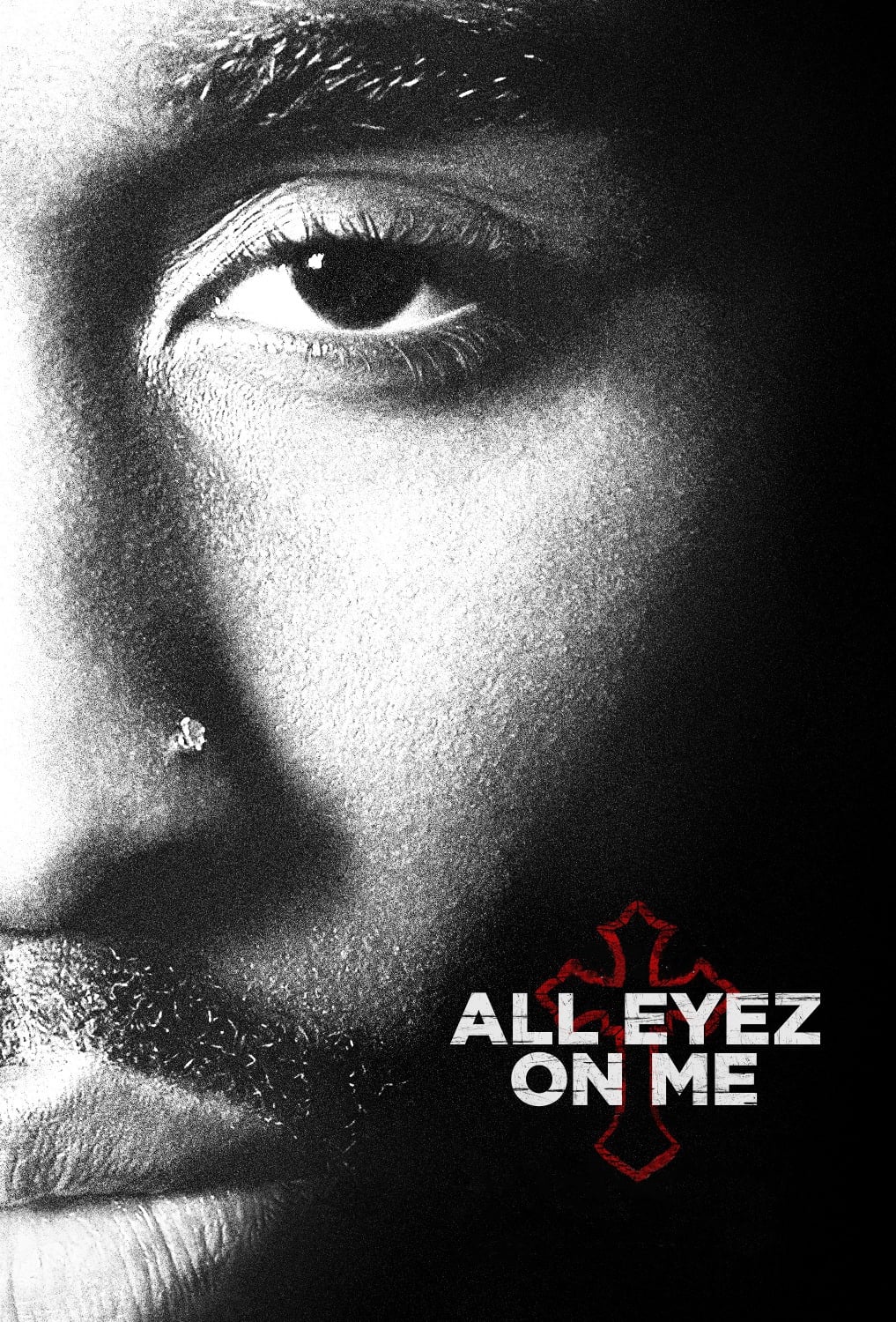
The Tupac Shakur biopic was universally panned for its poor acting, factual inaccuracies, and lack of nuance. The film completely ignored the complexities of the hip-hop world’s relationship with sexuality and masculinity, presenting a one-dimensional view of the rapper. By failing to engage with the more fluid and complex gender politics of the 90s rap scene, the movie felt like a caricature. It flopped with critics and failed to earn the respect of the community it tried to depict.
‘Alien: Covenant’ (2017)
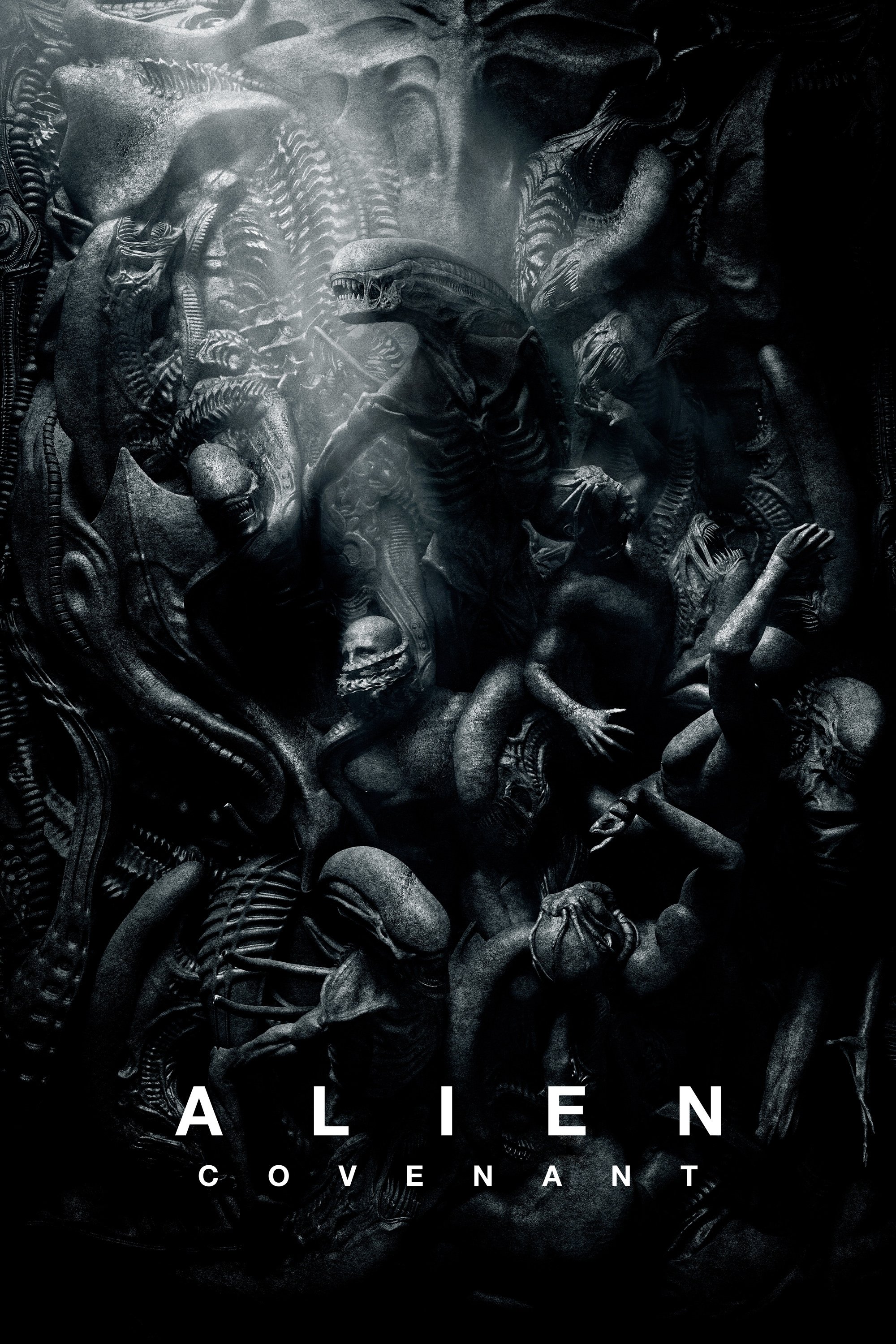
While this film featured a gay couple, played by Demián Bichir and Nathaniel Dean, their relationship was barely established before they were killed off. Bichir’s character, a sergeant, had the potential to be a strong, protective Black (Afro-Mexican) queer figure in a major sci-fi franchise. Instead, the studio cut any meaningful development of their bond, reducing their inclusion to mere tokenism that had no emotional weight. The film underperformed at the box office, putting the future of the franchise in limbo for years.
Share your thoughts on which of these cut storylines hurt the movies the most in the comments.