14 Films That Cast Light-Skinned Actors and Then Called It Out In-Universe


Casting directors often choose light-skinned actors for specific narrative purposes regarding racial identity and societal integration. These films utilize the physical appearance of their cast members to explore complex themes like colorism and the phenomenon of passing. The script usually addresses the skin tone of the character explicitly to drive conflict or reveal hidden backstories. Such creative choices force the audience and the characters to confront prejudices that exist within and outside specific communities.
‘Imitation of Life’ (1959)
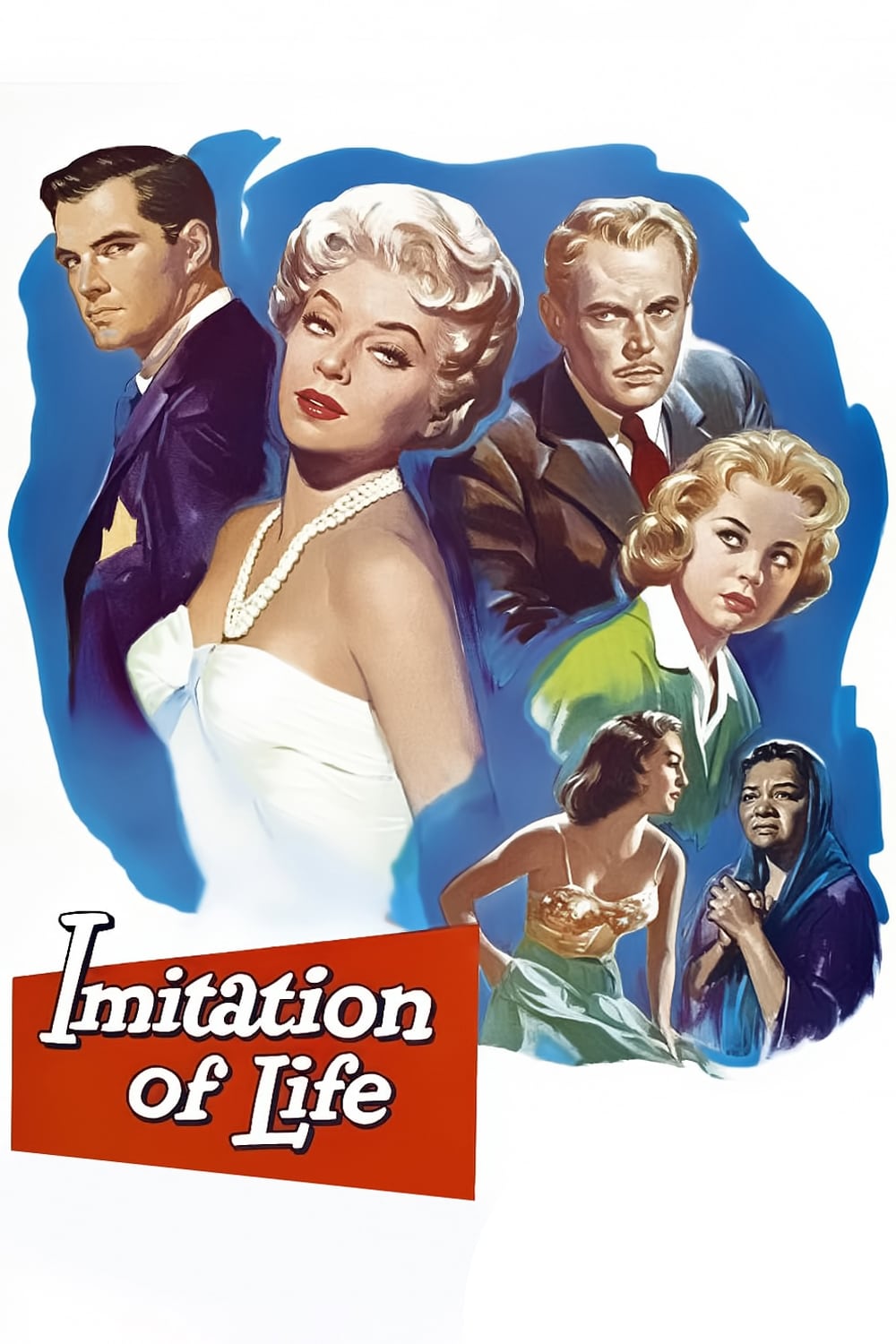
This melodrama focuses on the relationship between a white actress and her Black housekeeper named Annie. Annie has a daughter named Sarah Jane who appears white but is biologically Black. The film centers on Sarah Jane rejecting her heritage and attempting to pass as white in society. Her light skin allows her to access opportunities denied to her mother while creating a tragic rift between them.
‘Passing’ (2021)
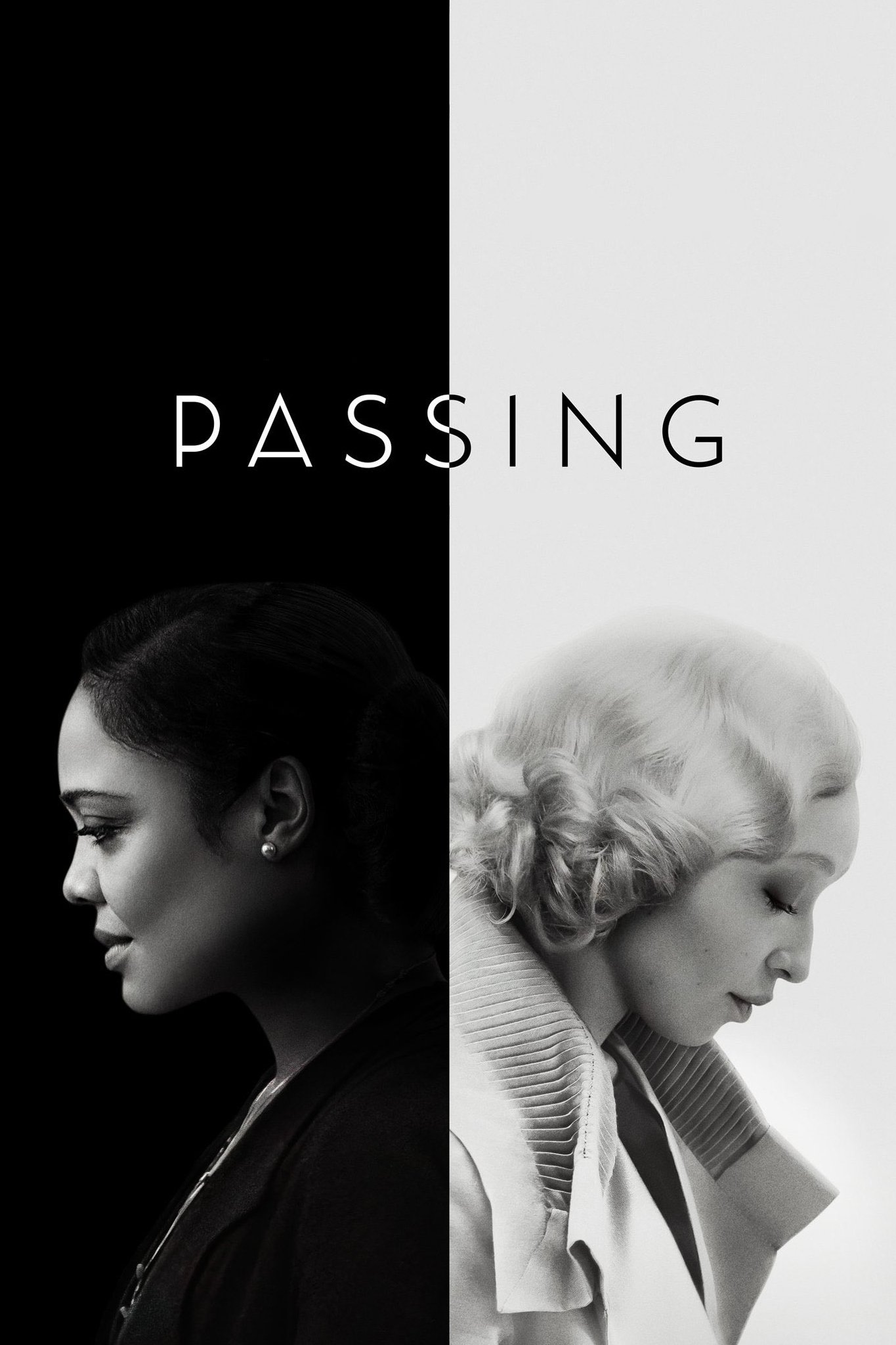
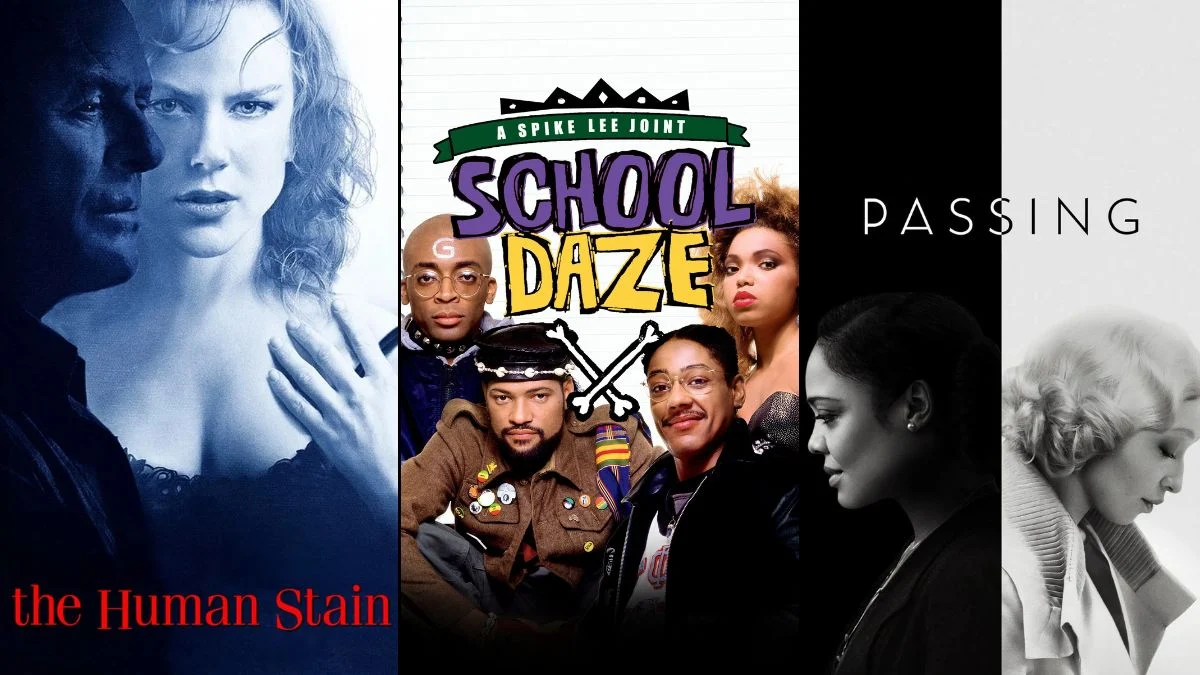
Rebecca Hall directs this adaptation of the Nella Larsen novel about two childhood friends who reunite in 1920s New York. Ruth Negga plays Clare and Tessa Thompson plays Irene while both women navigate the complexities of their mixed heritage. Clare chooses to live her life passing as a white woman and marries a wealthy racist who is unaware of her background. The film uses the contrast between the two women to examine the safety and danger inherent in racial performance.
‘School Daze’ (1988)

Spike Lee sets this musical drama at a historically Black college to satirize internal community tensions. The plot highlights the conflict between the Wannabes who are light-skinned sorority sisters and the Jigaboos who have darker skin and natural hair. Tisha Campbell stars as the leader of the Wannabes and frequently clashes with the other students over beauty standards. The dialogue explicitly debates the social hierarchy based on complexion and hair texture within the student body.
‘Devil in a Blue Dress’ (1995)
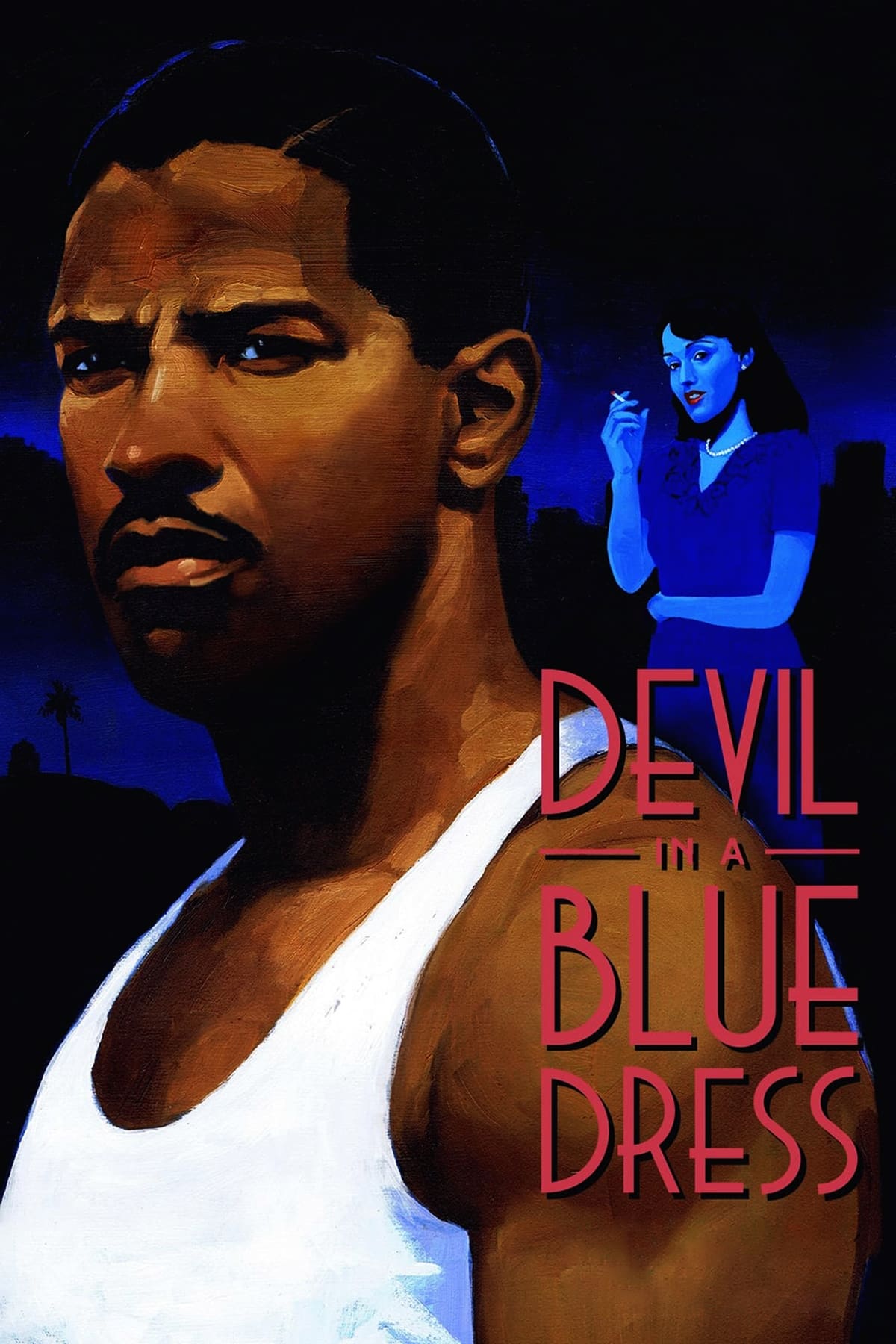
Jennifer Beals plays the mysterious Daphne Monet in this noir thriller set in 1948 Los Angeles. The protagonist Easy Rawlins searches for Daphne after she disappears from the prominent circles of the city. The plot eventually reveals that Daphne is a mixed-race woman passing as white to maintain her relationship with a wealthy politician. Her racial identity serves as the central twist that explains the danger surrounding her character.
‘The Human Stain’ (2003)
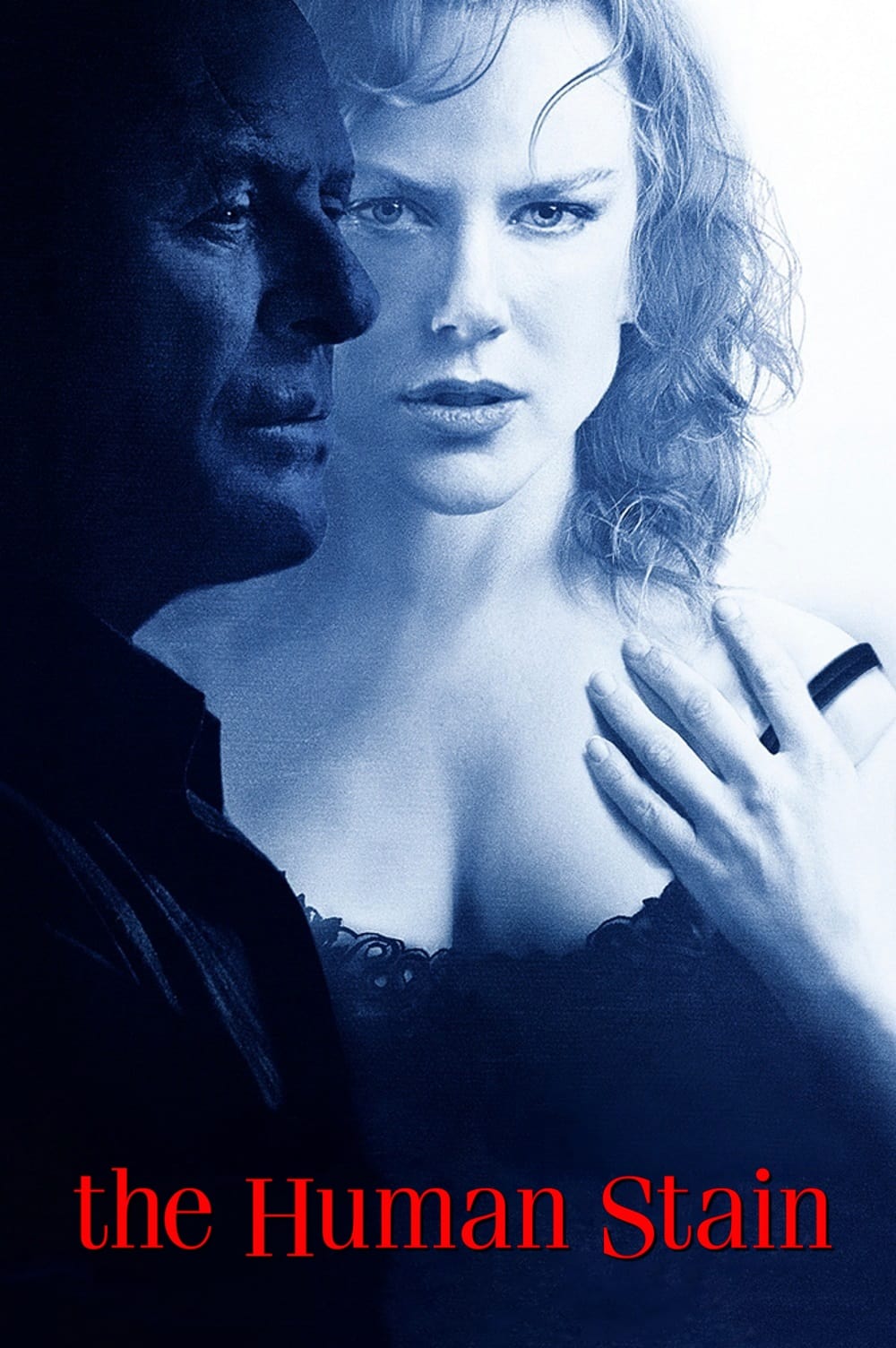
Anthony Hopkins and Wentworth Miller share the role of Coleman Silk at different ages. The character is a dean at a college who faces accusations of racism despite secretly being a Black man passing as Jewish. Flashbacks show the younger Silk making the conscious decision to abandon his family and heritage to avoid racial barriers. The movie treats his light skin as a tool he uses to construct an entirely new identity.
‘Dear White People’ (2014)

Tessa Thompson stars as Sam White and leads a campus radio show that critiques white culture at a fictional university. Sam faces criticism from both white and Black students regarding her own biracial identity and light skin. Her boyfriend and peers often question her authenticity and her radical political stance given her mixed background. The narrative uses her character to discuss the complexity of being a leader in a movement while straddling two worlds.
‘Pinky’ (1949)
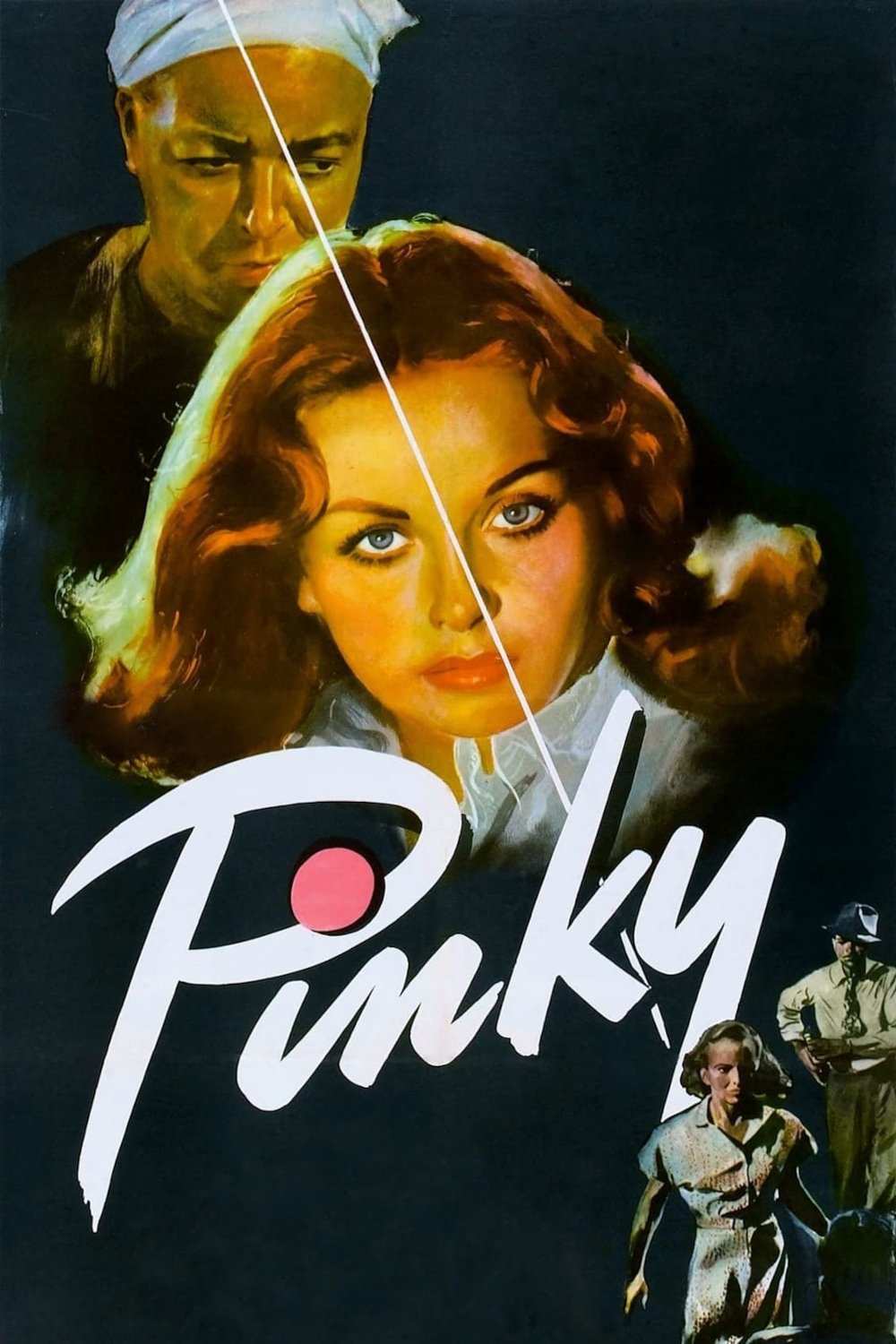
Jeanne Crain portrays the title character who is a light-skinned Black woman returning to the South after passing as white in the North. She faces immediate legal and social persecution once her true heritage becomes known to the local community. The film dramatizes the stark difference in how she is treated depending on whether people perceive her as white or Black. This classic drama plays heavily on the visual ambiguity of the lead actress to sell the narrative of racial injustice.
‘Belle’ (2013)

Gugu Mbatha-Raw plays the real-life figure Dido Elizabeth Belle who was the mixed-race daughter of a British admiral. Raised by her aristocratic great-uncle in 18th-century England, she occupies a confusing social position due to her skin color. The dialogue frequently addresses her inability to dine with high society despite her wealth and upbringing. Her physical appearance becomes a focal point for the legal case her uncle presides over regarding the slave trade.
‘Precious’ (2009)

Paula Patton plays Ms. Rain and serves as a compassionate teacher for the troubled protagonist. The abusive mother of the main character attacks Ms. Rain verbally by mocking her lighter skin tone. These insults reflect the deep-seated resentment and colorism harboring within the mother’s worldview. The film uses this dynamic to contrast the teacher’s perceived privilege with the grim reality of her student’s home life.
‘Show Boat’ (1951)
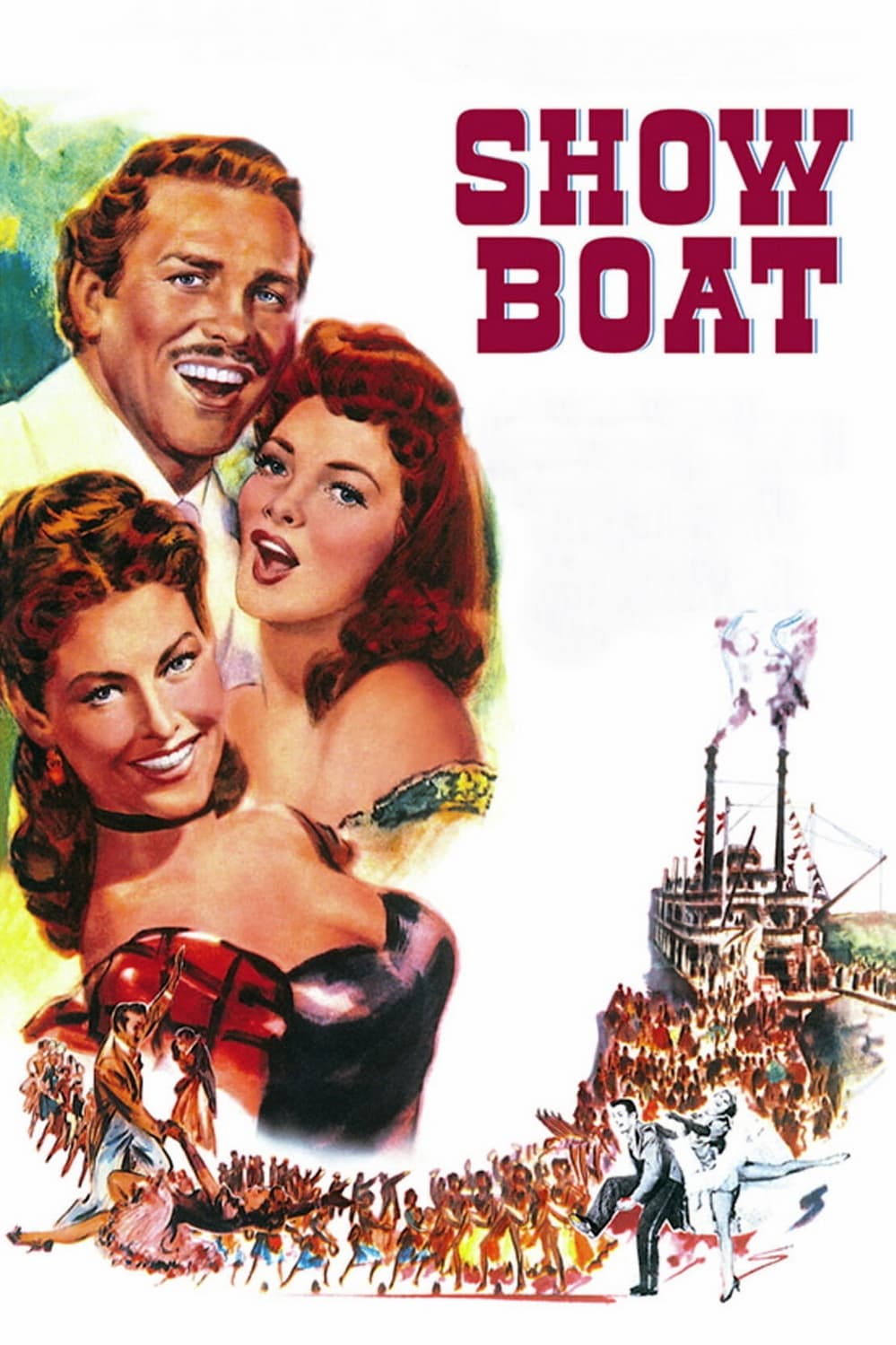
Ava Gardner plays Julie LaVerne and stars as a leading lady on a Mississippi riverboat. Her career and marriage unravel when a jealous crew member reveals that she has Black ancestry. The sheriff enforces anti-miscegenation laws because her husband is white and she is legally considered Black despite her appearance. The entire tragic arc of her character hinges on the revelation of her bloodline contradicting her public persona.
‘Do the Right Thing’ (1989)
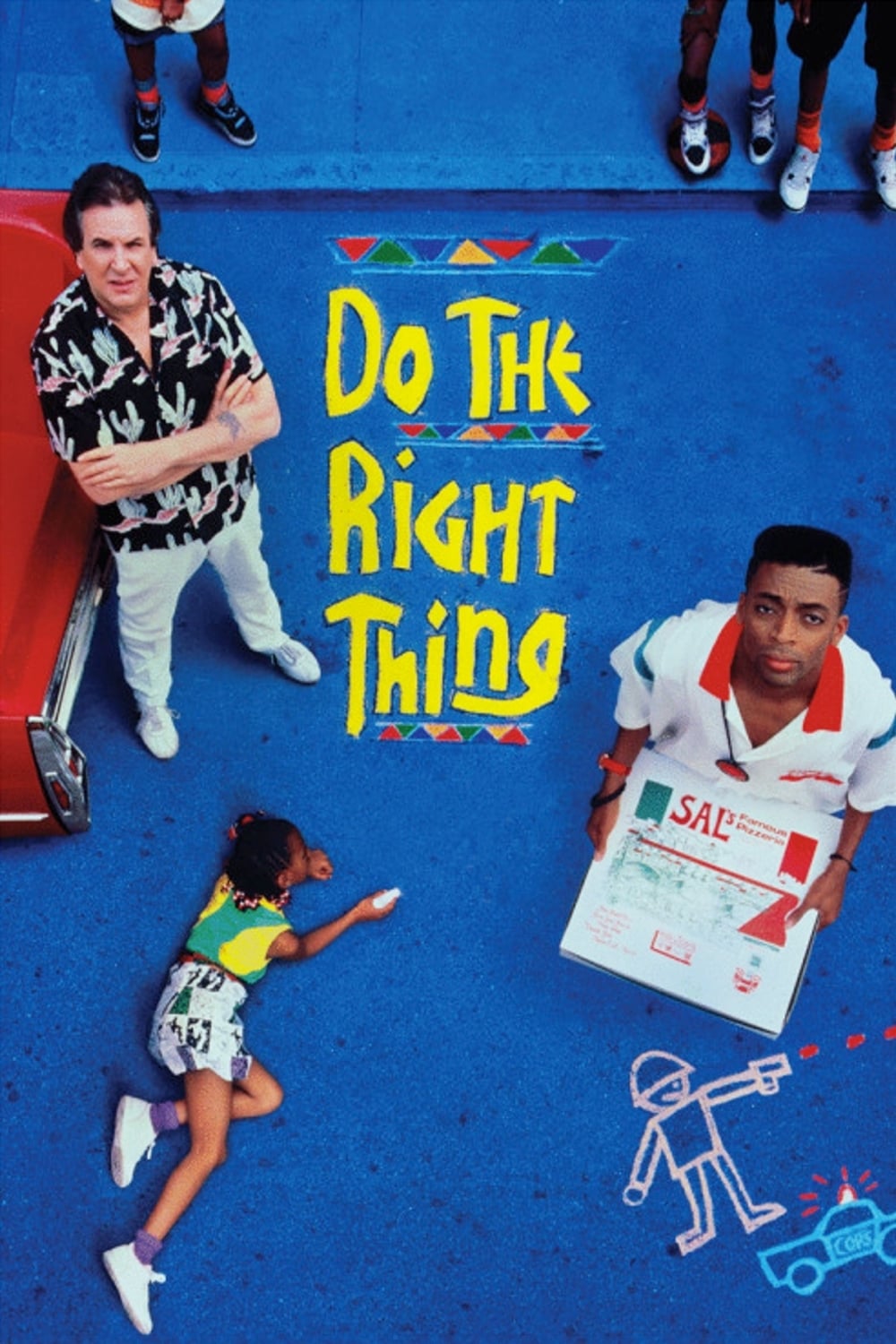
Joie Lee plays Jade and finds herself the target of colorist remarks from a character named Buggin’ Out. He criticizes her for her light skin and green eyes while suggesting she thinks she is superior to the rest of the neighborhood. Jade defends her blackness and rejects his attempts to police her identity based on her features. This interaction provides a brief but sharp commentary on the internal policing of race within the community.
‘Shadows’ (1959)
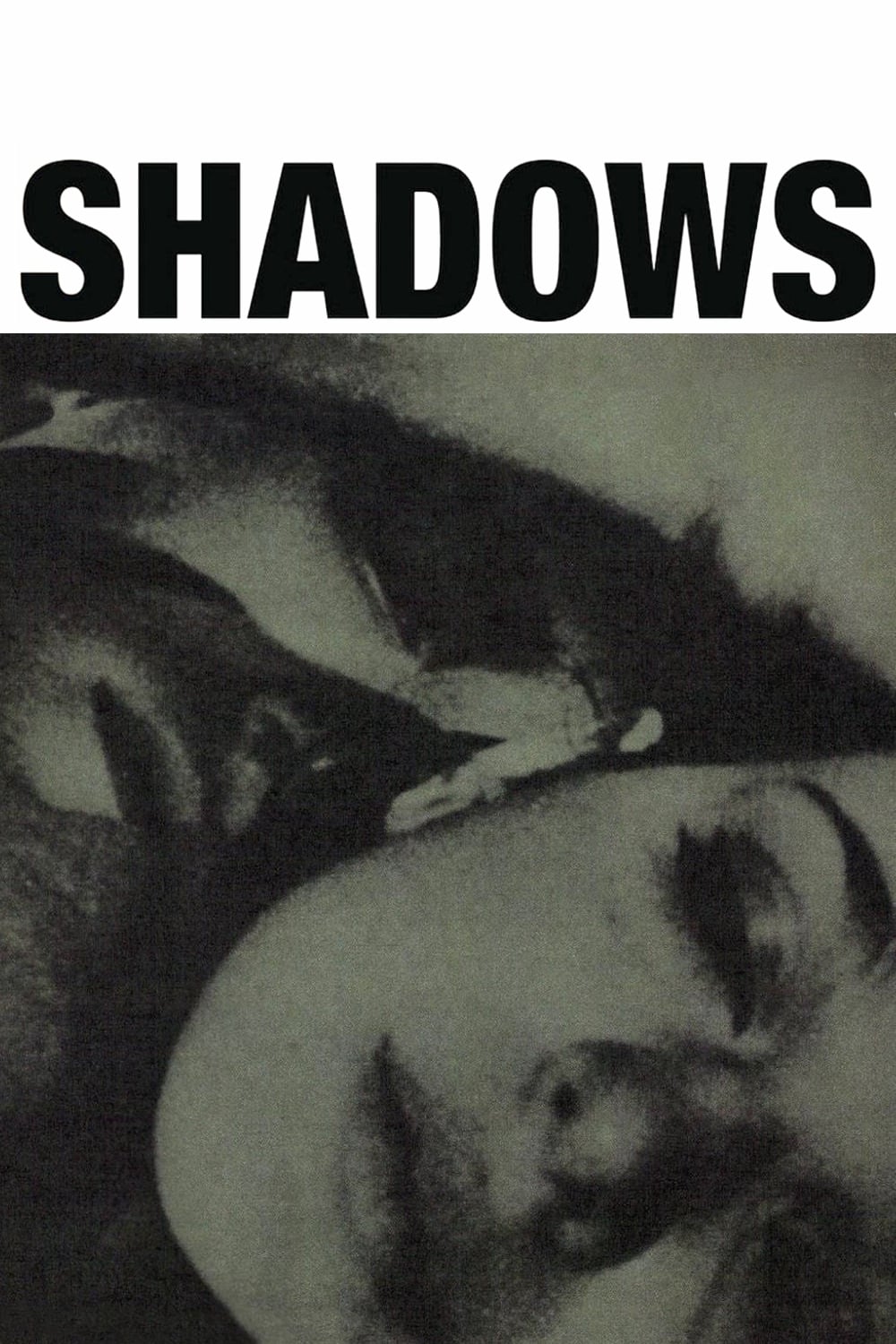
John Cassavetes directs this improvisational film about three Black siblings with varying skin tones in Manhattan. One brother looks clearly Black while his sister and younger brother can pass for white. The sister navigates a romantic relationship with a white man who reacts with shock upon meeting her darker brother. The film explores how the different complexions of the siblings dictate their disparate experiences with racism and social acceptance.
‘Get on the Bus’ (1996)
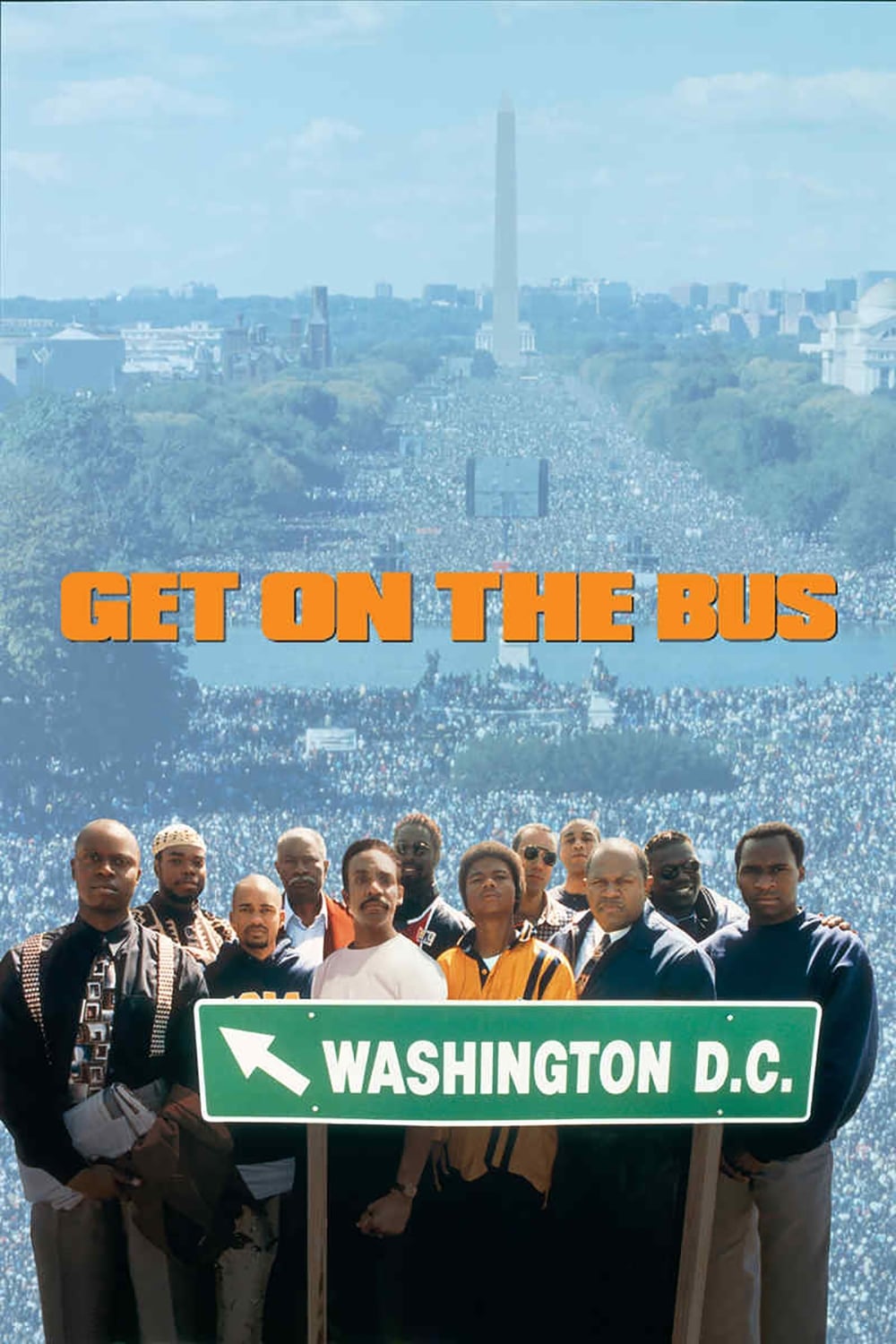
Roger Guenveur Smith plays a light-skinned police officer named Gary traveling to the Million Man March. He engages in a heated debate with a darker-skinned activist who questions his loyalty and understanding of the Black experience. The script uses their confrontation to air grievances about privilege and the different ways police profiling affects men of different shades. This conflict serves as a microcosm for the diversity of thought and experience on the bus.
‘Band of Angels’ (1957)
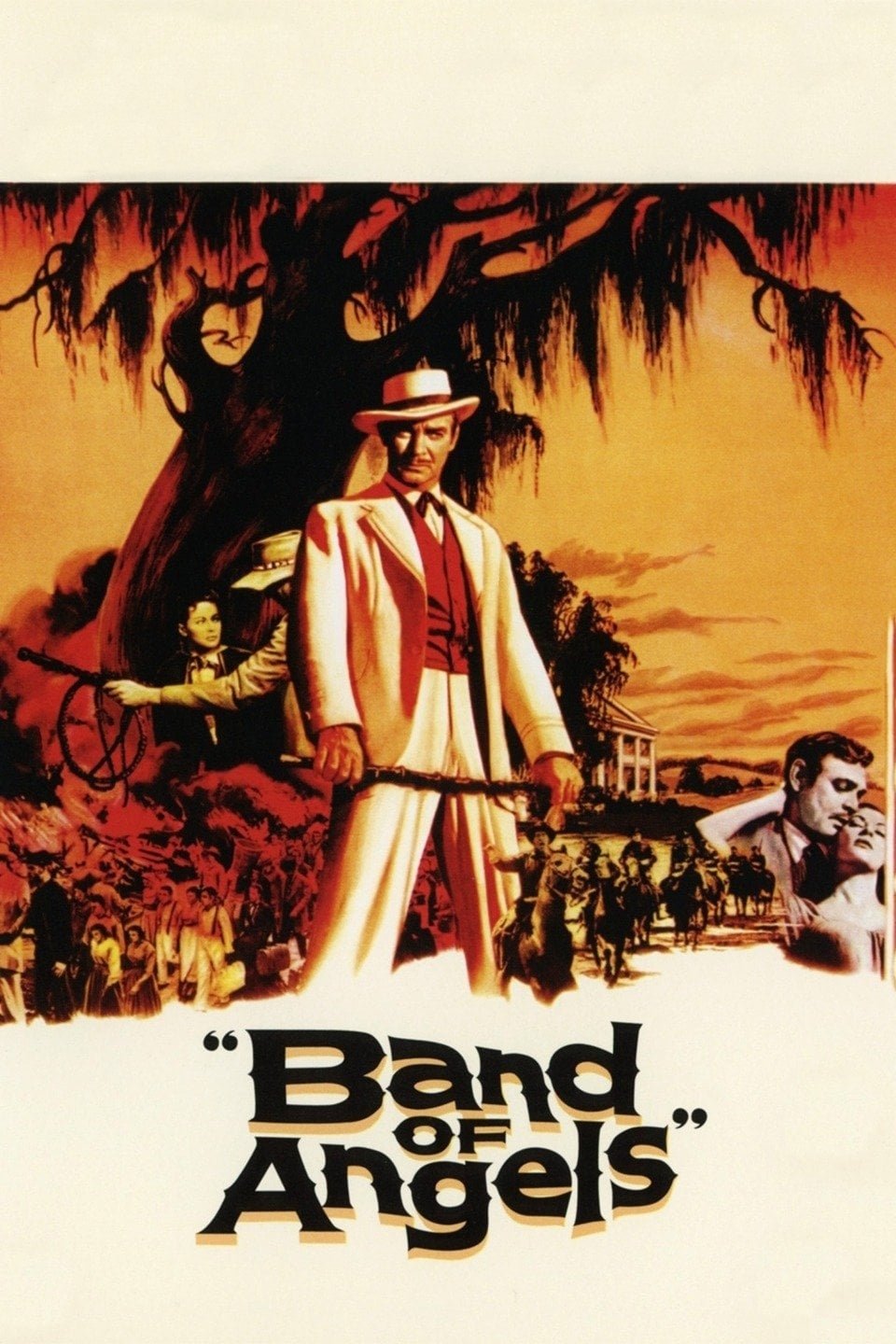
Yvonne De Carlo stars as Amantha Starr who lives as a privileged southern belle until her father dies. The revelation that her mother was a slave instantly strips Amantha of her status and freedom. She is sold into slavery because her debts and lineage define her as property despite her white appearance. The story relies on the horror of her sudden transition from high society to bondage based solely on a secret of birth.
Please share your favorite examples of this casting dynamic in the comments.