20 Movies That Hid an Entire Gay Subplot in Plain Sight



Queer coding has been a significant part of cinema history since the early days of the medium. Filmmakers often utilized subtext to bypass strict censorship laws or to add layers of complexity to character dynamics. Audiences have long learned to read between the lines to find representation in stories that could not be told openly. These films feature relationships and themes that strongly suggest a gay subplot beneath the surface narrative.
‘Ben-Hur’ (1959)

Screenwriter Gore Vidal famously claimed he wrote the relationship between Judah Ben-Hur and Messala as a broken romantic affair. The actors play their reunion scene with an intensity that suggests a lovers quarrel rather than just a political disagreement. Charlton Heston was reportedly unaware of this subtext while Stephen Boyd played into it explicitly. This hidden dynamic explains the deep hatred that fuels the iconic chariot race.
‘Rebel Without a Cause’ (1955)
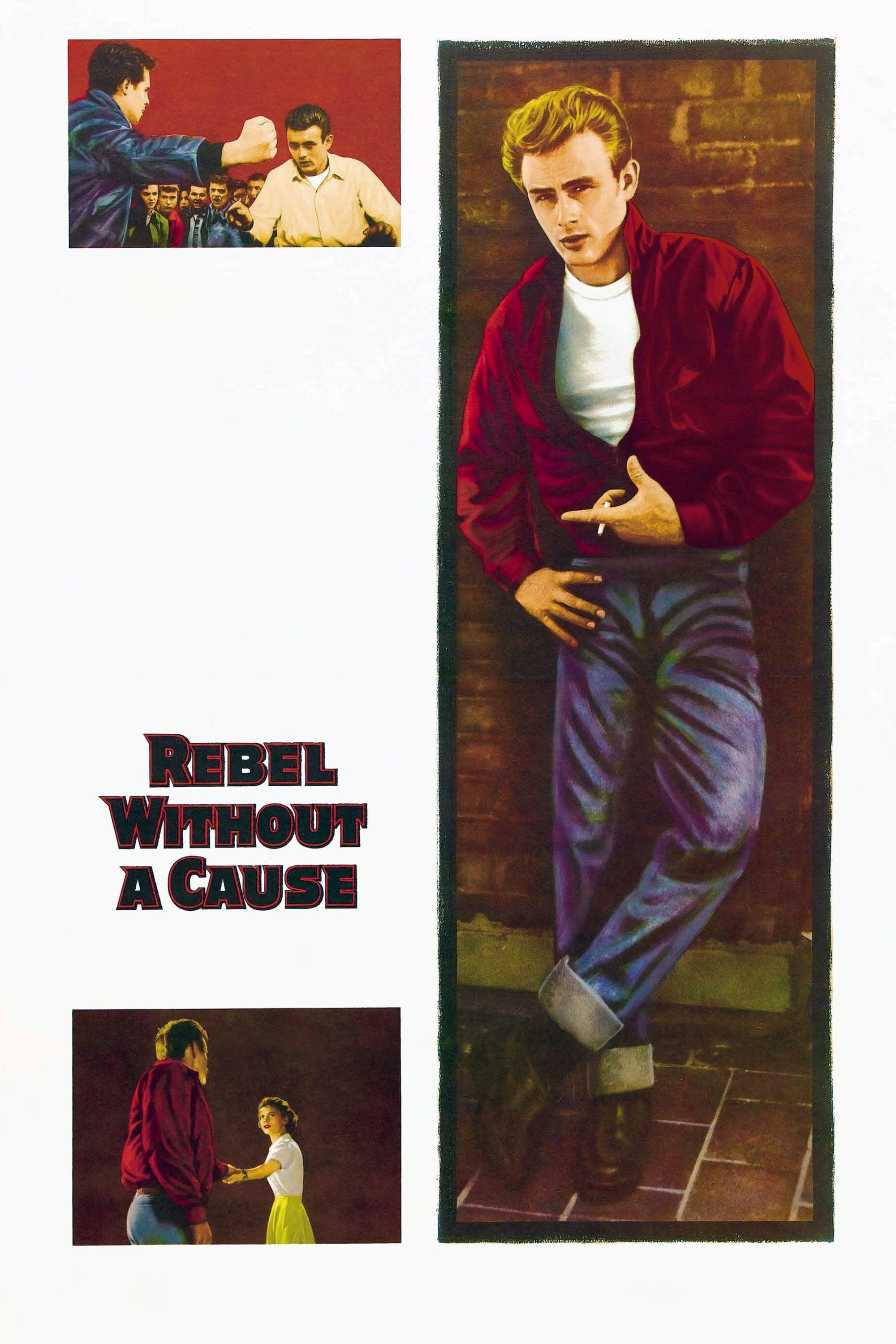
Sal Mineo plays the character Plato who forms a deep attachment to James Dean’s character Jim Stark. Plato keeps a picture of Alan Ladd in his locker and views Jim as a father figure or potential partner. Director Nicholas Ray instructed Mineo to play the role with a specific romantic longing in mind. This emotional undercurrent drives the tragic conclusion of the film.
‘Rope’ (1948)
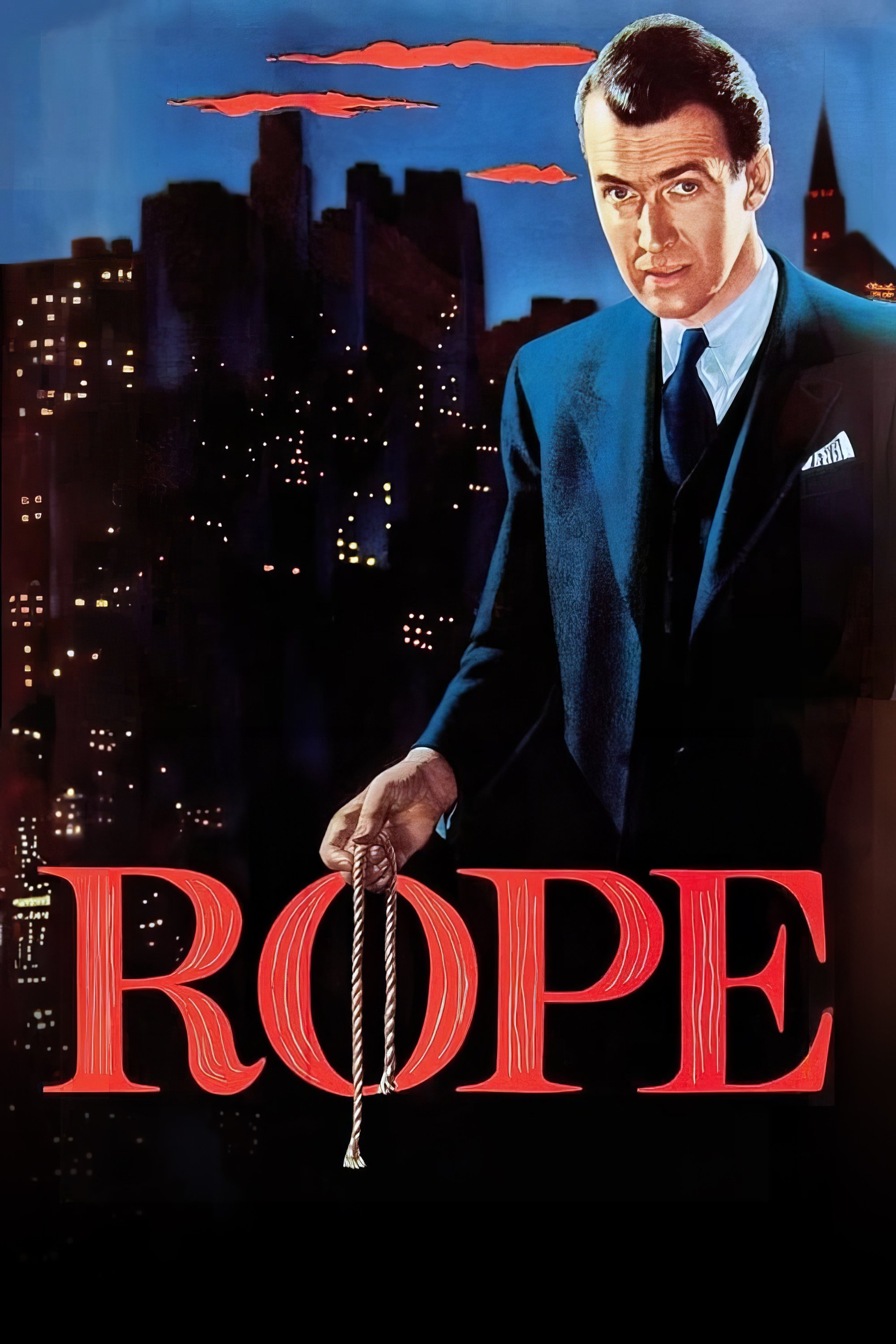
Alfred Hitchcock adapted this thriller from a play based on the real Leopold and Loeb case. Brandon and Phillip murder a classmate and hide his body in a chest used as a buffet table during a party. The tension between the two leads suggests a romantic relationship that could not be explicitly stated due to censorship codes. Their intellectual superiority complex serves as a bond that transcends mere friendship.
‘Top Gun’ (1986)
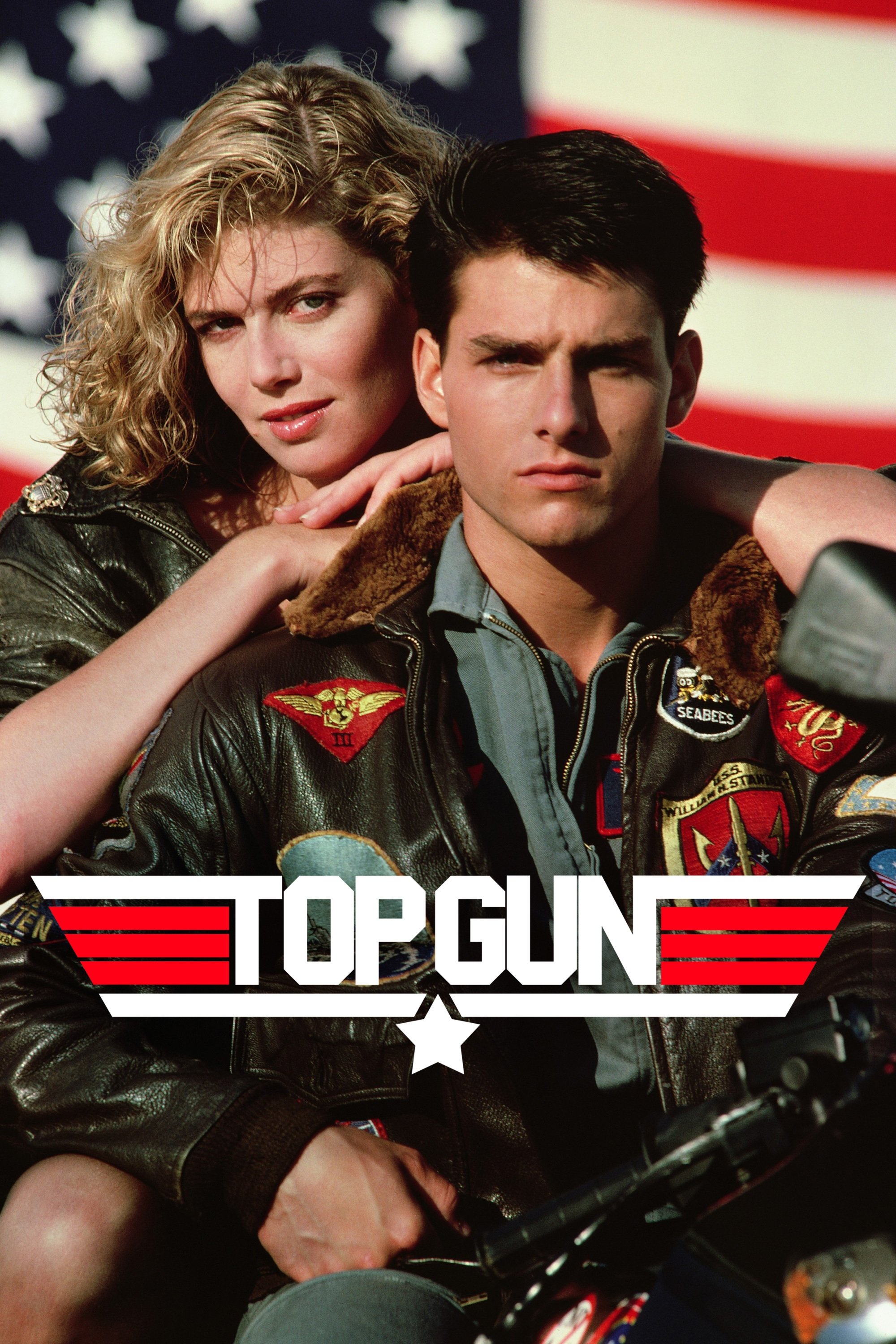
Maverick and Iceman share a rivalry that borders on obsession throughout their training at the naval fighter weapons school. Many critics point to the famous volleyball scene as a moment where the camera focuses heavily on the physiques of the pilots. The narrative structure follows romantic comedy tropes where the two leads start as enemies and end as partners. Quentin Tarantino later popularized this reading by describing the film as a story about a man struggling with his own identity.
‘A Nightmare on Elm Street Part 2: Freddy’s Revenge’ (1985)
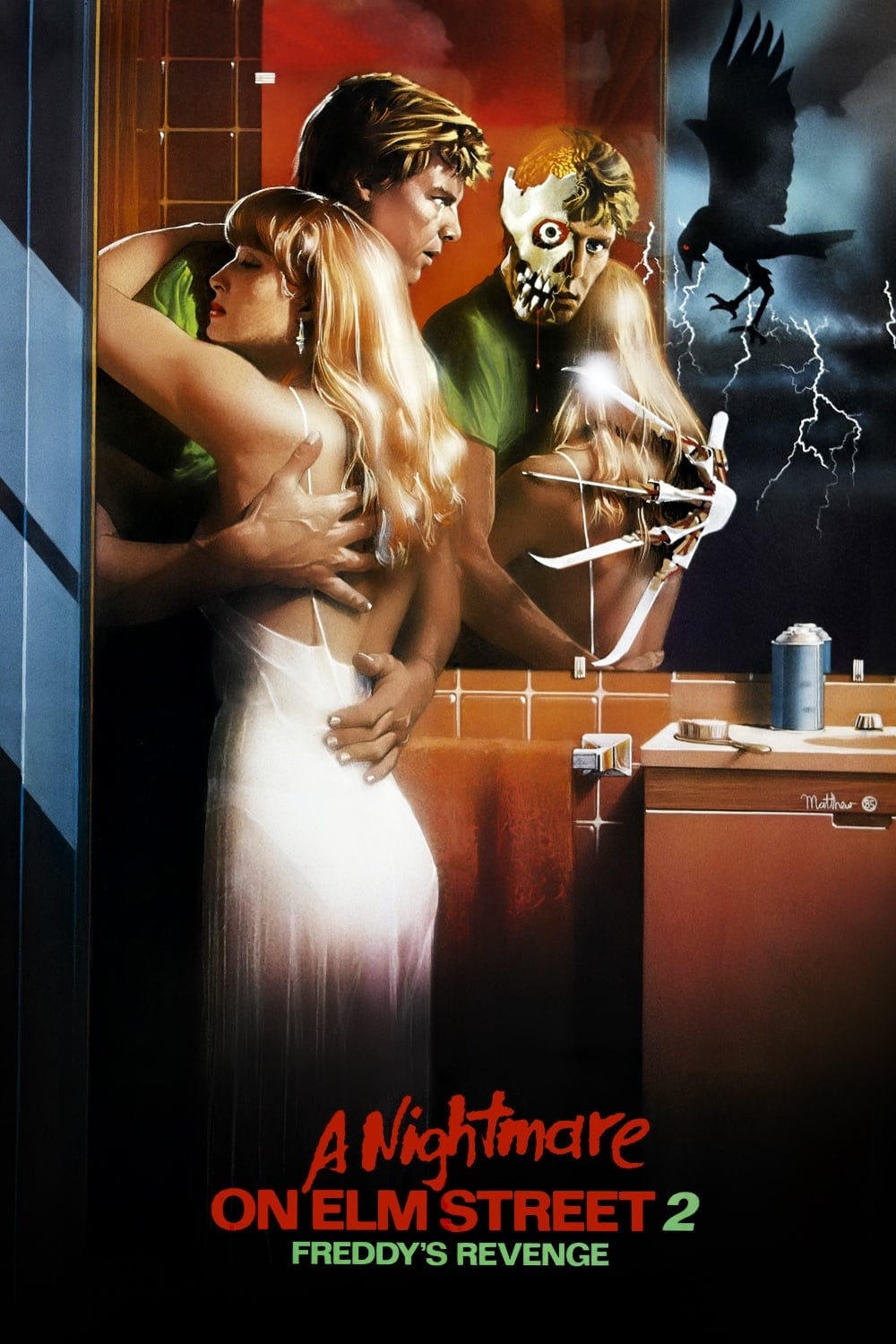
Jesse Walsh experiences strange phenomena as Freddy Krueger attempts to possess his body. The film features numerous scenes set in leather bars and locker rooms that allude to repressed desires. Screenwriter David Chaskin eventually confirmed that the script was intended to reflect the anxiety of coming out. It is now considered one of the most significant queer horror films of the decade.
‘Fried Green Tomatoes’ (1991)
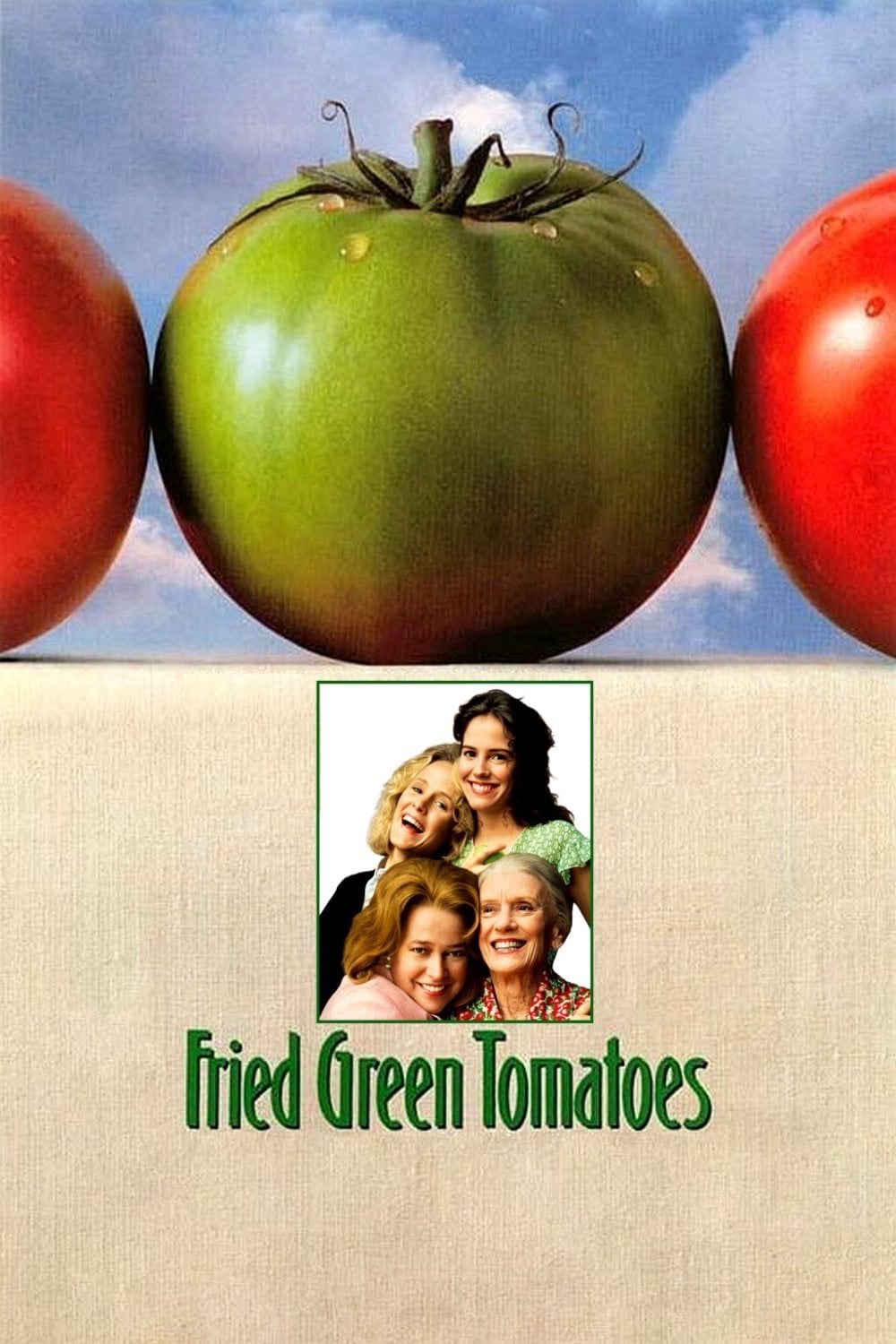
The relationship between Idgie Threadgoode and Ruth Jamison serves as the emotional core of the story. While the novel makes their romance explicit the film portrays it as an intensely devoted friendship. They raise a child together and run a business while protecting each other from abusive men. This erasure of explicit labels barely conceals the life partnership at the center of the narrative.
‘Interview with the Vampire’ (1994)

Louis and Lestat form an eternal bond that mimics a toxic marriage after Lestat turns Louis into a vampire. They adopt a young girl named Claudia to complete their unconventional family unit. The homoerotic tension creates a gothic atmosphere where blood exchange serves as a metaphor for intimacy. Brad Pitt and Tom Cruise play the characters with a magnetic attraction that drives the centuries-spanning plot.
‘The Talented Mr. Ripley’ (1999)
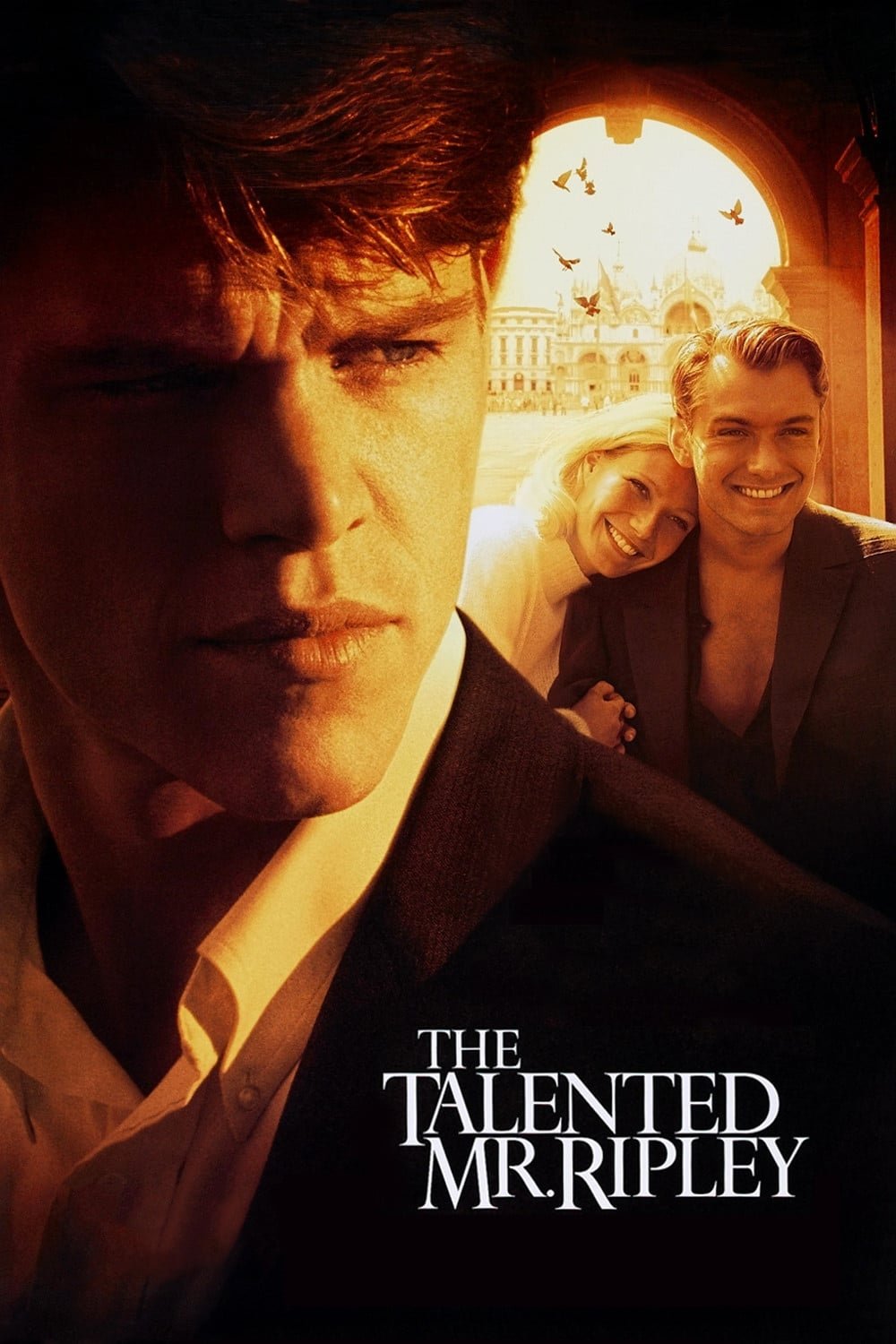
Tom Ripley becomes obsessed with the charismatic Dickie Greenleaf after being sent to Italy to retrieve him. Ripley imitates Dickie and eventually tries to take over his life completely. The film suggests that the motivation for the crimes is rejected affection rather than simple greed. This adaptation leans into the queer subtext of the Patricia Highsmith novel more than previous versions.
‘Fight Club’ (1999)

The Narrator creates Tyler Durden as an idealized version of himself to escape a mundane existence. Their relationship explores the boundaries of male bonding and physical intimacy through violence. Many scholars view the film as a satire of toxic masculinity and repressed urges. The twist ending recontextualizes their connection as a desperate internal struggle for self-acceptance.
‘Bend It Like Beckham’ (2002)

Jess and Jules bond over their shared passion for football despite cultural pressure to conform to traditional feminine roles. Their chemistry on and off the field leads many viewers to interpret their connection as romantic. Keira Knightley and Parminder Nagra display a closeness that often overshadows the heterosexual love interests introduced later. The original script actually intended for the two women to end up together.
‘Sherlock Holmes’ (2009)
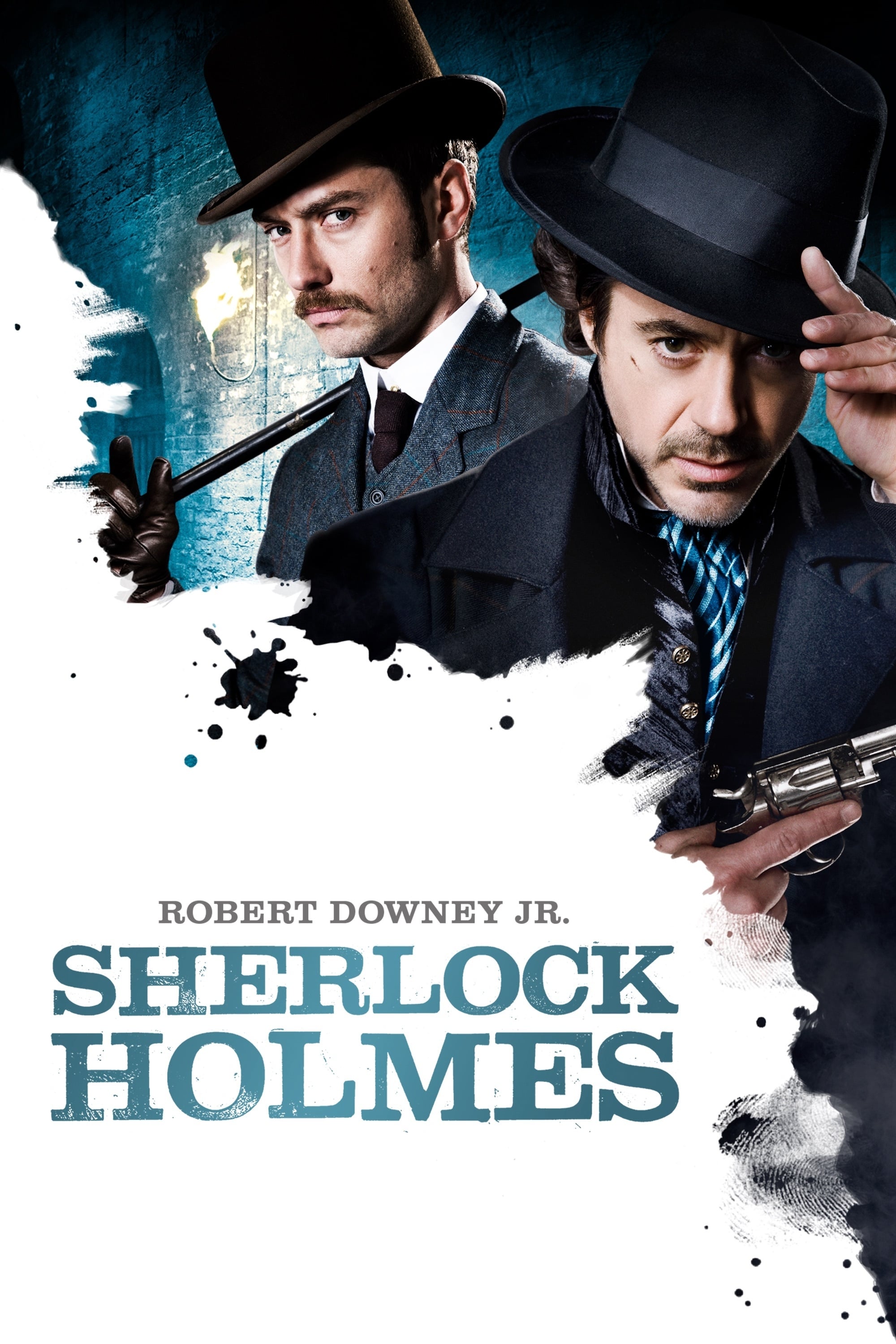
Guy Ritchie reimagined the famous detective duo with a focus on their codependent relationship. Holmes frequently sabotages Watson’s engagement to Mary Morstan out of jealousy and fear of abandonment. The bickering and physical closeness suggest a partnership that goes beyond professional duty. Robert Downey Jr. played the character with a flamboyant energy that highlighted his fixation on Watson.
‘Jennifer’s Body’ (2009)
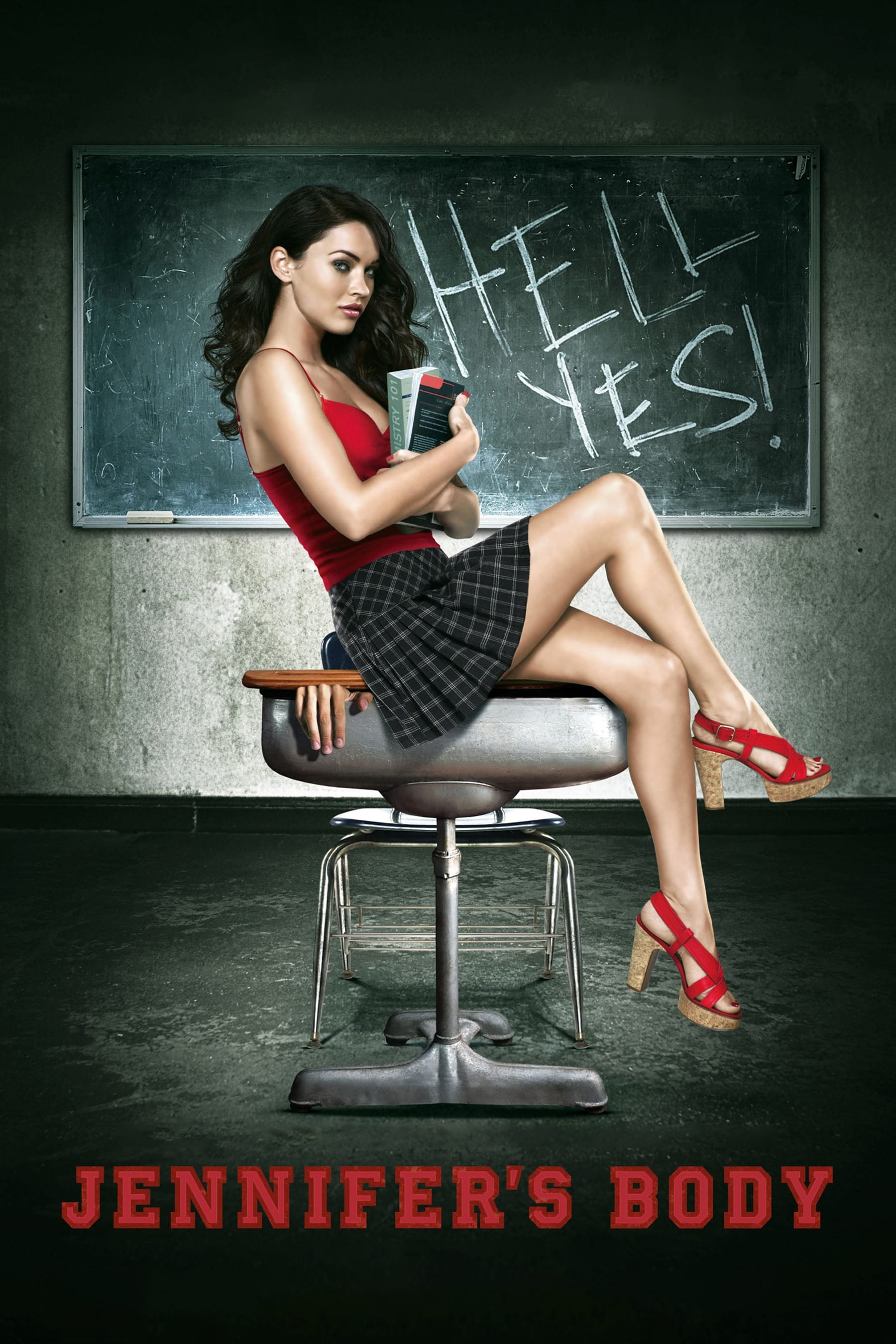
Needy Lesnicki is entirely devoted to her best friend Jennifer Check even after Jennifer becomes a succubus. The film explores the intensity of female friendship that blurs the line into romance. A specific kissing scene between the two leads confirms the underlying physical attraction. The script uses demonic possession as a metaphor for the toxic nature of their co-dependent bond.
‘Point Break’ (1991)
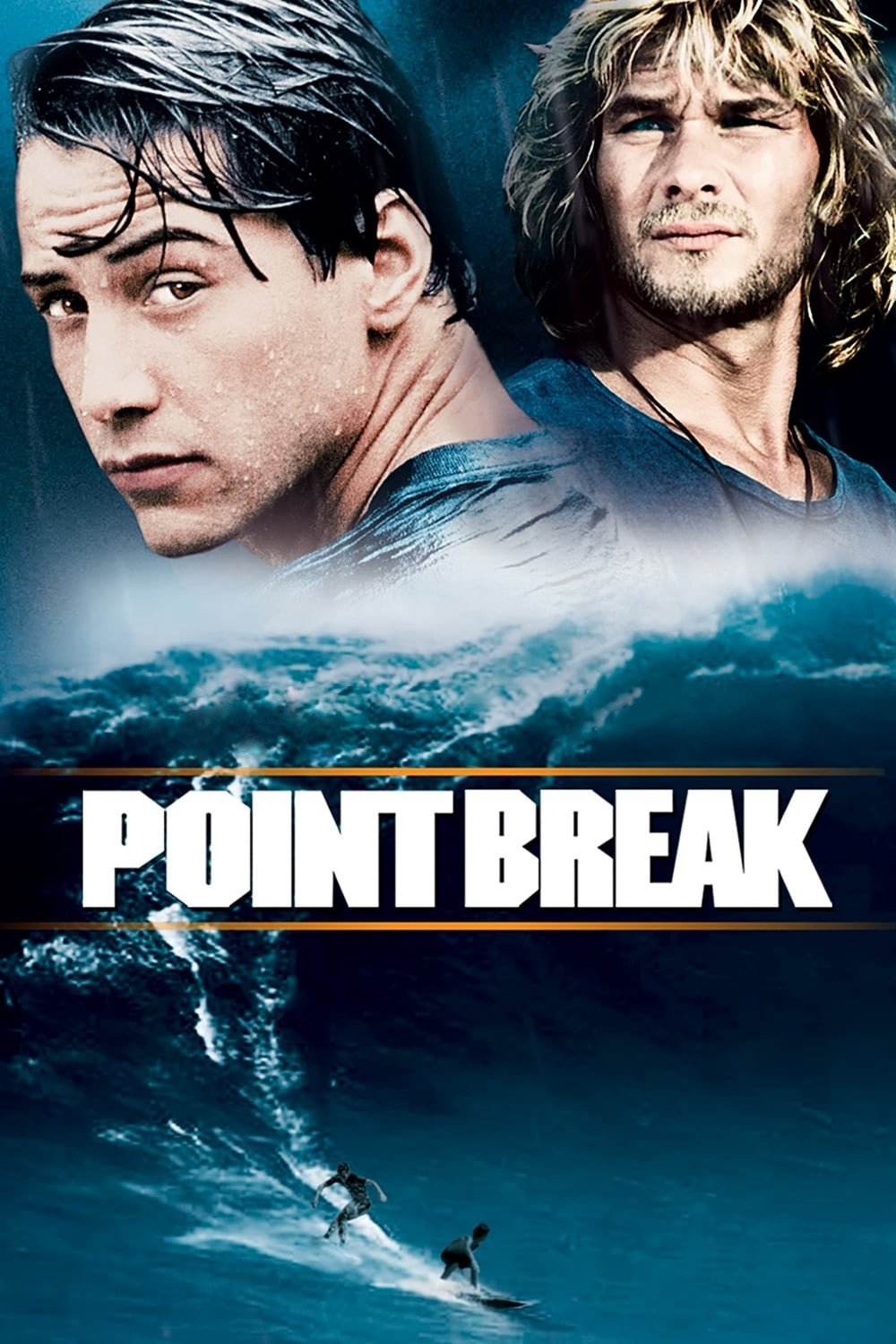
FBI agent Johnny Utah infiltrates a gang of surfers led by the charismatic Bodhi. Utah becomes so enamored with Bodhi and his lifestyle that he jeopardizes his career to protect him. The final confrontation on the beach plays out like a tragic breakup between lovers. Kathryn Bigelow directs the action with a focus on the emotional connection between the two men.
‘Pitch Perfect’ (2012)
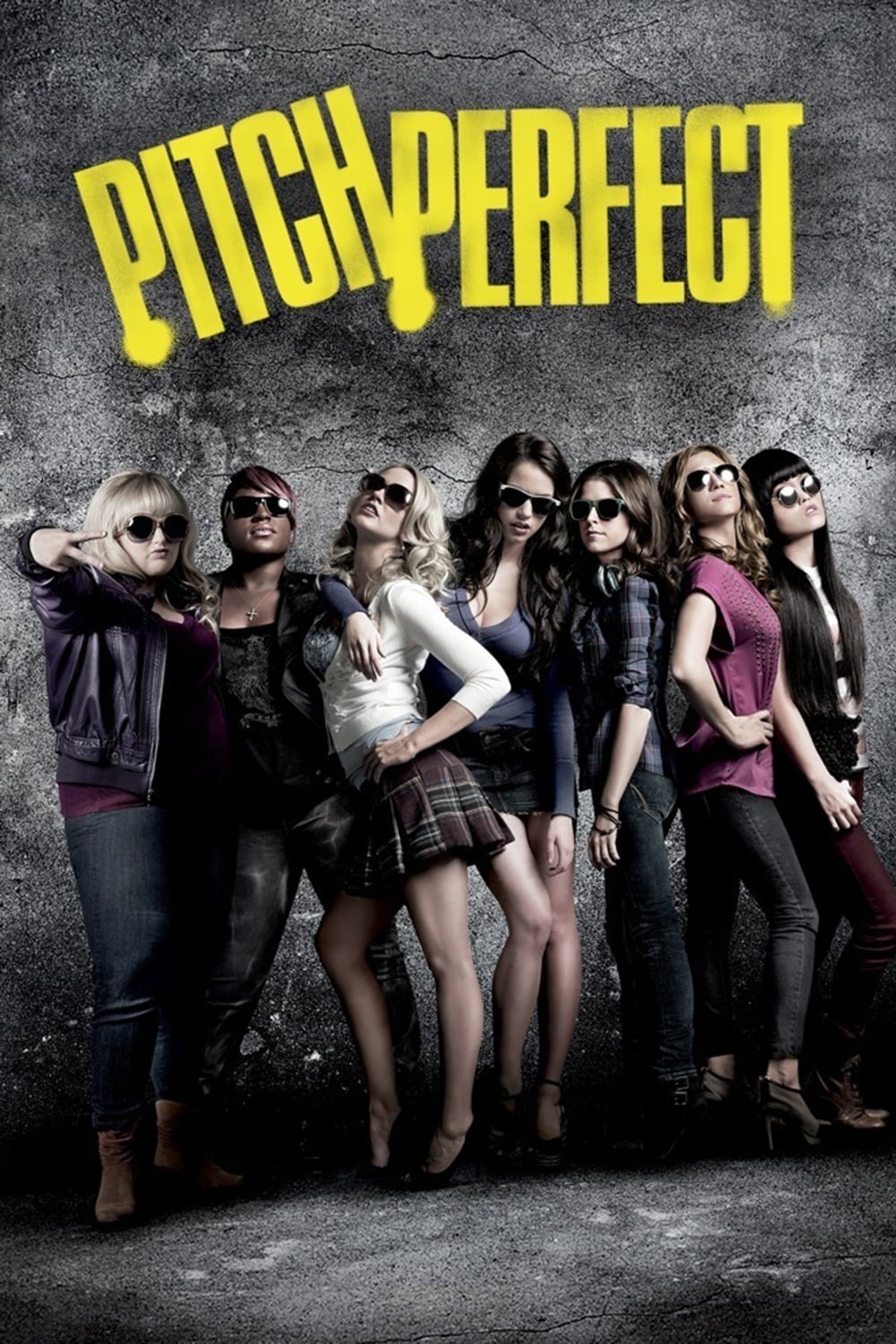
Beca Mitchell joins an all-female a cappella group and clashes with the rigid leader Chloe. The tension between Beca and Chloe evolves into a supportive dynamic that many fans read as romantic. Scenes involving shower singing and close physical contact fuel the interpretation of their chemistry. The filmmakers have acknowledged this pairing was more compelling than the scripted male love interests.
‘The Lord of the Rings: The Return of the King’ (2003)
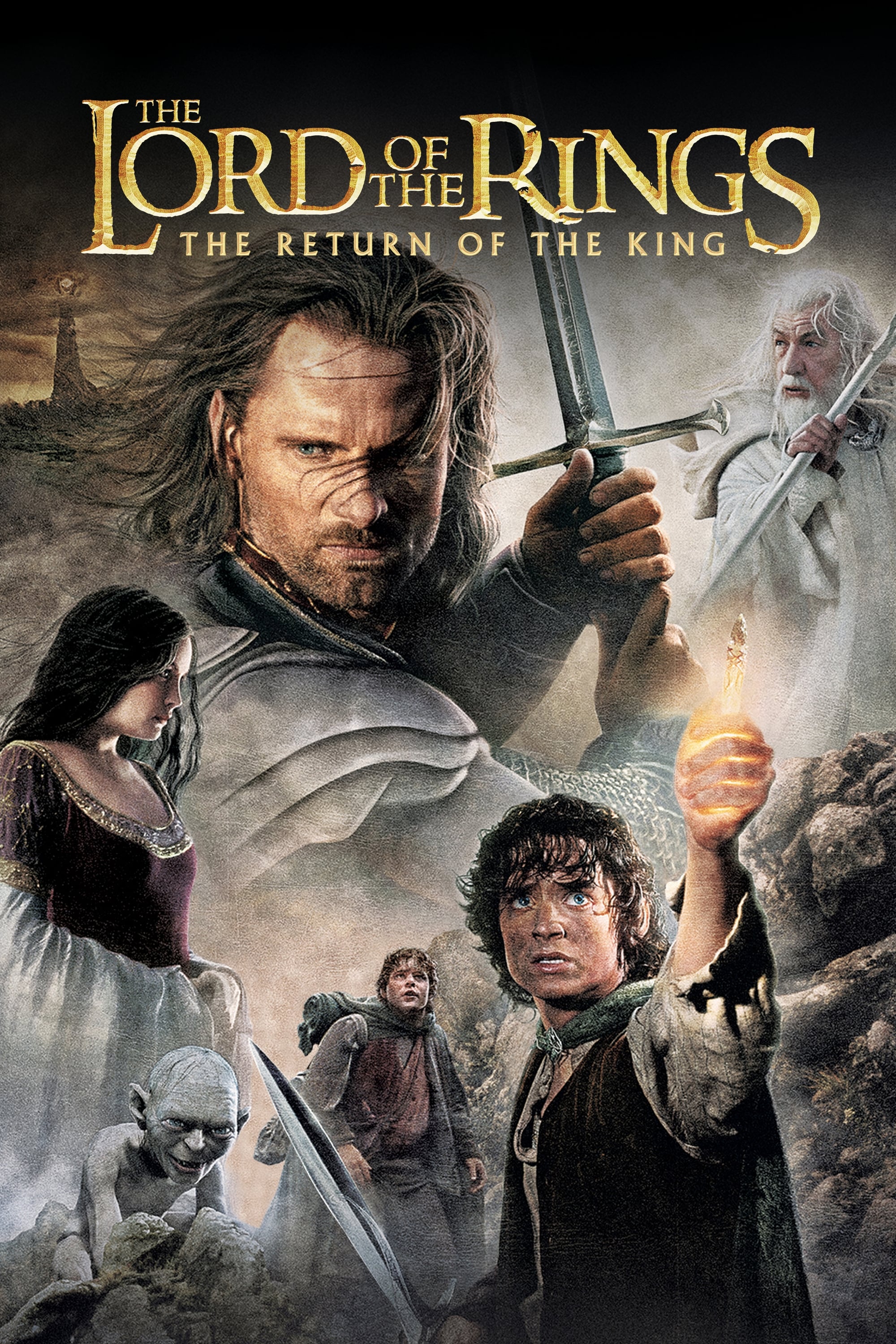
Frodo Baggins and Samwise Gamgee share a devotion that surpasses typical friendship as they journey to Mordor. Sam carries Frodo up Mount Doom and declares he cannot carry the ring but he can carry him. Their physical affection and emotional vulnerability stand out in the fantasy genre. Sir Ian McKellen noted that the real love story of the trilogy is between the two hobbits.
‘Master and Commander: The Far Side of the World’ (2003)
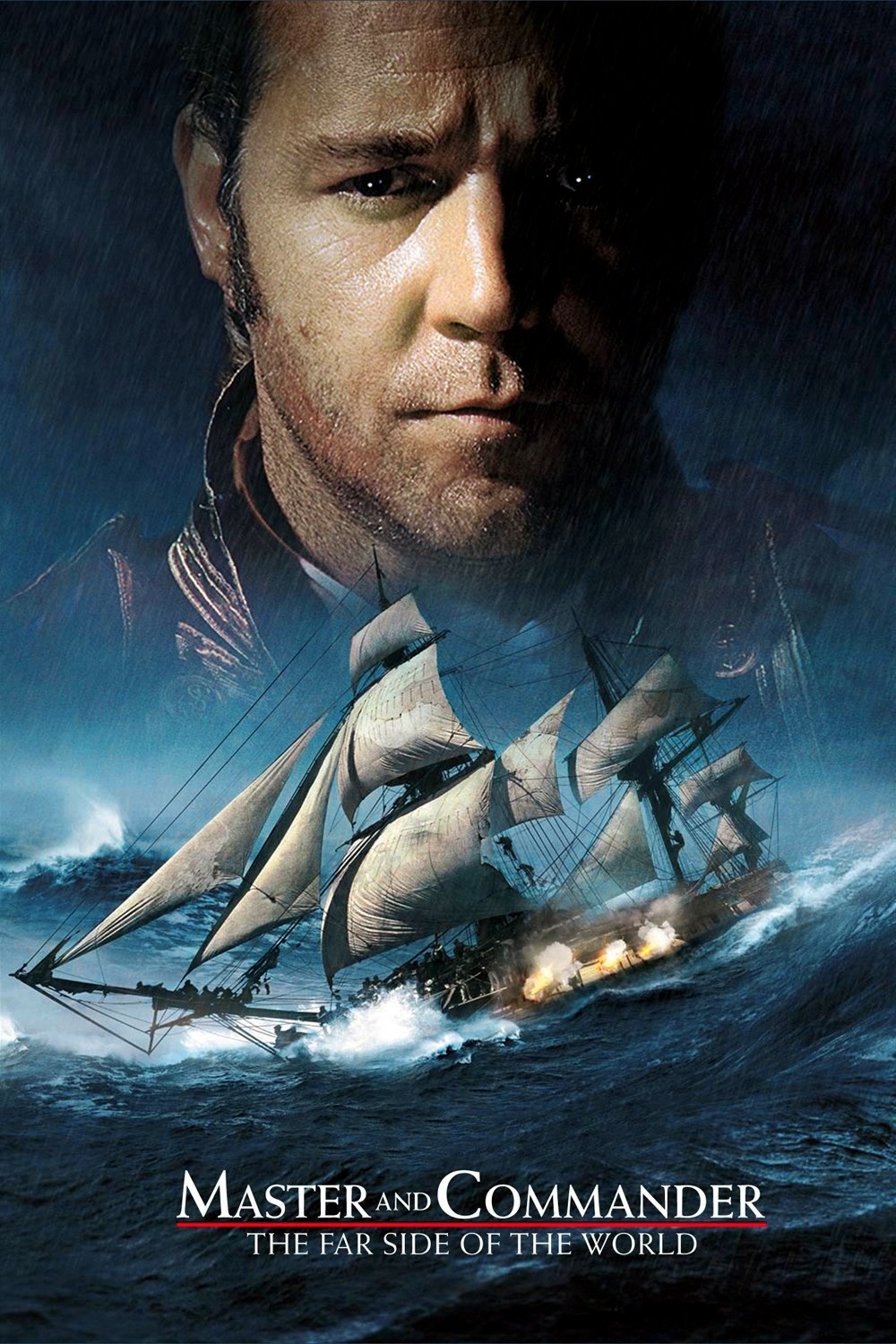
Captain Jack Aubrey and Dr. Stephen Maturin share a domestic intimacy aboard their warship. They play music together in their quarters and bicker like an old married couple. The film focuses almost entirely on their relationship rather than external romantic subplots. Their bond anchors the crew and provides the emotional weight of the historical drama.
‘Strangers on a Train’ (1951)
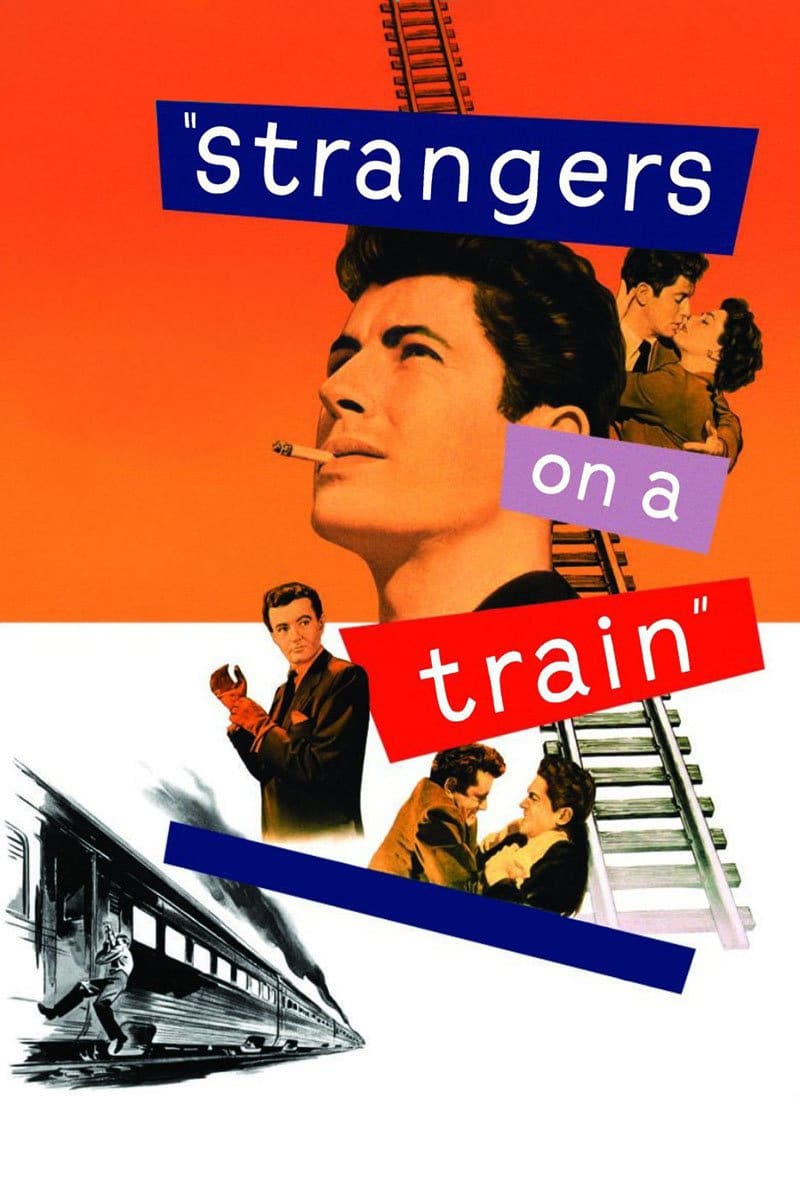
Bruno Antony proposes a murder swap to tennis star Guy Haines upon their first meeting. Bruno’s flirtatious behavior and obsession with Guy drive the suspense of the film. Hitchcock uses lighting and camera angles to emphasize the seduction involved in the criminal proposition. The villain acts out of a twisted desire to be intimately connected to the protagonist.
‘Luca’ (2021)
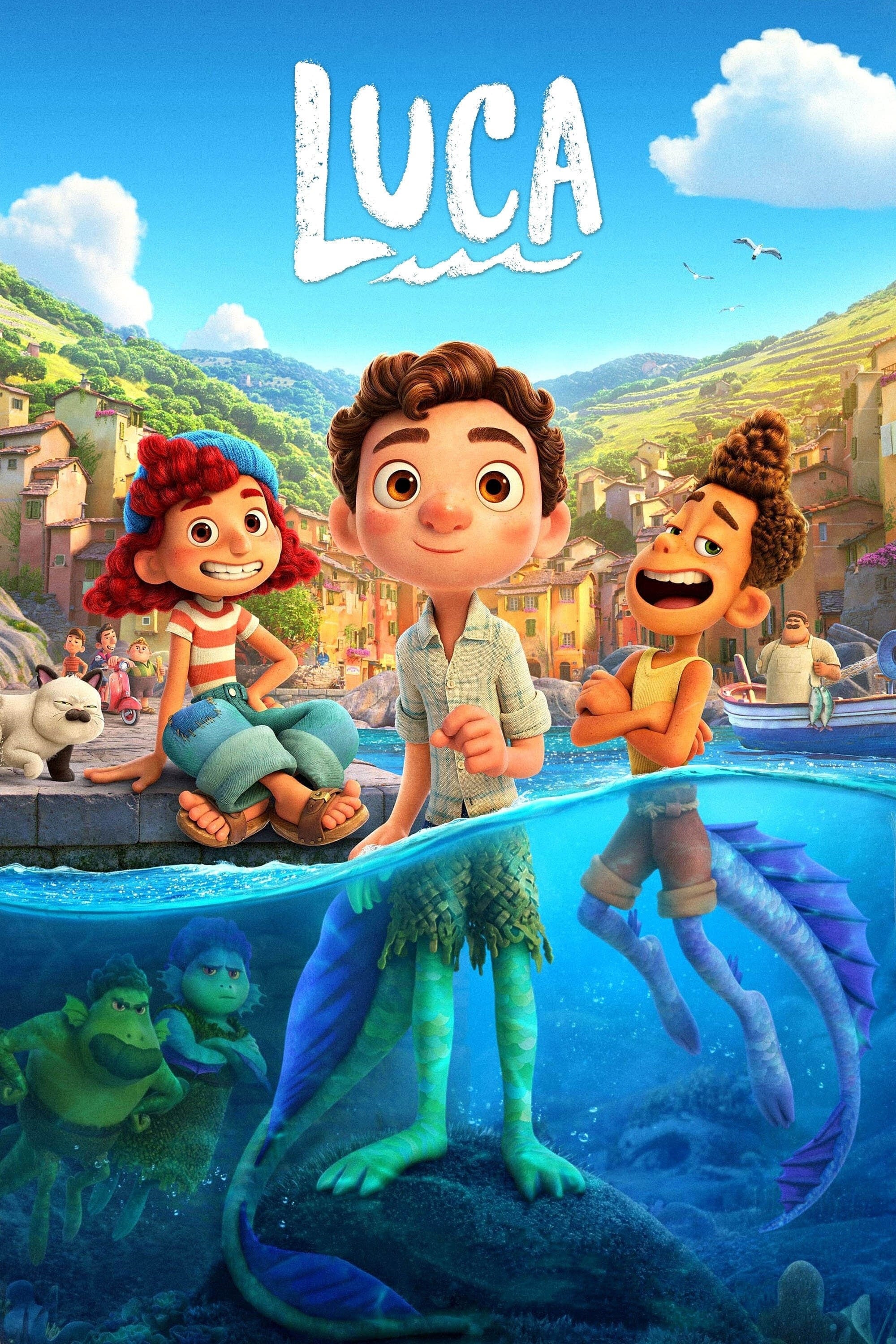
Two young sea monsters venture onto land and form a close bond while hiding their true identities. They dream of buying a Vespa and traveling the world together away from a judgmental society. The story serves as a strong allegory for the queer experience of passing. Many viewers resonated with the themes of hidden selves and finding acceptance in a specific person.
‘Midnight Cowboy’ (1969)
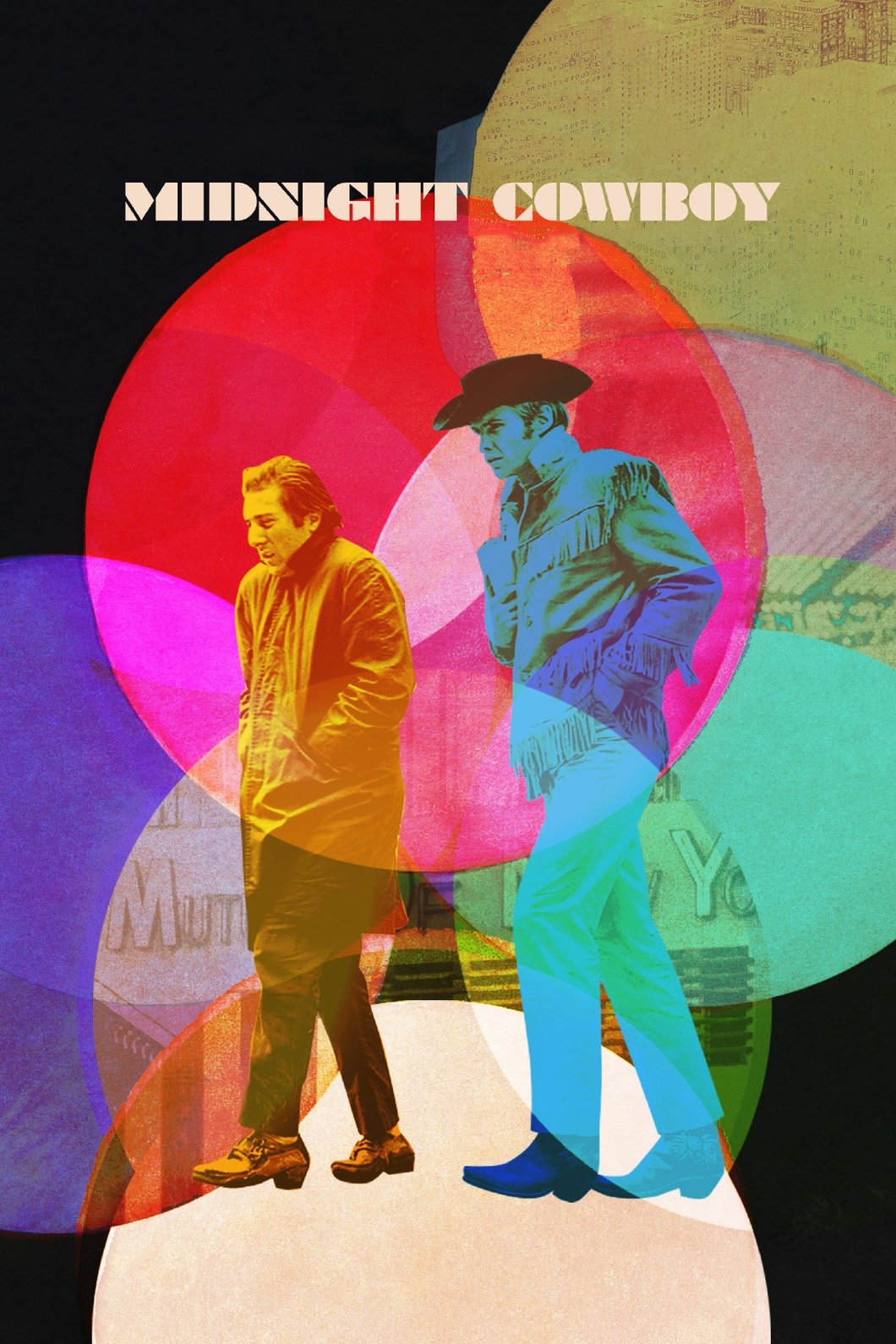
Joe Buck and Ratso Rizzo form an unlikely partnership to survive the harsh streets of New York City. Their relationship transitions from exploitative to deeply caring as they rely on one another. The film depicts male tenderness in a gritty environment that usually rejects vulnerability. The tragic ending emphasizes the depth of the love between the two outcasts.
‘X2’ (2003)

The mutant metaphor for being gay is most potent in this sequel during a scene at Bobby Drake’s house. Iceman reveals he is a mutant to his parents who ask if he has tried not being one. The scene was written and acted specifically to mirror the real-life experience of coming out to family. This parallels the wider themes of the franchise regarding persecution and identity.
Tell us which of these films you think has the most compelling subtext in the comments.