15 Anime Characters Whose Queer Coding Was Intentional Fan Service


Queer coding in anime has evolved from subtle subtext to a distinct marketing strategy designed to appeal to specific demographics. Studios often craft characters with ambiguous relationships or flamboyant traits to encourage fan theories and shipping without always confirming canonical romance. This approach keeps viewers engaged through emotional tension and creates lucrative merchandise opportunities based on popular pairings. The following characters exemplify instances where creators seemingly utilized queer coding to generate buzz and fan service.
Sebastian Michaelis
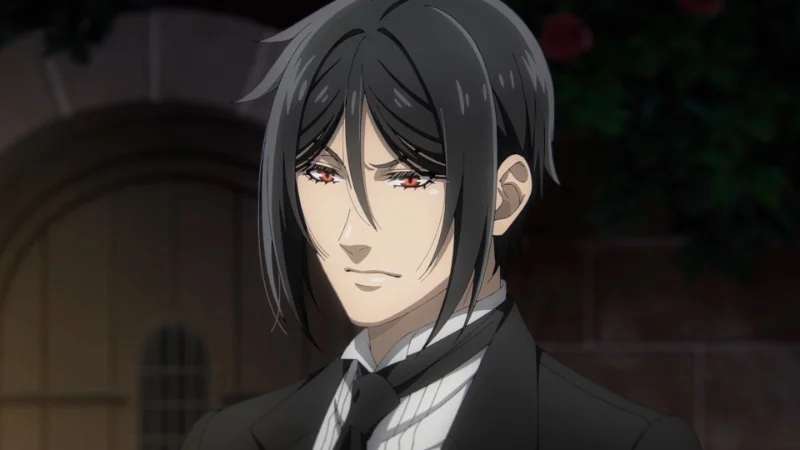
The demon butler from ‘Black Butler’ operates on a premise of absolute devotion to his young master that frequently blurs the lines between servitude and romance. Production art and promotional materials often depict Sebastian in suggestive poses or scenarios that fuel speculation among the fanbase. His dialogue typically contains double entendres that hint at a desire consuming more than just a soul. This calculated ambiguity helped the series gain a massive following within the boys love community despite being a shonen manga.
Kaworu Nagisa
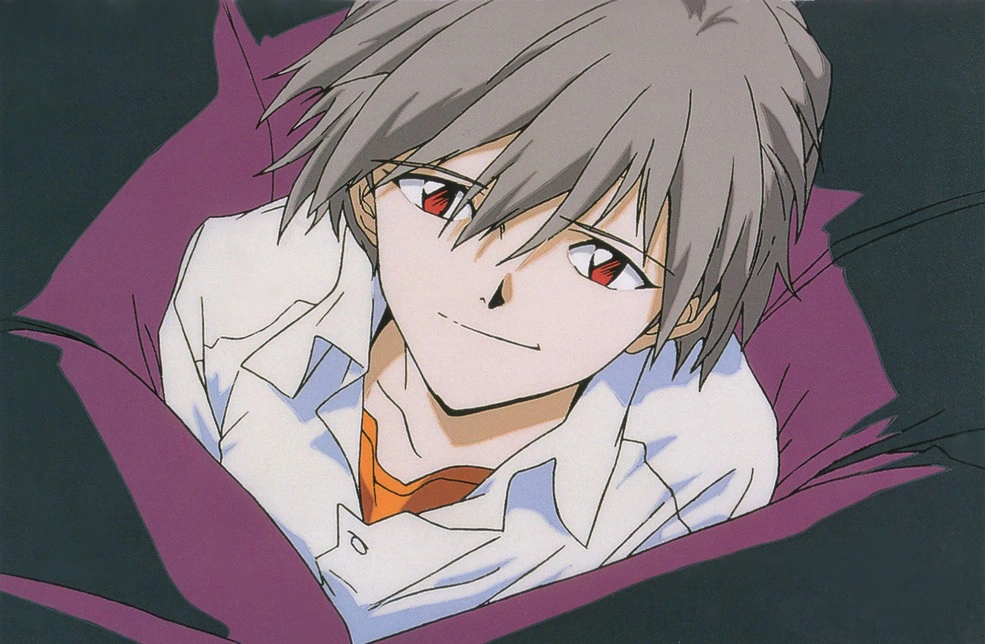
This character from ‘Neon Genesis Evangelion’ appears briefly but leaves a lasting impact due to his intense and immediate intimacy with the protagonist Shinji Ikari. His declarations of love and physical closeness were animated to evoke a romantic atmosphere that sharply contrasted with the bleak tone of the series. The official merchandise featuring Kaworu often pairs him with Shinji in romantic settings to capitalize on their dynamic. He remains one of the most prominent examples of how a studio can use queer subtext to drive engagement and sales.
L
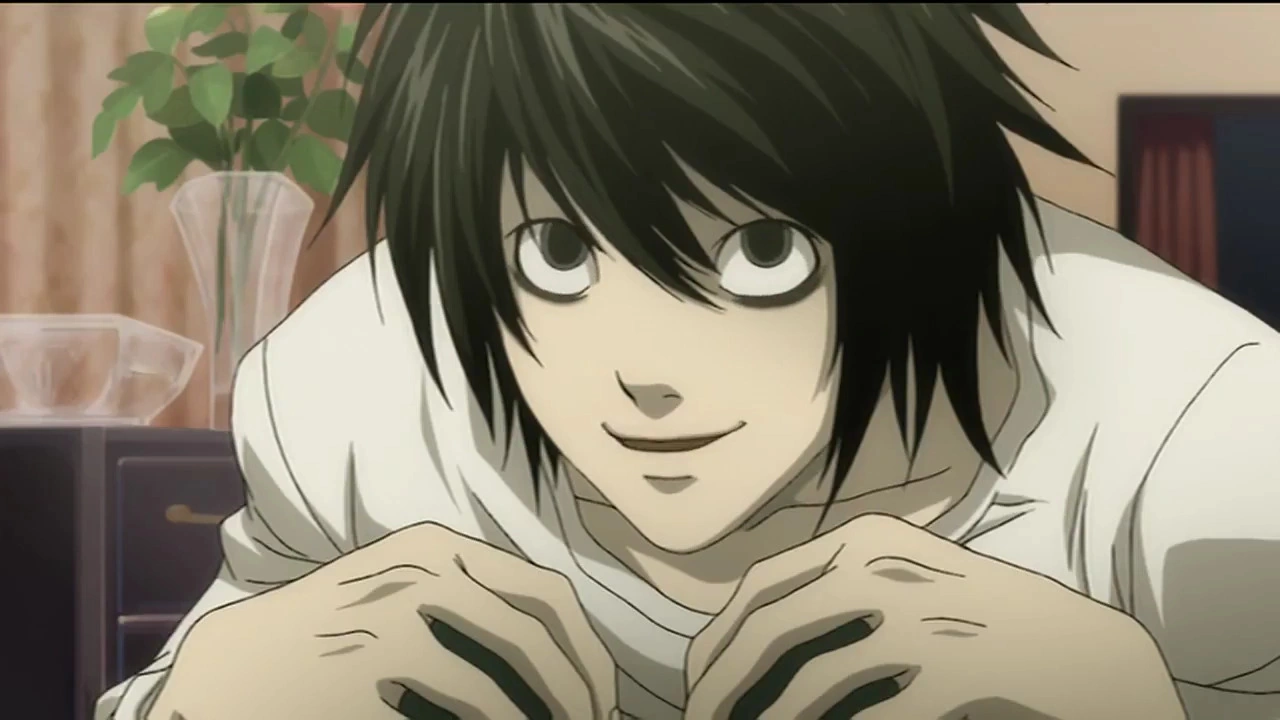
The detective from ‘Death Note’ shares a psychological intimacy with Light Yagami that often manifests in physically symbolic ways. The famous scene involving L washing Light’s feet serves as a biblical reference heavily laden with homoerotic subtext. Fans latched onto the obsessive nature of their cat and mouse game as a form of twisted romance. The creators amplified this tension to add emotional stakes to their intellectual battles.
Griffith
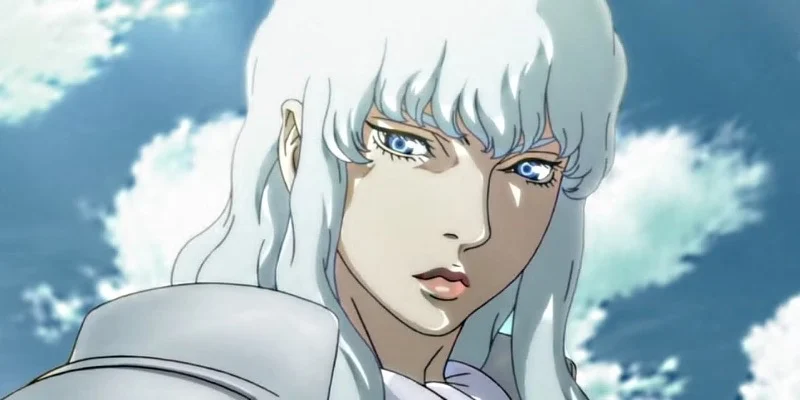
‘Berserk’ presents Griffith as a beautiful and charismatic leader whose obsession with Guts drives the entire narrative. His devastating feelings of betrayal when Guts leaves the Band of the Hawk are framed with the intensity of a lover scorned. The contrast between his angelic appearance and his dark possessiveness creates a compelling and tragic figure for fans to analyze. This complex relationship is the core of the fan service appeal for readers interested in dark fantasy romance.
Homura Akemi
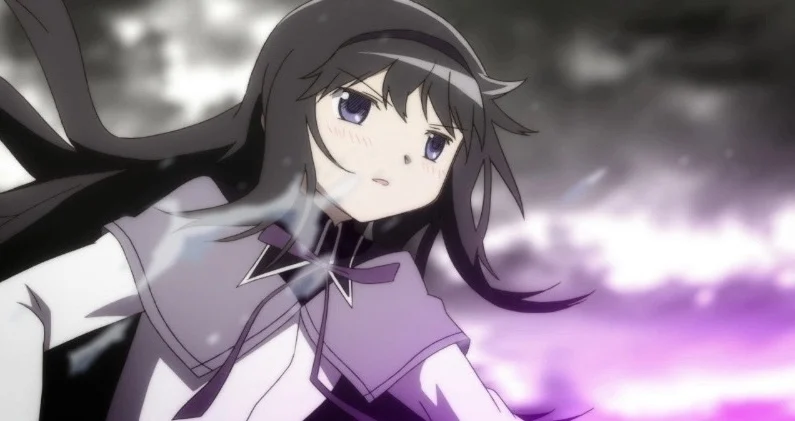
The time-traveling magical girl in ‘Puella Magi Madoka Magica’ is motivated entirely by her overwhelming love for Madoka Kaname. Her actions throughout the series demonstrate a level of devotion that transcends typical friendship and borders on obsession. Studio Shaft animated their interactions with soft lighting and intimate framing to emphasize the romantic undertones. This profound connection is the emotional hook that resonated with audiences and fueled the franchise’s longevity.
Killua Zoldyck
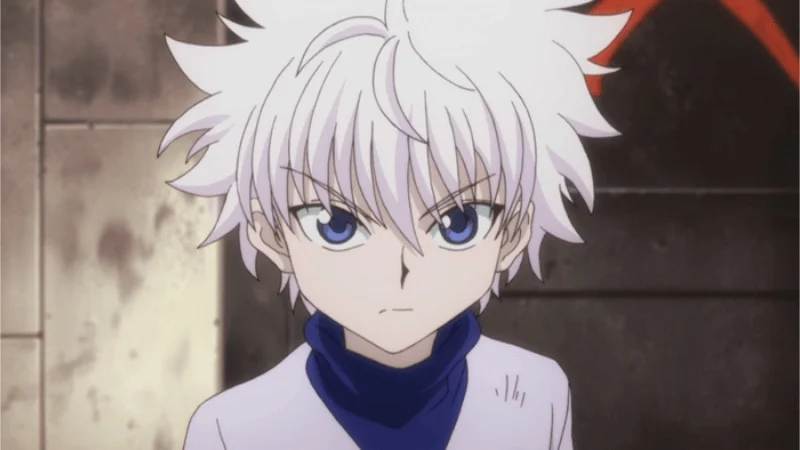
The assassin from ‘Hunter x Hunter’ displays a level of devotion to Gon Freecss that often reads as romantic to viewers. His internal monologues focus intensely on Gon as his source of light and redemption. The 2011 adaptation emphasized this bond through specific voice acting direction and emotional framing during key arcs. This coding has made their relationship one of the most discussed topics in the anime community.
Lelouch vi Britannia
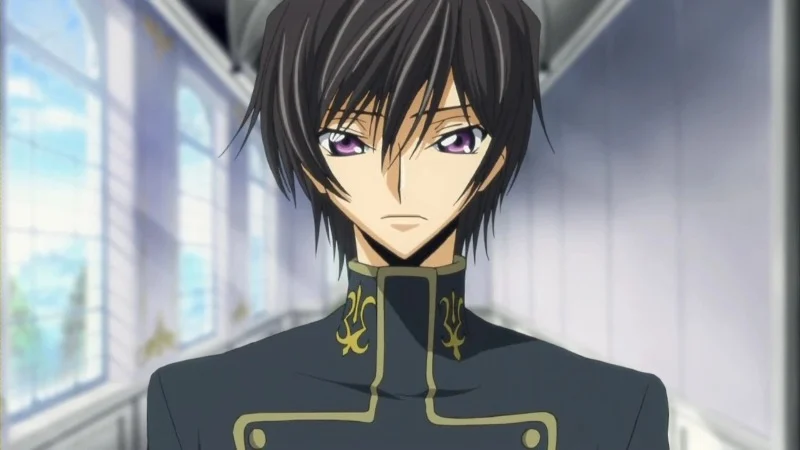
‘Code Geass’ features a complex web of relationships where Lelouch acts as a magnet for intense loyalty from both men and women. His relationship with his childhood friend Suzaku Kururugi is fraught with betrayal and emotion that mirrors a tragic romance. CLAMP, the character designers, are known for this style of coding and ensured the visuals supported shipping theories. The tension between their ideologies and their personal care for each other creates endless fan service moments.
Nezumi
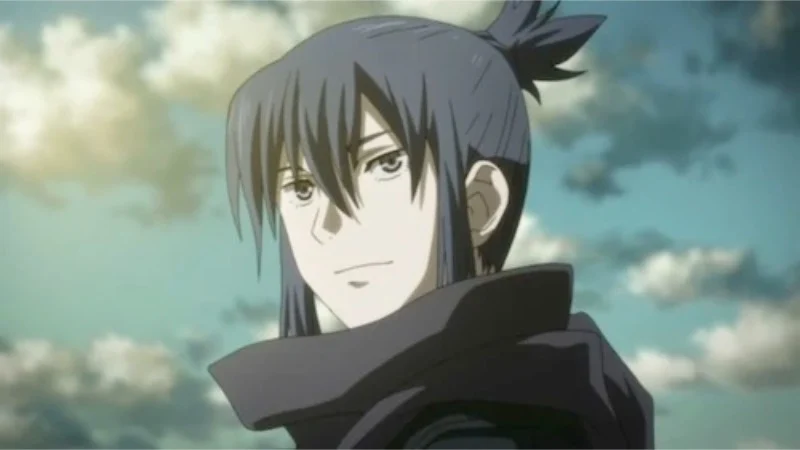
The dystopian novel adaptation ‘No. 6’ features Nezumi as a cynical survivor who forms a life-changing bond with Shion. The anime adaptation kept the famous goodnight kiss and the waltz scene which served as major fan service moments. Nezumi helps Shion navigate a harsh world in a way that emphasizes their inseparable destiny. The coding here is barely subtextual and acts as the primary draw for many viewers.
Yuichiro Hyakuya
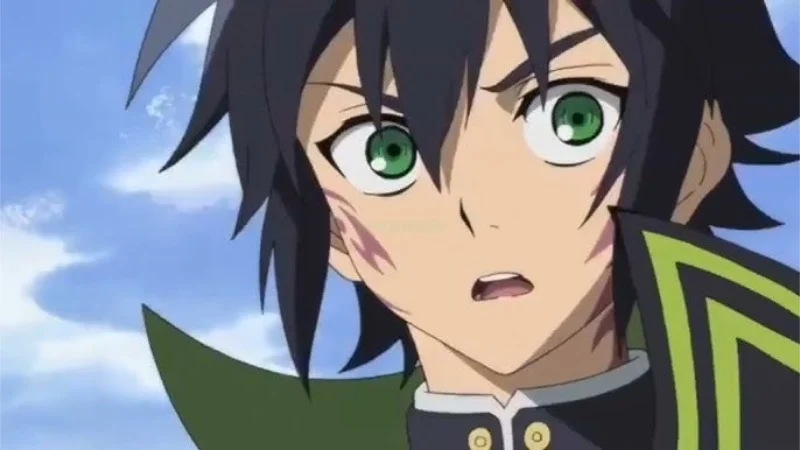
Yuichiro from ‘Seraph of the End’ mirrors Mikaela’s devotion but with a more oblivious and hot-blooded shonen protagonist energy. His willingness to turn into a demon to save Mikaela demonstrates the depth of his attachment. The series frequently puts him in situations where he must choose Mikaela over duty or humanity. This single-minded focus is designed to appeal to fans who enjoy the friends-to-lovers trope.
Ash Lynx
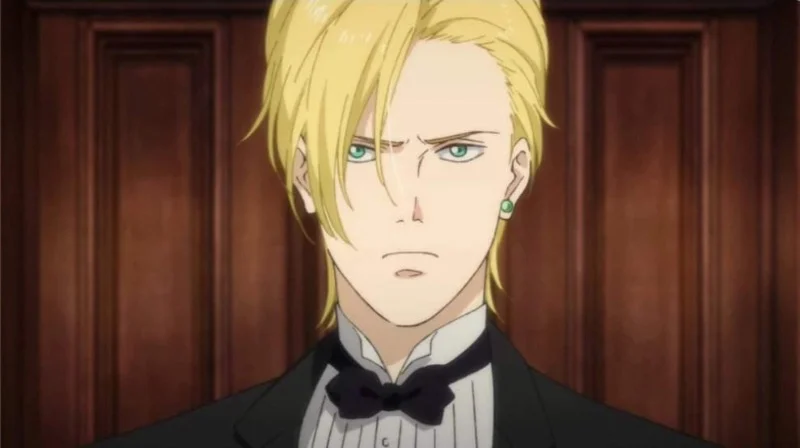
‘Banana Fish’ presents Ash as a hardened gang leader who finds a soft spot for the Japanese photographer Eiji Okumura. The series is tragic but heavily markets the soulmate connection between the two leads. Official art frequently depicts them in domestic bliss which contrasts with the violence of the actual show. This marketing strategy leans on the desire fans have to see them happy together.
Vanitas
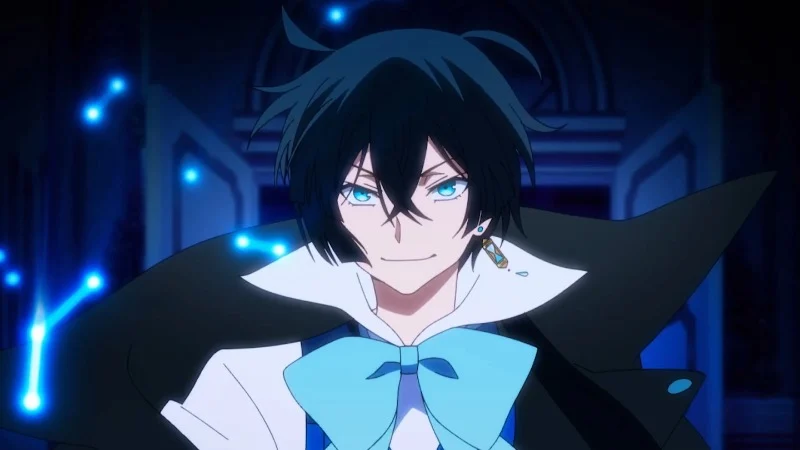
The titular character of ‘The Case Study of Vanitas’ uses his charm and physical forwardness to manipulate and tease those around him. His biting scenes with Noé are animated with a level of detail that highlights the sensual nature of the act. Vanitas frequently invades personal space in a way that is designed to fluster both the other characters and the audience. The show embraces the camp and eroticism of vampires to deliver consistent fan service.
Sasuke Uchiha
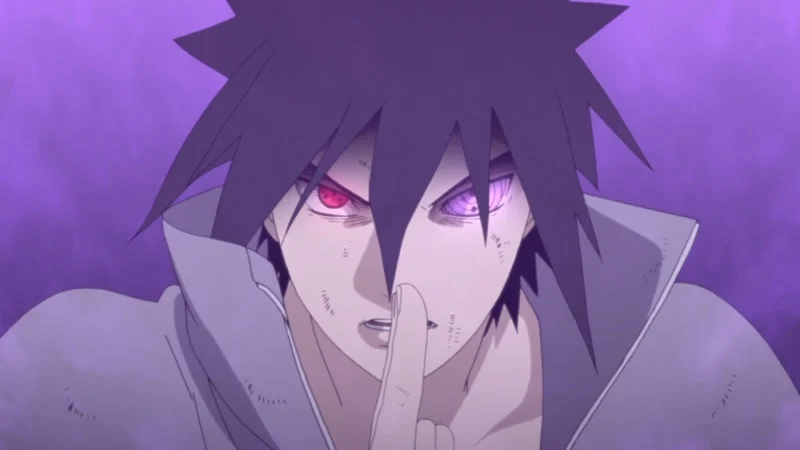
In ‘Naruto’, Sasuke is the subject of the protagonist’s desperate pursuit which spans hundreds of episodes. The accidental kiss in the early episodes set a precedent for years of fan speculation and shipping. His aloof nature and the intensity of his bond with Naruto created a dynamic that overshadowed many canonical romances. The studio often included filler episodes or endings that highlighted this bond to please the fanbase.
Makoto Tachibana
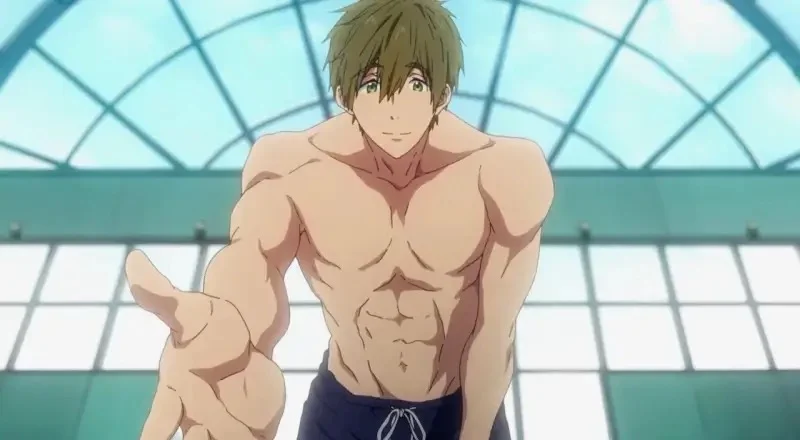
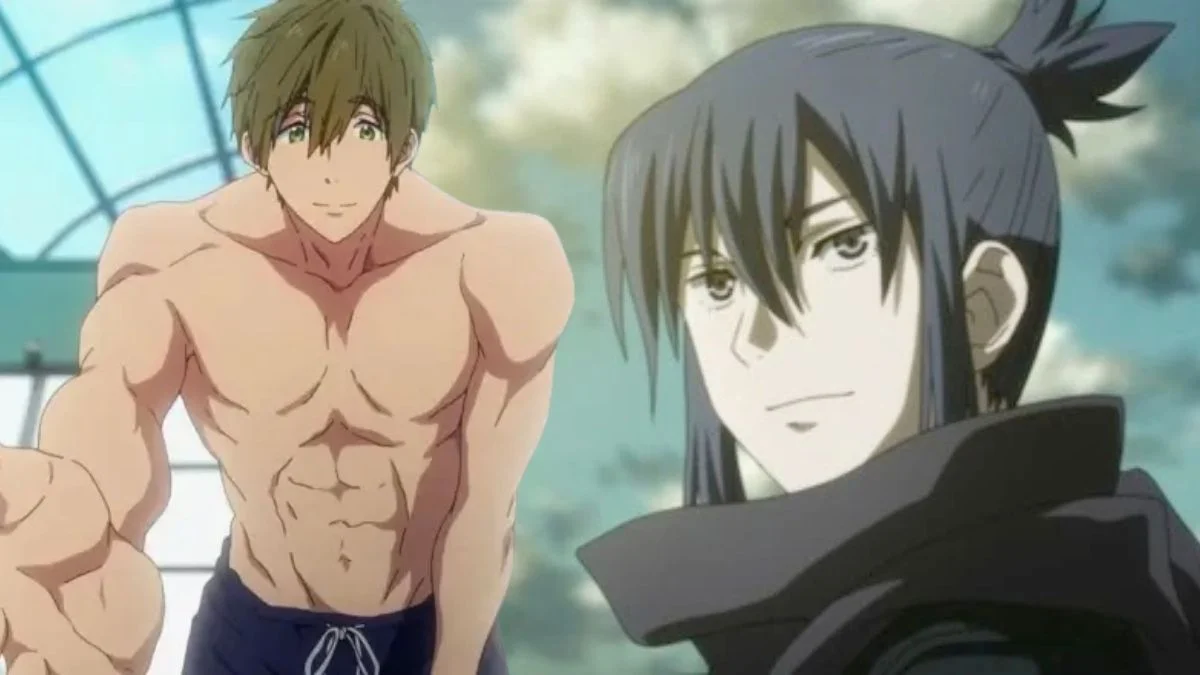
Makoto from ‘Free!’ acts as the nurturing figure who provides emotional stability for Haruka. His character design highlights his gentle nature combined with a physically imposing swimmer’s build. Scenes involving him taking care of Haruka or worrying about him are framed to highlight his domestic suitability. This character archetype is a staple in fan service aimed at viewers who prefer the gentle giant trope.
Nagisa Shiota
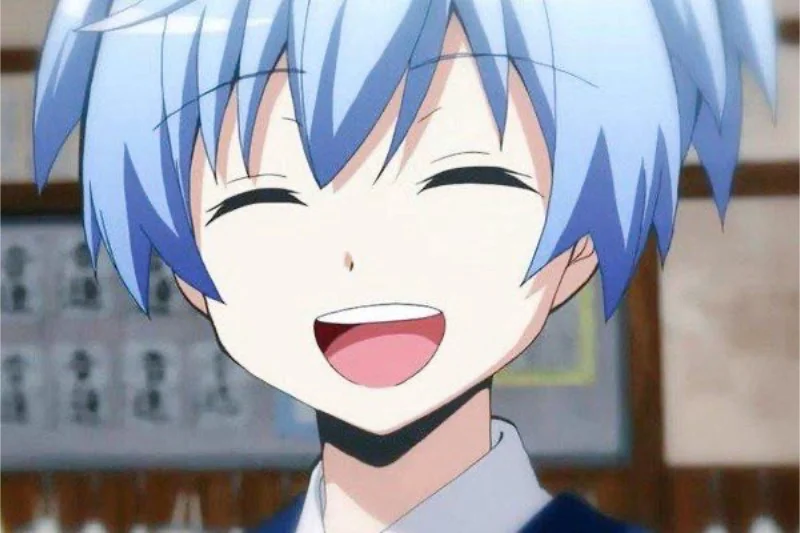
‘Assassination Classroom’ uses Nagisa’s androgynous appearance as a plot point and a source of gender-bending fan service. He is frequently forced to dress in drag for infiltration missions which highlights his feminine features. The camera often focuses on the confusion of other characters regarding his gender to tease the audience. This coding plays into the trap trope that is popular in anime culture.
Hisoka Morow

Hisoka from ‘Hunter x Hunter’ is a villain whose interest in the protagonists is depicted with unsettling sexual undertones. His dialogue and physical mannerisms are overtly flamboyant and suggestive when fighting strong opponents. The creator uses this queer coding to make Hisoka appear more dangerous and unpredictable. While villainous, his chaotic energy and design make him a perverse form of fan service for the series.
Share your favorite examples of intentional coding or characters we missed in the comments.