Games Where You Can Romance the Same Gender in 1998–2005

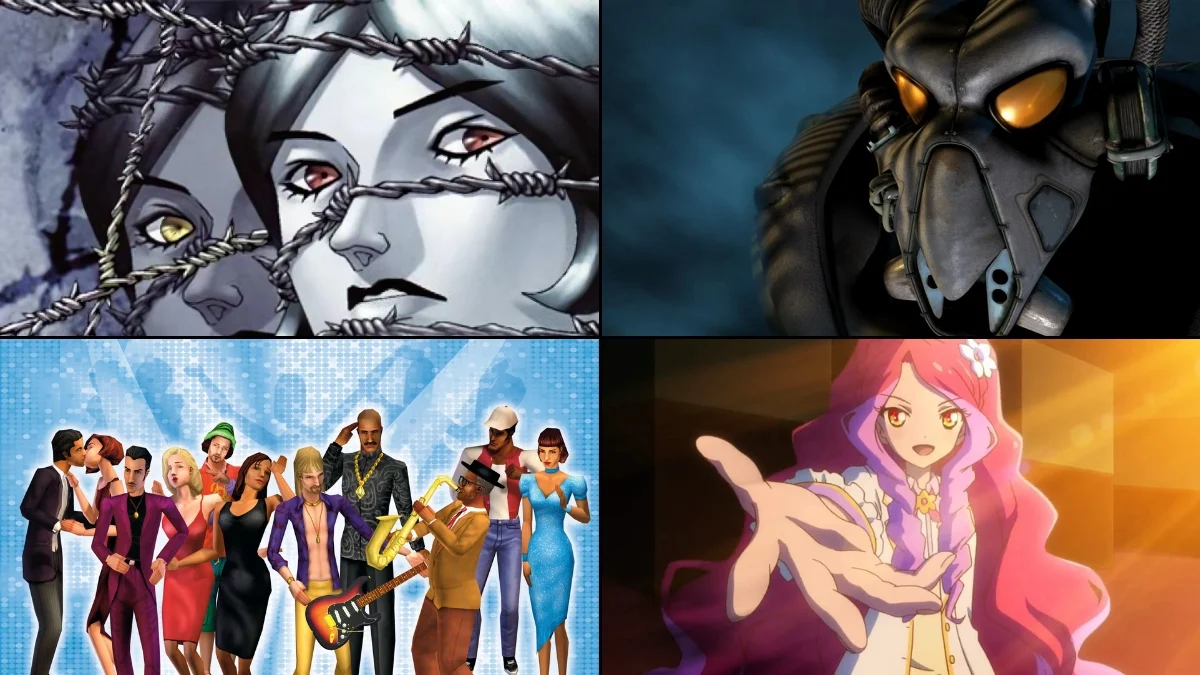

Between 1998 and 2005, a surprising number of games quietly let players pursue same-gender romances—sometimes as full systems, sometimes through specific routes or story flags. From mainstream life sims and Western RPGs to pioneering BL and yuri visual novels in Japan, these titles experimented with relationship mechanics long before they were industry standard. Below are 20 releases from that window, each with a brief, practical note on how the romance works and who made it.
‘Fallout 2’ (1998)
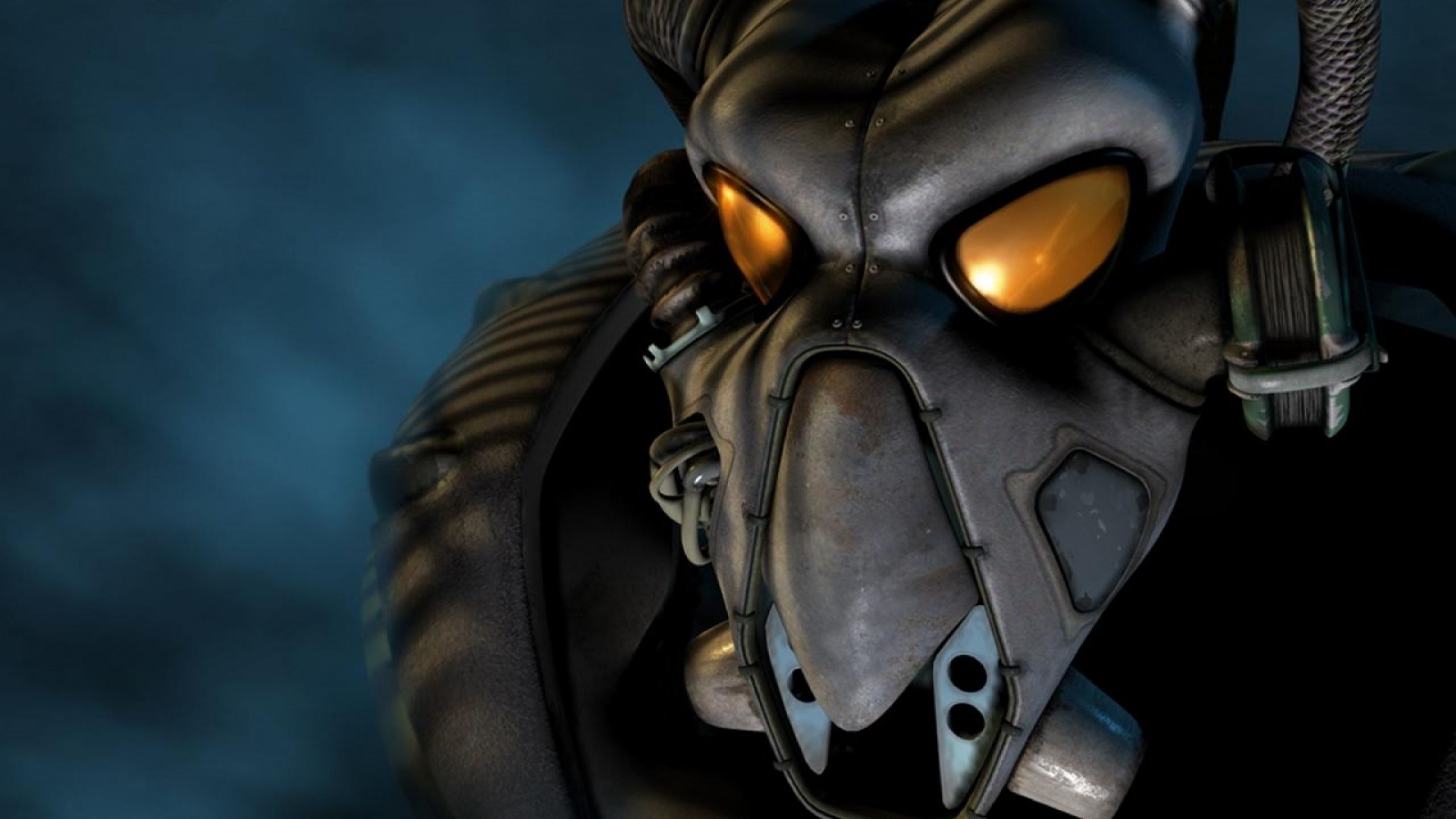
Black Isle Studios and Interplay shipped this open-world RPG with event-driven relationship paths, including the ability to enter same-sex marriage through specific quest setups. Players can trigger shotgun weddings or consensual unions depending on choices, reputation and location. The same-gender option appears in side content rather than a companion system, but it’s fully recognized by NPCs. The feature sits alongside perks and dialogue checks typical of late-’90s CRPGs.
‘Persona 2: Innocent Sin’ (1999)
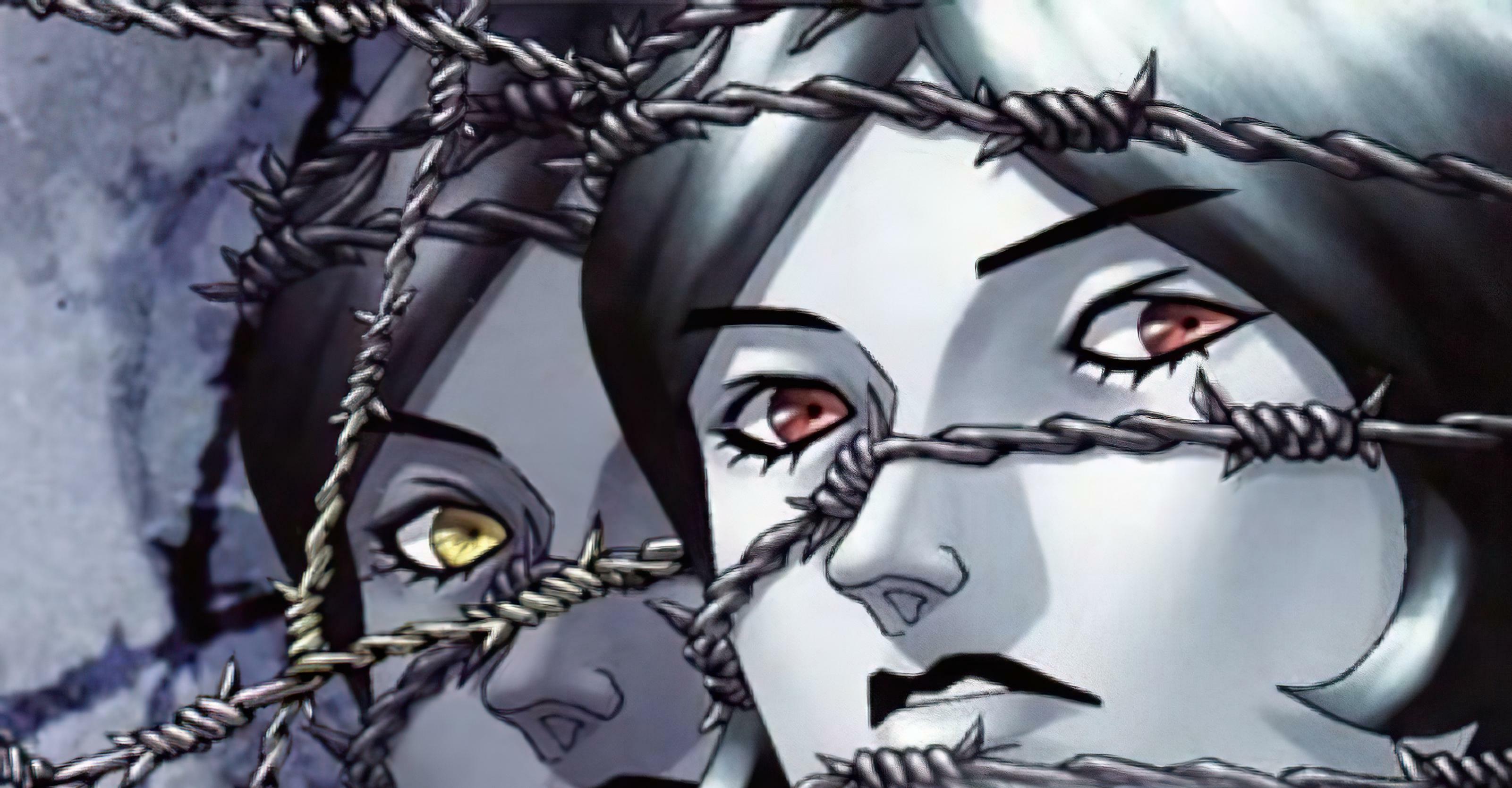
Atlus built its relationship flags around “Mutual Understanding” events and affinity values, allowing the male protagonist to develop a romance route with Jun Kurosu. Progress depends on dialogue choices and optional scenes that raise bond levels across the party. The route influences late-game scenes and epilogue content rather than conferring combat bonuses. This PlayStation JRPG uses a rumor system and traditional turn-based combat alongside its character routes.
‘Sukisho! First Limit’ (2000)
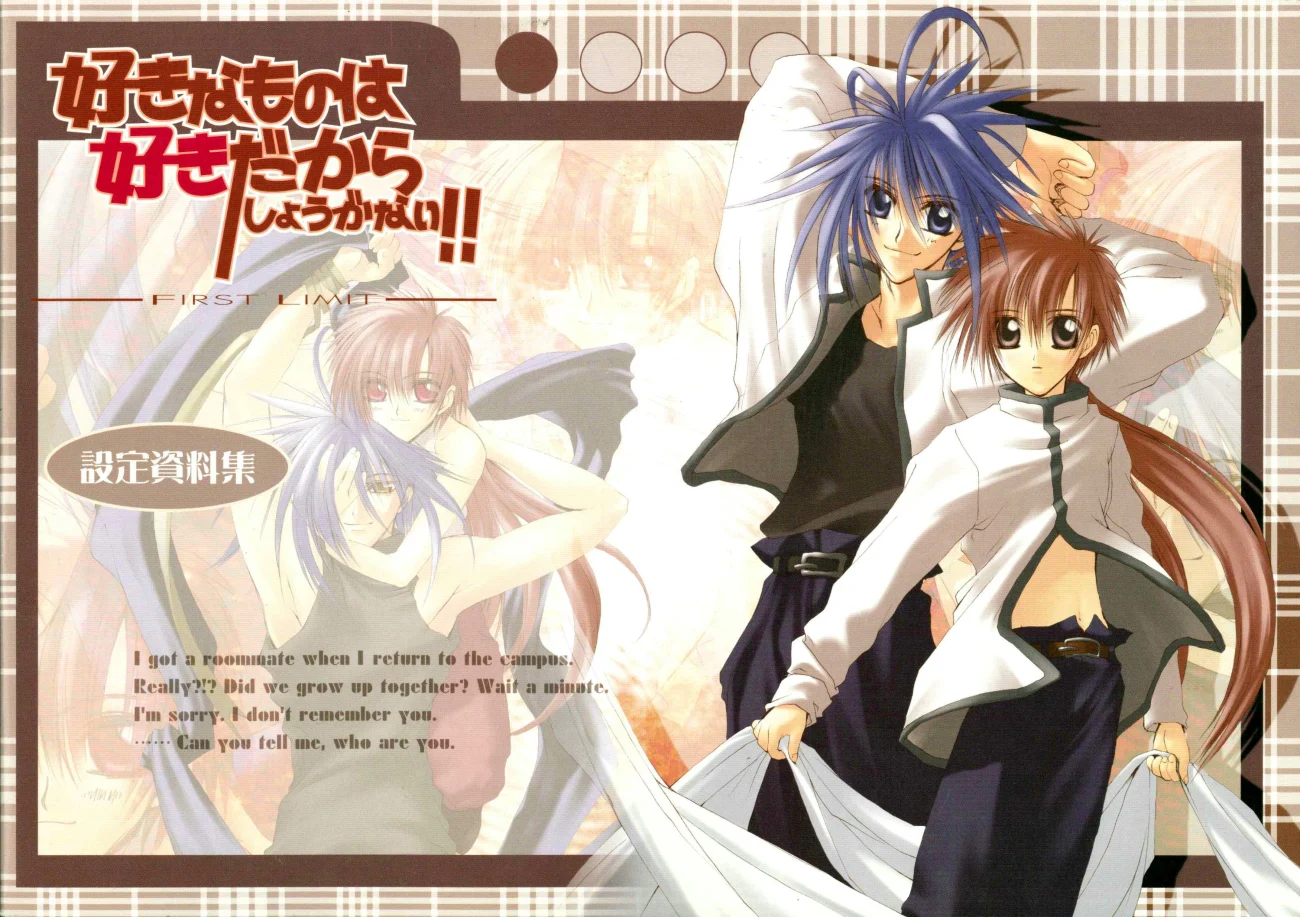
UNiSONSHIFT (with later entries handled by Platinum Label) released this Windows visual novel where players guide Sora through branching BL routes with multiple male love interests. Choices within day-to-day scenes and event selections determine endings. The series gained PS2 ports with edited content while preserving core romance structures. It’s a text-driven experience with CG galleries rather than stat-raising.
‘The Sims’ (2000)
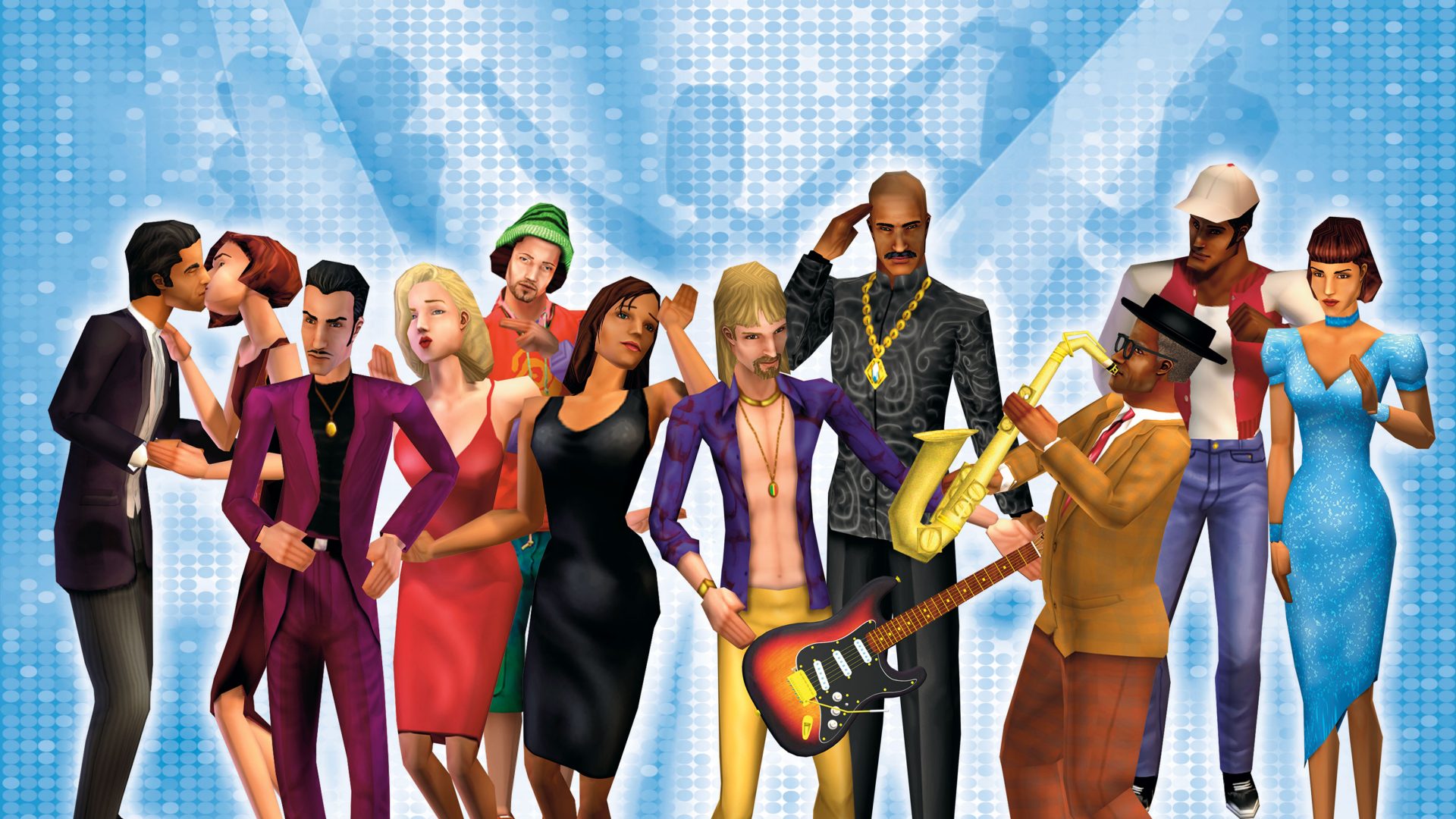
Maxis and Electronic Arts allowed same-sex romantic interactions from the base PC release via the everyday social system. Players raise relationship scores with flirts, kisses and “propose” interactions to move in together, share beds and build households. While there’s no formal wedding ceremony in the original, long-term cohabitation and romance gameplay are identical across genders. Expansion packs simply add more venues and interactions; the underlying rules remain agnostic.
‘Silver Chaos’ (2001)

Vivid Color’s Windows BL visual novel offers multiple male-male romance paths for protagonist Might. Route locks depend on dialogue branches and scene triggers, with true endings requiring specific choice chains. The game focuses on story routes over minigames or stats. Fan discs and follow-ups expanded CGs and side stories while keeping the same branching structure.
‘Enzai: Falsely Accused’ (2002)
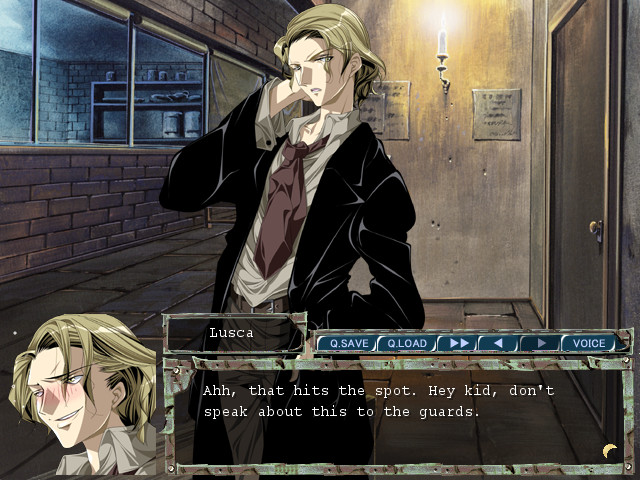
Developed by Langmaor (a BL label under Will), this Windows visual novel presents several male romance routes gated by investigation choices and trust meters. Players advance by selecting evidence and dialogue options, unlocking good, bad and true endings. JAST USA later localized it, keeping route logic intact. There’s no combat system—progress is purely narrative and choice-driven.
‘The Sims Online’ (2002)
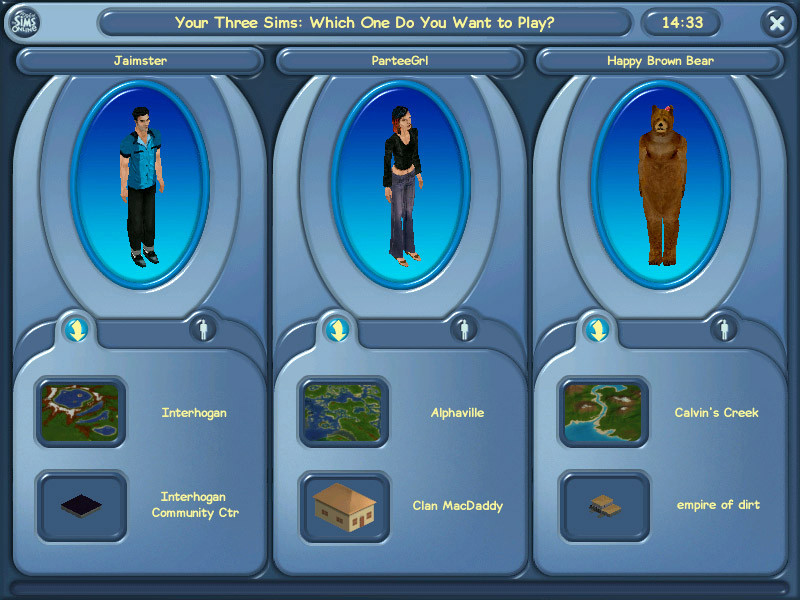
Maxis and Electronic Arts translated the life-sim formula into an MMO where avatars can pursue romance with any gender. Relationship progress uses the same social interaction trees as the single-player series, with gifts, group lots and cohabitation tools supporting long-term pairs. Player-run venues often host weddings and parties using in-game furniture and signage. Economy and job objects run alongside these social systems.
‘Gakuen Heaven: Boy’s Love Scramble’ (2002)
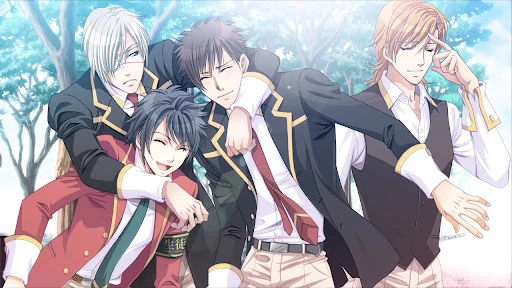
SPRAY’s Windows BL visual novel places the player at an elite boys’ academy with multiple dateable characters. Route access relies on daily choice menus and event attendance, with flags determining confession scenes and epilogues. PS2 ports by NEC Interchannel add voice acting while preserving same-gender romance outcomes. Save-anywhere and backlog systems support route collection.
‘The Temple of Elemental Evil’ (2003)
Troika Games and Atari implemented a Dungeons & Dragons-based CRPG that includes a same-sex marriage option via specific town encounters. Dialogue checks, alignment and skill rolls can unlock proposals or long-term pairings with certain NPCs. The relationship exists alongside party recruitment and tactical, turn-based combat. It’s handled like other marriage events in the game’s scripting.
‘Angel’s Feather’ (2003)
BlueImpact’s Windows BL visual novel (later ported by HuneX to PS2) offers multiple male romance routes tied to school-fantasy storylines. Players navigate a choice tree to unlock route-exclusive CGs and endings. Console versions published by GN Software/KID adjust content but retain core pairings. There’s no stat grind—progress is entirely dialogue-based.
‘Star Wars: Knights of the Old Republic’ (2003)
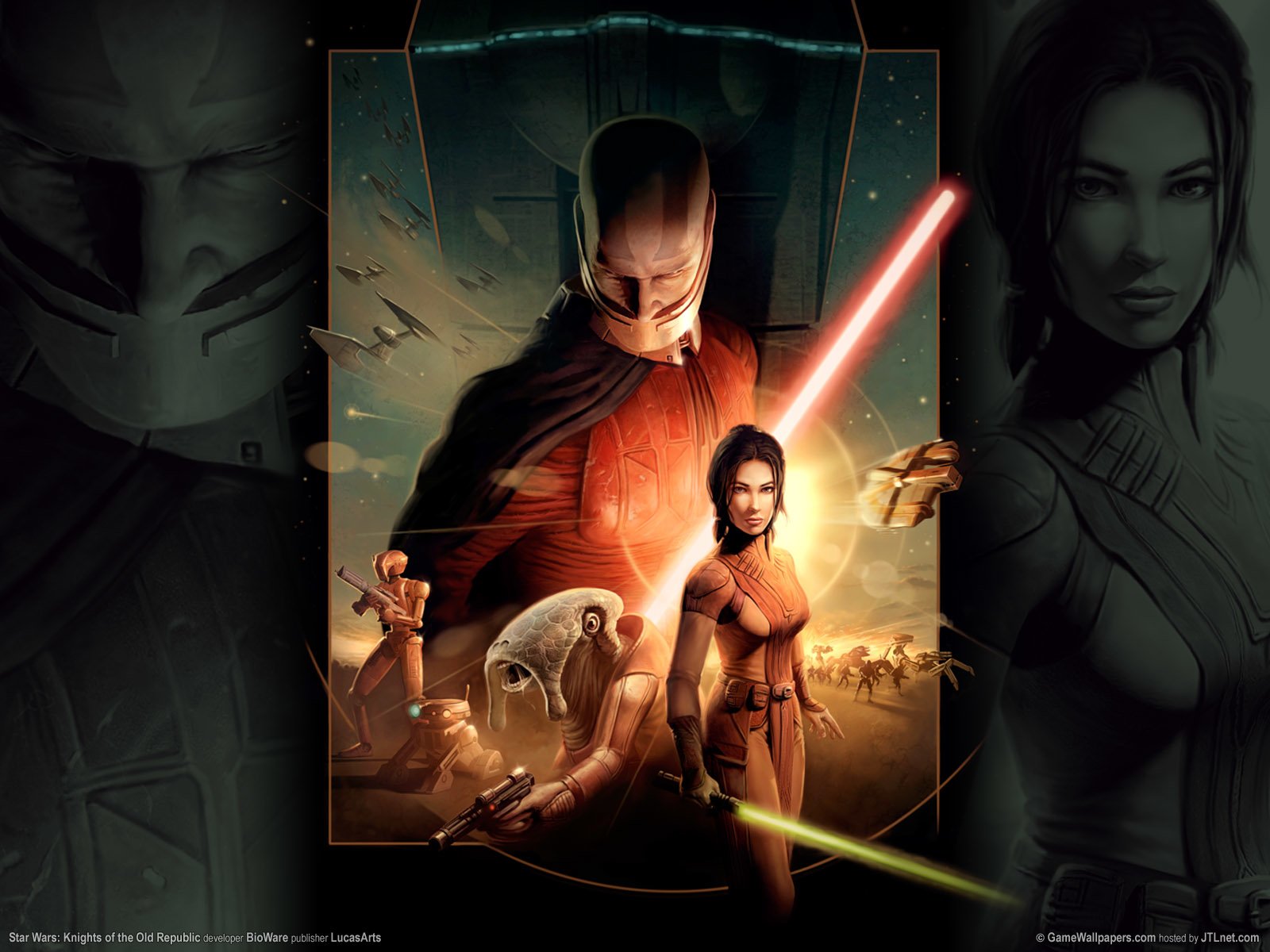
BioWare and LucasArts included a same-gender romance path for a female player character through companion Juhani. Conversation milestones and quest completions advance the relationship, culminating in unique scenes. Influence is tracked through dialogue choices rather than a visible meter. The romance sits alongside lightsaber crafting, alignment shifts and party management.
‘The Urbz: Sims in the City’ (2004)
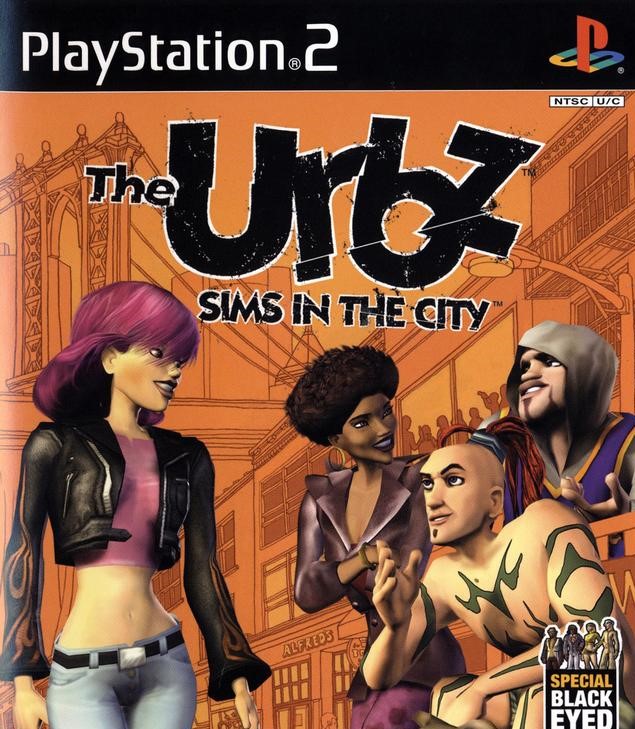
Developed by Maxis and published by Electronic Arts, this console-focused spin-off maintains gender-agnostic romance via the same social interaction backbone as the PC series. Players improve relationships, unlock couple interactions, and can share apartments regardless of gender. Reputation and style systems affect access to districts and events; romance rules remain consistent. Co-op play doesn’t limit same-gender pairing mechanics.
‘Fable’ (2004)
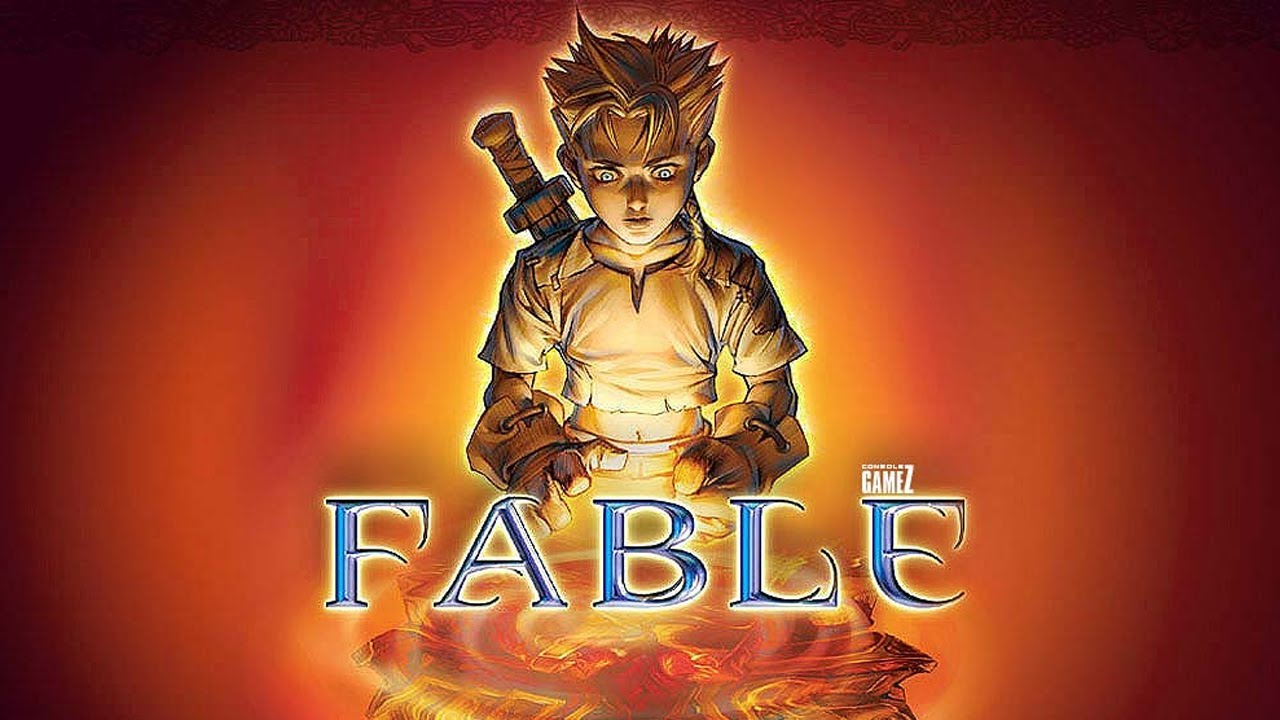
Lionhead Studios and Microsoft Game Studios shipped this action RPG with a town-by-town marriage system that allows players to wed NPCs of any gender. Gifts, expressions and alignment influence acceptance, and spouses react to housing quality and player behavior. Marriage affects income and home ownership but not combat stats. The mechanic remains available across Albion’s settlements.
‘The Sims 2’ (2004)
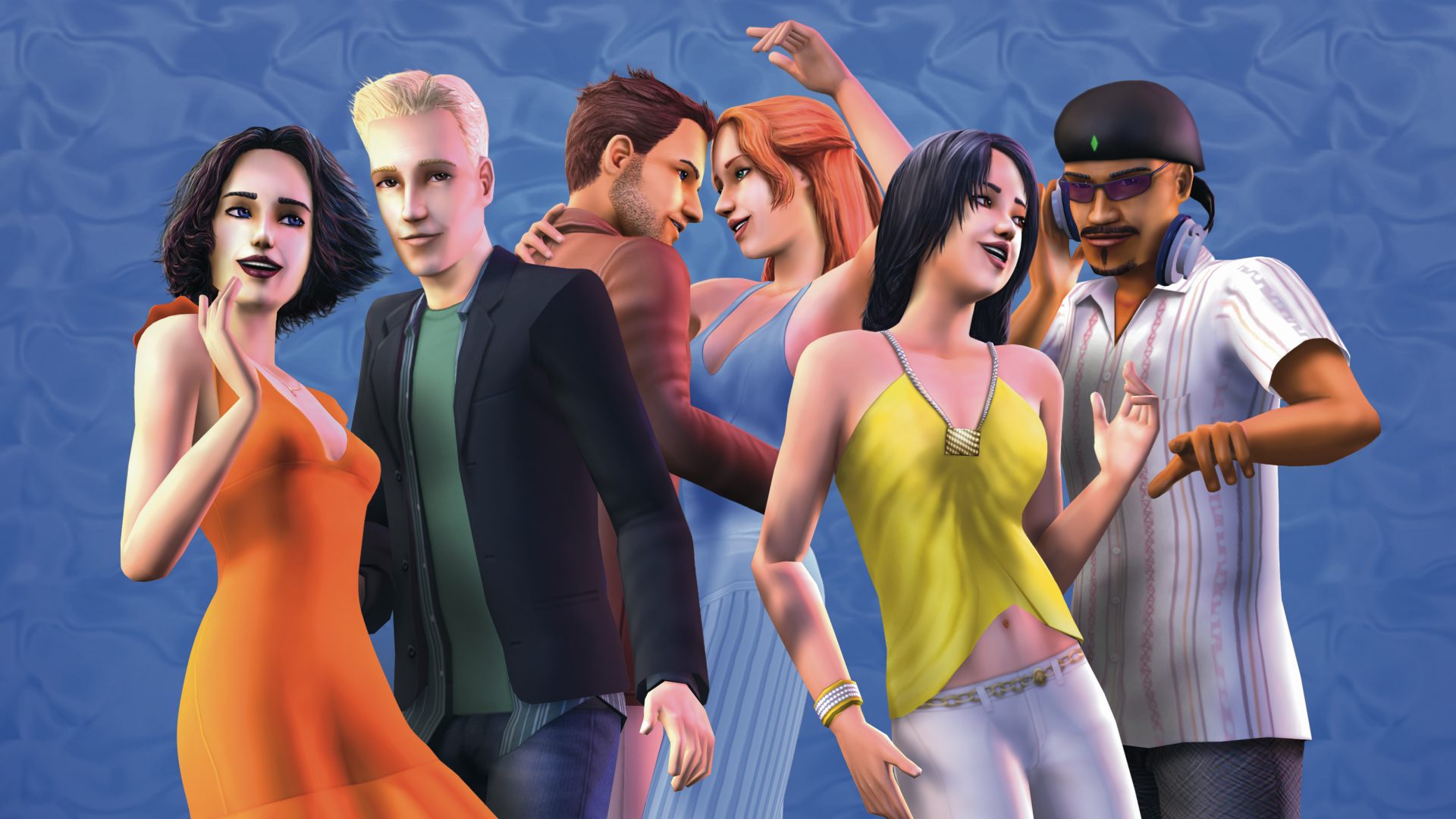
Maxis and Electronic Arts fully formalized marriage for same-gender couples with identical ceremonies, wants/fears, and aspiration rewards. Players manage engagement, weddings, shared surnames and adoption using the same UI flows as opposite-gender couples. Expansion packs add vacations, dating venues and lifetime wants that function identically across pairings. Genetic systems handle adoption and family trees consistently.
‘Akai Ito’ (2004)
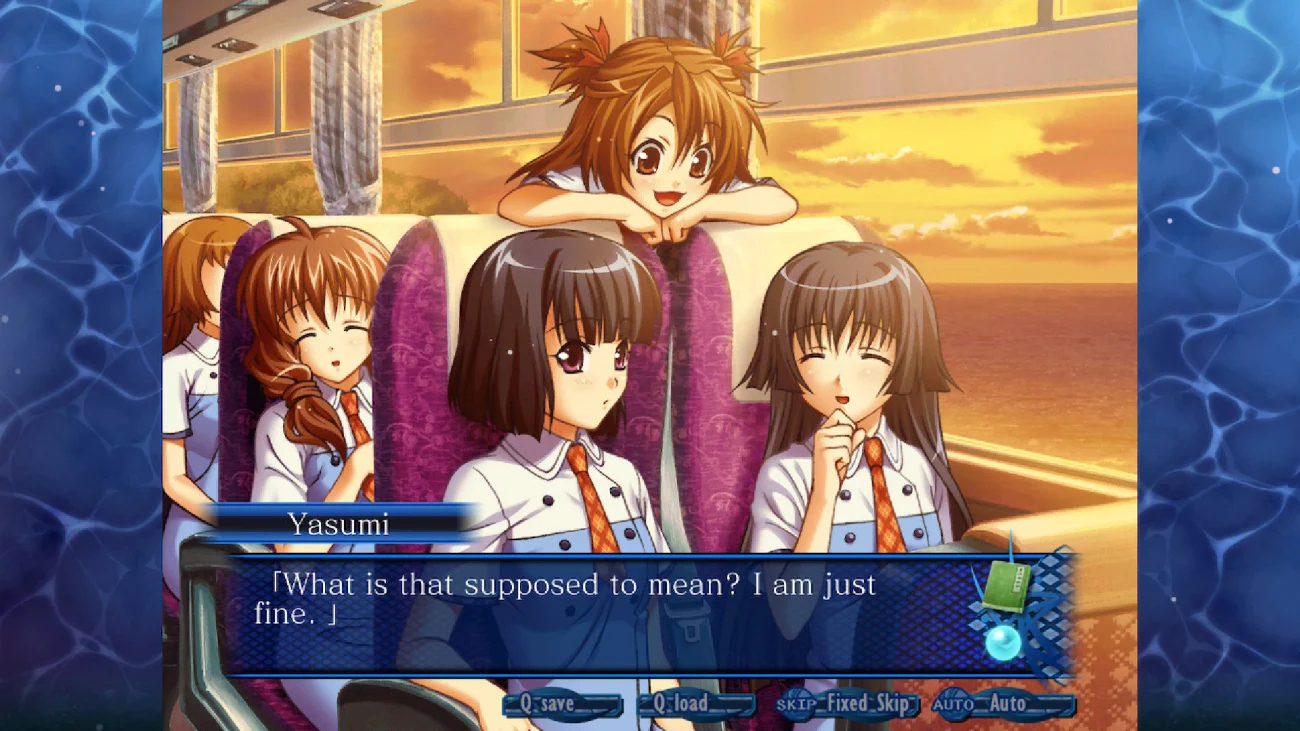
Success Corporation released this PS2 yuri visual novel where a female protagonist can pursue multiple female love interests. Branching choices lock routes, with a flowchart helping players revisit forks for CG completion. Later remasters preserved the original route logic while updating platforms. It’s a pure VN—no stat mechanics, just branching narrative with multiple endings.
‘Teikoku Sensenki’ (2004)

Langmaor’s BL visual novel blends light strategy framing with male-male romance routes. Players make story choices that determine partner paths and concluding scenes; optional add-on content expands route depth. The PS2 version keeps the core pairings while adapting presentation. It emphasizes narrative choices over resource management.
‘Jade Empire’ (2005)
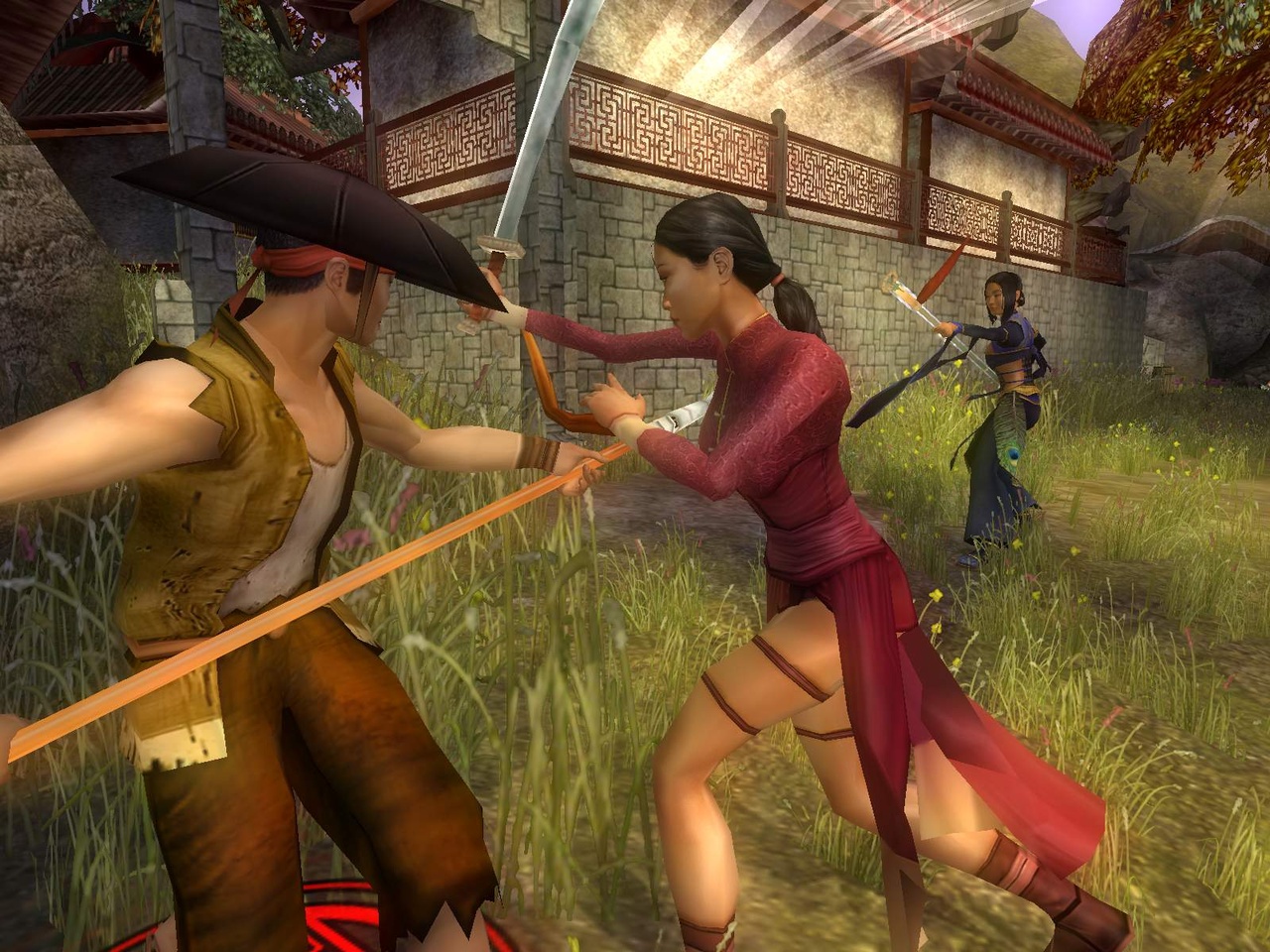
BioWare and Microsoft Game Studios included gender-agnostic romance options, allowing both male and female protagonists to romance Sky or Silk Fox. Relationship advancement occurs through dialogue choices tied to the Open Palm/Closed Fist morality system. Companion quests gate key confession scenes and endings. No stat bonuses hinge on romance, keeping it narrative-focused.
‘Harvest Moon DS Cute’ (2005)
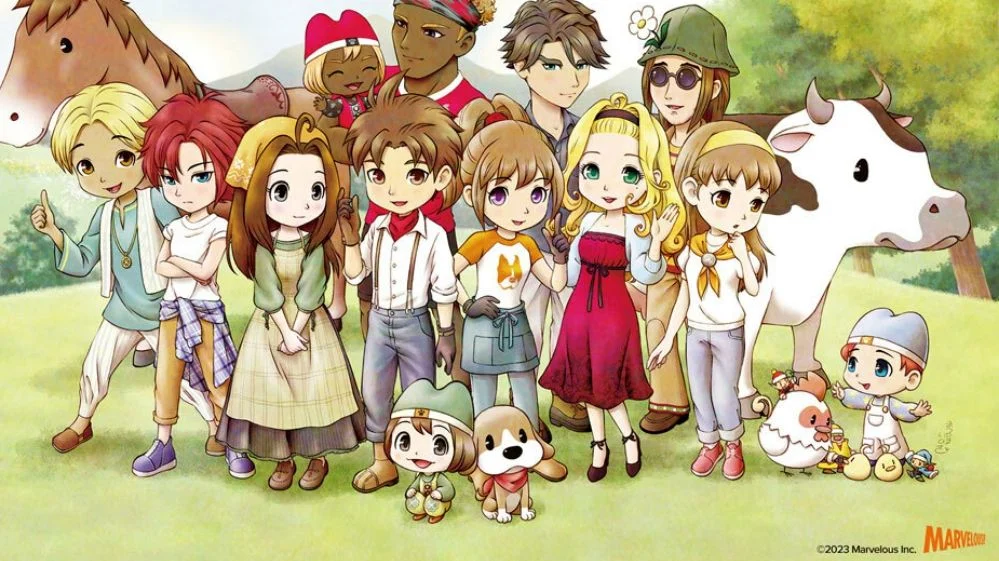
Marvelous Interactive developed and Natsume handled Western publishing; the original Japanese release includes a “Best Friend” system enabling the female player character to form a marriage-equivalent partnership with certain women. This path uses the same heart events, proposal item and ceremony flow as opposite-gender marriages. Regional releases adjusted or removed the feature, but the 2005 Japanese version supports it fully. Daily gifting, farm upgrades and festivals all interact with relationship progression.
‘Togainu no Chi’ (2005)
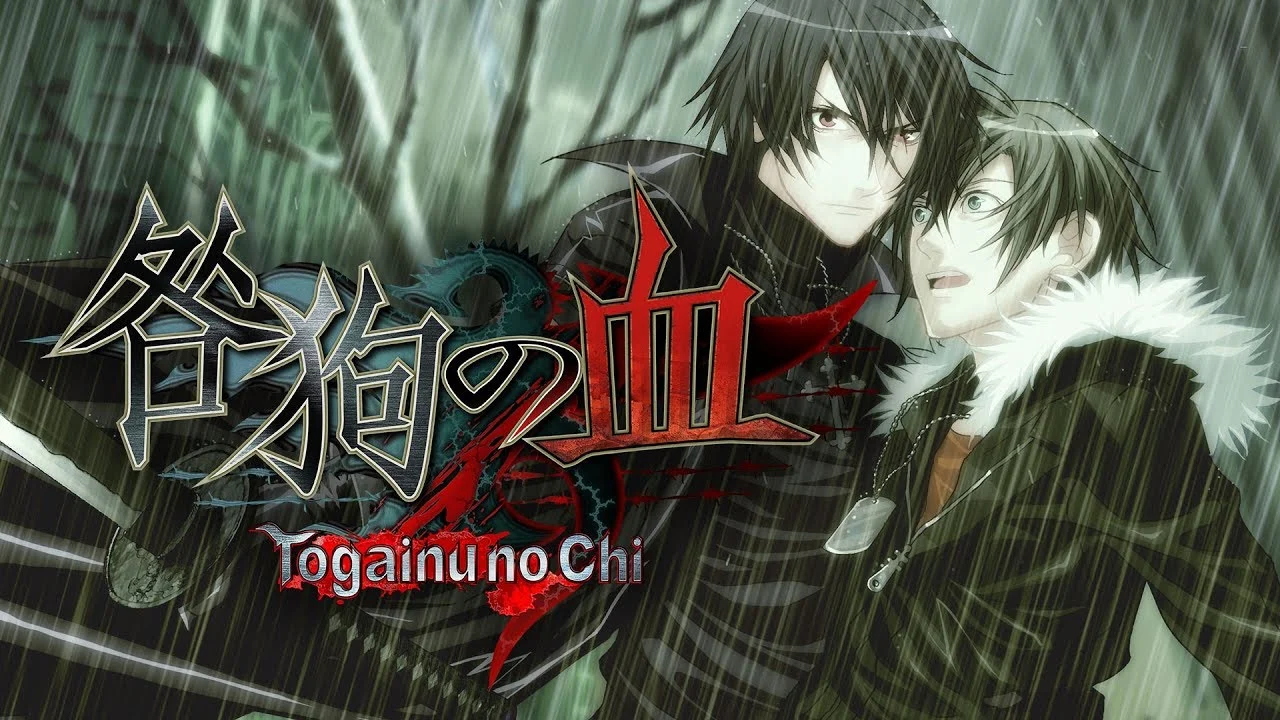
Nitro+CHiRAL’s Windows BL visual novel features multiple male romance routes set in a post-apocalyptic death game. Route access depends on choice branches and optional scenes, with true endings requiring specific flags. Later console ports modify content but retain core pairings. It’s linear per route, encouraging multiple playthroughs to see all outcomes.
‘Absolute Obedience’ (2005)
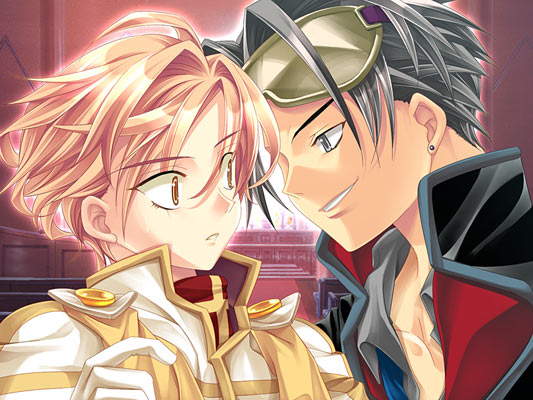
Langmaor (with later English release by JAST USA) created this mission-based BL visual novel where completing case assignments and dialogue objectives unlocks male-male romance endings. Performance grades in missions influence CG unlocks and epilogues. The structure mixes hub selection with discrete cases, keeping route logic clear. There are no RPG stats—progress is driven by choices and mission success.
Share your favorite examples from this era—or the ones we missed—in the comments!