Anime Series With Plot Twists Borrowed from Real History

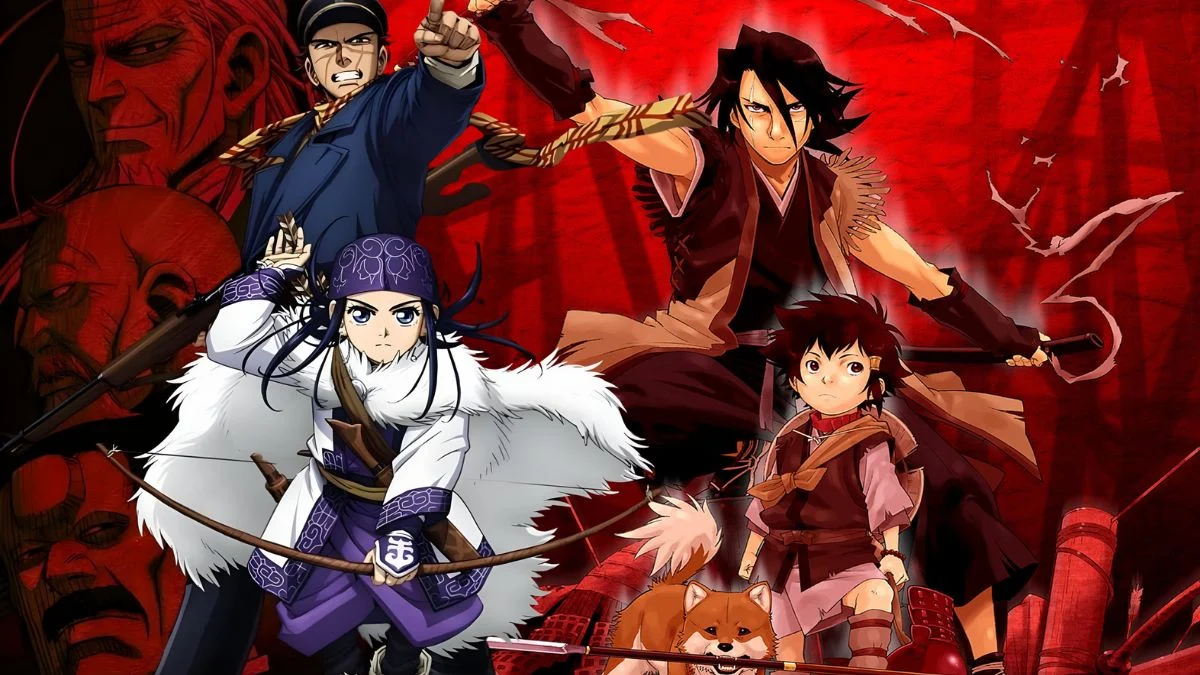

Anime often looks to the past to find compelling narratives that ground fantastical elements in reality. These series utilize actual historical events and figures to drive their plots or create shocking turns that educate while they entertain. Creators weave factual occurrences into their storytelling to add weight to the drama and stakes faced by the characters. The result is a collection of shows where the biggest spoilers can sometimes be found in a history textbook.
‘Vinland Saga’ (2019–)
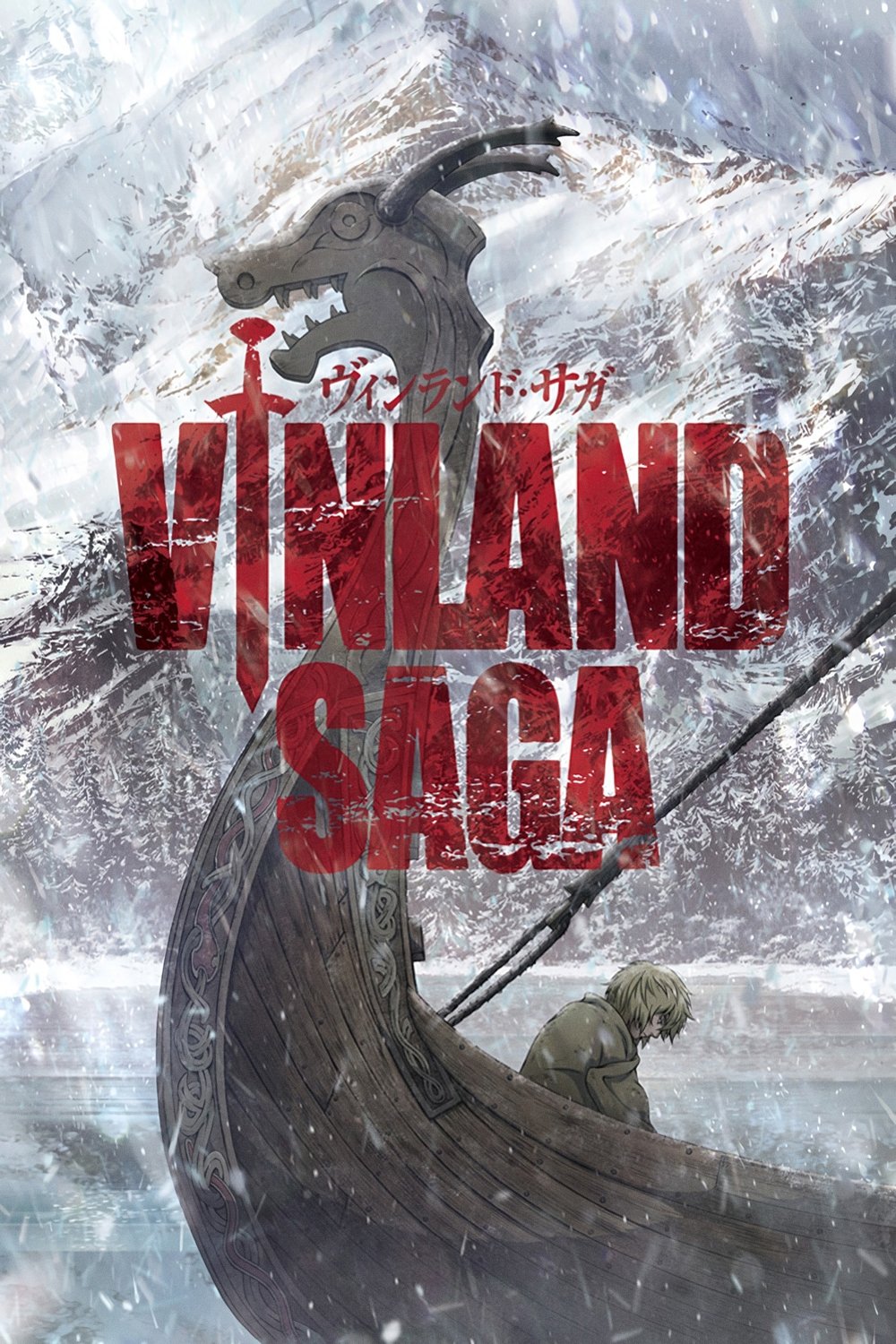
Thorfinn pursues a quest for revenge against the mercenary leader Askeladd during the Viking invasion of England. The story incorporates real figures like King Sweyn and Prince Canute while depicting the political machinations of the Danish conquest. Historical events such as the rise of Canute to the throne serve as major turning points for the character arcs. The series portrays the transition from the chaotic Viking Age to a more organized monarchical system through bloody warfare.
‘The Rose of Versailles’ (1979–1980)

Oscar François de Jarjayes lives as a man to command the Royal Guard at the Palace of Versailles during the years leading up to the French Revolution. The narrative deeply intertwines with the life of Marie Antoinette and the Affair of the Diamond Necklace. Real historical events like the storming of the Bastille drive the tragic conclusion of the series. It remains one of the most influential depictions of late 18th-century France in animation.
‘Kingdom’ (2012–)
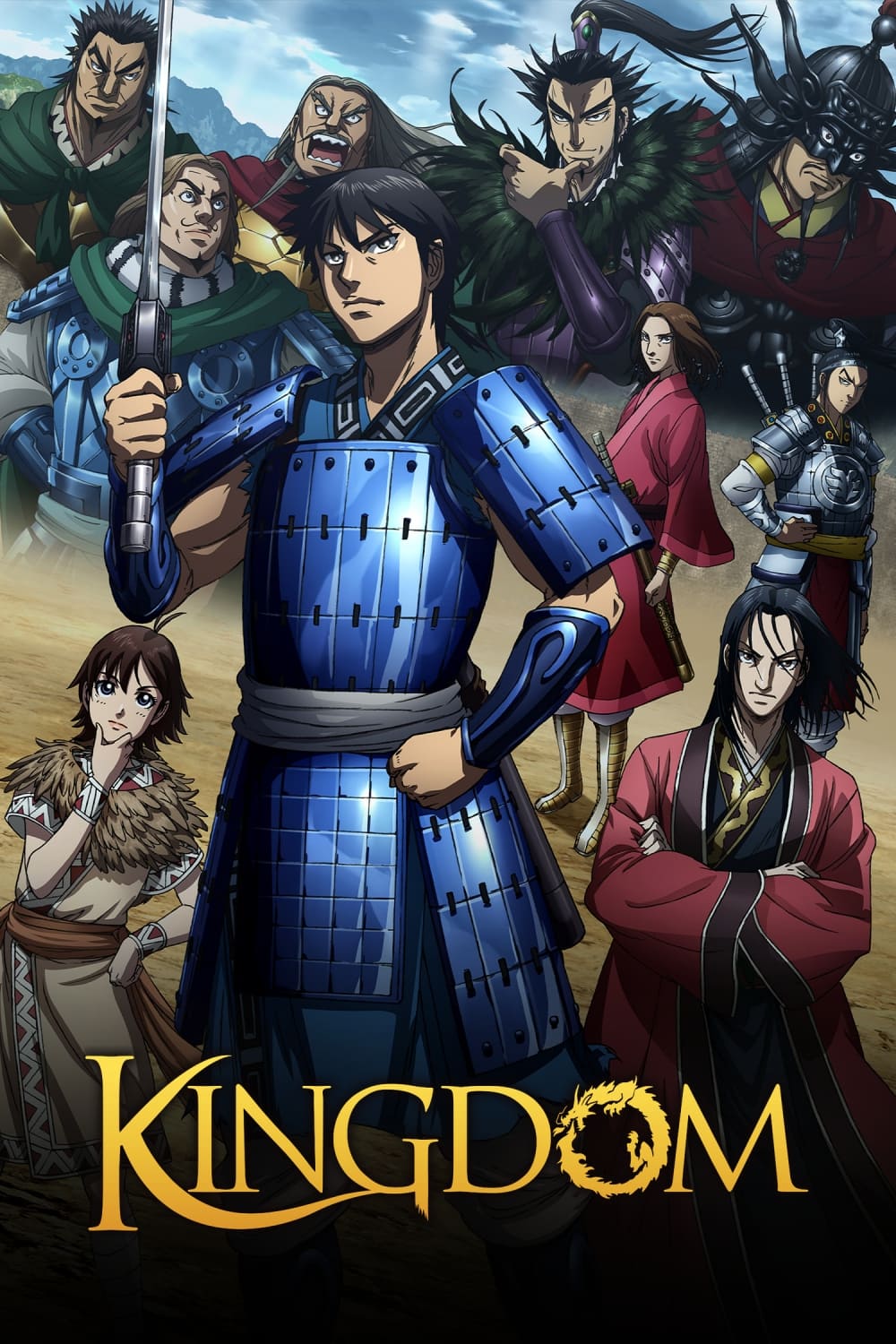
War orphan Shin strives to become the greatest general under the heavens during the Warring States period of China. The plot follows the historical trajectory of Ei Sei who aims to unify China for the first time as the future Qin Shi Huang. Major battles and political coups are lifted directly from historical records like the Shiji. The series emphasizes the brutal reality of ancient warfare and the complex strategy required to forge an empire.
‘Golden Kamuy’ (2018–)
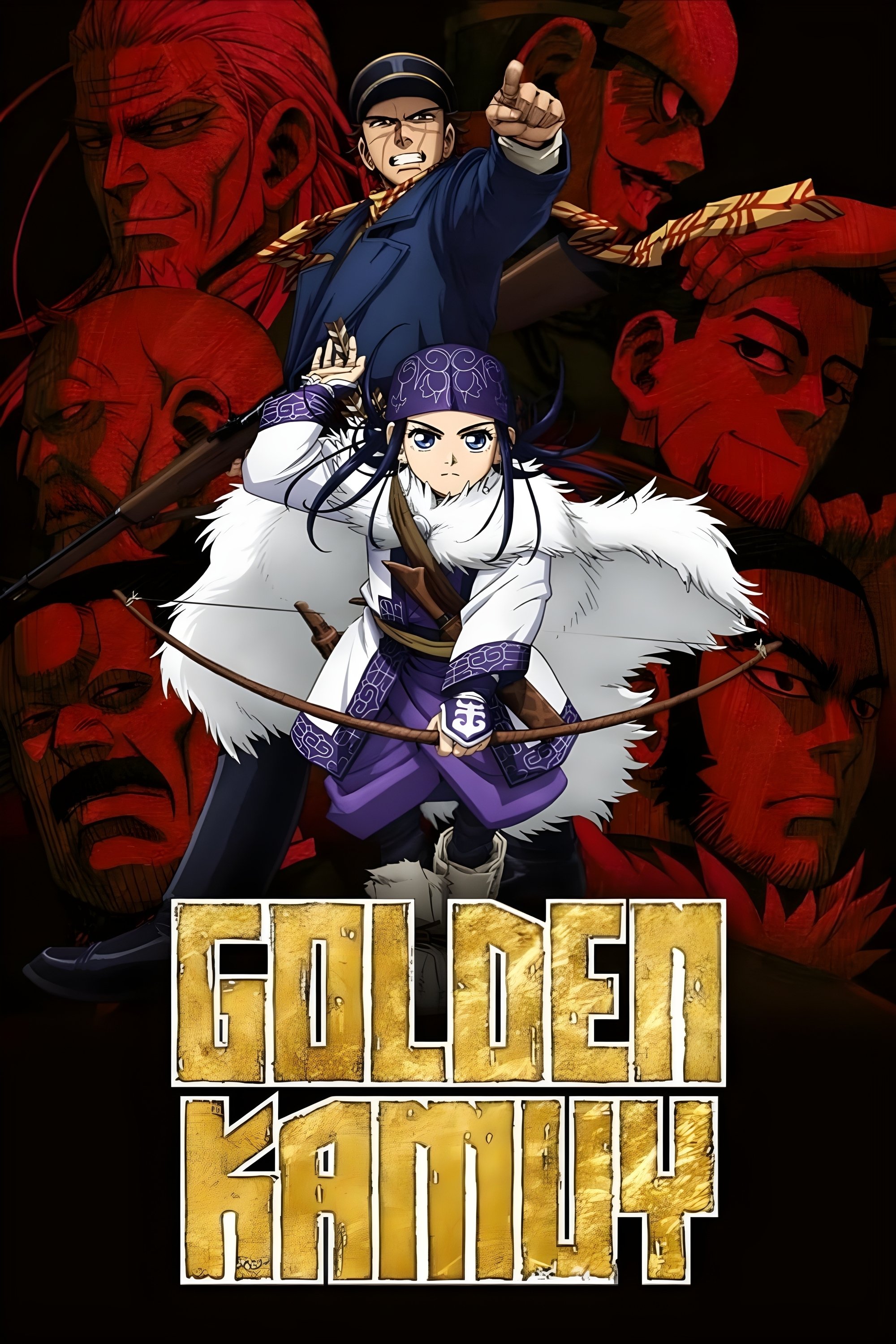
Saichi Sugimoto searches for a hidden stash of Ainu gold in Hokkaido directly after the Russo-Japanese War. The story features real historical figures like Hijikata Toshizo of the Shinsengumi who is reimagined as an aging revolutionary. Plot points revolve around the political tensions between the Japanese 7th Division and various factions seeking independence. The anime provides a detailed look at Ainu culture and the post-war social climate of early 20th-century Japan.
‘The Wind Rises’ (2013)
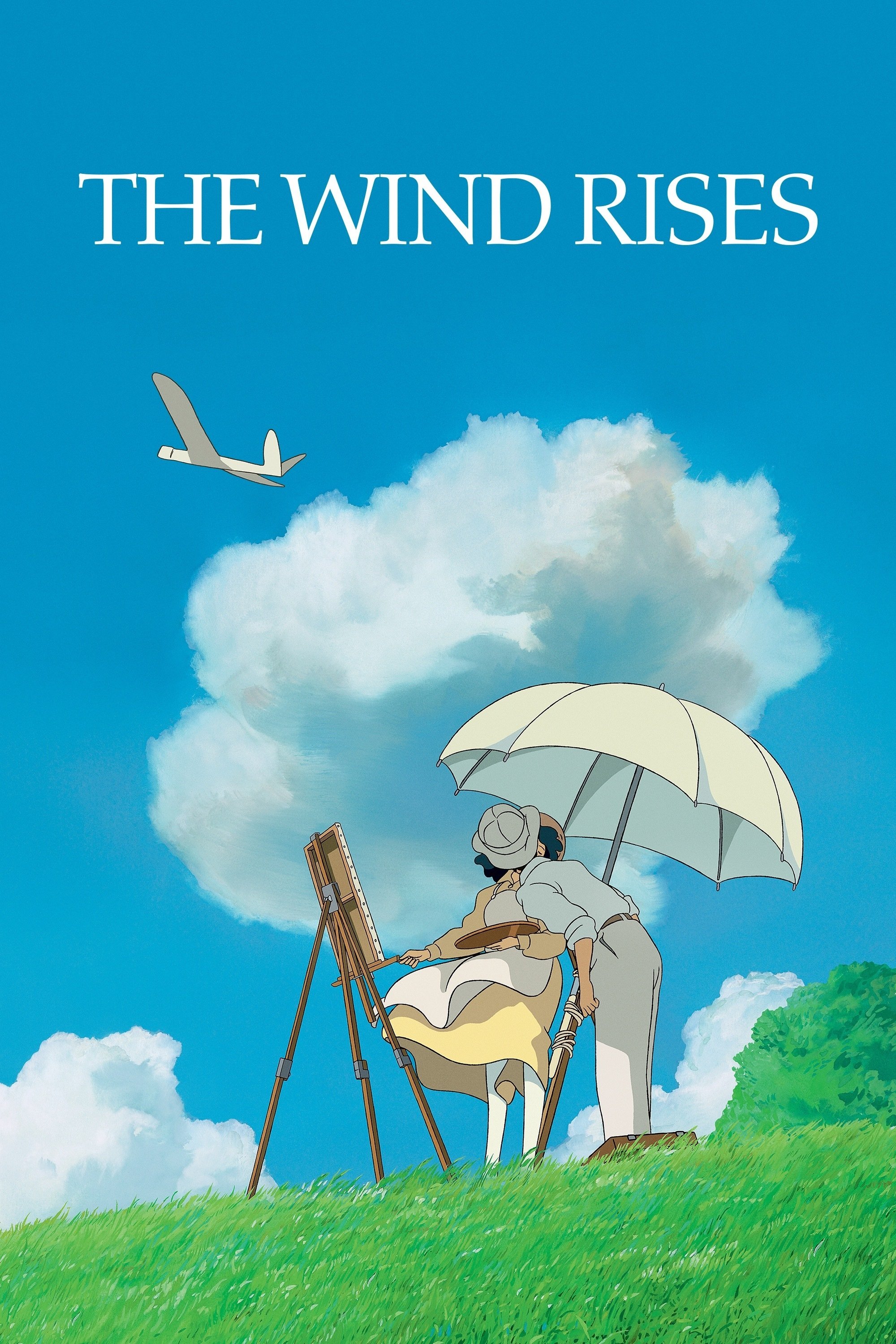
Jiro Horikoshi dreams of designing beautiful airplanes despite his nearsightedness preventing him from becoming a pilot. The film fictionalizes the life of the engineer behind the Mitsubishi A6M Zero fighter used during World War II. It juxtaposes his artistic passion for flight with the devastating reality that his creations are machines of war. The Great Kanto Earthquake and the subsequent economic depression serve as critical background events that shape his journey.
‘Grave of the Fireflies’ (1988)
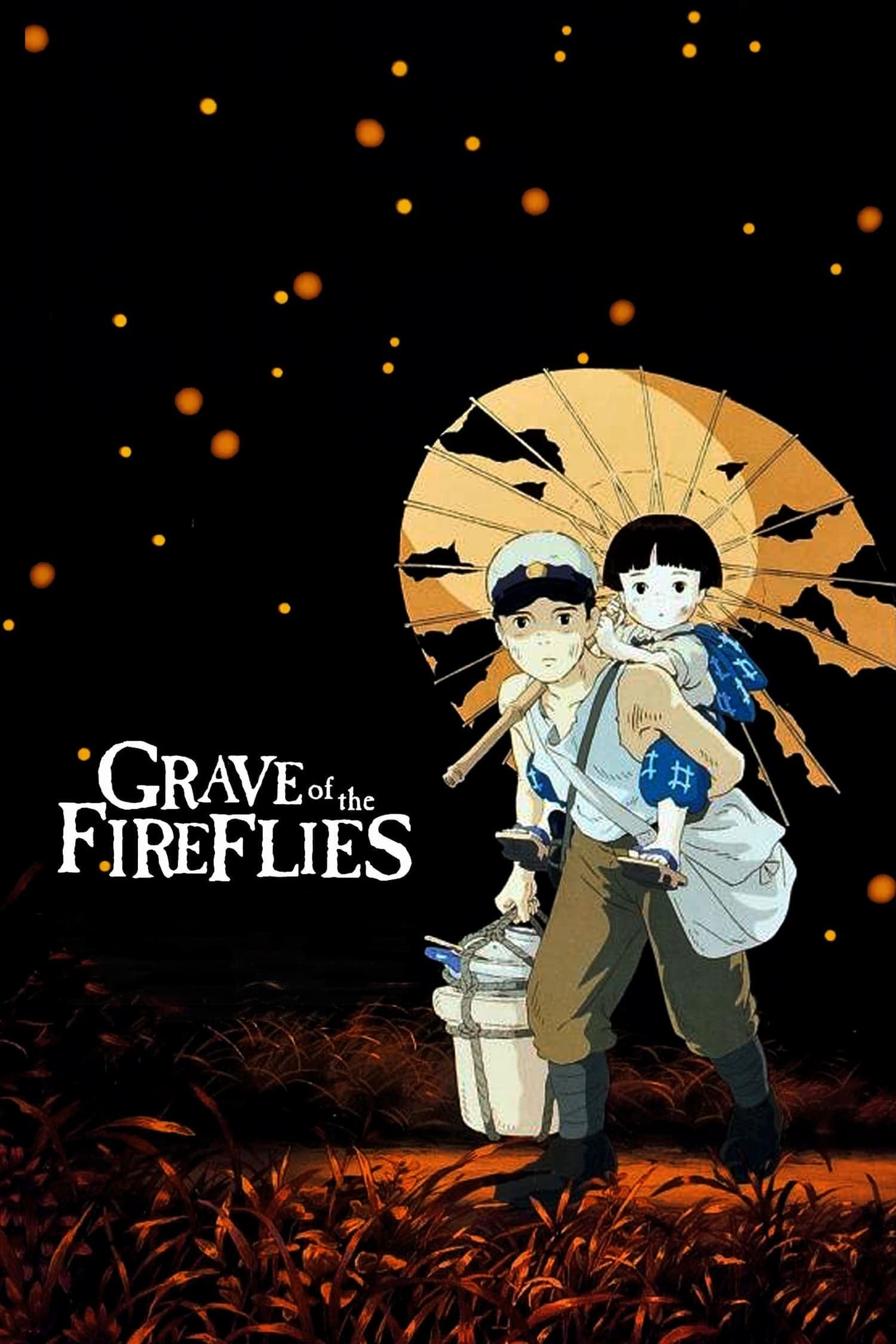
Seita and his younger sister Setsuko struggle to survive on their own during the final months of World War II. The film depicts the horrific firebombing of Kobe and the desperation of civilians left behind by the failing government. Their tragic decline mirrors the real starvation and lack of resources faced by Japanese citizens in 1945. This narrative stands as a harrowing reminder of the human cost of war beyond the battlefield.
’91 Days’ (2016)
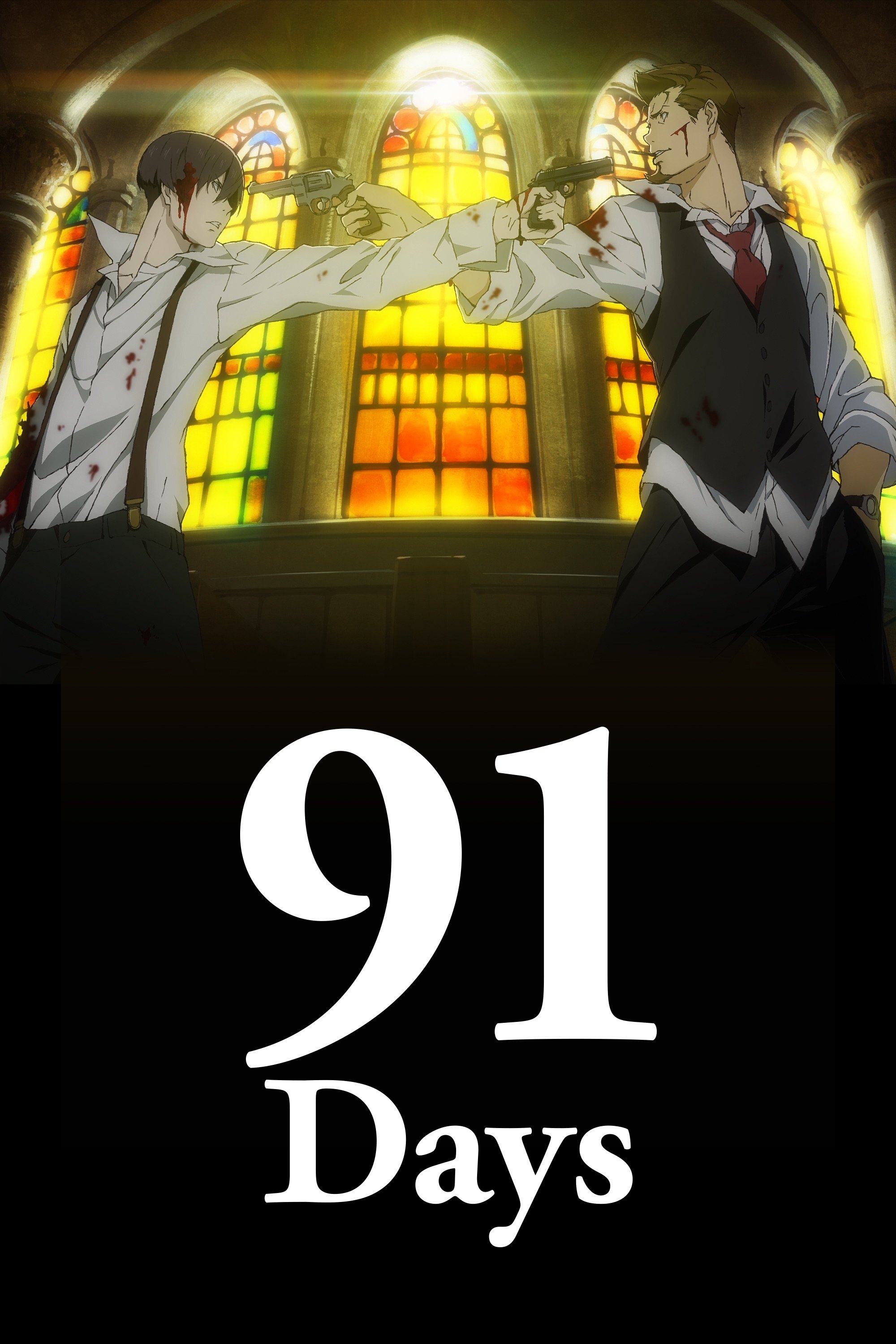
Angelo Lagusa infiltrates the Vanetti crime family to seek vengeance for the murder of his parents and brother. The setting is the lawless Prohibition era in the United States where mafia power struggles dominate the social landscape. The plot draws heavy inspiration from real historical mafia conflicts and the atmosphere of 1920s Illinois. Betrayal and loyalty shift constantly as the protagonist uses the volatile history of organized crime to exact his revenge.
‘Joker Game’ (2016)
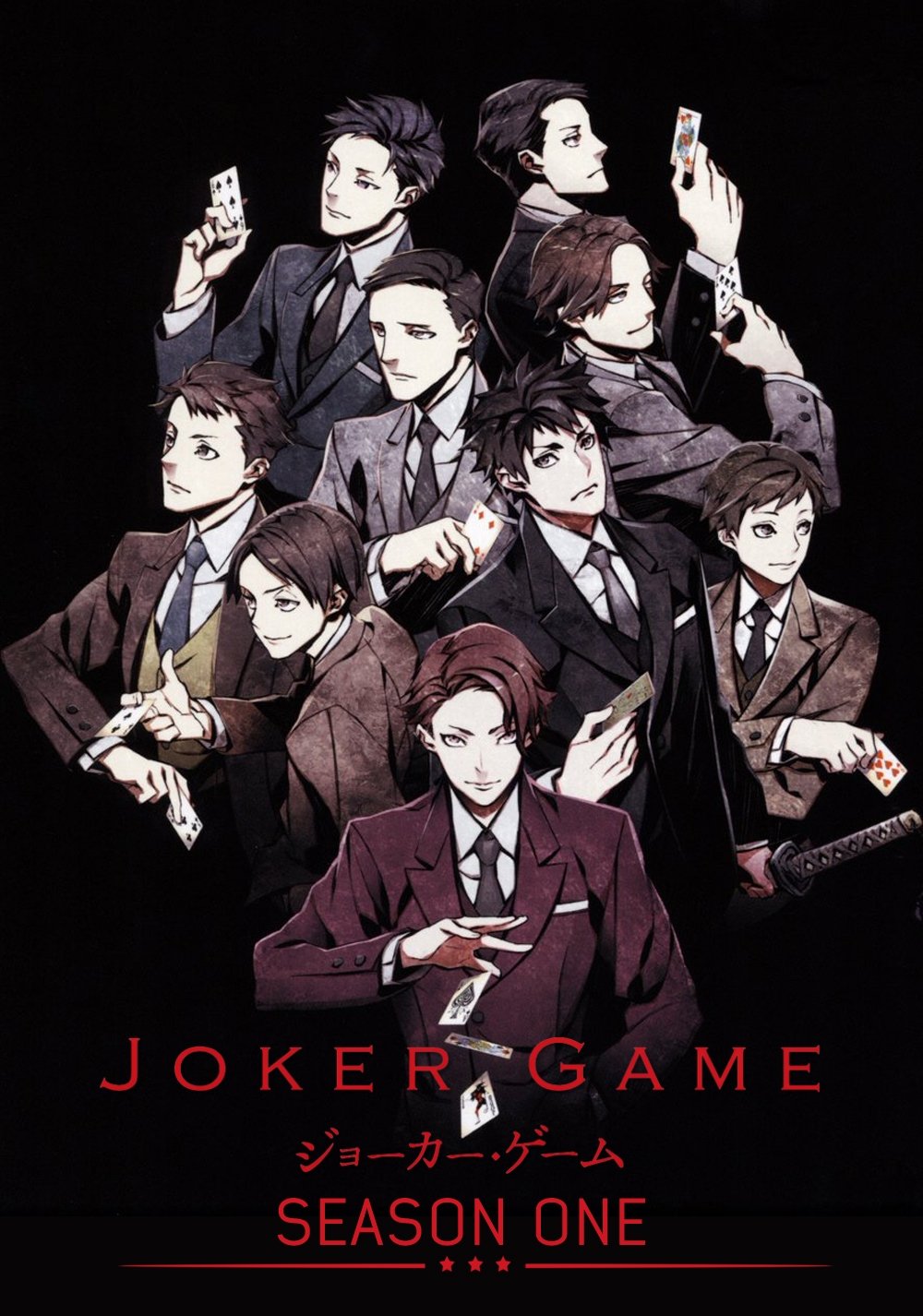
The D Agency trains spies to operate in various nations just before the outbreak of World War II. Lieutenant Colonel Yuuki rejects traditional military values to establish an intelligence network based on manipulation and information control. Each episode often hinges on real geopolitical tensions and the precarious diplomacy of the late 1930s. The series highlights the shadow wars that took place in history before open combat officially began.
‘Rurouni Kenshin’ (1996–1998)
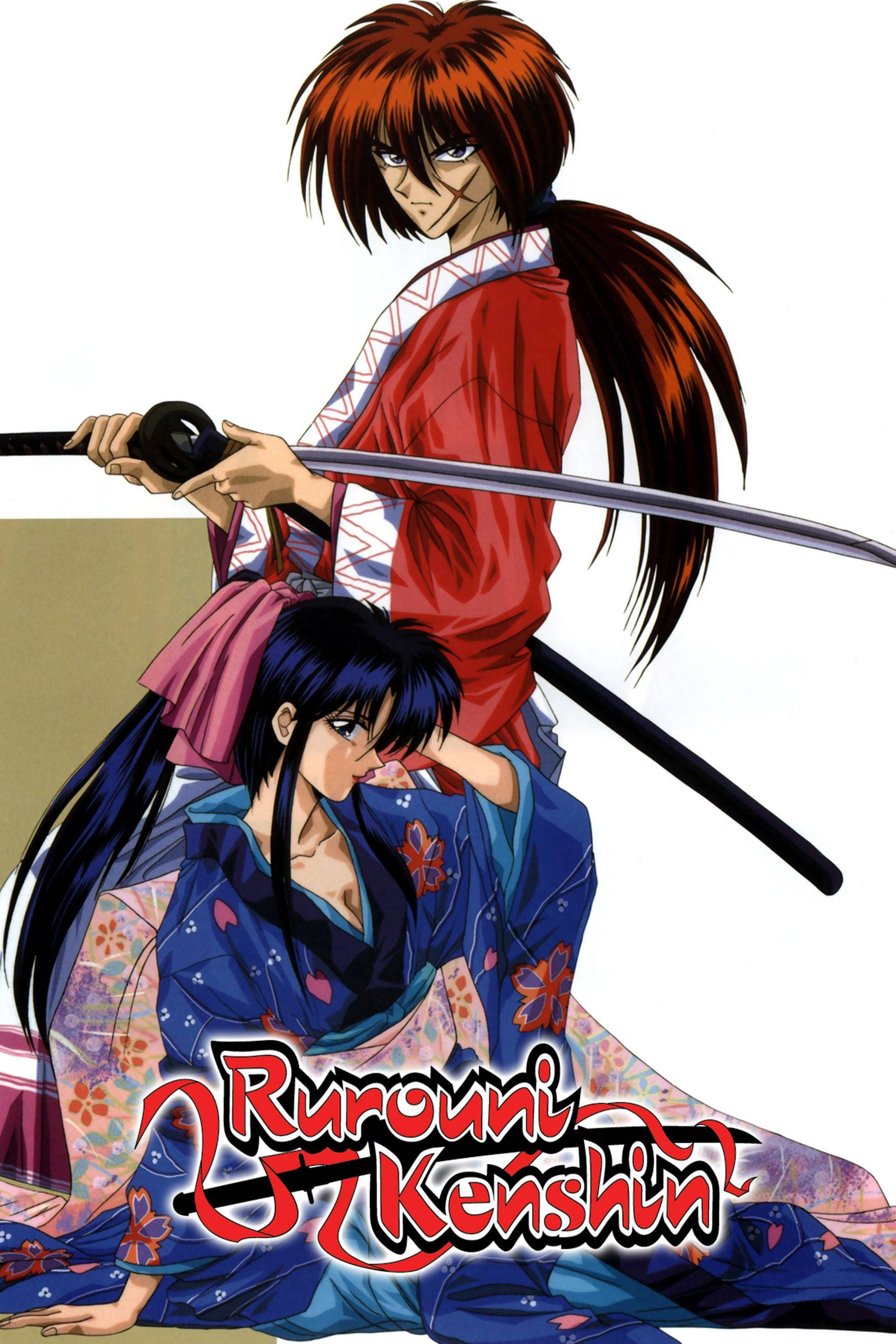
Himura Kenshin wanders Japan as a protector to atone for his past as an assassin during the Bakumatsu era. The story is set in the early Meiji period and deals with the cultural clash between the samurai class and Western modernization. Real historical figures like Hajime Saito serve as rivals and reminders of the bloody revolution that established the new government. The plot explores the difficulties of peace in a nation built upon recent violence.
‘In This Corner of the World’ (2016)
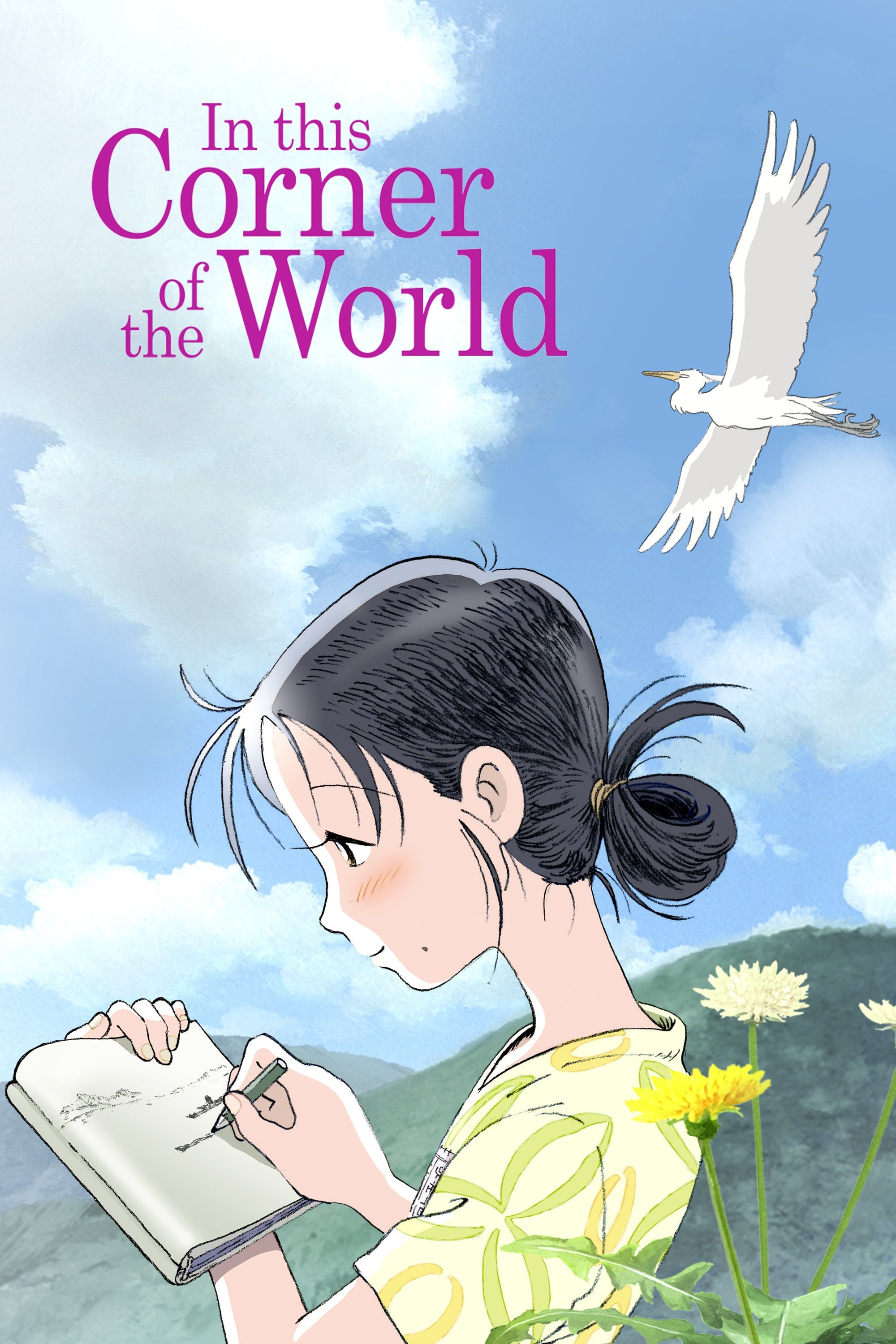
Suzu moves to Kure to marry a naval clerk and manages a household as the Pacific War escalates. The film meticulously recreates the landscape of wartime Hiroshima and the daily struggles of ordinary citizens. Historical air raids and the eventual dropping of the atomic bomb are central to the turning points in her life. The narrative focuses on resilience and the persistence of daily life amidst historical devastation.
‘Showa Genroku Rakugo Shinju’ (2016–2017)
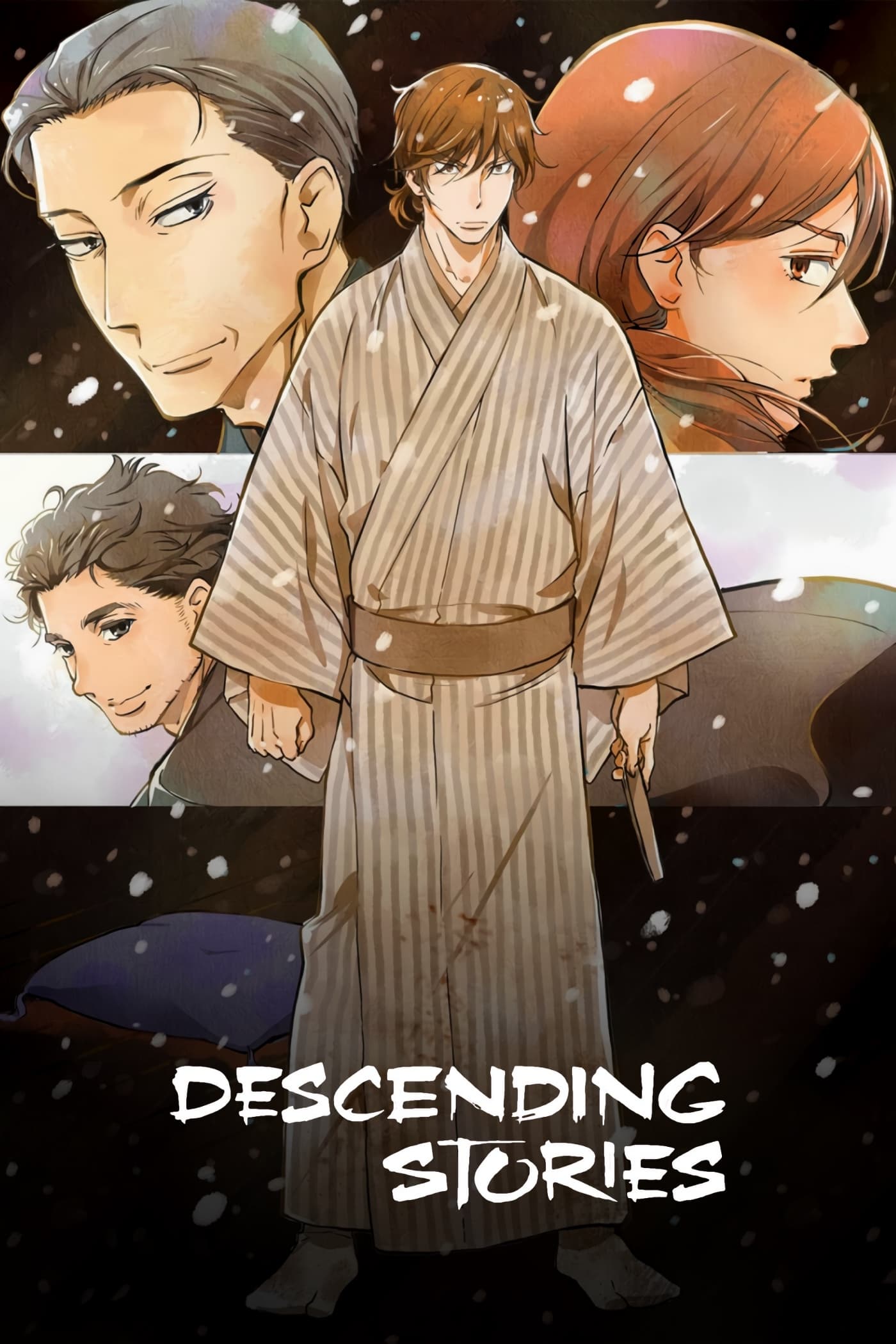
Yakumo Yurakutei narrates his life as a rakugo storyteller spanning the Showa and Heisei eras of Japan. The decline of traditional arts mirrors the rapid modernization and cultural shifts occurring in post-war Japanese society. Historical changes in entertainment and social norms directly impact the relevance and survival of the characters. The drama serves as a cultural history of a nation trying to find its identity after a lost war.
‘Requiem of the Rose King’ (2022)
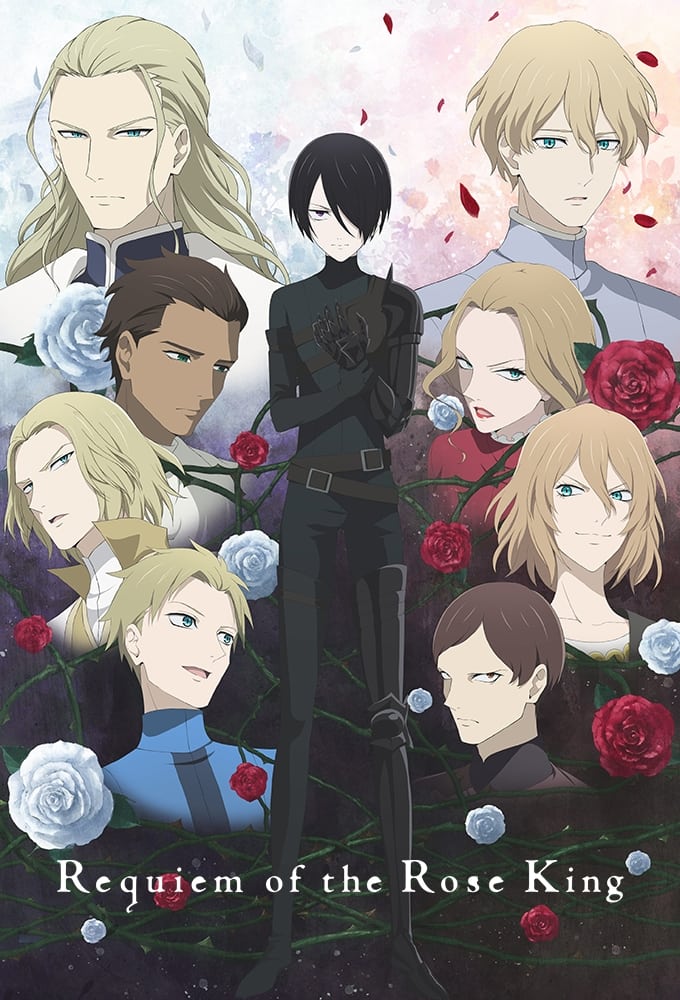
Richard Plantagenet struggles with his intersex identity while his family vies for the throne of England. The series is a dark fantasy adaptation of Shakespearean plays and the real historical conflict known as the Wars of the Roses. Betrayals and alliances shift according to the actual chaotic succession battles between the House of York and the House of Lancaster. The protagonist navigates a world where historical destiny seems determined to cause suffering.
‘Zipang’ (2004–2005)
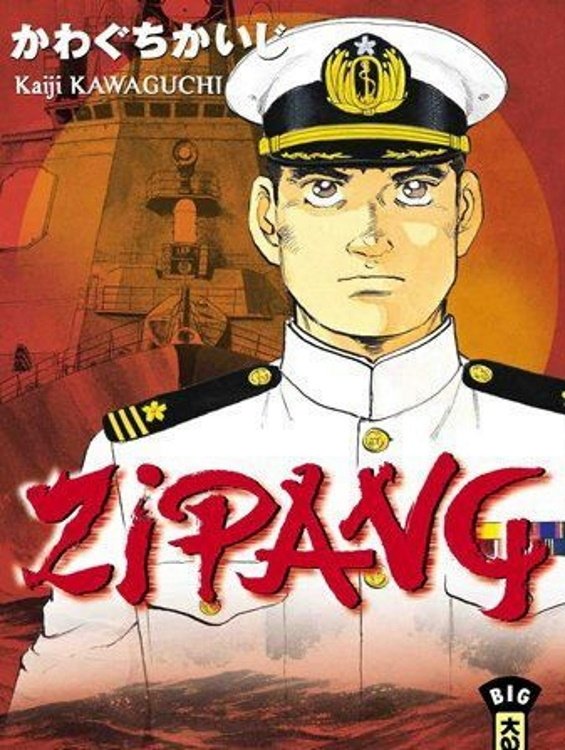
A modern Japanese Aegis destroyer is transported back in time to the Battle of Midway in 1942. The crew must decide whether to intervene in the war and potentially alter the course of history or watch their ancestors die. Their advanced technology creates a massive divergence from known historical events and forces ethical dilemmas upon the officers. The show examines the technical and moral implications of modern knowledge in a historical war theater.
‘Barefoot Gen’ (1983)
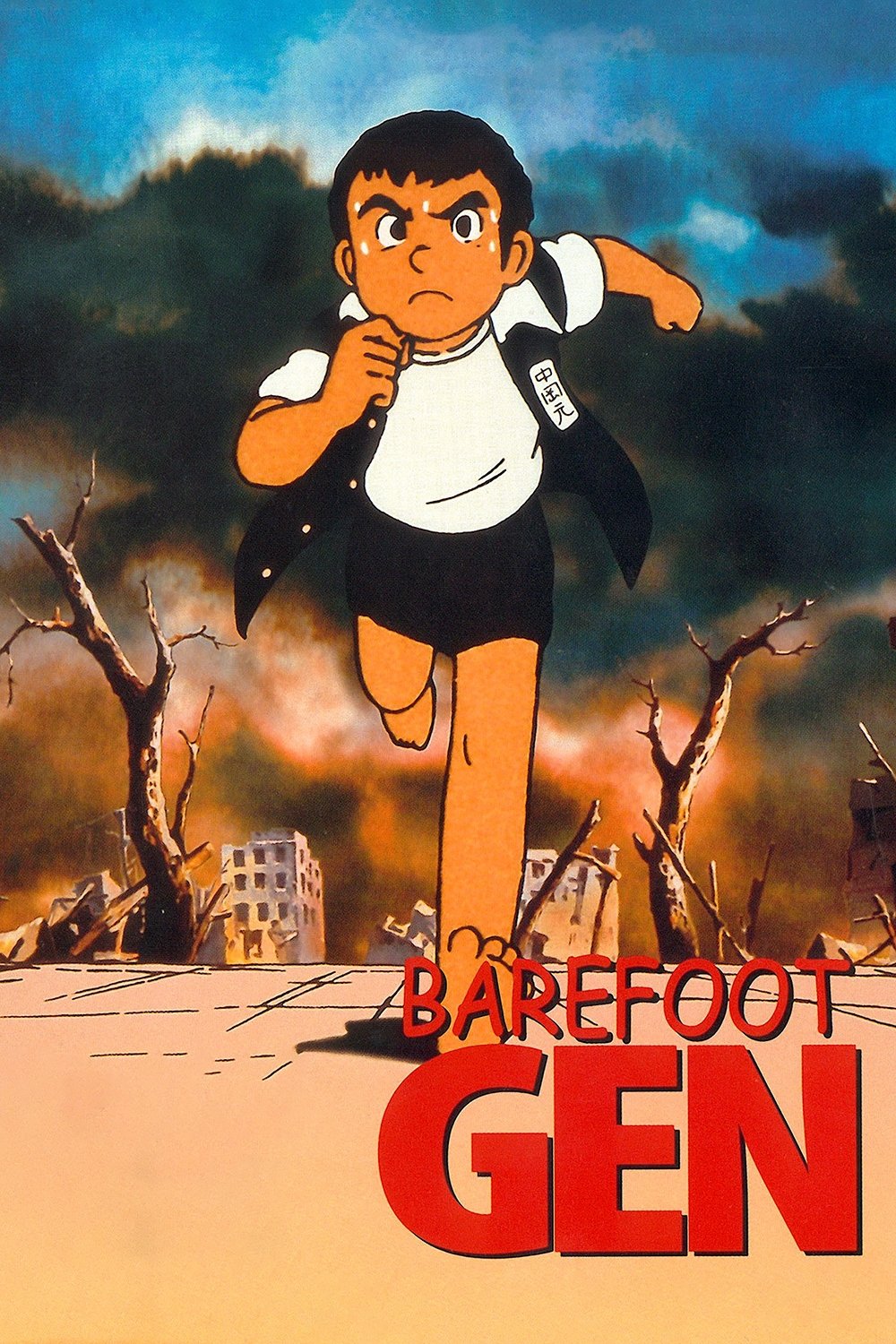
Gen Nakaoka lives in Hiroshima with his family as they face poverty and malnutrition during the war. The film provides an unflinching look at the atomic bombing on August 6 and the subsequent hellscape. It is based on the author’s own terrifying experiences as a survivor of the blast and radiation sickness. The narrative serves as a brutal historical testimony against the use of nuclear weapons.
‘Hyouge Mono’ (2011)
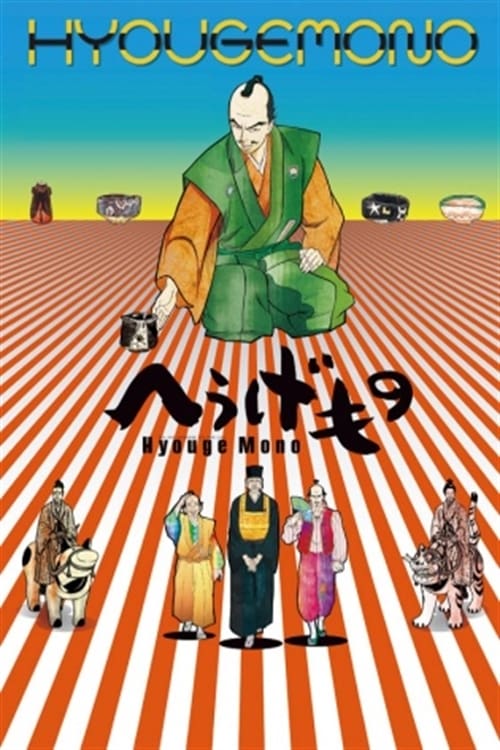
Furuta Oribe is a warlord who cares more about tea ceremonies and aesthetics than success on the battlefield. The story takes place during the Sengoku period and focuses on the intersection of politics and art under Oda Nobunaga and Toyotomi Hideyoshi. Historical assassinations and power transfers are viewed through the lens of cultural influence rather than just military might. It offers a unique perspective on how artistic values shaped the history of the samurai class.
‘Miss Hokusai’ (2015)

O-Ei works alongside her famous father Katsushika Hokusai in 19th-century Edo. The film explores the life of the artist behind some of Japan’s most iconic imagery and the bustling urban life of the era. Historical details regarding the art world and the floating world districts ground the episodic narrative. It sheds light on the often overlooked contributions of O-Ei to her father’s legendary historical legacy.
‘Gintama’ (2006–2010)
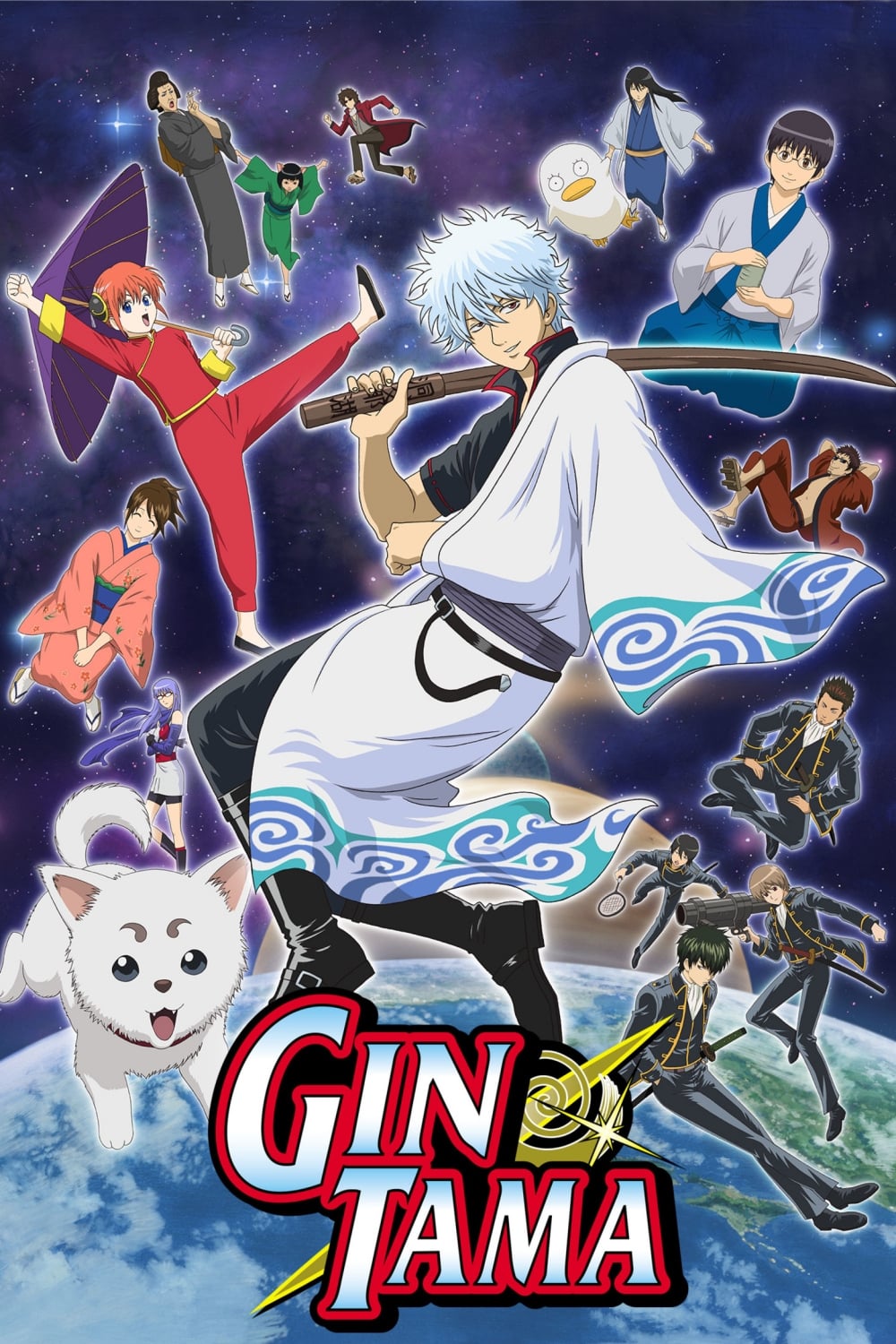
Sakata Gintoki runs a freelancer business in an alternate version of Edo that has been conquered by aliens. While highly comedic the show is heavily based on the Bakumatsu period and features parodies of the Shinsengumi and other historical factions. The arrival of the aliens serves as a metaphor for the arrival of Commodore Perry and Western influence in Japan. Plot arcs frequently deconstruct real historical events through a lens of absurd satire.
‘Hakuoki’ (2010)
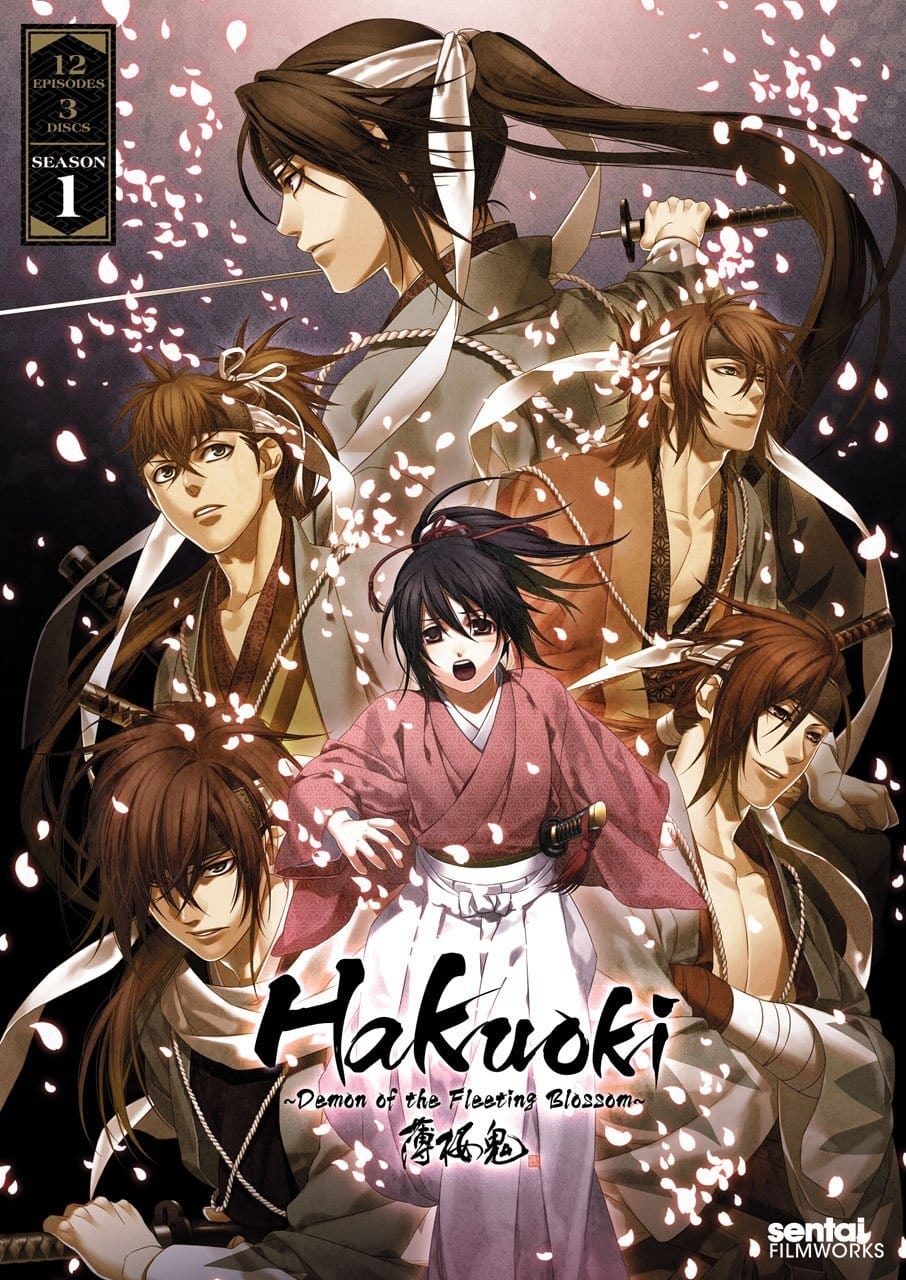
Chizuru Yukimura travels to Kyoto to find her father and becomes involved with the Shinsengumi. The series reimagines the members of the famous police force as warriors who use a supernatural serum to gain strength. Despite the fantasy elements the plot follows the actual decline and eventual defeat of the Shinsengumi during the Boshin War. The tragic fates of the characters align with their historical counterparts.
‘Night Raid 1931’ (2010)
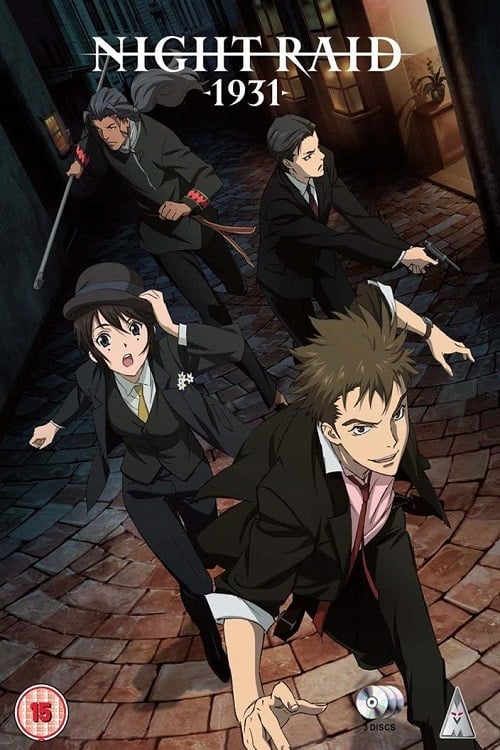
A secret organization known as the Sakurai Kikan operates in Shanghai to diffuse threats to the Japanese Army. The series is set against the backdrop of the Manchurian Incident and the complex international relations of the early 1930s. Characters interact with real historical figures like Puyi the last emperor of China. The plot weaves supernatural espionage into the fabric of the events that led up to the Second Sino-Japanese War.
‘Angolmois: Record of Mongol Invasion’ (2018)
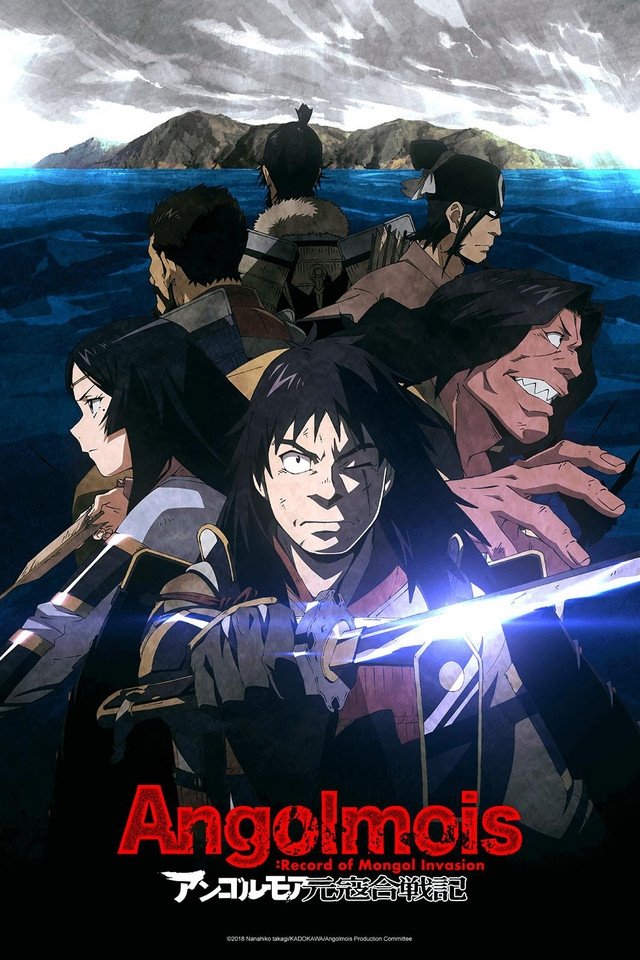
Exiled samurai Kuchii Jinzaburo leads a defense against the Mongol Empire’s invasion of Tsushima Island in 1274. The anime depicts the overwhelming military force of the Mongols and the desperate guerrilla tactics used by the Japanese defenders. It highlights a specific and brutal chapter of history often overshadowed by later conflicts. The series stays grounded in the gritty reality of medieval warfare and island survival.
‘Rainbow’ (2010)
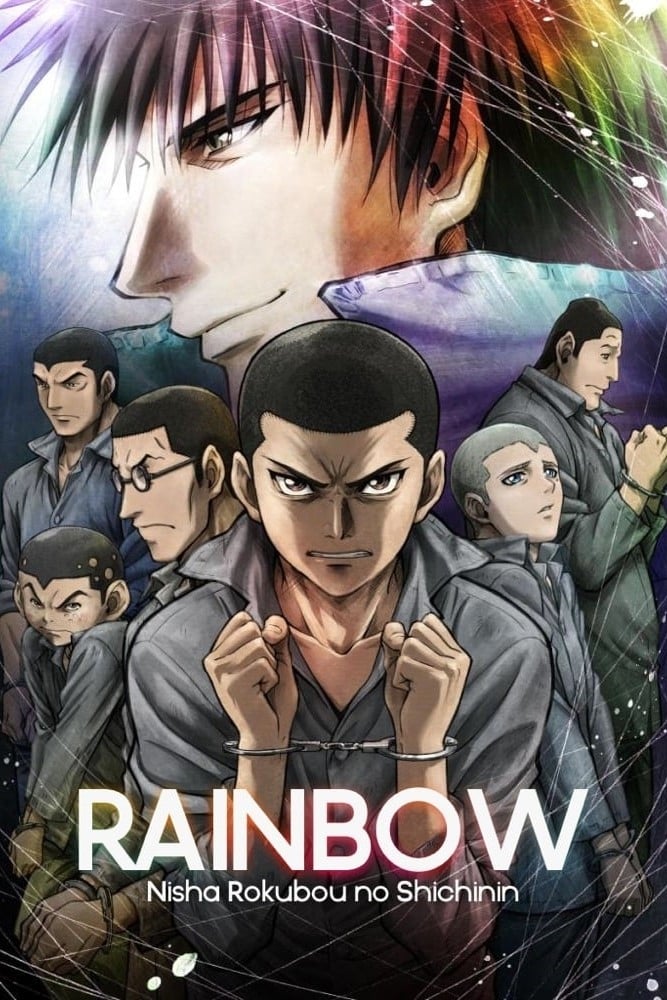
Seven teenagers form a bond while enduring the harsh conditions of a disciplinary school in 1955. The story highlights the poverty and social stigma faced by orphans and delinquents in post-war Japan. Historical context regarding the American occupation and the struggle for economic recovery permeates every struggle the boys face. Their journey to adulthood reflects the nation’s own painful path toward rebuilding after devastation.
‘Kids on the Slope’ (2012)
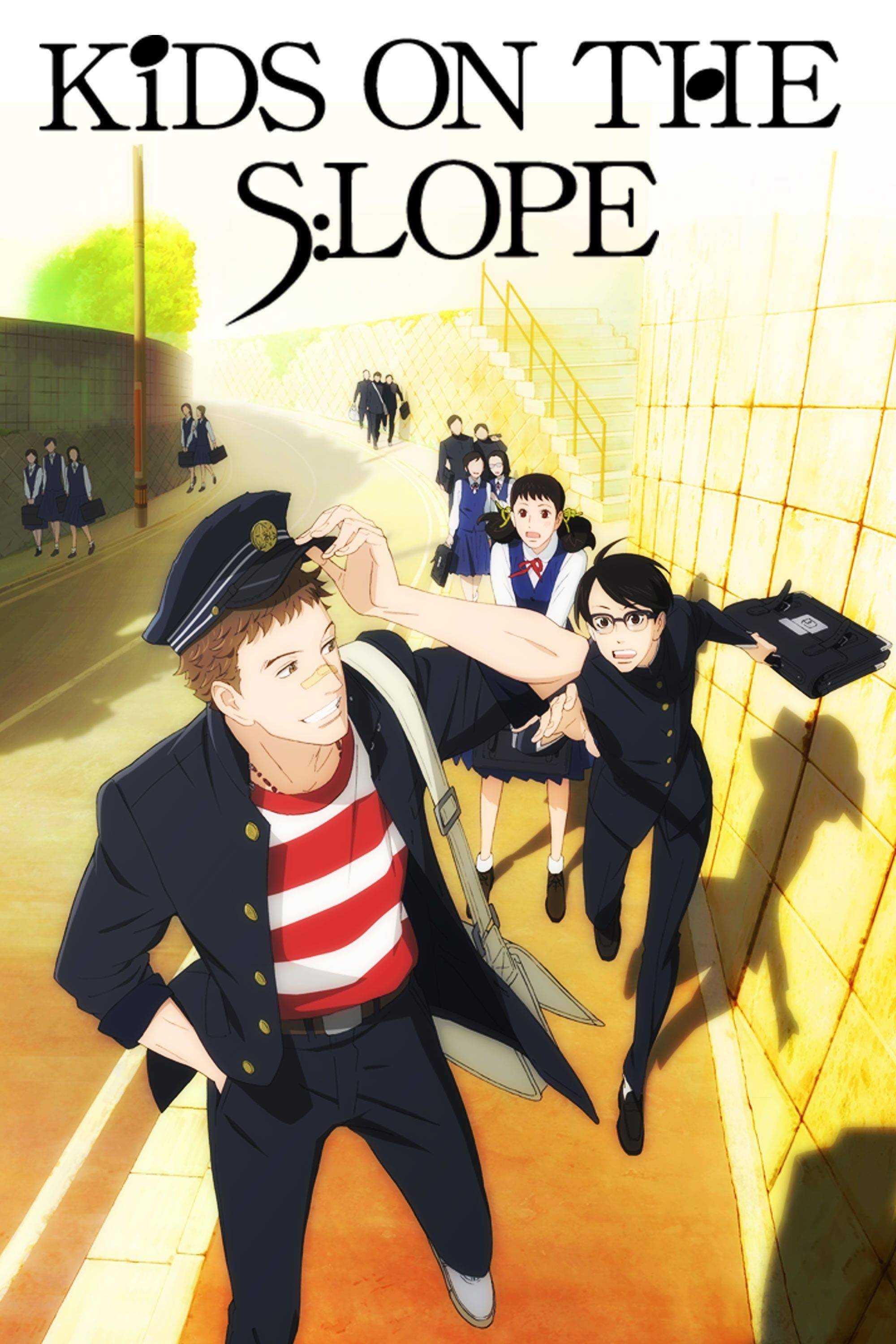
Kaoru Nishimi moves to Kyushu in 1966 and discovers a love for jazz music through his friendship with Sentaro Kawabuchi. The narrative is set against the backdrop of the student protest movements and the changing cultural landscape of 1960s Japan. Historical events intersect with personal drama as the characters deal with family rejection and religious identity. It captures the specific mood of a generation caught between tradition and Western counterculture.
‘From Up on Poppy Hill’ (2011)
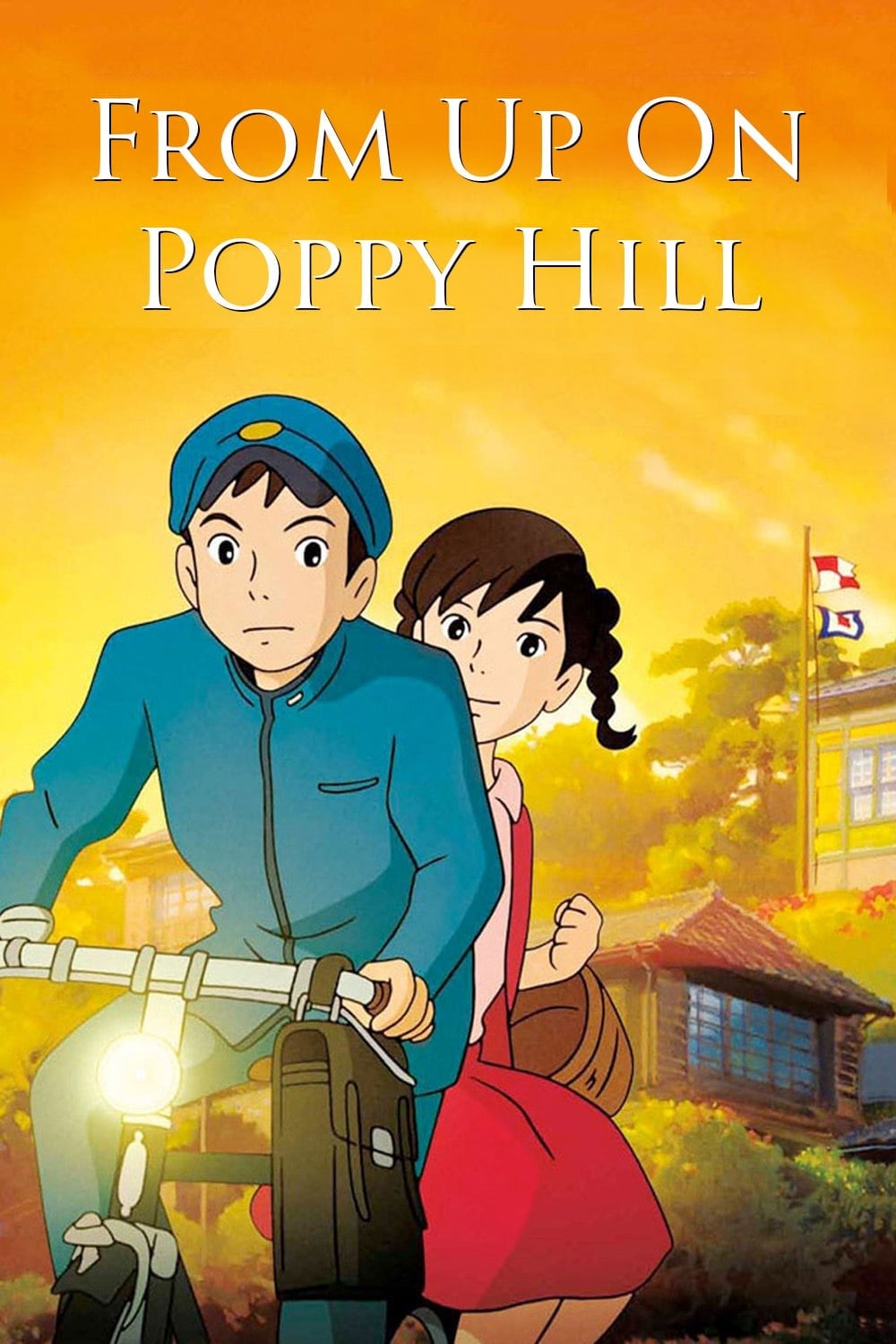
Umi Matsuzaki raises signal flags every morning overlooking the port of Yokohama in 1963. The plot centers on the preservation of a clubhouse called the Latin Quarter as Japan prepares for the 1964 Tokyo Olympics. The desire to modernize the country clashes with the students’ desire to preserve their history and memories. The film captures the optimism and nostalgia of a pivotal year in Japanese history.
‘Porco Rosso’ (1992)

Marco Pagot is a World War I ace pilot cursed to look like a pig who works as a bounty hunter in the Adriatic Sea. The film is set during the rise of fascism in Italy and deals with the disillusionment of veterans. Secret police and military pressure serve as the historical antagonists that threaten Marco’s freedom. It explores the romanticism of early aviation against the darkening political horizon of Europe.
‘The Cockpit’ (1993)
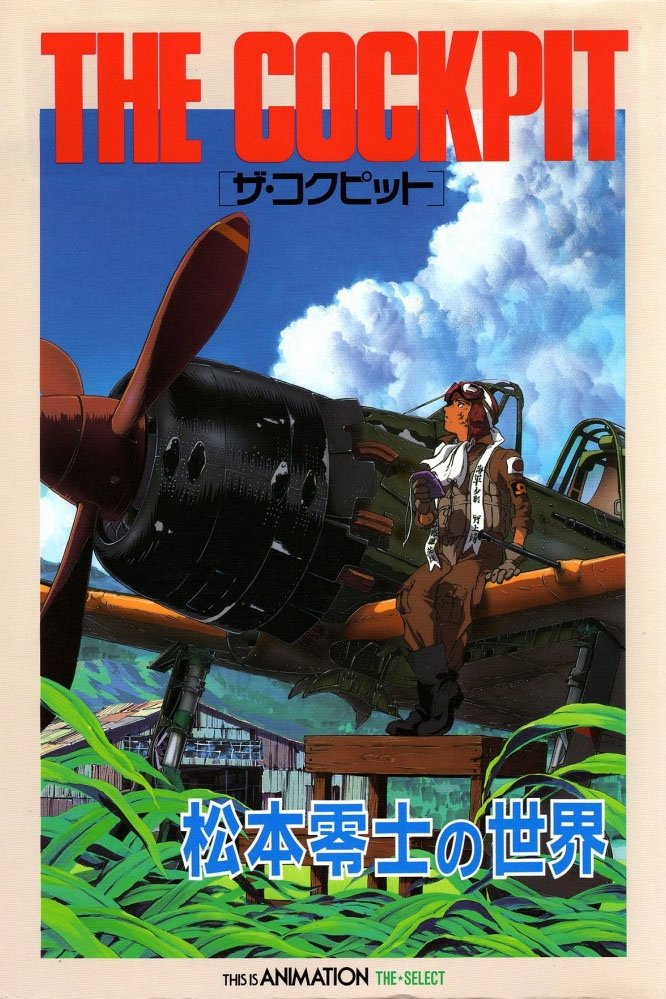
Three separate stories explore the tragic choices faced by Axis pilots and soldiers during World War II. The anthology focuses on the psychological burden of operating weapons like the Ohka suicide plane. It avoids glorifying the war and instead focuses on the futile waste of life demanded by the historical conflict. The technical accuracy of the machinery underscores the reality of the historical setting.
‘Emma: A Victorian Romance’ (2005)

Emma is a maid who falls in love with William Jones a member of the gentry in late 19th-century London. The series painstakingly recreates the strict class hierarchy and social etiquette of the Victorian era. The romance is constantly challenged by the historical reality that such inter-class relationships were socially unacceptable. It serves as a detailed study of the domestic life and societal structure of the time.
‘Croisée in a Foreign Labyrinth’ (2011)
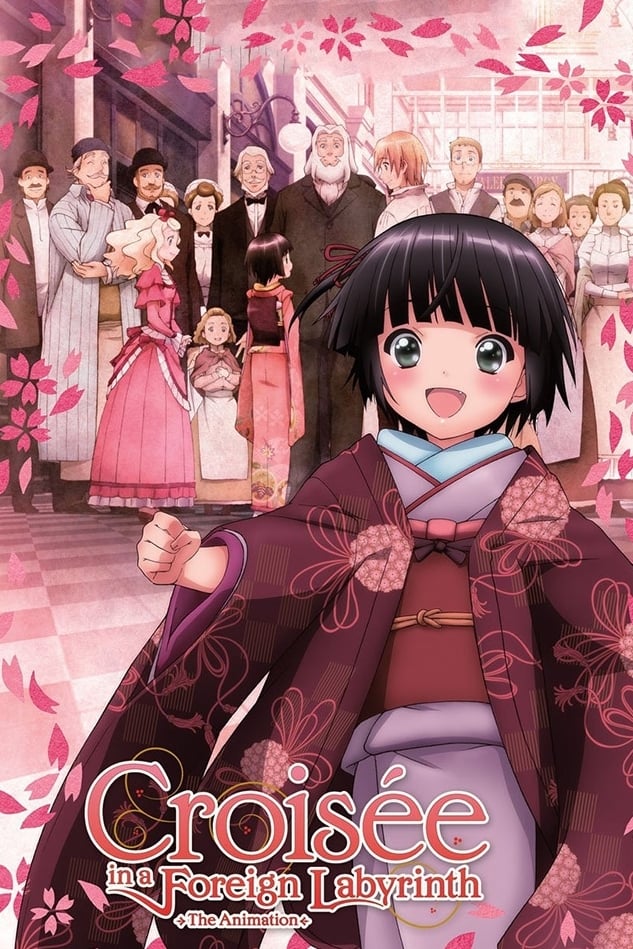
Yune is a young Japanese girl who travels to Paris to work in an ironworks shop during the late 19th century. The story explores the cultural exchange between Japan and France during the height of the Japonisme movement. Detailed depictions of the Galerie architecture and Parisian lifestyle ground the slice-of-life narrative. It highlights the historical curiosity and misunderstandings that occurred as East met West.
‘Arte’ (2020)

Arte is a noblewoman who defies gender norms to become an apprentice painter in 16th-century Florence. The anime depicts the vibrant world of the Renaissance and the rigid barriers women faced in the professional arts. Historical details regarding the guild system and the patronage of the arts drive the conflict of the story. Her journey interacts with the real cultural explosion that defined European history.
‘Maria the Virgin Witch’ (2015)
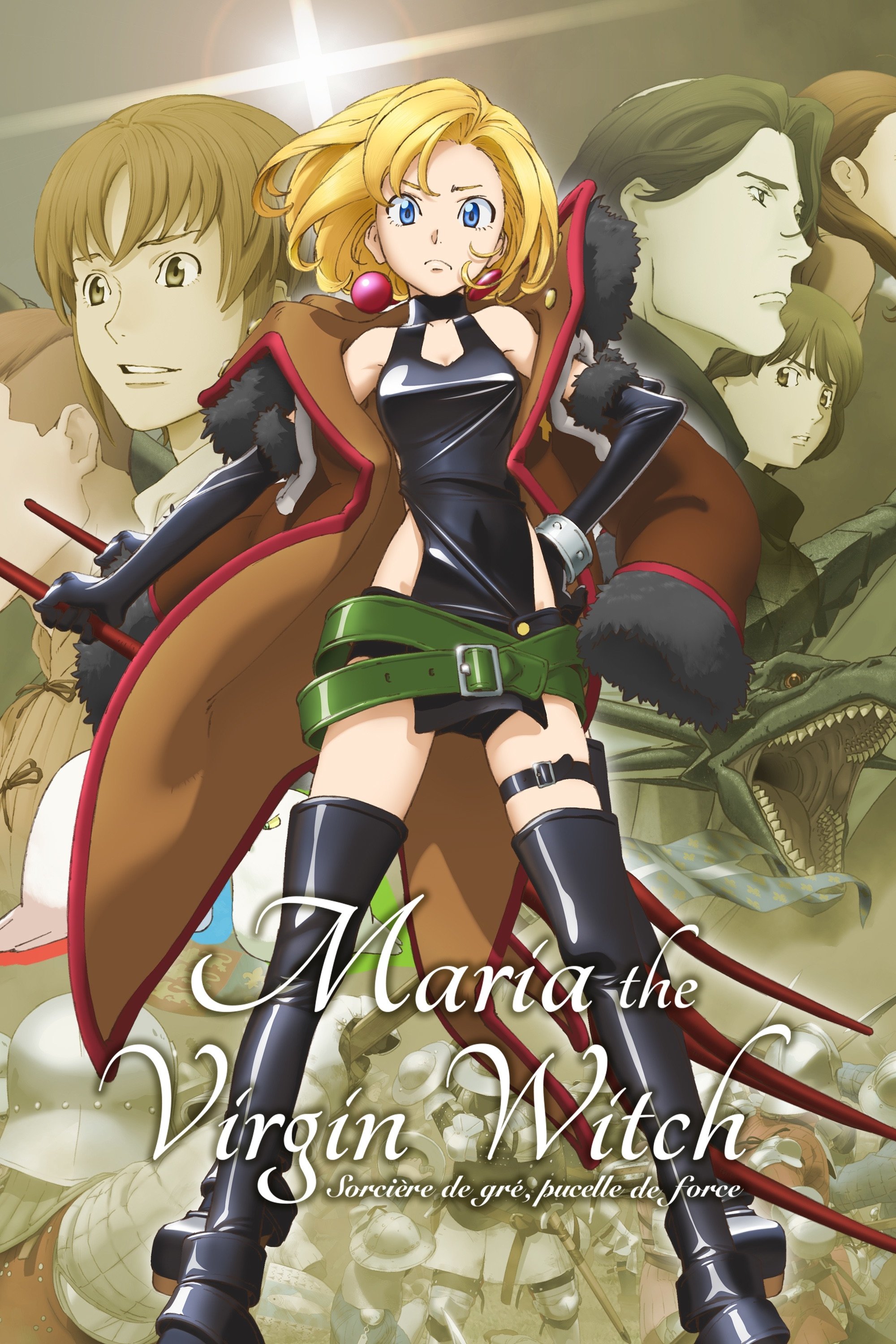
Maria is a witch who disrupts battles during the Hundred Years’ War because she despises violence. The series includes accurate depictions of medieval combat and armor despite the fantasy premise. The plot involves the church and mercenaries who profit from the historical conflict between France and England. It questions the role of divine intervention in a war driven by human greed and historical politics.
‘Drifters’ (2016)
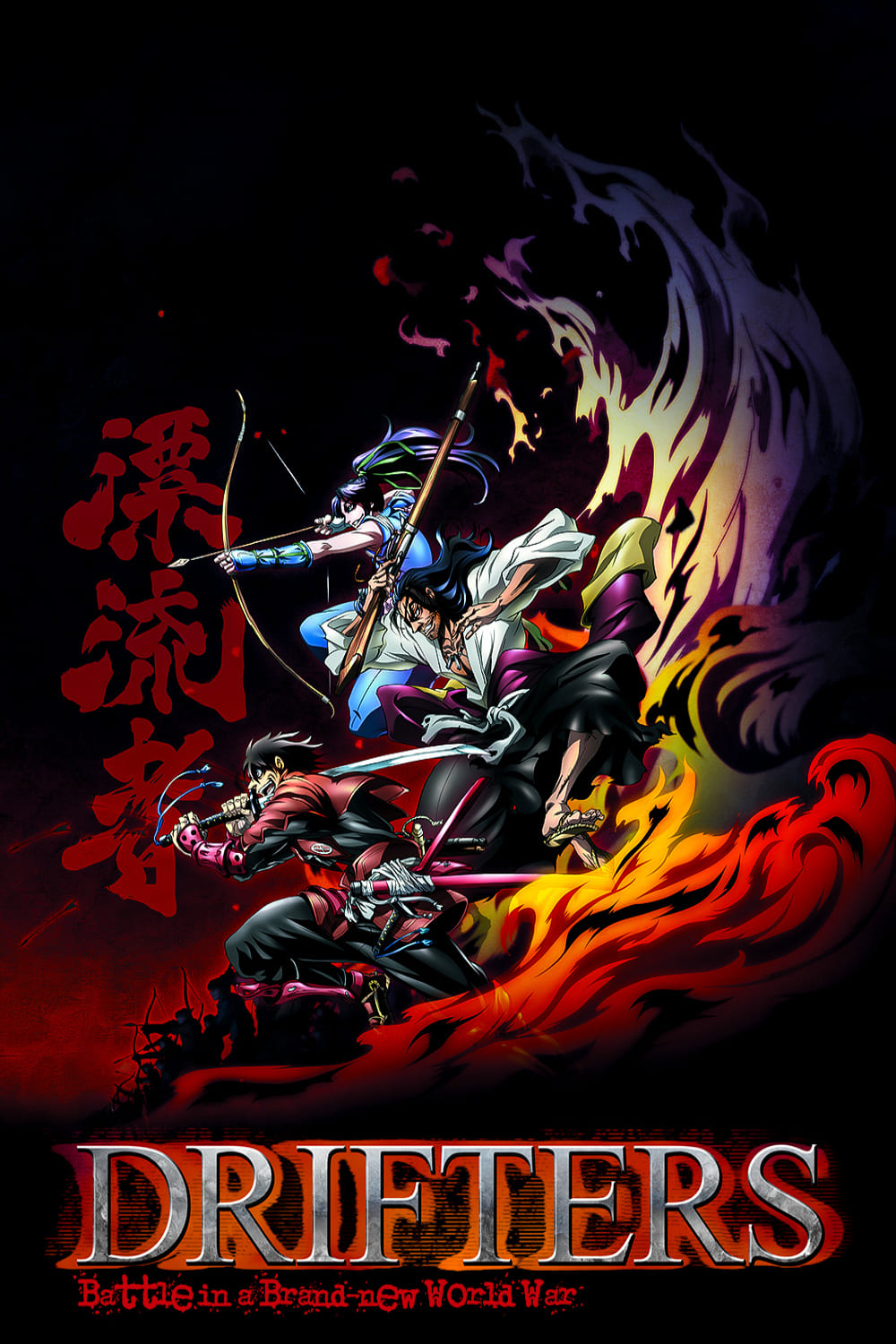
Warriors from different eras are transported to a fantasy world to fight a war against the Ends. The protagonist is the real samurai Shimazu Toyohisa who fights alongside Oda Nobunaga and Nasu no Yoichi. Their tactical decisions are based on their actual historical experiences and command styles. The plot hinges on how these historical figures adapt their ancient strategies to a magical setting.
‘Yasuke’ (2021)
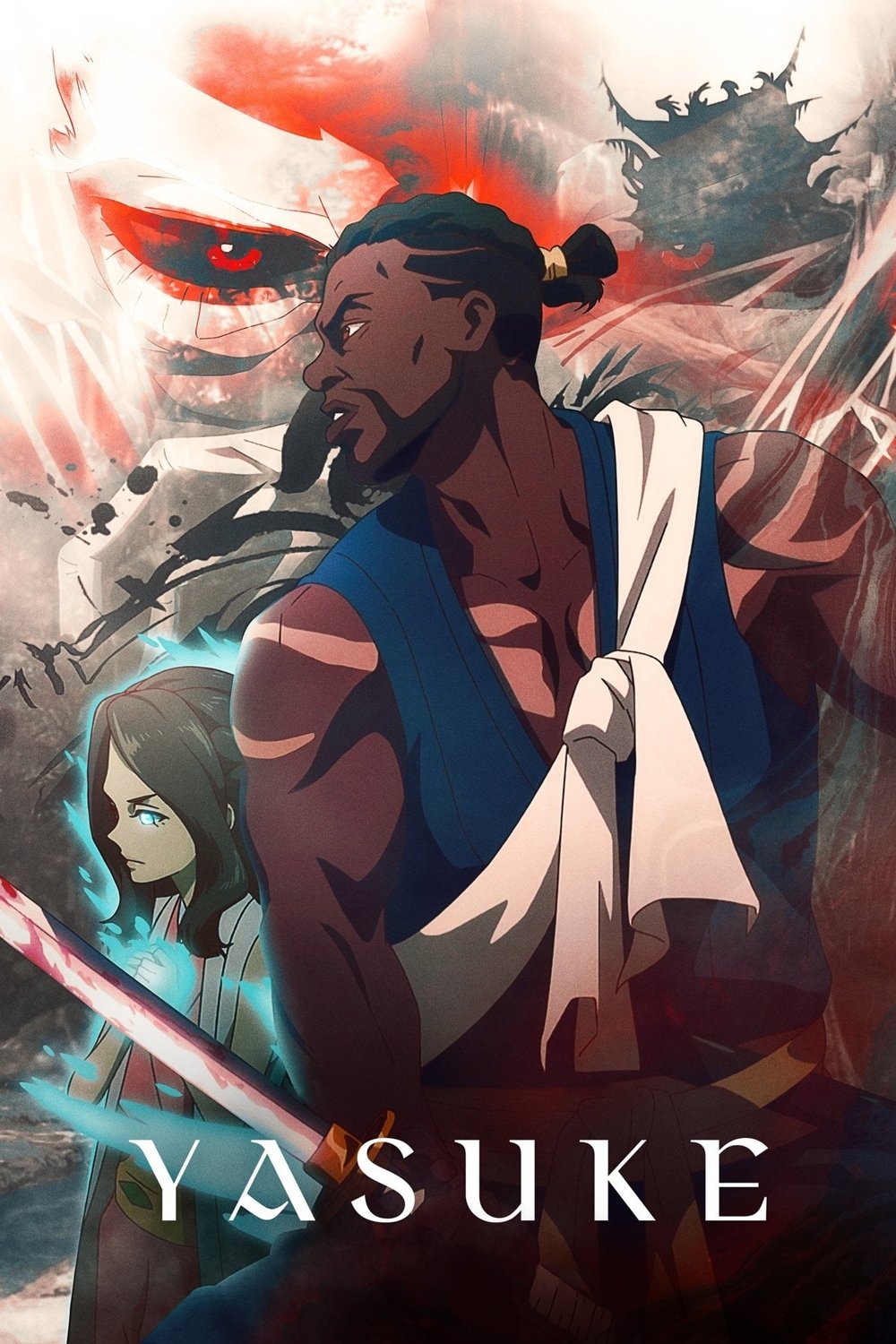
The story follows the historical figure Yasuke who was a retainer of African descent serving under Oda Nobunaga. While the show adds mechs and magic the foundation rests on the real events of the Honno-ji Incident. Yasuke tries to live a quiet life as a boatman until he is pulled back into conflict to protect a child. The anime highlights the unique historical position Yasuke held in feudal Japan.
‘Shigurui: Death Frenzy’ (2007)
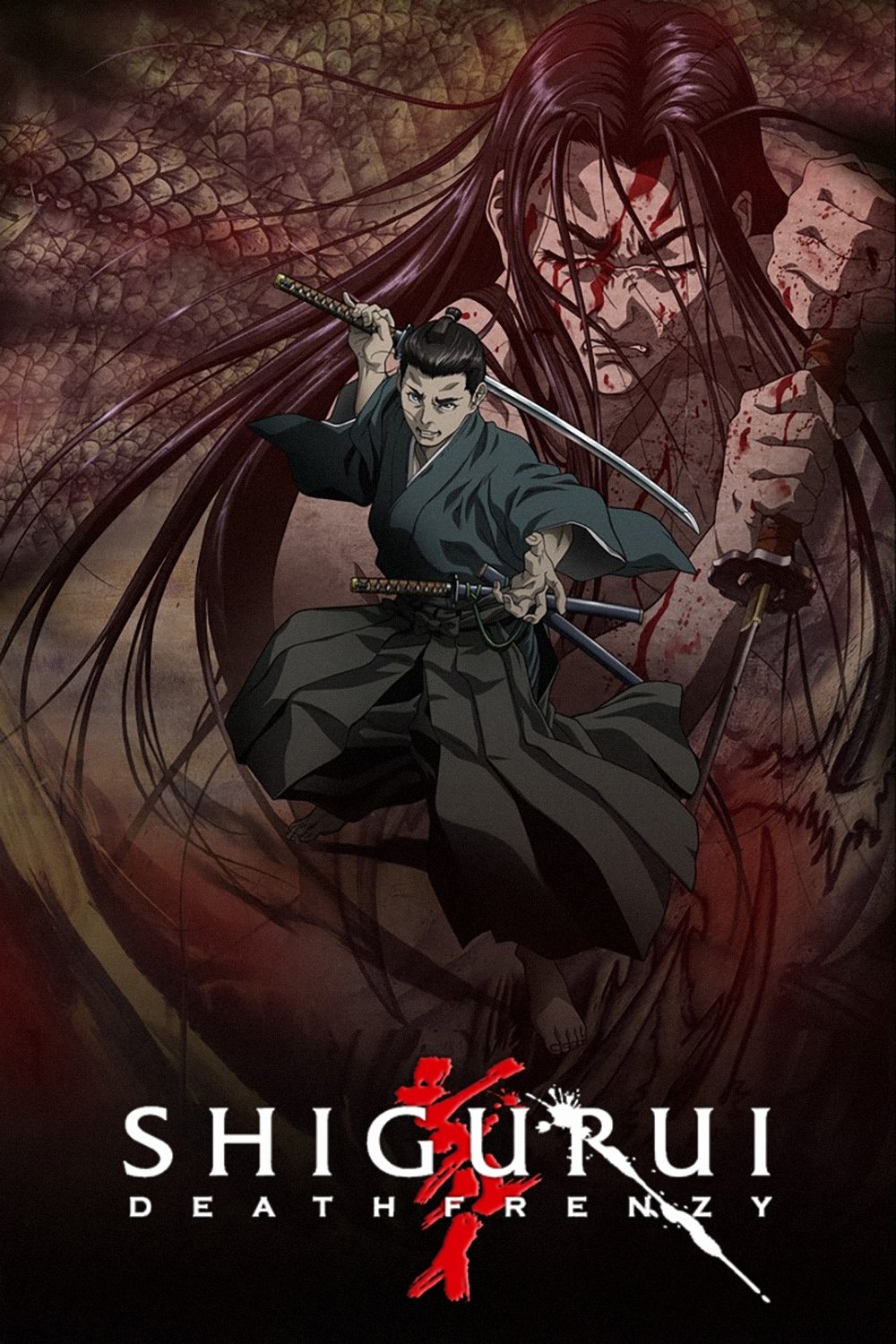
Two scarred swordsmen face each other in a tournament held by the daimyo Tokugawa Tadanaga. The narrative flashes back to reveal the brutal dojo rivalry that led to their disfigurement and hatred. It offers a grim and hyper-realistic depiction of the samurai code during the peaceful but rigid Edo period. The series deconstructs the romanticized image of the samurai to reveal the historical cruelty of the class system.
‘Blade of the Immortal’ (2019–2020)
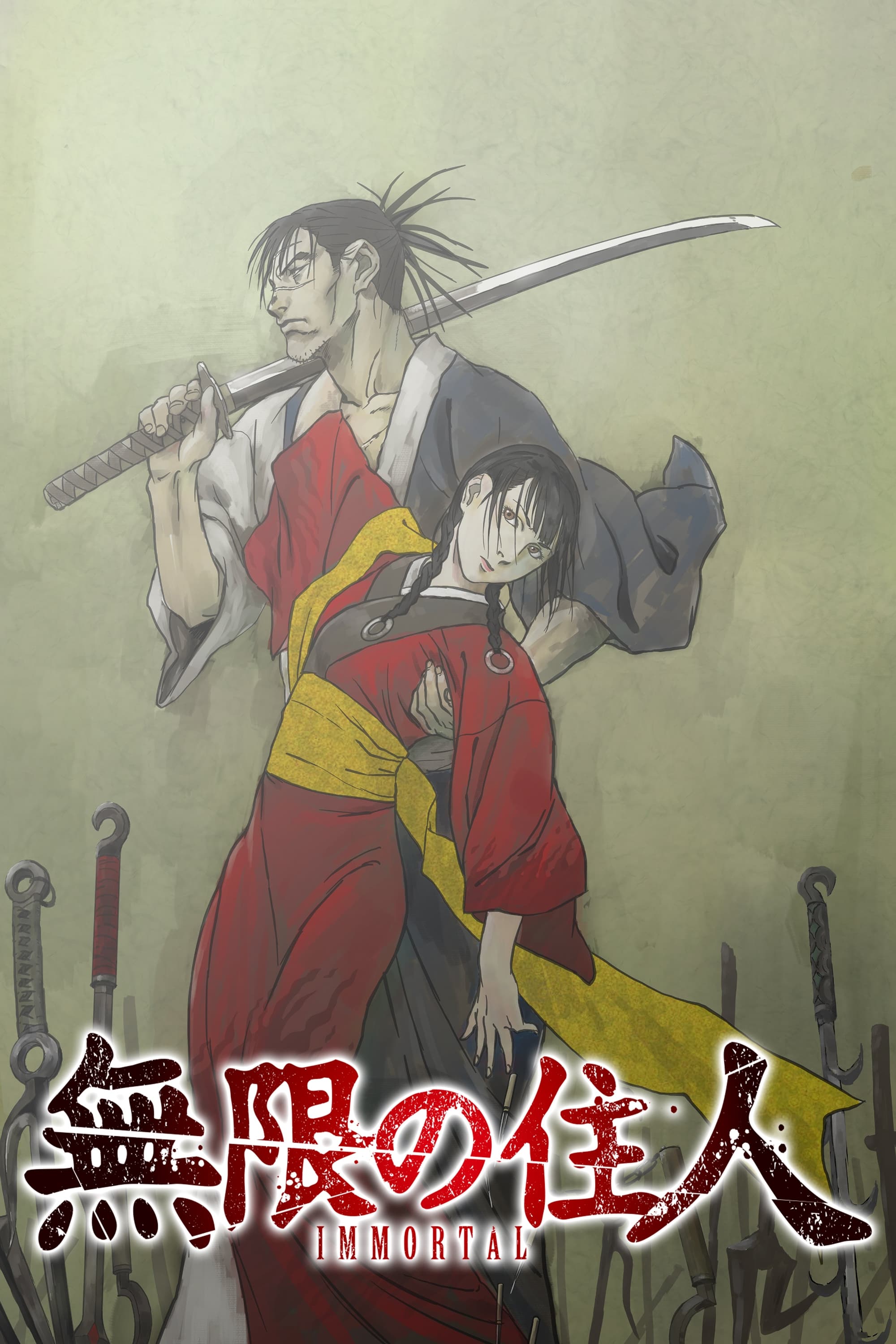
Manji is a cursed swordsman who must kill one thousand evil men to regain his mortality. The story is set in the mid-Tokugawa shogunate and features the rise of the Itto-ryu school which challenges the established order. Historical weapons and fighting styles are featured prominently as Manji protects the young Rin. The chaos of the era provides a backdrop for a story about vengeance and redemption.
‘Intrigue in the Bakumatsu: Irohanihoheto’ (2006–2007)
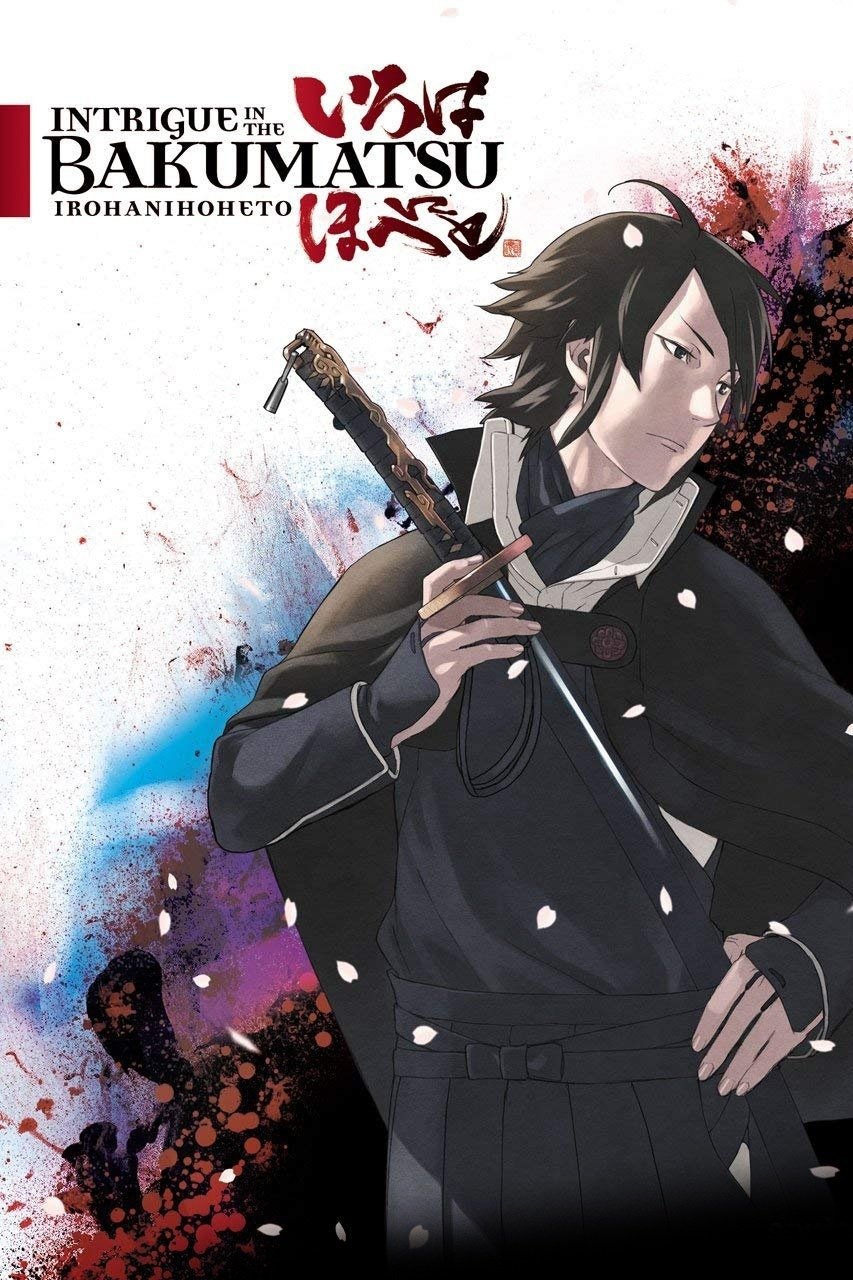
Akizuki Yojiro is a mercenary searching for a supernatural object during the turbulent end of the Edo period. The plot intersects with real historical figures like Sakamoto Ryoma and the events of the Boshin War. A theater troupe serves as a cover for the characters as they navigate the political intrigue of the restoration. The series blends history with mysticism to explain the violent transition of power in Japan.
‘Le Chevalier D’Eon’ (2006–2007)
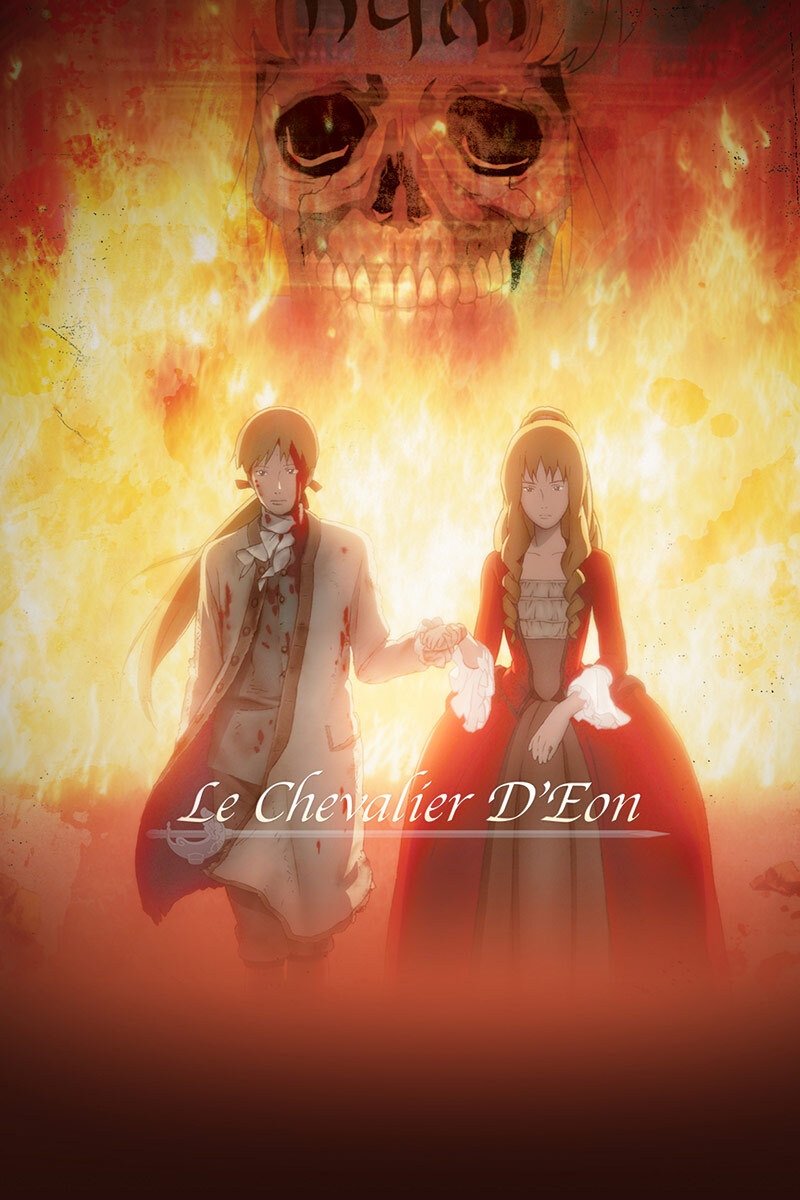
D’Eon de Beaumont investigates the murder of his sister Lia in the court of Louis XV. The anime is based on the life of the famous historical spy who lived as both a man and a woman. Occult elements are woven into the pre-Revolutionary politics of France and Russia. The story reimagines the real diplomatic missions of D’Eon as supernatural battles for the soul of the nation.
‘Moriarty the Patriot’ (2020–2021)
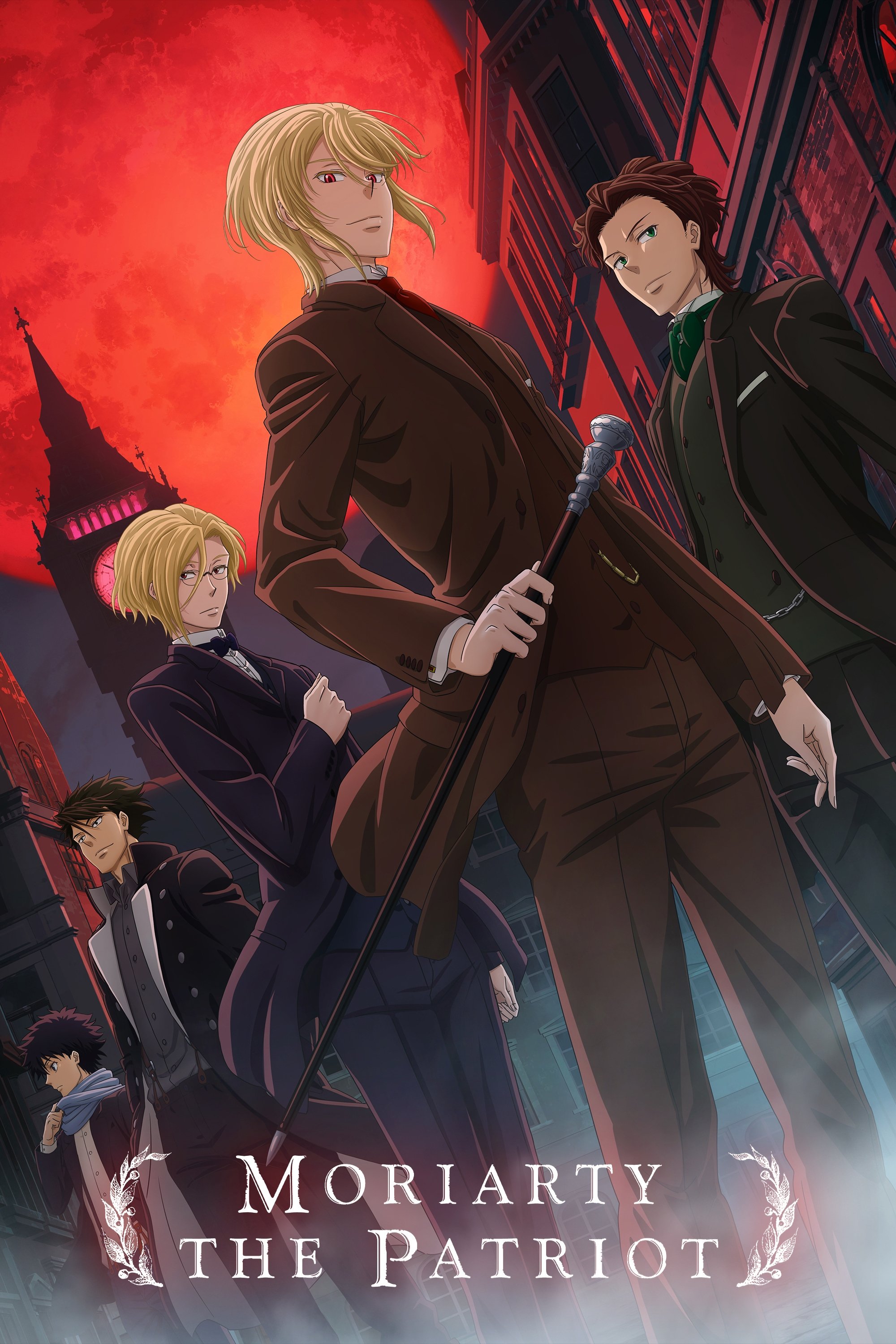
William James Moriarty is a mathematics professor who operates as a criminal consultant to destroy the corrupt class system of Victorian Britain. The show reinterprets the Sherlock Holmes nemesis as a revolutionary anti-hero fighting historical social injustice. Real events and the stark wealth gap of 19th-century London motivate his crimes. The plot turns the classic detective stories into a critique of the British Empire’s social structure.
‘Black Butler’ (2008–2009)
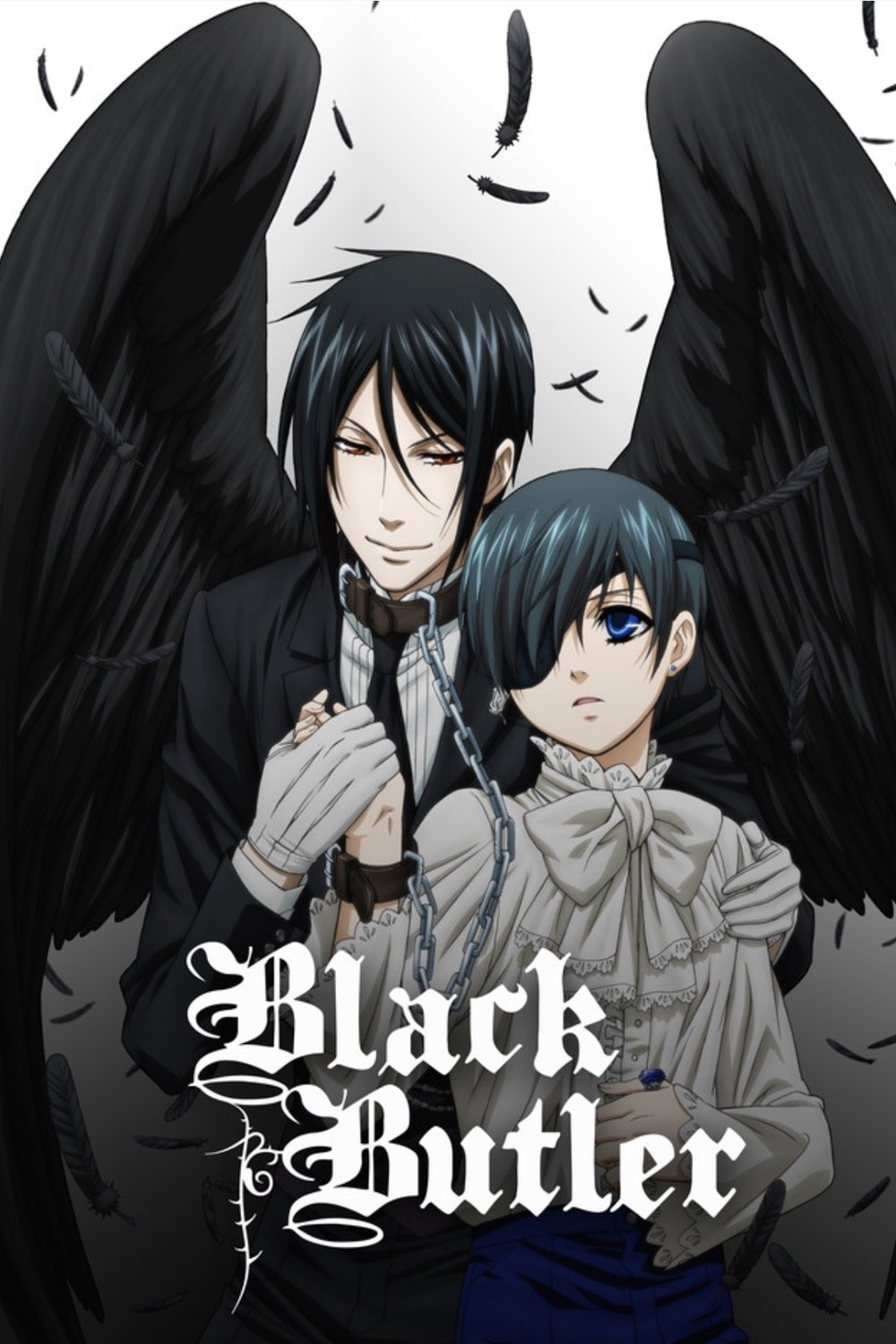
Ciel Phantomhive serves as the Queen’s Watchdog to solve crimes in the underworld of Victorian London. While supernatural the series incorporates real historical events like the Jack the Ripper murders. The aesthetic and social etiquette of the era are central to the interaction between the demon butler Sebastian and his master. The narrative often intertwines with the darker side of the industrial revolution and aristocracy.
‘Gosick’ (2011)

Kazuya Kujo leaves Japan to study in the fictional European country of Sauville in 1924. He partners with the brilliant Victorique de Blois to solve mysteries that often have roots in the political history of the region. The plot is heavily influenced by the aftermath of World War I and the rising tensions leading to World War II. The impending second great war serves as a tragic looming threat over the characters’ lives.
‘Saga of Tanya the Evil’ (2017)
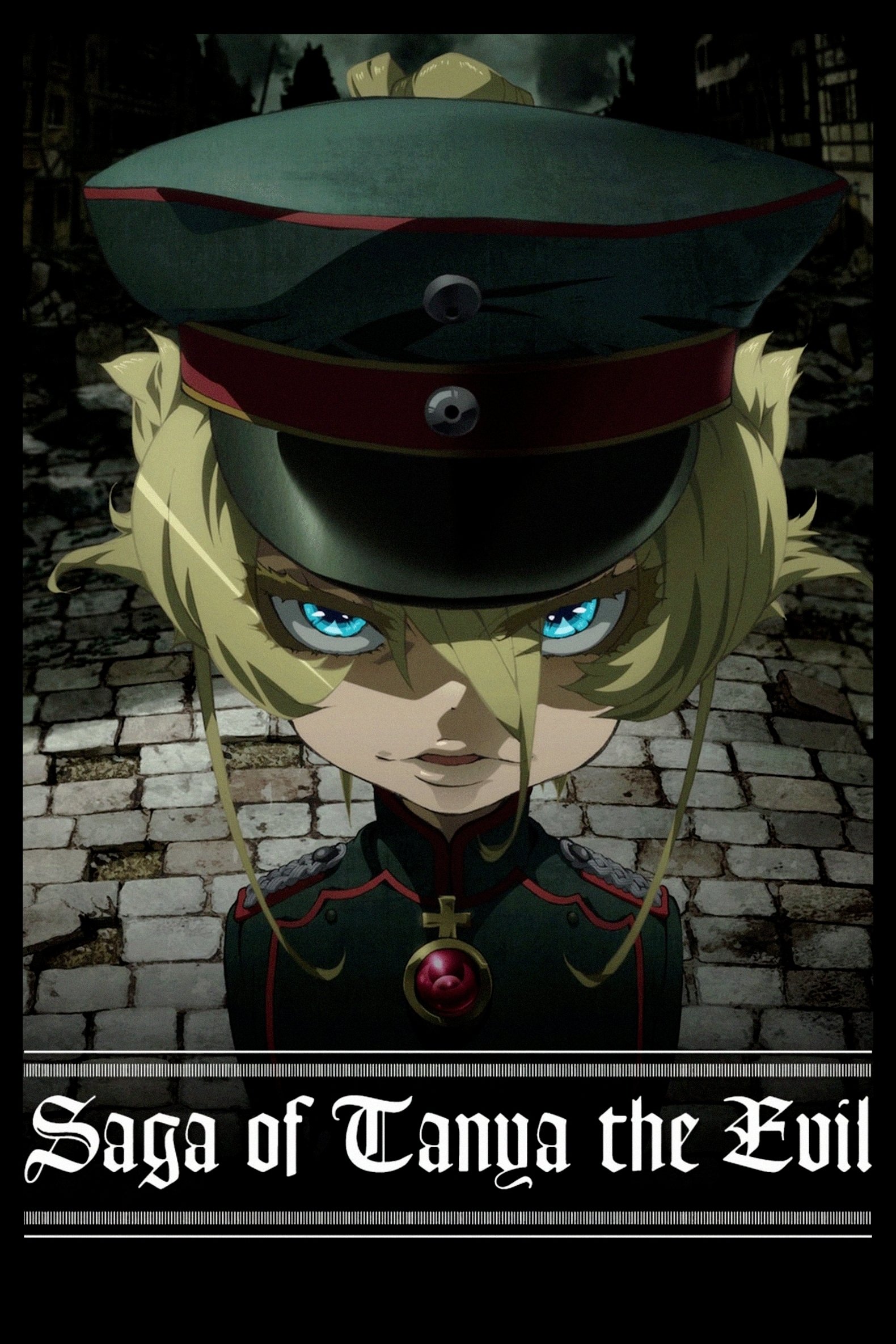
A Japanese salaryman is reincarnated as a young girl soldier in an alternate world resembling World War I Europe. The tactics and military situations are direct parallels to the trench warfare and logistics of early 20th-century history. The protagonist uses modern historical knowledge to manipulate the battlefield and rise through the ranks. It serves as a grim reflection on the efficiency and ruthlessness of historical military industrialization.
‘Legend of the Galactic Heroes’ (1988–1997)
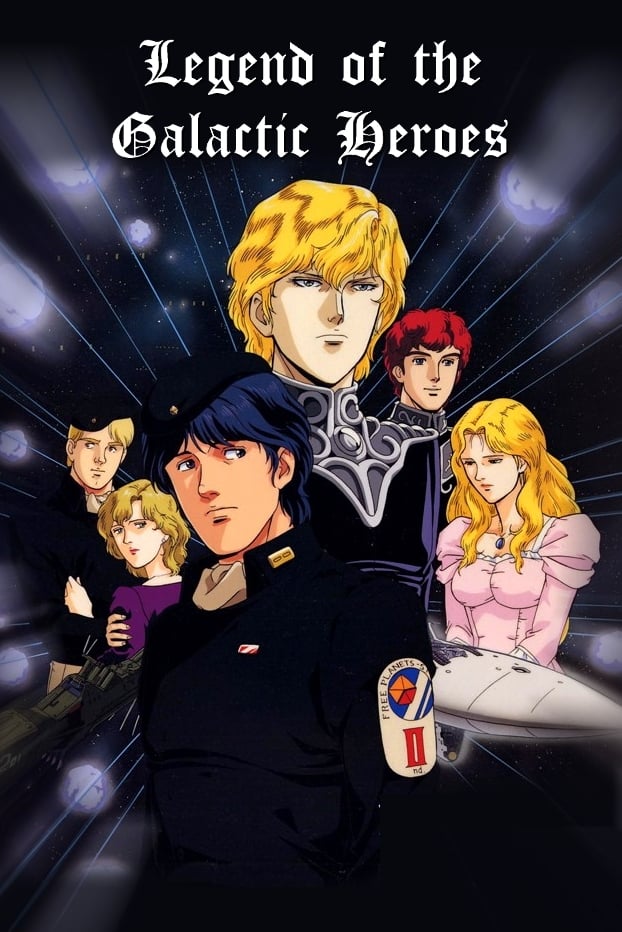
Reinhard von Lohengramm and Yang Wen-li command massive fleets in a war between the Galactic Empire and the Free Planets Alliance. The series is a space opera that models its politics and battles on Prussian history and the Napoleonic Wars. It deeply analyzes how democracies fail and how autocracies rise through historical parallels. The narrative treats history as a cycle that repeats itself even among the stars.
‘The Heroic Legend of Arslan’ (2015)
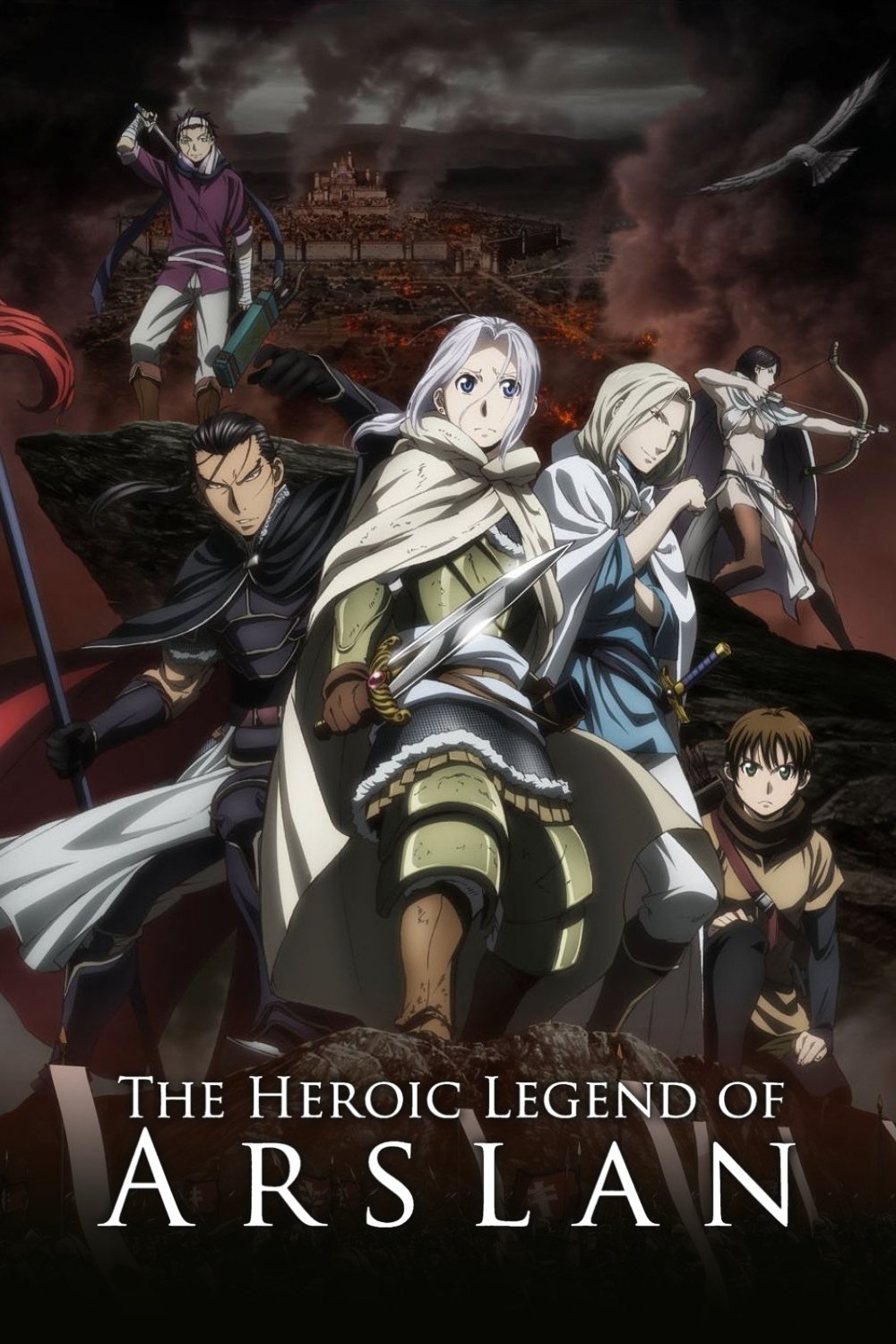
Prince Arslan must gather allies to retake his kingdom of Pars after it is conquered by the fanatical Lusitanians. The story is loosely based on the Persian epic Amir Arsalan and mirrors the history of the Crusades and conflicts in the Middle East. Strategic battles and the abolition of slavery are central themes in Arslan’s journey to become a just king. The setting draws heavily from the history of pre-Islamic Persia.
‘Samurai Champloo’ (2004–2005)
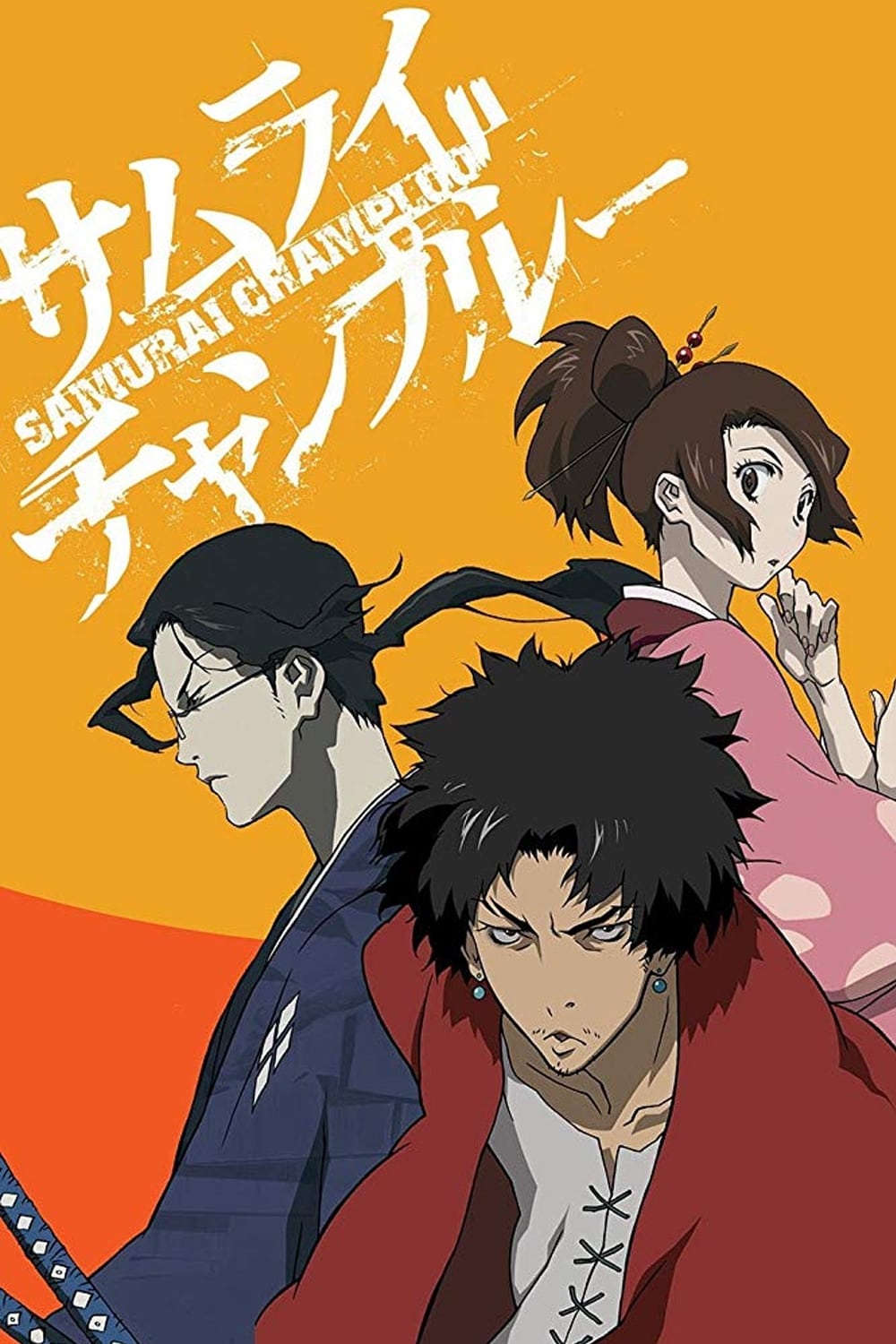
Mugen, Jin, and Fuu travel across Edo-period Japan in search of a samurai who smells of sunflowers. The show deliberately mixes historical setting with modern hip-hop culture and anachronisms. Despite the style it touches on real historical issues like the persecution of Christians and the isolationist policy of the government. The journey reveals the diverse and often hidden subcultures that existed within Japanese history.
‘Sword of the Stranger’ (2007)
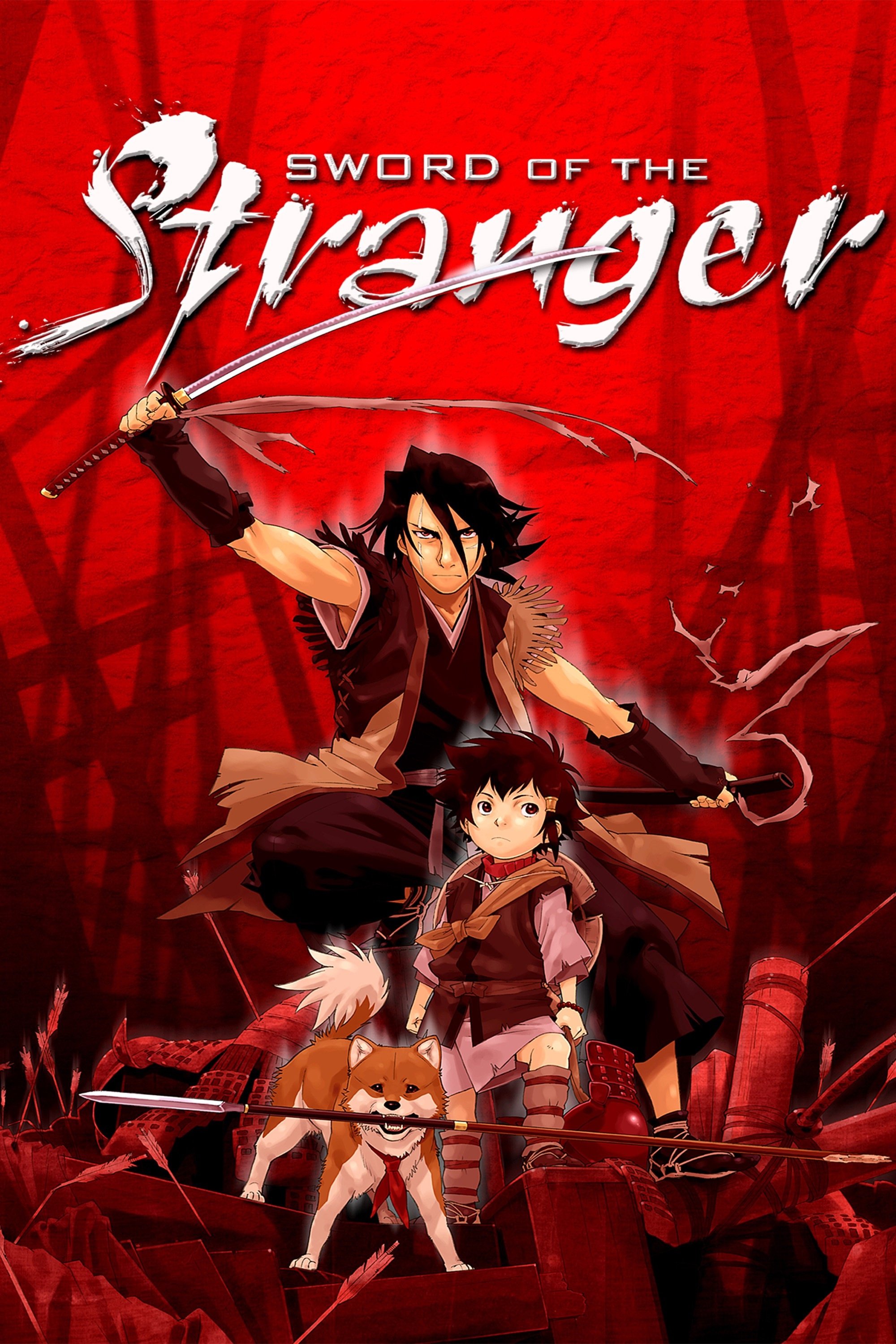
A nameless ronin protects a young orphan and his dog from Ming Dynasty warriors pursuing them in Japan. The film is set in the Sengoku period and highlights the presence of foreign powers in Japanese conflicts. The action sequences are grounded in realistic swordplay rather than supernatural powers. It tells a contained story of redemption amidst the chaotic historical backdrop of feudal warfare.
‘Basilisk’ (2005)
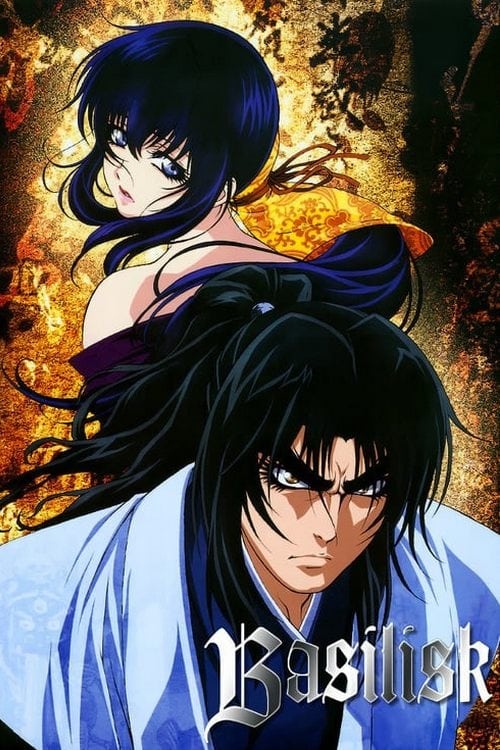
The Iga and Kouga ninja clans are forced to break their peace treaty to fight a proxy war for the shogunate succession. The story takes place in the Azuchi-Momoyama period under the rule of Tokugawa Ieyasu. The tragic romance between the clan heirs is manipulated by the historical need to eliminate the ninja clans as a threat to order. It depicts the cruel pragmatism of the Tokugawa government in consolidating power.
‘Giovanni’s Island’ (2014)
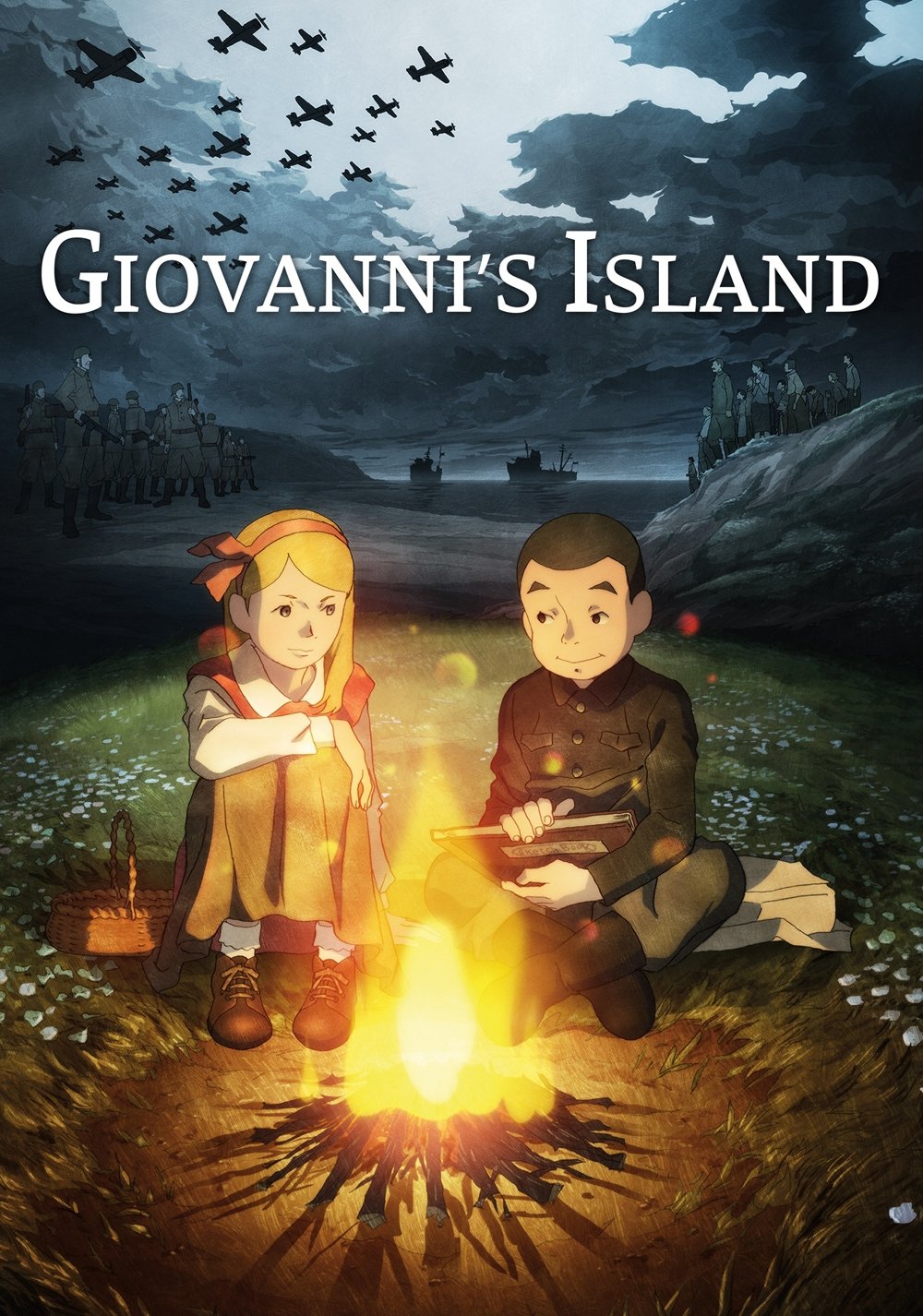
Two brothers living on Shikotan island befriend a Russian girl after the Soviet army occupies their home following World War II. The film depicts the confusion and hardship caused by the shifting borders and deportation of Japanese residents. It is based on true stories of the families who lived in the Kuril Islands during the occupation. The narrative focuses on the innocence of children transcending the historical enmity between nations.
‘Trapp Family Story’ (1991)
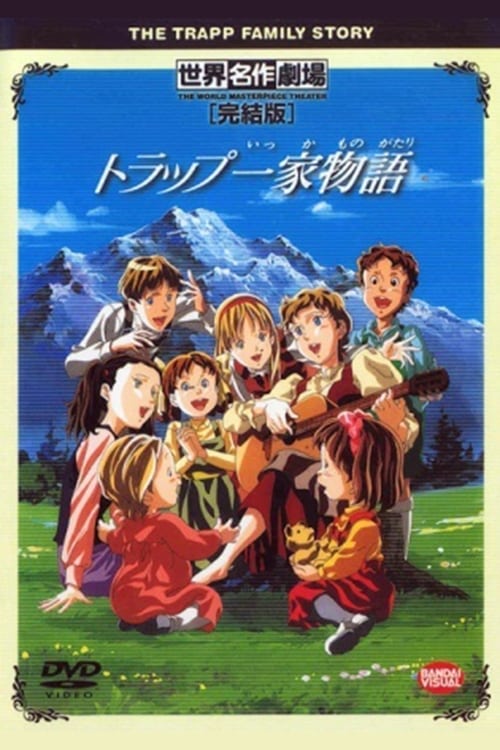
Maria Kutscher is sent to be a governess for the seven children of Baron von Trapp in Salzburg. The series adapts the memoir of the real Maria von Trapp which also inspired The Sound of Music. It covers the family’s musical success and their eventual flight from Austria following the Nazi annexation. The looming threat of the Anschluss provides the historical tension that forces the family to leave their home.
Share your favorite historical anime twist in the comments.