Black Actors Who Refused Dialect Coaching from White Directors

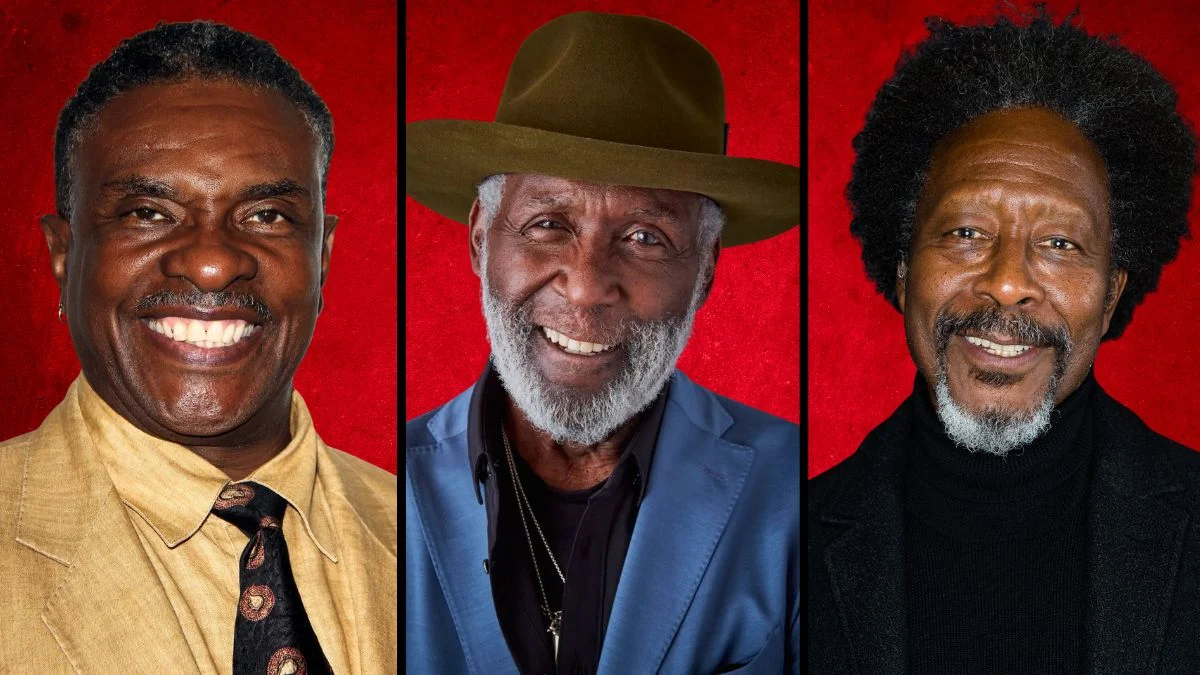

Throughout the history of Hollywood, Black actors have often faced pressure to conform to specific vocal standards set by studio executives and directors who lacked cultural insight. Many performers found that assigned dialect coaches attempted to flatten their natural cadences or impose stereotypical accents that did not align with the characters’ authentic backgrounds. Instead of succumbing to these external demands, a significant number of Black male actors chose to rely on their own research, lived experiences, and artistic instincts to craft their vocal performances. These decisions often led to more grounded and iconic portrayals that resonated deeply with audiences while challenging industry norms. The following list highlights actors who prioritized vocal authenticity over standardized coaching methods.
Chadwick Boseman
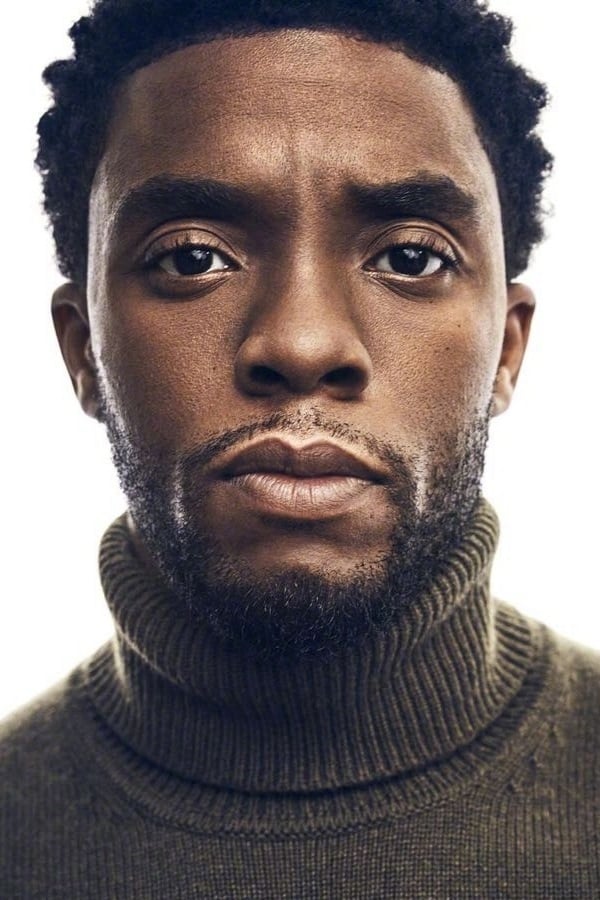
Boseman famously fought against the idea that the characters in ‘Black Panther’ should speak with British or American accents to make them more palatable to general audiences. He insisted that the King of Wakanda would speak Xhosa-influenced English to reflect a nation never colonized by Europe. His decision to maintain an African accent, despite initial resistance from the studio, established a new standard for cultural pride in superhero cinema. He often conducted his own immersive research rather than relying on traditional Hollywood dialect techniques.
Sidney Poitier
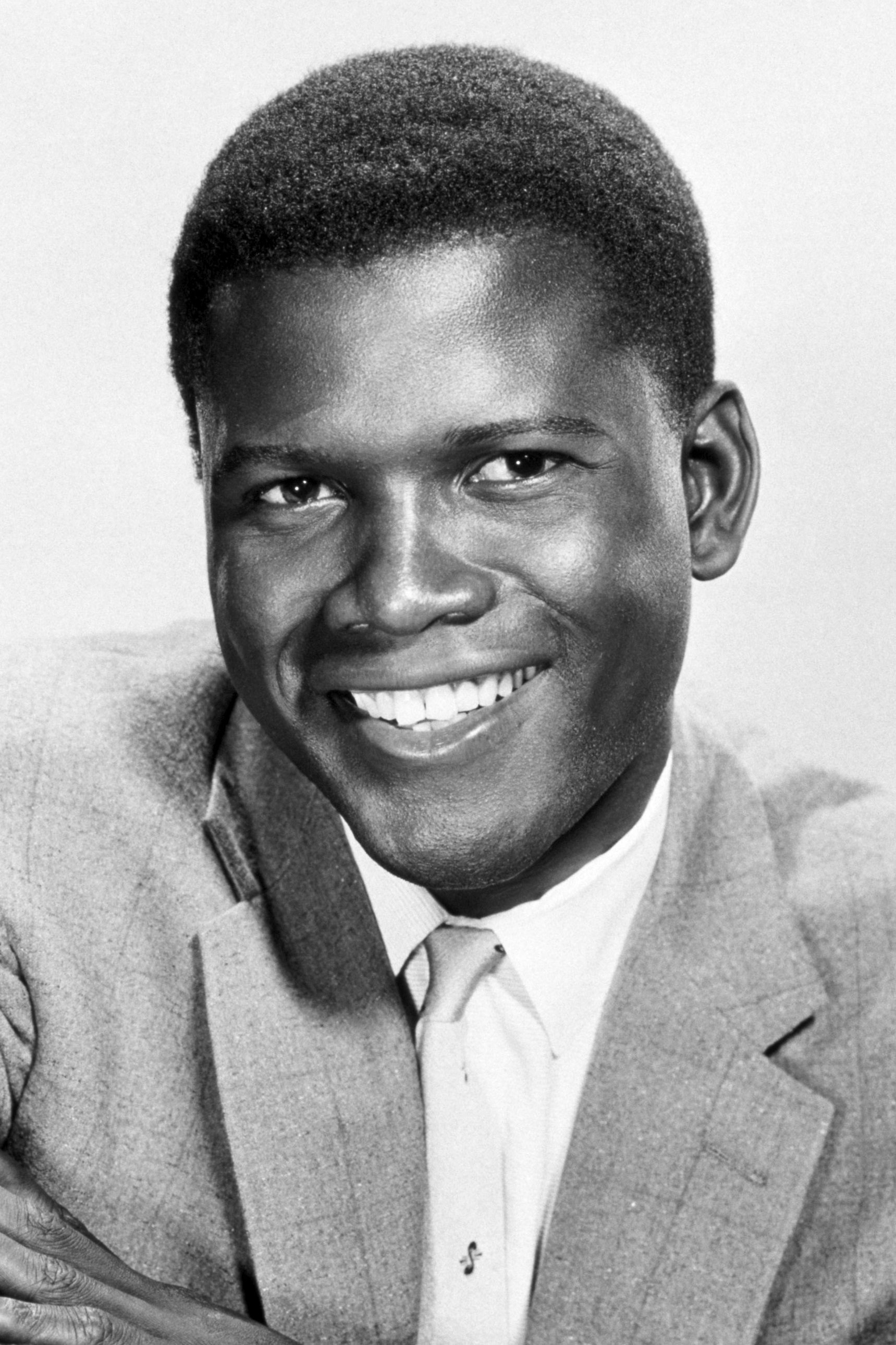
As the first Black man to win the Best Actor Oscar, Poitier refused to play characters that demeaned his dignity or required him to use stereotypical “blaccent” often demanded by white directors of his era. He maintained his distinct, rhythmic Bahamian-American cadence in films like ‘In the Heat of the Night’ and ‘Guess Who’s Coming to Dinner’. His vocal performance was a deliberate act of defiance against an industry that wanted to categorize him into subservient roles. Poitier’s refusal to alter his diction for white comfort became a hallmark of his legendary career.
Denzel Washington
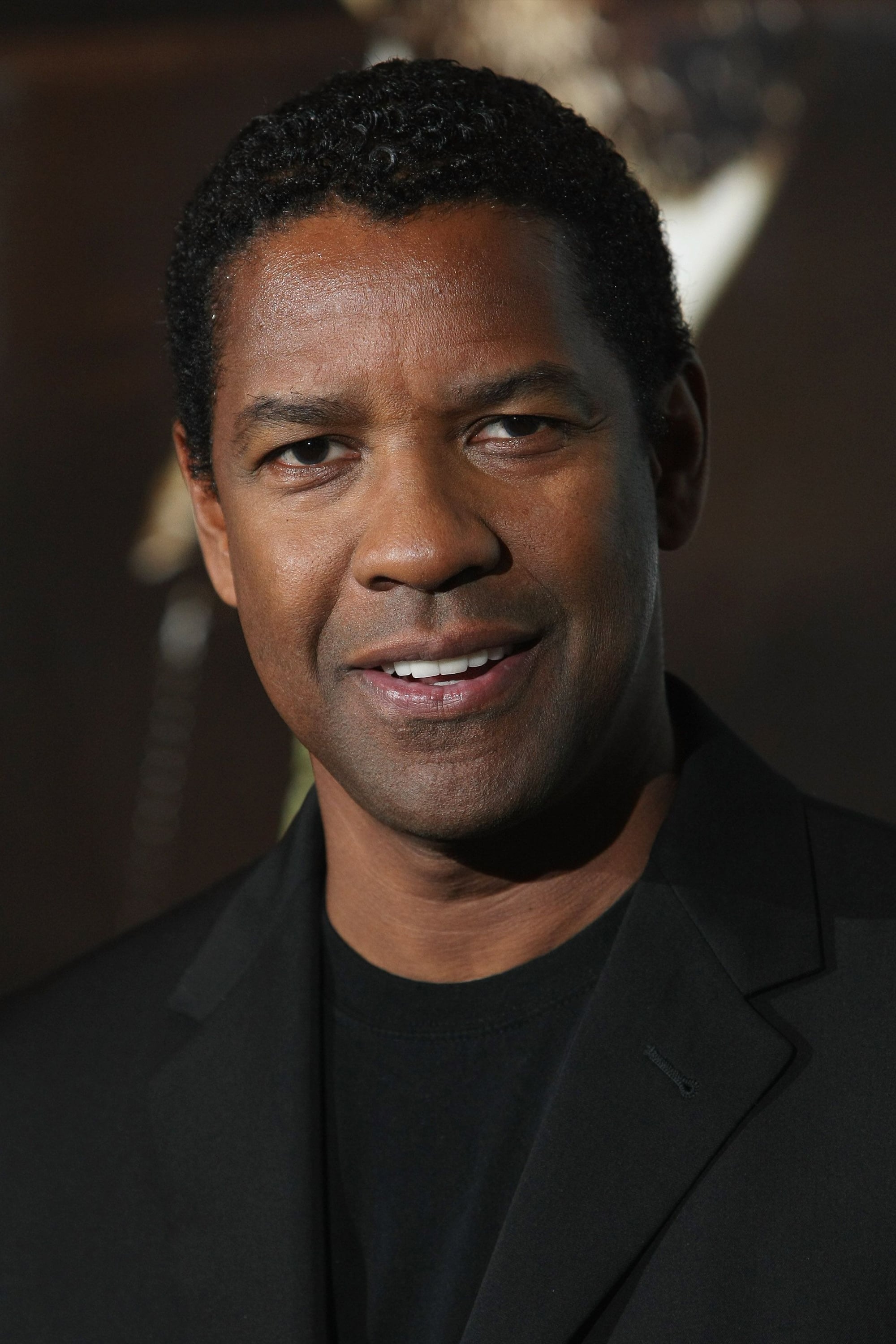
Washington is known for bringing his authentic self to every role rather than disappearing into a chemically constructed dialect. Whether in ‘Training Day’ or ‘Fences’, he relies on his own internal work and understanding of the text rather than external coaching to shape his voice. He has often spoken about finding the rhythm of the character through the script’s musicality rather than technical drills. This approach allows his performances to feel raw and immediate, avoiding the polished artificiality that can come from over-coaching.
Samuel L. Jackson
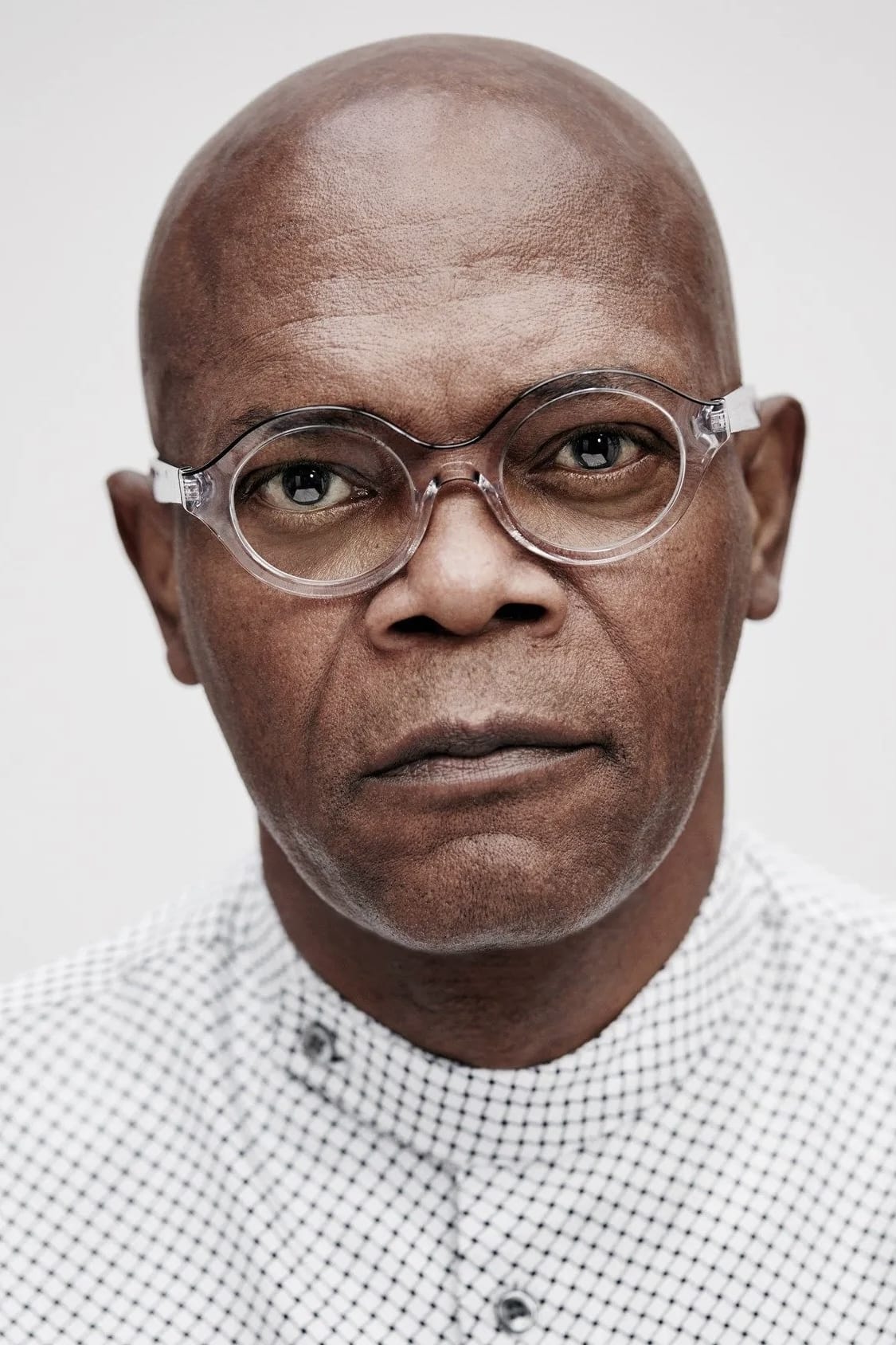
Jackson possesses one of the most distinct voices in cinema and rarely alters his natural delivery to suit a director’s preference for “standard” speech. In films like ‘Pulp Fiction’ and ‘Django Unchained’, he utilized his own command of language to define the character’s authority and menace. He has criticized the industry’s tendency to over-analyze Black speech patterns, preferring to let the emotion dictate the dialect. His refusal to be fenced in by vocal expectations has made him the highest-grossing actor of all time.
James Earl Jones
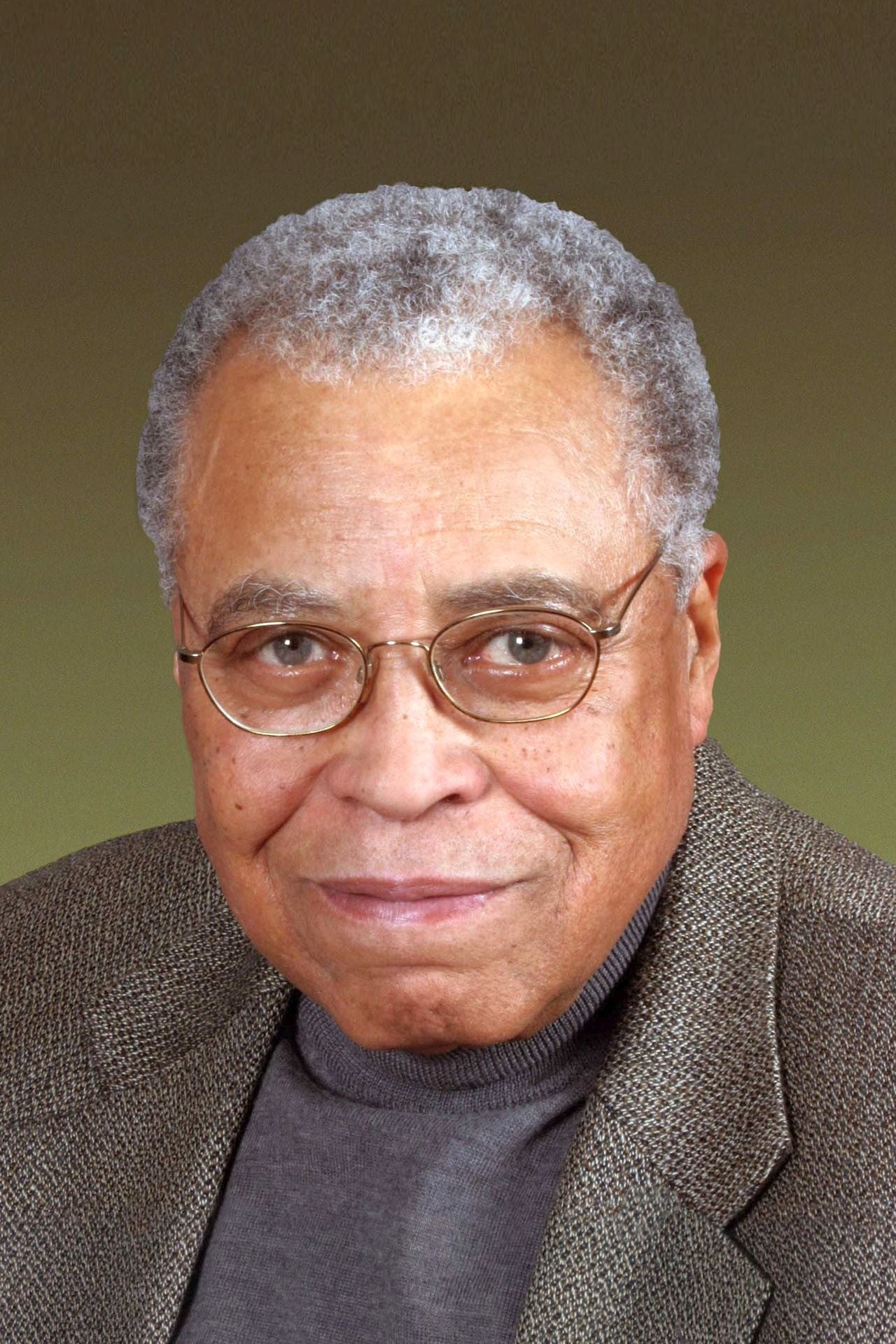
Overcoming a severe childhood stutter, Jones developed a booming, authoritative voice that he refused to soften for mainstream sensibilities. When voicing Darth Vader in ‘Star Wars’, he was chosen specifically for his natural bass, which required no alteration or coaching to convey power. Throughout his stage and screen career, he resisted direction that sought to make his voice sound “less theatrical” or more colloquial. His commitment to his own vocal instrument defined the sound of authority for generations.
Morgan Freeman
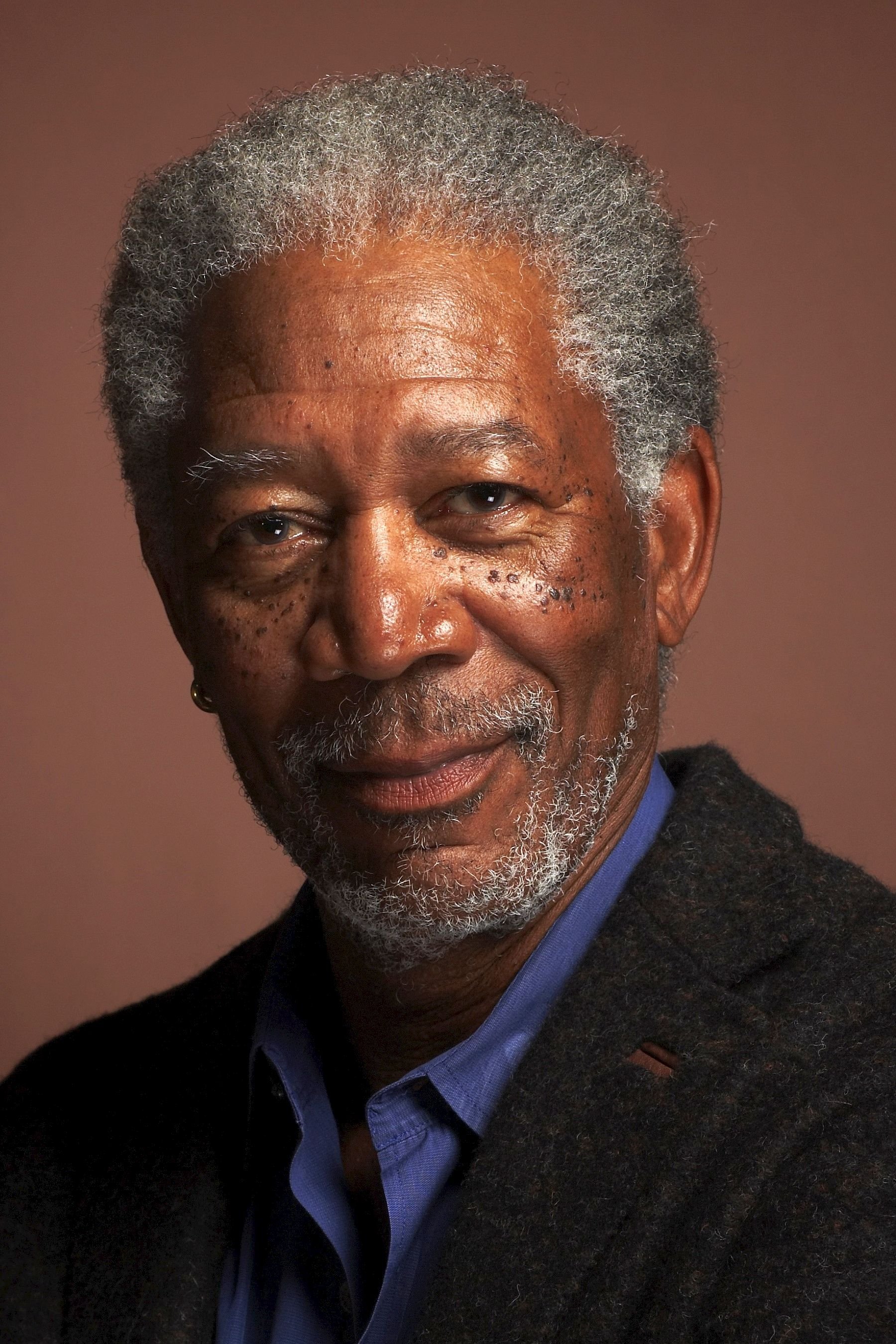
Freeman’s voice is iconic precisely because he does not adopt artificial accents or affectations requested by directors. In films like ‘The Shawshank Redemption’, he utilized his natural, calm delivery to provide a counterpoint to the chaos on screen. He typically rejects the notion of “performing” a voice, instead allowing his natural timbre to carry the emotional weight of the narrative. This authenticity has made him the go-to narrator for documentaries and feature films alike.
Tupac Shakur
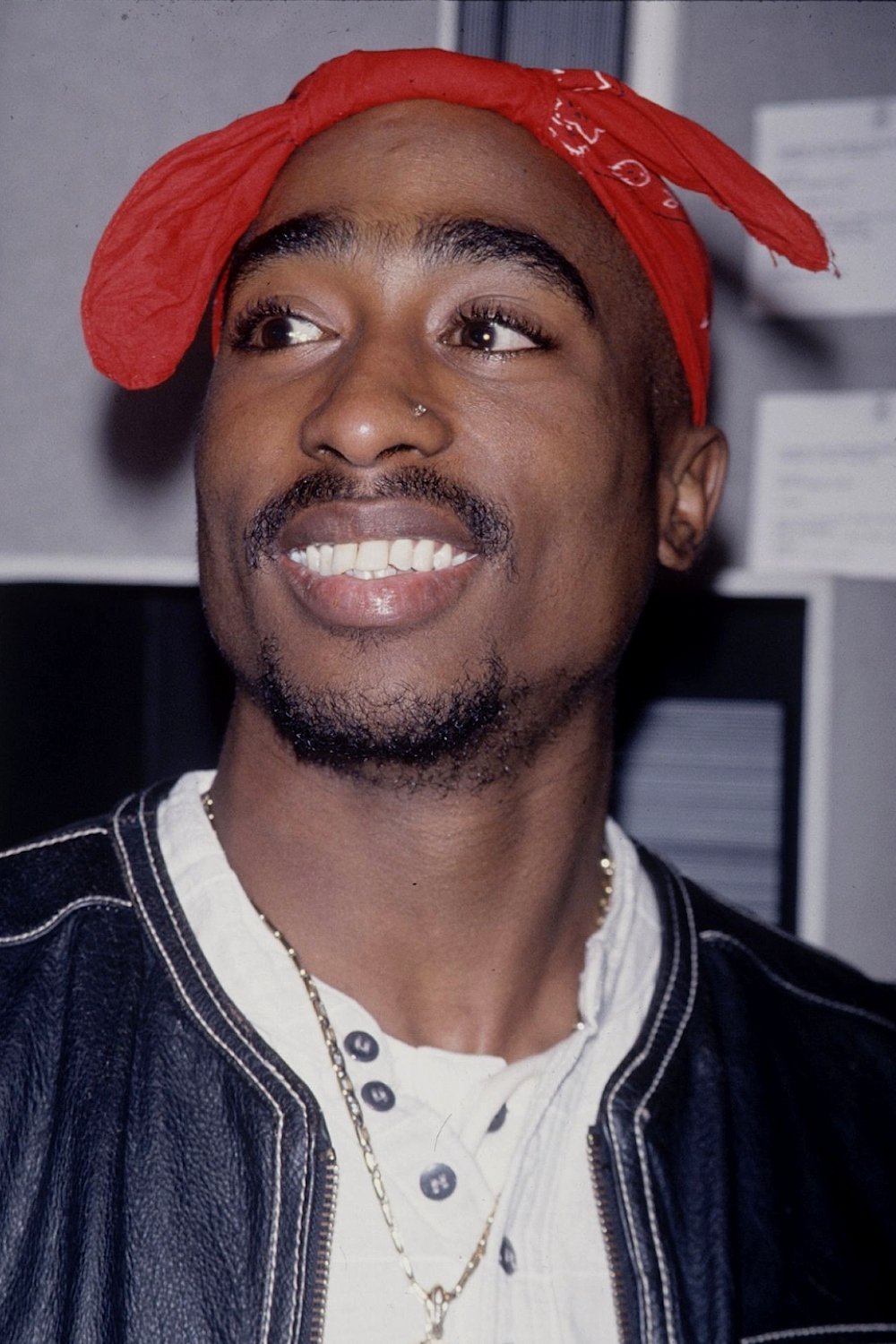
In his short but impactful acting career, Shakur brought the raw authenticity of his Harlem and Baltimore upbringing to the screen. In movies like ‘Juice’ and ‘Poetic Justice’, he refused to polish his speech to sound like a traditionally trained actor. Directors often wanted to soften his edge, but Shakur insisted that his character’s voice reflect the reality of the streets. His refusal to code-switch for Hollywood gave his performances a visceral, undeniable truth.
Ice Cube
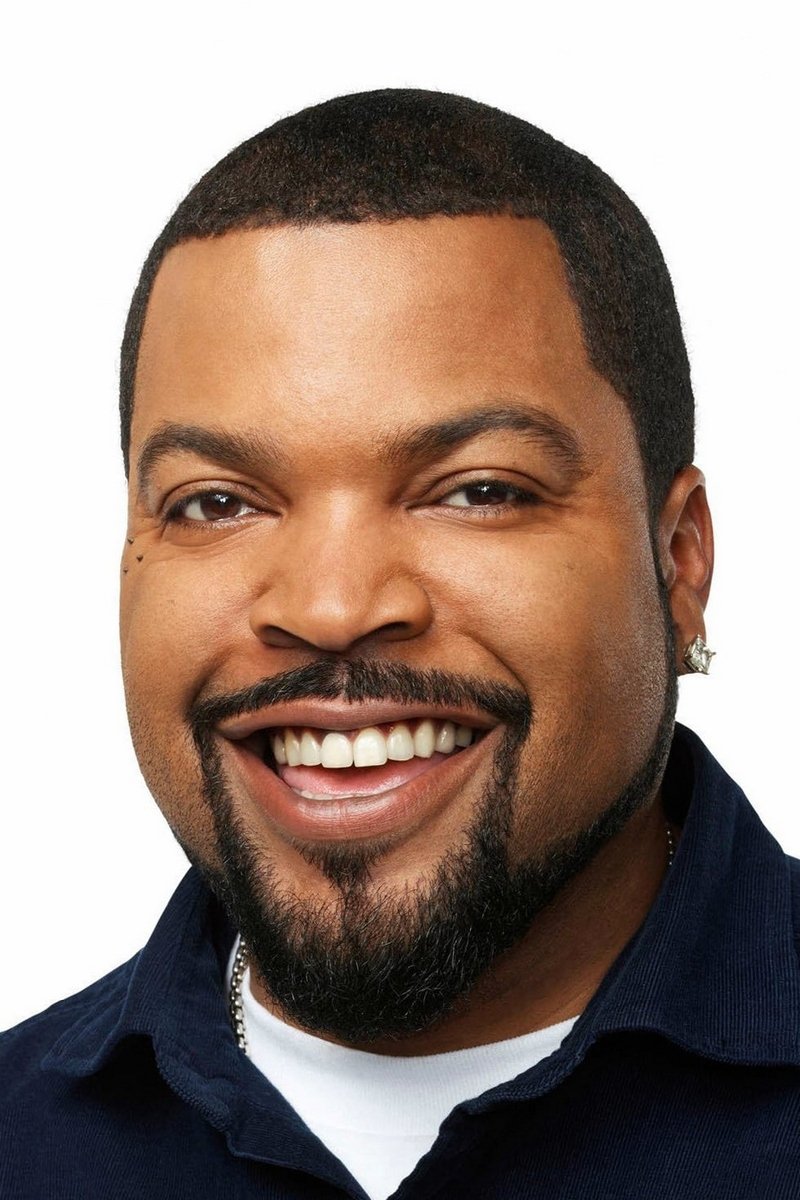
Ice Cube transitioned from music to acting with ‘Boyz n the Hood’ and maintained his signature West Coast delivery despite industry pressure to articulate differently. He realized early on that his natural voice was his greatest asset and refused to adopt the “neutral” American accent often pushed by acting coaches. Whether in comedies like ‘Friday’ or dramas, he plays characters that are extensions of his own persona. This consistency has allowed him to build a brand based entirely on his authentic identity.
Eddie Murphy
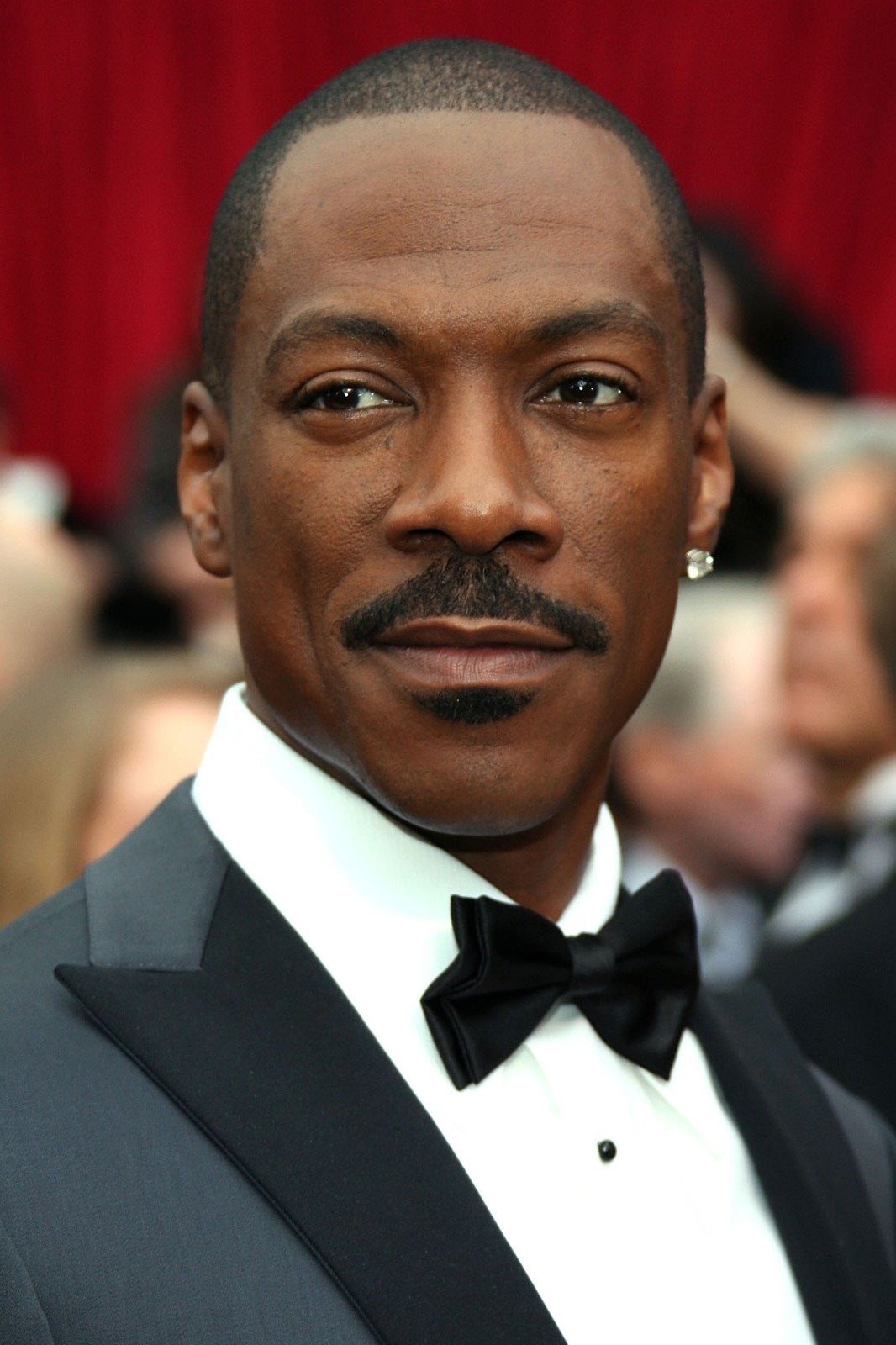
Murphy revolutionized comedy by refusing to tone down his fast-paced, street-smart delivery for white audiences. In ‘Beverly Hills Cop’ and ’48 Hrs.’, he utilized his natural speech patterns to outwit the stiff, standard-speech characters around him. He often improvised his lines, bypassing the need for dialect coaching by creating the dialogue himself in the moment. His success proved that Black actors did not need to sound “white” to carry a blockbuster global hit.
Wesley Snipes
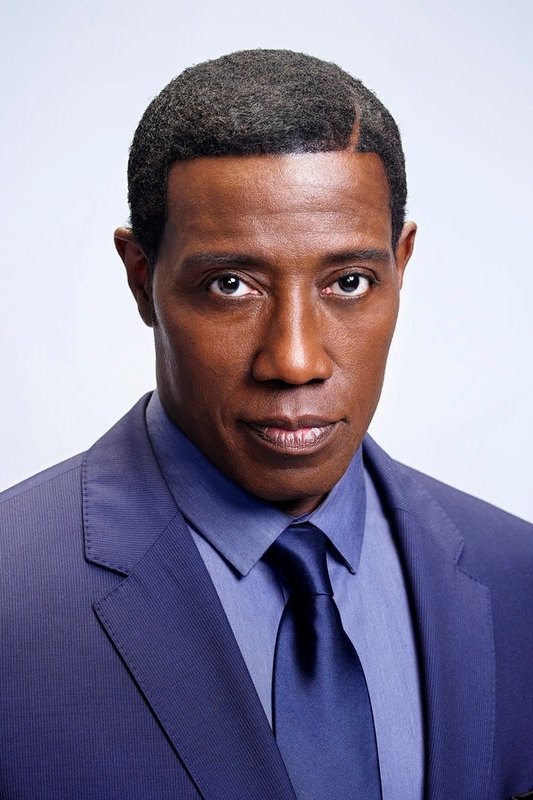
Snipes brought a specific, intense vocal energy to action films like ‘Blade’ and ‘New Jack City’ that defied the standard “action hero” voice of the 90s. He often infused his characters with a cool, detached delivery that was unique to his personal style rather than a coached affectation. Directors who tried to mold him into a generic lead found that he worked best when left to trust his own instincts. His voice became synonymous with a new kind of Black anti-hero who operated on his own terms.
Laurence Fishburne
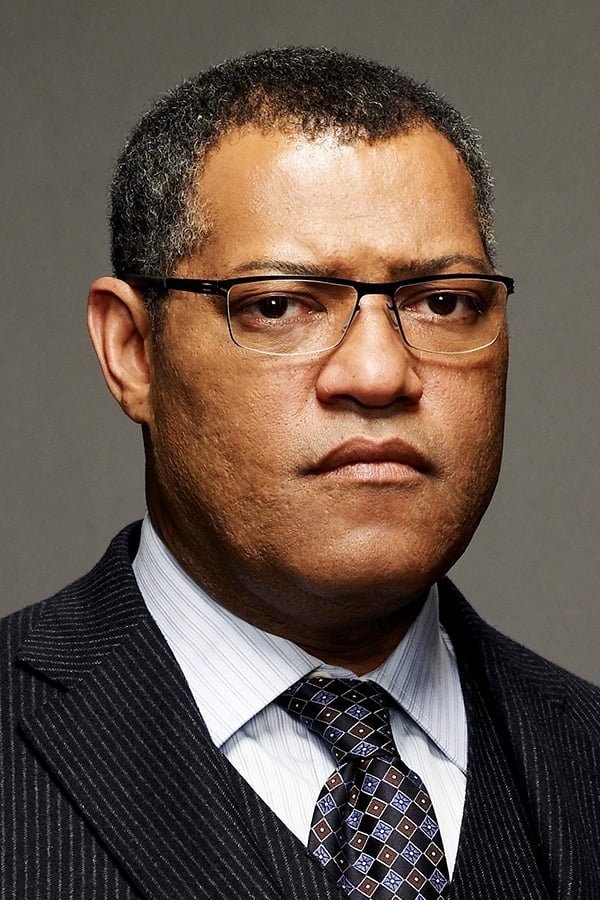
Fishburne commands the screen with a deep, resonant voice that he developed through years of theater work rather than film coaching. In ‘The Matrix’ and ‘Boyz n the Hood’, he utilized a paternal, authoritative tone that was entirely his own creation. He often resisted direction that sought to make his characters sound more frantic or “urban” in a stereotypical sense. Fishburne’s vocal control allows him to play kings, street philosophers, and sci-fi leaders without changing his fundamental sound.
Paul Robeson
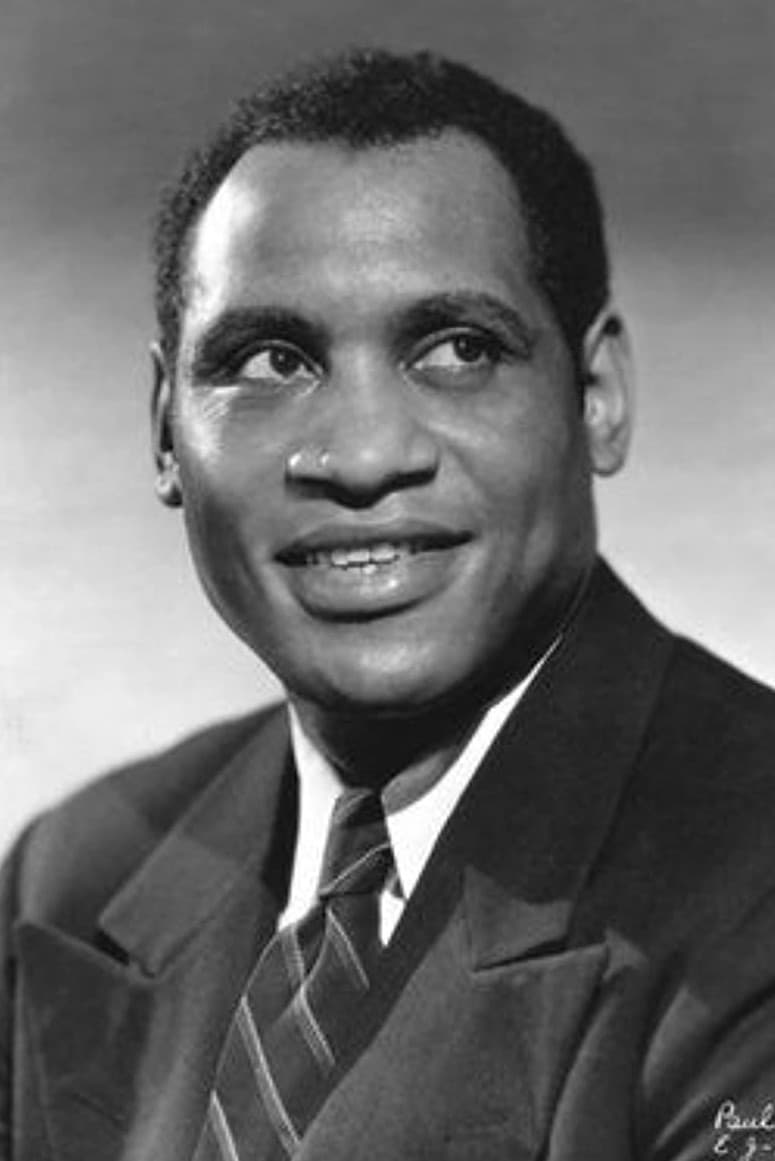
A giant of the stage and screen, Robeson famously refused to play roles that required him to speak in the “Uncle Tom” dialect prevalent in the 1930s. He utilized his classically trained singing voice and articulate diction to challenge the intellectual limitations placed on Black characters. His insistence on speaking with dignity and power, even in roles written as subservient, often put him at odds with white directors and producers. Robeson’s vocal defiance was a key component of his broader civil rights activism.
Harry Belafonte

Belafonte often refused to adopt a generic American accent, preferring to keep the lilt of his Caribbean heritage or his natural speaking voice in films like ‘Carmen Jones’. He was critical of Hollywood’s limited understanding of the Black diaspora’s vocal diversity. By maintaining his own cadence, he ensured that his characters felt distinct and culturally grounded. His refusal to conform to a single idea of how a Black leading man should sound paved the way for future international actors.
Yaphet Kotto
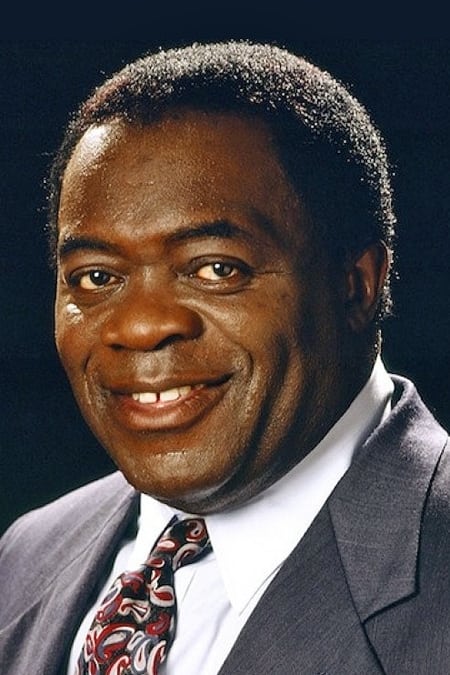
Kotto was known for his intense realism and refused to play characters that required him to shuck and jive vocally. In ‘Alien’ and ‘Live and Let Die’, he brought a grounded, serious demeanor that contrasted with the often exaggerated direction given to Black actors in sci-fi and action. He relied on his own understanding of the character’s psychology to inform his voice. This resistance to caricature made his performances timeless and gritty.
Djimon Hounsou
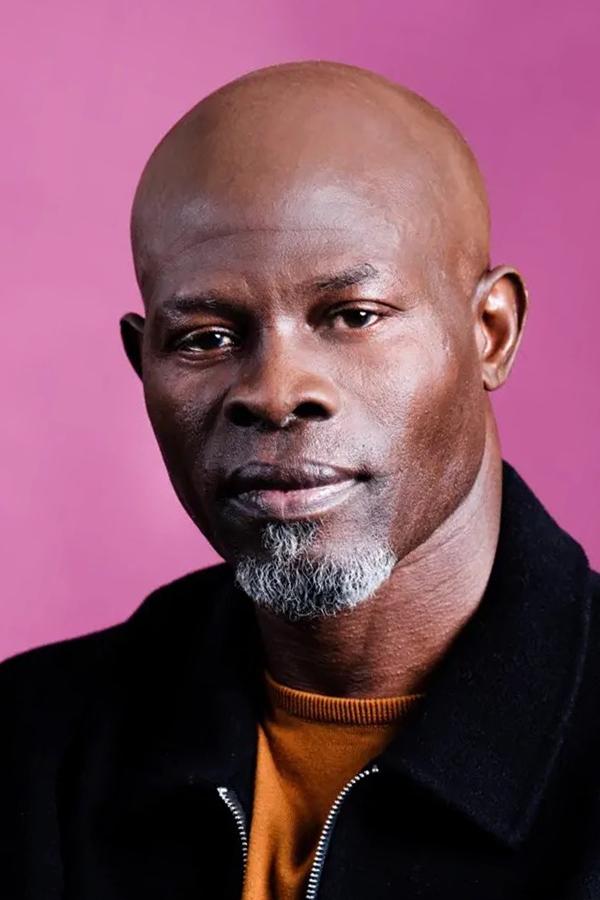
Discovered in Paris, Hounsou has consistently maintained his strong Beninese accent in Hollywood films, refusing to mask his heritage. While some directors suggested he soften his accent to play generic African-American roles, he leaned into his natural sound in ‘Amistad’ and ‘Gladiator’. His voice brings a specific gravity and history to his roles that a dialect coach could not manufacture. He proves that a heavy accent is not a barrier to emotional communication but an asset.
Isaac Hayes
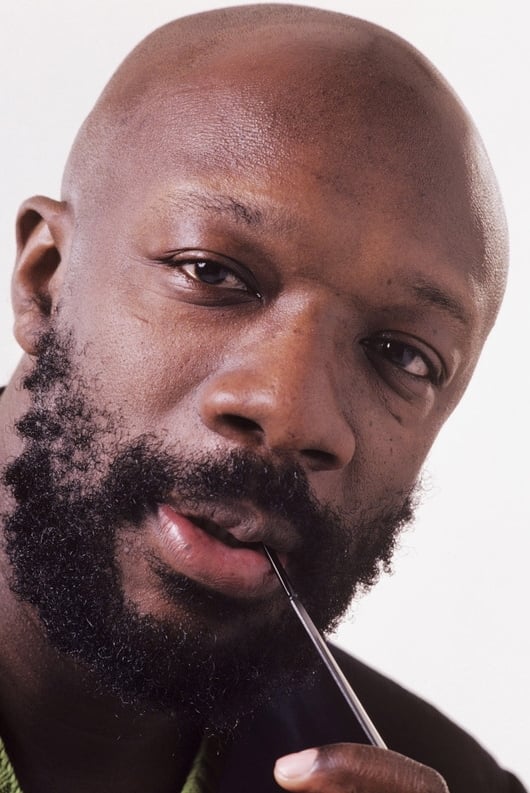
When Hayes took the role of the Duke in ‘Escape from New York’, he brought his natural, gravelly bass voice from his music career directly to the screen. He did not require coaching to sound intimidating or authoritative; he simply existed as himself. His performance style was minimal and relied on presence rather than theatrical affectation. Directors learned that trying to change Hayes’s voice was futile and detrimental to the character’s impact.
Richard Roundtree
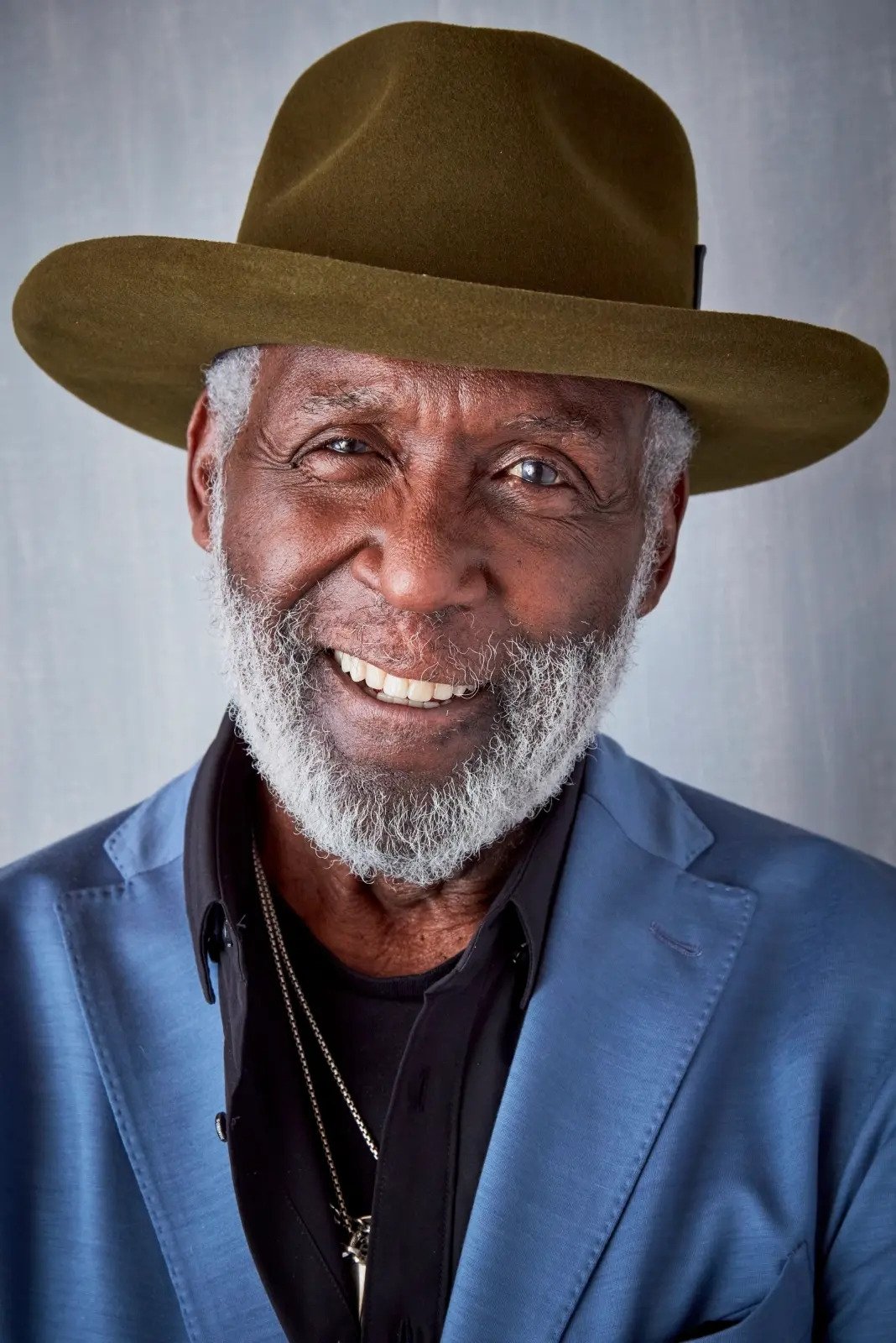
As the original ‘Shaft’, Roundtree defined the voice of the blaxploitation era hero, which was smooth, confident, and unapologetically Black. He did not adopt the transatlantic accent that was still common in acting schools of the time. His performance was a rejection of the “safe” Black male voice, embracing a cooler, more dangerous tone. This authenticity helped ‘Shaft’ become a cultural phenomenon that resonated with urban audiences.
Bernie Mac
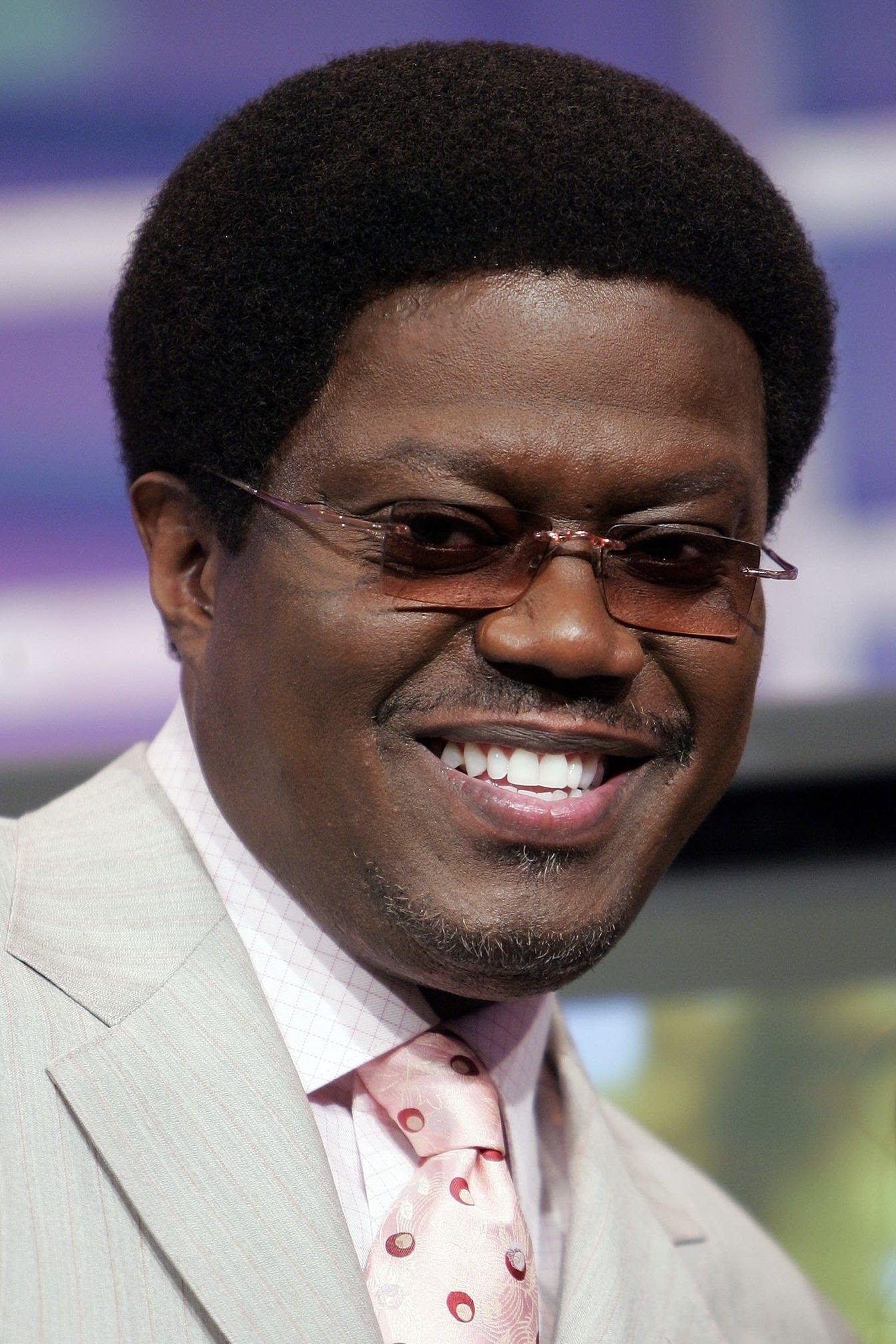
Bernie Mac’s comedy and acting were rooted in his distinct Chicago drawl and fearless delivery, which he refused to sanitize for mainstream TV or film. In ‘The Bernie Mac Show’ and ‘Ocean’s Eleven’, he spoke exactly as he did in his stand-up acts, ignoring suggestions to articulate more “clearly” for white audiences. His belief was that the audience should catch up to him, not the other way around. This refusal to compromise his voice made him one of the most beloved Kings of Comedy.
Chris Rock
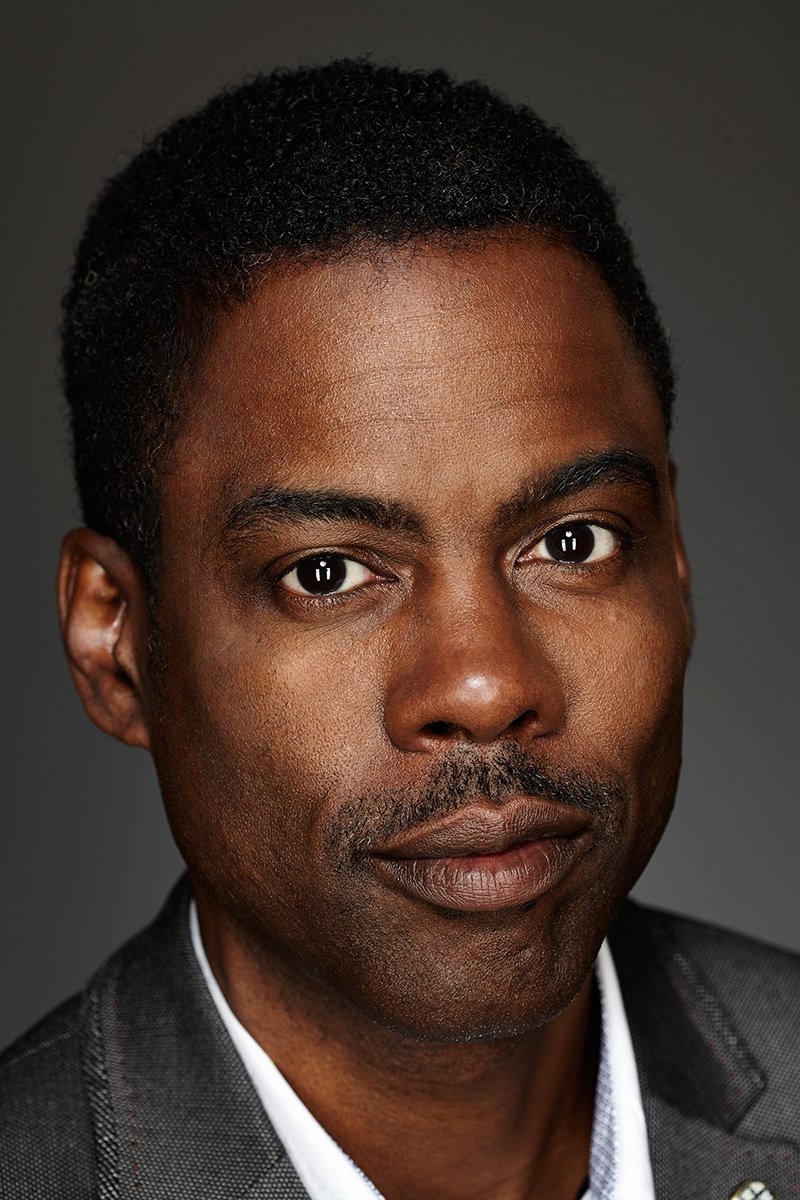
Rock has built a career on his distinct, high-energy voice and specific cadence, which he maintains across all his film roles. He has openly joked about his inability and refusal to do accents or code-switch for dramatic roles. In ‘Top Five’ and ‘Fargo’, he relies on his natural delivery to convey emotion, proving that his authentic voice is capable of range. He resists the idea that “serious acting” requires a deep, trained theatrical voice.
Martin Lawrence
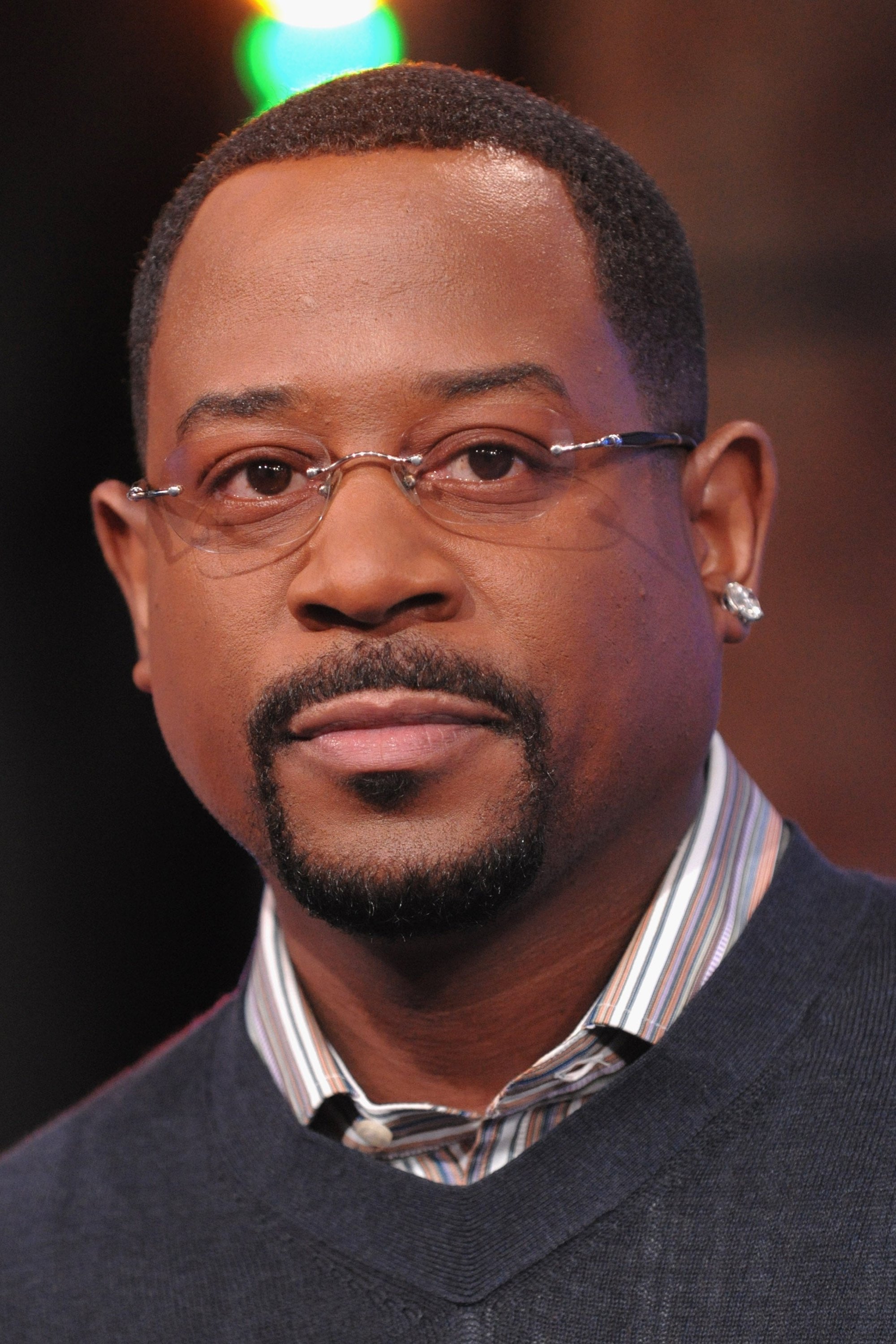
Lawrence brought his stand-up persona directly into his acting roles in ‘Bad Boys’ and ‘Big Momma’s House’, utilizing his natural speech patterns. He famously improvised much of his dialogue, making dialect coaching irrelevant and often impossible to implement. His comedic timing relies on his specific cultural linguistic rhythm, which would be destroyed by standard coaching. Lawrence’s success proved that mass audiences could understand and enjoy authentic AAVE without translation.
Ving Rhames
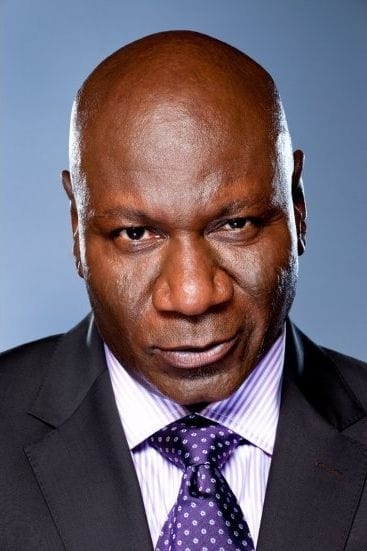
Rhames is known for his deep, slow baritone which he utilizes to command respect in films like ‘Mission: Impossible’ and ‘Pulp Fiction’. He resists the urge to speed up his delivery or lighten his tone to suit traditional pacing. His vocal performance is often characterized by a deliberate gravity that forces the audience to listen closely. This unwavering commitment to his own tempo gives his characters an unshakeable sense of power.
Keith David
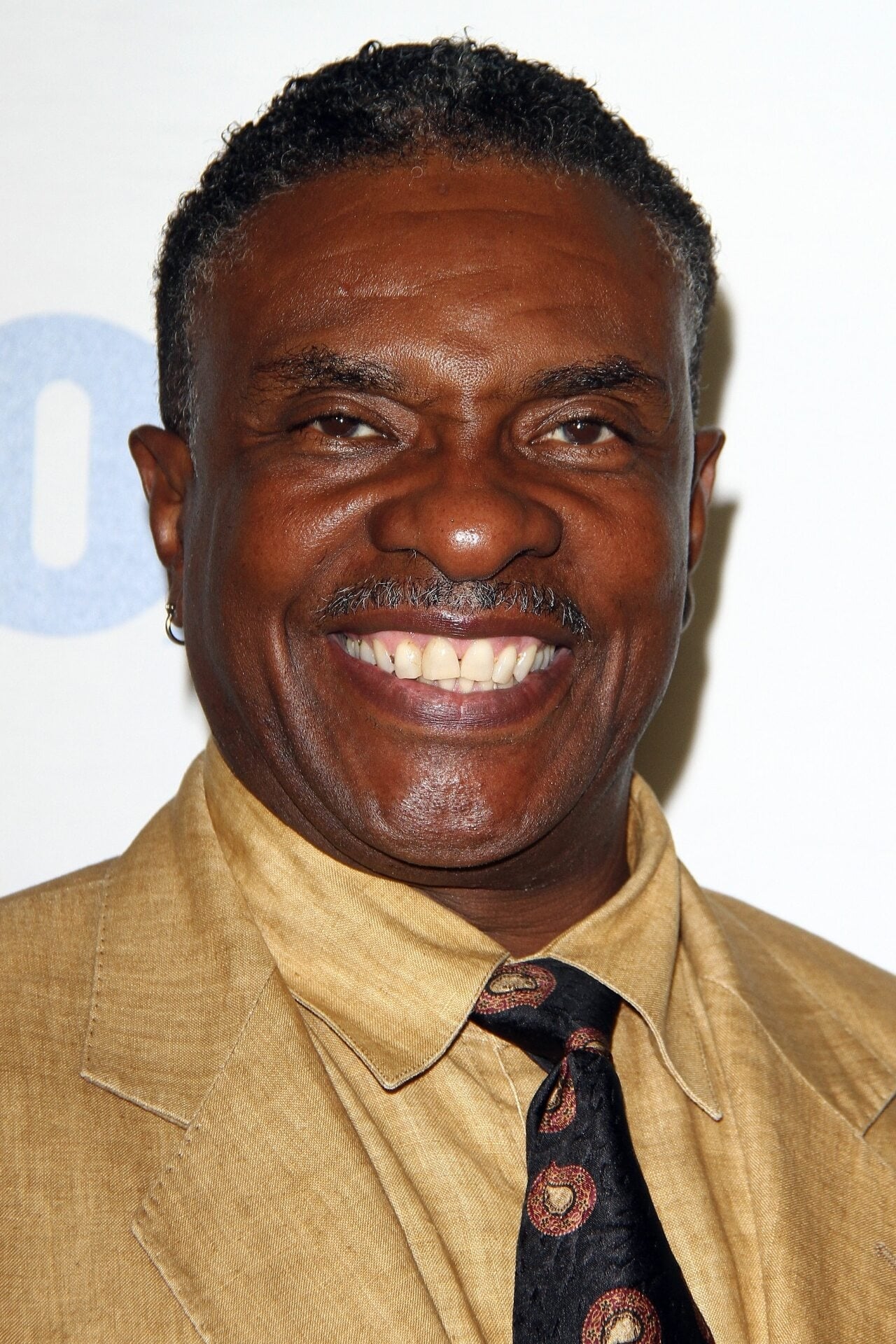
Possessing one of the most recognizable voices in the industry, David relies on his natural baritone for roles in ‘The Thing’ and ‘Platoon’. He has stated that he focuses on the truth of the scene rather than the mechanics of a specific dialect. His voice is naturally classical, yet he can slide into colloquialisms without the need for a coach to guide him. Directors hire him specifically for the weight and texture of his unalterable voice.
Delroy Lindo
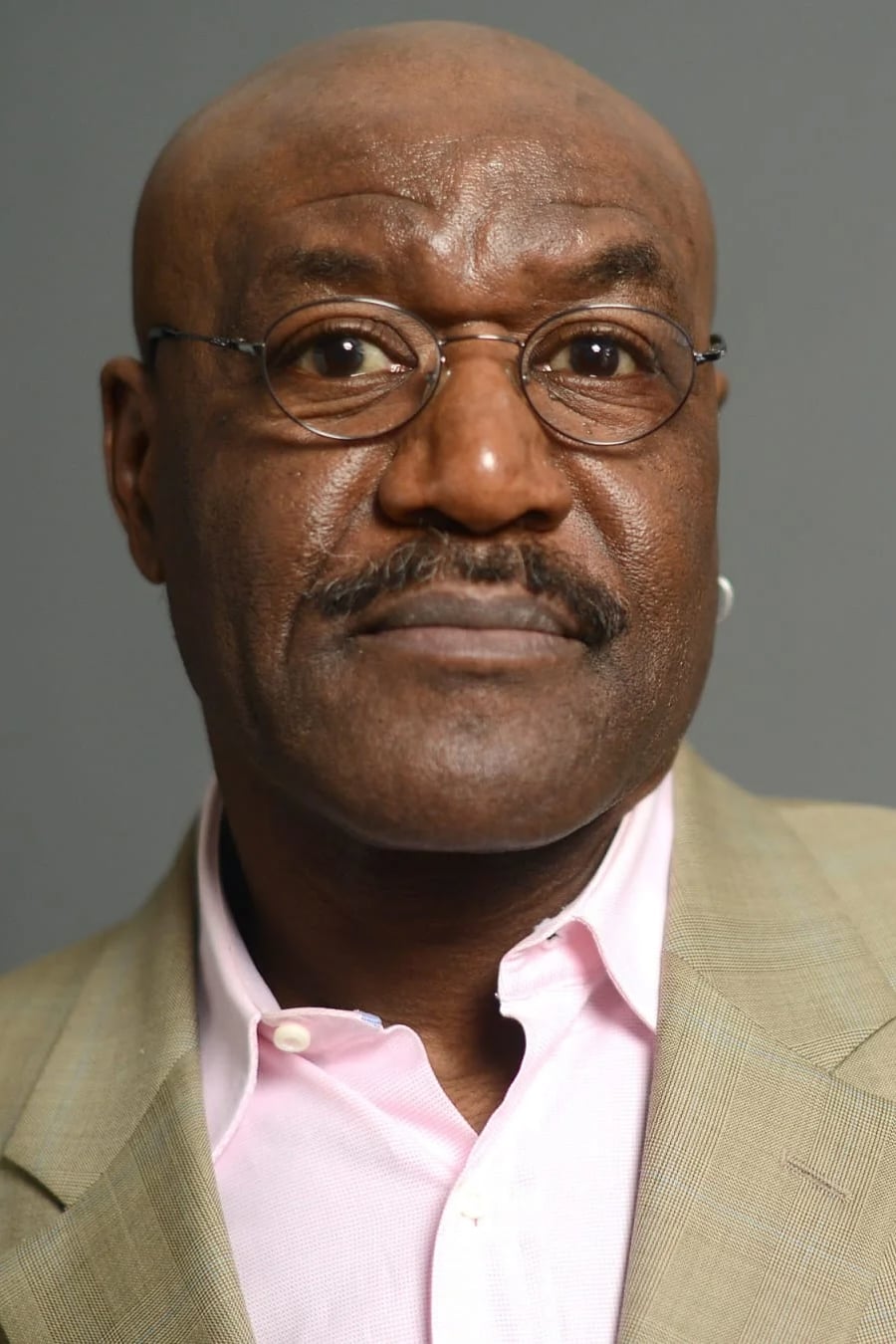
Lindo is a British-born actor who mastered the American accent on his own terms but often infuses his roles with a unique, jazzy rhythm. In ‘Da 5 Bloods’, his vocal performance is a tour de force of emotion that breaks traditional dialect rules to convey madness and grief. He works internally to find the character’s voice rather than relying on external mimicry. His refusal to deliver lines in a predictable manner makes him a favorite of directors like Spike Lee.
Clarke Peters
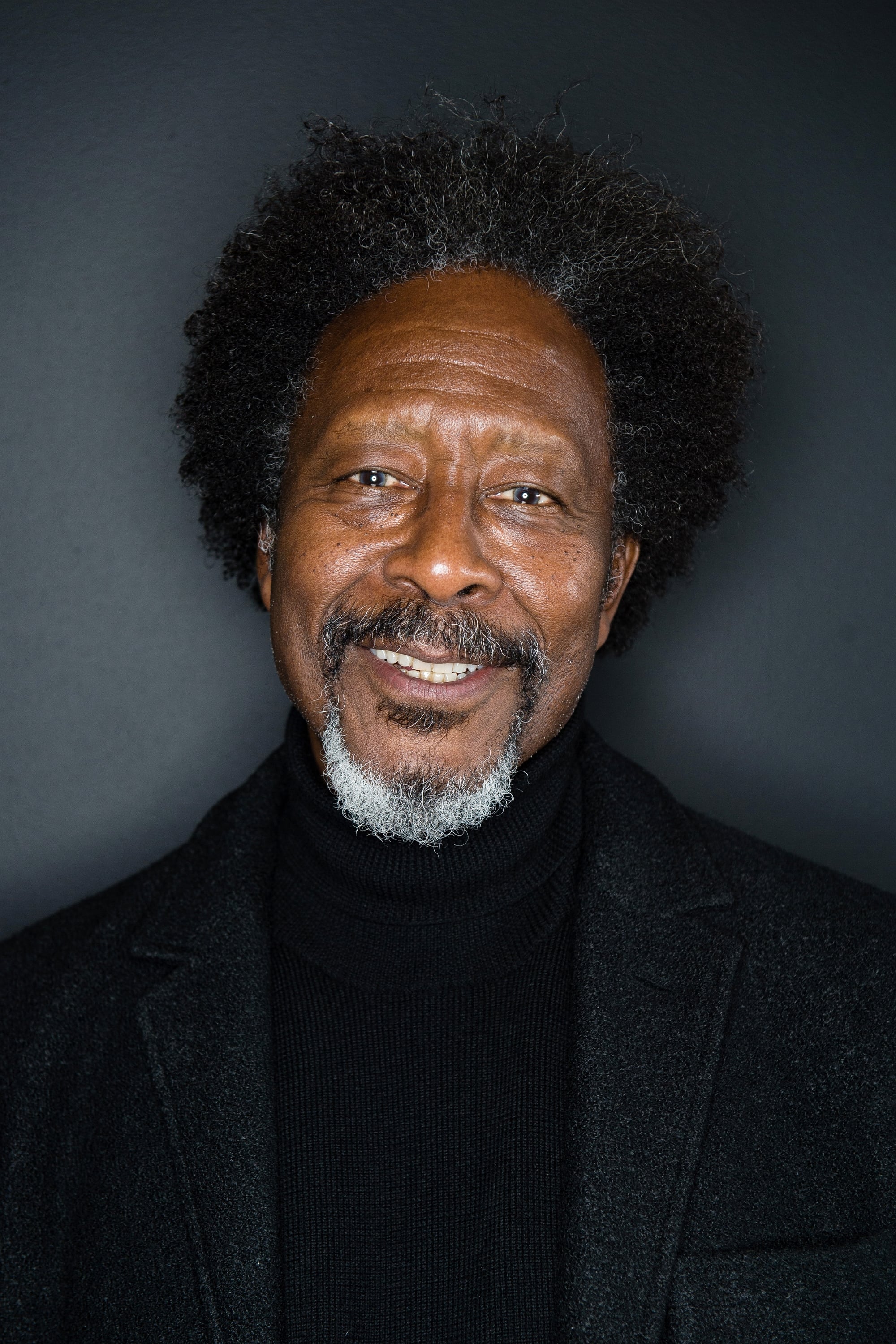
Best known for ‘The Wire’, Peters is an American who spent years in London, yet he crafted a flawless Baltimore accent through immersion rather than standard coaching. He focused on the musicality of the local speech, listening to locals rather than studio experts. His approach is anthropological, seeking the soul of the dialect rather than just the phonetic sounds. This dedication to authentic listening over technical coaching resulted in one of TV’s most convincing performances.
Lennie James
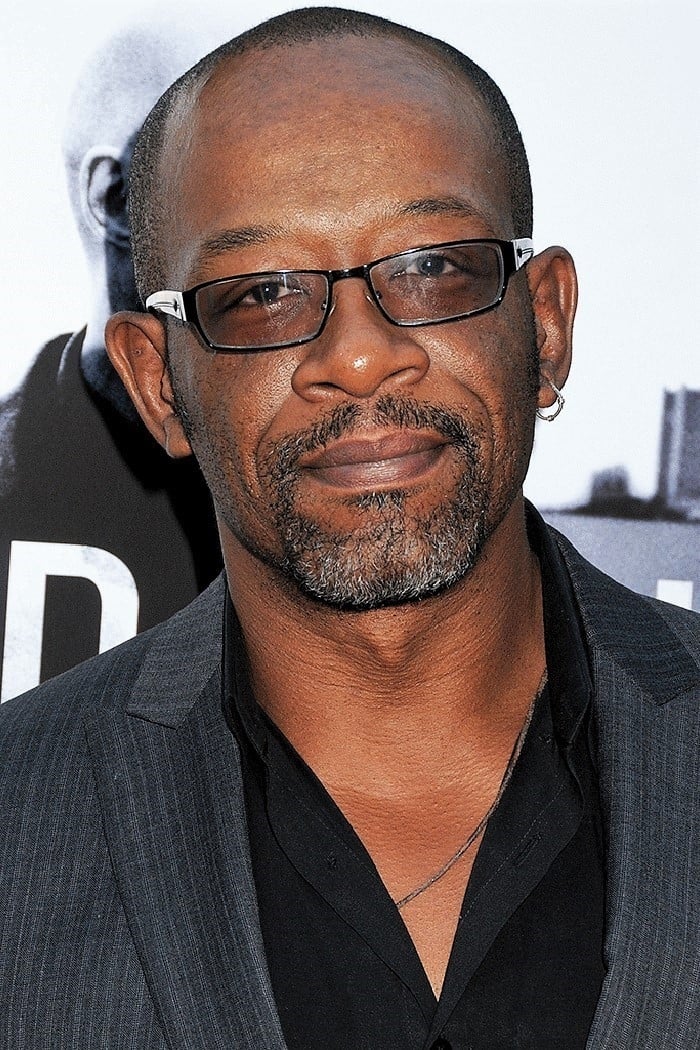
Another British actor who famously played an American in ‘The Walking Dead’, James serves as his own toughest critic and coach. He stays in character with his American accent even when the cameras are not rolling, refusing to break the immersion. He relies on his own method of “living” the voice rather than scheduled sessions with a studio coach. This extreme dedication allows him to improvise and react naturally without thinking about tongue placement.
Adewale Akinnuoye-Agbaje
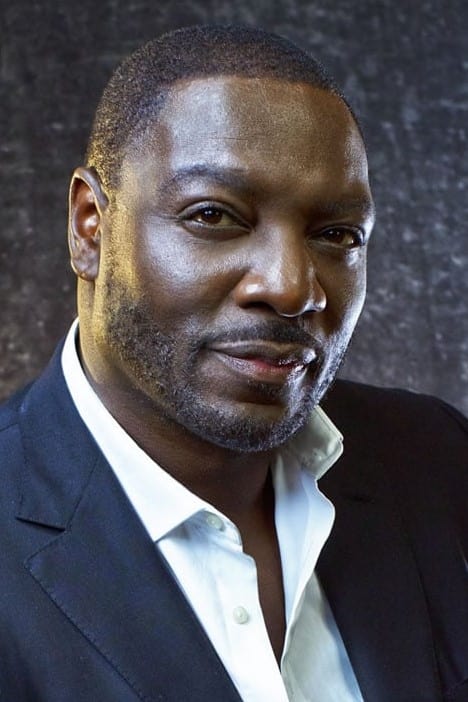
Known for playing Simon Adebisi in ‘Oz’, Akinnuoye-Agbaje utilized his own Nigerian heritage to craft a terrifying and authentic character. He resisted any direction that would have made the character’s accent more “understandable” or Americanized, insisting that the thick accent added to the character’s mystery. His performance demonstrated that subtitles or close listening were preferable to diluting a character’s cultural identity. He continues to advocate for distinct, unpolished African accents in cinema.
John Boyega
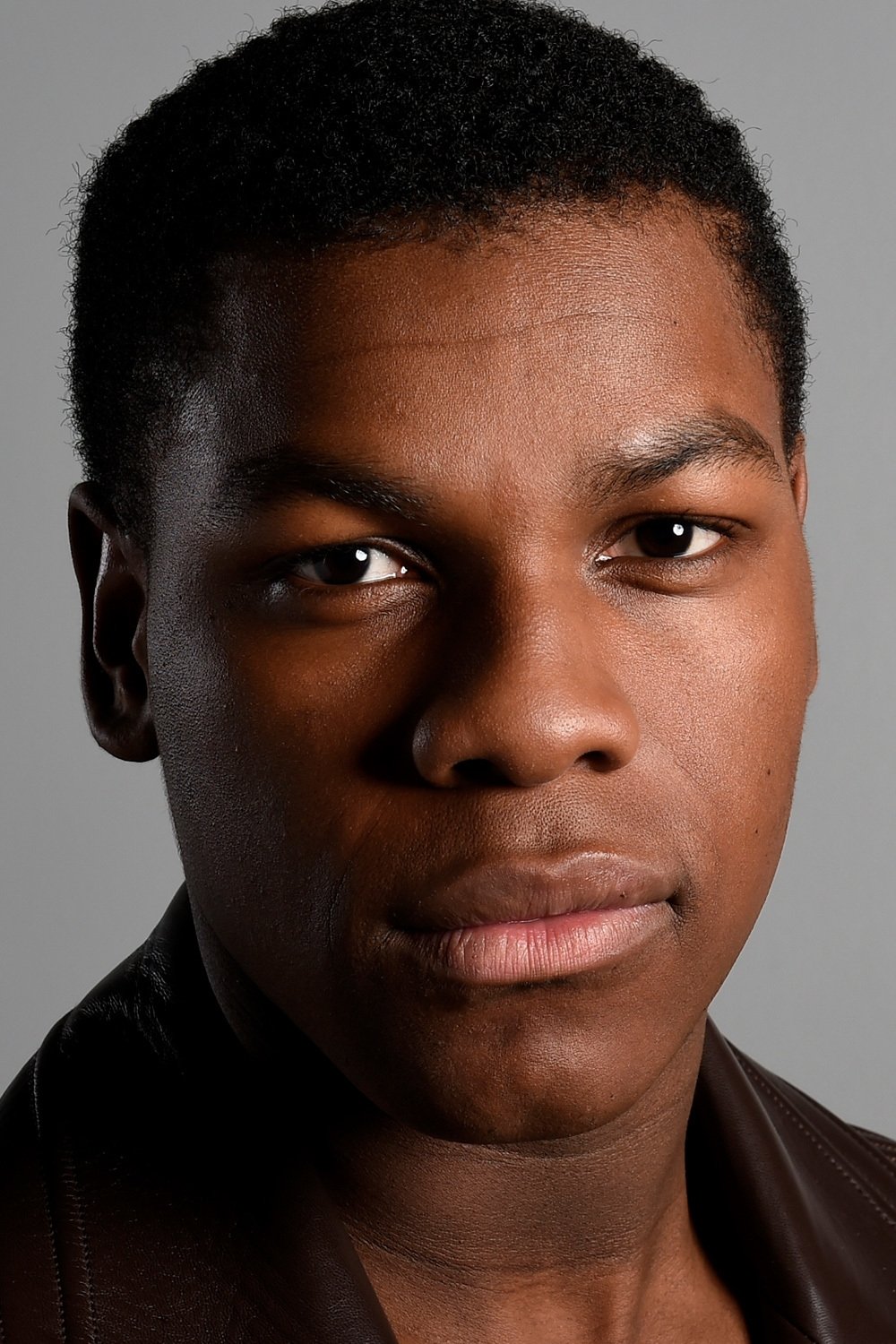
While he adopted an American accent for ‘Star Wars’, Boyega has been vocal about maintaining his natural South London accent in other projects like ‘Attack the Block’. He has criticized the industry’s tendency to view Black British accents as “urban” or “aggressive” while accepting white British accents as “classy.” In ‘The Woman King’, he utilized a specific West African dialect that honored his heritage, working from personal knowledge. He actively pushes for roles where he does not have to hide his natural voice.
Daniel Kaluuya
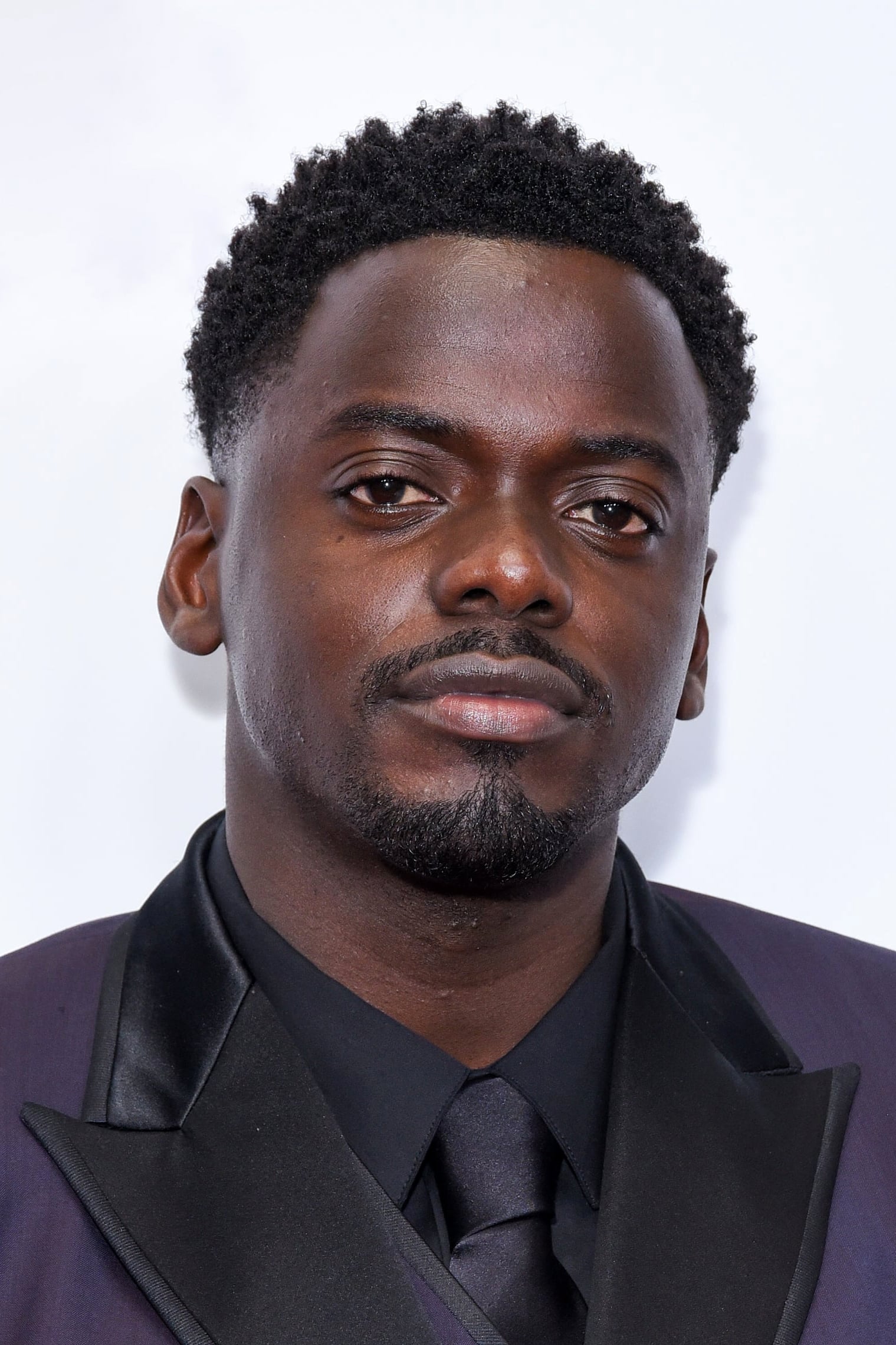
Kaluuya famously kept his British accent during the press tours for ‘Get Out’ and ‘Judas and the Black Messiah’ despite playing American icons, but his approach to the work is deeply internal. He faced criticism for playing Black American roles, which pushed him to do his own extensive field research rather than relying solely on studio coaches. He immerses himself in the environments of his characters to catch the nuance that formal coaching often misses. He champions the idea that the Black diaspora shares a connected struggle that transcends vocal borders.
Lakeith Stanfield
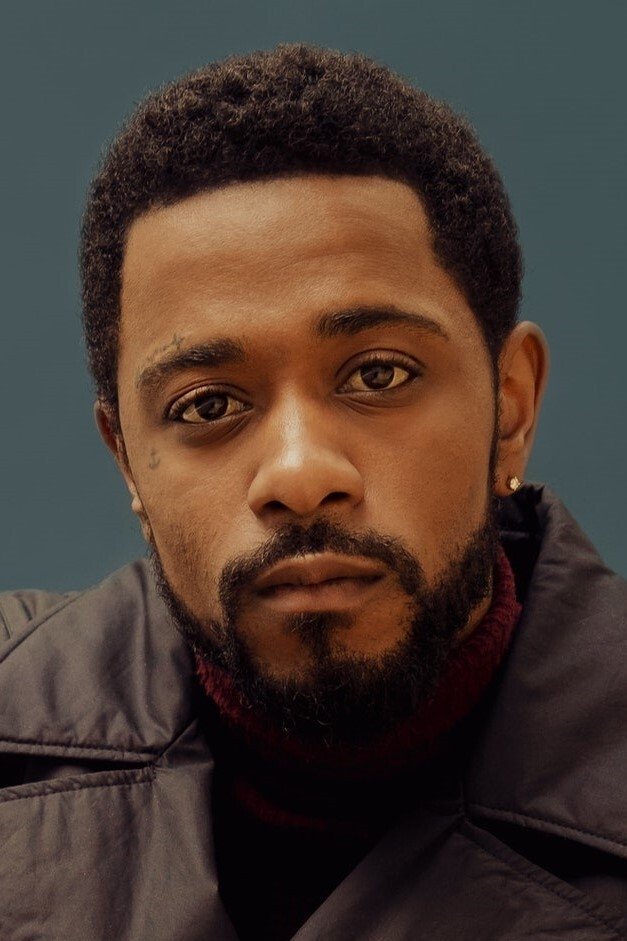
Stanfield brings an eccentric, mumbling, and highly naturalistic vocal style to films like ‘Sorry to Bother You’ and ‘Atlanta’. He rejects the “projecting” style of acting taught in traditional drama schools, preferring to speak as people actually do in real life. His “white voice” in ‘Sorry to Bother You’ was a satirical performance that he crafted to mock the very concept of code-switching. He consistently prioritizes emotional truth over clear diction.
Mahershala Ali
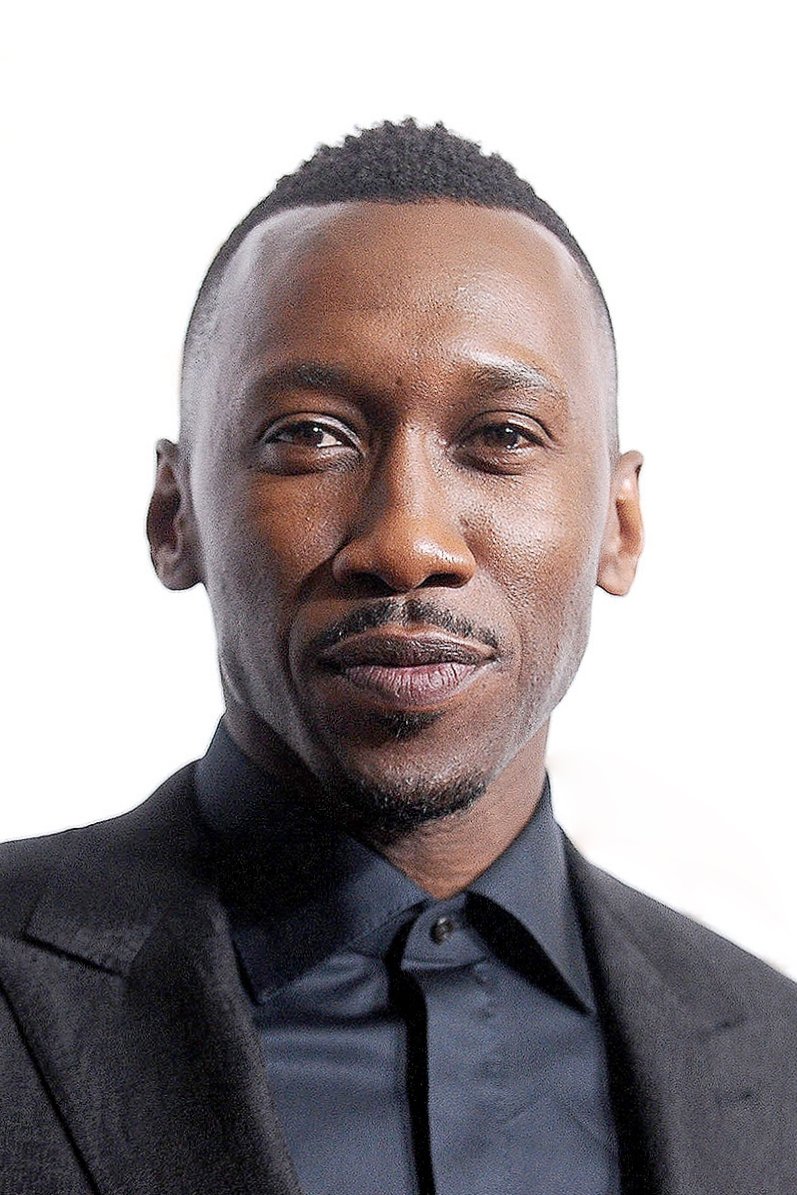
Ali is known for his quiet, contemplative vocal delivery in ‘Moonlight’ and ‘Green Book’, which requires the audience to lean in. He resists the pressure to “act out” or raise his voice to demonstrate conflict, relying instead on micro-expressions and subtle tonal shifts. His work is characterized by a stillness that defies the loud, boisterous stereotypes often written for Black men. He crafts his characters’ voices through internal meditation rather than external mimicry.
Brian Tyree Henry
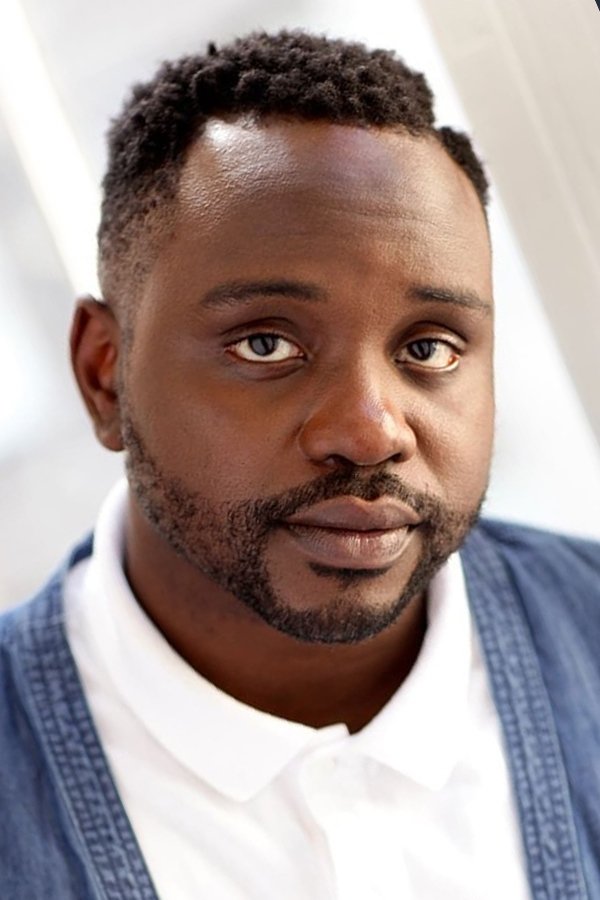
In ‘Atlanta’ and ‘Bullet Train’, Henry utilizes a relaxed, authentic speech pattern that feels entirely unscripted. He brings a specific Southern or urban drawl that feels lived-in, rather than a dialect put on like a costume. He often improvises and adds colloquialisms that a dialect coach might try to correct. His commitment to sounding like a “regular guy” makes his performances deeply relatable and grounding.
Winston Duke
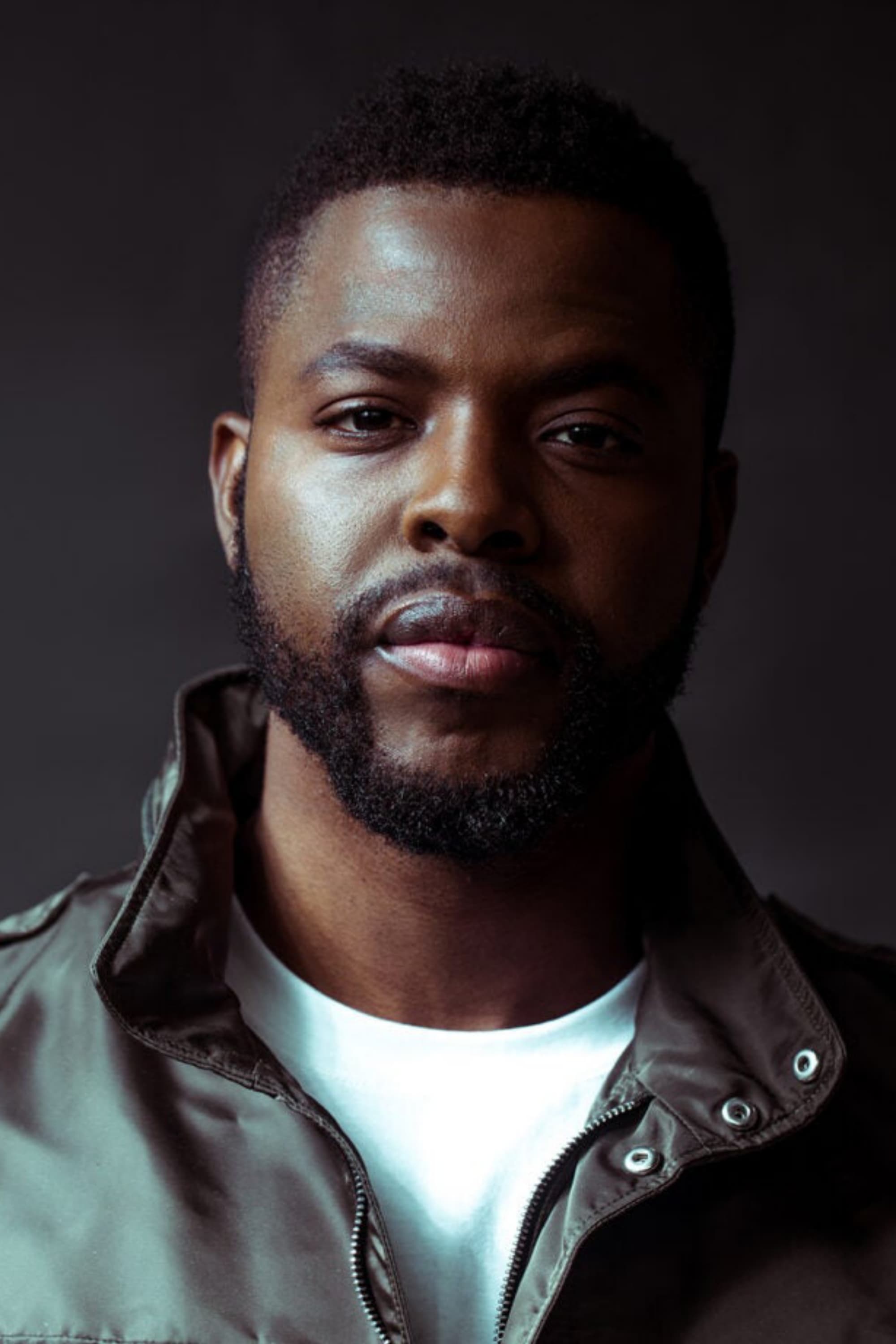
Duke fought to give the Jabari tribe in ‘Black Panther’ a distinct vocal identity that differed from the rest of Wakanda. He drew upon Nigerian Igbo influences for his character M’Baku, a choice he made to add texture to the film’s world. He resisted the idea of a monolithic “African accent,” pushing for regional specificity that he developed through his own background. His imposing physical presence is matched by a voice that he boldly curates himself.
Damson Idris
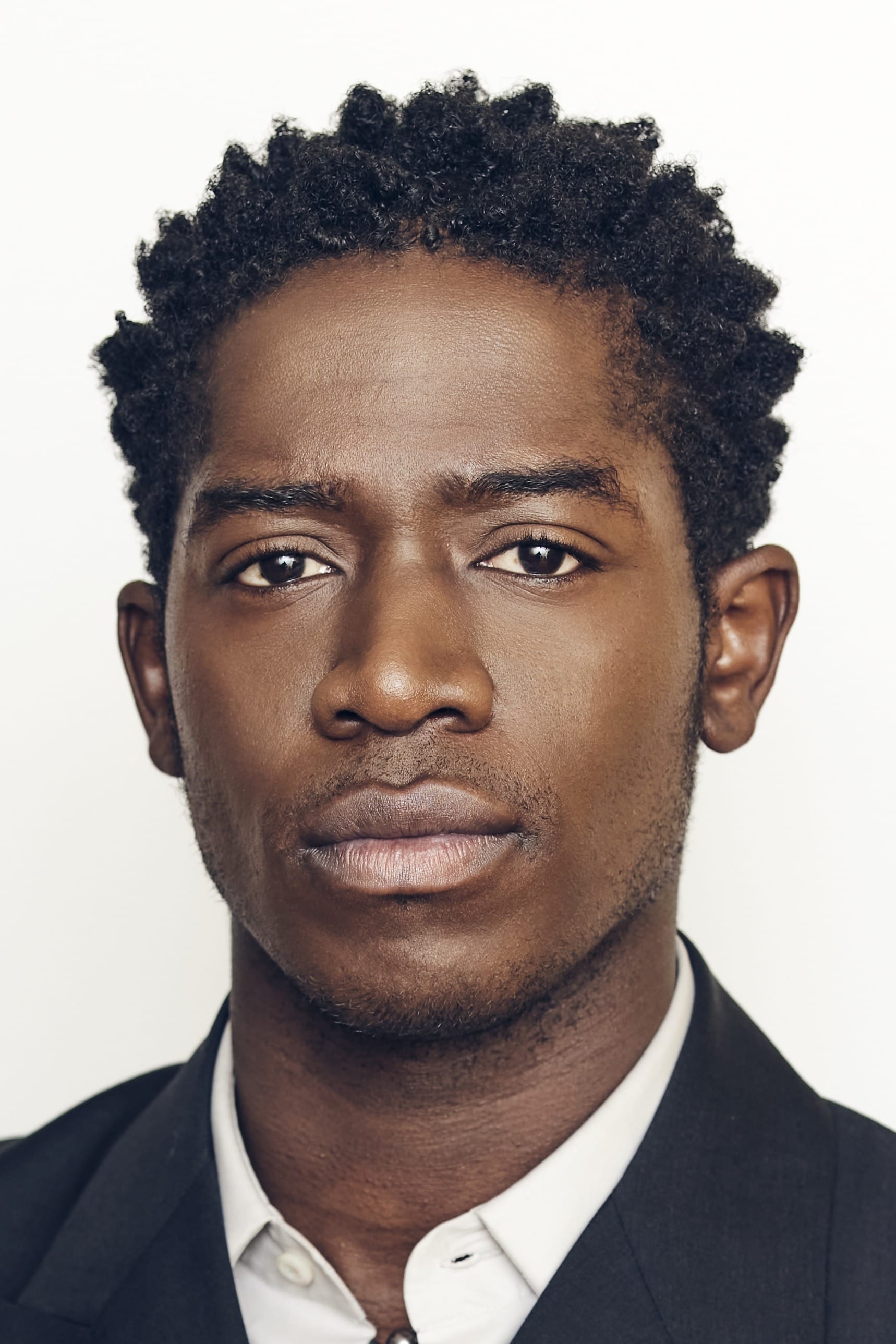
For his role in ‘Snowfall’, British actor Damson Idris spent weeks in South Central Los Angeles, learning the accent by interacting with locals rather than sitting in a classroom. He believed that a dialect coach could teach the sounds but not the “swagger” and rhythm of the culture. He refused to rely on the safety net of a coach on set, preferring to stay in character to maintain authenticity. His performance convinced American audiences that he was a native of Los Angeles.
Yahya Abdul-Mateen II
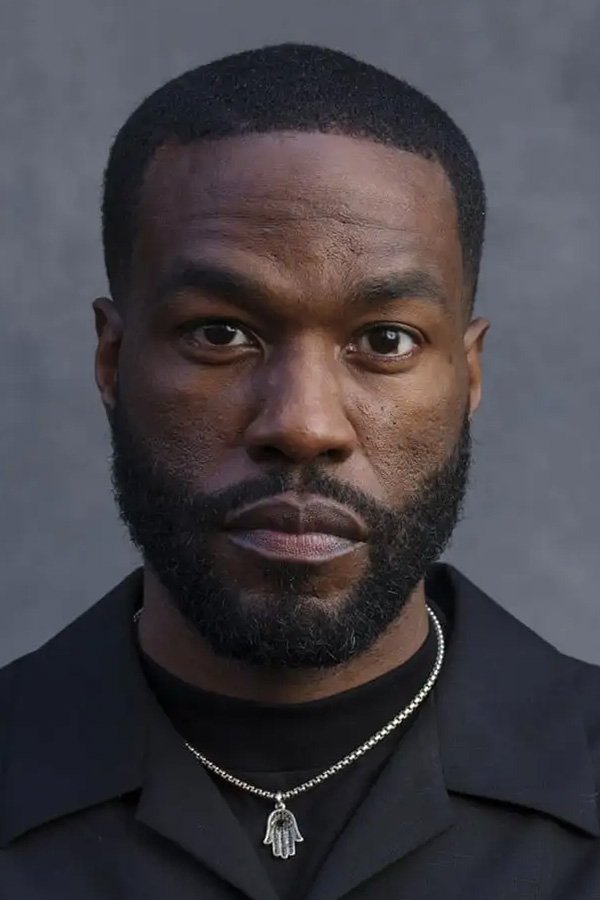
Abdul-Mateen brings a versatility to his roles in ‘Watchmen’ and ‘Candyman’, often using his voice to shift between different eras and realities. He approaches accents as a form of musical composition, which he prefers to conduct himself. He resists the “standard Black male” voice often found in action movies, opting for more vulnerable or complex vocal choices. His work is defined by a refusal to be boxed into one specific sound.
Michael B. Jordan
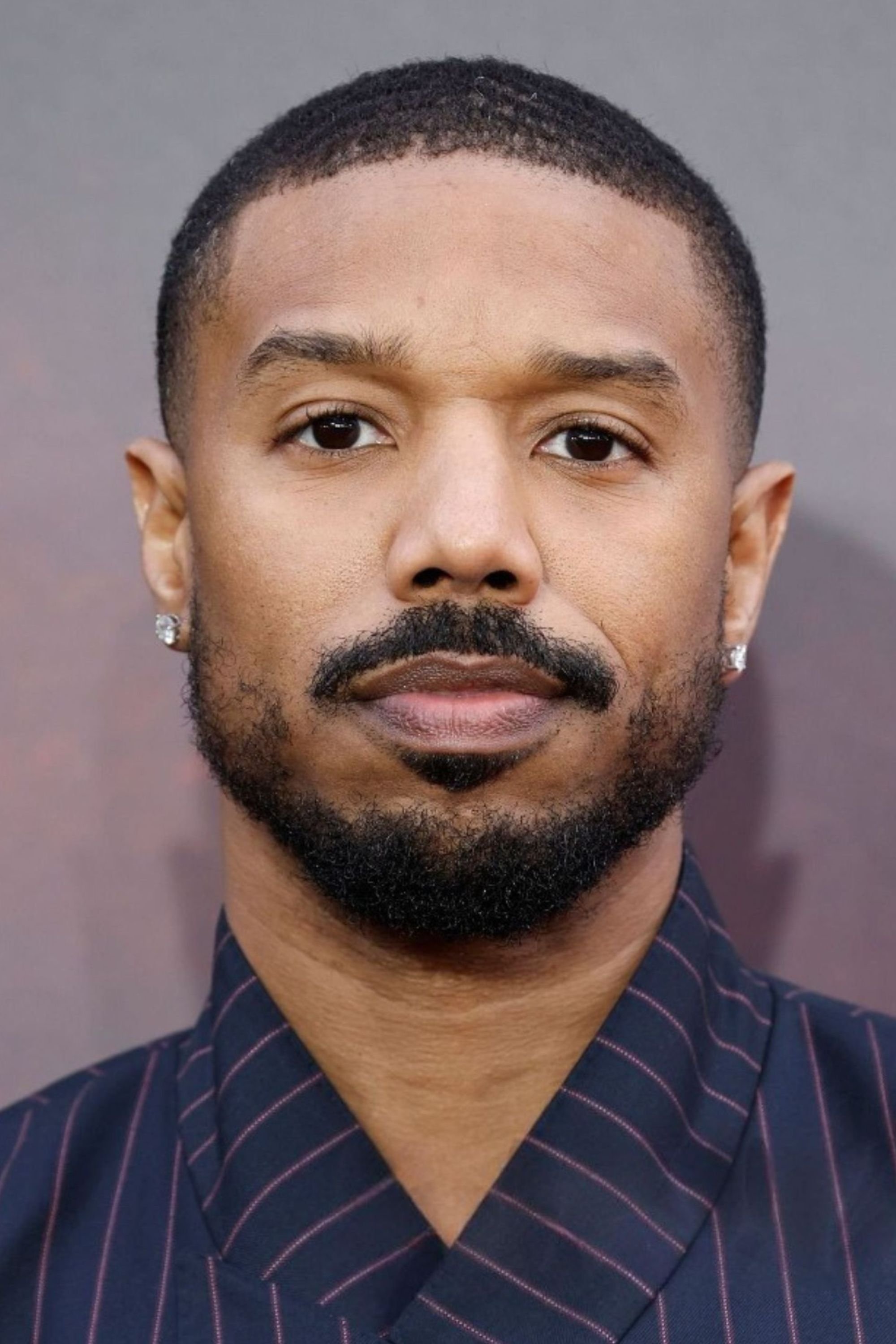
Jordan has been acting since he was a child in ‘The Wire’ and has maintained his authentic Newark/California blend throughout his career. In ‘Black Panther’, his modern American vernacular provided a sharp, deliberate contrast to the traditional accents of the Wakandans. He did not try to elevate or change his voice to sound “royal,” using his natural speech to represent the anger of the diaspora. His authenticity grounds his characters in a recognizable modern reality.
Don Cheadle
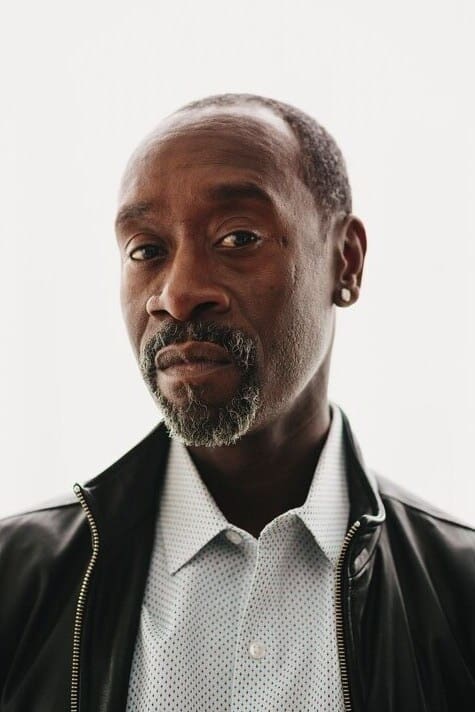
Cheadle is a master of character acting who famously utilized a Cockney accent in the ‘Ocean’s’ franchise that he developed himself, despite mixed reviews. He prefers to take big swings with his vocal choices rather than playing it safe with a standard accent. In serious roles like ‘Hotel Rwanda’, he worked to capture the specific rhythm of the region without making it a caricature. He prioritizes the character’s humanity over technical vocal perfection.
Jeffrey Wright
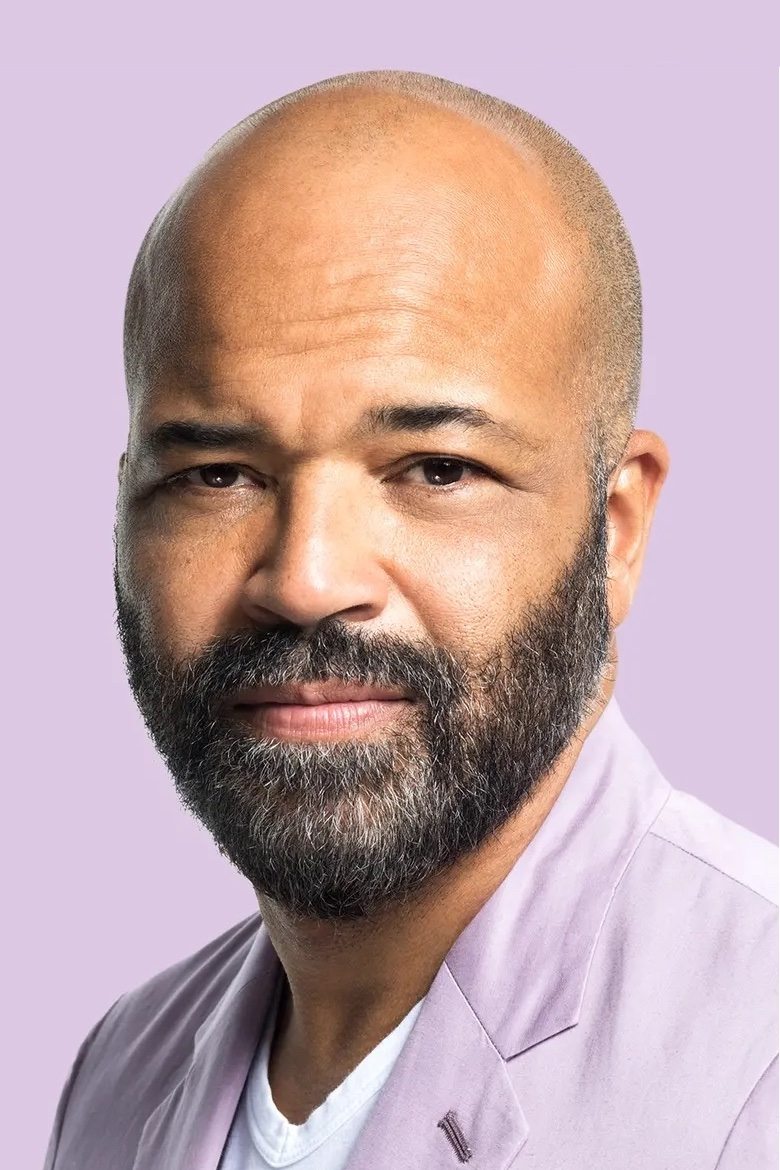
Wright is considered one of the most versatile actors of his generation, capable of transforming his voice entirely for roles like ‘Basquiat’ or ‘The Batman’. He constructs his characters’ voices from the ground up, treating them as separate entities from himself. He often rejects the “one-size-fits-all” approach of studio dialect coaches, preferring to do deep archival research. His vocal performances are often unrecognizable from his natural speaking voice.
Jamie Foxx
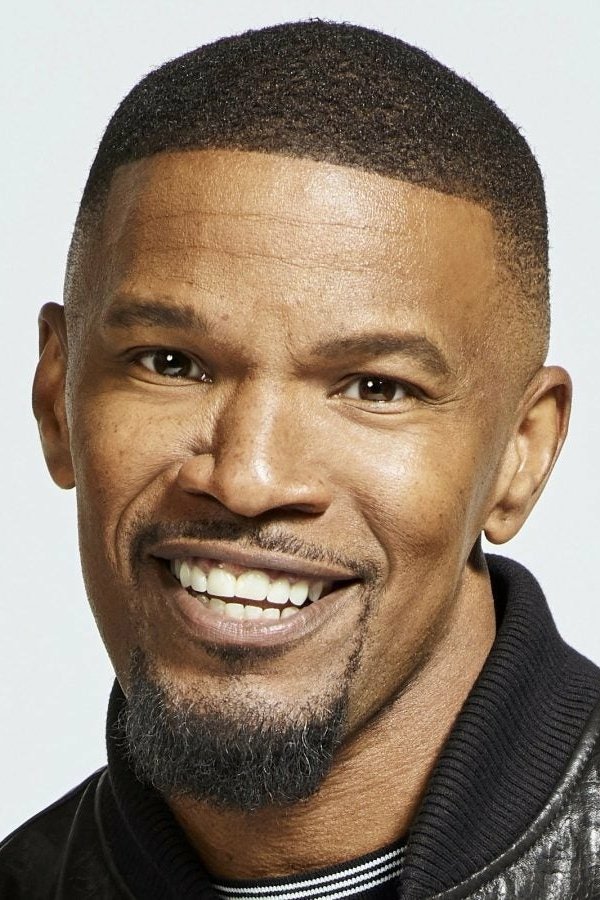
Foxx utilized his background in impressionist comedy to perfectly capture Ray Charles in ‘Ray’ without the need for a traditional dialect coach. He trusted his own ear and musical ability to mimic the icon’s rasp and rhythm. Foxx believes that sound is about musicality, and he applies this musician’s approach to all his dramatic acting. He proved that an actor’s ear is often more valuable than a coach’s chart.
Tyrese Gibson
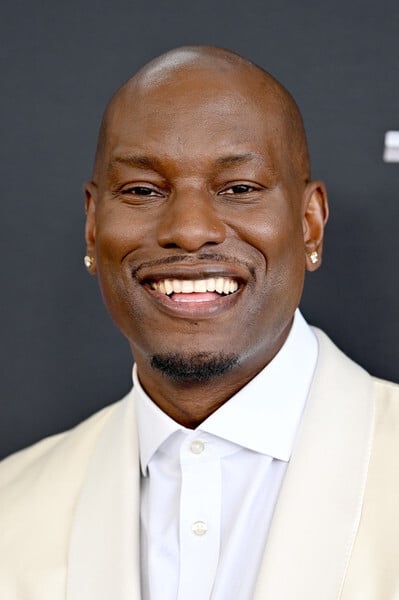
Gibson entered the ‘Fast & Furious’ franchise with a specific energy and speech pattern that he refused to alter for the global market. He brings a chaotic, high-energy improvisation to his roles that defies scripted coaching. His refusal to be “polished” serves as the comic relief and emotional heart of the films. He relies on his natural charisma and voice to connect with the audience.
Ludacris
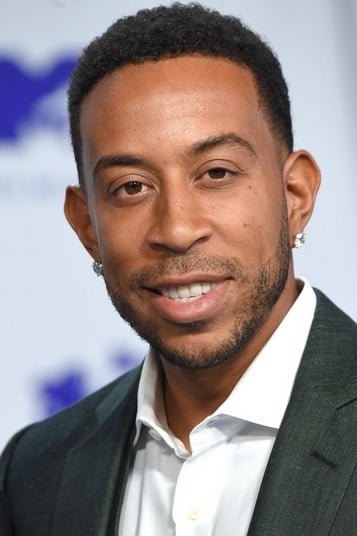
As a rapper turned actor, Ludacris brought his distinct “Dirty South” accent to the ‘Fast & Furious’ films and ‘Crash’. He refused to hide his Atlanta roots, allowing his natural dialect to inform his characters’ identities. This authenticity helped bring Southern hip-hop culture into mainstream global cinema. He demonstrated that regional accents could be heroic and intellectual, not just comedic.
Common
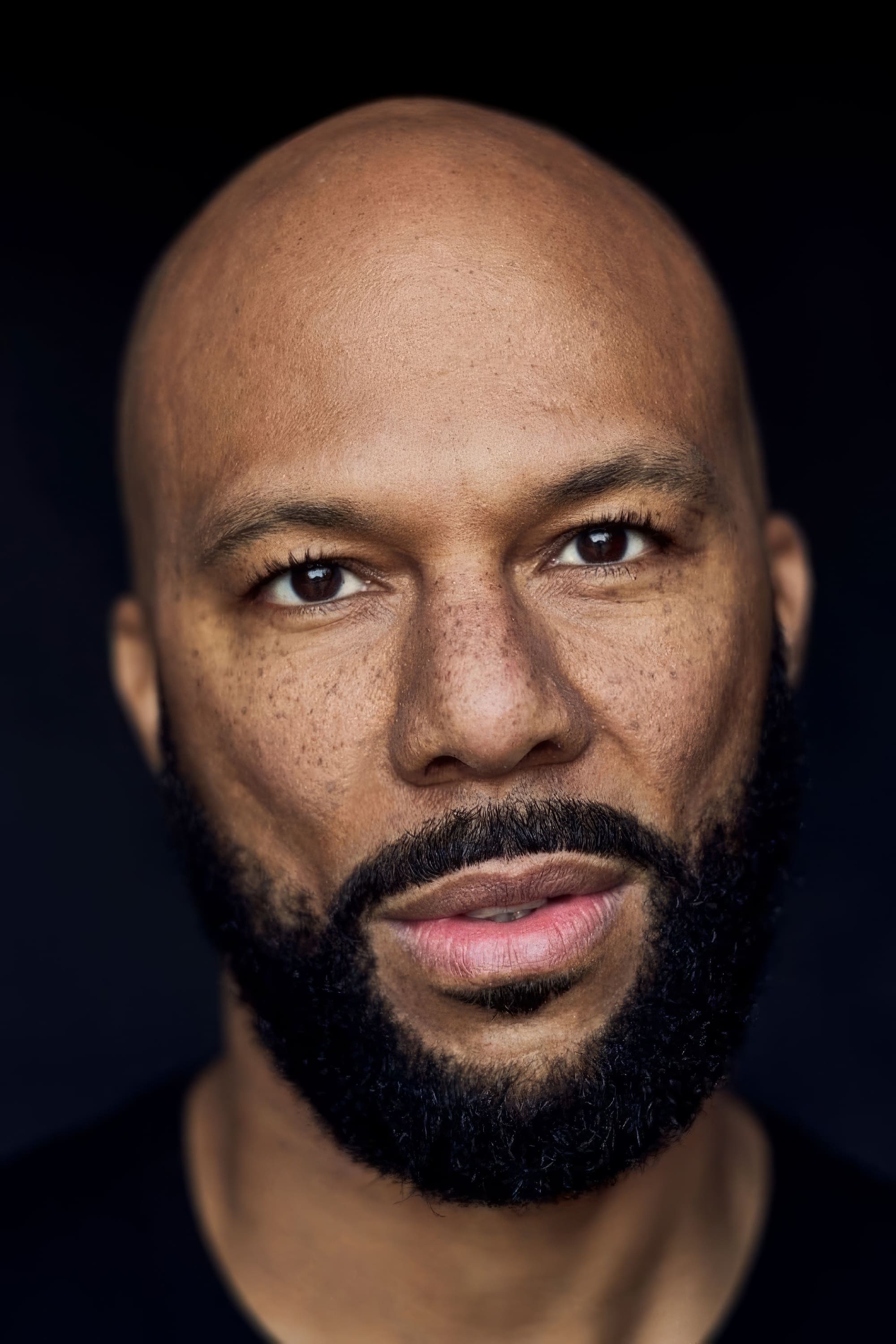
Common brings a poetic, spoken-word cadence to his acting roles in ‘John Wick’ and ‘Selma’. He resists the urge to make his delivery more aggressive, maintaining a cool, collected tone that is his signature. His voice carries the weight of his Chicago upbringing without becoming a stereotype. He proves that a soft-spoken vitality can be just as intimidating as shouting.
O’Shea Jackson Jr.
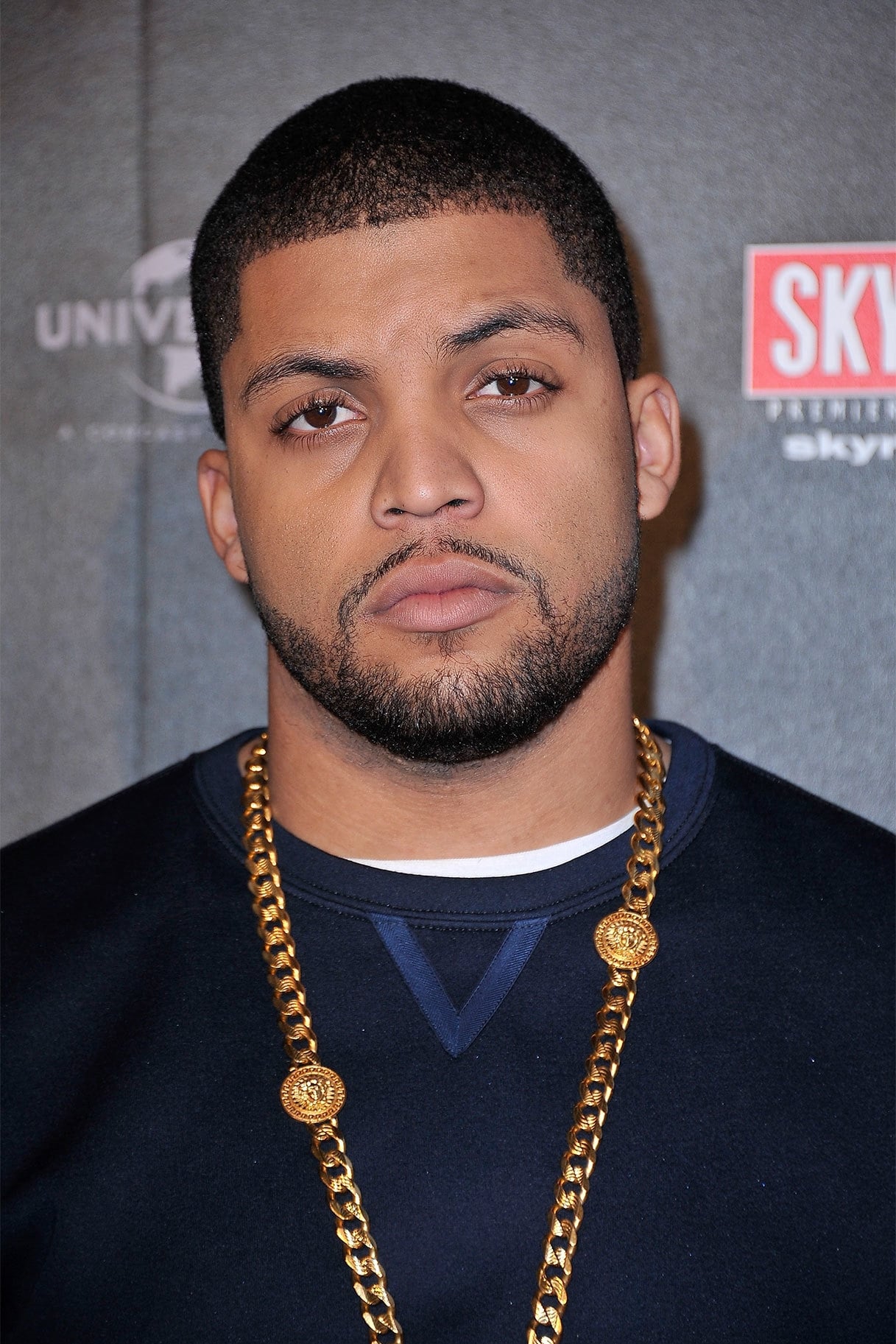
Playing his own father, Ice Cube, in ‘Straight Outta Compton’, Jackson refused to simply do an impression, instead channeling the family DNA. He resisted any coaching that would have made the performance feel like a caricature, relying on his lifetime of observation. His voice naturally carries the same timbre as his father’s, but he infused it with his own youthful energy. His performance was a masterclass in genetic authenticity.
Method Man
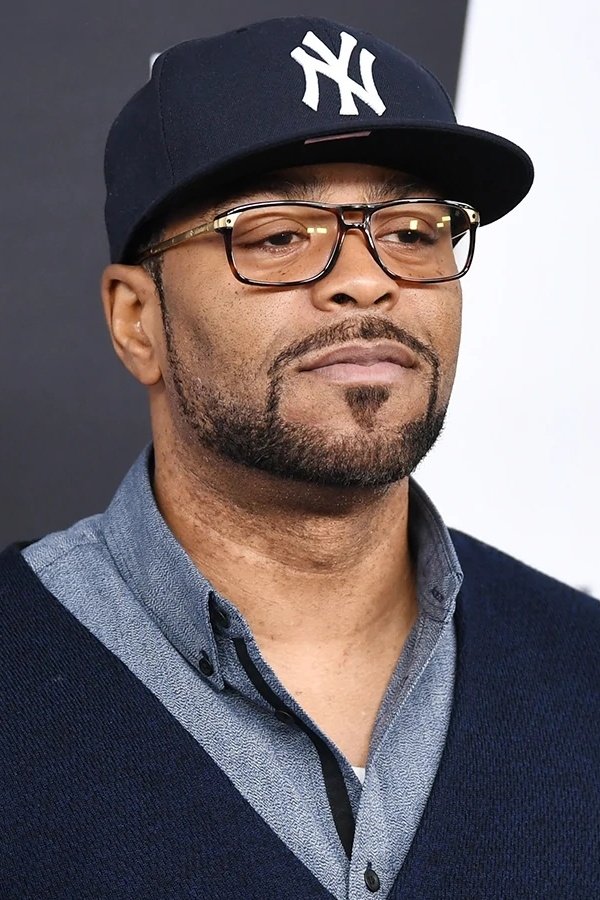
Method Man has transitioned into a respected character actor in ‘Power Book II: Ghost’ while keeping his Staten Island rasp. He refuses to adopt a “mid-Atlantic” stage voice, proving that his natural dialect fits perfectly in high-stakes drama. His voice adds a layer of street-level legitimacy to the courtroom scenes he often plays. He represents a generation of rappers who demanded Hollywood accept them as they are.
Danny Glover
Glover has a distinct, shaky, emotional quality to his voice that he utilizes to great effect in ‘Lethal Weapon’ and ‘The Color Purple’. He resists the “tough guy” vocal tropes, often allowing fear and vulnerability to crack through his delivery. His refusal to mask his age or emotional state with a “stronger” voice makes his characters deeply human. He brings a weary wisdom to his roles that cannot be taught.
Billy Dee Williams
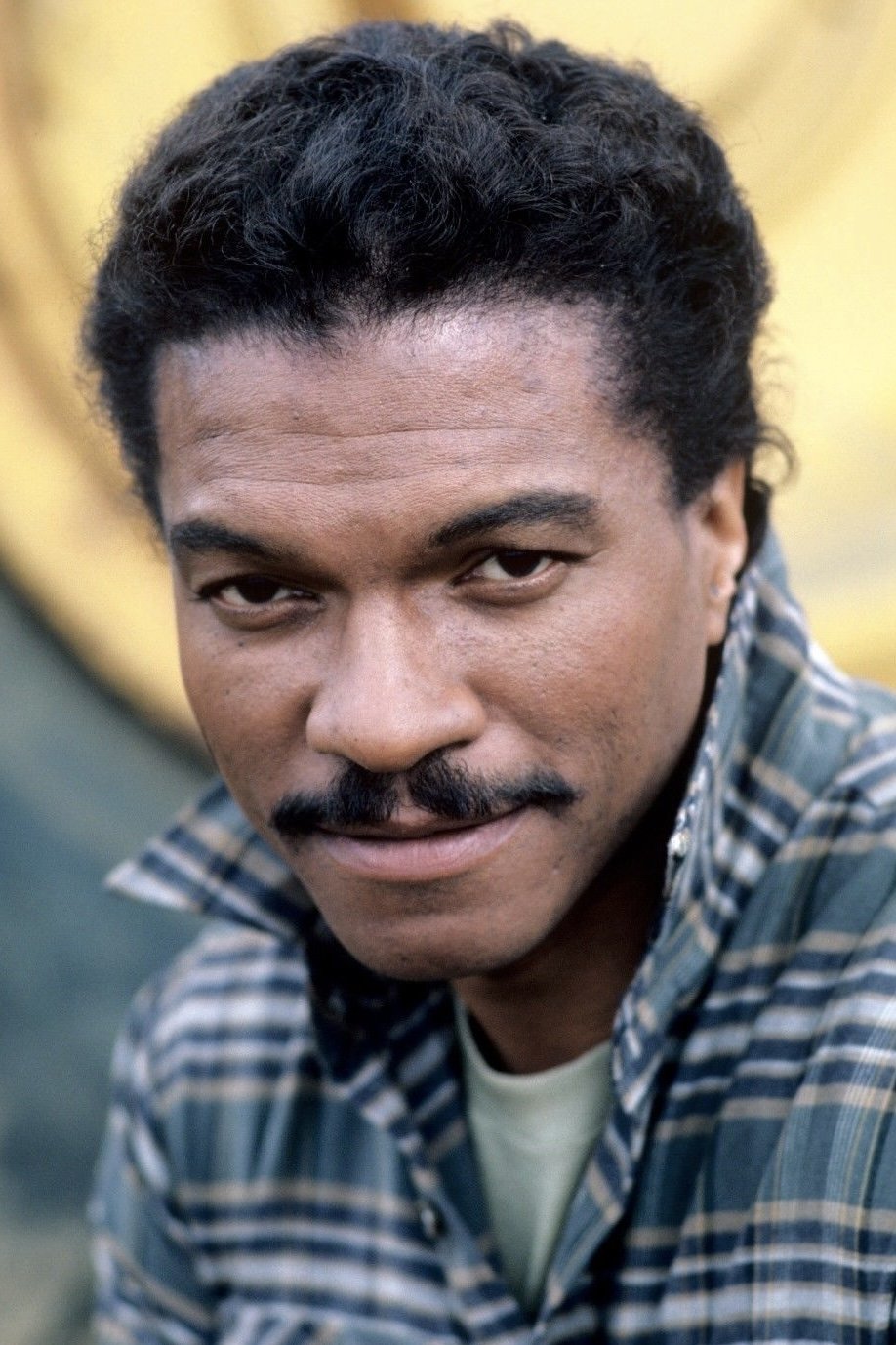
Williams brought a smooth, debonair style to Lando Calrissian in ‘The Empire Strikes Back’ that was entirely his own creation. He resisted the sci-fi trope of speaking in technical jargon or stiff, formal English. His “cool” was a deliberate choice to inject Black American swagger into a galaxy far, far away. He redefined what a space hero could sound like by simply being himself.
Forest Whitaker
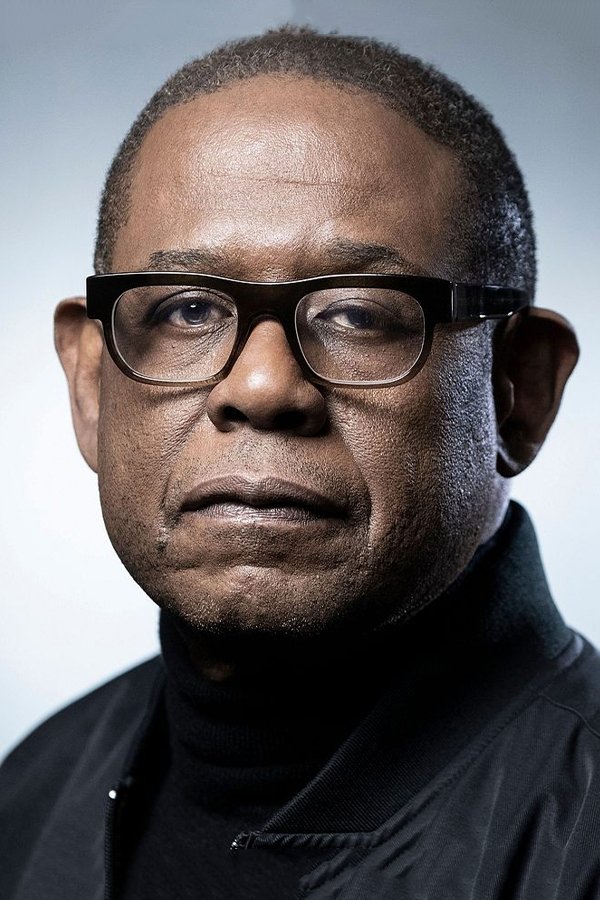
For his Oscar-winning role in ‘The Last King of Scotland’, Whitaker bypassed standard coaching to immerse himself in Uganda, learning Swahili and listening to locals. He built the voice of Idi Amin from the inside out, rather than applying a phonetic layer on top of his own voice. He is known for his soft, whispery natural voice, which he completely transforms through intense personal preparation. His method involves spiritual and physical transformation rather than technical drills.
David Oyelowo
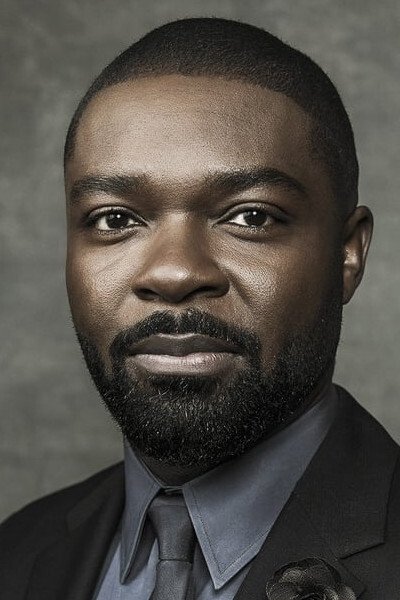
Oyelowo, a British actor, played Martin Luther King Jr. in ‘Selma’ and famously stayed in character with the accent for the entire shoot. He refused to let the accent drop between takes, believing that “standard” coaching sessions would break the spirit of the character. He relied on prayer and total immersion to capture the essence of King’s oratory power. His commitment ensured that the performance felt like a possession rather than an impression.
Jonathan Majors
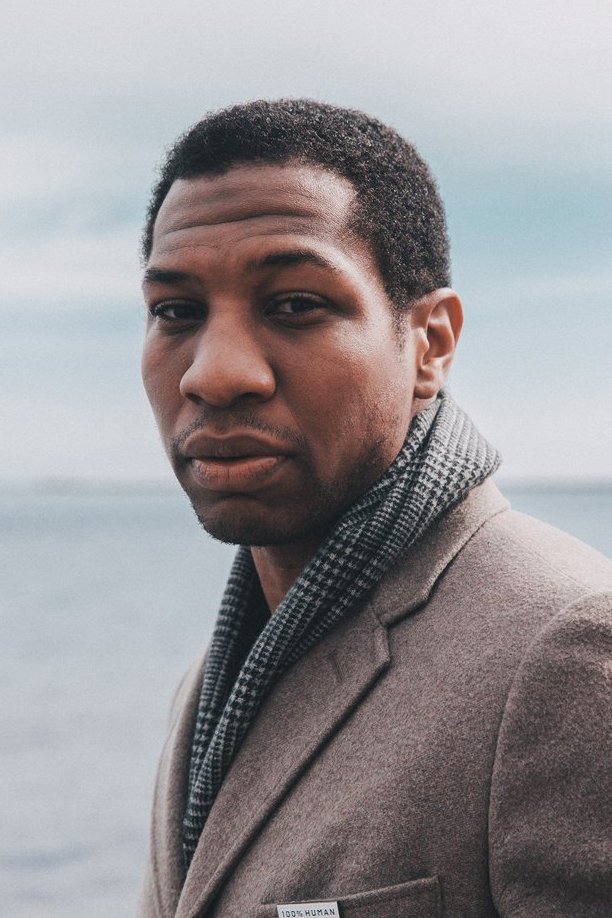
Majors is known for his poetic, erratic vocal choices in ‘The Last Black Man in San Francisco’ and ‘Creed III’. He refuses to deliver lines in a conventional rhythm, often breaking up sentences in unexpected ways to catch the viewer off guard. He works to find the specific “music” of each character, independent of generic regional dialects. His vocal unpredictability makes him one of the most compelling actors working today.
Share your thoughts on these actors and their performances in the comments.