25 Films with Hidden Messages in the Closing Credits Font


Moviegoers who leave the theater the moment the screen fades to black often miss out on the final layer of entertainment filmmakers provide. Beyond the popular post-credit scenes that tease sequels, directors frequently hide witty jokes, legal disclaimers, and secret codes within the rolling text itself. These typographic easter eggs reward the most patient members of the audience with humor or fascinating trivia long after the main story concludes. From recipes hidden in the crawl to specific messages about the characters’ fates, the closing credits offer a canvas for creativity. The following list highlights films that utilized their scrolling font to deliver secret messages to the observant viewer.
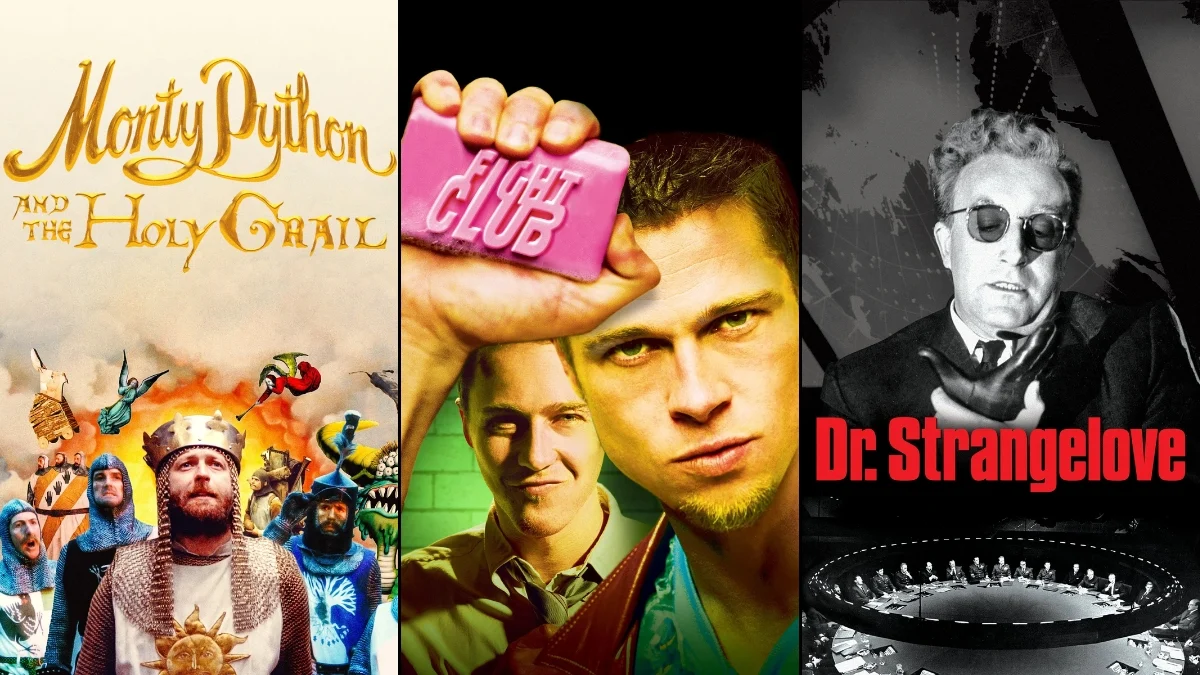
‘Fight Club’ (1999)
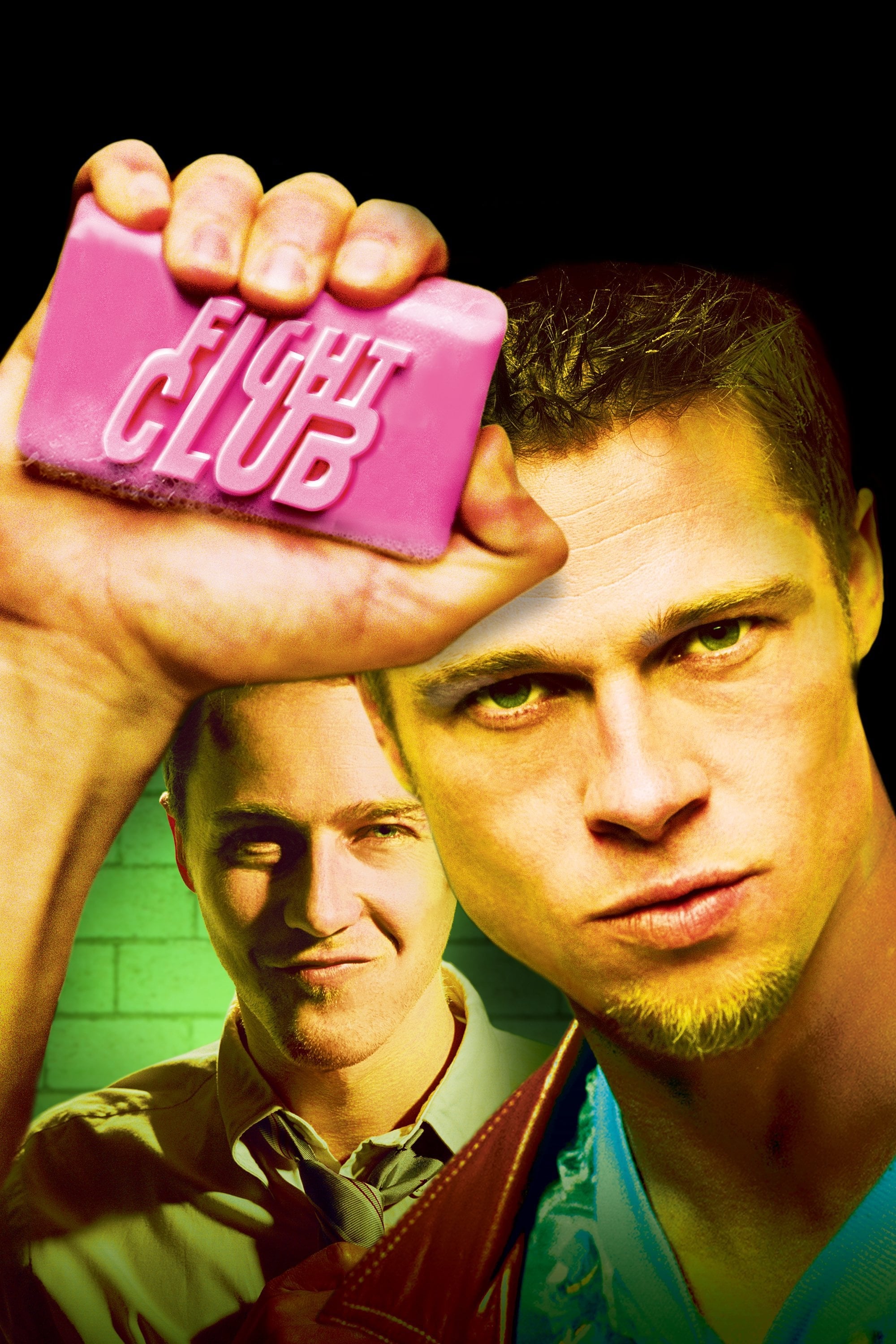
David Fincher included a subversive message that flashes on the screen for a brief moment near the end of the film. The text appears as a standard copyright warning but actually contains a manifesto from the character Tyler Durden. He urges the viewer to stop reading the warning and to quit their job or start a fight. The message mocks the very nature of consuming mass entertainment and reading legal disclaimers. It perfectly aligns with the anarchic philosophy of the film’s protagonist.
‘Monty Python and the Holy Grail’ (1975)

The opening credits of this comedy classic set the tone immediately with a series of bizarre subtitles. The text begins with a faux Swedish translation that discusses the majestic møøse and its biting habits. As the credits continue, the messages apologize for the fault in the subtitles and announce that the people responsible have been sacked. This running gag escalates until the text claims that the people who sacked the first group have also been sacked. It remains one of the most famous uses of credit text for comedic effect in cinema history.
‘Frozen’ (2013)
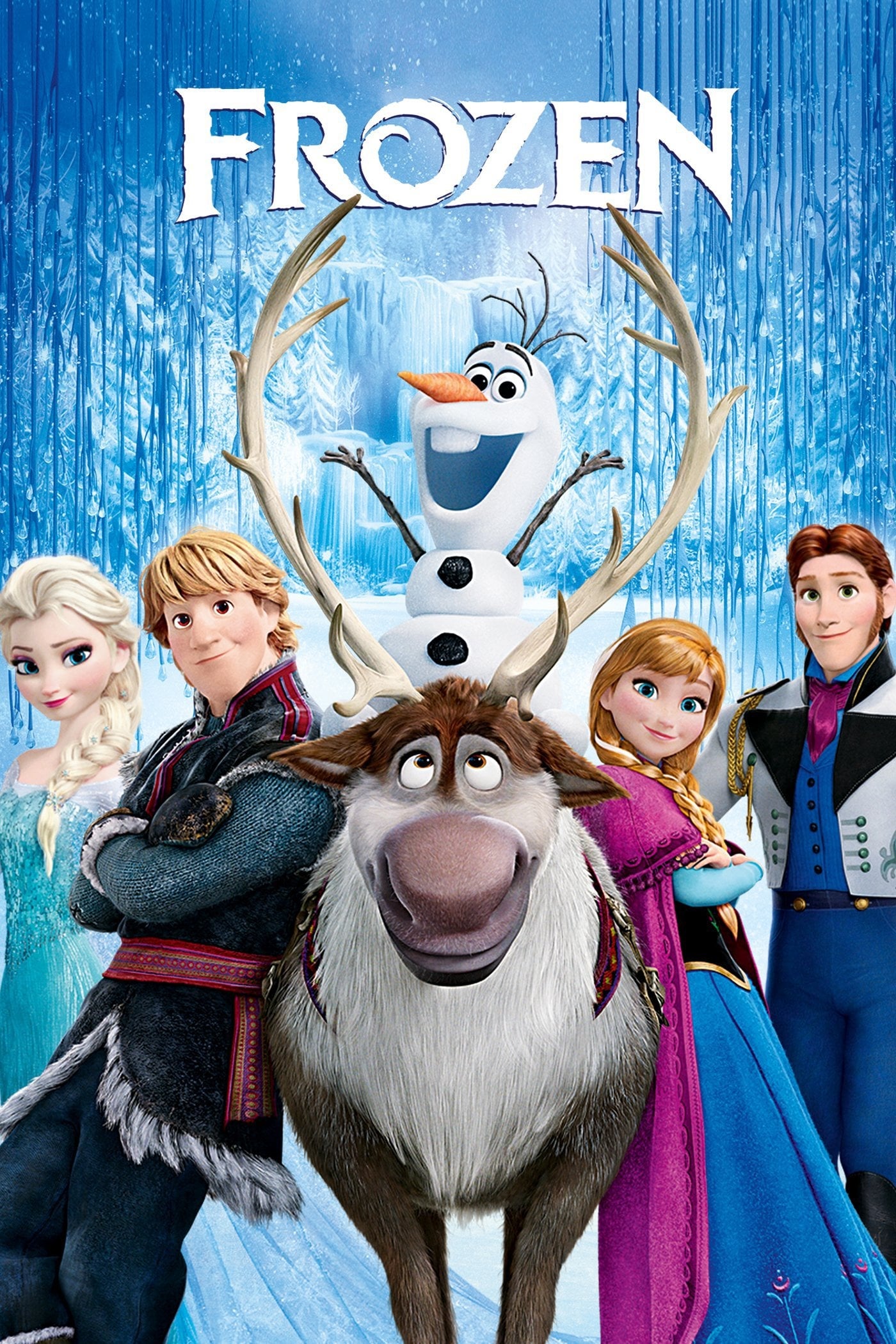
Disney animators included a humorous disclaimer deep within the scrolling text to absolve the company of a specific claim made by a character. The mountain man Kristoff asserts during the movie that all men eat their own boogers. In the fine print of the closing credits, the studio clarifies that this belief belongs solely to Kristoff and does not reflect the views of The Walt Disney Company. This legalistic joke rewards parents and adults who stayed until the very end of the roll. It adds a touch of self-awareness to the polished animated blockbuster.
‘RoboCop’ (1987)
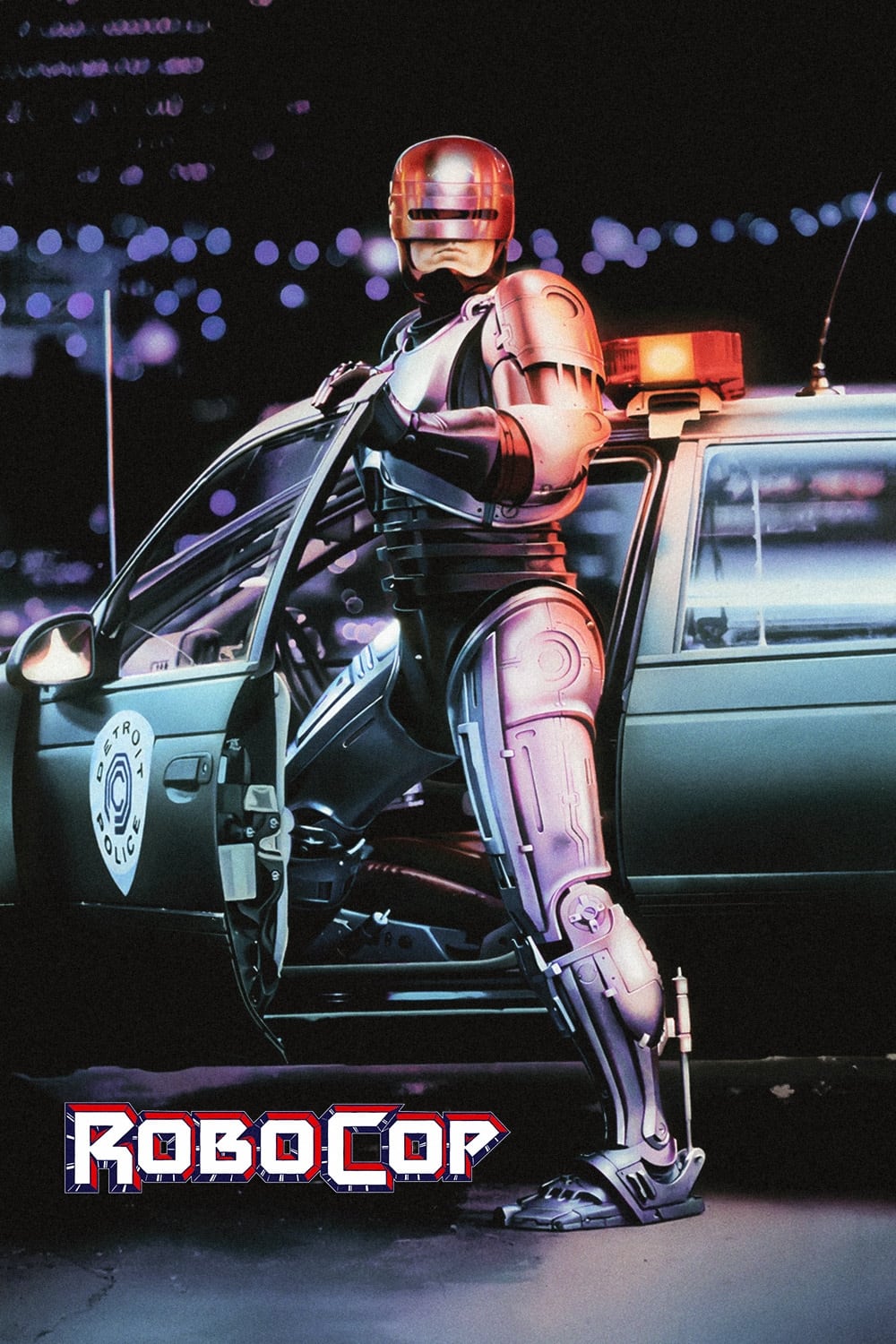
Paul Verhoeven is known for his satirical take on consumer culture and corporate overreach. The closing credits feature a unique legal warning that fits the dystopian setting of the movie perfectly. The text warns that unauthorized duplication will result in prosecution by enforcement droids. This message replaces the standard FBI warning and immerses the viewer back into the brutal world of the film. It serves as a final reminder of the authoritarian society depicted in the story.
‘Guardians of the Galaxy’ (2014)
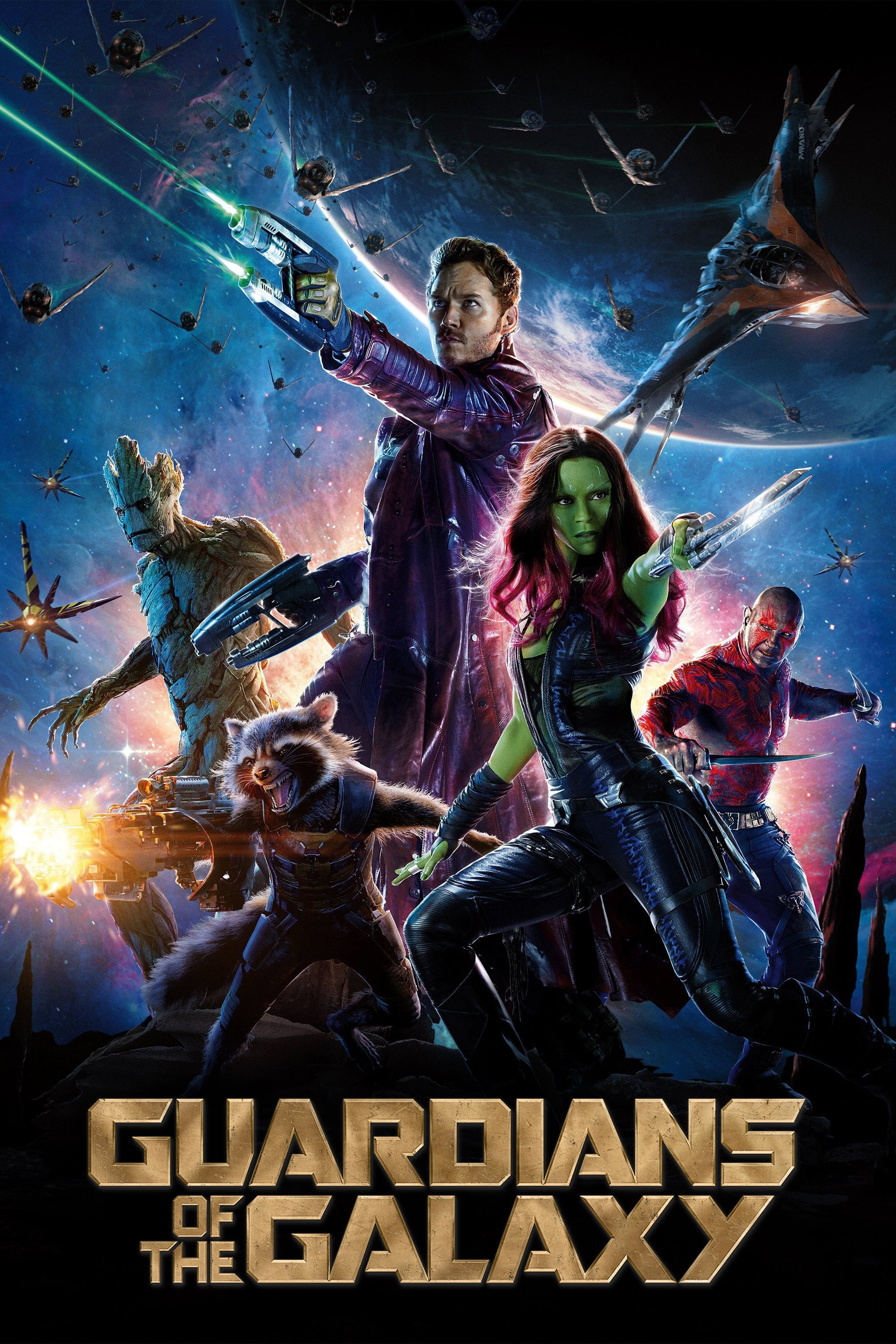
Marvel films are famous for their post-credit scenes but this entry also hides a joke in the standard animal cruelty disclaimer. The text confirms that no raccoons or tree creatures were harmed during the making of the film. This specific phrasing playfully acknowledges the CGI nature of the characters Rocket and Groot. The disclaimer continues by suggesting that the same cannot be said for the handlers of these creatures. It maintains the irreverent and humorous tone that defines the franchise.
‘Harry Potter and the Prisoner of Azkaban’ (2004)
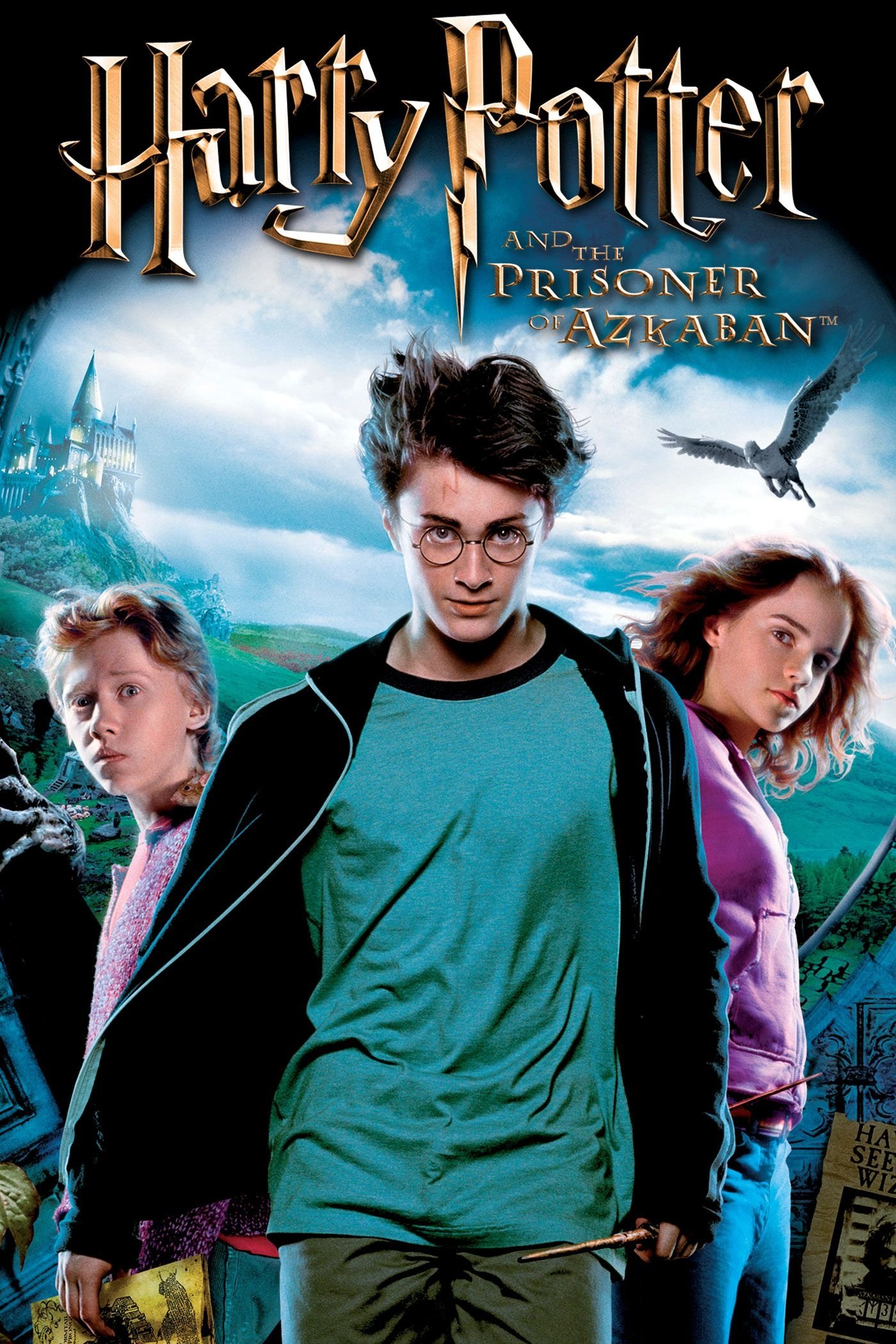
The closing credits sequence is designed as a moving version of the magical Marauder’s Map. Footprints wander around the parchment background as the names of the cast and crew appear. At one point in the corner of the screen, two pairs of footprints appear in a compromising position that suggests a romantic encounter. This hidden visual gag implies that students at Hogwarts are up to mischief even during the credits. It remains a favorite discovery for eagle-eyed fans of the wizarding series.
‘Pulp Fiction’ (1994)
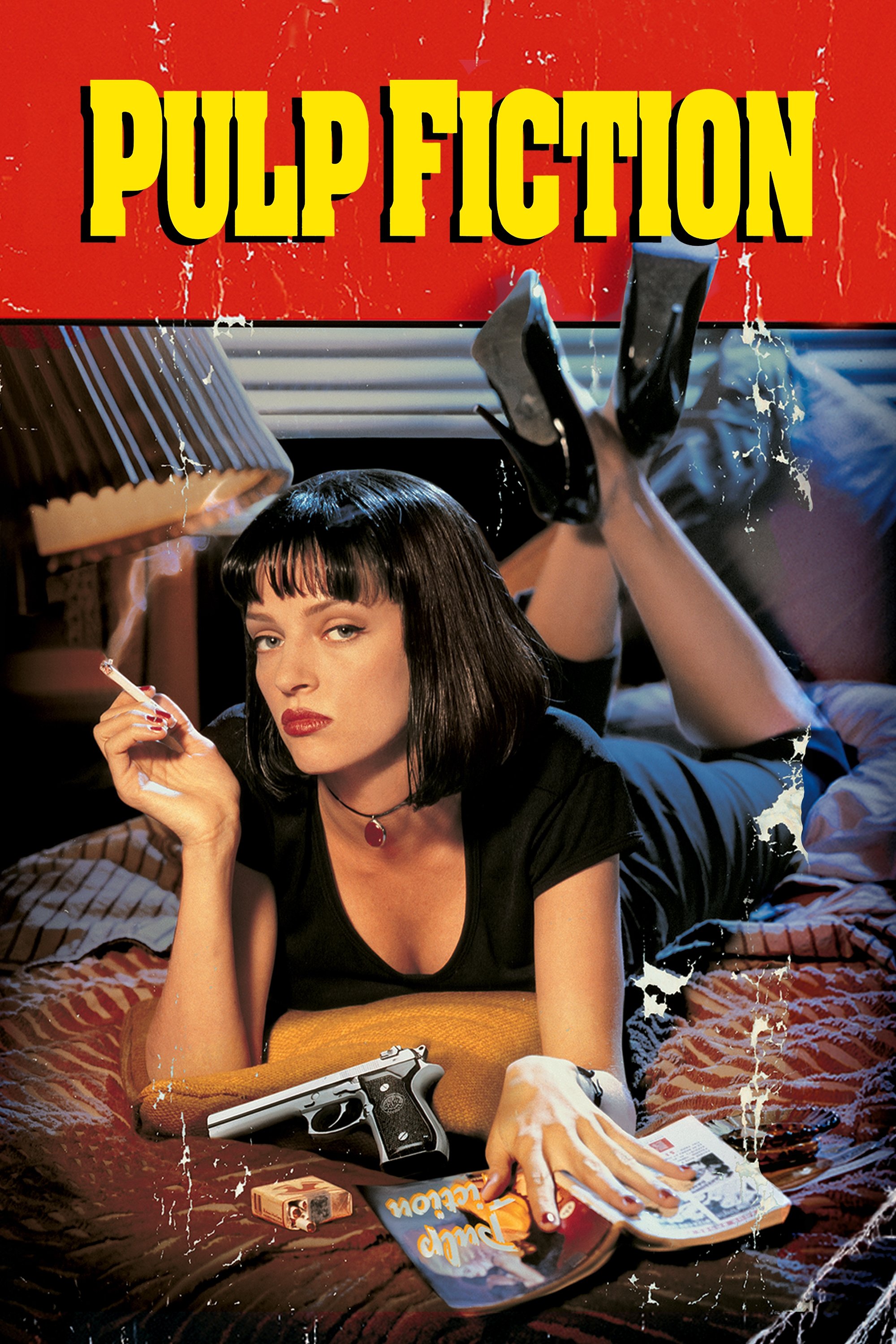
Quentin Tarantino is known for his attention to detail and this extends to the billing of his cast members. During the opening robbery scene, the manager of the coffee shop is cut off mid-sentence while saying he is just a manager. The line sounds like he is claiming to be the coffee shop itself due to the sudden interruption. In the closing credits, the actor Robert Ruth is humorously listed simply as Coffee Shop. This subtle nod acknowledges the specific editing of the dialogue in that chaotic scene.
‘Airplane!’ (1980)
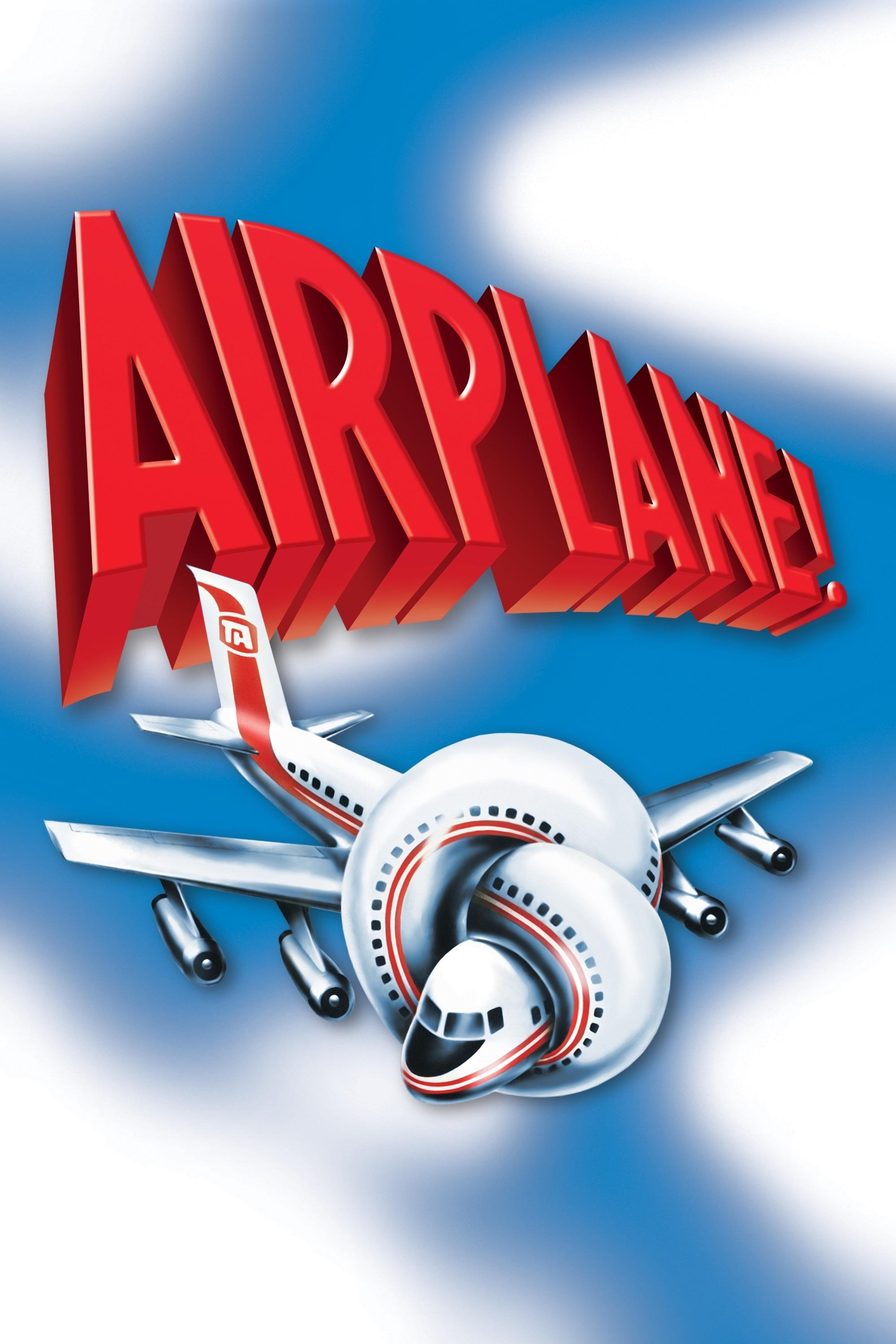
The Zucker brothers filled their disaster movie spoof with endless sight gags and the humor spills over into the scrolling text. The credits list bizarre and nonsensical job titles for the production crew. One notable entry credits Adolf Hitler as the Worst Boy to contrast with the standard Best Boy position. Other jokes include a recipe for brownies and a credit for the author of ‘A Tale of Two Cities’. The filmmakers ensured that the audience would be laughing until the projector finally stopped.
‘Hot Shots!’ (1991)
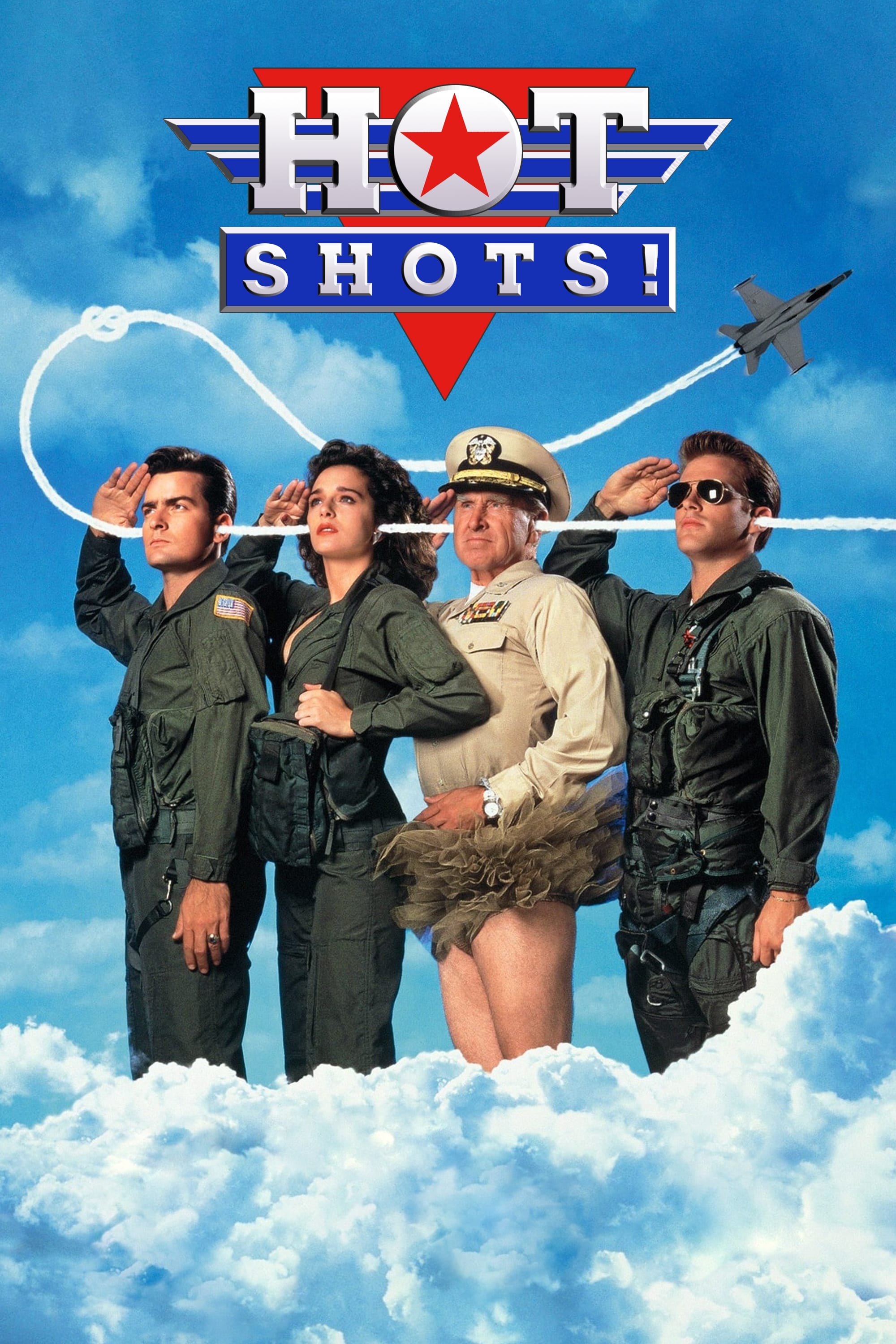
Similar to other parody films of the era, this movie uses the scrolling credits to share culinary secrets. The text includes a full recipe for “Nobby Buns” hidden among the list of stunt performers and technicians. The instructions are complete with ingredients and baking times for anyone willing to pause the film. The writers also included random musings and jokes about the production process. This dedication to comedy ensures that the film offers entertainment value down to the final frame.
‘King Kong’ (2005)
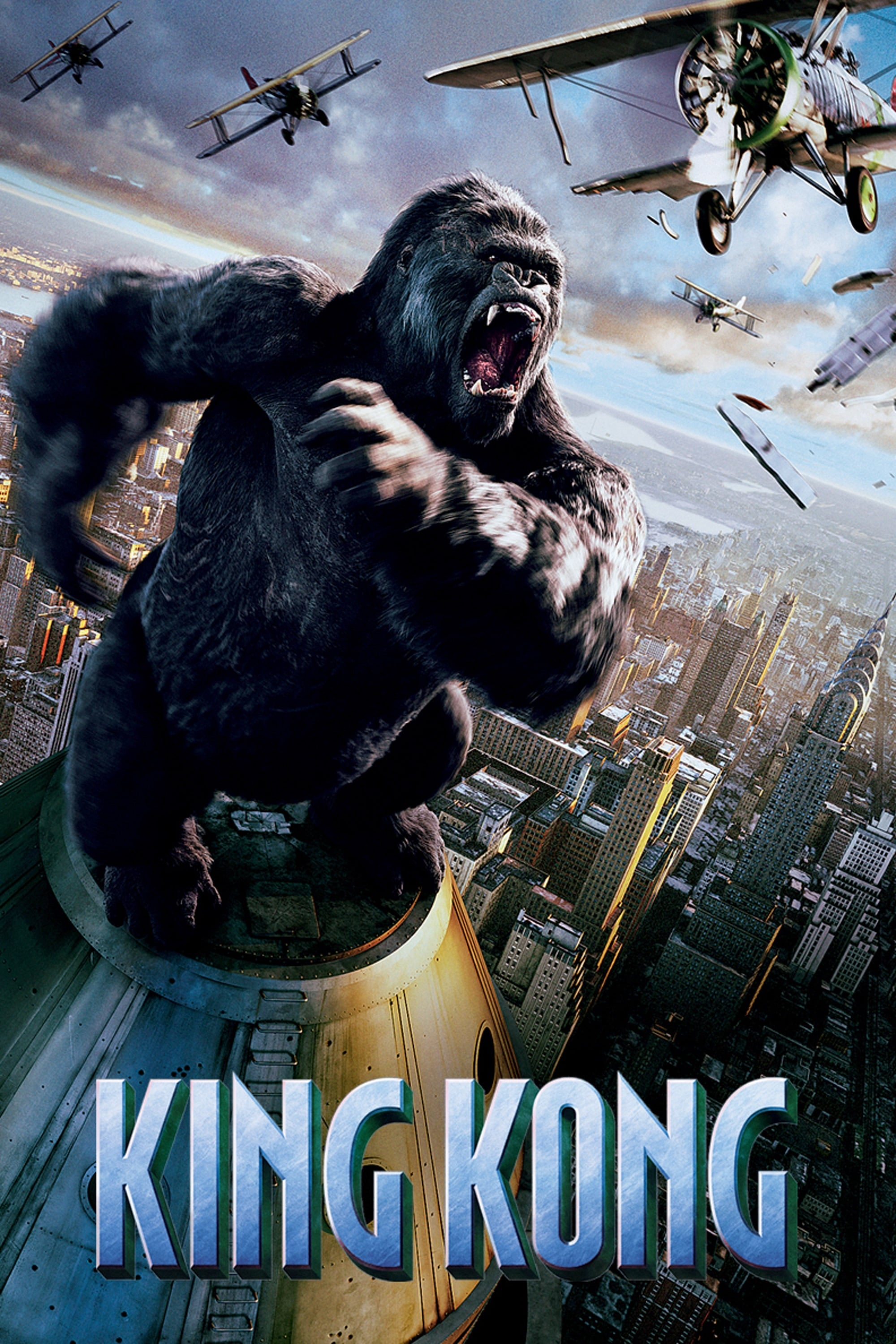
Peter Jackson included a secret communication in the opening sequence of his epic monster movie remake. The film begins with a montage of the 1930s setting that features a radio operator receiving a transmission. The Morse code audible in this scene and arguably implied by the text font translates to a specific phrase. It spells out “Show me the monkey” rather than a period-accurate naval message. This easter egg serves as a playful nod to the massive ape that the audience is waiting to see.
‘Mission: Impossible III’ (2006)
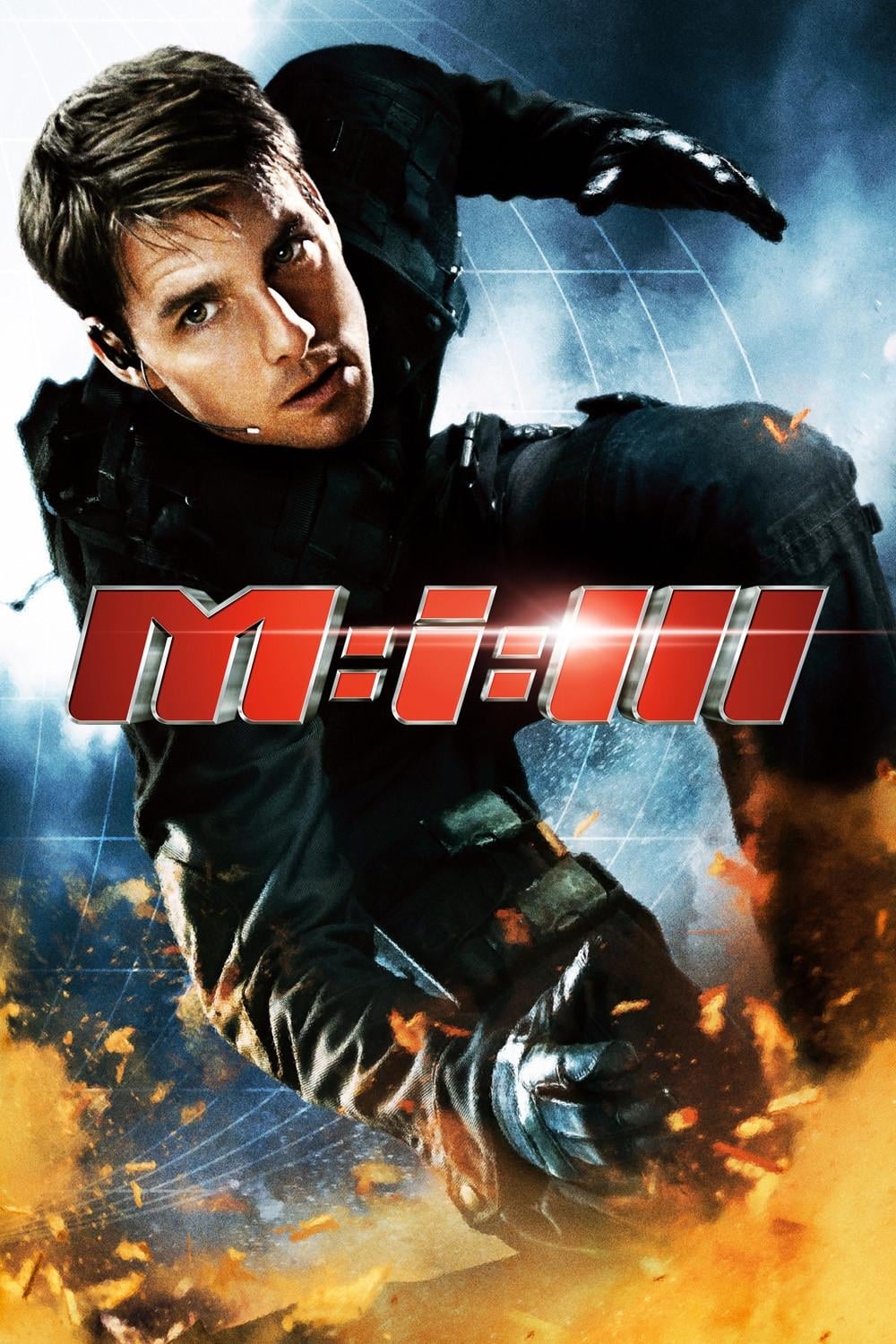
J.J. Abrams often includes references to his other projects within his films. The end credits of this action sequel feature a special thanks to The Hanso Foundation. This fictional organization was a central mystery in the television series ‘Lost’ which Abrams co-created. Fans of the show immediately recognized the name as the group behind the Dharma Initiative. It serves as a fun cross-universe connection for followers of the director’s work.
‘Scream’ (1996)
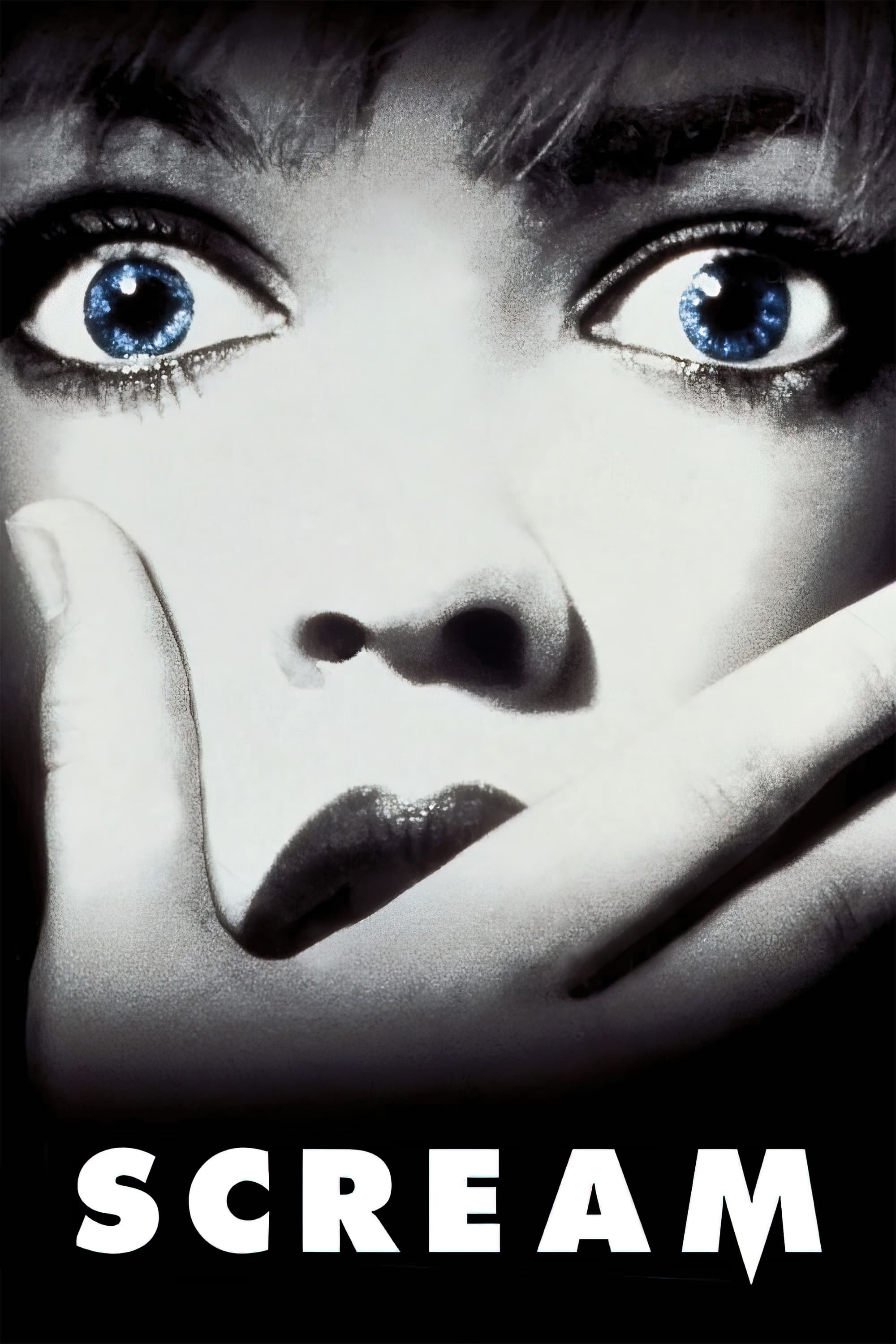
Wes Craven included a spiteful message in the credits regarding the location of the filming. The production faced difficulties securing permission to shoot at a specific high school in California. The scrolling text explicitly states “No thanks whatsoever to the Santa Rosa City School District.” This public airing of grievances immortalized the conflict between the film crew and the school board. It stands as one of the pettiest and most amusing “special thanks” sections in horror history.
‘Mallrats’ (1995)
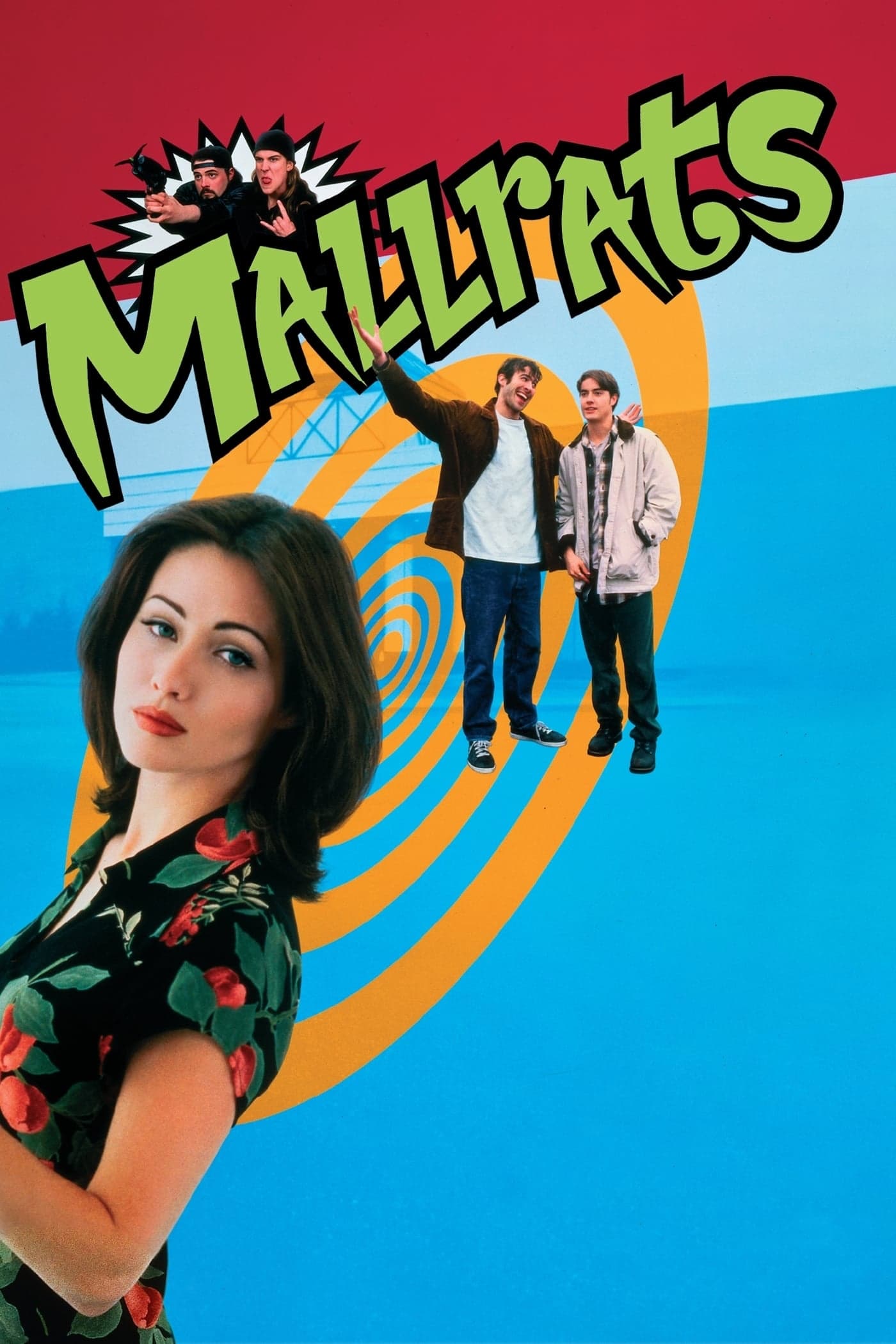
Kevin Smith is famous for his personal connection to his fanbase and his films often reflect his life. The closing credits of this comedy include a heartfelt and hilarious thank you to his parents. He thanks them specifically for having sex to create him. This unexpected message appears alongside the standard list of production gratitude. It exemplifies the crude but affectionate humor that defines the View Askewniverse.
‘An American Werewolf in London’ (1981)
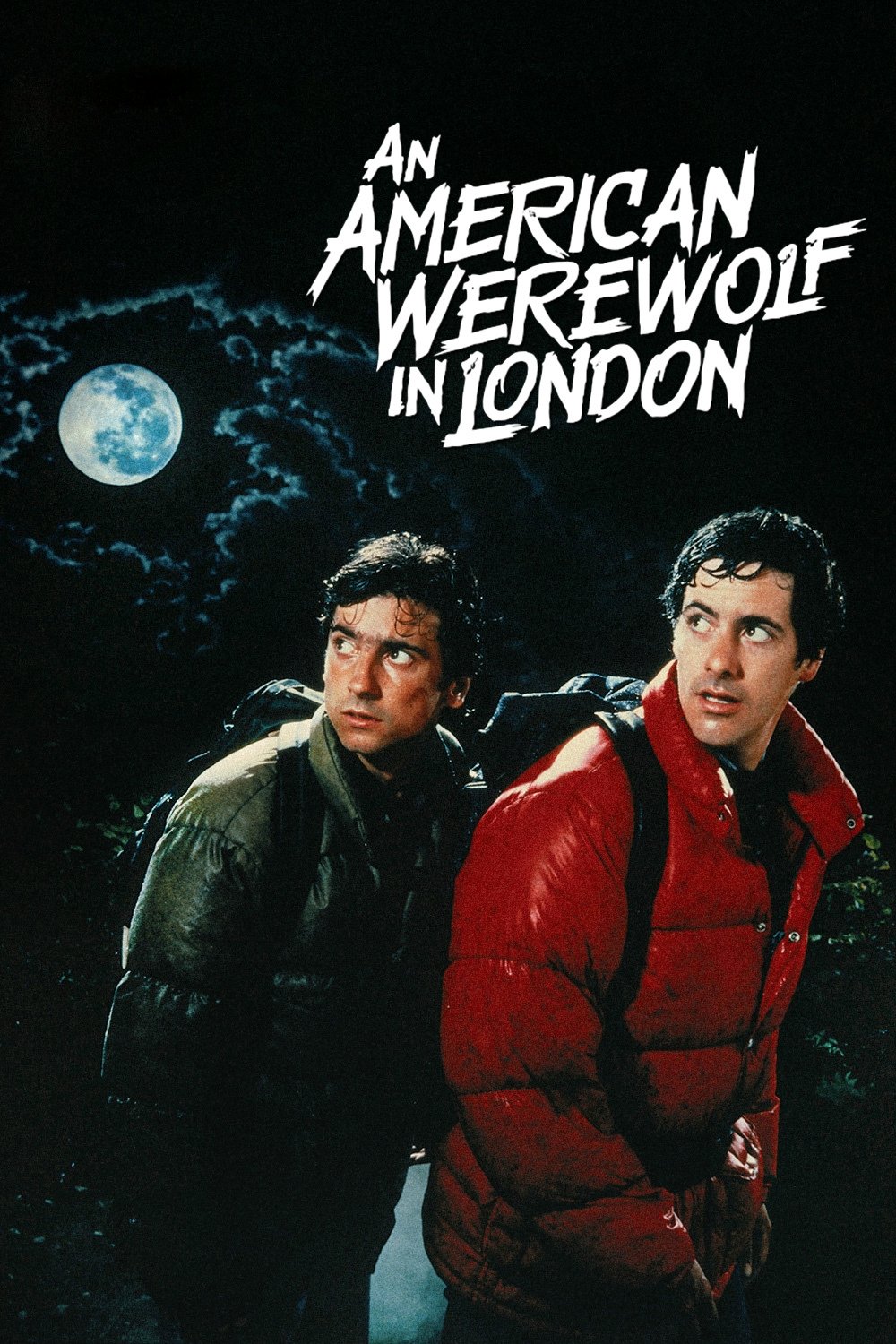
The film balances horror and comedy and the credits include a reference to a major real-world event. The text offers congratulations to Prince Charles and Lady Diana on their wedding. This message dates the film firmly to the year of its release and adds a touch of British pageantry. The juxtaposition of a royal wedding congratulation with a gruesome werewolf movie is intentionally jarring. It serves as a time capsule for the cultural atmosphere of the United Kingdom in the early eighties.
‘Star Wars: Episode I – The Phantom Menace’ (1999)
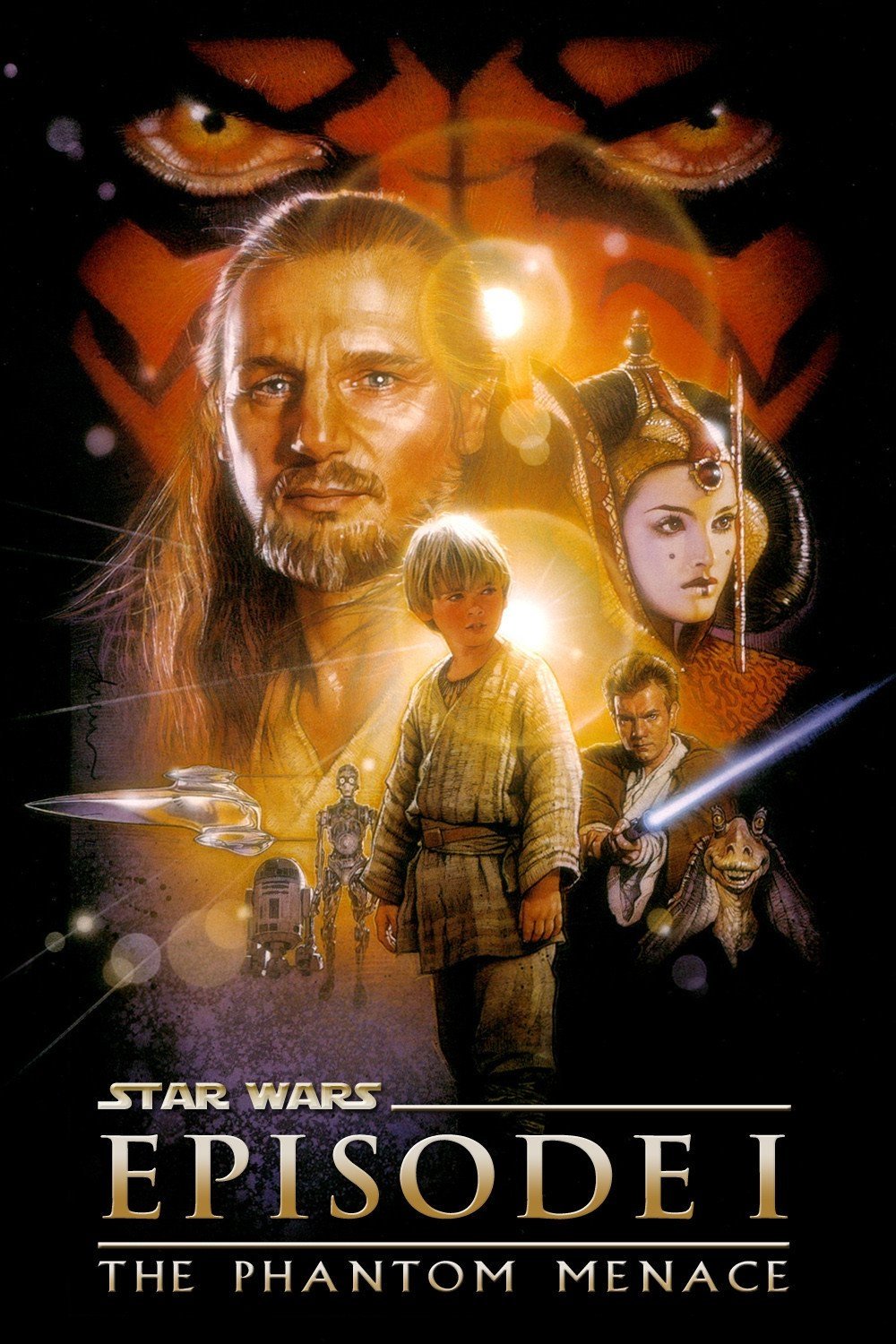
George Lucas included a joke in the cast list that plays with the reality of his CGI creations. The character Jabba the Hutt appears in the film and is listed in the credits as playing himself. This gag suggests that the massive slug gangster is a real actor rather than a digital effect or puppet. It maintains the illusion of the Star Wars universe even as the house lights come up. The joke was a small touch of levity in the serious business of reviving the franchise.
‘Ratatouille’ (2007)
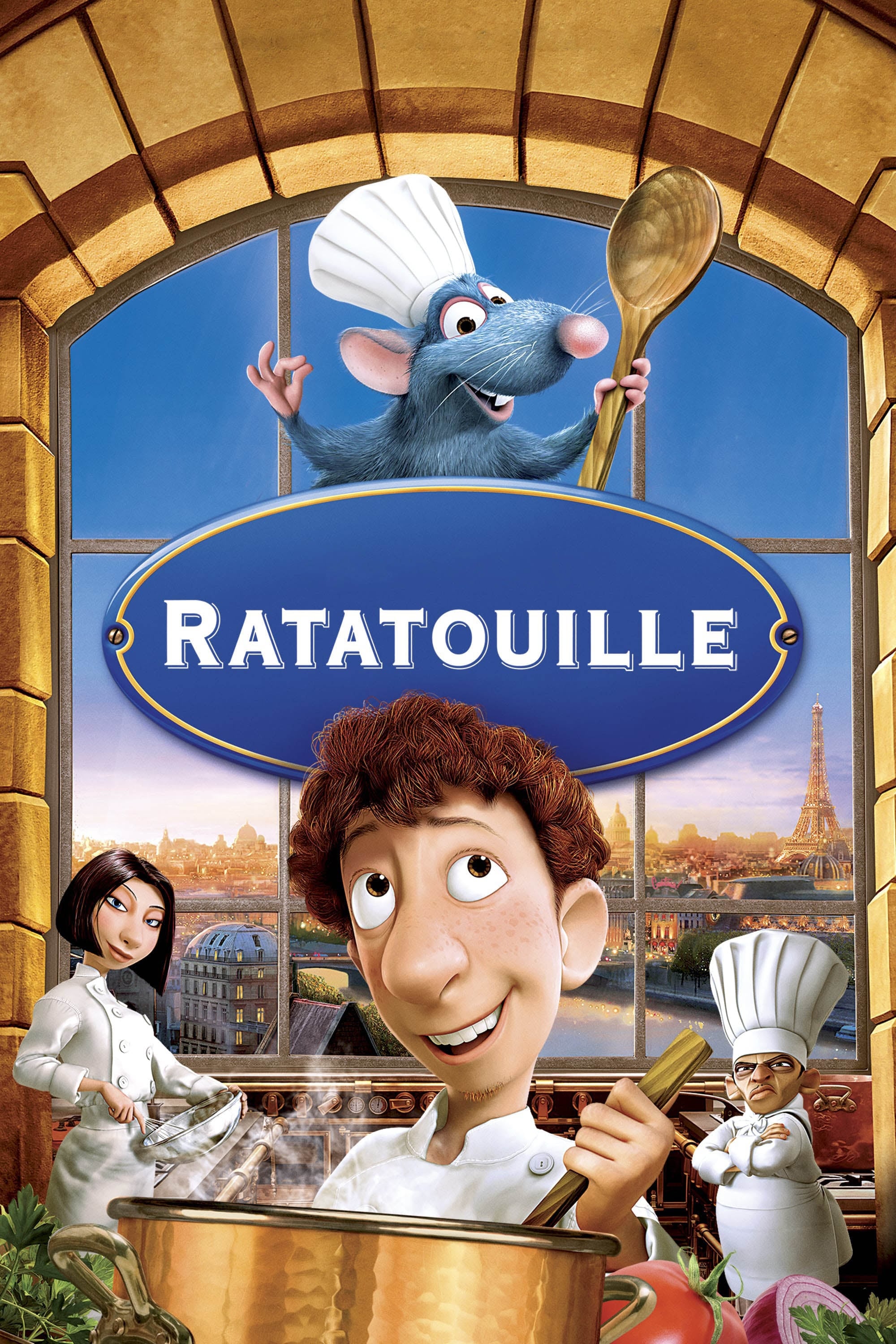
Pixar films often include a quality assurance guarantee in their credits regarding their animation methods. The scrolling text for this film jokingly certifies that the product is “100% Genuine Animation” and that no motion capture was used. This message was a point of pride for the animators who avoided the motion capture trend popular at the time. It highlights the studio’s dedication to traditional keyframe animation techniques. The playful badge of honor informs the audience of the craftsmanship behind the visuals.
‘The Naked Gun: From the Files of Police Squad!’ (1988)
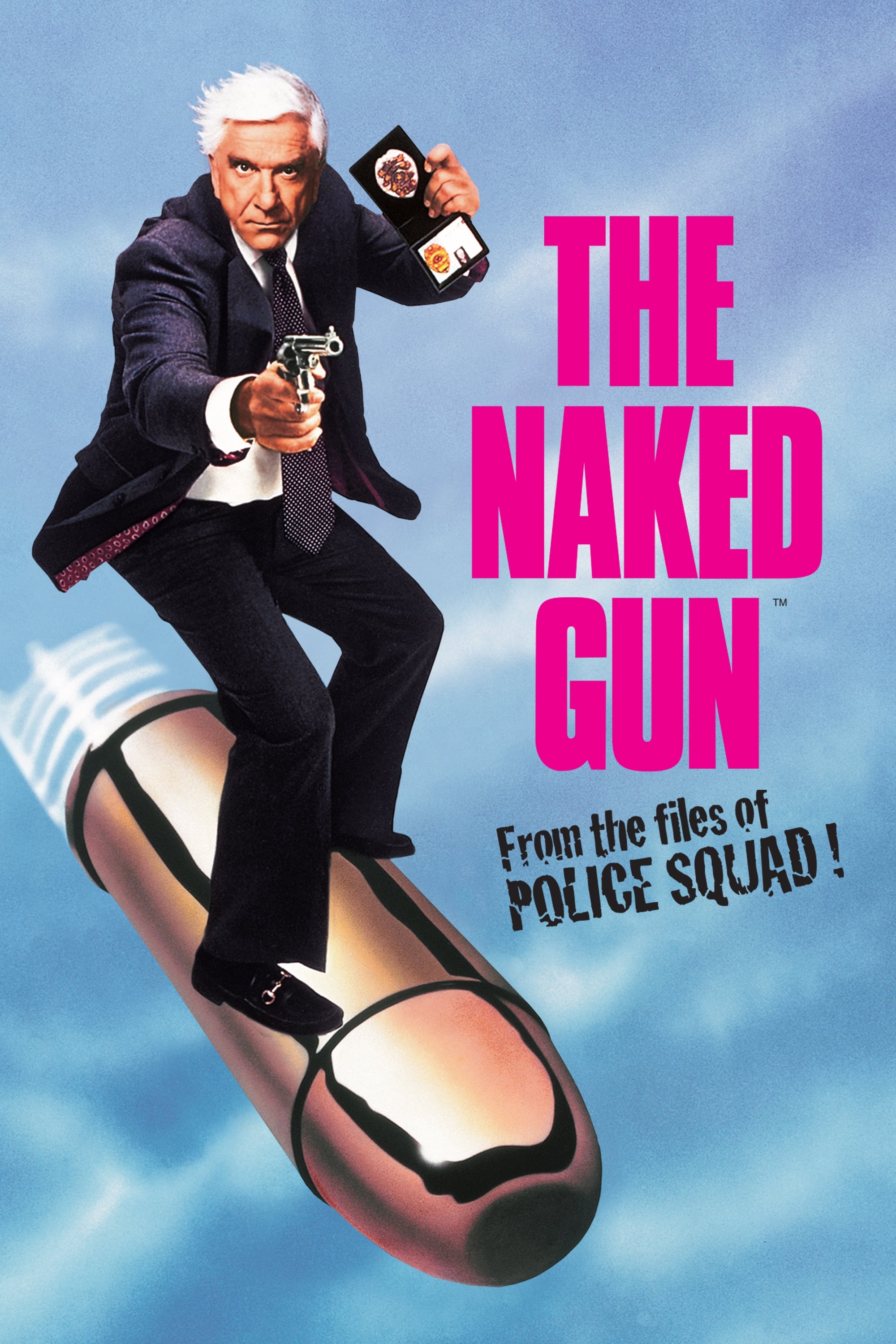
The credits for this police spoof are packed with non-sequiturs and fake job descriptions. Viewers who read the text will find credits for “Man who killed the other man” and other absurd roles. The film also includes a disclaimer that promises the events are not based on real people or events. It serves to mock the standard “all persons fictitious” legal text found in serious dramas. The relentless barrage of jokes ensures the comedy does not stop when the plot is resolved.
‘Top Secret!’ (1984)
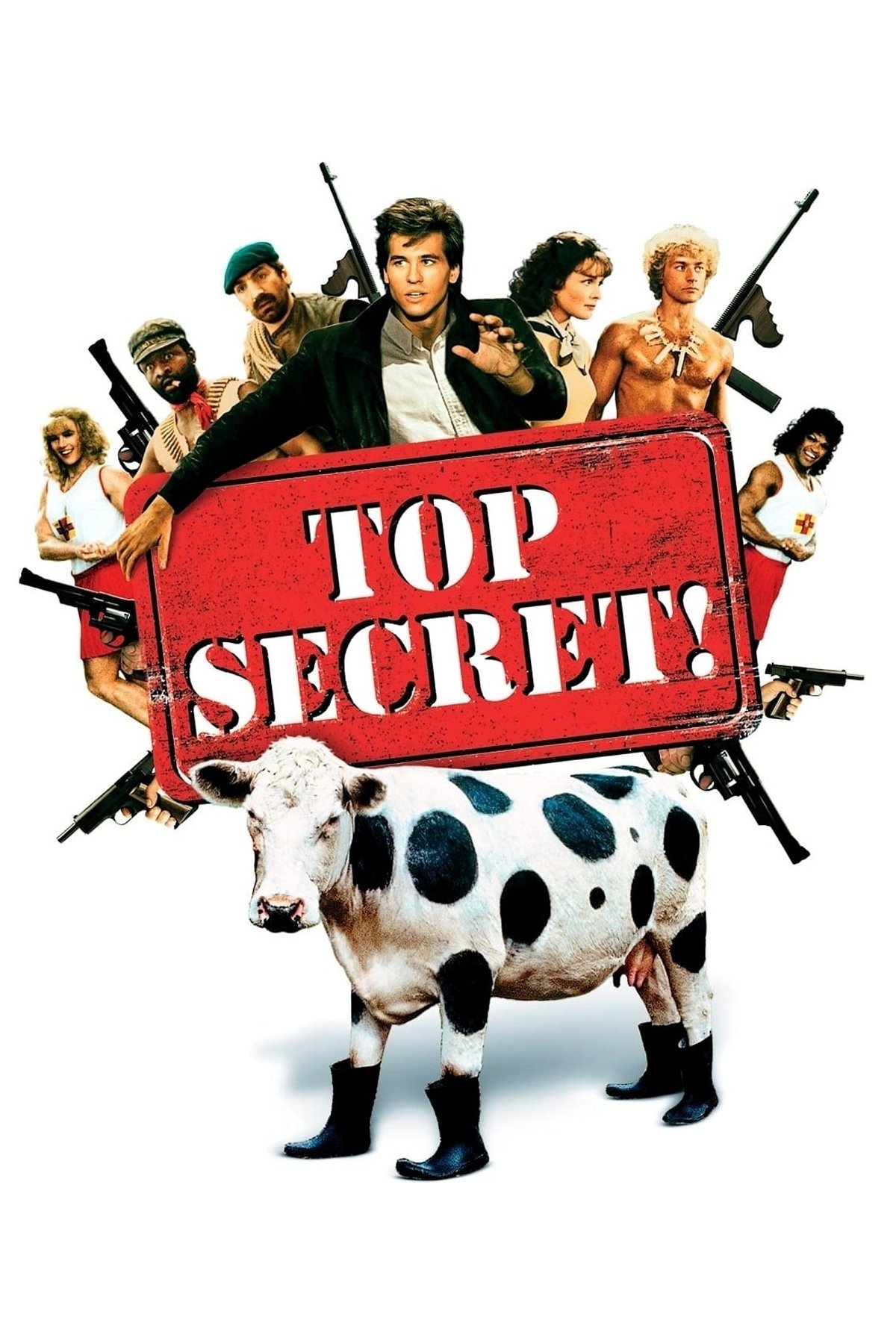
The team behind this spy spoof utilized the credits to play a game with the audience. The scrolling text includes the moves for a game of Tic-Tac-Toe. X and O marks appear intermittently between the names of the cast and crew. By the end of the credits, the game concludes with a winner. This creative use of the screen space turns the boring act of reading names into an interactive experience.
‘Dr. Strangelove or: How I Learned to Stop Worrying and Love the Bomb’ (1964)
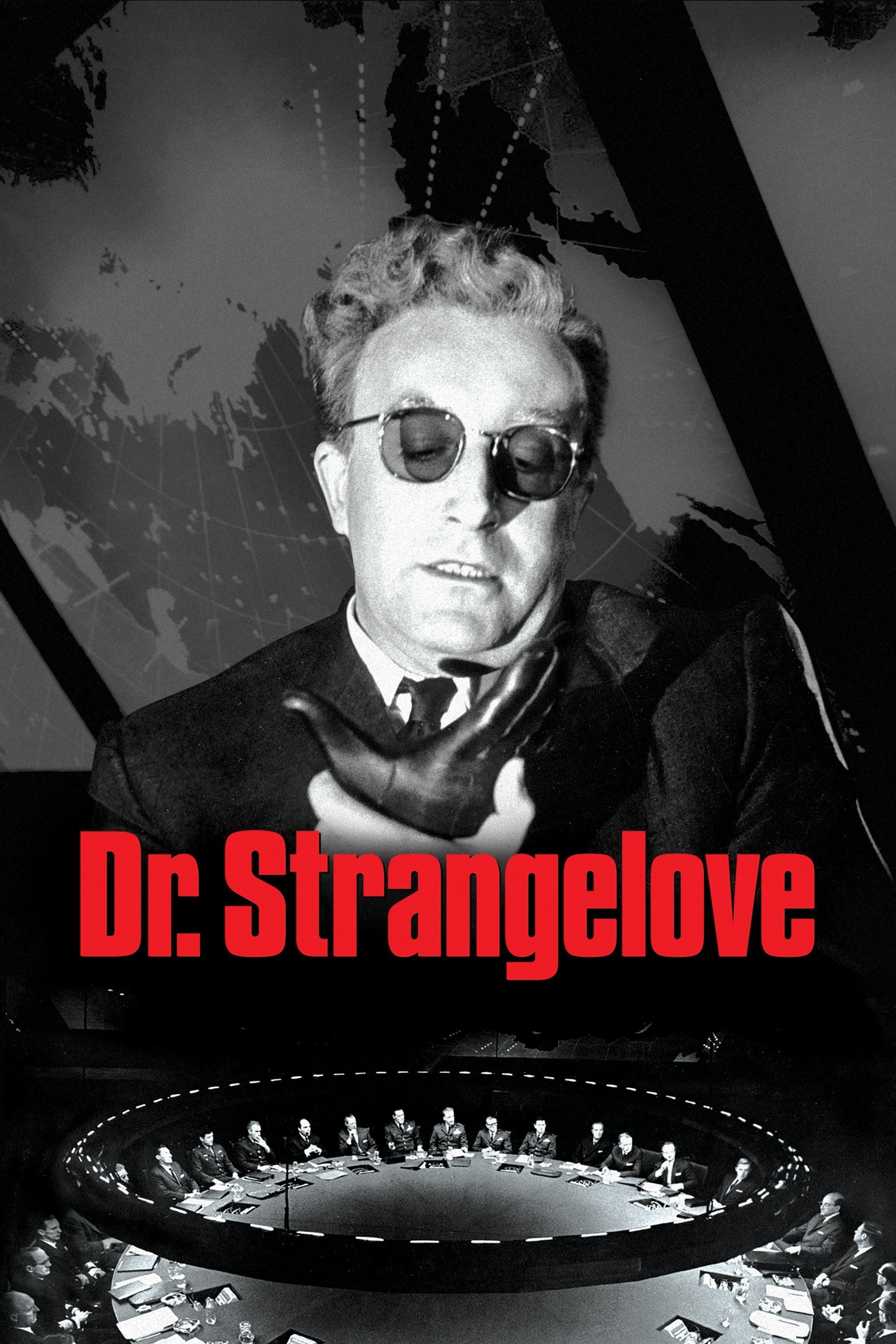
Stanley Kubrick included a disclaimer at the start of the film that is both reassuring and unsettling. The text states that the United States Air Force would never allow the events depicted in the film to occur. This message was reportedly included to appease the military and prevent the film from being seen as anti-American propaganda. The serious font and tone of the note contrast sharply with the absurdity that follows. It adds a layer of irony to the satirical depiction of nuclear war.
‘Mr. Magoo’ (1997)
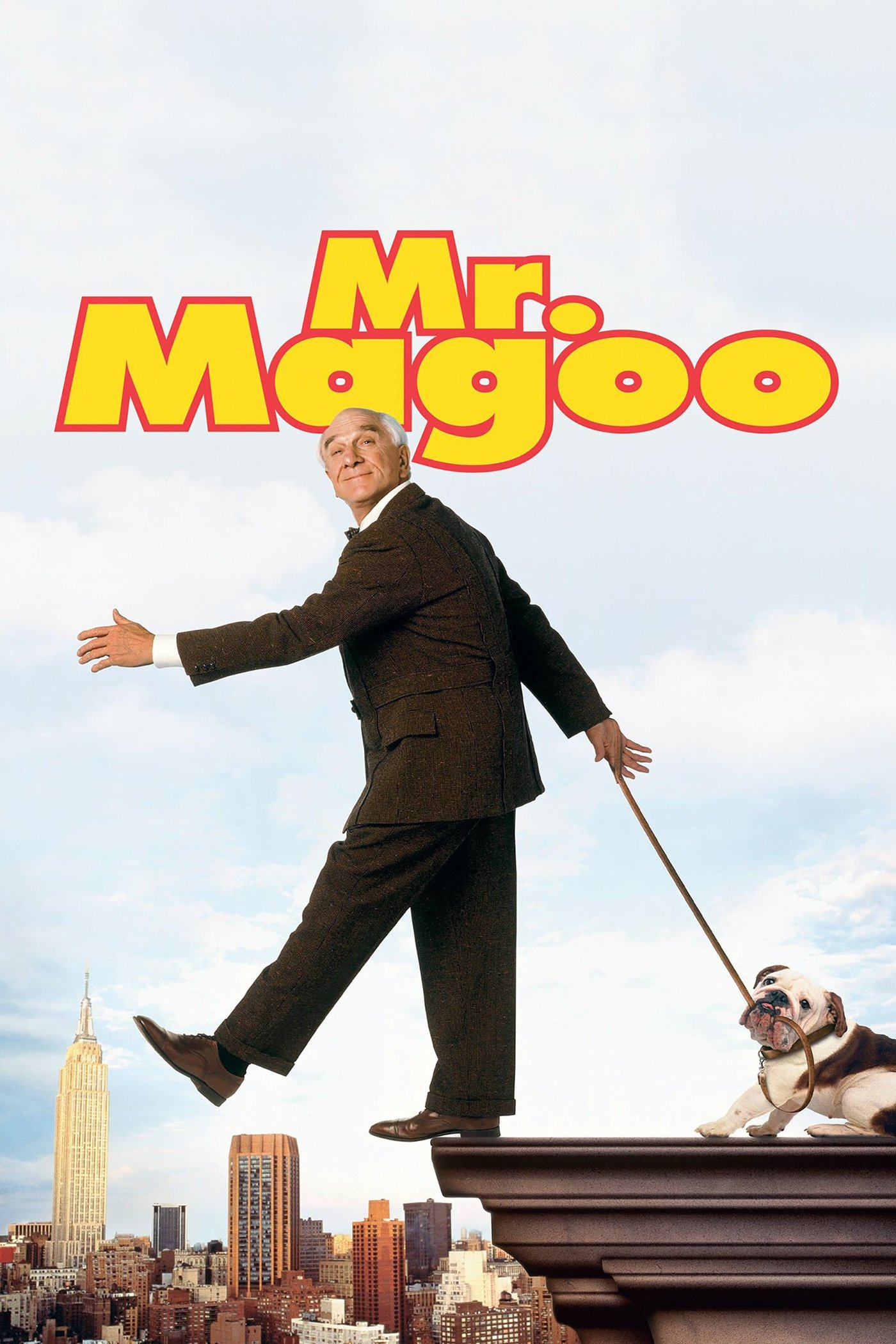
The live-action adaptation of the classic cartoon faced criticism from advocacy groups regarding its depiction of visual impairment. The filmmakers included a disclaimer in the credits to address these concerns directly. The text states that the film is not intended as an accurate portrayal of blindness or poor eyesight. This message attempts to separate the slapstick comedy from real-world disability issues. It stands as a rare example of a studio using the credit font to manage public relations controversy.
‘South Park: Bigger, Longer & Uncut’ (1999)
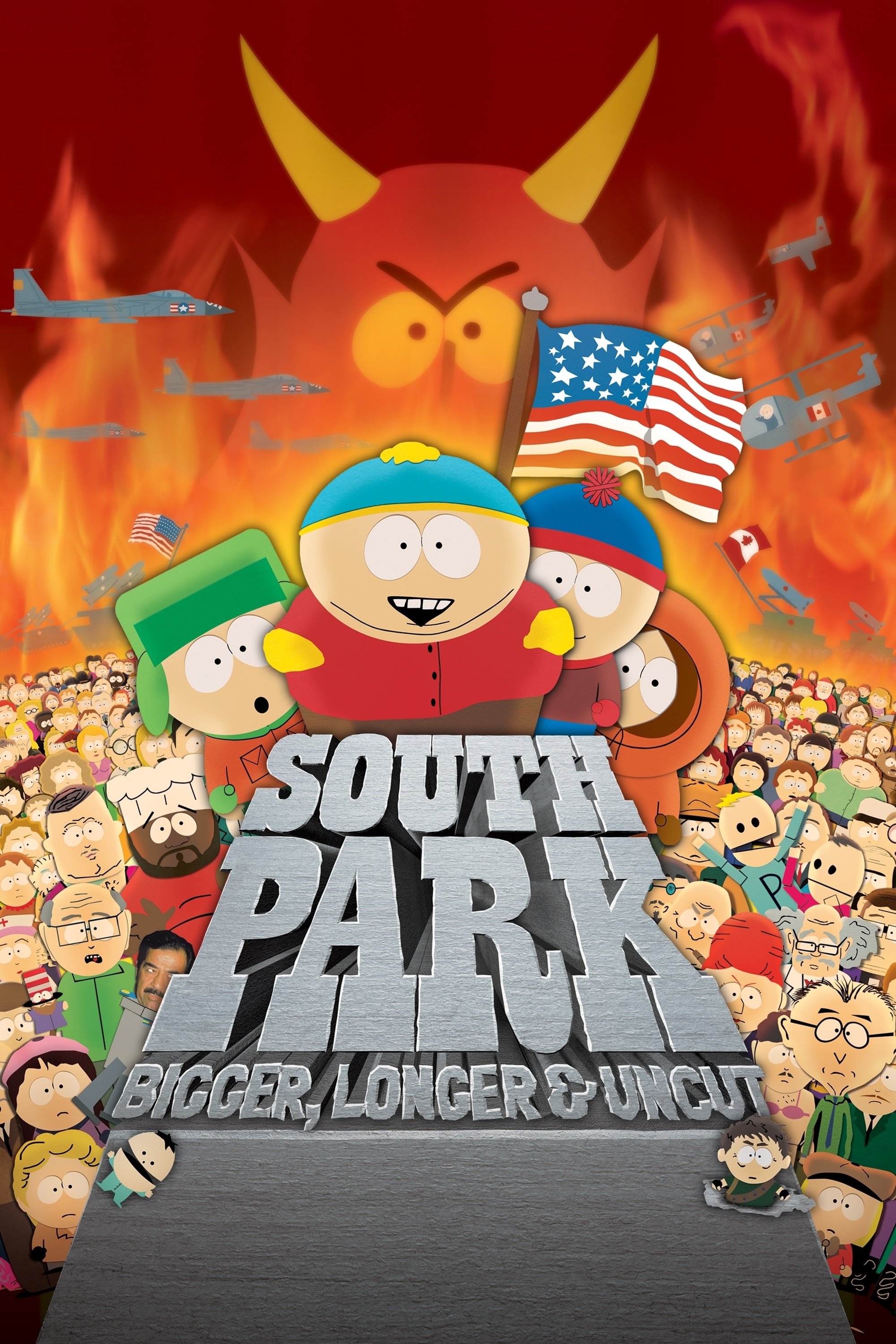
The creators of South Park are known for their irreverent take on celebrity culture. The closing credits feature a disclaimer that all celebrity voices are impersonated poorly. This blunt admission protects them from legal action while simultaneously insulting the celebrities they are parodying. The text perfectly encapsulates the show’s low-budget aesthetic and fearless attitude. It turns a legal necessity into one final punchline.
‘School of Rock’ (2003)
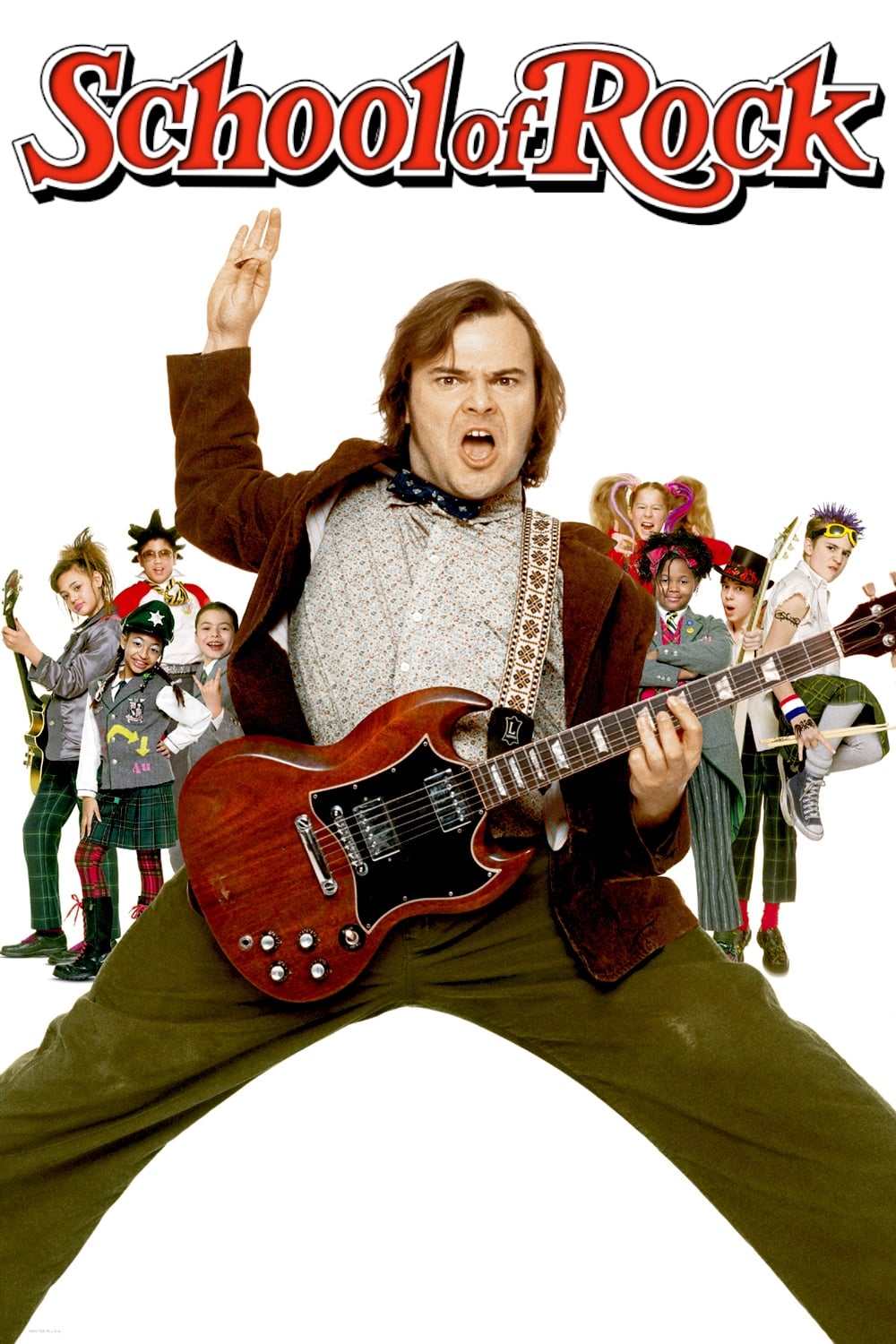
Richard Linklater’s musical comedy ends with the band performing a song that acknowledges the credits themselves. Jack Black sings lyrics that explicitly tell the audience the movie is over and they should go home. The text on the screen lists the cast while the audio directly interacts with the concept of the film ending. The song eventually lists the soloists in the band as their names appear in the font. It breaks the fourth wall in a way that celebrates the communal experience of the theater.
‘Ferris Bueller’s Day Off’ (1986)
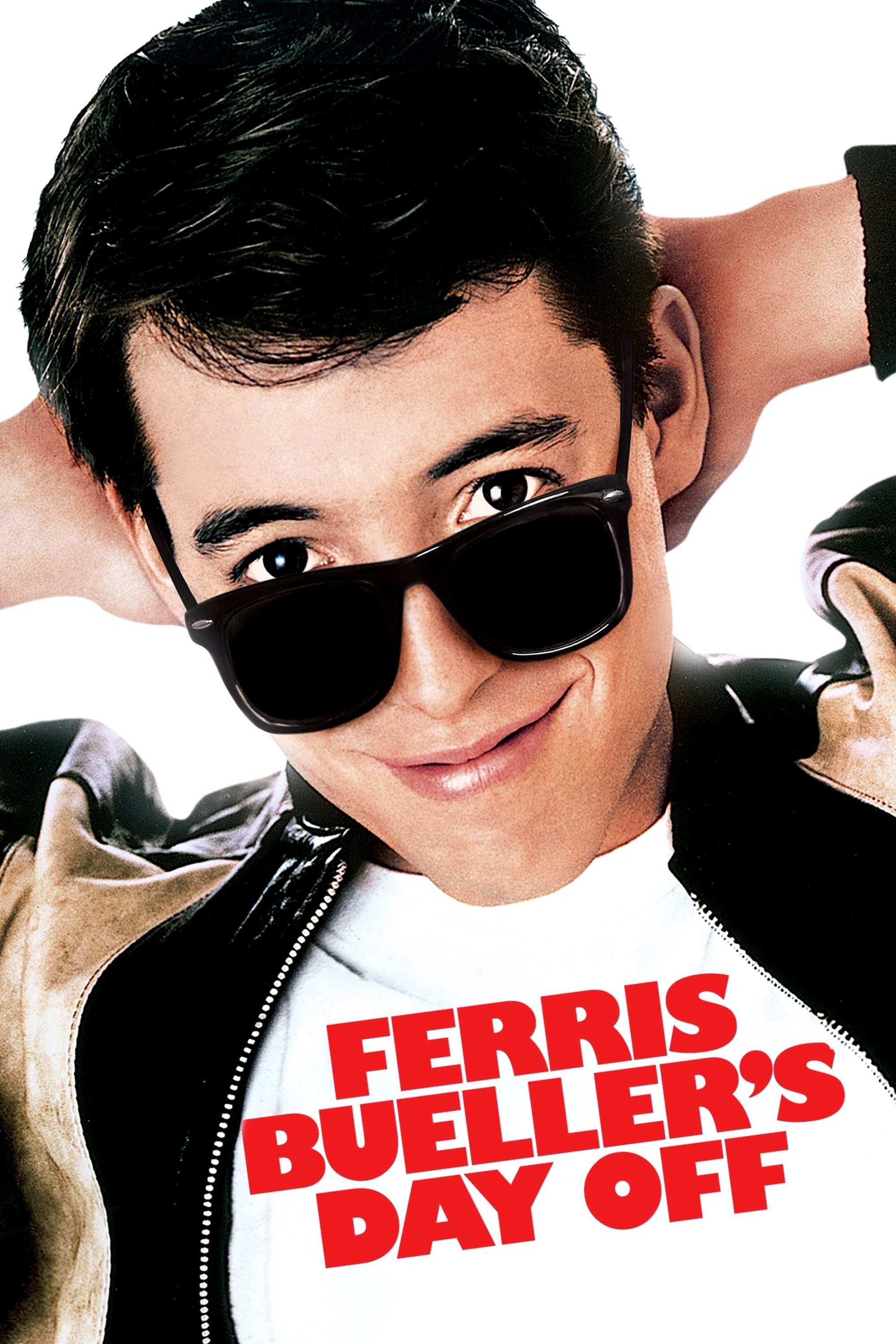
While technically a post-credit scene, the message is delivered through a direct address that functions like a living text. Matthew Broderick walks out of his room and speaks directly to the camera to question why the audience is still there. He tells them explicitly that the movie is over and they should go home. This moment deconstructs the film-watching experience and mocks the viewer for waiting through the credits. It has been parodied and referenced by countless films including ‘Deadpool’.
‘Spy Hard’ (1996)
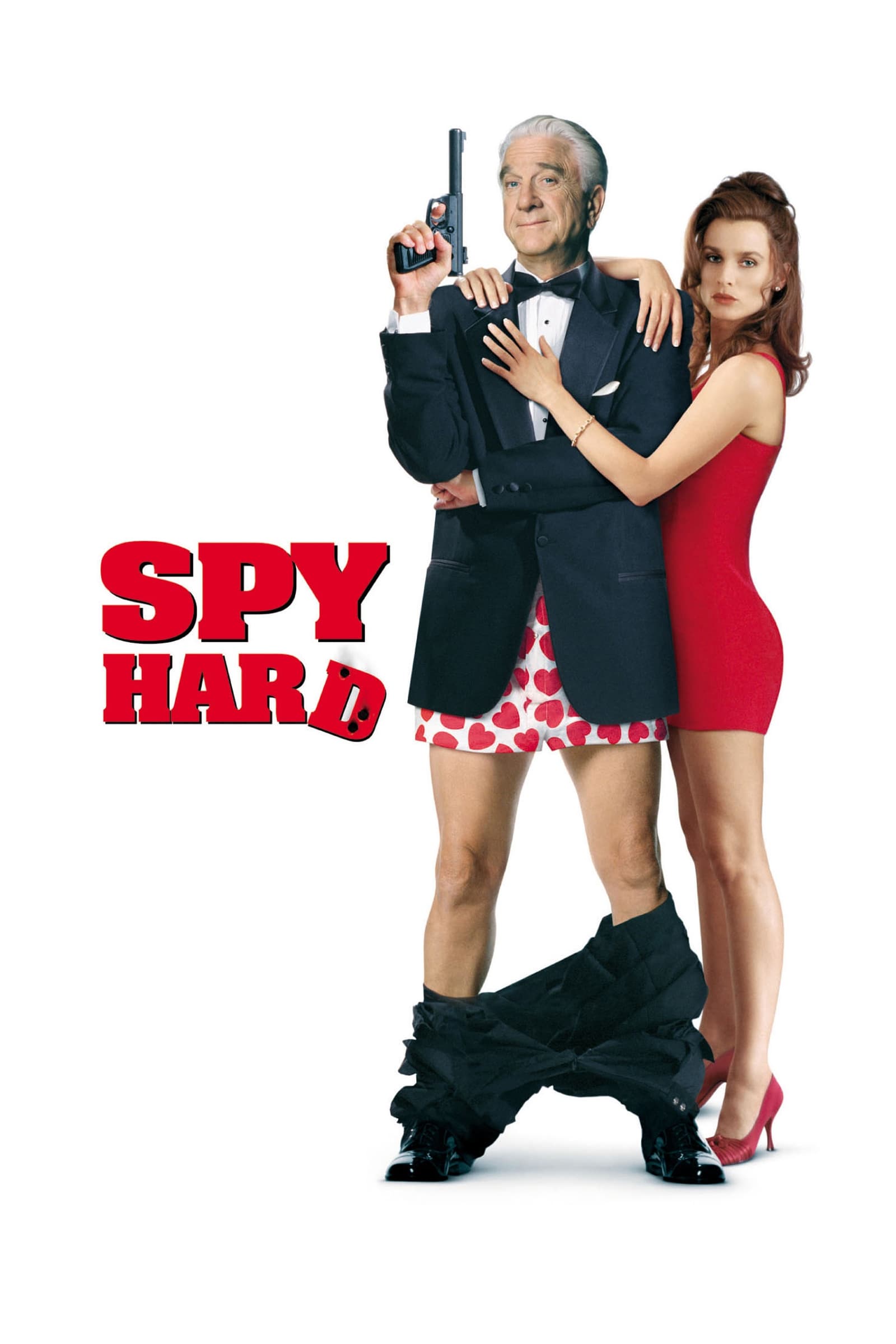
This parody film starring Leslie Nielsen continues the tradition of hiding jokes in the production scroll. The credits claim that no animals were harmed but that some were quite dizzy. This specific modification of the standard American Humane Association disclaimer fits the slapstick tone of the movie. The text also includes random observations and jokes about the crew members. It rewards the audience for sticking with the spoof until the bitter end.
’22 Jump Street’ (2014)
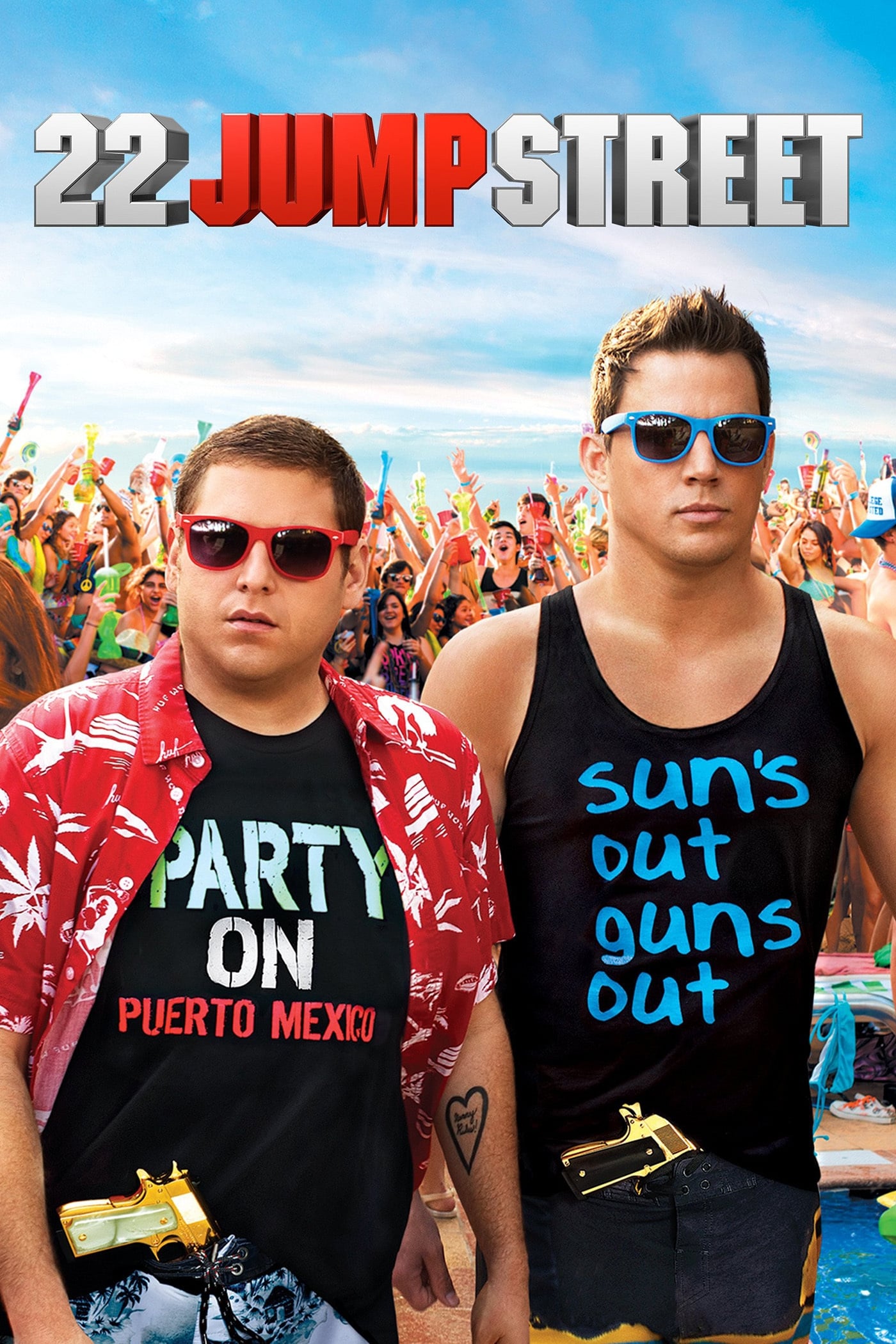
The closing credits of this sequel are famous for revealing a montage of fake future sequels. The screen displays posters and titles for endless iterations of the franchise including ’23 Jump Street’ through ‘2121 Jump Street’. The font and graphic design for each fake sequel become increasingly ridiculous and futuristic. This sequence mocks the Hollywood tendency to churn out endless sequels for profitable franchises. It stands as one of the most elaborate and self-aware credit sequences in modern comedy.
Tell us which of these hidden messages you spotted in the comments!