Anime Worlds Built Around Forgotten Mythologies

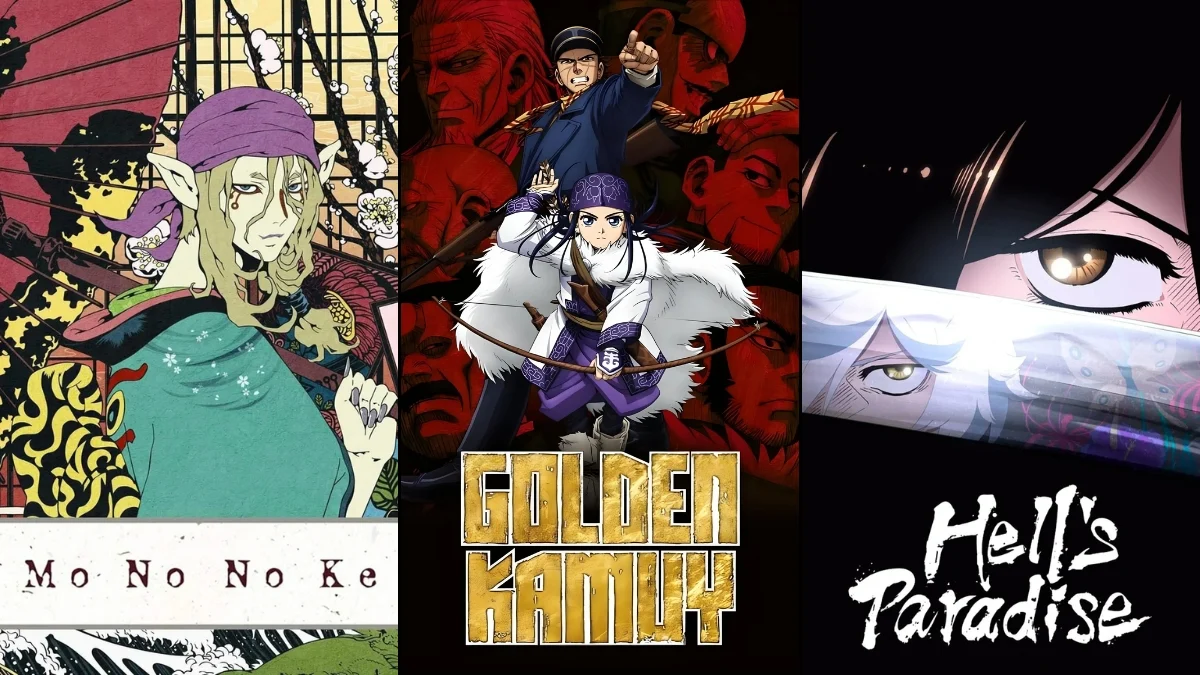

Anime often draws inspiration from rich cultural tapestries and ancient legends that go far beyond standard fantasy settings. Creators weave narratives around specific deities and folklore traditions that international audiences might find obscure or entirely new. These series transport viewers to realms governed by rules derived from Shinto animism or Mesopotamian epics and even Ainu spirituality. The following list explores diverse anime that build their worlds upon the foundations of lesser-known or distinct mythologies.
‘Golden Kamuy’ (2018–2023)
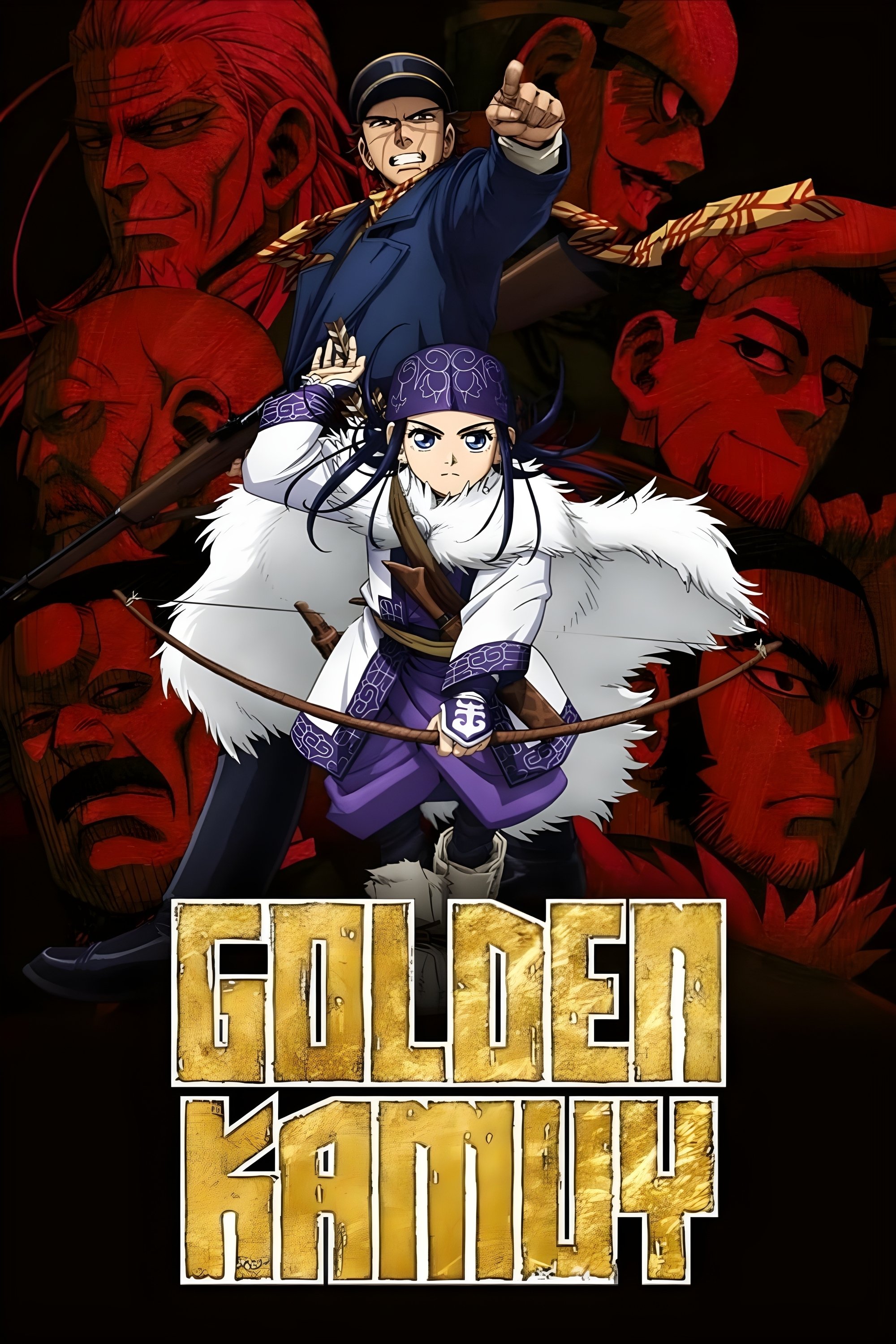
This historical adventure series integrates the rich folklore and culture of the Ainu people into a high-stakes treasure hunt. The protagonist Sugimoto teams up with a young Ainu girl named Asirpa to find hidden gold in the wilderness of Hokkaido. The narrative treats Ainu customs and their belief in kamuy spirits with immense respect and detail. Viewers gain insight into a unique worldview where nature and the spiritual realm are deeply interconnected.
‘The Ancient Magus’ Bride’ (2017)
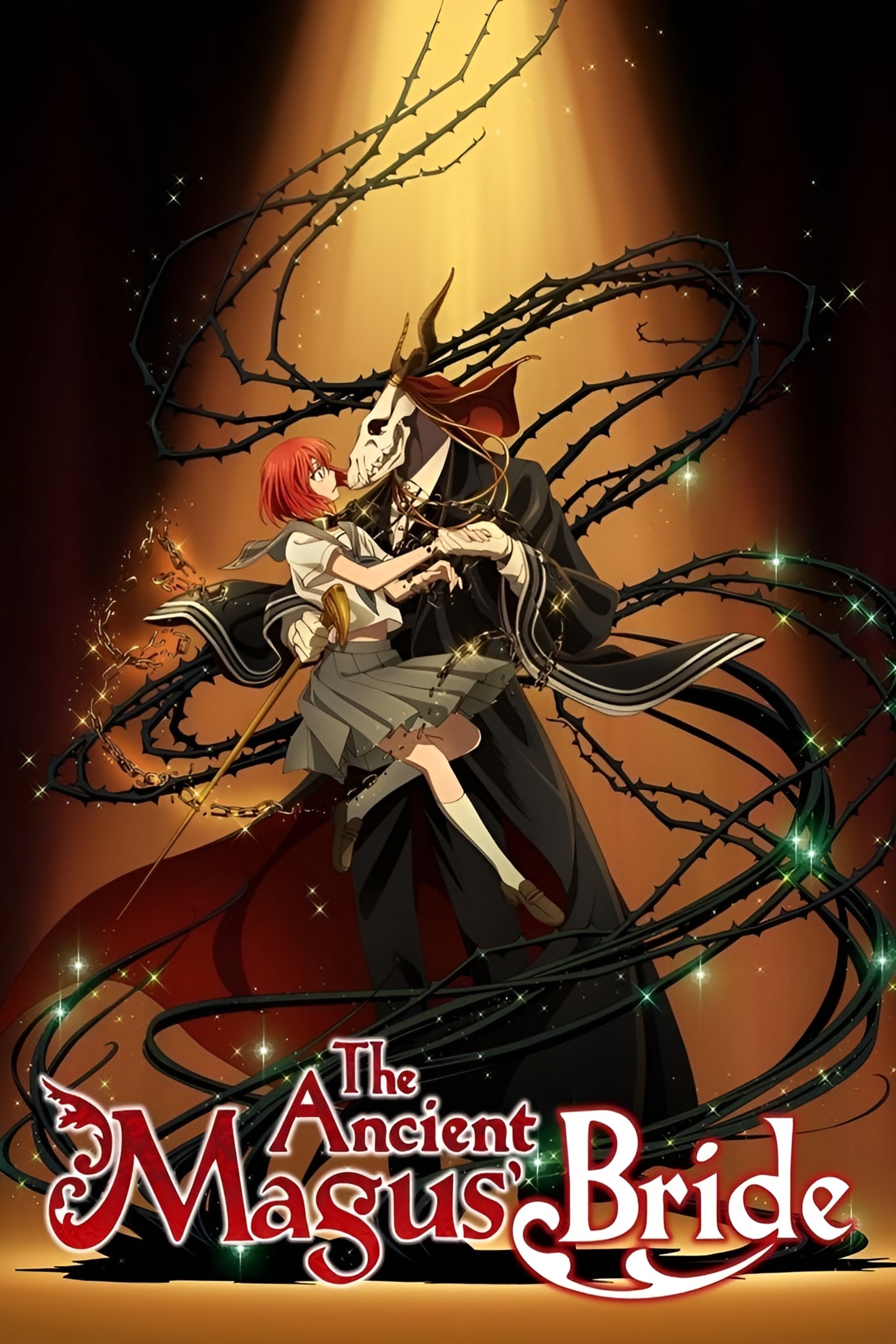
The narrative draws heavily from Celtic mythology and English folklore to create a world filled with fae creatures and ancient magic. Chise Hatori finds herself engaged to an inhuman mage named Elias Ainsworth who introduces her to a hidden society of supernatural beings. The series features entities like spriggans and aerials alongside darker figures from British legends. It presents a melancholic yet beautiful interpretation of magic that feels rooted in old European traditions.
‘Magi: The Labyrinth of Magic’ (2012–2014)

The world of this series is a vibrant reimaging of the tales from ‘One Thousand and One Nights’ mixed with complex magical systems. Characters like Aladdin and Alibaba explore mysterious dungeons to claim the power of Djinn spirits housed within magical vessels. The setting incorporates architecture and clothing inspired by the Middle East and South Asia during the ancient era. It explores themes of destiny and kingship through the lens of Arabian mythology.
‘Hozuki’s Coolheadedness’ (2014)
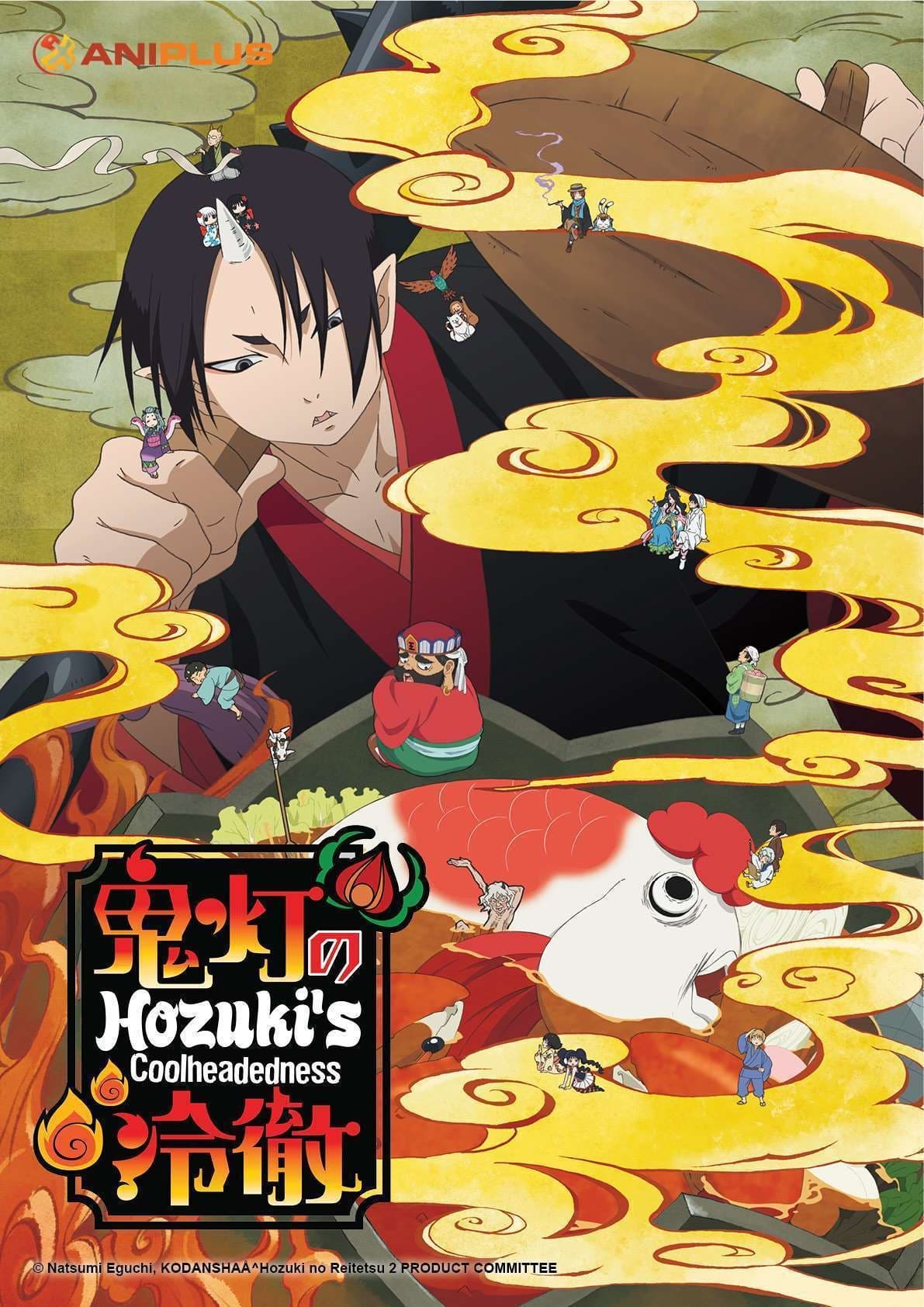
This supernatural comedy takes place in a bureaucratic version of Japanese Hell derived from Buddhist and Chinese mythology. The story follows the stoic ogre Hozuki as he manages the chaotic administration of the underworld under King Enma. Episodes often feature figures from various legends including Momotaro and creatures from global folklore who visit the realm. It provides a humorous yet educational look at the structure of the afterlife in East Asian tradition.
‘Noragami’ (2014–2015)
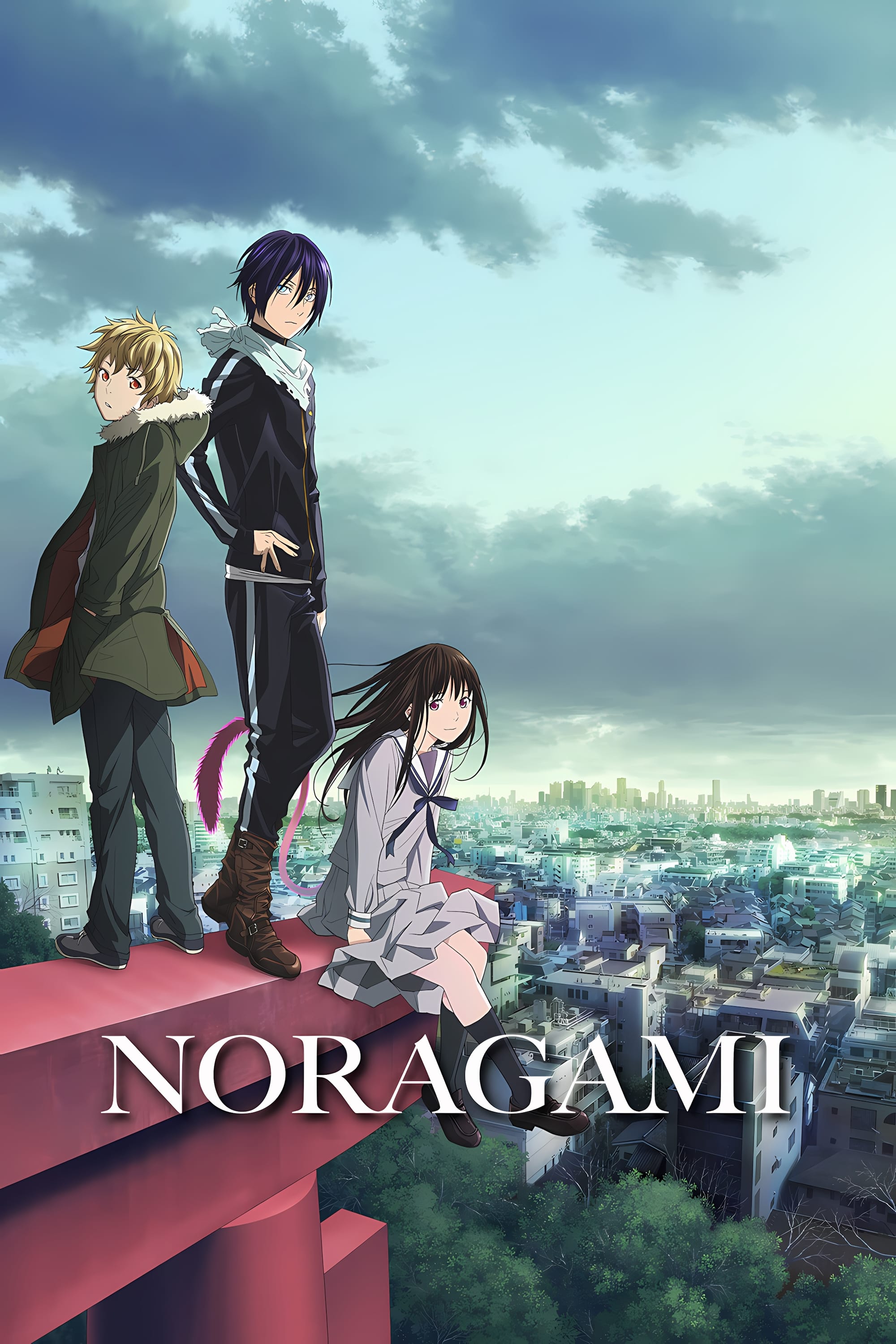
Modern Japan serves as the backdrop for a hidden war between minor gods and corrupted spirits from the Far Shore. Yato is a lesser-known deity without a shrine who accepts odd jobs for five yen to build his following. The series delves into Shinto concepts regarding pollution and purification as well as the hierarchy of the eight million gods. It creates a compelling urban fantasy where ancient traditions dictate the lives of divine beings.
‘Land of the Lustrous’ (2017)
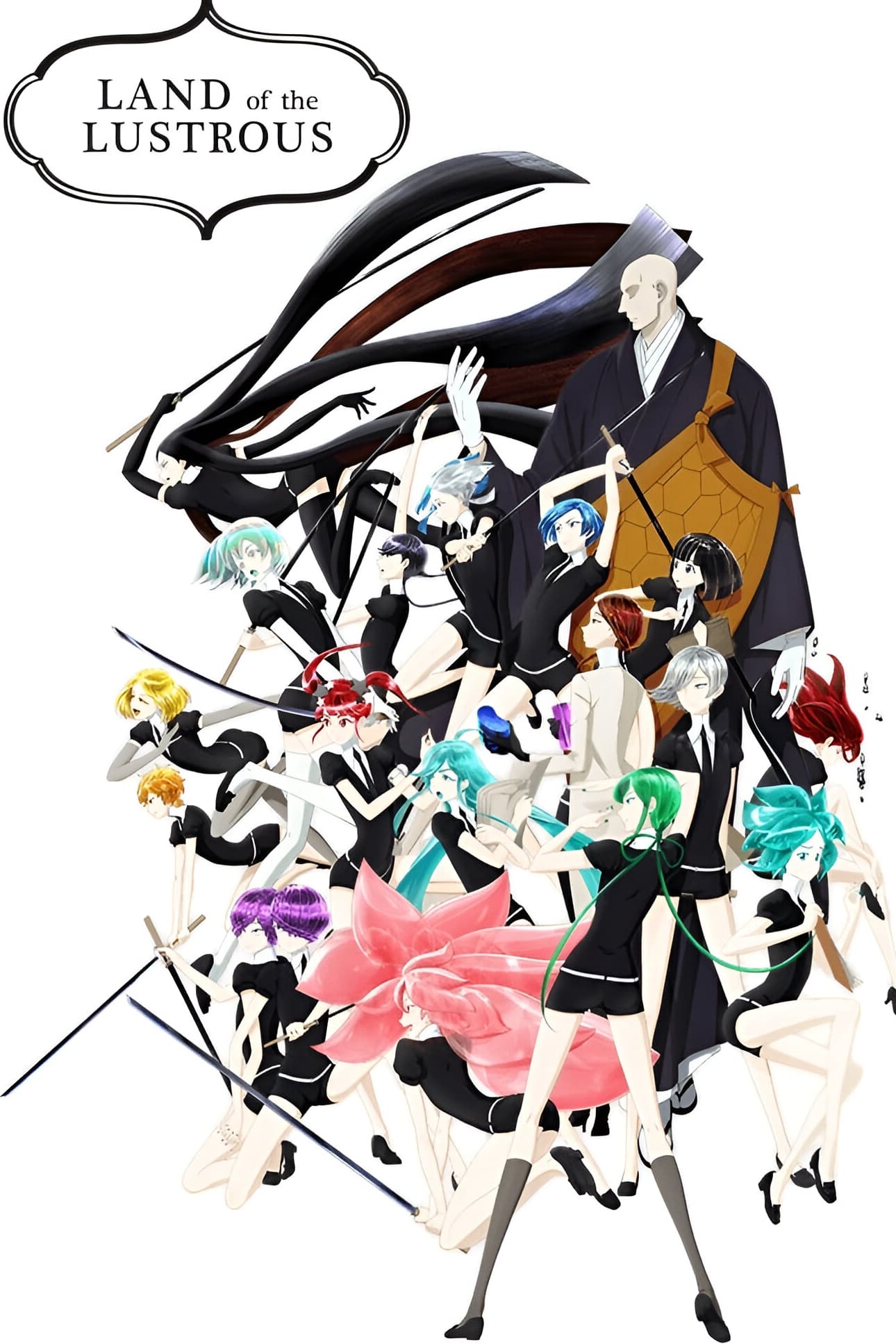
The setting involves a distant future where immortal humanoid gemstones fight against mysterious Lunarians who descend from the moon. This unique world borrows concepts from Buddhist philosophy regarding the seven treasures and the nature of existence. The protagonist Phos undergoes physical and spiritual transformations that mirror the path to enlightenment or nothingness. The visuals and lore combine to form an abstract mythology that feels distinct from any other anime.
‘The Heroic Legend of Arslan’ (2015)
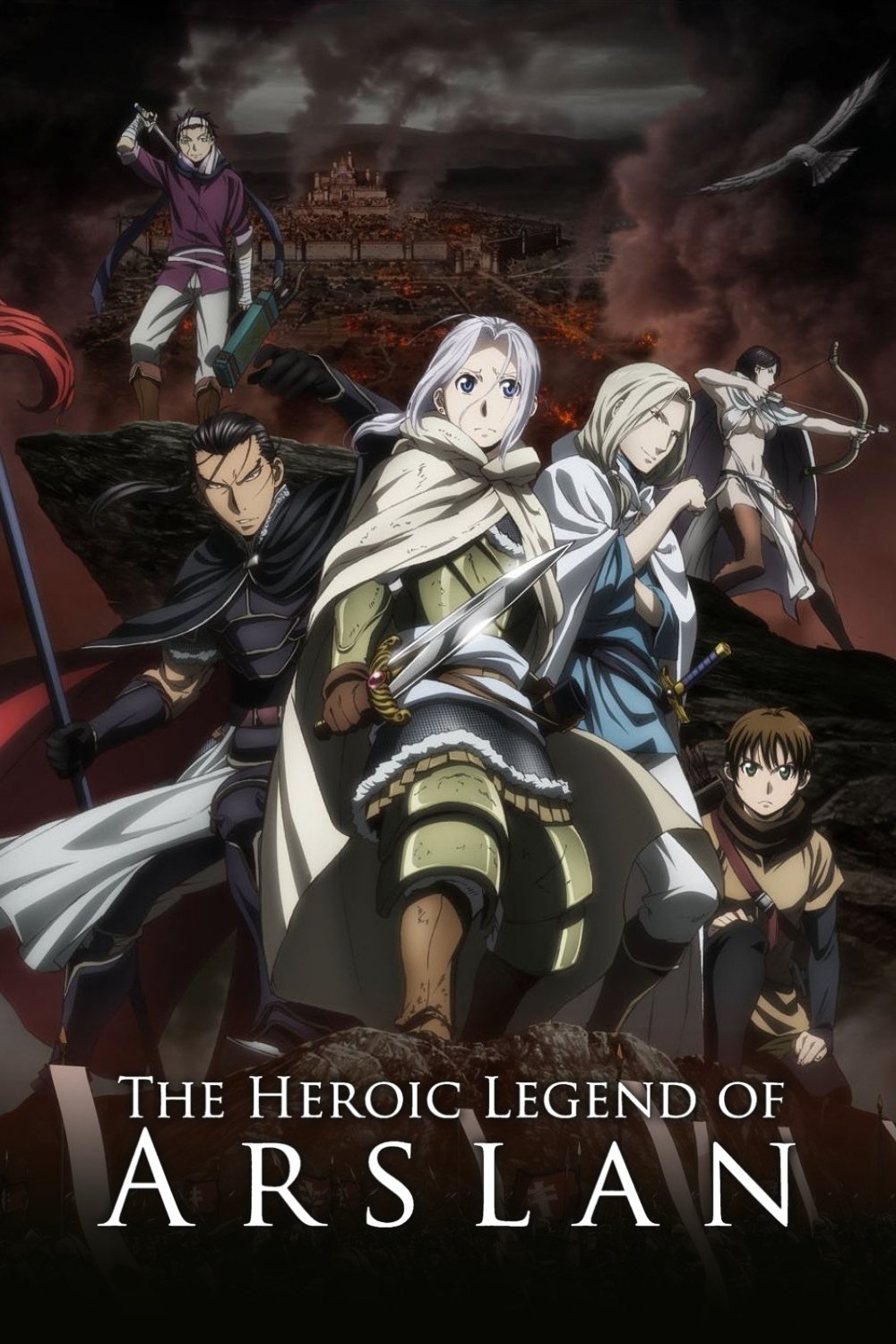
The story unfolds in a fictional kingdom that closely mirrors ancient Persia and draws inspiration from the epic poem ‘Shahnameh’. Crown Prince Arslan must gather allies to reclaim his throne after his father is betrayed and the kingdom falls to religious zealots. The world-building emphasizes Persian culture and military tactics alongside supernatural elements rooted in Zoroastrian concepts. It offers a grand historical fantasy that shifts the focus away from typical Western European medieval settings.
‘Mushi-shi’ (2005–2006)
Ginko travels the countryside studying primitive lifeforms known as Mushi which exist between the living and the spirit world. These entities are neither good nor evil but simply exist as part of the natural order described in Japanese animism. The episodic nature of the show explores how human lives intersect with these invisible forces often resulting in strange illnesses or phenomena. The atmosphere is quiet and contemplative as it highlights the reverence for nature found in traditional folklore.
‘Mononoke’ (2007)
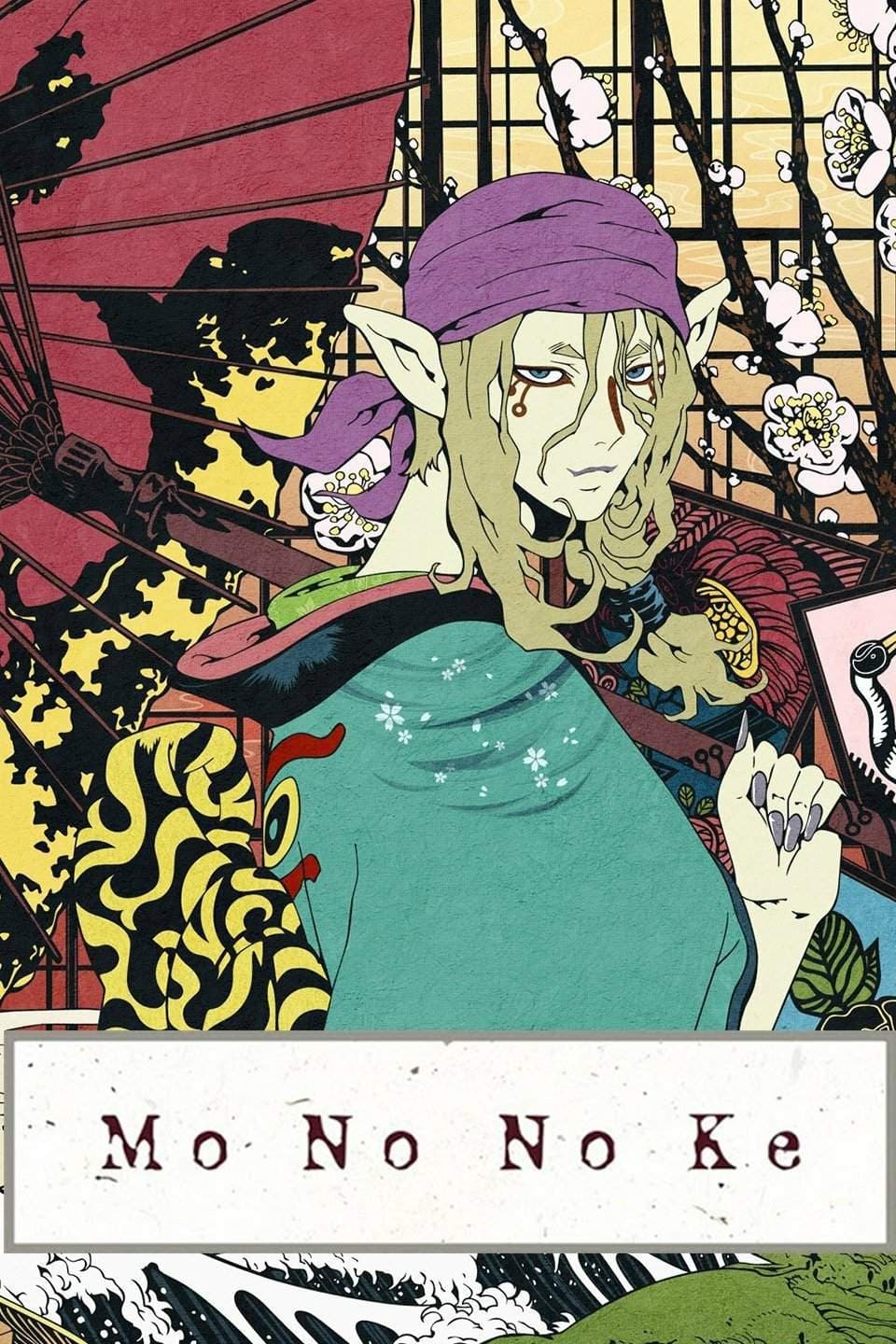
A wandering Medicine Seller travels across feudal Japan to exorcise malevolent spirits known as mononoke. He must learn the Form and Truth and Reason of each spirit before he can unsheathe his sword to banish it. The visual style mimics traditional Japanese art while the stories delve into the psychological horror associated with vengeful yokai. It presents a stylized and intense interpretation of spiritual exorcism and the human darkness that births demons.
‘RG Veda’ (1991)

This classic adaptation reimagines the ‘Rigveda’ and Hindu mythology into a dramatic fantasy epic involving a rebellion against a tyrant god. Six stars gather to overthrow the celestial emperor Taishakuten who has usurped the throne and rules with an iron fist. The character designs and names are directly pulled from Vedic texts but given a stylized clamp aesthetic. It weaves a tragic tale of destiny and prophecy within a universe governed by powerful deities.
‘Hell’s Paradise’ (2023)
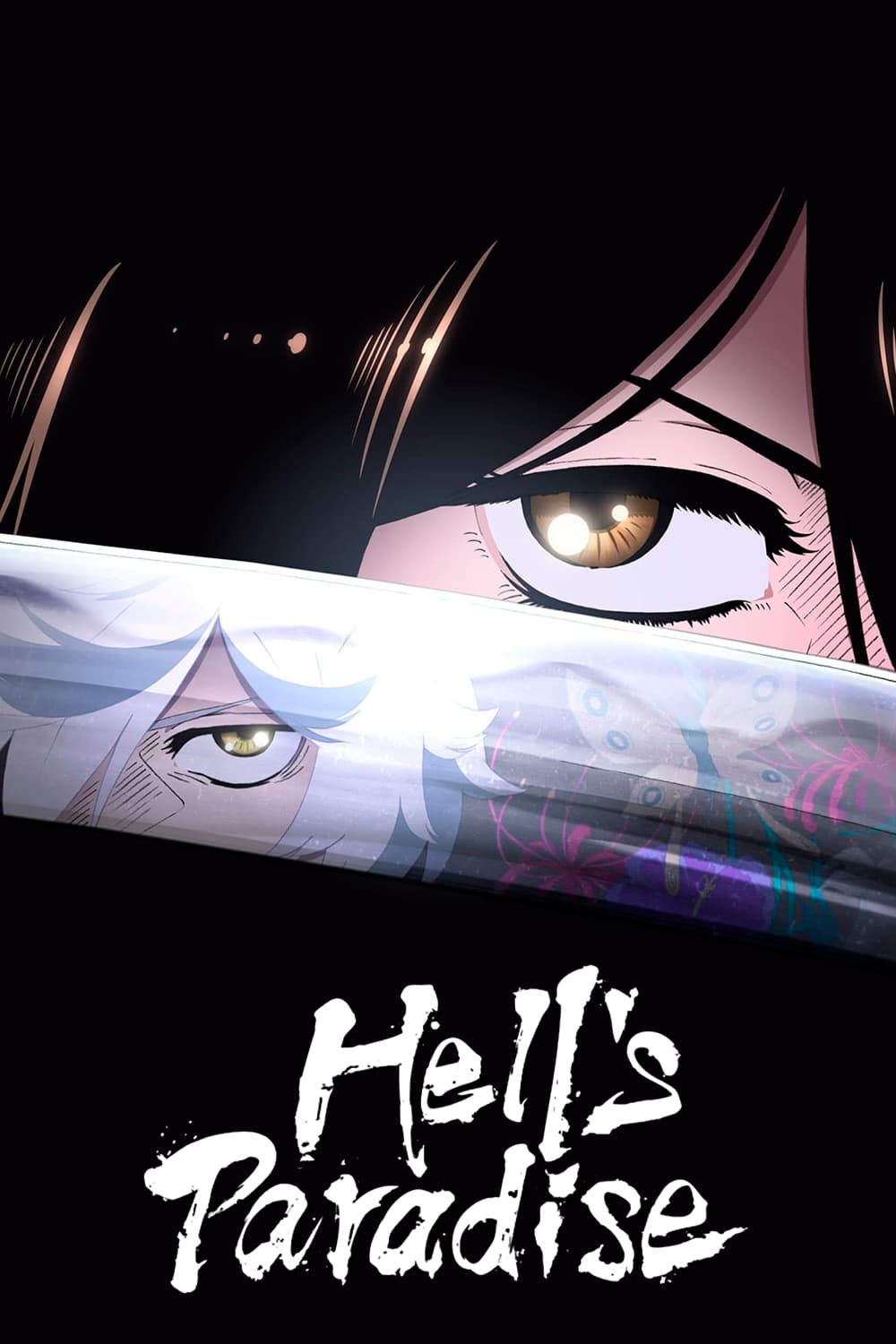
Convicts on death row are sent to a mysterious island to find the Elixir of Life in exchange for a pardon. The island is filled with grotesque creatures that blend Buddhist iconography with Taoist concepts in a horrifying manner. The visual design juxtaposes serene religious statues with body horror to create a sense of wrongness. The series explores the corruption of spiritual enlightenment and the desperate struggle for survival against divine abominations.
‘Blue Seed’ (1994)
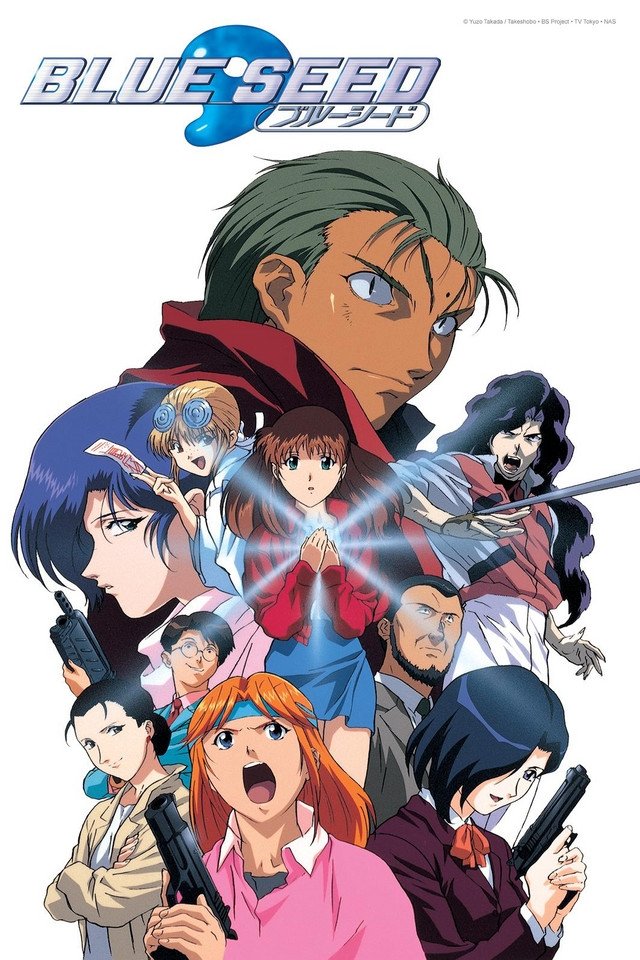
The narrative updates the Japanese myth of Susanoo and the eight-headed serpent Yamata no Orochi for a modern setting. A teenage girl named Momiji discovers she is a descendant of the princess Kushinada and is targeted by plant-like monsters called Aragami. The show mixes government conspiracy with ancient rituals and the power of the Kushinada bloodline. It serves as a 90s action classic that brings Shinto legends into a contemporary sci-fi context.
‘Campione!’ (2012)
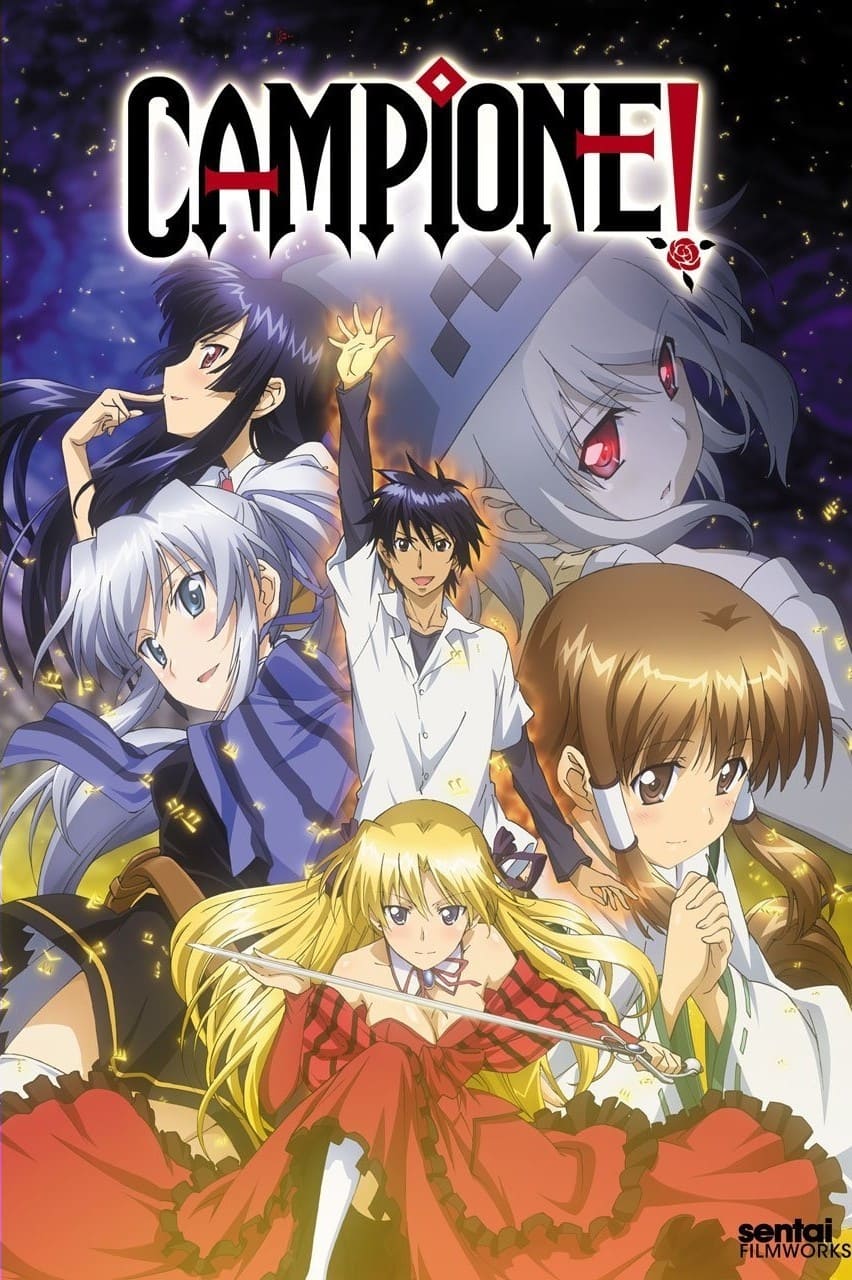
Godot Kusanagi becomes a god-slayer after defeating a Persian deity and inherits the title of Campione. He must battle Heretic Gods from various mythologies who manifest in the real world and cause disasters. The series features deities like Athena and Verethragna while explaining their historical and mythological origins during battles. It turns comparative mythology into a high-octane battle harem series with a focus on divine authorities.
‘Kamisama Kiss’ (2012)
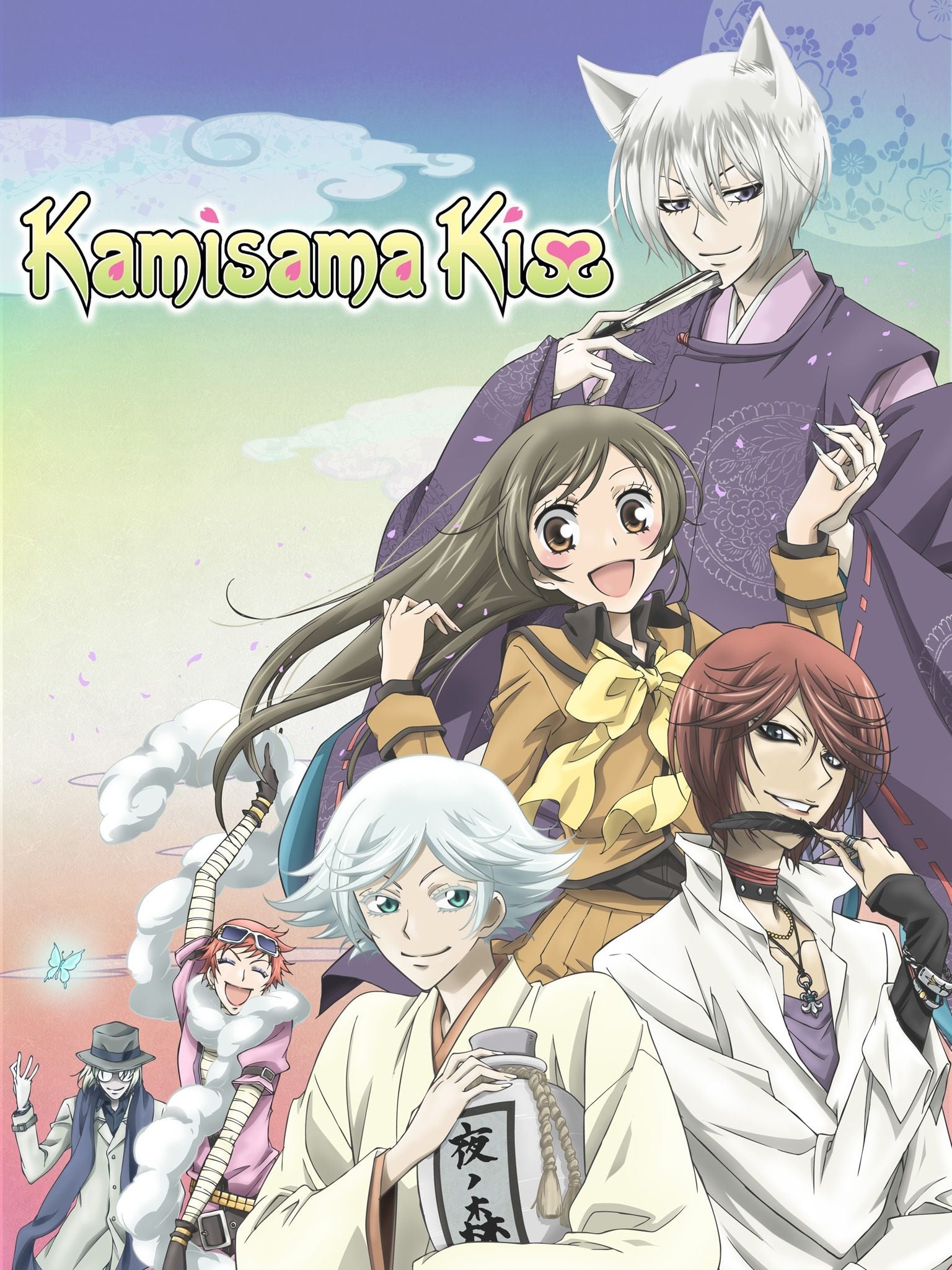
Nanami Momozono becomes the land god of a rundown shrine after the original deity transfers his duties to her. She must learn to manage her new responsibilities with the help of a fox familiar named Tomoe. The story explores the relationships between humans and yokai within the framework of Shinto worship and shrine management. It offers a romantic and lighthearted perspective on the duties of local deities in Japanese culture.
‘Heroic Age’ (2007)
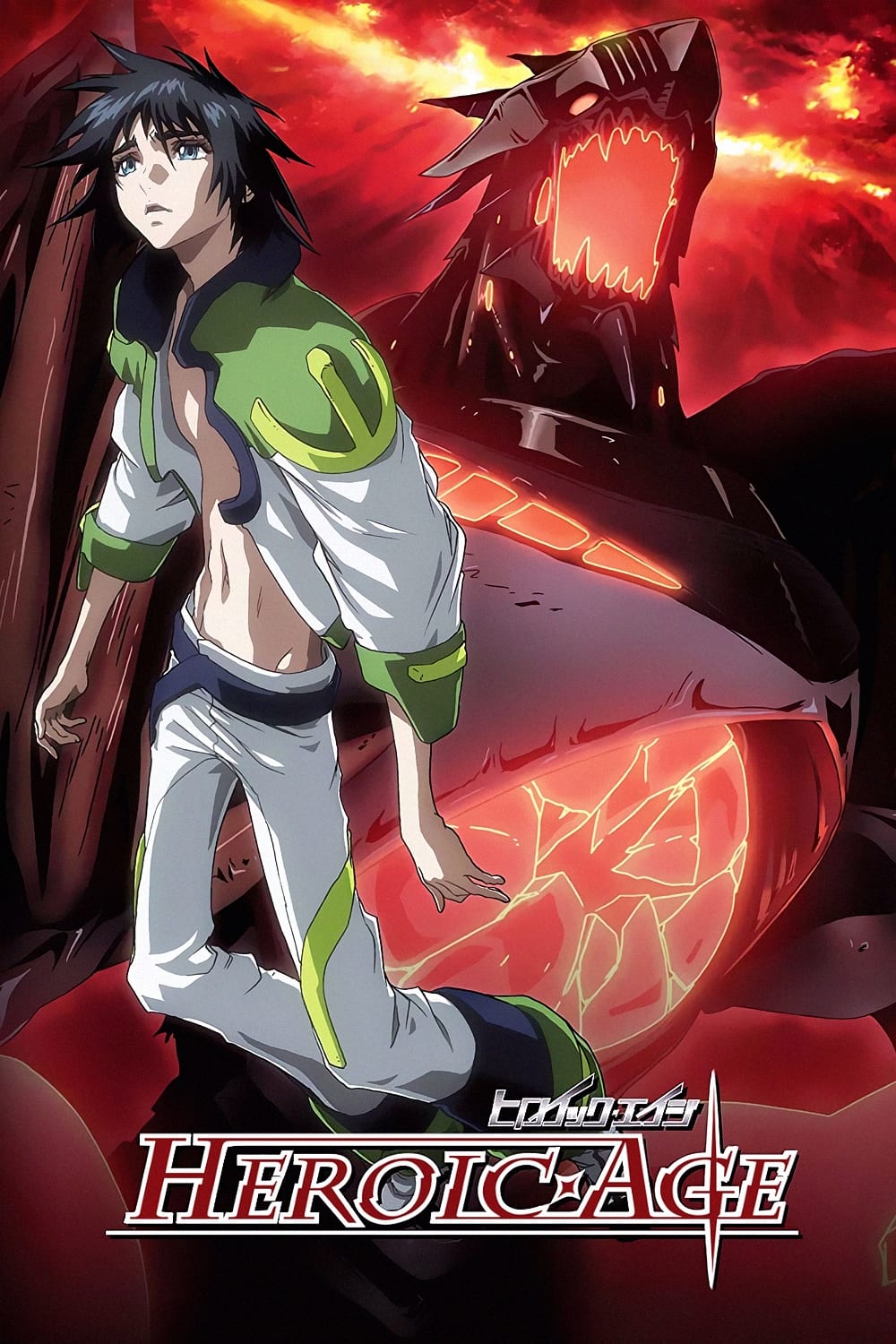
This space opera reimagines the Twelve Labors of Hercules and other Greek myths on a galactic scale. Humanity is one of the tribes seeking survival in a universe dominated by the Silver Tribe and their Nodos warriors. The protagonist Age houses the spirit of a chaotic entity and fights to protect the princess of the Iron Tribe. The narrative cleverly translates the epic feats of demigods into mecha-style battles across the stars.
‘Ah! My Goddess’ (2005)

University student Keiichi Morisato accidentally dials the Goddess Help Line and wishes for the goddess Belldandy to stay with him forever. The series incorporates figures from Norse mythology including the three Norns who control fate and the world tree Yggdrasil. While primarily a romantic comedy the show maintains a consistent lore based on the Scandinavian pantheon. It presents a domestic version of divine beings who use their powers for everyday problem-solving.
‘Saiyuki’ (2000)
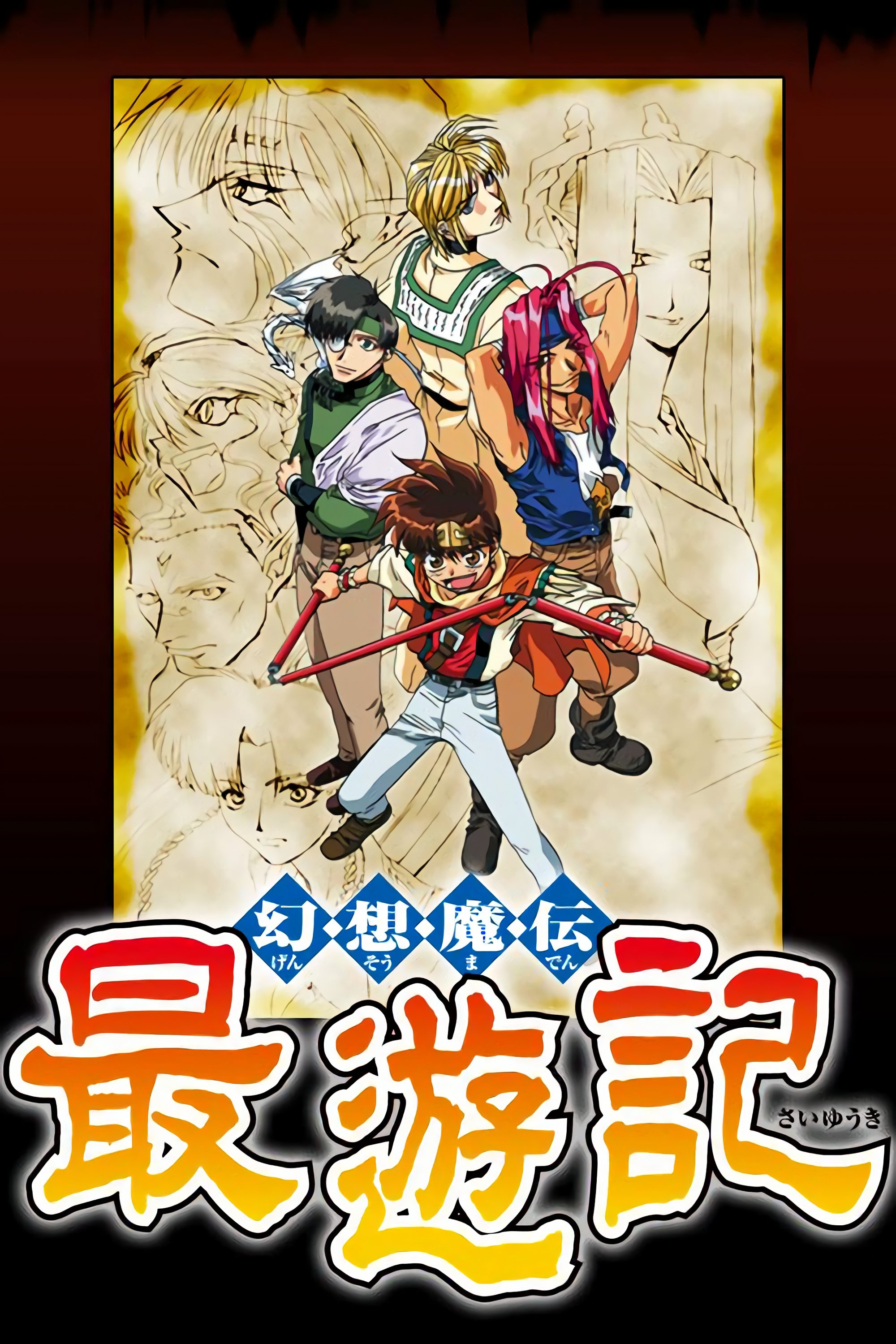
The four protagonists travel west to stop the resurrection of the demon king Gyumaoh in a loose adaptation of ‘Journey to the West’. A priest named Genjo Sanzo leads three powerful demons on a road trip filled with violence and cigarettes. The series modernizes the classic Chinese tale with punk aesthetics and angst-filled backstories. It retains the core journey structure while completely reinventing the personalities of the Monkey King and his companions.
‘Pom Poko’ (1994)
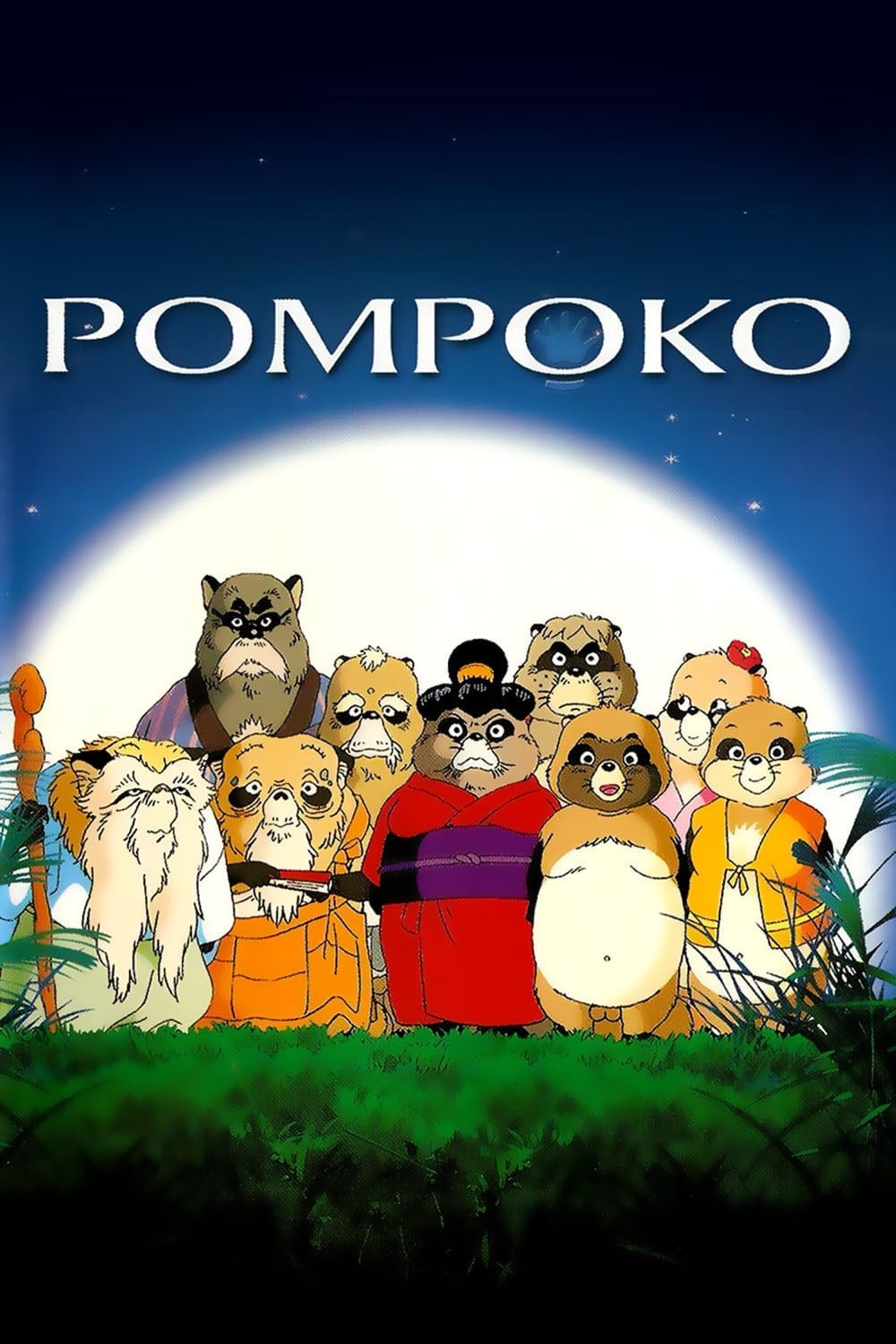
A community of shape-shifting tanuki fights to save their forest home from urban development near Tokyo. The film dives deep into Japanese folklore concerning these raccoon dogs and their ability to transform into objects or humans. It depicts their magical traditions and festivals with a mix of humor and documentary-style narration. The story serves as an ecological fable grounded in the specific mythological attributes of the tanuki.
‘xxxHOLiC’ (2006)

Kimihiro Watanuki works for the dimensional witch Yuko Ichihara to pay off the debt of having his ability to see spirits removed. The series operates within a world governed by hitsuzen or inevitable fate and explores various supernatural superstitions. It draws from a wide range of occult practices and Japanese folklore to create episodic mysteries. The stylized art emphasizes the eerie and magical nature of the wish-granting shop.
‘Natsume’s Book of Friends’ (2008)
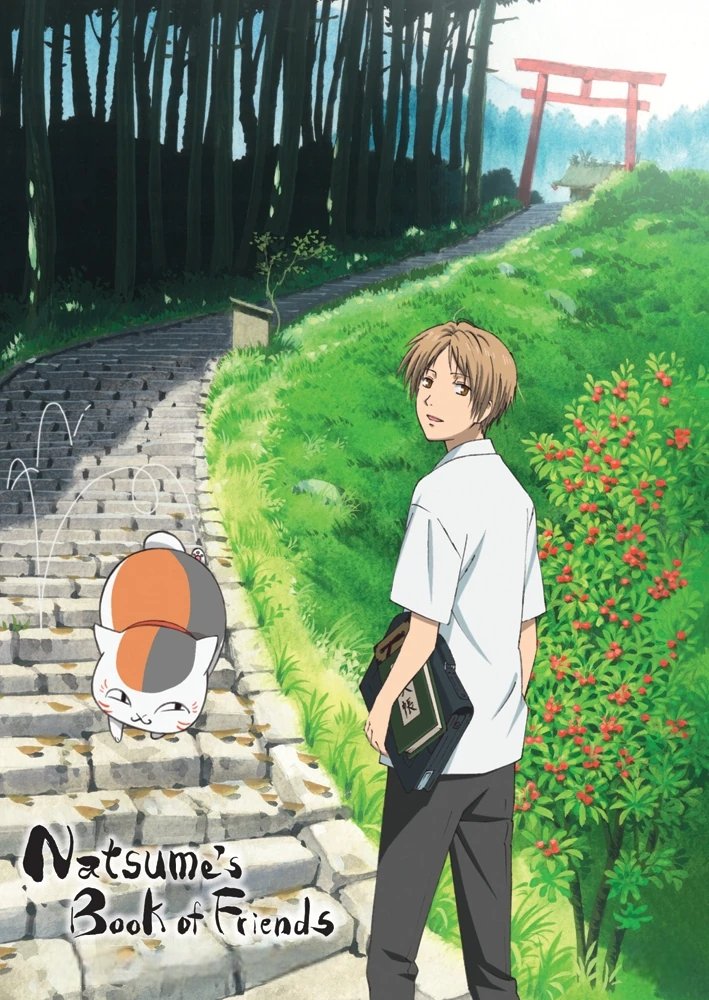
Takashi Natsume inherits a book of names from his grandmother which allows him to control the yokai bound to it. He decides to return the names to the spirits one by one while learning about their lives and troubles. The show portrays yokai not just as monsters but as emotional beings with their own societies and grievances. It is a heartwarming exploration of the bond between humans and the invisible world of Japanese folklore.
‘Midnight Occult Civil Servants’ (2019)

Arata Miyako joins a government department dedicated to handling supernatural affairs in the Shinjuku ward of Tokyo. He discovers he has the unique ability to understand the non-human language spoken by fairies and angels and yokai. The series features entities from Aztec and Celtic and Japanese myths coexisting in a modern city. It focuses on negotiation and cultural understanding between humans and the mythical residents of the night.
‘Record of Ragnarok’ (2021)
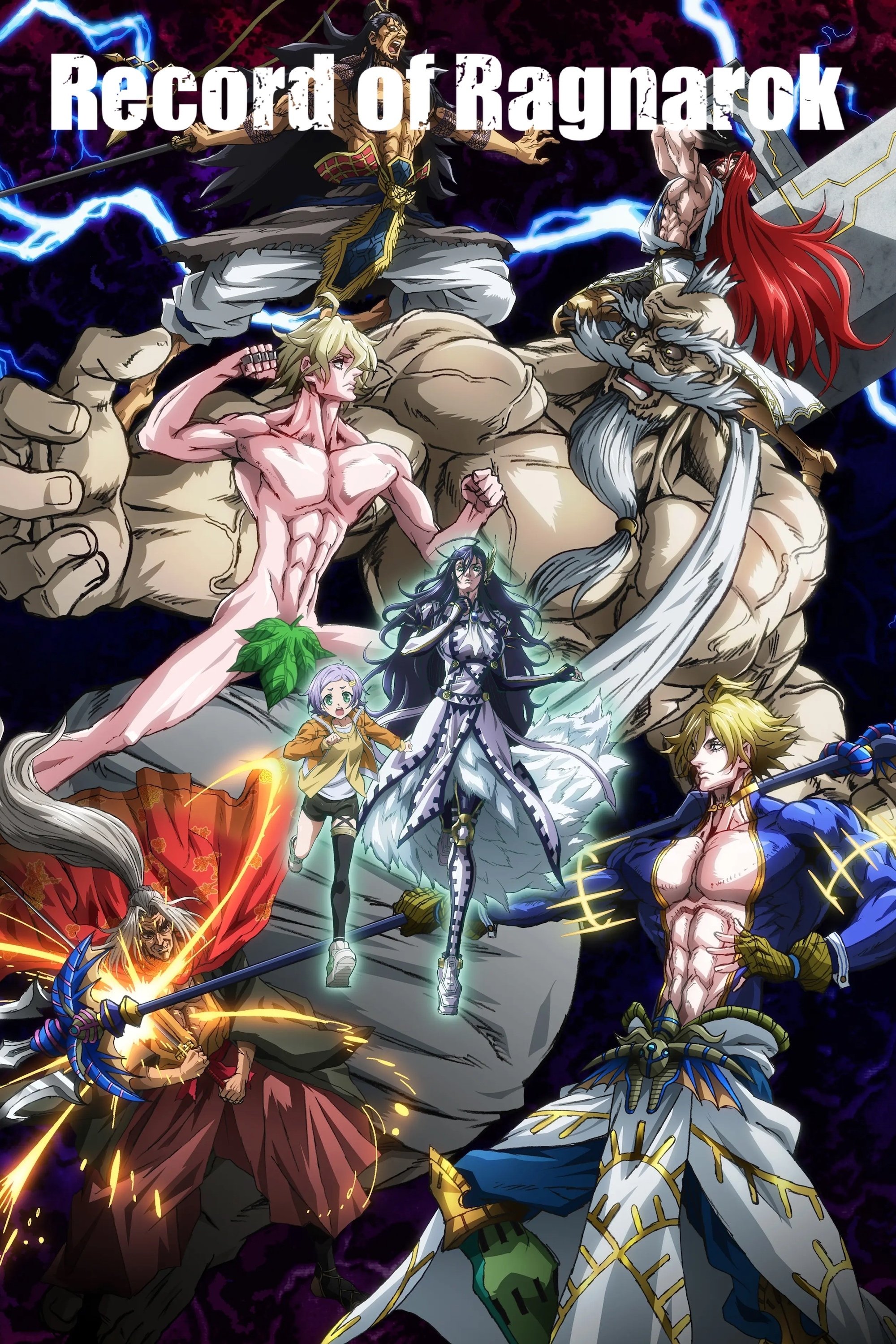
The gods of every mythology convene and decide to wipe out humanity unless mortals can prove their worth in a tournament. Thirteen human champions face off against thirteen supreme deities in one-on-one battles to the death. The roster includes figures like Thor and Zeus alongside historical humans like Lu Bu and Adam. It is a pure action spectacle that mixes divine powers with legendary human martial arts.
‘Is It Wrong to Try to Pick Up Girls in a Dungeon?’ (2015)
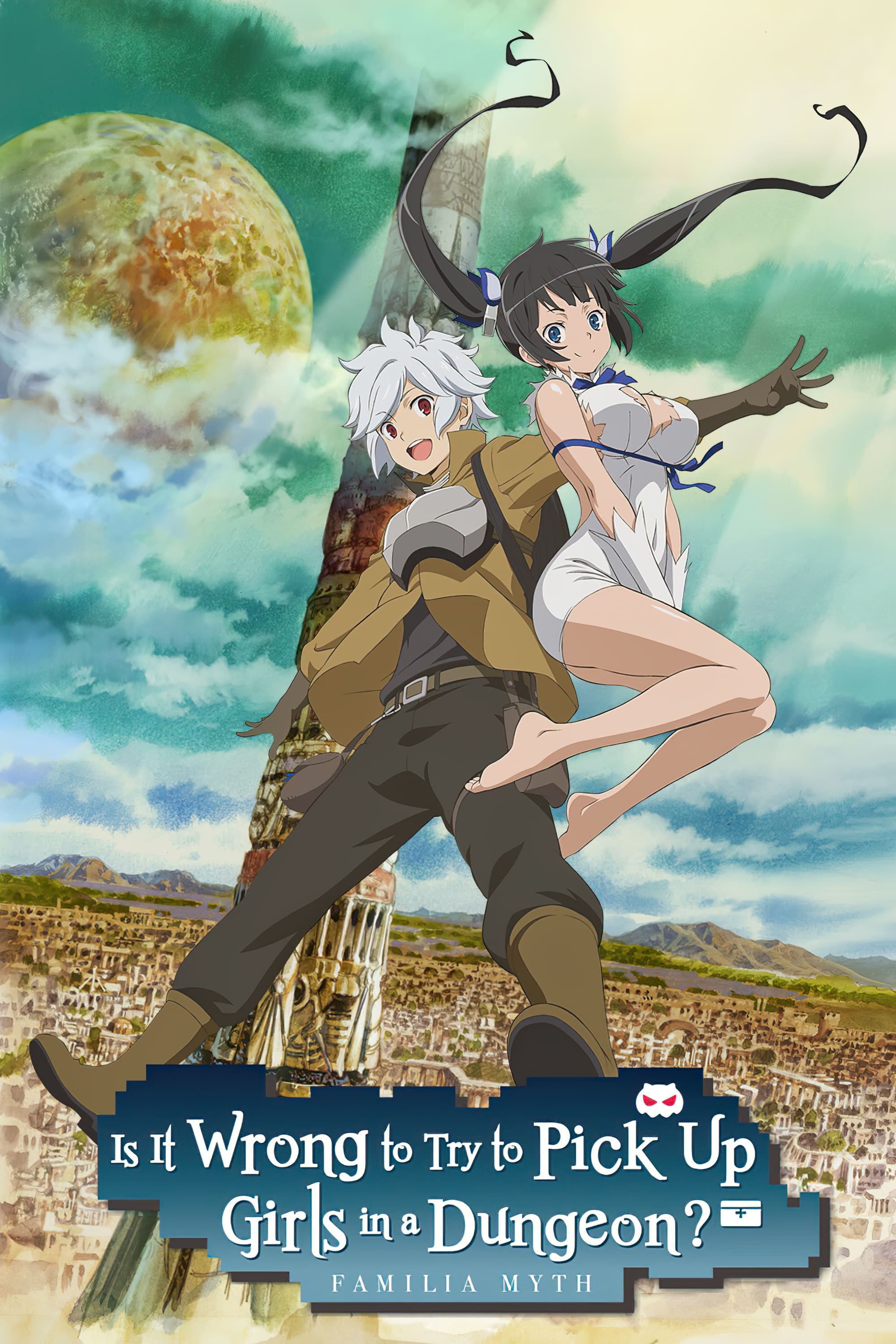
Gods have descended to the lower world to live among humans and form Familias that explore a massive dungeon. The setting borrows names and traits from Greek and Norse and Indian deities who act as patrons for adventurers. Bell Cranel grows stronger under the guidance of the goddess Hestia in a world governed by RPG-like mechanics. The series creates a unique society where divine beings interact casually with mortals seeking fame and fortune.
‘Kyousougiga’ (2013)
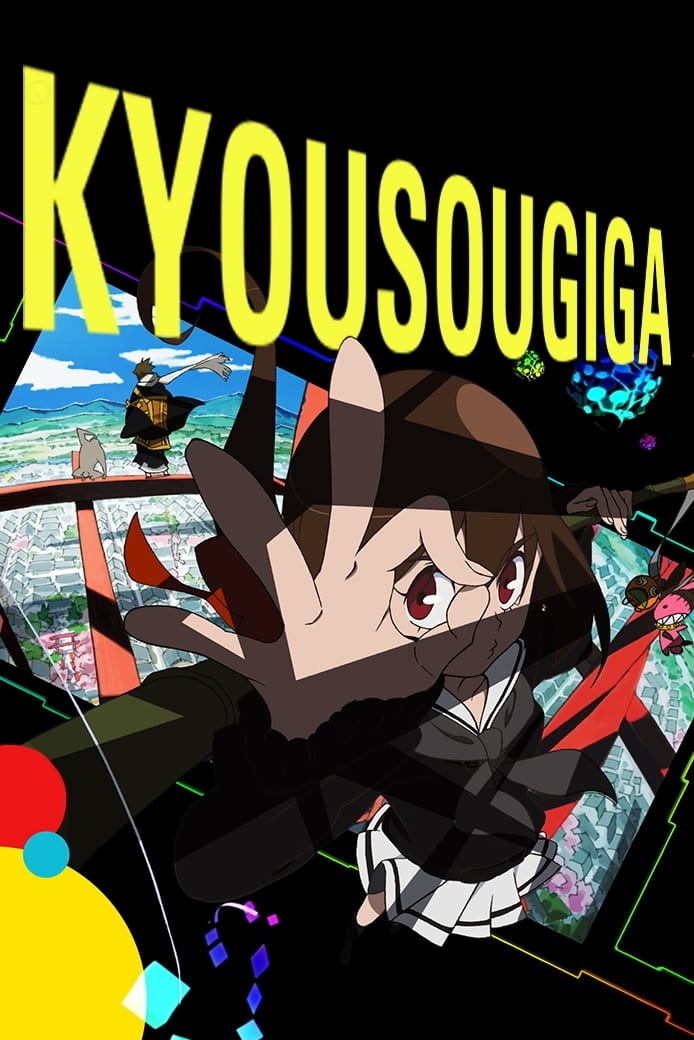
This vibrant series takes place in the Mirror Capital which is an alternate dimension created by a monk who could bring drawings to life. The world is a chaotic blend of Buddhist concepts and Lewis Carroll-style whimsy governed by a council of three siblings. Koto enters this looking-glass world searching for her mother and disrupts the stagnant balance of the city. It is a visually stunning exploration of family dynamics wrapped in surreal mythological imagery.
‘Katanagatari’ (2010)
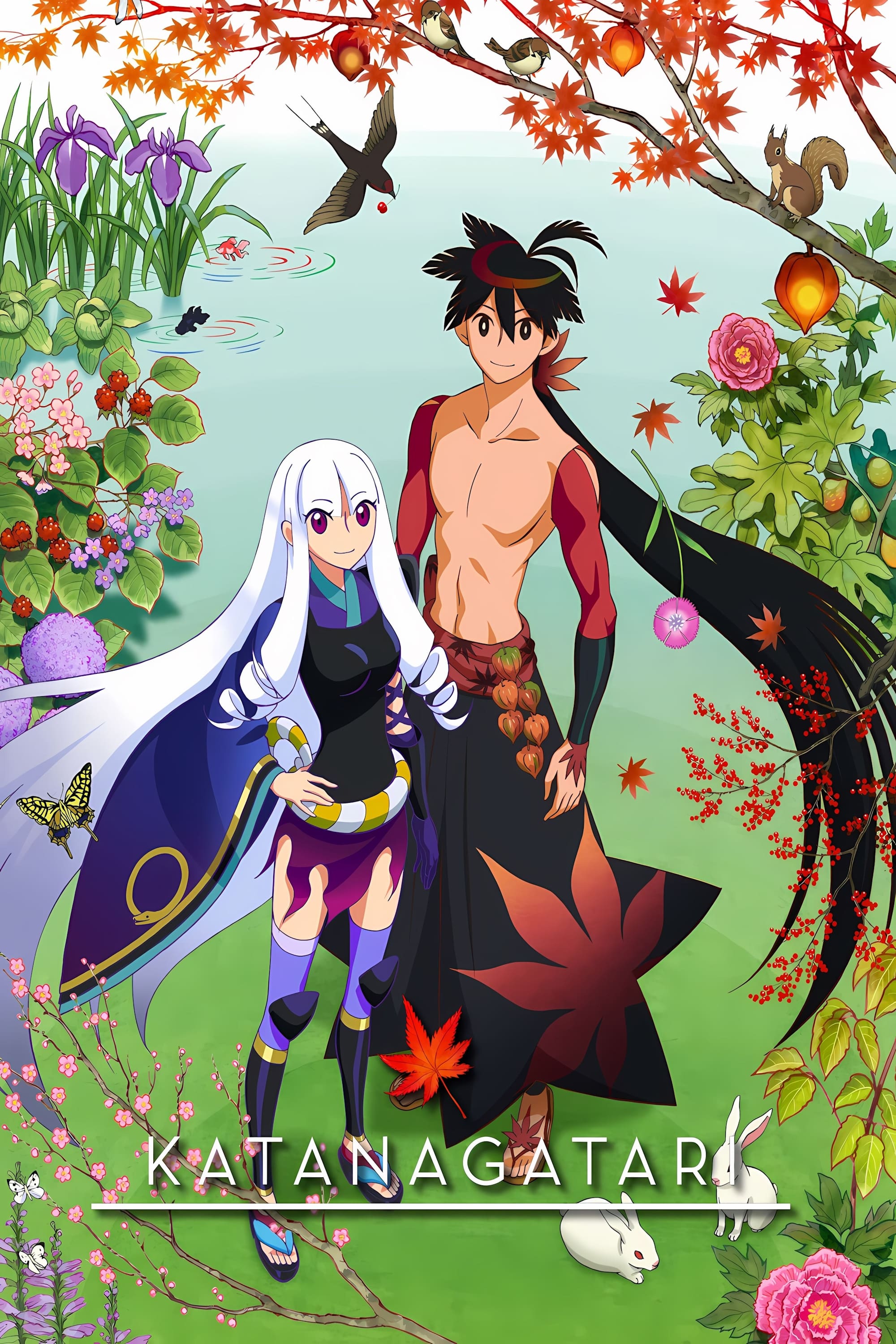
A strategist seeks the help of a martial artist who practices a swordless sword style to collect twelve legendary deviant blades. The story is set in an alternate Edo period filled with ninja and mystic techniques that border on magic. The dialogue-heavy narrative deconstructs the hero’s journey and traditional samurai tropes. It builds a unique historical mythology around the corrupting influence of the poisonous swords.
‘Dororo’ (2019)
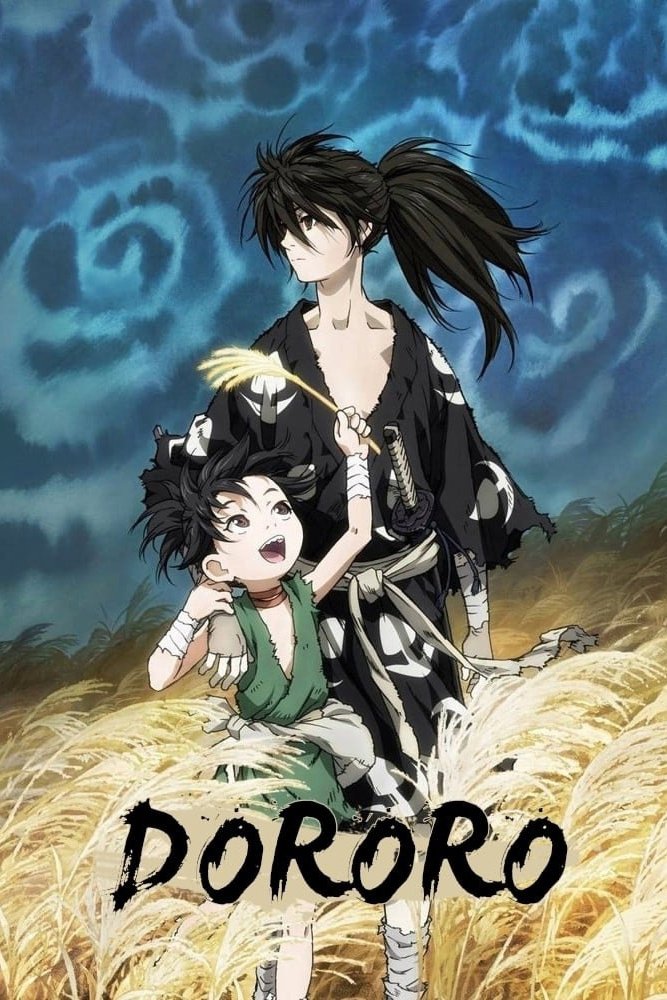
A feudal lord sacrifices the body parts of his newborn son to twelve demons in exchange for the prosperity of his land. The child survives and grows up with prosthetics hunting the demons to regain his real body. The series is a dark fantasy that explores the consequences of bargaining with evil spirits. It paints a gritty picture of the Warring States period infested with ghouls and mythological monsters.
‘Princess Mononoke’ (1997)
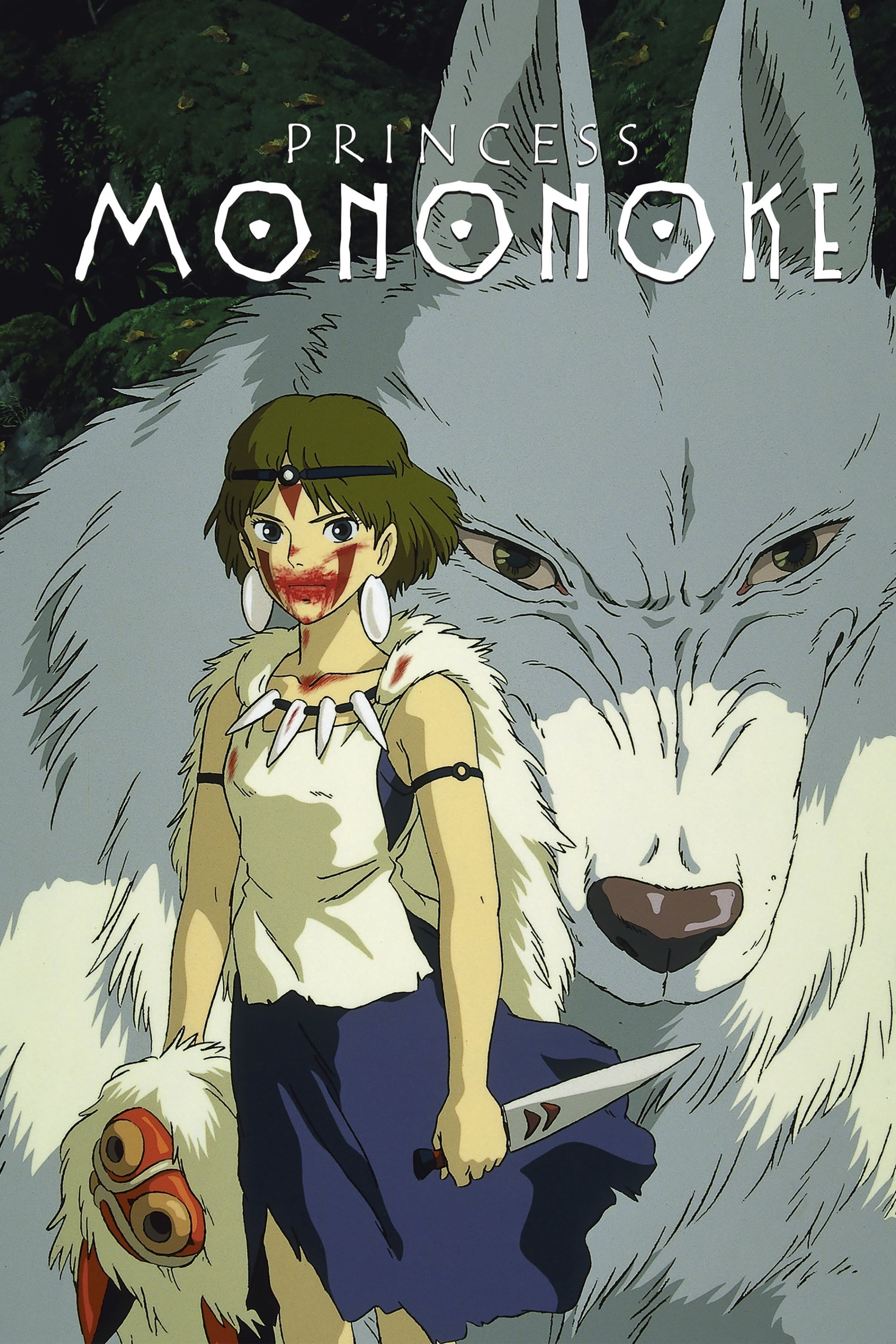
Ashitaka journeys to the west to find a cure for a curse and becomes involved in a war between industrial humans and forest gods. The film draws inspiration from the Emishi people and the primal nature spirits of ancient Japan. Giant wolves and boars protect the Great Forest Spirit who holds the power over life and death. It remains one of the most profound depictions of the conflict between technological progress and animistic worship.
‘Spirited Away’ (2001)
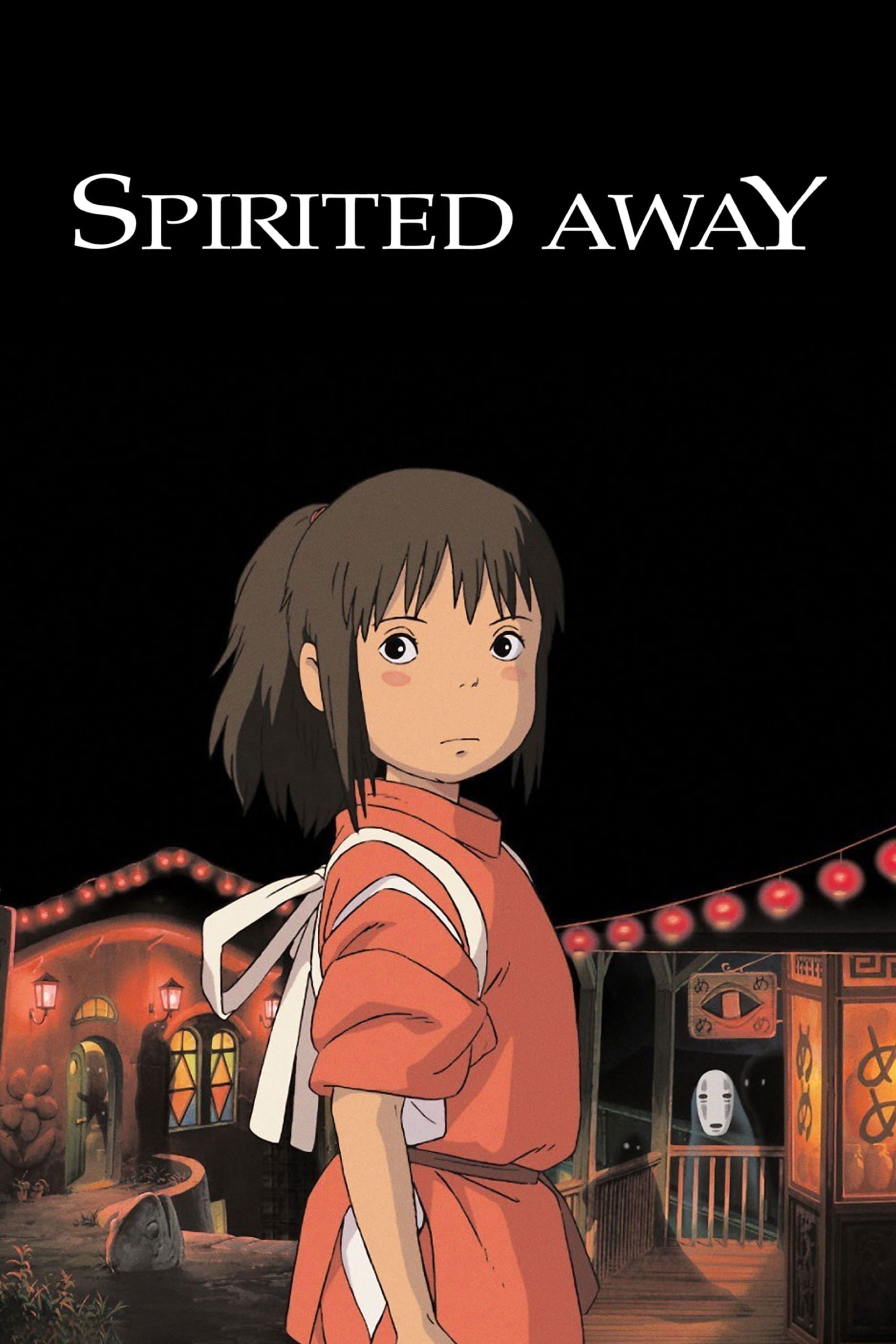
Chihiro becomes trapped in a bathhouse for the gods after her parents undergo a pig transformation for eating spirit food. The world is populated by countless kami who visit the bathhouse to cleanse themselves of earthly pollution. Miyazaki incorporates varied elements of Shinto folklore to create a bustling and sometimes frightening spirit realm. The film is a masterful coming-of-age story set against a backdrop of traditional Japanese mysticism.
‘Fate/Grand Order – Absolute Demonic Front: Babylonia’ (2019)
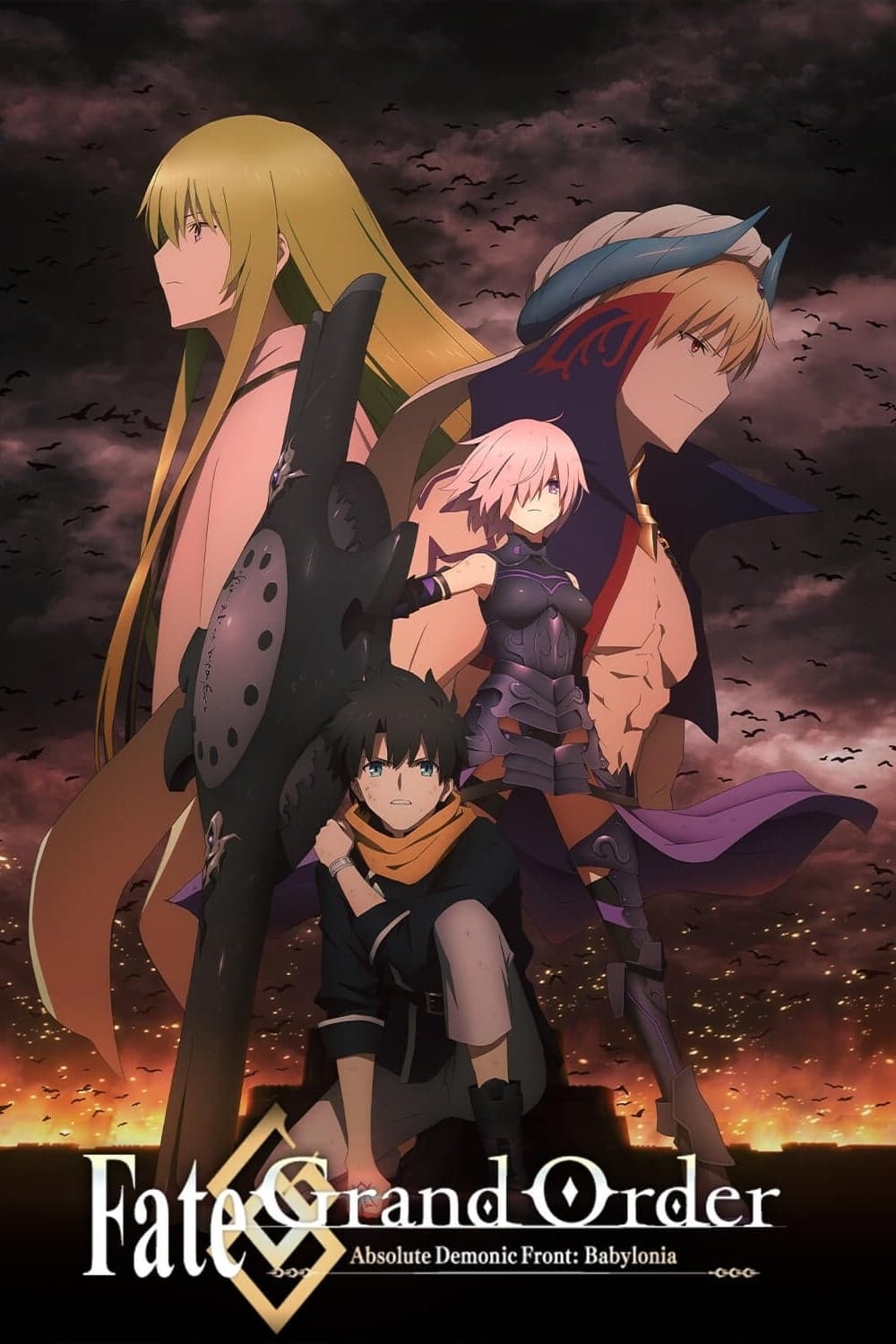
Masters and servants travel back to ancient Mesopotamia to prevent the destruction of humanity by the primordial mother goddess Tiamat. The story features legendary figures like Gilgamesh and Ishtar and Ereshkigal in their original mythological context. The setting captures the grandeur of Uruk and the terrifying power of the Sumerian pantheon. It brings one of the oldest recorded mythologies to life with high-budget animation and epic battles.
‘Ayakashi: Samurai Horror Tales’ (2006)
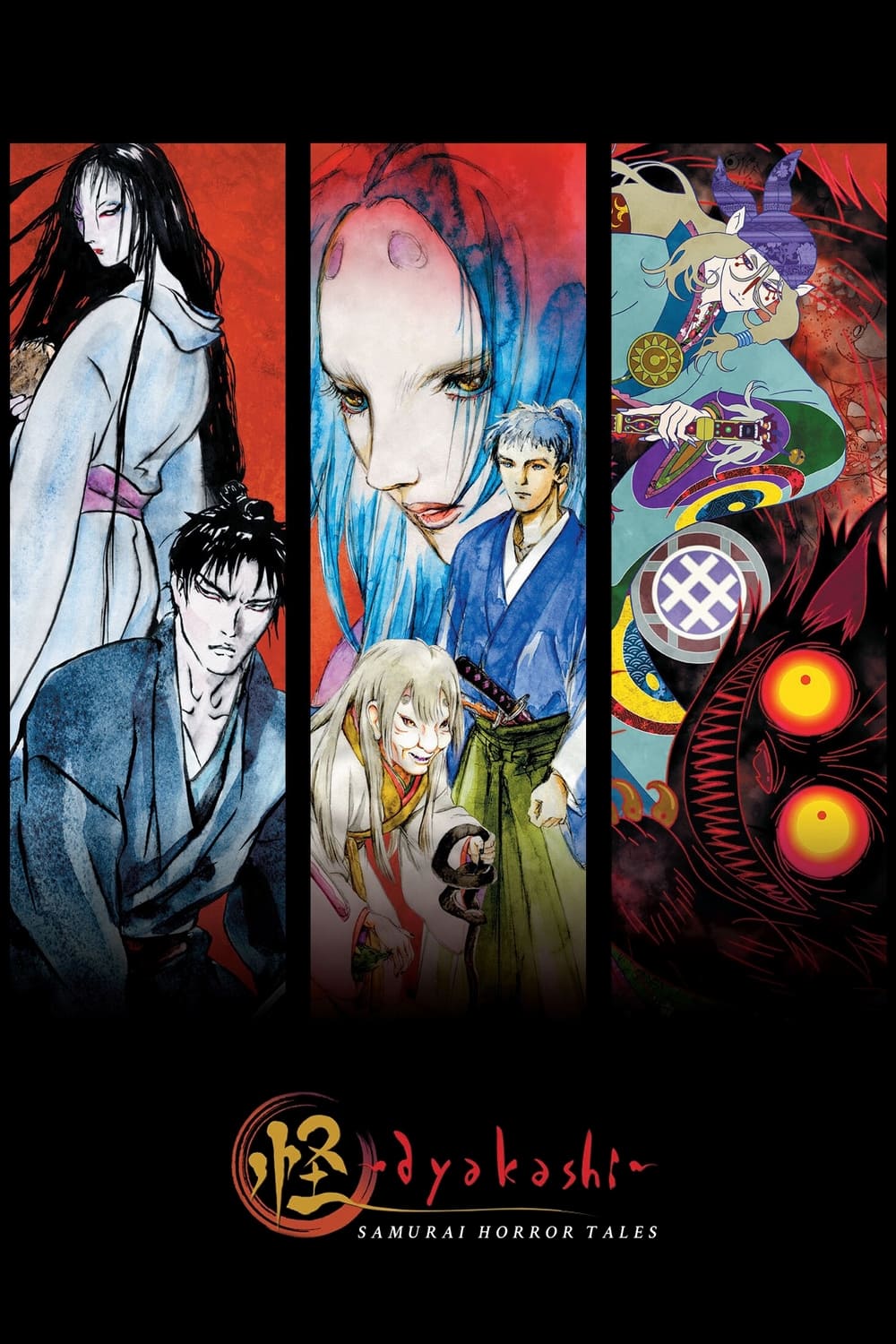
This anthology series presents three classic Japanese horror stories including the tale of Yotsuya Kaidan and the Goblin Cat. Each arc uses a distinct art style to reflect the tone of the specific folklore being adapted. The stories delve into the vengeful nature of spirits and the social taboos of the Edo period. It serves as a chilling introduction to the traditional ghost stories that have haunted Japanese culture for centuries.
Please share which of these mythological worlds you found most fascinating in the comments.