Games Letting You Remix Soundtracks Mid-Playthrough

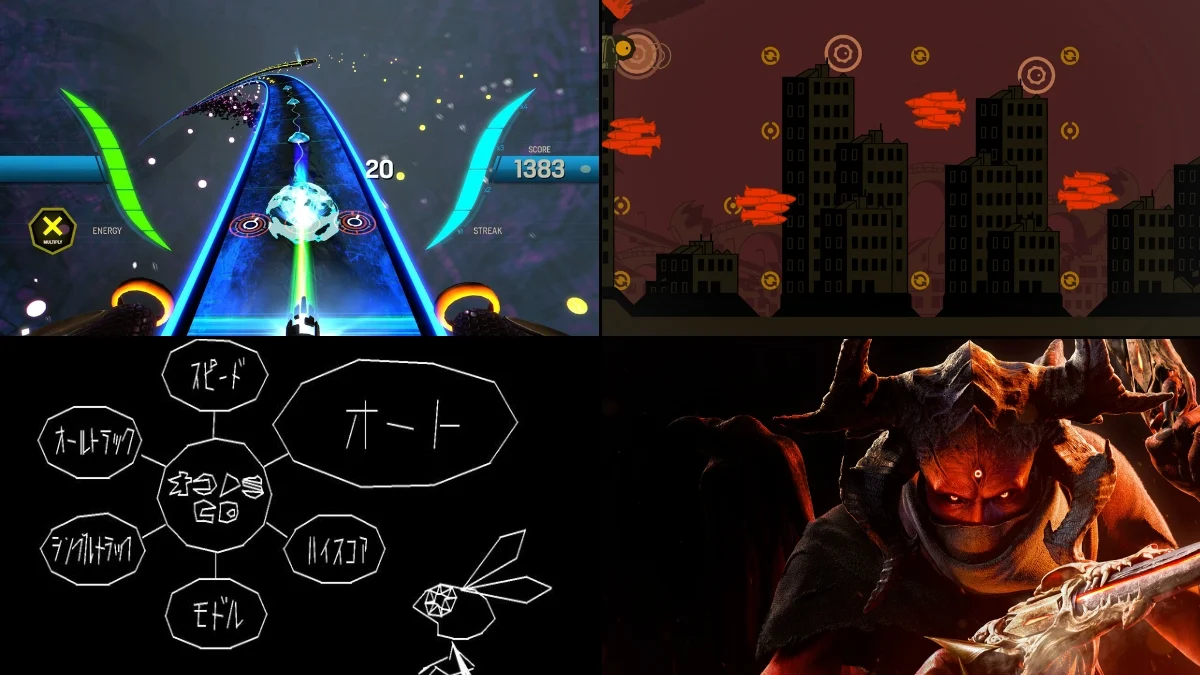

Video games have evolved from simple beeps and boops into complex interactive audiovisual experiences where the player controls the soundscape. Several developers have pushed the boundaries of the medium by allowing users to manipulate or generate music directly through gameplay mechanics. These titles transform the controller into an instrument and turn every button press into a musical note. The following list highlights fifteen games that integrate dynamic audio mixing into the core of their design.
‘Fuser’ (2020)

Harmonix and NCSOFT developed this title to give players complete control over a virtual DJ deck at a massive festival. Users combine vocals and beats from popular songs to create entirely new mixes during live gameplay. The campaign mode challenges players to meet crowd requests by swapping discs at the perfect time to keep the energy high. Successful drops result in higher scores and allow for more complex musical layers to be added to the performance. It stands as a premier example of direct music manipulation serving as the primary game mechanic.
‘Rez’ (2001)
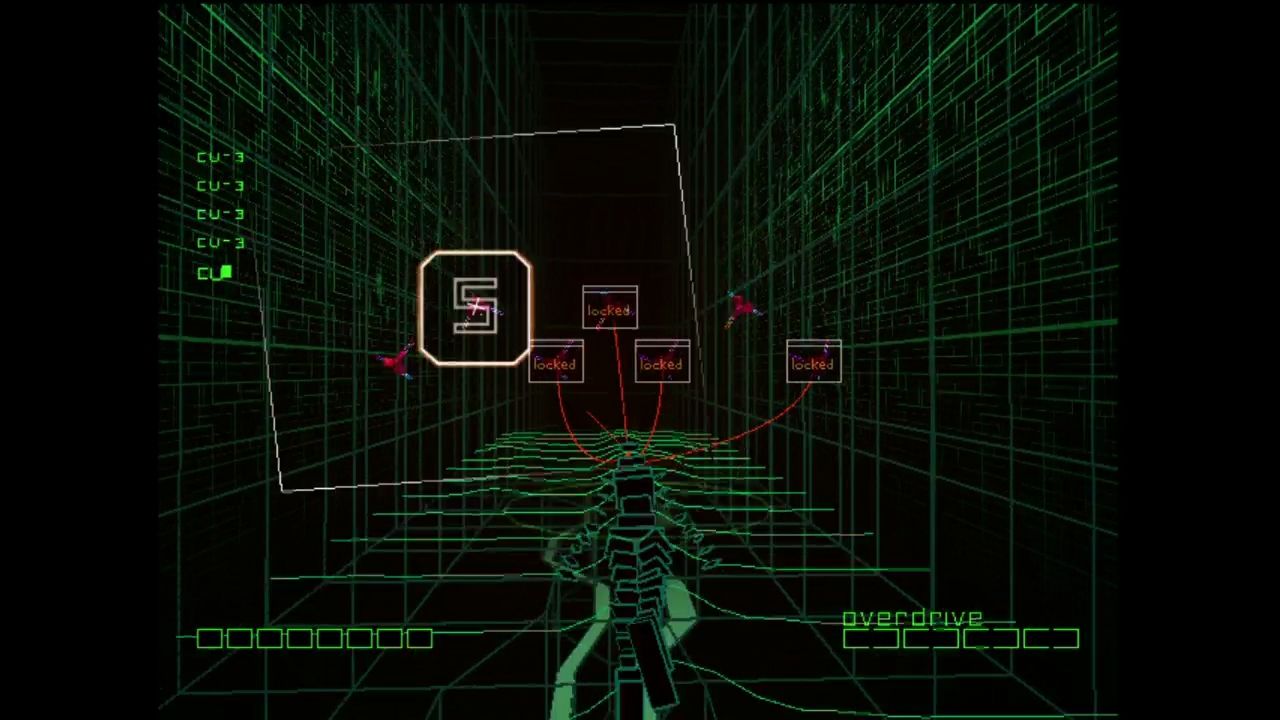
United Game Artists and Sega created a rail shooter where every shot fires a sound effect that syncs perfectly with the background beat. The player travels through a cyberspace network while destroying viruses to evolve the electronic soundtrack and visual style. Each level adds new layers of instrumentation and complexity as the protagonist progresses further into the system. This synthesis of shooting and rhythm creates a unique synesthesia experience that few other games have managed to replicate.
‘Tetris Effect’ (2018)

Monstars and Resonair reimagined the classic puzzle game by tying block rotation and line clearing to the immersive sound design. Enhance Games published this title where every movement contributes a specific note to the evolving musical score and soundscape. The background visuals pulse and change in time with the player inputs and the shifting tempo of the track. It transforms a strategic puzzle experience into an emotional and interactive audio journey across the galaxy.
‘Lumines’ (2004)
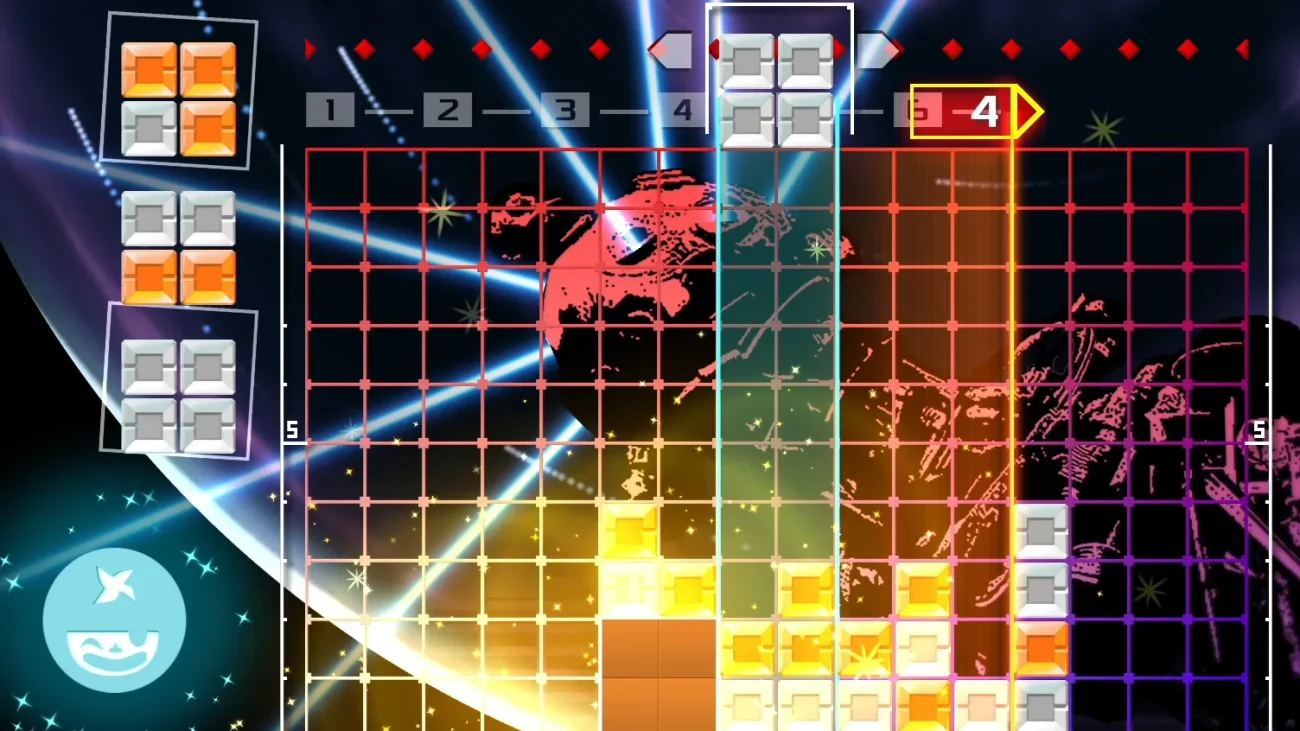
Q Entertainment developed this puzzle game where a timeline sweeps across the board to clear matching blocks in rhythm with the music. Bandai released the title with a dynamic soundtrack that progresses and expands as players accumulate higher scores and clear more squares. The background skin and audio samples change completely once specific score milestones are reached during a session. Play styles directly influence the density and flow of the electronic music tracks throughout the match.
‘Sound Shapes’ (2012)

Queasy Games collaborated with SIE Santa Monica Studio to build a platformer where level elements function as musical notes. Players collect coins and navigate obstacles that add instruments and melodies to the backing track. The level editor allows users to construct their own musical stages using sounds from famous artists like Beck and Deadmau5. Every jump and interaction builds a fuller composition by the time the exit is reached.
‘Frequency’ (2001)
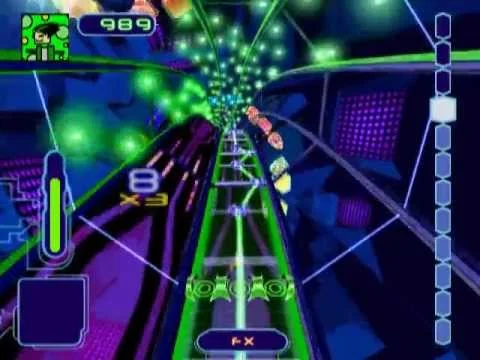
Harmonix established the lane-based rhythm genre with this early PlayStation 2 release that focused on track construction. Players capture individual musical tracks like drums or vocals by hitting buttons in time with the visual cues on screen. Successfully maintaining a streak activates that specific instrument layer for the remainder of the song section. The gameplay forces users to construct the song piece by piece through accurate controller inputs.
‘Amplitude’ (2003)

Harmonix expanded upon their earlier concepts with this sequel that offered more freedom in track selection and movement. Sony Computer Entertainment published the game where players blast targets to keep different audio stems alive and audible. Failing to hit notes causes specific parts of the song to drop out of the mix completely until the player recovers. The remake released later refined these mechanics for modern consoles with even more visual flair and control.
‘Metal: Hellsinger’ (2022)

The Outsiders developed a first-person shooter that demands rhythmic precision to maximize damage against demonic hordes. Funcom published the game where the intensity of the heavy metal soundtrack scales dynamically with the player combo meter. Hitting shots on the beat adds vocals and heavier guitar riffs to the background audio to reward skill. Maintaining a high multiplier ensures the song plays in its full and most aggressive arrangement.
‘Vib-Ribbon’ (1999)
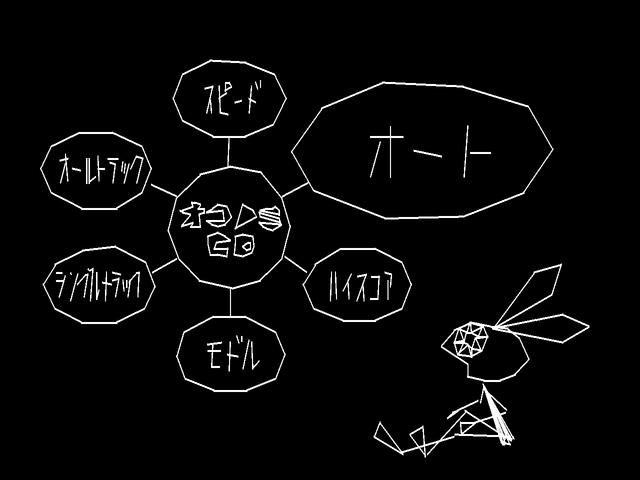
NanaOn-Sha created a unique platformer that generates levels based on the music track being played. Sony Computer Entertainment allowed players to insert their own audio CDs to create custom stages with distinct obstacles and rhythms. The wireframe protagonist Vibri traverses loops and spikes that correspond directly to changes in the song tempo and complexity. This feature essentially allows the music to dictate the physical geometry of the game world.
‘Electroplankton’ (2005)

Indieszero and Nintendo designed this title as more of an interactive music toy than a traditional video game. Players manipulate ten different types of aquatic creatures to generate distinct sounds and melodies on the screen. The touchscreen interface allows for direct experimentation with pitch and tempo changes in real time. It offers a relaxed environment for users to compose unique audio loops without strict objectives or time limits.
‘Child of Eden’ (2011)

Q Entertainment produced this spiritual successor to earlier rhythmic rail shooters under the direction of Tetsuya Mizuguchi. Ubisoft published the game where players purify a futuristic internet archive by shooting projectiles that trigger musical effects. The motion controls enable users to conduct the soundtrack through their physical movements and aiming precision. Each successful purification adds harmonious layers to the uplifting electronic score and enhances the visual feedback.
‘Audiosurf’ (2008)
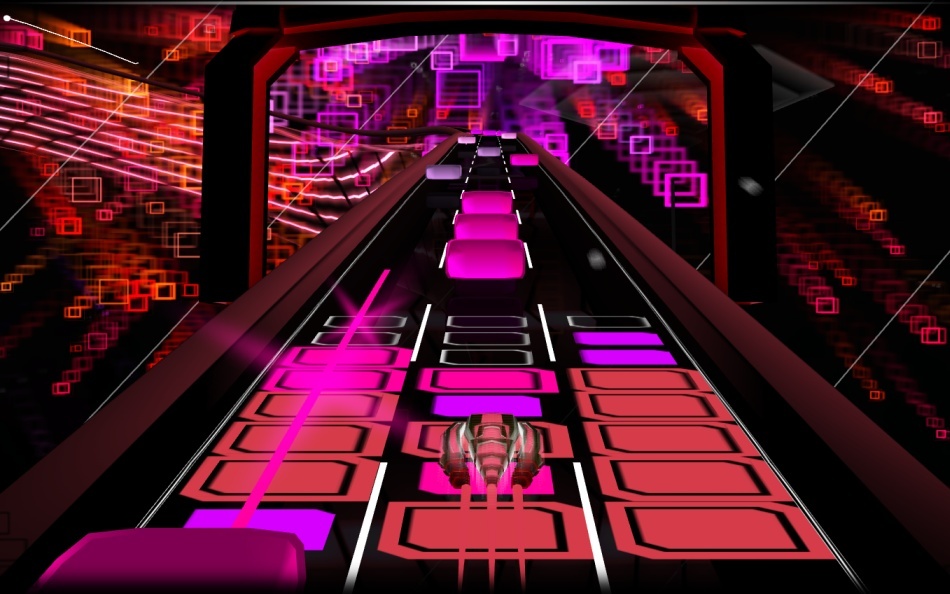
Dylan Fitterer developed this puzzle racer that constructs tracks based on the music files stored on a hard drive. The vehicle travels down a color-coded highway that twists and turns according to the tempo and intensity of the chosen song. Players collect blocks in rhythm to build clusters while the music dictates the speed of the action. It provides a visual and interactive interpretation of any song the user owns and uploads.
‘PixelJunk 4am’ (2012)

Q-Games utilized the PlayStation Move controller to let players visualize and manipulate music in a virtual canvas. Users pull audio tracks from the surrounding virtual space to loop and layer them into a cohesive mix. The performance aspect allows broadcasters to stream their live mixing sessions to other players online in real time. It bridges the gap between a motion-controlled game and a professional music creation tool.
‘Beat Hazard 2’ (2019)
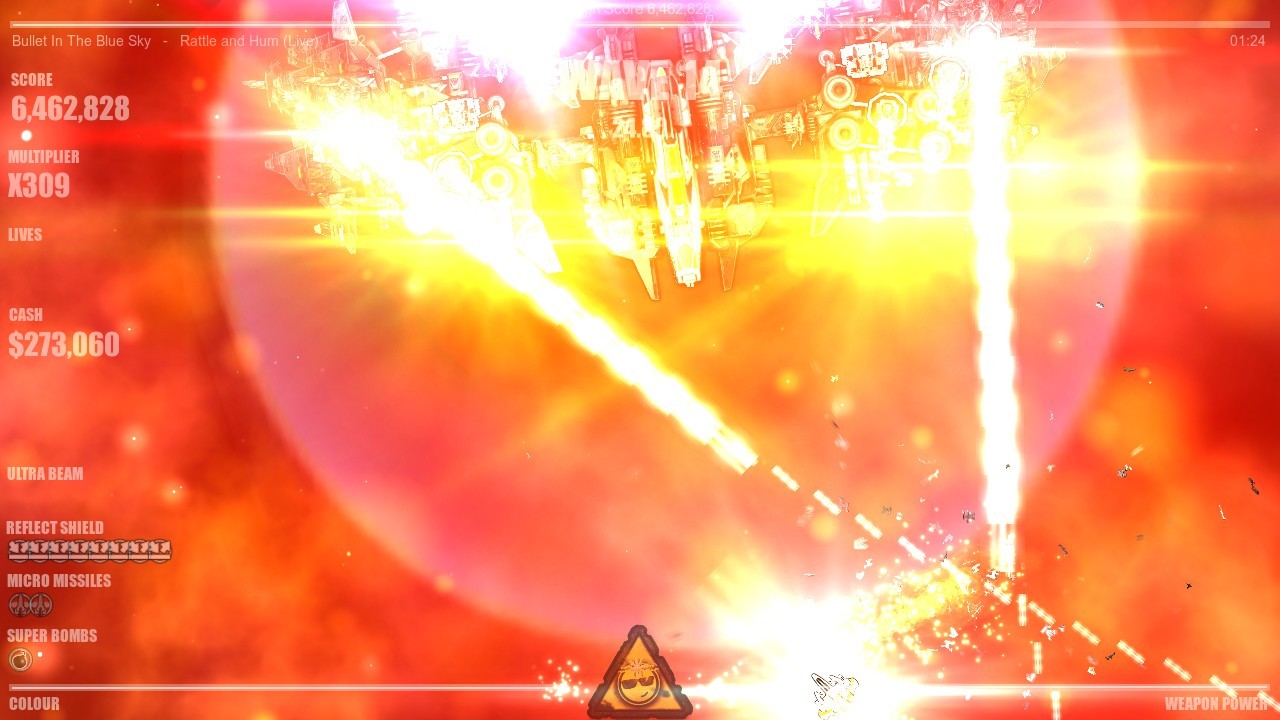
Cold Beam Games created an arcade shooter where the firepower depends entirely on the energy of the music. The game analyzes audio tracks to generate enemy patterns and boss encounters that match the beat and intensity. Weapon power scales up during intense musical crescendos to create a chaotic visual spectacle on screen. Players experience their music collection as a battle for survival against procedurally generated threats.
‘Everyday Shooter’ (2007)

Queasy Games developed this dual-stick shooter where sound effects are harmonized with the background guitar tracks. Sony Computer Entertainment published the title which features an all-guitar soundtrack that responds to destruction on screen. Every enemy destroyed releases a musical riff that fits the key and tempo of the current level. The result is a procedurally generated rock album created through the act of combat.
Share your thoughts on which game handles interactive audio best in the comments.