Games Where the Protagonist’s Name Changes the Entire Story



Video games often allow players to name their characters for a sense of immersion, but some developers hide secrets within this feature. Entering specific names can sometimes unlock hidden modes, alter the difficulty, or completely reshape the narrative experience. These creative easter eggs reward knowledgeable fans with content that casual players might never discover. The following titles demonstrate how a simple text entry can fundamentally change the game.
‘The Legend of Zelda’ (1986)
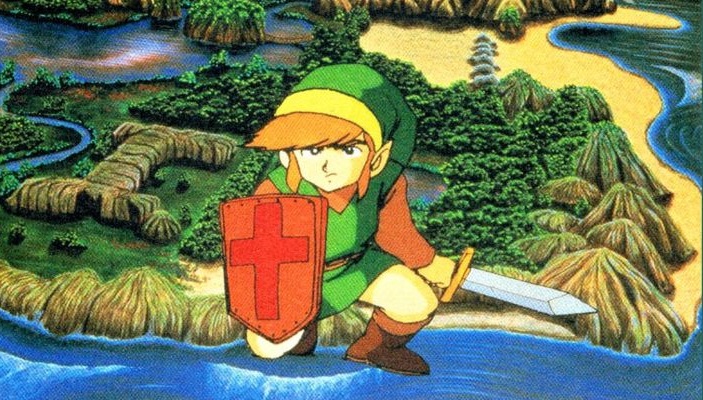
Nintendo developed this classic where players can unlock a more difficult experience known as the Second Quest. Entering the name ZELDA on the file selection screen eliminates the need to beat the game once to access this mode. This alternate version of Hyrule features completely different dungeon layouts and tougher enemy placements. It serves as an early example of a cheat code integrated directly into the name entry system.
‘Undertale’ (2015)

Toby Fox designed a specific consequence for players who name the fallen human character Frisk. This action activates Hard Mode and replaces standard enemy encounters with much stronger variations. The story text changes slightly to reflect the increased difficulty until the demo portion of the game concludes. Players expecting a standard playthrough will find themselves facing overwhelming odds in the Ruins area.
‘Castlevania: Symphony of the Night’ (1997)

Konami included a feature that allows fans to bypass the standard adventure starring Alucard. Typing RICHTER as the file name lets users play as Richter Belmont with a diverse moveset and no inventory management. This mode changes the game from an RPG exploration style to a more traditional action platformer experience. The narrative context shifts significantly since Richter is usually a supporting character in the main plot.
‘Metroid’ (1986)
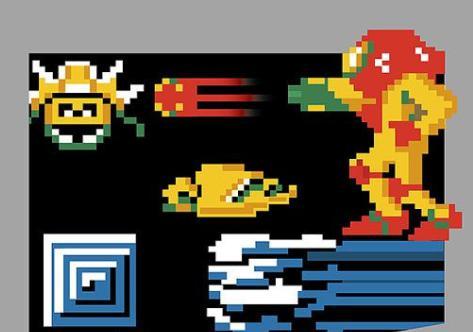
Nintendo created one of the most famous password systems in gaming history with this NES title. Entering the name JUSTIN BAILEY grants Samus Aran a large amount of ammunition and all power-ups at the start. The most notable change is that Samus appears in a magenta leotard instead of her power suit. This password functions as a specific game state loader that alters the visual presentation of the protagonist.
‘The Legend of Zelda: Link’s Awakening’ (1993)

Nintendo offers a special audio treat for players who choose to name their character ZELDA. This input changes the background music on the file select screen to a remix of the main theme. Another interaction occurs if the player steals an item from the shop and returns later. The shopkeeper kills the character and permanently changes the file name to THIEF for the remainder of the adventure.
‘Castlevania: Aria of Sorrow’ (2003)
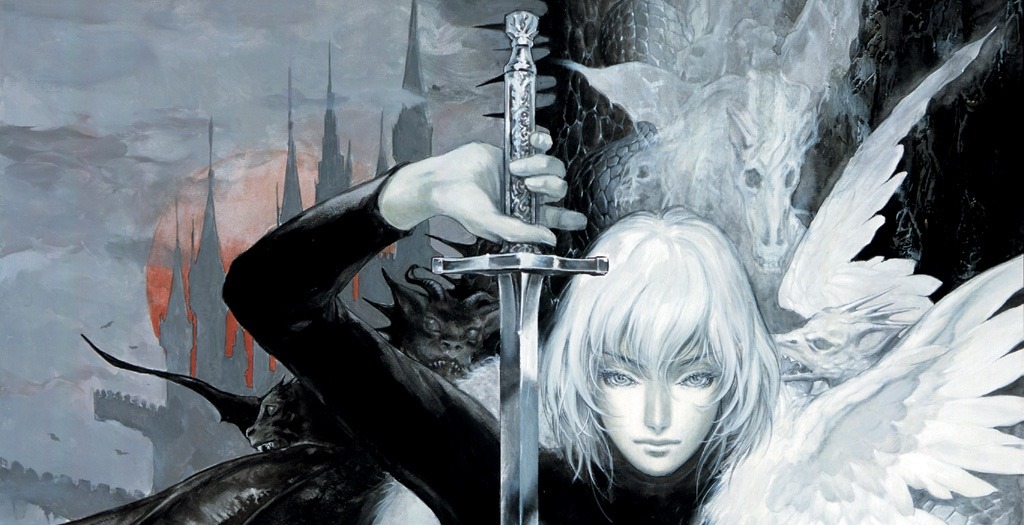
Konami continued their tradition of name-based unlocks in this Game Boy Advance installment. Entering JULIUS allows the player to control Julius Belmont instead of the main protagonist Soma Cruz. This mode removes the Soul system entirely and focuses on the vampire killer whip mechanics. The story elements are stripped away to focus purely on a gauntlet run through the castle.
‘EarthBound’ (1994)
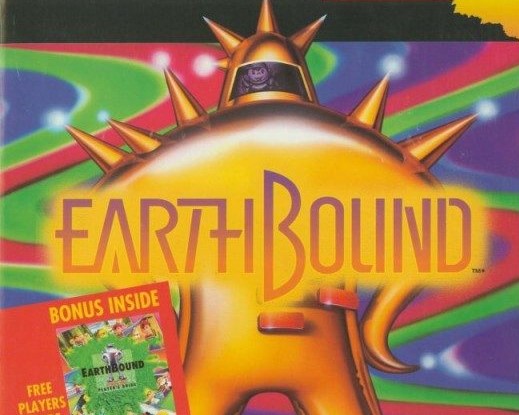
Nintendo and Ape Inc utilized the name entry screen to break the fourth wall during the climax. The game asks for the name of the person playing the game in addition to the names of the party members. This real name appears during the final battle when the characters pray for safety and strength. The inclusion of the actual player into the narrative text creates a unique bond between the user and the fictional world.
‘Deltarune’ (2018)

Toby Fox implemented a system that rejects specific names to reinforce the theme of lack of choice. Entering the name GASTER causes the game to crash or reset immediately after the character creation sequence. Naming the character the same as one of the main cast members also triggers unique dialogue asserting that the name is already taken. These interactions serve as meta-commentary on the nature of control within the game.
‘Bloodstained: Ritual of the Night’ (2019)
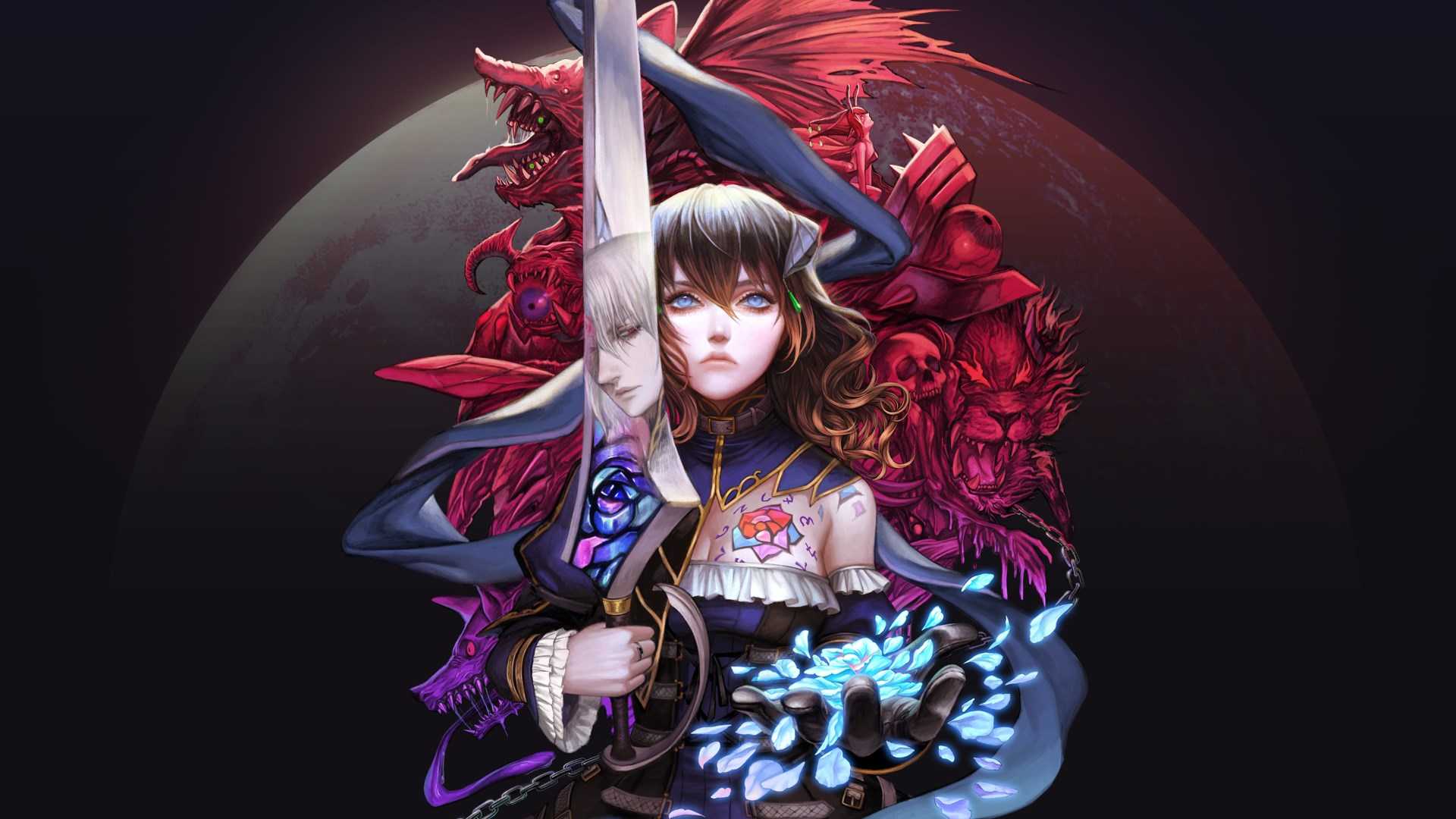
ArtPlay developed several gameplay modifiers that activate via the file name entry screen. Typing NIGHTMARE unlocks the hardest difficulty setting without requiring a previous completion of the campaign. Players can also enter BLOODLESS to play as the boss character Bloodless with a completely unique set of abilities. These codes transform the game from a standard exploration adventure into distinct challenge runs.
‘Shovel Knight’ (2014)
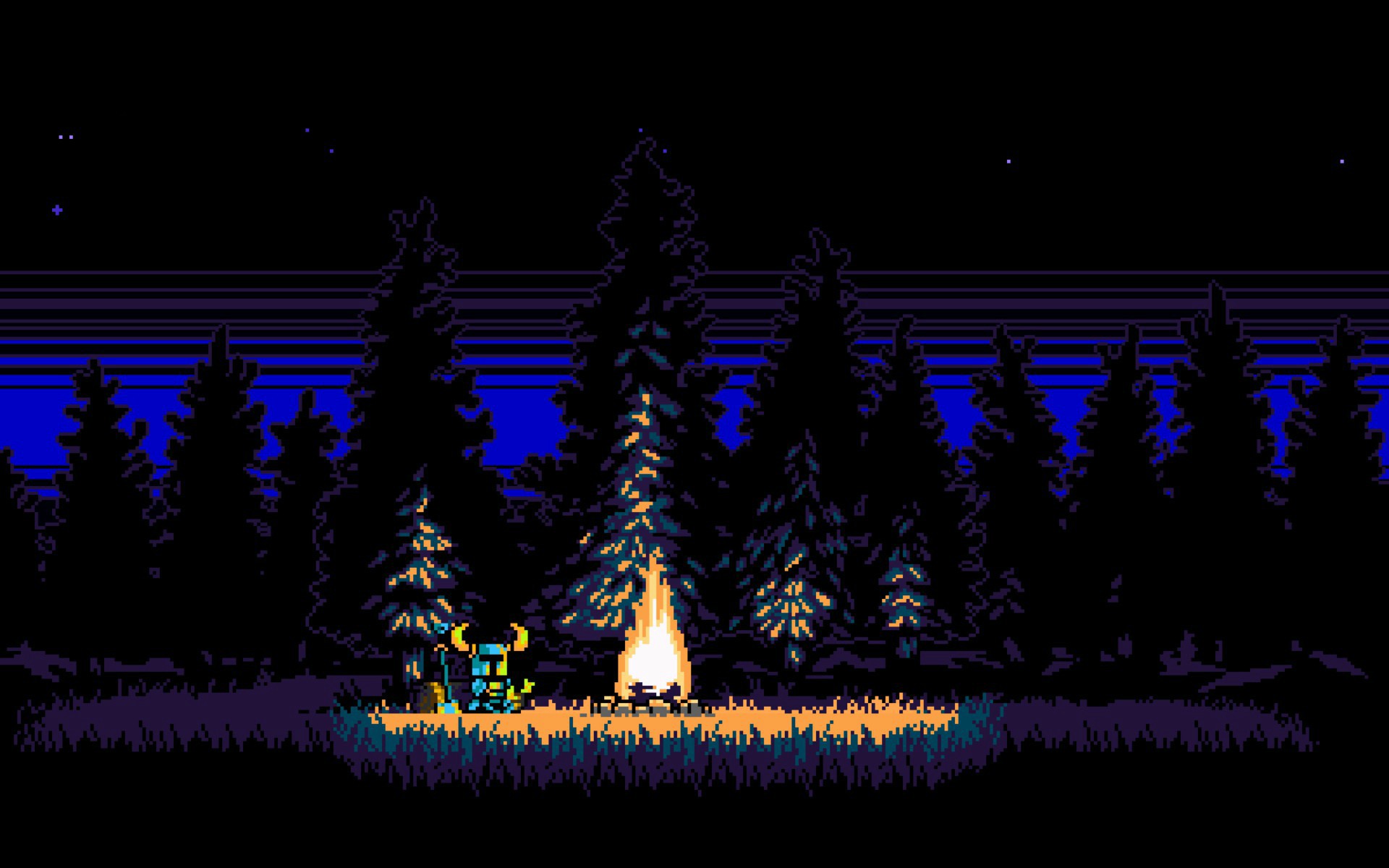
Yacht Club Games incorporated a massive list of cheat codes that function through the profile name menu. Entering specific phrases can unlock everything from infinite mana to a mode where the protagonist jumps perpetually. One code replaces all nouns in the dialogue with the word Burger for a comedic effect. These changes allow players to customize the difficulty and physics of the platforming experience.
‘Doki Doki Literature Club!’ (2017)

Team Salvato developed this visual novel to subvert player expectations through the character name system. Naming the protagonist Monika creates a specific dialogue interaction where the antagonist expresses confusion. The game uses the name entry to break the fourth wall and address the player directly during key scenes. This mechanic transforms the narrative from a standard romance simulation into a disturbing psychological horror experience.
‘Castlevania: Portrait of Ruin’ (2006)
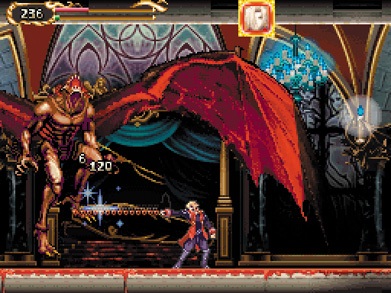
Konami provided multiple alternate modes in this DS title that are accessible through the name entry screen. Entering SISTERS allows players to control Loretta and Stella Lecarde with touch-screen attacks. This mode bypasses the standard RPG leveling system in favor of fixed stats and unique magical abilities. The storyline perspective shifts to these secondary characters for a totally different dungeon crawler experience.
‘Star Wars: Shadows of the Empire’ (1996)

LucasArts hid a comprehensive debug menu behind a specific and case-sensitive name entry. Creating a save file named .WAMPA__STOMPA grants access to level selection and invincibility options. This name also allows players to switch the protagonist into an AT-ST walker or other entities during gameplay. It serves as a developer tool that was left in the final retail release for players to discover.
‘Donkey Kong Country 2: Diddy’s Kong Quest’ (1995)
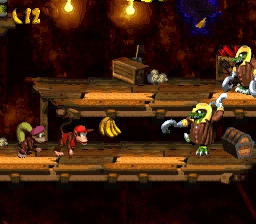
Rare implemented a cheat system in this Super Nintendo platformer that relies on the file select screen. Players who enter the name MUSIC gain immediate access to a hidden sound test menu. This allows users to bypass the gameplay entirely and enjoy the acclaimed soundtrack composed by David Wise. It serves as a hidden feature that rewards exploration of the game interface rather than the levels themselves.
‘The Binding of Isaac: Rebirth’ (2014)
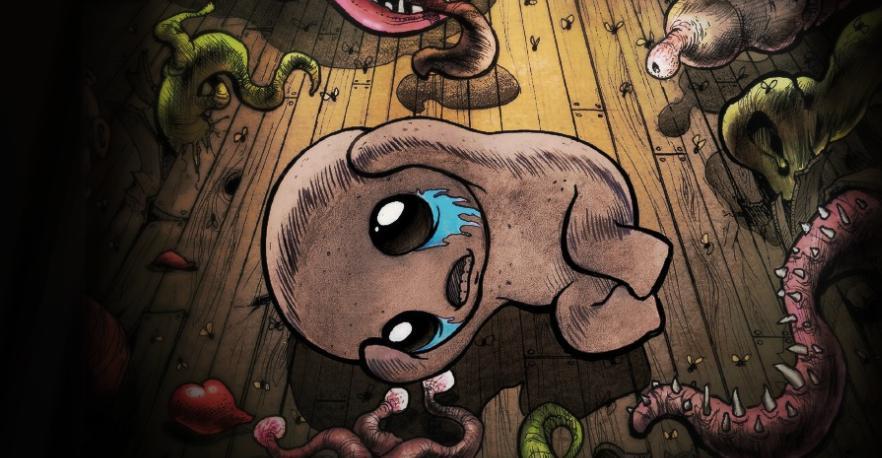
Nicalis designed this roguelike to accept seeds as passwords in the character selection screen. Specific seeds function as special modes that alter the graphics or physics of the entire run. Entering BASEMENT forces the game to loop the first level infinitely so players can build unlimited power. These codes fundamentally change the structure of the generated world and the rules of survival.
Tell us which hidden character names you have tried in the comments.