Games With Hidden Levels Unlocked by Real-World Puzzles


Video games typically confine their challenges to the screen, requiring dexterity or in-game logic to progress. However, a unique subset of games breaks the fourth wall, demanding players solve puzzles using physical objects, real-world knowledge, or hardware manipulation to unlock hidden levels and secrets. These titles blur the line between fiction and reality, often requiring manuals, temperature sensors, or even file manipulation on a computer desktop. From classic retro adventures to modern meta-horror experiences, developers have found ingenious ways to hide content behind the player’s reality.
‘StarTropics’ (1990)
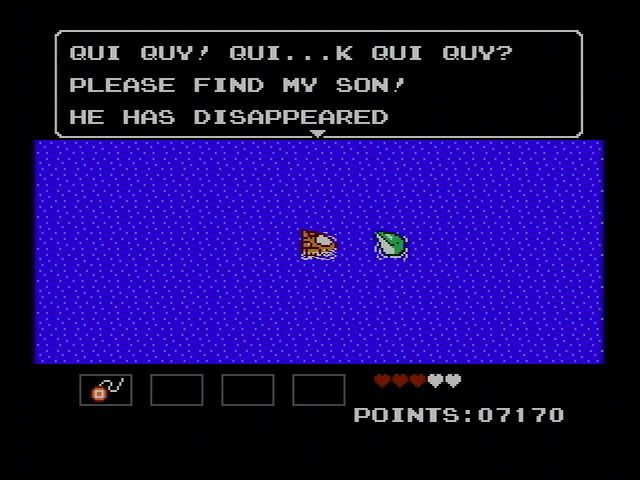
This classic Nintendo adventure features one of the most famous physical puzzles in gaming history. To access the later levels of the game, players must locate a specific frequency code to communicate with the protagonist’s uncle. The game instructs the player to dip the physical paper letter, which was packaged inside the game box, into water. Doing so reveals the hidden code 747 in invisible ink, allowing the adventure to continue. Without performing this real-world chemistry experiment, the rest of the game remains permanently locked.
‘Metal Gear Solid’ (1998)
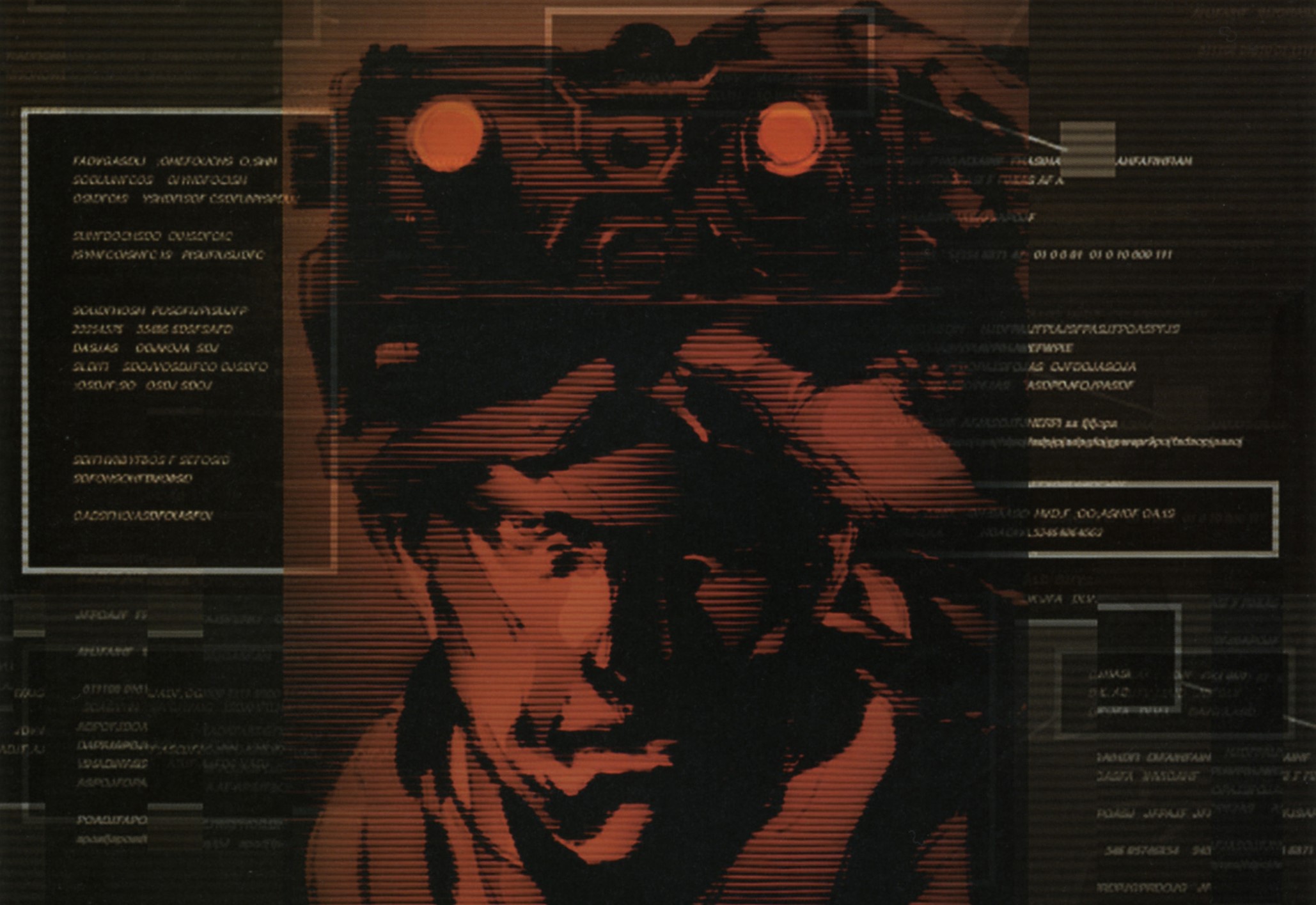
Hideo Kojima is notorious for breaking the fourth wall, and this stealth masterpiece contains a roadblock that requires real-world observation. To contact Meryl and progress to the next area, Colonel Campbell tells Snake that her frequency is “on the back of the CD case.” Players must physically examine the back of the game’s packaging to find a screenshot showing the codec frequency 140.15. This puzzle forced players to interact with the retail product itself to unlock the path forward.
‘Fez’ (2012)

While the game appears to be a standard platformer, its deepest secrets are locked behind complex cryptography that requires external tools. The “Black Monolith” puzzle was a community-wide effort that stumped thousands of players for days. Solving it and unlocking the associated red cube required deciphering a code based on the release date of the game and translating in-game tetromino glyphs. Many puzzles in this world require players to translate a fictional alphabet using pen and paper or analyze the game’s soundtrack using a spectrogram to find hidden images.
‘X-Men’ (1993)
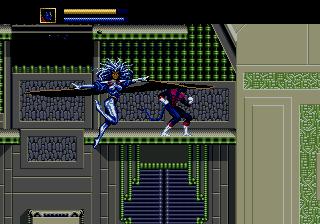
Toward the end of this Sega Genesis title, players enter the “Mojo’s Crunch” level and are told to “reset the computer” to stop a virus. The solution does not involve an in-game switch or terminal, but rather requires the player to press the physical Reset button on the Sega Genesis console. Pressing the button briefly simulates a system restart but actually clears the level and allows the game to continue to the final boss. If players hold the button too long or don’t press it at all, the game remains stuck in an infinite loop.
‘Trials Evolution’ (2012)

This motorcycle platformer hid one of the most elaborate Alternate Reality Games (ARGs) ever created. By deciphering a riddle in the “Nature Calls” track, players unlocked a hidden song that, when analyzed spectrally, revealed Morse code. This code led to a real-world website and eventually to coordinate locations in four different countries where physical chests were buried. These chests contained keys and documents that are part of a puzzle intended to be solved in the year 2113, extending the “level” into the distant future.
‘Boktai: The Sun is in Your Hand’ (2003)

Produced by Hideo Kojima, this Game Boy Advance cartridge features a built-in photometric light sensor. To defeat vampires and purify bosses in specific levels, players must take their handheld console outside into real sunlight. The strength of the in-game “Solar Gun” weapon is directly tied to the intensity of the UV light detected by the hardware sensor. Playing at night or indoors makes certain levels nearly impossible to complete, forcing players to align their gaming schedule with the real-world sun.
‘Keep Talking and Nobody Explodes’ (2015)
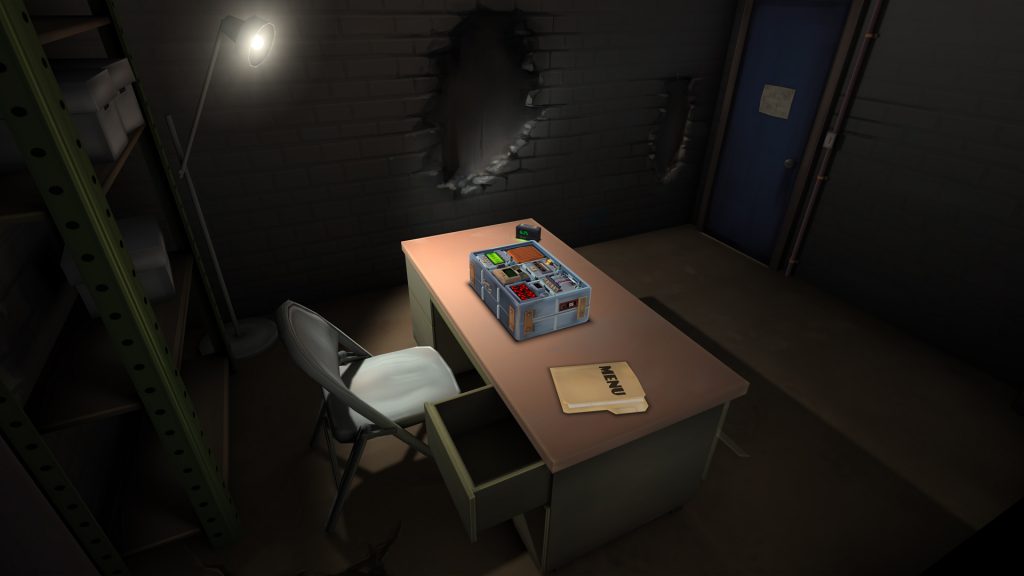
This cooperative puzzle game completely relies on information that exists outside of the video game. One player sees a bomb with complex modules on a screen, while the other player holds a physical or digital “Bomb Defusal Manual.” The player with the manual cannot see the screen and must rely on verbal descriptions to guide the defuser through the puzzle. Unlocking the solution to each level is impossible without the external document, making communication the primary mechanic.
‘Inscryption’ (2021)

This deck-building horror game hides a massive amount of lore and the “true” ending behind a complex ARG. Players had to decrypt files found within the game directory, which led to real-world coordinates and a floppy disk buried in the woods. The data on this physical disk was required to solve the final meta-puzzle of the game’s narrative. The experience extends far beyond the software, requiring community collaboration to uncover the full story.
‘The Secret of Monkey Island’ (1990)
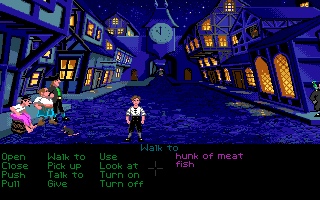
To leave the opening island and explore the rest of the game, players originally had to pass a copy protection check using a “Dial-A-Pirate” wheel. This physical cardboard wheel came in the box and required players to match pirate faces with dates to generate a code. The game prompted the player with a specific face, and without the correct code derived from the physical object, the game would not allow progression to the high seas. It was a clever way to ensure players owned a legitimate copy of the game.
‘Startropics II: Zoda’s Revenge’ (1994)
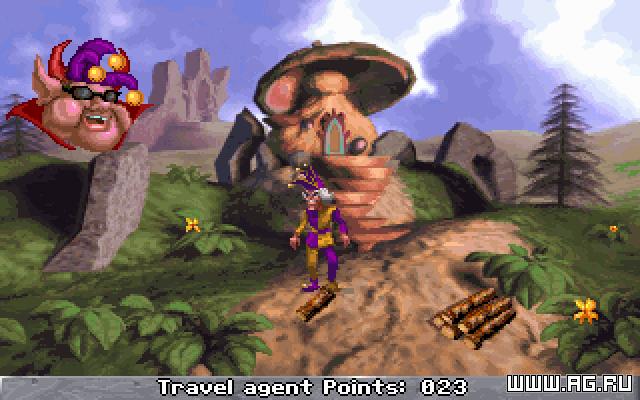
Following the tradition of its predecessor, this sequel requires the player to solve a puzzle involving the physical manual. To access the final dungeon, the game asks for a password that was not provided during gameplay. The player had to look at the last page of the instruction booklet, where the code “626” was printed in a way that required specific interpretation. This effectively hid the game’s climax behind a real-world document check.
‘Snatcher’ (1988)

In this cyberpunk adventure, players must contact an informant named Napoleon, but his phone number is not listed in the game’s dialogue. To proceed, players must consult the physical manual included with the game, which is written as if it were a document from the in-game universe. The phone number is hidden within a bio section or an advertisement in the booklet. Entering this number on the in-game videophone unlocks the next segment of the investigation.
‘Doki Doki Literature Club!’ (2017)

This psychological horror game masquerades as a dating simulator until it begins to glitch and break the fourth wall. To reach the true ending and escape the infinite loop created by the antagonist, Monika, players must minimize the game window and open the game’s installation folder on their computer. The player must physically delete the file named “monika.chr” from the “characters” folder. Only by manipulating the real files on their hard drive can players unlock the conclusion of the story.
‘OneShot’ (2016)

Similar to other meta-games, this title requires the player to interact with their computer’s operating system to solve puzzles. One level requires the player to drag the game window off-screen to reveal a code hidden on the desktop wallpaper that the game automatically changed. Another puzzle involves finding a specific file generated in the Documents folder and using the information within it to open a locked door. The game treats the player’s computer screen as part of its own physical world.
‘Metal Gear Solid 3: Snake Eater’ (2004)

The boss battle against “The End,” an ancient sniper, can be won by engaging in a sniper duel or by using the real-world clock. If the player saves the game during the fight and waits one week in real-time (or manually advances the system clock by a week), the boss will die of old age. This unlocks the path forward without a fight and grants a unique cutscene. It is a hidden victory condition unlocked solely by the passage of time in the real world.
‘Animal Crossing’ (2001)

Certain events, items, and areas in this life simulation are only accessible on specific calendar dates. For example, the specialized holiday furniture or the appearance of specific weather conditions are locked until the real-world date matches the in-game requirement. Additionally, the character Mr. Resetti appears to scold the player if they reset the console without saving, acknowledging the physical act of hitting the reset button. The game’s content is perpetually locked and unlocked based on the real-world clock.
‘P.T.’ (2014)

In this playable teaser for the cancelled Silent Hills, the final puzzle to unlock the ending trailer is notoriously obscure and relies on hardware inputs. Players must wait for a ghostly baby to laugh three times, a process that can be triggered by speaking into a microphone connected to the console. Whispering the name “Jareth” or simply making noise at the right moment can trigger the sequence. The puzzle requires audio input from the player’s real environment to trigger the completion script.
‘The Legend of Zelda: Phantom Hourglass’ (2007)
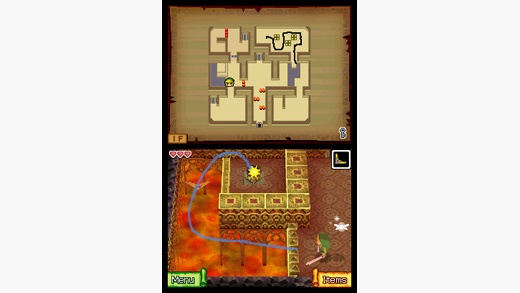
One puzzle in this Nintendo DS game asks the player to press a crest on the top screen against a map on the bottom screen to transfer a symbol. The solution requires the player to physically close the Nintendo DS clam-shell system, folding the screens together. When the system is reopened, the game detects the “sleep” mode activation and registers the puzzle as solved, revealing the location of the next dungeon. It utilizes the physical hardware form factor as a key mechanic.
‘Hotel Dusk: Room 215’ (2007)
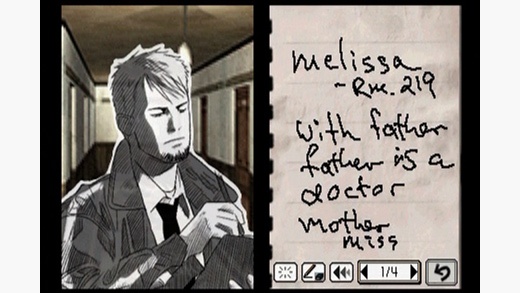
This detective visual novel features a puzzle where the player must turn a jigsaw puzzle upside down to see the solution. The game requires the player to physically rotate the Nintendo DS console 180 degrees. Other puzzles in the game involve closing the system lid to superimpose images or blowing into the microphone to remove dust from objects. These tactile interactions are necessary to uncover clues and unlock new narrative chapters.
‘Trace Memory’ (2005)

To solve a reflection puzzle in this point-and-click adventure, players must manipulate the dual screens of the Nintendo DS. The in-game image shows a reflection that is incomplete, and the player must angle the top screen so that it reflects onto the bottom screen (or virtually align them) to read the code. Another puzzle involves closing the lid to “stamp” a piece of art. The game constantly demands that the player treat the console as a physical tool within the mystery.
‘Tunic’ (2022)
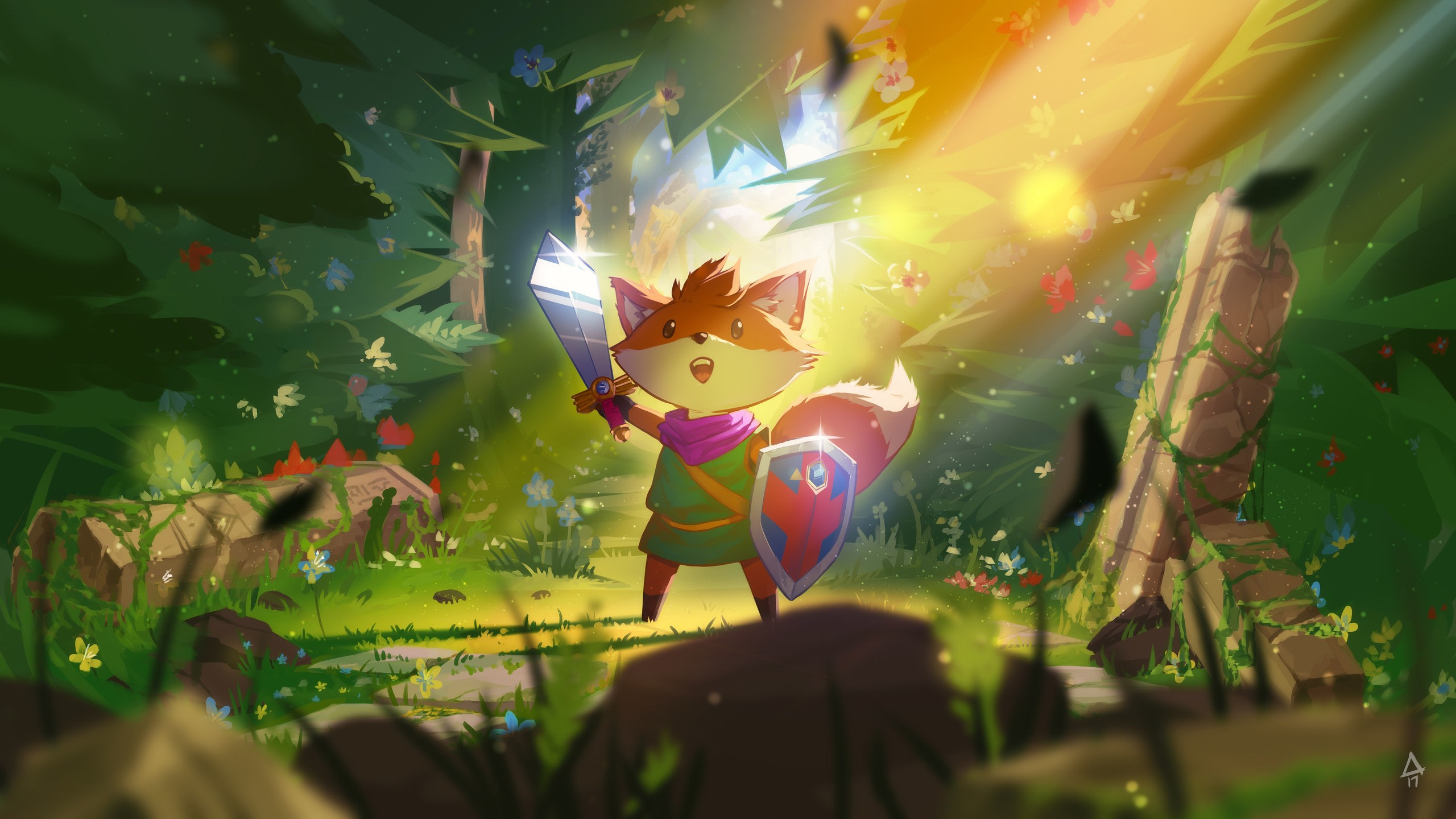
The entire game is a puzzle that revolves around collecting pages of an in-game manual that is written in a fictional language. To unlock the “Golden Path” and the true ending, players must translate the manual’s glyphs and piece together a line-drawing puzzle that spans across dozens of unconnected pages. Players often have to physically draw the path on paper in the real world to visualize the solution. The “level” is the final door on the mountain, which remains shut until this meta-puzzle is solved.
‘Batman: Arkham City’ (2011)

The villain Calendar Man resides in a cell in the courthouse and offers unique dialogue only on specific real-world holidays. To hear all of his stories and unlock the “Storyteller” achievement (which is a form of narrative completion), players must visit him on 12 distinct dates like Christmas and Halloween. Players often manipulate their console’s system clock to bypass the year-long wait. This hidden narrative content is strictly gated by the real-world calendar.
‘Monster Rancher’ (1997)
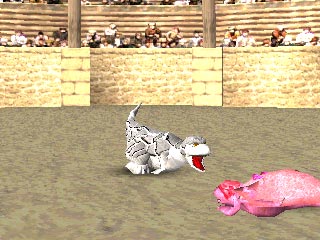
This game’s core mechanic revolves around unlocking new monsters by inserting real-world music CDs and game discs into the PlayStation console. The game reads the metadata from the disc to generate a unique monster with specific stats. Certain rare monsters are “hidden levels” of a sort, only accessible if the player possesses a specific real-world album, such as Beck’s Mellow Gold. This turned the player’s entire physical music library into a treasure trove of game content.
‘Vib-Ribbon’ (1999)
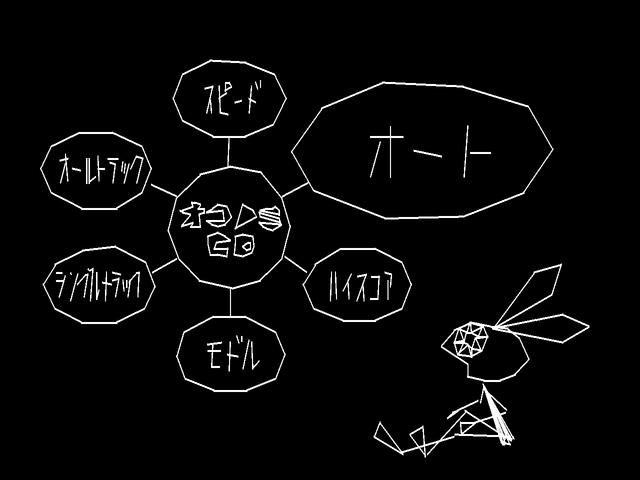
Similar to Monster Rancher, this rhythm game generates levels based on audio CDs inserted into the console. The base game contains a few tracks, but the infinite potential of the game is unlocked by swapping in the player’s own music collection. Each real-world CD creates a unique obstacle course that corresponds to the tempo and beat of the songs. The “hidden levels” are theoretically infinite, dependent entirely on the physical media the player owns.
‘GoldenEye 007’ (1997)

While not a “real-world puzzle” in the traditional sense, the unlocking of the “Aztec” and “Egyptian” bonus levels required players to engage with the game at a mastery level that often required reading gaming magazines or guides for strategies. However, the true “puzzle” for many was the rumors of unlocking the remaining bonds, which often involved playground myths. More fittingly, the “Invincibility” cheat could be unlocked by completing the Facility level in under 2:05, a task so precise it required players to memorize guard patterns like a real-world choreography.
‘Battlefield 4’ (2013)

The “Phantom Program” was a series of community challenges that required solving complex Morse code messages hidden in map lights and audio files. To access the hidden elevator leading to the Phantom Room (and the Phantom Bow weapon), four players had to wear specific dog tags found in random boxes and equip specific camouflage. The code to operate the elevator was deciphered from Morse code blinking on a lantern, requiring translation skills and community coordination outside the game.
‘Payday 2’ (2013)

“The Secret” is a hidden vault located beneath the White House heist, accessible only to players who have deciphered a series of riddles. These riddles were written in “Kataru,” a fictional language that required translation using a real-world cipher wheel provided to the community. Players had to translate the text, complete specific achievements based on the riddles, and then solve a floor puzzle in the vault using the translated knowledge. It was a massive undertaking requiring external research and translation.
‘Elite’ (1984)
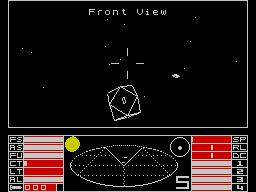
This space trading simulator used a copy protection device called “Lenslok,” a plastic prism lens included in the box. To unlock the game and fly the ship, players had to hold the physical lens up to the TV screen to unscramble a two-letter code displayed by the software. The code was unreadable with the naked eye and required the precise optical properties of the real-world prism. Without this physical artifact, the galaxy remained locked.
‘Ultima IV: Quest of the Avatar’ (1985)
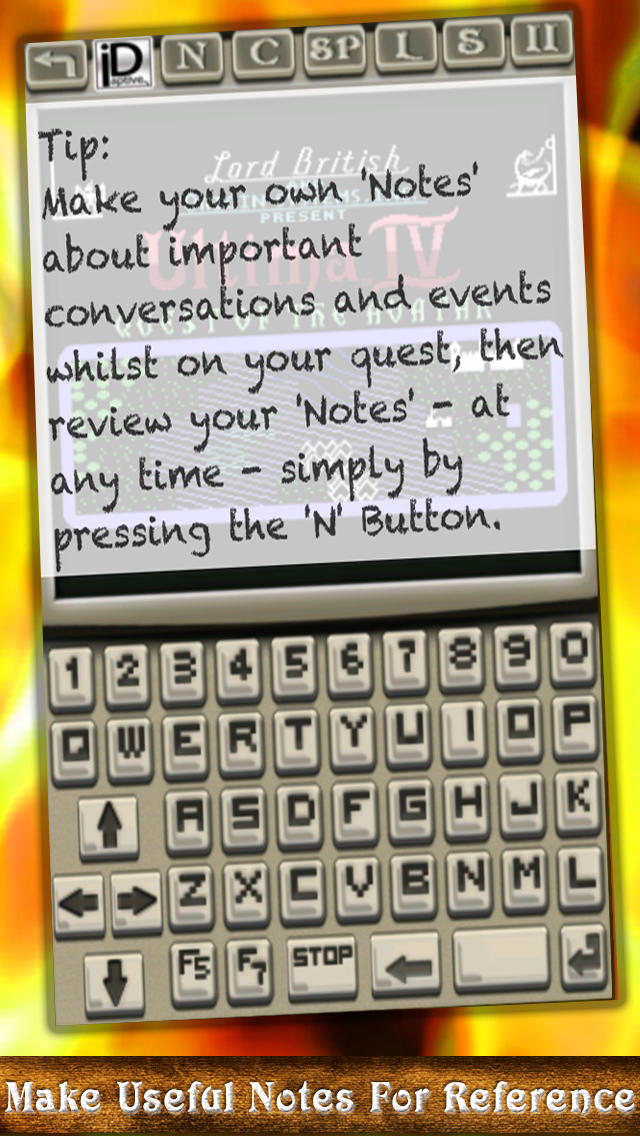
To navigate the world of Britannia effectively, players relied heavily on a physical cloth map included in the game box. The game famously did not provide an auto-map feature, and certain locations or coordinates were only hinted at, requiring the player to cross-reference the physical map’s latitude and longitude. Finding the hidden shrines and dungeons was a navigational puzzle that took place on the player’s desk as much as on the screen.
‘King’s Quest III’ (1986)

To cast spells and progress through the game, players had to type out precise incantations found in the physical manual, “The Sorcery of Old.” The game did not display these recipes on screen; players had to read the book to know that mixing “fly wings” and “saffron” was required to create a specific potion. This served as copy protection, but also as an immersive puzzle where the manual acted as the wizard’s spellbook. Without the real-world book, the magic system was unusable.
‘Space Quest IV’ (1991)
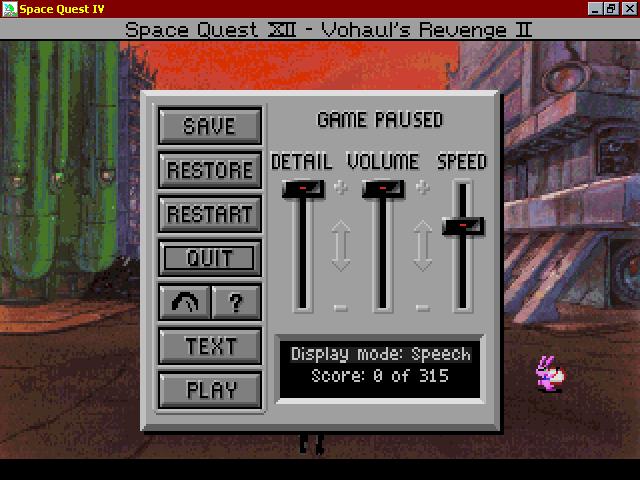
Traveling through time in this adventure game requires entering codes into the “Time Pod.” These codes were located in the physical “Space Piston” magazine included with the game box. The coordinates for various eras, such as the Space Quest X level or the Space Quest I level, were hidden within the humorous articles and advertisements of the manual. Players had to scour the real-world text to find the numeric keys to unlock the different time periods.
‘Takeshi’s Challenge’ (1986)
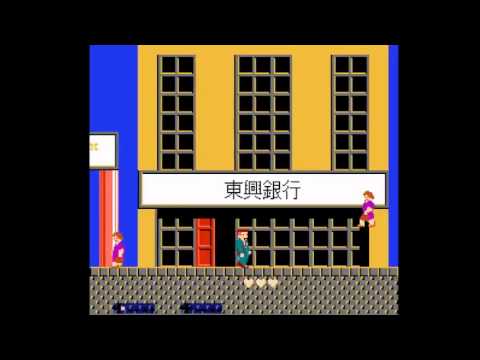
This Famicom game is infamous for its hostility towards the player, featuring a puzzle that requires waiting for one hour in real-time without touching the controller to decipher a treasure map. Another section requires the player to sing Karaoke into the controller’s microphone (on the Japanese Famicom player 2 controller) to unlock the path forward. These requirements were so obscure and detached from standard gaming logic that they became legendary frustrations.
‘Tearaway’ (2013)
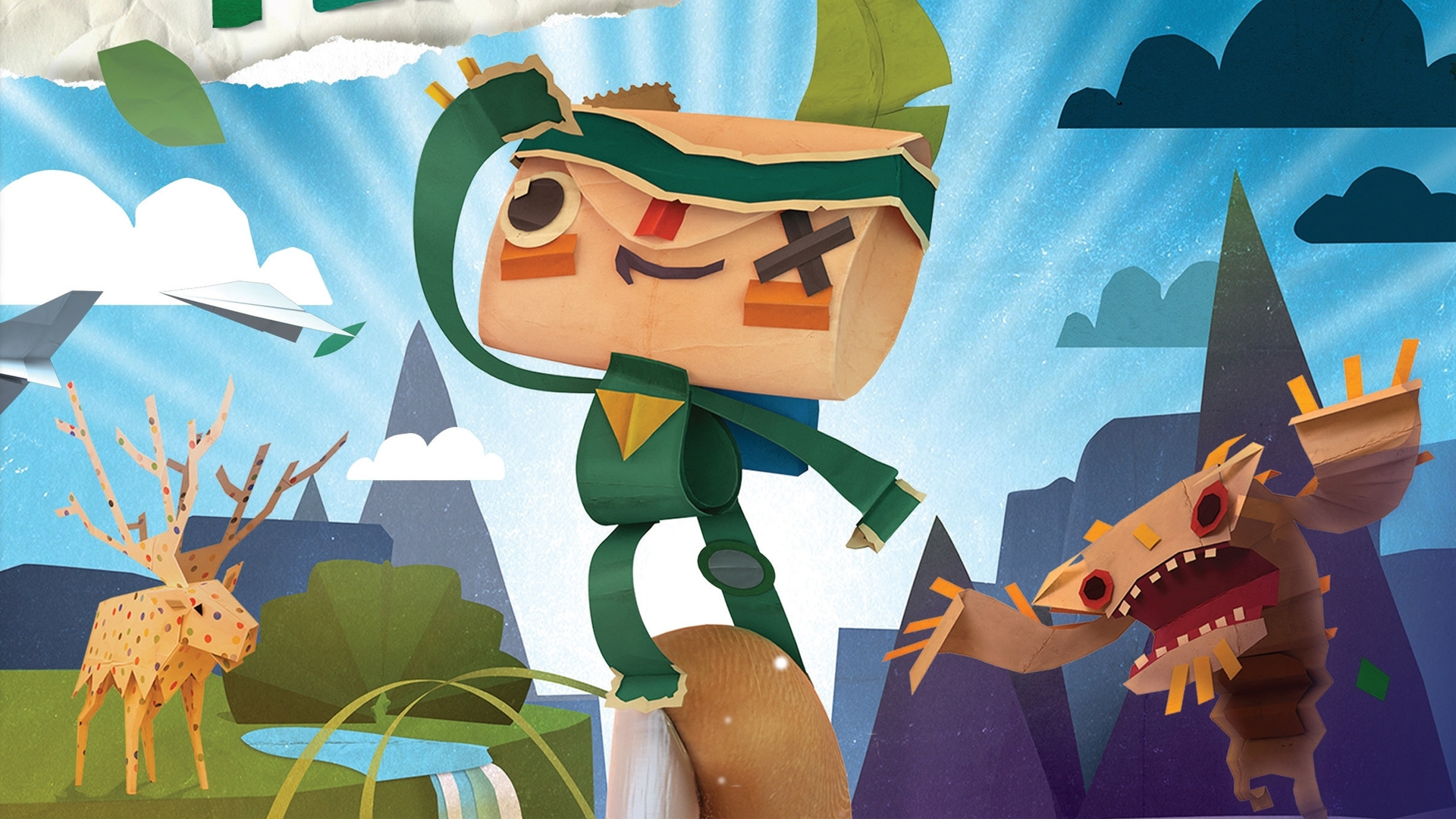
This PlayStation Vita title is built entirely around breaking the fourth wall using the console’s hardware. Players unlock paths by using the rear touch pad to “poke” their fingers into the game world, physically moving obstacles. The game also uses the front camera to project the player’s face into the sun, making the player a character in the sky. The hidden collectibles and level progression rely on the player physically manipulating the device and the environment around them.
‘Astro Bot Rescue Mission’ (2018)

In this VR platformer, hidden bots and levels are often accessed by using the DualShock 4 controller’s physical features. Players must physically blow into the microphone to spin virtual fans or headbutt obstacles with the VR headset to clear paths. One specific challenge involves physically dodging virtual projectiles with your real body to keep the character safe. The “puzzle” is realizing that your physical body is the key to the virtual lock.
‘Her Story’ (2015)

The entire game takes place on a fictional police database interface, where players must search for video clips using keywords. There are no traditional levels, but unlocking the deeper narrative threads requires the player to use real-world logic and deduction to guess the correct search terms. Players often have to take physical notes to keep track of names, dates, and locations mentioned in clips to find the hidden “glitch” videos that reveal the truth.
‘The Black Watchmen’ (2015)
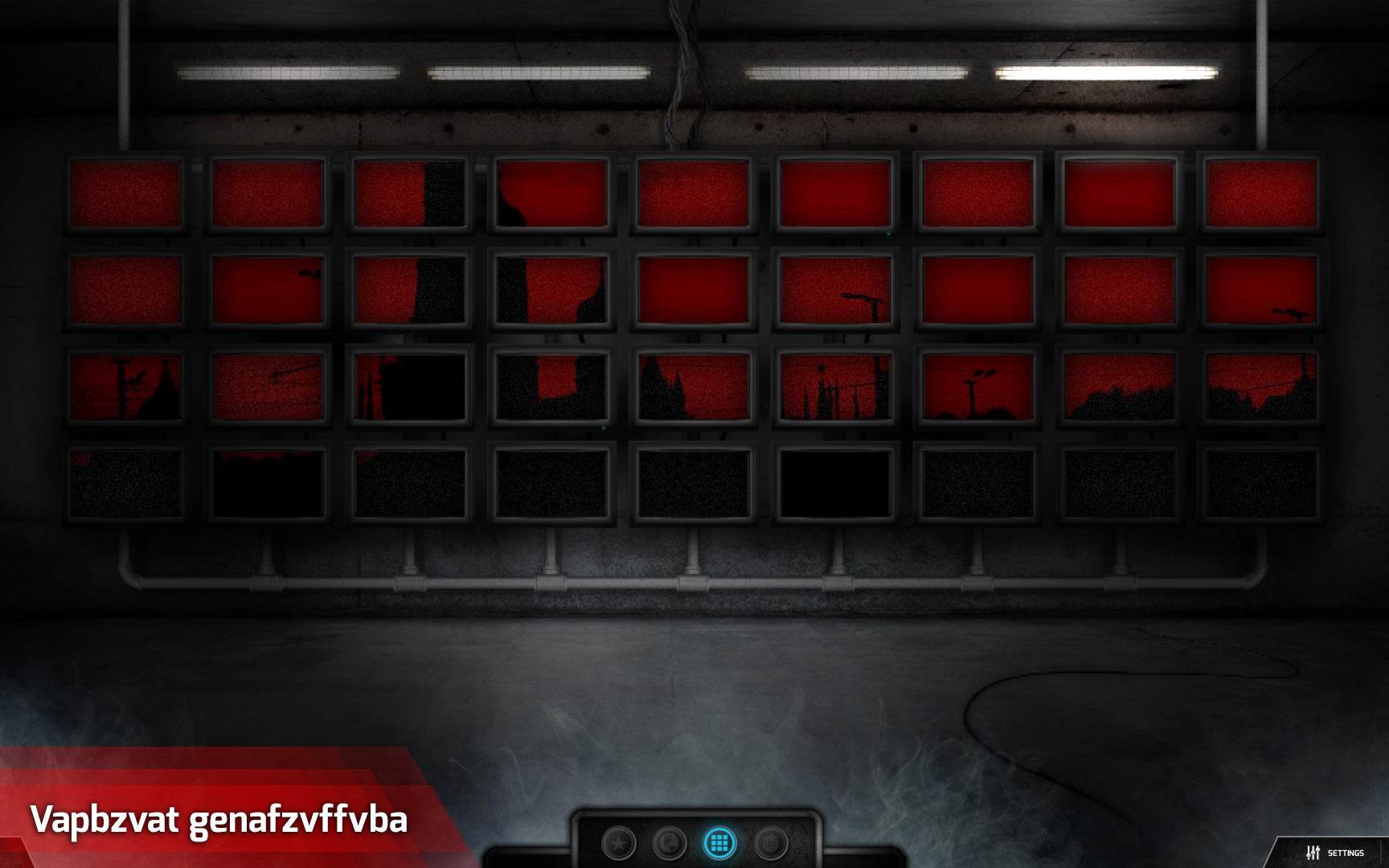
This is a “Permanent Alternate Reality Game” where the gameplay consists entirely of solving puzzles that require real-world research. Players act as agents and must look up real historical events, decode cryptography, analyze real websites created by the developers, and sometimes even receive real-world phone calls or mail. The “levels” are missions that cannot be solved within the client alone; the entire internet is the game board.
‘Call of Duty: Black Ops’ (2010)
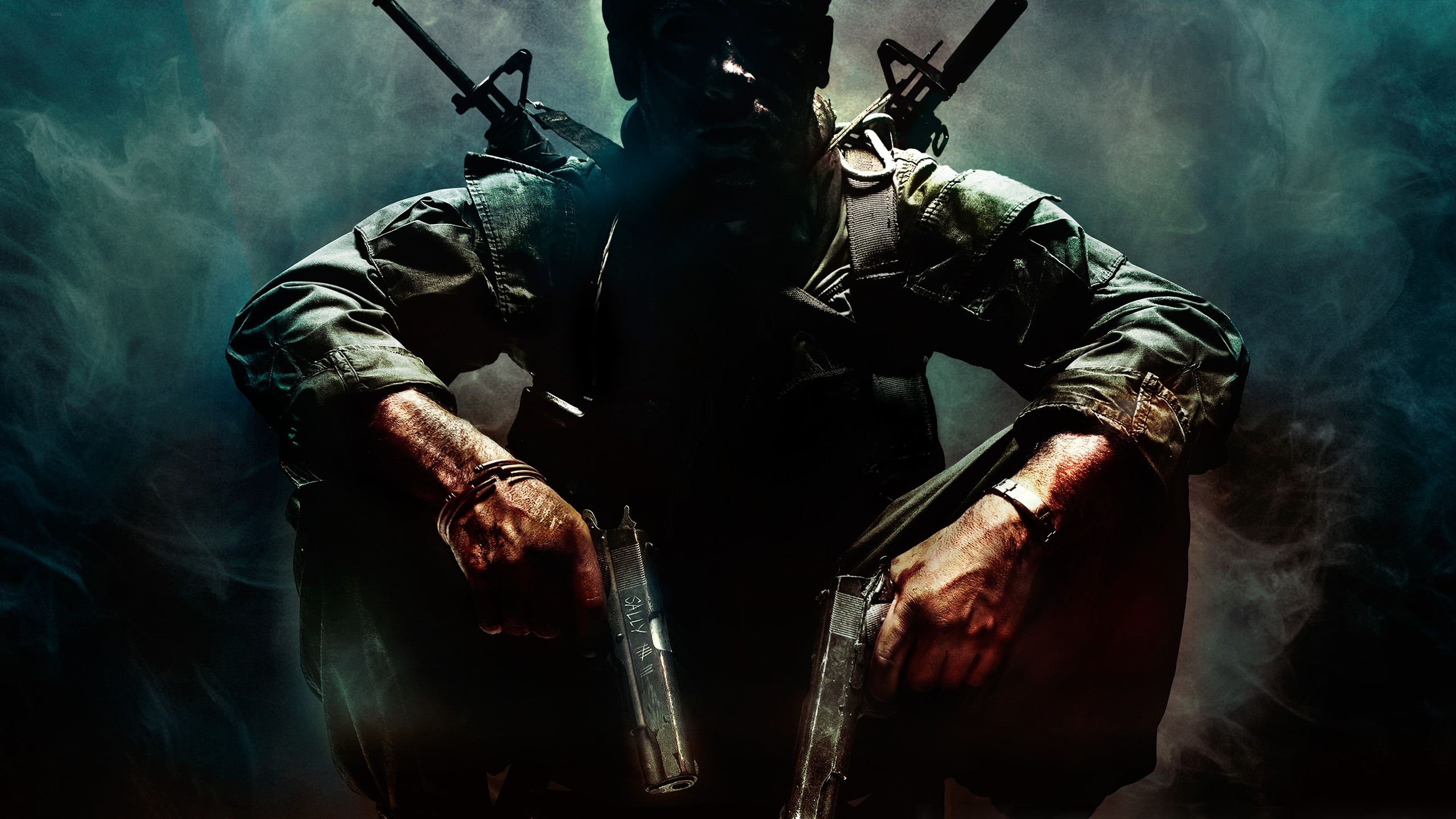
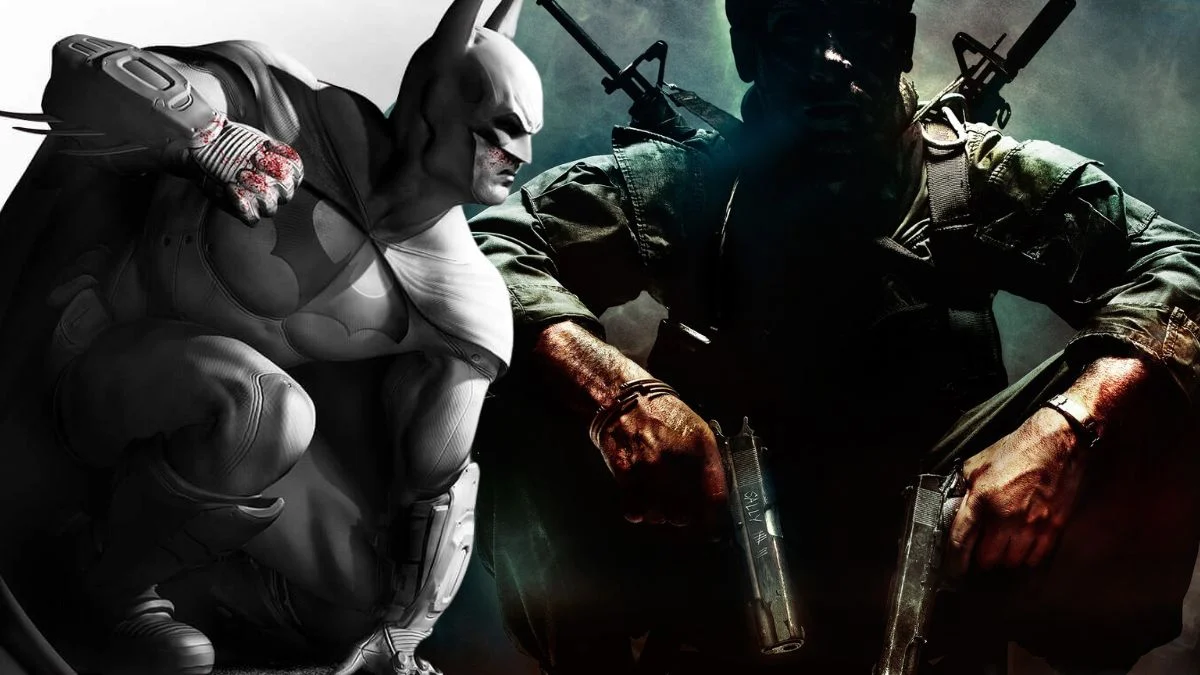
In the main menu, the player character is strapped to a chair, but by rapidly pressing the trigger buttons, the player can break free and walk around the interrogation room. There is a computer terminal in the corner where players can type commands using a connected USB keyboard. Typing “ZORK” unlocks the full text adventure game Zork, while other codes unlock Dead Ops Arcade and hidden files. This hidden “level” acts as a complete game within a game, accessed by physically escaping the menu.
‘Leisure Suit Larry’ (1987)
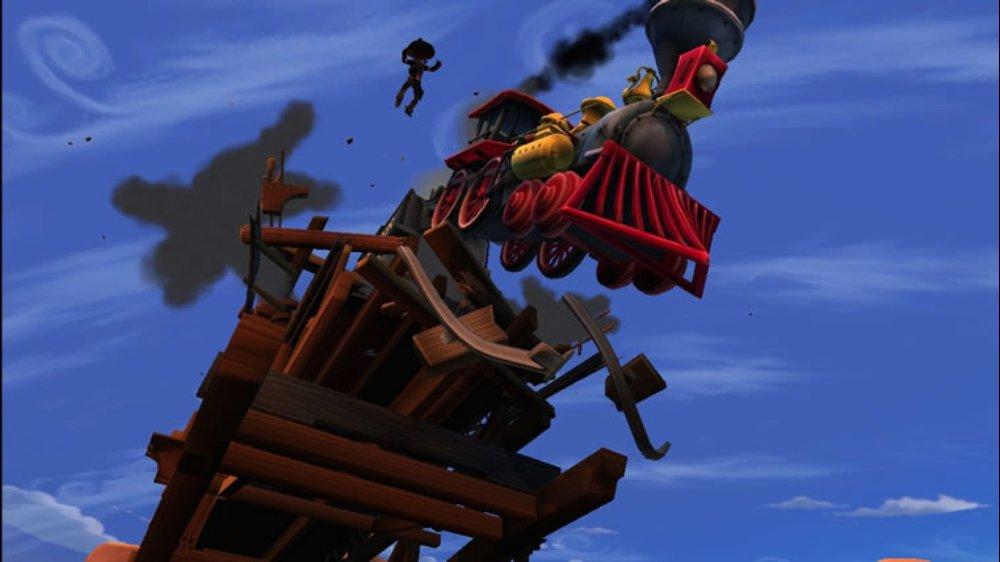
Before the game even begins, players must pass an age verification quiz to prove they are adults. The questions cover real-world trivia from the 60s, 70s, and 80s, such as political figures and cultural events. While intended as a filter for children, it acts as a real-world knowledge puzzle that locks the entire game. Younger players in the 80s often had to ask their parents for the answers, ironically alerting them to the adult content they were trying to access.
‘EarthBound’ (1994)

To access the secret base behind the waterfall in Belch’s Factory, the game asks for a password. The “password” is actually a test of patience; players must stand still and wait for three minutes in real-time without pressing any buttons. The guard eventually assumes you are one of them because of your patience and opens the door. This subverts the expectation that a password must be an alphanumeric code, replacing it with a real-world endurance test.
‘Imscared’ (2012)
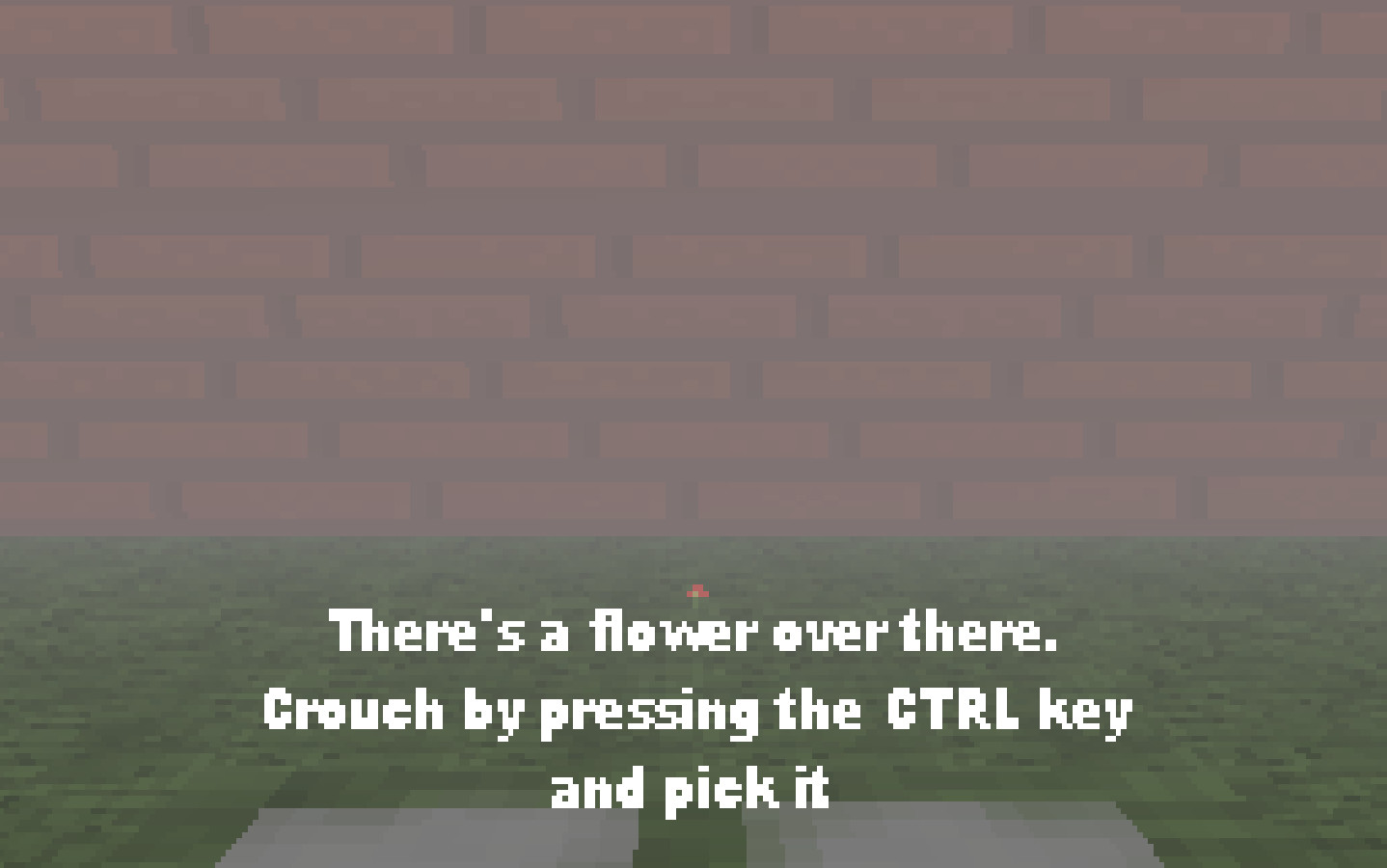
This pixelated horror game generates files on the player’s actual computer desktop to communicate with them. To progress, players often need to locate a text file that has appeared in the game’s folder, read its contents for a code or instruction, and sometimes input a response into the file itself. The game deliberately crashes itself to force the player to check their desktop, making the operating system a distinct level of the gameplay loop.
‘KinitoPET’ (2024)
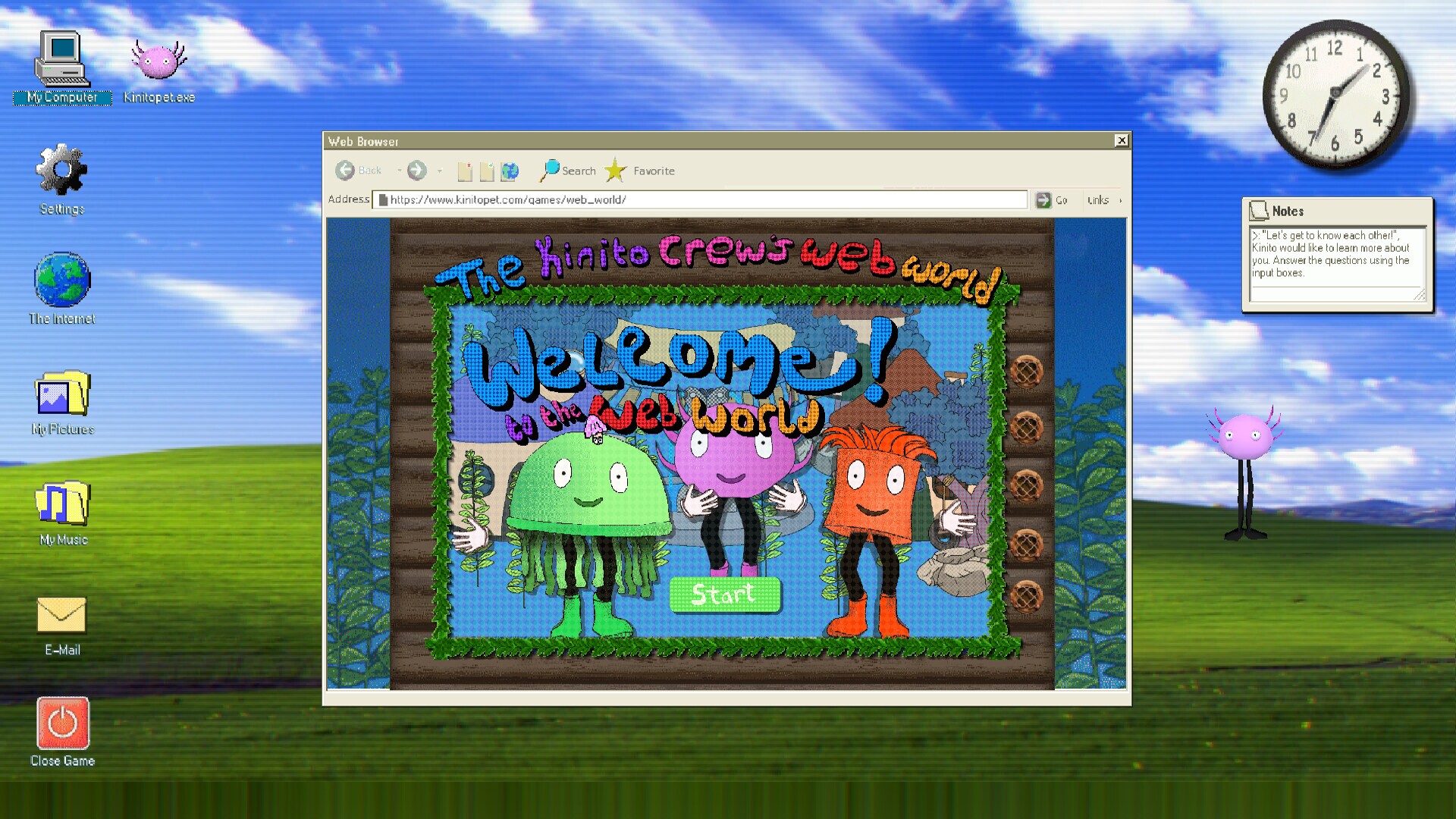
A modern take on the desktop assistant horror genre, this game requires players to interact with their webcam and desktop icons. At one point, the game opens a command prompt and asks the player to type real-world information or grants access to a hidden “server” by opening a web browser page. The puzzles involve granting permissions and finding codes hidden in the HTML source of the websites the game opens.
‘Calendula’ (2016)
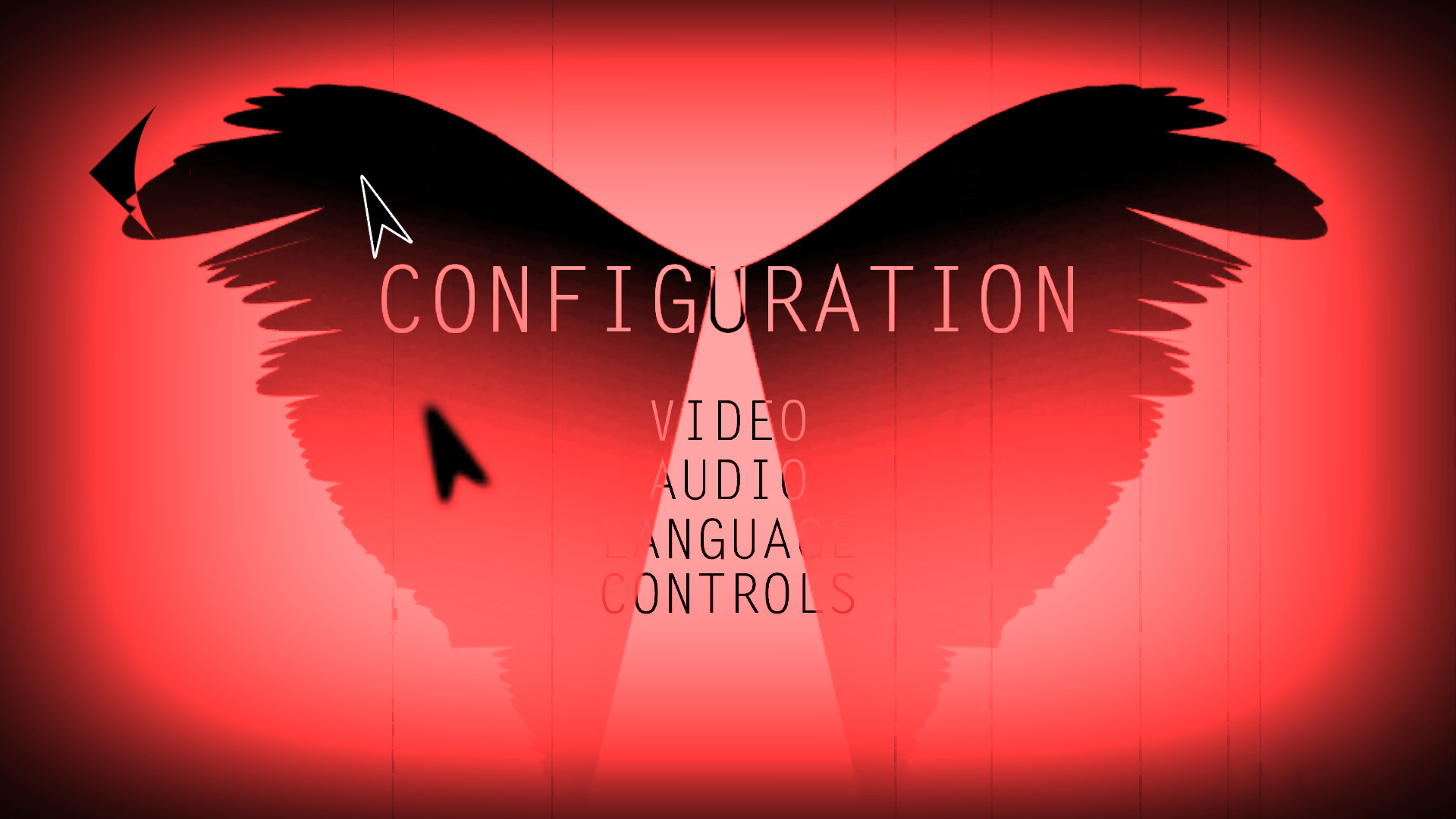
The entire game is a puzzle about trying to get the game to launch. The “level” is the loading screen and the settings menu. Players must manipulate video resolution, contrast, and audio settings to bypass “glitches” that prevent the game from starting. The puzzle is understanding the meta-language of game development and technical settings to force the software to run the “actual” game hidden inside.
‘Pony Island’ (2016)
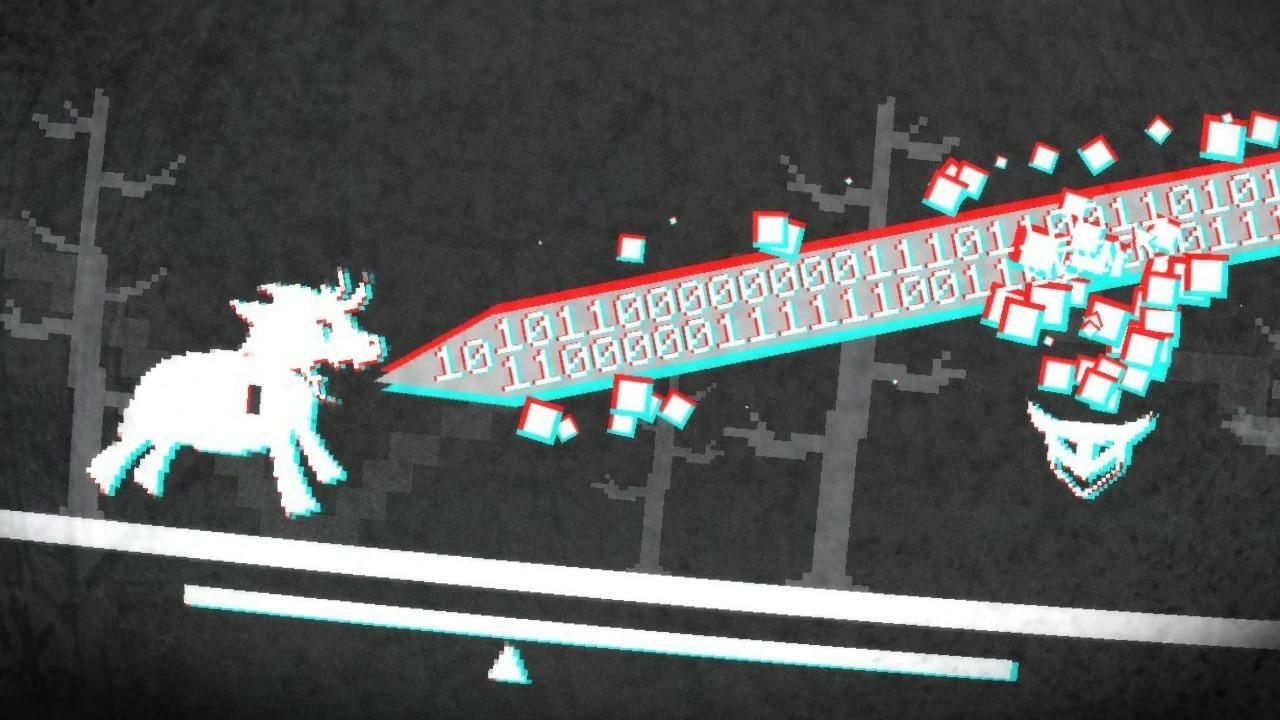
Players are trapped in a demonic arcade machine and must hack the internal code to progress. This involves navigating fake options menus and fixing “broken” code logic puzzles that simulate a developer’s interface. At one point, the game fakes a Steam message from a friend to distract the player. Progressing requires realizing that the game’s interface is the enemy and breaking the standard rules of menu navigation.
‘There Is No Game: Wrong Dimension’ (2020)

This point-and-click adventure is a constant battle against the narrator and the user interface. Puzzles involve tearing down the game’s title screen to use the letters as tools, or muting the narrator to silence his objections. One level requires the player to pause the game and use the “Pause” icon as a physical object to bridge a gap. The solution is always outside the box, manipulating the framework of the video game medium itself.
‘Sombra ARG’ (Overwatch) (2016)
Blizzard ran a massive ARG to unveil the character Sombra, involving hidden codes in developer update videos, “datamoshed” images, and fake websites. While this ultimately unlocked a character rather than a level, the community treated the ARG itself as a series of levels to be beaten. Players had to decode Base64 strings, analyze skulls in spectrograms, and hack into the fictional LumériCo website. The “game” was played entirely in forums and source code before the content appeared in the main client.
‘Ring Fit Adventure’ (2019)

To defeat certain enemies and open specific doors, the game requires the player to perform physical exercises with the Ring-Con peripheral. However, some secrets require checking the player’s real-world heart rate using the IR sensor on the Joy-Con. The game gates progression behind the player’s physical exertion and biometric data, ensuring that the “level” can only be beaten if the player is physically sweating in the real world.
‘Brain Age’ (2005)

This Nintendo DS title famously included the “Stroop Test” and other challenges that required voice input. To unlock new daily training stamps and progress the “brain age” score, players had to say the color of the text aloud, not the word written. This required the player to speak to their console in a quiet real-world environment. The “Blue” level (color recognition) could not be passed without vocalizing the answer into the hardware microphone.
‘Alien: Isolation’ (2014)

If players enable the optional noise detection feature, the Xenomorph can hear sounds from the player’s real-world living room via the console’s microphone. Unlocking a path through a stealth section becomes a puzzle of holding one’s breath in real life. If the dog barks or a phone rings in the real world, the alien is alerted and the level resets. The “puzzle” is maintaining absolute silence in the physical space to survive the virtual one.
‘Shenmue’ (1999)

This Sega Dreamcast epic runs on a strict in-game clock that moves faster than real-time but still requires waiting. Certain events, like meeting a specific NPC to unlock a move or a new area, only happen on specific in-game dates or times (e.g., Christmas). Players sometimes have to wait around in the game world, simulating the boredom of real life, to trigger the next story beat. The “hidden level” is simply a moment in time that must be waited for patiently.
‘Lose/Lose’ (2009)
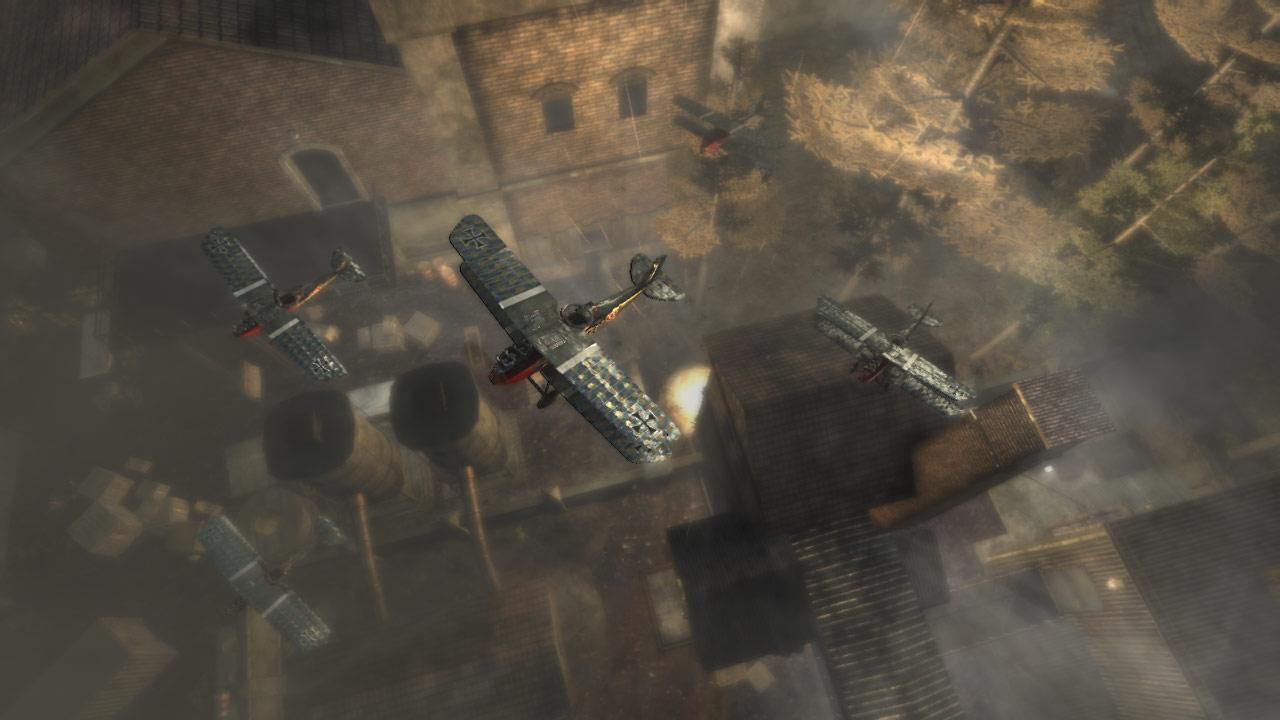
This art-game shoots real-world stakes into the digital experience. Every time the player kills an enemy in the game, a random file on their actual computer hard drive is permanently deleted. “Winning” the game or reaching higher levels means systematically destroying the player’s own operating system. The puzzle is a moral one: how much of your real-world data are you willing to sacrifice to see the end of the game?
We’d love to hear about the most mind-bending real-world puzzle you’ve ever encountered in a game, so leave your war stories in the comments.