Movies Where the Director’s Cut Adds 30 Minutes of Pure Gold

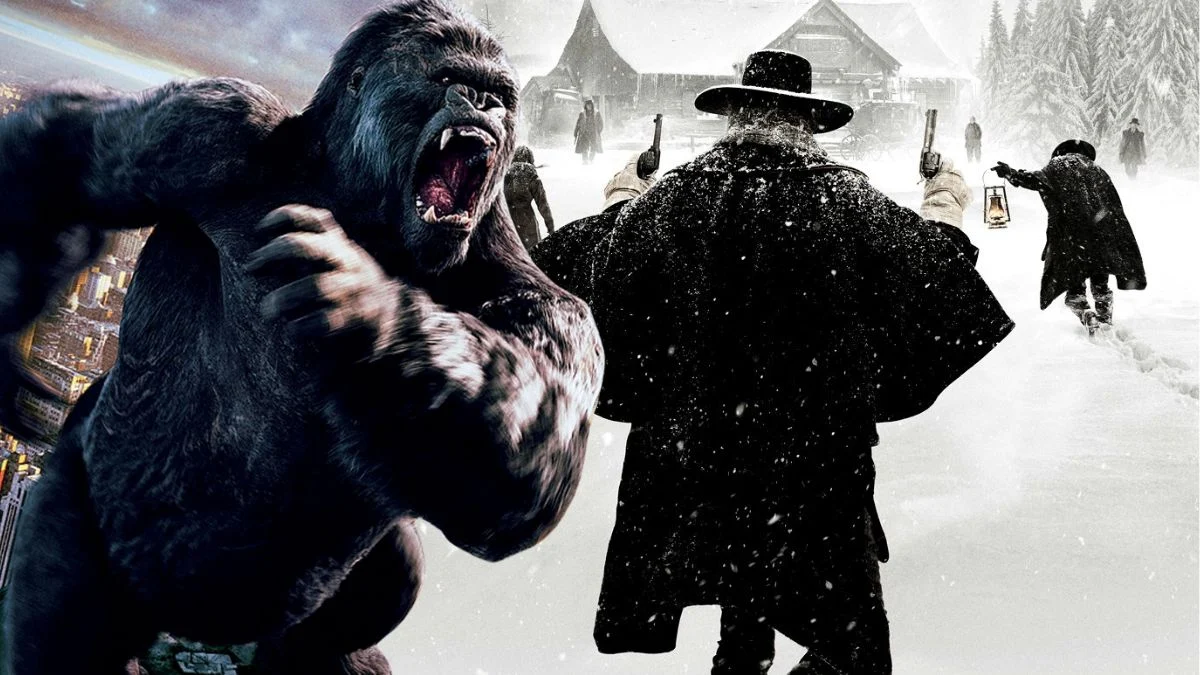

Director’s cuts allow filmmakers to present their original vision without studio interference or runtime constraints. These extended versions often restore crucial subplots and deepen character development that was left on the cutting room floor. Fans frequently seek out these definitive editions to experience the story exactly as the creator intended. The following collection highlights films where the extended runtime significantly enhances the overall narrative and cinematic experience.
‘Kingdom of Heaven’ (2005)
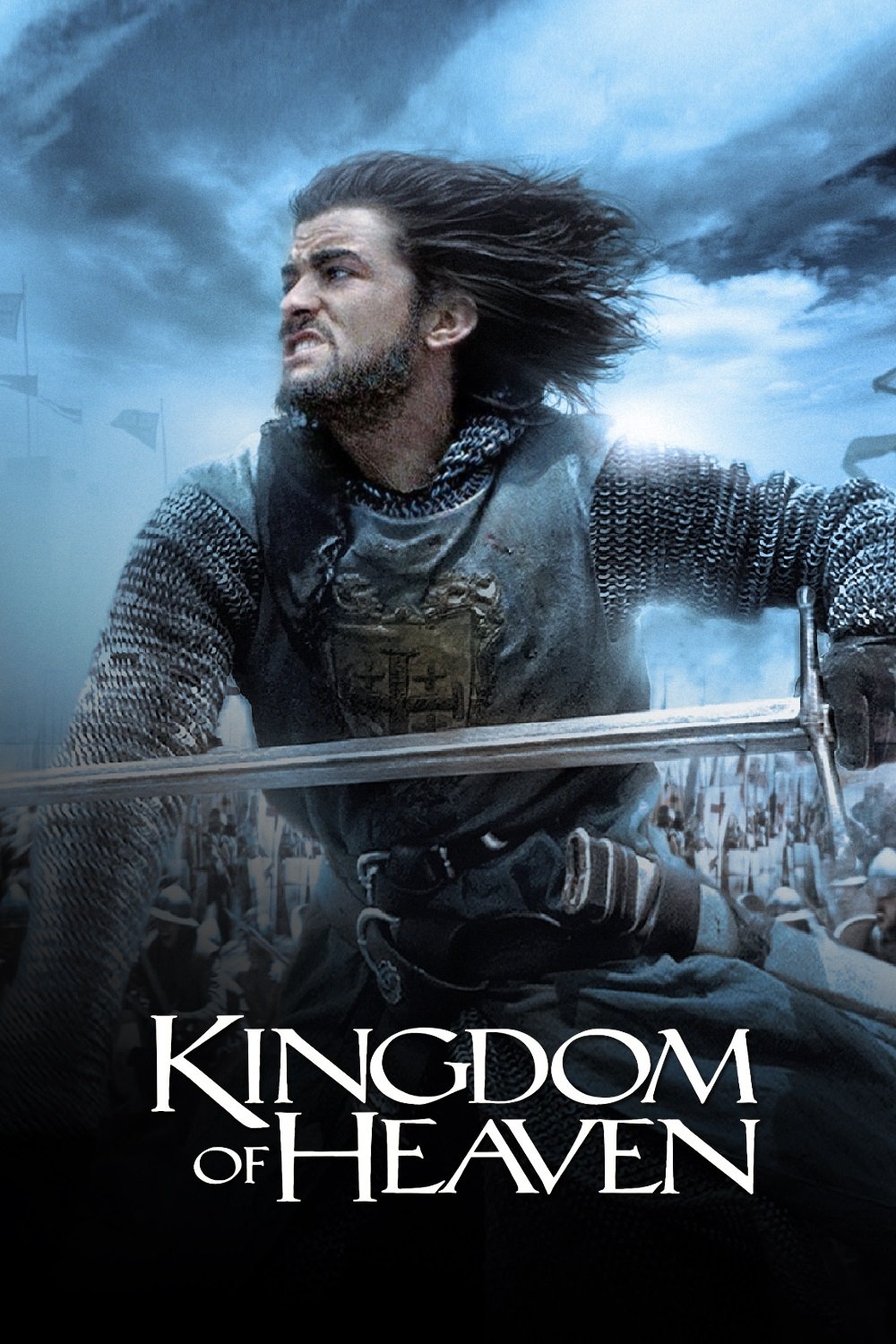
Ridley Scott restored nearly fifty minutes of footage to this historical epic to fix the theatrical release’s pacing issues. The added scenes flesh out the complex political machinations within Jerusalem and clarify the motivations of Sibylla regarding her son. Audiences generally regard this definitive version as a masterpiece that transforms the narrative into a coherent and tragic saga. The extended runtime allows the film to properly explore the religious conflict and the personal journey of Balian.
‘The Lord of the Rings: The Fellowship of the Ring’ (2001)
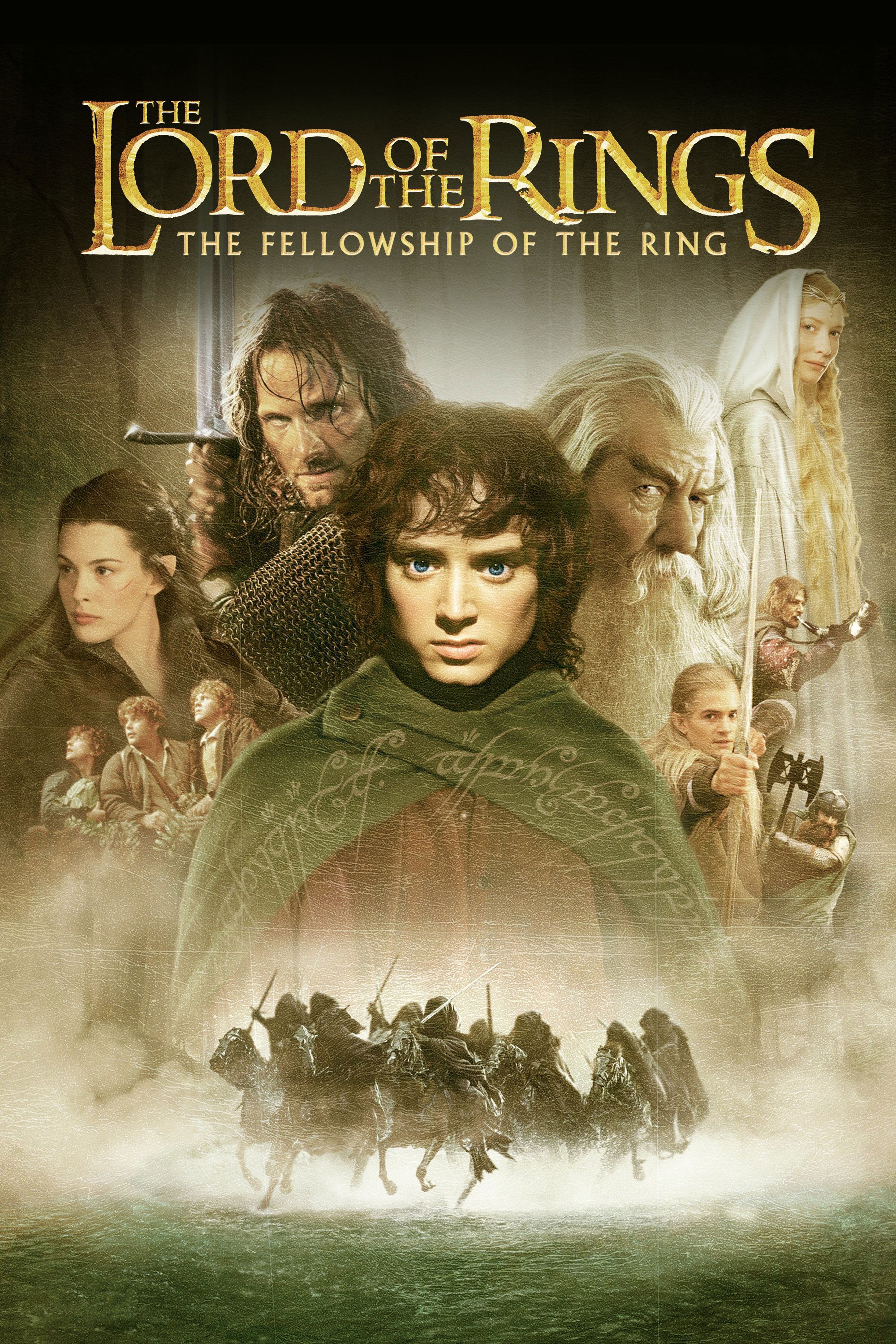
Peter Jackson added thirty minutes of new scenes to the first chapter of his Middle-earth trilogy. Fans receive more character development for the hobbits and deeper context regarding the lore of the One Ring. The extended edition includes the gift-giving sequence in Lothlórien which establishes crucial plot points for later films. This longer cut allows the pacing to breathe and immerses viewers more fully in the journey across New Zealand landscapes.
‘The Lord of the Rings: The Two Towers’ (2002)
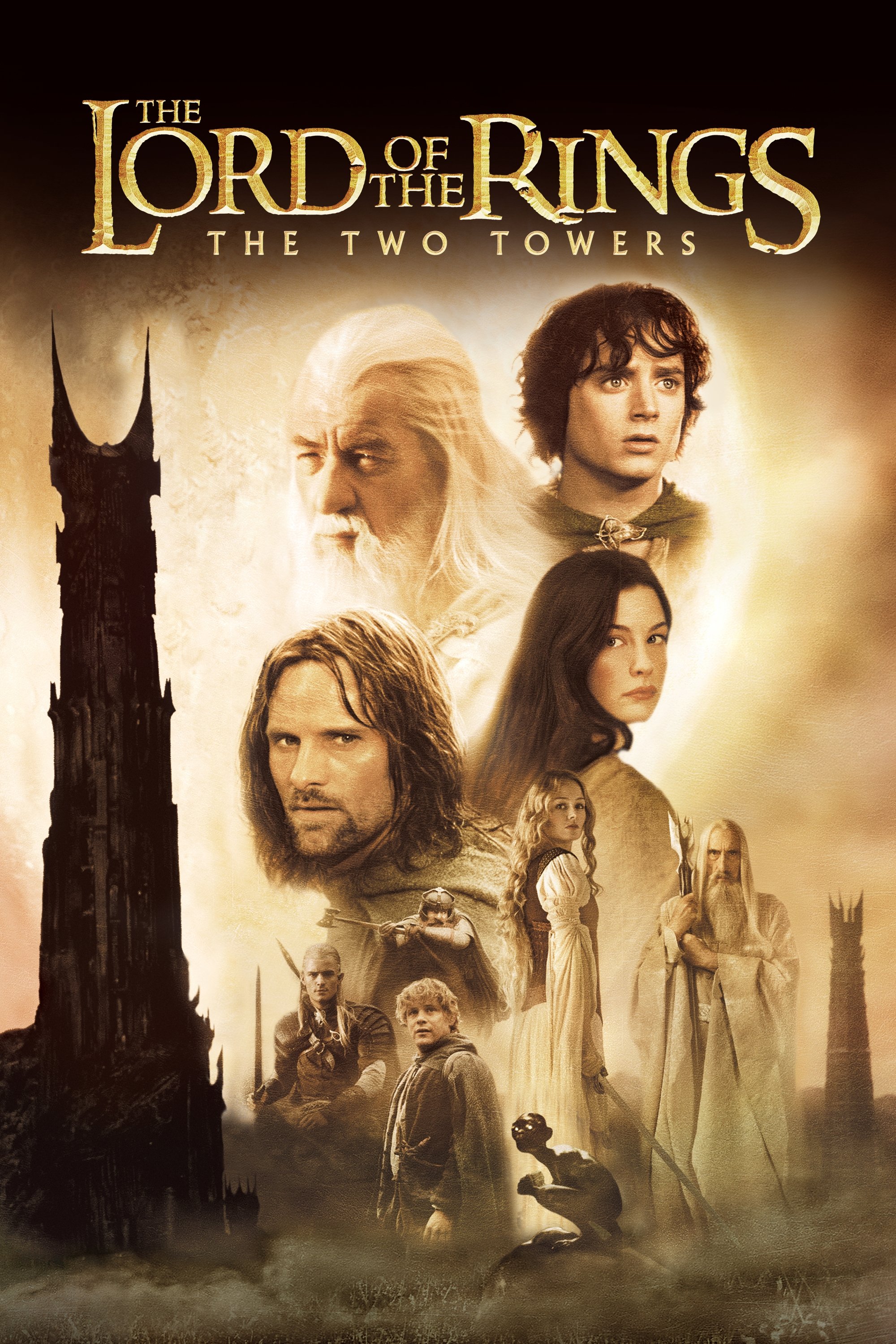
The extended edition of the second installment includes significantly more backstory for Faramir and his relationship with his father Denethor. Viewers also see a flashback involving Boromir that explains the immense pressure placed on the Gondorian brothers. The additional footage provides comic relief with Merry and Pippin while they interact with Treebeard. These scenes strengthen the emotional core of the film and set up the stakes for the final battle.
‘The Lord of the Rings: The Return of the King’ (2003)
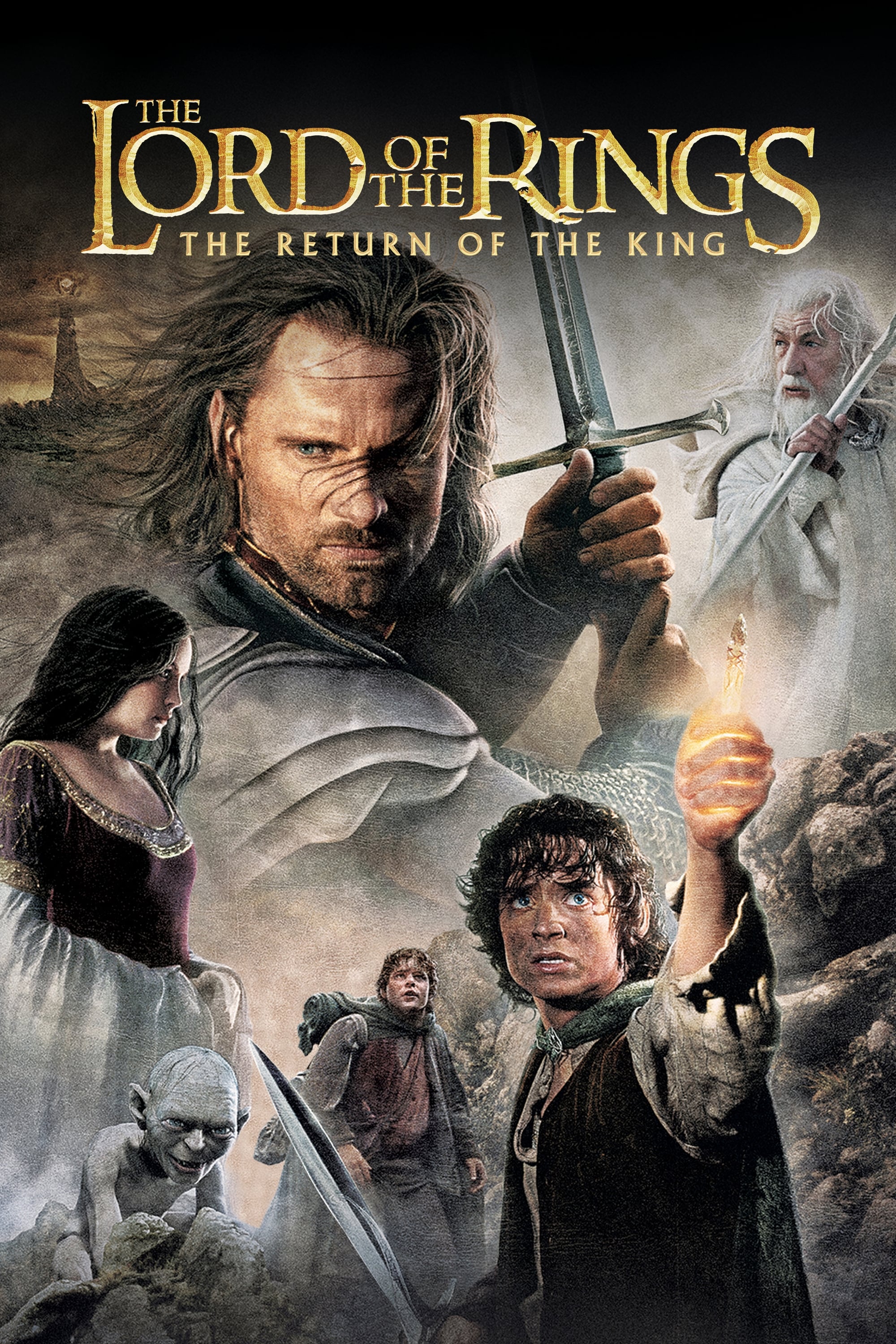
This massive extended cut adds fifty minutes to the conclusion of the saga and resolves key plot threads involving Saruman. The restoration of the Mouth of Sauron sequence offers a terrifying confrontation at the Black Gate. Fans appreciate the extra time spent in Mordor as Frodo and Sam struggle toward Mount Doom. The added length creates a more satisfying and comprehensive finale to the epic fantasy series.
‘Zack Snyder’s Justice League’ (2021)
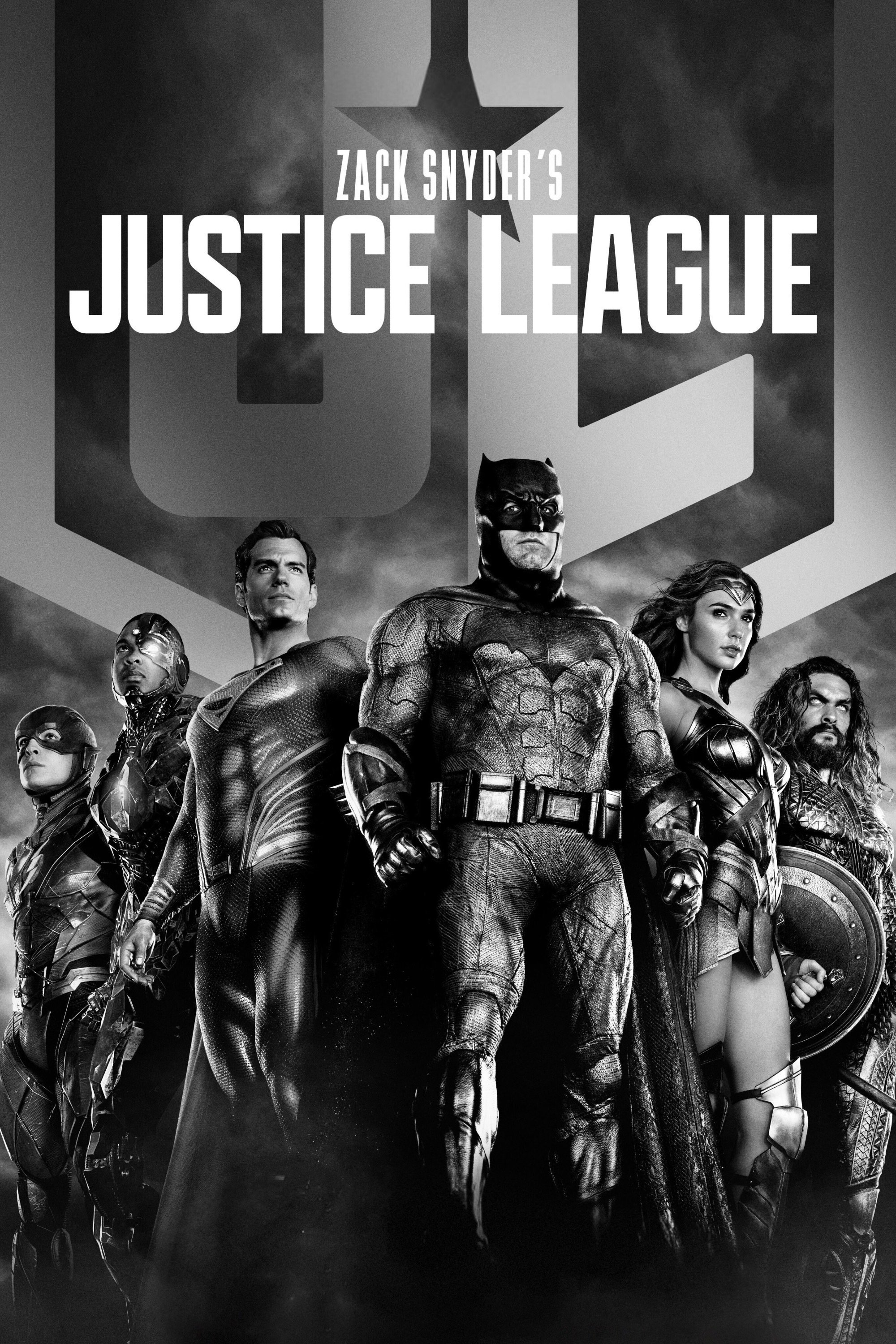
Zack Snyder returned to finish his vision with a four-hour cut that radically changes the tone and plot of the 2017 theatrical release. This version provides Cyborg with a complete character arc that was previously removed entirely. The film features a new aspect ratio and a different musical score that aligns with the director’s original intent. It stands as a completely different movie that restores the mythological scope of the DC heroes.
‘Apocalypse Now’ (1979)
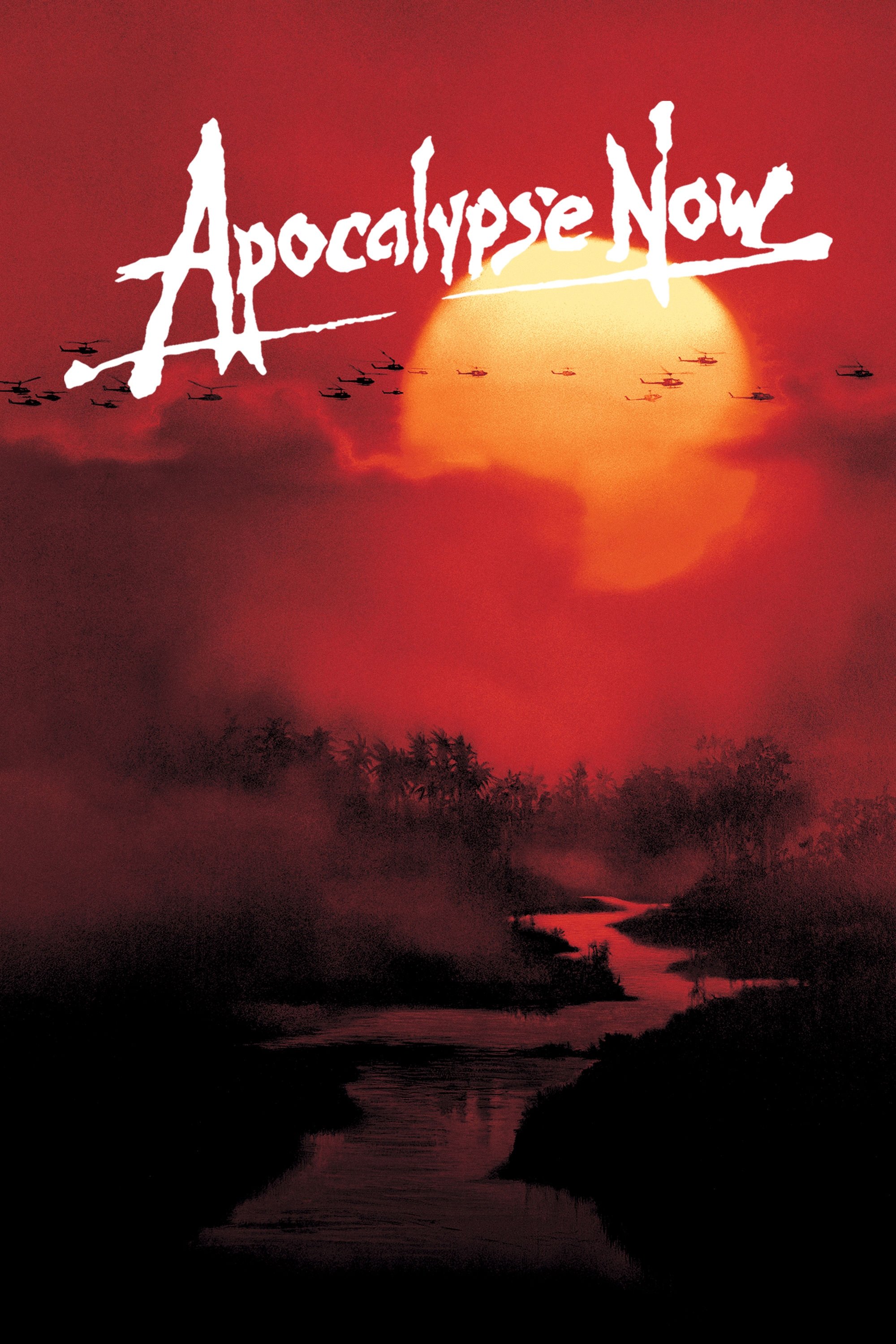
Francis Ford Coppola released the Redux version which adds forty-nine minutes to his Vietnam War masterpiece. The most notable addition is the French plantation sequence where Willard debates politics and history with colonial holdouts. This cut also includes more scenes of the crew on the boat that highlight their deteriorating mental states. The extra footage reinforces the surreal and nightmarish quality of the journey up the Nung River.
‘Watchmen’ (2009)
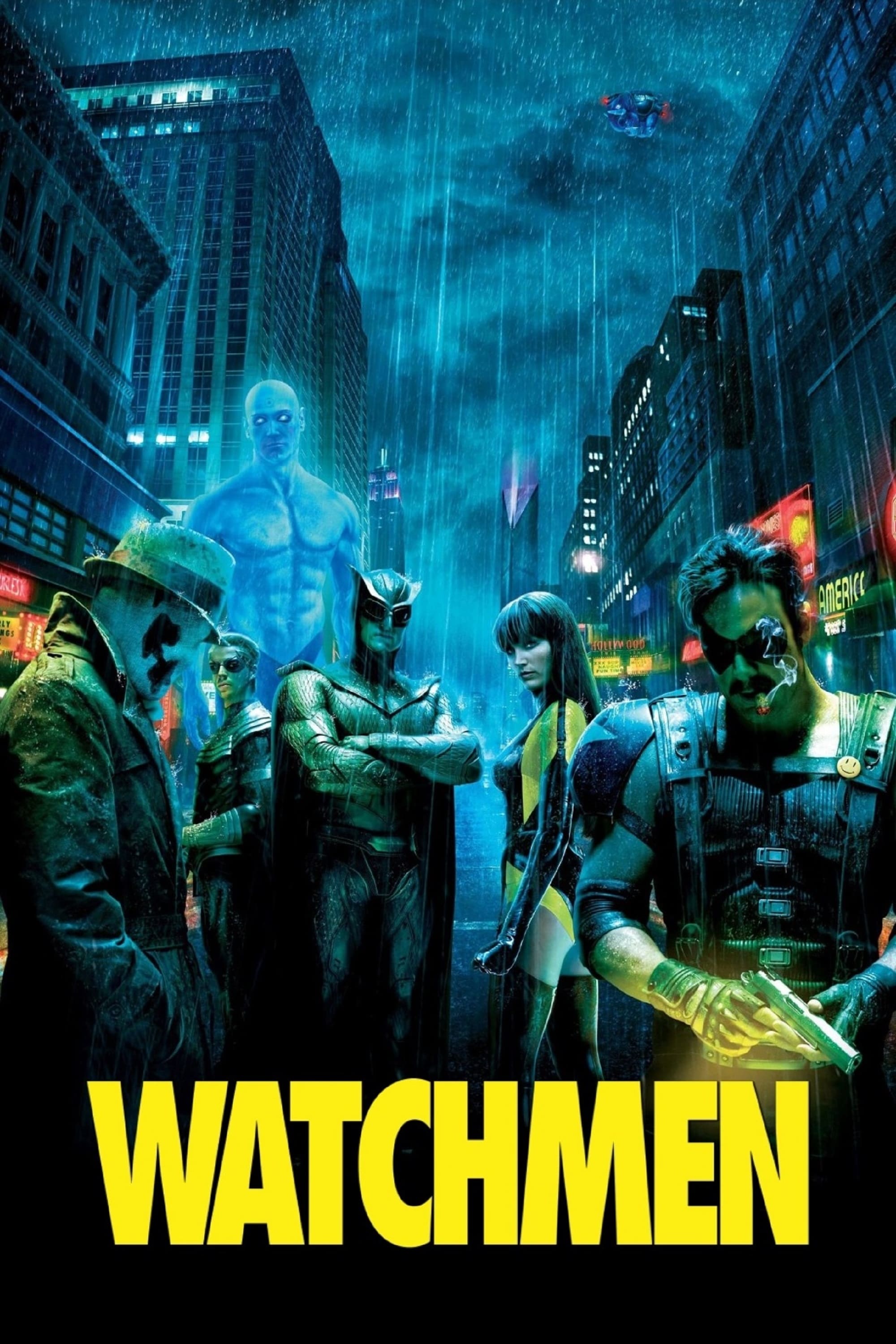
The Ultimate Cut of this graphic novel adaptation weaves the animated Tales of the Black Freighter into the main live-action narrative. This structure mirrors the comic book’s storytelling device and comments on the moral decay within the main plot. Additional scenes flesh out the death of the original Nite Owl and the relationship between the heroes. The result is a dense and faithful adaptation that runs over three and half hours.
‘Batman v Superman: Dawn of Justice’ (2016)
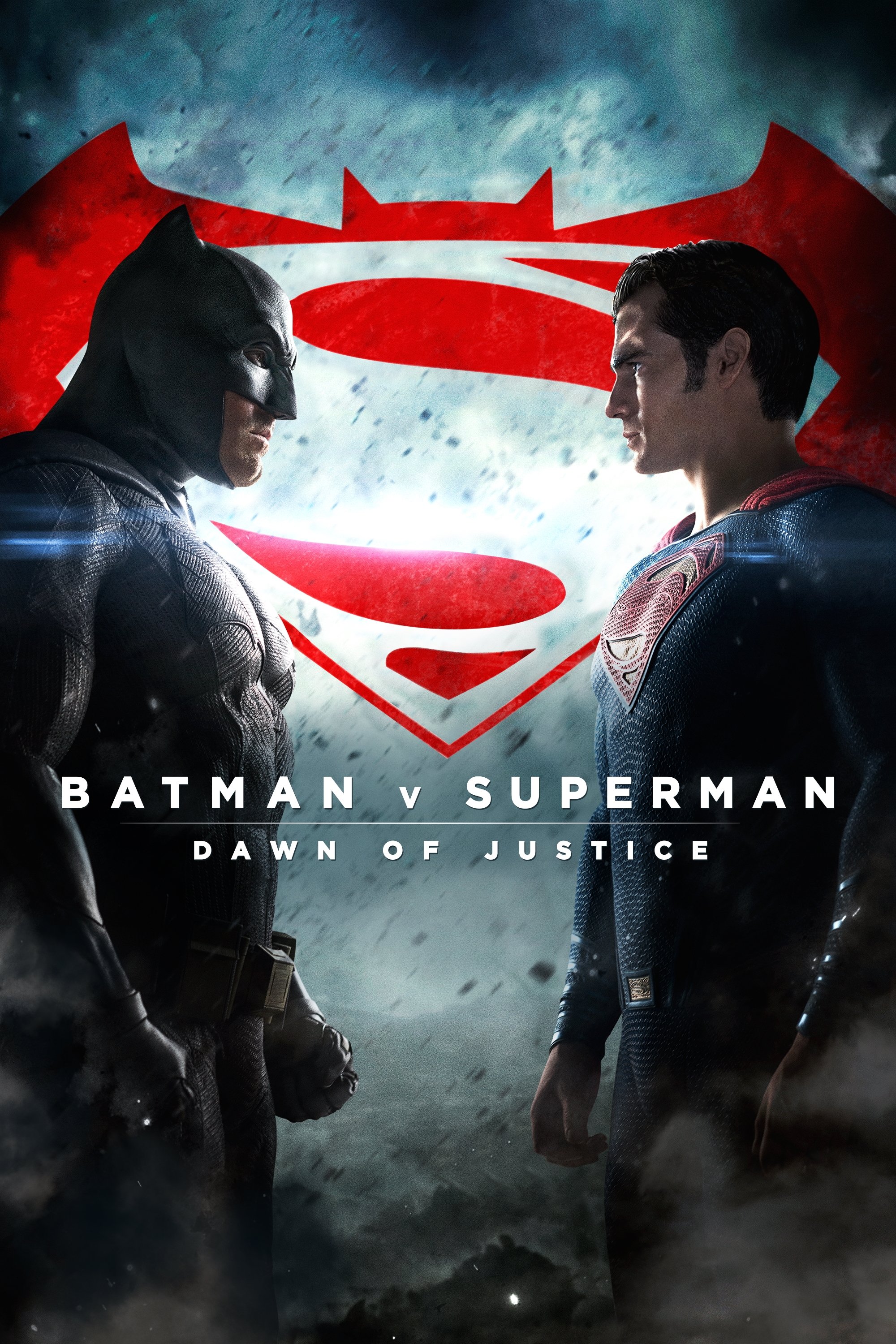
The Ultimate Edition adds thirty minutes of R-rated footage that clarifies Lex Luthor’s complex plan to frame Superman. Key subplots involving Lois Lane’s investigation in Africa are restored to make the narrative flow logically. Superman receives more screen time to investigate Batman’s activities in Gotham as a reporter. This version addresses many of the plot holes critics cited in the theatrical release.
‘The Abyss’ (1989)
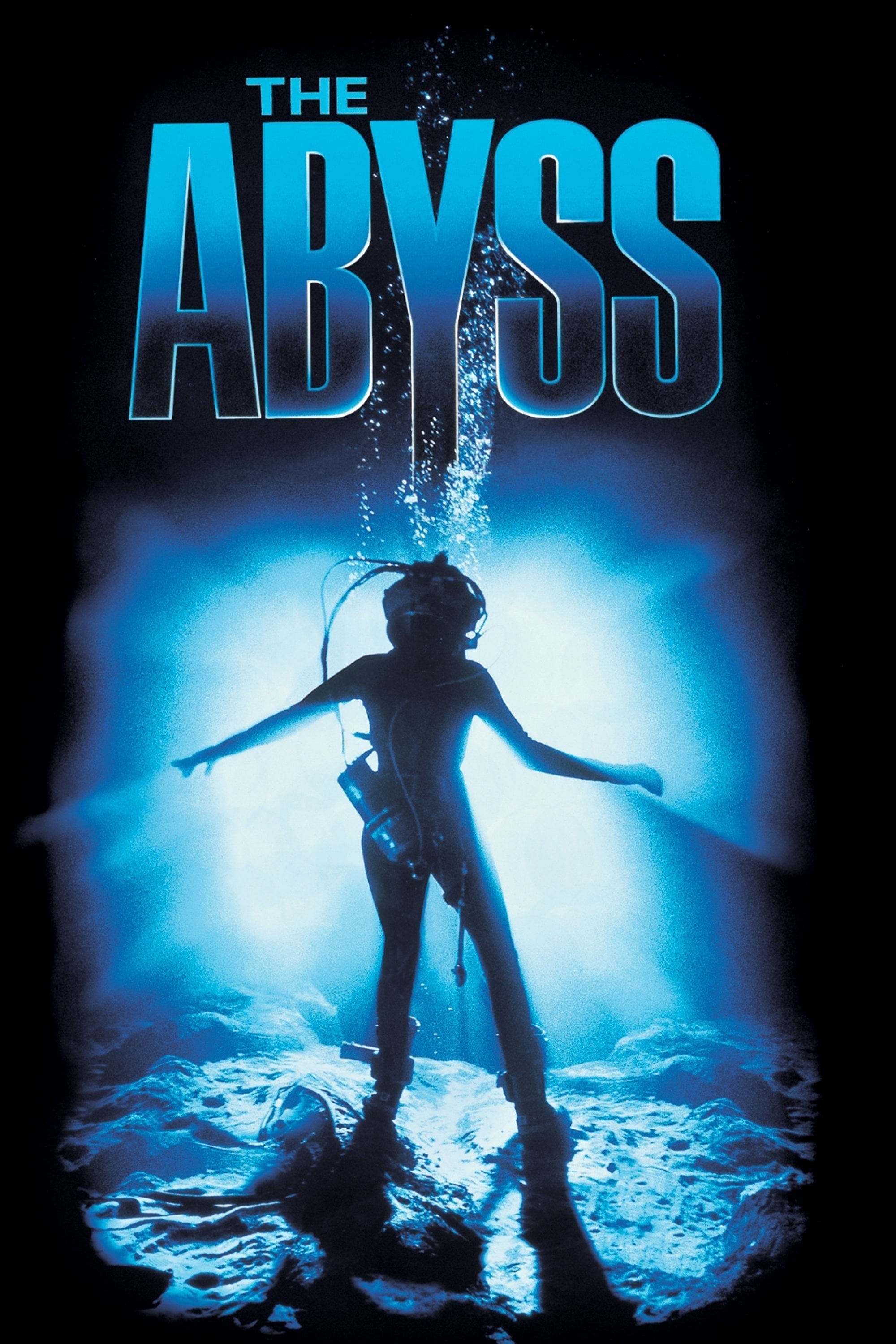
James Cameron restored roughly half an hour of footage that completely changes the film’s ending and meaning. The added scenes reveal that the underwater entities have the power to control the world’s oceans and threaten humanity with megatsunamis. This context explains why the aliens chose to spare the humans after witnessing a gesture of sacrifice. The Special Edition transforms the movie from a claustrophobic thriller into a message about global peace.
‘Aliens’ (1986)
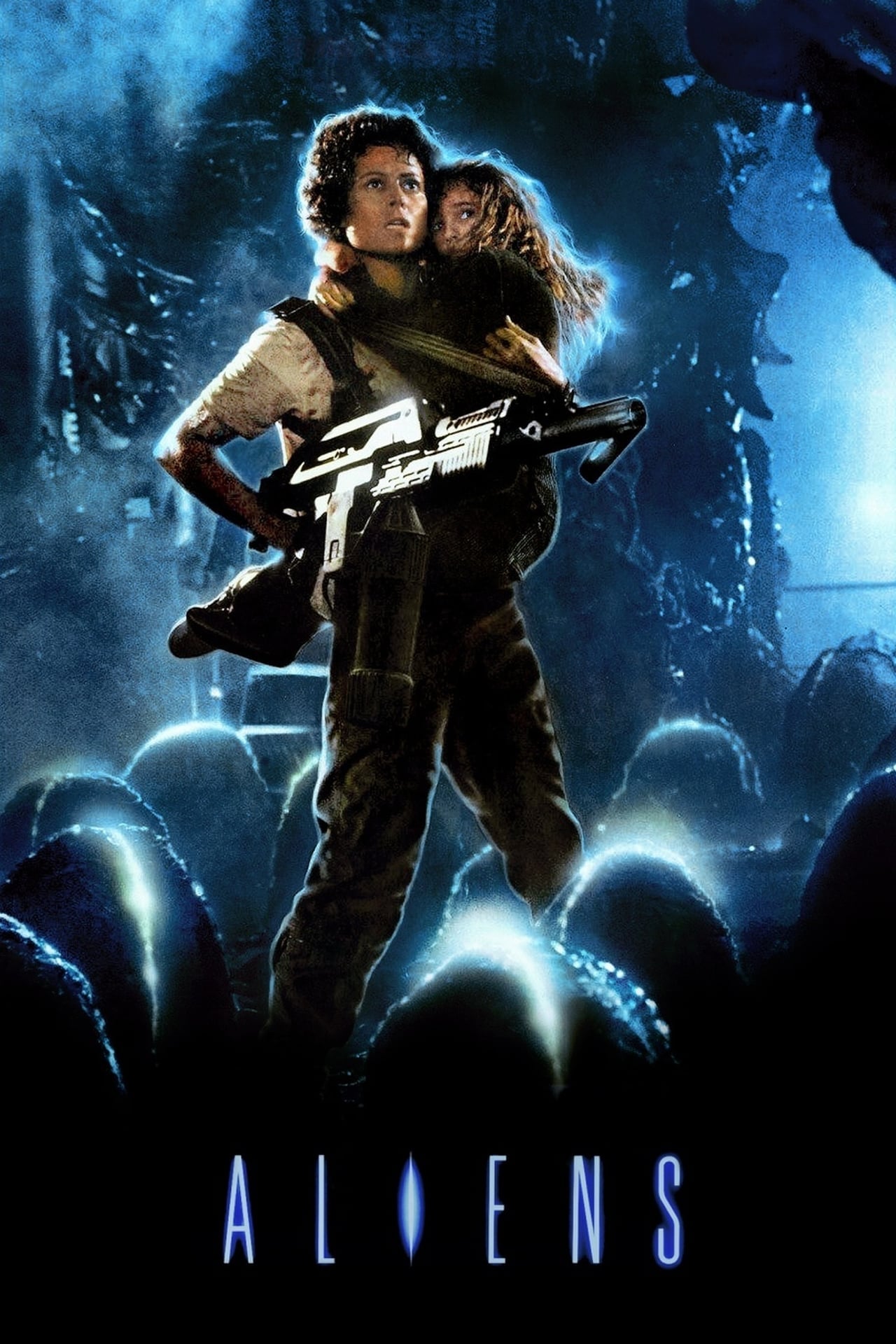
The Special Edition includes scenes that show the colony on LV-426 before the xenomorph infestation begins. James Cameron also added a subplot revealing that Ripley had a daughter who died while she was in cryosleep. This emotional context explains Ripley’s fierce maternal protection of the orphan Newt. The extended version deepens the stakes and grounds the action in genuine character motivation.
‘Terminator 2: Judgment Day’ (1991)
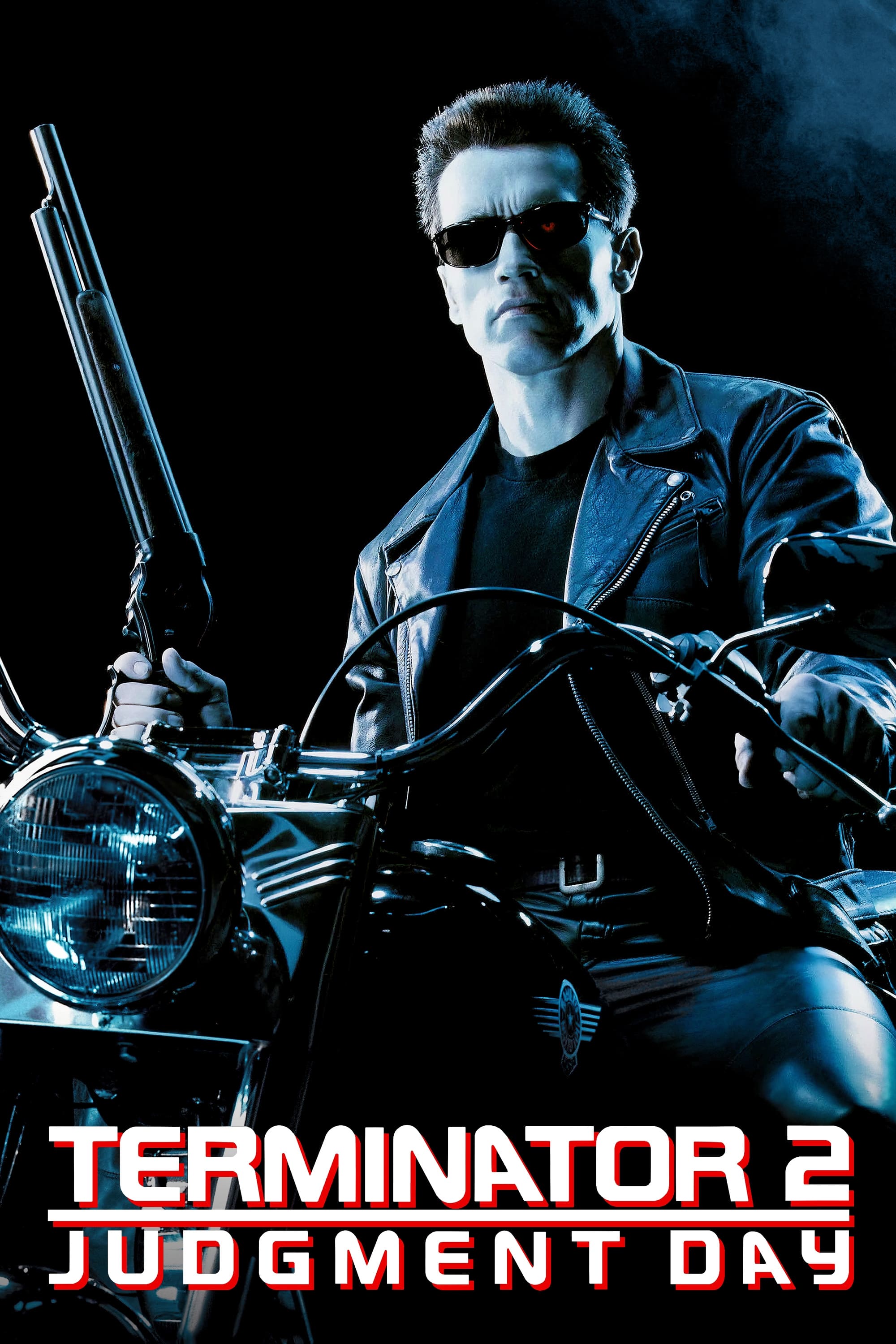
Restored scenes in the Special Edition show the T-800 trying to learn how to smile and the Connors resetting his CPU to allow for learning. Another addition features Kyle Reese appearing to Sarah Connor in a dream sequence to warn her of the danger ahead. These moments emphasize the human connection developing between the machine and the boy. The extended cut offers more technical details about Skynet and the future war.
‘Avatar’ (2009)

The Extended Collector’s Cut opens with scenes of Jake Sully’s life on a dystopian Earth before he travels to Pandora. Viewers see more of the Na’vi culture and a hunting sequence that was cut for pacing. The death of Tsu’tey is shown on screen to provide closure to his character arc. These additions construct a richer world and contrast the dying Earth with the vibrancy of the alien planet.
‘Alexander’ (2004)
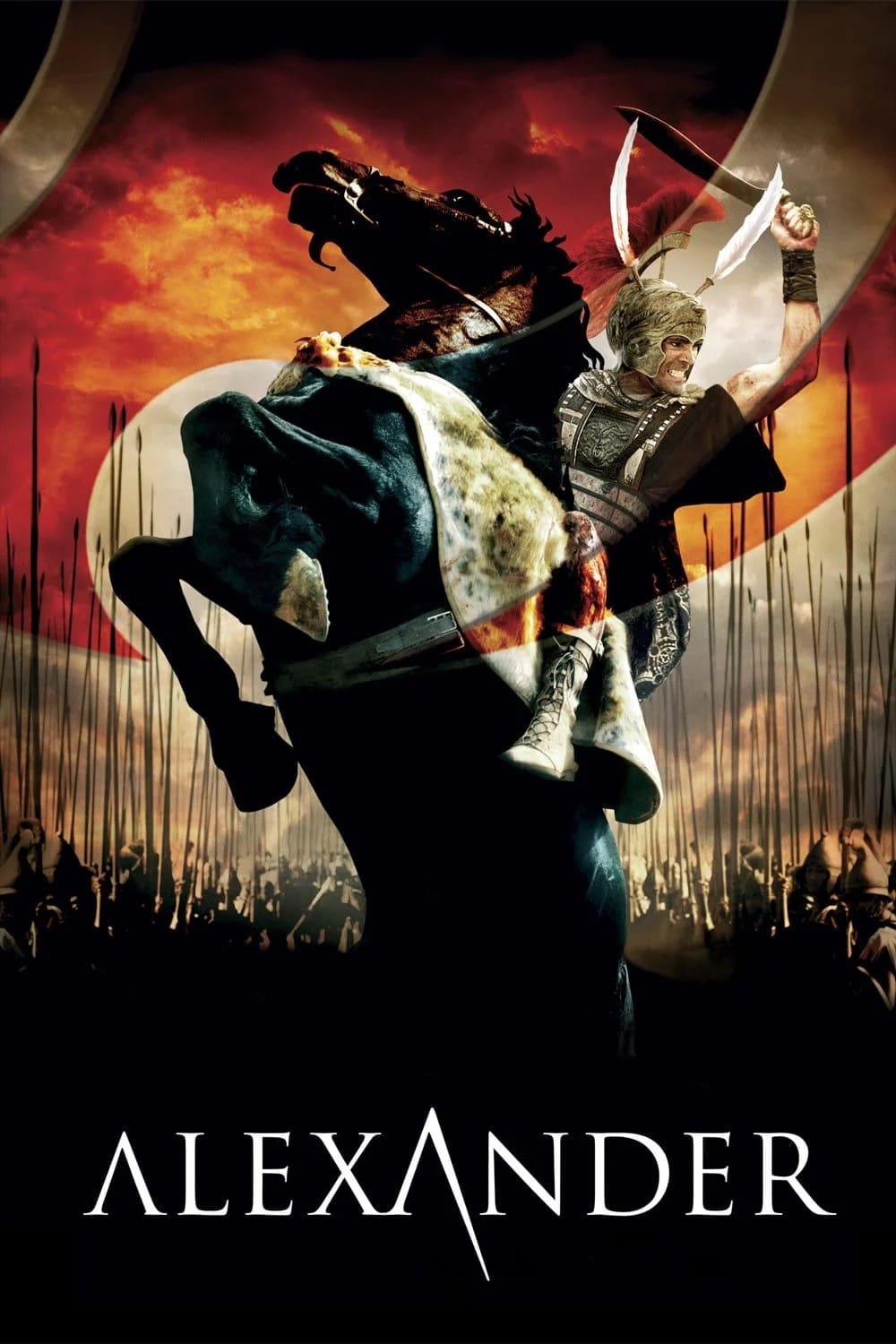
Oliver Stone released multiple cuts of this film but the Revisited and Ultimate cuts add significant footage to restructure the timeline. The longer versions focus more on Alexander’s childhood and his complex relationship with his mother Olympias. The battles are bloodier and the political intrigue is given more room to breathe. This restructuring turns a disjointed theatrical release into a more cohesive historical biography.
‘Troy’ (2004)
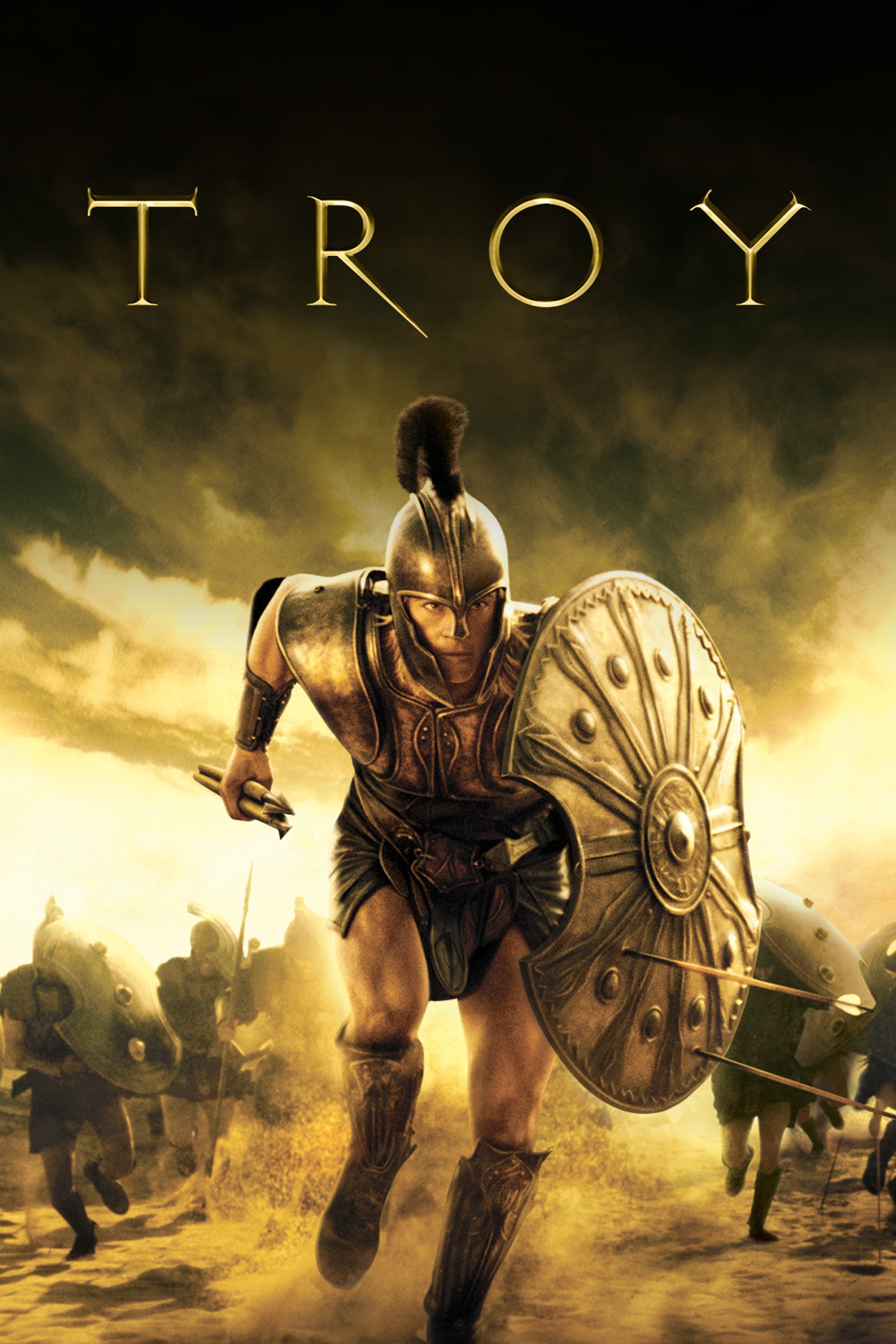
The Director’s Cut adds thirty minutes of footage that significantly increases the violence and gore to match the brutal reality of war. The musical score was partially replaced to create a darker and more ancient atmosphere. Character interactions are expanded to show the political crumbling within the walls of Troy. This version feels more like a historical epic and less like a summer blockbuster.
‘Waterworld’ (1995)
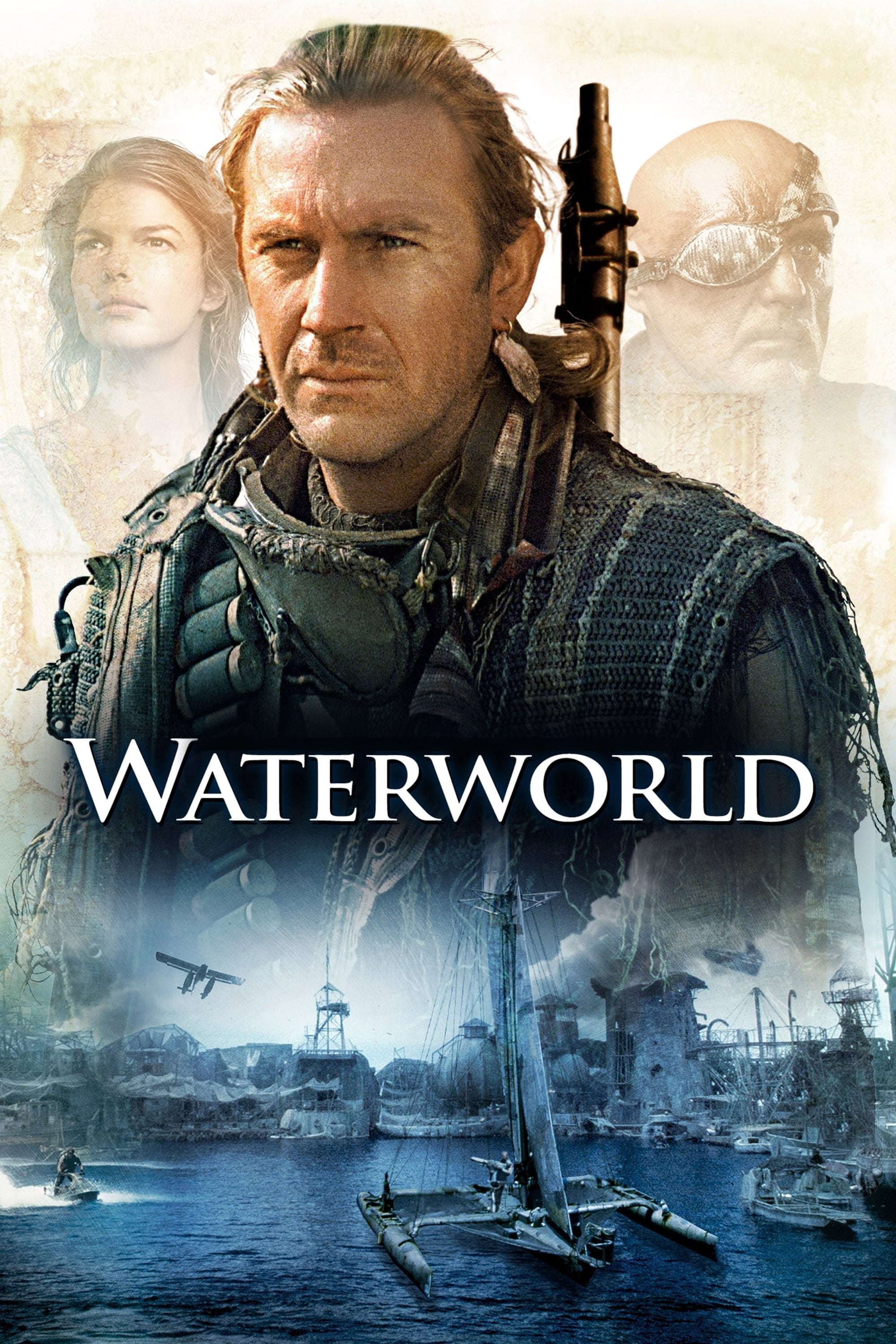
The Ulysses Cut restores over forty minutes of deleted scenes that explain the lore of the flooded world. Viewers learn about the origin of the Mariner’s boat and the mythical dry land he seeks. The ending is expanded to clarify that the characters have indeed found the summit of Everest. The added runtime turns a notorious flop into a detailed post-apocalyptic adventure.
‘Das Boot’ (1981)
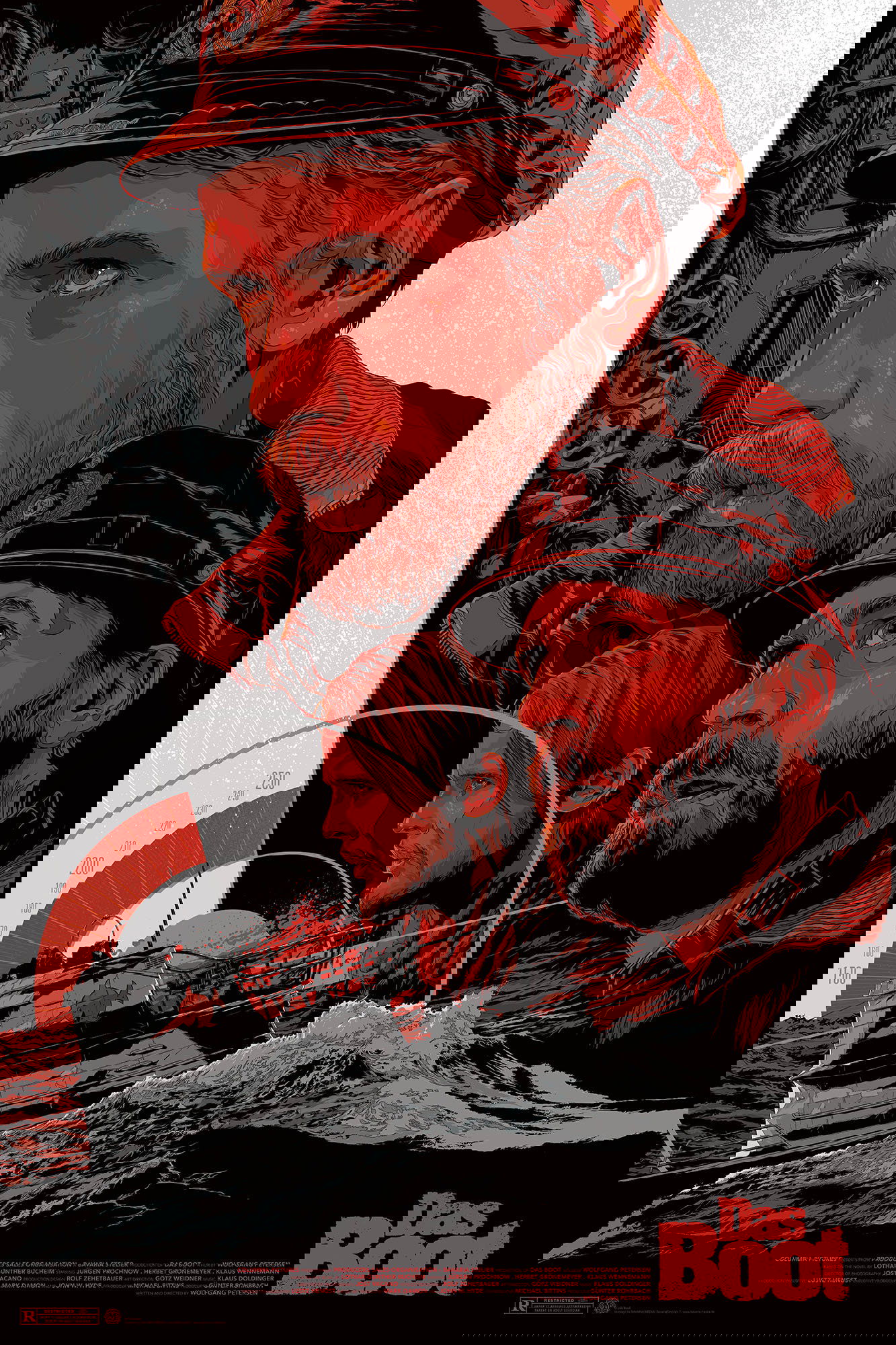
The Director’s Cut and subsequent miniseries versions add hours of footage depicting the tedium of life aboard a U-boat. The crew is shown waiting for orders and dealing with mechanical failures for long stretches of time. These scenes heighten the tension when combat finally occurs by contrasting it with the boredom. The extended format emphasizes the psychological toll of submarine warfare.
‘Once Upon a Time in America’ (1984)
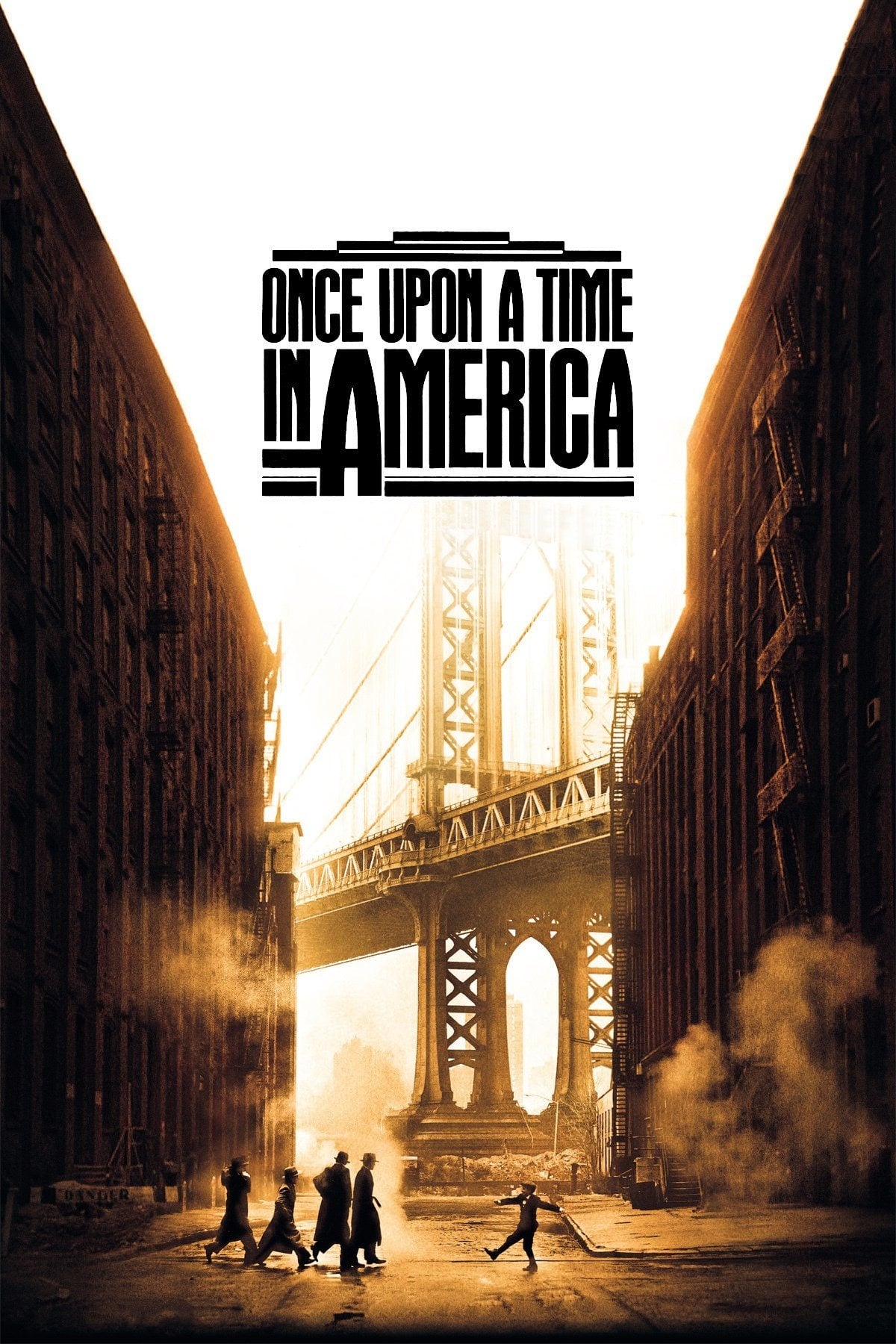
Sergio Leone’s original vision runs nearly four hours and restores the non-linear narrative structure that was butchered in the US theatrical release. The film explores the lifelong friendship and betrayal of Jewish gangsters in New York City with operatic grandeur. Characters like Noodles and Max are given decades of development that explains their tragic fates. This restored version is widely considered one of the greatest crime films ever made.
‘Heaven’s Gate’ (1980)
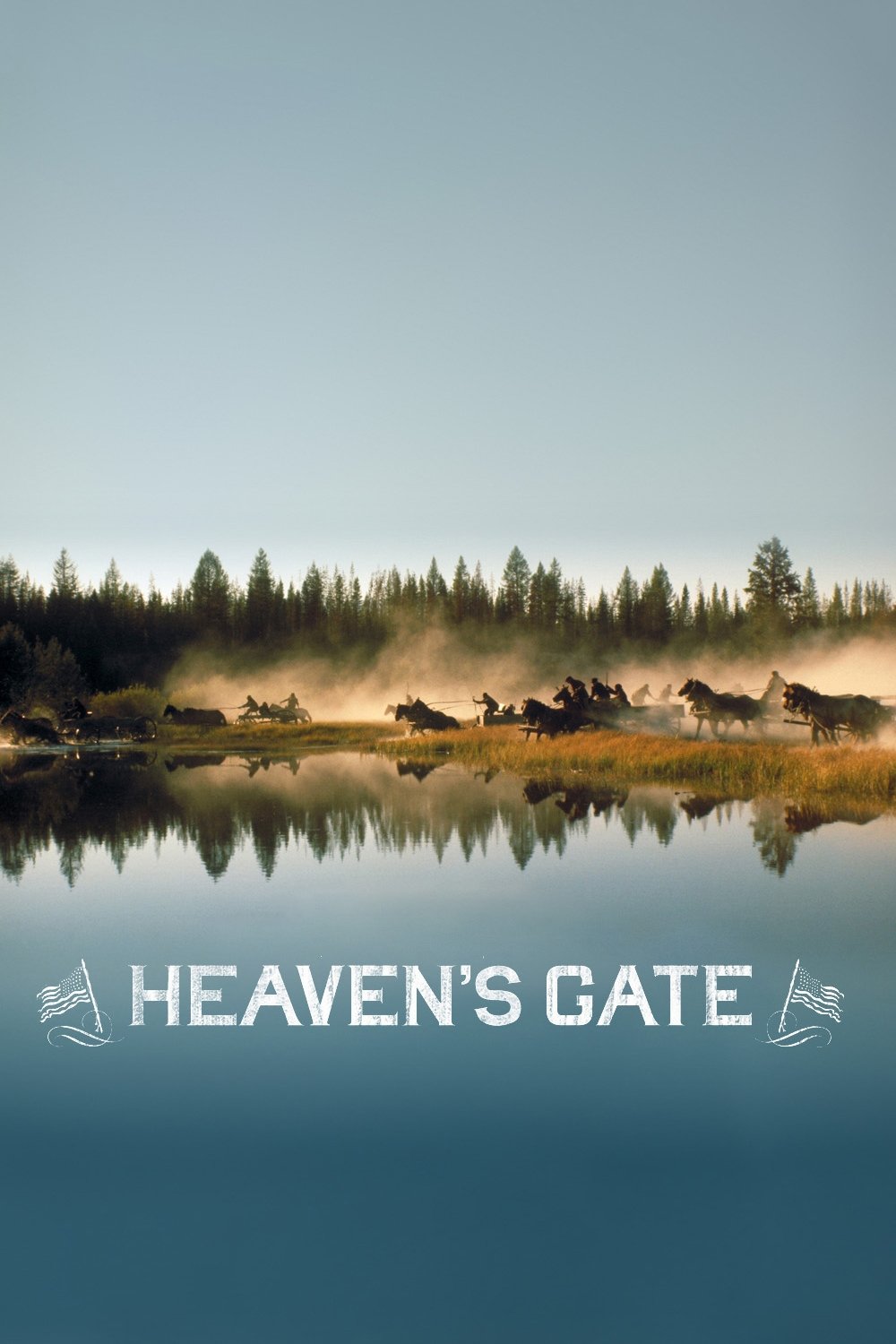
Michael Cimino’s original cut runs over three and a half hours and restores the beautiful cinematography and deliberate pacing. The film depicts the Johnson County War with an attention to period detail that was lost in the short theatrical version. Character motivations that seemed nonsensical are fully explained through the extended runtime. The restoration has led to a critical re-evaluation of the film as a misunderstood masterpiece.
‘1941’ (1979)
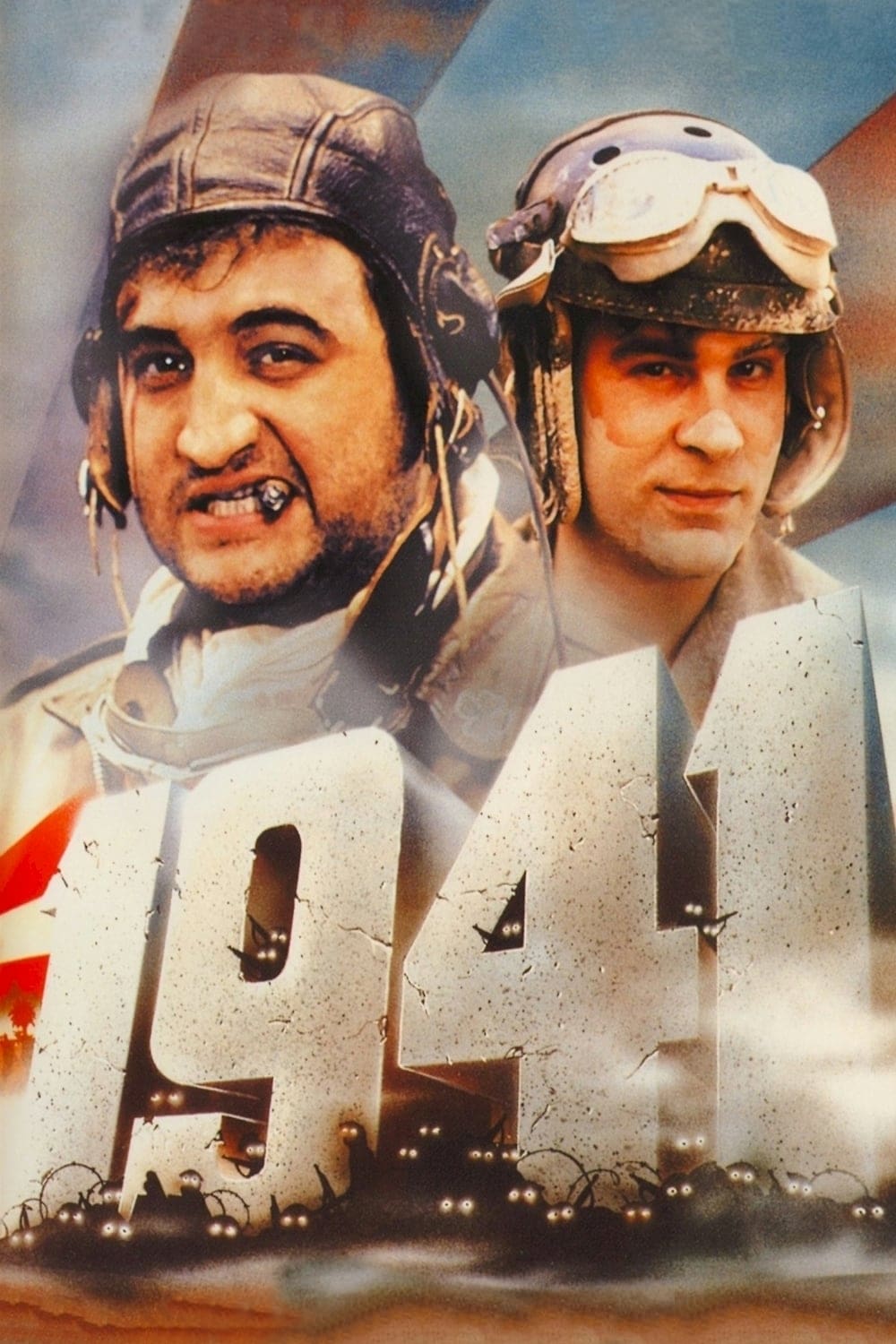
Steven Spielberg added nearly half an hour to this World War II comedy to improve the continuity. The extended cut allows the multiple chaotic storylines to intersect more naturally. Scenes involving John Belushi and Dan Aykroyd are given more time to develop the humor. The longer version manages the frantic energy better than the condensed theatrical release.
‘The Big Red One’ (1980)
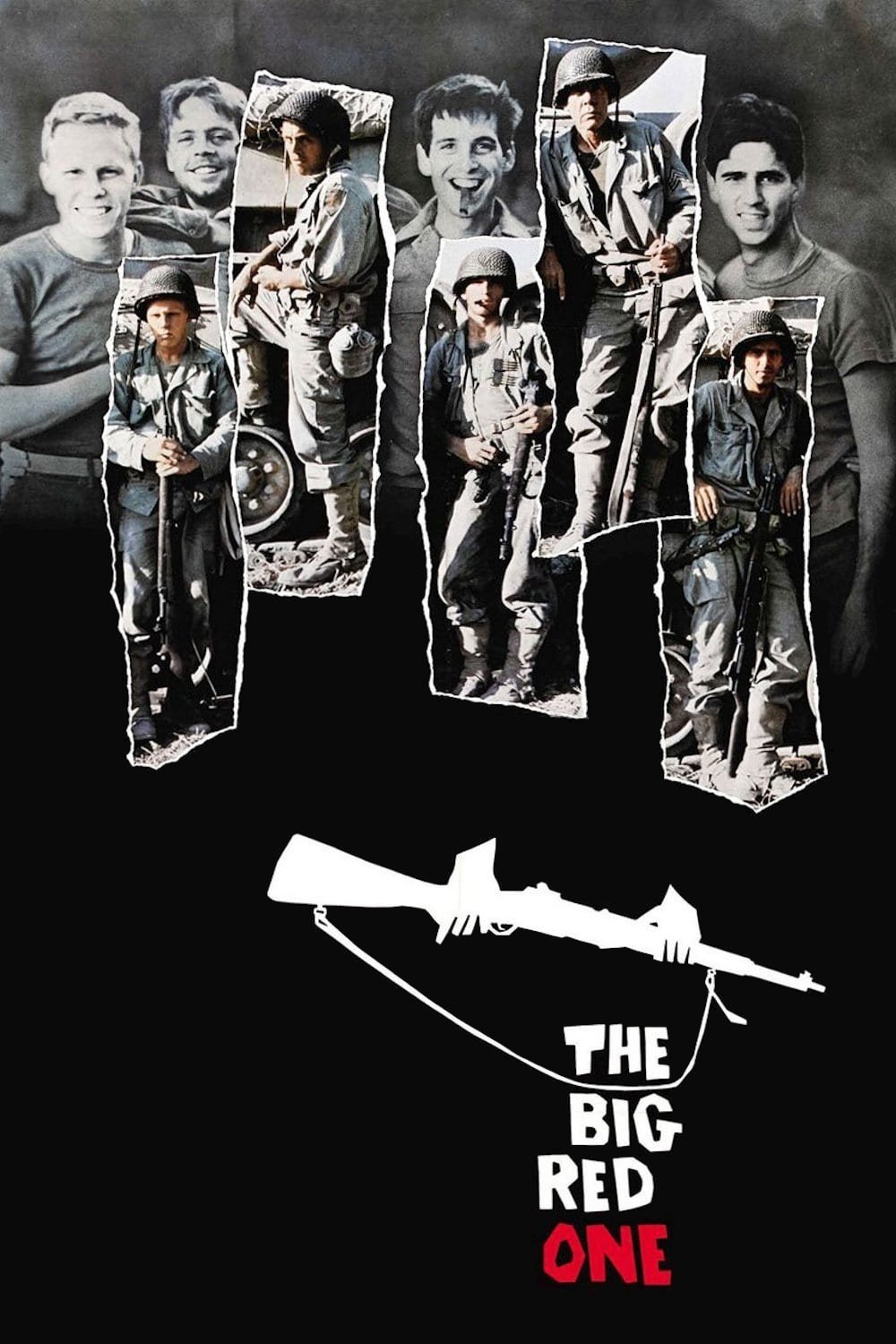
The Reconstruction version adds forty-five minutes of footage that Samuel Fuller originally intended to include. The new scenes provide a more surreal and gritty look at the infantry experience across North Africa and Europe. Voiceover narration was removed to let the visuals tell the harrowing story of survival. This cut is considered the definitive account of Fuller’s semi-autobiographical war tale.
‘Touch of Evil’ (1958)
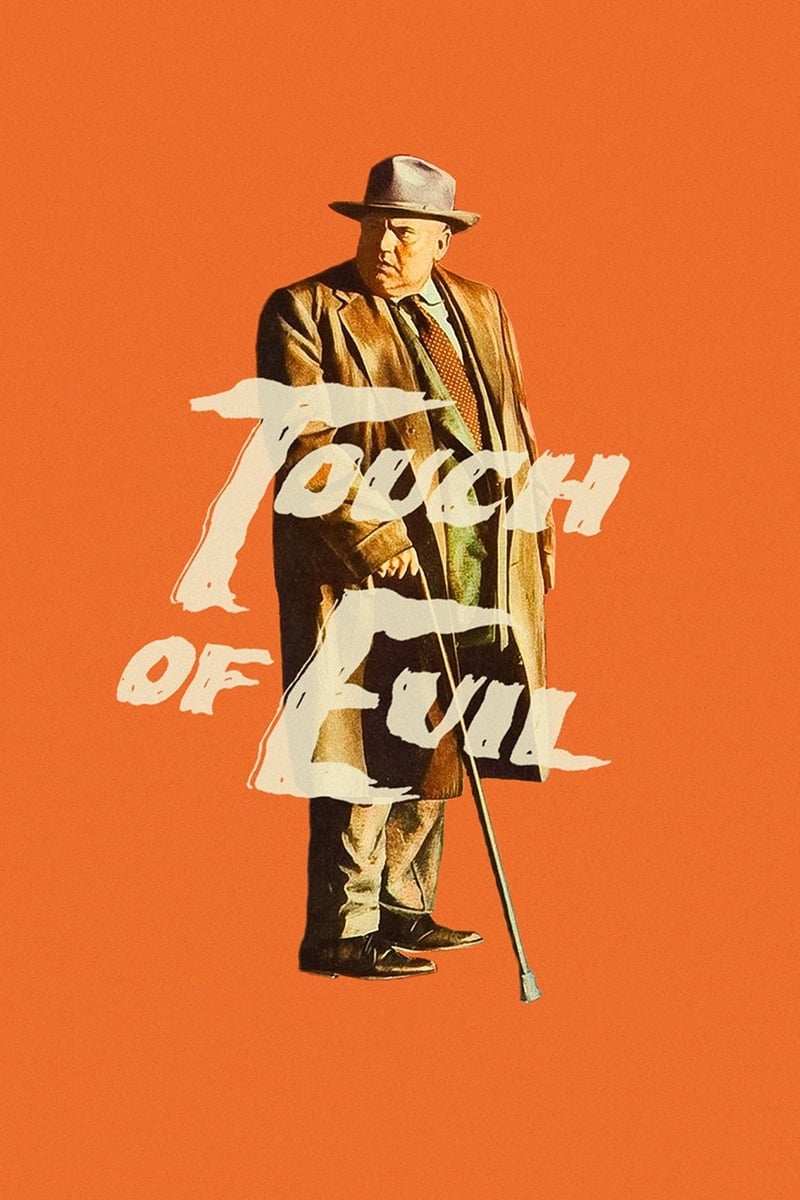
The restored version was re-edited based on a fifty-eight-page memo written by Orson Welles to the studio. It removes the studio-imposed credits over the opening tracking shot and restores the cross-cutting narrative structure. The sound mix was adjusted to create the layered audio environment Welles envisioned. This cut preserves the artistic integrity of a film noir classic.
‘Amadeus’ (1984)
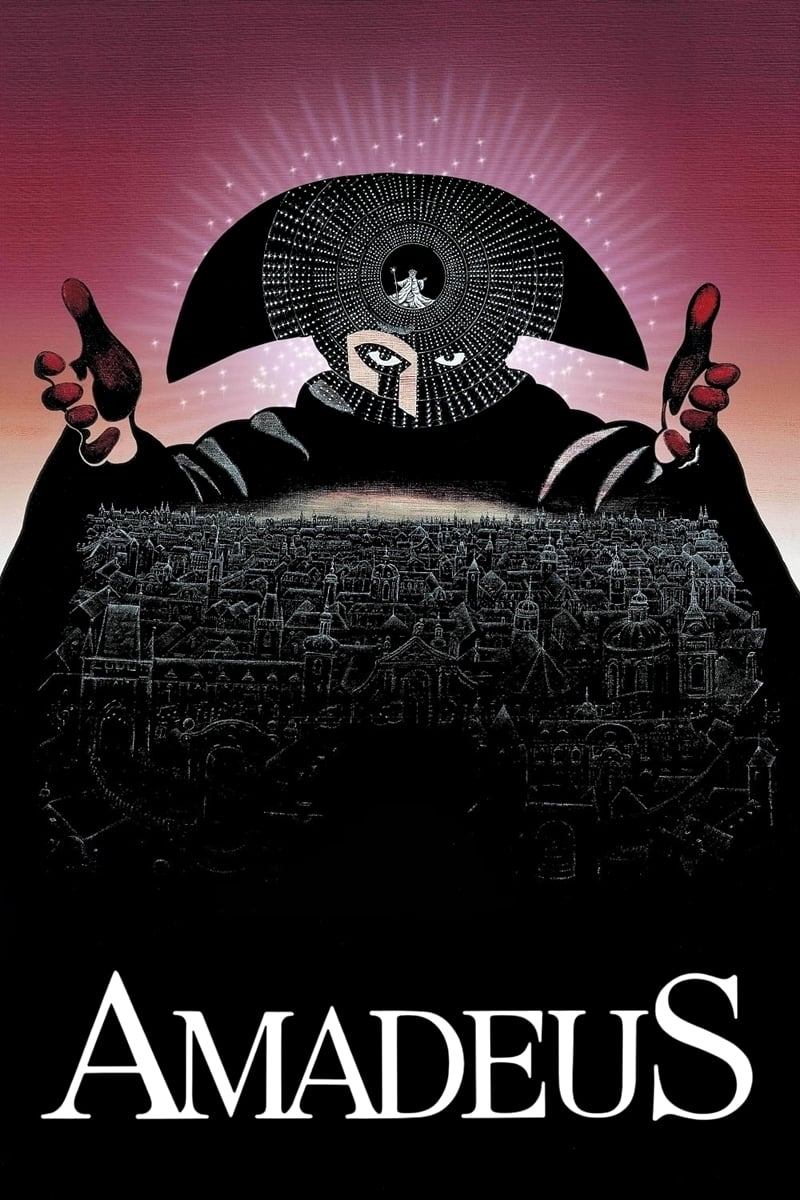
The Director’s Cut adds twenty minutes of footage that delves deeper into the rivalry between Salieri and Mozart. A restored subplot involving Mrs. Mozart trying to secure a position for her husband explains Salieri’s humiliating demands. The humiliation of Mozart is more pronounced which makes Salieri’s guilt more profound. The added scenes emphasize the tragic waste of genius.
‘Léon: The Professional’ (1994)
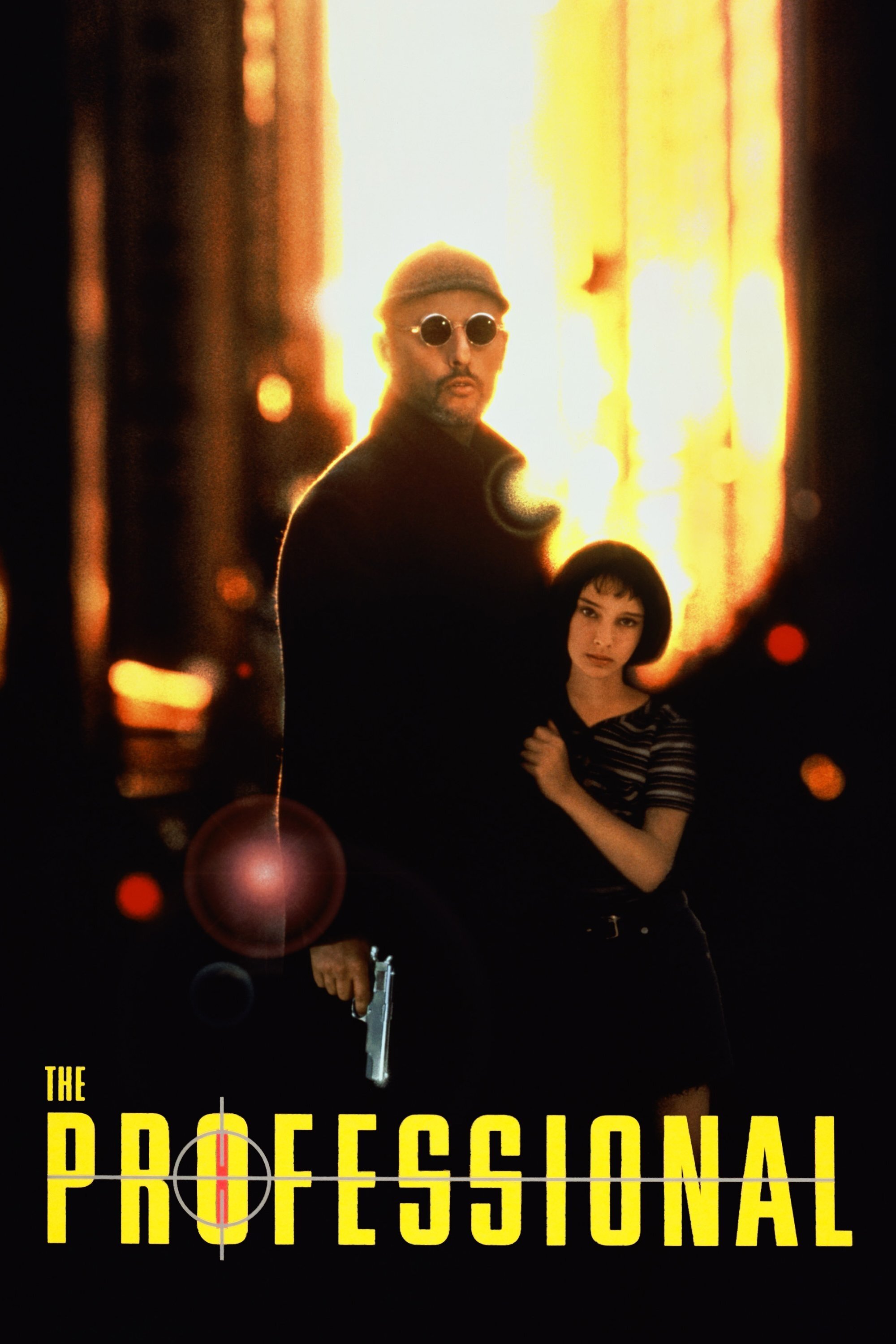
The International Version or distinct extended cut adds twenty-five minutes focusing on Mathilda’s training as an assassin. Viewers see her accompanying Léon on hits and learning the trade in uncomfortable detail. The relationship between the two characters becomes more complex and controversial in this unedited form. It provides a clearer picture of Mathilda’s desperate desire for revenge.
‘Doctor Sleep’ (2019)
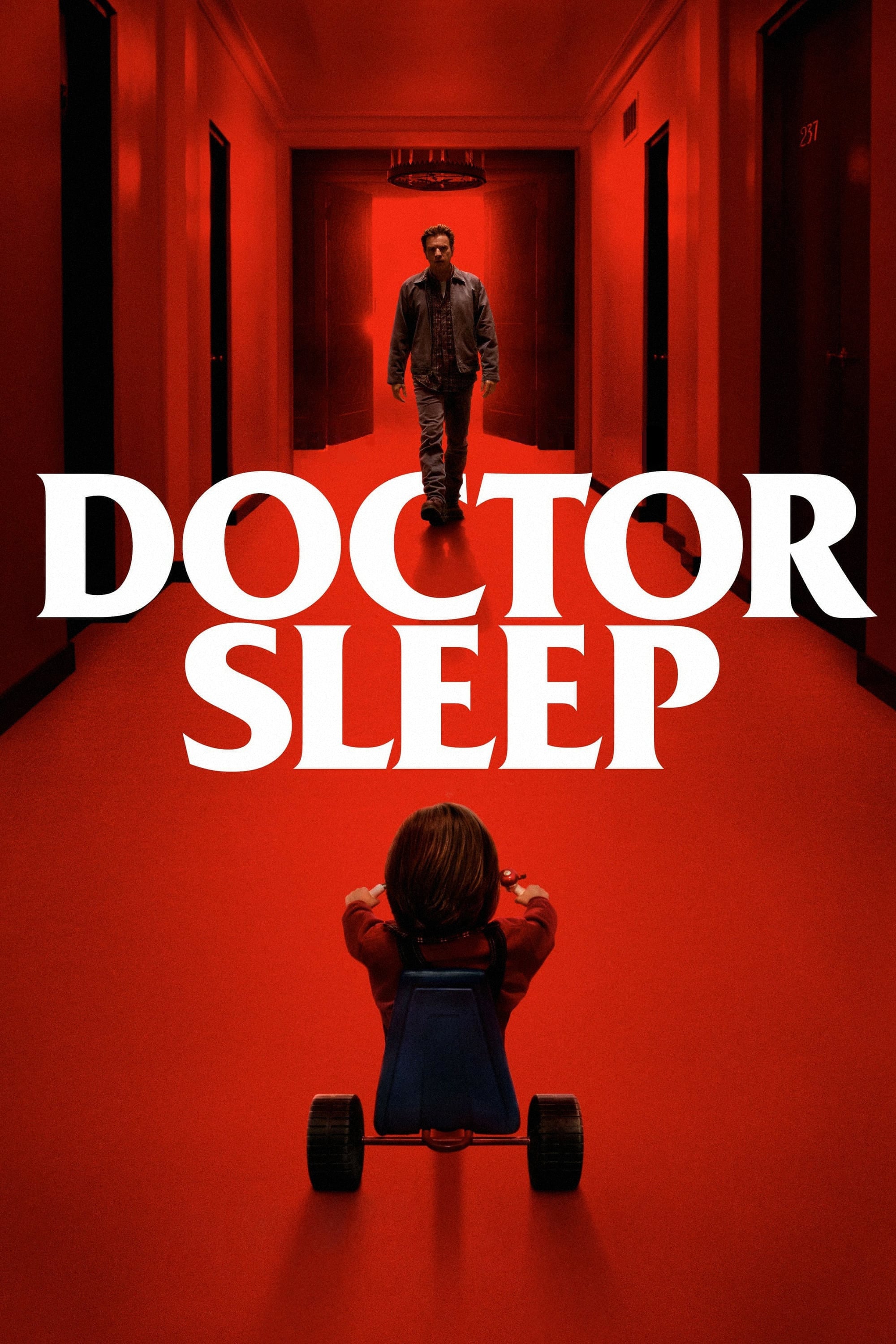
Mike Flanagan’s Director’s Cut adds thirty minutes that structure the film into chapters like a novel. The extended runtime allows for more dialogue between Dan Torrance and Abra Stone to build their psychic connection. Scenes involving the True Knot cult are expanded to make them more threatening and desperate. This version pays closer tribute to Stephen King’s book while respecting Kubrick’s film.
‘The Hateful Eight’ (2015)
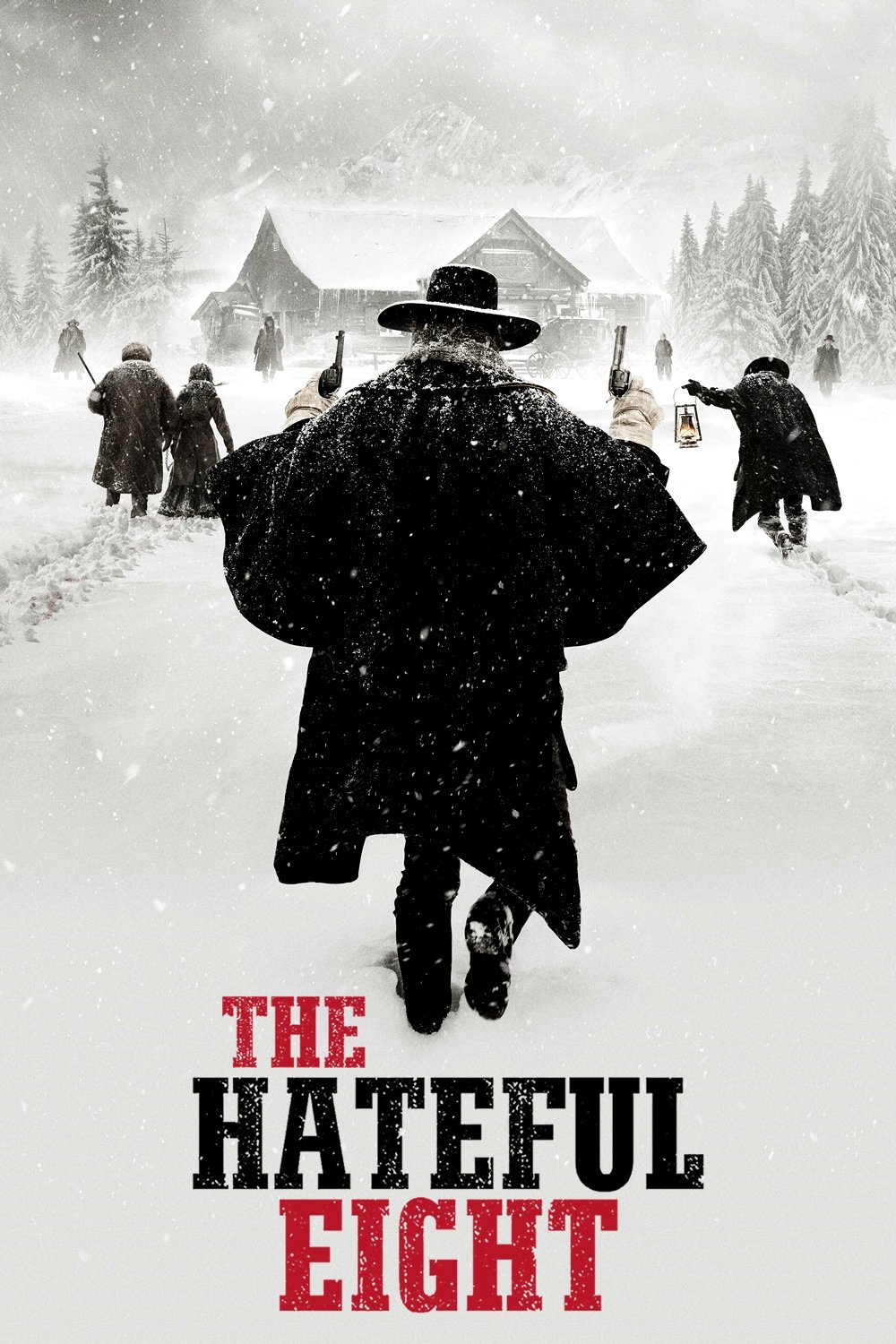
Quentin Tarantino released an extended version on streaming platforms formatted as a miniseries with four episodes. This cut includes roughly forty minutes of alternate takes and new scenes that expand the dialogue-heavy tension. The slow-burn mystery is given even more room to build as the characters deceive one another. It offers a different viewing experience that suits the episodic nature of the story.
‘Superman II’ (1980)
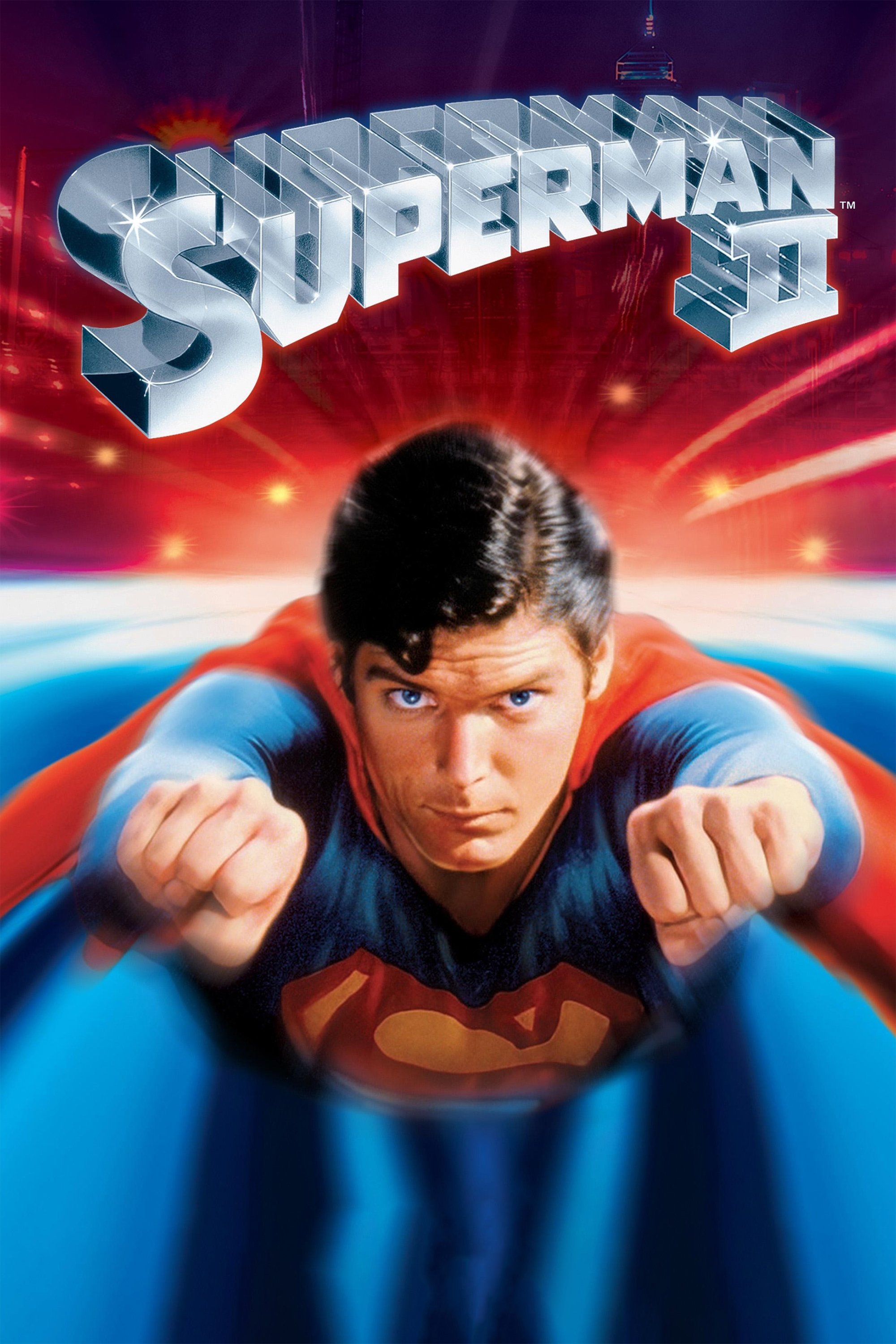
The Richard Donner Cut reconstructs the film to match the original director’s vision before he was fired. It restores Marlon Brando’s scenes as Jor-El and removes the slapstick comedy added by Richard Lester. The plot resolves differently with Lois Lane discovering Clark’s identity through a clever ruse rather than an accident. This version creates a tonal consistency with the first Superman movie.
‘Daredevil’ (2003)
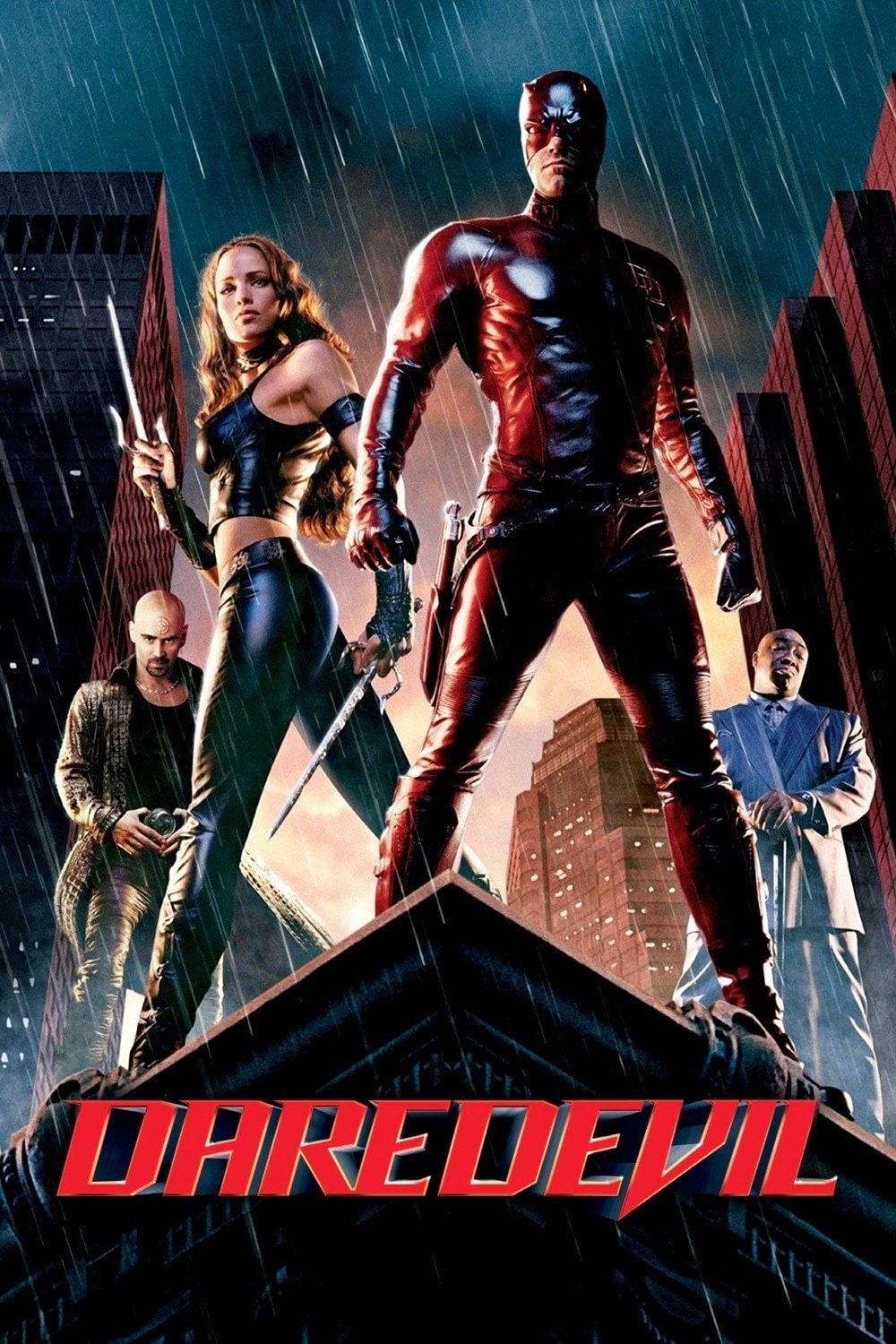
The Director’s Cut adds thirty minutes of R-rated footage that includes a subplot involving a murder investigation. Matt Murdock is shown using his legal skills and enhanced senses to solve the case alongside his vigilante activities. The editing is sharper and the action scenes are more brutal than the theatrical release. This version is often cited as a vast improvement that redeems the film.
‘Green Lantern’ (2011)
The Extended Cut adds footage that focuses on Hal Jordan’s childhood and his relationship with his father. These scenes attempt to provide a stronger emotional motivation for his fear and eventual courage. While the film still has flaws the added character beats make the hero’s journey slightly more coherent. The extended version tries to ground the cosmic story in human emotion.
‘Dark City’ (1998)
The Director’s Cut removes the opening voiceover that spoiled the central mystery of the plot. It adds extended scenes that deepen the atmospheric dread and the philosophical themes of memory. The pacing is adjusted to allow the audience to discover the truth alongside the protagonist. This version highlights the film’s visual brilliance and intellectual ambition.
‘Donnie Darko’ (2001)
The Director’s Cut adds twenty minutes of scenes and visual effects that explain the philosophy of time travel within the movie. Pages from the book The Philosophy of Time Travel are displayed on screen to guide the viewer through the plot. The sound design is altered and some musical choices are changed to fit the director’s preference. This version makes the complex narrative easier to follow but less ambiguous.
‘Sucker Punch’ (2011)
The Extended Cut restores the R-rated action and intense musical numbers that were trimmed for the theatrical rating. A crucial scene involving the High Roller is added back to clarify the protagonist’s sacrifice and agency. The darker tone fits the film’s themes of trauma and escapism much better. This version presents a more cohesive albeit still polarizing vision.
‘Pearl Harbor’ (2001)
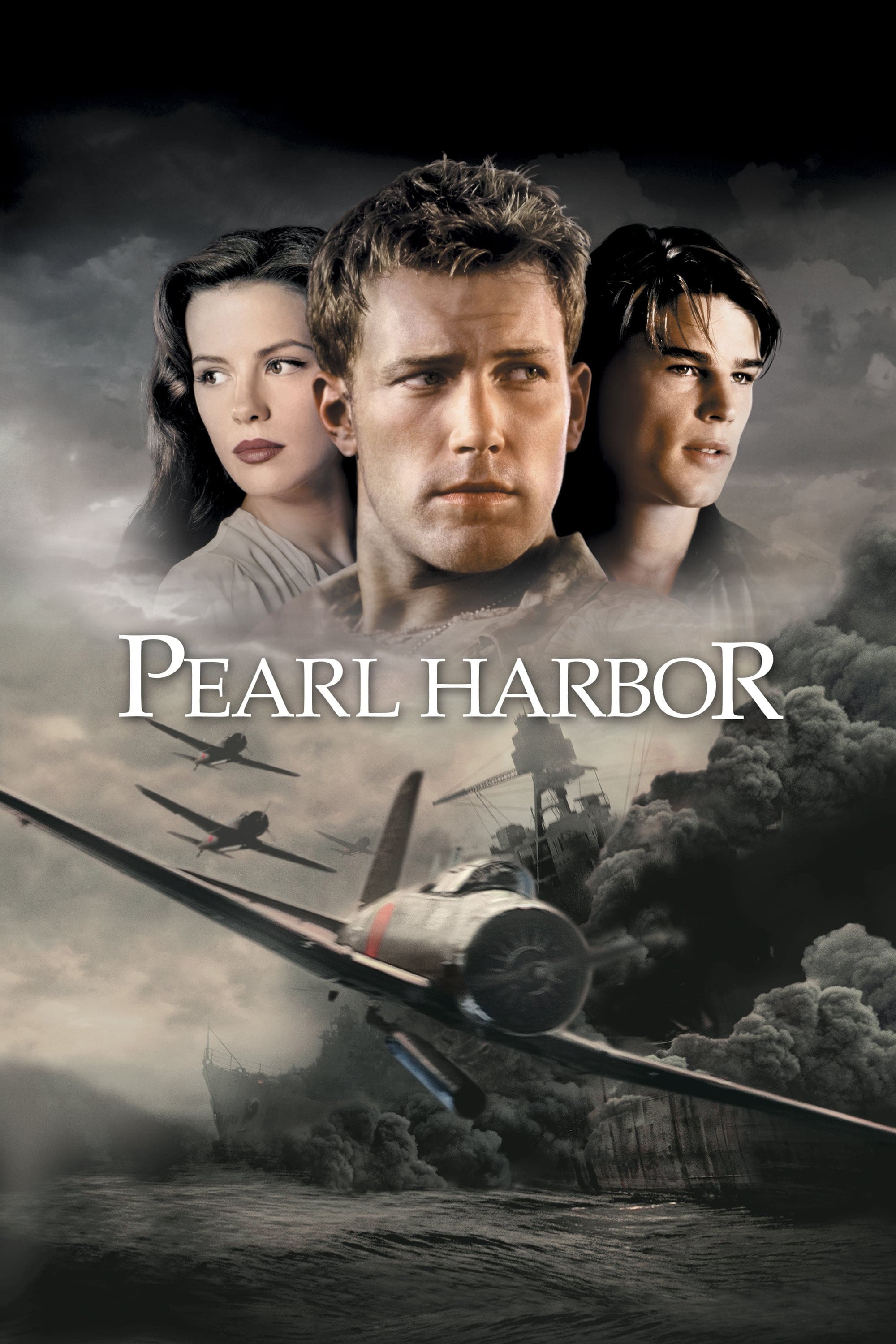
The Director’s Cut adds graphic violence to the battle sequences to depict the horror of the attack more realistically. The romance subplot is slightly trimmed and rebalanced to improve the pacing. New scenes show the Japanese perspective and the planning involved in the strike. The result is a film that feels more like a war drama and less like a romance.
‘Black Hawk Down’ (2001)
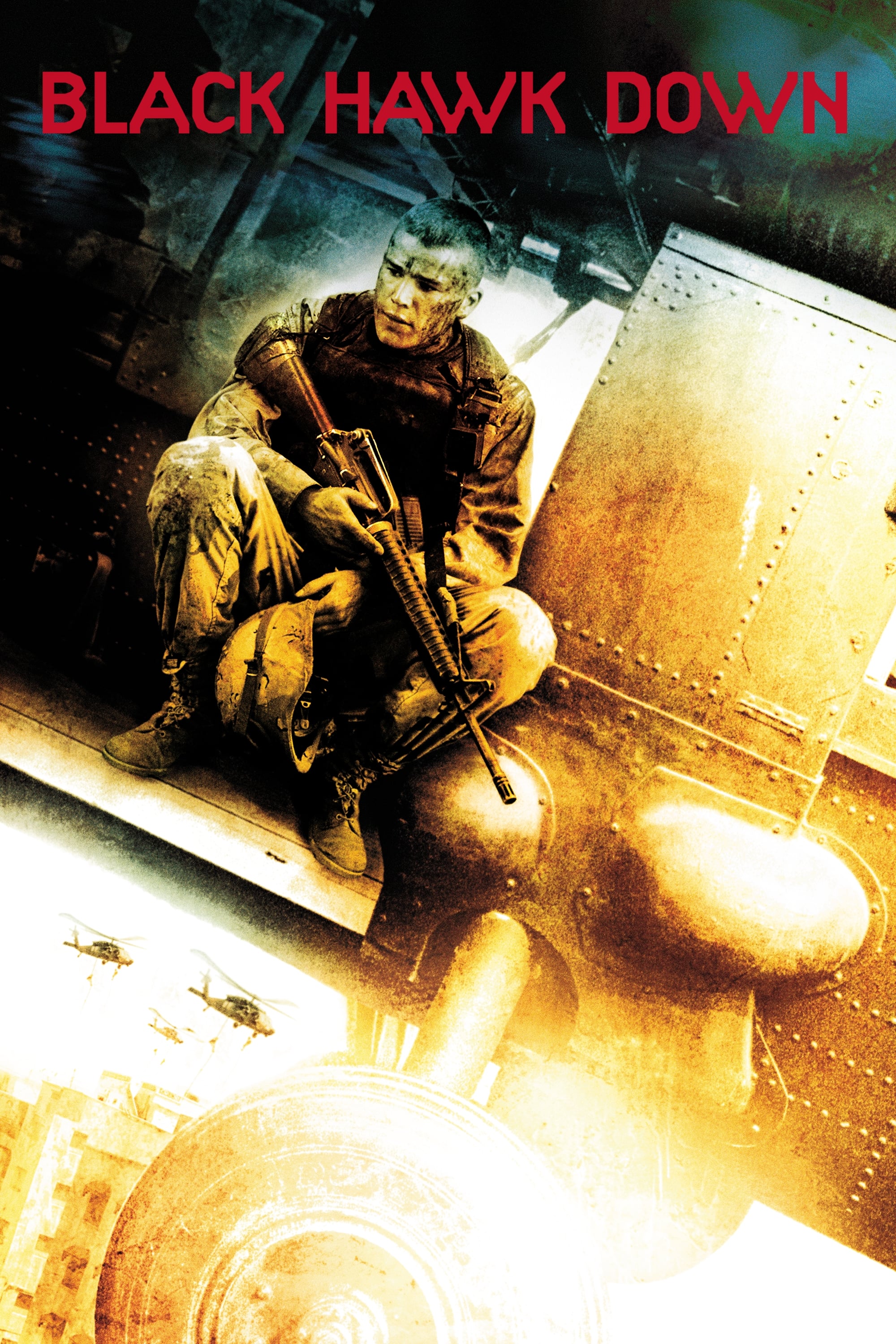
Ridley Scott added eight minutes of footage that might seem small but significantly impacts the character dynamics. The soldiers are given more moments of camaraderie before the mission goes wrong. The violence is slightly more pronounced to emphasize the brutality of the Mogadishu battle. These additions help distinguish the large cast of characters in the chaos.
‘Betty Blue’ (1986)
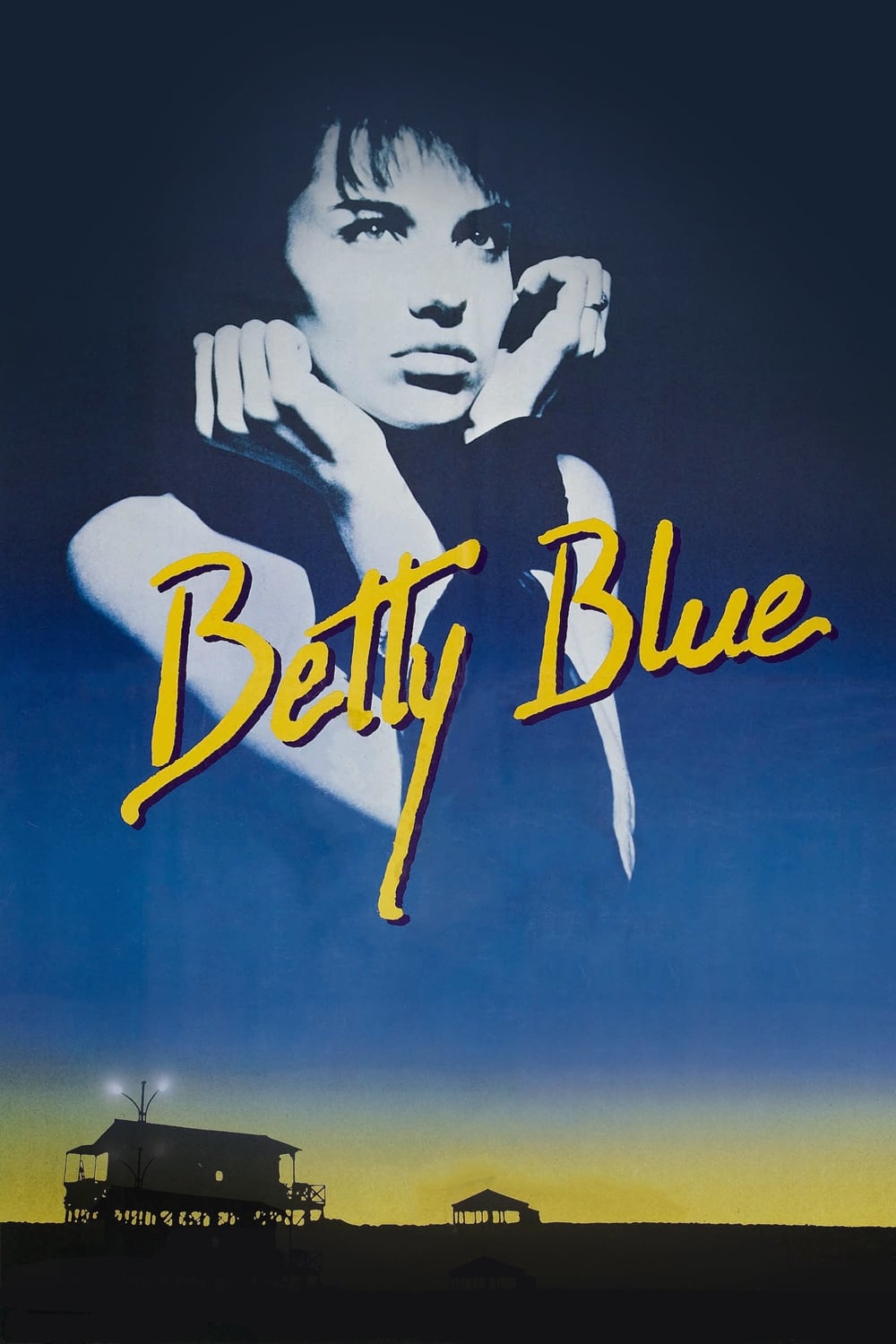
The original director’s cut runs an hour longer than the theatrical release and fundamentally changes the character study. The descent of Betty into madness is portrayed as a slower and more heartbreaking process. Zorg’s life as a writer and his devotion to her are explored with greater depth. The film becomes a sprawling epic of romance and mental illness.
‘Until the End of the World’ (1991)
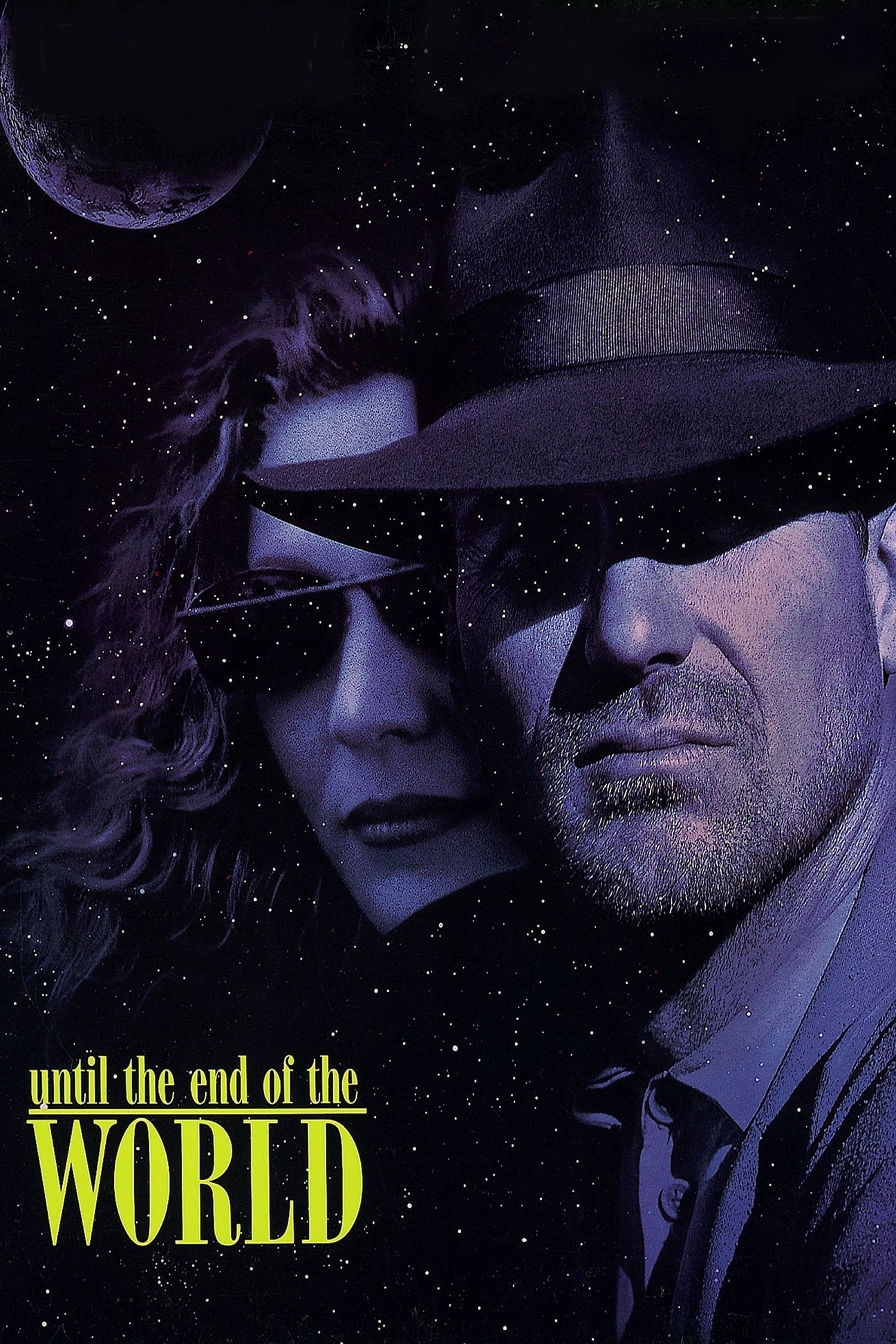
Wim Wenders released a massive cut that runs nearly five hours and restores the full scope of his road movie. The film traverses multiple continents and genres ranging from sci-fi to romance. The extended runtime allows the complex plot about dream-recording technology to unfold naturally. It is a demanding but rewarding experience that fulfills the director’s global vision.
‘The New World’ (2005)
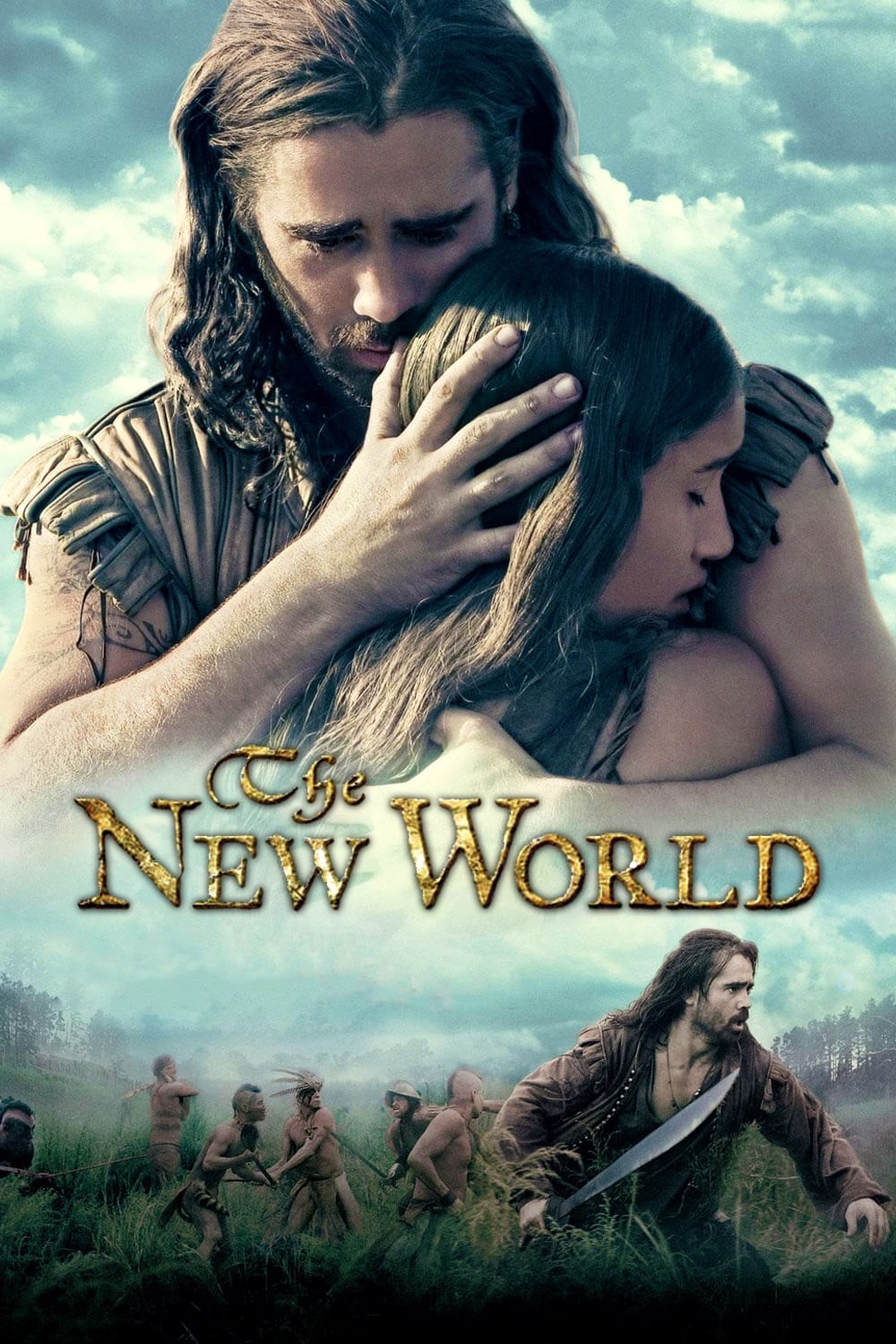
Terrence Malick’s extended cut adds thirty-five minutes of atmospheric shots and voiceovers. The film focuses heavily on the natural environment and the unspoken connection between Pocahontas and John Smith. The pacing is meditative and prioritizes visual poetry over traditional storytelling. This version enhances the immersive and dreamlike quality of the historical drama.
‘Legend’ (1985)
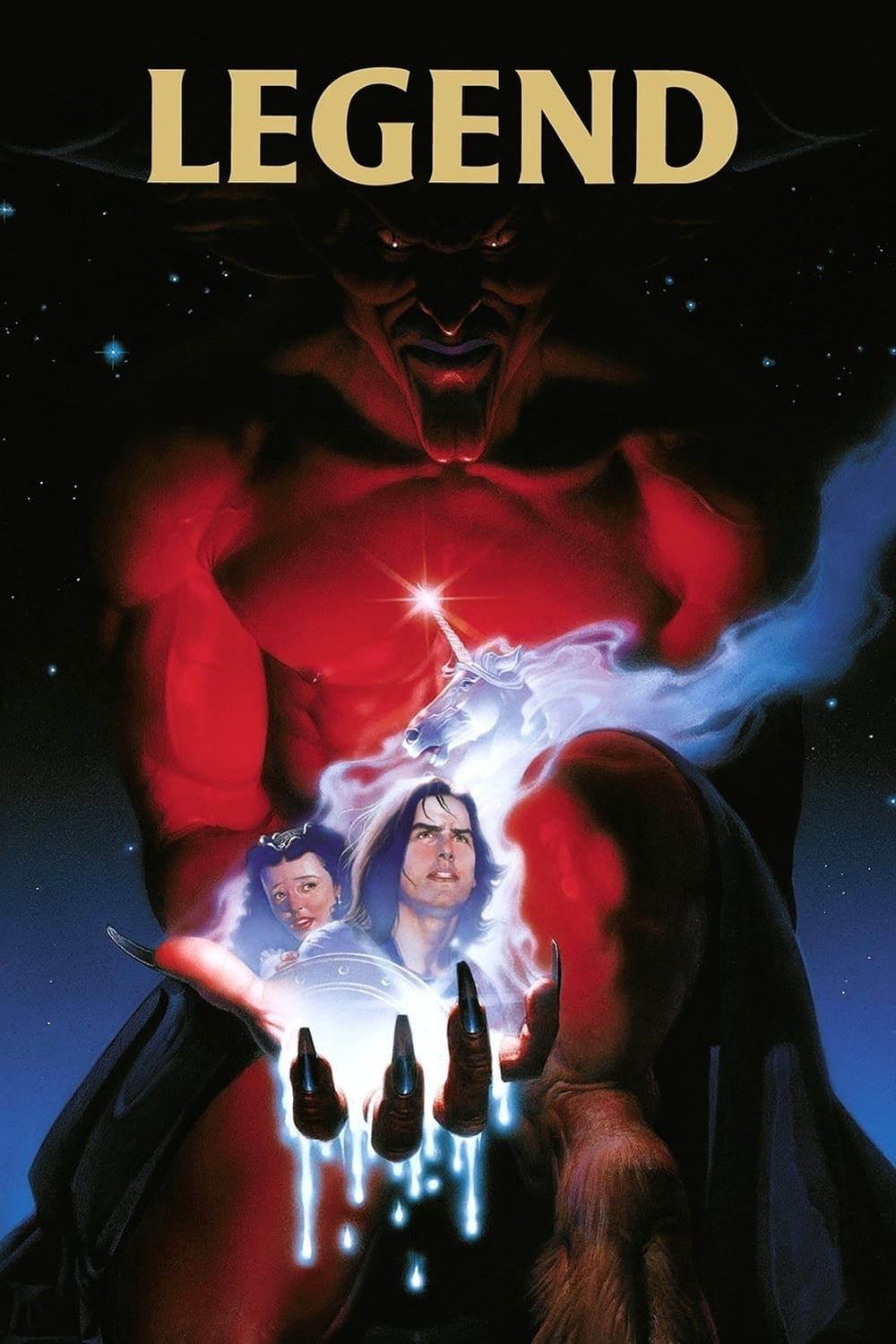
Ridley Scott’s Director’s Cut replaces the electronic soundtrack of the US release with the original orchestral score by Jerry Goldsmith. It restores scenes that explain the nature of the Darkness and the rules of the fantasy world. The tone is darker and more mythical compared to the lighter theatrical version. This cut is considered the only way to properly experience the fairy tale.
‘Alien Resurrection’ (1997)
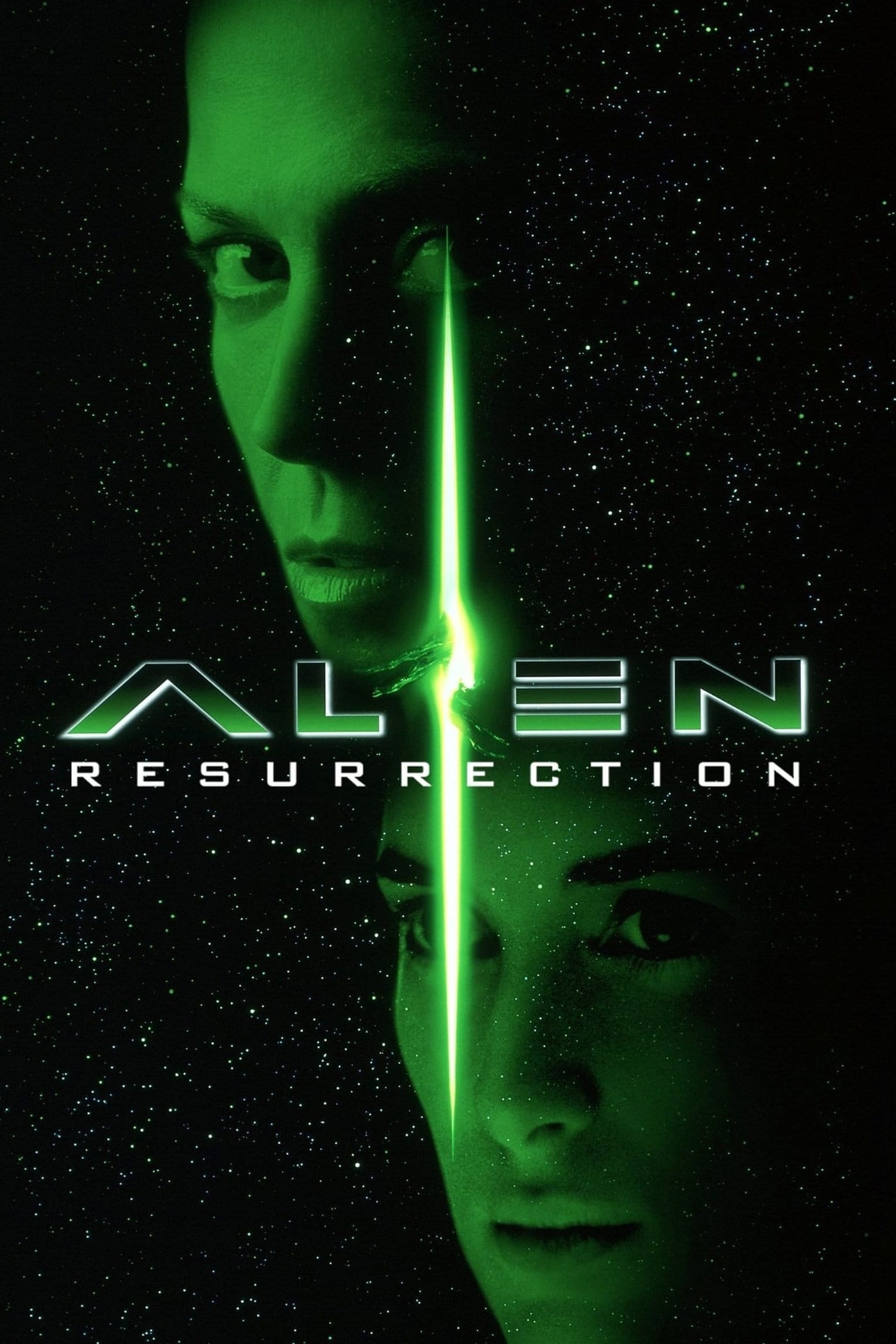
The Special Edition adds an alternate opening and ending that show Earth in a dilapidated state. Dialogue scenes are extended to flesh out the relationships between the mercenaries and the clone Ripley. The humor is slightly darker and the creature effects are given more screen time. It offers a more complete look at the grotesque style of the film.
‘The Wild Bunch’ (1969)
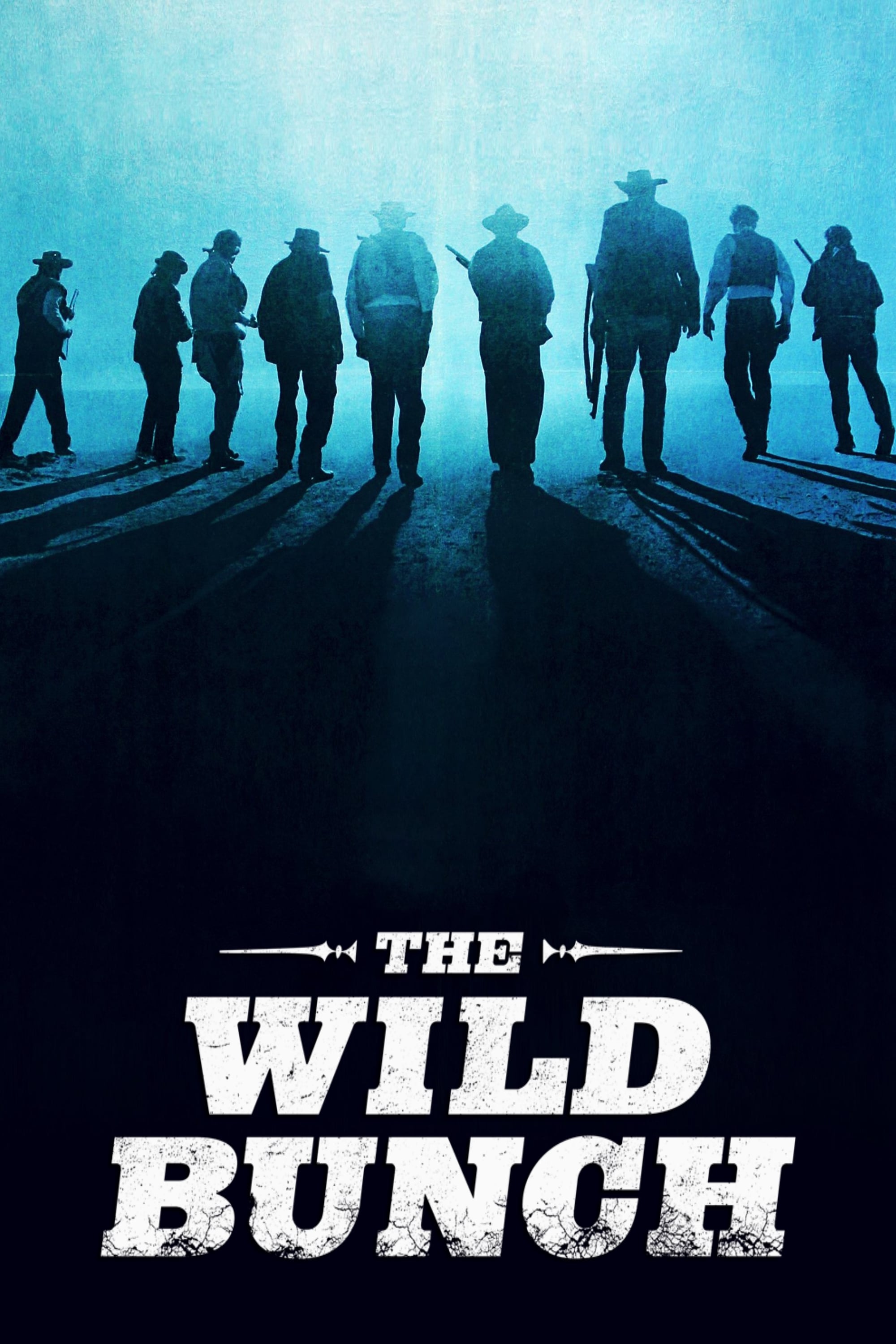
The restored version includes flashbacks that explain the history of the outlaw gang and their betrayals. Scenes depicting the Mexican village life provide a stark contrast to the violence that follows. The pacing allows the themes of aging and obsolescence to resonate more fastidiously. This cut preserves the melancholy soul of the revisionist western.
‘Major Dundee’ (1965)
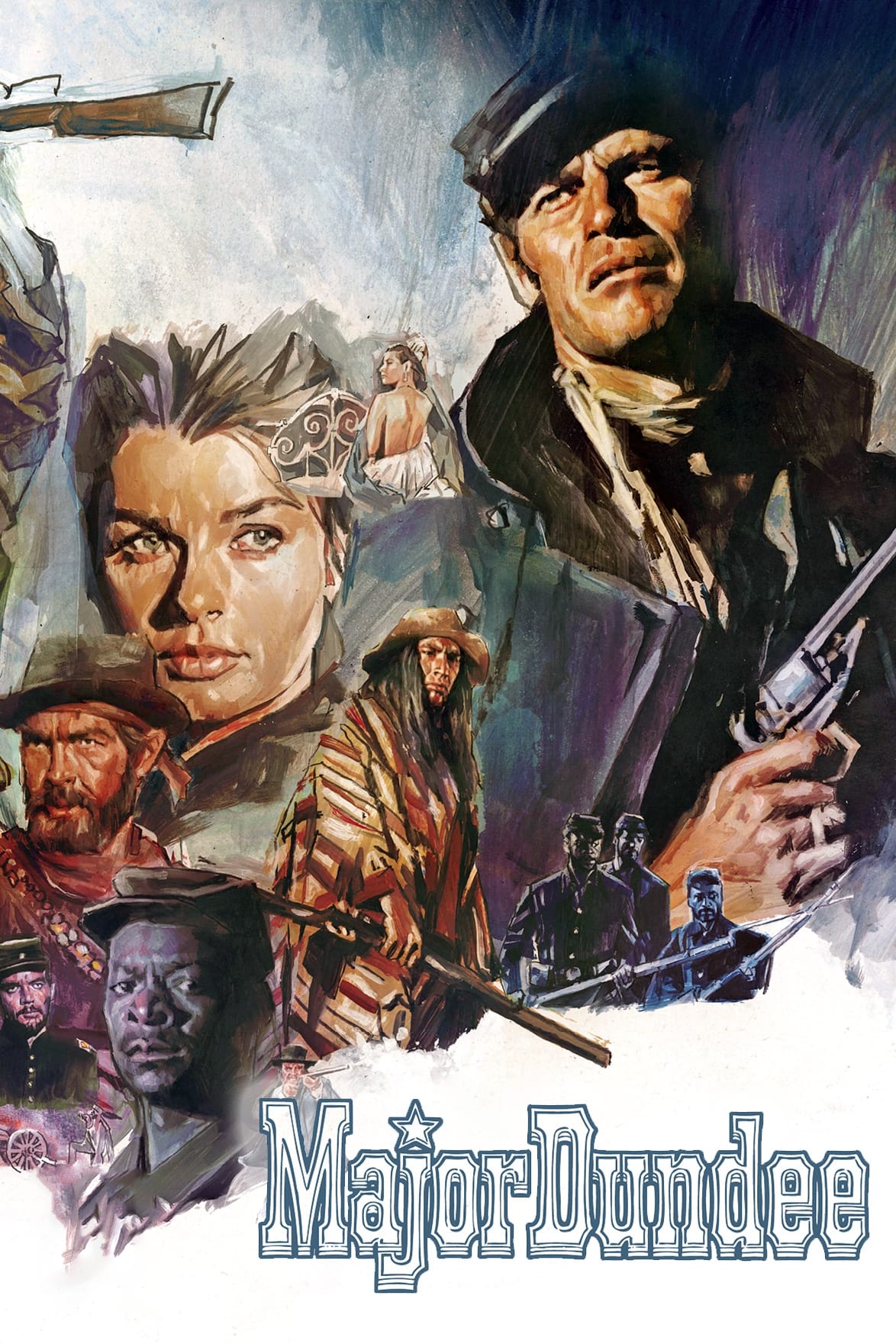
The Extended Version restores footage that was cut to make the film a standard action movie. The new scenes explore the psychological conflict between the Union officer and the Confederate prisoner he recruits. The chaotic production is smoothed over by the restored narrative links. It stands as a flawed but fascinating example of Peckinpah’s work.
‘Margaret’ (2011)
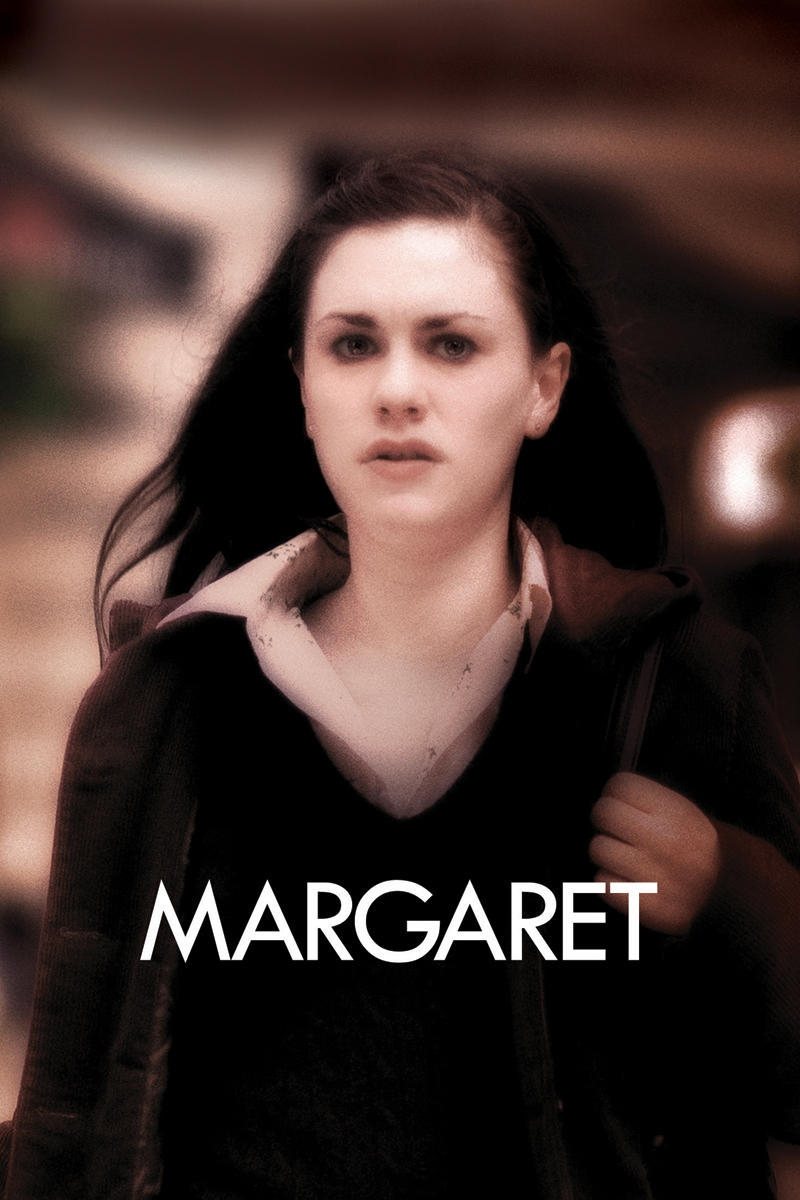
The Extended Cut runs three hours and restores the full breadth of Kenneth Lonergan’s script. The film details the messy and sprawling aftermath of a bus accident in New York City. Subplots involving the protagonist’s mother and teachers are given equal weight to the main legal drama. The result is a novelistic examination of guilt and teenage angst.
‘The Cotton Club’ (1984)
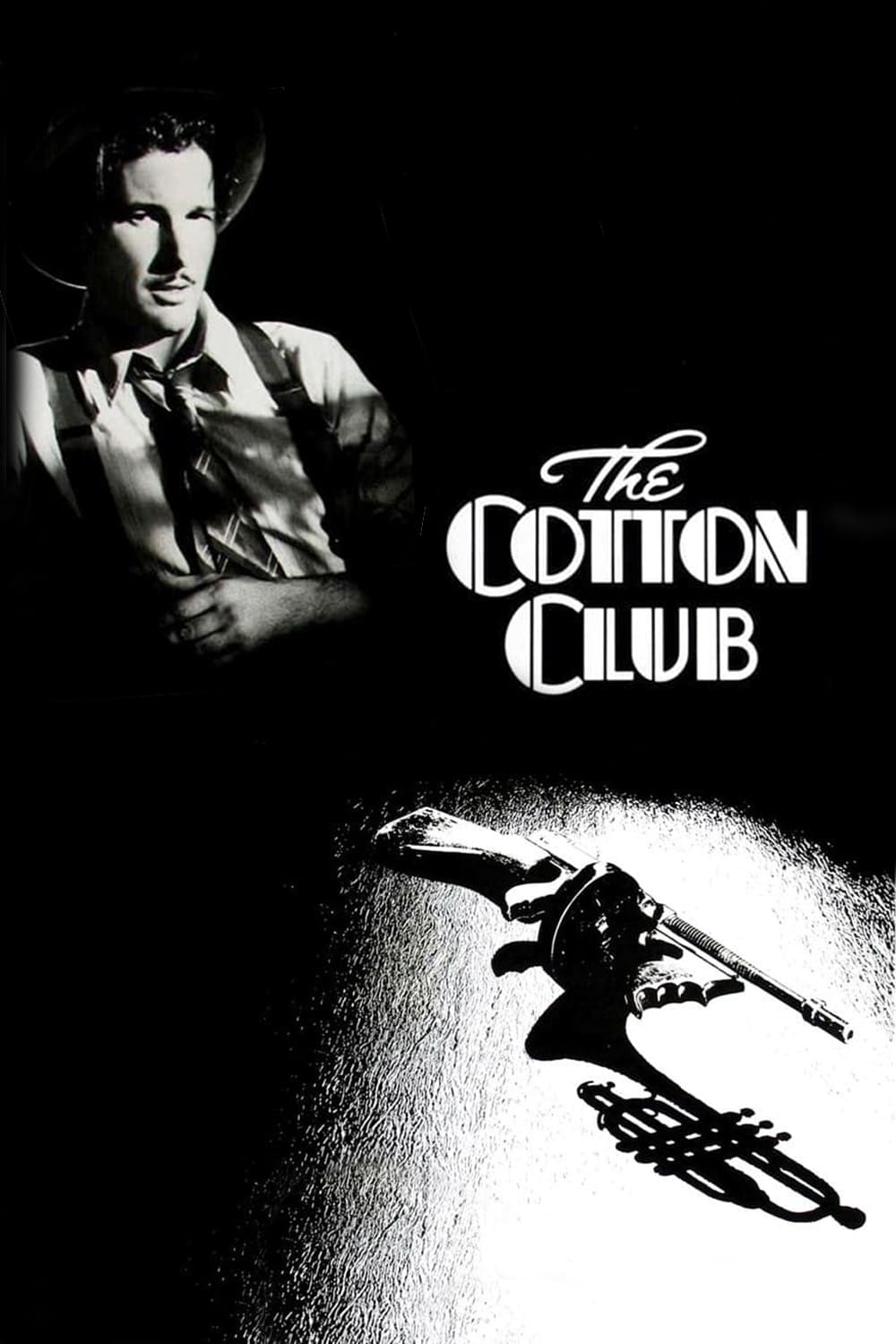
Francis Ford Coppola released The Cotton Club Encore which restores musical numbers and character beats for the black performers. The original theatrical cut focused too heavily on the white gangsters at the expense of the tap dancers. This version balances the two worlds and highlights the artistry of the club’s entertainers. The film is finally the musical drama it was intended to be.
‘King Kong’ (2005)
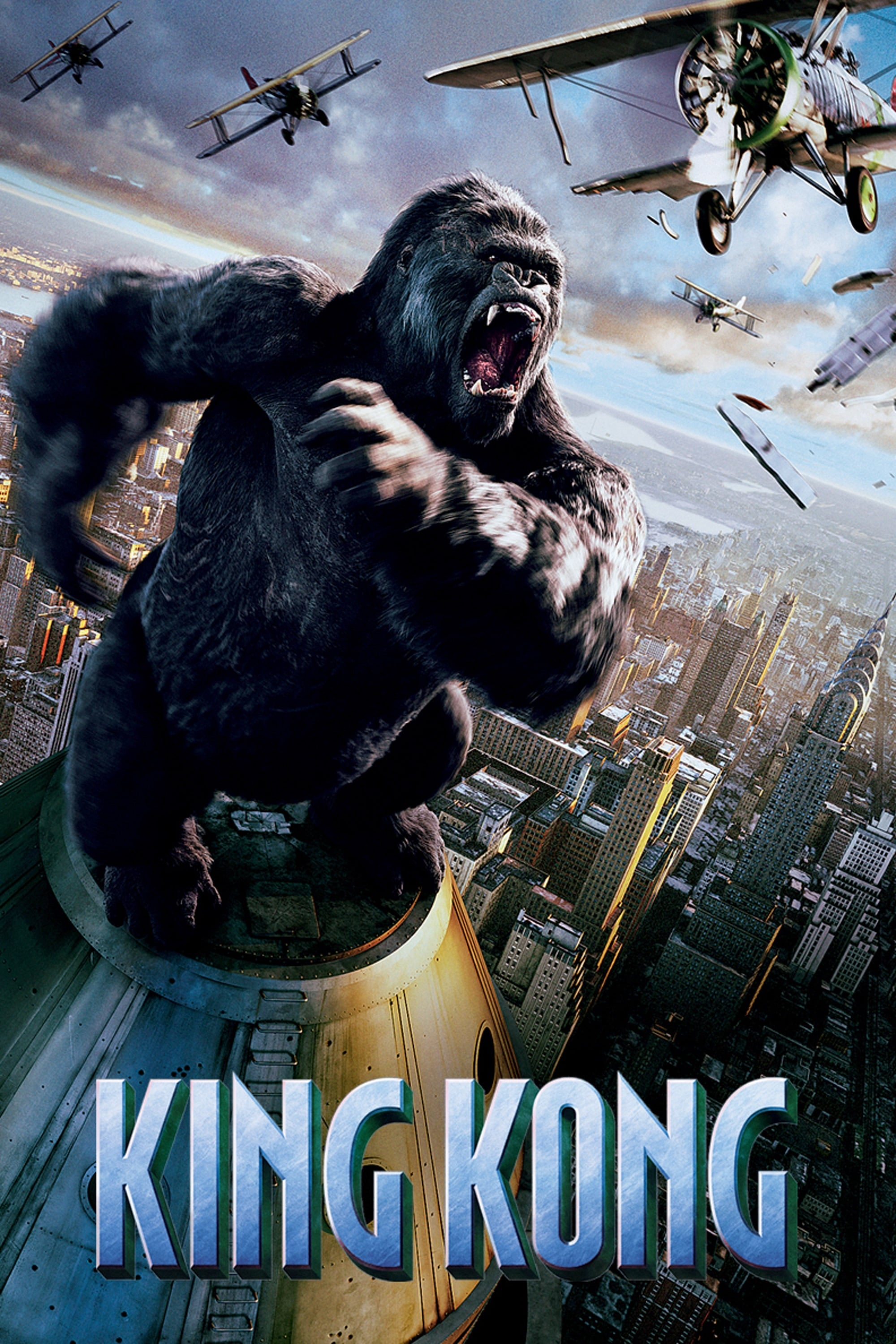
Peter Jackson’s extended edition adds thirteen minutes of creature encounters including a swamp attack by a giant fish. While not thirty minutes the added scenes contribute to the sense of Skull Island as a hostile ecosystem. The crew is shown struggling more intensely against the prehistoric environment. The additional action sequences delight fans of monster movies.
‘X-Men: Days of Future Past’ (2014)
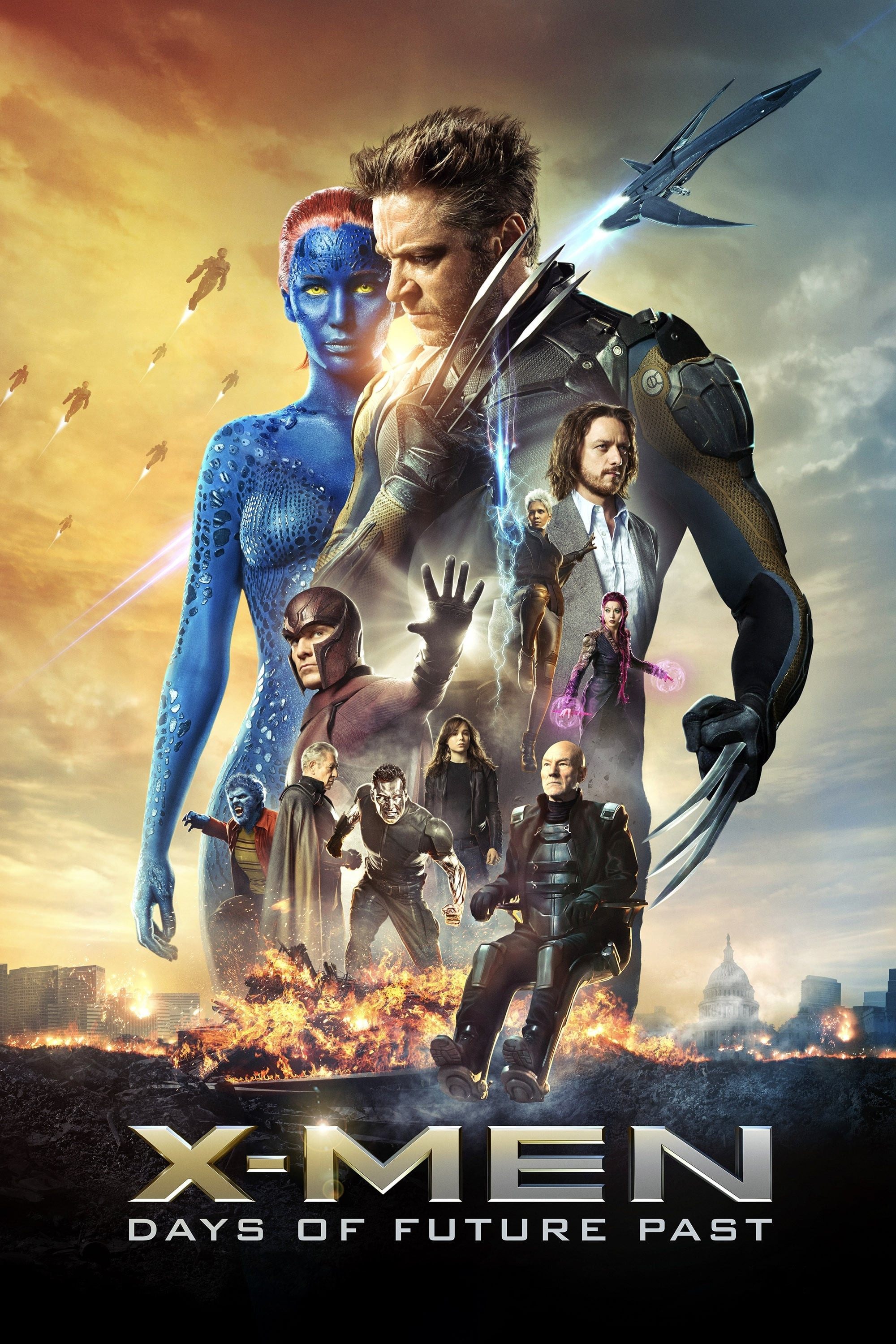
The Rogue Cut adds seventeen minutes that reintegrate Anna Paquin’s character into the main plot. A sub-mission involves Magneto and Iceman rescuing Rogue to help sustain Wolverine’s time travel. This version adds emotional stakes for the future timeline characters. It connects the film more firmly to the original X-Men trilogy.
‘Wyatt Earp’ (1994)
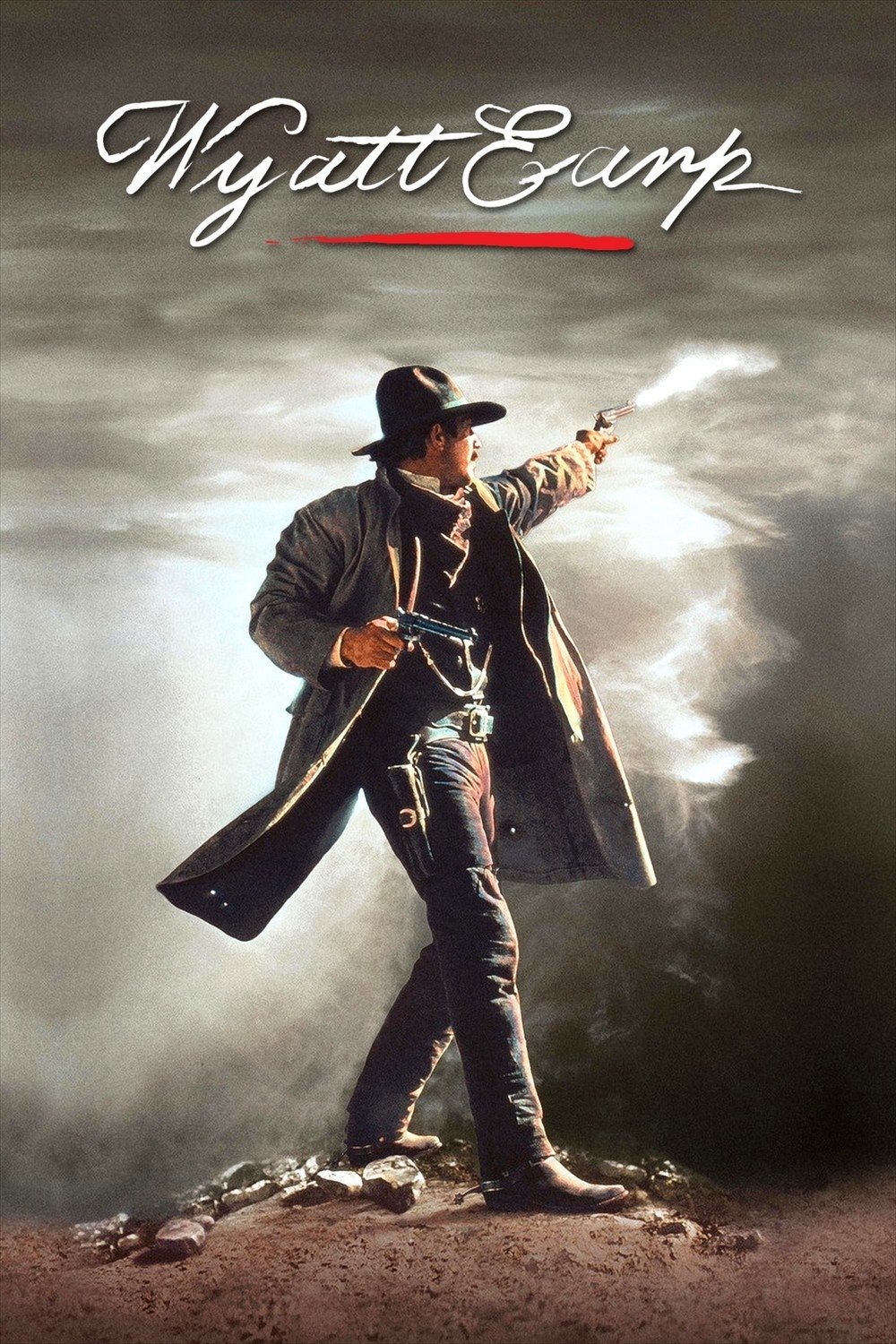
The expanded versions of this biopic add detail to the early life of the lawman and his family. The film takes a novelistic approach to the history of the West over several decades. Scenes of Earp’s downfall and redemption are given more time to play out. The length emphasizes the epic scope of the historical figure’s life.
‘Ride with the Devil’ (1999)
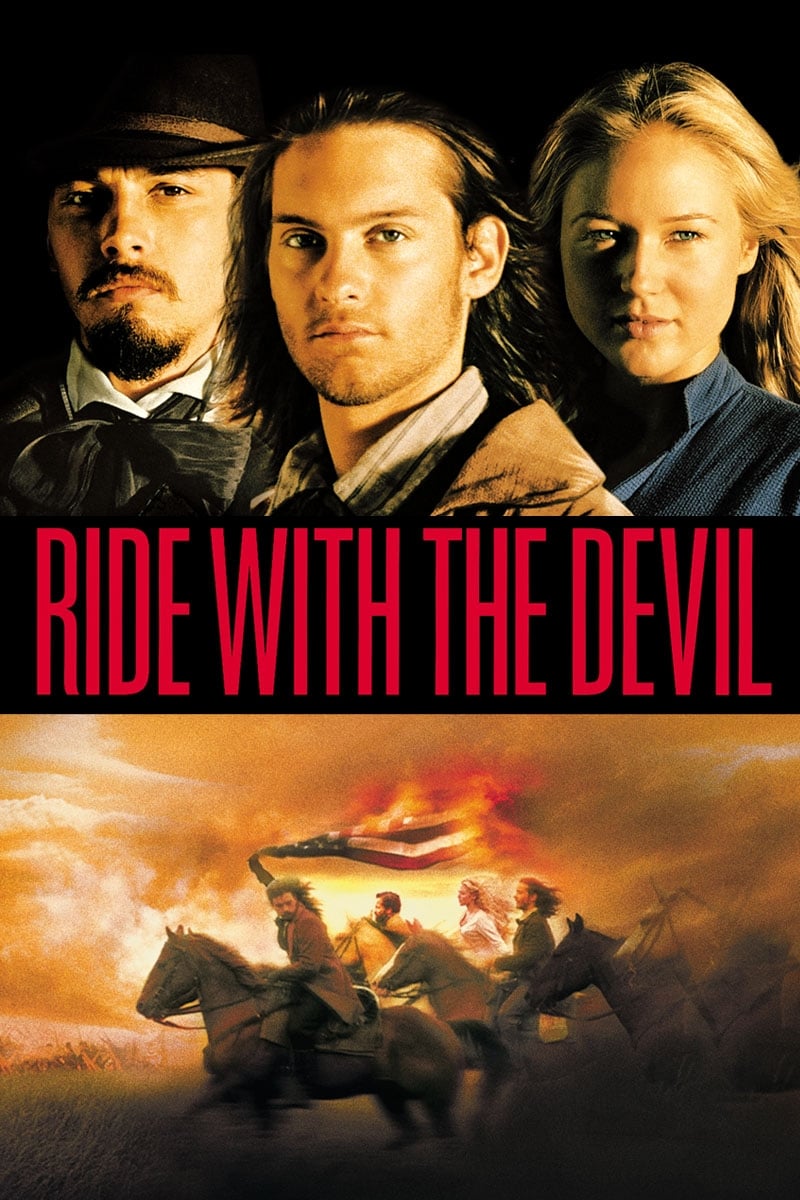
Ang Lee’s Civil War drama runs longer in the Criterion release to better explore the bushwhacker conflict. The film focuses on the friendship between a black man and a white southerner fighting for the Confederacy. The extended scenes add nuance to the complex racial and political themes. It is a unique and contemplative war film that benefits from the extra time.
‘Windtalkers’ (2002)
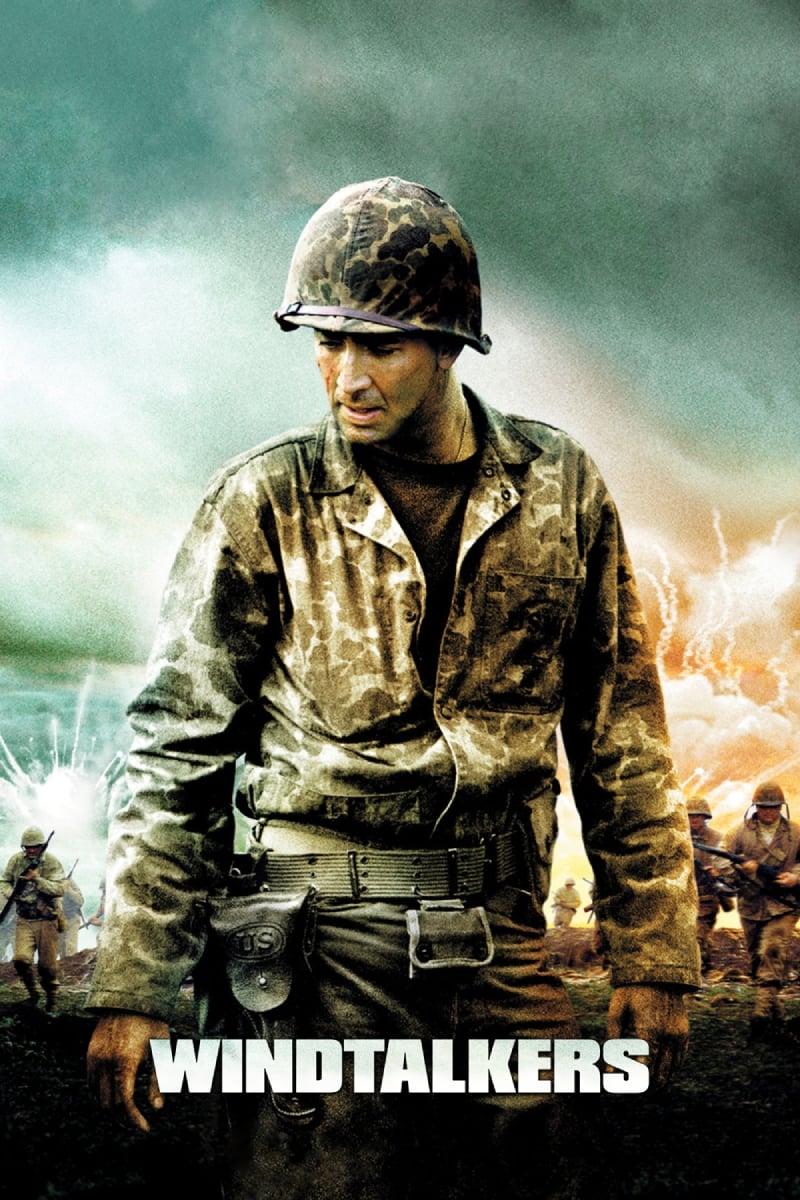
The Director’s Cut adds twenty minutes of footage that deepens the bond between the Navajo code talkers and their bodyguards. The violence is more graphic to reflect the horror of the Pacific theater battles. Character motivations are clarified regarding the orders to kill the code talkers if capture is imminent. The film becomes a more serious examination of duty and sacrifice.
‘Bad Santa’ (2003)
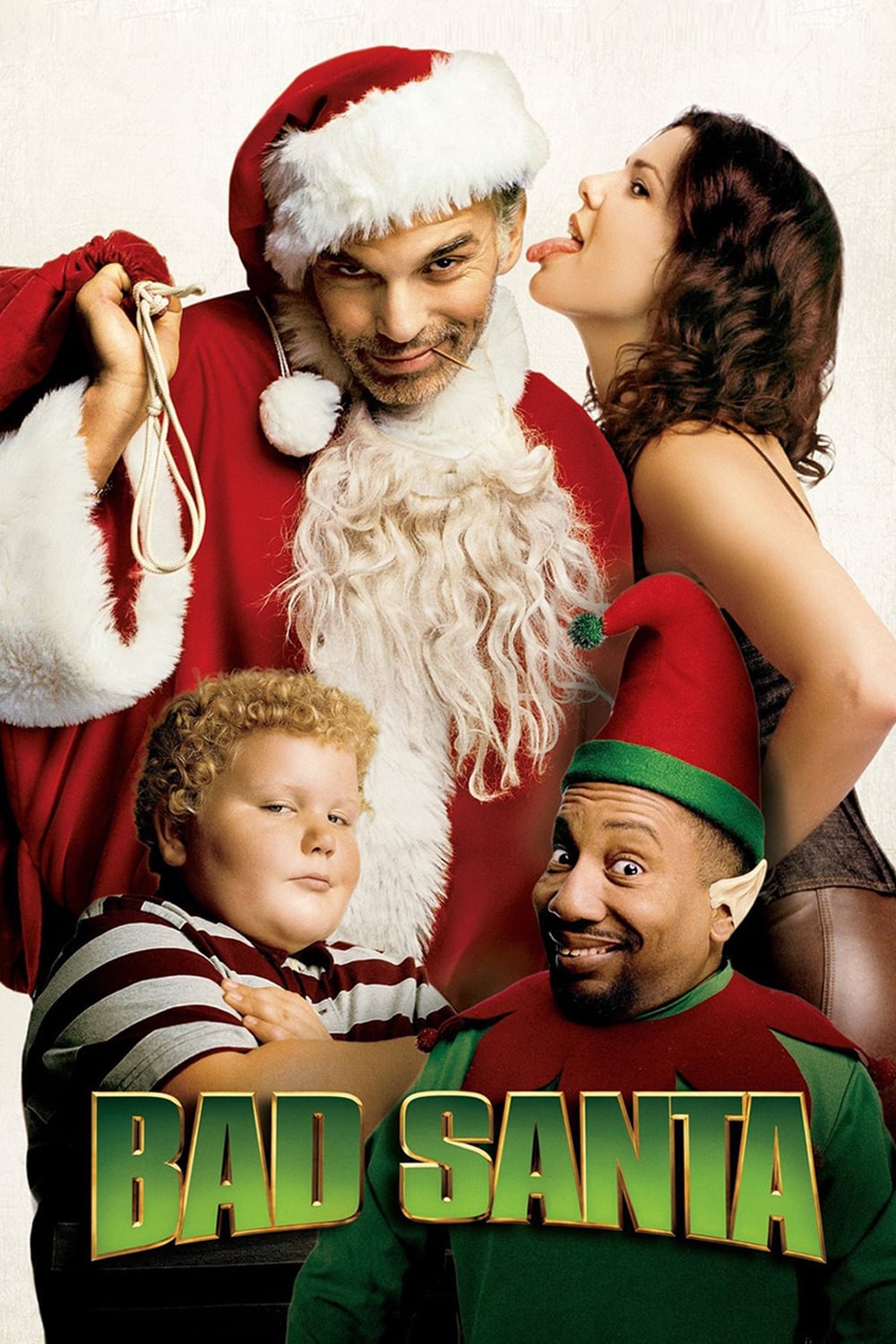
The Director’s Cut is actually shorter in some comedy cases but the unrated version adds scenes of depravity that fans love. The character of Willie is shown to be even more self-destructive and pathetic. The humor is darker and pushes the boundaries of good taste further. This version leans fully into the black comedy premise without compromise.
Tell us which extended cut you think improves the movie the most in the comments.