17 Movies That Filmed Night Scenes Entirely at Dawn



Filmmakers are constantly chasing the perfect light to convey emotion and atmosphere in their visual storytelling. One of the most challenging and rewarding techniques involves shooting night scenes during the brief window of dawn or dusk known as the magic hour. This approach creates a rich blue hue and allows for natural visibility that artificial lighting cannot easily replicate. Capturing these moments requires intense preparation and patience since the lighting conditions change rapidly within minutes. The following films utilized this fleeting natural light to create some of the most stunning night sequences in cinema history.
‘Days of Heaven’ (1978)
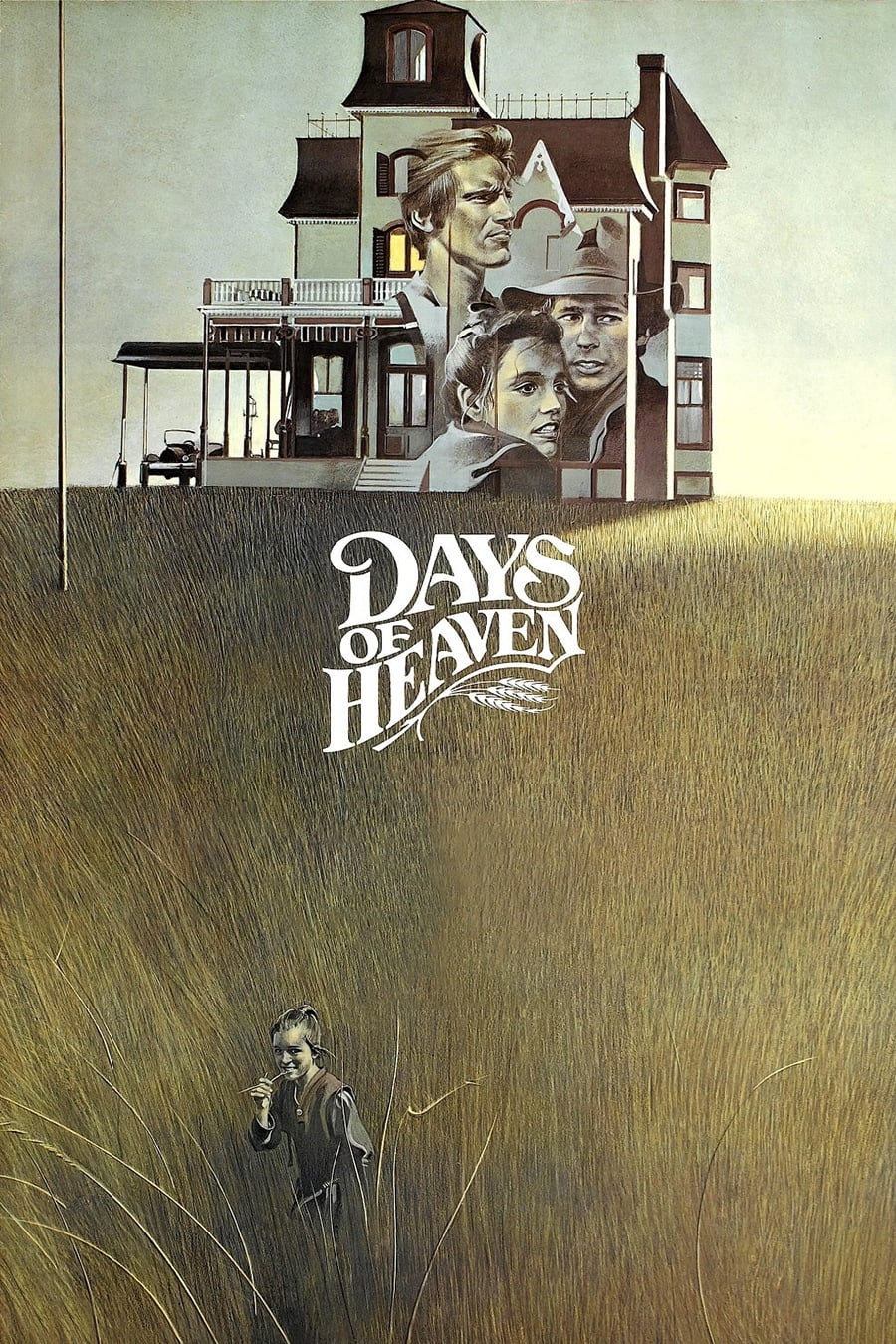
Director Terrence Malick and cinematographer Néstor Almendros famously shot almost the entire film during the magic hour to achieve a painterly aesthetic. The production schedule was dictated by the rising and setting sun which allowed for only twenty minutes of filming per day. This strenuous method resulted in a soft and diffused look that eliminated harsh shadows and bathed the characters in a golden or blue glow. The night scenes possess a unique texture that feels ethereal and dreamlike rather than pitch black. It remains one of the most visually influential films ever made due to this commitment to natural light.
‘The Revenant’ (2015)
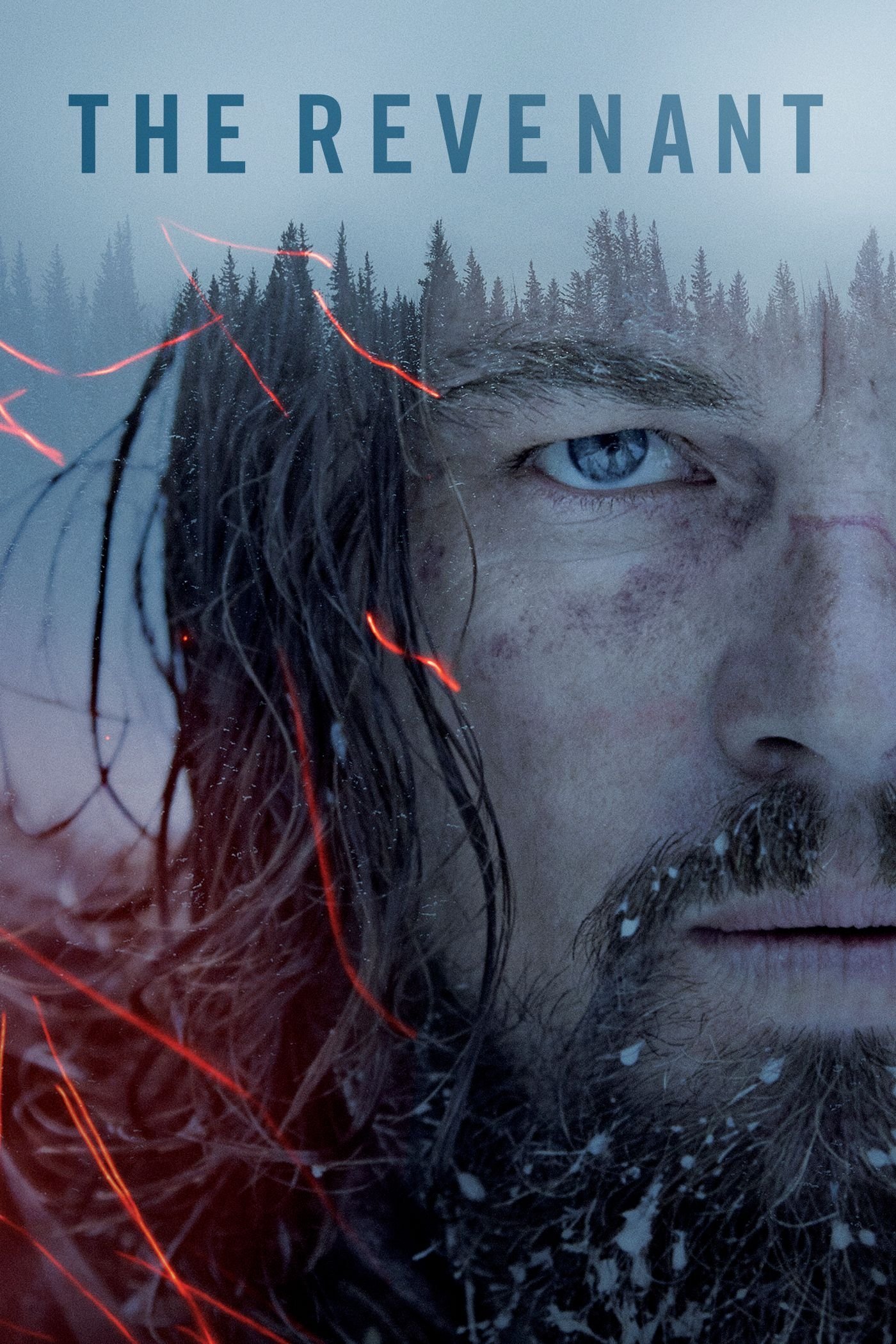
Alejandro G. Iñárritu and Emmanuel Lubezki pushed the boundaries of natural light photography in this survival epic. They chose to shoot in chronological order and relied almost exclusively on sunlight and firelight to illuminate the scenes. The night sequences were often filmed during the blue hour before sunrise to capture the cold and desolation of the wilderness. This decision added an immense layer of realism as the actors struggled through actual freezing conditions in low light. The result is a visceral experience where the darkness feels consuming yet textured with deep blue tones.
‘The New World’ (2005)
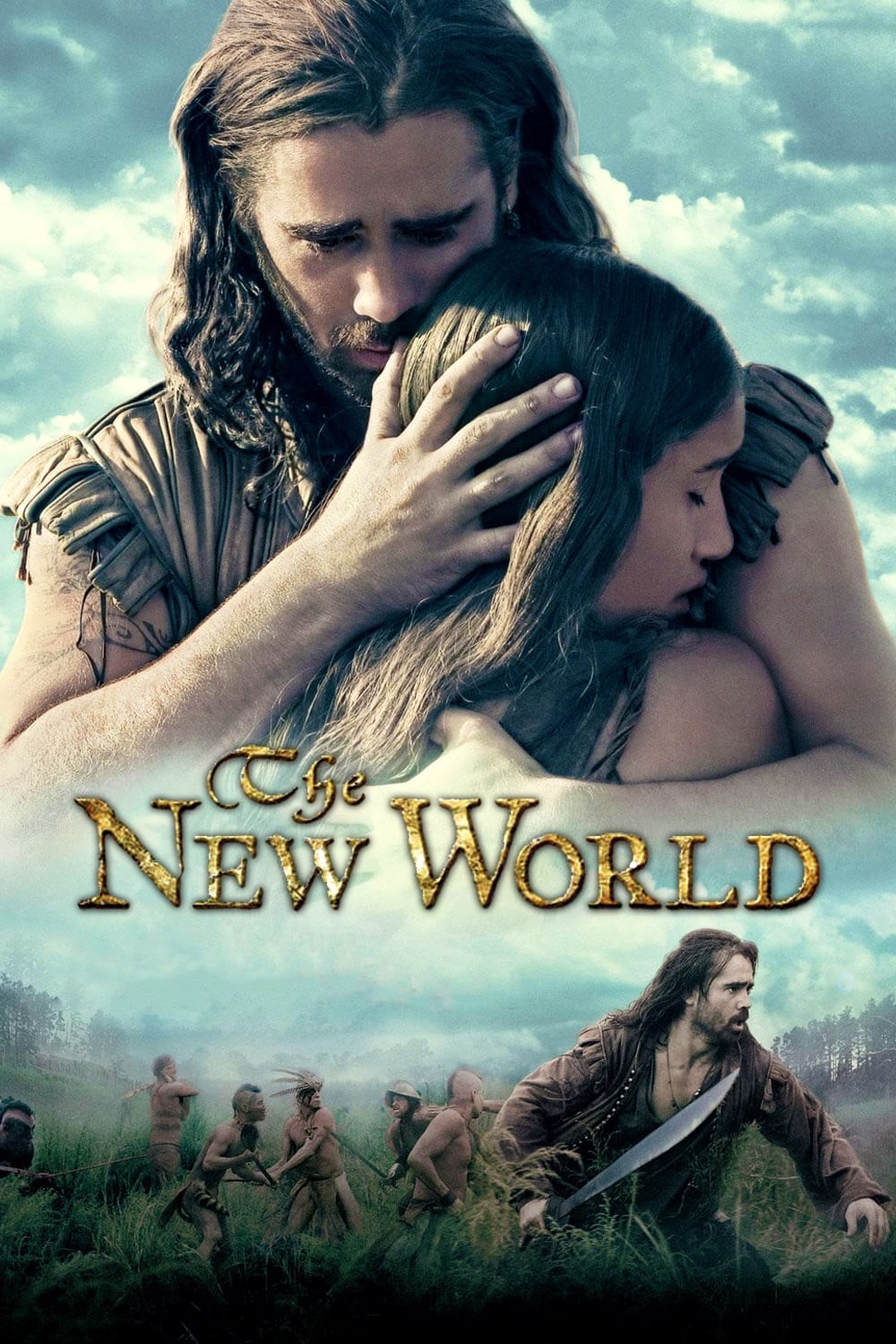
Cinematographer Emmanuel Lubezki collaborated with Terrence Malick to create a visual language that felt entirely organic and untouched by modern technology. They avoided artificial lighting setups and instead waited for the soft illumination of dawn and dusk to film the darker sequences. This technique grounded the historical narrative in a natural reality that felt consistent with the era being depicted. The shadows in the film are never fully black but rather retain the detail and color of the surrounding environment. The commitment to this lighting schedule required the cast and crew to be ready at a moment’s notice to capture the fleeting light.
‘La La Land’ (2016)
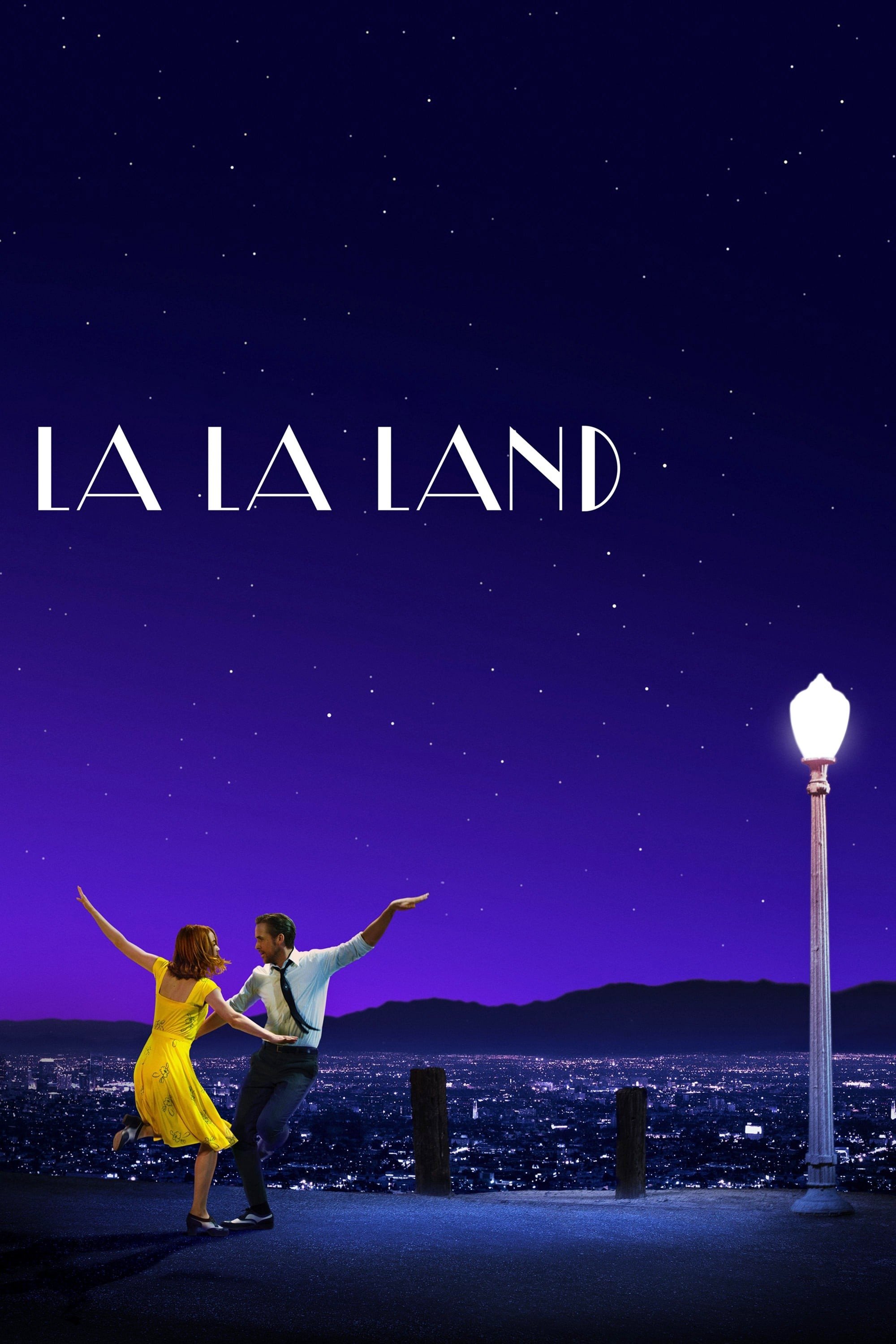
The iconic dance number “A Lovely Night” was filmed over two days during the brief window of twilight to capture the perfect purple and blue sky. Director Damien Chazelle and cinematographer Linus Sandgren wanted the scene to look like a classic technicolor painting without using green screens. The actors had to perform the long continuous take repeatedly while the crew raced against the fading sun. Catching the background colors at the exact moment they matched the streetlamps created a magical and romantic atmosphere. This dedication to practical timing gave the musical sequence a grounded yet fantastical quality.
‘Dune’ (2021)

Cinematographer Greig Fraser utilized a technique he called “dusk for night” to capture the vast desert landscapes of Arrakis. Shooting the night scenes during the blue hour allowed the camera to see the dunes and the actors without relying on fake moonlight. This approach gave the shadows a soft quality and maintained the scale of the environment which would have been lost in total darkness. The post-production team then color graded these twilight shots to look like a moonlit night while retaining the detail captured at dawn. This method helped ground the science fiction elements in a tangible and dusty reality.
‘Moonlight’ (2016)
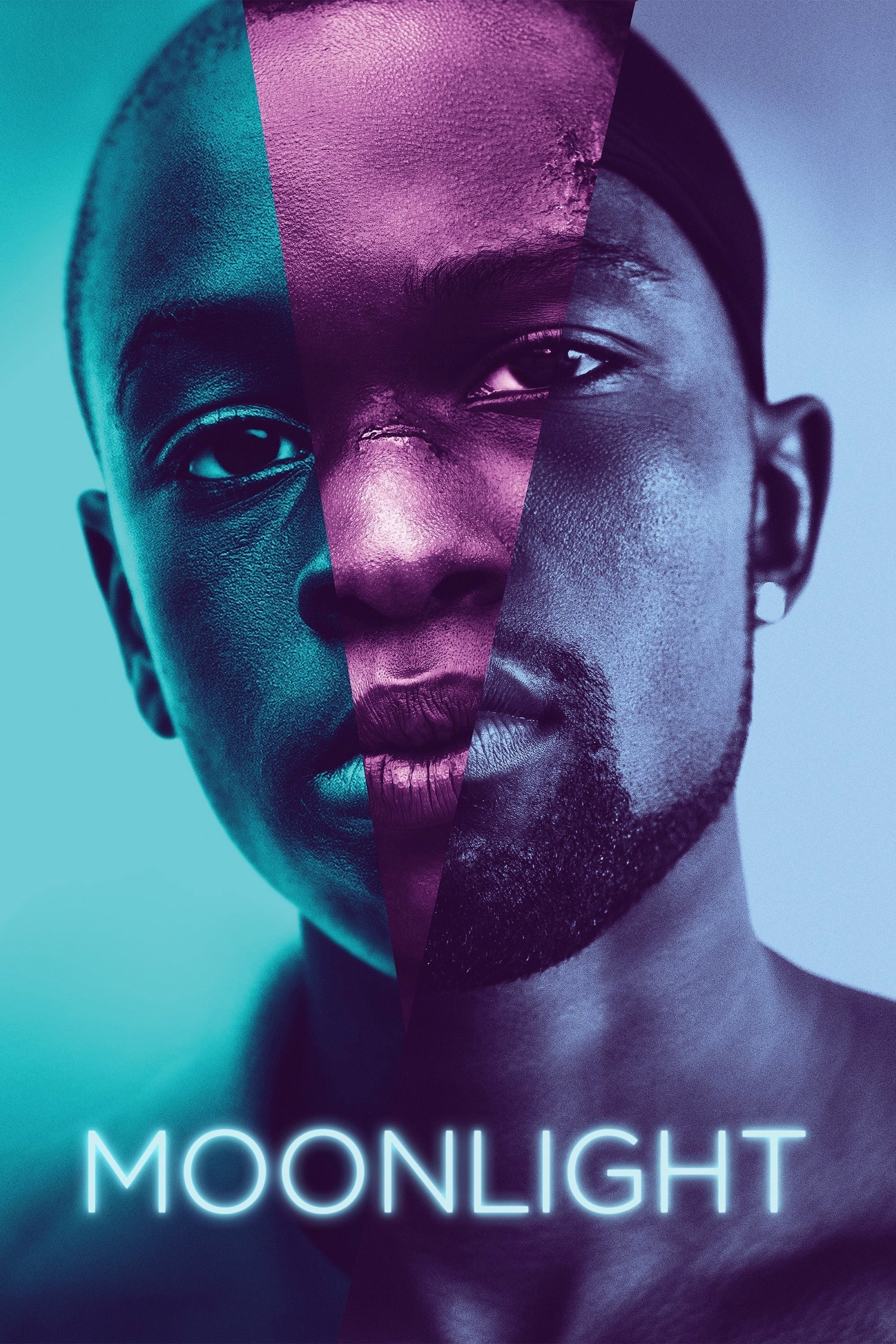
Director Barry Jenkins and cinematographer James Laxton used the blue hour to accentuate the skin tones of the actors and the humid atmosphere of Miami. The beach scenes were filmed during twilight to create a specific contrast and color palette that reflected the emotional state of the protagonist. This natural light provided a softness that artificial lights often fail to achieve on screen. The blue hue of the dawn and dusk settings reinforced the themes of vulnerability and intimacy present in the narrative. The film proves that low light conditions can be vibrant and colorful rather than just dark.
‘Barry Lyndon’ (1975)
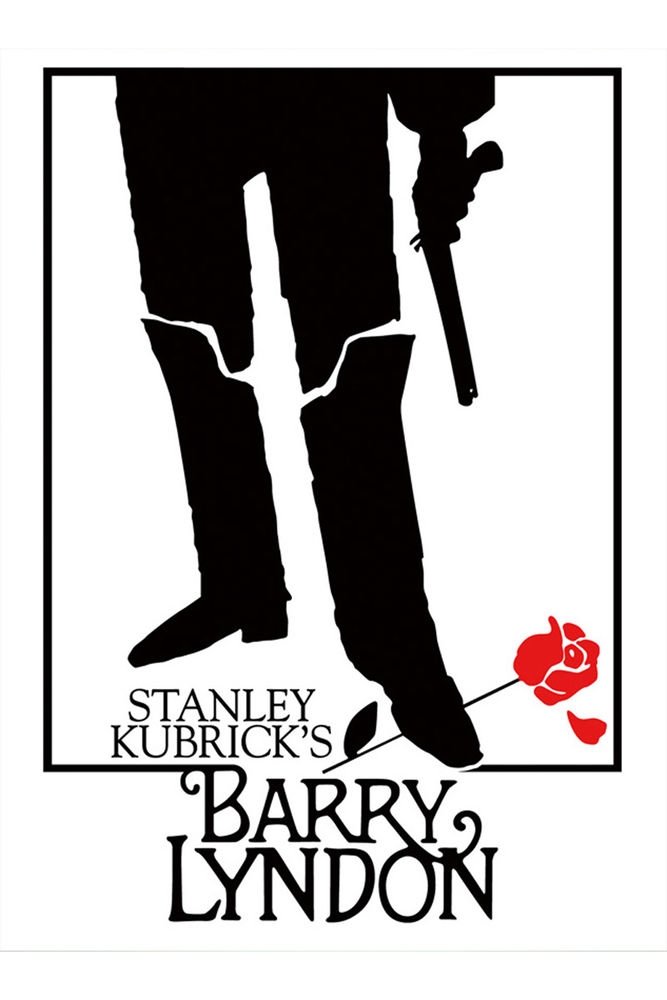
Stanley Kubrick is legendary for his perfectionism and his insistence on using natural light sources whenever possible. He used special lenses developed for NASA to film scenes lit only by candlelight and the ambient light of dawn. The exterior night scenes rely heavily on the soft light of twilight to mimic the look of 18th-century landscape paintings. This approach gives the film a historical authenticity that immerses the viewer in a world before electricity. The visual style feels organic and lived-in due to the rejection of modern studio lighting techniques.
‘Skyfall’ (2012)
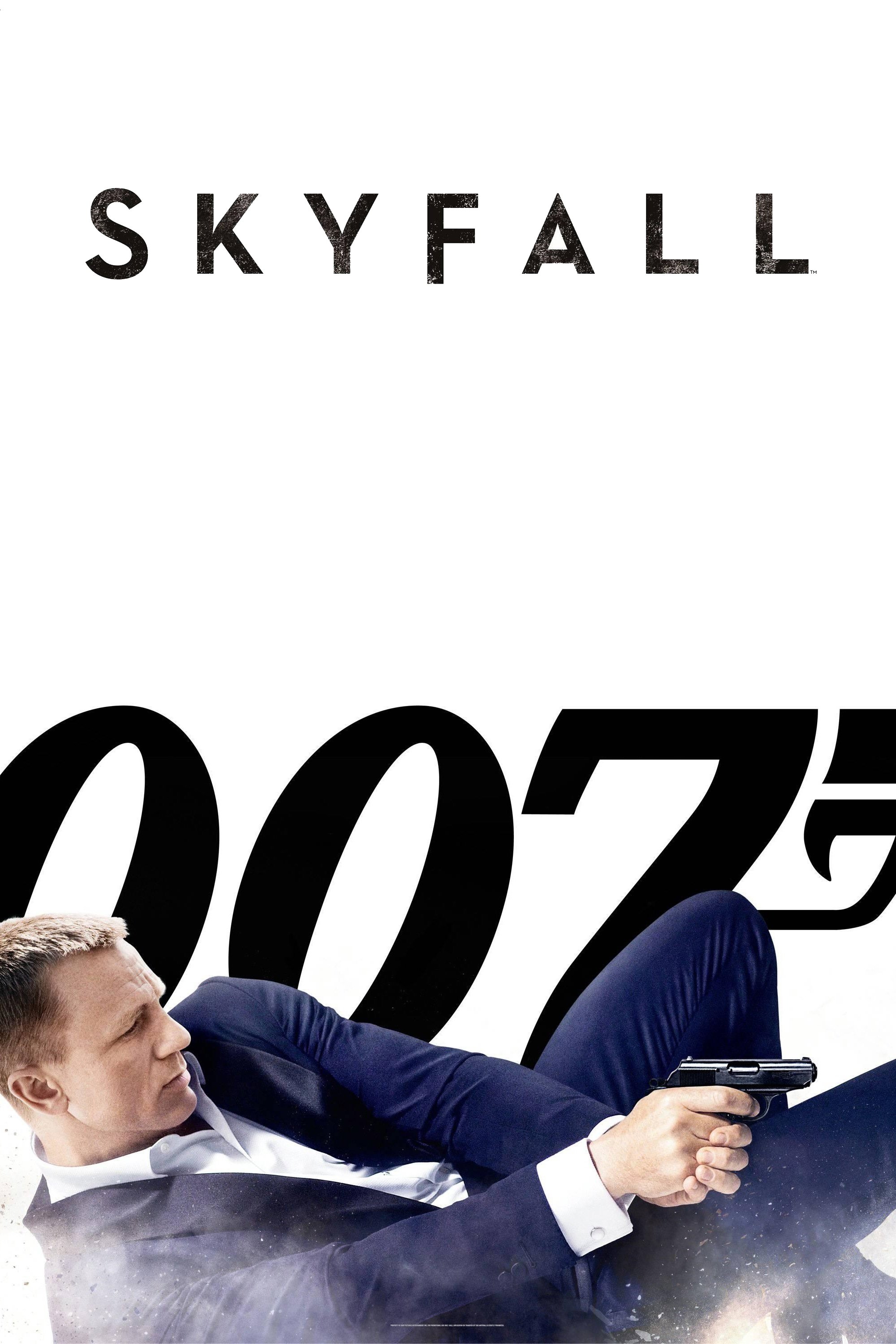
Roger Deakins is a master of using the blue hour to create mood and the climax of this Bond film is a prime example. The siege at the Scottish manor takes place in a foggy environment that transitions from night to dawn. Deakins utilized the low natural light to create silhouettes and deep shadows that heightened the tension of the action. The cool blue tones of the early morning light contrast sharply with the warm explosions and fire in the sequence. This visual strategy turned a standard action set piece into a stunningly atmospheric conclusion.
‘Sicario’ (2015)
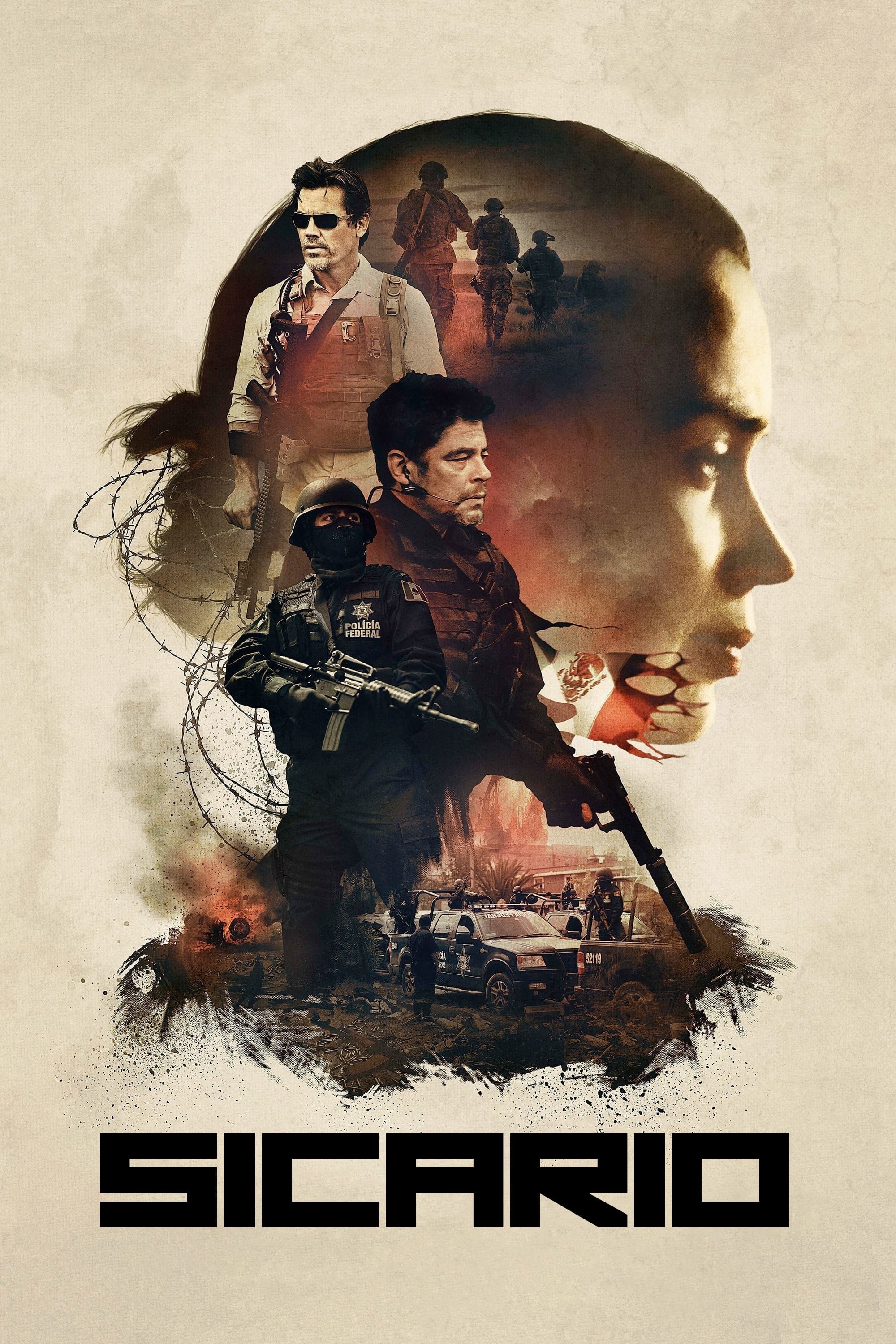
The tension of the border crossing scene and the night raid depends heavily on the lighting choices made by Roger Deakins. He utilized the twilight hours to film the transition into night which allowed the audience to see the landscape before the characters switched to night vision. This natural fade from light to dark mirrors the descent of the characters into a moral gray area. The blue hour shots provide a sense of foreboding and realism that anchors the thriller elements. The darkness in the film feels dangerous and expansive because of how the natural light creates deep pockets of shadow.
‘1917’ (2019)
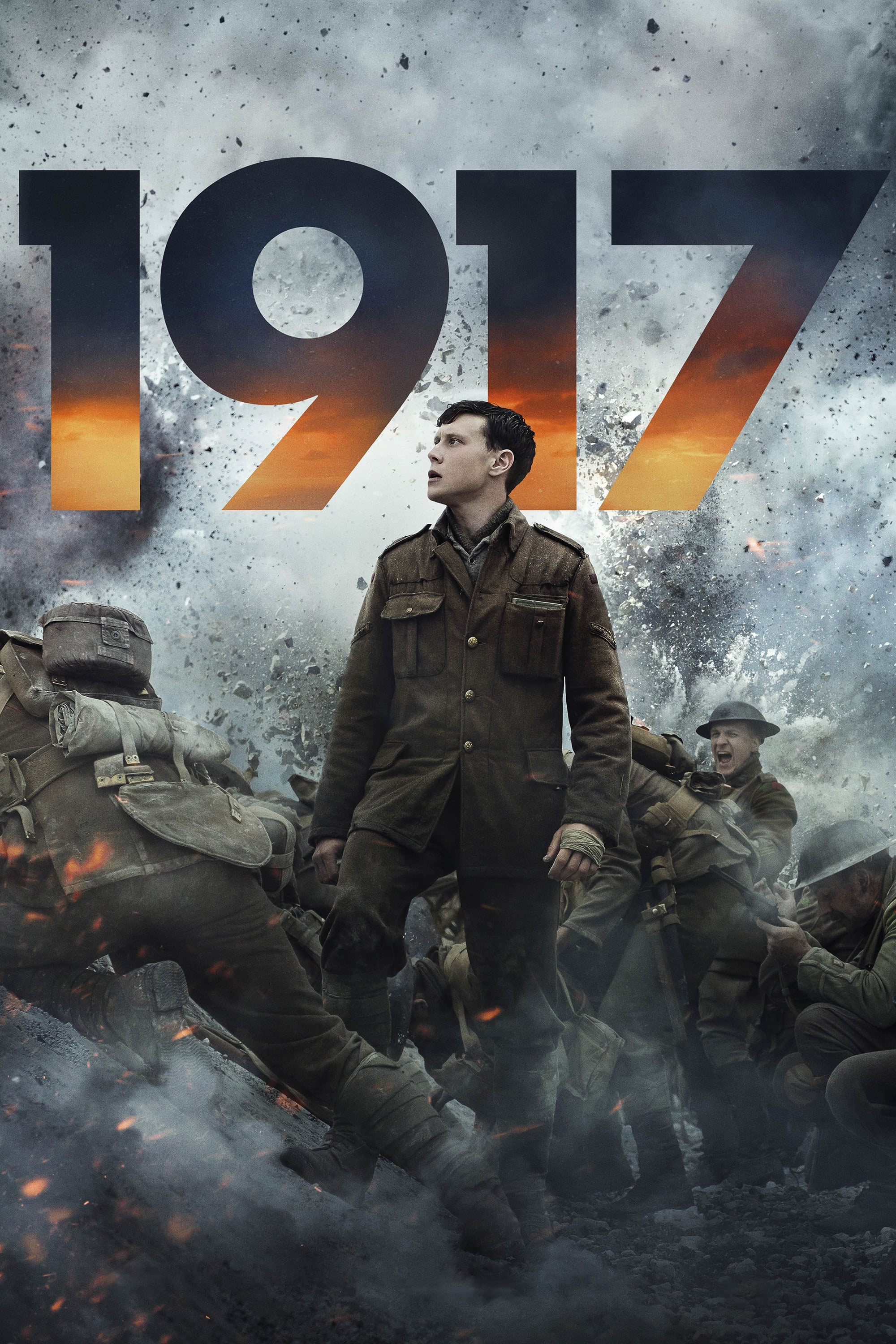
The sequence in the burning city of Écoust was designed to look like a continuous shot moving through a night lit by flares and fires. Roger Deakins filmed these transitions during the blue hour to maintain continuity between the artificial flares and the ambient environment. The natural light of dawn was essential for the final run sequence to signify hope and survival after the long night. Filming during these specific times required precise choreography since the lighting continuity had to match perfectly across different takes. The result is a seamless visual journey that feels like a real-time experience of a harrowing night.
‘The Batman’ (2022)
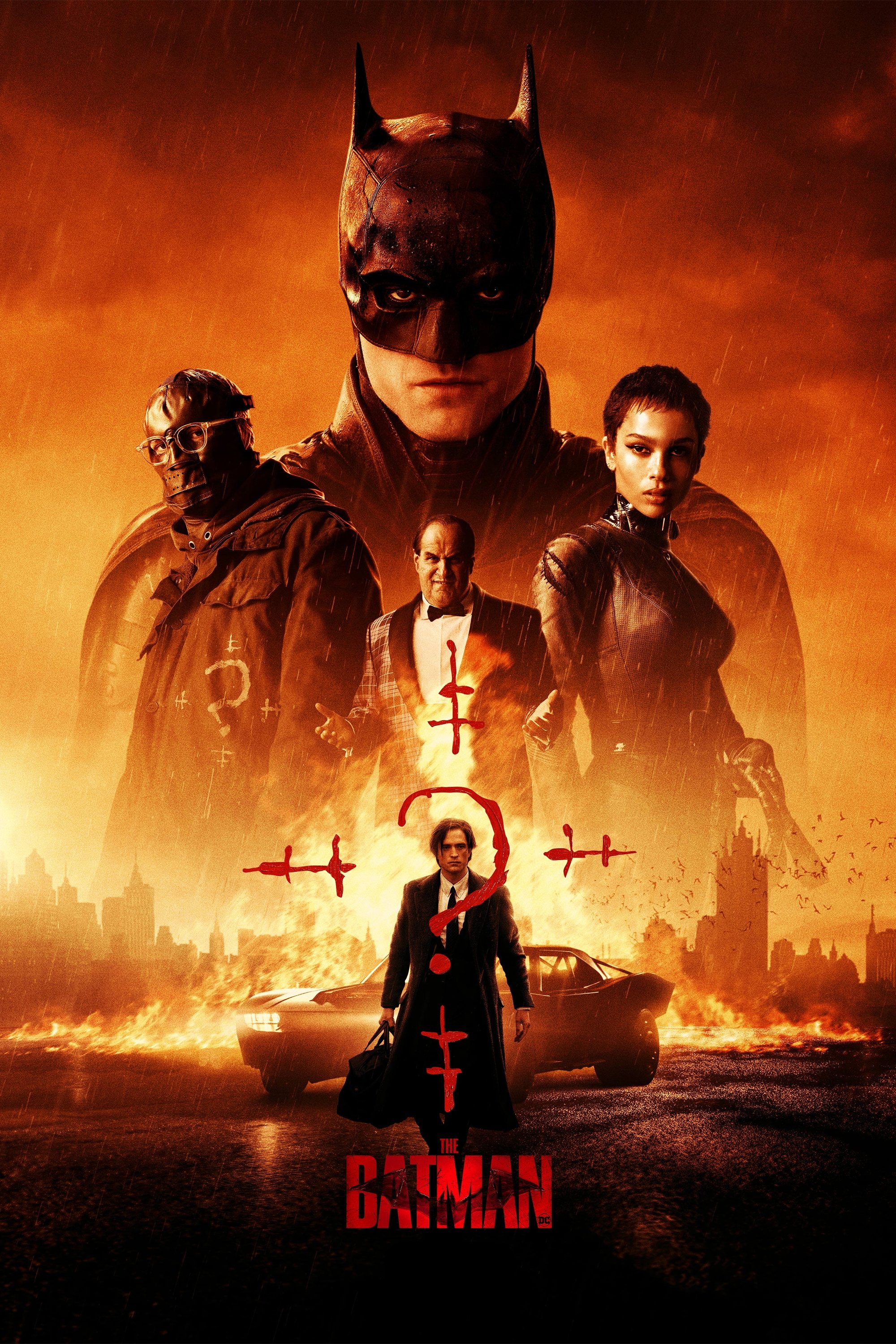
Greig Fraser returned to his “dusk for night” technique to bring the rainy and grime-covered streets of Gotham to life. The production filmed exterior scenes during the blue hour to ensure that the black batsuit was visible against the dark city backgrounds. This lighting choice created a moody and noir atmosphere that felt distinct from previous superhero films. The natural skylight allowed for reflections on the wet pavement that added texture and depth to the frame. It created a Gotham that felt perpetually stuck in a gloomy twilight rather than a stylized comic book darkness.
‘Nomadland’ (2020)
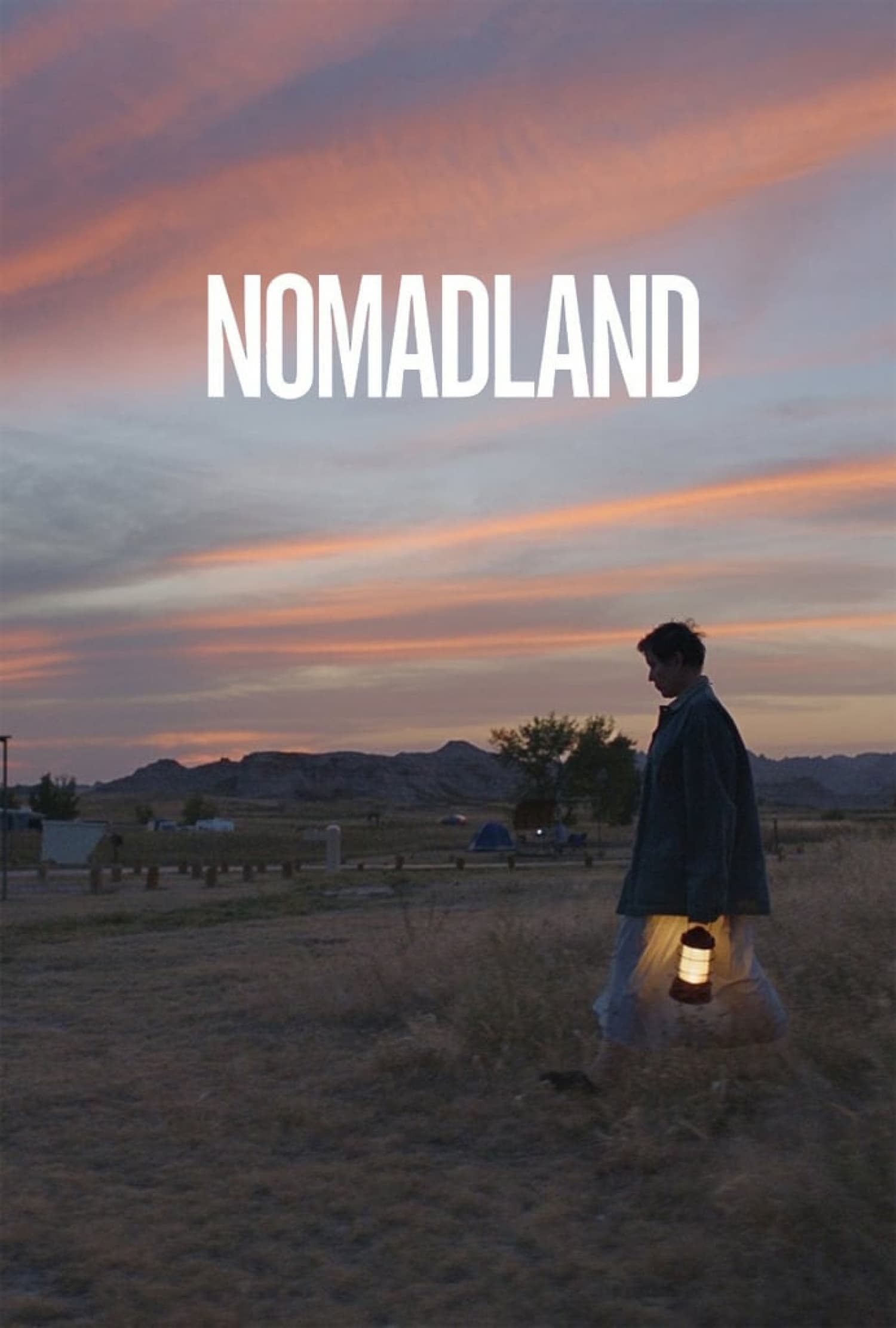
Chloé Zhao and cinematographer Joshua James Richards operated with a small crew to capture the American West in authentic natural light. They timed their shoots almost exclusively around the magic hour to romanticize the harsh landscapes the characters inhabited. The dawn and dusk scenes emphasize the solitude and beauty of the nomadic lifestyle depicted in the film. This reliance on available light meant the production had to move quickly and adapt to the weather conditions of the real locations. The visual language connects the characters to nature in a way that feels spiritual and unmediated.
‘The Tree of Life’ (2011)
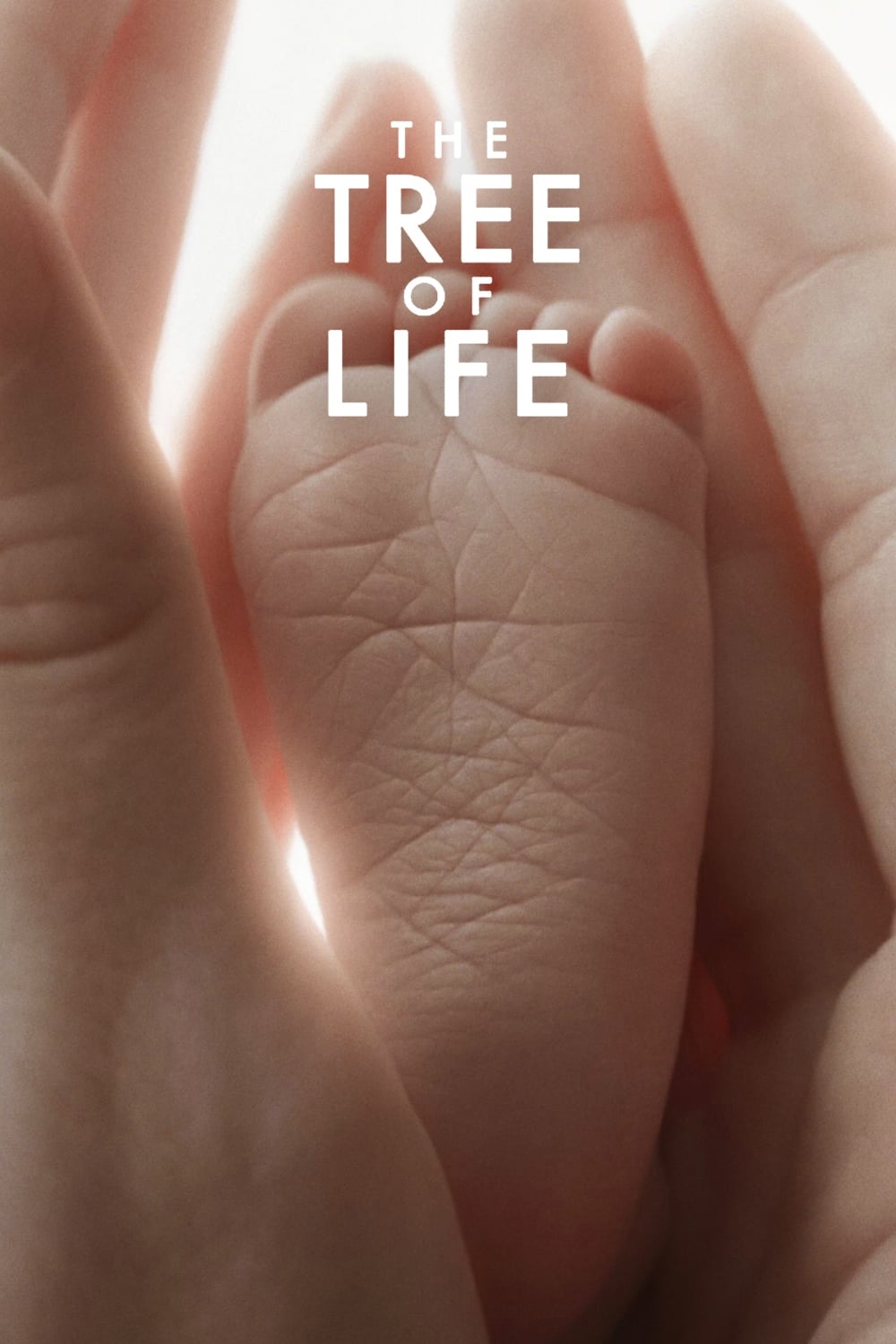
Terrence Malick continued his exploration of natural light by capturing the suburban setting of this film during the most evocative times of day. The camera floats through neighborhoods and fields that are bathed in the soft blue light of dawn and the golden light of dusk. These lighting choices transform mundane childhood moments into something profound and memory-like. The lack of artificial lighting in the night scenes preserves the mystery and wonder of the universe that the film explores. It creates a visual flow that mimics the way we remember the past through feelings and atmosphere.
‘Blade Runner 2049’ (2017)
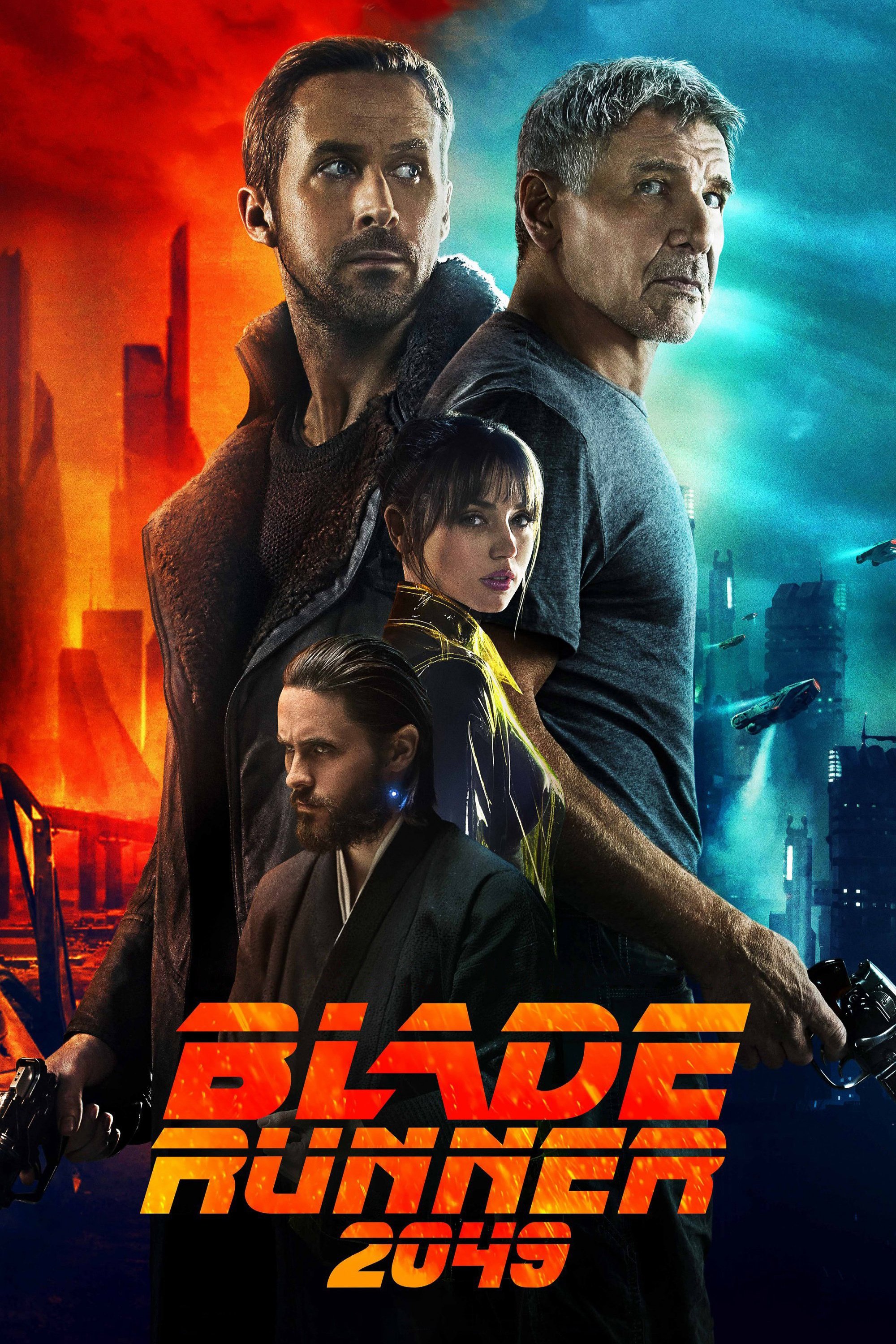
The visual identity of this sci-fi sequel is defined by its atmospheric lighting and distinct color palettes. Roger Deakins used the natural light of dawn and dusk to ground the futuristic environments in a physical reality. The scenes set in the snowy trash mesa or the rainy city streets utilize the soft ambient light to create scale and depth. This approach prevents the heavy visual effects from feeling artificial or disconnected from the live-action elements. The twilight hues contribute to the sense of melancholy and isolation that permeates the story.
‘The Assassination of Jesse James by the Coward Robert Ford’ (2007)
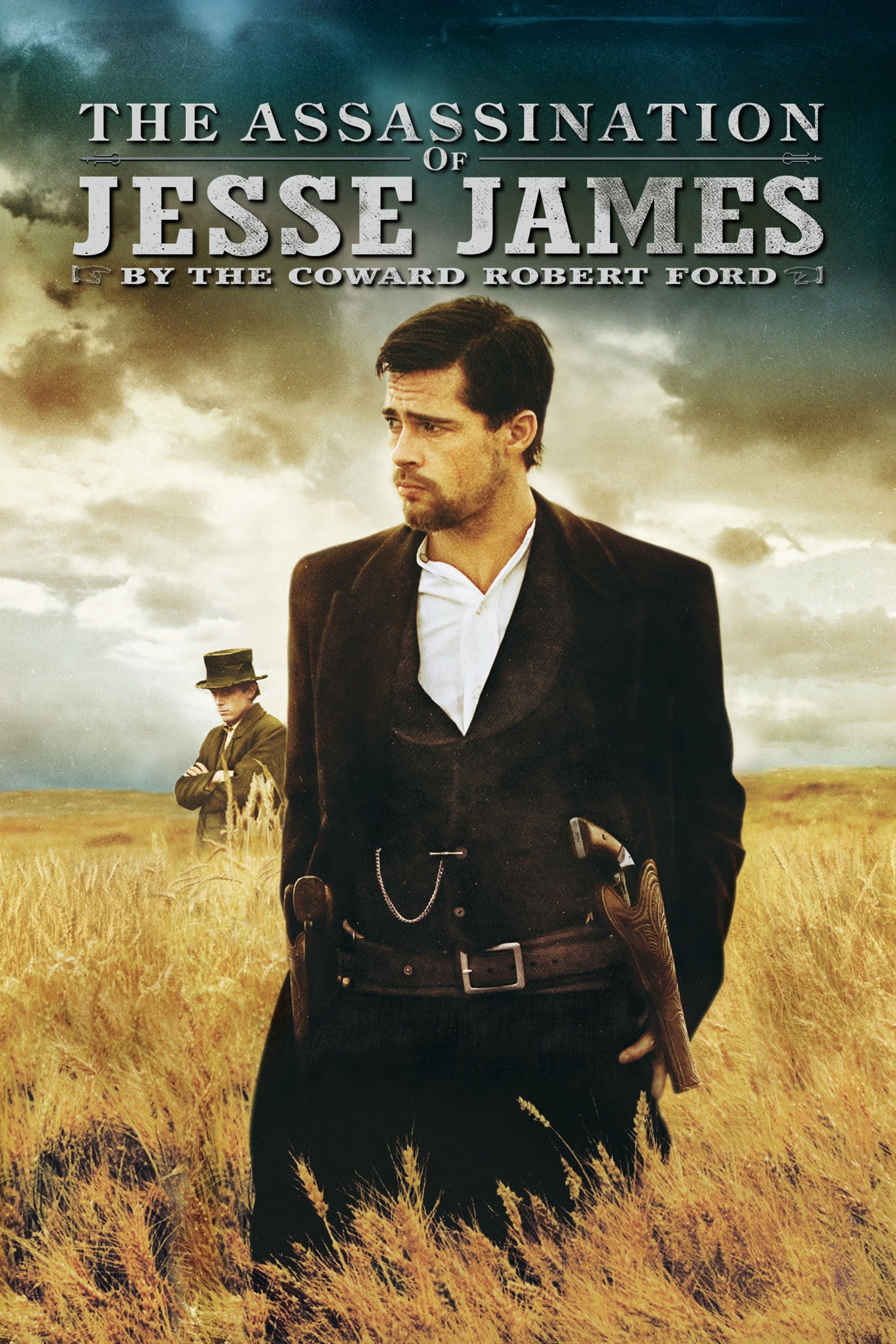
Roger Deakins used a combination of lantern light and the blue hour to create the distinctive look of this western. The train robbery sequence utilizes the twilight to silhouette the bandits against the steam and the darkening sky. This lighting strategy creates a mythic quality that elevates the characters into legendary figures. The deep blacks and soft highlights of the dawn scenes reflect the somber and psychological tone of the narrative. It stands as one of the most visually striking examples of how natural light can shape a period piece.
‘Y Tu Mamá También’ (2001)
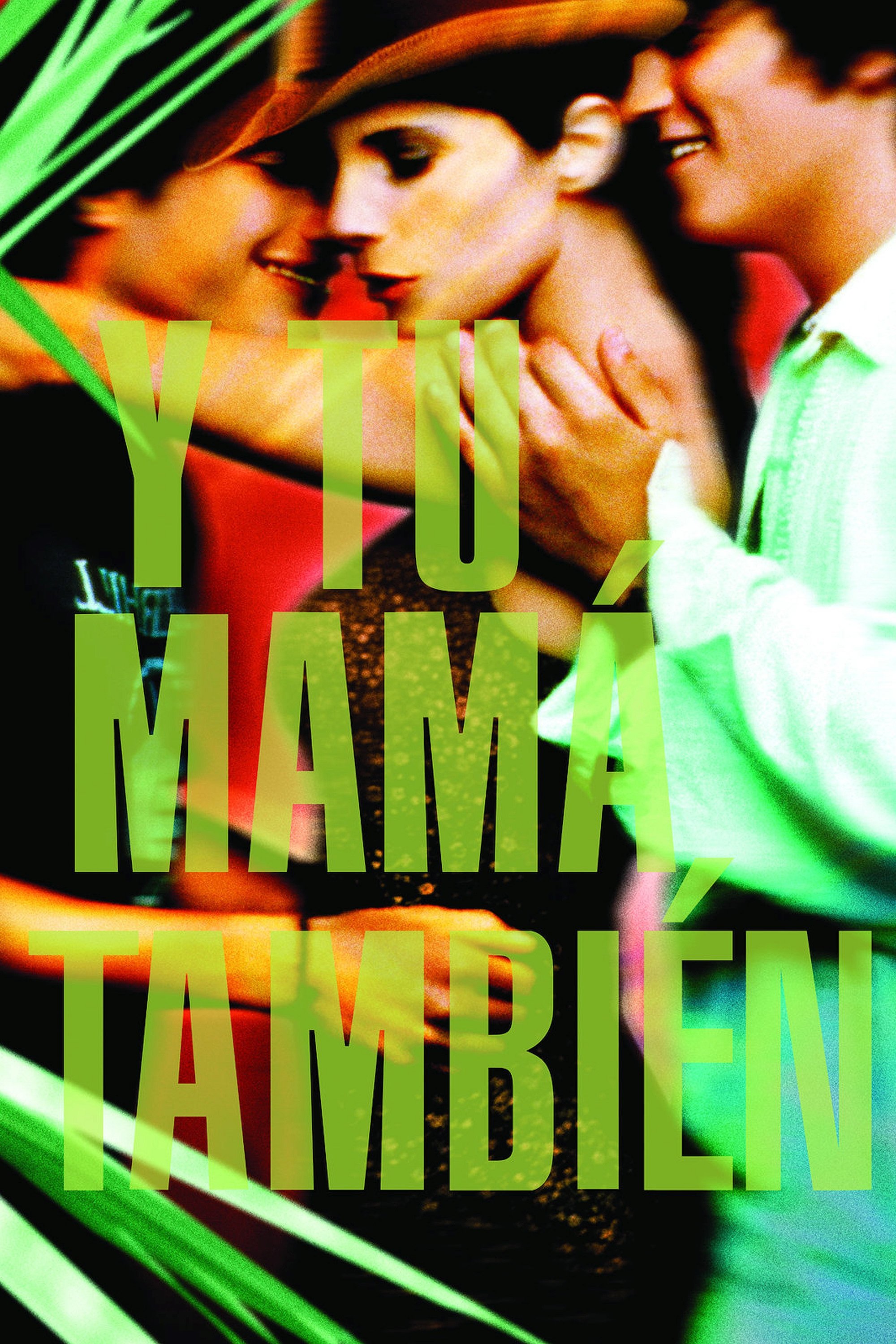
Emmanuel Lubezki used natural light to capture the raw energy and freedom of the road trip narrative. The beach scenes at night were often filmed during the blue hour to allow the ocean and the characters to remain visible without artificial fill lights. This documentary-style approach made the intimate moments between the characters feel voyeuristic and real. The changing light of the day serves as a backdrop to the emotional evolution of the trio. The dawn sequences specifically highlight the fleeting nature of their youth and their journey.
‘Roma’ (2018)

Alfonso Cuarón acted as his own cinematographer to capture his black and white memories of Mexico City. He utilized the soft light of dawn to film the morning routines and the city streets waking up. The lack of color meant that the quality of light was essential for creating separation and texture in the image. The night scenes shot during twilight retain a rich spectrum of grays that prevents the image from becoming muddy or flat. This attention to natural lighting conditions gives the film a timeless and deeply personal quality.
Share your favorite visually stunning movie moments in the comments.