20 TV Shows Where Character Wardrobes Evolve With the Plot


Costume design serves as a silent narrator in television storytelling by revealing character growth and shifting narratives without a single line of dialogue. Wardrobe departments often utilize color theory and changing silhouettes to mirror the internal states or external circumstances of protagonists. Viewers can track a hero’s descent into villainy or a victim’s rise to power simply by observing the fabrics they wear. The following series demonstrate how visual aesthetics and fashion choices are integral to the progression of their respective plot arcs.
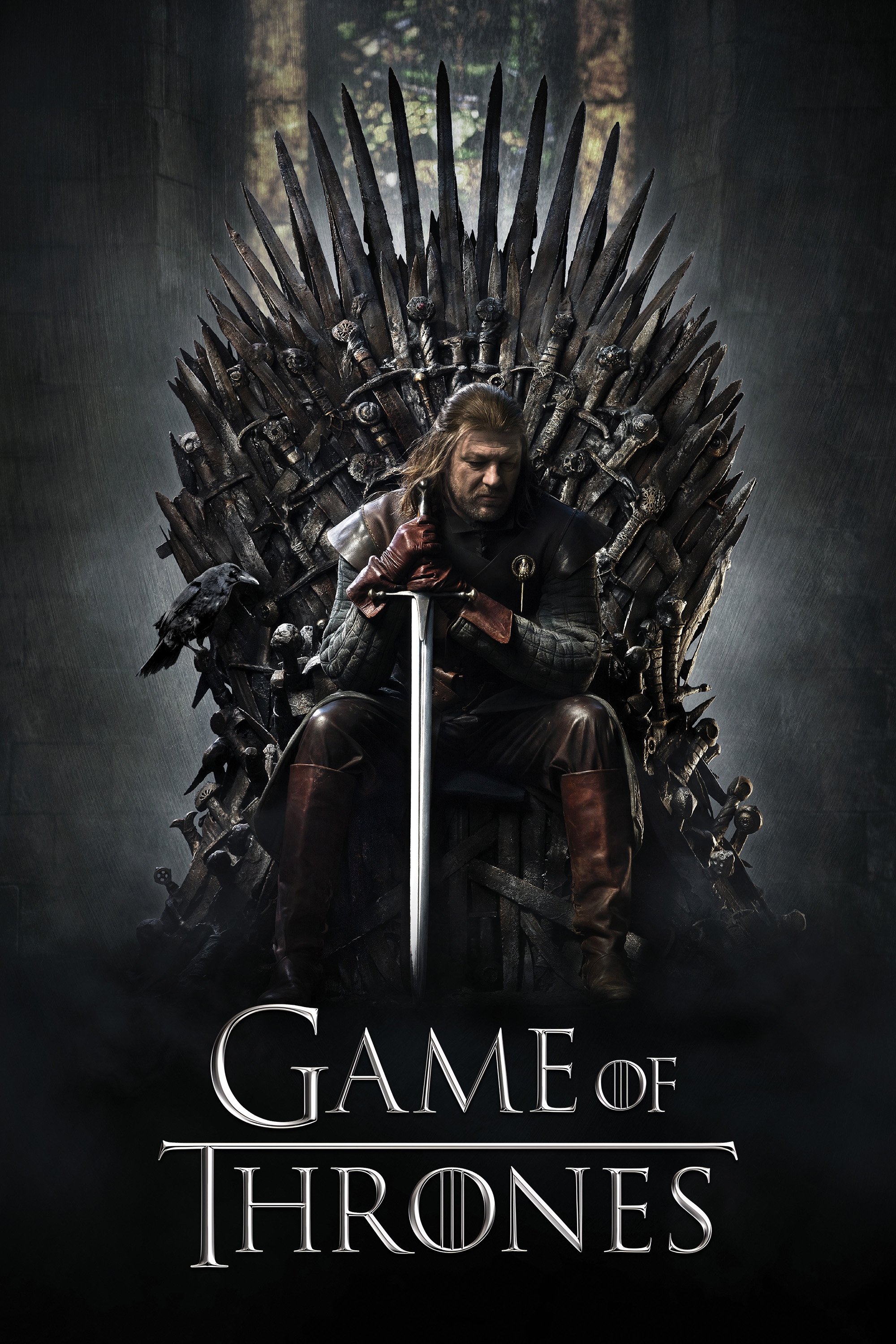
‘Game of Thrones’ (2011–2019)
Sansa Stark undergoes one of the most drastic visual transformations as her clothing shifts from soft Northern wools to the restrictive silks of King’s Landing. Her wardrobe eventually evolves into dark structural pieces that resemble armor to symbolize her regained agency and hardened demeanor. Daenerys Targaryen similarly transitions from sheer Dothraki garb to militaristic coats featuring dragon scales and sharp shoulders. Costume designer Michele Clapton used these changing textures to reflect the accumulation of power and the burden of leadership.
‘Breaking Bad’ (2008–2013)
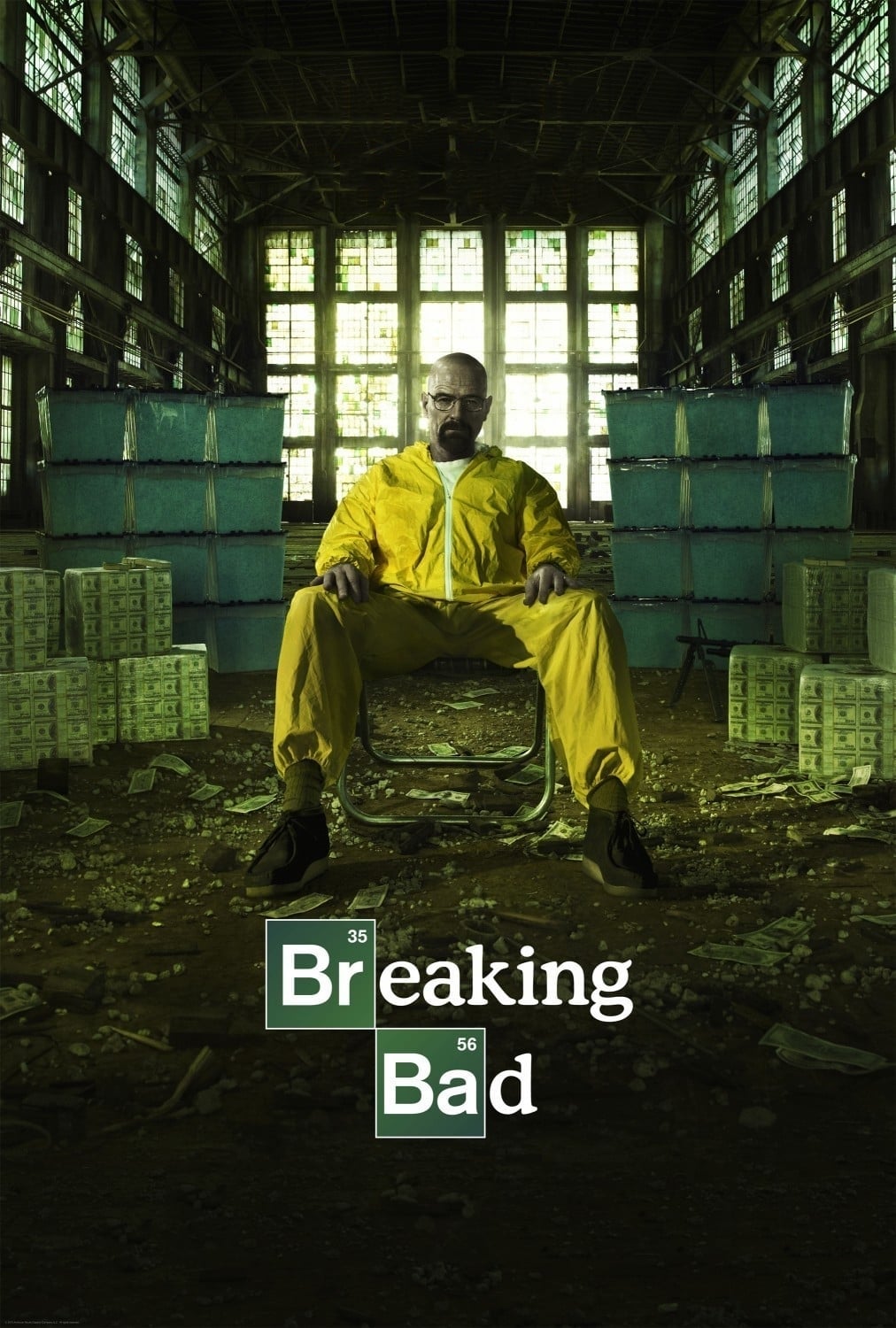
Walter White begins the series wearing beige and muted greens that allow him to blend into the background of his mundane life. As he embraces his Heisenberg persona his wardrobe incorporates black pork pie hats and darker shirts to signify his moral decay. The show famously utilizes color theory where characters wear specific hues to represent their involvement in the methamphetamine trade. This gradual darkening of the palette serves as a visual barometer for the corruption spreading through the White family.
‘The Queen’s Gambit’ (2020)
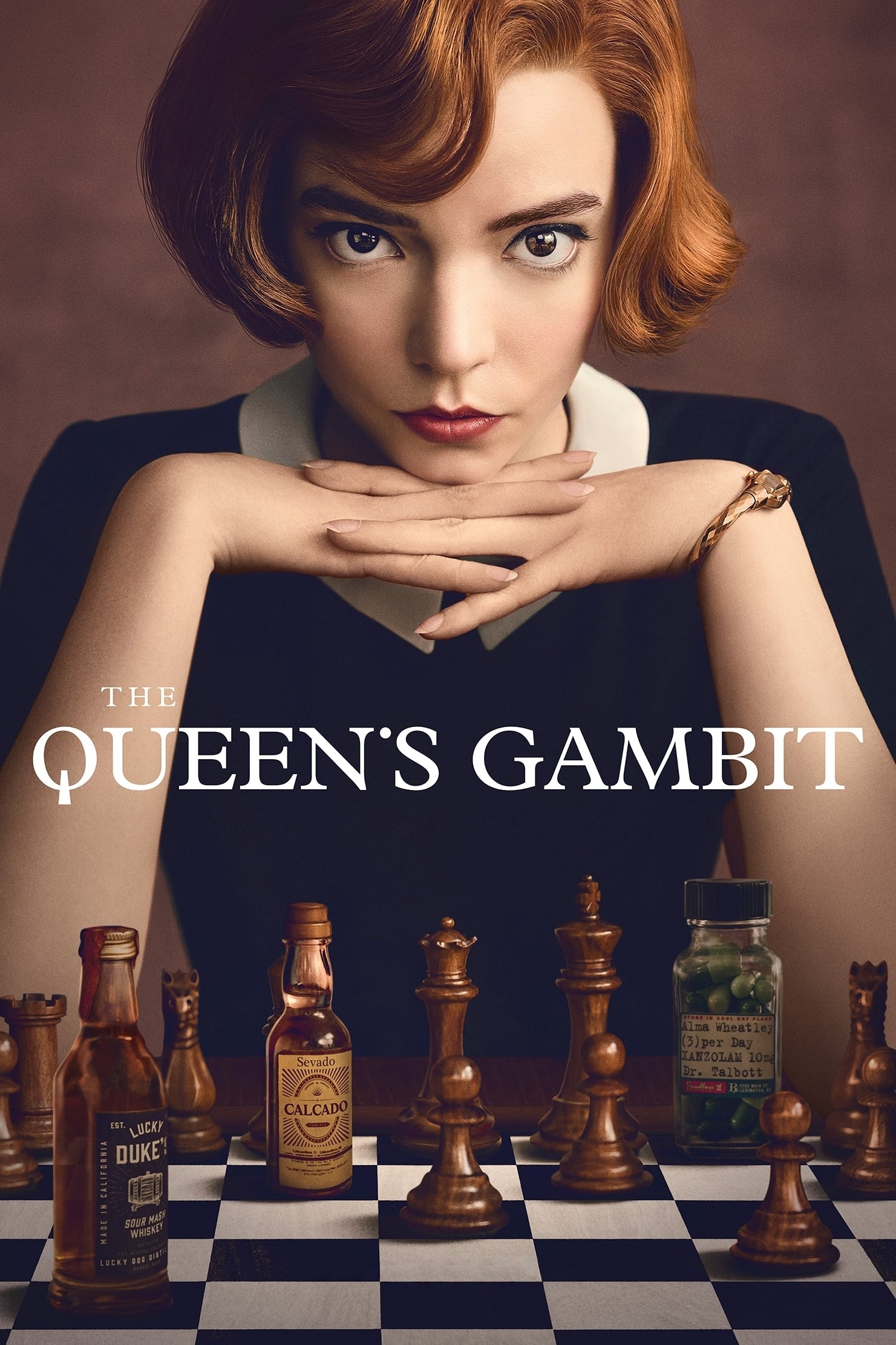
Beth Harmon expresses her growing confidence and obsession with chess through geometric patterns and structured outfits. Her early clothing consists of drab orphanage uniforms that strip away her individuality before she discovers her love for fashion. Later ensembles feature checkered prints and stark black and white lines that mimic the chessboard she dominates. The final scene features an all-white coat and hat that visually transforms her into the White Queen piece.
‘Mad Men’ (2007–2015)
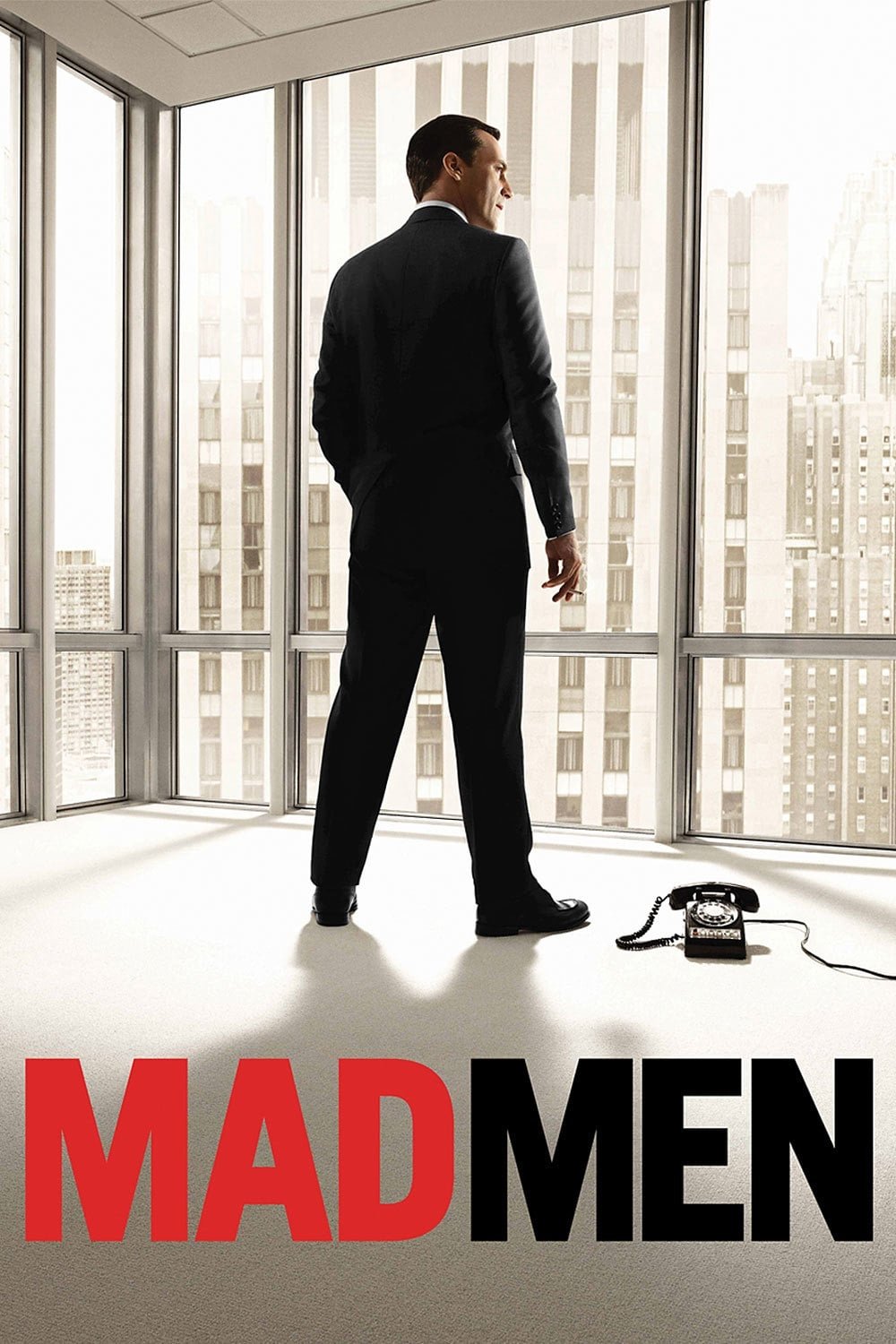
The changing fashion trends of the 1960s mirror the immense social and professional upheavals experienced by the characters at the Sterling Cooper agency. Peggy Olson starts with conservative ponytails and homemade skirts before adopting mod styles and power suits that reflect her rise as a copywriter. Don Draper maintains his classic grey suit silhouette which increasingly makes him look like a relic of a bygone era as the counterculture rises. Costume designer Janie Bryant used these period-accurate textiles to highlight the generational gap widening between the characters.
‘Schitt’s Creek’ (2015–2020)
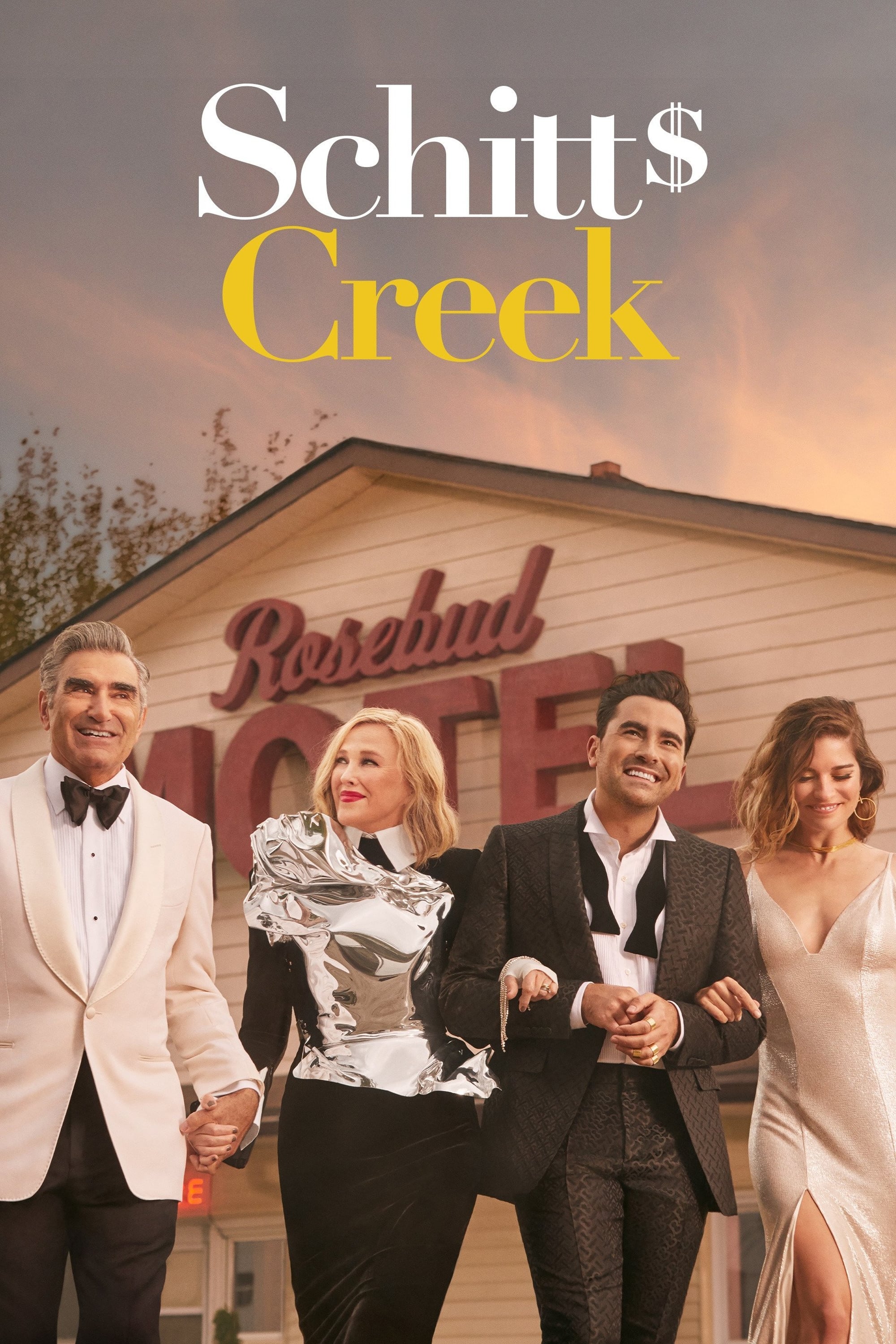
The Rose family arrives in their new town wearing avant-garde designer clothing that acts as a suit of armor against their rural surroundings. Moira Rose maintains her eccentricity with wigs and monochromatic couture that refuses to blend in with the locals. David Rose eventually softens his sharp black and white aesthetic with relaxed sweaters as he finds genuine happiness and love. Their gradual acceptance of comfort over high fashion signifies their emotional grounding and integration into the community.
‘WandaVision’ (2021)
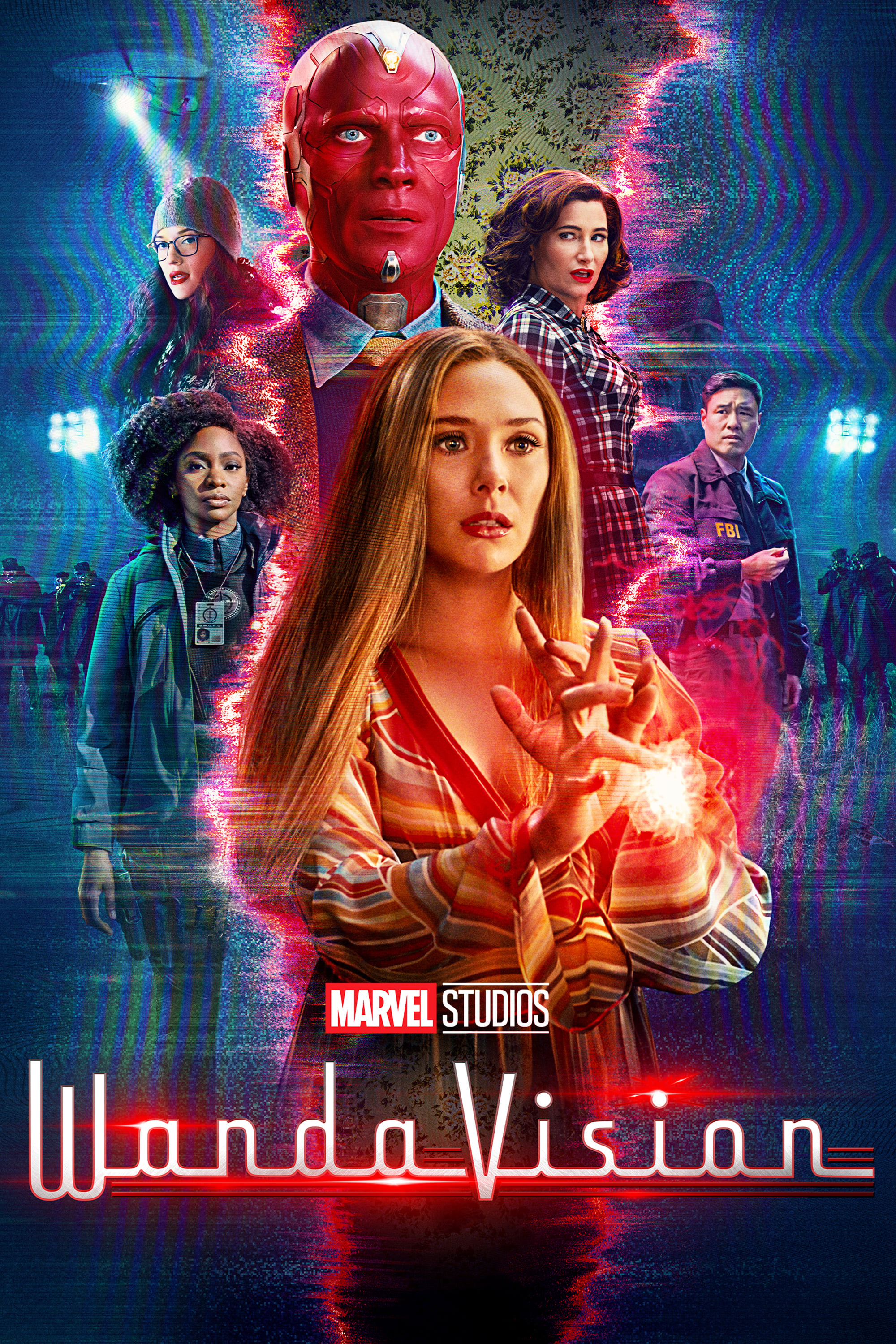
Wanda Maximoff cycles through decades of American sitcom fashion to process her grief and construct an idealized reality. Each episode recreates the specific silhouettes and fabrics of eras ranging from the 1950s to the 2000s to match the broadcasting style. The costumes glitch and deteriorate along with the set design as Wanda loses control over her magical projection. The finale unveils her true Scarlet Witch uniform which combines elements of her comic book heritage with modern tactical textures.
‘The Crown’ (2016–2023)
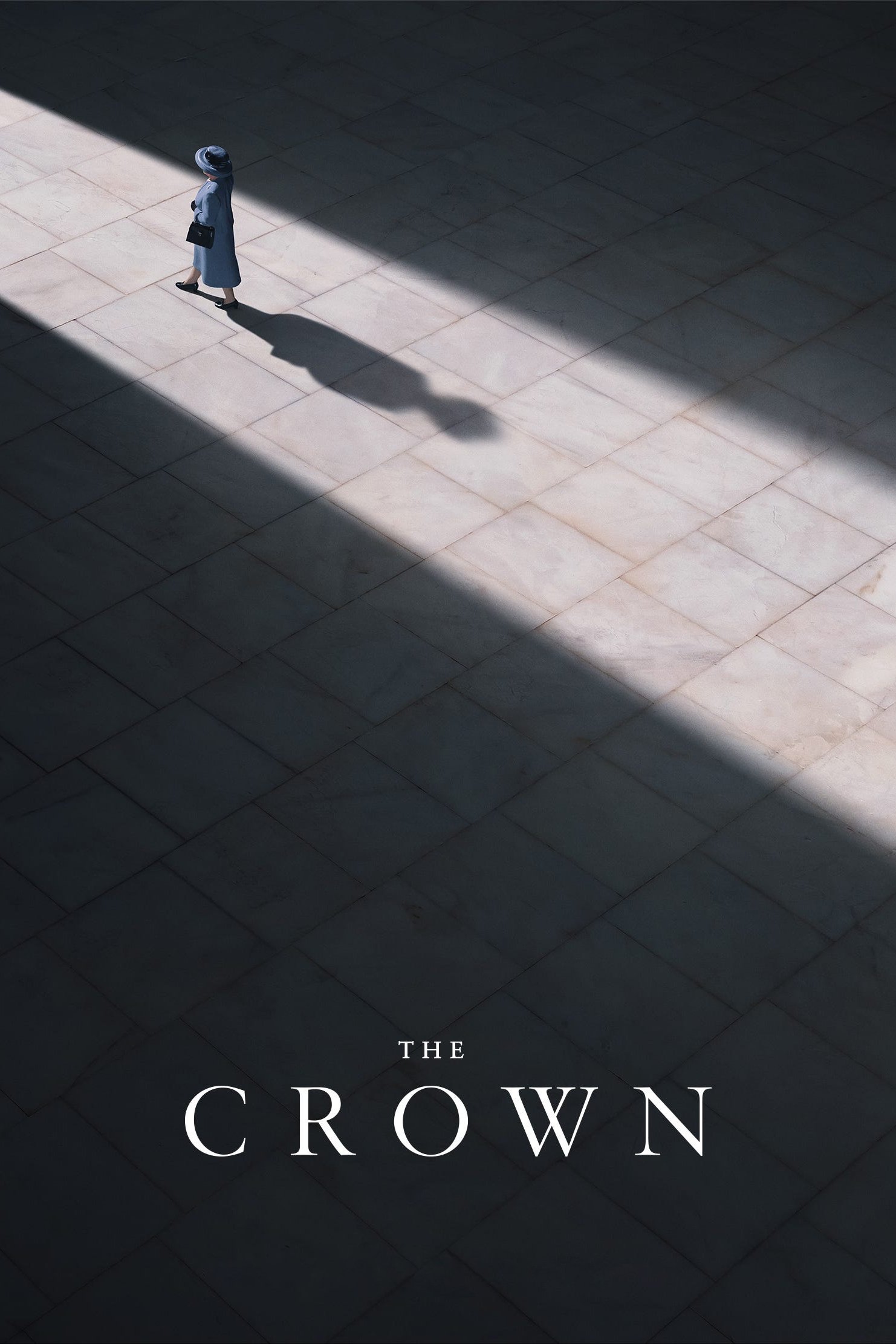
Queen Elizabeth II transitions from the romantic and soft silhouettes of her youth to the rigid and boxy suits of her middle age. The wardrobe reflects the monarchy’s struggle to remain relevant while adhering to strict traditions amidst a modernizing world. Princess Diana brings a vibrant splash of color and trendy cuts that visually clash with the royal family’s muted tones. These sartorial choices underscore the isolation of the crown and the heavy expectations placed upon the women who wear it.
‘Stranger Things’ (2016–2025)
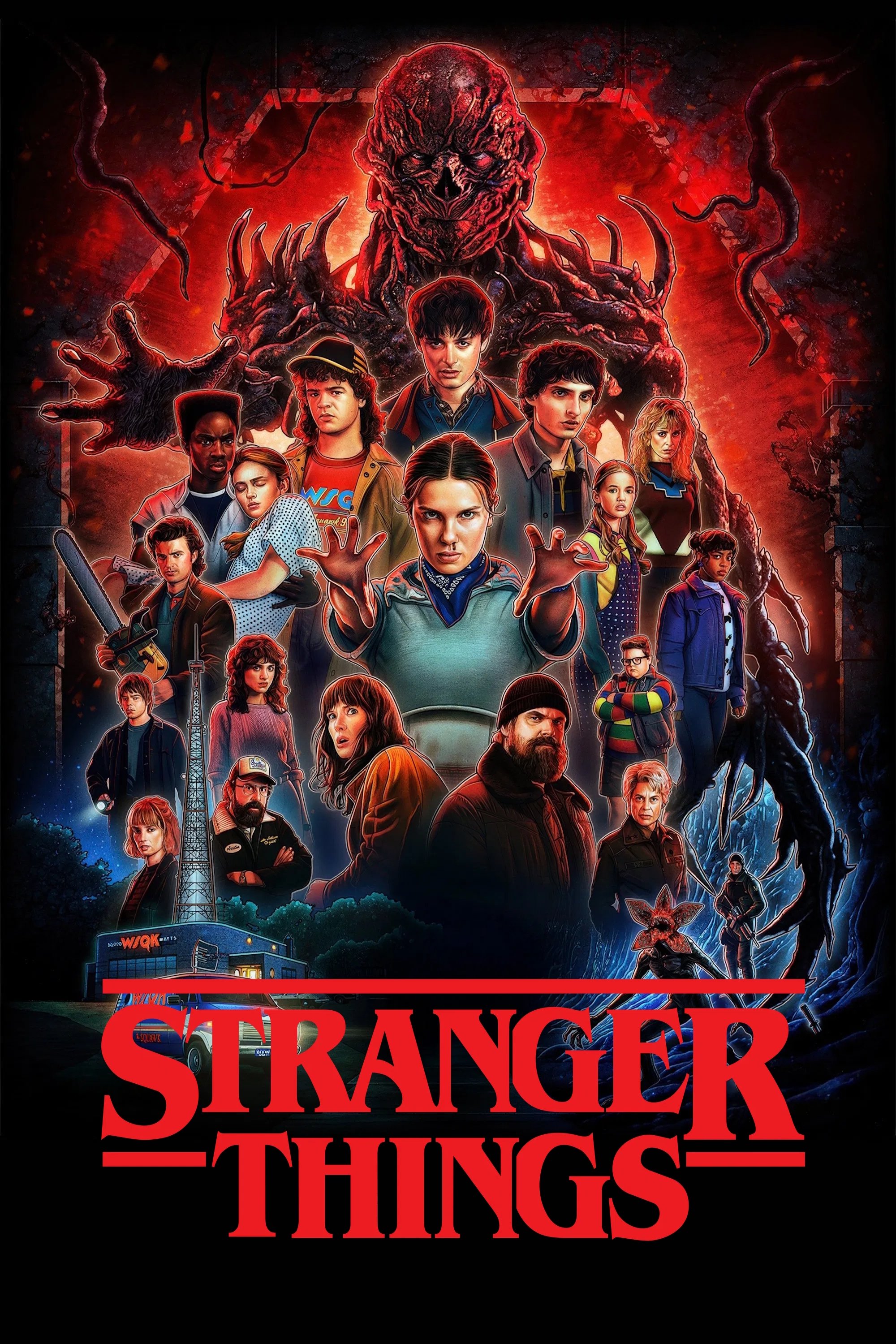
Eleven begins her journey in a hospital gown and a stolen oversized t-shirt that highlights her vulnerability and lack of identity. She later explores her individuality through an 80s mall makeover that introduces bright patterns and bold accessories. By the fourth season her wardrobe shifts to grunge flannel and utilitarian layers as the threats from the Upside Down become more severe. The evolution of the group’s style tracks their transition from innocent children playing games to young adults fighting a war.
‘The Marvelous Mrs. Maisel’ (2017–2023)
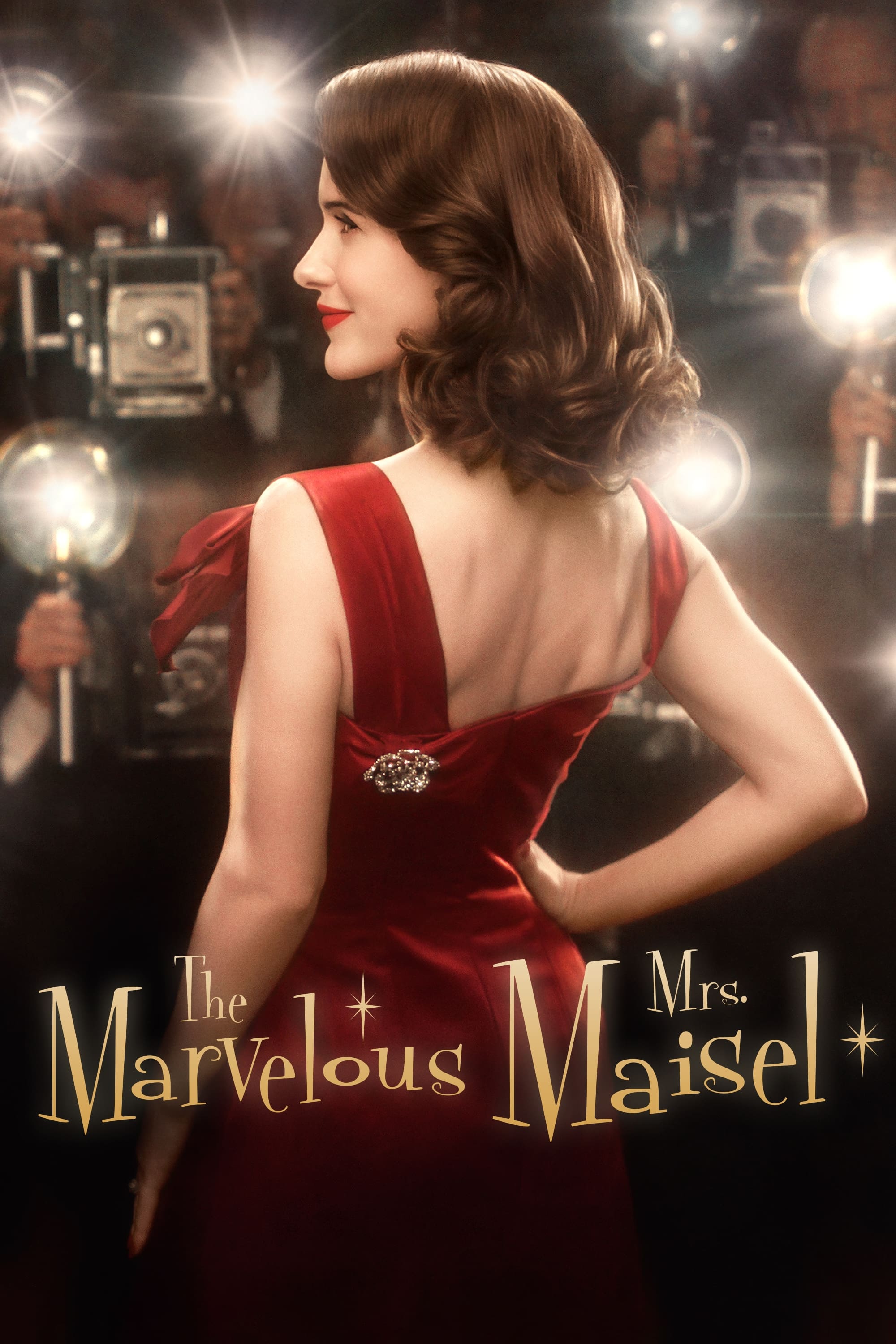
Midge Maisel starts with a closet full of perfectly coordinated pink ensembles that represent her idyllic upper-west-side housewife existence. Her venture into stand-up comedy introduces darker blacks and slimmer silhouettes that are practical for late-night performanes in smoky basement clubs. The distinct separation between her uptown daywear and downtown stage outfits illustrates her double life. As her career solidifies her wardrobe blends these two worlds with chic professional attire that commands attention.
‘Doctor Who’ (1963–Present)

Each regeneration of the Doctor brings a new personality that is immediately established through a distinct costume change. The outfit choices range from eccentric scarves and celery stalks to sharp pinstripe suits and leather jackets. These clothes often pay homage to historical eras while incorporating futuristic elements to show the character’s timeless nature. The arrival of a new costume signals a reset in the show’s tone and the Time Lord’s approach to adventure.
‘The Handmaid’s Tale’ (2017–Present)
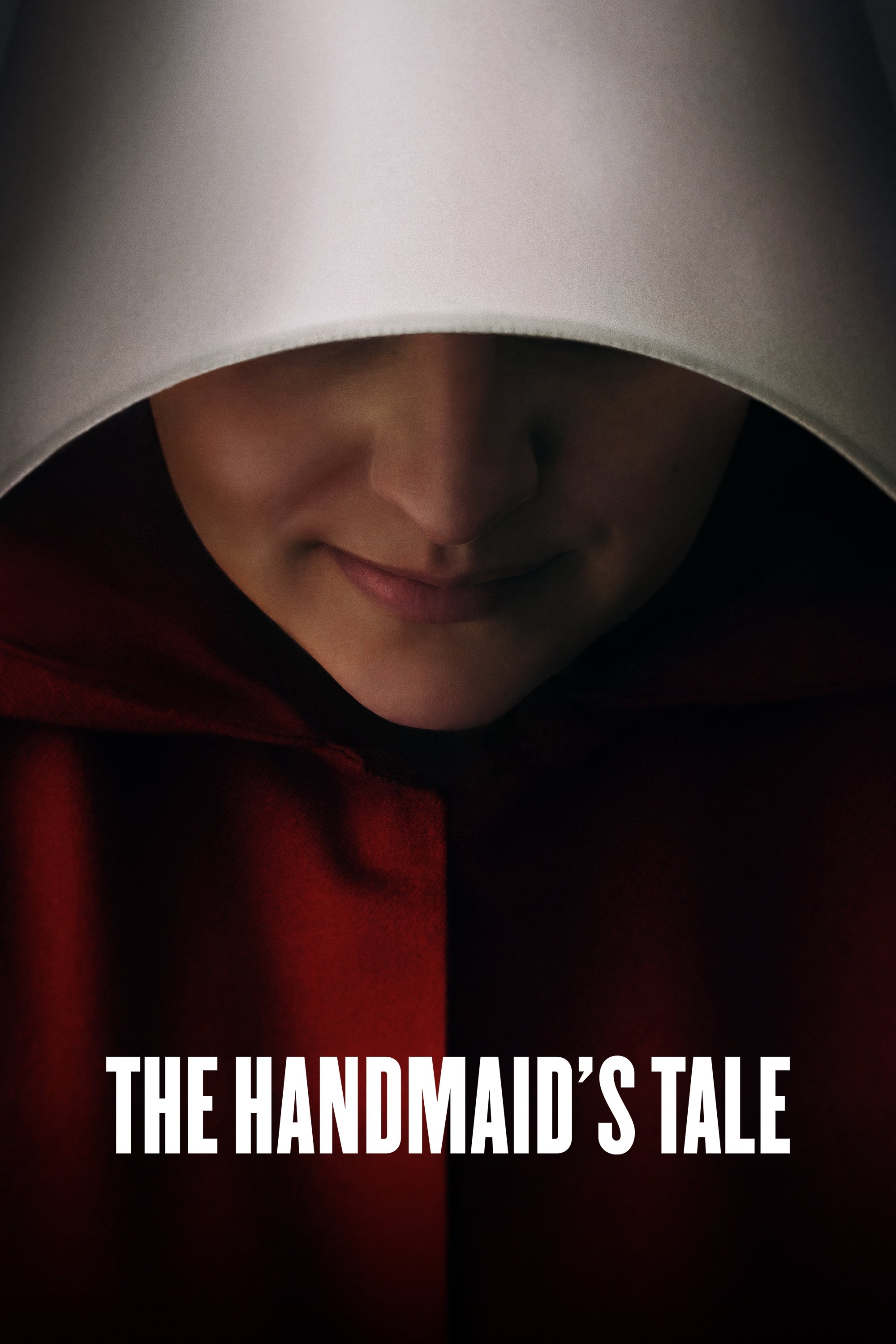
The rigid color-coding of the society of Gilead forces women into uniforms that denote their specific caste and reproductive status. June Osborne wears the mandatory red robe and white wings that strip away her autonomy and peripheral vision. Flashback sequences reveal her wearing casual jeans and sweatshirts which creates a jarring contrast with her present reality. When characters escape or rebel they often shed these oppressive garments to visually reclaim their bodies and freedom.
‘Succession’ (2018–2023)
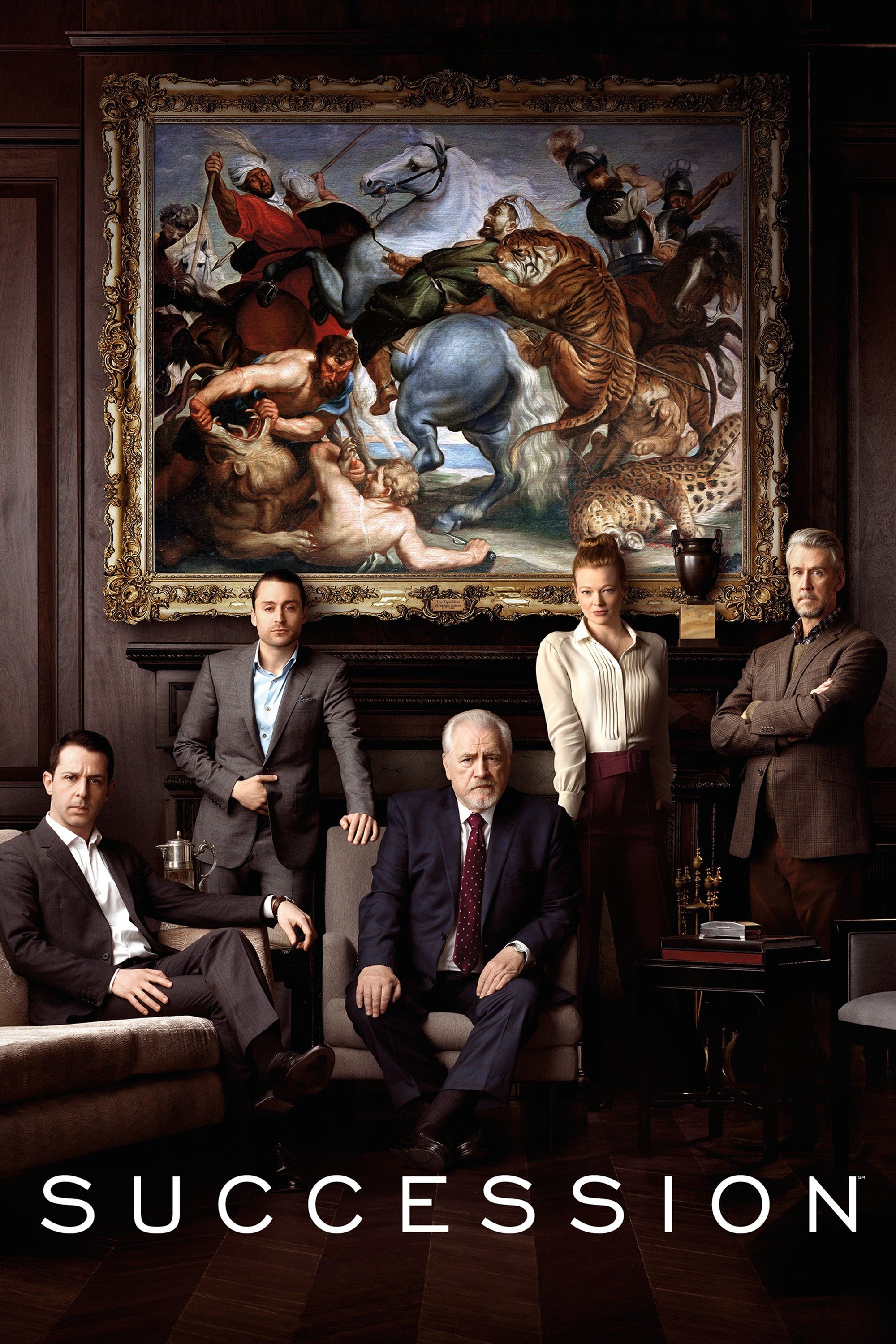
Shiv Roy undergoes a significant transformation from a political consultant with long hair and soft knits to a corporate shark. Her entry into the family business coincides with a sharp bob haircut and high-waisted trousers that emulate masculine power dressing. The clothes become increasingly expensive yet nondescript as part of the stealth wealth aesthetic favored by the ultra-rich. This sartorial shift underscores her desire to be taken seriously by her father and brothers in the boardroom.
‘Better Call Saul’ (2015–2022)
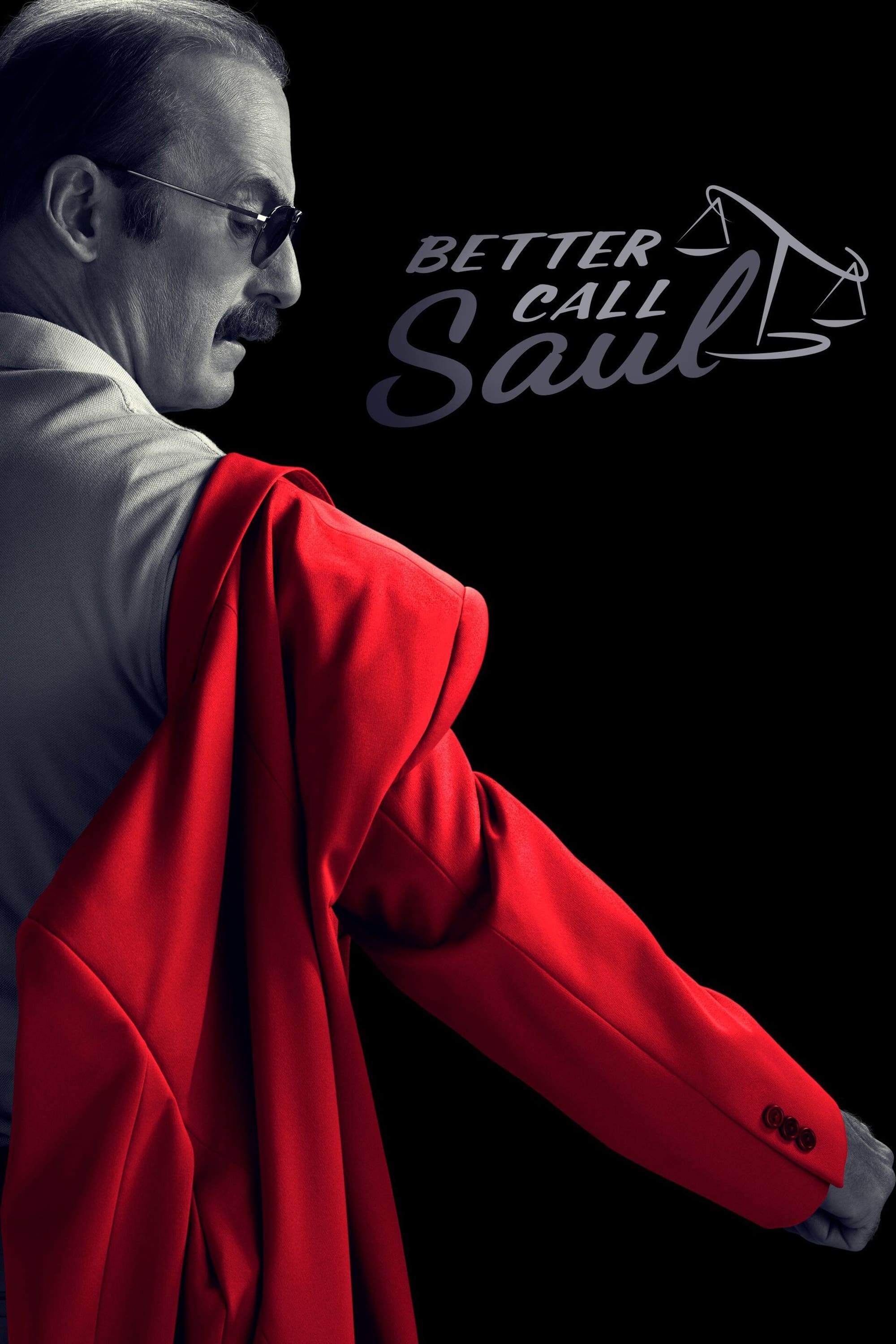
Jimmy McGill wears ill-fitting double-breasted suits that reflect his desperate attempts to gain respect in the legal world. As he embraces his alter ego Saul Goodman his wardrobe explodes into loud colors and garish combinations that offend traditional sensibilities. The bright shirts and flashy ties serve as a warning sign to legitimate clients while attracting the criminal element. This visual loudness masks the character’s internal tragedy and loss of moral compass.
‘Outlander’ (2014–Present)
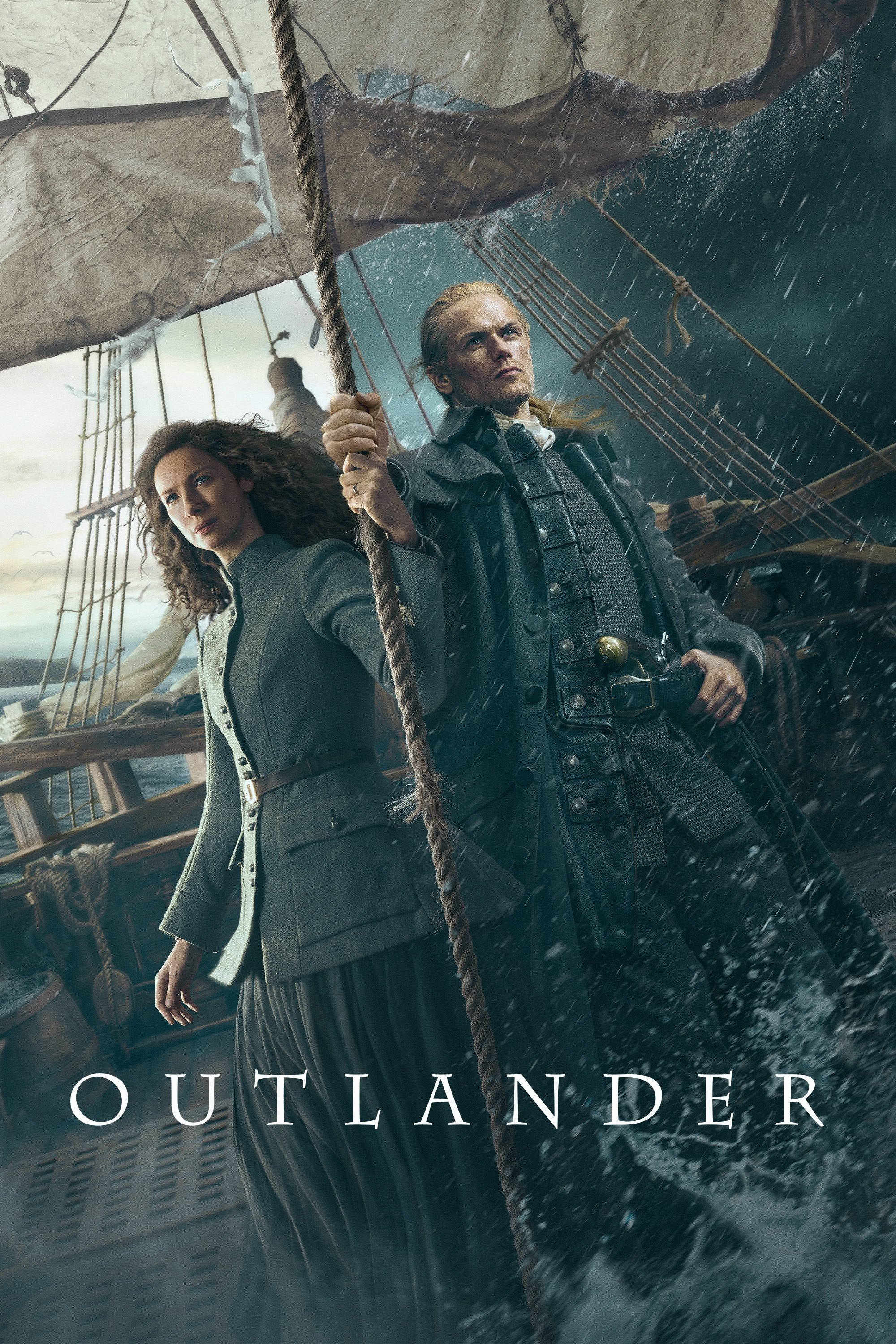
Claire Randall is introduced in 1940s combat nursing attire that emphasizes her practicality and resilience. After traveling back to 18th-century Scotland she must adapt to corsets and heavy wool layers that restrict her movement and signify her displacement. She frequently modifies these historical garments with modern knowledge to create functional pockets and herbalist gear. The costume design bridges two distinct time periods to show a woman living between worlds.
‘Buffy the Vampire Slayer’ (1997–2003)
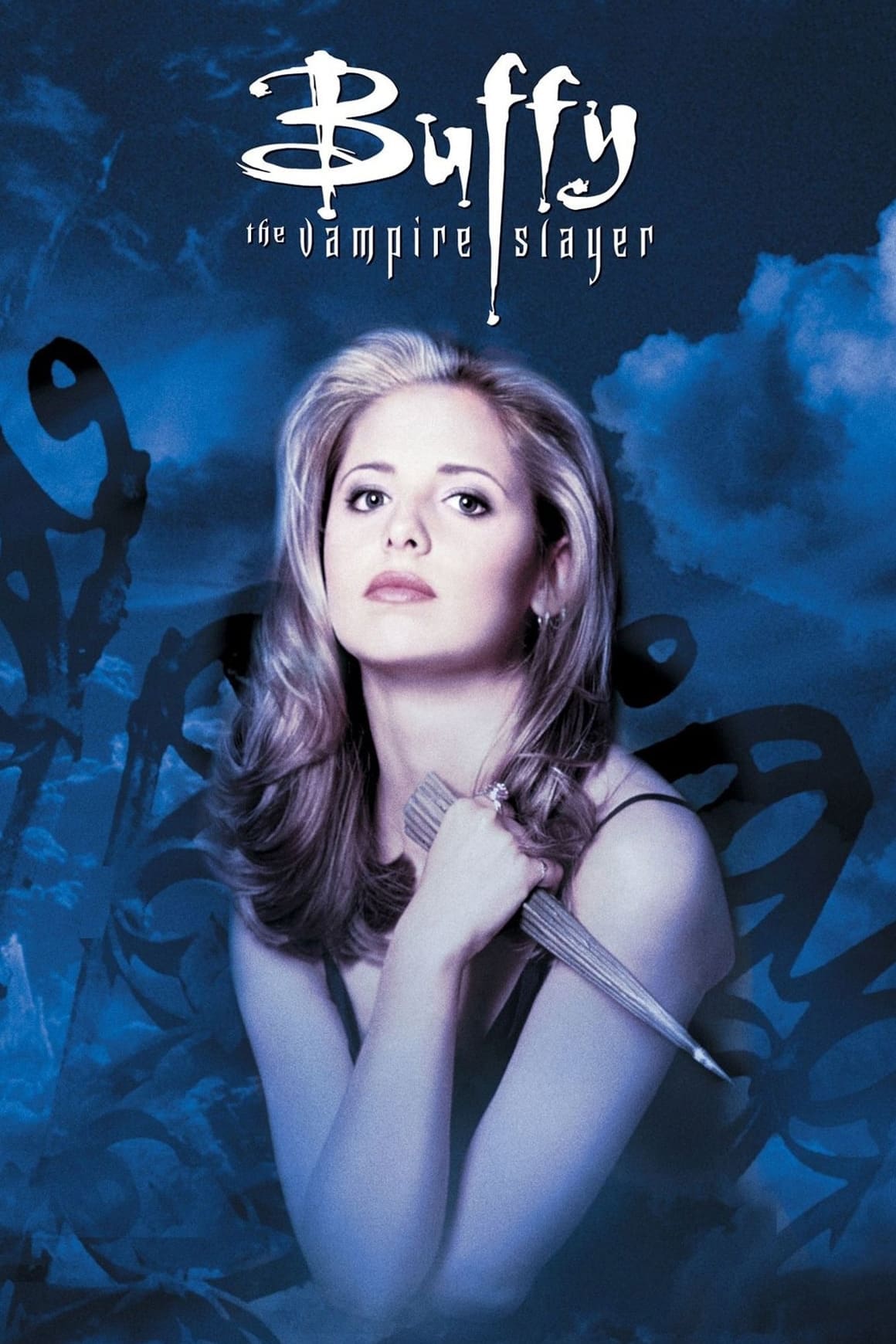
Buffy Summers starts as a typical high school student wearing pastel miniskirts and trendy 90s fashion. As the burden of being the Slayer grows heavier her wardrobe incorporates leather jackets and dark pants suitable for combat. The transition from cheerleader aesthetics to utilitarian fighter gear mirrors her loss of innocence. By the final seasons her clothing reflects a mature leader who is ready to command an army.
‘Bridgerton’ (2020–Present)
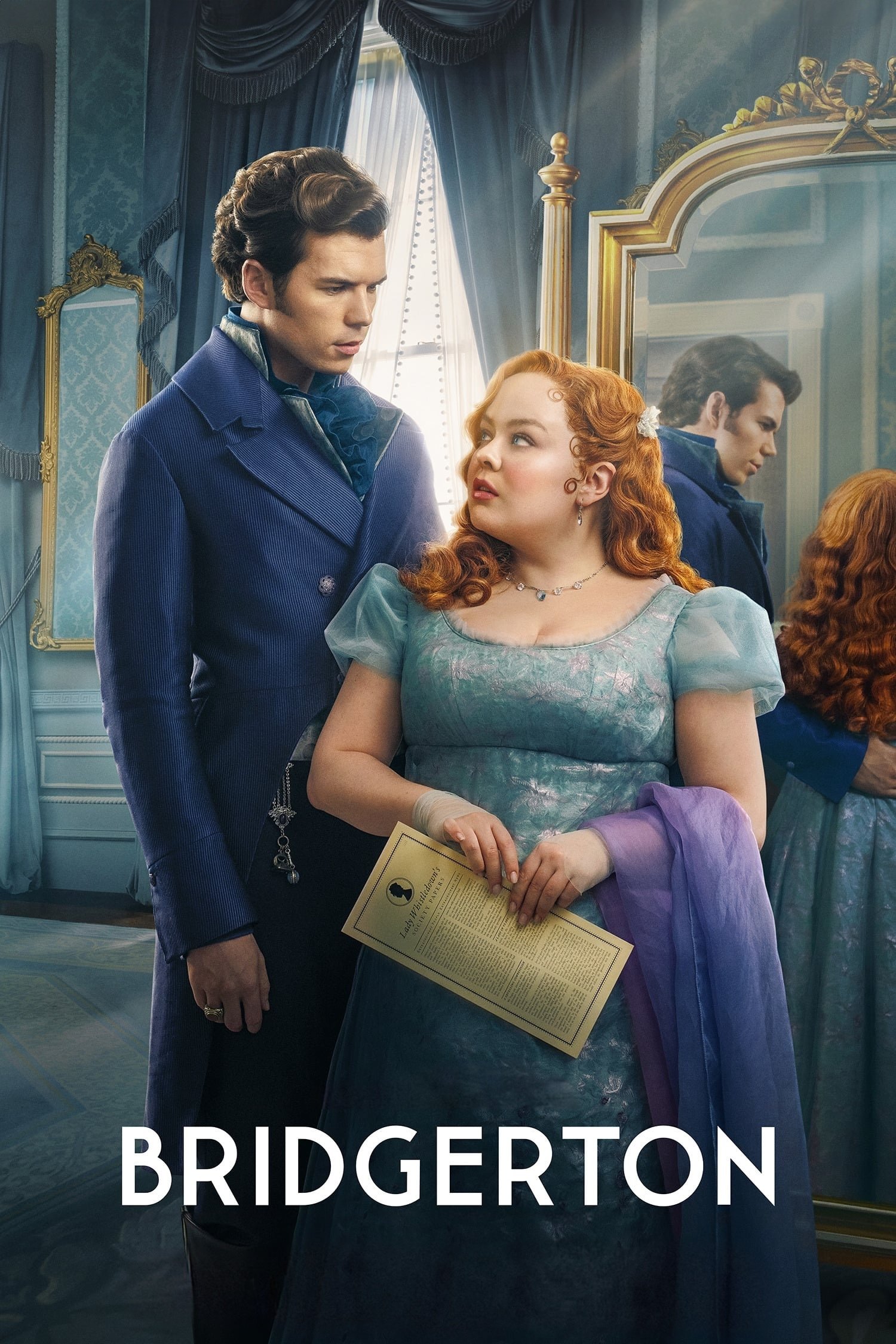
The Bridgerton family wears a palette of powder blues and creams to signify their established status and polish within Regency society. In contrast the Featherington family wears acidic yellows and bright oranges that reveal their desperation to be noticed. Daphne Bridgerton adopts the darker lilac tones of her husband’s family after marriage to show her shift in allegiance. These color codes allow the audience to instantly identify family loyalties and social standing in crowded ballrooms.
‘Killing Eve’ (2018–2022)
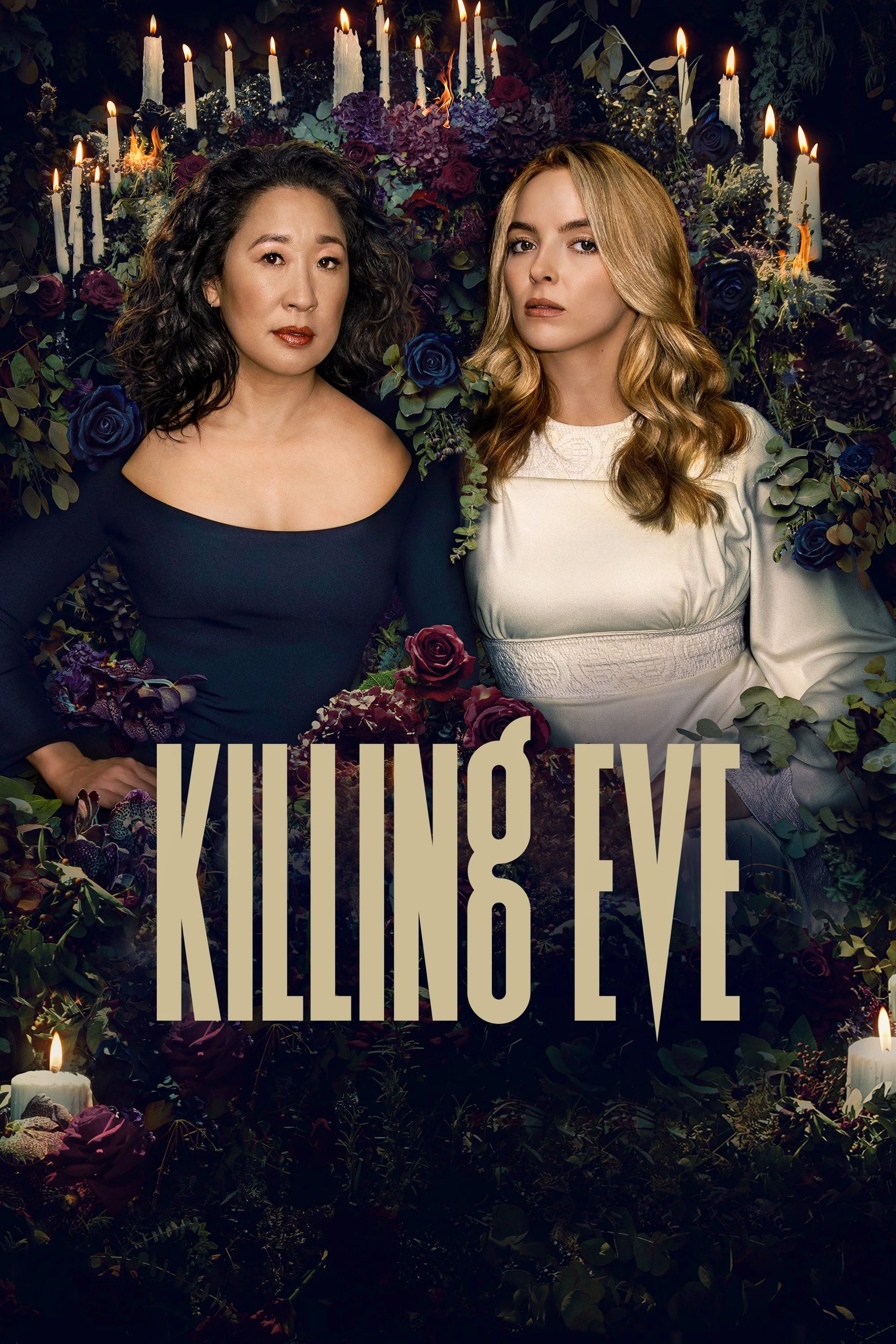
Villanelle treats fashion as a high-stakes game and wears extravagant designer pieces to distract from her lethal profession. Her bold outfits contrast sharply with Eve Polastri’s sensible and disheveled workwear at the beginning of the series. As Eve becomes more obsessed with the assassin her own style begins to darken and become more polished. The merging of their sartorial choices symbolizes the blurring lines between the hunter and the hunted.
‘Downton Abbey’ (2010–2015)
The Crawley family begins the series in the structured corsets and long skirts of the Edwardian era. The outbreak of World War I and the subsequent Jazz Age introduce loose waistlines and shorter hemlines that shock the older generation. Lady Mary embraces these flapper styles early on to showcase her modernity and independence. The gradual relaxation of dress codes mirrors the decline of the British aristocracy and the rise of the modern woman.
‘The Good Place’ (2016–2020)
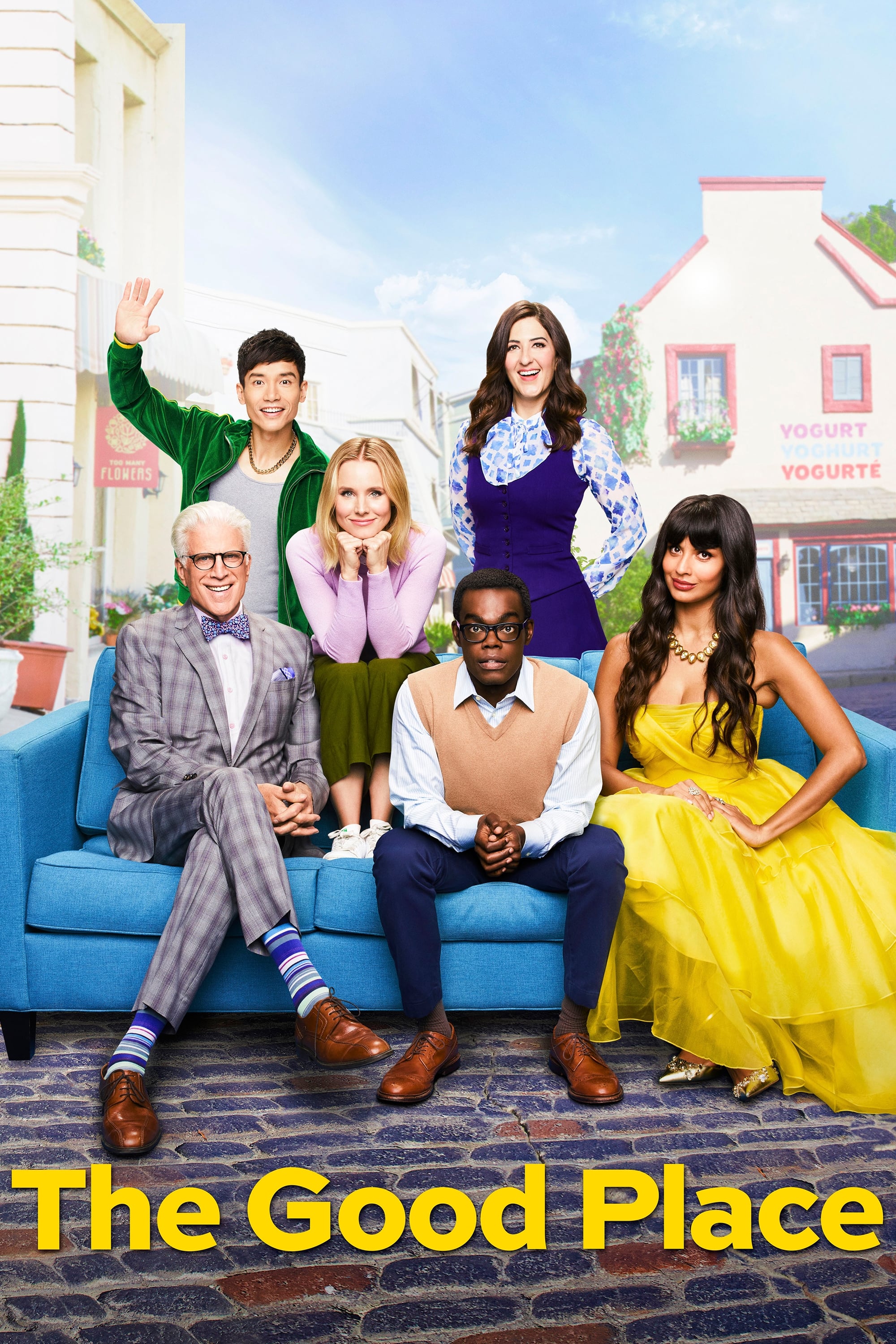
Eleanor Shellstrop initially dresses in flannel shirts and jeans that reflect her chaotic and selfish life on Earth. As she studies ethics and becomes a better person her wardrobe brightens into cleaner lines and softer fabrics. Janet the AI assistant updates her uniform with each reboot to become more human and sophisticated. The visual polish of the characters increases as they gain clarity about the universe and their place within it.
‘Sex and the City’ (1998–2004)

Carrie Bradshaw uses fashion as a language to express her mood and romantic turbulence throughout her time in New York. Her eclectic mix of vintage finds and high-end couture evolves from whimsical experiments to refined sophistication. The four main characters coordinate their outfits to represent different facets of modern womanhood ranging from professional to provocative. This focus on personal style turned the wardrobe department into a fifth main character that drove trends in the real world.
Tell us which character transformation you found the most visually striking in the comments.