Games With Procedural Worlds That Play Like Dream Journals


Video games often transport players to realms that defy the laws of physics and logic through the use of procedural generation. These algorithms create unique landscapes and scenarios that can mimic the disjointed and surreal nature of human dreams. Developers utilize this technology to ensure that no two playthroughs are ever exactly the same. The resulting experiences often feel like stepping into a digital subconscious where the environment shifts and evolves unpredictably.
‘LSD: Dream Emulator’ (1998)
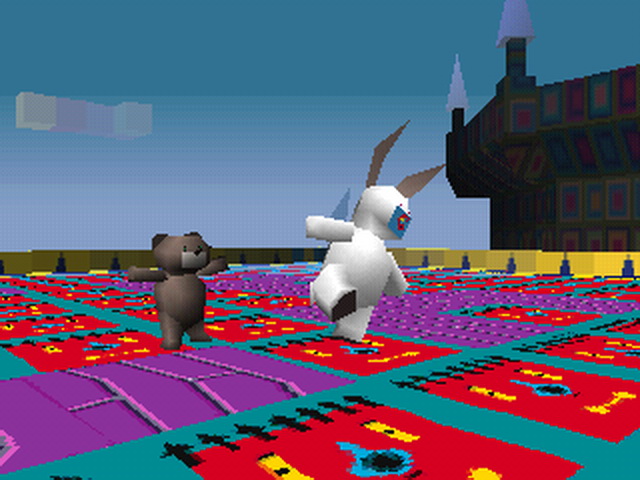
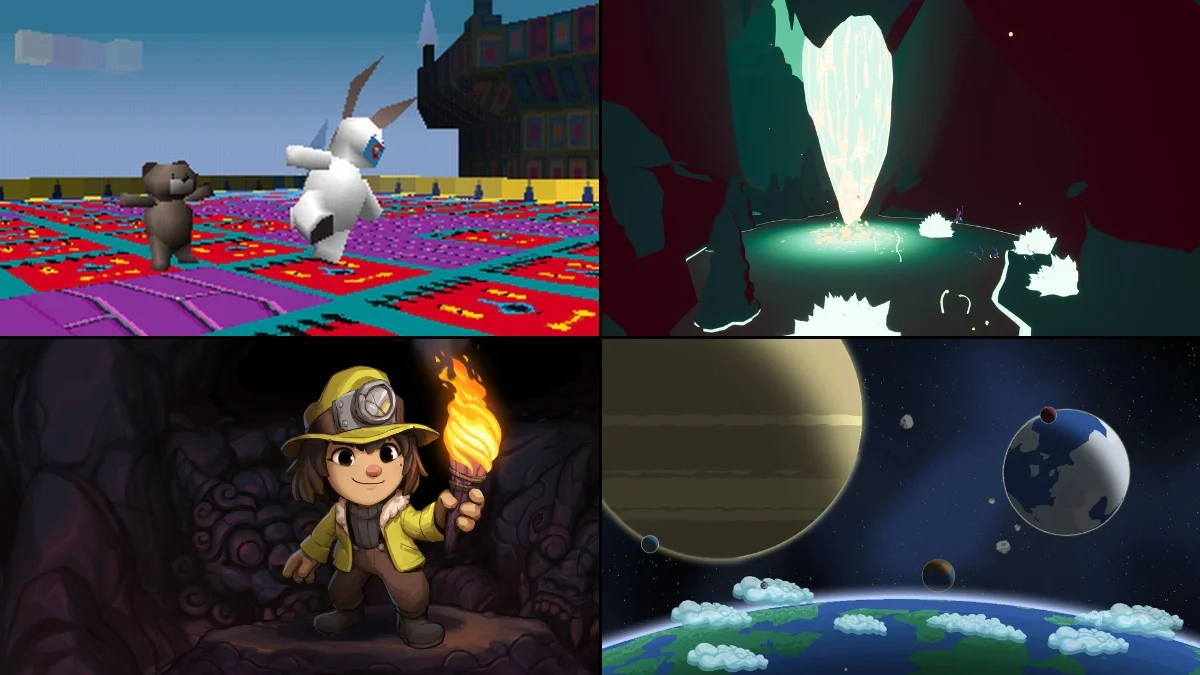
Asmik Ace developed this cult classic specifically to mimic the structure of a dream journal kept by one of the designers. Players wander through psychedelic environments that change textures and layouts based on their interactions. Touching walls or objects can instantly teleport the user to completely different and nonsensical locations. The game tracks the mood of the dream and alters the surreal imagery accordingly in subsequent sessions.
‘Minecraft’ (2011)
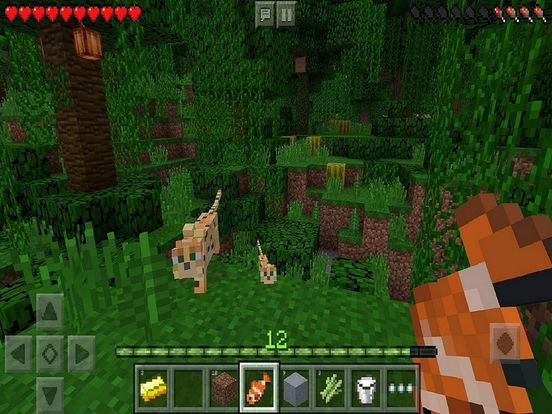
Mojang Studios introduced the world to an infinite landscape made entirely of destructible blocks. The terrain generator creates towering mountains and deep cavernous systems that often form impossible geological structures. Players can encounter floating islands and biomes that transition abruptly from desert heat to snowy tundras. The logic of the world allows for the construction of anything the mind can envision while surviving against nocturnal monsters.
‘Proteus’ (2013)
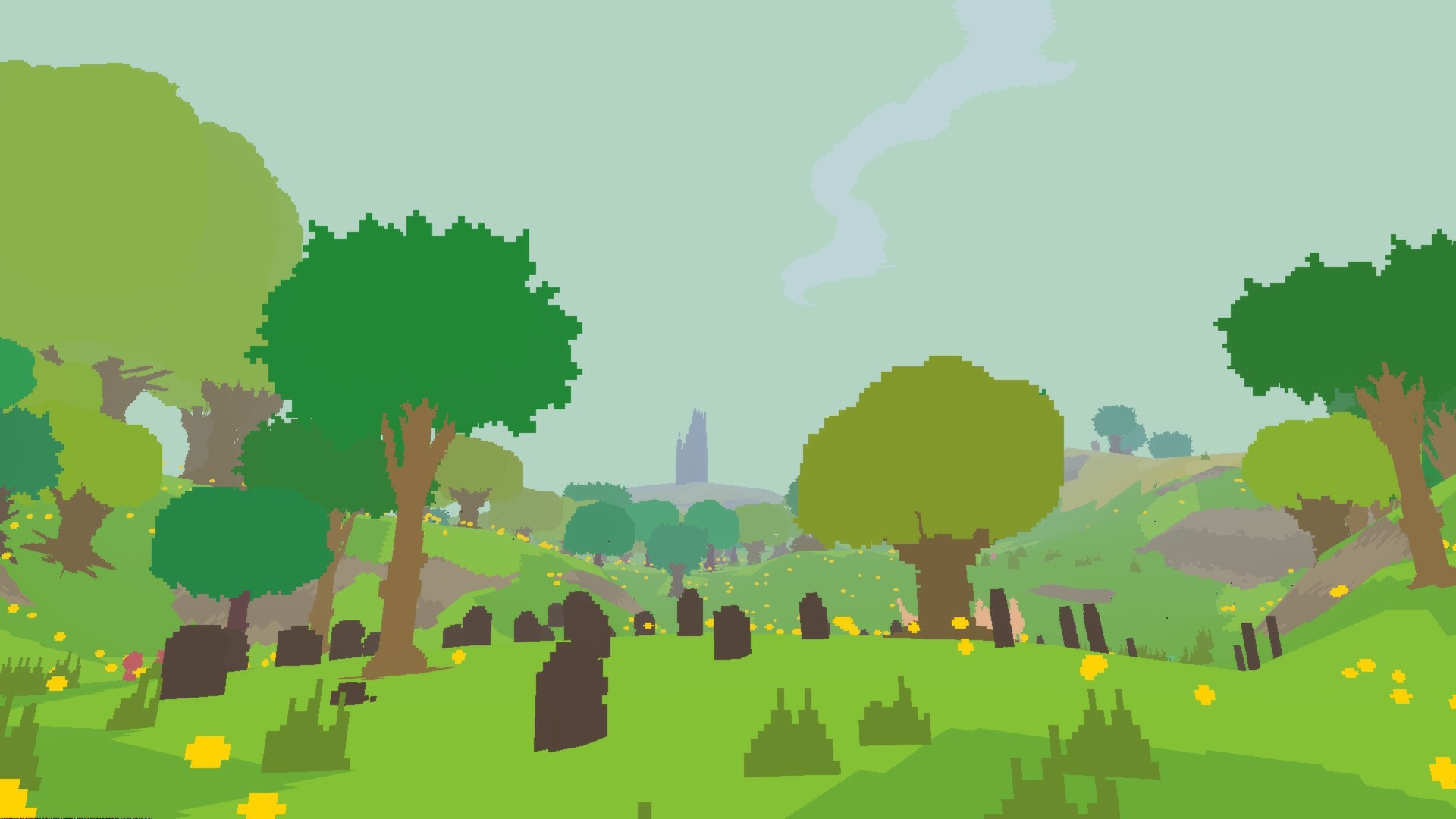
Twisted Tree Games created an exploration experience that focuses entirely on audio and visual immersion without traditional objectives. The island is generated anew each time and features hills and forests that emit musical tones as the player approaches them. Seasons change rapidly as the user chases diverse flora and fauna across the vibrant landscape. The result is a passive and hallucinogenic journey that feels like a lucid dream of nature.
‘Don’t Starve’ (2013)
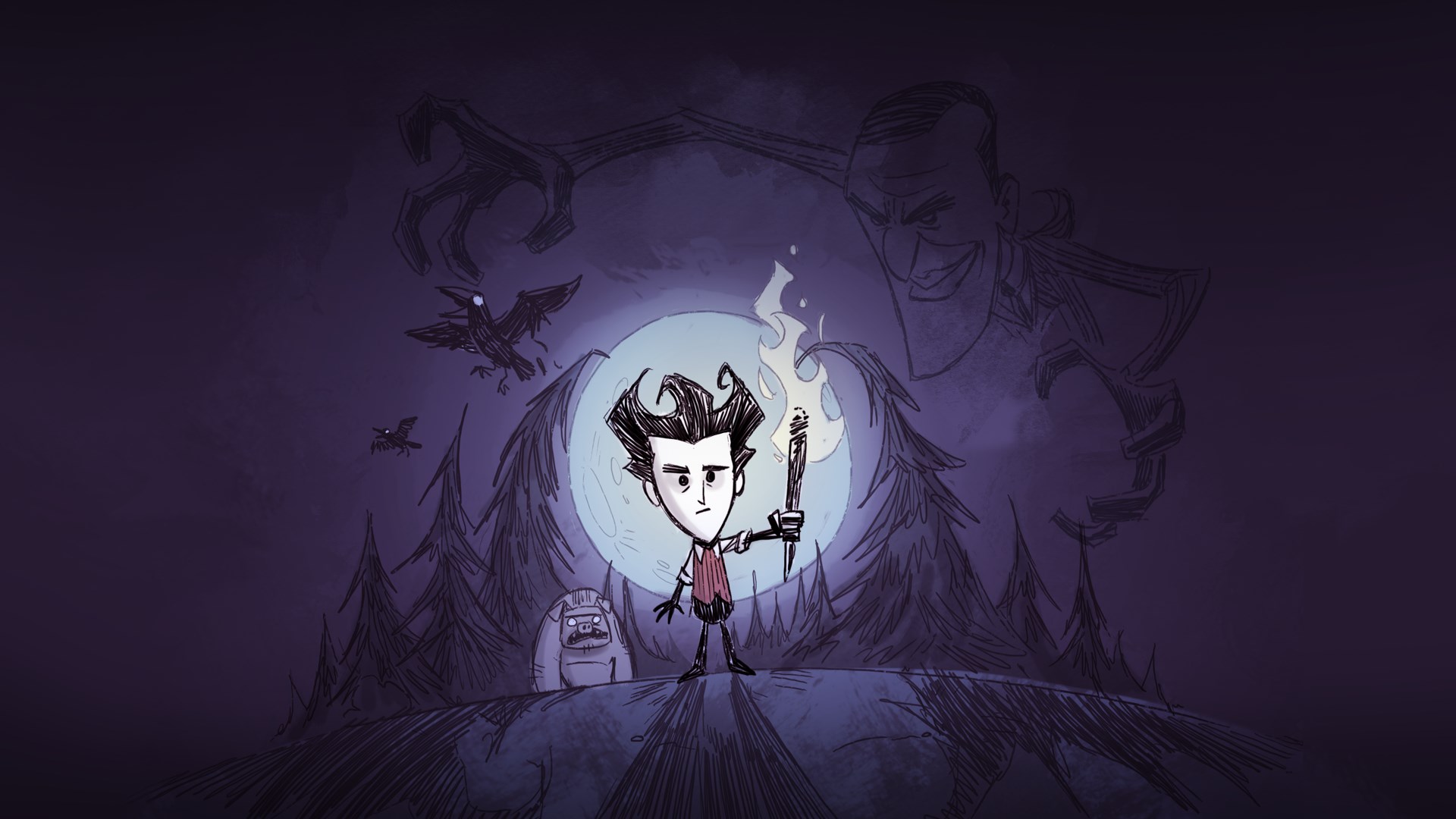
Klei Entertainment designed this survival game with a hand-drawn art style reminiscent of a gothic storybook. The protagonist is trapped in a mysterious wilderness where science and magic blend in terrifying ways. Procedural maps ensure that resources and threats are scattered differently during every attempt to survive the darkness. The constant threat of hallucinations and shadow creatures adds a nightmare quality to the struggle for existence.
‘MirrorMoon EP’ (2013)
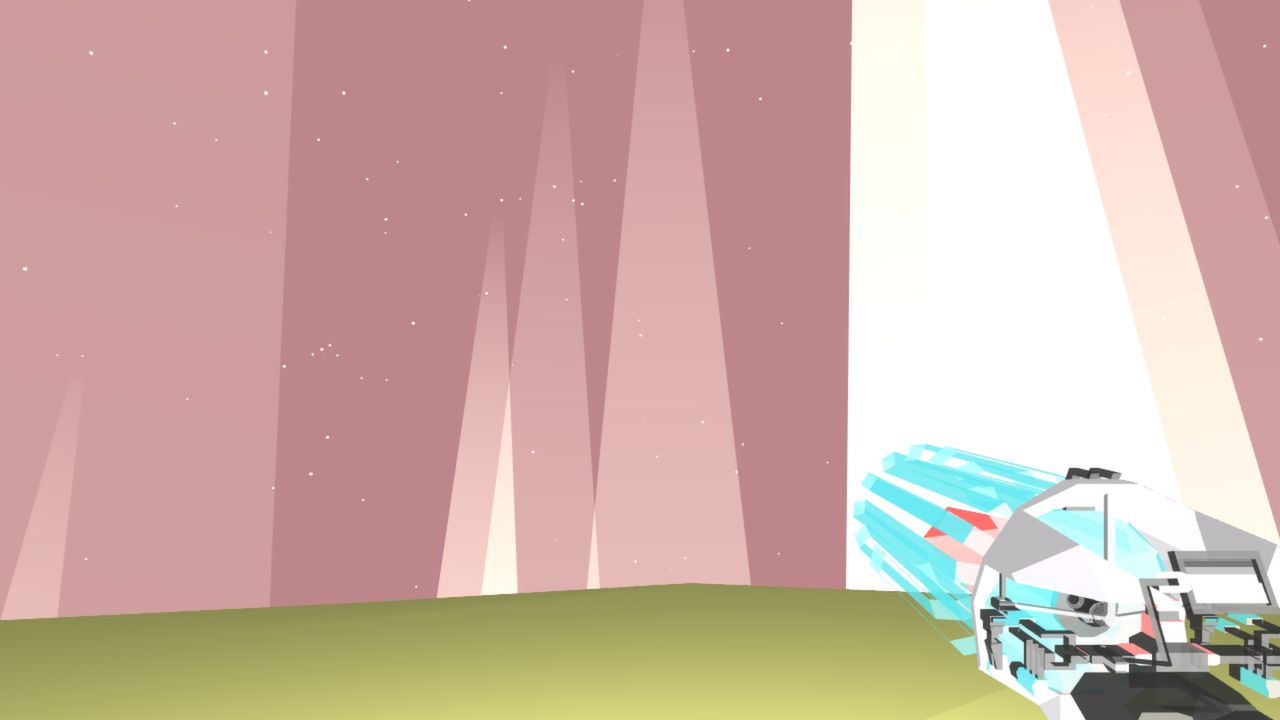
Santa Ragione offers a puzzle exploration game set in a red and surreal galaxy. Players navigate a series of procedural planets that operate on alien logic involving light and perspective. The interface is deliberately obscure and requires experimentation to understand how to manipulate the celestial bodies. This sense of confusion and discovery mirrors the feeling of trying to solve a puzzle within a deep sleep.
‘Caves of Qud’ (2015)
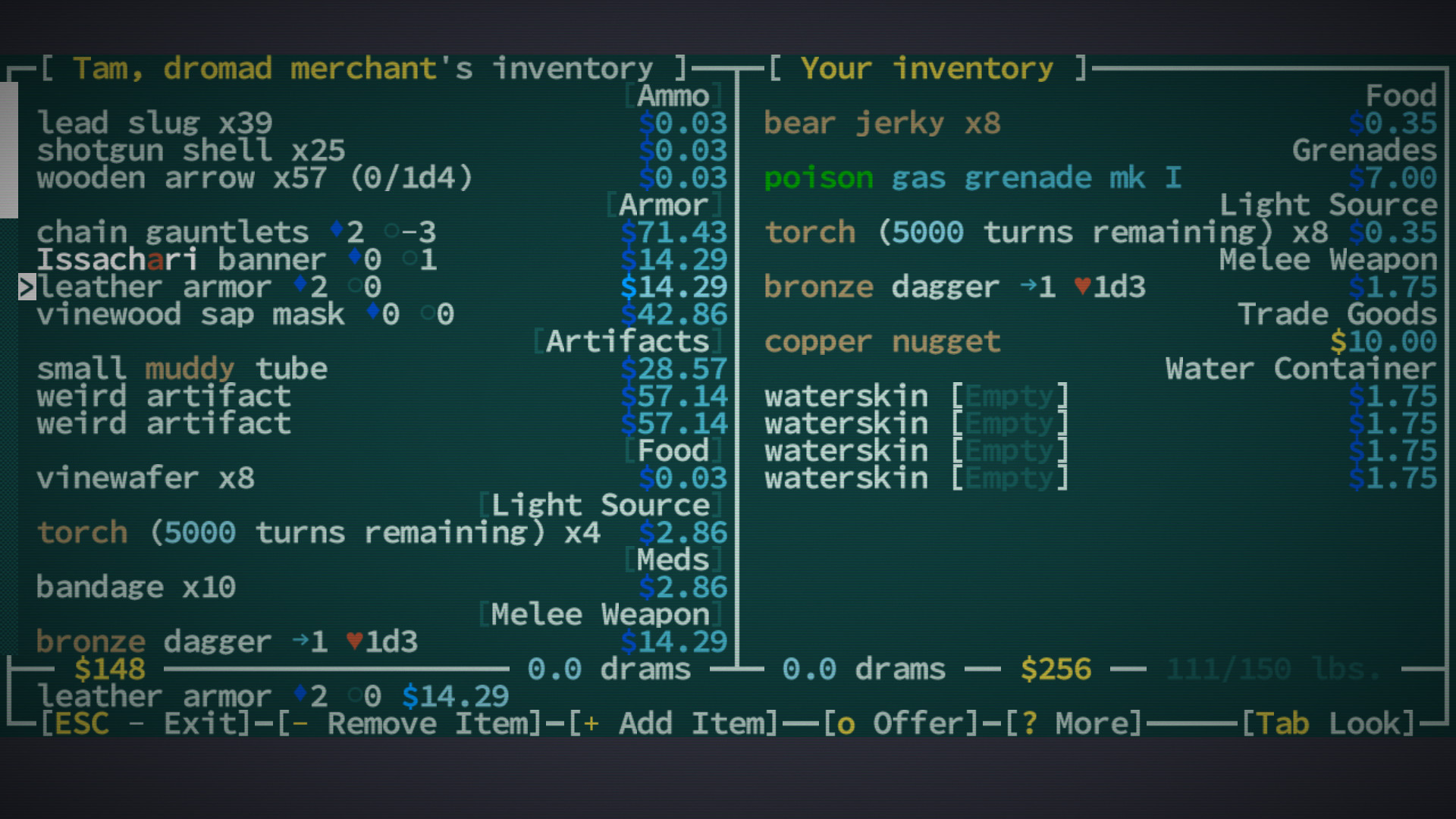
Freehold Games presents a science fantasy roguelike set in a retro-futuristic world full of sentient plants and mutants. The history and geography of the region are generated from scratch at the start of every game to provide a unique narrative context. Players can mutate their characters with extra limbs or mental powers while exploring ancient ruins. The dense simulation creates bizarre emergent stories that read like the chronicles of a fever dream.
‘No Man’s Sky’ (2016)
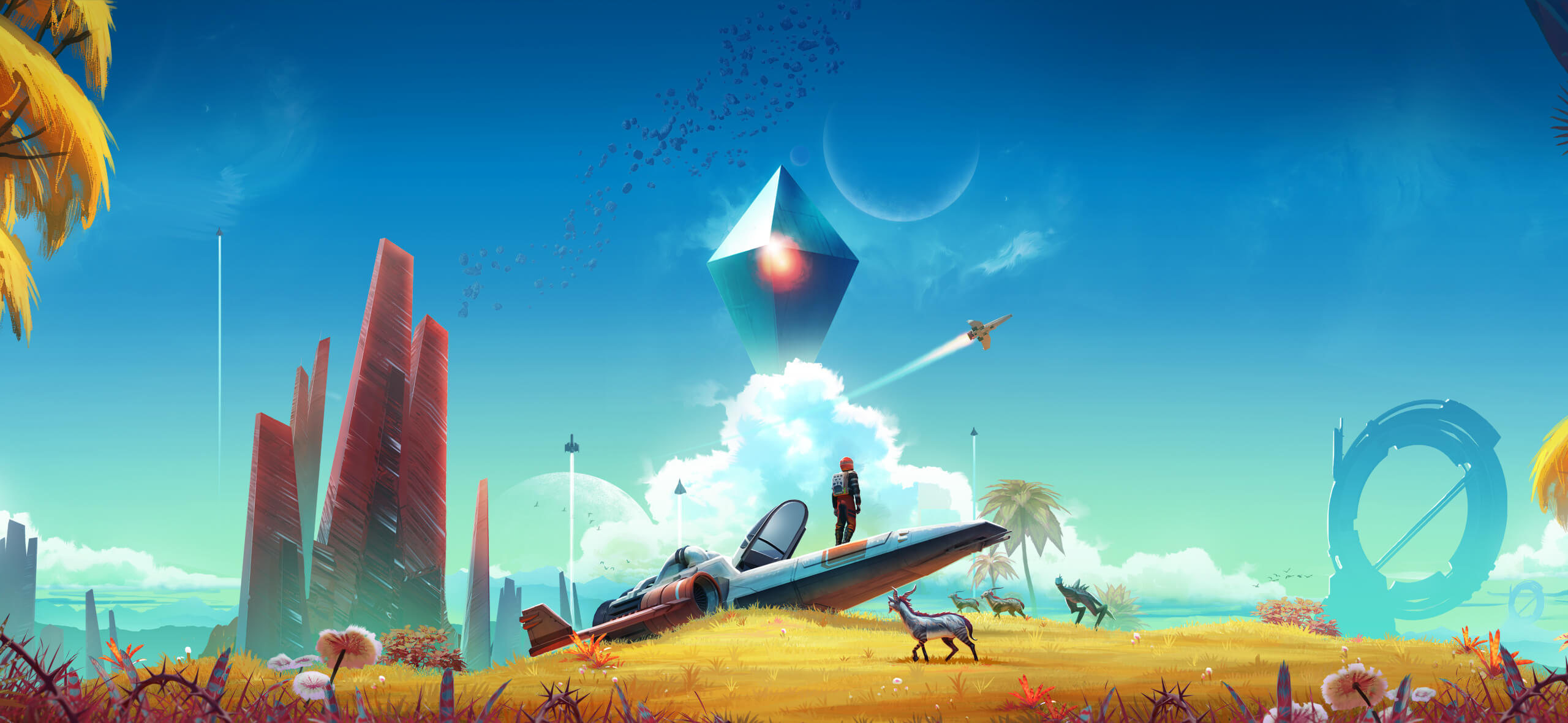
Hello Games built a universe containing quintillions of planets that are all generated by complex algorithms. Travelers fly seamlessly from the depths of space to the surface of alien worlds filled with strange creatures and toxic storms. The color palettes and atmospheric conditions vary wildly to create vistas that look like classic science fiction book covers. It captures the feeling of an endless journey through a galaxy that exists only in the imagination.
‘Astroneer’ (2016)

System Era Softworks places players on colorful planets where the terrain can be reshaped like clay. The procedural generation creates distinct worlds with unique gravity and flora that require specific strategies to navigate. Users tether themselves to oxygen lines while digging through layers of the crust to find ancient alien structures. The vibrant and low-poly aesthetic gives the space exploration a playful and surreal quality.
‘Starbound’ (2016)
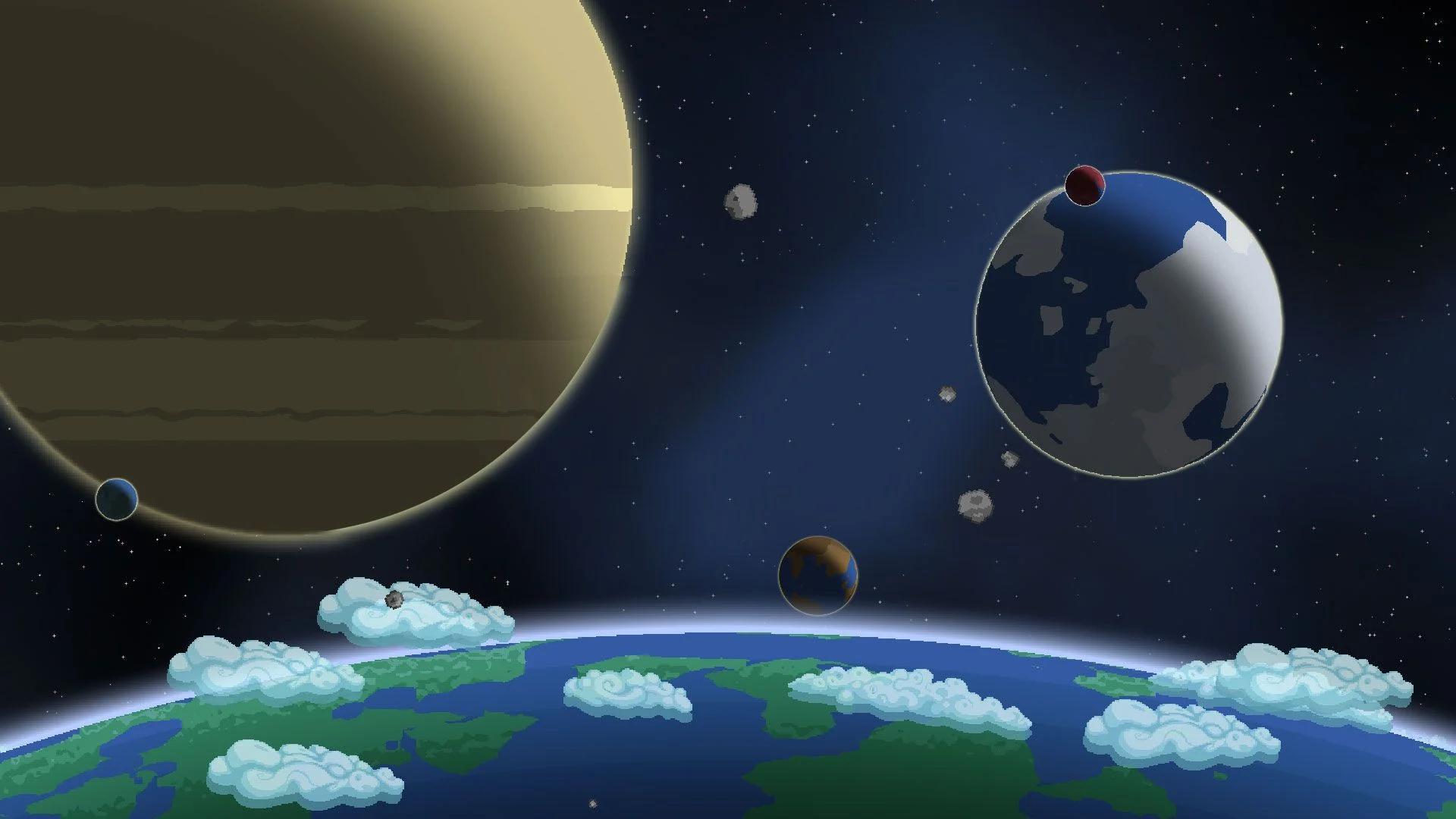
Chucklefish developed this sandbox adventure where players flee their home planet to explore a procedurally generated universe. Each star system contains planets with randomized biomes and weather patterns that range from gentle forests to pools of acid. The game populates these worlds with randomly assembled monsters and dungeons that follow no set blueprint. It offers a 2D side-scrolling experience that feels like hopping between different storybooks.
‘Shape of the World’ (2018)
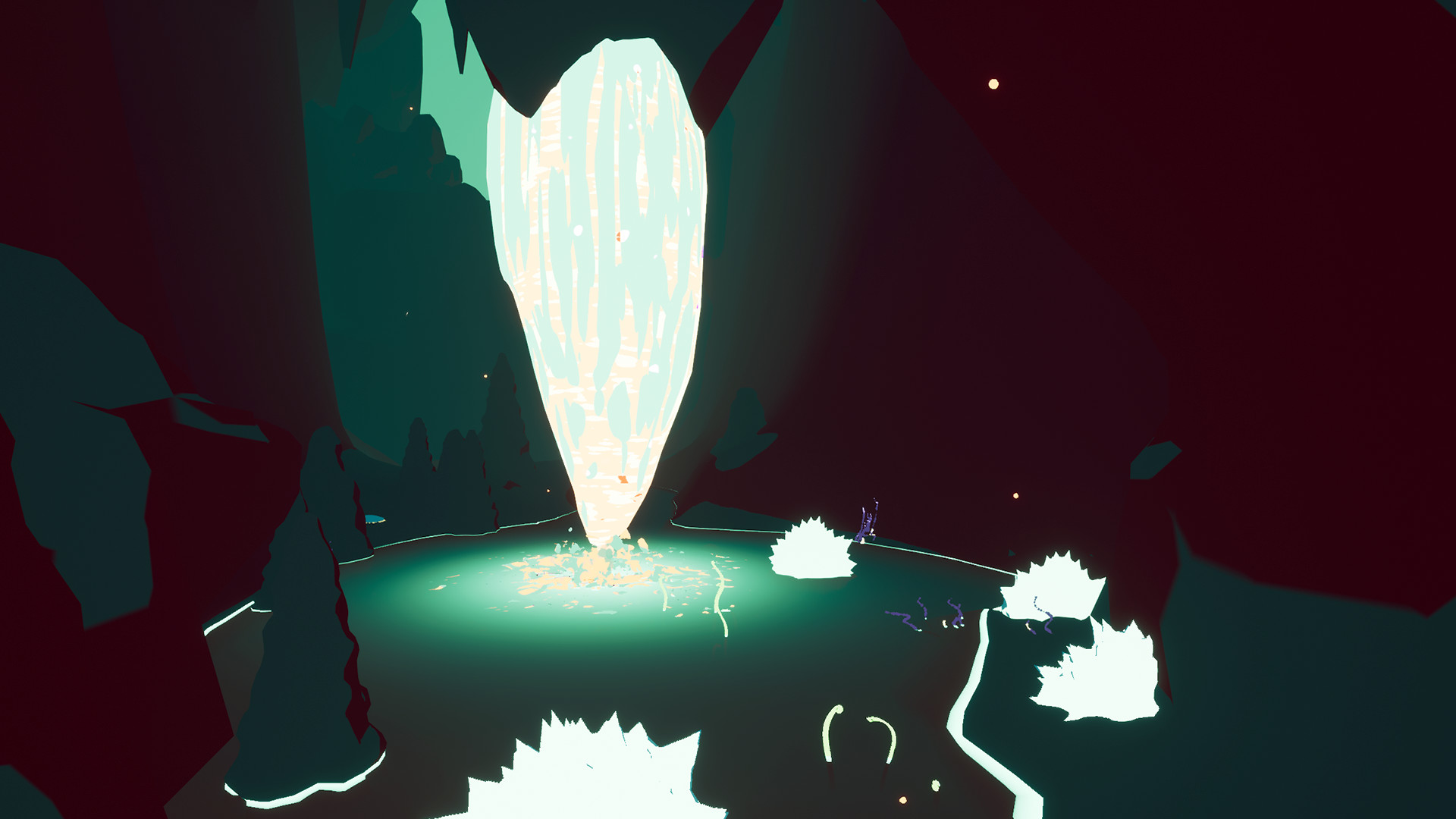
Hollow Tree Games created a first-person exploration game where the world grows and alters directly around the player. As the user moves through the environment the trees and rocks spring into existence in rhythm with the movement. The colors shift and dissolve to create a relaxing and ephemeral atmosphere that lacks permanent structures. It simulates the way dream environments often construct themselves only when the dreamer pays attention to them.
‘Risk of Rain 2’ (2019)
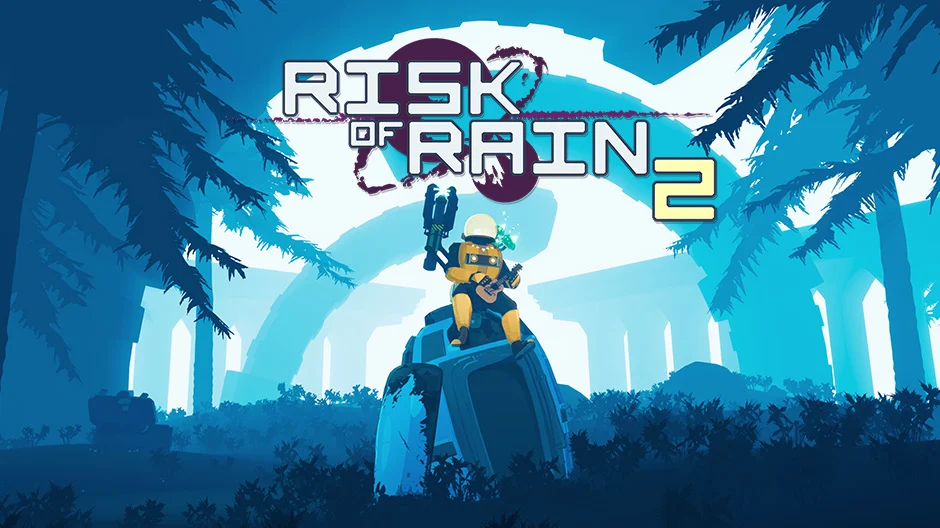
Hopoo Games transitioned their chaotic shooter into a 3D space where players fight through alien landscapes. The stages are populated by random monster spawns and item placements that escalate in difficulty over time. The visual chaos of stacking power-ups creates a screen filled with fireworks and destruction. Survivors loop through the levels repeatedly until the run becomes an overwhelming blur of action and color.
‘Spelunky 2’ (2020)
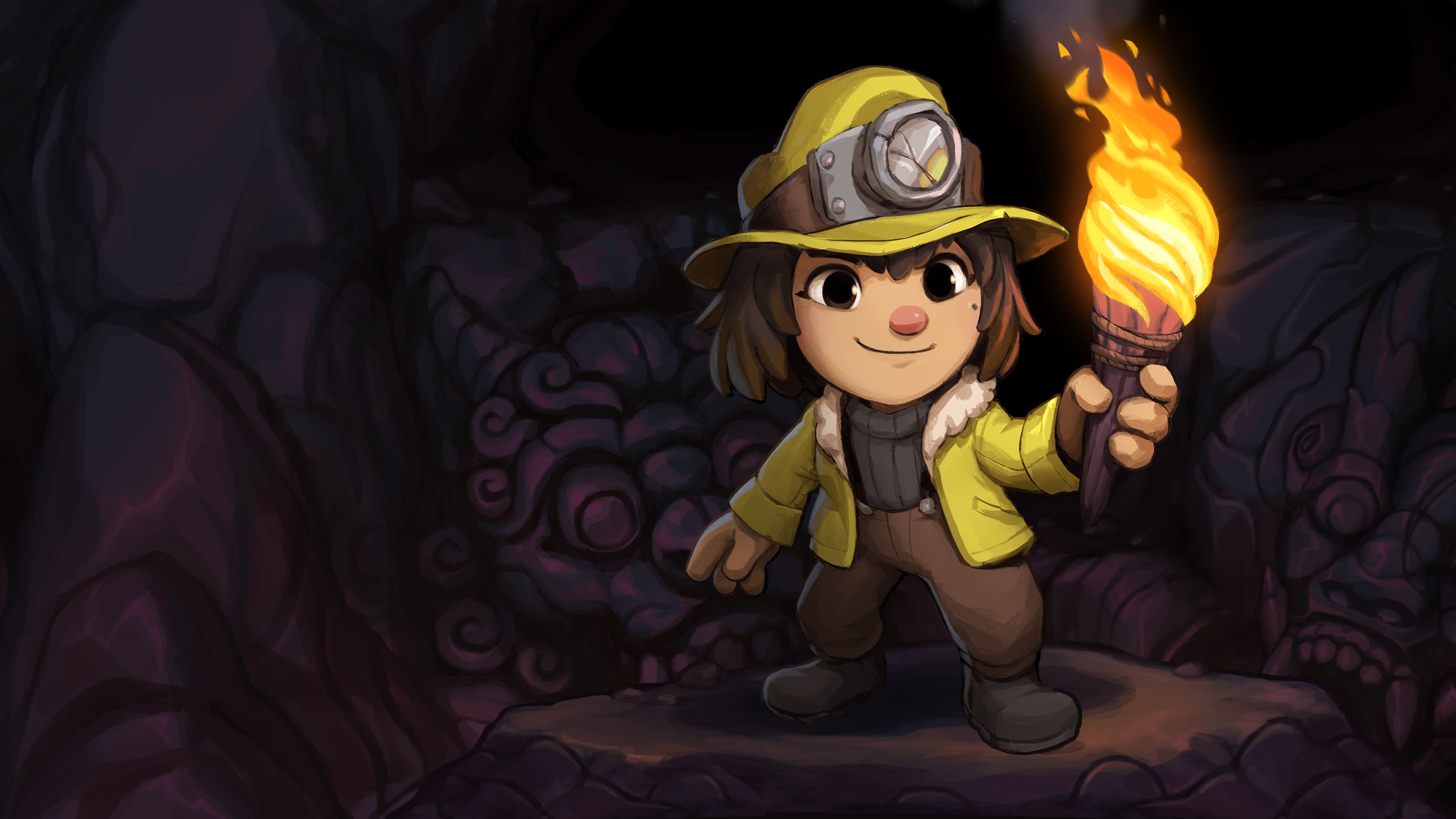
Mossmouth expanded on the original concept of exploring shifting underground tunnels filled with traps and treasures. The procedural generation creates intricate levels on the moon that require precise platforming to navigate safely. Each death resets the world and forces the player to learn new patterns within the chaos. The brutal difficulty and constantly changing layout mimic the recurring nature of a stress dream.
‘Deep Rock Galactic’ (2020)
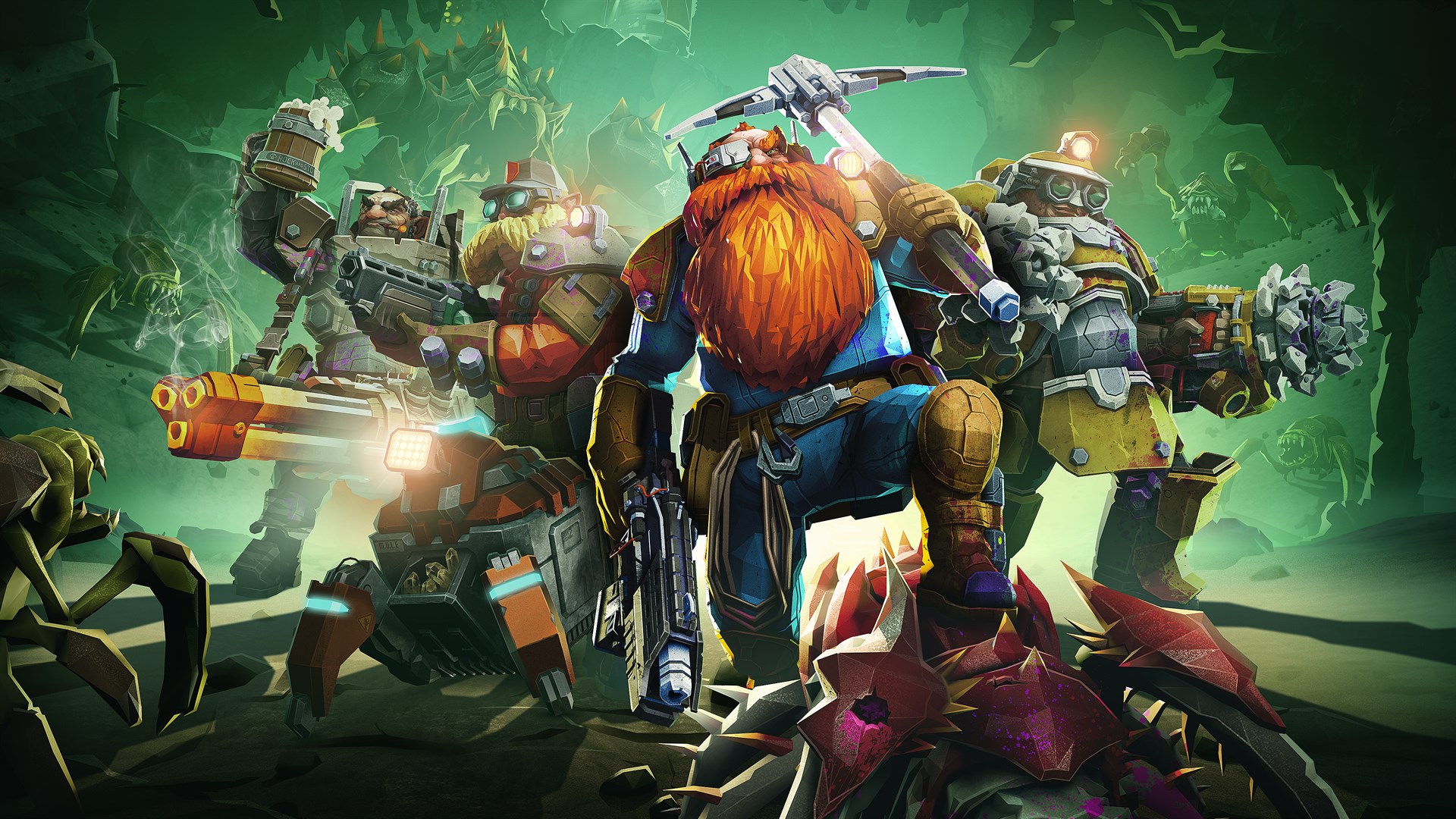
Ghost Ship Games tasked players with mining operations in fully destructible procedural cave systems. Teams of dwarves must navigate pitch-black tunnels while fighting off waves of alien arachnids. The cave generation creates complex vertical labyrinths that require tools like ziplines and drills to traverse. The isolation of the deep underground combined with the alien flora creates a claustrophobic and intense atmosphere.
‘Returnal’ (2021)
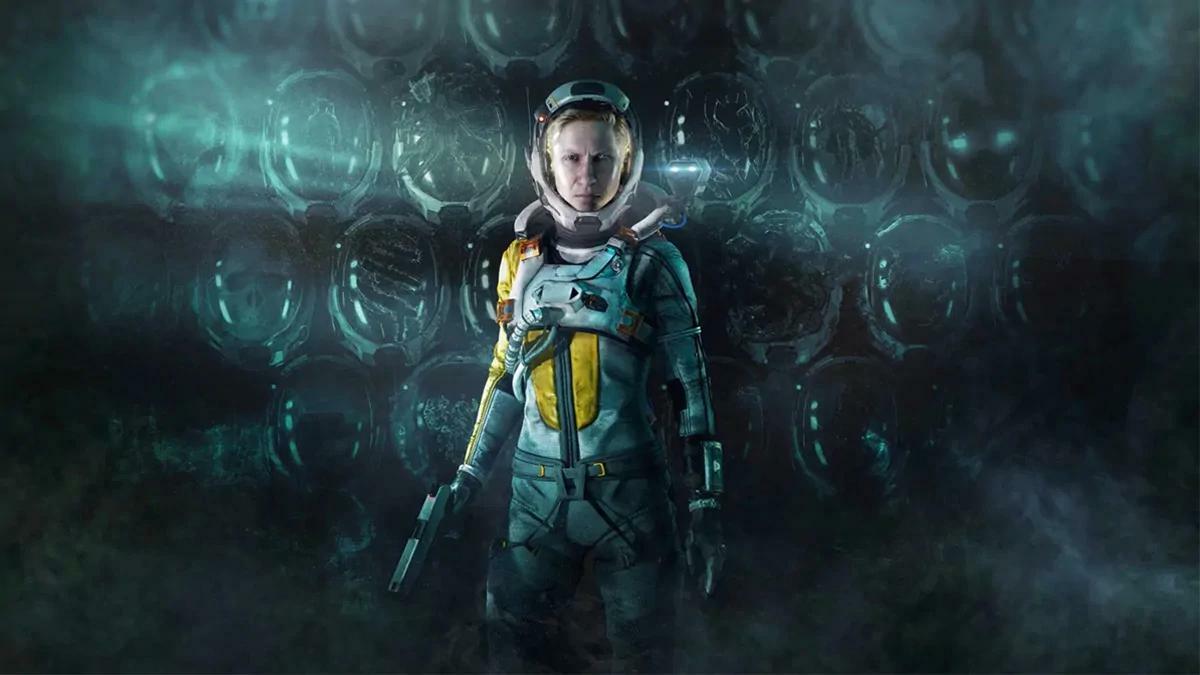
Housemarque combined bullet-hell action with a narrative about a psychological time loop on an alien planet. The protagonist crashes on a world where the map rearranges itself every time she dies. The dark sci-fi setting is filled with ancient ruins and tentacles that reflect the character’s trauma. It serves as a high-fidelity representation of a recurring nightmare where escape is impossible.
‘Valheim’ (2021)
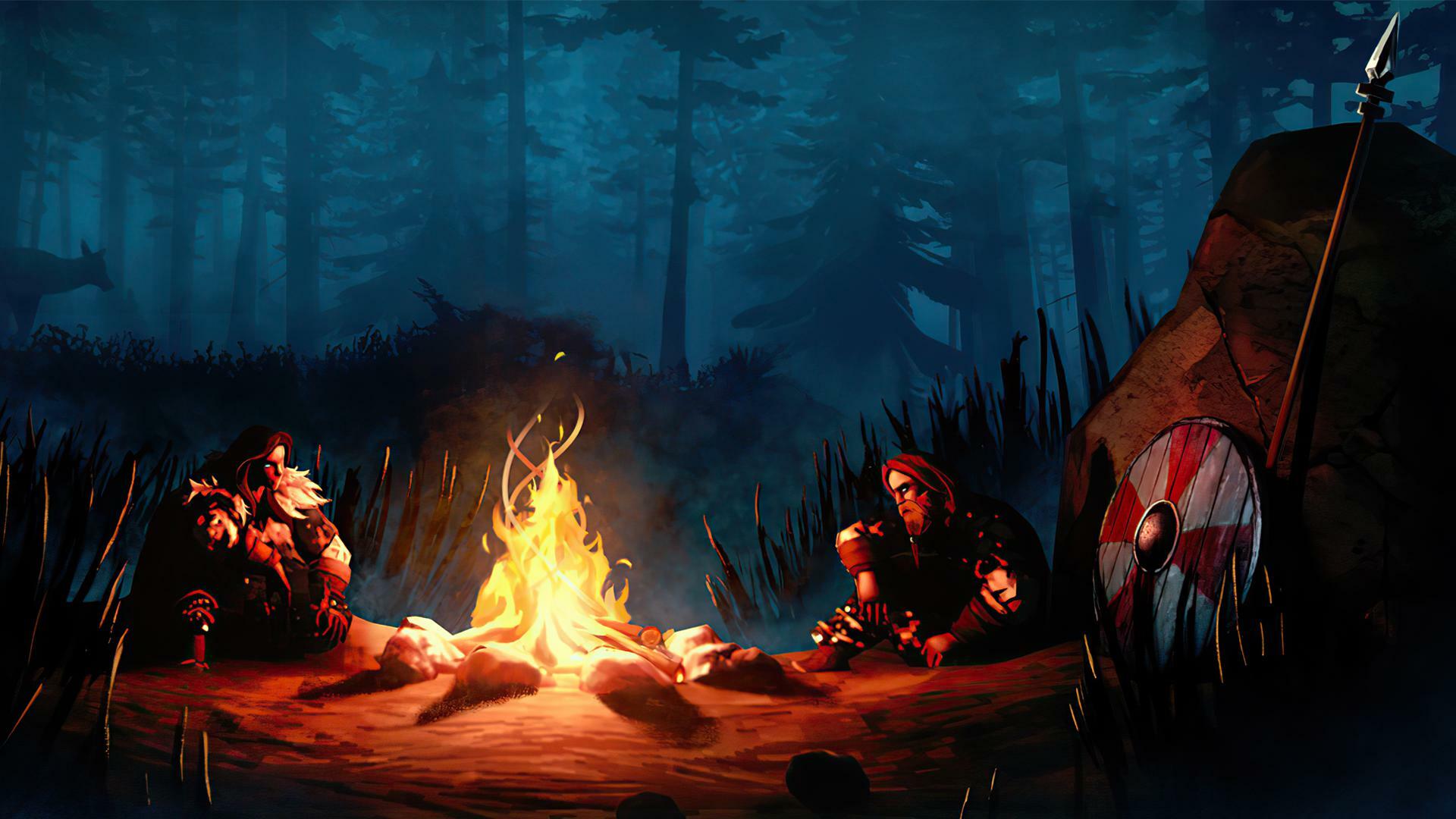
Iron Gate Studio dropped players into a procedurally generated purgatory inspired by Norse mythology. The vast world includes meadows and swamps that are shrouded in thick fog and guarded by mythical beasts. Players must build shelters and ships to explore the horizon while the weather shifts from sunshine to violent storms. The sense of isolation in a vast and unknown wilderness captures the essence of a Viking afterlife dream.
Share your favorite surreal gaming experiences in the comments.