Movies That Blended Live-Action with Stop-Motion Seamlessly



The fusion of live-action footage with stop motion animation has captivated audiences for nearly a century by bringing impossible creatures to life alongside human actors. This technique relies on meticulous frame-by-frame manipulation of models to create the illusion of movement within real environments. Filmmakers used this method to craft giant monsters and mythical beasts long before digital effects became the industry standard. Many of these productions remain iconic for their charm and the incredible technical skill required to execute them.
‘King Kong’ (1933)

Filmmaker Merian C. Cooper brought a giant ape to life in this pioneering adventure film that stunned audiences upon its release. The production team utilized stop motion models with jointed metal armatures to interact with miniature sets and rear-projected live actors. Willis O’Brien oversaw the groundbreaking effects work that established the standard for creature features for decades. The climatic sequence atop the Empire State Building remains one of the most memorable moments in cinematic history.
‘Mighty Joe Young’ (1949)
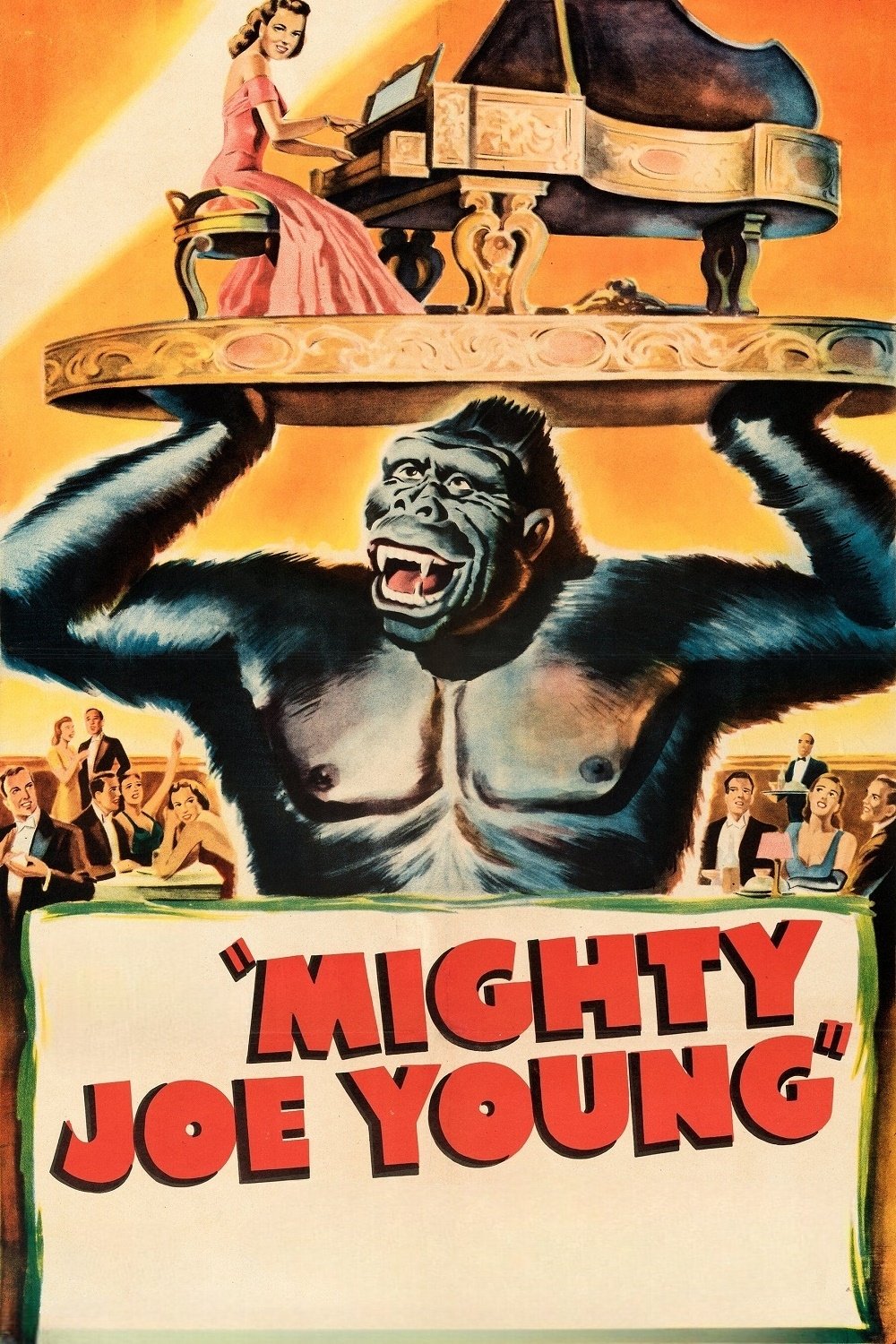
This heartwarming film tells the story of a young woman who raises a gorilla and brings him to Hollywood seeking fortune. The special effects team improved upon previous techniques by using rubber and foam over metal skeletons to create more realistic muscle movement. Ray Harryhausen worked on this project under Willis O’Brien and helped refine the animation process significantly. The movie won an Academy Award for Best Visual Effects due to its sophisticated integration of the giant ape with human characters.
‘The Beast from 20,000 Fathoms’ (1953)
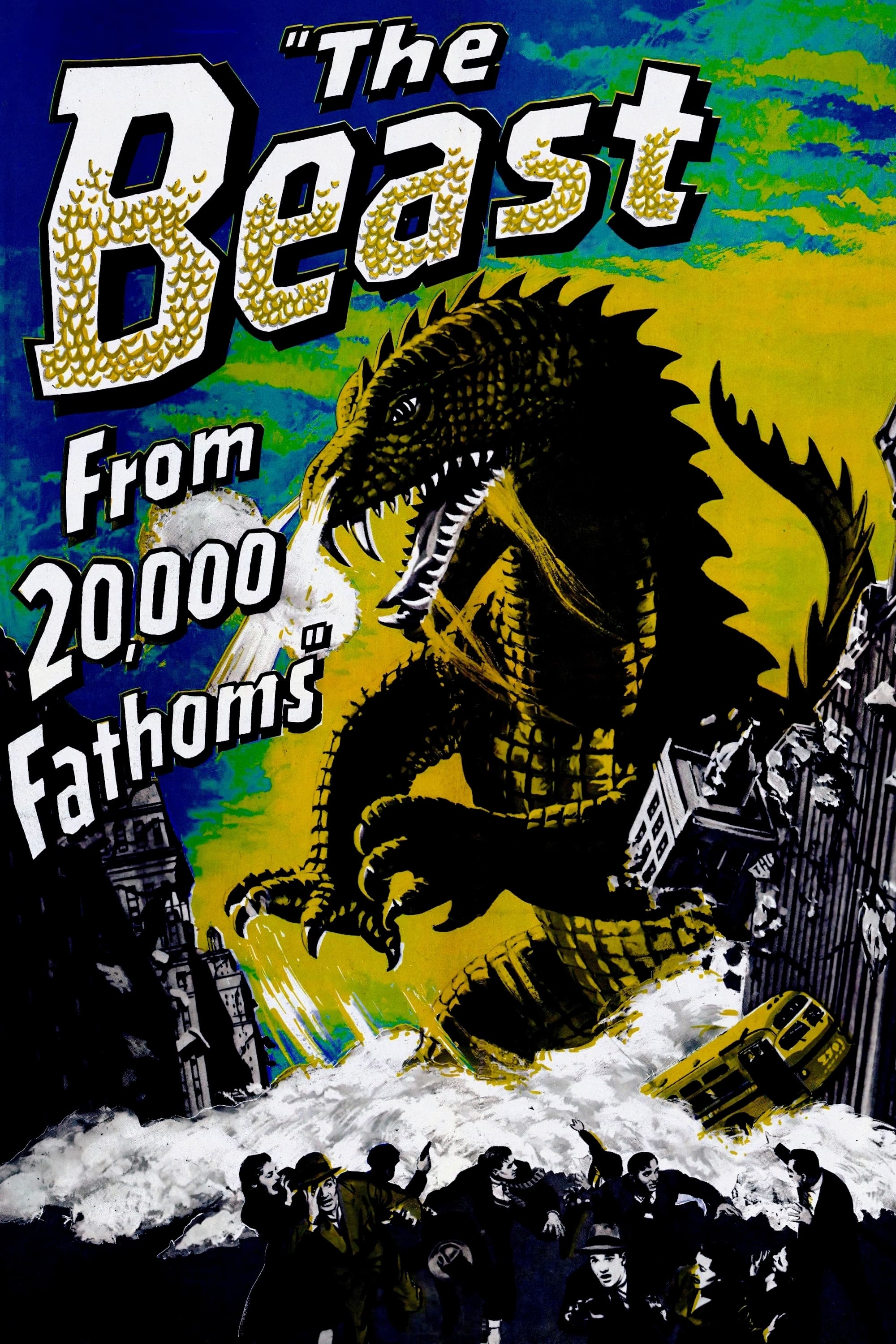
A hibernation dinosaur awakens after an atomic bomb test and proceeds to wreak havoc on New York City in this science fiction classic. Ray Harryhausen pioneered his Dynamation technique here to split the film frame and insert the creature between foreground and background elements. This method allowed the dinosaur to appear as though it was actually walking through the streets and interacting with buildings. The film inspired a wave of monster movies and directly influenced the creation of Godzilla.
‘It Came from Beneath the Sea’ (1955)
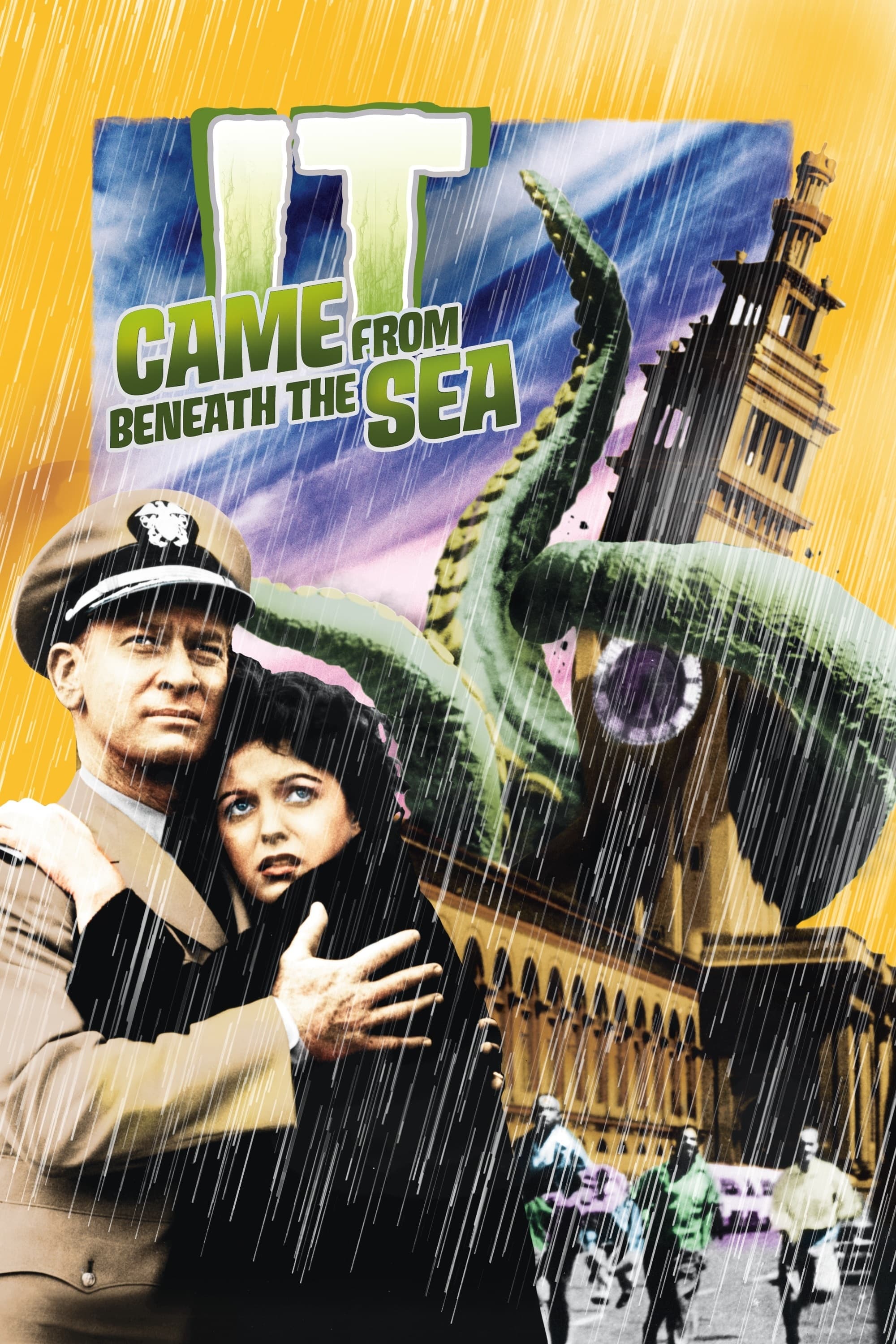
A giant radioactive octopus emerges from the depths of the ocean to terrorize San Francisco in this thrilling creature feature. Budget constraints forced Ray Harryhausen to build the creature model with only six tentacles instead of eight to save money and animation time. The special effects team cleverly kept the missing limbs hidden or underwater during the action sequences. Scenes of the monster attacking the Golden Gate Bridge showcase the impressive scale achievable through stop motion photography.
‘Earth vs. the Flying Saucers’ (1956)
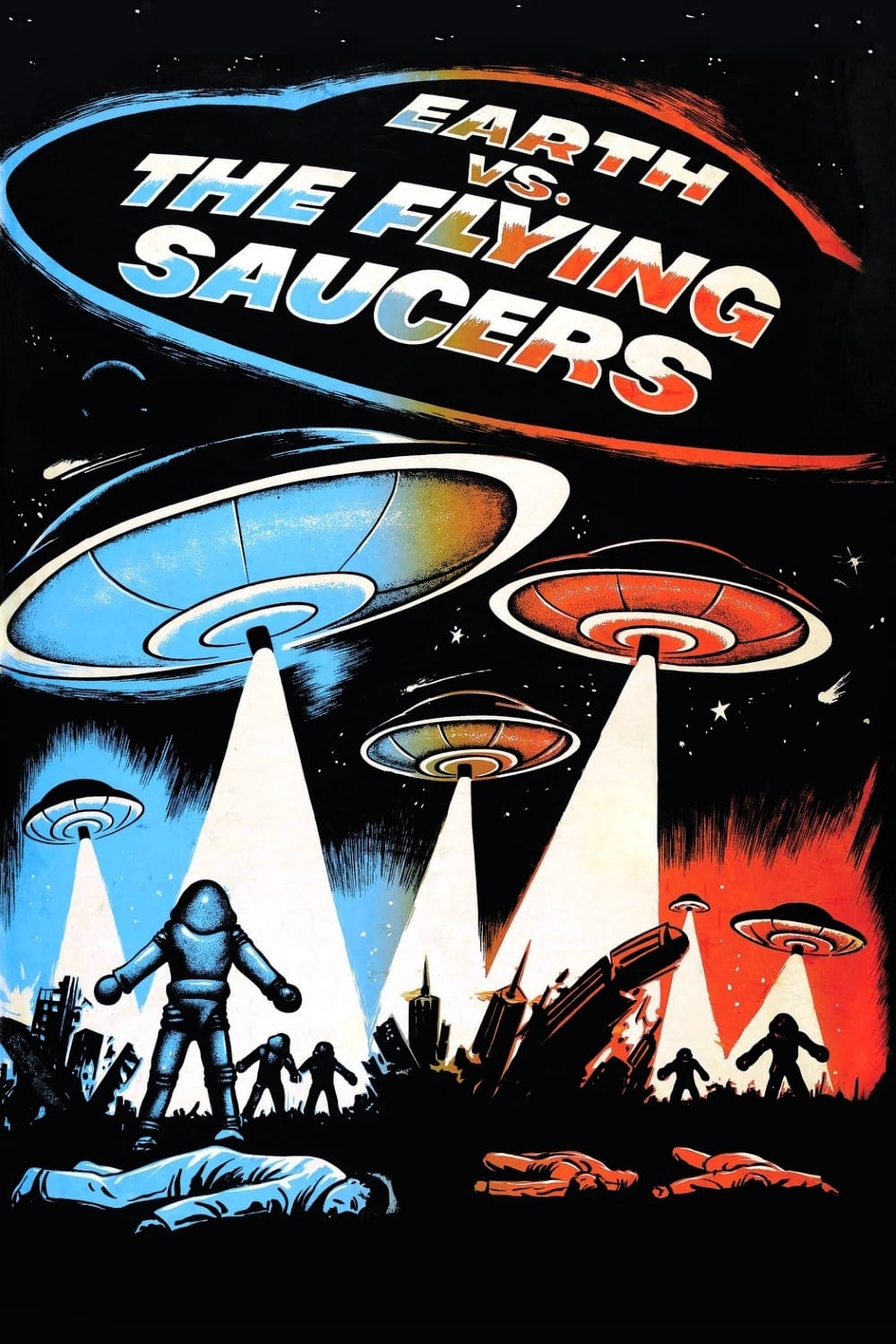
Alien invaders arrive in spinning silver spacecraft to demand the surrender of Earth in this quintessential fifties sci-fi movie. Ray Harryhausen animated the rigid flying saucers to move with a distinct and unnatural rotation that unnerved audiences. The destruction of iconic Washington D.C. landmarks required complex compositing of falling masonry and collapsing structures. This film remains a definitive example of the alien invasion subgenre thanks to its memorable visual effects work.
’20 Million Miles to Earth’ (1957)
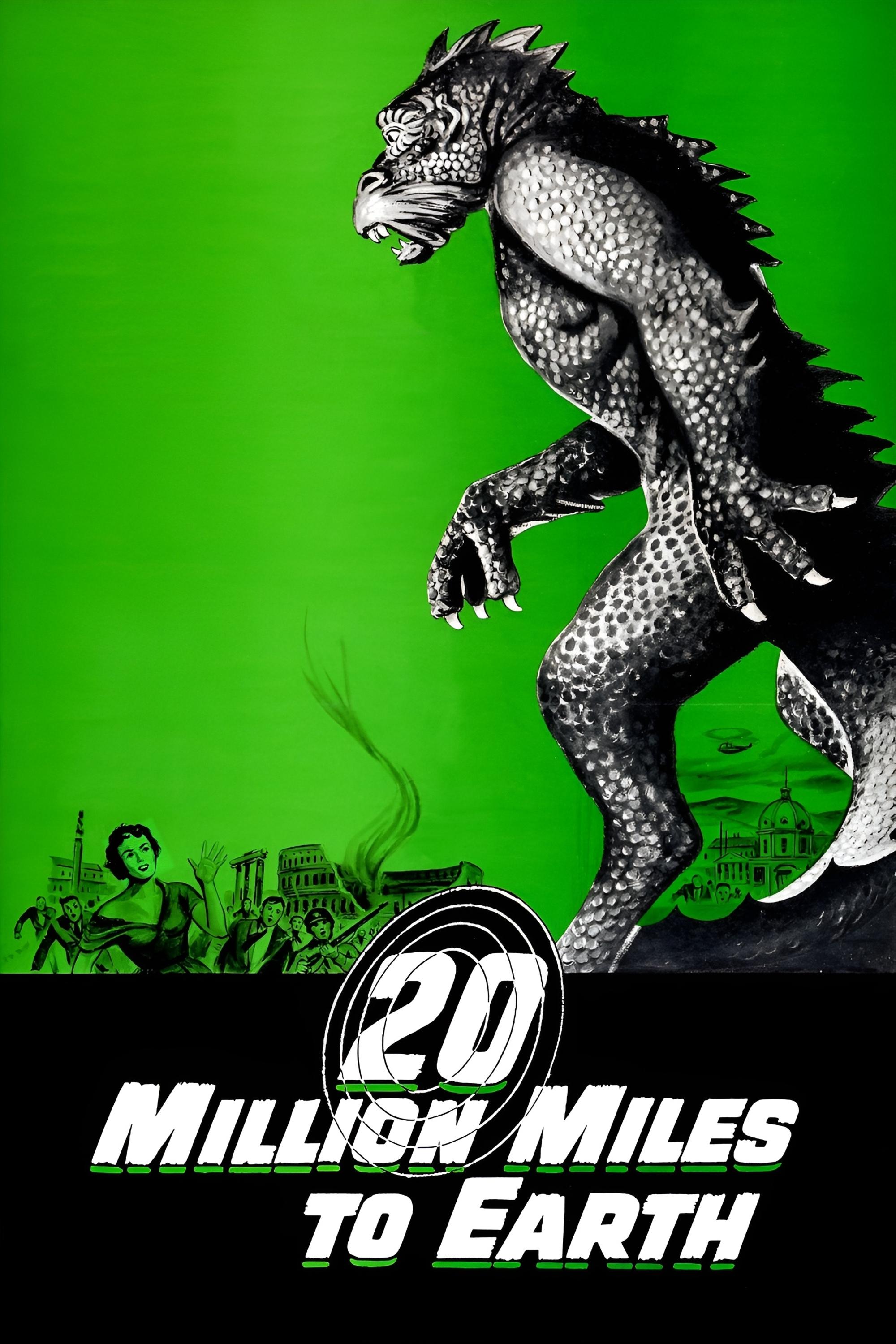
A spaceship crashes off the coast of Sicily and releases a small reptilian creature that grows rapidly into a giant monster. The Ymir creature is one of the most expressive models ever created by Ray Harryhausen and displays distinct personality traits throughout the film. Animators paid close attention to the creature’s breathing and subtle movements to make it feel like a living organism. The finale in the Roman Colosseum stands as a testament to the seamless blend of location footage and miniature animation.
‘The 7th Voyage of Sinbad’ (1958)

This fantasy adventure marked the first time Ray Harryhausen filmed his stop motion creatures in full color. The hero battles a variety of mythical monsters including a cyclops and a dragon and a two-headed roc. The sequence involving a sword fight with a living skeleton required precise choreography between the live actor and the animated model. It remains one of the most beloved entries in the fantasy genre due to its vibrant visuals and imaginative creature designs.
‘Mysterious Island’ (1961)
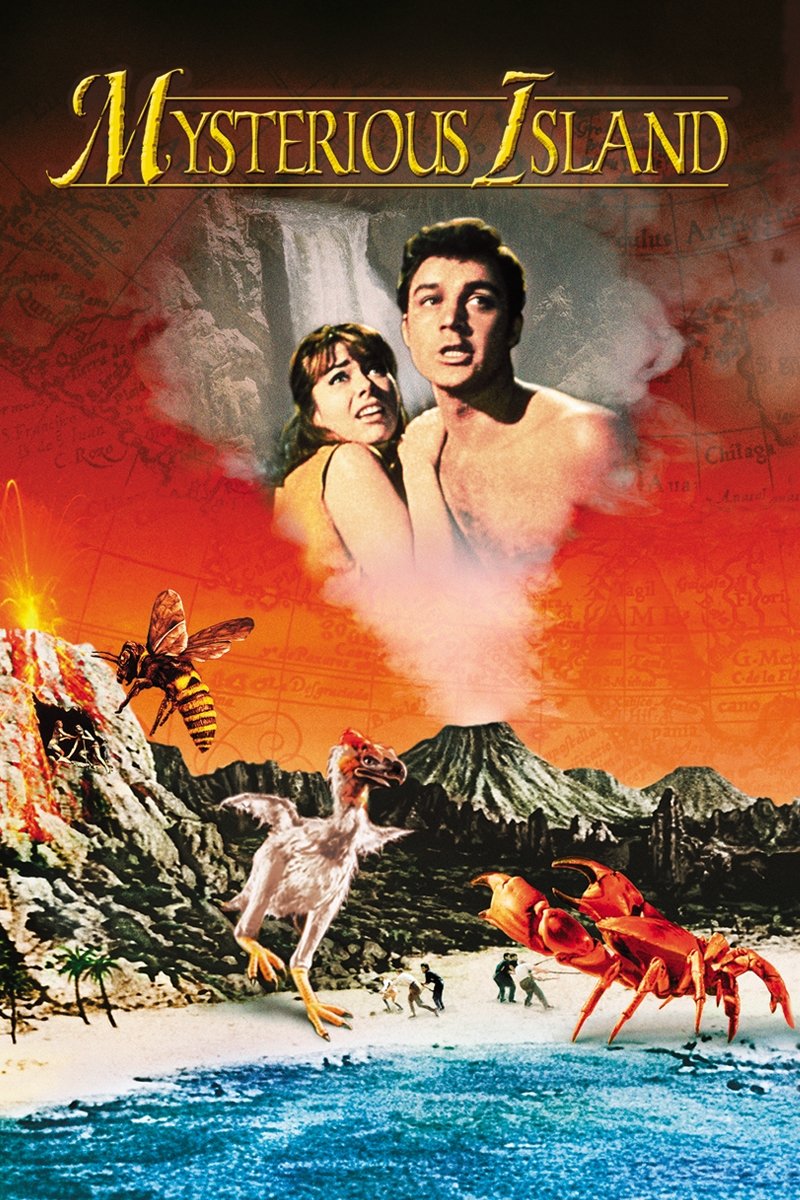
Castaways from the American Civil War use a hot air balloon to escape a prison camp and land on an uncharted island inhabited by giant beasts. The survivors encounter colossal crabs and bees and prehistoric birds that were brought to life through meticulous animation. Ray Harryhausen designed the creatures to interact physically with the actors by using large prop claws and legs for close-up shots. The film combines elements of survival adventure with the fantastical spectacle of oversized wildlife.
‘Jason and the Argonauts’ (1963)
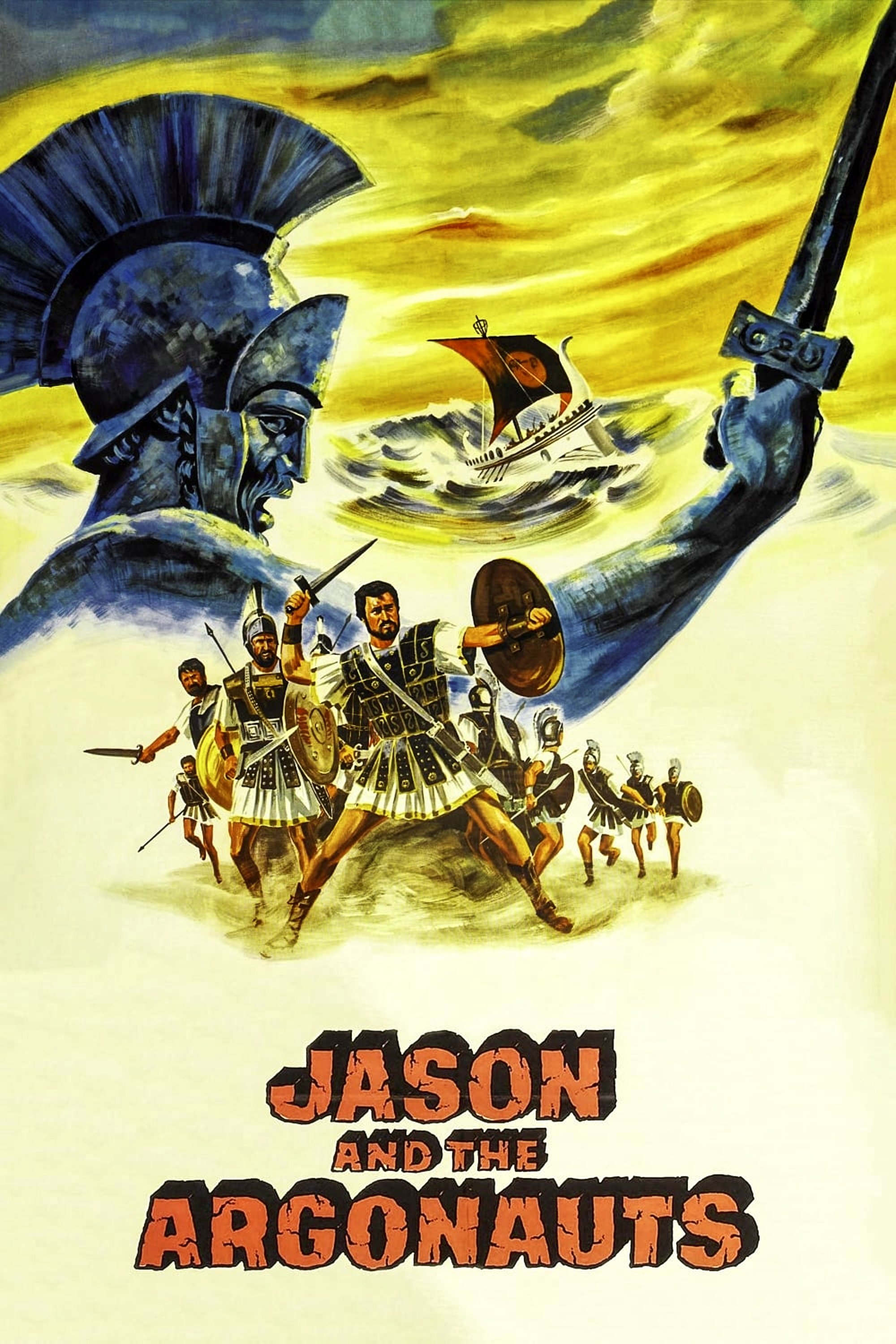
The legendary Greek hero leads a crew of adventurers to retrieve the Golden Fleece while facing interference from the gods. This film features the famous battle against seven skeleton warriors that took months of painstaking animation to complete. The interaction between the screaming skeletons and the live actors is widely considered the pinnacle of stop motion visual effects. The bronze giant Talos is another standout creation that moves with a terrifying mechanical weight.
‘First Men in the Moon’ (1964)
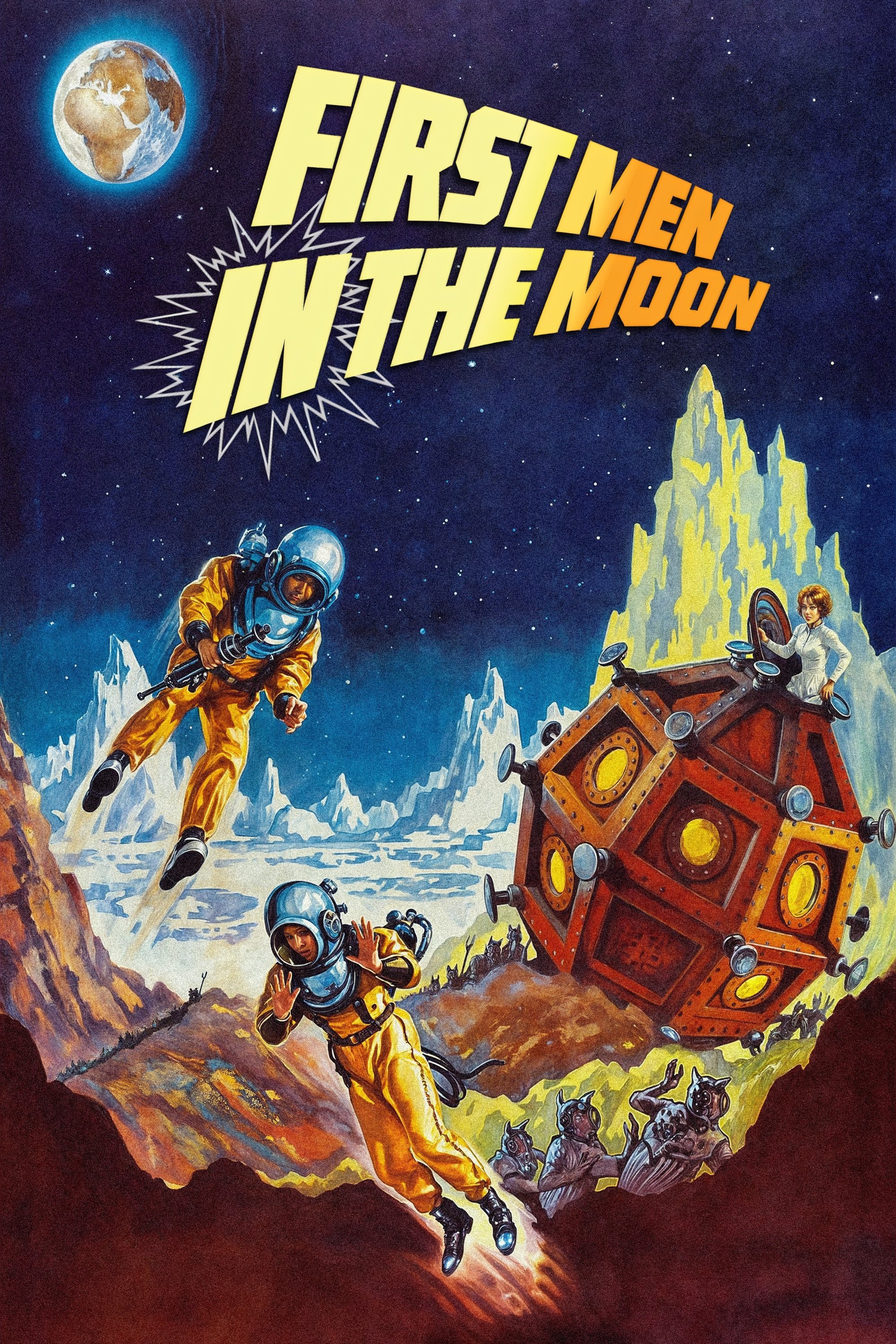
Victorian explorers travel to the moon in a sphere coated with an anti-gravity substance and discover an insectoid civilization. The film adapts the H.G. Wells novel and features wondrous designs for the lunar inhabitants and their underground city. Ray Harryhausen utilized the widescreen format to create expansive vistas of the moon surface populated by animated creatures. The blend of period sci-fi aesthetics with creature animation gives this movie a unique and charming atmosphere.
‘One Million Years B.C.’ (1966)
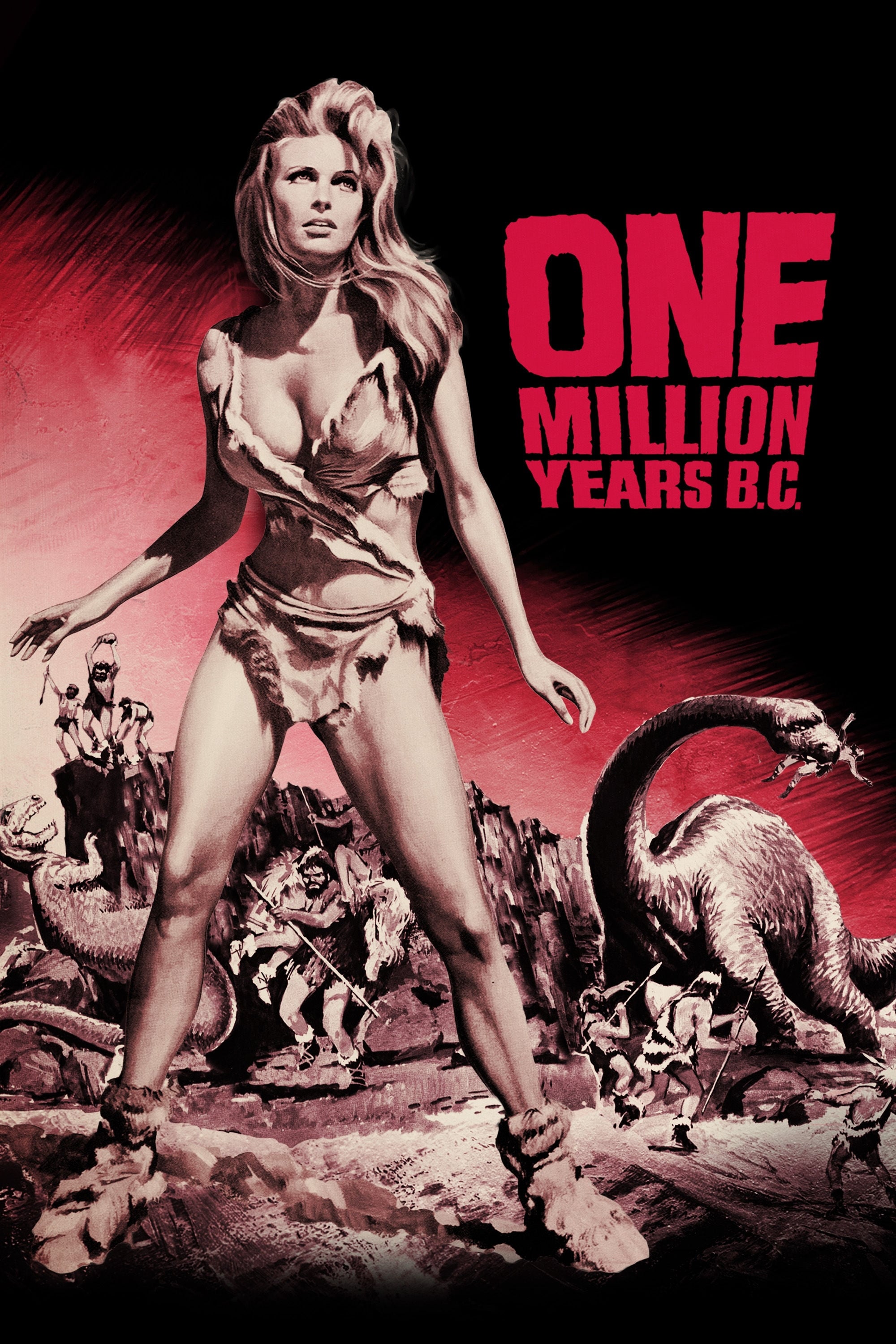
Prehistoric humans struggle for survival in a harsh landscape filled with aggressive dinosaurs and rival tribes. The special effects team used perspective tricks and large miniature sets to make the dinosaurs appear massive next to the actors. Live lizards and iguanas were occasionally used in other films of the era but this movie relied on superior stop motion models. The interaction between the cast and the creatures helped define the look of dinosaur movies for a generation.
‘The Valley of Gwangi’ (1969)
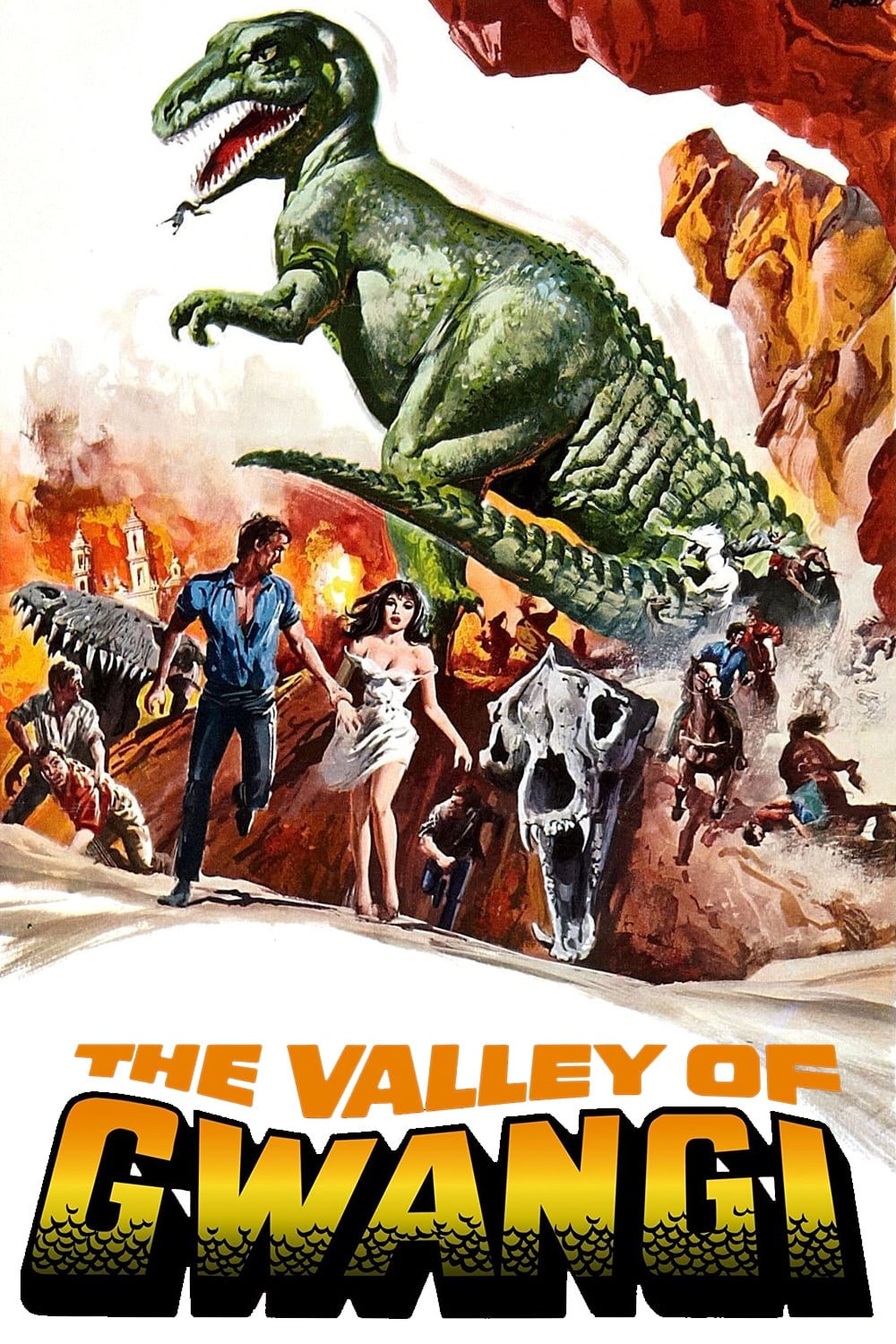
Cowboys discover a hidden valley in Mexico where prehistoric dinosaurs still roam freely. The premise allows for unique action sequences involving men on horseback trying to lasso and capture a carnivorous Allosaurus. Ray Harryhausen faced the difficult challenge of matching the movement of live horses with the animated movements of the dinosaur. The result is a fascinating genre mashup that combines Western tropes with monster movie thrills.
‘The Golden Voyage of Sinbad’ (1973)
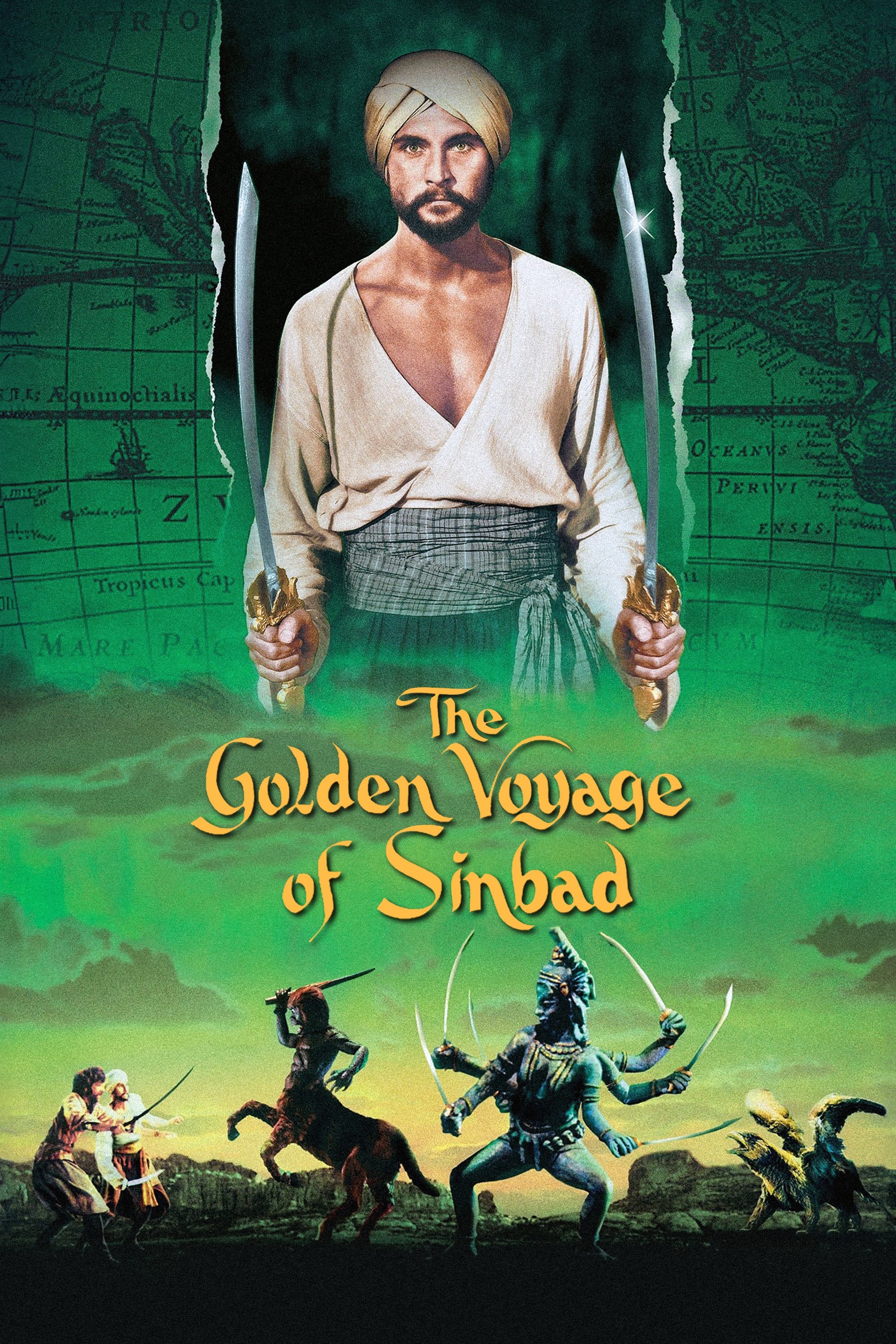
Sinbad returns to the screen to stop an evil wizard from obtaining incredible power and threatening the world. The film features a memorable six-armed statue of the goddess Kali that engages the heroes in a complex sword fight. Animators had to manage multiple moving arms simultaneously while synchronizing them with the live actors’ parries and strikes. The gloomy atmosphere and strange creatures like the one-eyed centaur distinguish this entry in the Sinbad series.
‘Sinbad and the Eye of the Tiger’ (1977)
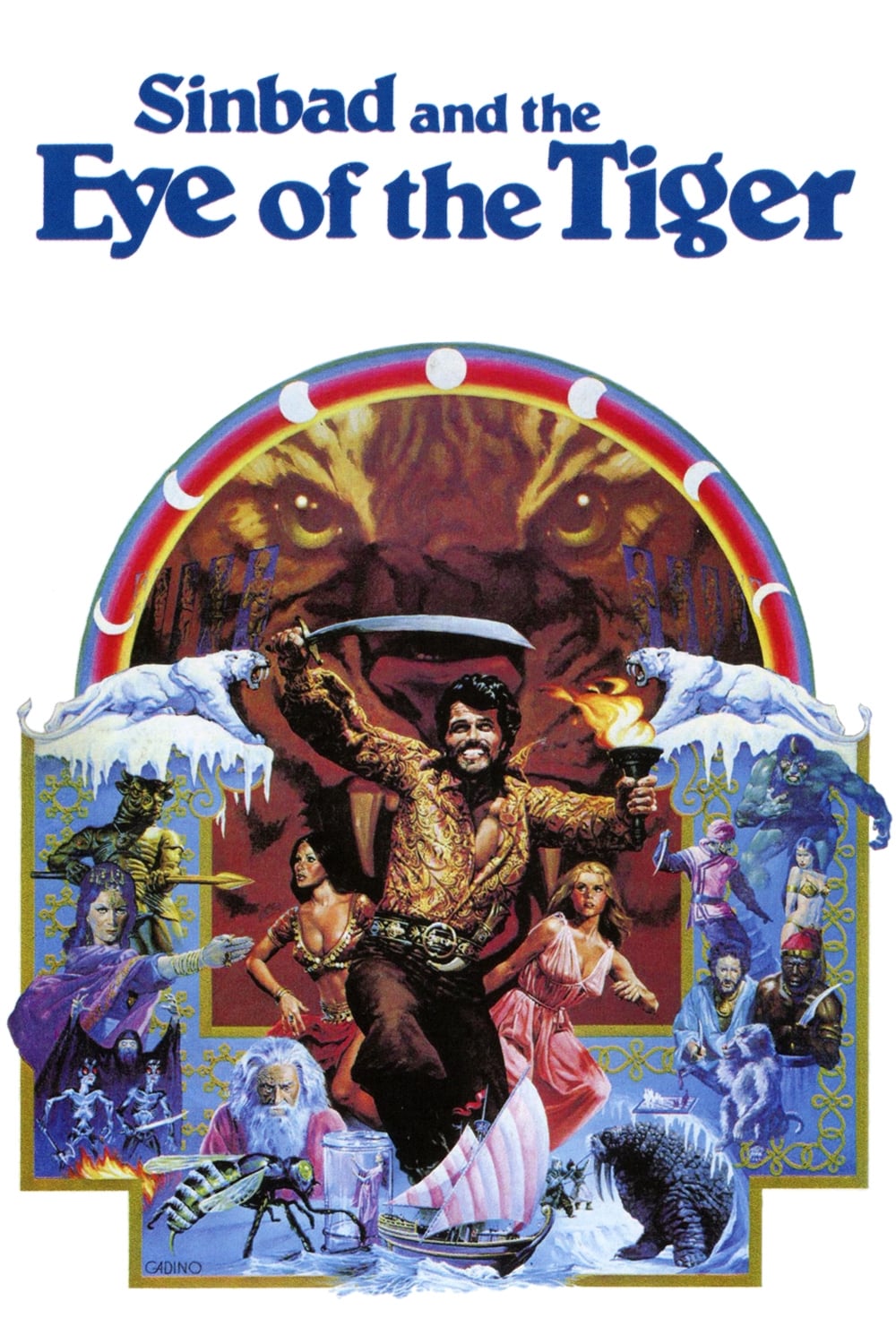
The sailor Sinbad must travel to a distant land to break a curse that has transformed a prince into a baboon. This production features a distinct stop motion baboon character that displays a wide range of emotions and interacts closely with the human cast. Other creatures include a giant walrus and a saber-toothed tiger and a metallic guardian called the Minoton. The film showcases the versatility of stop motion for creating both monstrous enemies and sympathetic animal companions.
‘Star Wars: Episode IV – A New Hope’ (1977)
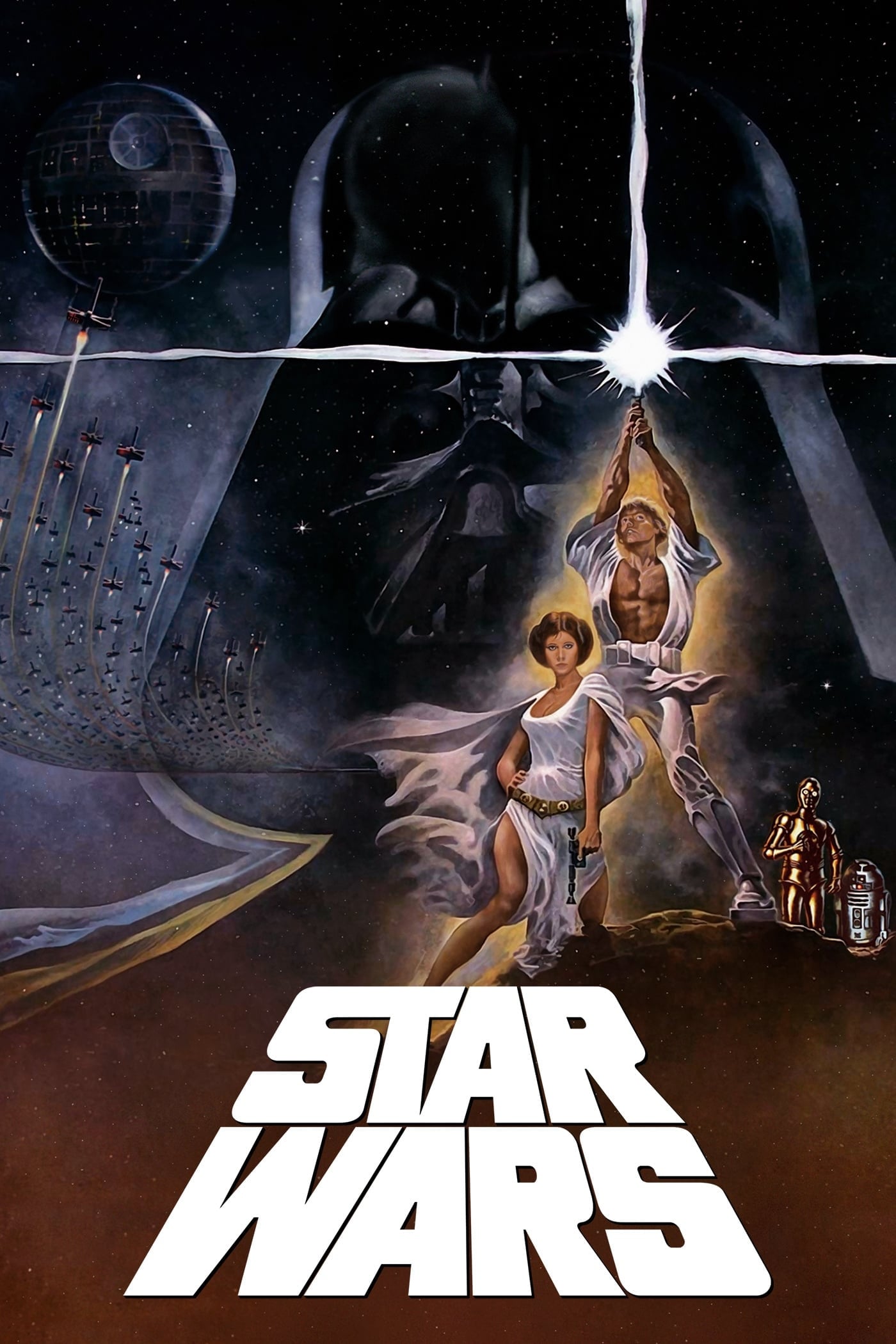
George Lucas employed stop motion techniques to realize the holographic board game played by Chewbacca and C3PO aboard the Millennium Falcon. Phil Tippett and Jon Berg designed the alien creatures that grapple and fight on the circular table. The technique was also used for the floating training remote that Luke Skywalker practices against with his lightsaber. These brief but effective moments added texture and depth to the sci-fi universe without drawing attention to the method.
‘Star Wars: Episode V – The Empire Strikes Back’ (1980)
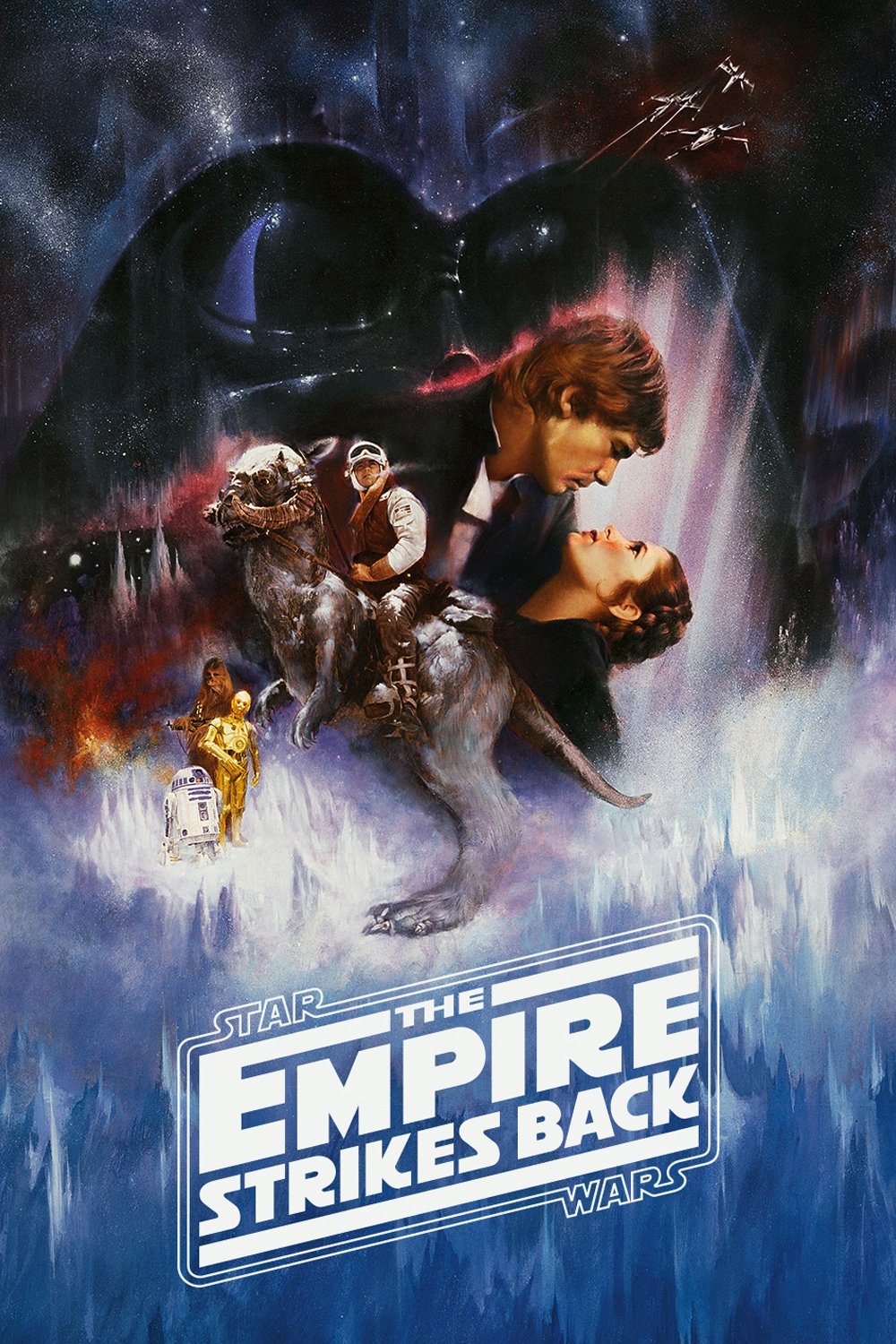
The Imperial forces launch a ground assault on the ice planet Hoth using massive walking tanks known as AT-ATs. Industrial Light and Magic animators used a technique called go-motion to add motion blur to the models for a more realistic look. The tauntauns ridden by the rebel soldiers were also realized through a combination of puppets and stop motion animation. This sequence demonstrates how miniature effects can create a sense of scale and weight that rivals modern digital tools.
‘Clash of the Titans’ (1981)
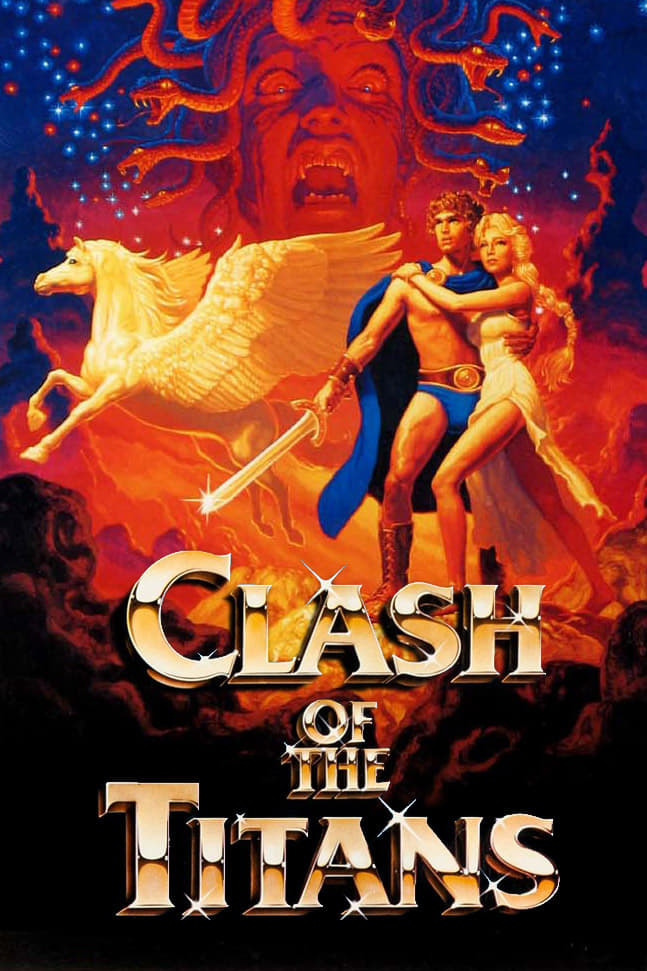
Perseus embarks on a dangerous quest to save the princess Andromeda from being sacrificed to a sea monster. Ray Harryhausen created his final set of creatures for this film including the snake-haired Medusa and the giant Kraken. The Medusa sequence is particularly effective due to the atmospheric lighting and the eerie movement of her rattlesnake tail. This movie served as a grand finale to the golden era of mythological stop motion epics.
‘Dragonslayer’ (1981)
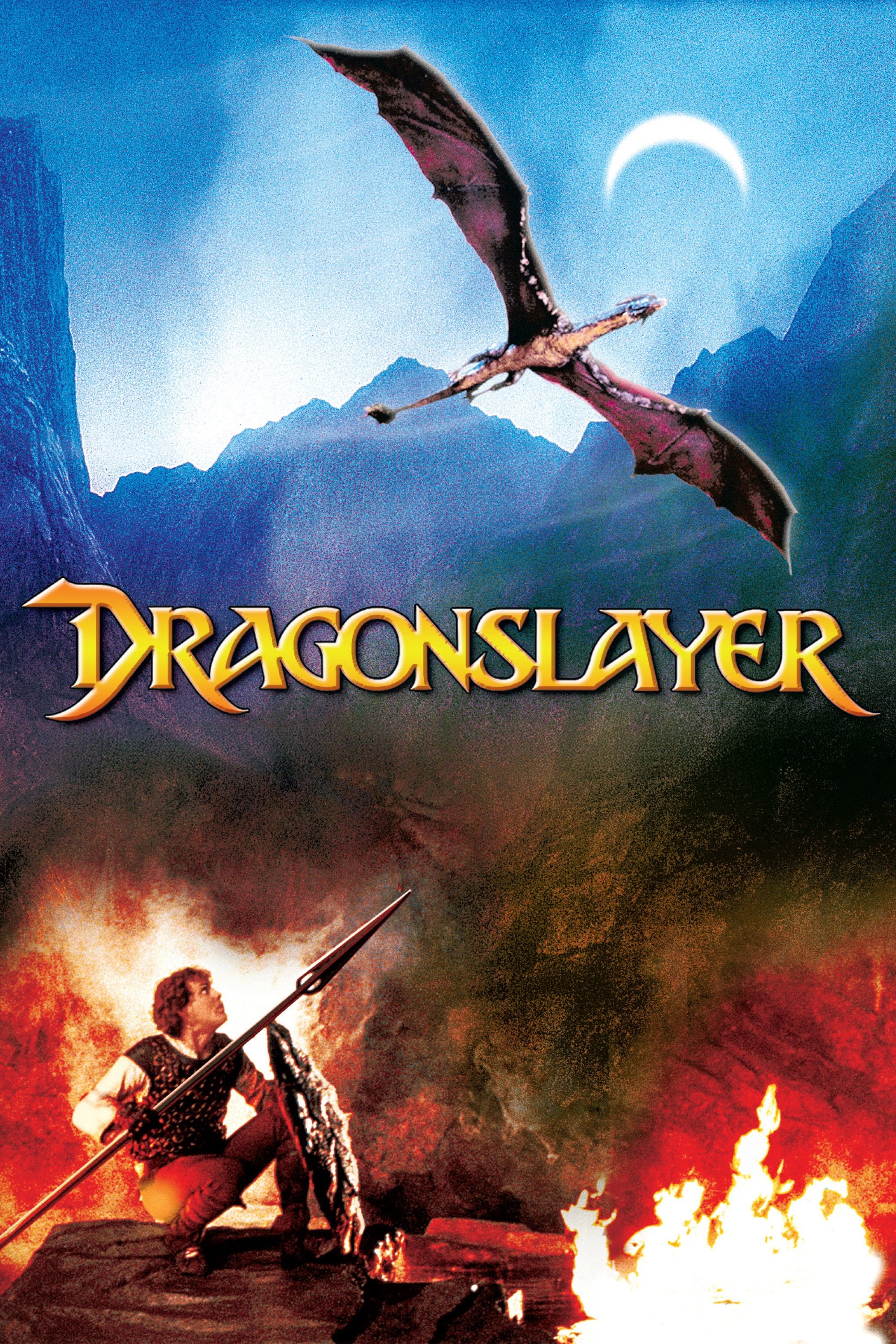
A young wizard apprentice must face a terrifying dragon that demands virgin sacrifices from a nearby kingdom. The special effects team utilized a sophisticated variation of go-motion to give the dragon Vermithrax Pejorative a fluid and organic movement style. This creature is often cited as one of the most realistic dragons ever put on film due to its animalistic behavior. The blend of full-scale hydraulic props and miniature animation created a seamless and threatening monster.
‘The Evil Dead’ (1981)

Five friends travel to a remote cabin in the woods and accidentally unleash an ancient demonic force. Director Sam Raimi used stop motion effects for the gruesome decay of the possessed characters at the climax of the film. The jerky and unnatural movement of the melting flesh added a surreal and nightmarish quality to the horror. These practical effects contributed significantly to the cult status and raw energy of the movie.
‘The Terminator’ (1984)
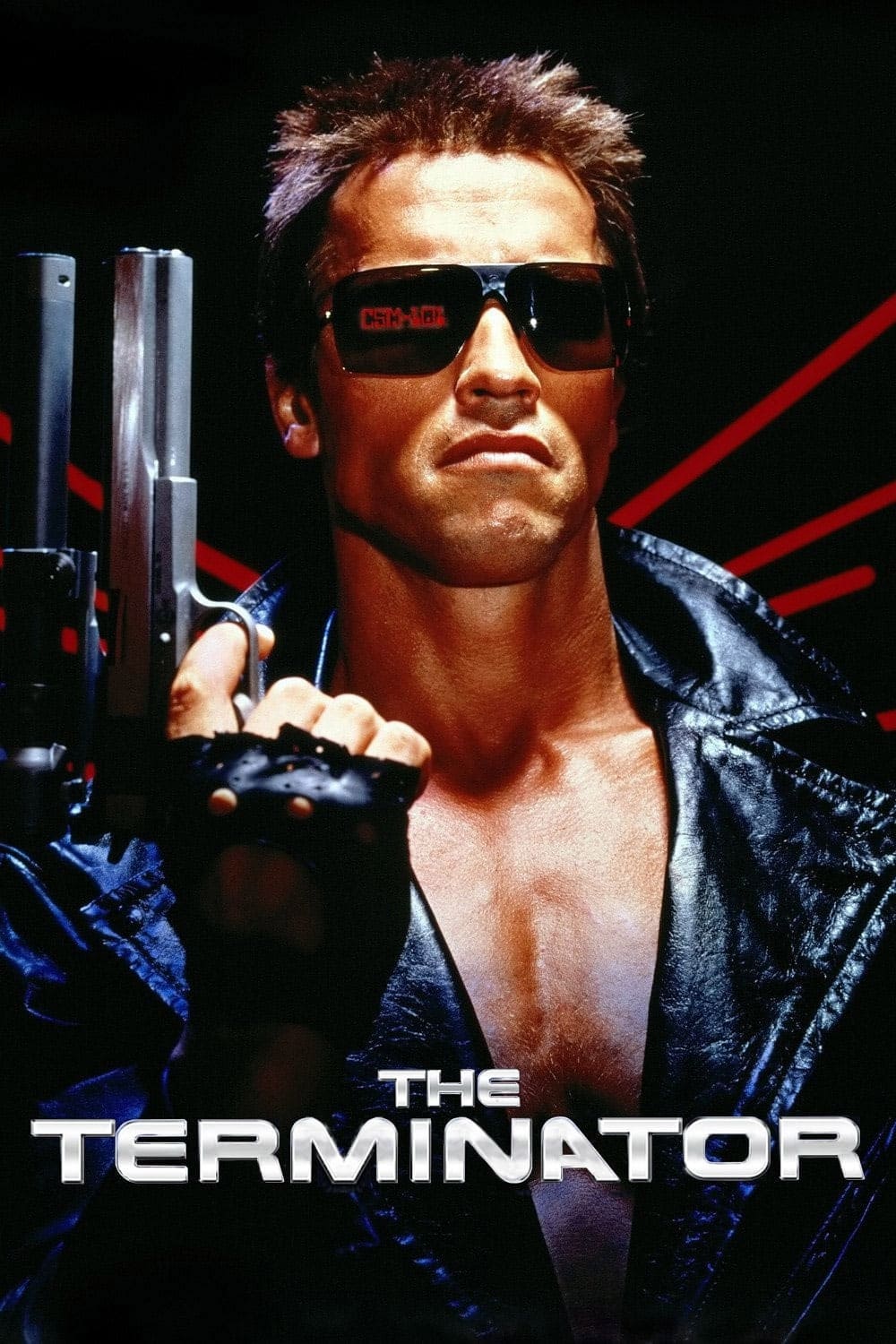
A cyborg assassin is sent back in time to kill the mother of the future resistance leader before he can be born. The skeletal metal chassis of the Terminator is revealed in the final act after its human skin is burned away. Stop motion animation brought the relentless machine to life as it chased the protagonists through a factory. The mechanical movement of the puppet perfectly suited the robotic nature of the character.
‘Ghostbusters’ (1984)
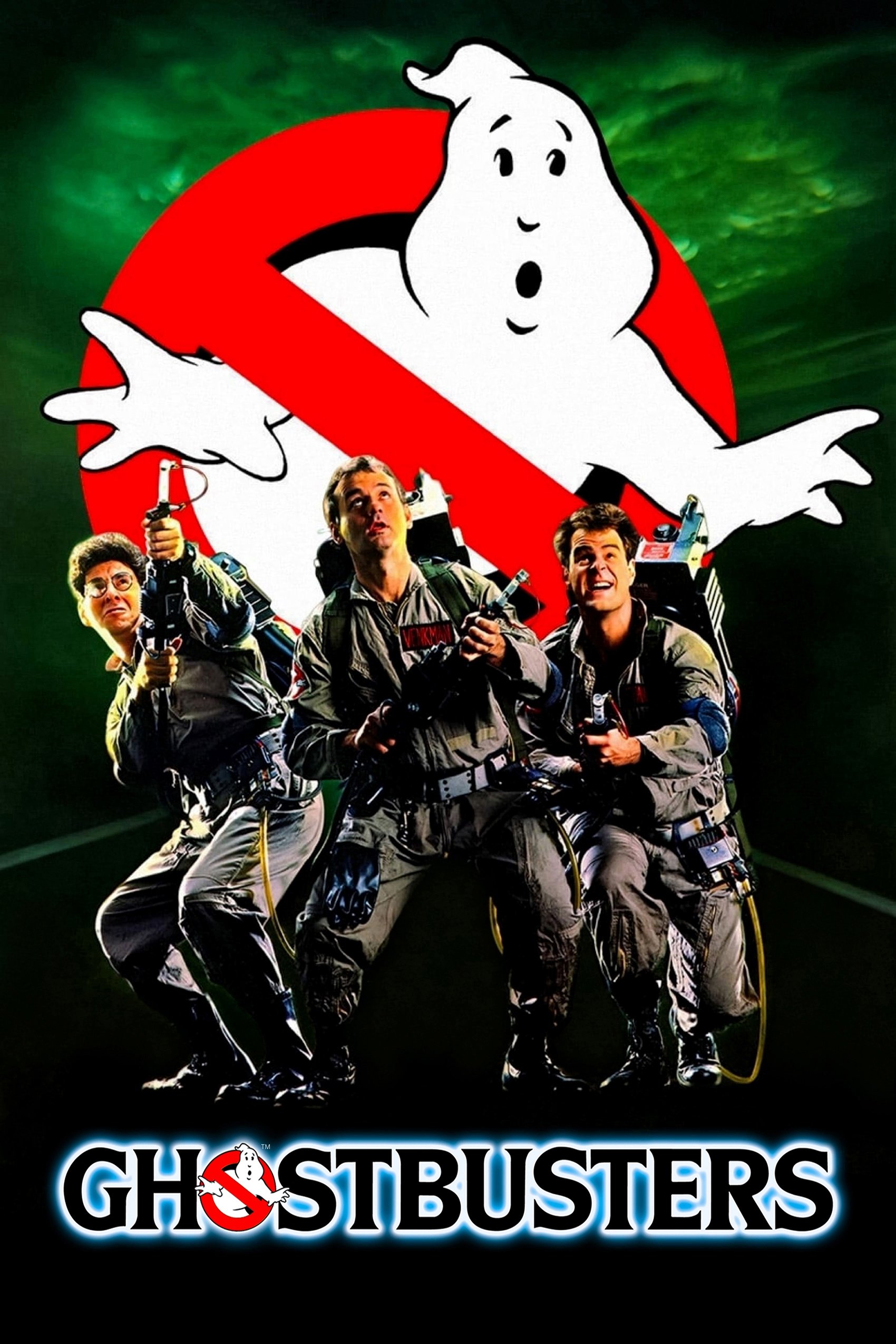
Parapsychologists start a ghost-catching business in New York City and eventually face a supernatural apocalypse. The demonic terror dogs Zuul and Vinz Clortho were realized using a combination of full-size puppets and stop motion puppets for wide shots. The animation allowed the creatures to run and leap in ways that the heavy animatronics could not achieve on set. These effects helped sell the physical threat of the minions of Gozer.
‘Return to Oz’ (1985)
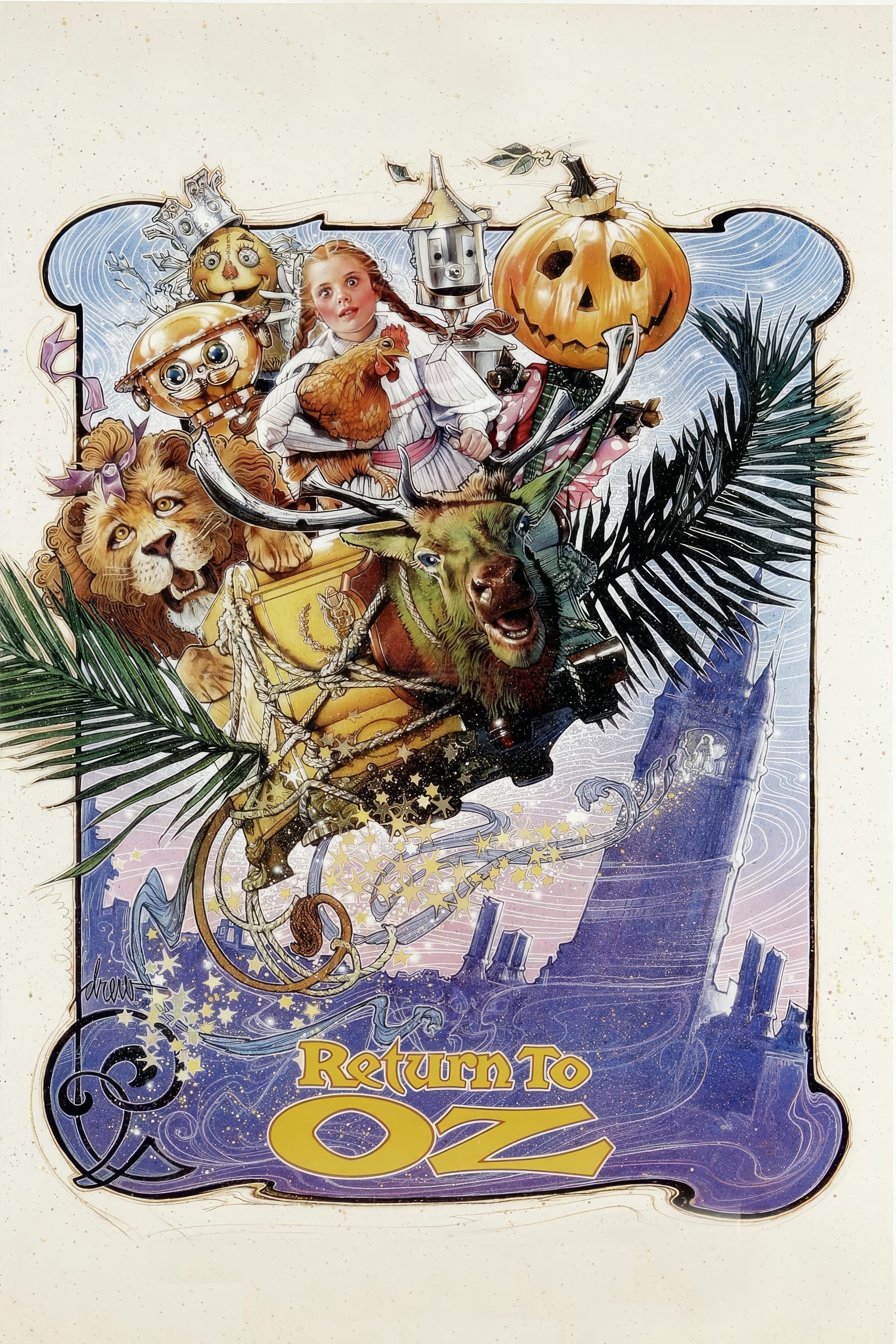
Dorothy returns to a darker and more dangerous version of Oz to find her friends and restore the Emerald City. The villainous Nome King and his rocky subjects were created using Claymation techniques that allowed them to morph out of the stone walls. This unique visual style distinguished the characters from the rest of the live-action environment. The film is remembered for its impressive production design and the uncanny nature of its animated antagonists.
‘RoboCop’ (1987)
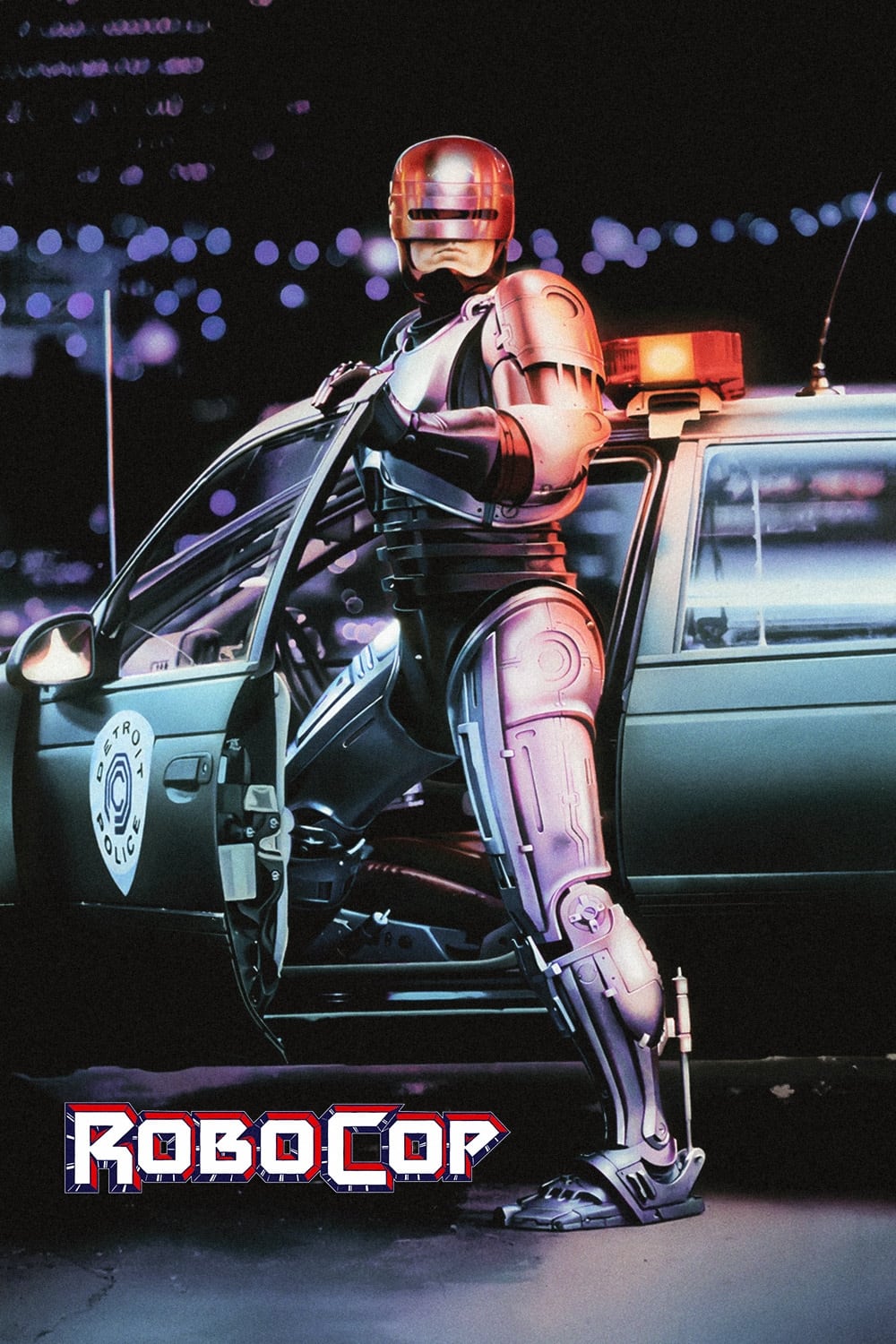
A fatally wounded cop returns to duty as a powerful cyborg law enforcer in a dystopian Detroit. The menacing ED-209 enforcement droid was brought to life using stop motion animation to give it a heavy and mechanical gait. Phil Tippett animated the robot to move with an aggressive and clumsy demeanor that contrasted with the sleek movements of RoboCop. The boardroom scene where the droid malfunctions is a classic example of practical effects storytelling.
‘Beetlejuice’ (1988)
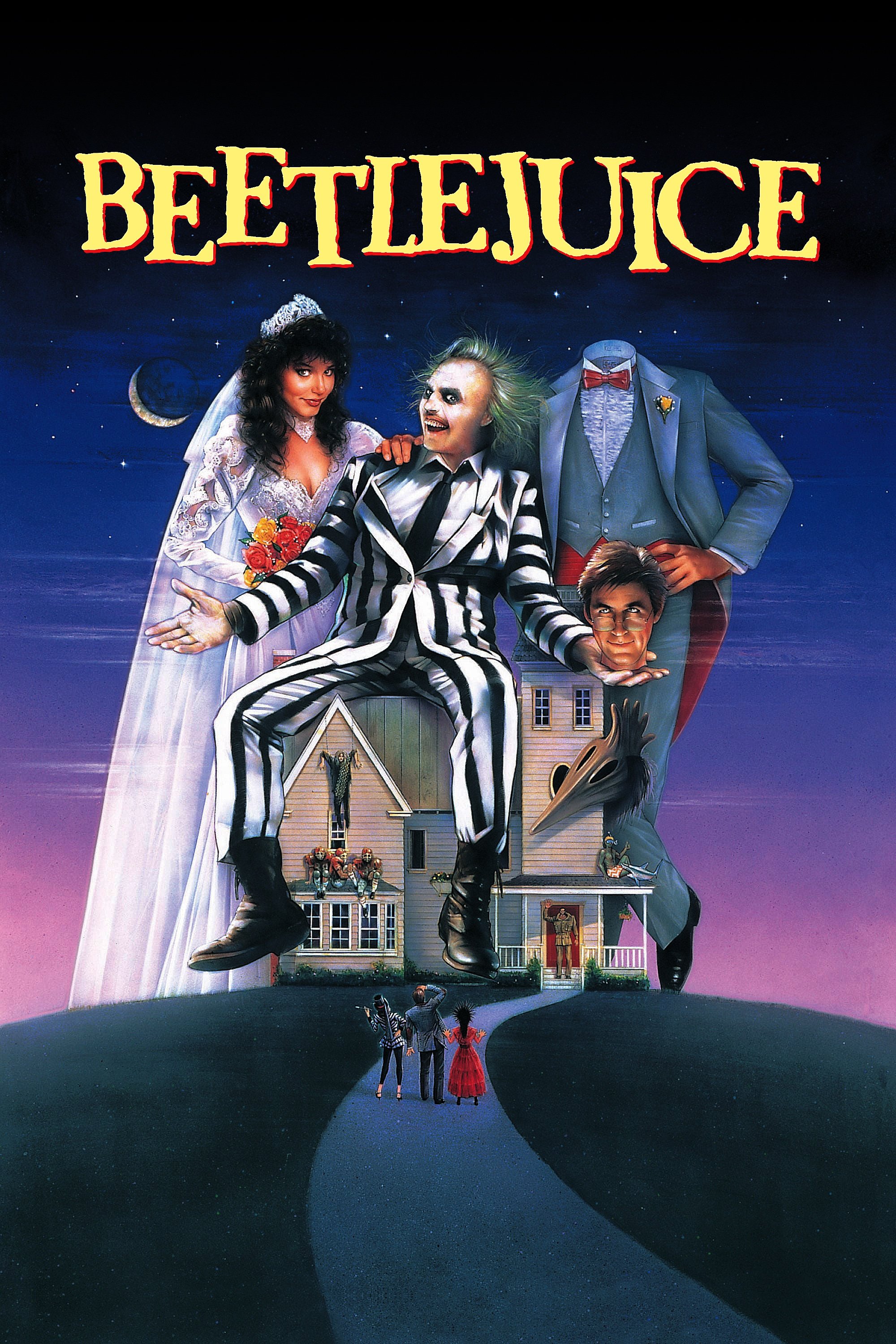
A deceased couple hires a malicious spirit to drive away the unbearable family that has moved into their home. Director Tim Burton used stop motion animation to create the surreal sand worms and the transformed faces of the main characters. These effects contributed to the quirky and gothic aesthetic that defines the visual style of the movie. The distinct look of the animation fits perfectly within the bizarre afterlife rules established in the story.
‘The Life Aquatic with Steve Zissou’ (2004)
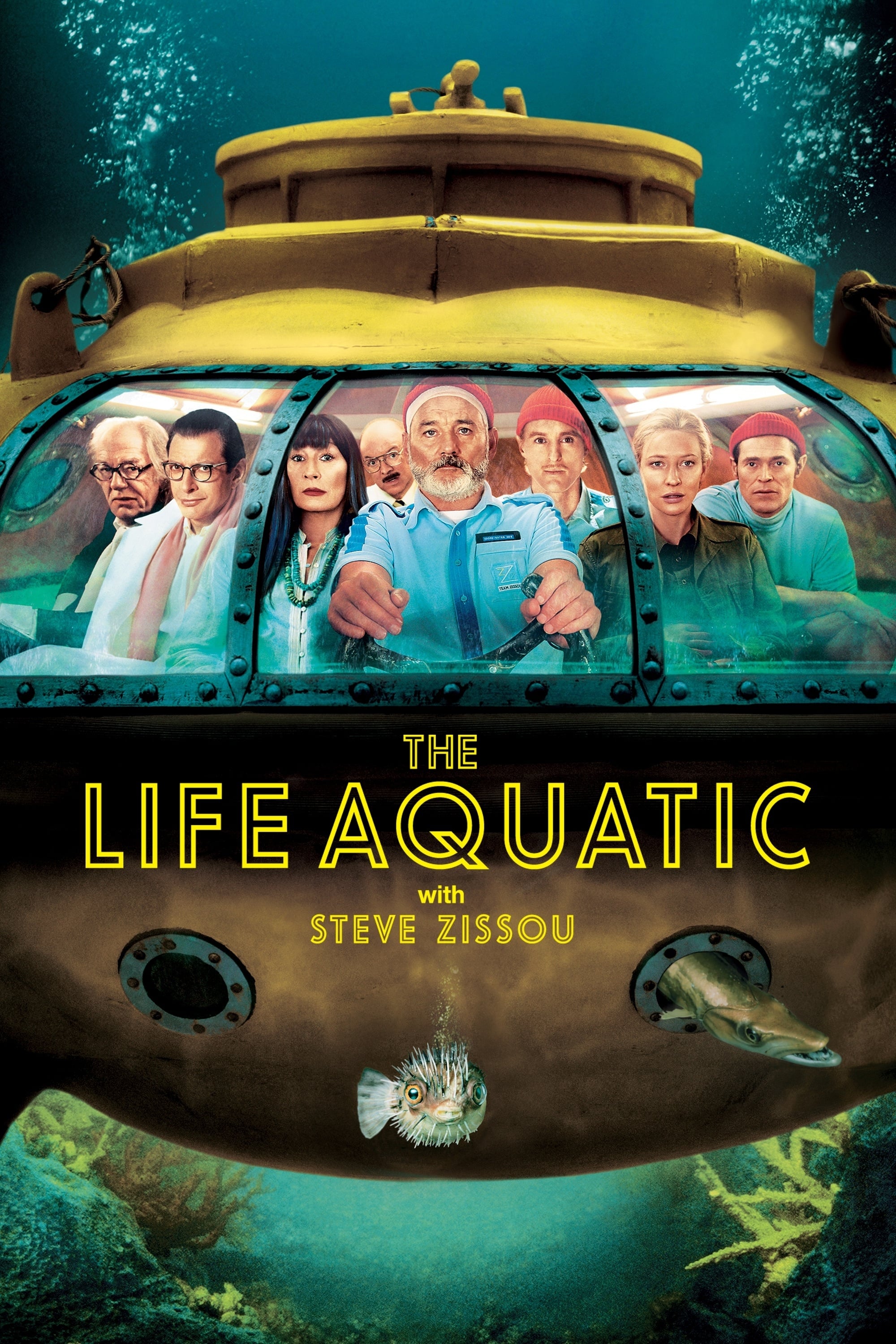
An oceanographer hunts for the jaguar shark that ate his partner while dealing with a chaotic film crew. Director Wes Anderson utilized stop motion animation for all the sea creatures to give the underwater world a storybook quality. Henry Selick oversaw the creation of the colorful fish and crabs that populate the background of the diving scenes. The deliberate artificiality of the effects enhances the whimsical and melancholic tone of the narrative.
Tell us which of these stop motion classics is your favorite in the comments.